Category: Galicia

  • The blonde cows of Galicia

    The blonde cows of Galicia

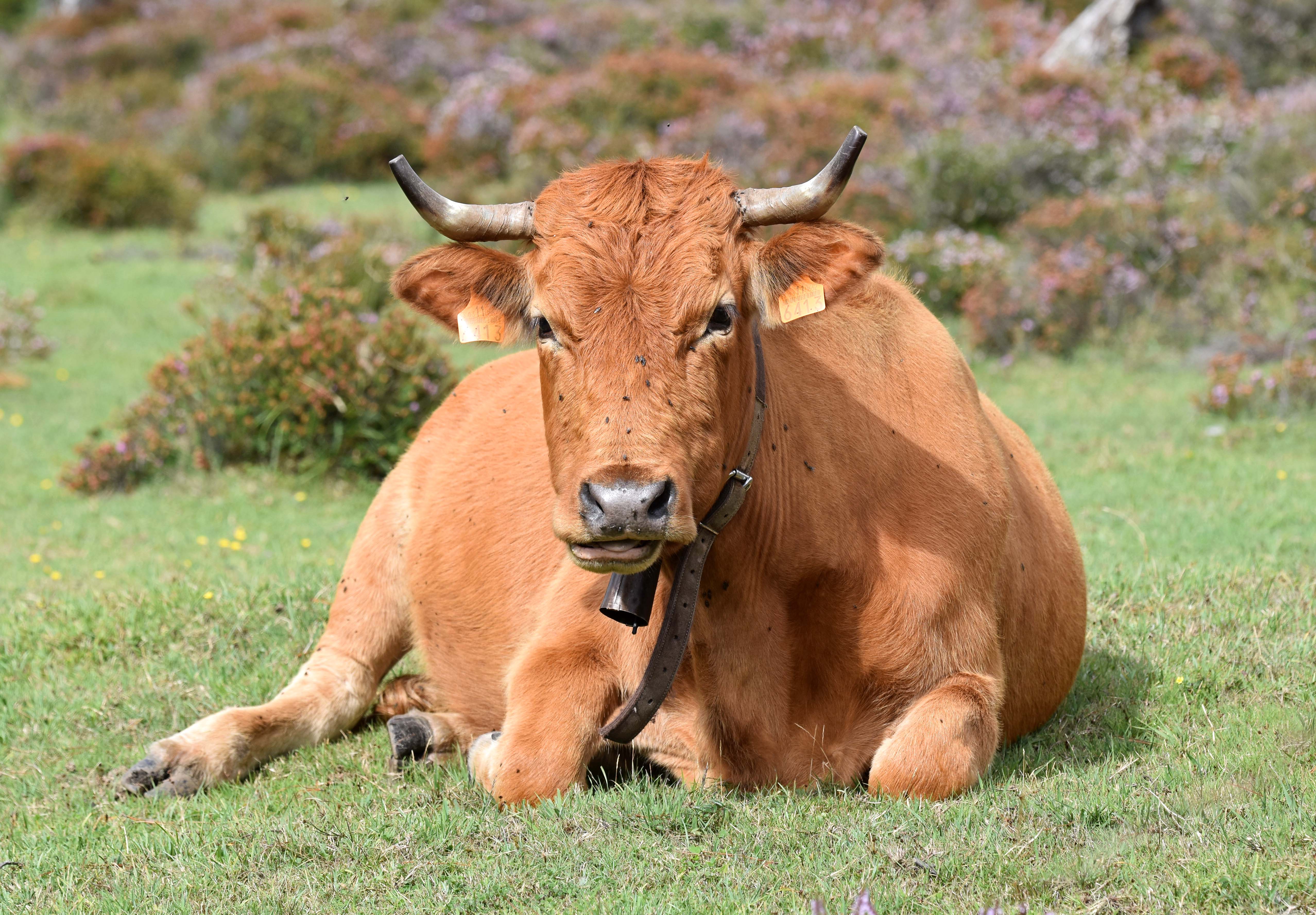
    Cow with bell. Galicia, Spain. Photograph by Raymond JC Cannon

    Readers of my blog may know that I am a frequent visitor to the Province of Galicia, in NW Spain. There are many reasons to visit this attractive region, tucked away on the shoulder of the Iberian peninsula: the beautiful countryside, the empty beaches, the cold waters of the Atlantic!, the cuisine, the rustic architecture, the Gallegan culture (Gallego is the native language of Galicia) and so on.  But one I have not dealt with before, is the cows!
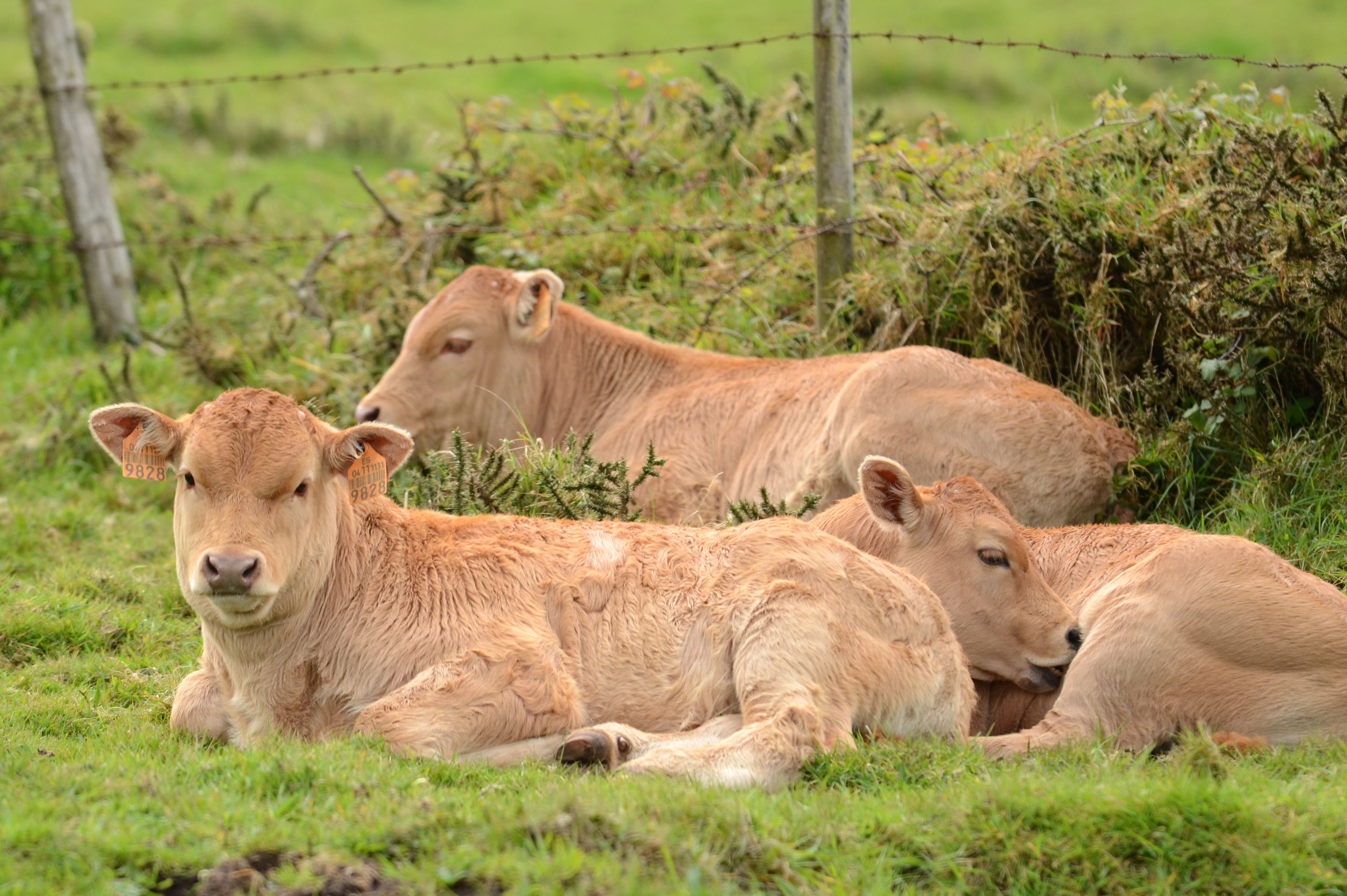
    Young calves resting in a meadow. An idyllic life apart from the flies! Galicia, Spain. Photograph by Raymond JC Cannon

    Galician cows are adorable. First of all they are such an attractive colour. The commonest breed by far, is the Rubia Galega, or the Galician Blond beef cow. Whether or not you are a meat-eater, I think it is fair to say that these animals are well-treated and seem to me to have a very comfortable existence. As these photographs show, they are usually to be seen sitting in an idyllic meadow, quietly chewing the cud, far away from any stress or hassle!
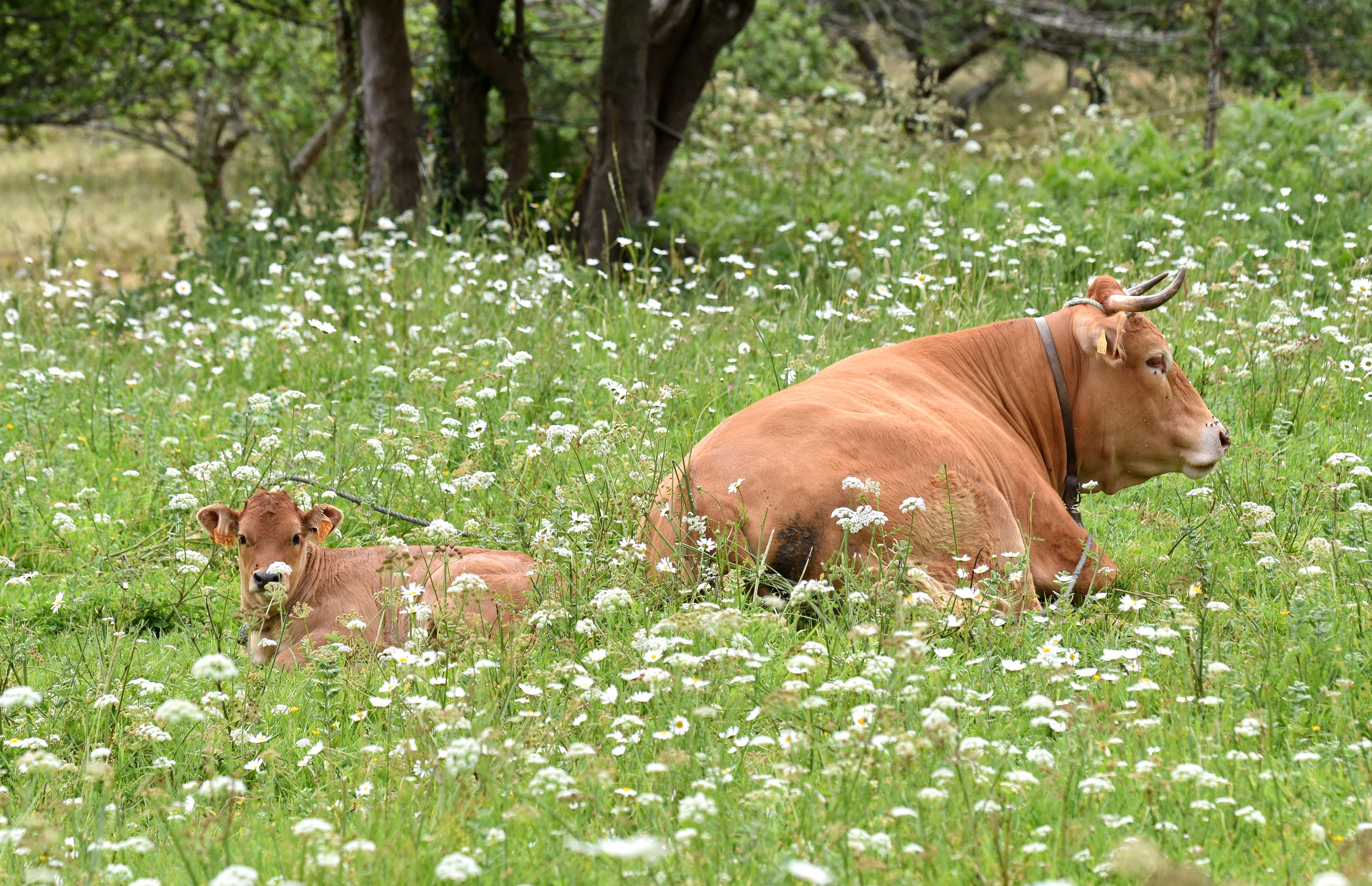
    Rubia Galega cows in a meadow. Galicia, Spain. Photograph by Raymond JC Cannon

    Galicia is a rural land of smallholders, with many small farms and scattered plots. Whilst agriculture in this autonomous region is becoming more intensified, it seems to be much more small-scale and self-sufficient than many others parts of Europe. Whilst that might not be good for productivity and profits, it certainly is good for cows!
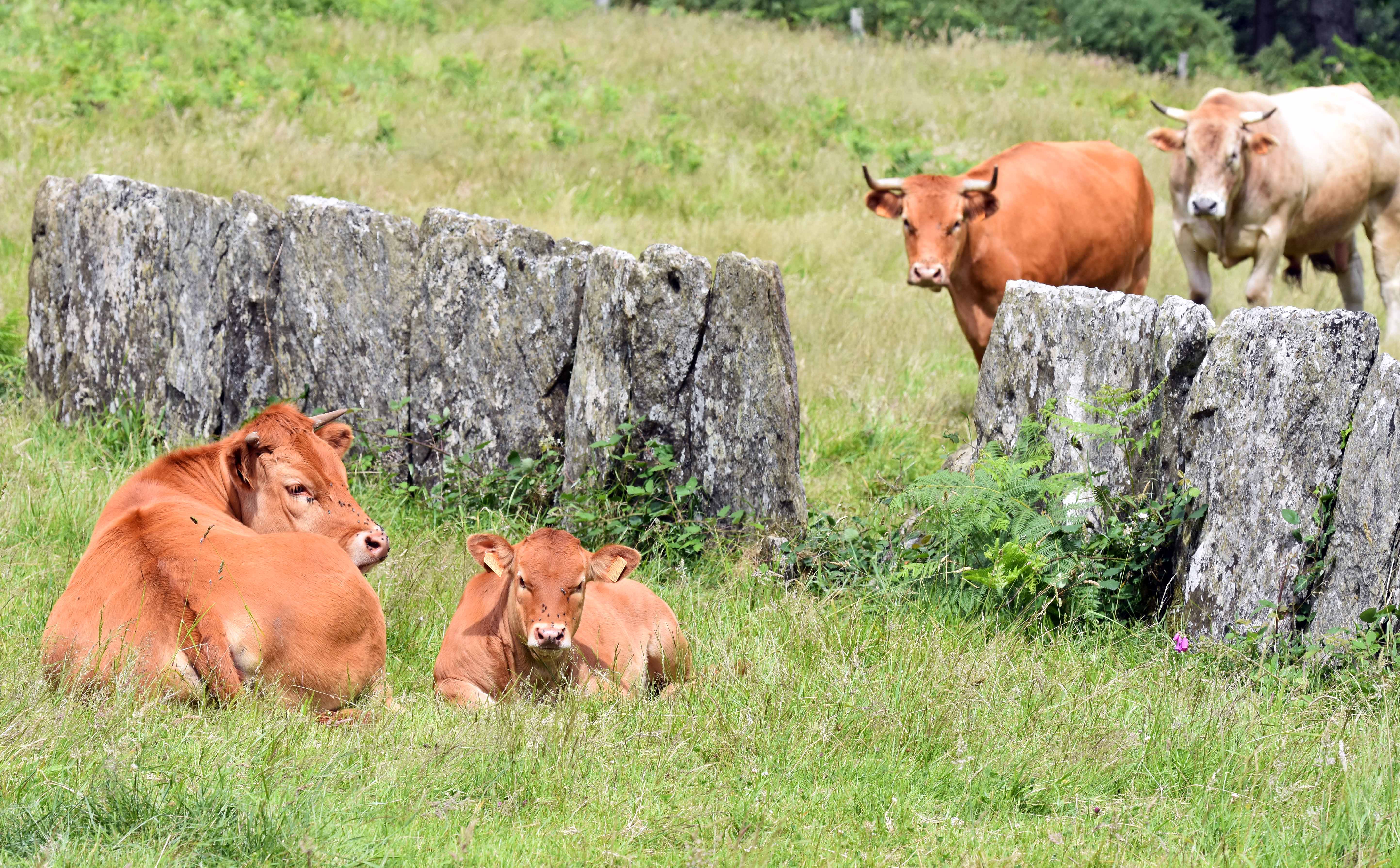
    Cows by traditional stone wall. Galicia, Spain. Photograph by Raymond JC Cannon

    Alas, this quiet, small-scale way of life is probably not sustainable in the long term. Galicia has been changing since the 1950s, but it is still a relatively poor area – compared to other regions of Spain – without too much major industry, and a largely rural economy. Many people have left Galicia to look for work elsewhere, in Europe, and the rest of the world. So, many of the traditional stone farm houses – with their characteristic slate roofs (below) have been left to slide back into the earth from which they came!
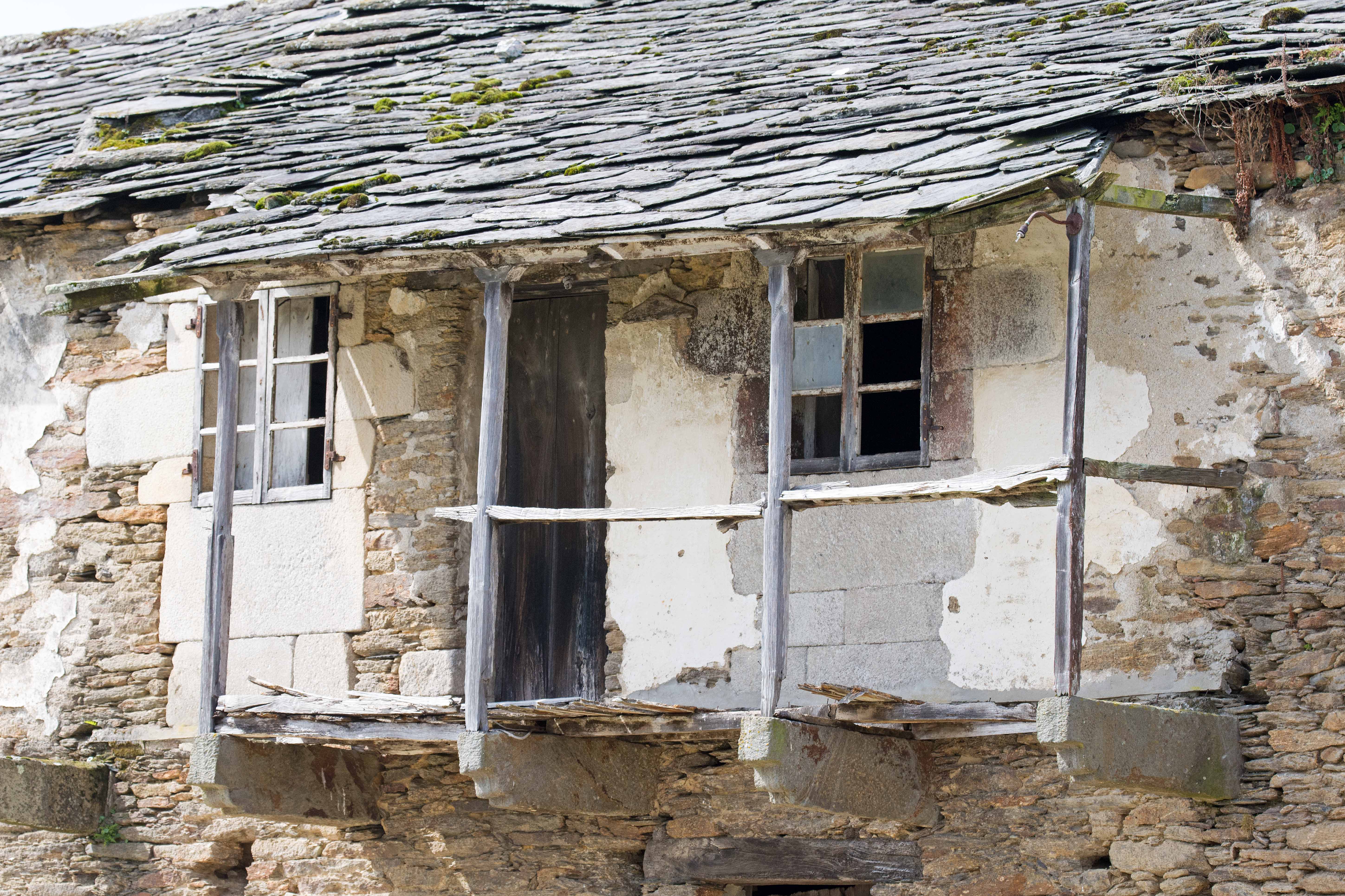
    Traditional Galician farm house abandoned. Galicia, Spain. Photograph by Raymond JC Cannon

    I get the impression that, like a lot of agricultural communities (the UK included), the people working the land are getting on in years. Whilst it may be an idyllic and healthy life-style for some, running a small farm or smallholding does not make much money. Yet there must be opportunities to turn this unspoiled and pristine land into high value – i.e. high quality – crops, be they plant or animal.
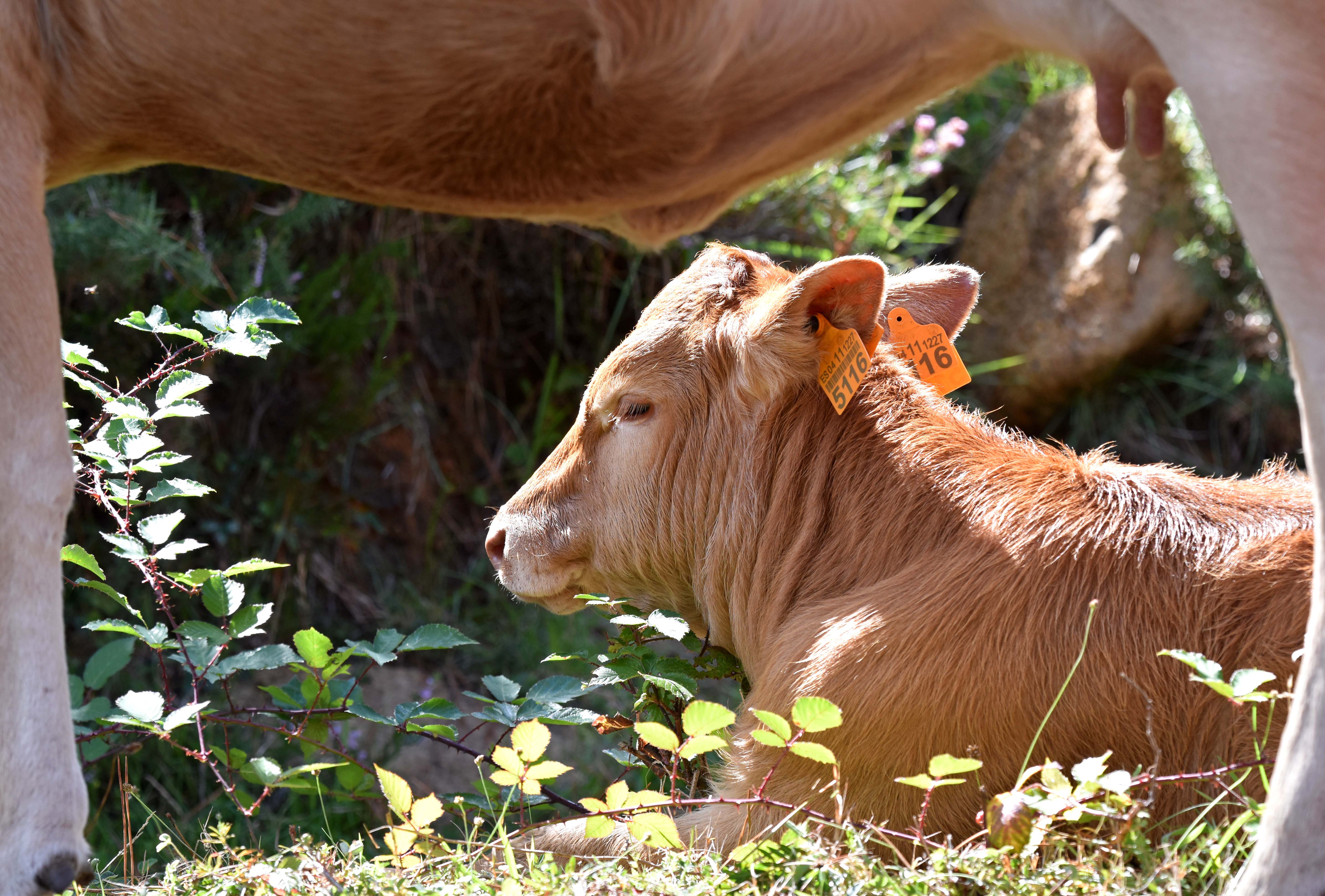
    Rubia Galega calf in a meadow. Galicia, Spain. Photograph by Raymond JC Cannon

    Galicia is a very tranquil and uncrowded part of Europe. Most foreign tourists head to the beaches on the Mediterranean coasts of Spain. The Spanish themselves know to head north (not south!) in summer, and some parts of the coast do fill up a bit in August. But for the most part, Galicia is remarkably uncrowded, the roads are largely empty (by UK standards), and the cows get to life in peace and harmony! Have I painted an attractive enough picture yet?!

    There are other cows in Galicia, including plenty of black and white Friesian milk cows in some areas, and a number of rare breeds. One of the strangest is the Cacehna cow (below), which seems to be a sort of all-purpose cattle breed; it can be used as a draft animal, for milk and for meat.
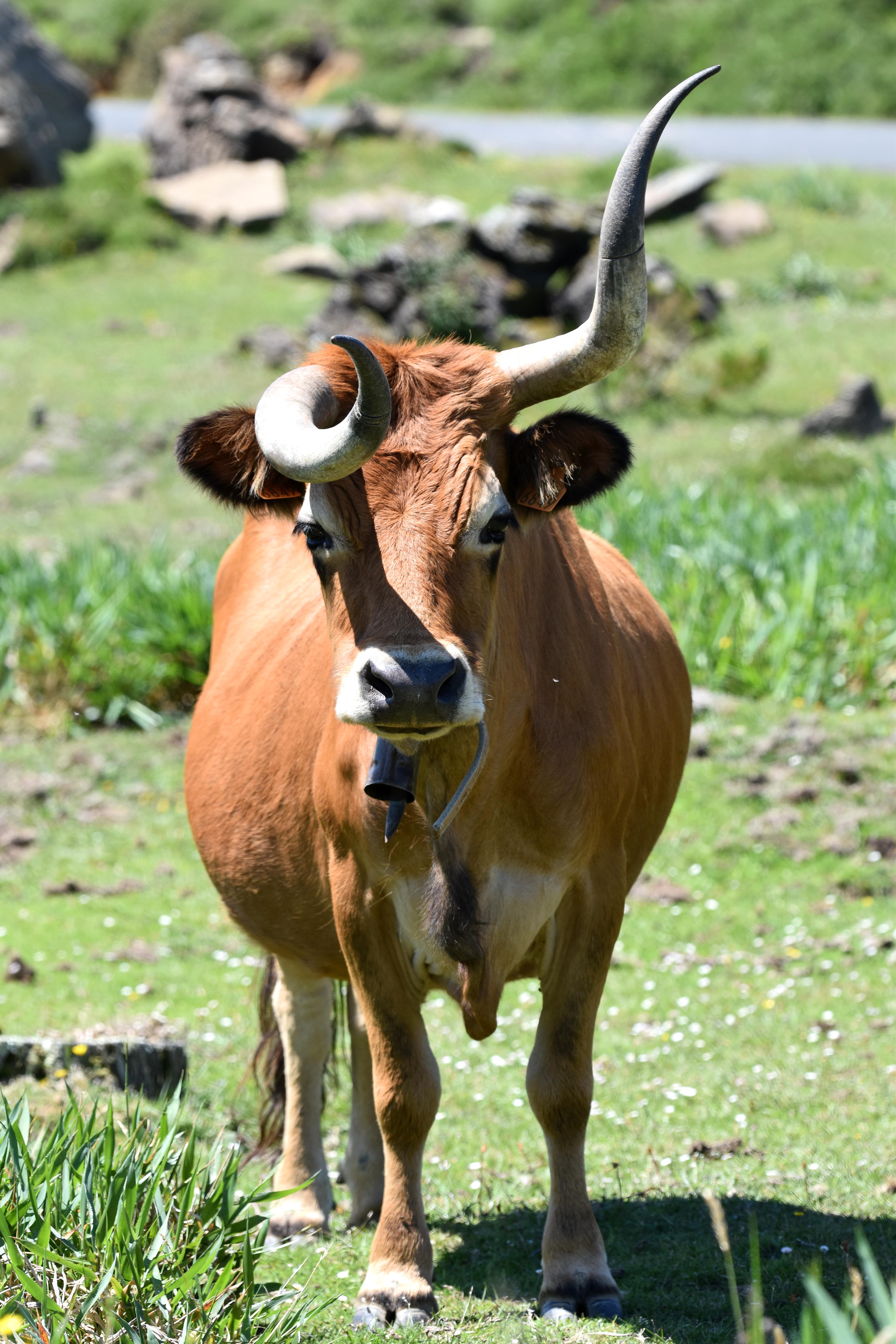
    Cachena cow with odd horns. Galicia, Spain. Photograph by Raymond JC Cannon

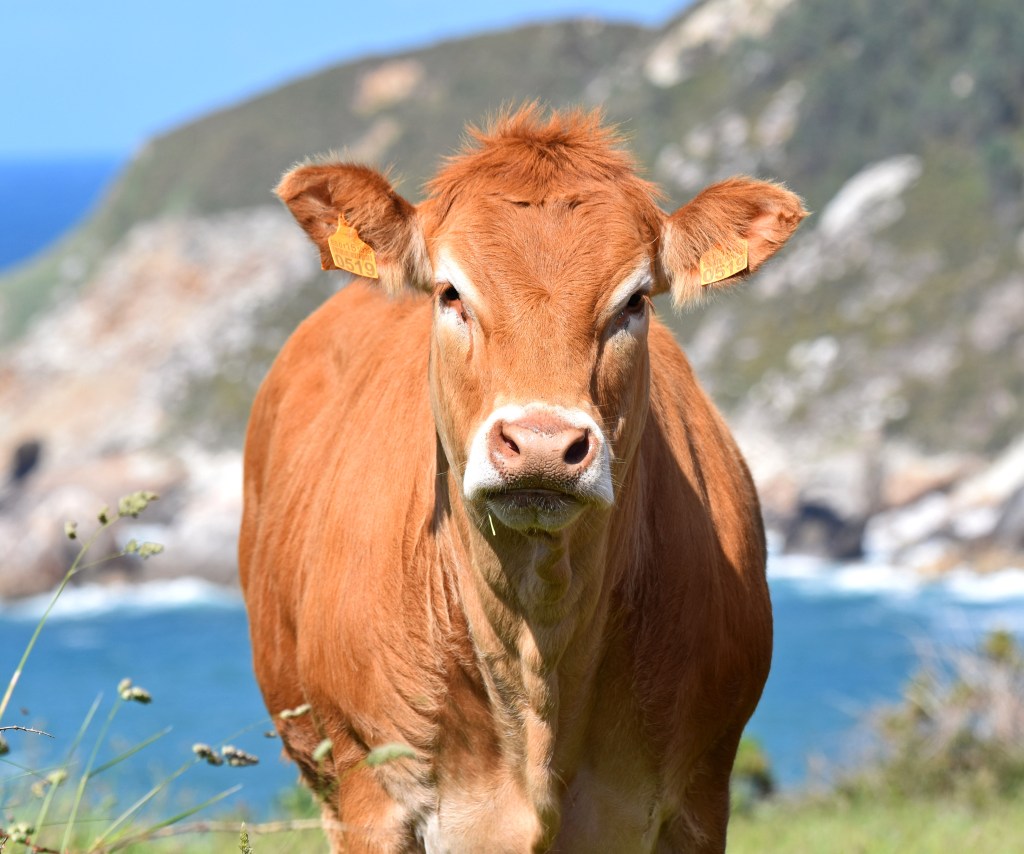
    Of course one reason why Galicia is so good for cows, is the grass! And the grass is good because it rains! But the climate is mild. Galicia, sticks out into the Atlantic, so expect sunshine and showers most days, and you will not be disappointed! So I’ll finish with a cow enjoying the sunshine in early June, by the sea.
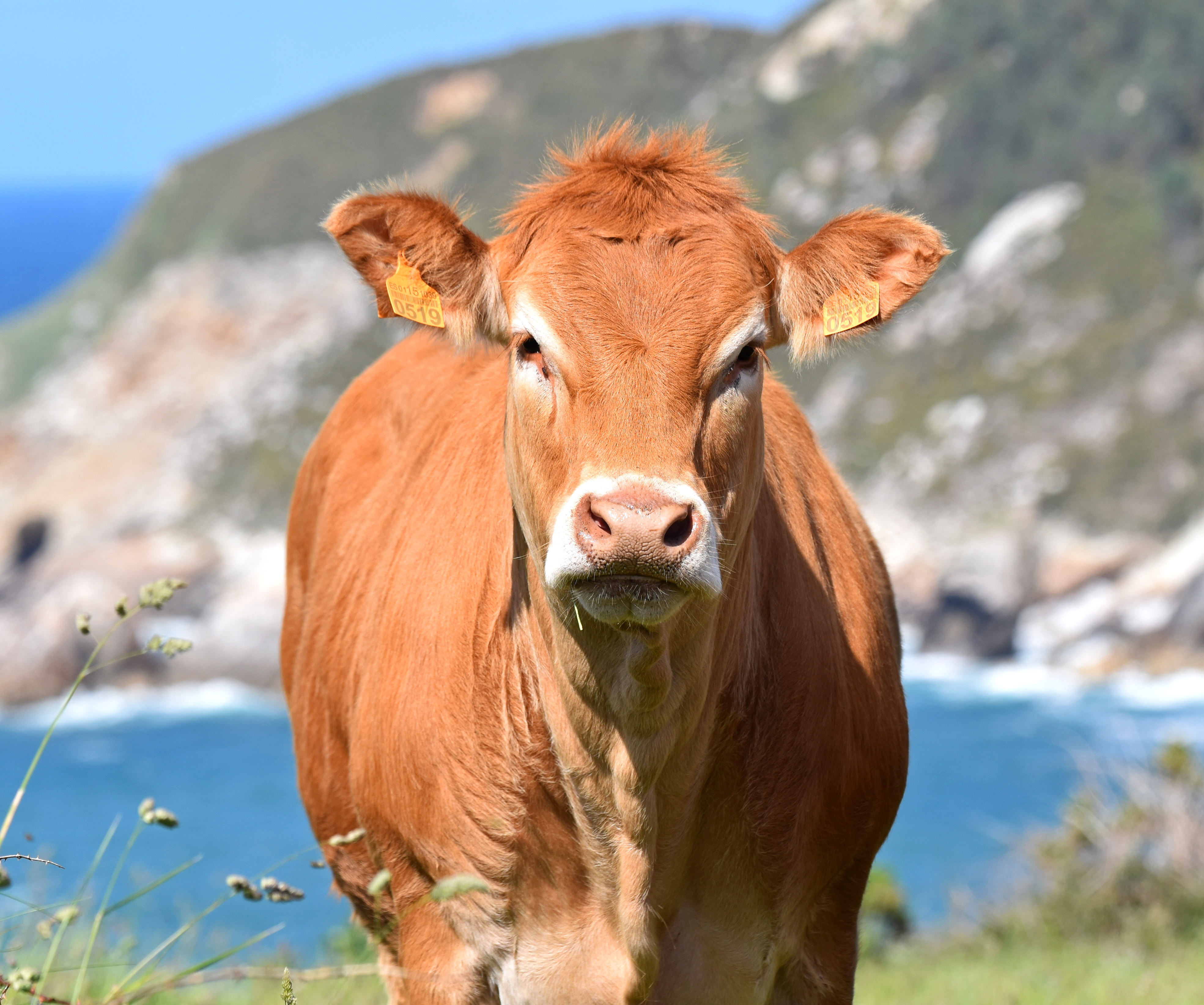
    Cow by the sea! Galicia, Spain. Photograph by Raymond JC Cannon
  • Just a tree, but also a work of art!

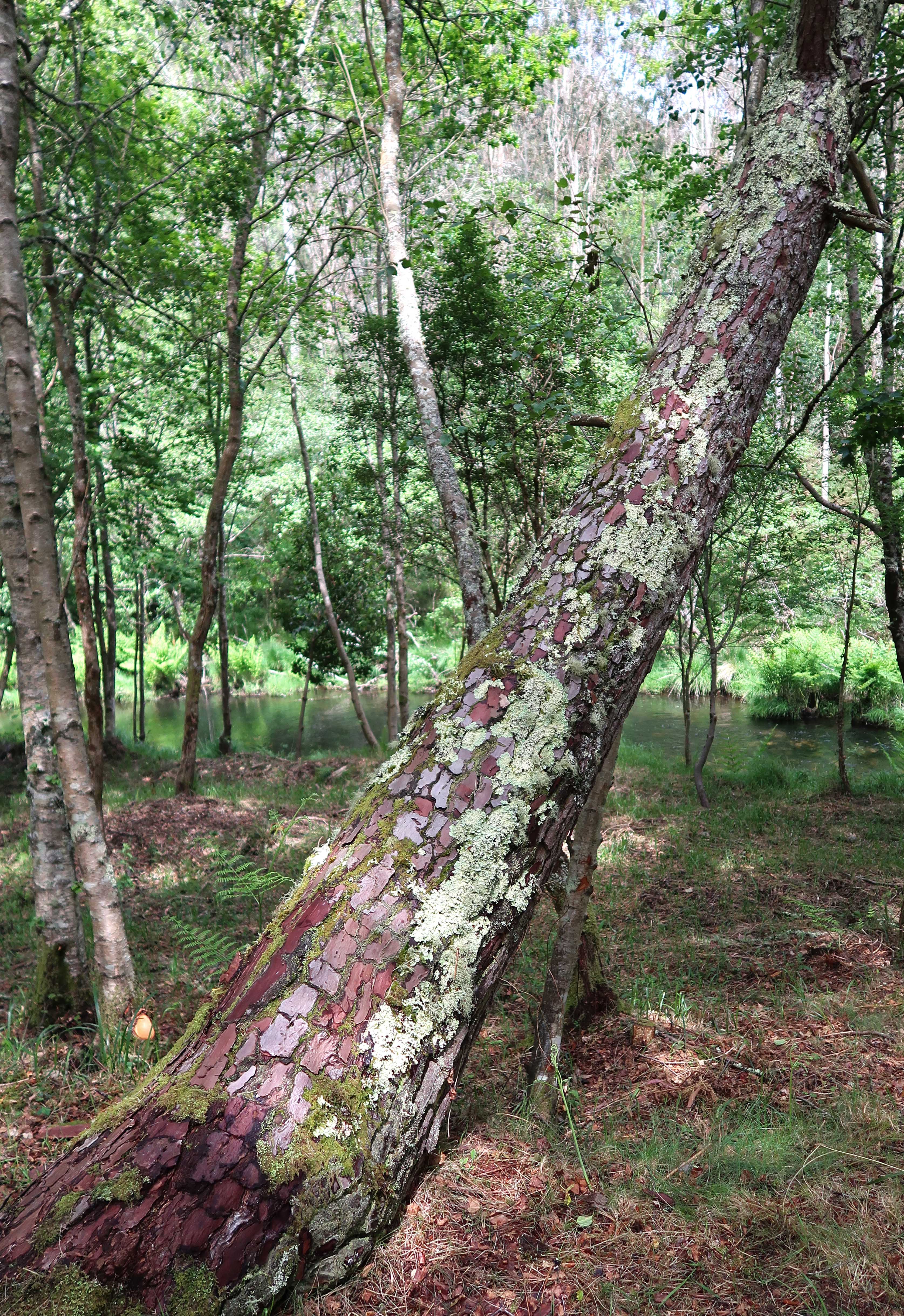
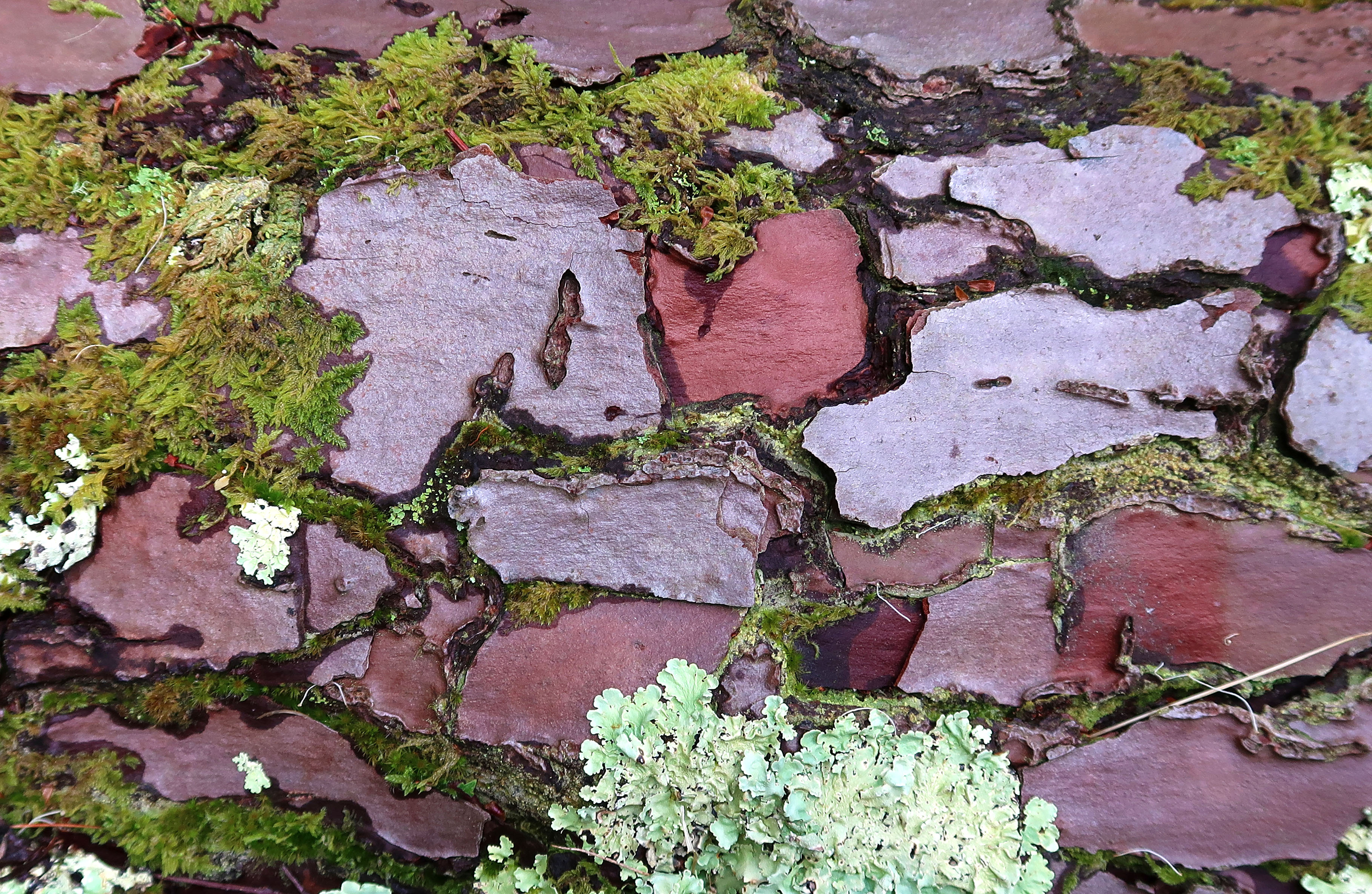
    Stone pine (Pinus pinea) tree bark. Galicia, Spain

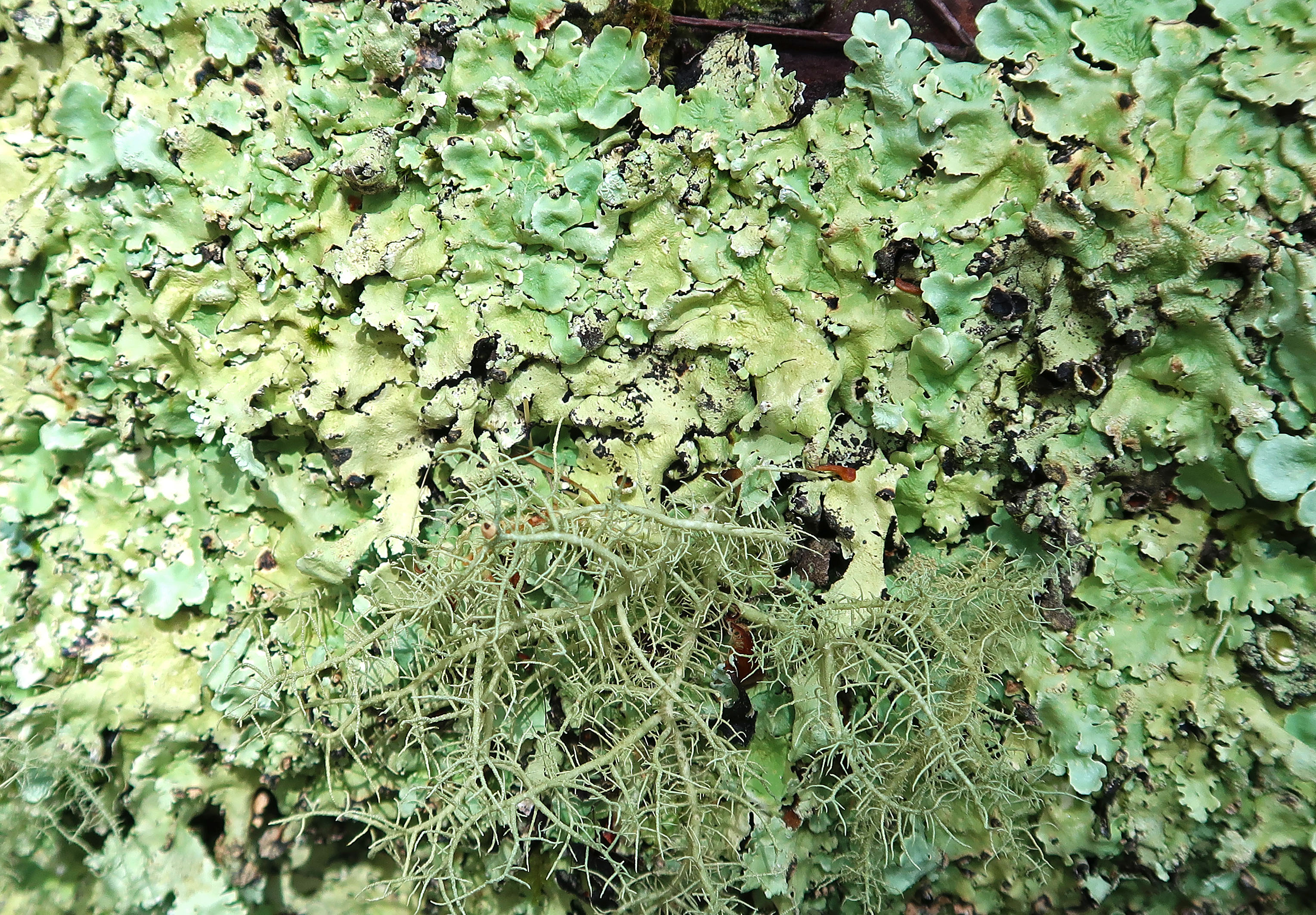
    A came across this amazing tree earlier this year in Galicia, Spain. It was partially prostrate, but still growing. The beautiful, plate-like bark was adorned with mosses and lichens, which gave it a strangely artistic effect, almost like an abstract painting! It is, I think, the stone pine (Pinus pinea L.).

    Stone pine (Pinus pinea) Rio Sor, Galicia, Spain

    What struck me most about this tree however, was the remarkably beautiful composition and texture. The presence of the lichens pointed to clean and pristine environment.

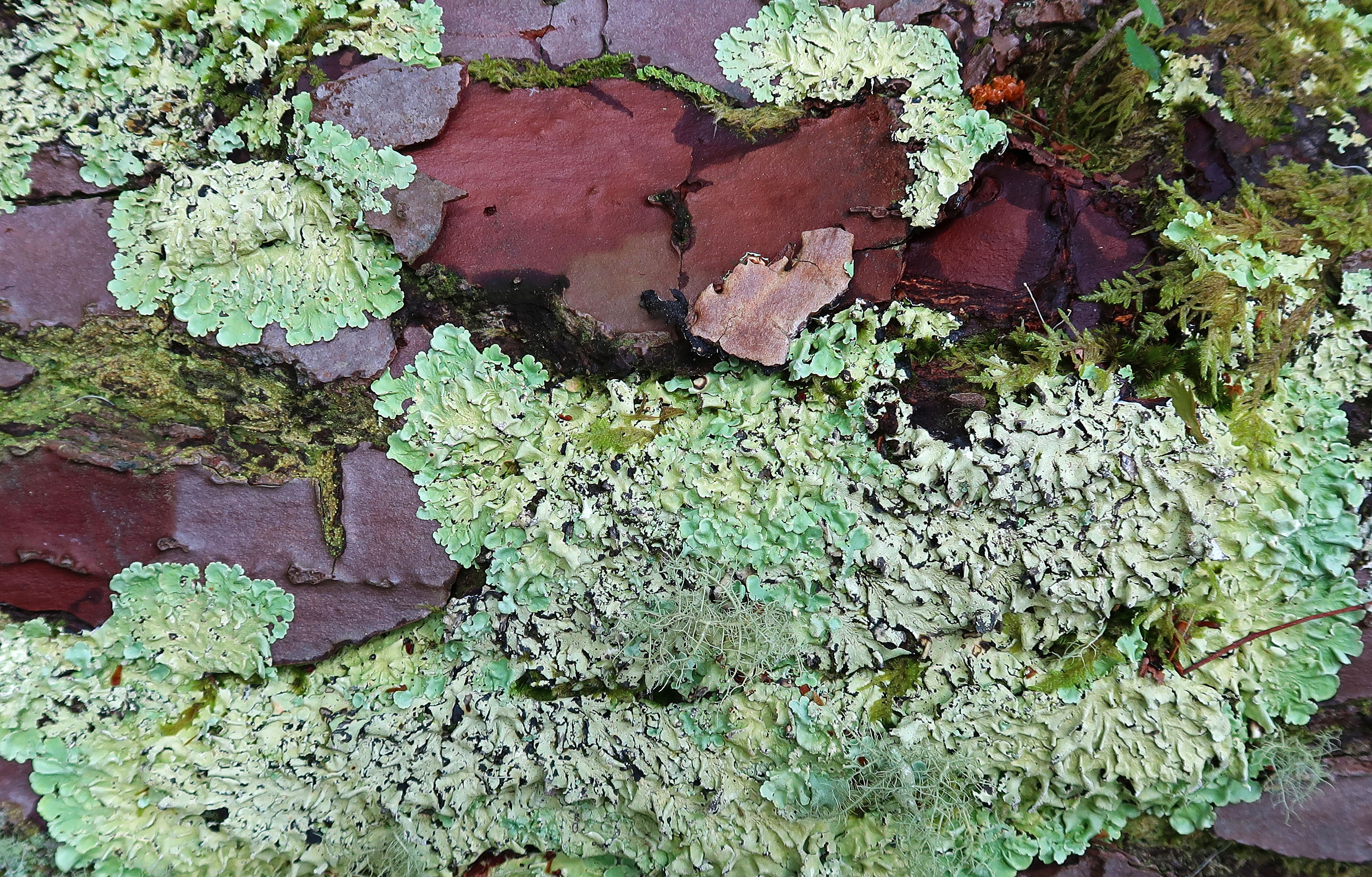
    Stone pine (Pinus pinea) with lichen

    The bark of this tree is thick and plate-like, an adaptation which protects it against fires.

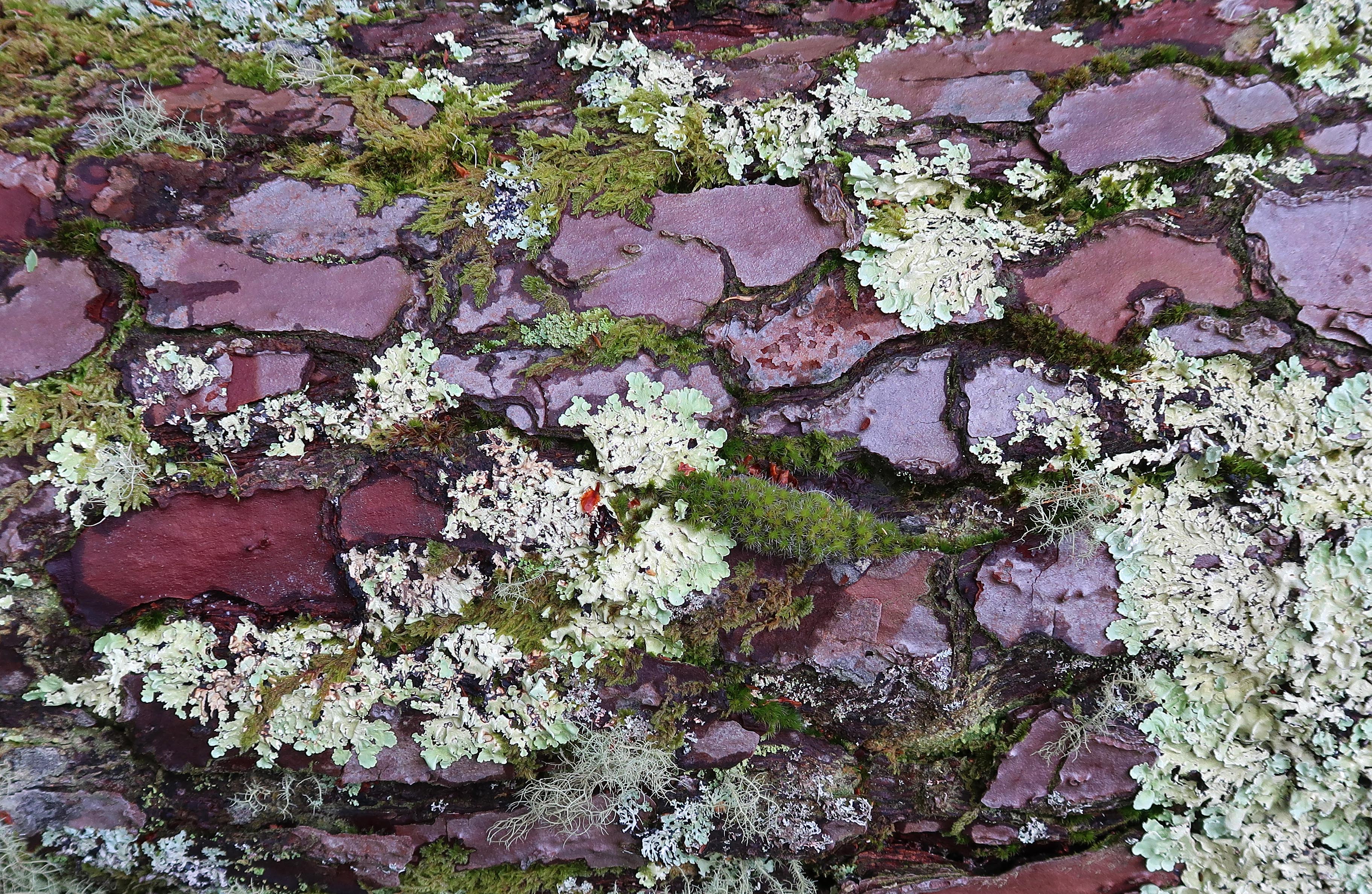
    Stone pine (Pinus pinea) bark

    Just a natural phenomenon, but a joy to see because somehow it conjures up a deep seated desire to connect with the substance of the world from which we have emerged.

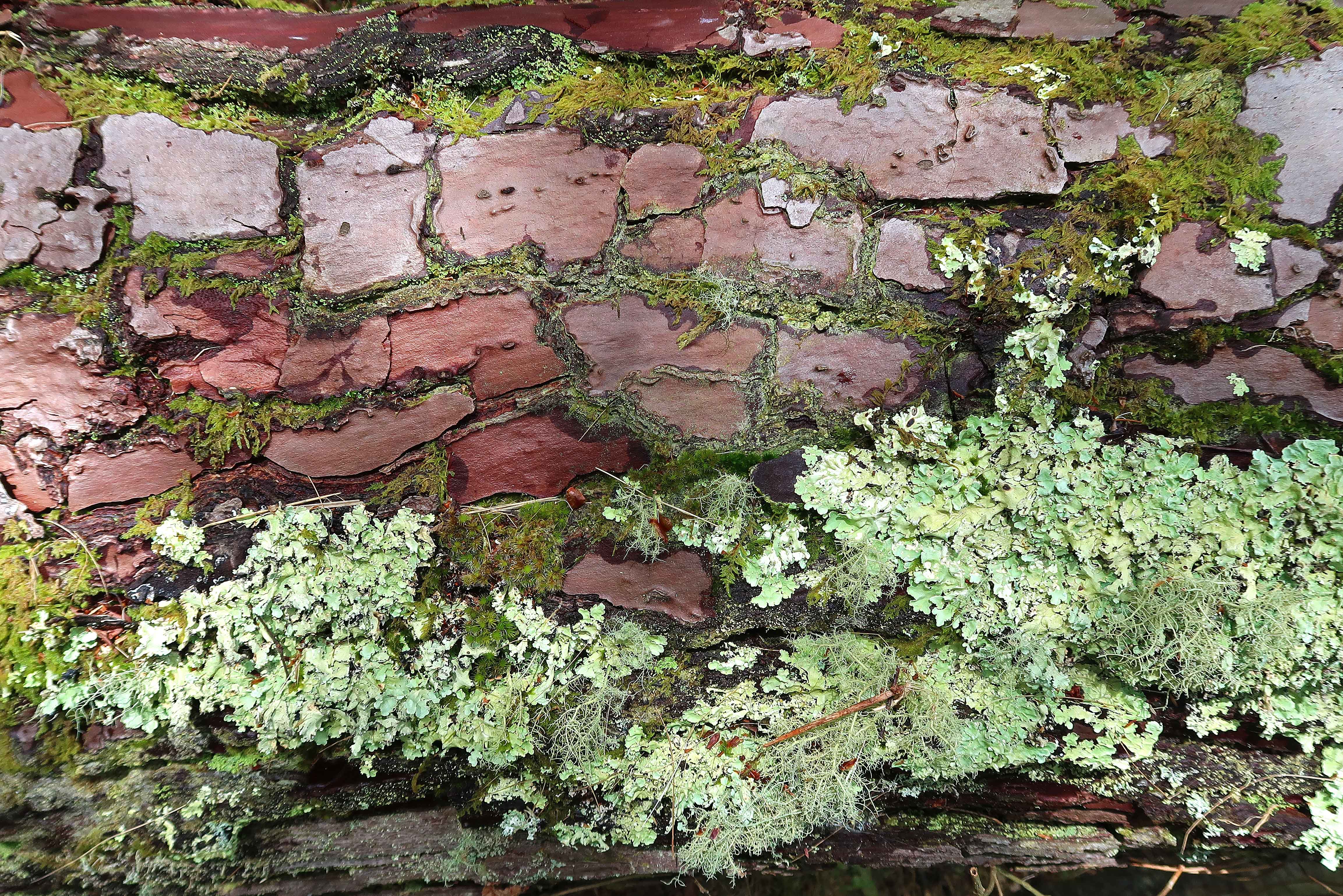
    Stone pine (Pinus pinea) bark. Rio Sor, Galicia, Spain

    And also, I think, a love of patterns and textures, which must somehow be related to our ability to find meaning in the complexity of nature.

    Fructose and foliose lichens Galicia, Spain
  • Livestock guardian dogs

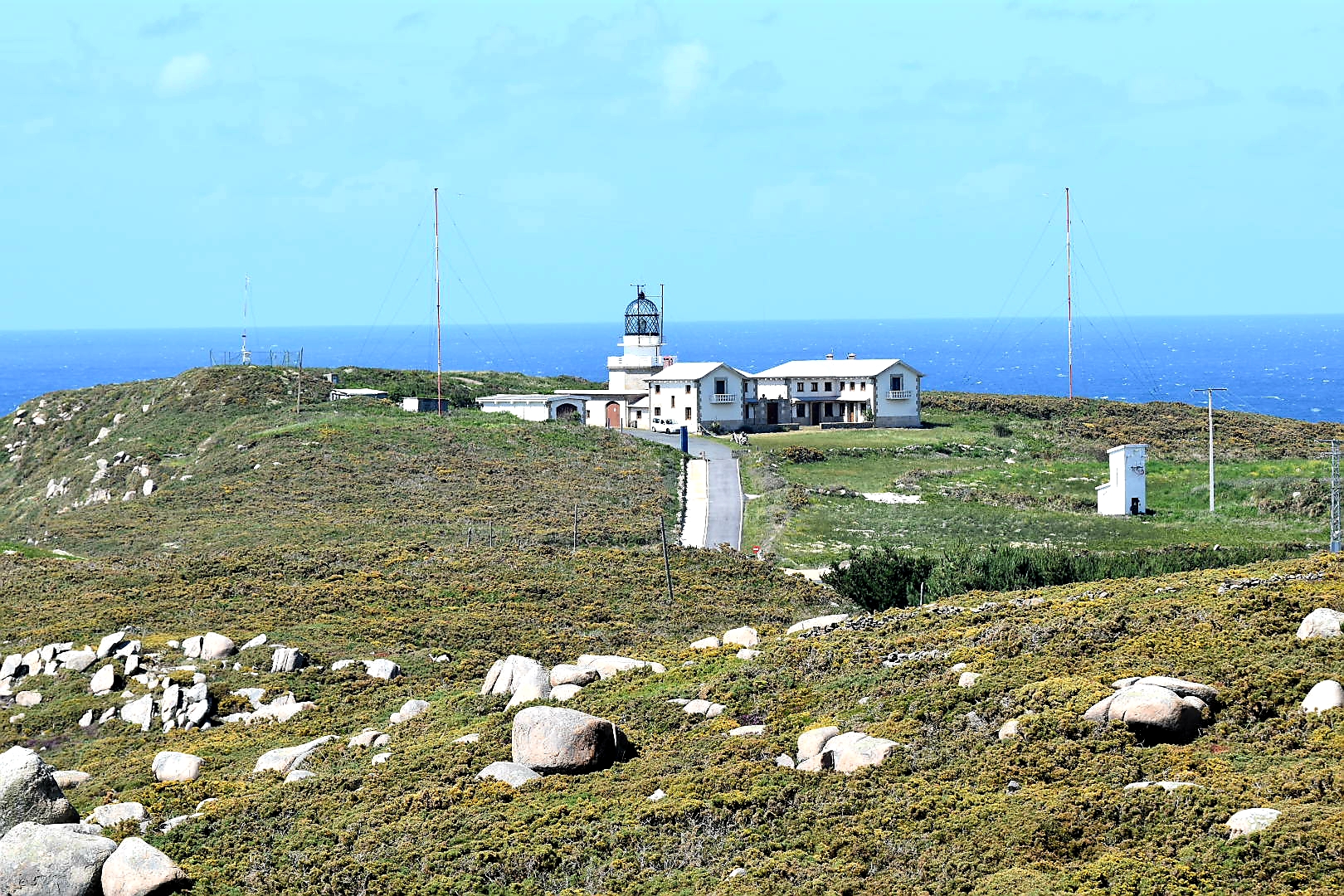
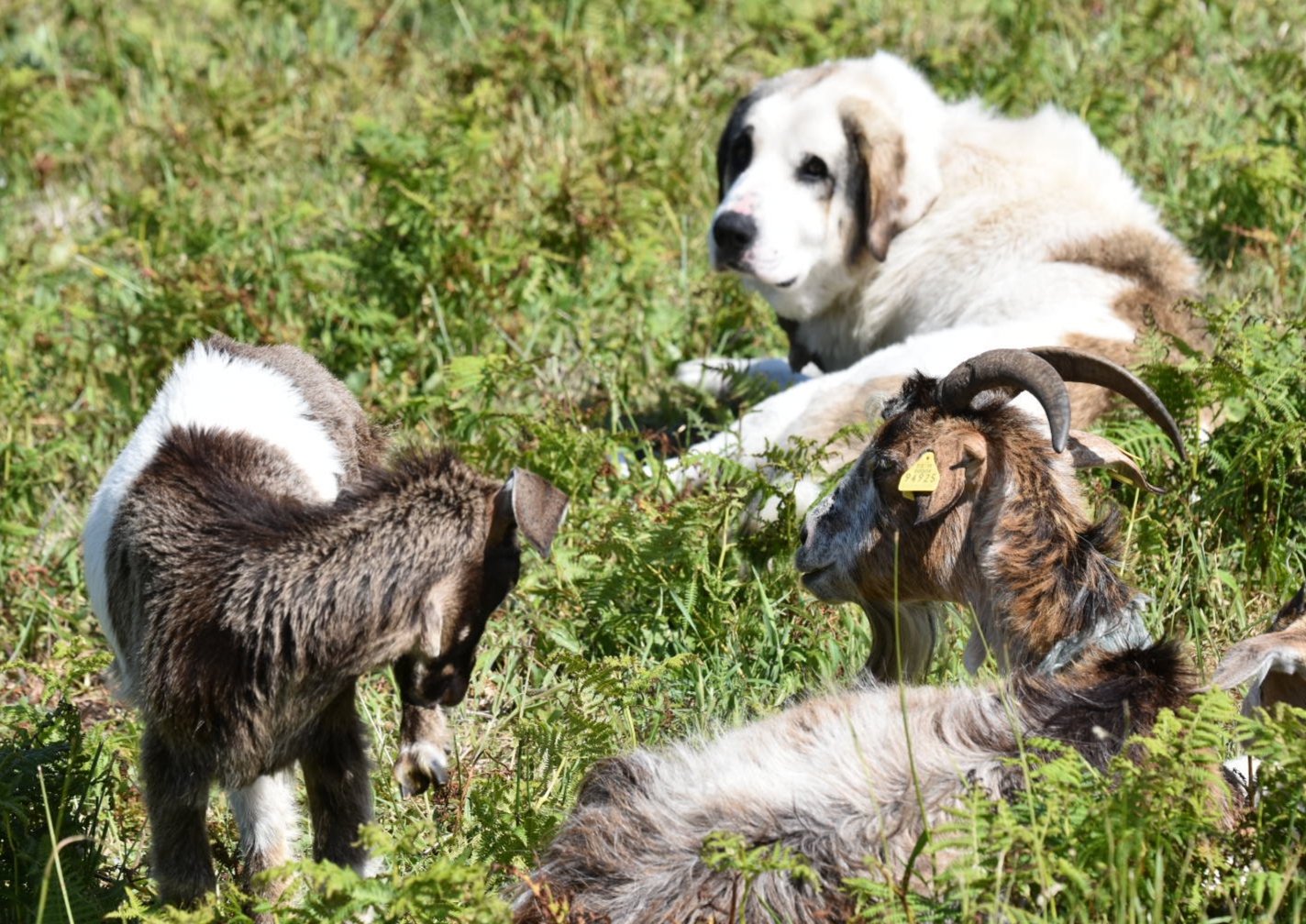
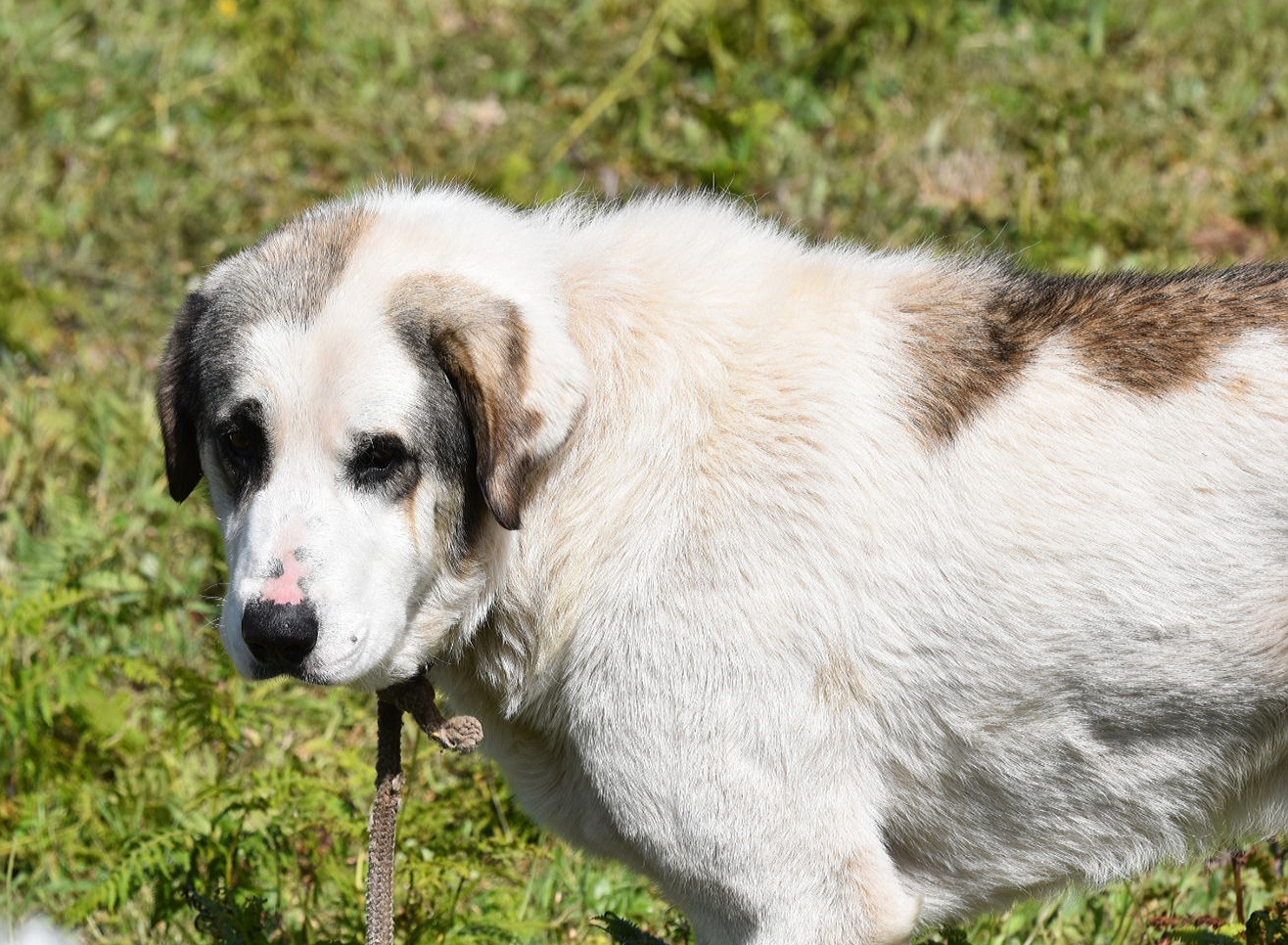
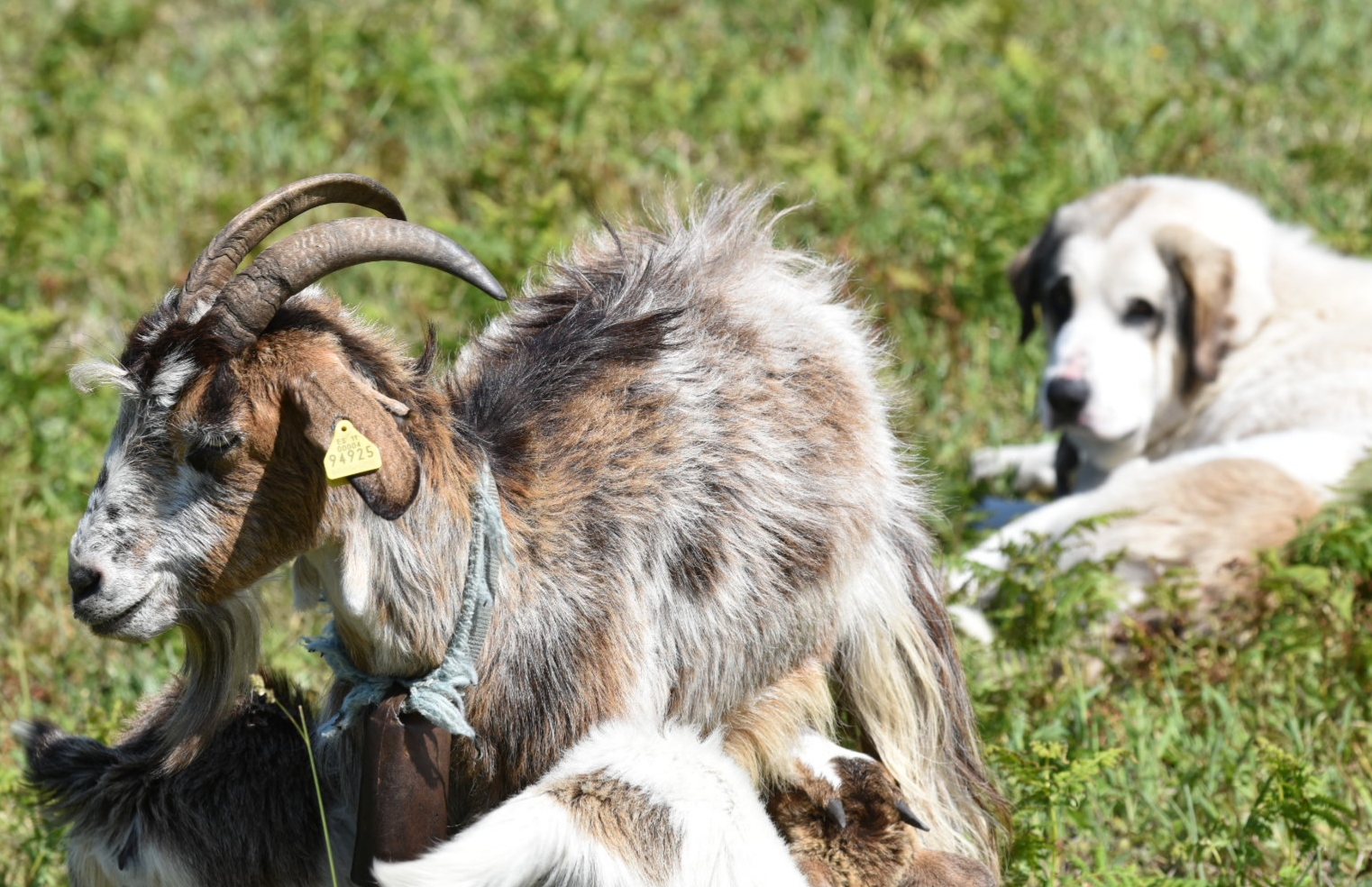
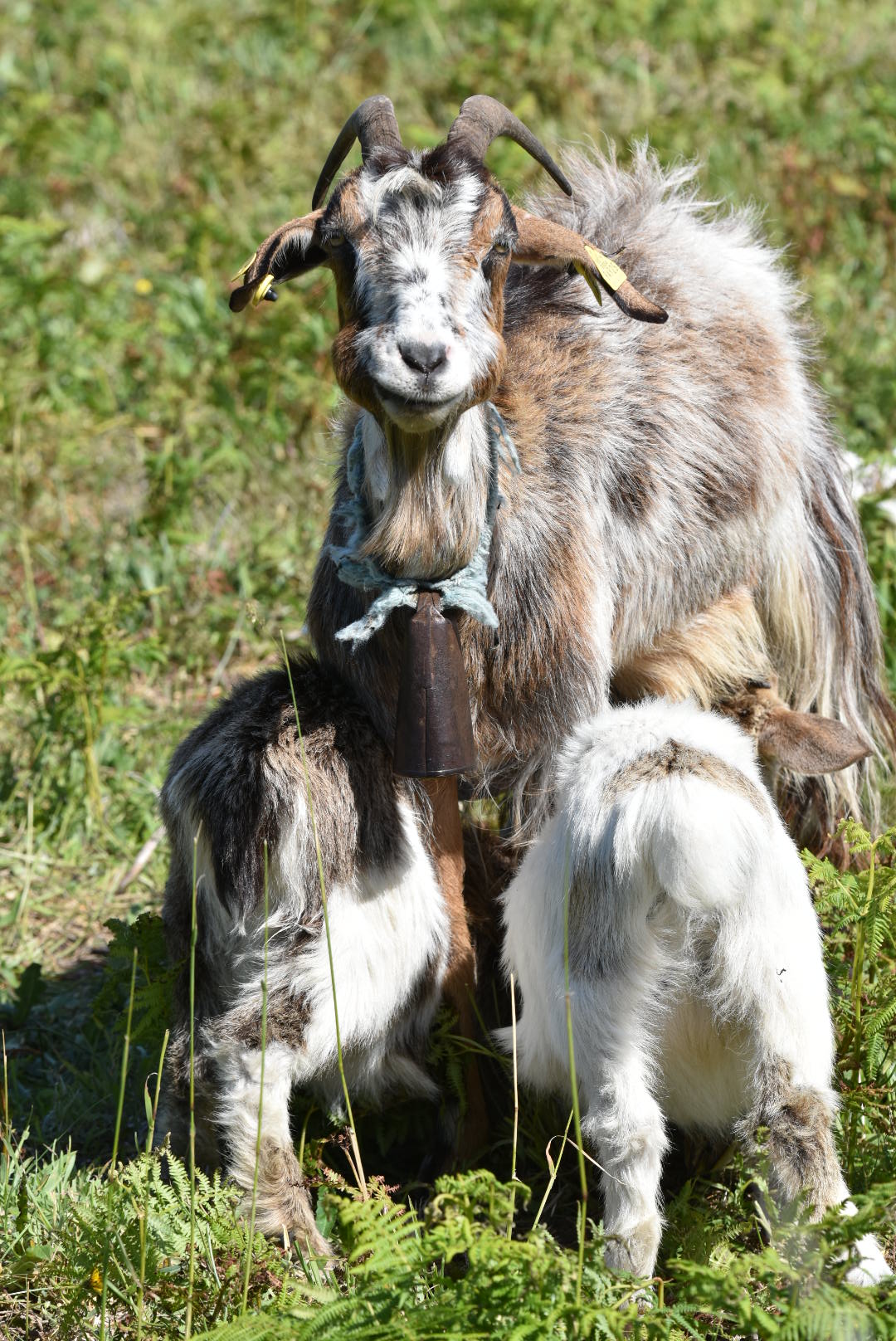
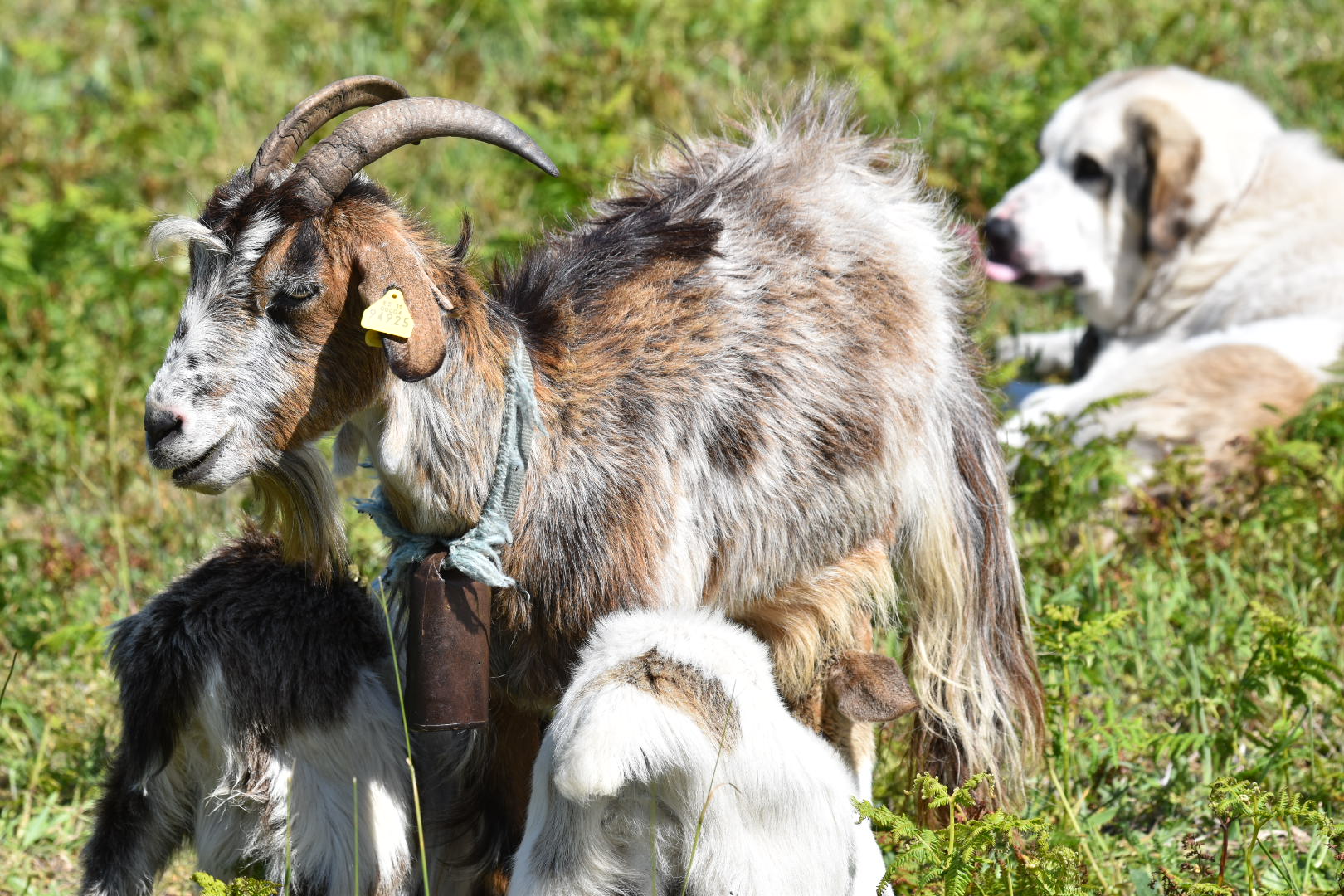
    I came across a flock of goats with a large white dog, near Cabo de Bares in Galicia, Spain. There is a lighthouse nearby.

    The dog was very passive and did not react much when I approached the group and started taking photographs.

    Livestock guardian dogs (LGD) as they are called and apparently being used more frequently these days to guard flocks of goats and sheep (and even chickens) from wolves. I knew that there were wolves in northern Spain, but I was surprised to learn that they are found right up to the coast in Galicia where these photographs were taken.


    https://en.m.wikipedia.org/wiki/Iberian_wolf

    The above map indicates that wolves occur right up to the northernmost Capes, including Cabo Bares where I saw this flock.

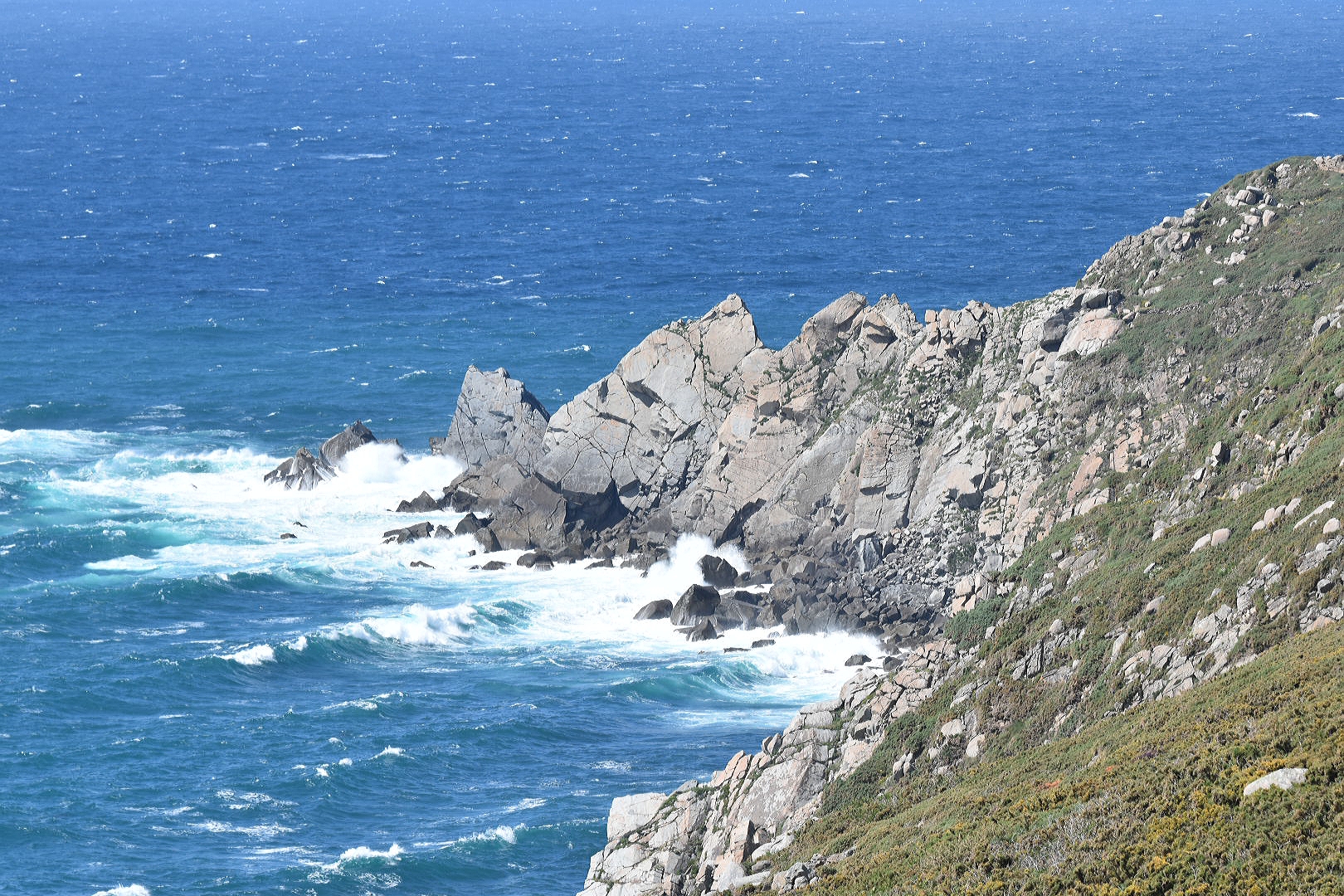
    Cabo de Bares, Galicia, Spain

    The dogs are placed at an early age with the flock they come to guard, so that they form a close bond and defend them relentlessly against predators.

    If the wolves attack, these dogs will stand and bark and hopefully that will be enough to deter the wolves. I think that this particular breed is a Pyrenean Mountain Dog, but I am not certain. Anyway, the goats seem happy enough!

    Sadly, some of these working dogs suffer a shorter lifespan than dogs which are kept as pets. Hopefully, they have pleasant and satisfying lives in their beautiful surroundings.

    I will look out for more of these LGDs now that I know they exist. There are an estimated 2,000-2,500 wolves in Spain, the biggest population in western Europe. The hunting of wolves is banned in Portugal but still allowed in some parts of Spain.

    I should finish by saying that I am assuming that this dog is there to guard against wolves. I did not speak to the farmer. The wolves are distributed over a vast area at a maximum density of about 7 wolves per 100 square kilometers according to the Wikipedia article. So quite how big a threat they are, in this particular location, I don’t know.

  • Airport frogs

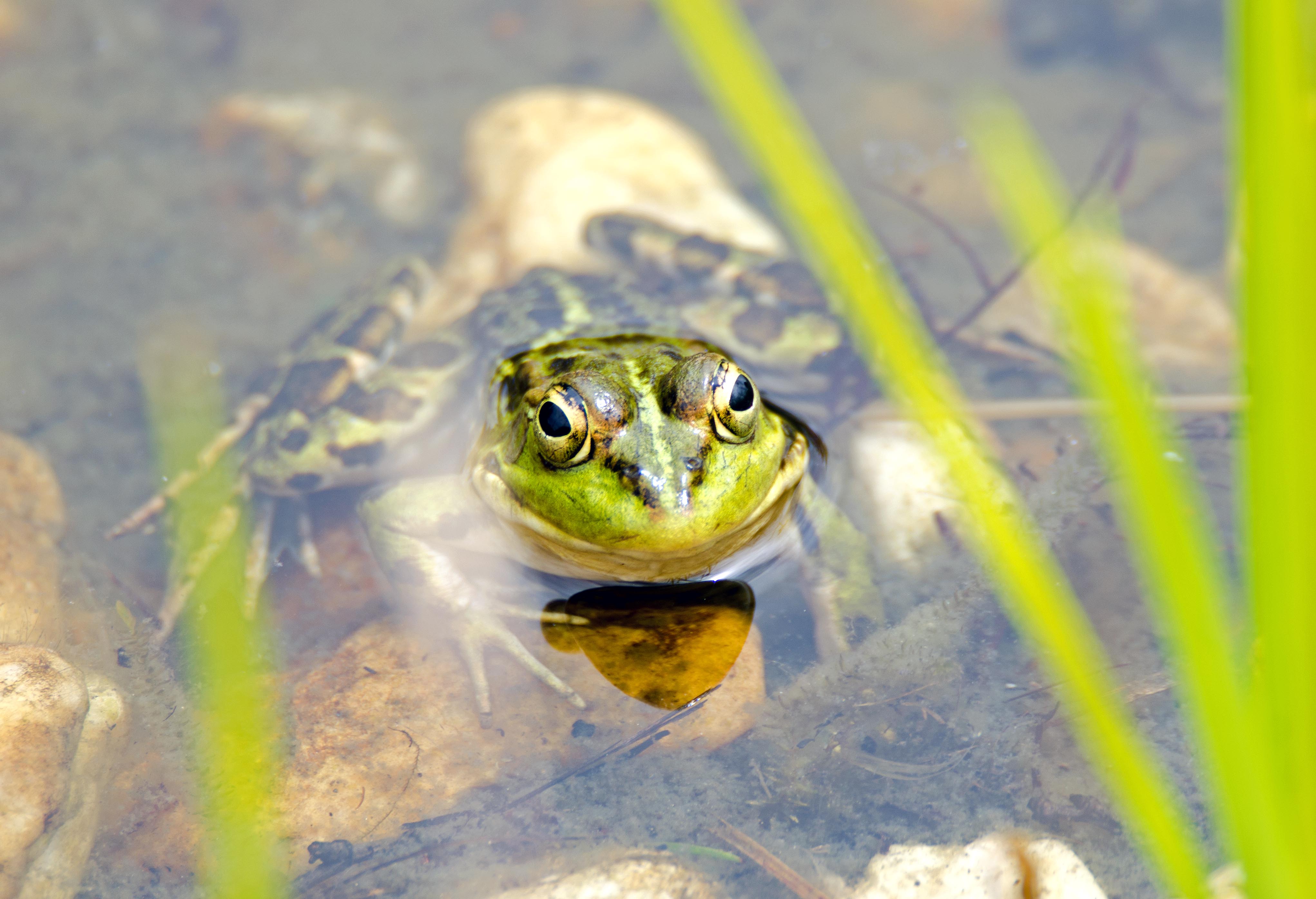
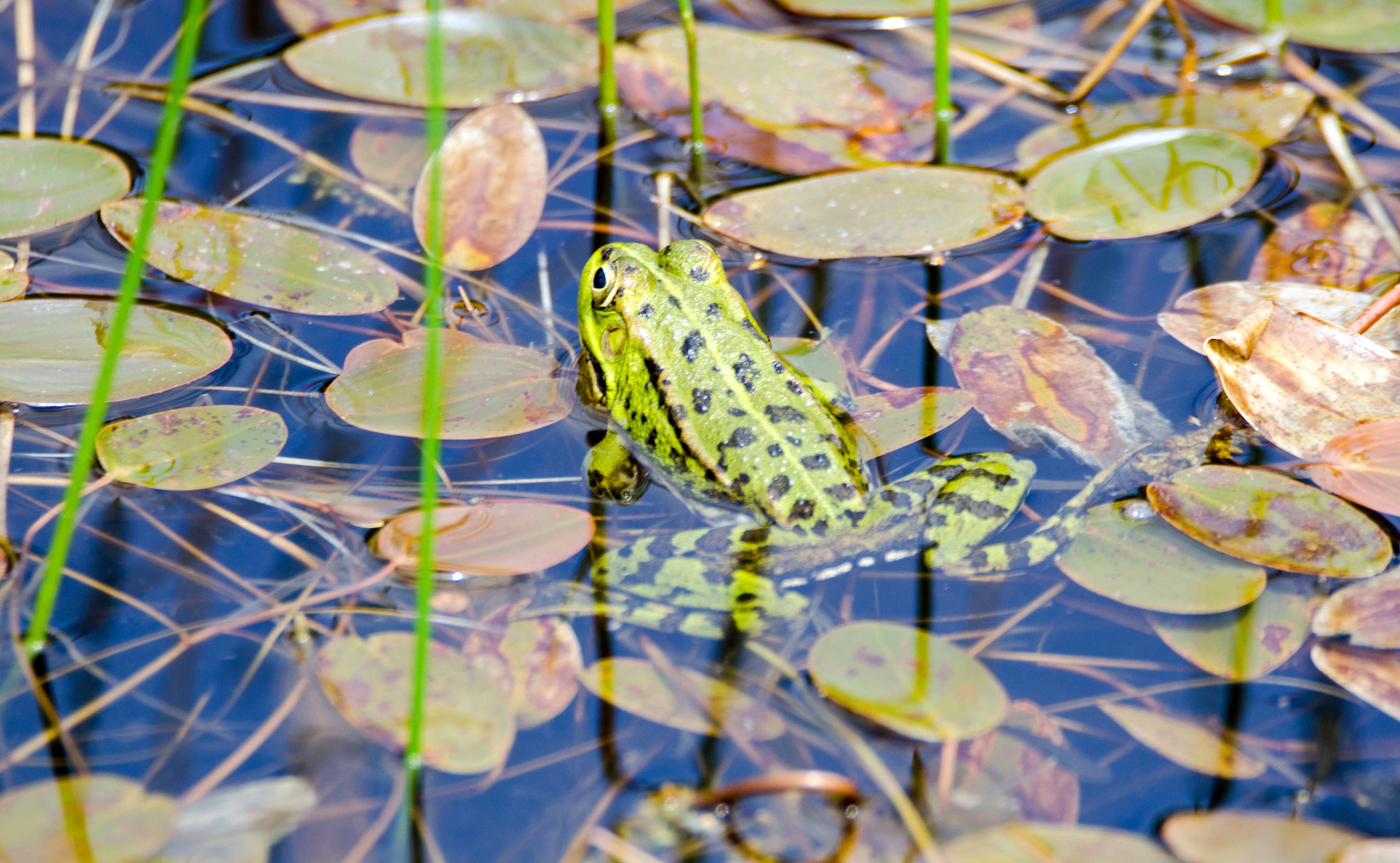
    Perez's frog (Pelophylax perezi)
    Perez’s frog (Pelophylax perezi)

    If you find yourself passing through La Coruña airport in northern Spain any-time, make sure you have a look at the frogs. This small airport is located in the suburbs of La Coruña – also called A Coruña in Spaanish – and is one of a number of gateways into the province of Galicia. A far cry from the hustle and bustle of Heathrow airport – where flights on the airline Vueling depart from – it is relaxed and uncrowded, with a great restaurant. They even serve you a delicious soup from a steaming hot cauldron at your table. Imagine that at Heathrow!
    Perez's frog (Pelophylax perezi)
    Perez’s frog (Pelophylax perezi)

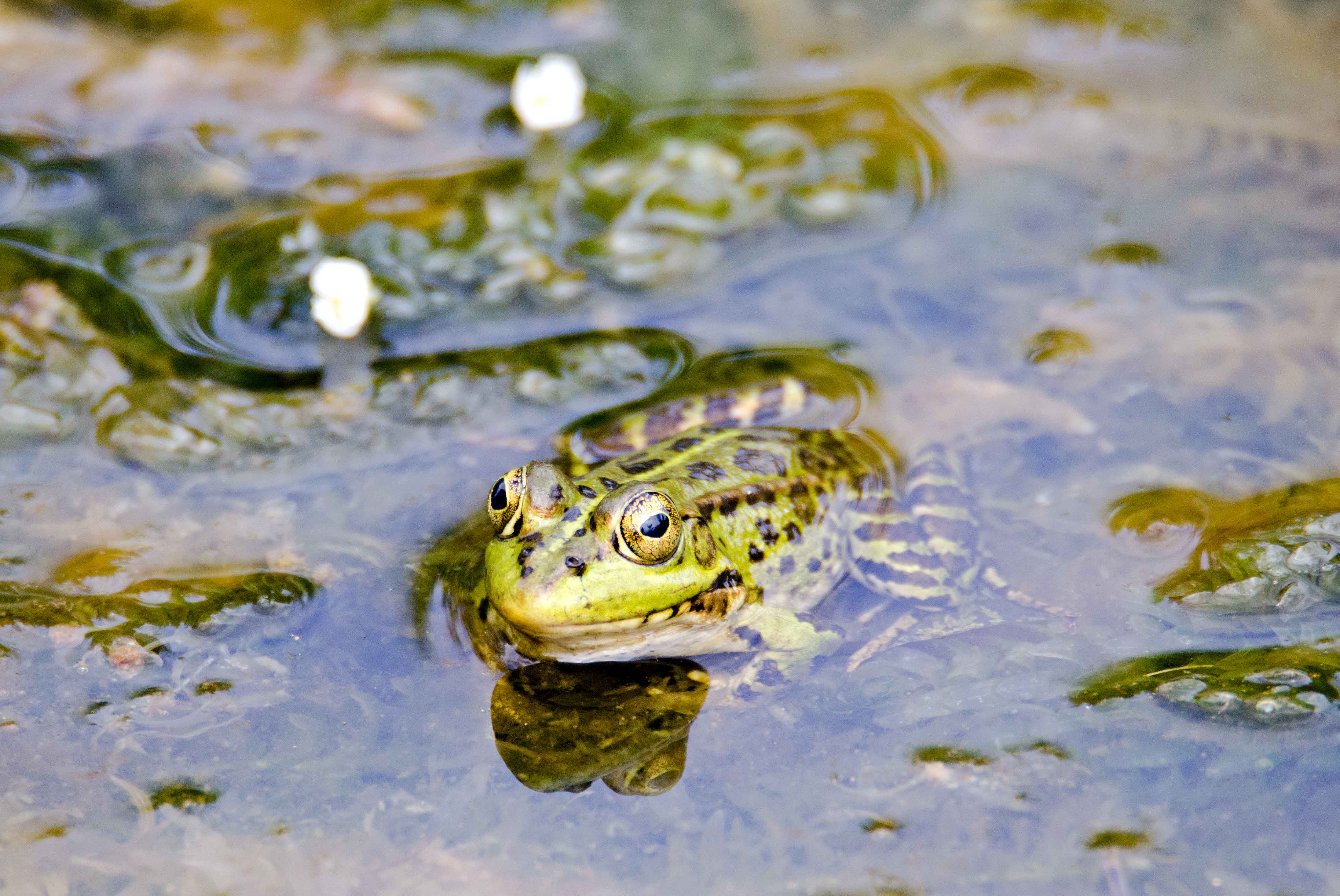
    It’s always fun landing at this airport, which is located on a hill about 7 km from the city centre. But what I have come to appreciate as I have passed through this little airport over the years, is that it is a really good place to see Perez’s frog (Pelophylax perezi), also known as Iberian water frog, Iberian green frog, or Coruna frog. I’m not joking! There is a series of ponds at the at the northern end of the airport, just by the road leading out of the airport, and close to the car park. It is easy to find it as there is an example of the traditional Galician stone gain store (or horreo) besides the ponds.

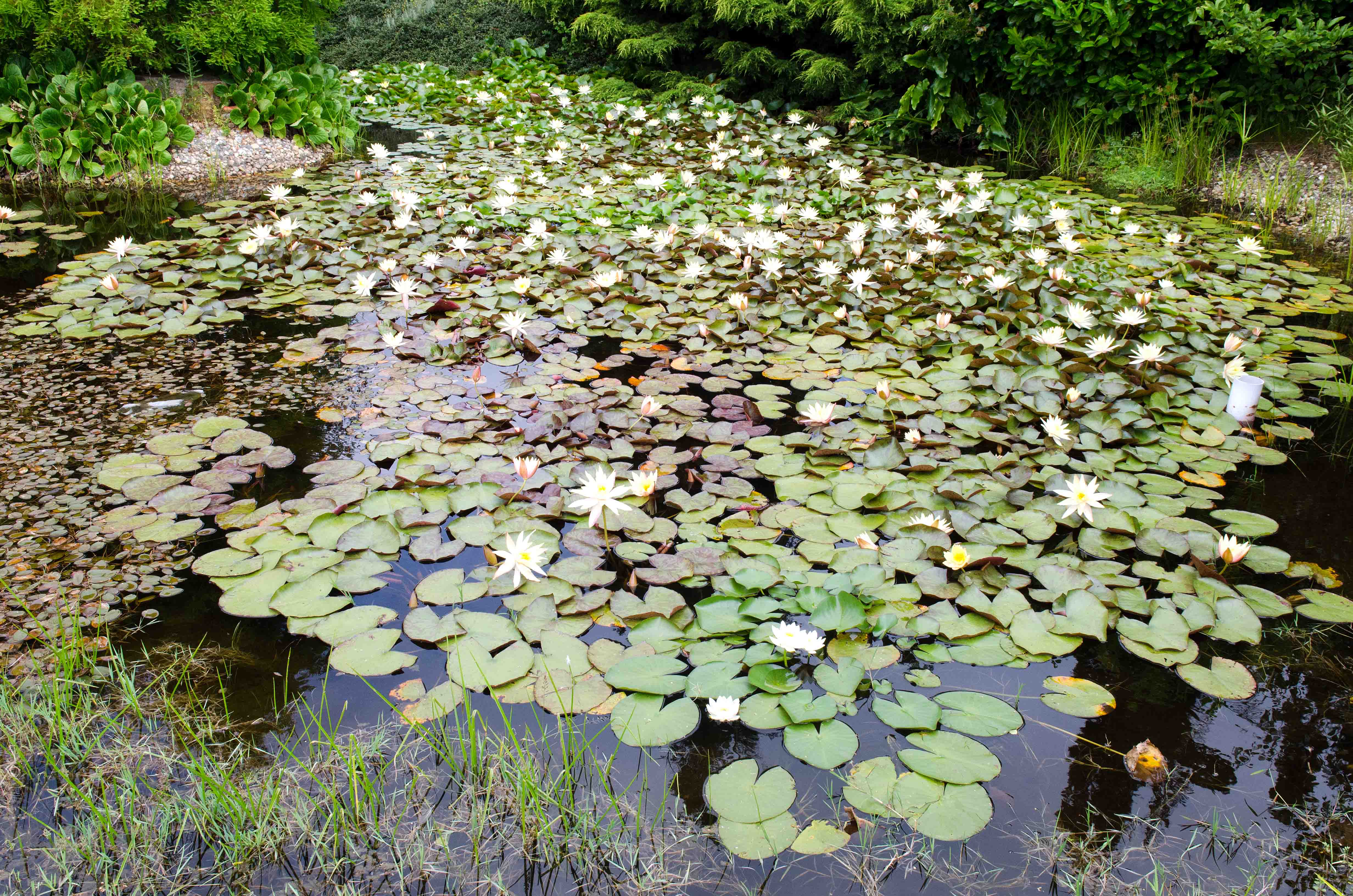
    Frog pool
    Frog pool or lily pond at La Coruna airport

    The ponds themselves are covered in water lilies on which the frogs can be seen resting, if you approach carefully. More likely you will hear plop, plop, plop as all the frogs hear your footsteps and jump into the safety of the water!

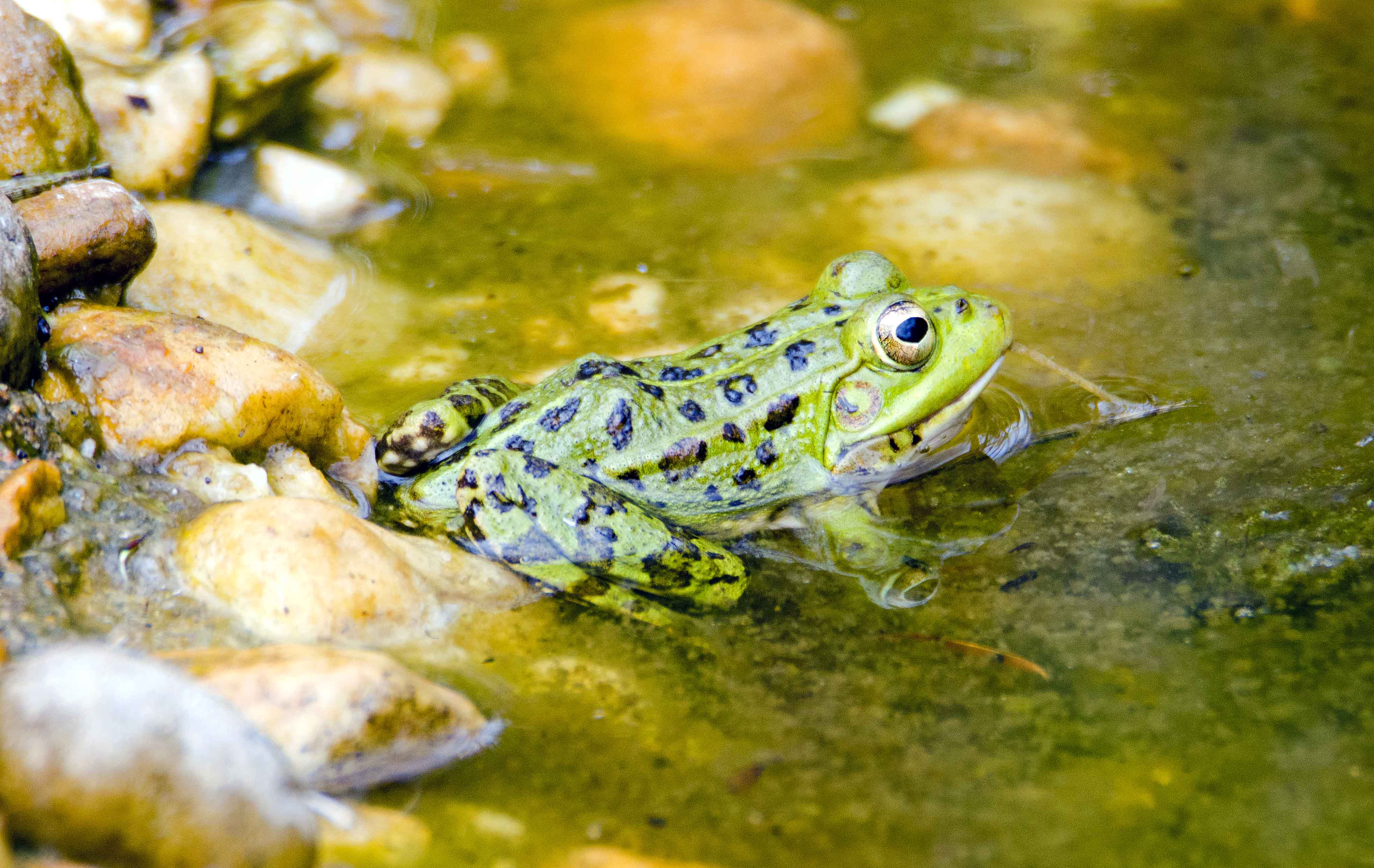
    Perez's frog (Pelophylax perezi) La Coruna airport
    Perez’s frog (Pelophylax perezi) La Coruna airport

    This frog species is not endangered (although amphibians are vulnerable everywhere), as is widely distributed and common across the whole of the Iberian Peninsula and is found in southern France, and elsewhere where it has been introduced, like Madeira, the Balearic and Canary Islands.

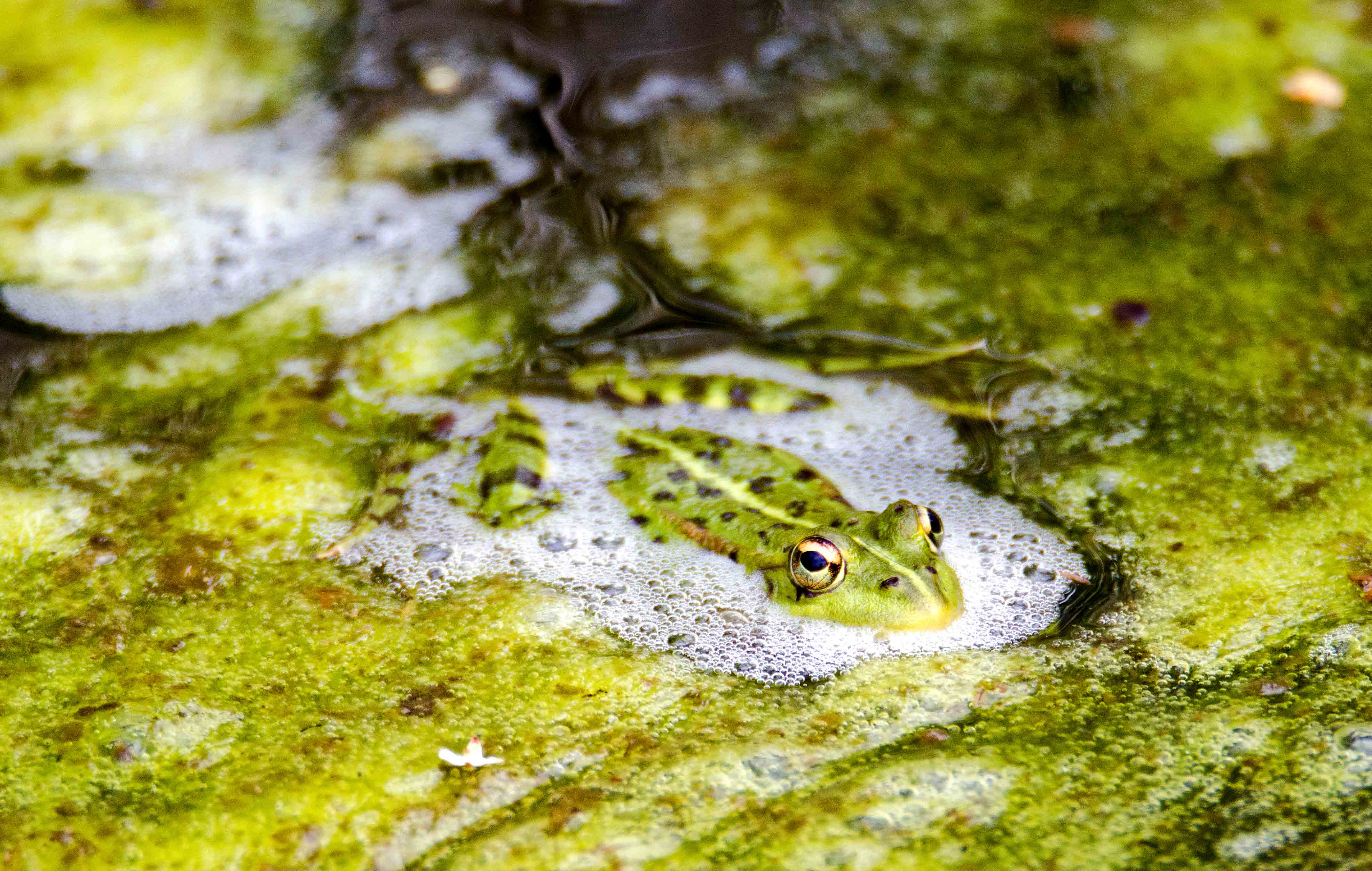
    Perez's frog (Pelophylax perezi) with bubbles
    Perez’s frog (Pelophylax perezi) with bubbles

    They are highly variable in colour and patterning, and look a lot like the Marsh frog (Pelophylax ridibunda) which is what I thought they were when I first came across them (1). Confusingly, they also hybridise with each other to form a type of hybrid frog!

    Perez's frog (Pelophylax perezi)
    Perez’s frog (Pelophylax perezi)

    So whilst not being unusual, you might not come across a better place to see them whist visiting Spain or Portugal, and it is a good way of whiling away some time waiting for a flight. They are particularly vocal and lively, jumping around and inflating their vocal sacs, during the breeding season (Spring) (1).

    1. http://rcannon992.com/2014/04/12/a-malee-of-mating-marsh-frogs/
  • Selecting from Nature’s patterns

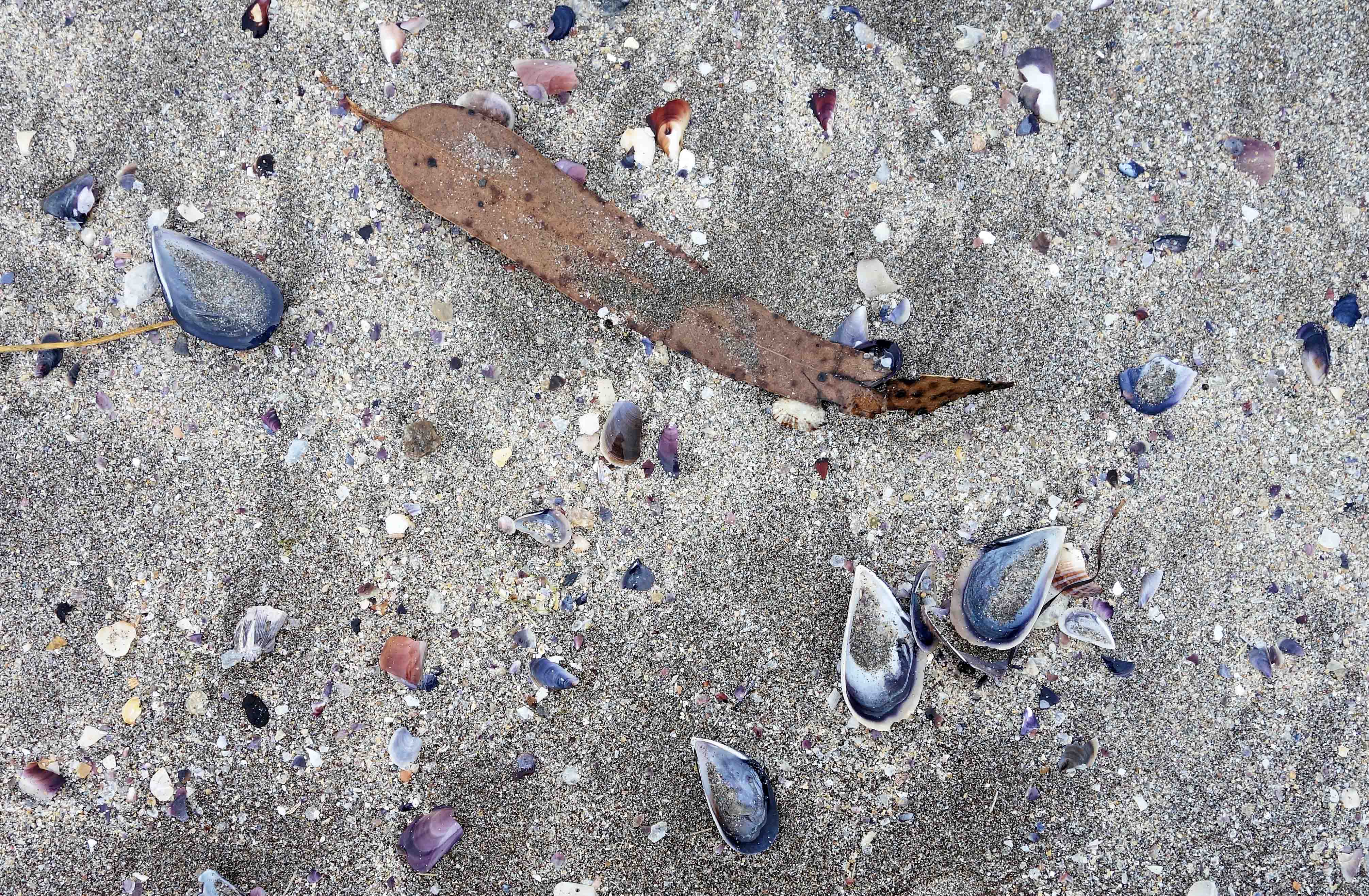
    Tide line
    Tide line

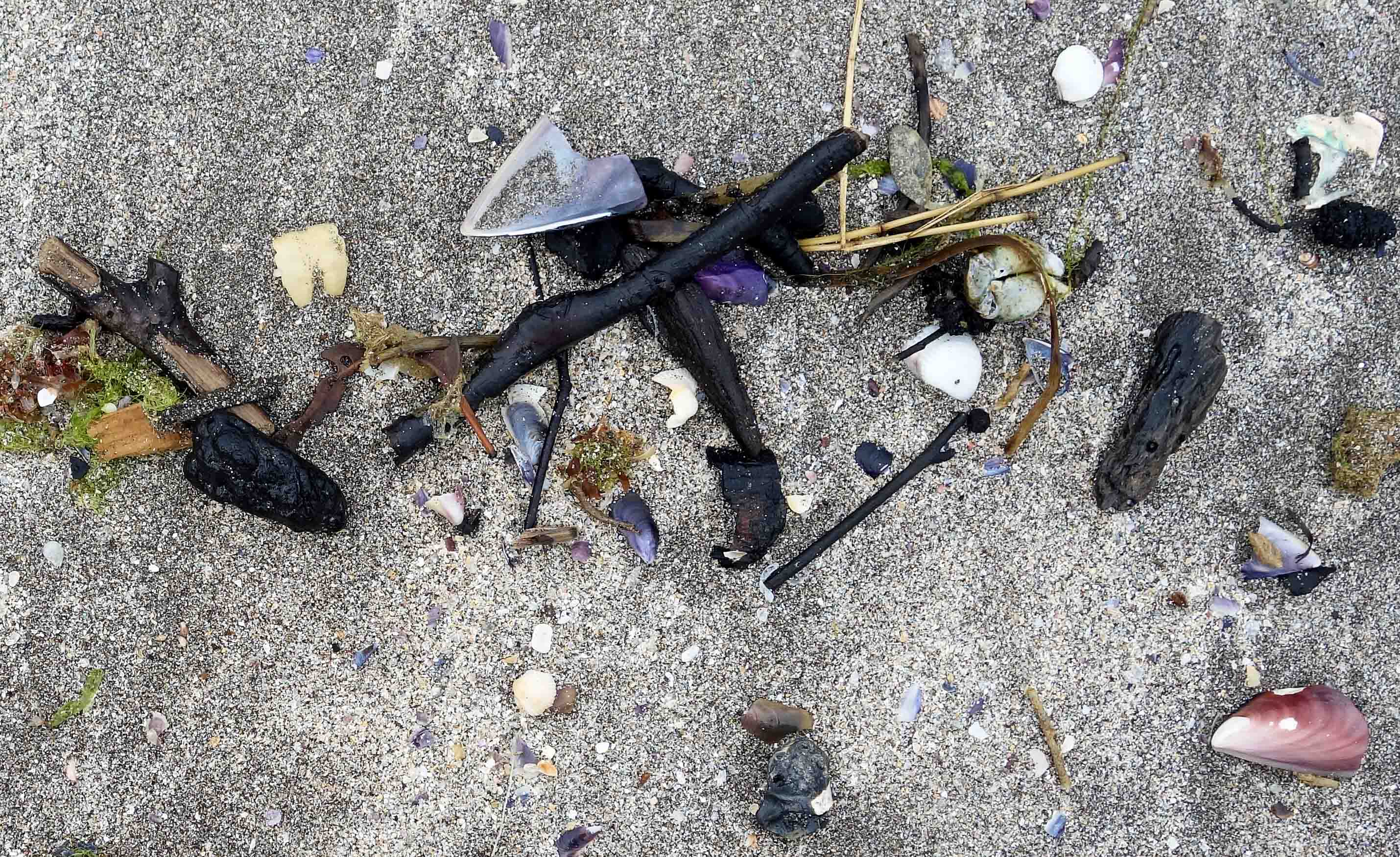
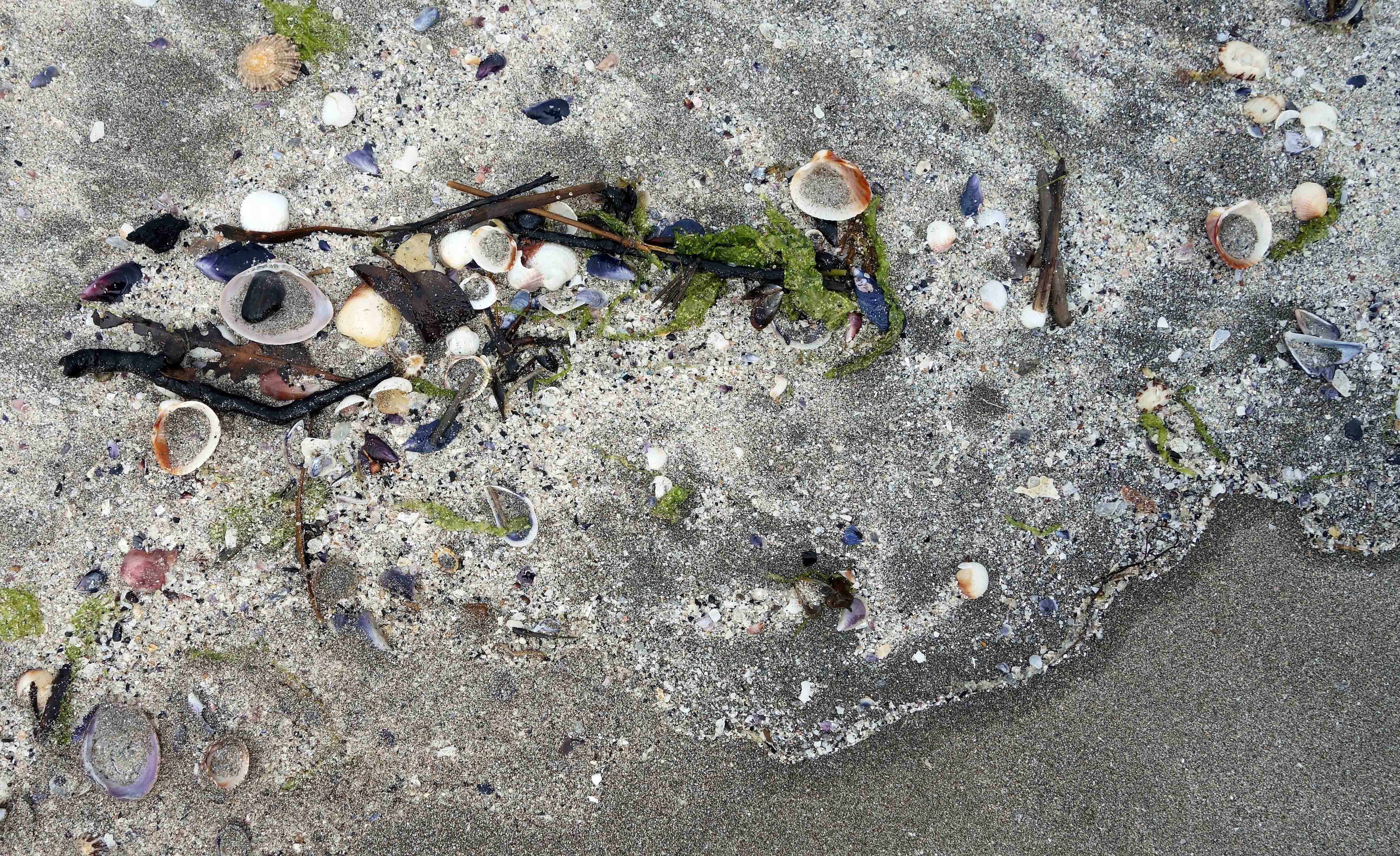
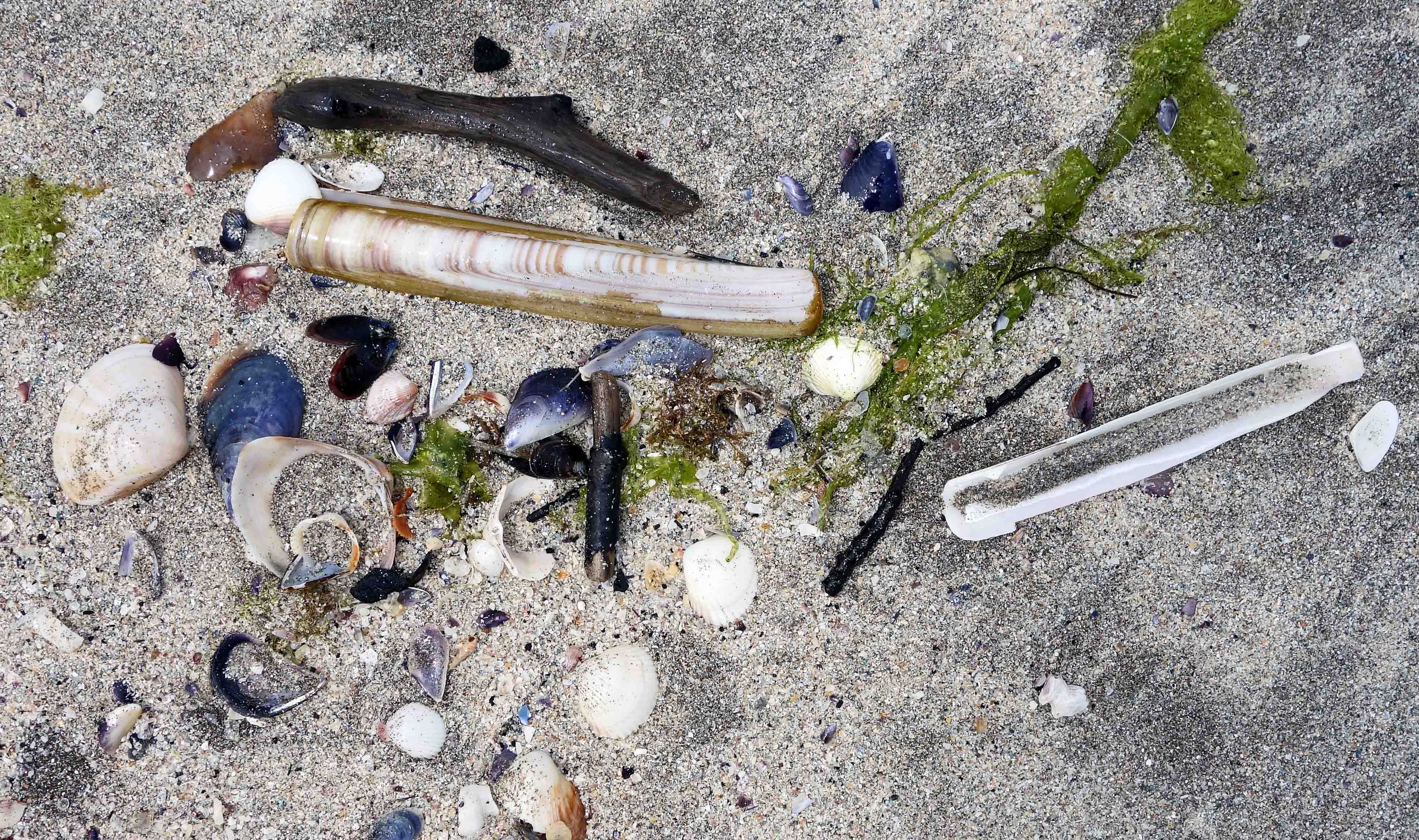
    We humans can create ‘works of art’ in many ways. We might collect shells and drift wood and use them to make representational works like Picasso did so skilfully. Or we could grind up natural elements like soil or minerals and apply them to a canvas. Or we could rely on Nature to produce a pattern, as here by waves washing up and down a beach, moving the shells, leaves and pieces of wood in ‘random’ pattens. But these arrangements follow a natural order; shells lie flat (rarely on their sides); smaller grains move father and faster than larger stones; wood floats and settles; and all the pieces get pushed into a narrow zone produced by the waves – advancing and retreating – a tide line.

    Tide line

    Tide line

    Walking along a tide line, we might select in our camera lens certain features, patterns or accumulations as our fancy dictates. What drives this selection is a certain aesthetic, but what determines a given selection – a quick glance and then a largely unconscious choice looking through a viewfinder – is a matter of taste, and is probably not worth thinking about too deeply.

    Tide line
    Tide line

    Rather, walk and get into a rhythm where the choice is spontaneous and natural. Not all compositions will work, but occasionally – with a little skill (we can all do it) – something of beauty emerges. Back home on the computer – the modern atelier – the photographer/artist can fine tune his selections, crop and polish, until something pleasing, but still rather intangible emerges.

    Tide line
    Tide line

    All of these images were taken with a compact camera (Sony RX I) whilst walking along Morouzos beach (1), Ria Ortigueira, on an overcast day (31st May 2015).

    Tide line
    Tide line

    1. http://rcannon992.com/2014/05/12/ria-de-ortigueira-a-special-place/

  • Galician ponies: an ancient breed adapted to life on the hills

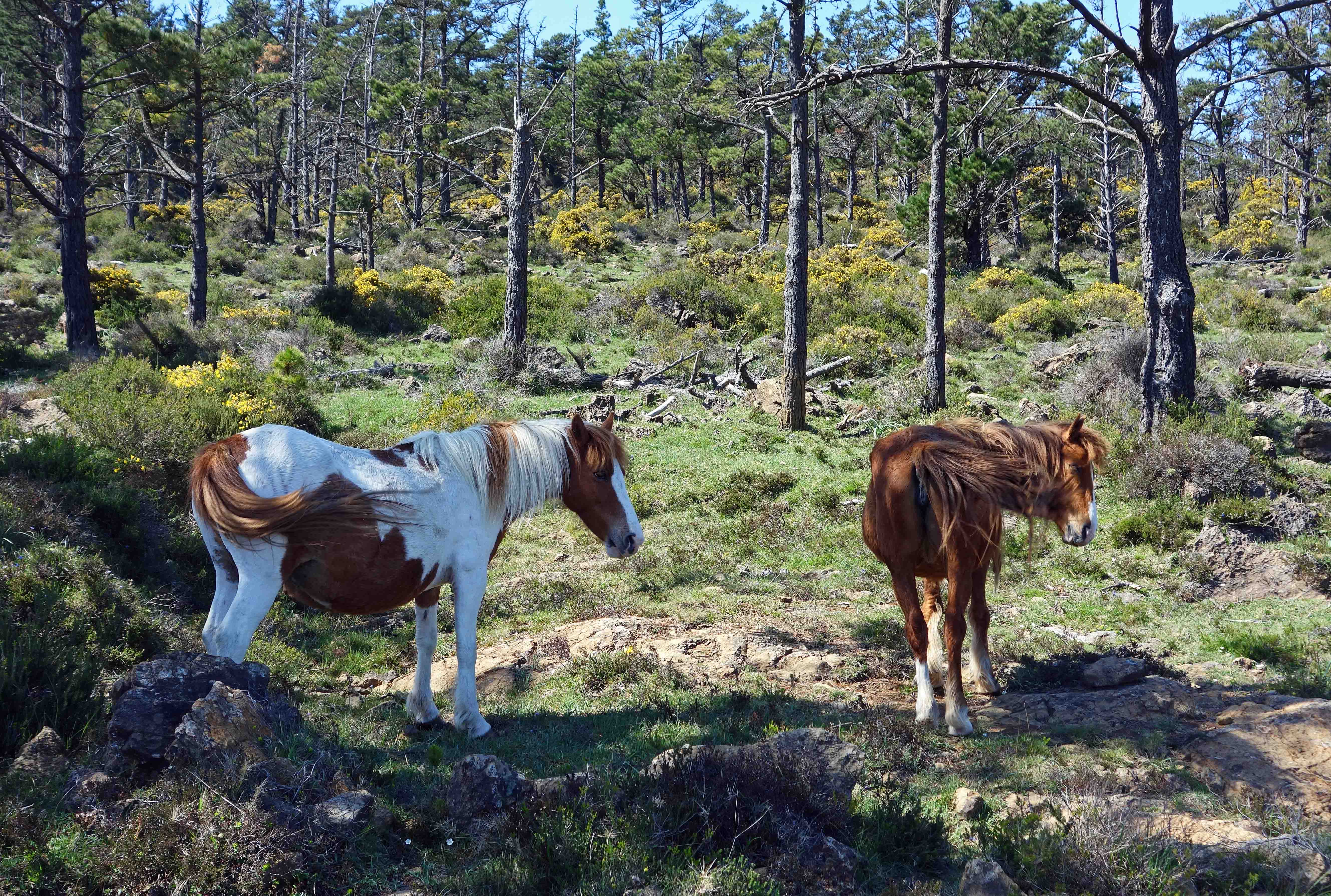
    Galician ponies in their traditional habitat on Serra da Capelada, northern Galicia, Spain
    Galician ponies in their traditional habitat on Serra da Capelada, northern Galicia, Spain

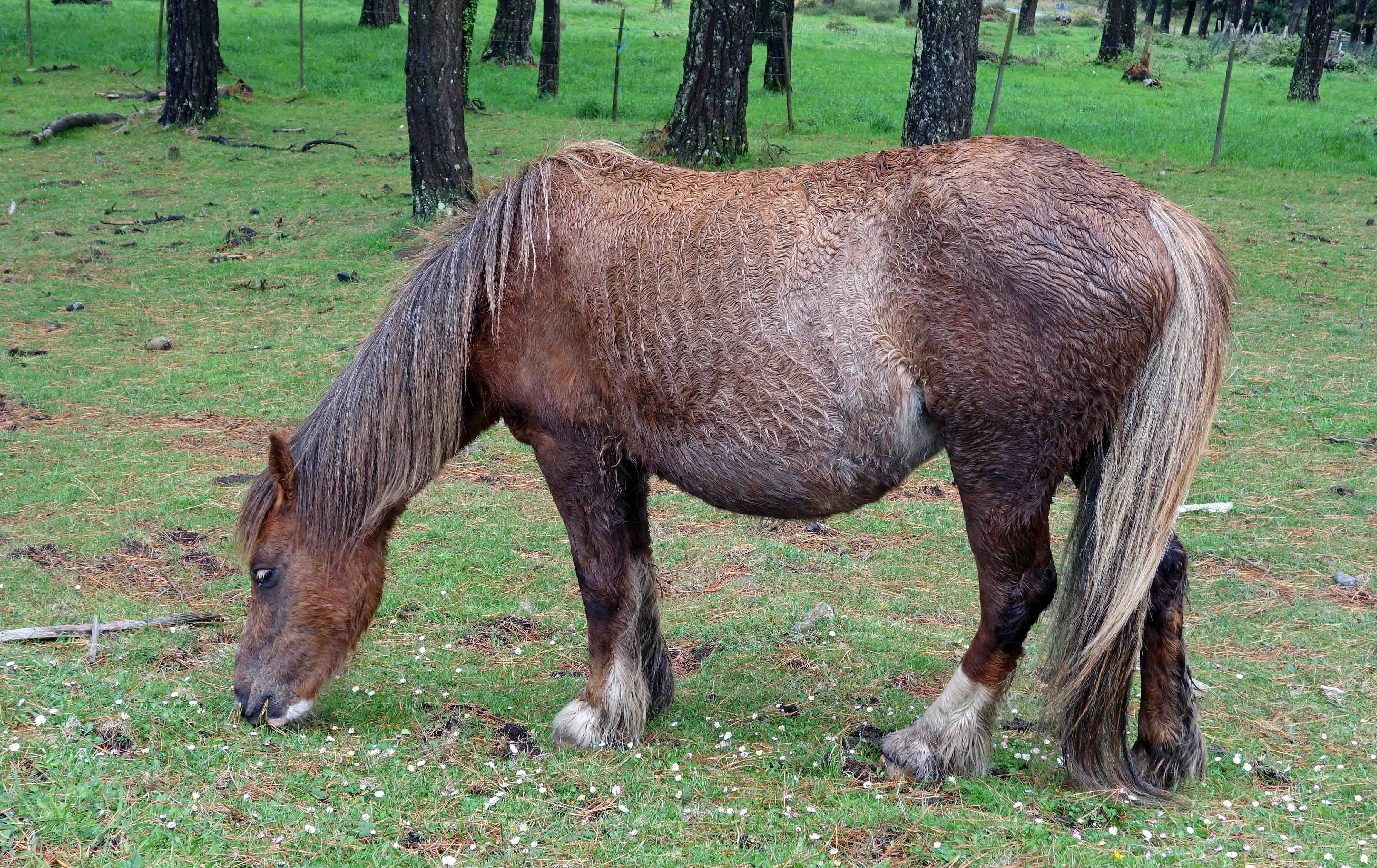
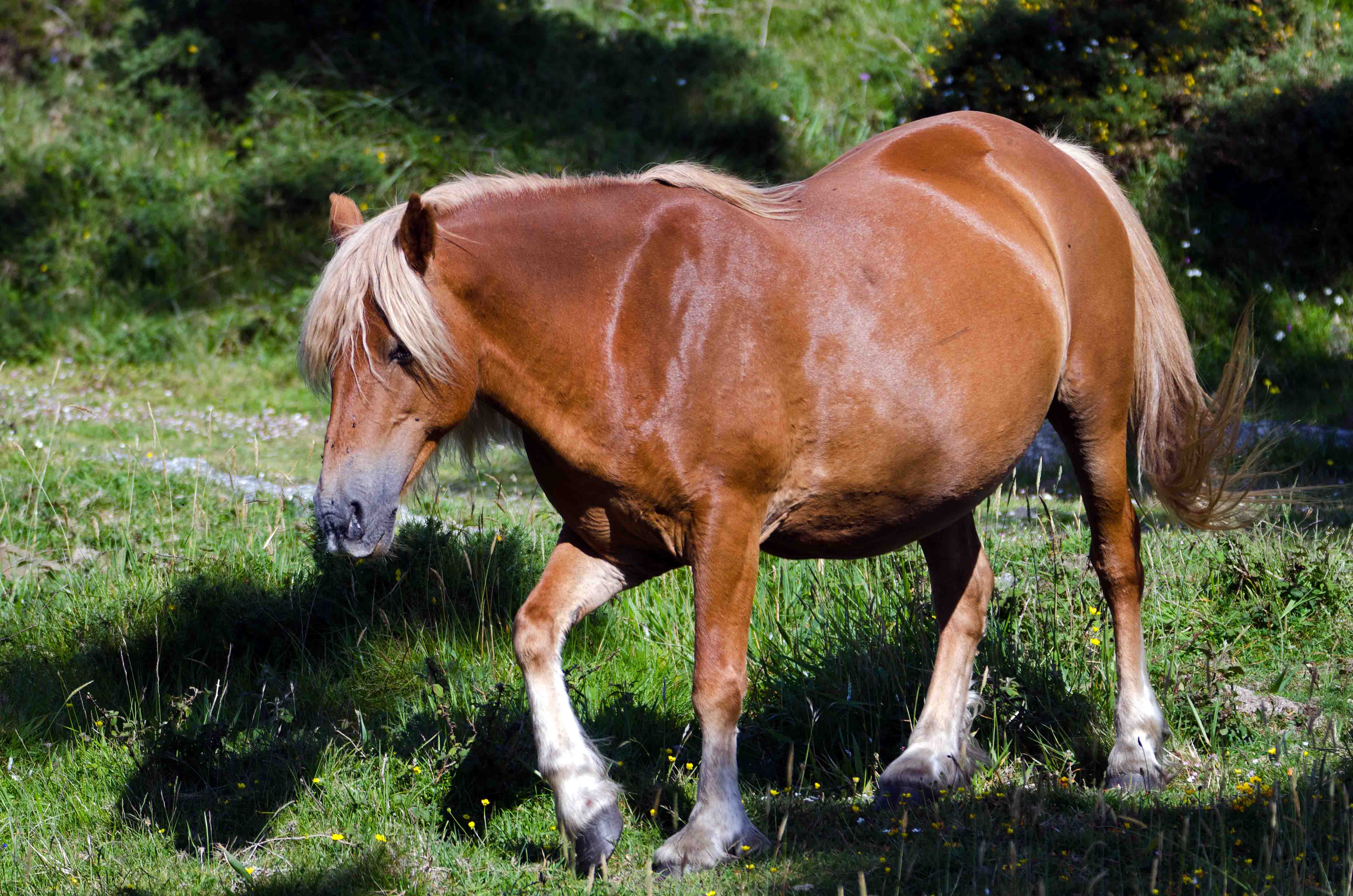
    Galician ponies are a hardy breed of short-bodied, semi-feral horses which live on the mountains of Galicia, in NW Spain. They are said to be derived from a mixture of Celtic horses, Roman horses and horses brought to Spain by ancient Germanic tribes (the Swabians), and subsequently cross-bred with other breeds. They are however, superbly adapted to the rugged conditions found on the hills of Galicia, often clad in shaggy coats, highly resistant to the rain and mists of this Atlantic climate.

    Galician pony with slightly wet coat
    Galician pony with slightly wet coat
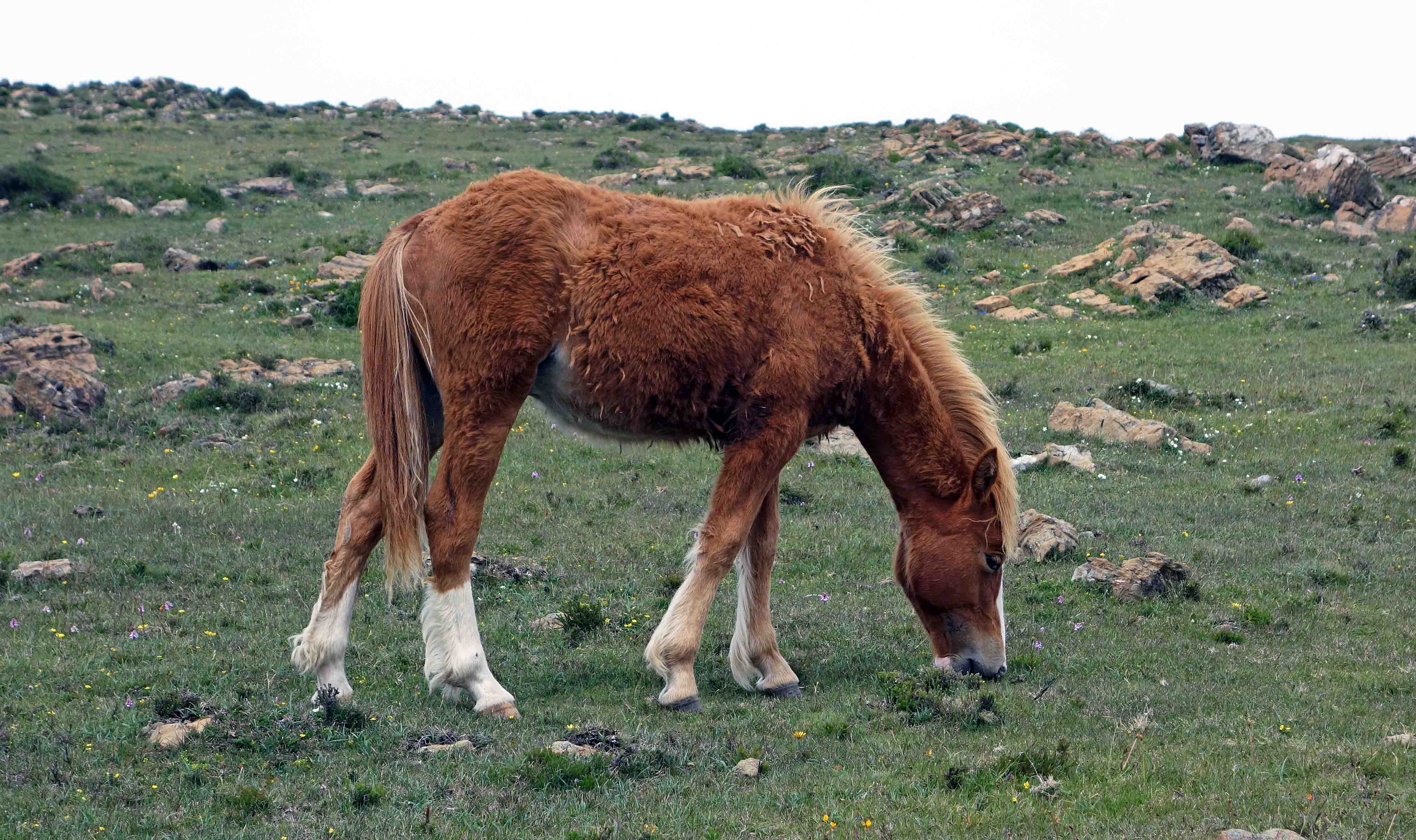
    Galician pony on rugged hillside
    Galician pony on rugged hillside

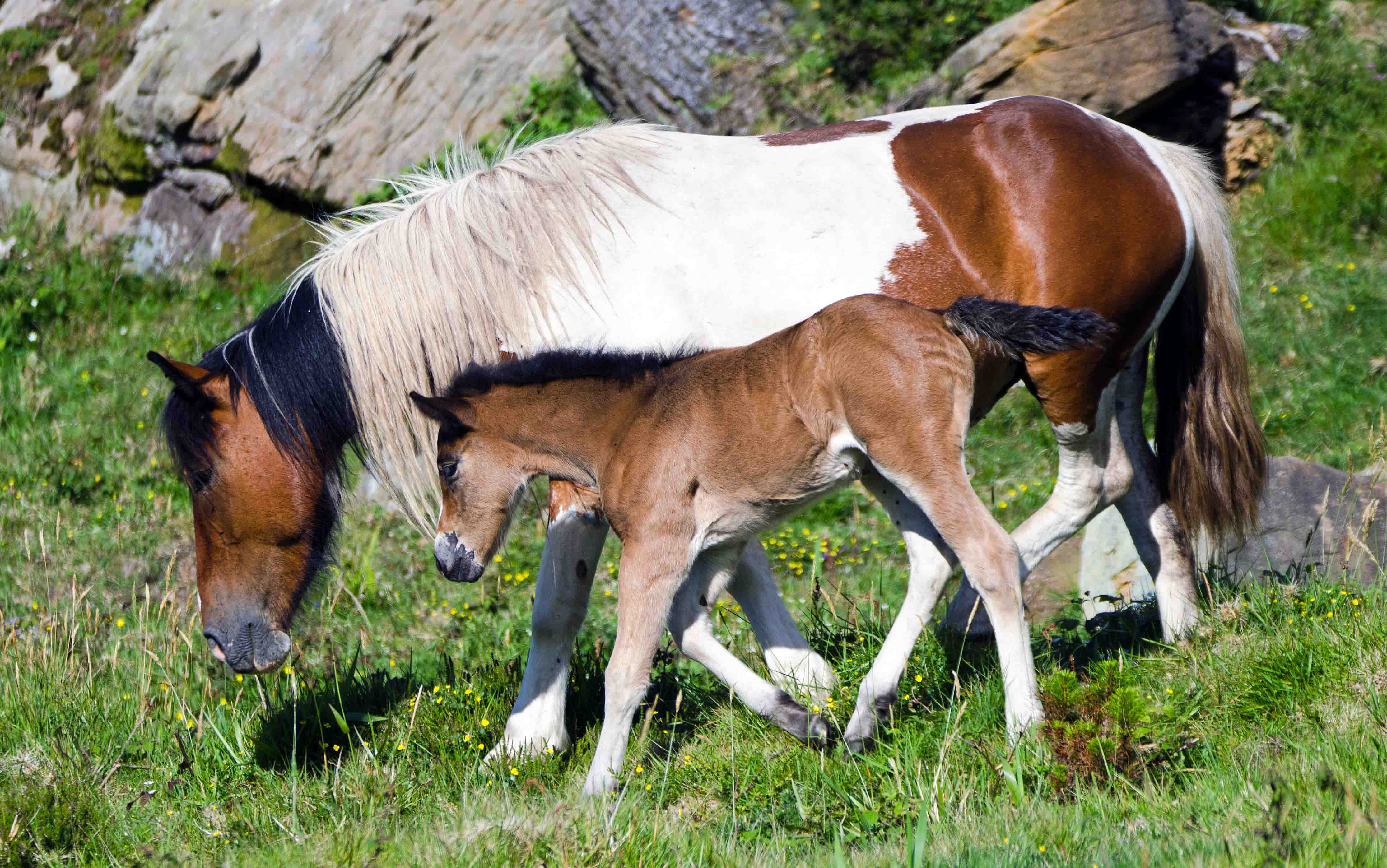
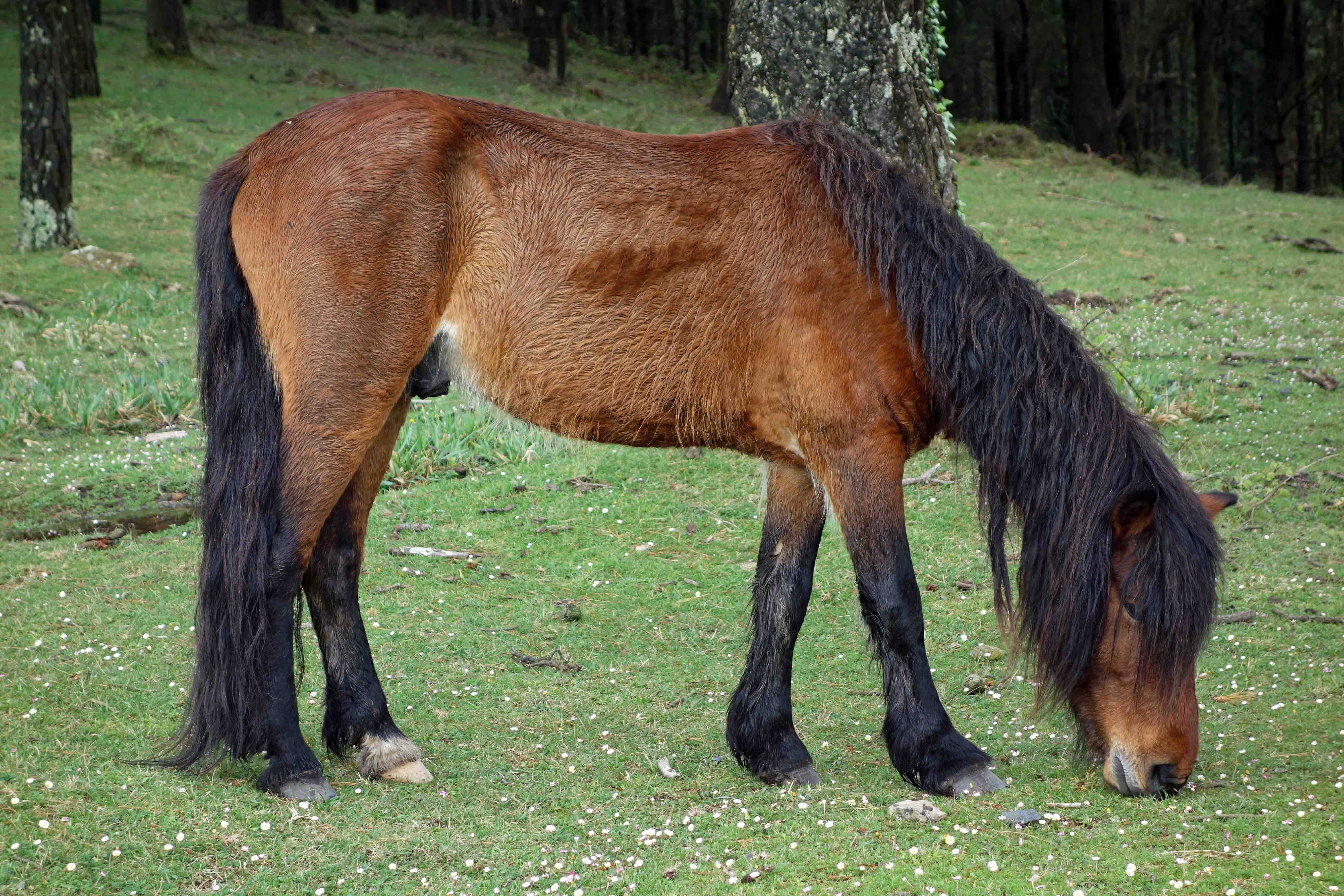
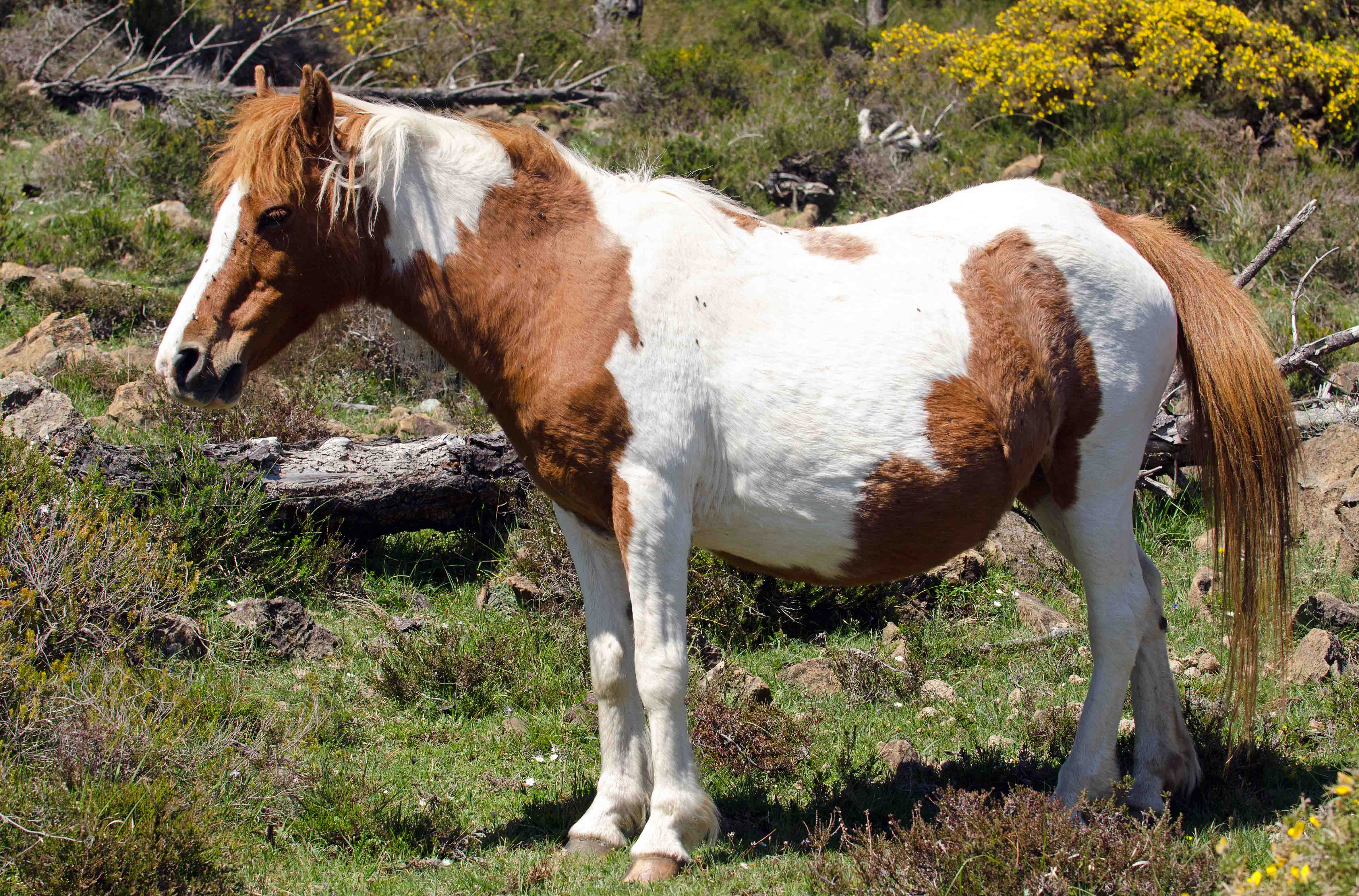
    Galician ponies are mainly chestnut, or bay coloured (i.e. light reddish-brown to very dark brown), but there are plenty of white ones, and piebald (brown and white) ones.

    Piebald pony
    Piebald pony
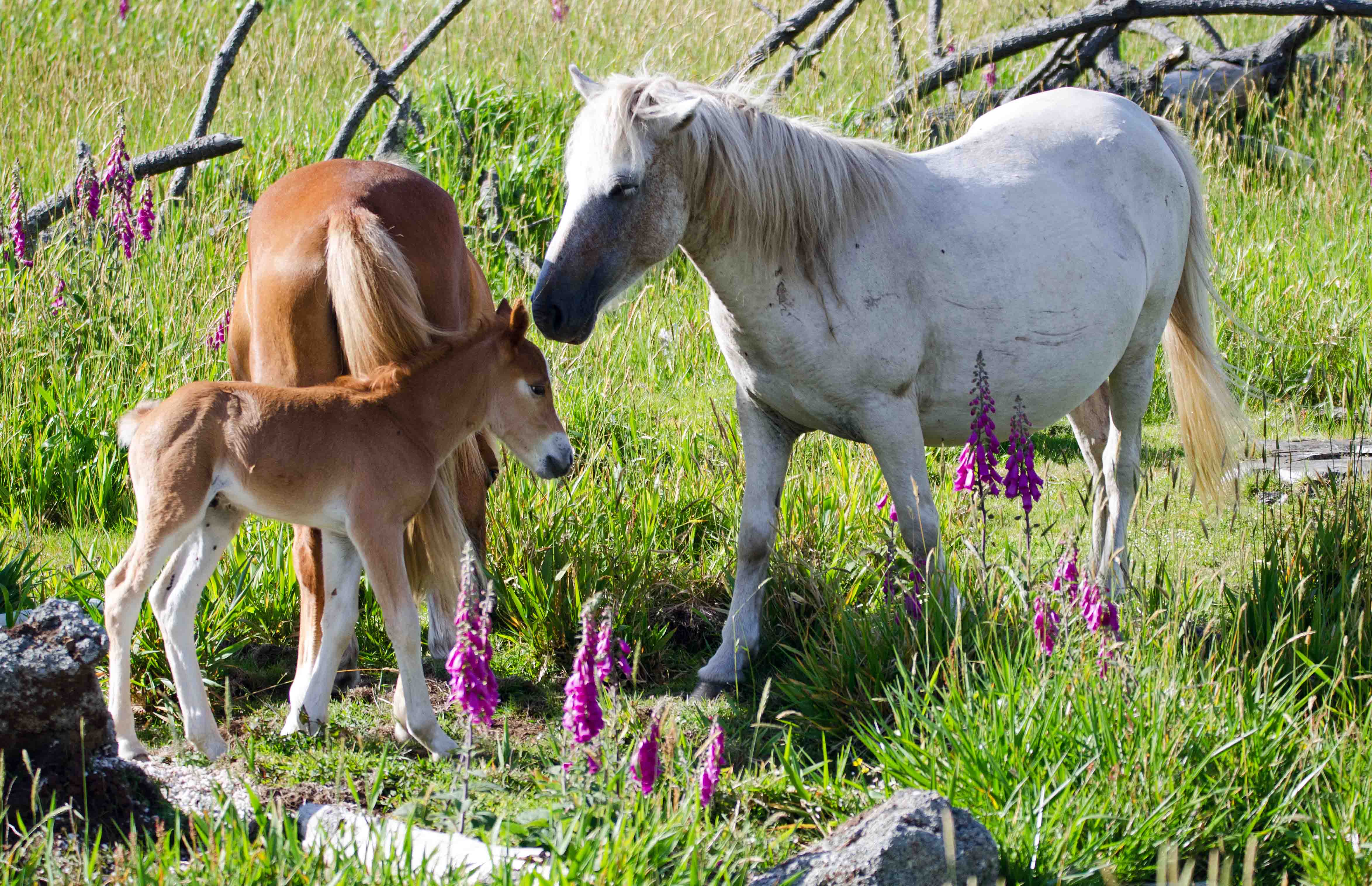
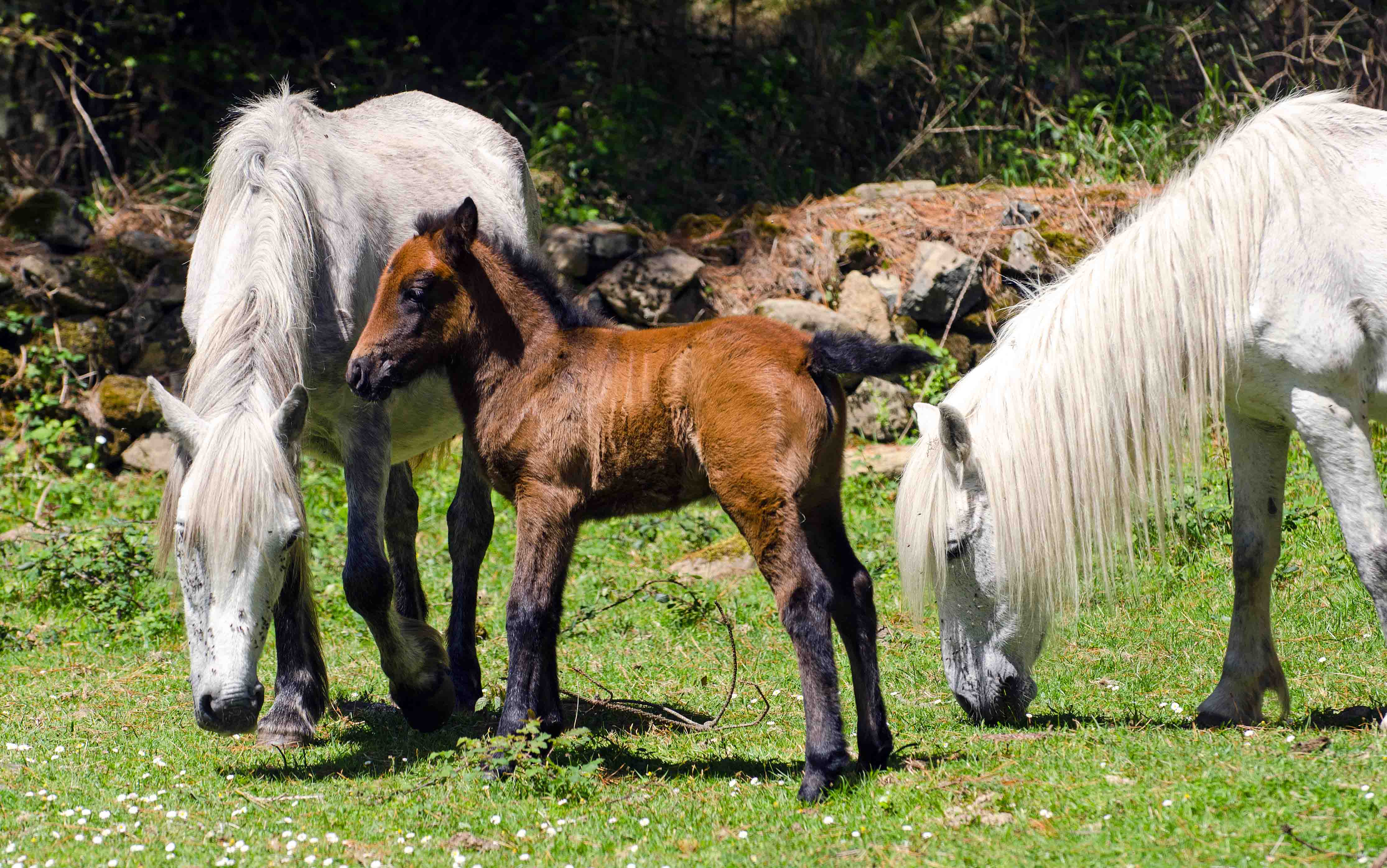
    White mares with brown foal
    White mares with brown foal

    There are said to be different types of Galician ponies in different parts of Galicia, but they all have a straight profile, strong legs, and are between 1.20 and 1.30 meters in height (12.2 – 13.2 hands on average) (References 1, 2).

    Chestnut pony with blonde mane
    Chestnut pony with blonde mane

    They were traditionally bred for meat and horse hair (which was used for brushes), but they are now mostly used for riding or simply as a tourist attraction decorating the hill sides. Many are however, not tame. Although quite tolerant of people, in my experience of trying to take photographs of them, they can be shy, but very protective of their foals.

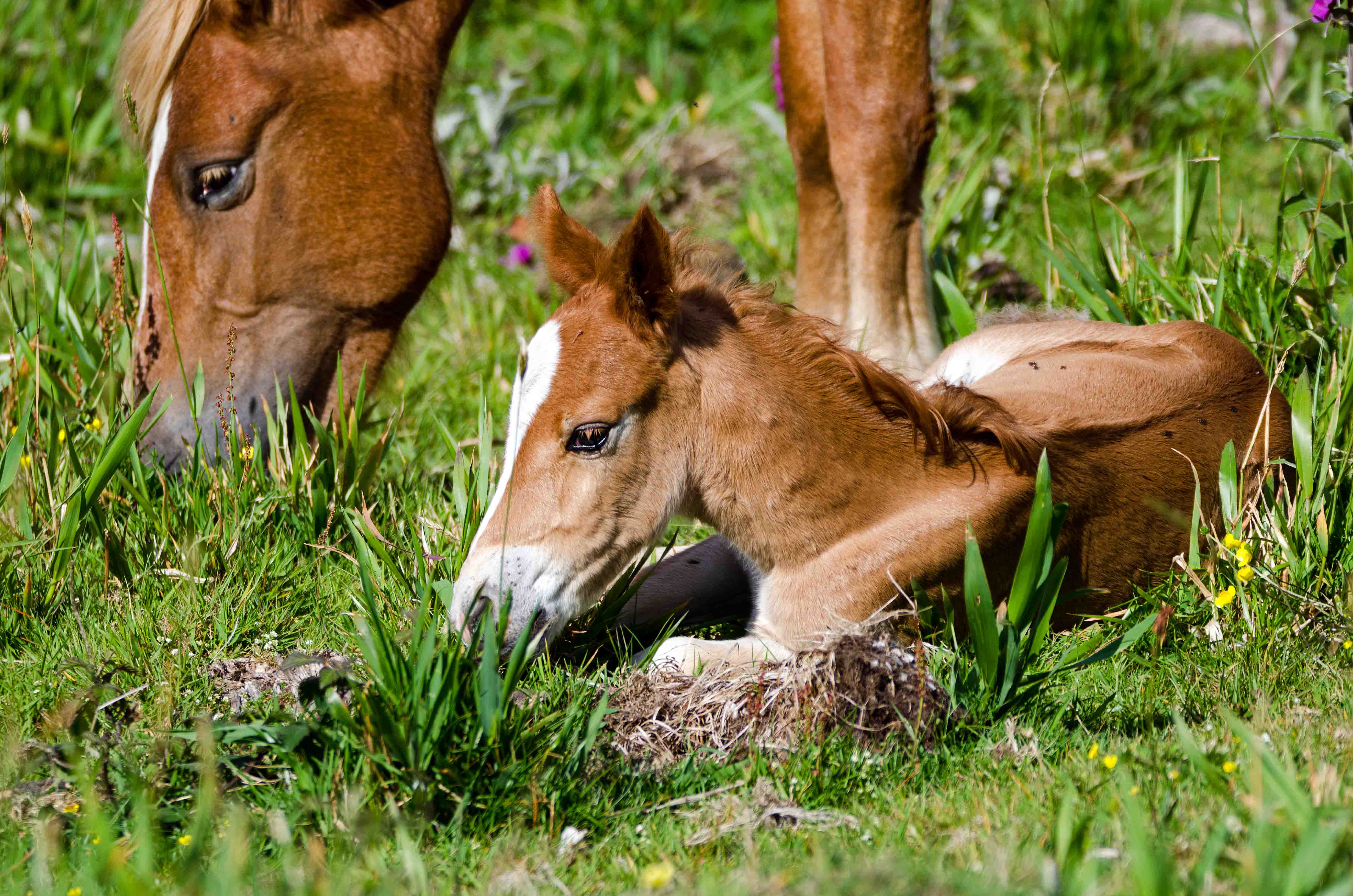
    White mare and chestnut foal
    White mare and chestnut foal
    Piebald mare and foal_
    Piebald mare and foal
    Very young foal
    Very young foal

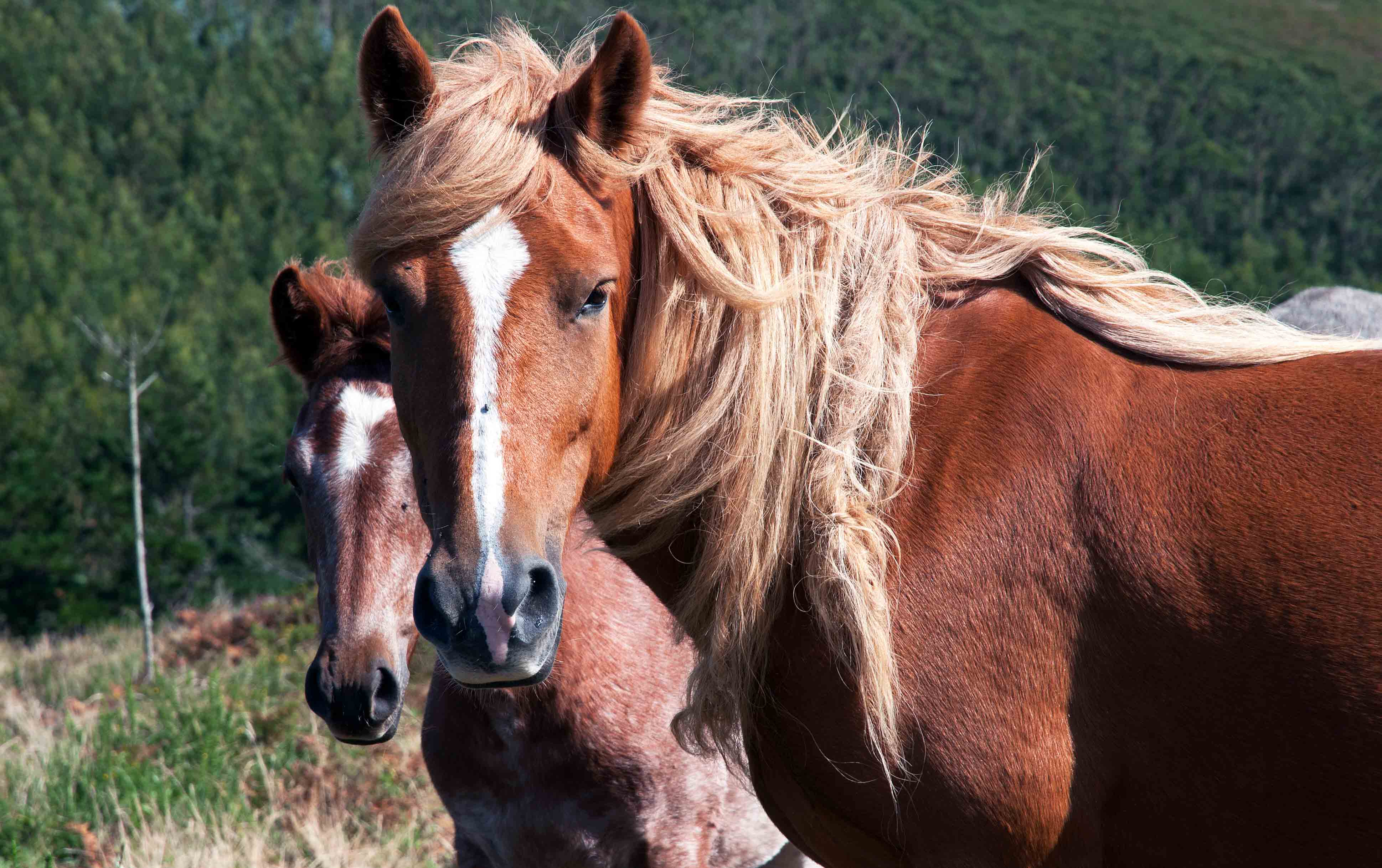
    They said to be rounded up just once a year, in a ceremony called rapa das bestas, where the foals are separated from their mothers, marked and deloused. I am not sure if this practice – which is a rather dramatic affair as the horses are wrestled to the ground by men – occurs everywhere though.  In the past the manes and tails were cut for the hair, and wonderful hair it is!  The manes are often long blonde locks as shown below.

    Mare with golden mane and foal
    Mare with golden mane and foal

    The stallions are not so common as the mares, presumably they would fight with each other if kept at too high a density.

    Galician pony stallion
    Galician pony stallion

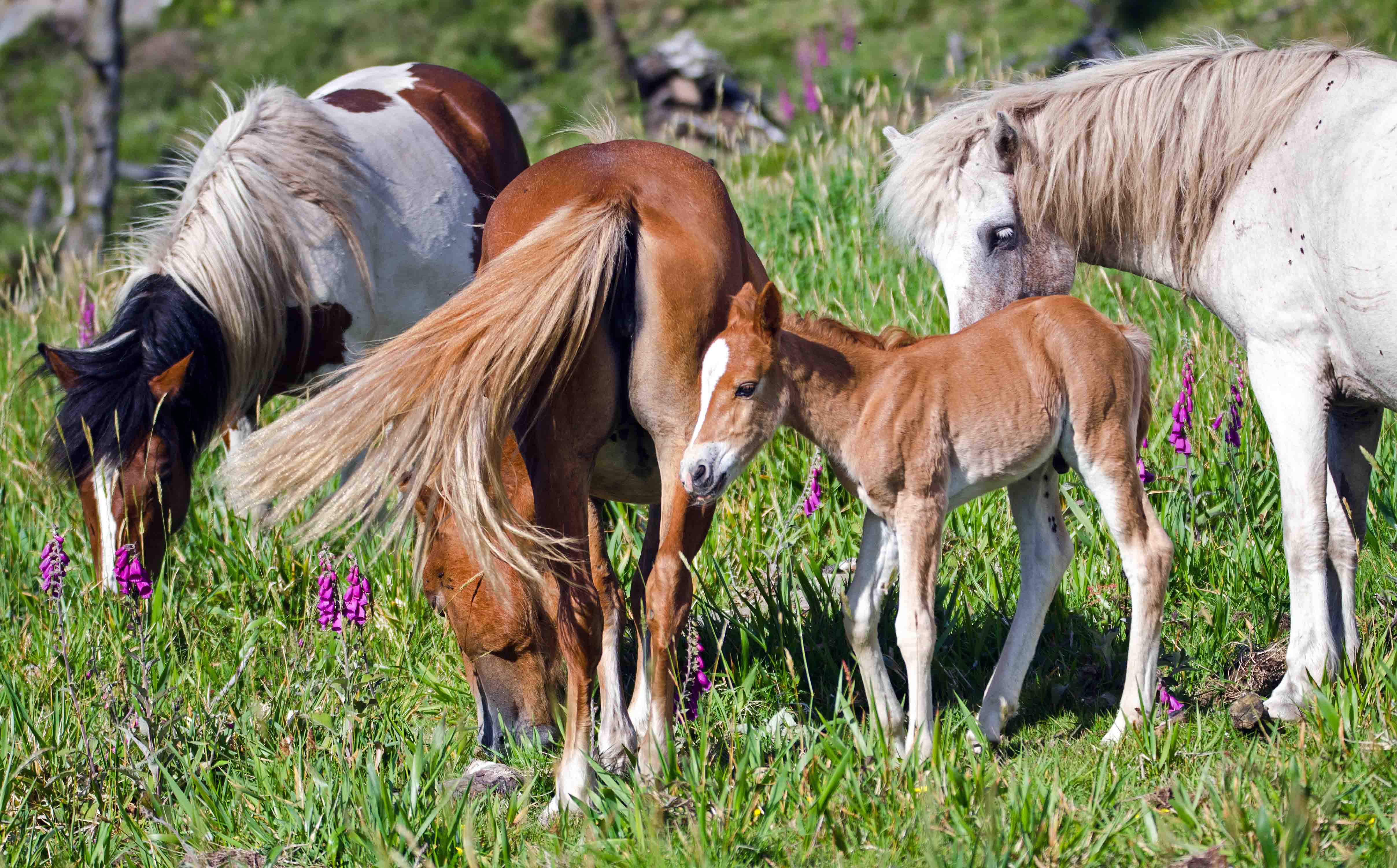
    It’s hard not to be impressed by the natural, semi-wild lives these animals live in a beautiful countryside. Idyllic when the sun is shining in early June – as in the following sequence – but no doubt a different matter during the cold, wet winters. Nevertheless, they are perfectly suited to this climate, having lived here for thousands of years. They are a living legacy.

    The white horse was not the mother, but was very tender and caring of the foal
    The white horse was not the mother, but was very tender and caring of the foal
    An idyllic scene of mares and foals on a Galician hillside in early June
    An idyllic scene of mares and foals on a Galician hillside in early June
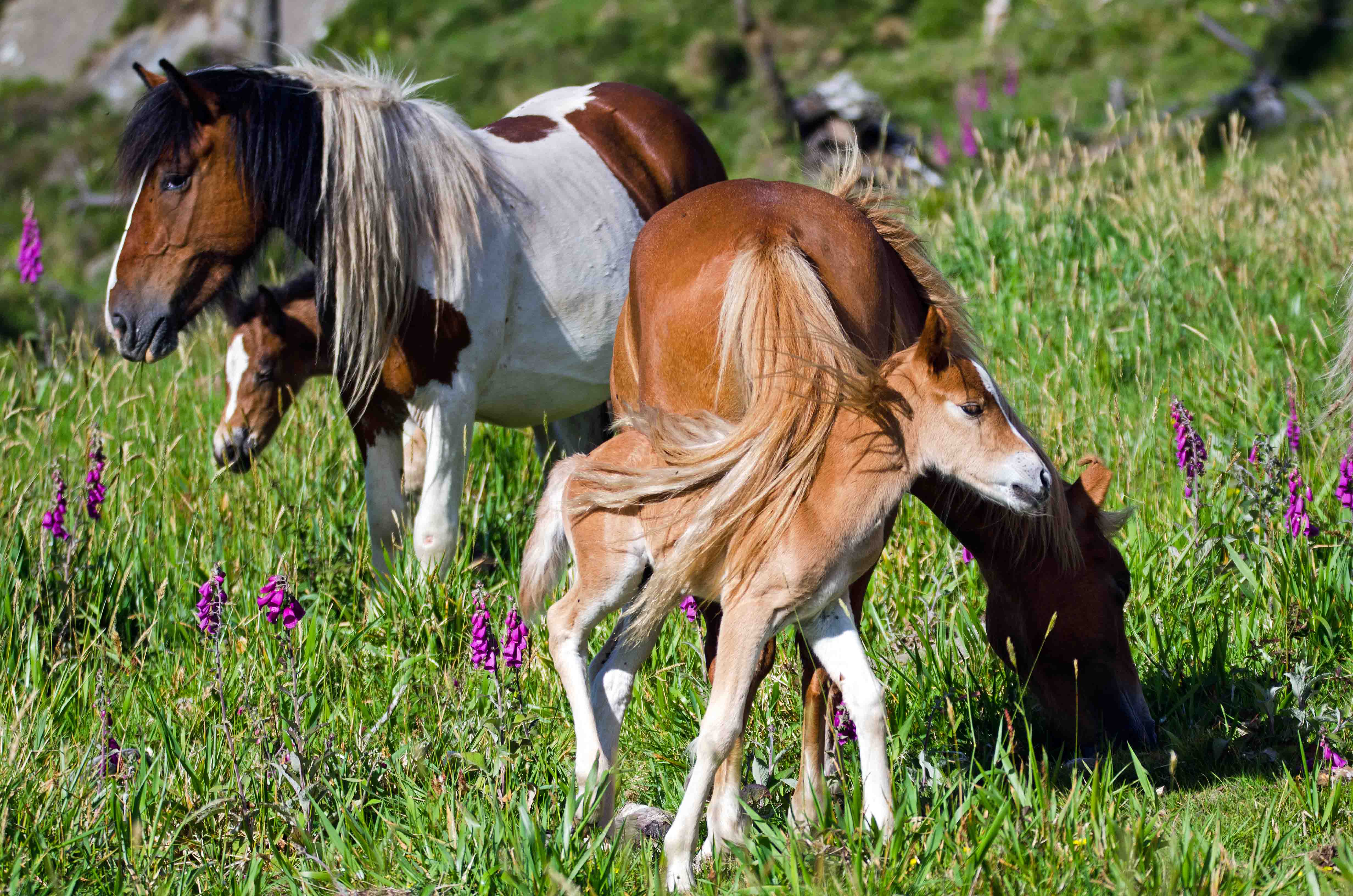
    Foal brushing its mother's tail
    Foal brushing through its mother’s tail

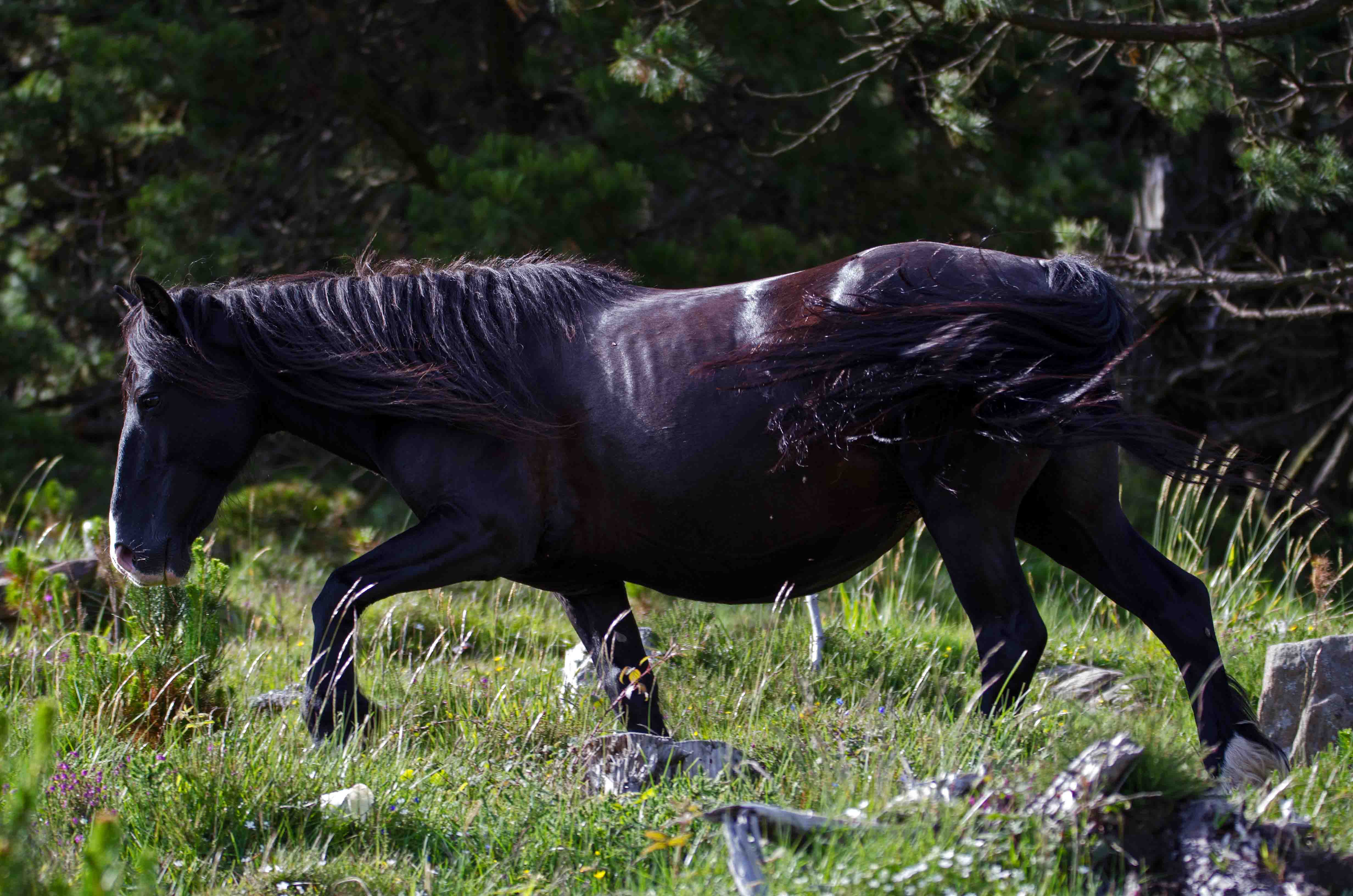
    This magnificent dark, reddish-brown horse – below – was very flighty, and took off as soon as I arrived where the horses gathered, in my car. I am not sure if all the horses on the hillsides in Galicia are traditional Galician ponies, but they are magnificent animals.

    Dark, reddish-brown horse
    Dark, reddish-brown horse
    Chestnut mare
    Chestnut mare


    1. http://www.theequinest.com/breeds/galician-pony/

    2. http://www.ansi.okstate.edu/breeds/horses/galician/

  • Bath time for linnets!

    Linnets bathing
    Linnets bathing

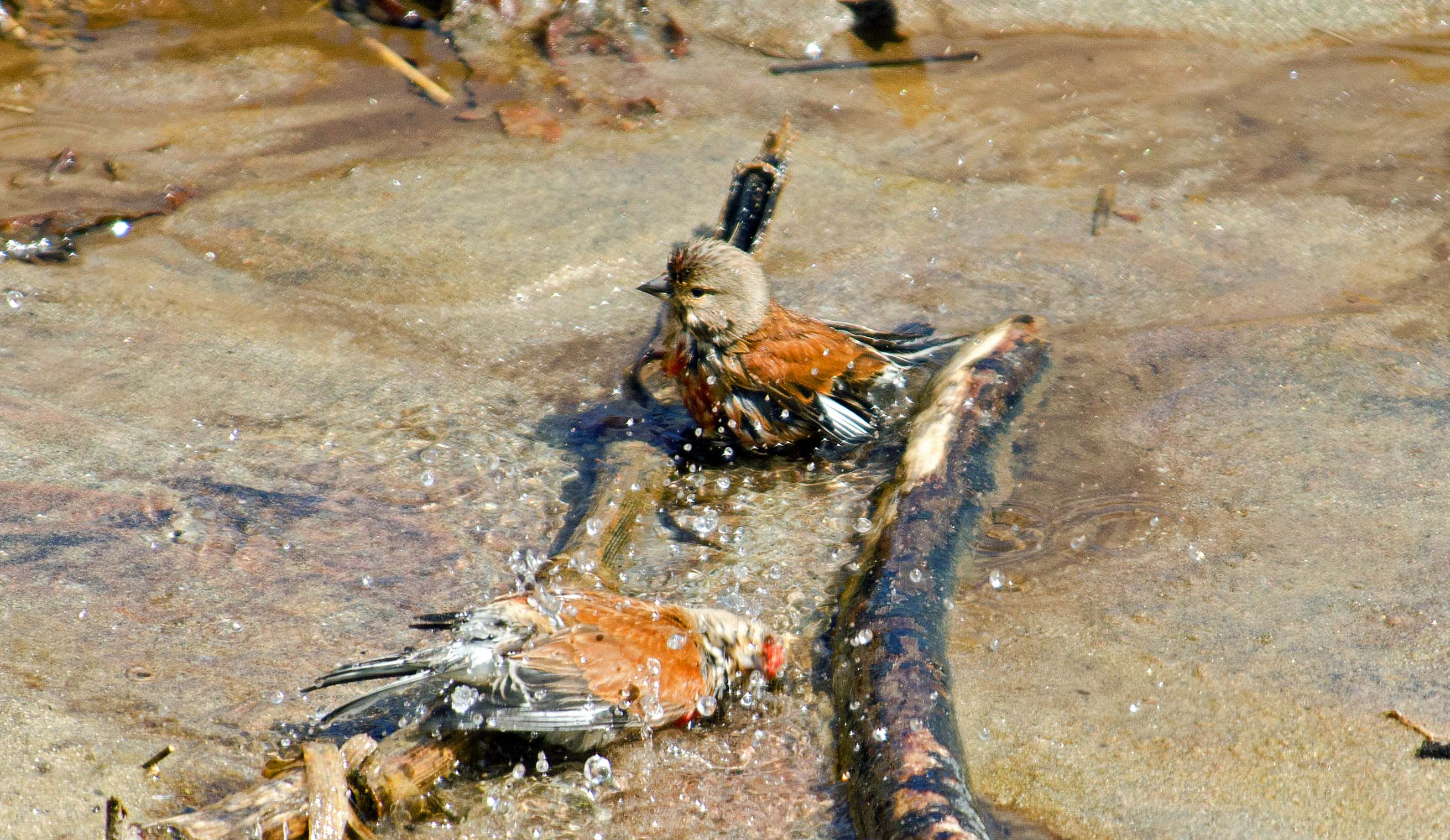
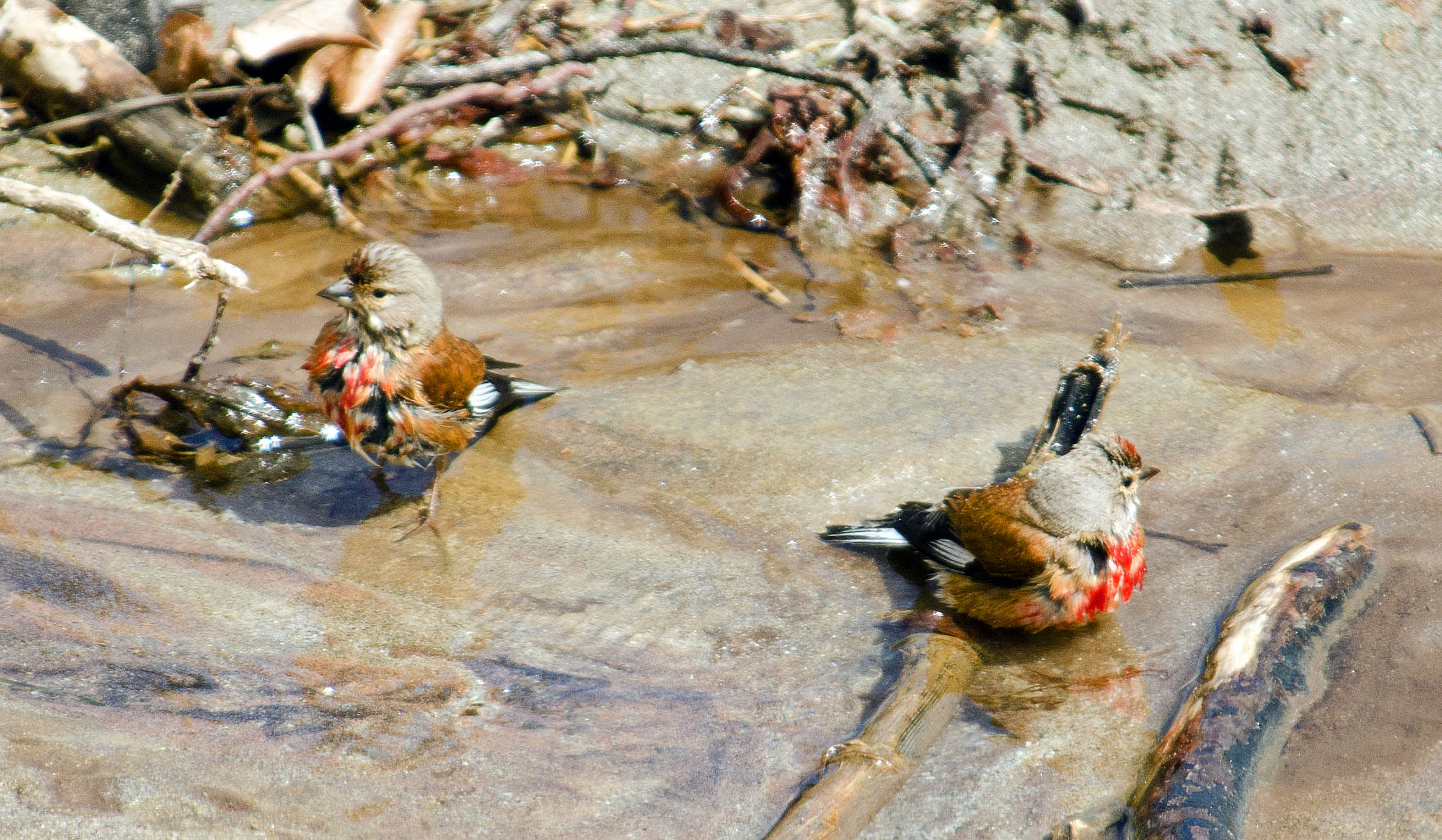
    I came across a small flock of Common Linnets (Carduelis cannabina) having a bath in a small stream flowing onto the beach at Fornos, near the town of Cariño, in Galicia, Spain (1).

     Linnet bathing

    Linnet bathing

    Linnets (Pardillo in Spanish) are quite common in Spain, and flocks can be seen throughout the year along both sides of the Ria Ortigueira. These birds were bathing and preening in late April.

     Linnets bathing

    Linnets bathing

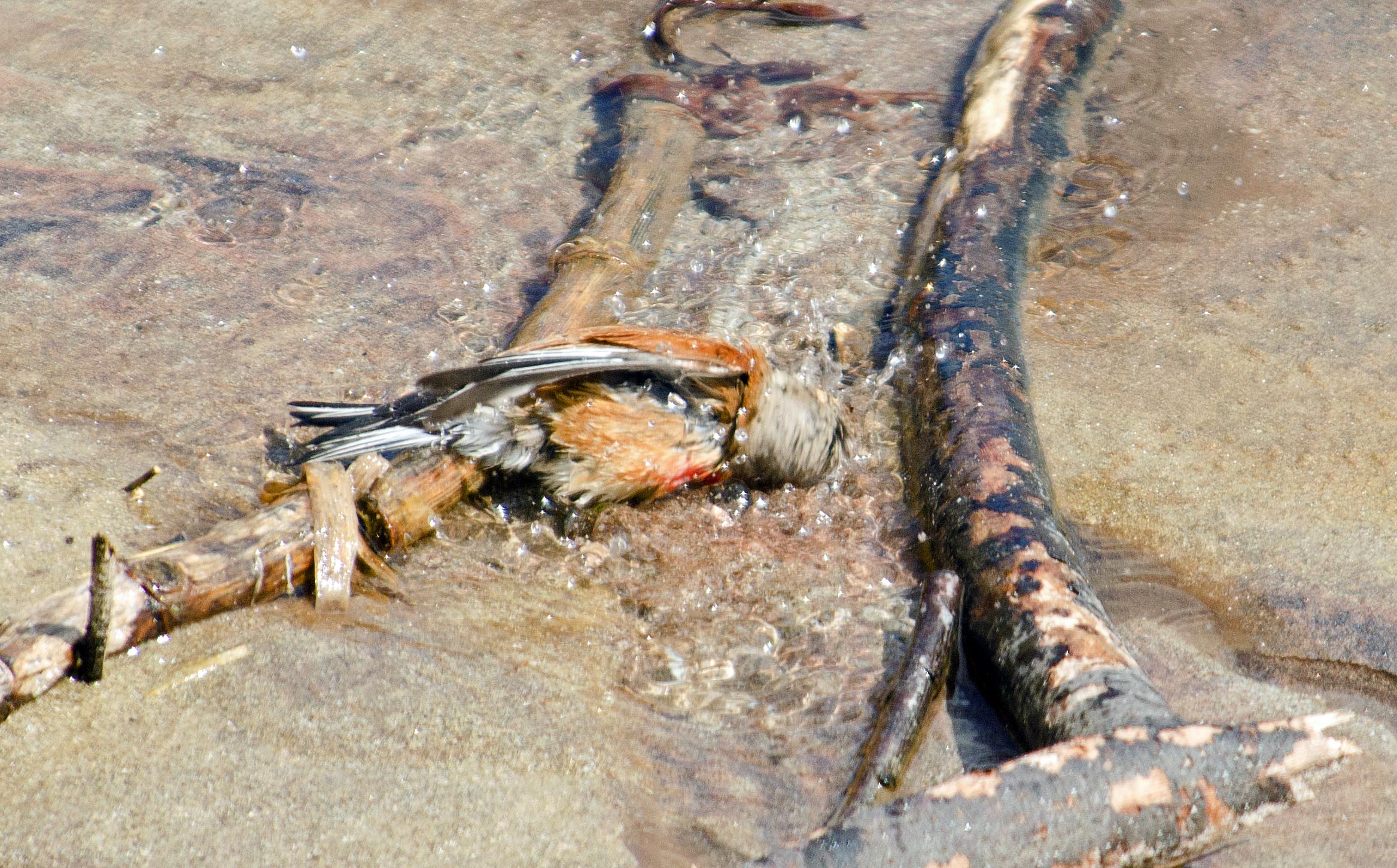
    There’s not a lot to say about them, but it is interesting to see how vigorously they bath and how they shake their heads rapidly to and fro.

    Linnet bathing
    Linnet bathing

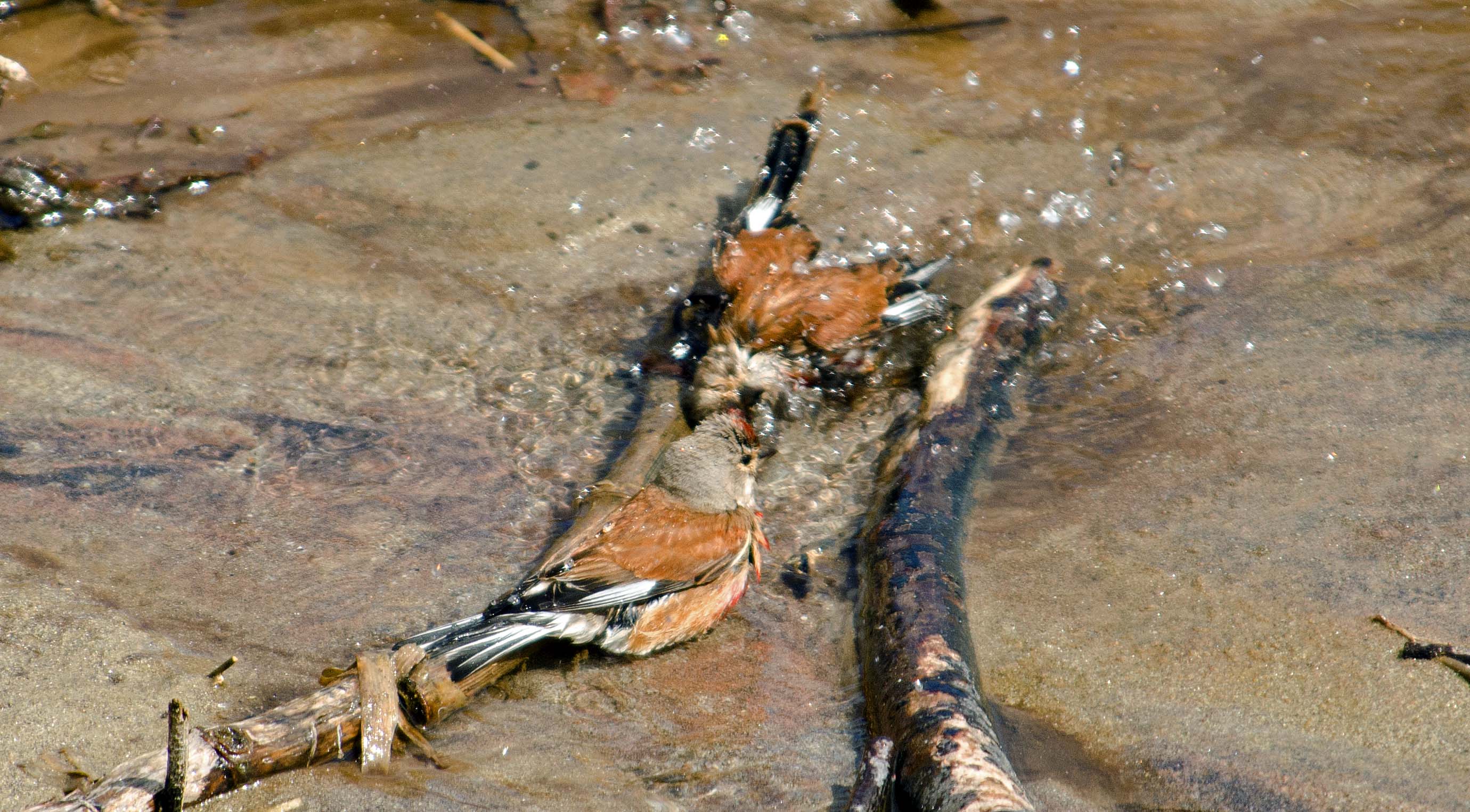
    Where there were two males together, I got the impression that one would bath and the other would keep a watch out; but this might just have been a co-incidence.

    Linnets bathing
    Linnets bathing

    They also seem to like to get water right up under the breast feathers. Who wouldn’t! The two males in the following photo appear to have lifted up their breast feathers and you can see black under the red and white feathers. Must be wearing a vest!

    Common Linnet (Carduelis cannabina) two males with raised breased feathers
    Common Linnet (Carduelis cannabina) two males with raised breast feathers

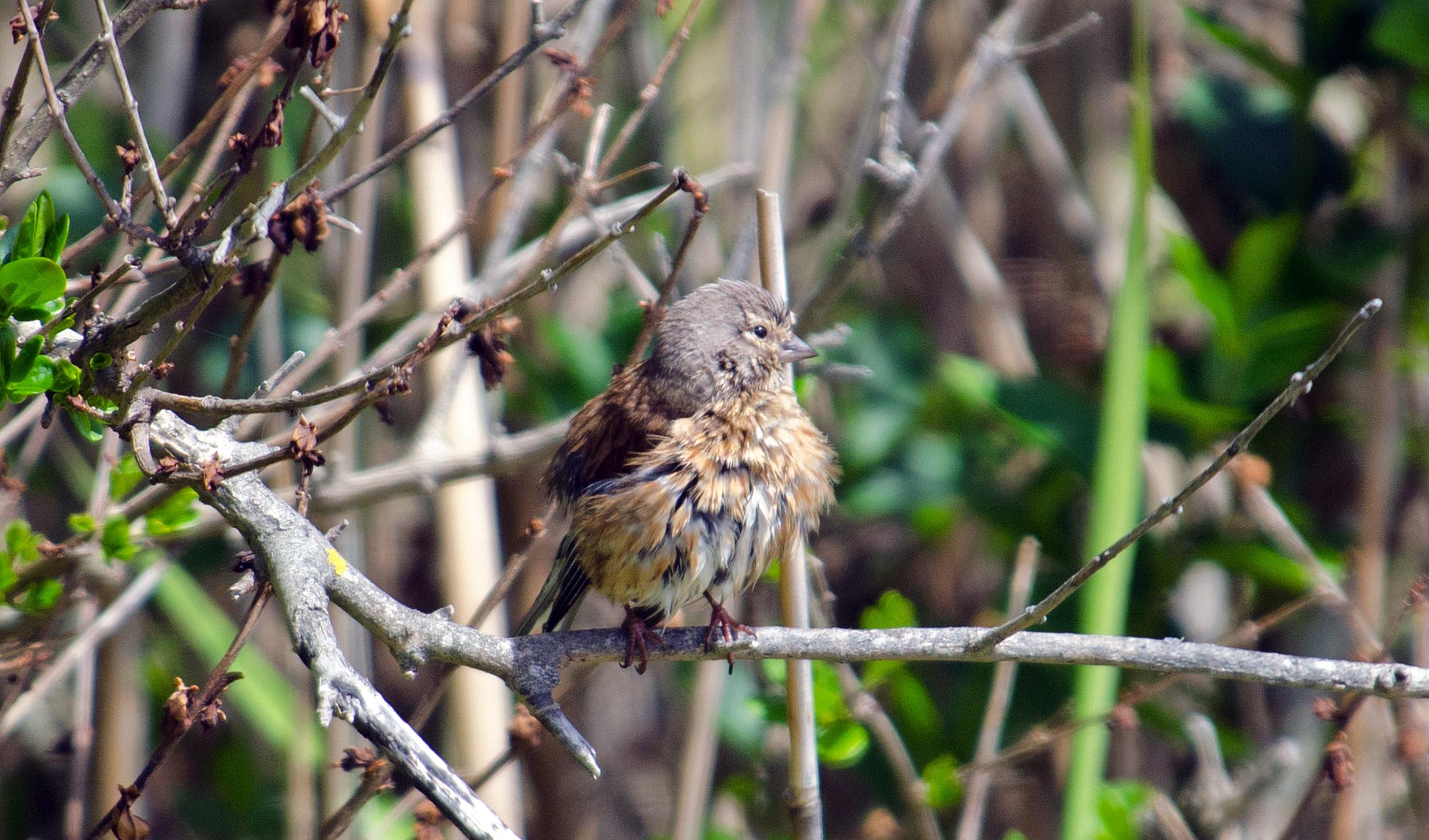
    After bathing they spend some time sitting and preening and generally drying off. You can see glimpses of black (skin?) under the feathers on this female (below).

    Common Linnet (Carduelis cannabina) female drying feathers
    Common Linnet (Carduelis cannabina) female drying feathers


    1. http://www.turgalicia.es/ficha-recurso?langId=en_US&cod_rec=10196&ctre=15

  • Pick up a polariser!

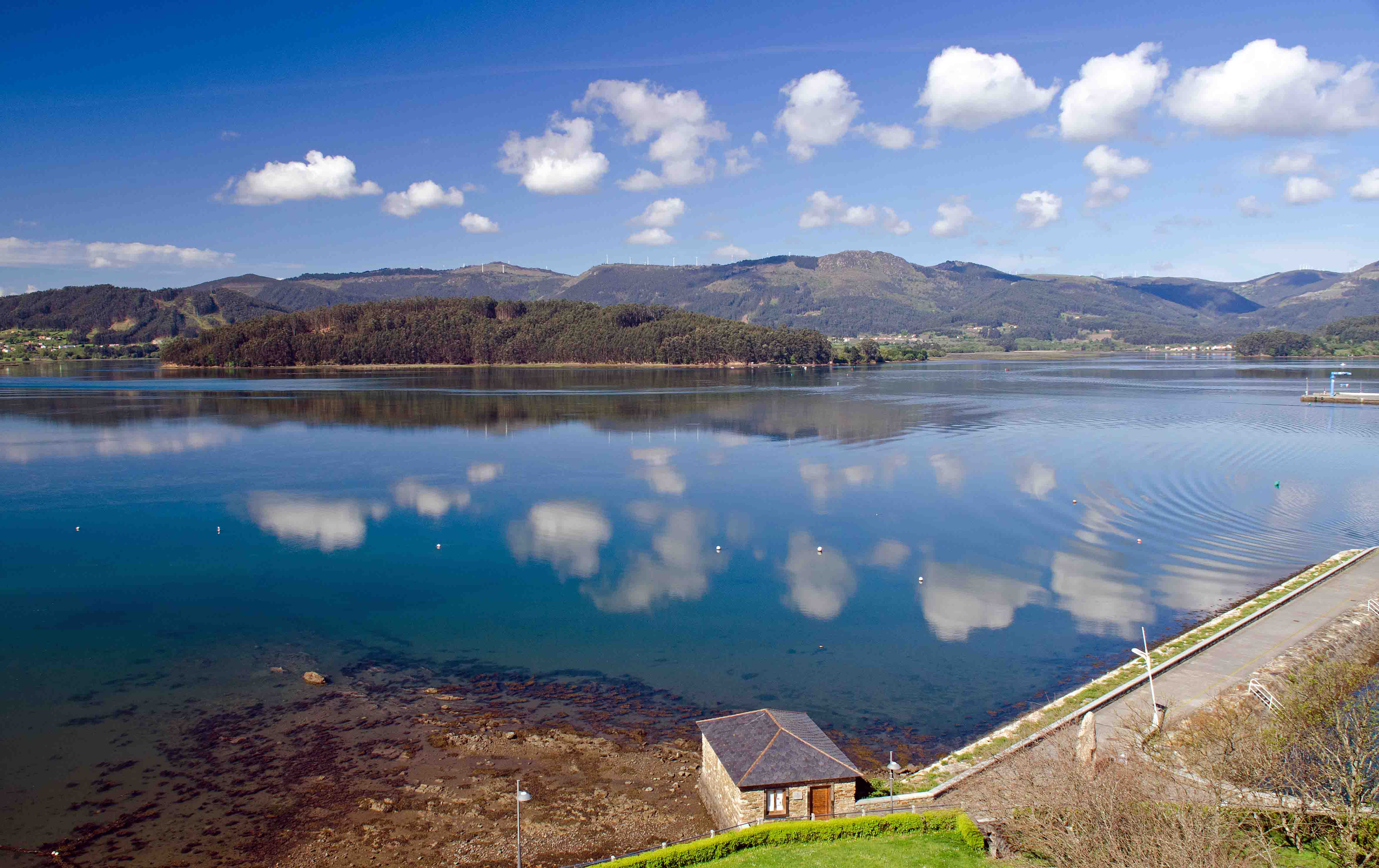
    Ria Ortigueira with polarising filter
    Ria Ortigueira with polarising filter

    Polarising filters are easy to screw onto a lens, and if used with care, add a whole new dimension to your photography. In particular they darken blue skies and alter the tone and translucency of water as well. I fitted a 77mm polarising filter onto the front of my two favourite Nikon lenses (17-55mm f2.8 and 70-200 f2.8) and had some fun taking images during a visit to Galicia, Spain. On the wide-angle lens, the polariser really enhanced the colour of both the sky and the water in the above photograph. It really emphasised the reflections of the little white clouds. You can of course vary the extent of the polarising effect, by rotating the lens, and the choice of how much polarisation to create is really a matter of choice.

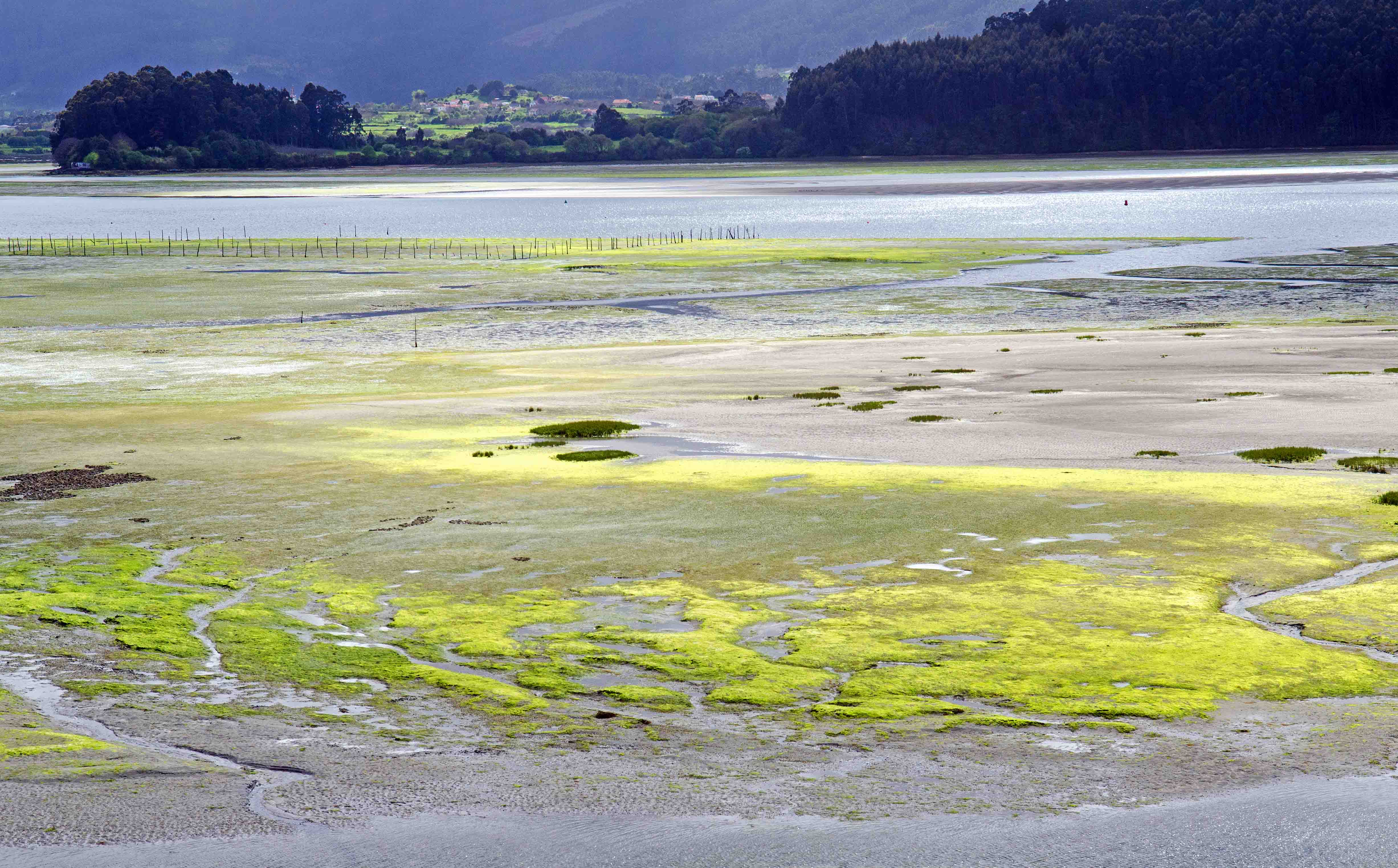
    Mud banks Ortigueira with polariser
    Mud banks Ortigueira with polariser

    Another effect of a polariser is to increase the colour saturation and enhance the green colours in a photograph. I think I managed to this in the above photograph, – using the 70-200mm lens – where the green vegetation on the mud banks at low tide, is nicely saturated. A polarising filter will decreasing the amount of light passing through the lens – by up to two f-stops I understand – but the light meter of a modern camera will evaluate the light passing through the lens and adjust the exposure accordingly. Nevertheless, a polarising filter works best I think in bright light.

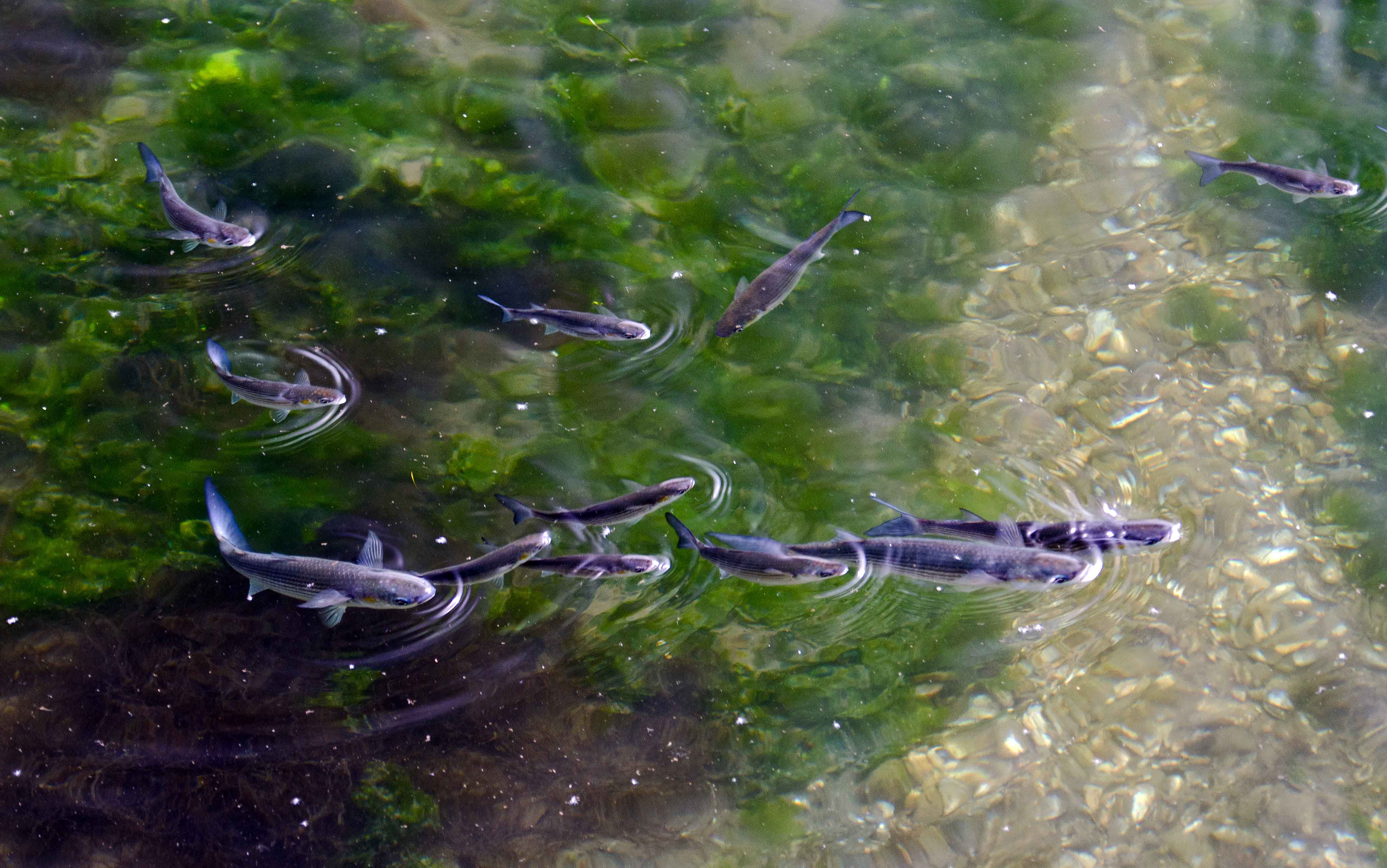
    Fish swimming in the Ria Ortigueira; taken with polarising filter
    Fish swimming in the Ria Ortigueira; taken with polarising filter

    One area where a polarising filter really comes into its own, is when looking down through water. The filter really worked well in cutting down on reflections producing more transparency into the water, when used on the 70-200mm to capture these fish swimming in the Ria. All of these images were taken around the town of Santa Marta de Ortigueira, which is located at the head of the Ria Ortigueira, Galicia, Spain. A Ria is a coastal inlet, or drowned river valley that leads into the sea, and there are many beautiful Rias in NW Spain.

  • Happy New Year! Am I a goat or a horse?

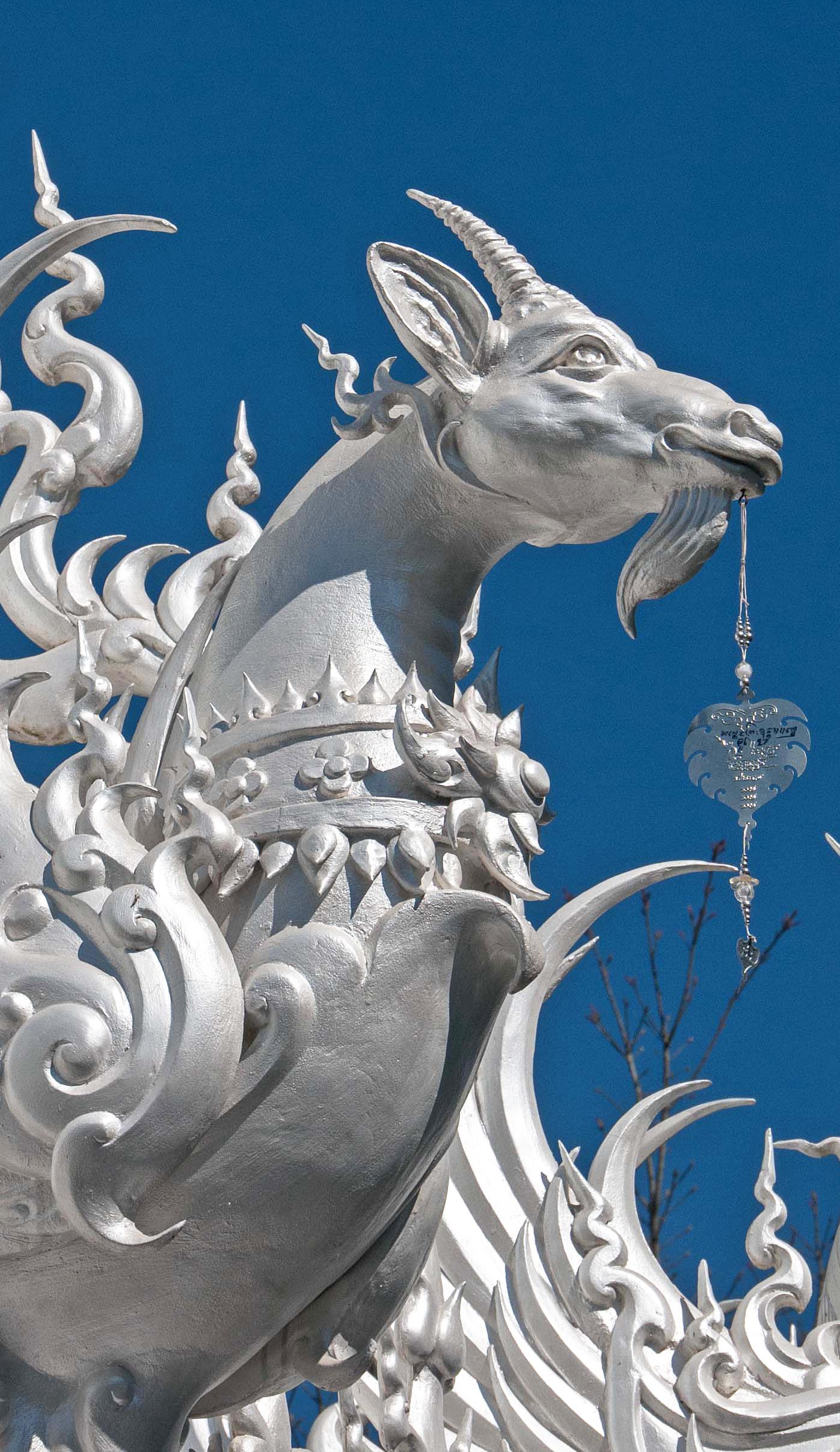
    Goat at  Wat Rong Khun
    Goat statue at Wat Rong Khun, Thailand

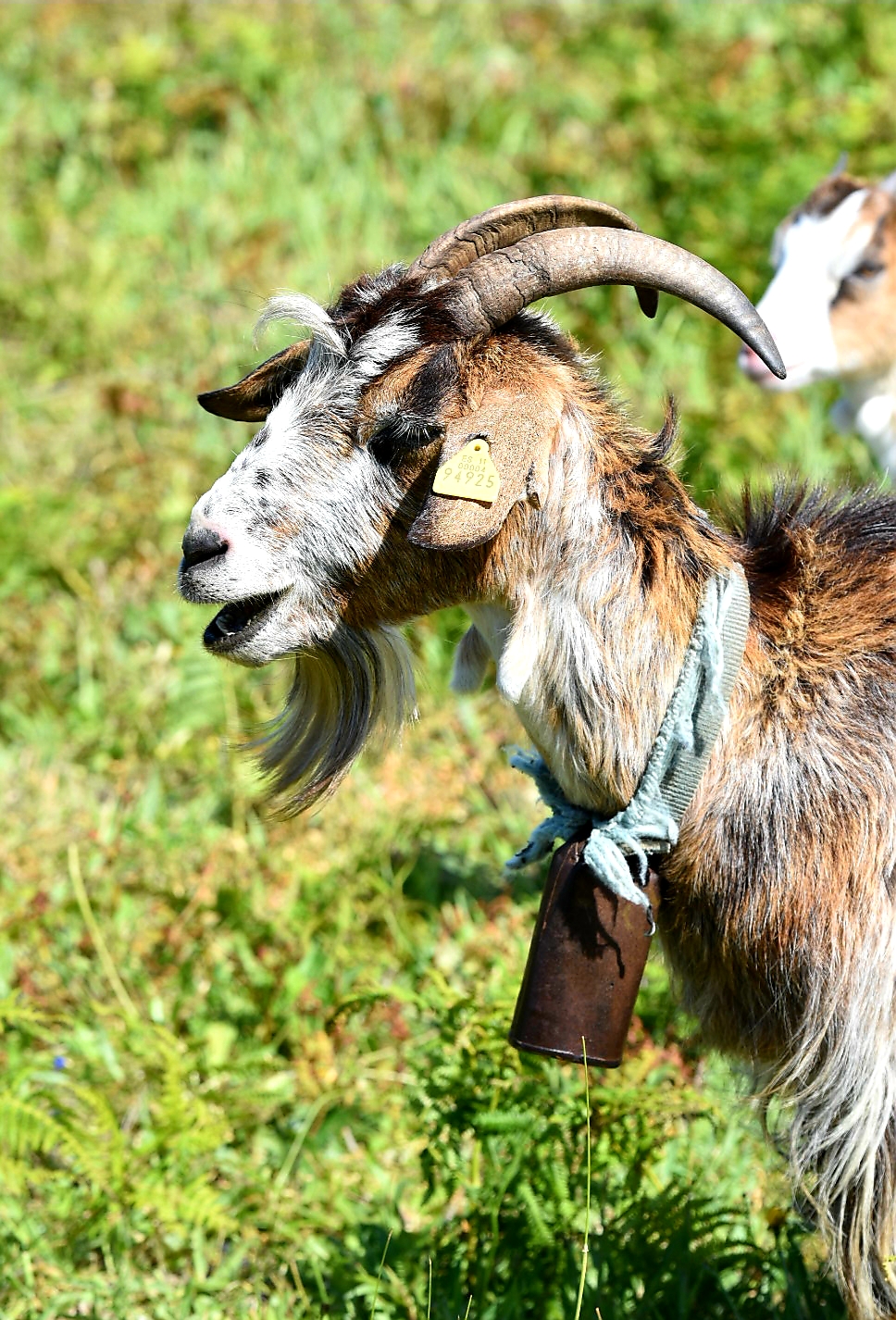
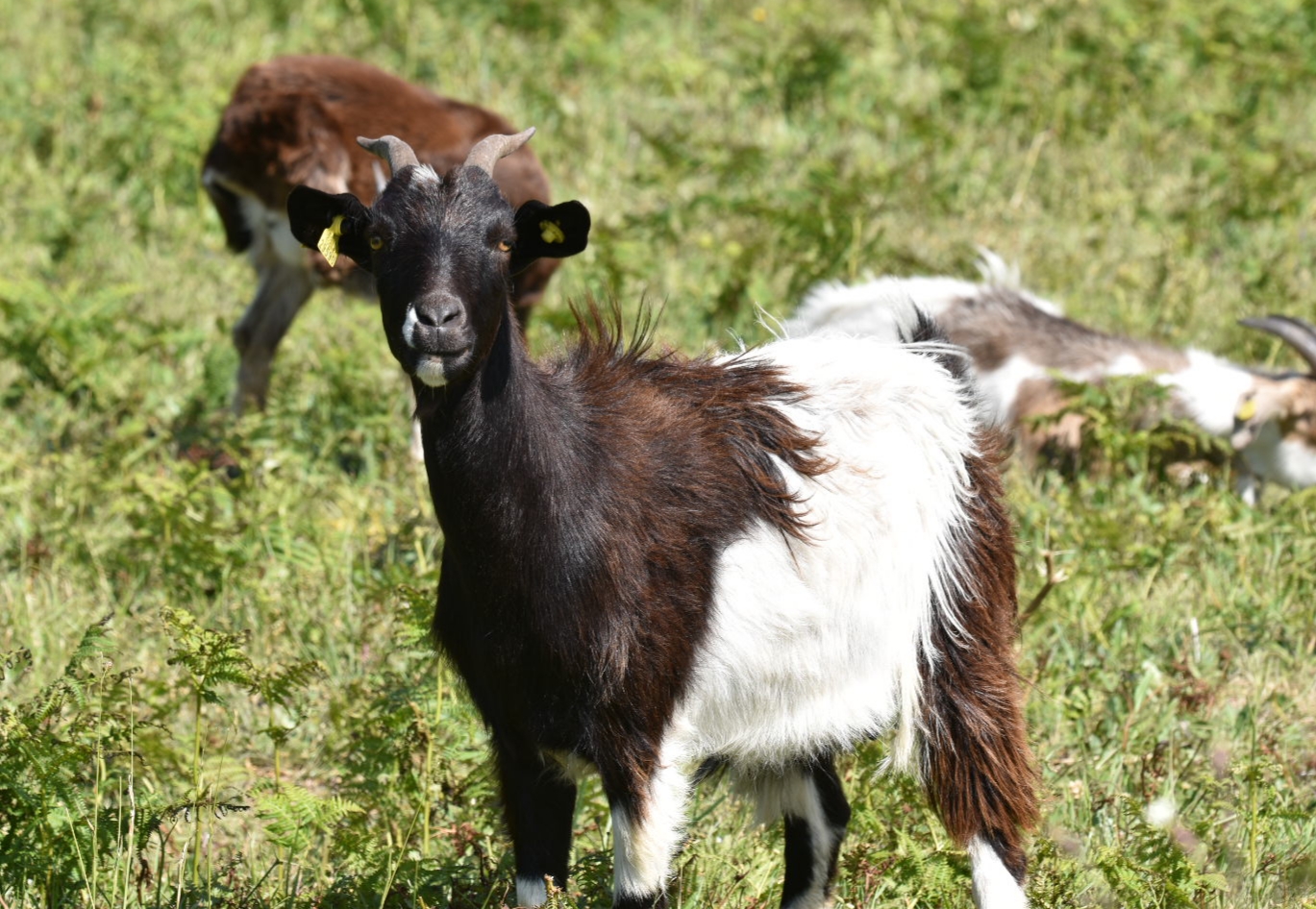
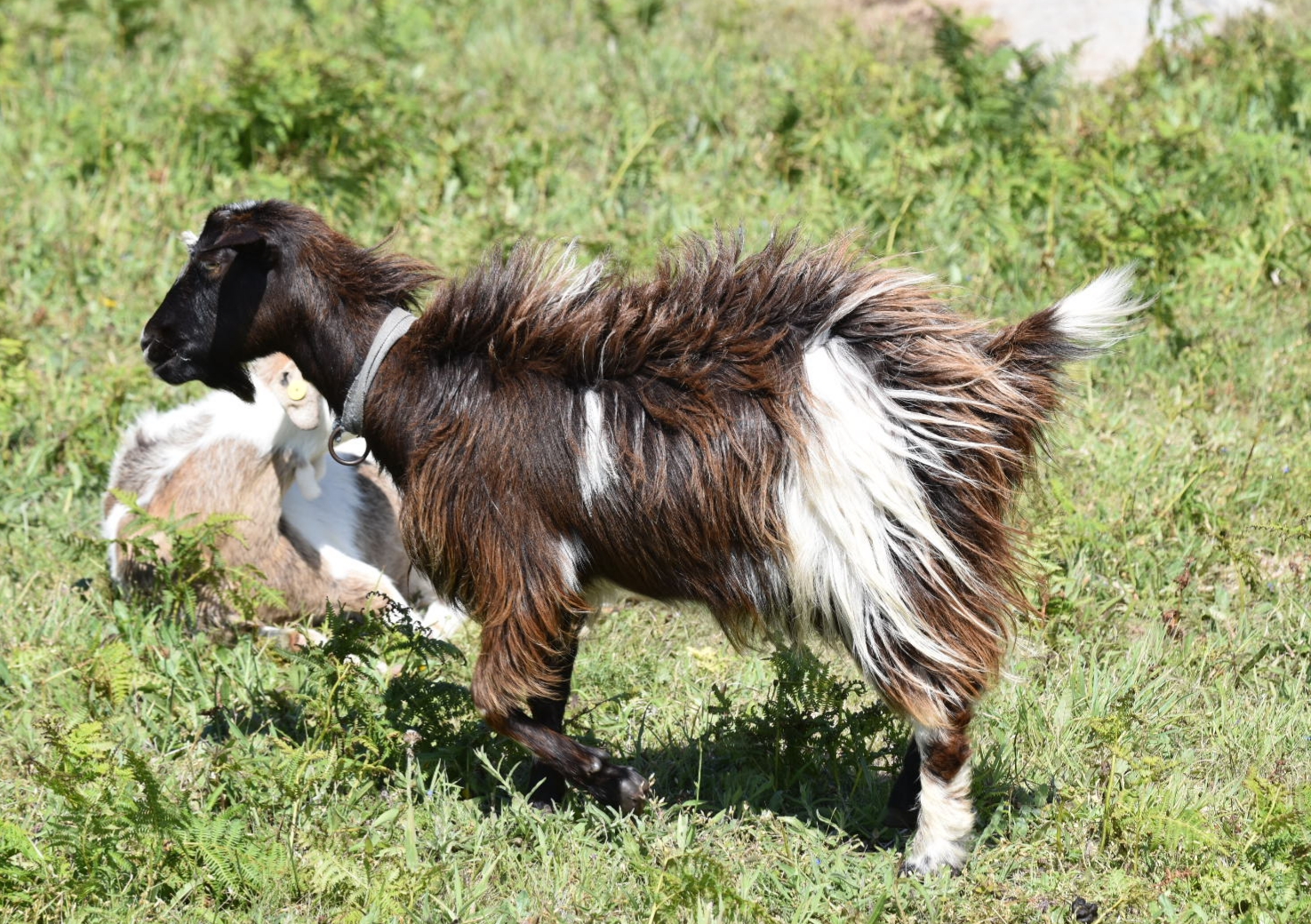
    It is now the year of the goat.  Or is it the year of the sheep? Or the ram?! According to one site on Chinese Astrology (1) “goat people are elegant, charming, artistic, gifted and fond of nature”! Well I certainly identify with that!

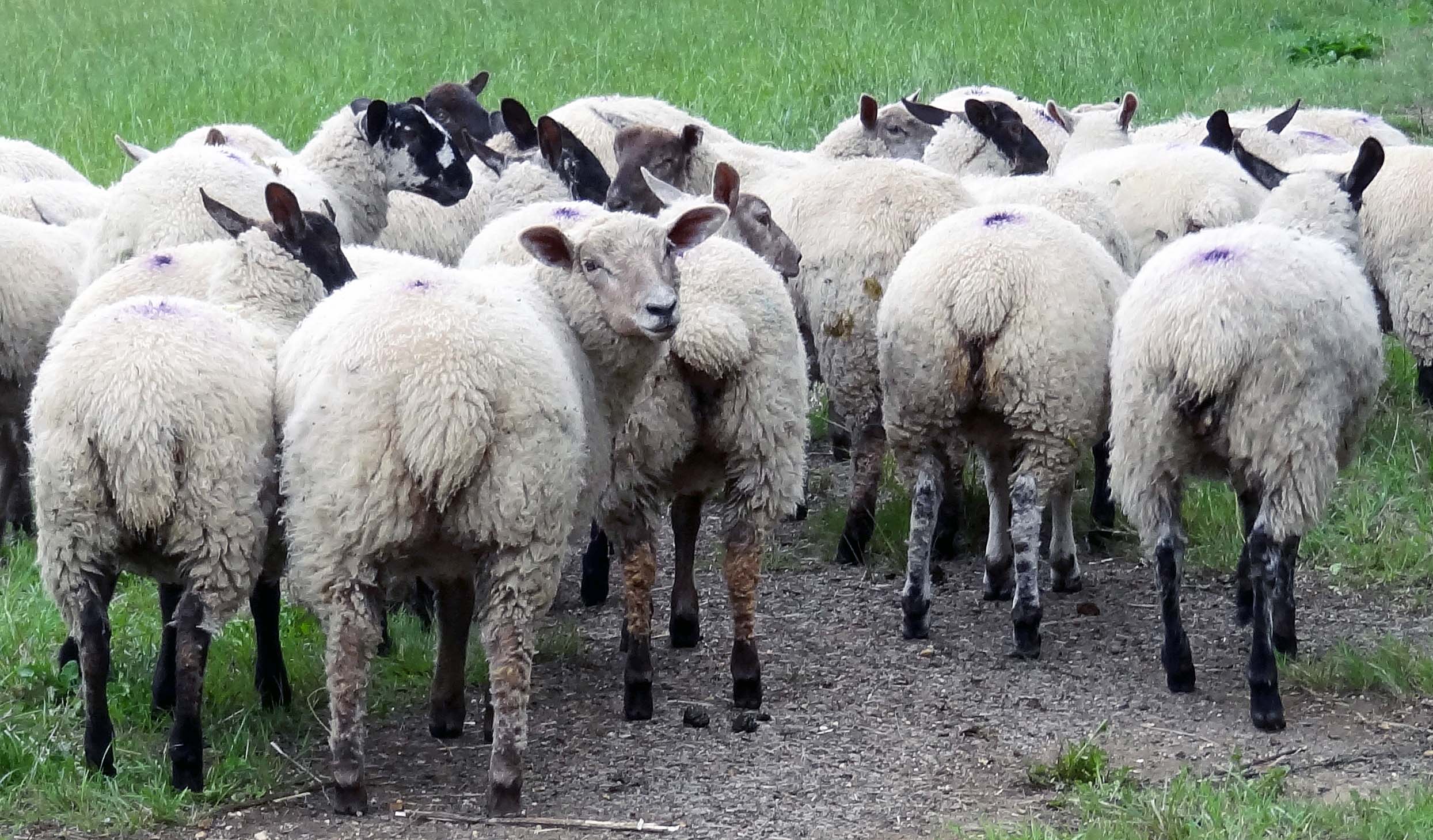
    Sheep
    Sheep in Kent

    So I looked it up and it turns out I was born in a year of the goat (1955) but I missed the start of the Chinese New Year by one day! Less than one day as I was born at 9 am according to my Mum! I was born on 23 January 1955 and the Year of the Goat started on 24 January that year!  That really makes me a horse. “Horse people are active and energetic [yes that’s me!]…..got lots of sex-appeal [sure!]…..love to be in a crowd [oh no, not me at all!].  So, I guess I must be on the cusp, with some goat-like and some horse-like qualities!

    Wild ponies in Galicia, Spain
    Wild ponies in Galicia, Spain


    1. Chinese Astrology. http://www.chinese-astrology.co.uk/goat.html