Category: Spain

  • Royal Botanical Gardens of Madrid

    Royal Botanical Gardens of Madrid

    I went to Madrid this year, partly to visit these gardens which I had read about but never visited on previous trips to Madrid. The gardens were founded in 1755, by King Ferdinand VI, and moved to their current location in the centre of Madrid in 1781 by King Charles III of Spain.
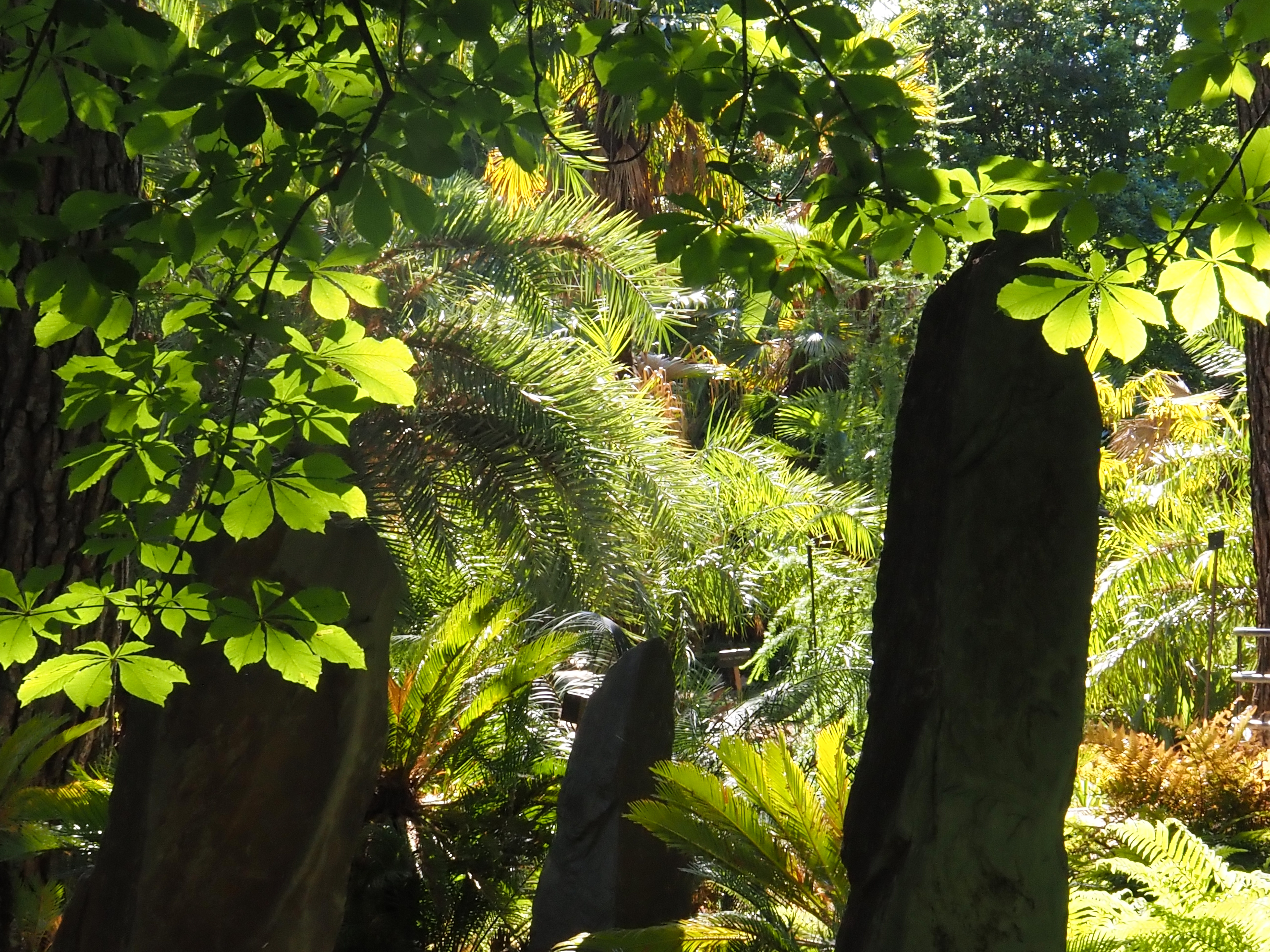
    The Royal Botanical Gardens of Madrid (Real Jardín Botánico de Madrid) is an 8 hectares (20 acres) botanical garden sited next to the Prado Museum.
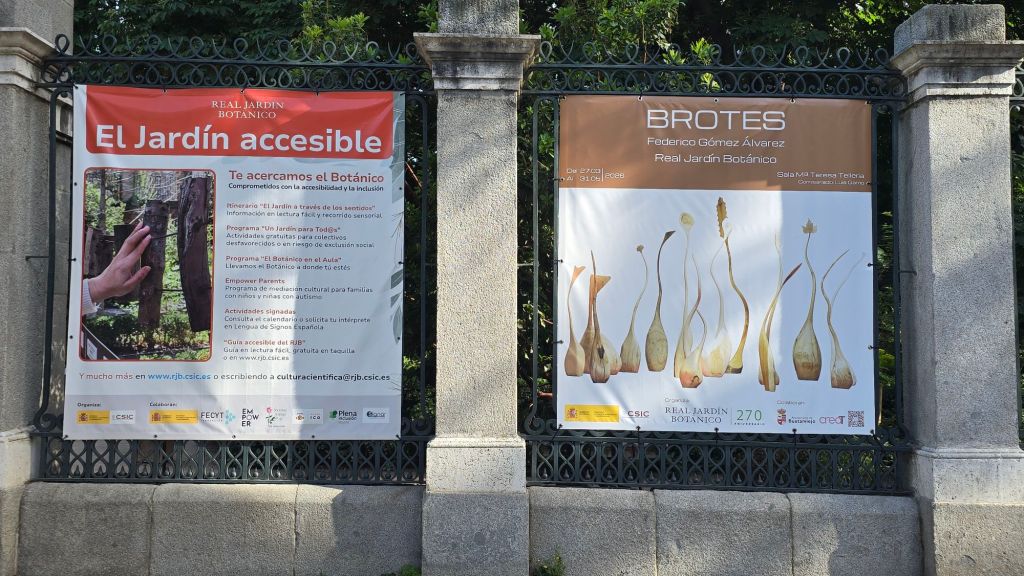
    There are said to be more than 5,000 species and cultivars of plants from different continents in the gardens, many collected on scientific expeditions carried out in the 18th and 19th centuries.

    It only costs one euro to visit the gardens and I went three times on successive days. Temperatures were high (c. 32-33 deg C), even though it was only May,

    The plants are arranged in a grid (see below) .
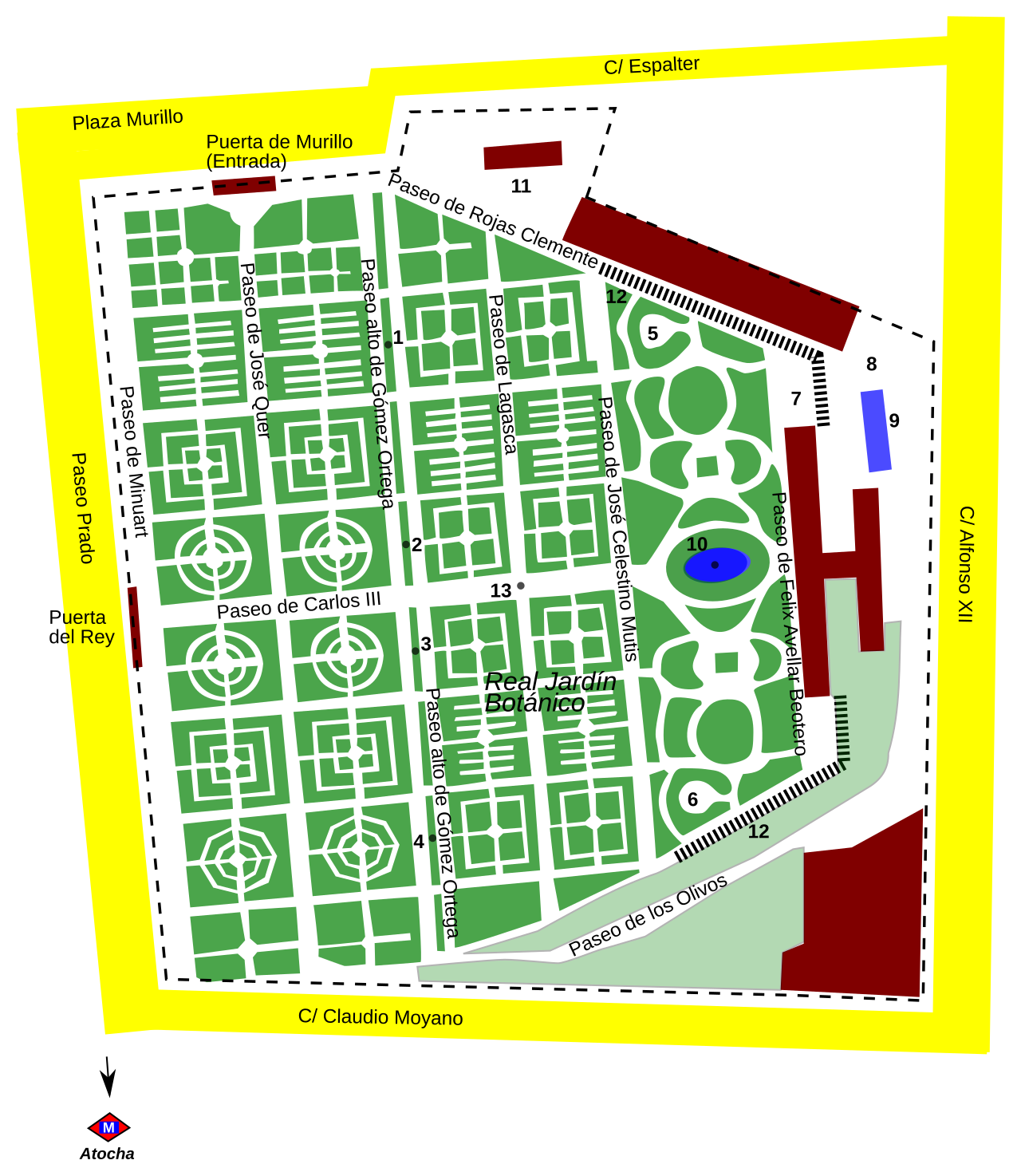
    Royal Botanical Garden of Madrid. 
    Xauxa Håkan Svensson, Public domain, via Wikimedia Commons
    1. Statue of José Quer 2. Statue of Simón de Rojas Clemente 3. Statue of Mariano Lagasca 4. Statue of Antonio José Cavanilles 5. Monument to Blas de Lázaro 7. Collection of succulent plants 8. Waterwheel Pavilion 9. Pond 10. Statue of Carl Linnaeus 11. Small Garden 12. Wrought iron trellis from 1786 13. Statue of Charles III

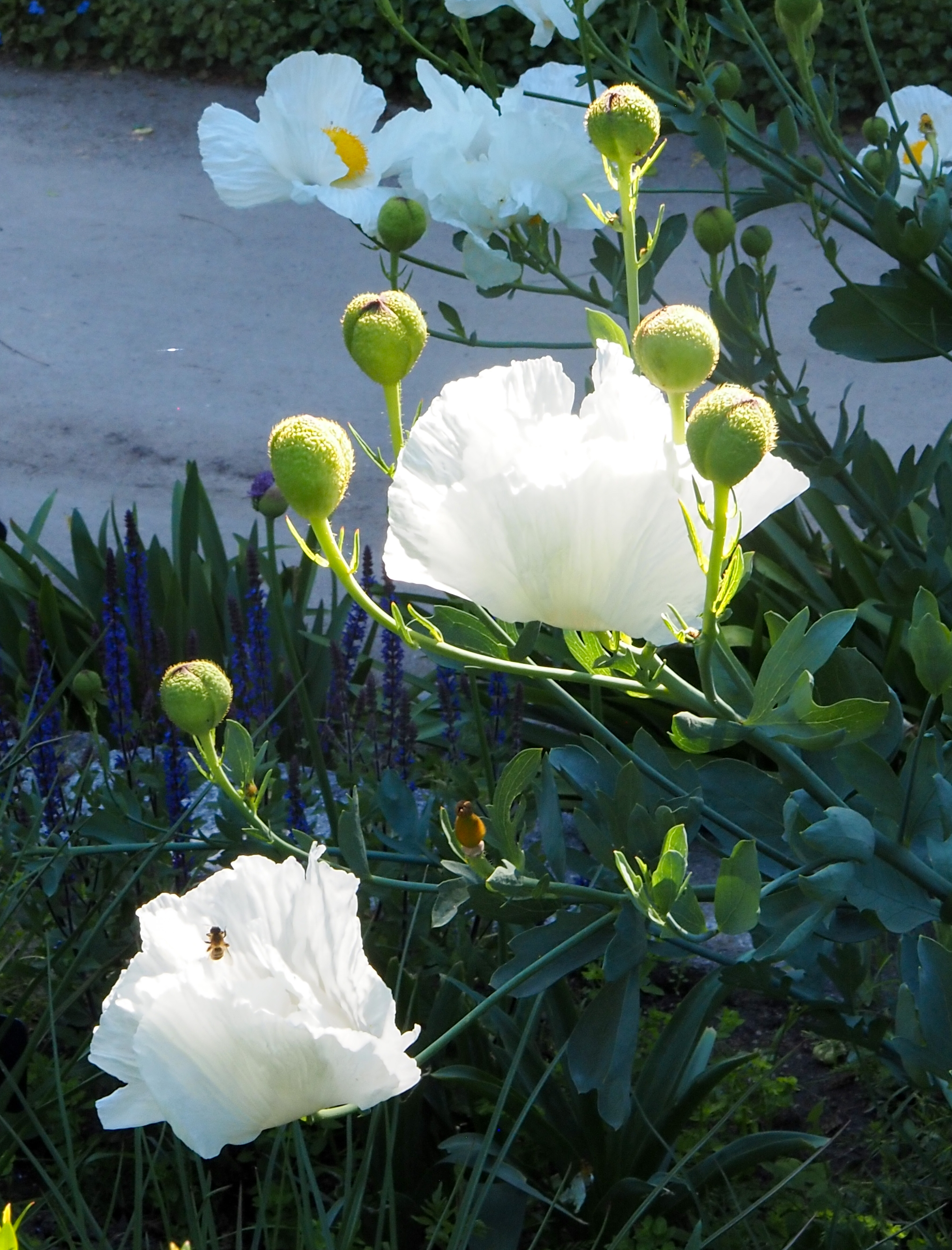
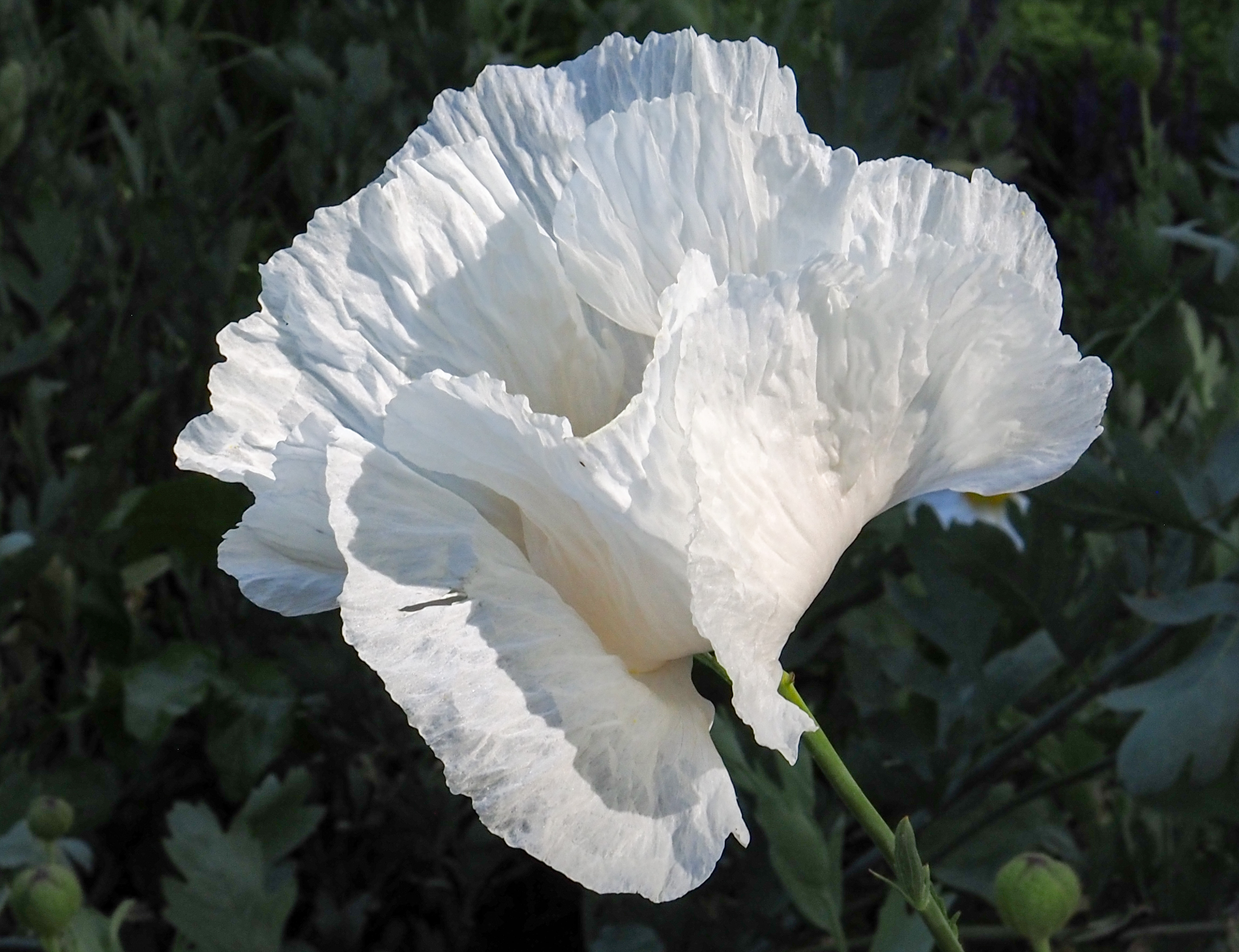
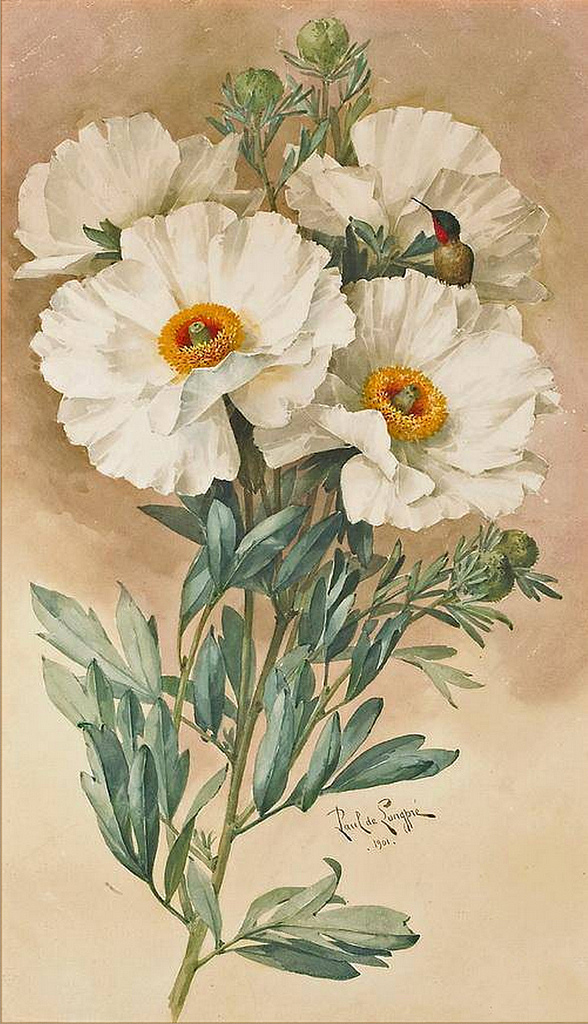
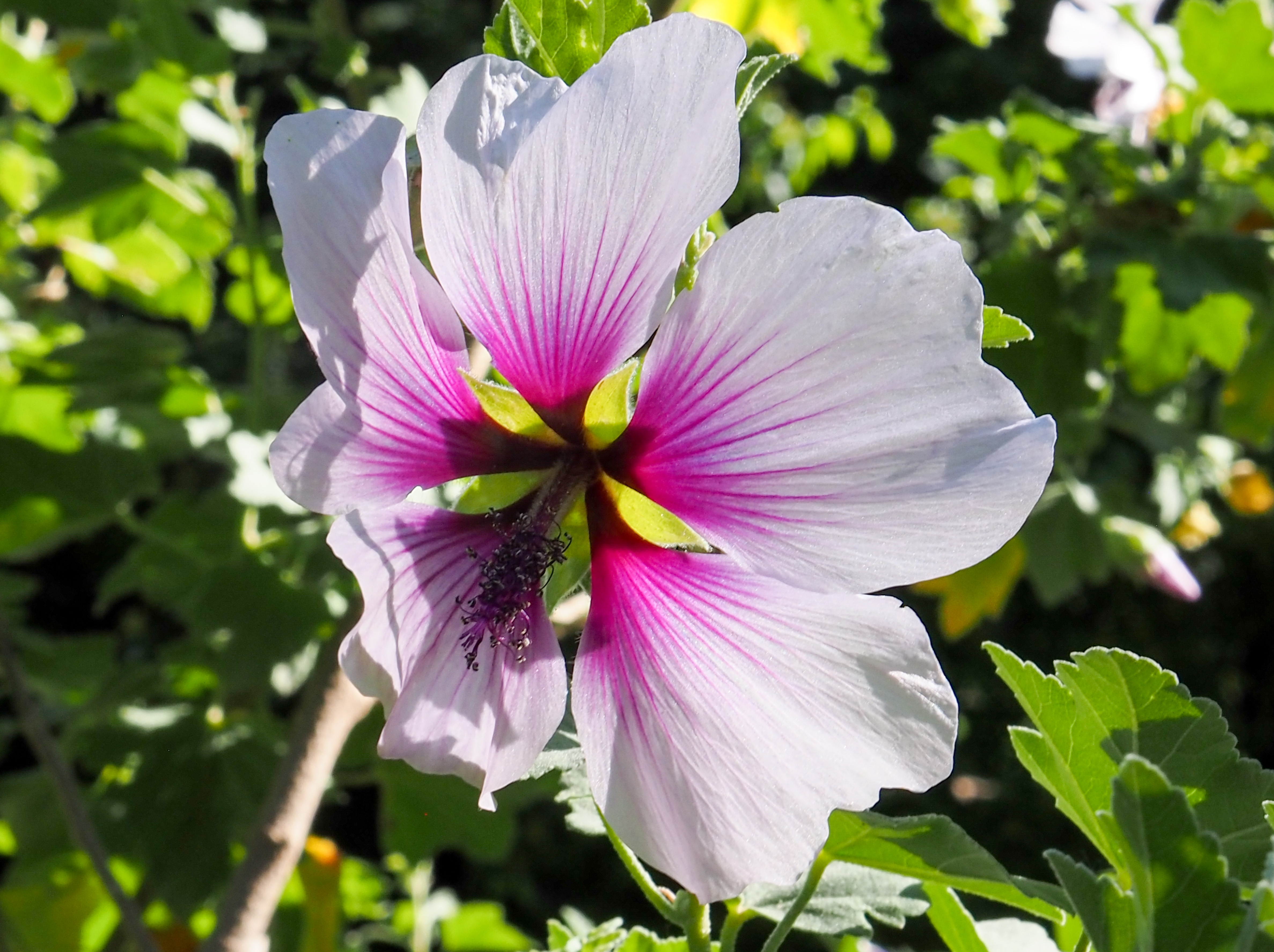
    I wandered around taking pictures of flowers and insects that caught my attention. One particularly beautiful flower, Romneya coulteri, the Coulter’s Matilija poppy or California tree poppy (below), is a perennial species of flowering plant in the family Papaveraceae. It is native to southern California, USA, and Baja California, Mexico, where it grows in dry canyons in chaparral and coastal sage plant communities.
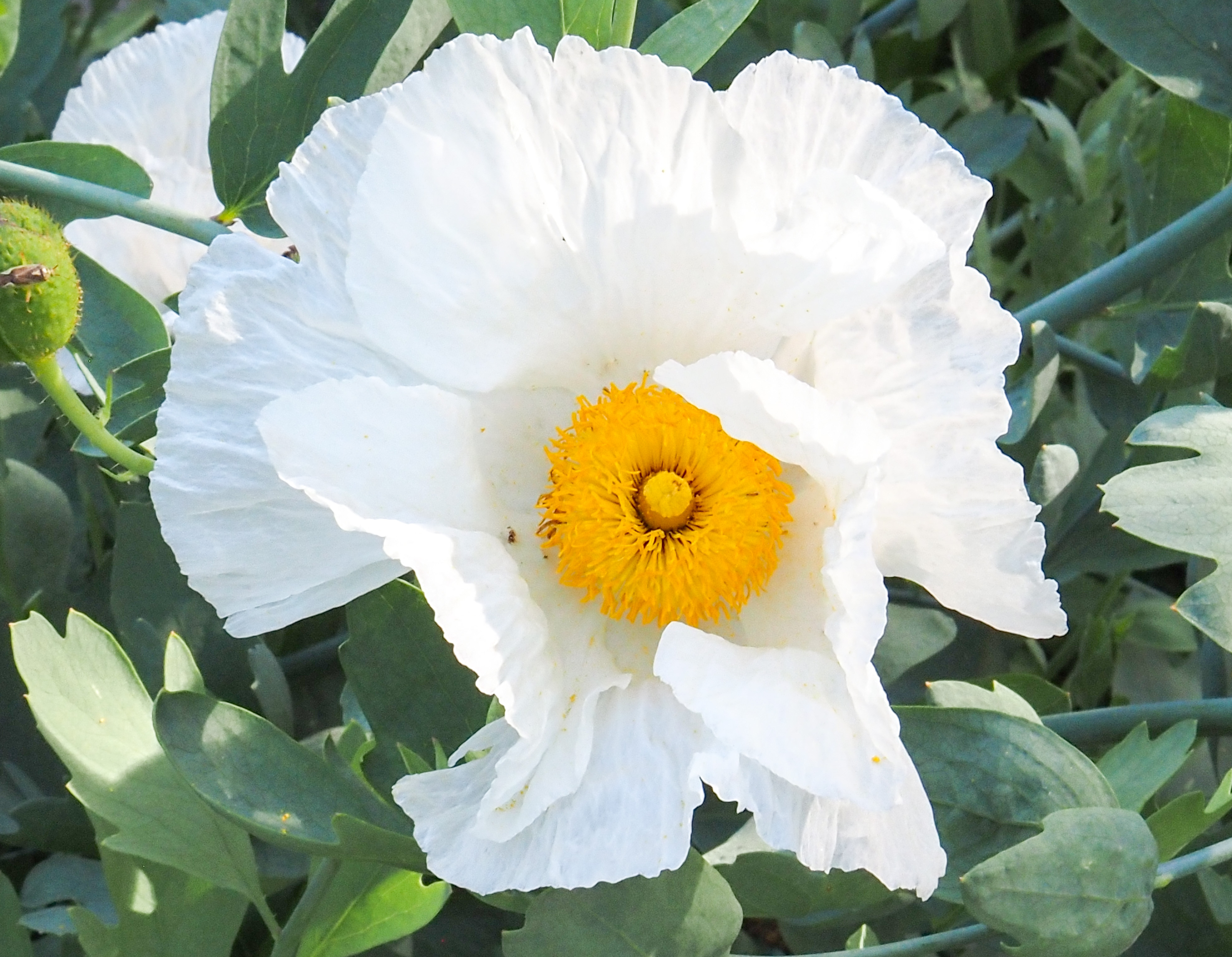
    Romneya coulteri the California tree poppy by Paul de Longpré (1855-1911), Public domain, via Wikimedia Commons

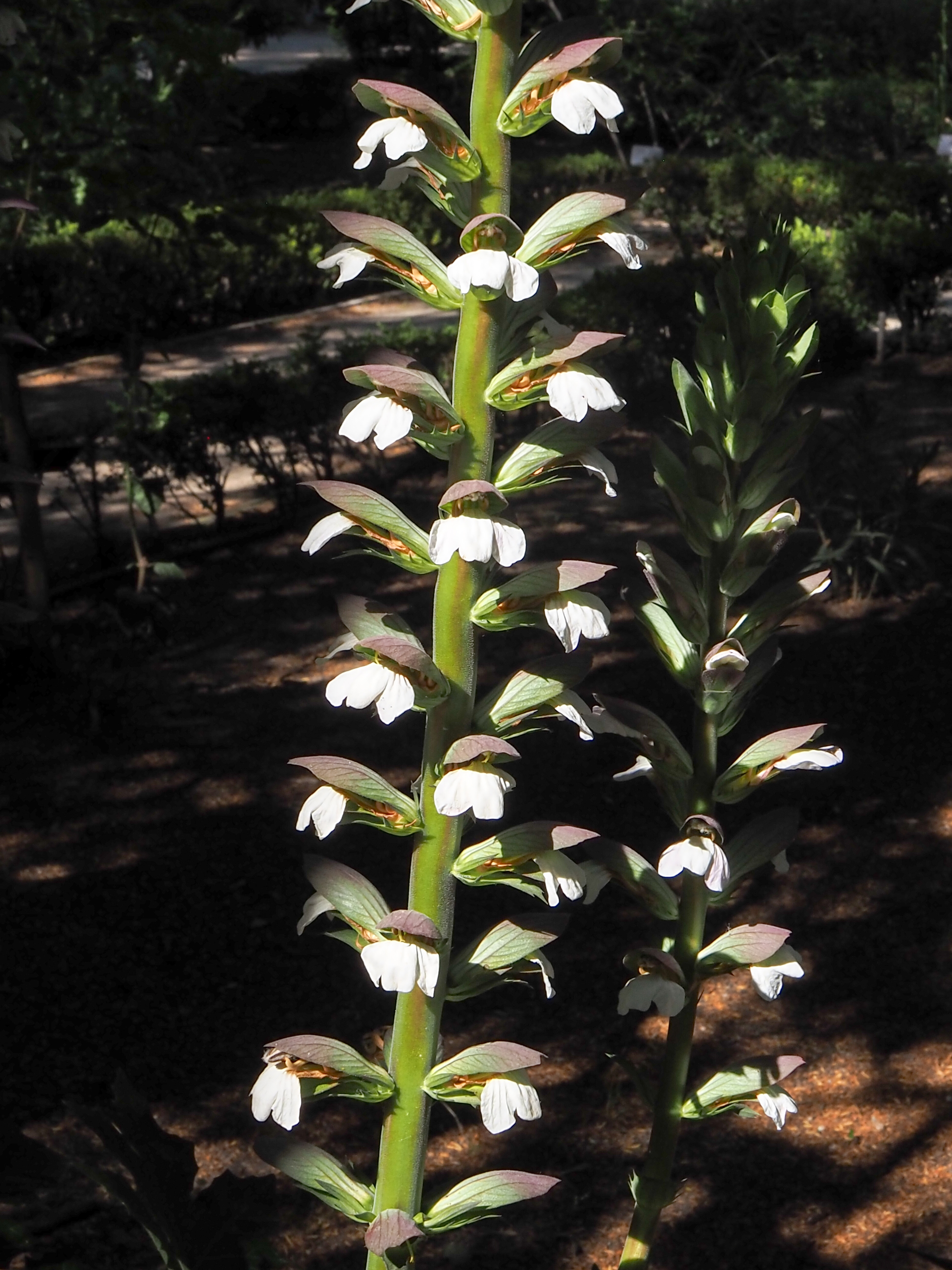
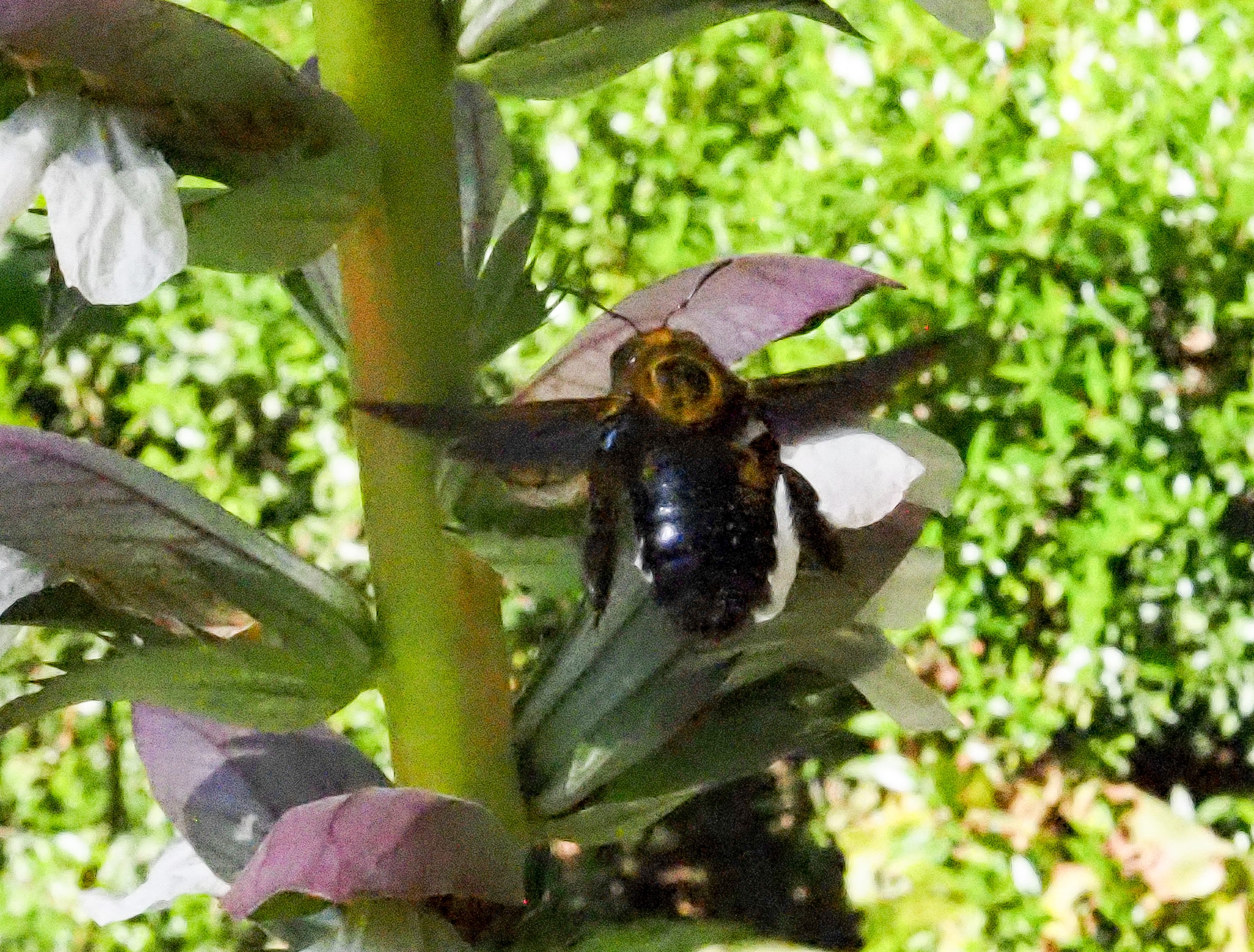
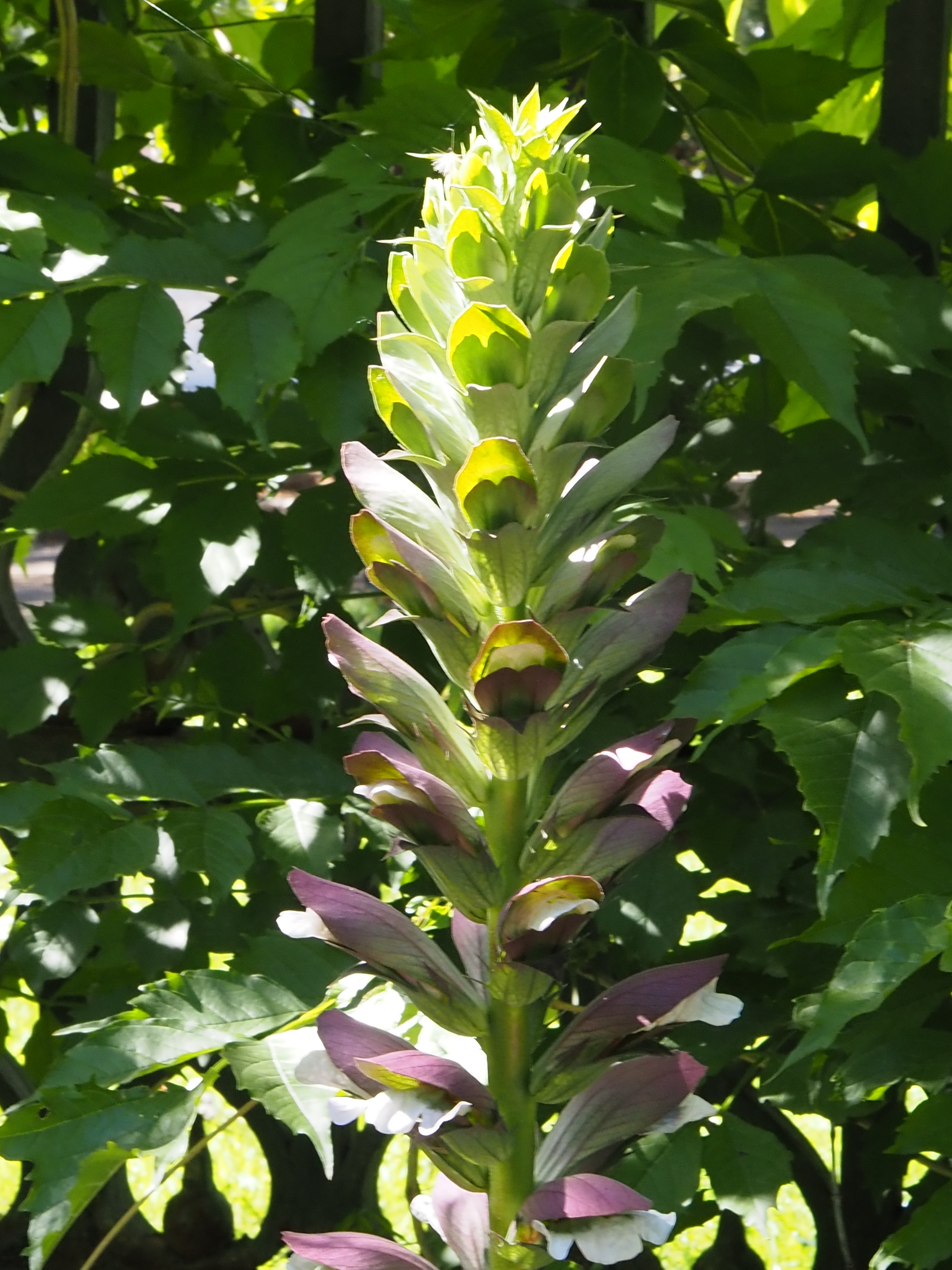
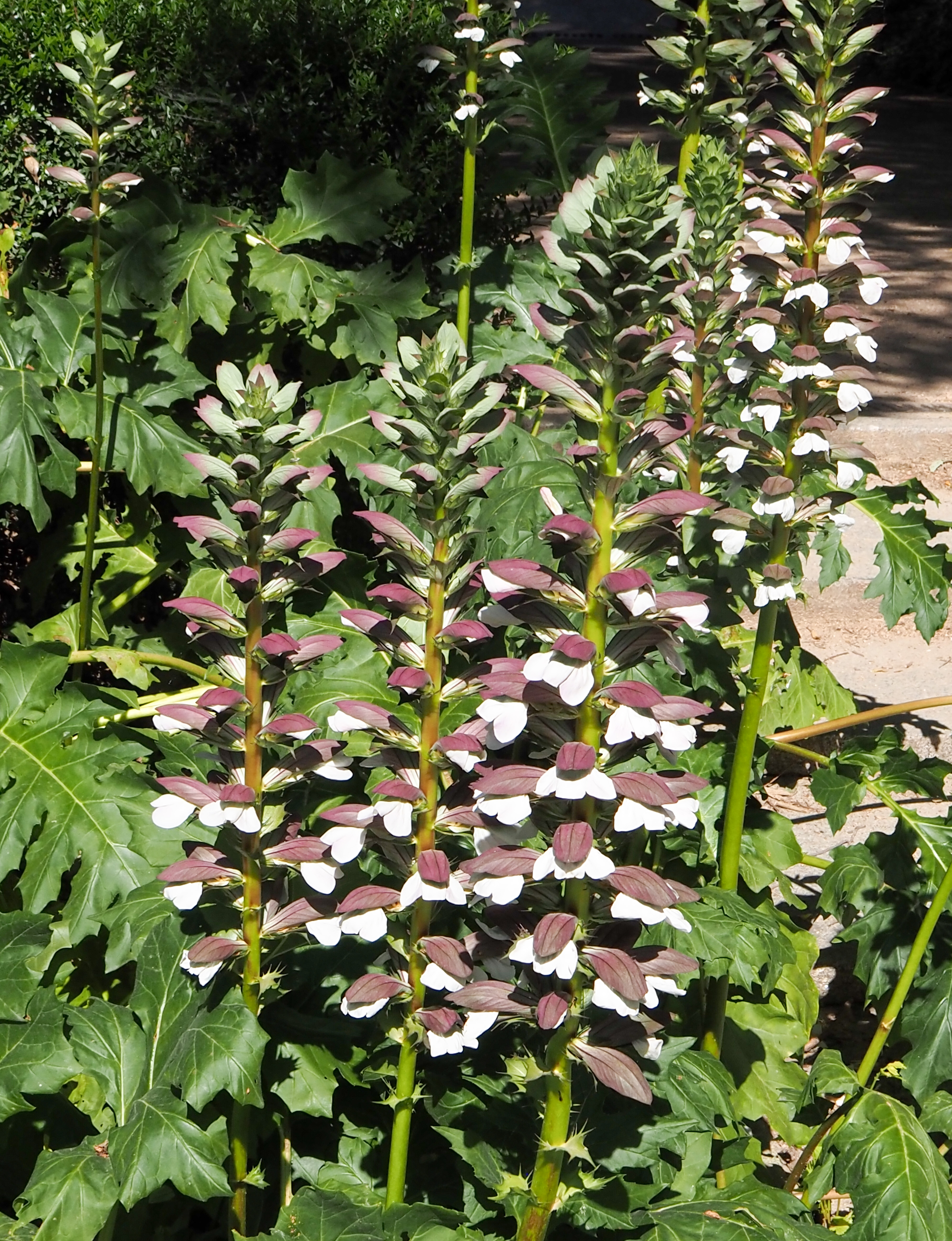
    There were many clumps of Bear’s breeches (Acanthus mollis) which were being visited and pollinated by large Violet Carpenter bees (see separate blog: https://rcannon992.com/2026/05/31/carpenter-bees-big-enough-to-get-into-bears-breeches/).
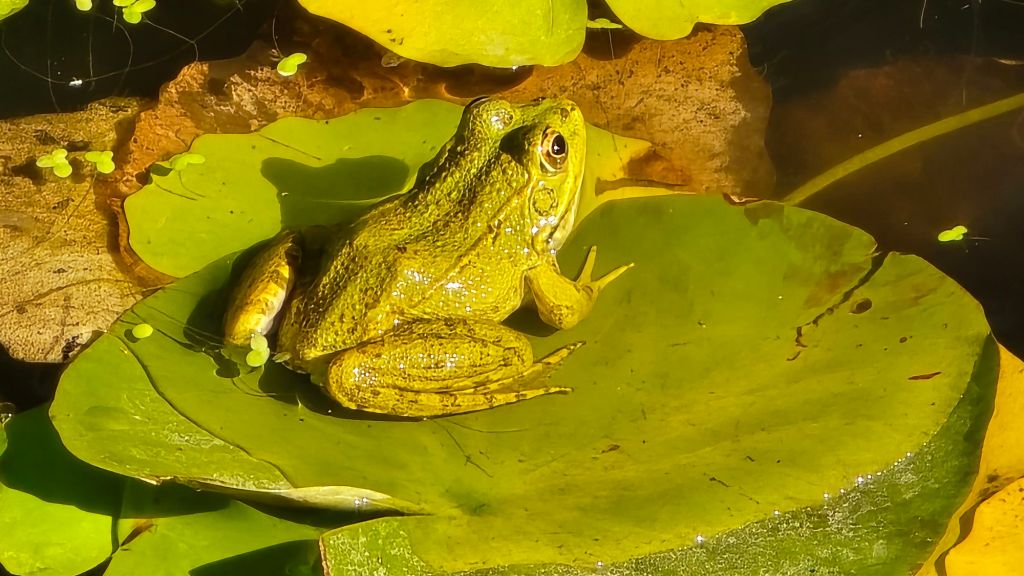
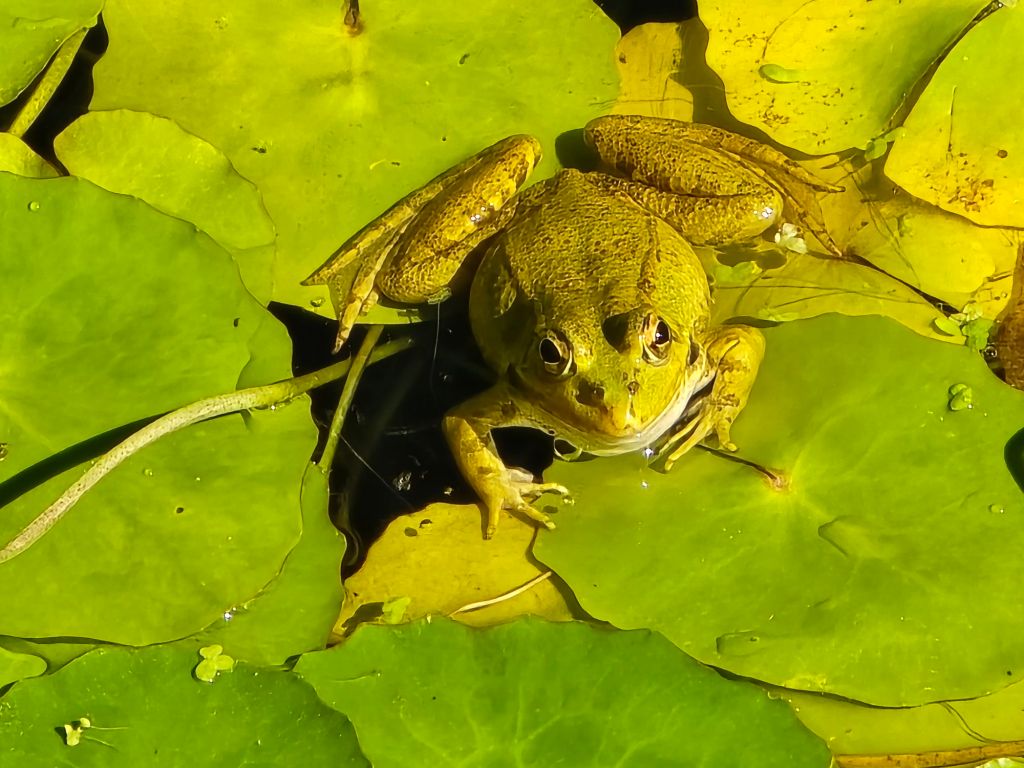
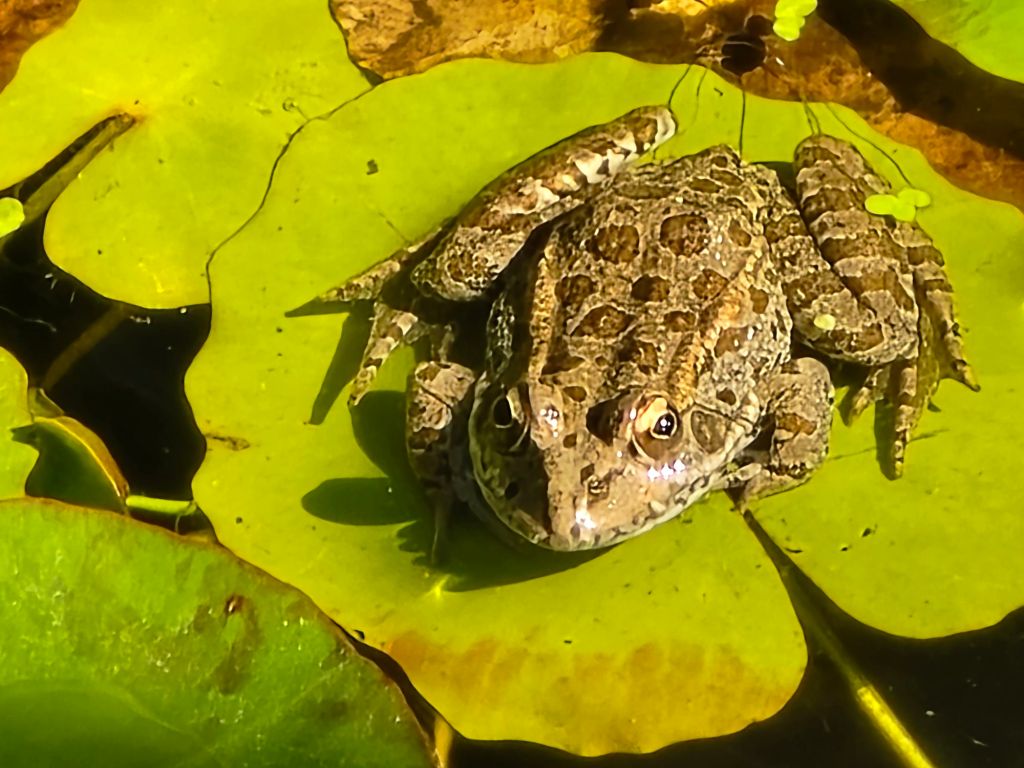
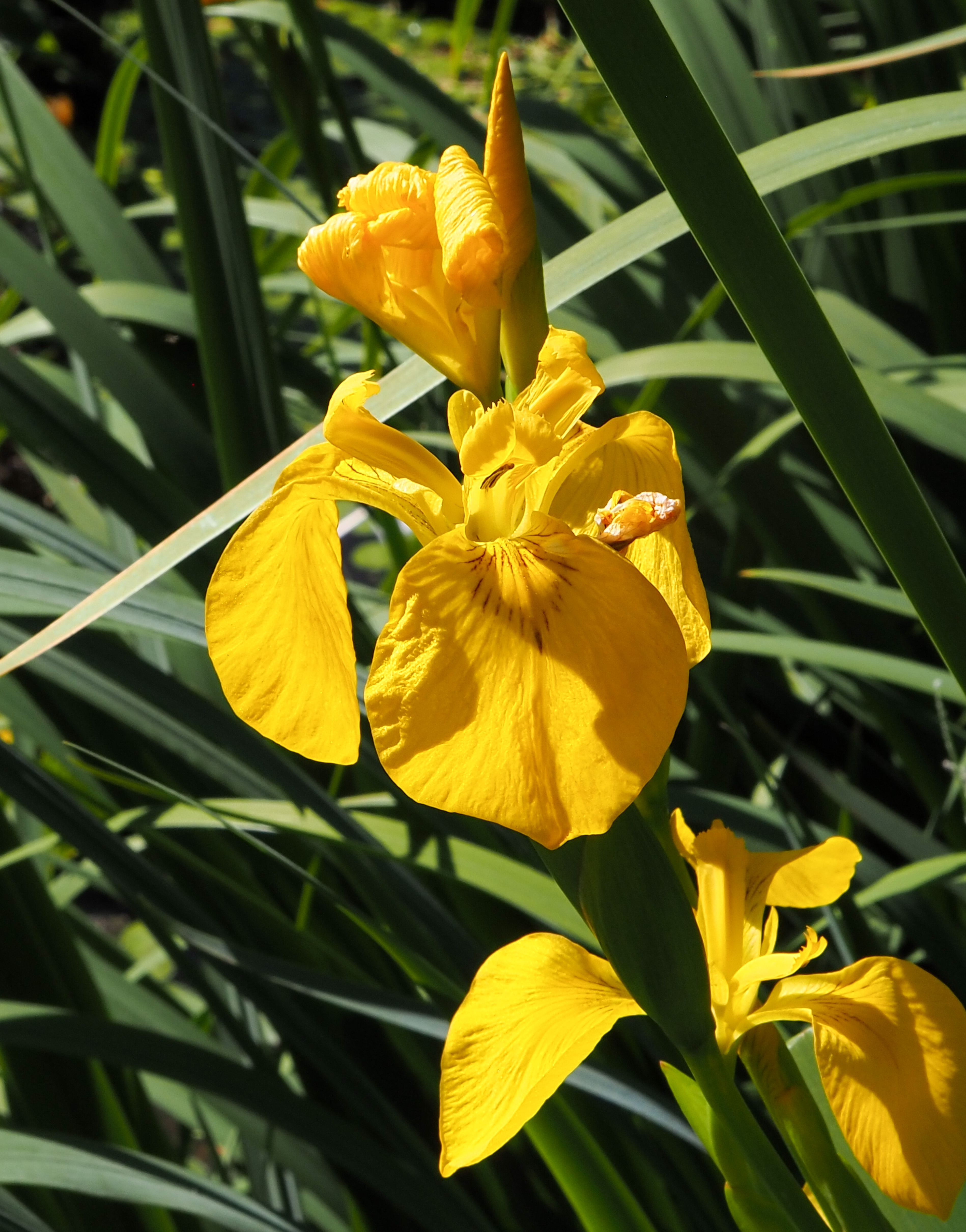
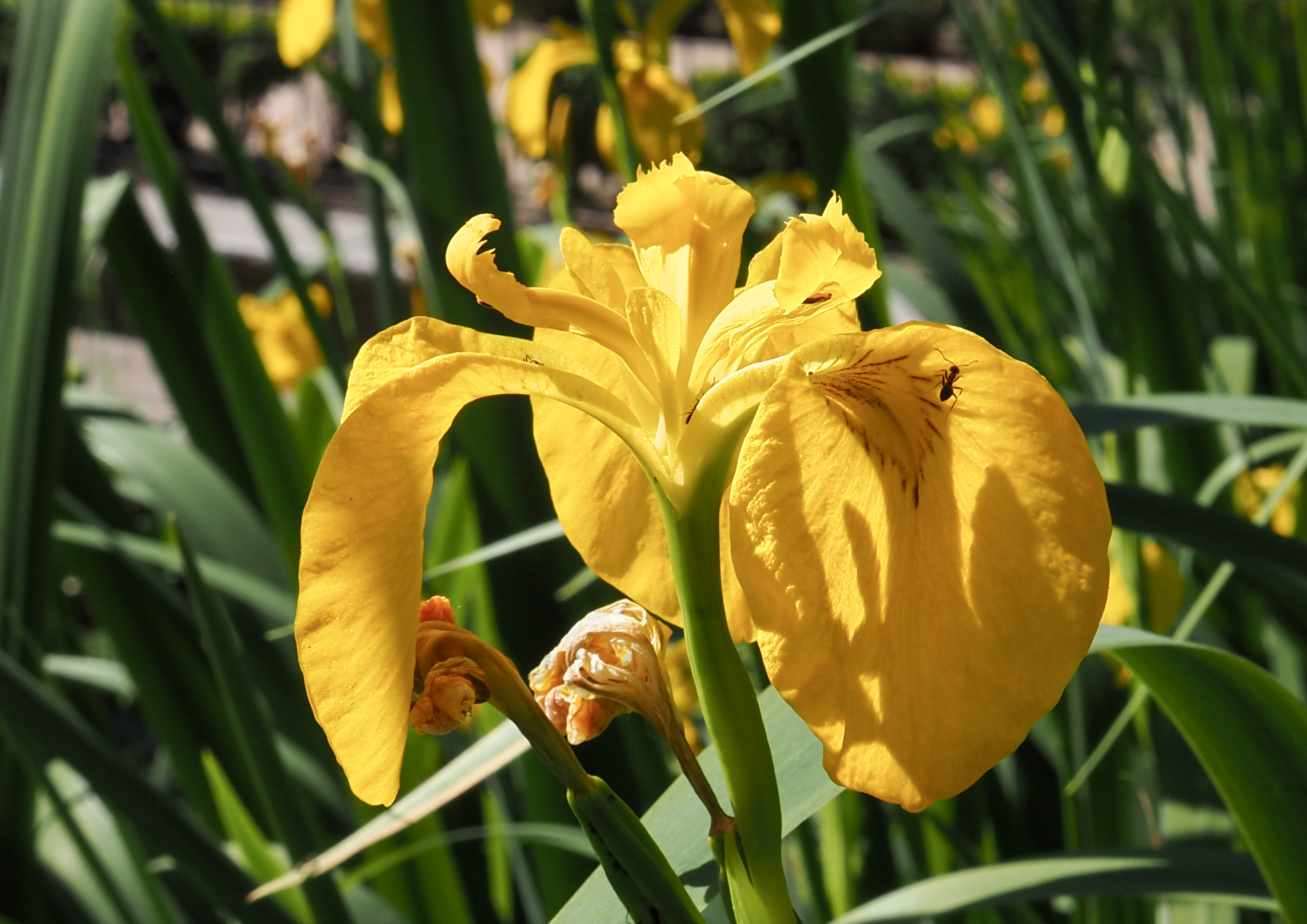
    There is a pond containing aquatic plants, including Yellow Flag (Iris pseudacorus) and many frogs!
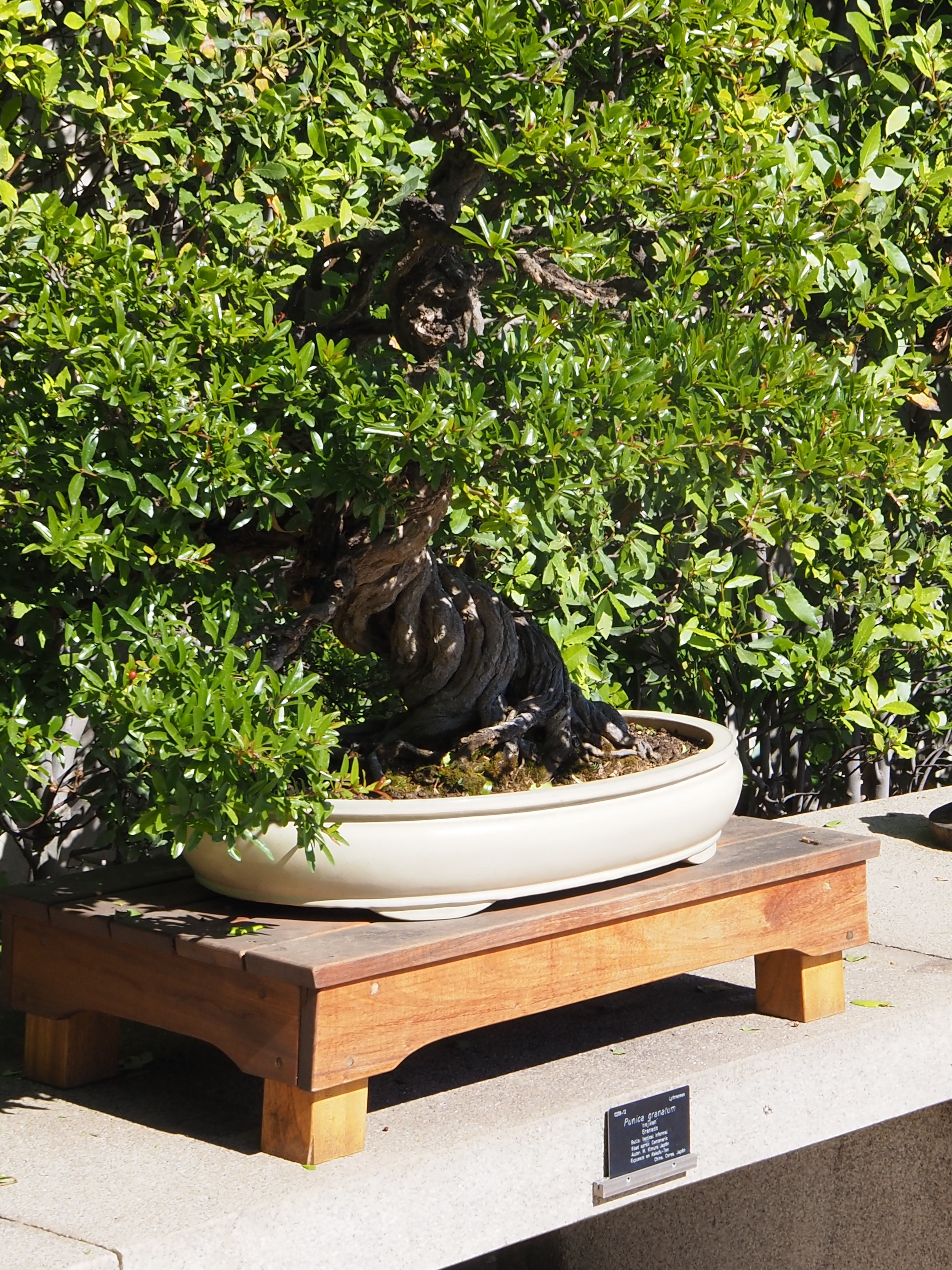
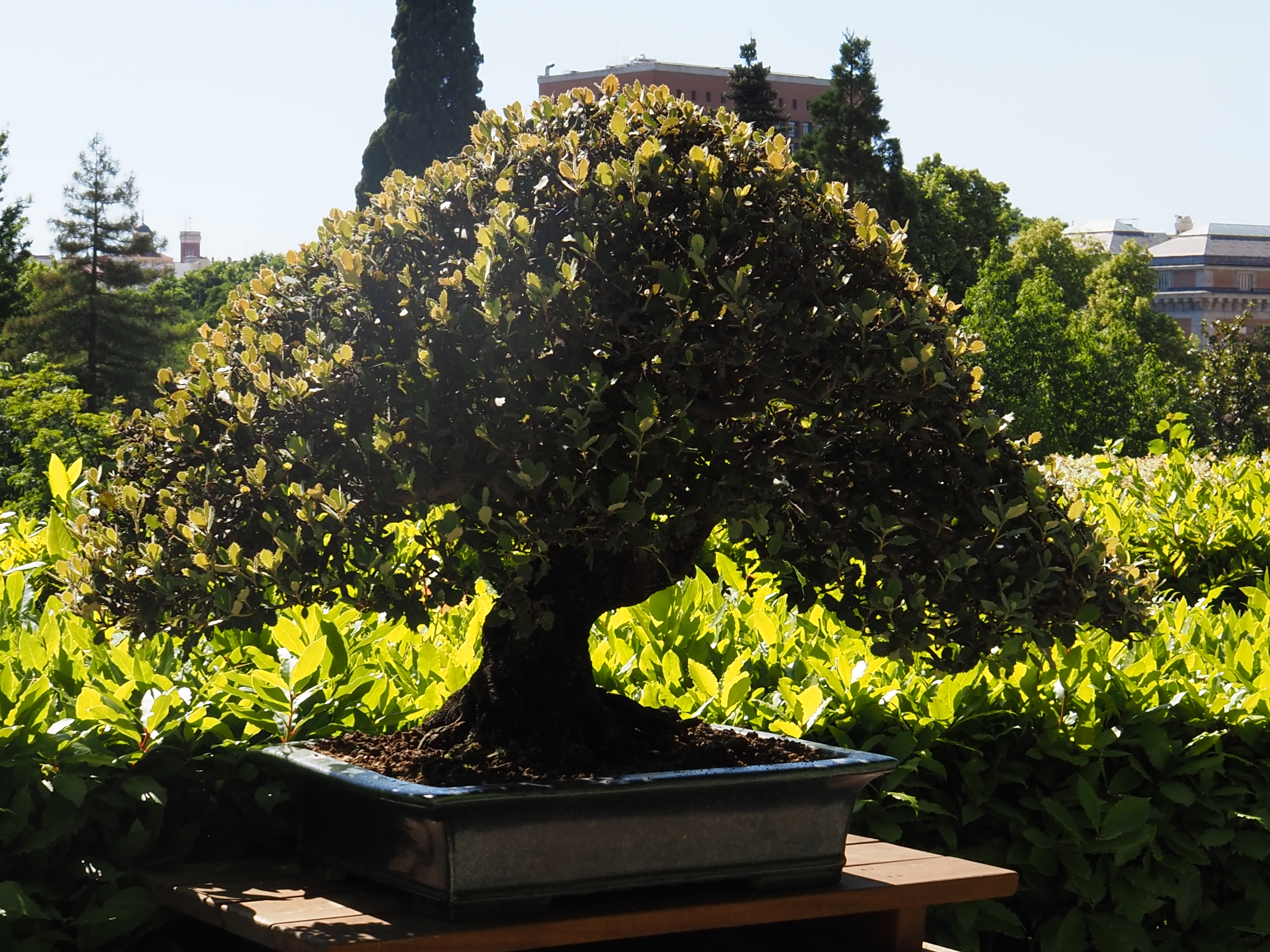
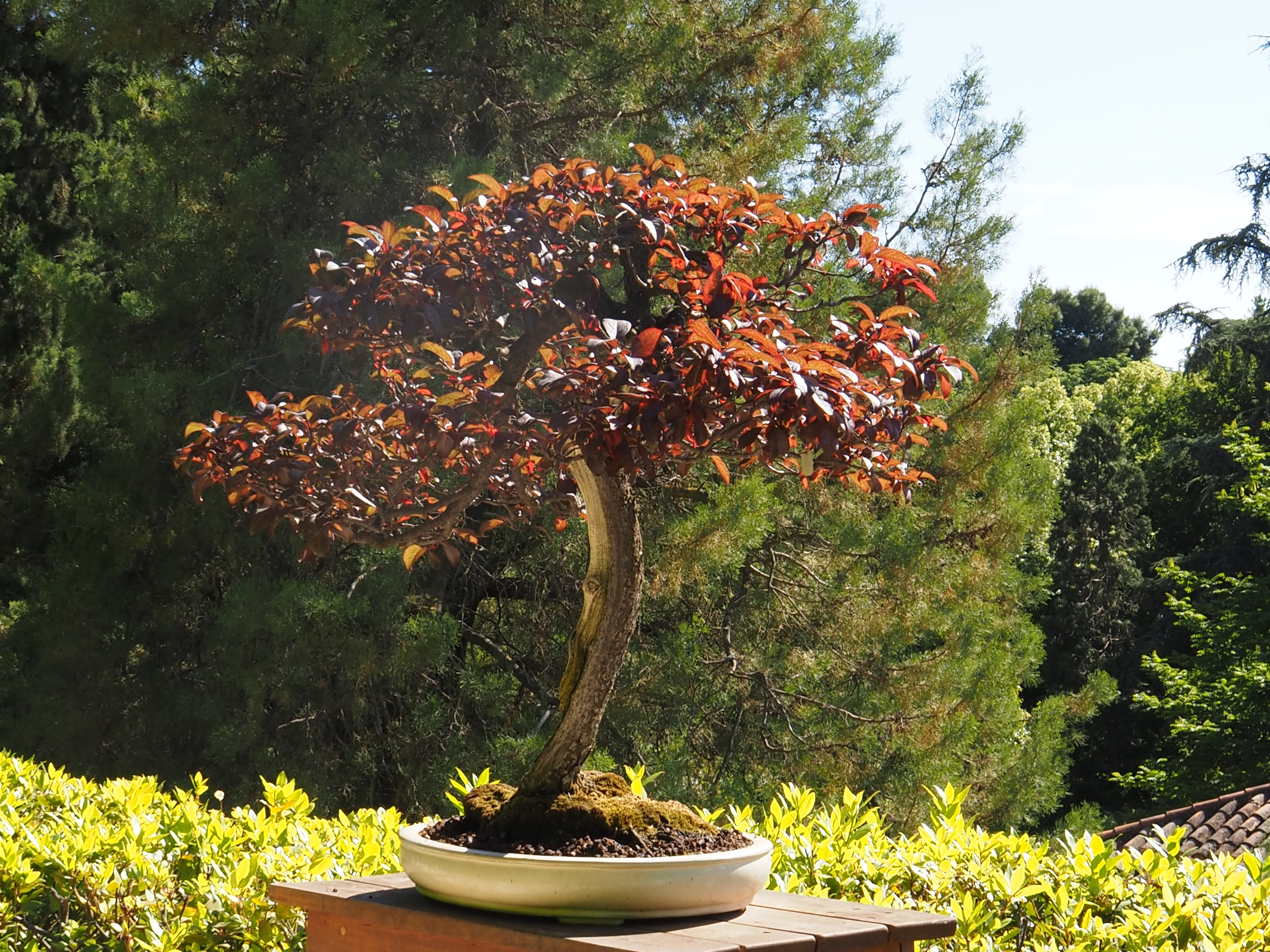
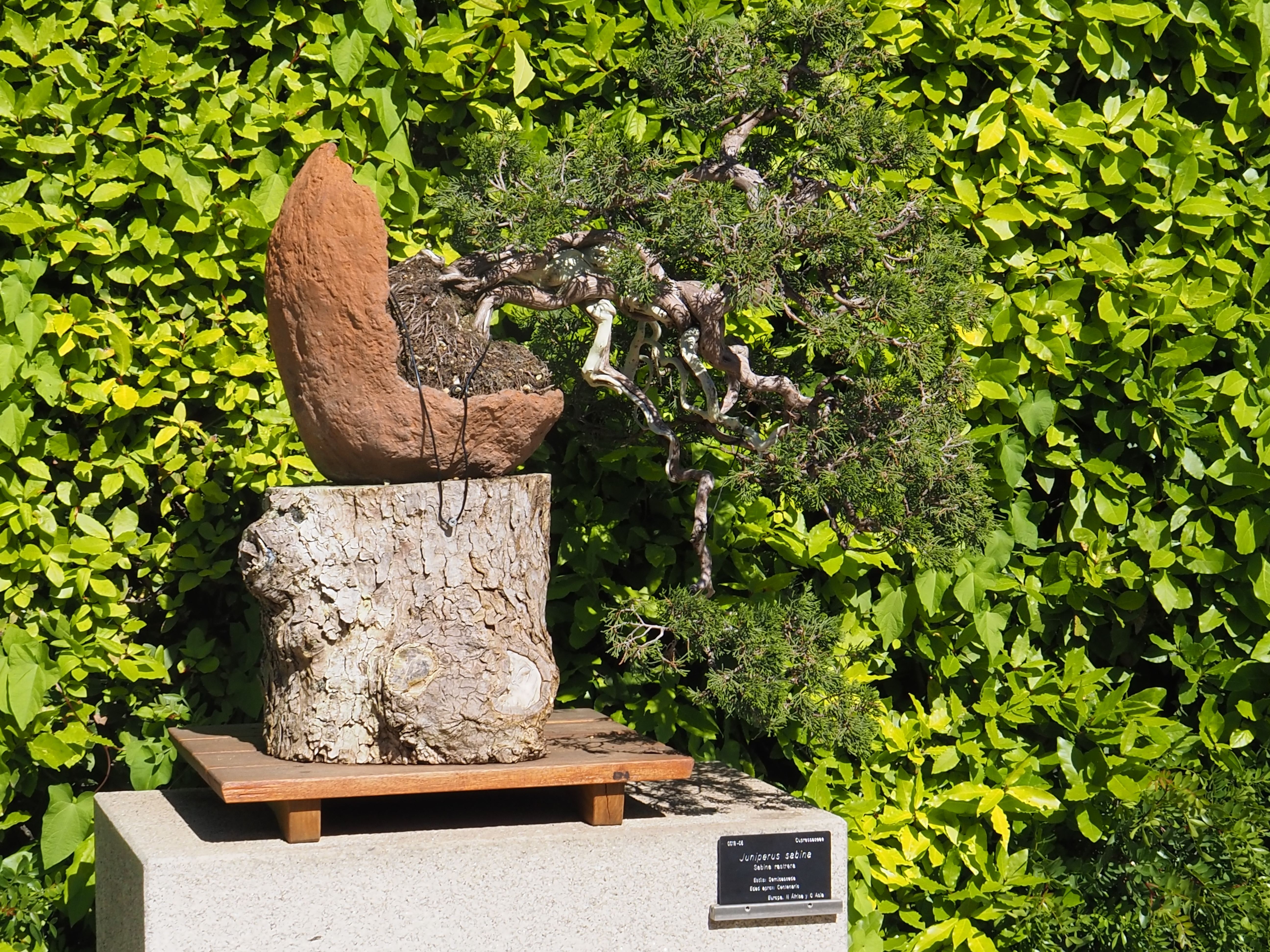
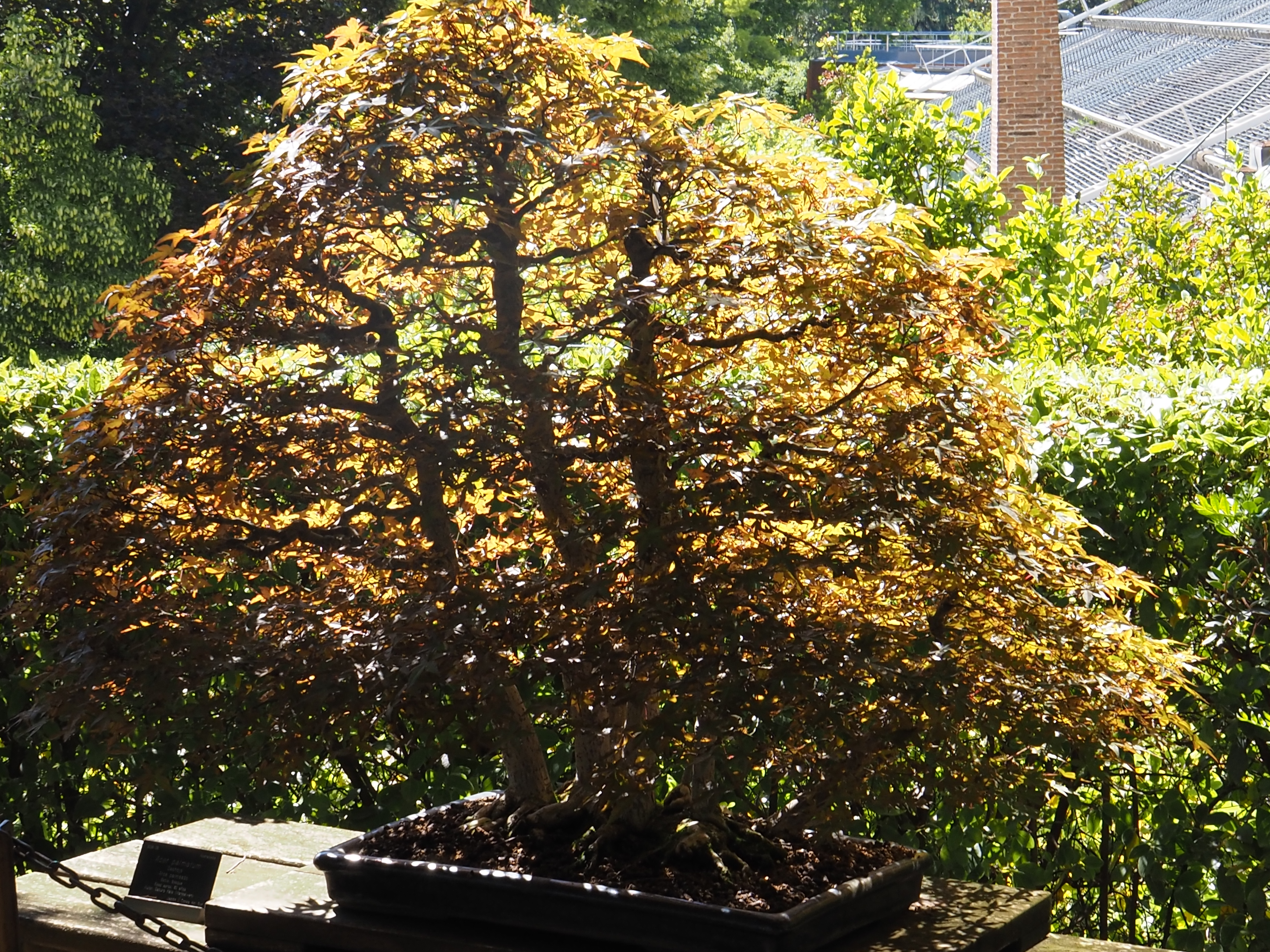
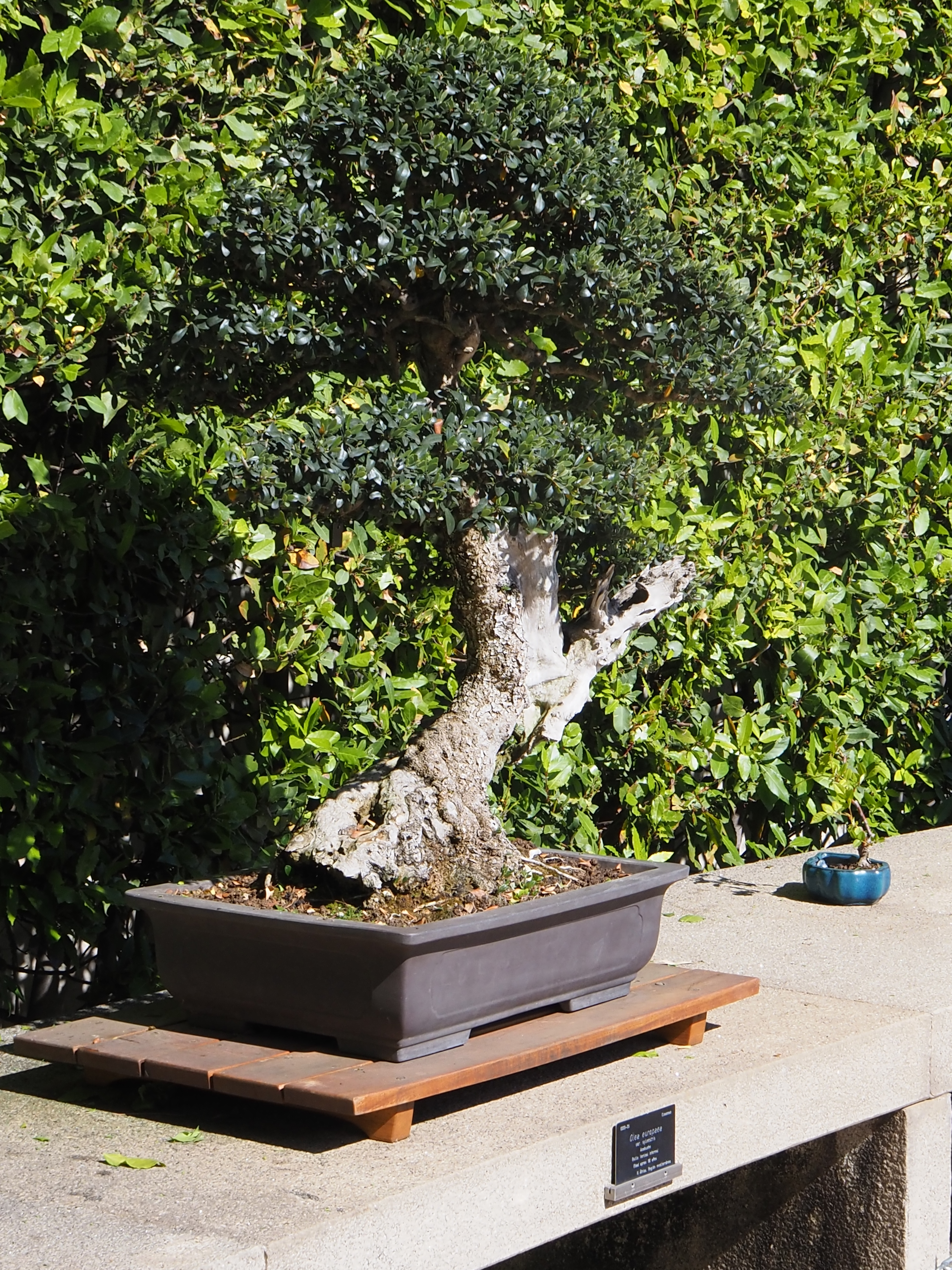
    There is a bonsai terrace which was first opened in 2005 and contains some very fine specimens. I recognised some of the tree species, but it was very hot and I did not record the names of each bonsai!
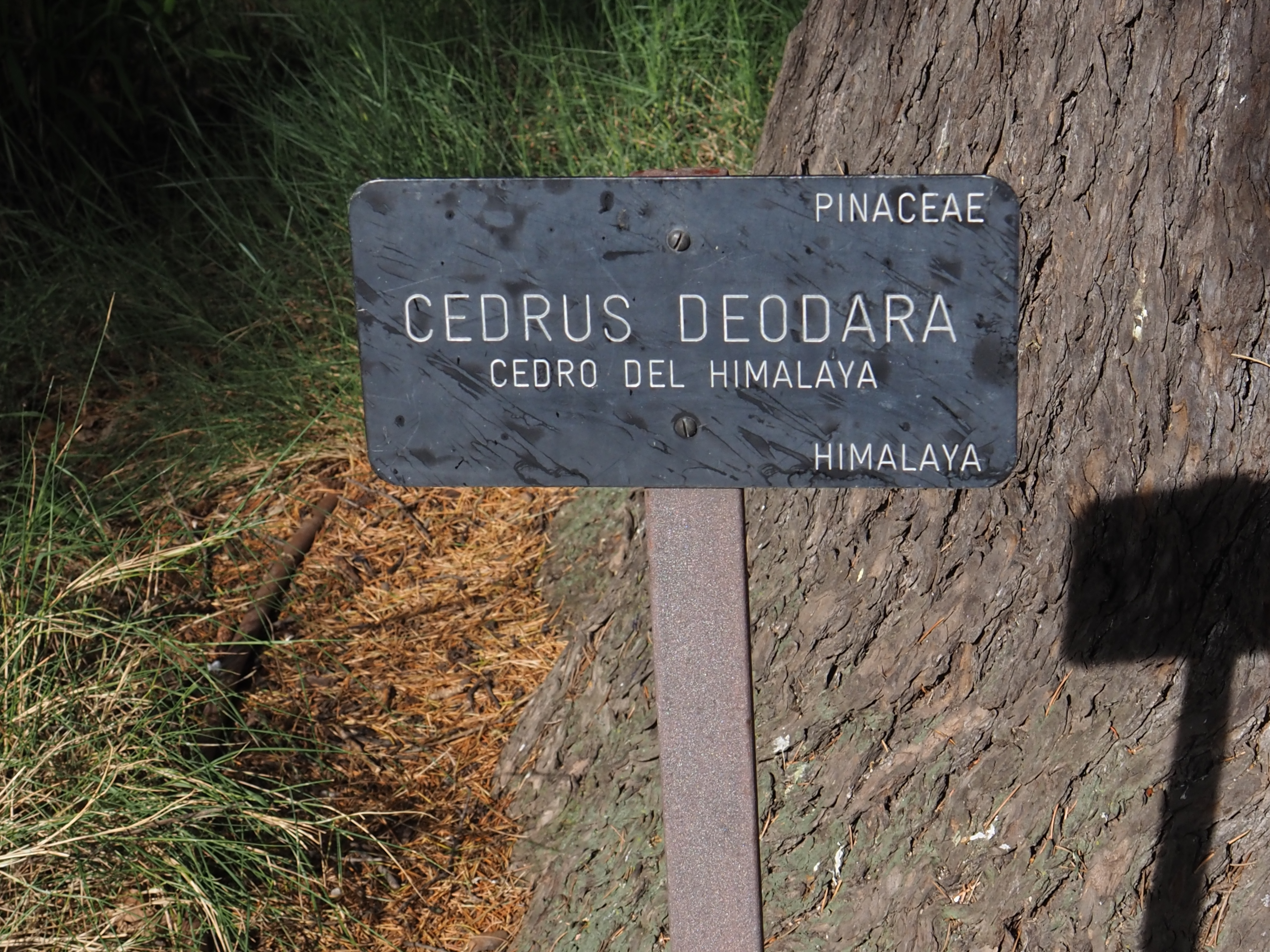
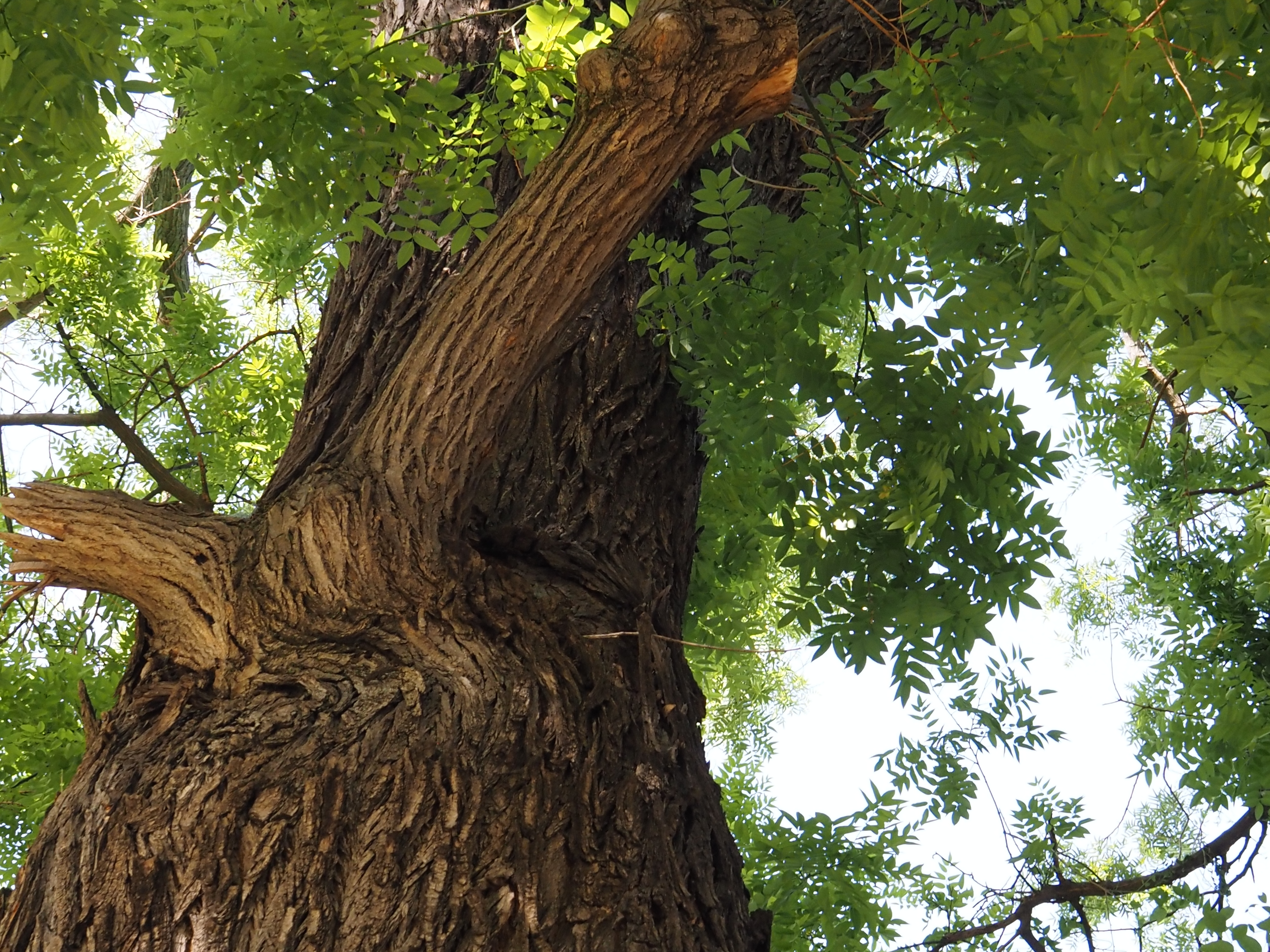
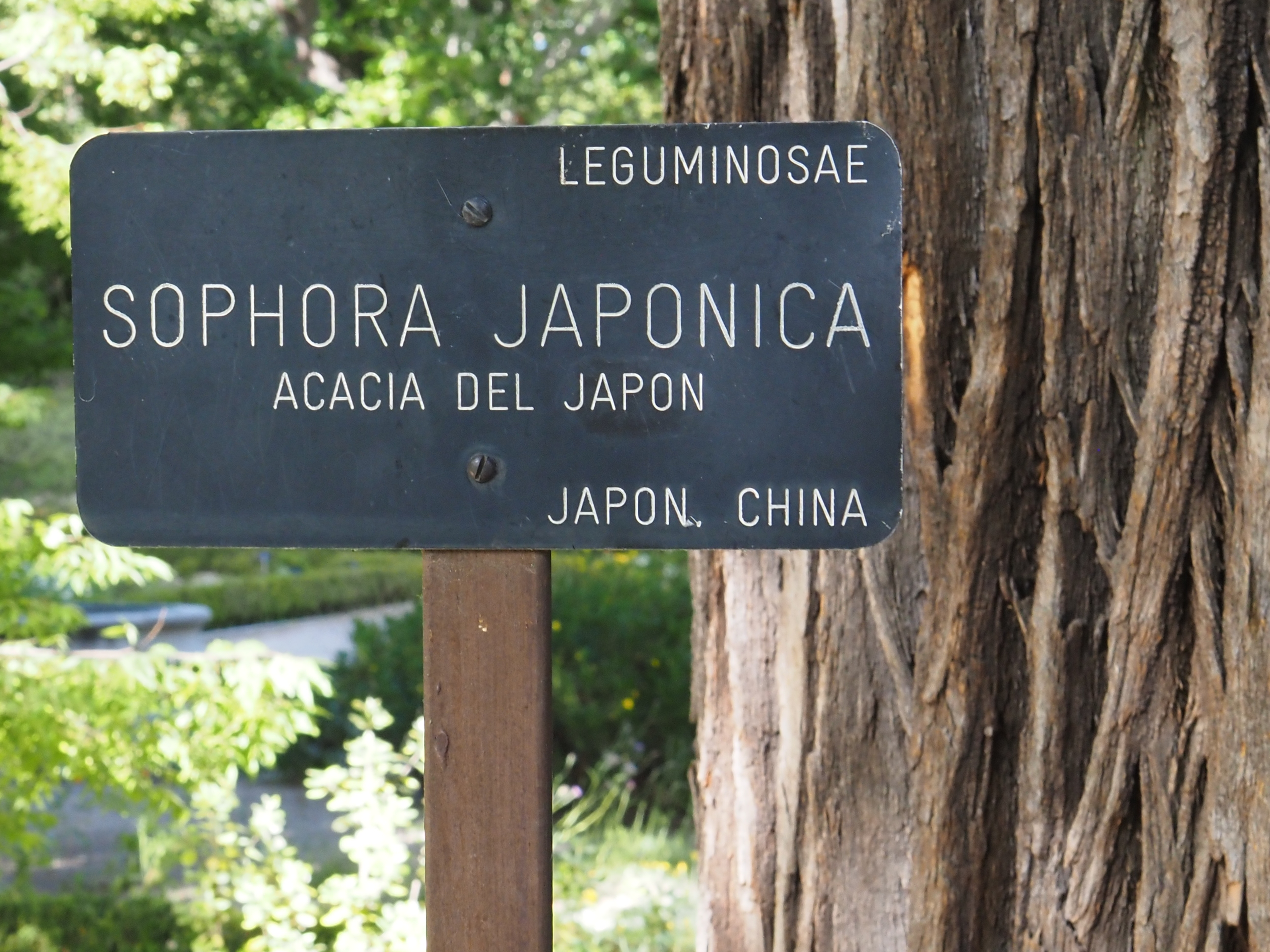
    Given the age of the garden, its not surprising that there are some very old ‘monumental’ trees.
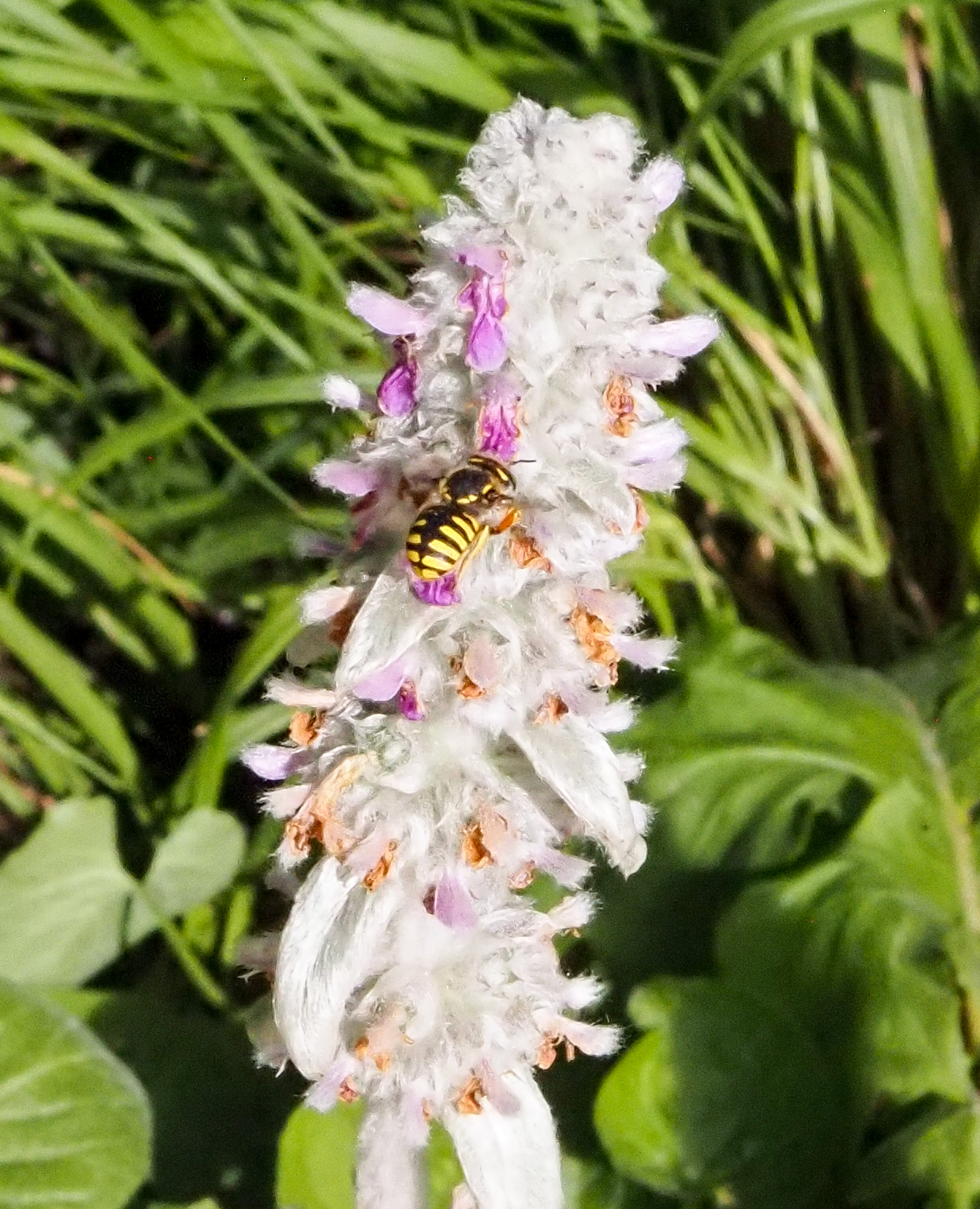
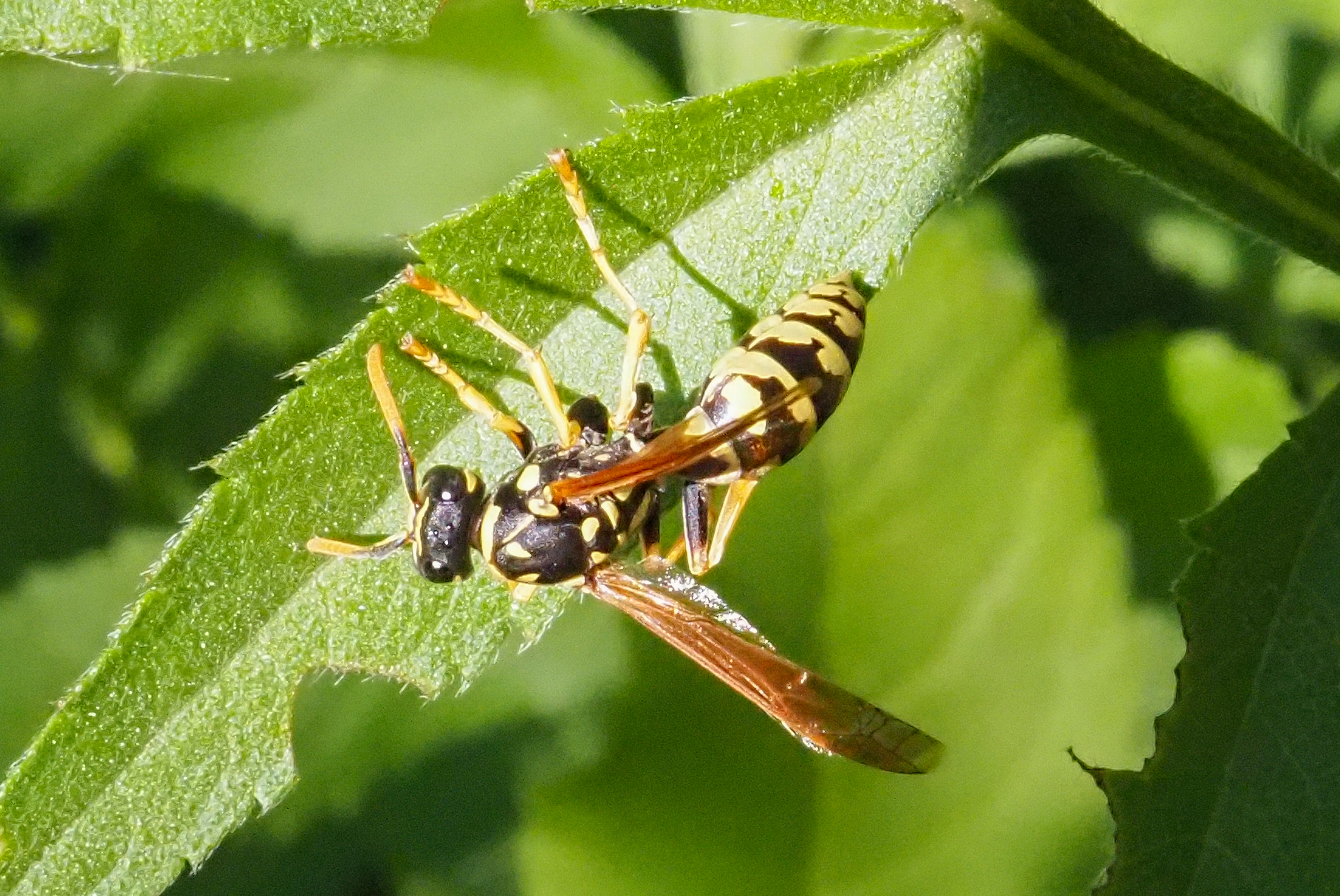
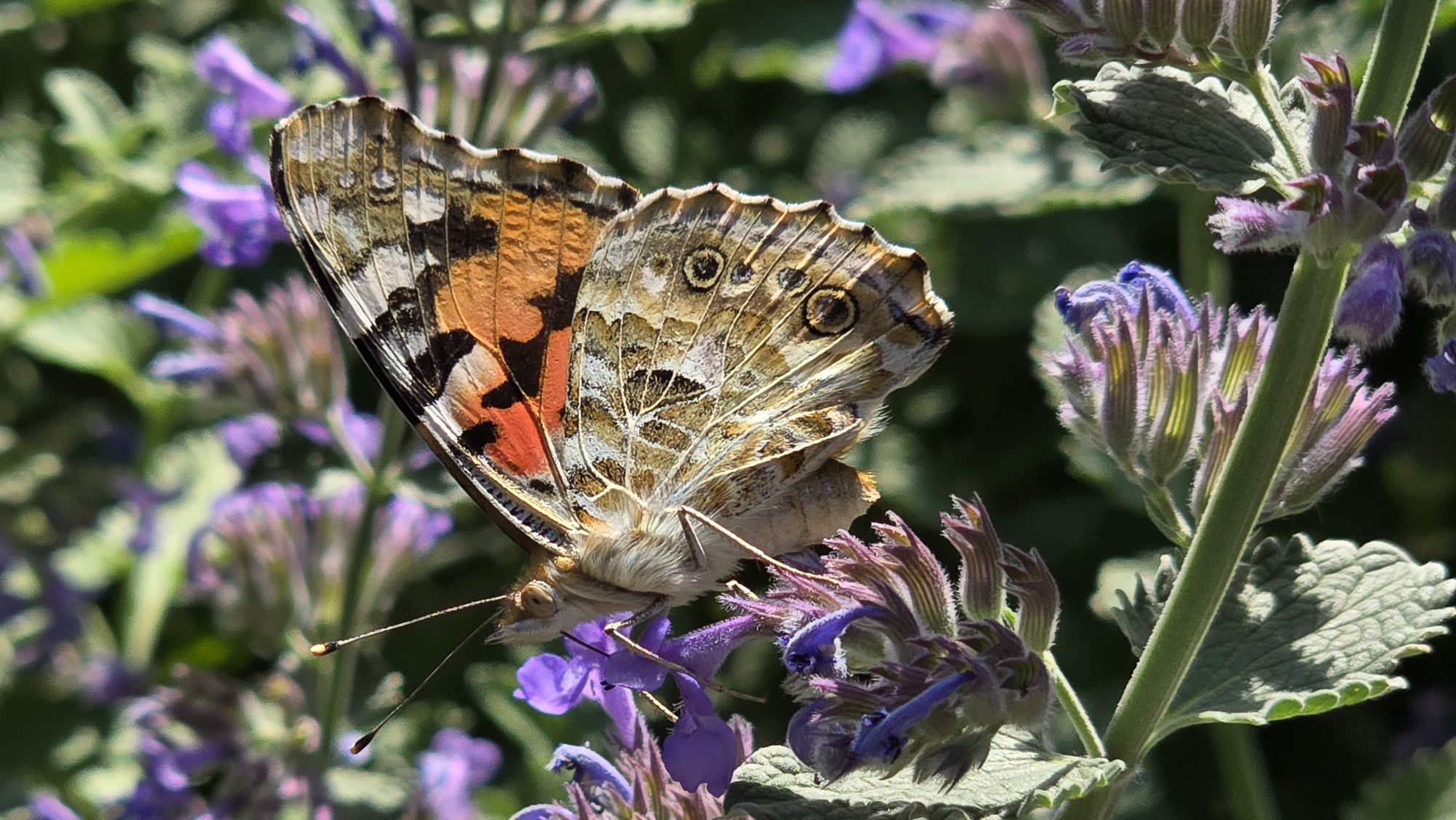
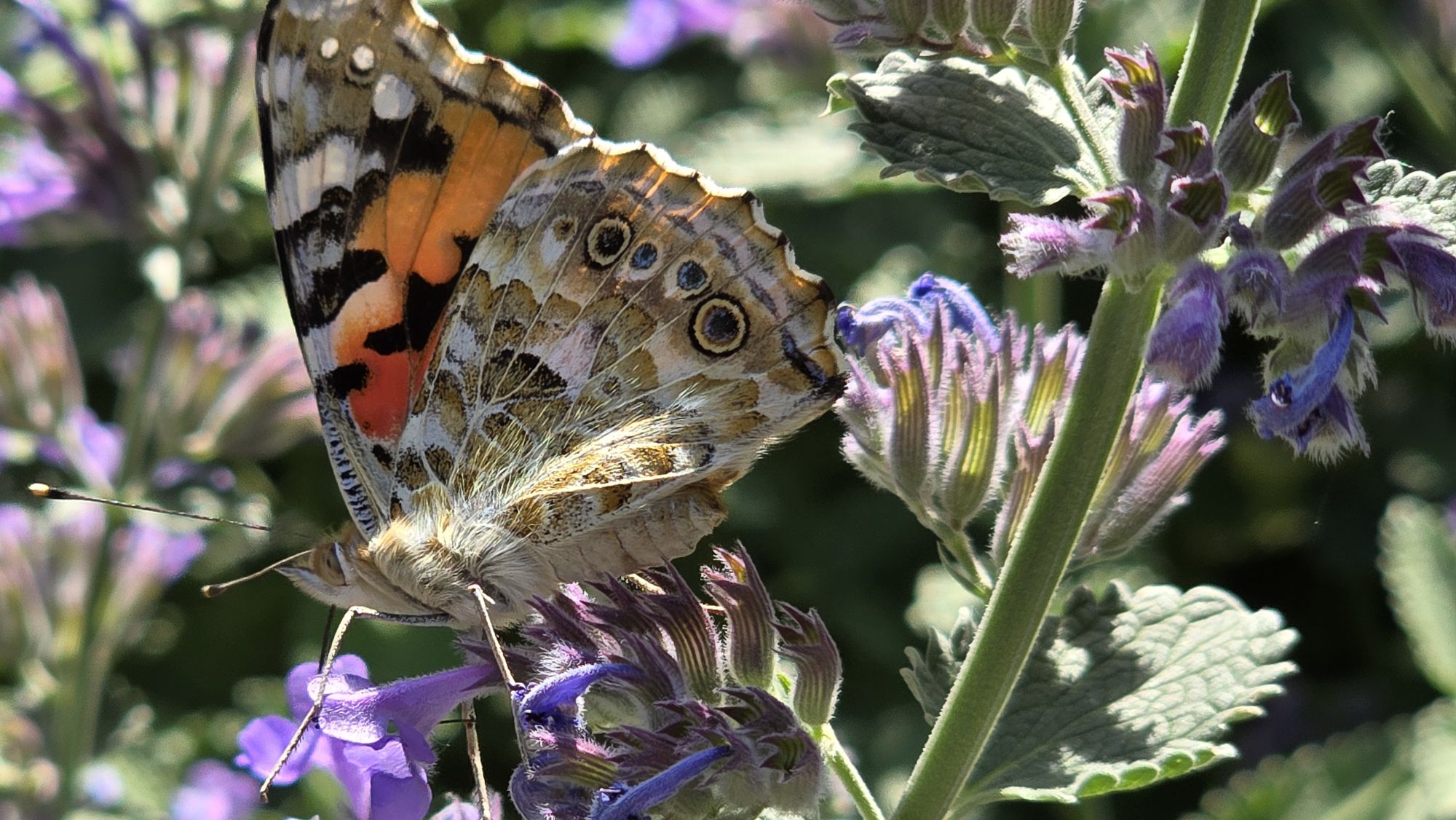
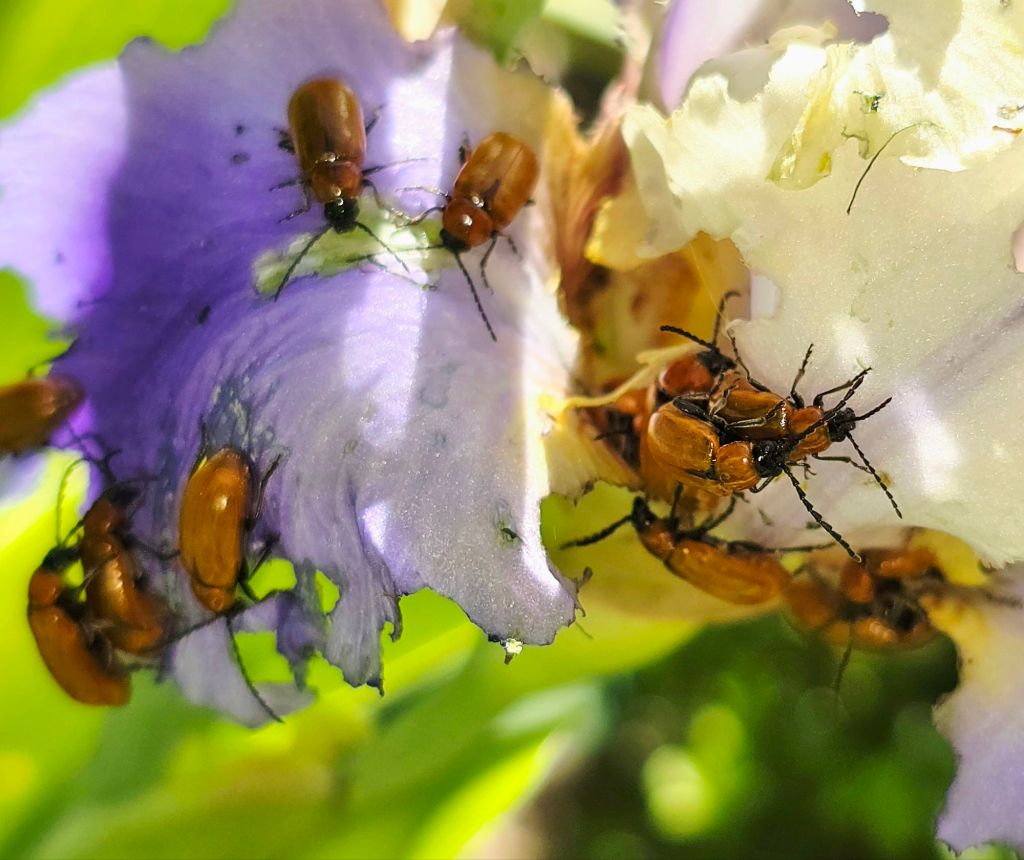
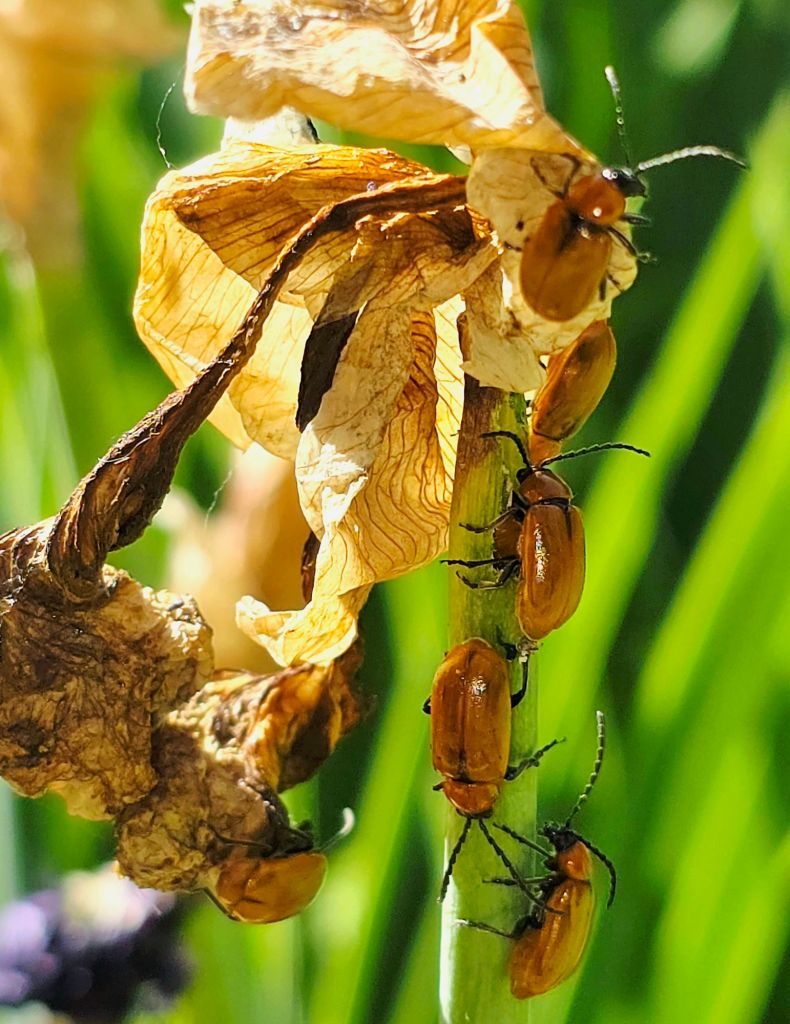
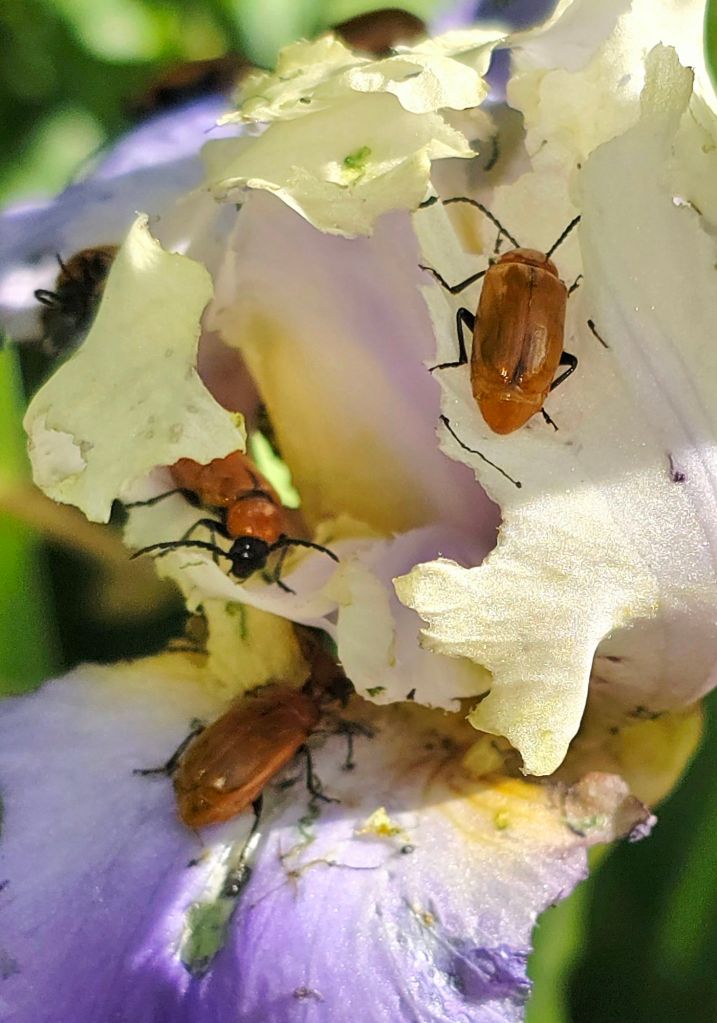
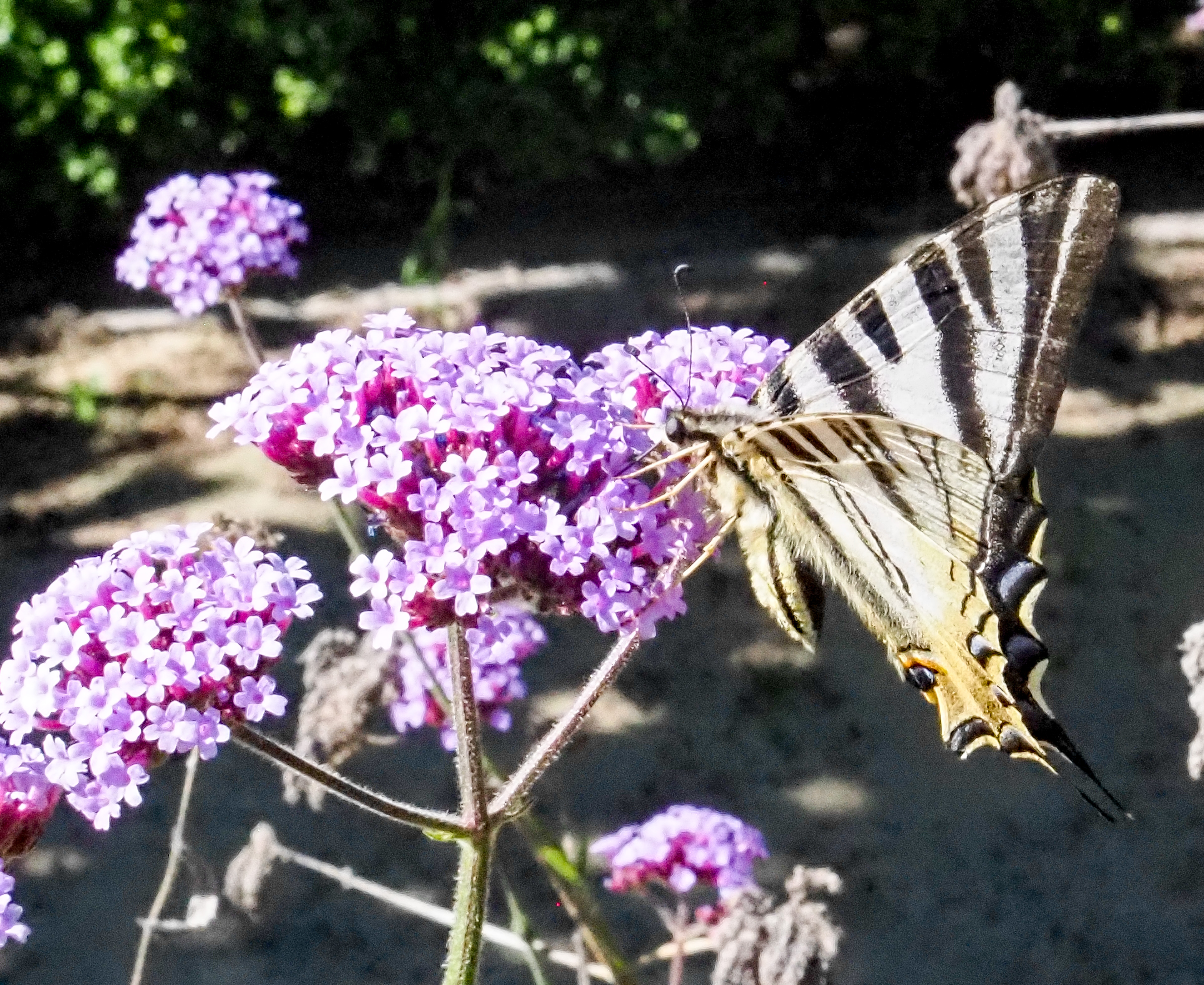
    Some of the insects I managed to photograph are shown below.
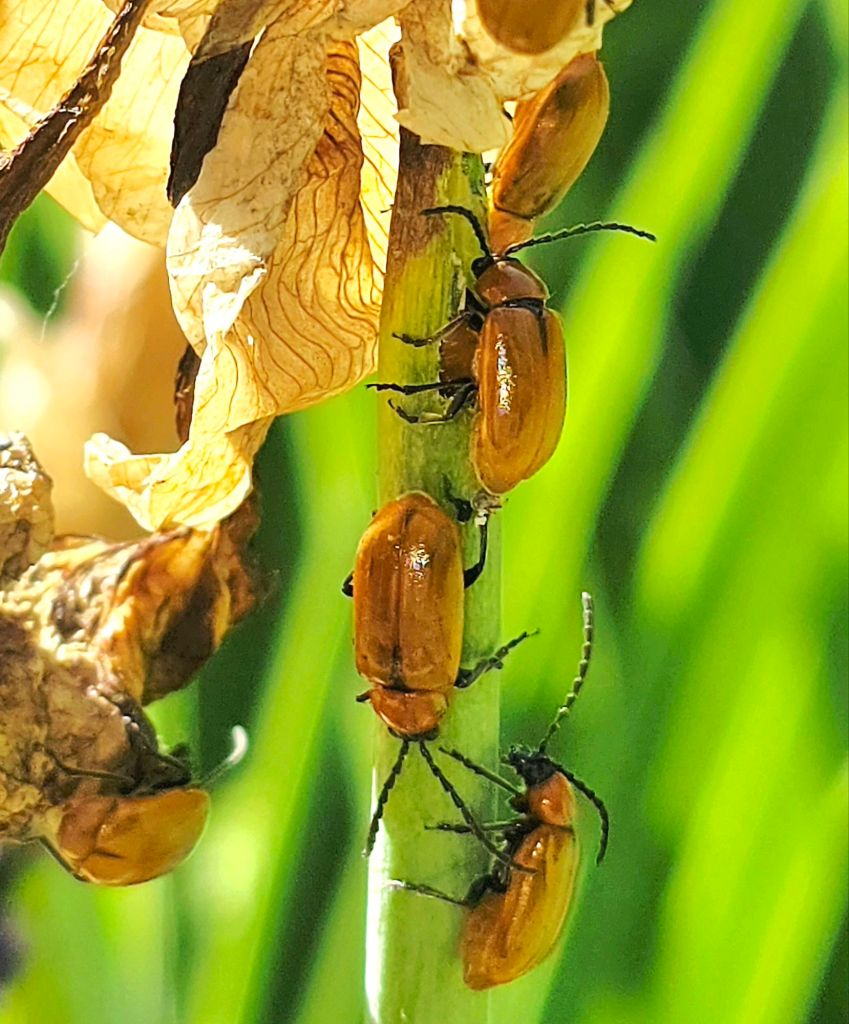
    Large infestations of daffodil leaf beetles (Exosoma lusitanicum) were feeding and mating on the Iris flowers and seemed to have mostly destroyed them!
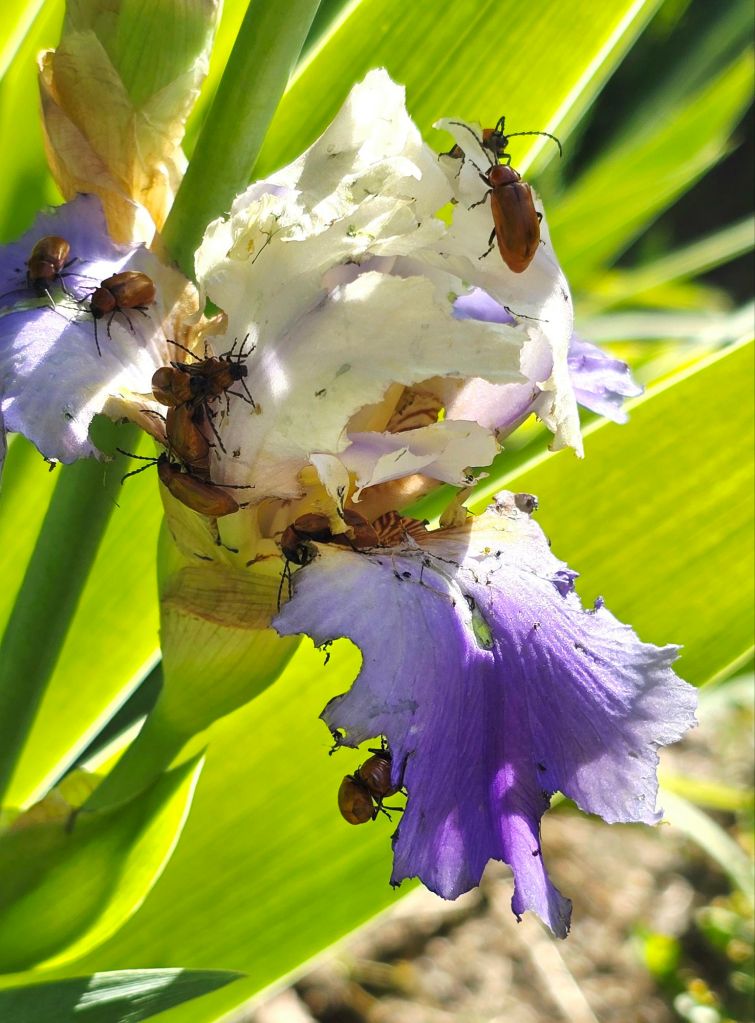
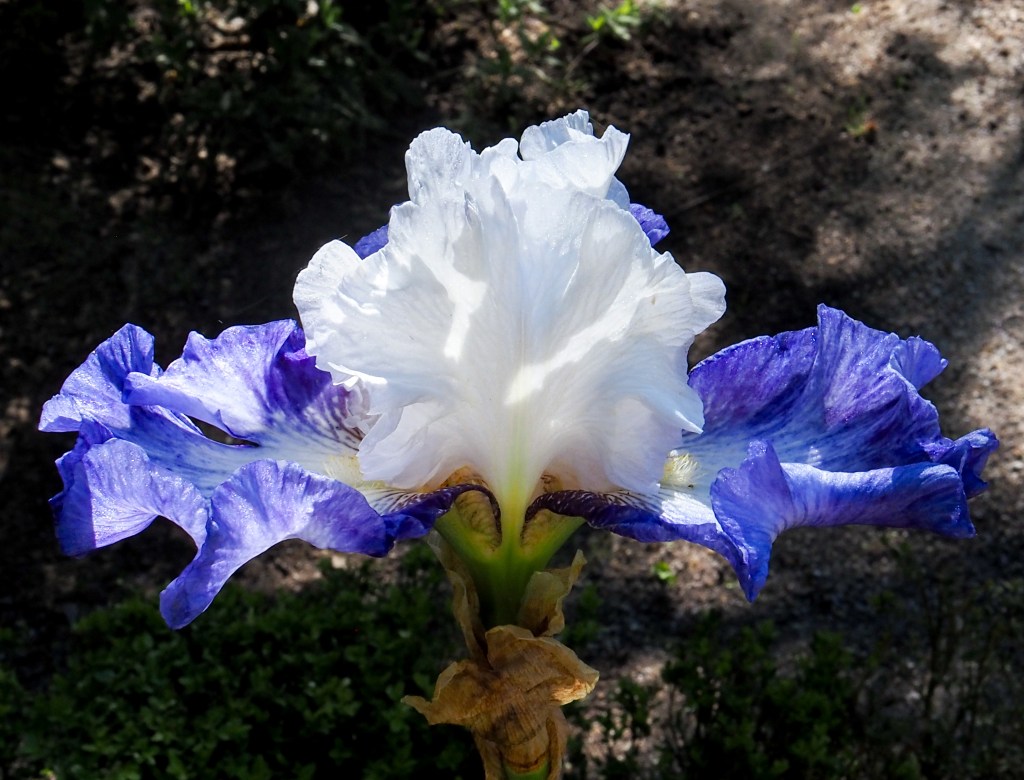
    However, some irises had – for the time being at least! – escaped the ravages of the leaf beetles!
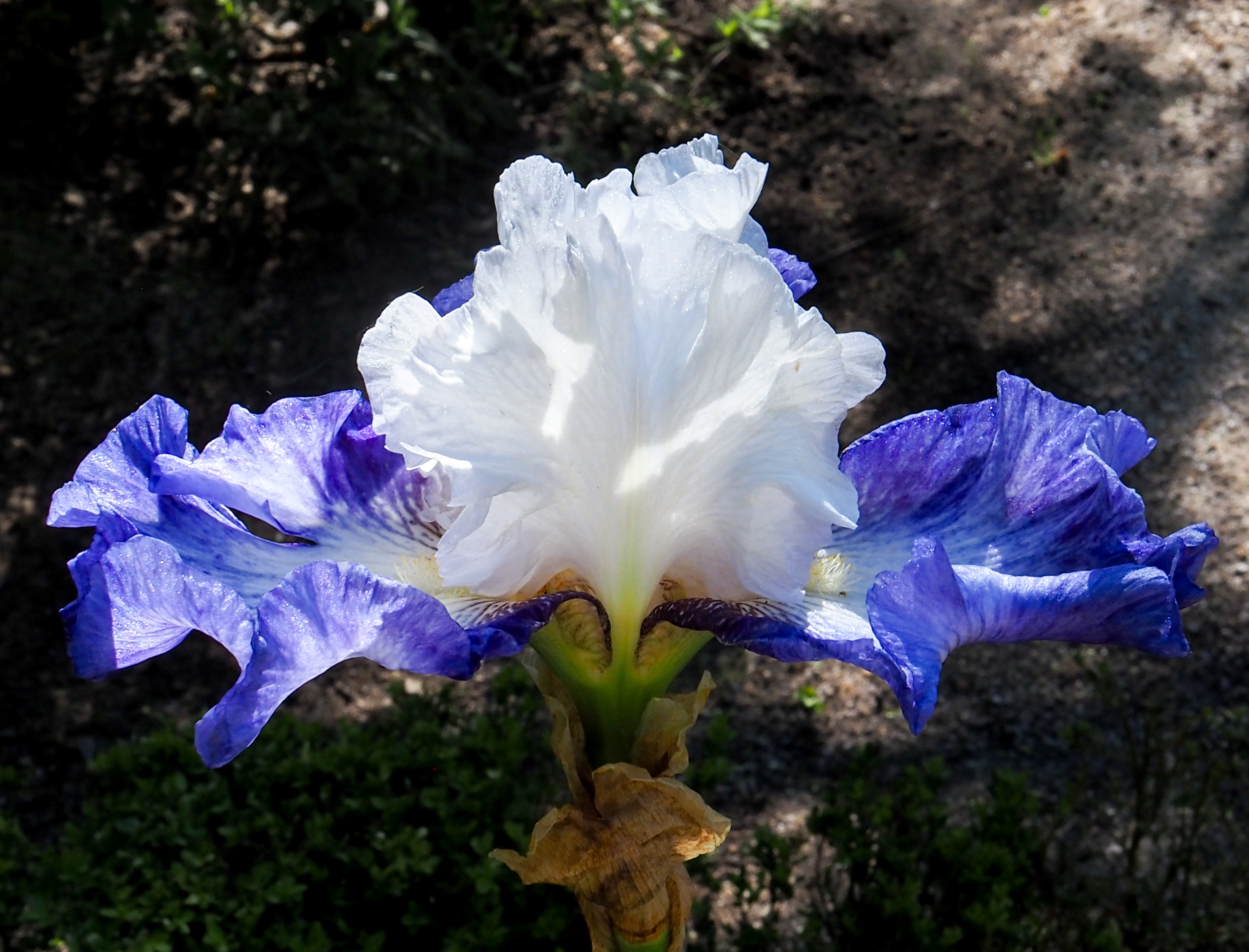
    Blue and white iris. Photographs by Raymond JC Cannon
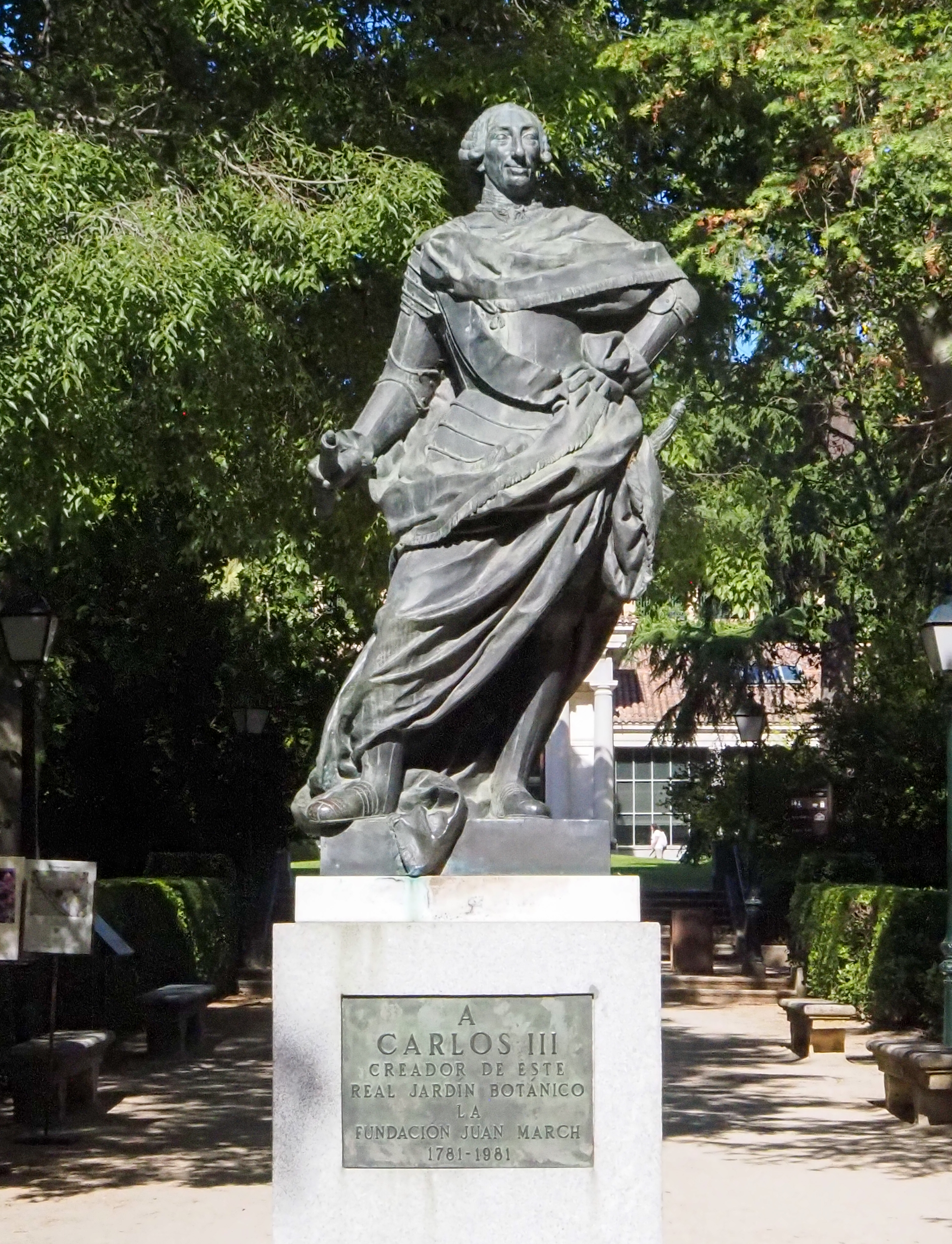
    A statue of Charles III of Spain ‘Creator of the garden’

    There are also three green houses with cacti and tropical plants.
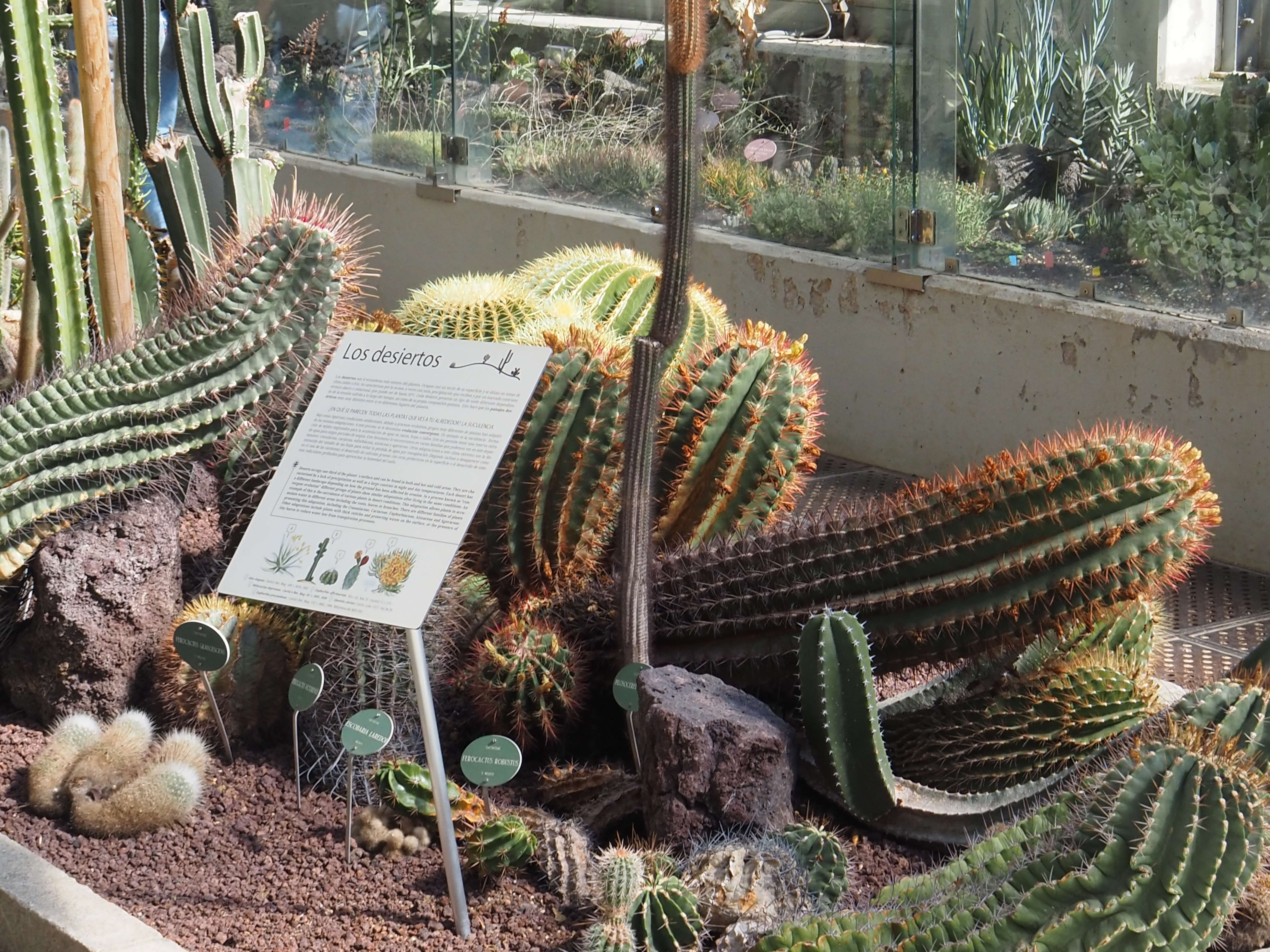
    All in all, thoroughly recommended!
  • The blonde cows of Galicia

    The blonde cows of Galicia

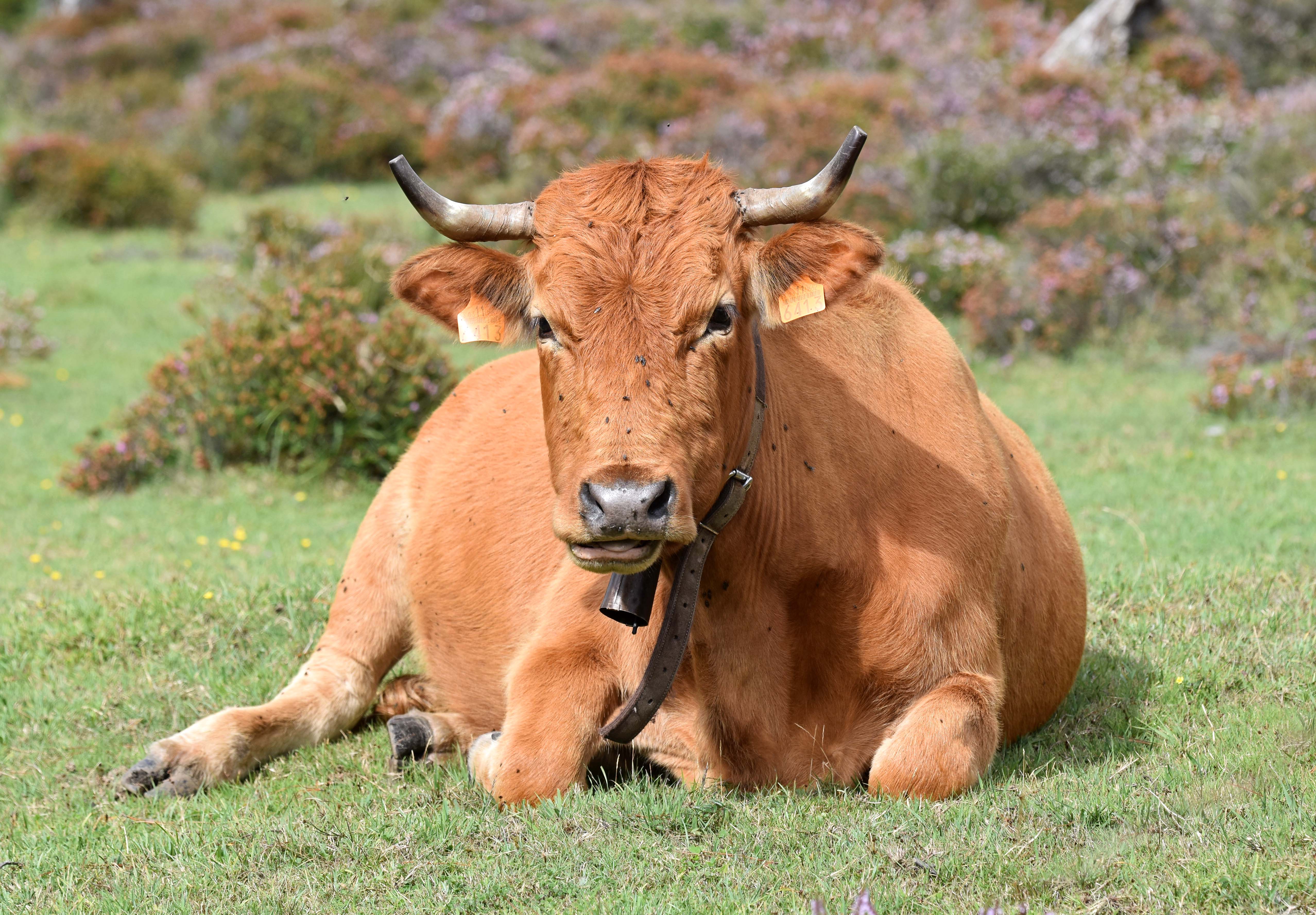
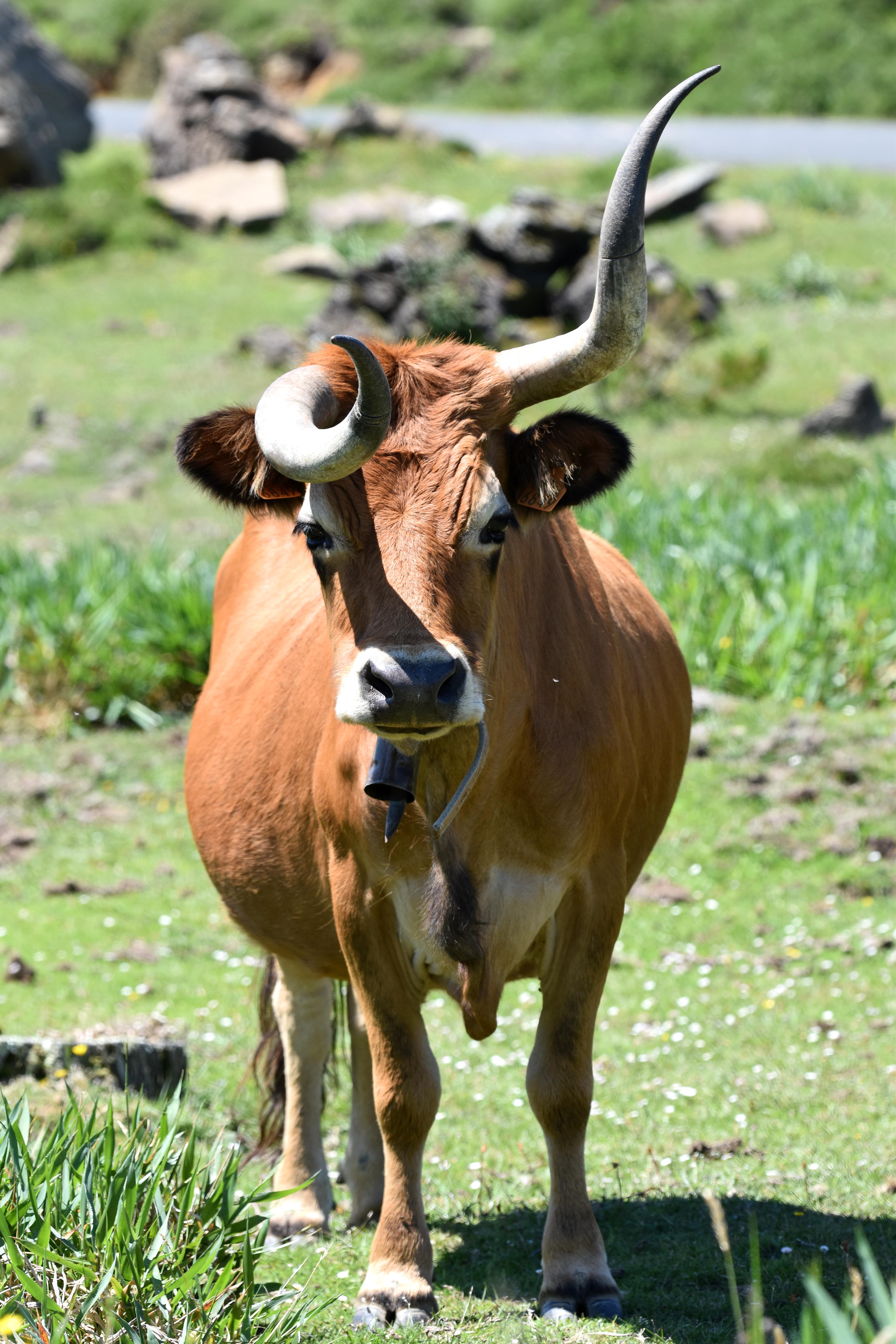
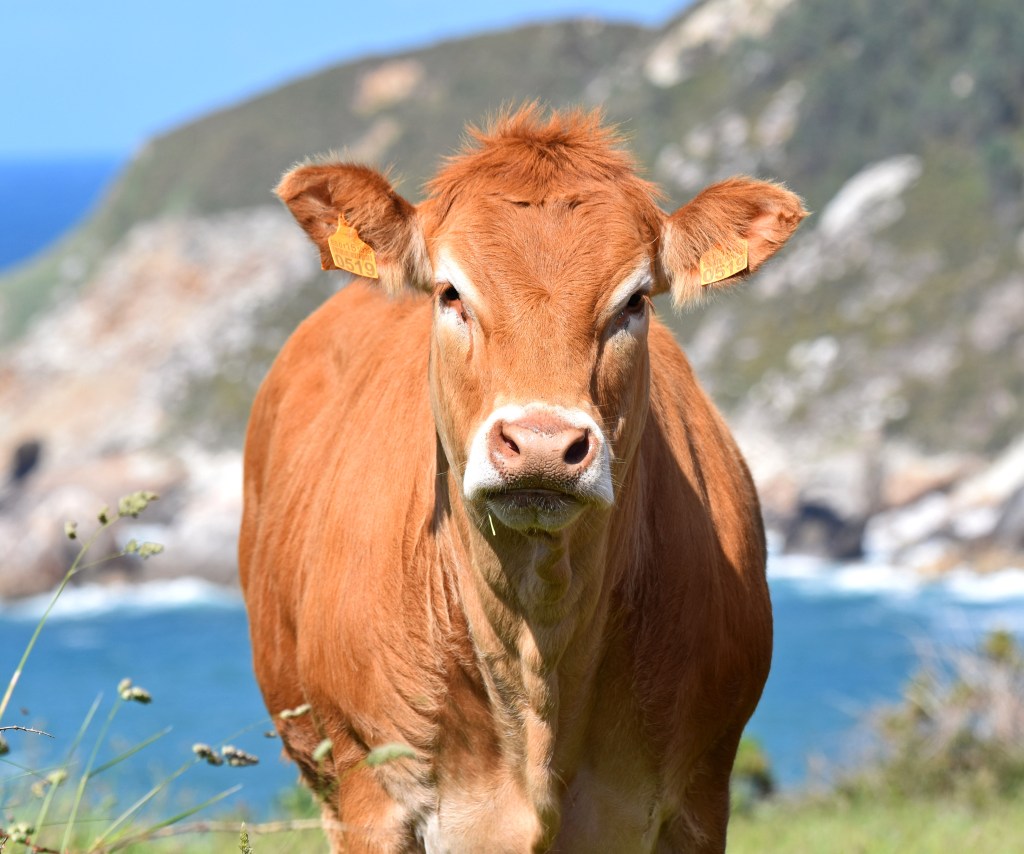
    Cow with bell. Galicia, Spain. Photograph by Raymond JC Cannon

    Readers of my blog may know that I am a frequent visitor to the Province of Galicia, in NW Spain. There are many reasons to visit this attractive region, tucked away on the shoulder of the Iberian peninsula: the beautiful countryside, the empty beaches, the cold waters of the Atlantic!, the cuisine, the rustic architecture, the Gallegan culture (Gallego is the native language of Galicia) and so on.  But one I have not dealt with before, is the cows!

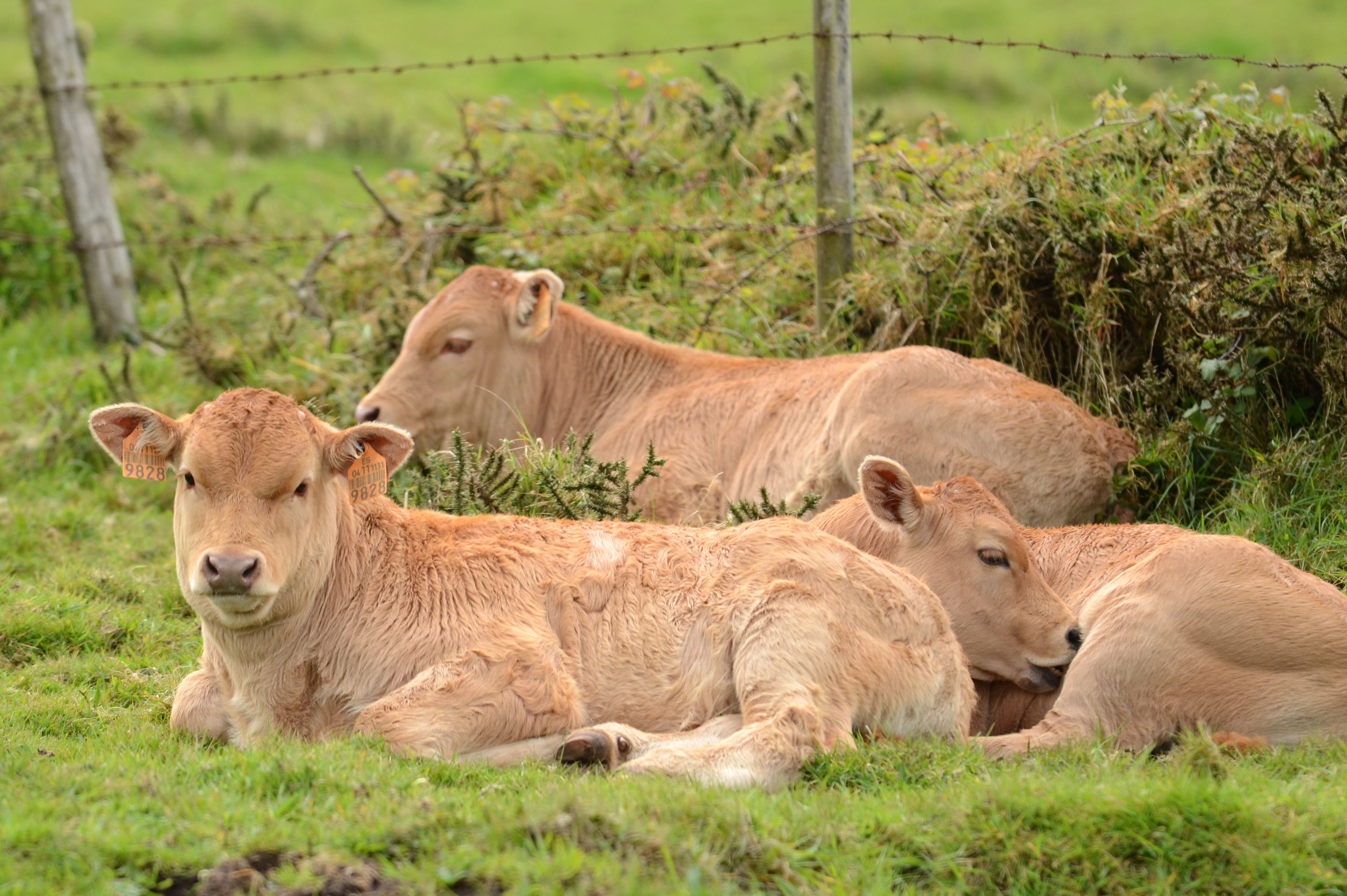
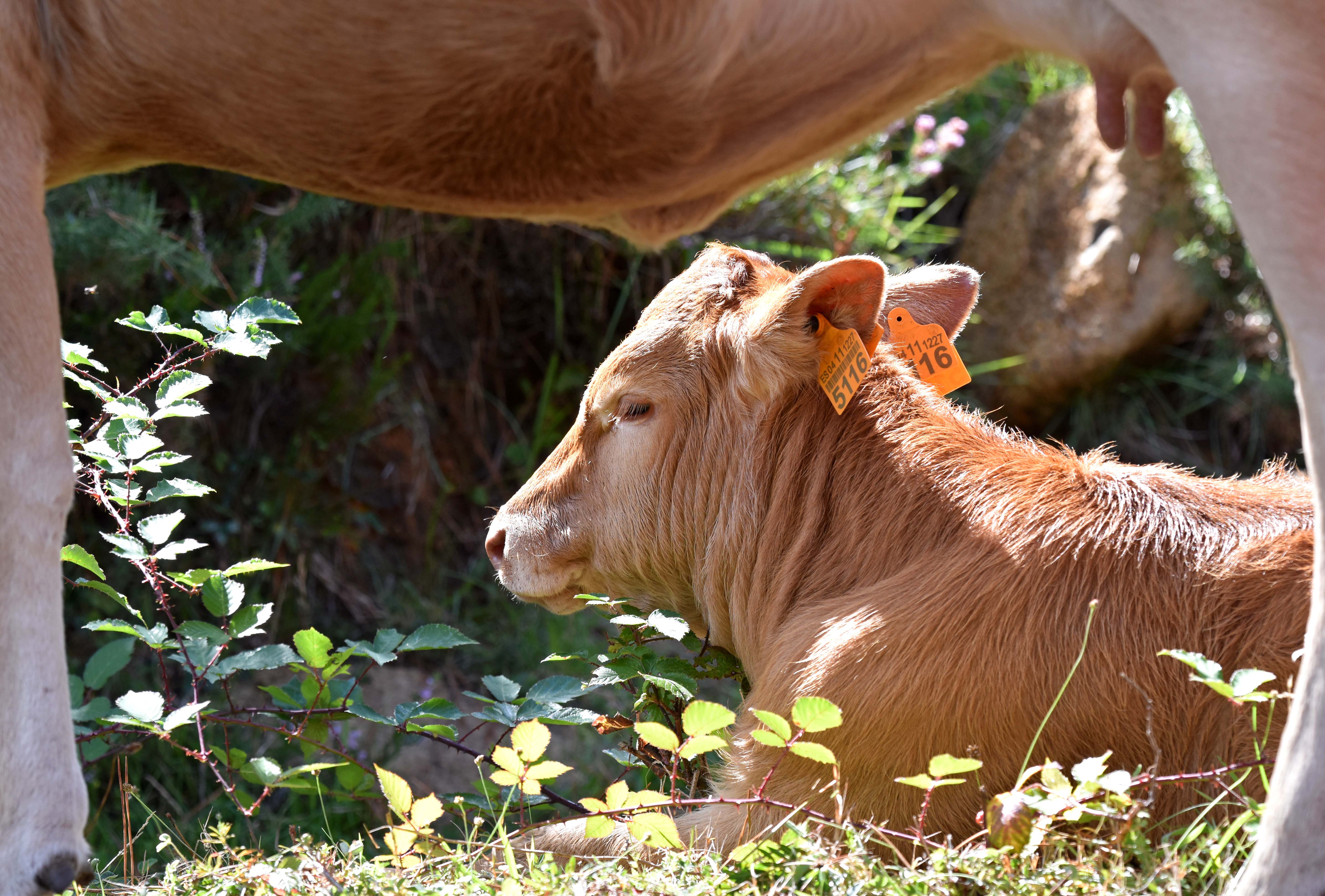
    Young calves resting in a meadow. An idyllic life apart from the flies! Galicia, Spain. Photograph by Raymond JC Cannon

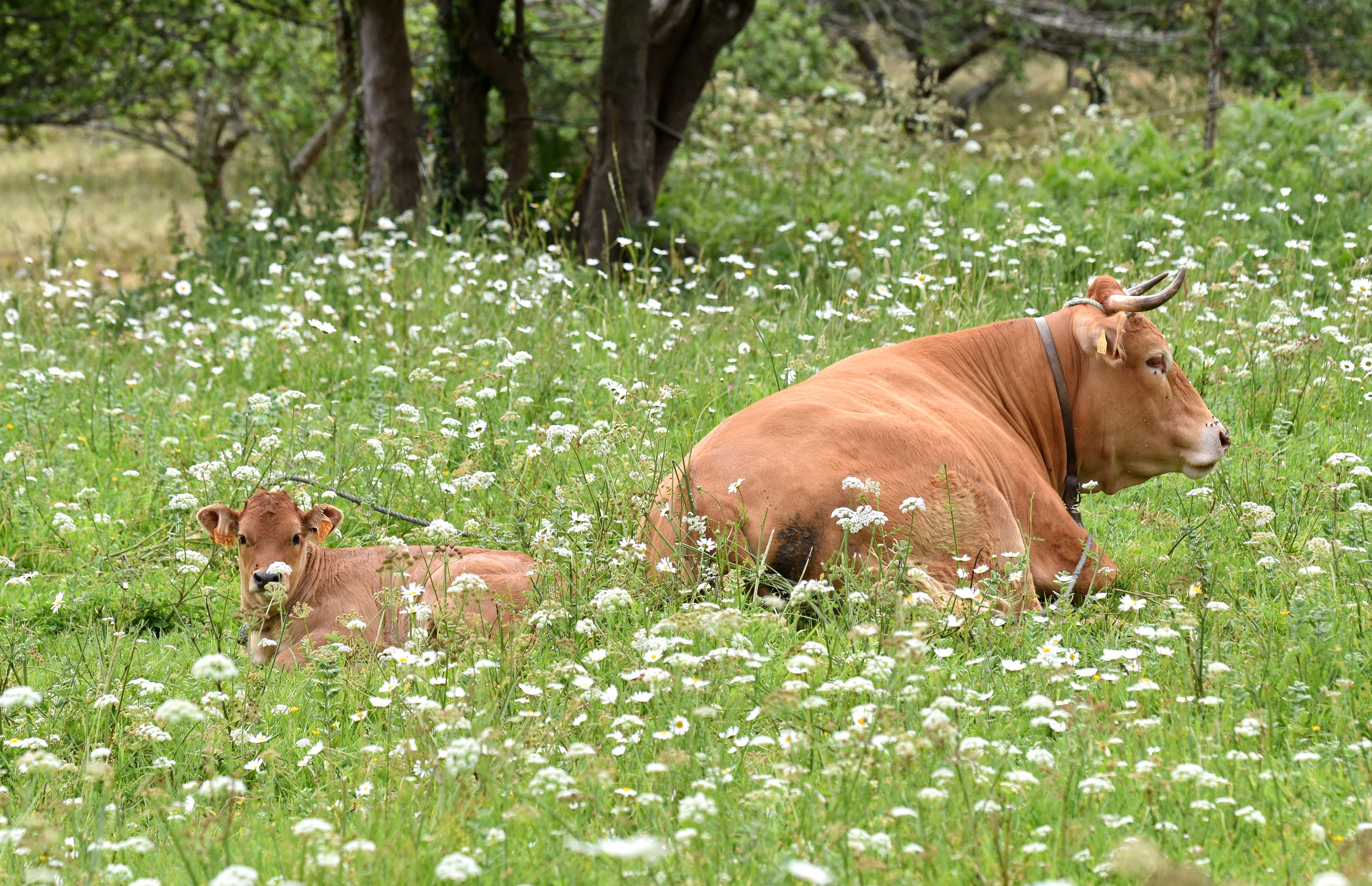
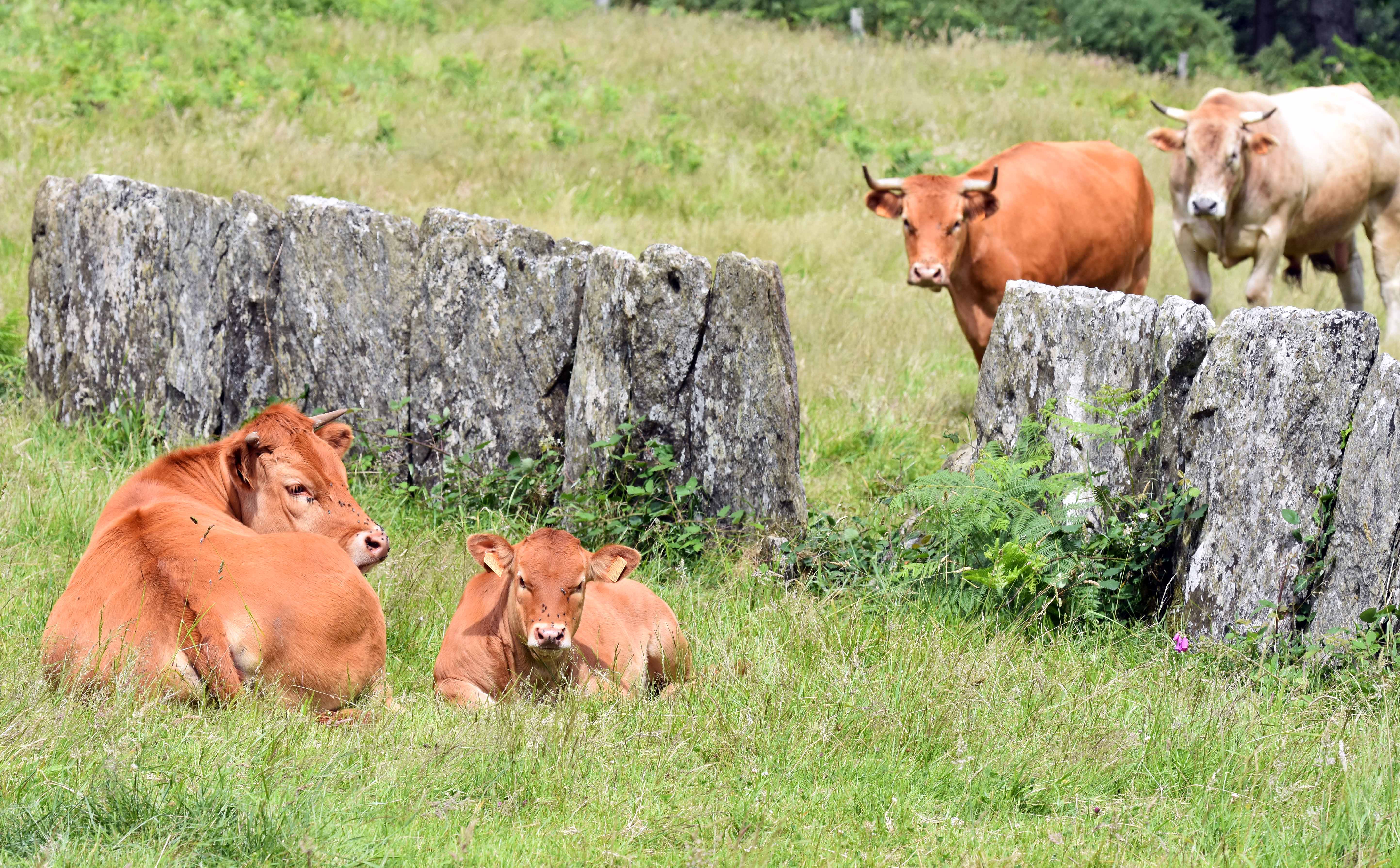
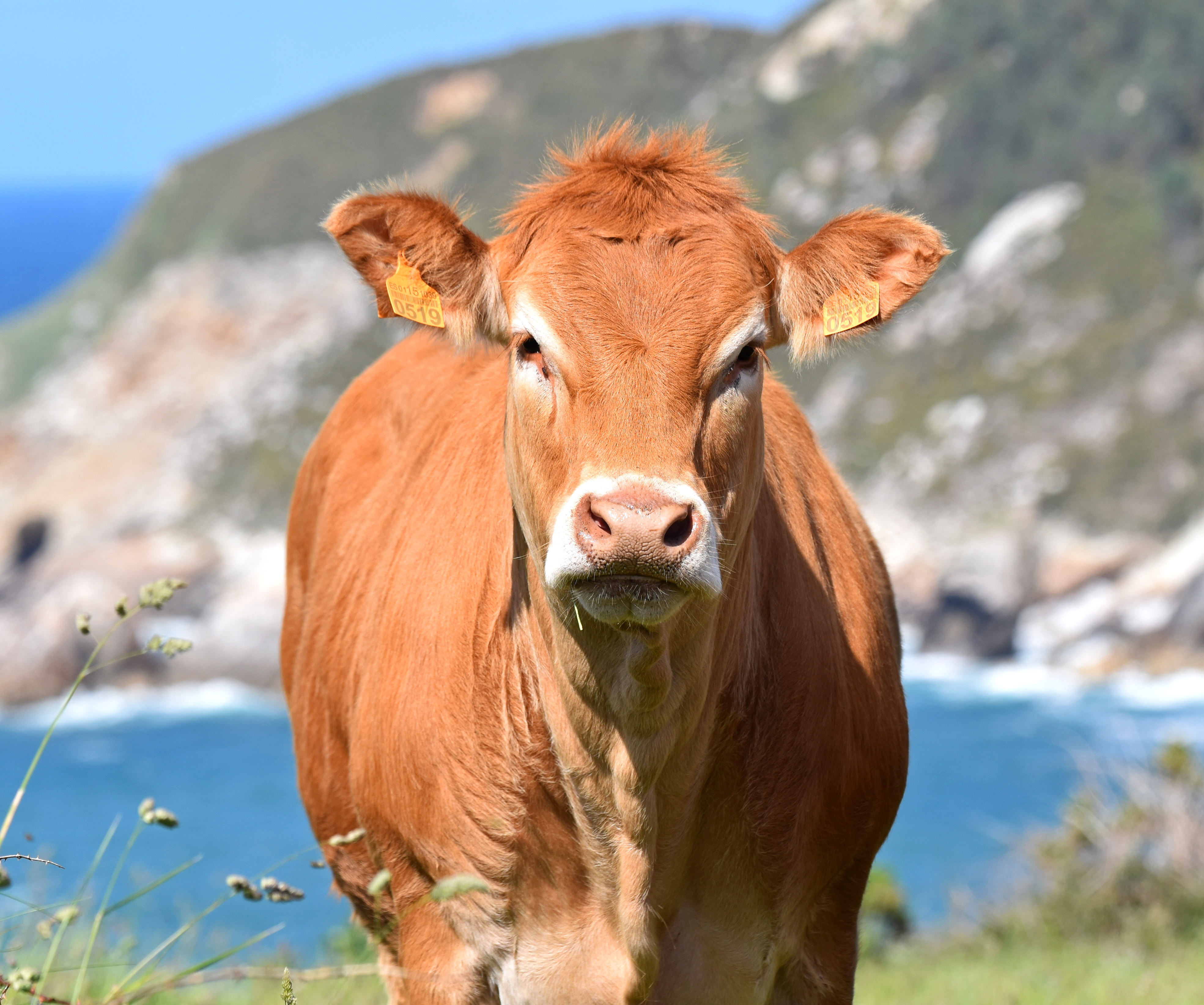
    Galician cows are adorable. First of all they are such an attractive colour. The commonest breed by far, is the Rubia Galega, or the Galician Blond beef cow. Whether or not you are a meat-eater, I think it is fair to say that these animals are well-treated and seem to me to have a very comfortable existence. As these photographs show, they are usually to be seen sitting in an idyllic meadow, quietly chewing the cud, far away from any stress or hassle!

    Rubia Galega cows in a meadow. Galicia, Spain. Photograph by Raymond JC Cannon

    Galicia is a rural land of smallholders, with many small farms and scattered plots. Whilst agriculture in this autonomous region is becoming more intensified, it seems to be much more small-scale and self-sufficient than many others parts of Europe. Whilst that might not be good for productivity and profits, it certainly is good for cows!

    Cows by traditional stone wall. Galicia, Spain. Photograph by Raymond JC Cannon

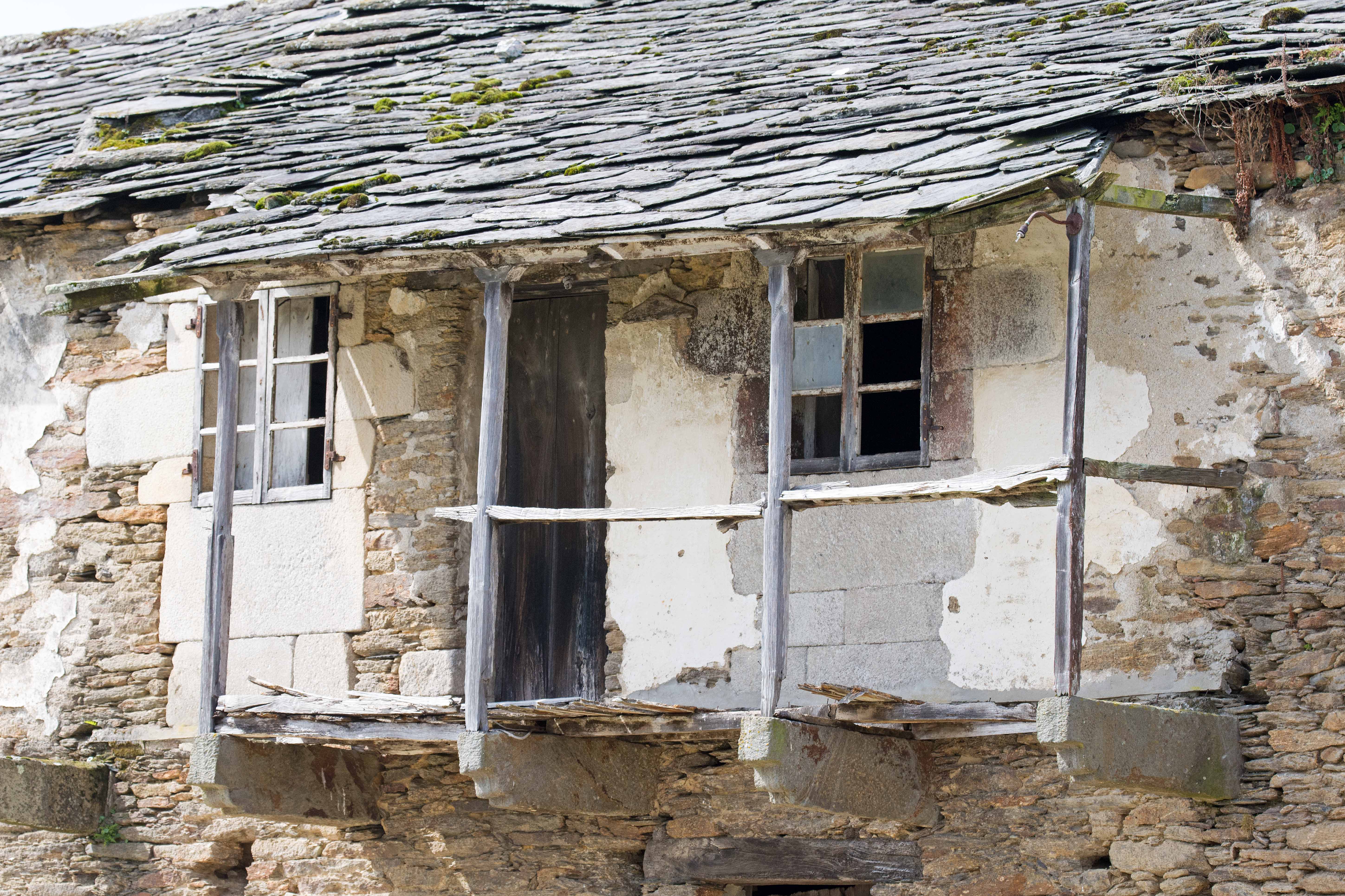
    Alas, this quiet, small-scale way of life is probably not sustainable in the long term. Galicia has been changing since the 1950s, but it is still a relatively poor area – compared to other regions of Spain – without too much major industry, and a largely rural economy. Many people have left Galicia to look for work elsewhere, in Europe, and the rest of the world. So, many of the traditional stone farm houses – with their characteristic slate roofs (below) have been left to slide back into the earth from which they came!

    Traditional Galician farm house abandoned. Galicia, Spain. Photograph by Raymond JC Cannon

    I get the impression that, like a lot of agricultural communities (the UK included), the people working the land are getting on in years. Whilst it may be an idyllic and healthy life-style for some, running a small farm or smallholding does not make much money. Yet there must be opportunities to turn this unspoiled and pristine land into high value – i.e. high quality – crops, be they plant or animal.

    Rubia Galega calf in a meadow. Galicia, Spain. Photograph by Raymond JC Cannon

    Galicia is a very tranquil and uncrowded part of Europe. Most foreign tourists head to the beaches on the Mediterranean coasts of Spain. The Spanish themselves know to head north (not south!) in summer, and some parts of the coast do fill up a bit in August. But for the most part, Galicia is remarkably uncrowded, the roads are largely empty (by UK standards), and the cows get to life in peace and harmony! Have I painted an attractive enough picture yet?!

    There are other cows in Galicia, including plenty of black and white Friesian milk cows in some areas, and a number of rare breeds. One of the strangest is the Cacehna cow (below), which seems to be a sort of all-purpose cattle breed; it can be used as a draft animal, for milk and for meat.

    Cachena cow with odd horns. Galicia, Spain. Photograph by Raymond JC Cannon

    Of course one reason why Galicia is so good for cows, is the grass! And the grass is good because it rains! But the climate is mild. Galicia, sticks out into the Atlantic, so expect sunshine and showers most days, and you will not be disappointed! So I’ll finish with a cow enjoying the sunshine in early June, by the sea.

    Cow by the sea! Galicia, Spain. Photograph by Raymond JC Cannon

  • Just a tree, but also a work of art!

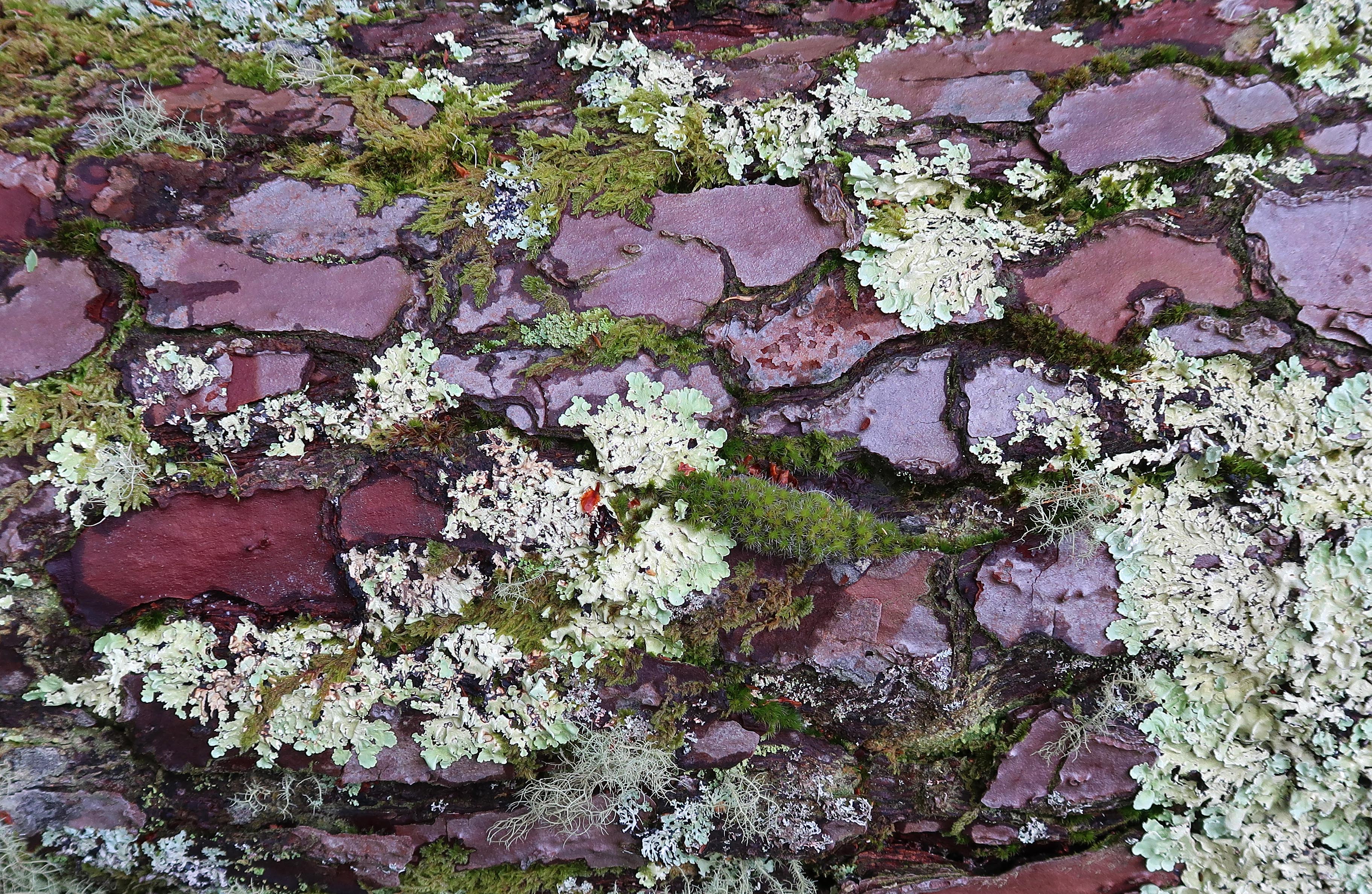
    Stone pine (Pinus pinea) tree bark. Galicia, Spain

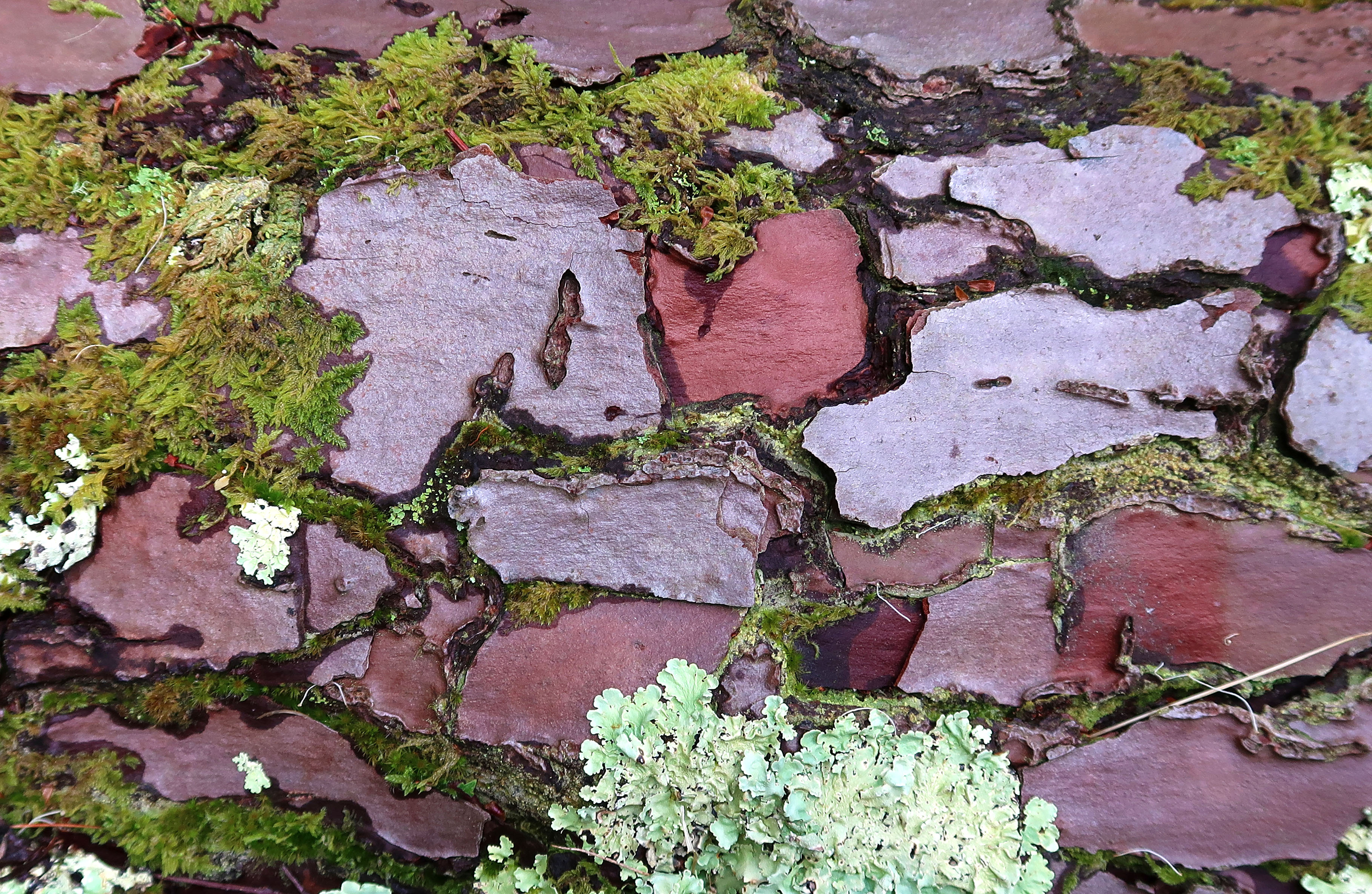
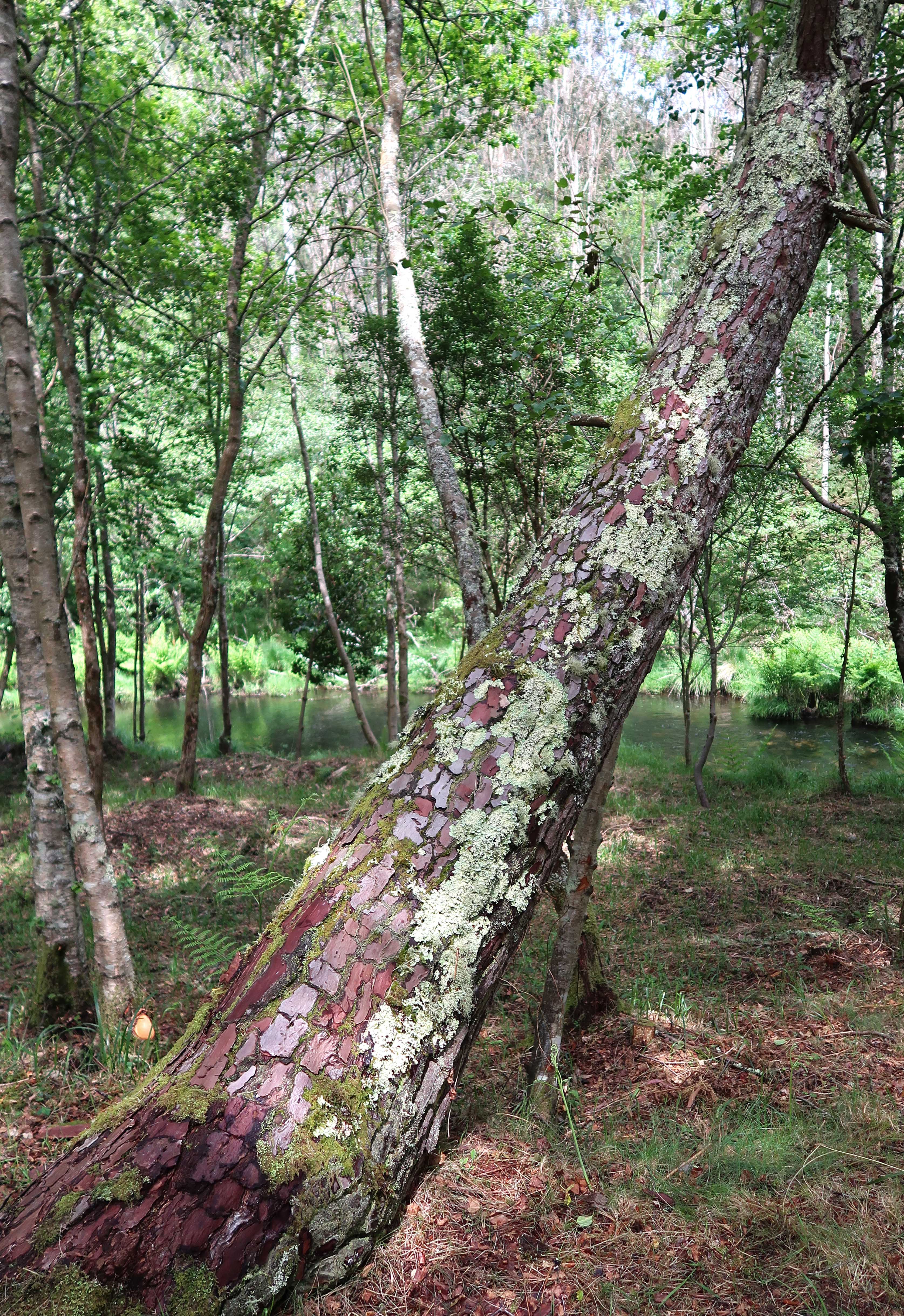
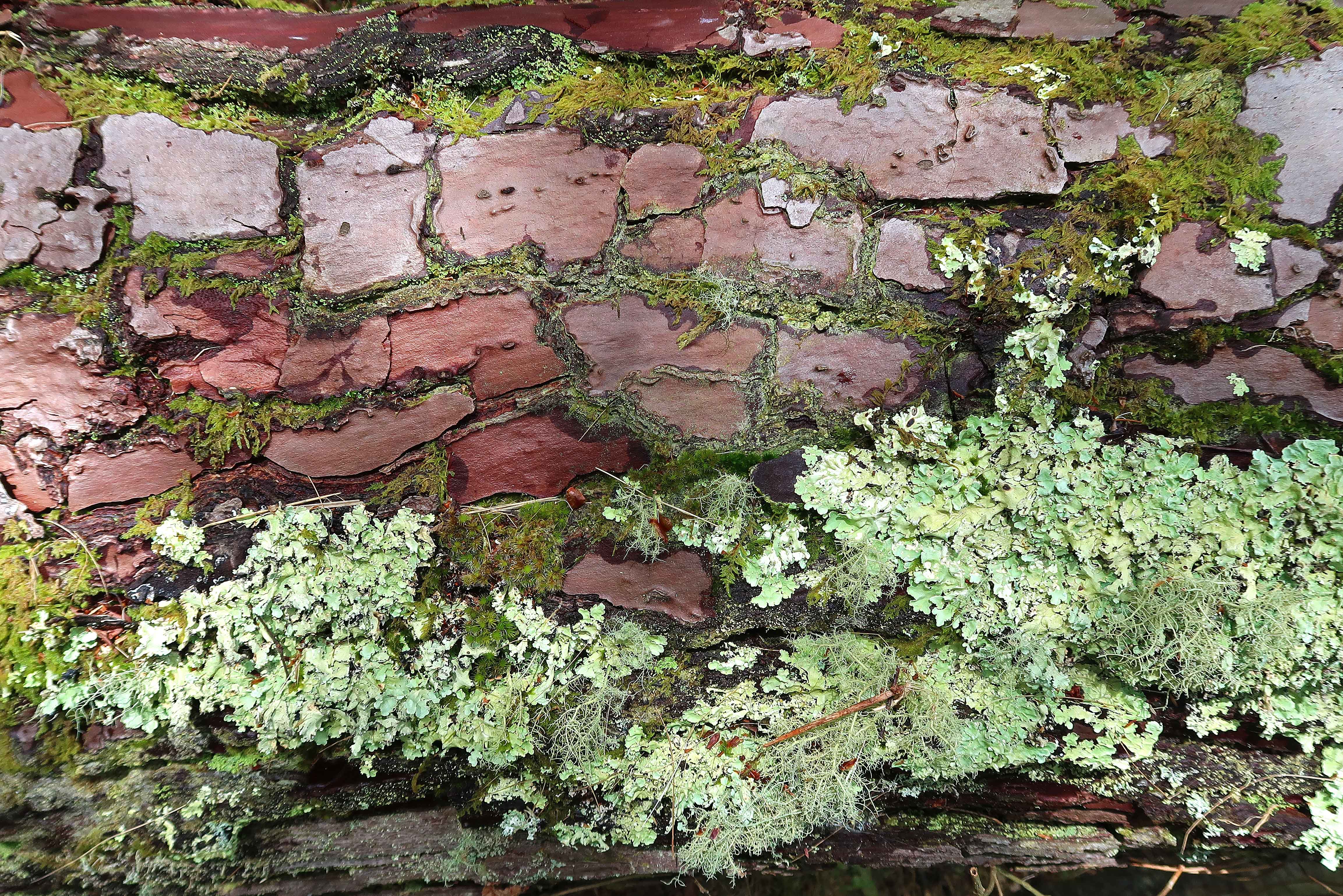
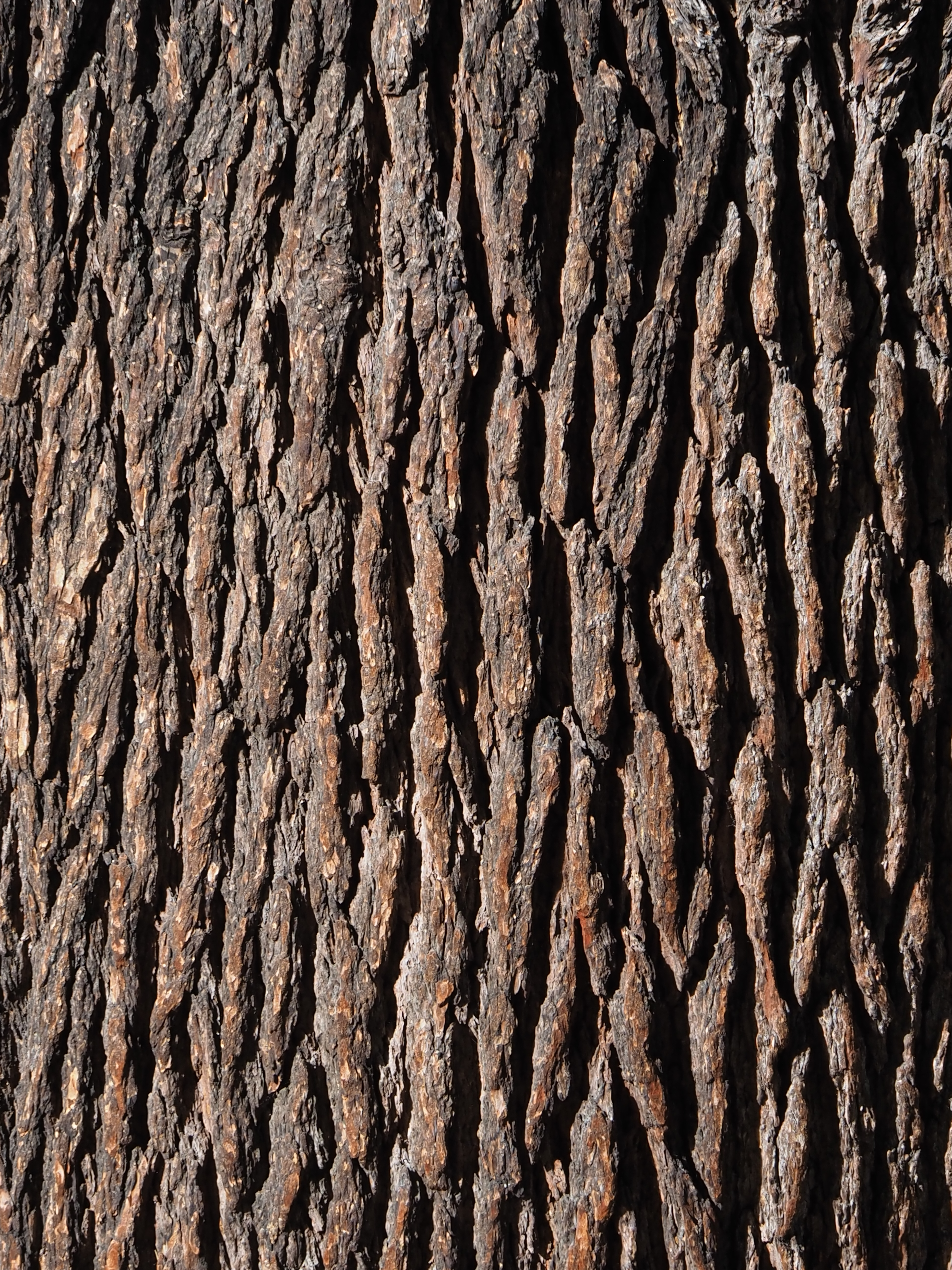
    A came across this amazing tree earlier this year in Galicia, Spain. It was partially prostrate, but still growing. The beautiful, plate-like bark was adorned with mosses and lichens, which gave it a strangely artistic effect, almost like an abstract painting! It is, I think, the stone pine (Pinus pinea L.).

    Stone pine (Pinus pinea) Rio Sor, Galicia, Spain

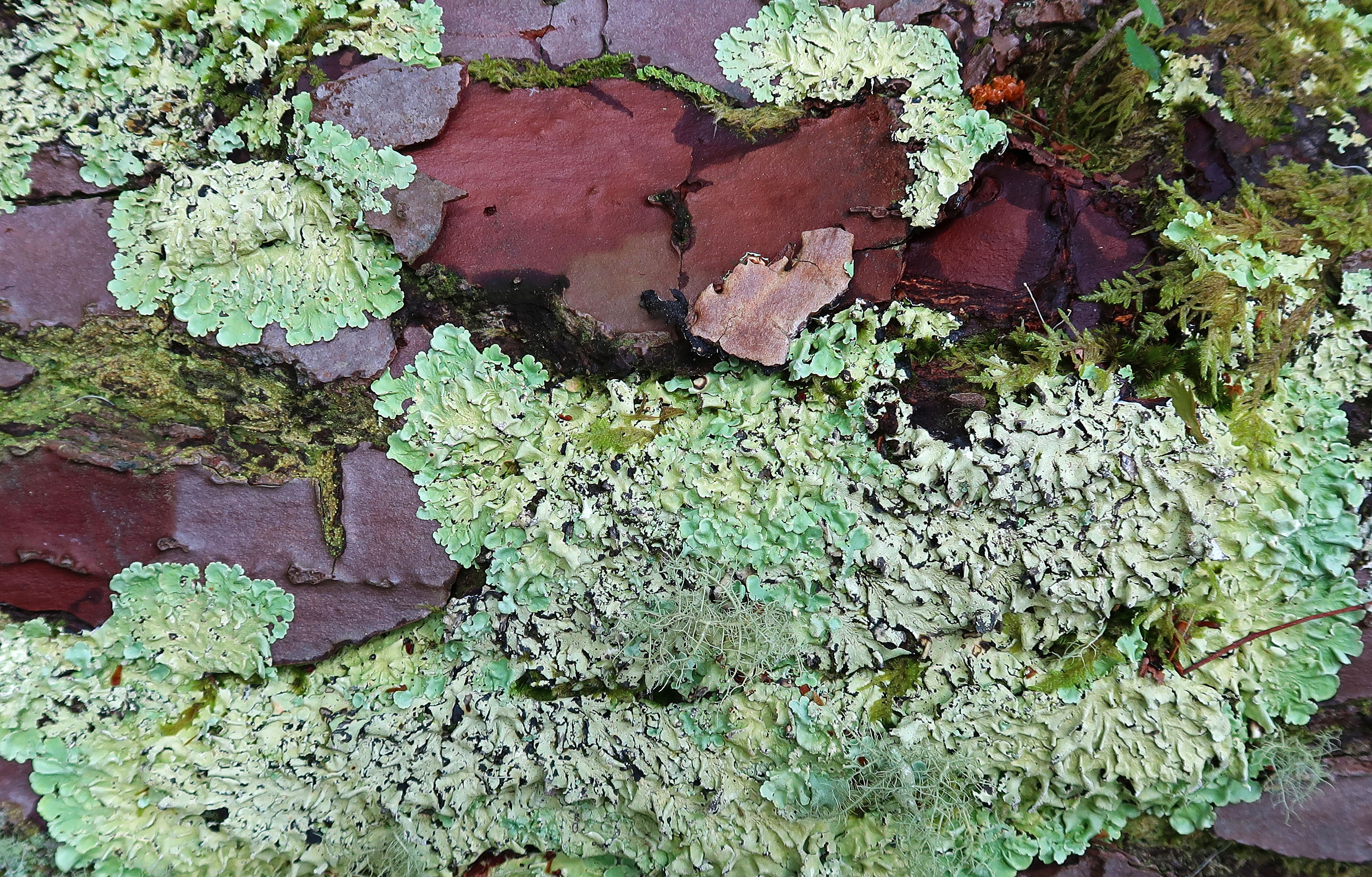
    What struck me most about this tree however, was the remarkably beautiful composition and texture. The presence of the lichens pointed to clean and pristine environment.

    Stone pine (Pinus pinea) with lichen

    The bark of this tree is thick and plate-like, an adaptation which protects it against fires.

    Stone pine (Pinus pinea) bark

    Just a natural phenomenon, but a joy to see because somehow it conjures up a deep seated desire to connect with the substance of the world from which we have emerged.

    Stone pine (Pinus pinea) bark. Rio Sor, Galicia, Spain

    And also, I think, a love of patterns and textures, which must somehow be related to our ability to find meaning in the complexity of nature.

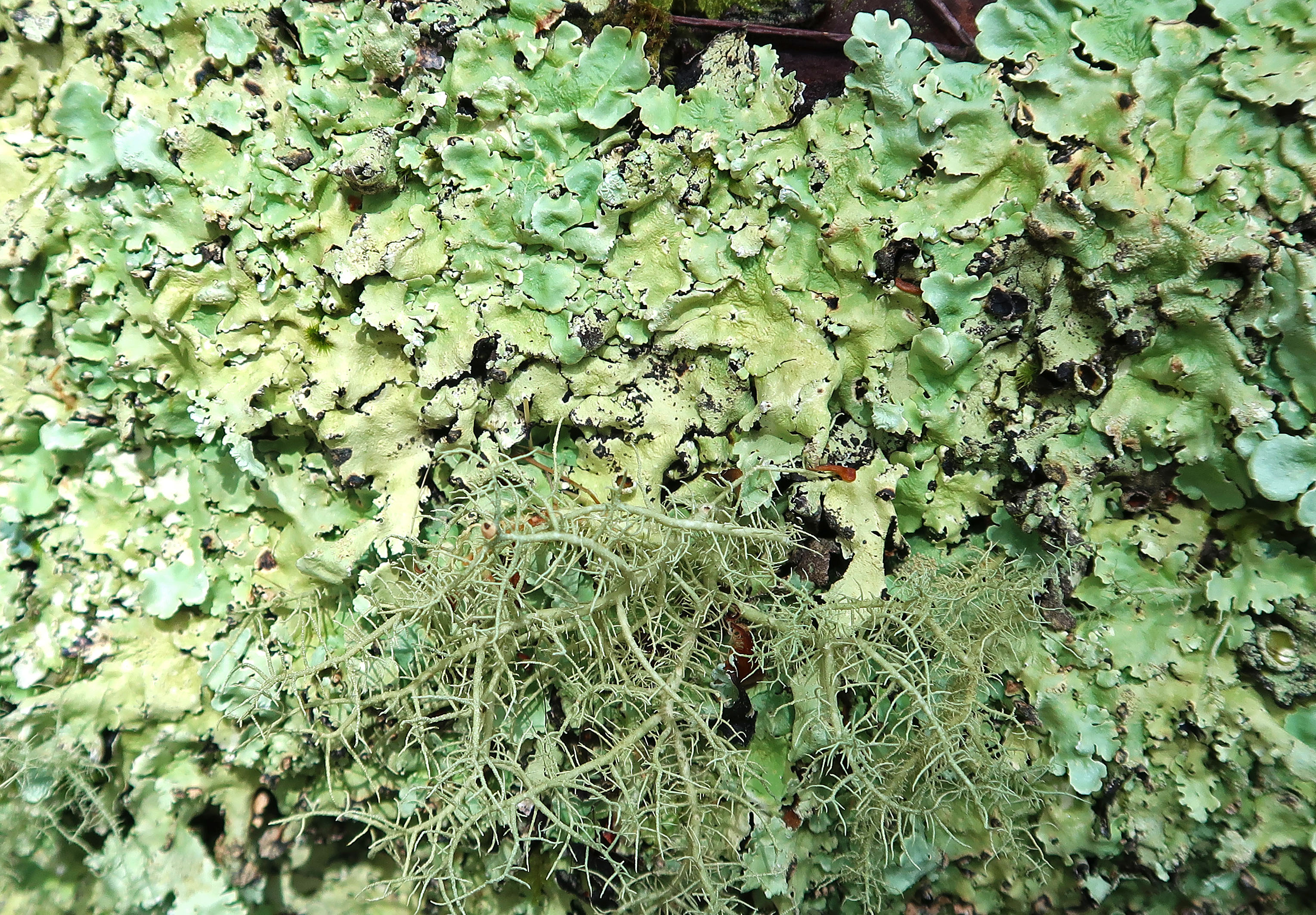
    Fructose and foliose lichens Galicia, Spain

  • Livestock guardian dogs

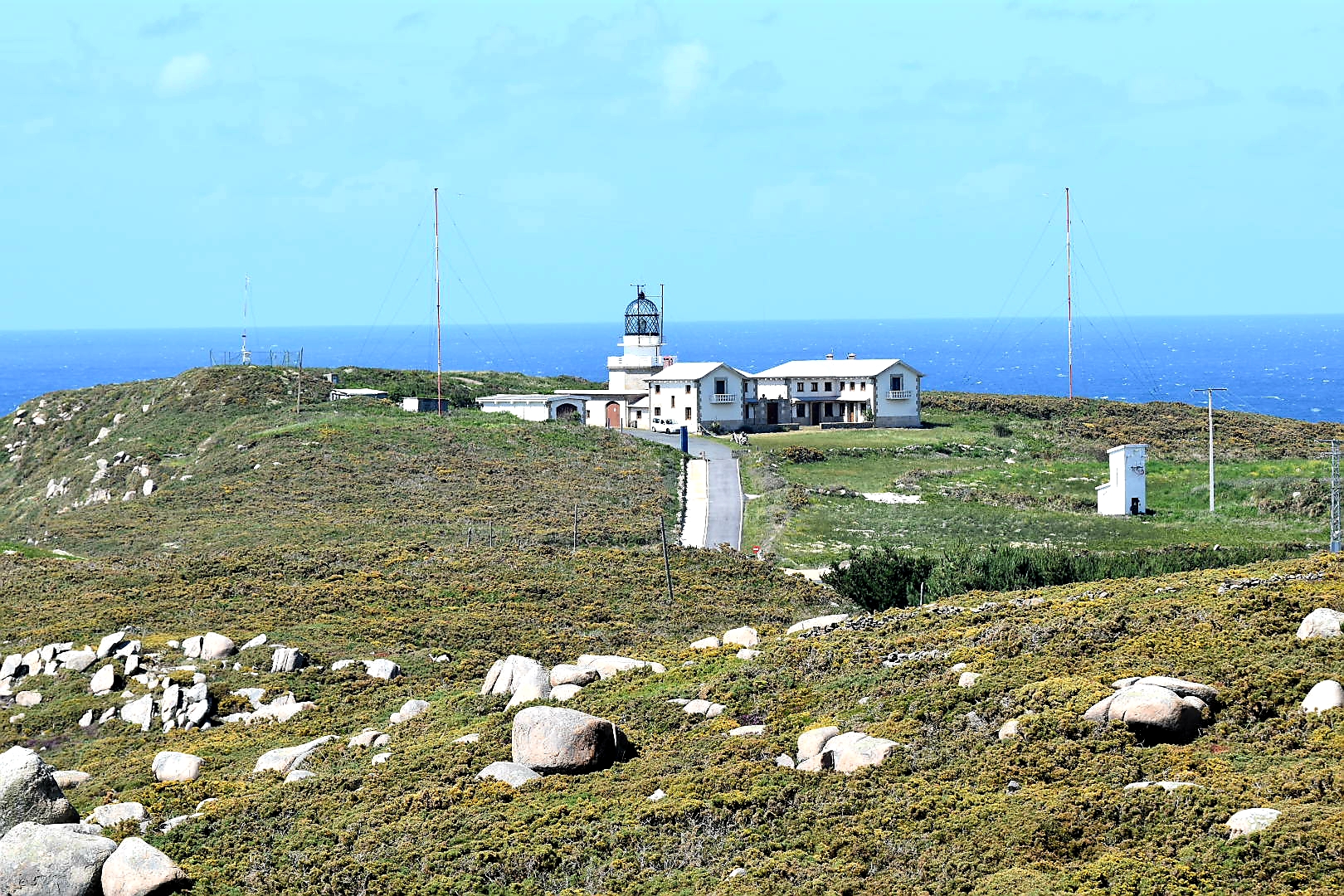
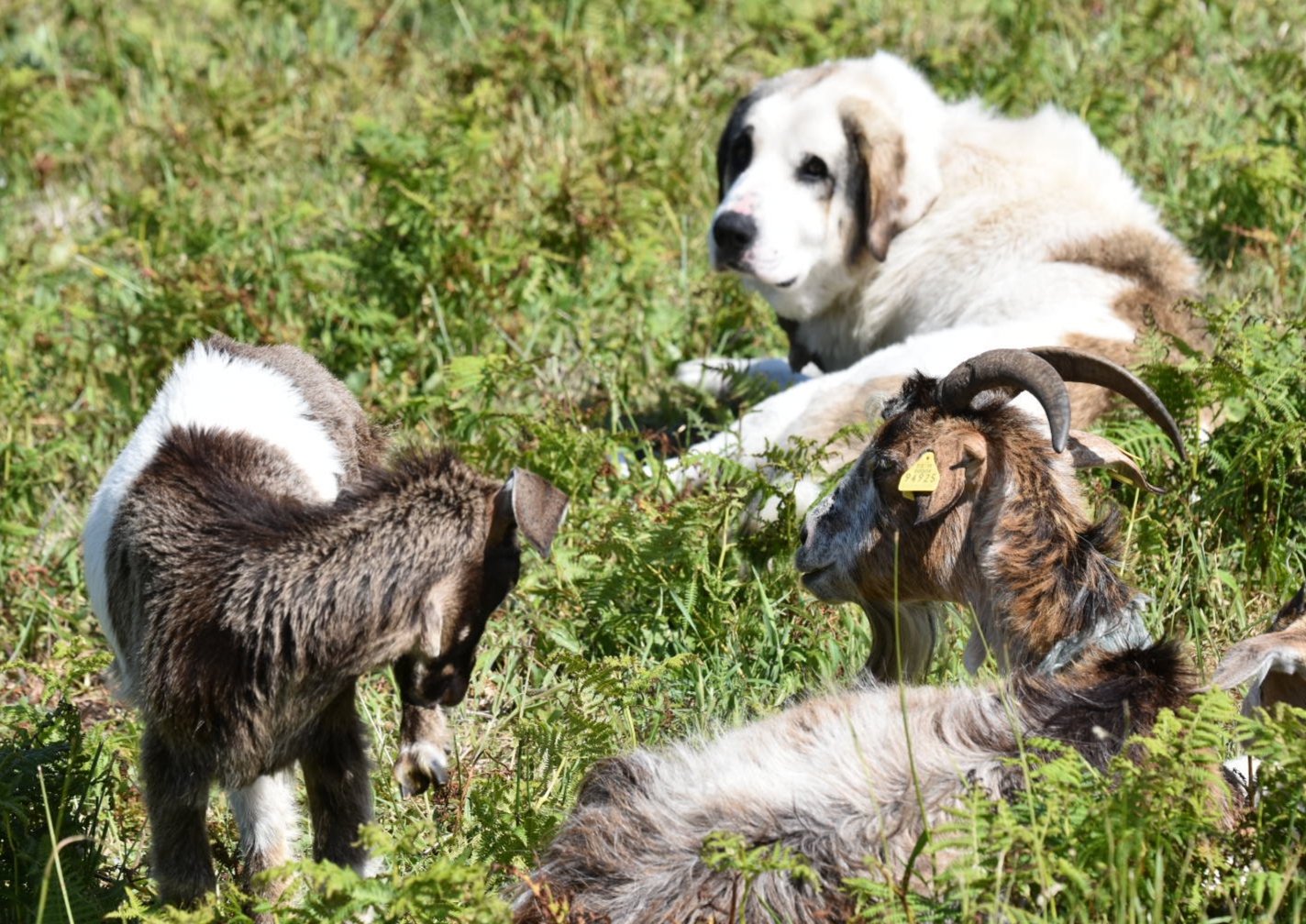
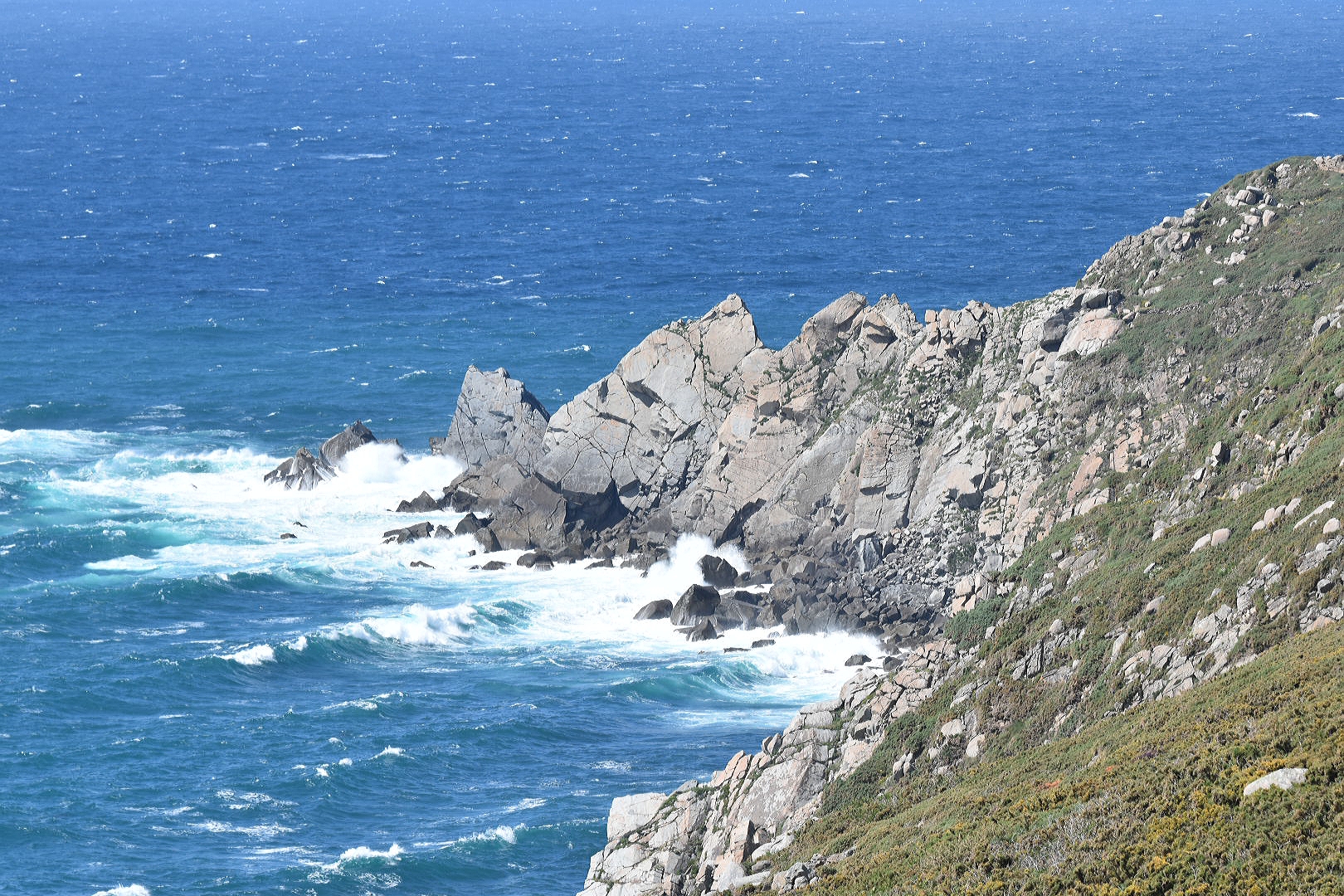
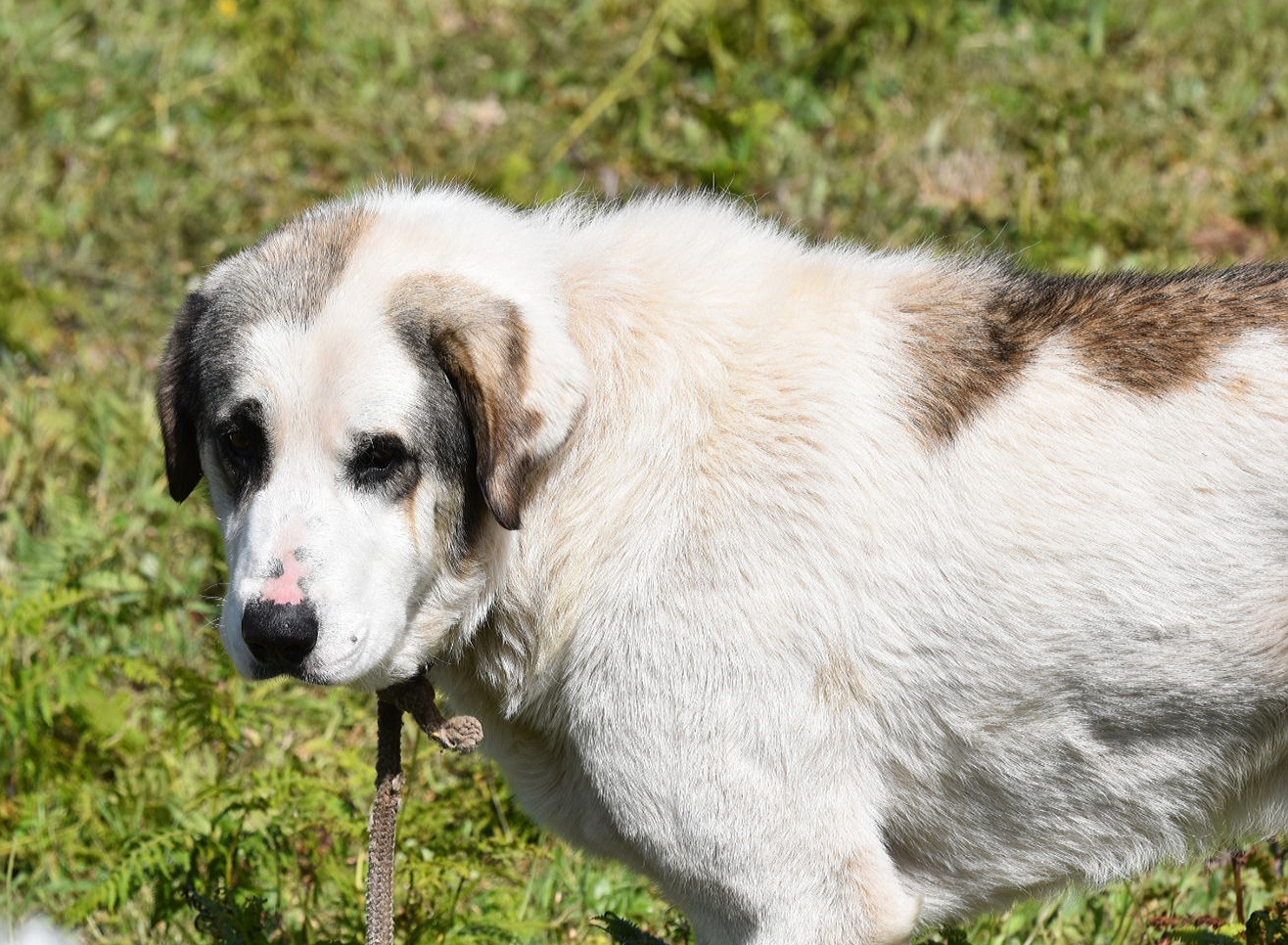
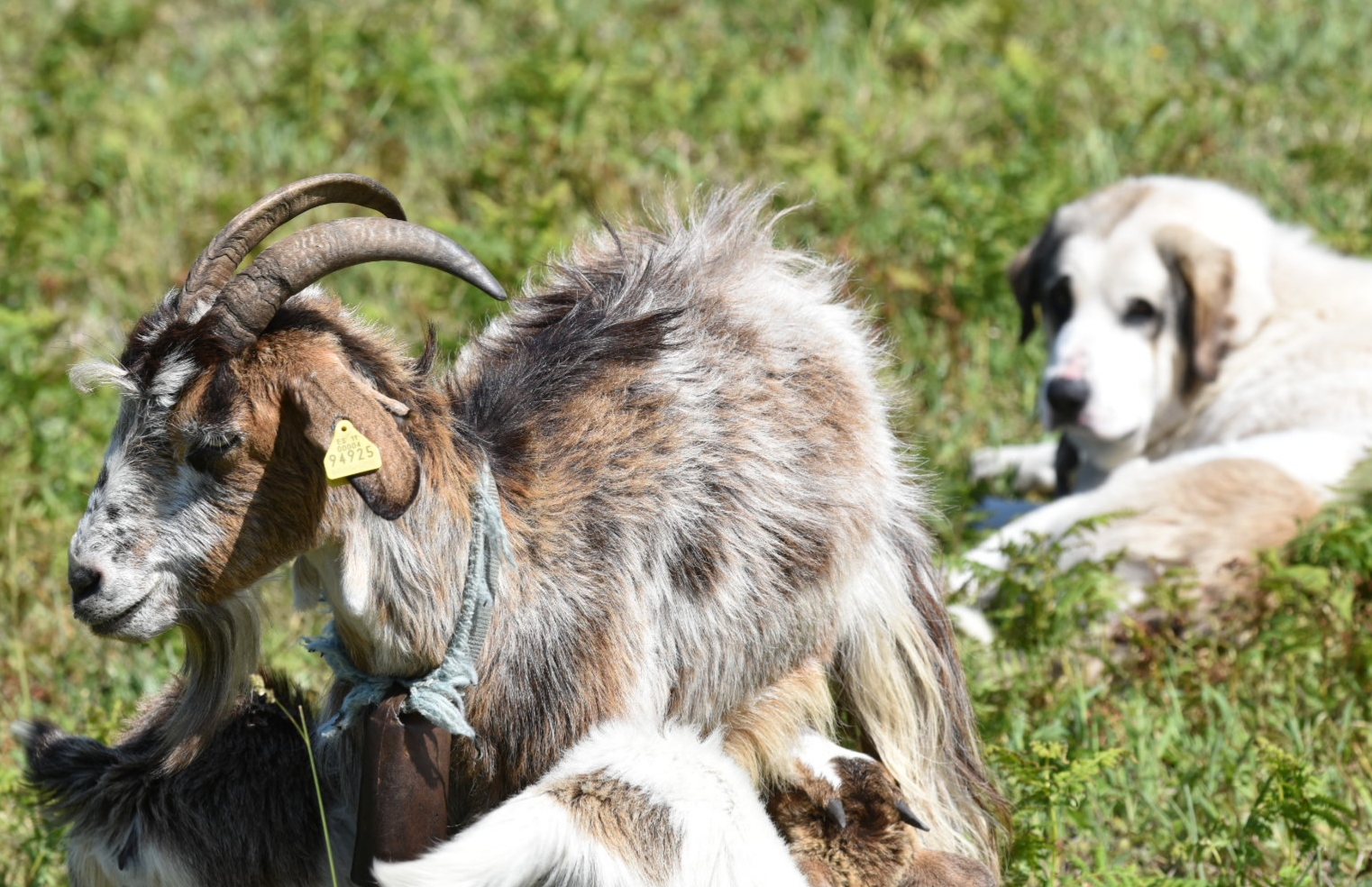
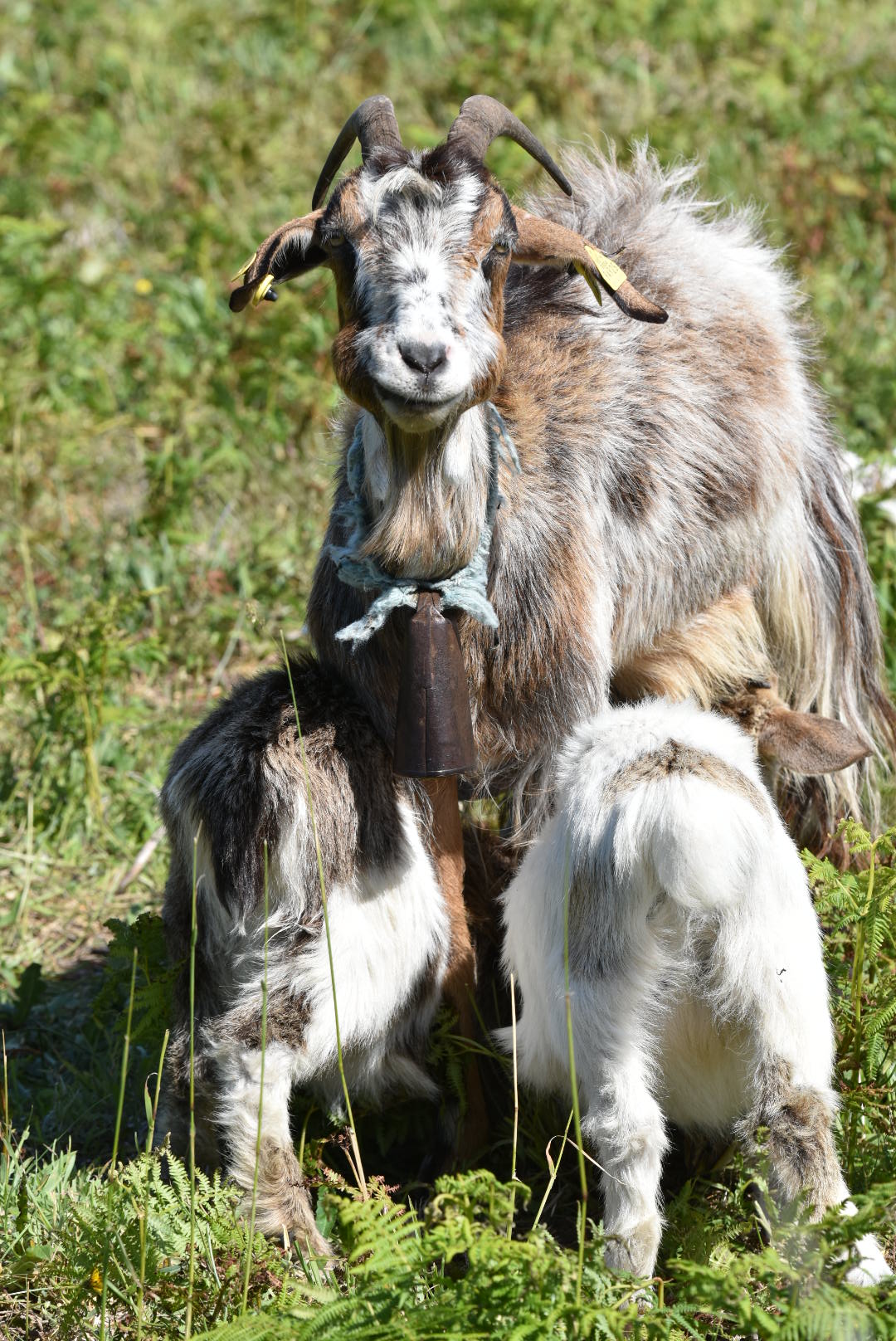
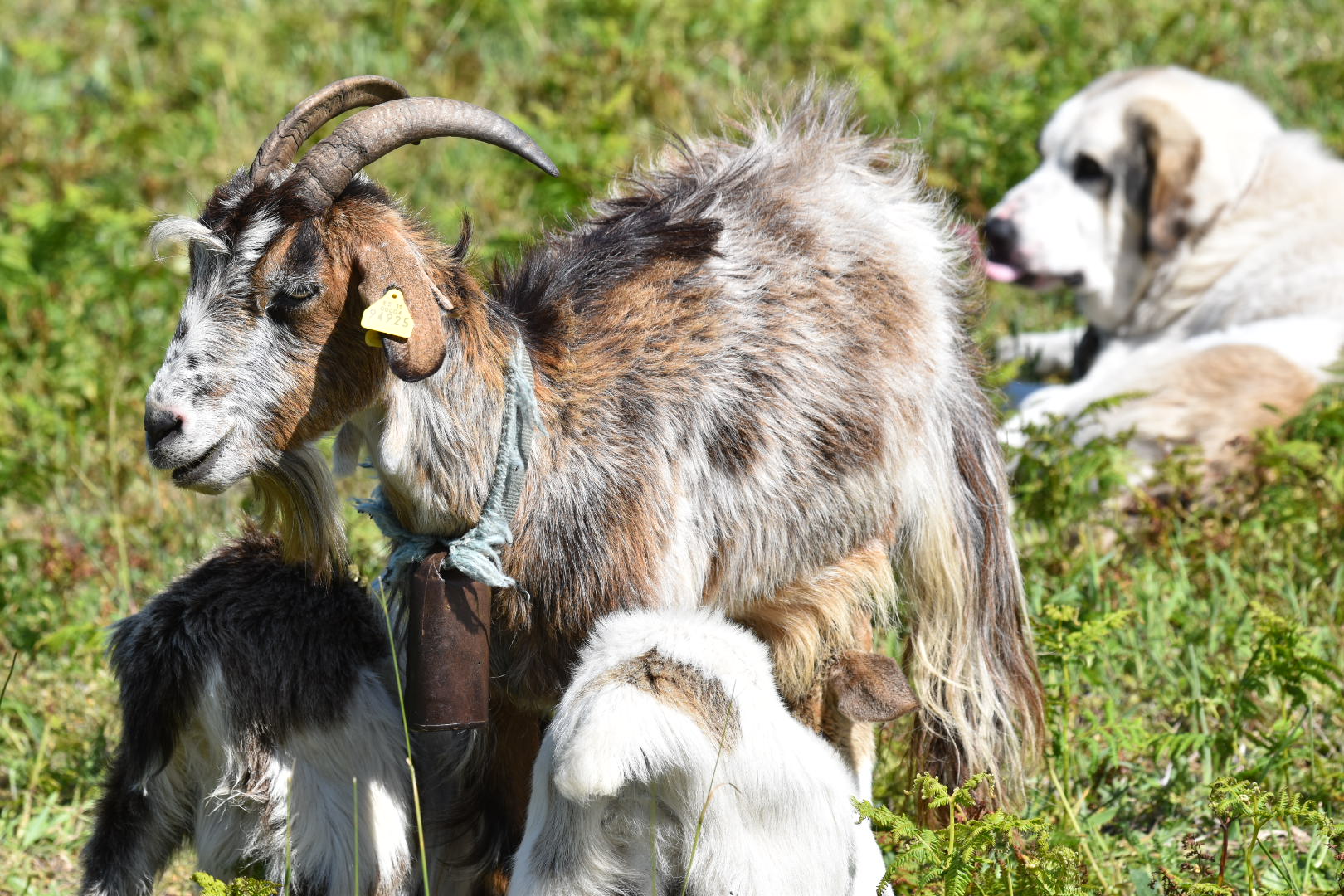
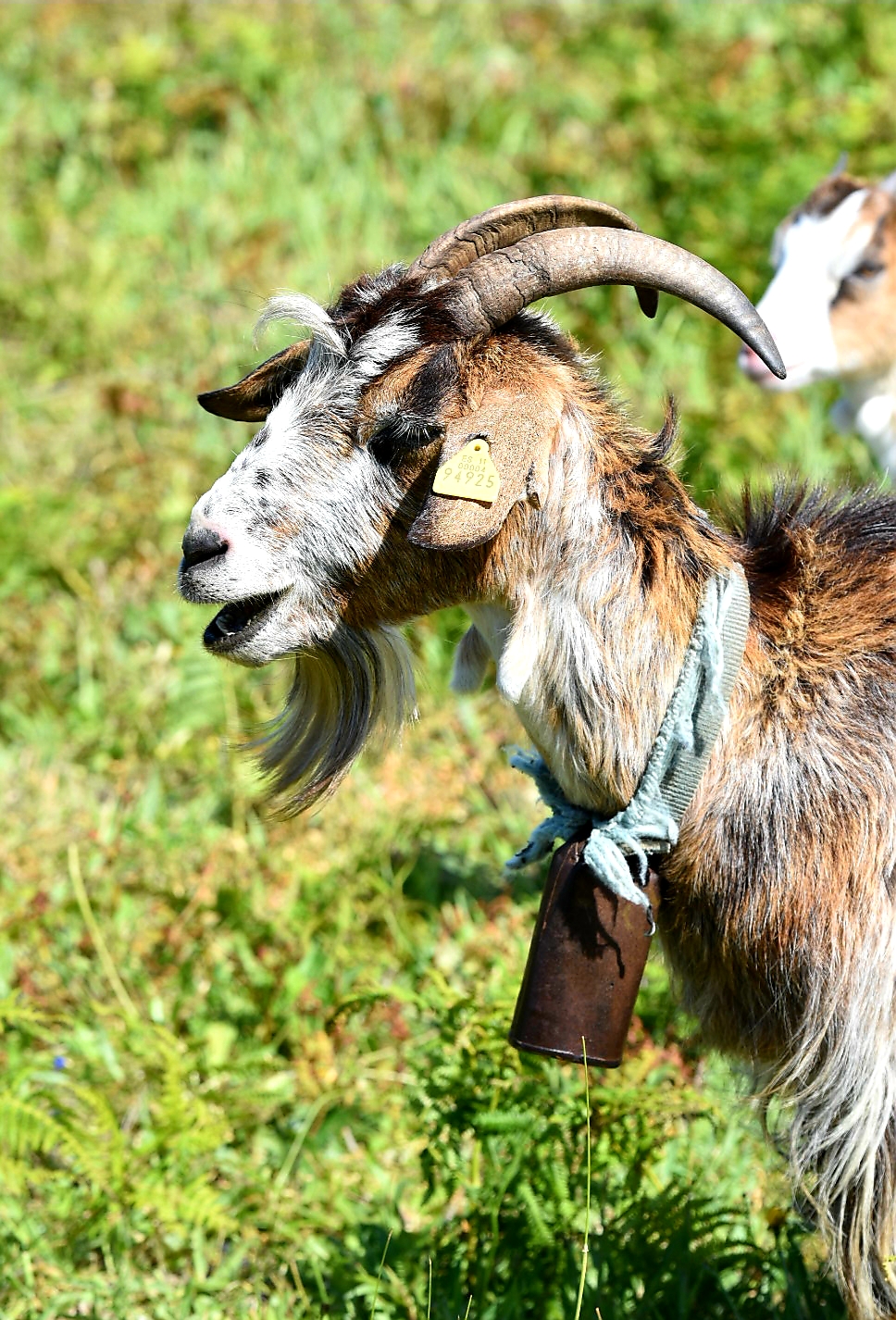
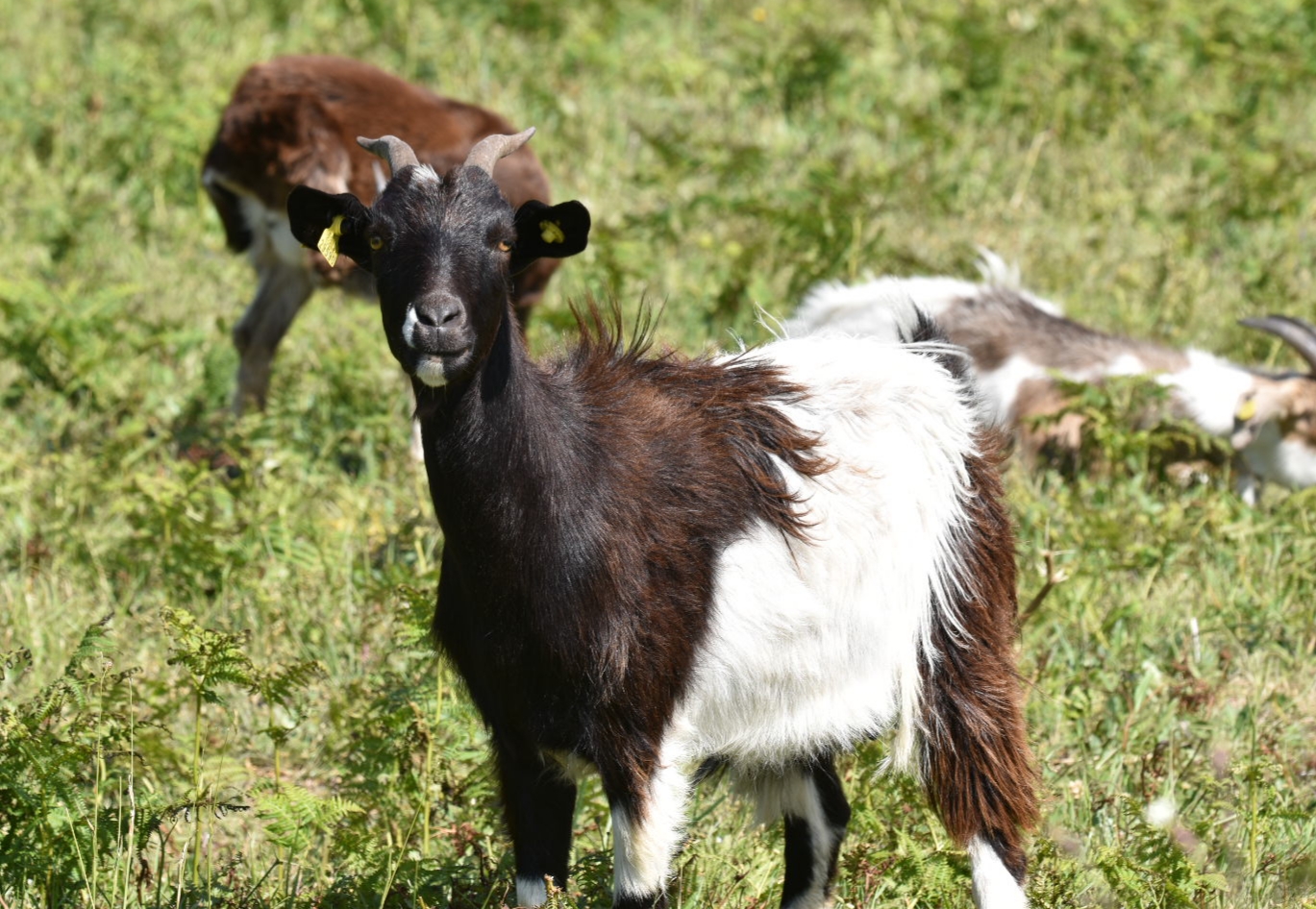
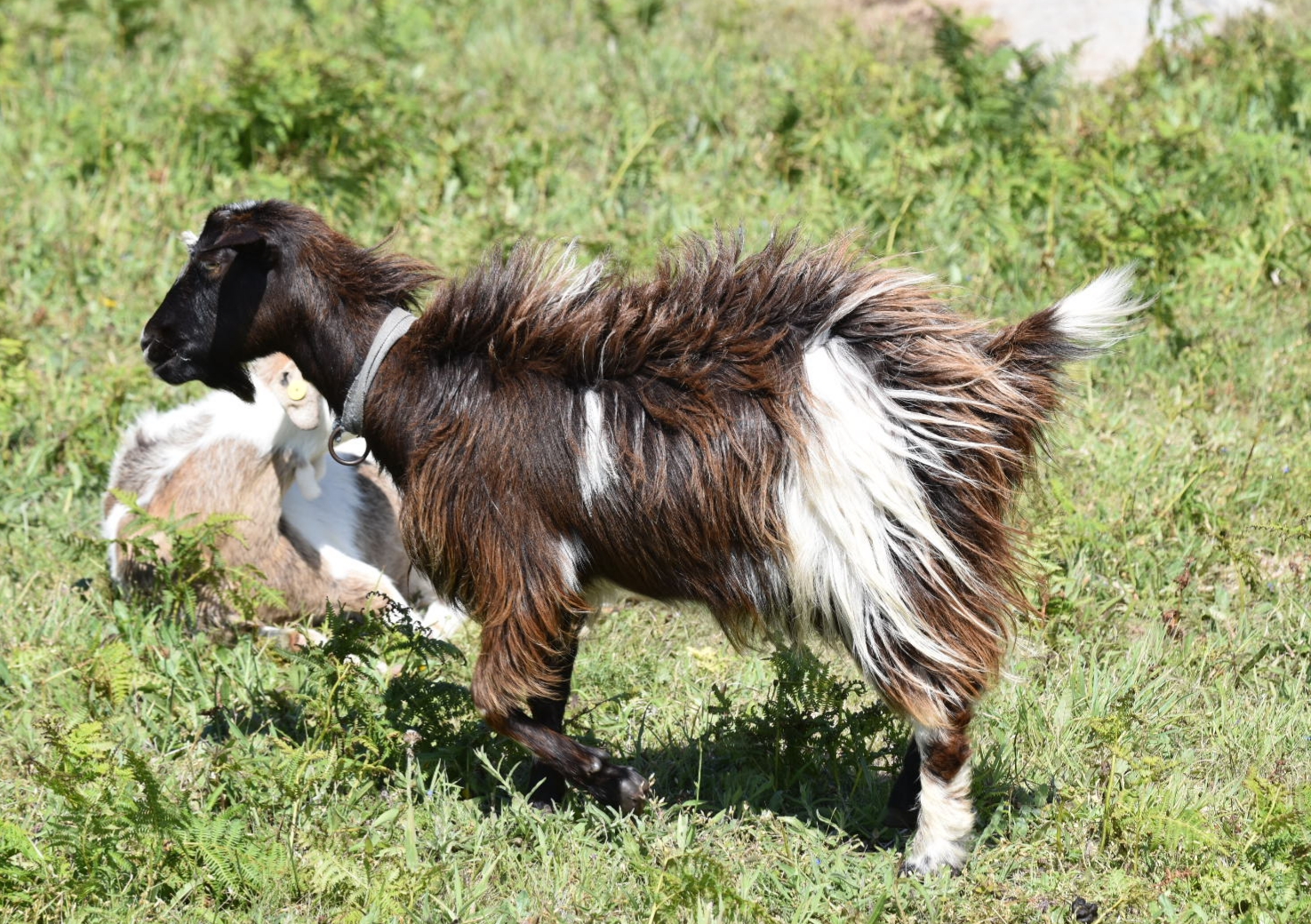
    I came across a flock of goats with a large white dog, near Cabo de Bares in Galicia, Spain. There is a lighthouse nearby.

    The dog was very passive and did not react much when I approached the group and started taking photographs.

    Livestock guardian dogs (LGD) as they are called and apparently being used more frequently these days to guard flocks of goats and sheep (and even chickens) from wolves. I knew that there were wolves in northern Spain, but I was surprised to learn that they are found right up to the coast in Galicia where these photographs were taken.


    https://en.m.wikipedia.org/wiki/Iberian_wolf

    The above map indicates that wolves occur right up to the northernmost Capes, including Cabo Bares where I saw this flock.

    Cabo de Bares, Galicia, Spain

    The dogs are placed at an early age with the flock they come to guard, so that they form a close bond and defend them relentlessly against predators.

    If the wolves attack, these dogs will stand and bark and hopefully that will be enough to deter the wolves. I think that this particular breed is a Pyrenean Mountain Dog, but I am not certain. Anyway, the goats seem happy enough!

    Sadly, some of these working dogs suffer a shorter lifespan than dogs which are kept as pets. Hopefully, they have pleasant and satisfying lives in their beautiful surroundings.

    I will look out for more of these LGDs now that I know they exist. There are an estimated 2,000-2,500 wolves in Spain, the biggest population in western Europe. The hunting of wolves is banned in Portugal but still allowed in some parts of Spain.

    I should finish by saying that I am assuming that this dog is there to guard against wolves. I did not speak to the farmer. The wolves are distributed over a vast area at a maximum density of about 7 wolves per 100 square kilometers according to the Wikipedia article. So quite how big a threat they are, in this particular location, I don’t know.

  • Mondoñedo cathedral

    Mondoñedo cathedral

    Mondoñedo Cathedral, Galicia, Spain
    Mondoñedo Cathedral, Galicia, Spain

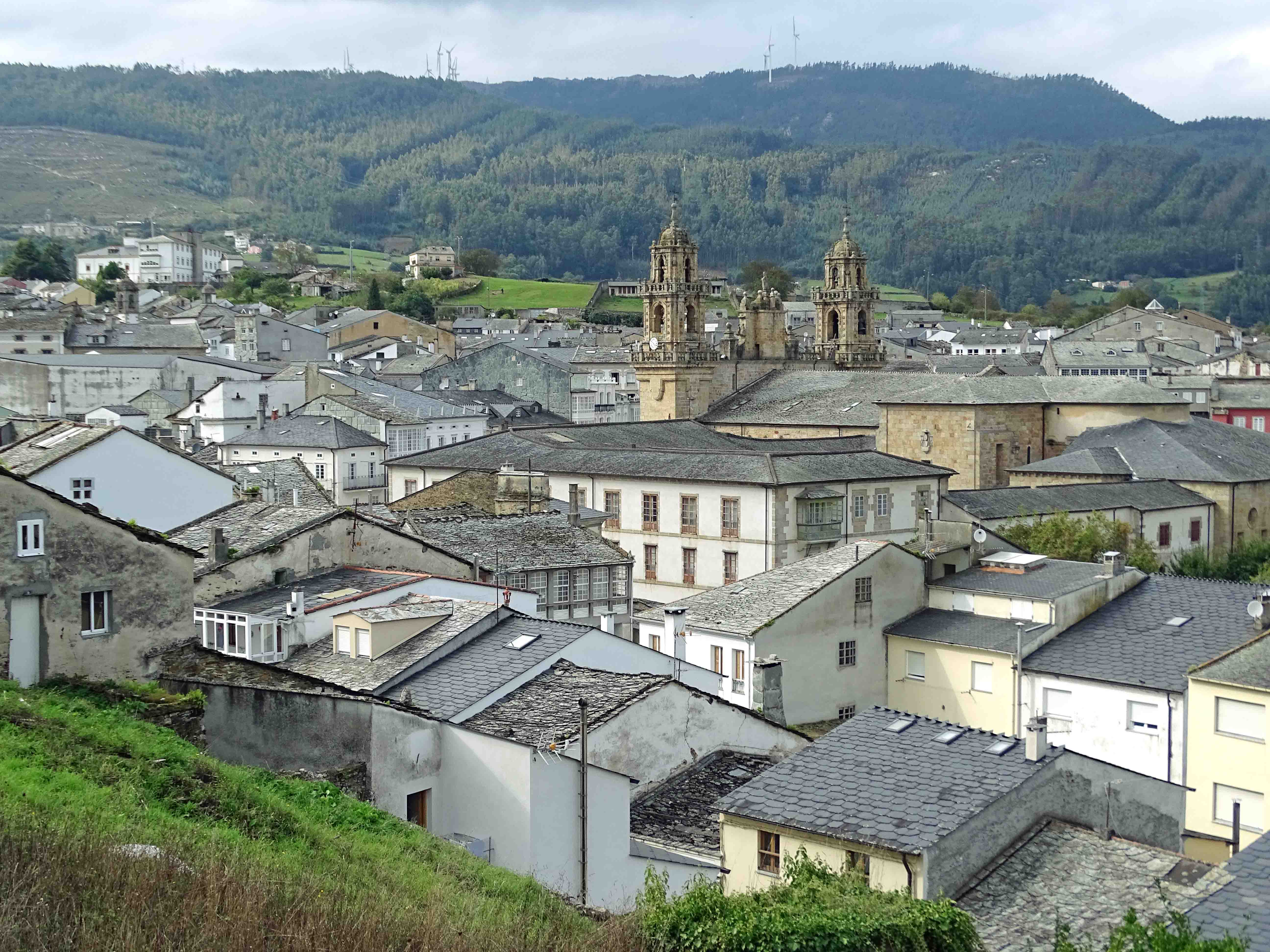
    The small city of Mondoñedo is located in the province of Galicia in northwest Spain. It lies along the so-called Northern Pilgrim Way, of the Camino de Santiago (the Way of St. James) (1). Although, it is now a relatively small town of about 4,000 people – the population has been declining since the nineteenth century – it was once a mediaeval city of great historical importance.

    Mondoñedo, with the cathedral church rising above the town in the centre
    Mondoñedo, with the cathedral church rising above the town in the centre

    The central square is dominated by a large Cathedral Church which dates from the early thirteenth century. Construction of the church began in 1219 under the first Bishop, San Martín. It is worth remembering that this was at the time of the crusades, just 15 years after the sack of Constantinople during the Fourth Crusade, and at the time of the Fifth Crusade which failed to recapture Jerusalem. It was also at the time of the so-called Reconquest of Spain, when large areas of southern Spain were being recaptured from the Moors by Christian states. Indeed, by the time of the church was consecrated in 1248, most of Iberian Peninsula – apart from a small territory of Granada in the south – was under Christian control.

    Slaughter of the Innocents Mondenedo 3
    14th Century mural depicting the Slaughter of the Innocents (detail)

    So against this background, it is interesting to look at the 14th century murals or frescos, in the Central nave of the  Cathedral, which were only found when the choir was removed from the central nave. They are said to reflect some aspects of St Peter’s life and the Slaughter of the Innocents and the Flight from Egypt.

    Slaughter of the Innocents Mondenedo
    14th Century mural depicting the Slaughter of the Innocents

    Another interesting feature of Mondoñedo cathedral is a statue called the English Madonna – Nuestra Señora la Inglesa – which is located in the sanctuary of the Blessed Sacrament. The Madonna was rescued from St Paul’s Cathedral by an Englishman nobleman called John Dutton during during the Dissolution of the Monasteries (1536 to 1541). John Dutton settled in the town of Viveiro, Galicia and brought many wooden images from English (catholic) churches to Spain. Between 1533 and 1675, thousands of Catholics fled England and moved to Spain, mainly in the north(2). One wonders how easily these exiles settled into Spainish society at the time, and what influence they had.

    Nuestra Señora la Inglesa (English Madonna)
    The English MadonaEnter a caption

    The Cathedral boasts an attractive  stained glass rose window, dating from the 16th Century.

    Mondoñedo Cathedral 16th Cent stained glass rose window_edited-2
    16th Century stained glass rose window

    There are some striking reliefs on the outside of the cathedral. I am not sure who is depicted in this work (below), perhaps one of the founding bishops?

    Relief

    Links

    1. http://www.washingtonpost.com/wp-adv/advertisers/turespana/landing_page/1365_northern-way.pdf
    2. http://reginamag.com/the-english-catholic-exiles/
  • Galician ponies: an ancient breed adapted to life on the hills

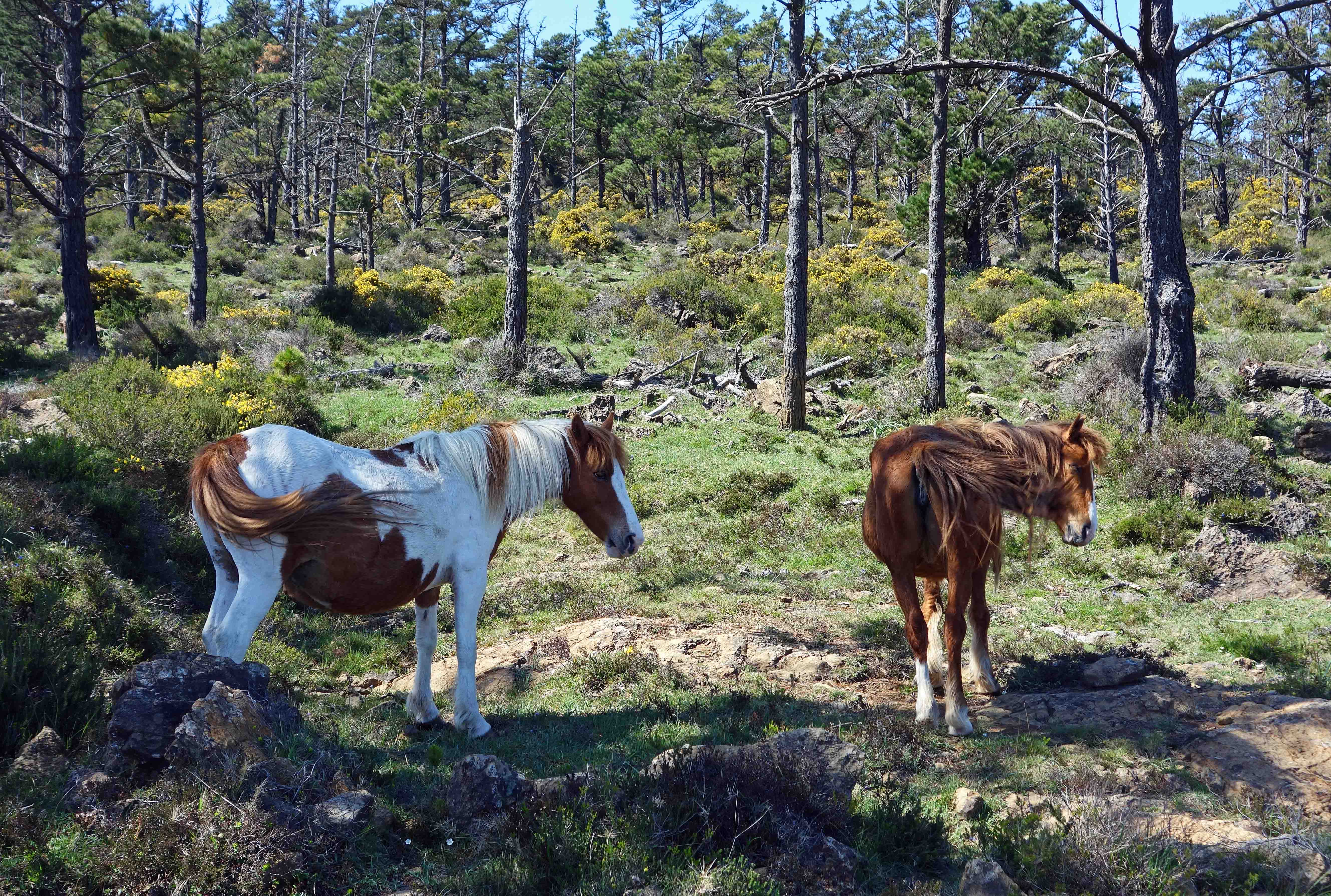
    Galician ponies in their traditional habitat on Serra da Capelada, northern Galicia, Spain
    Galician ponies in their traditional habitat on Serra da Capelada, northern Galicia, Spain

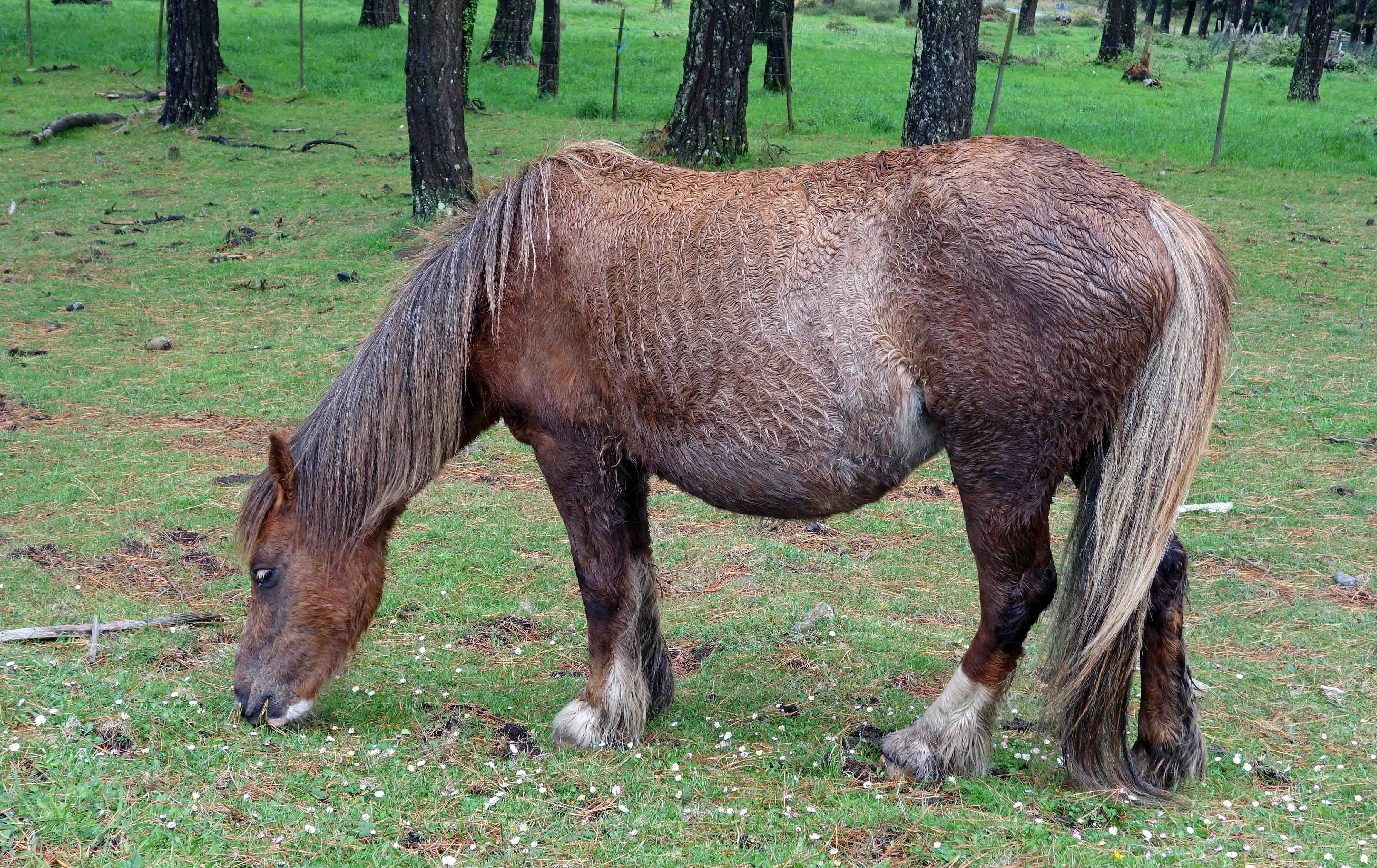
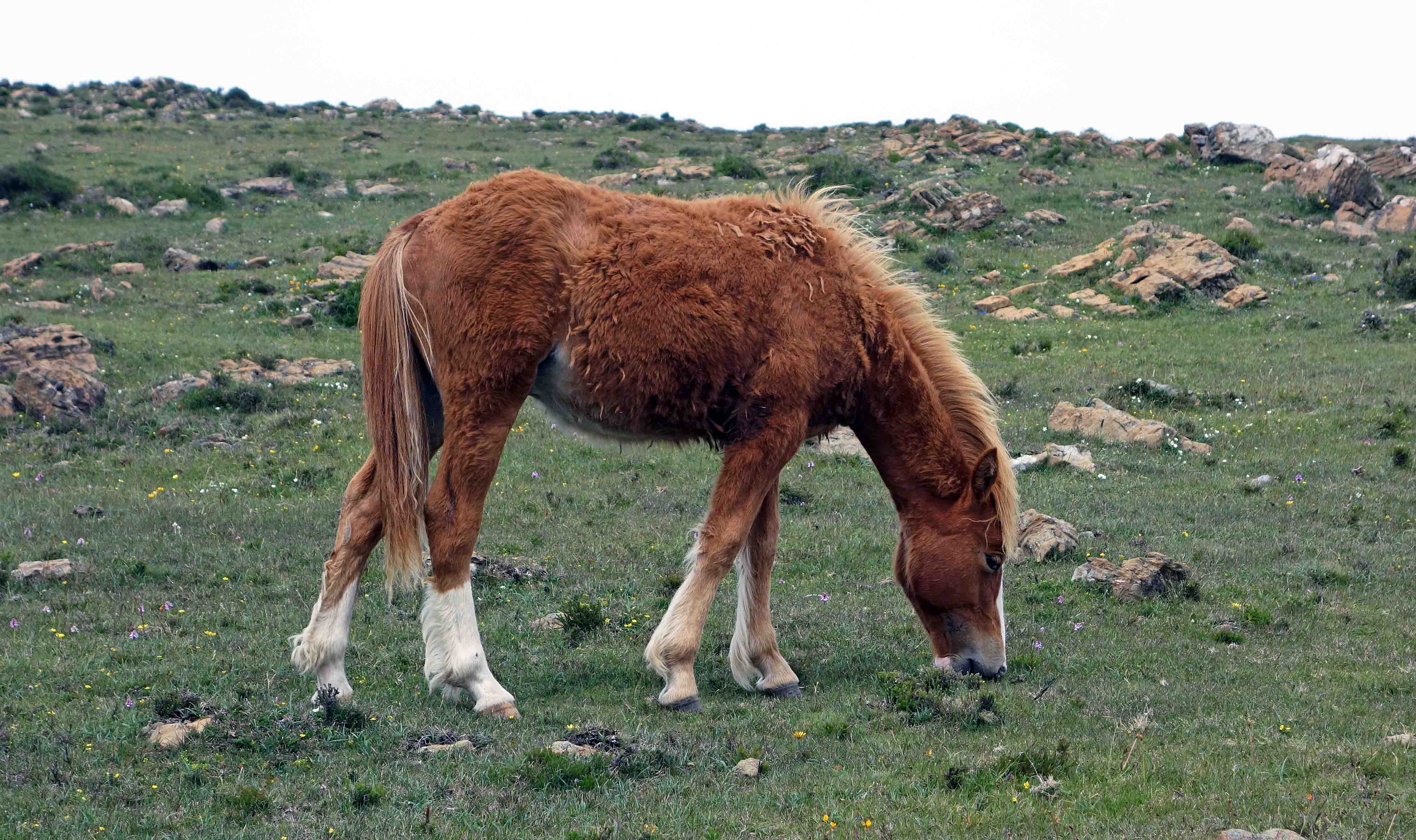
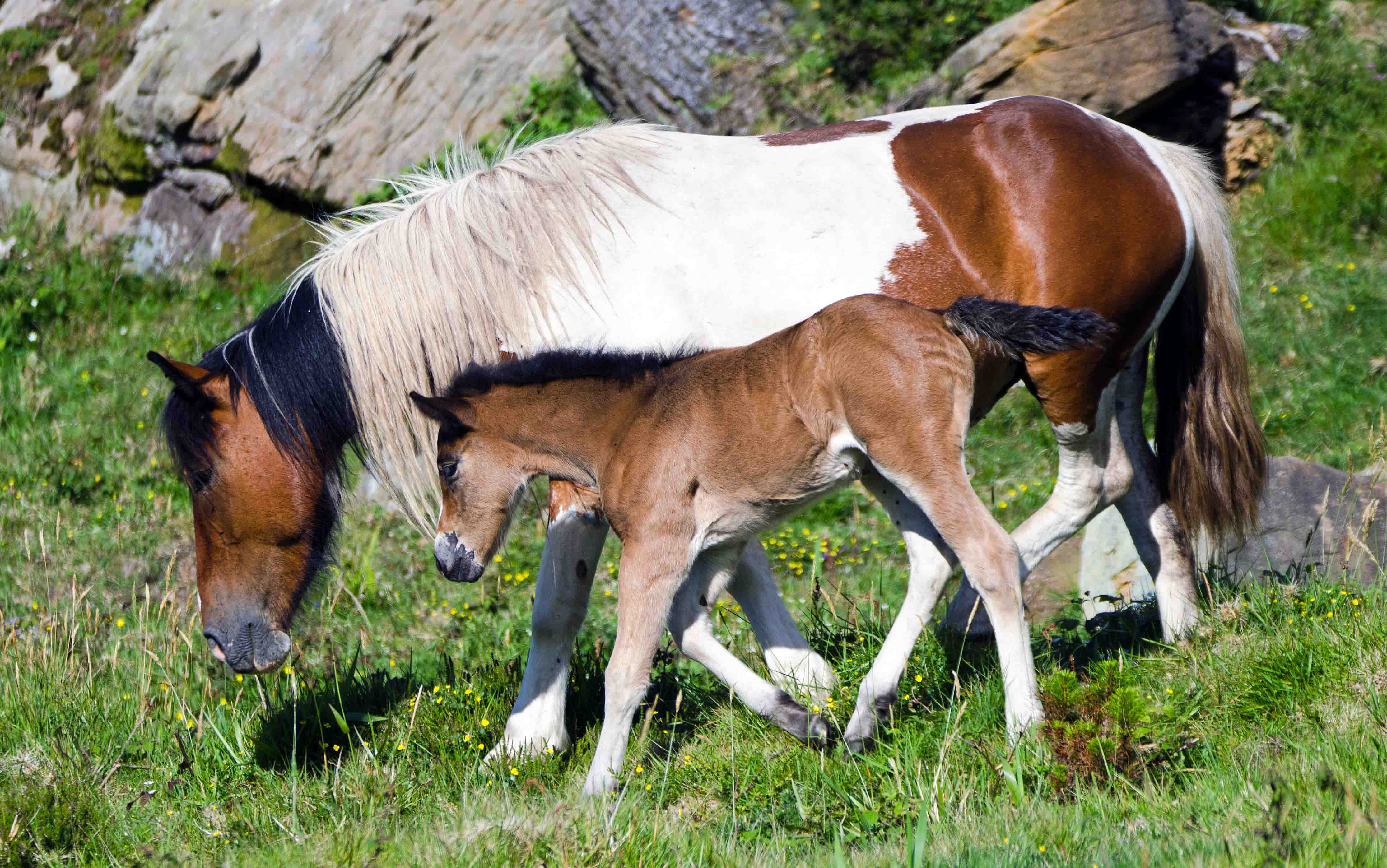
    Galician ponies are a hardy breed of short-bodied, semi-feral horses which live on the mountains of Galicia, in NW Spain. They are said to be derived from a mixture of Celtic horses, Roman horses and horses brought to Spain by ancient Germanic tribes (the Swabians), and subsequently cross-bred with other breeds. They are however, superbly adapted to the rugged conditions found on the hills of Galicia, often clad in shaggy coats, highly resistant to the rain and mists of this Atlantic climate.

    Galician pony with slightly wet coat
    Galician pony with slightly wet coat

    Galician pony on rugged hillside
    Galician pony on rugged hillside

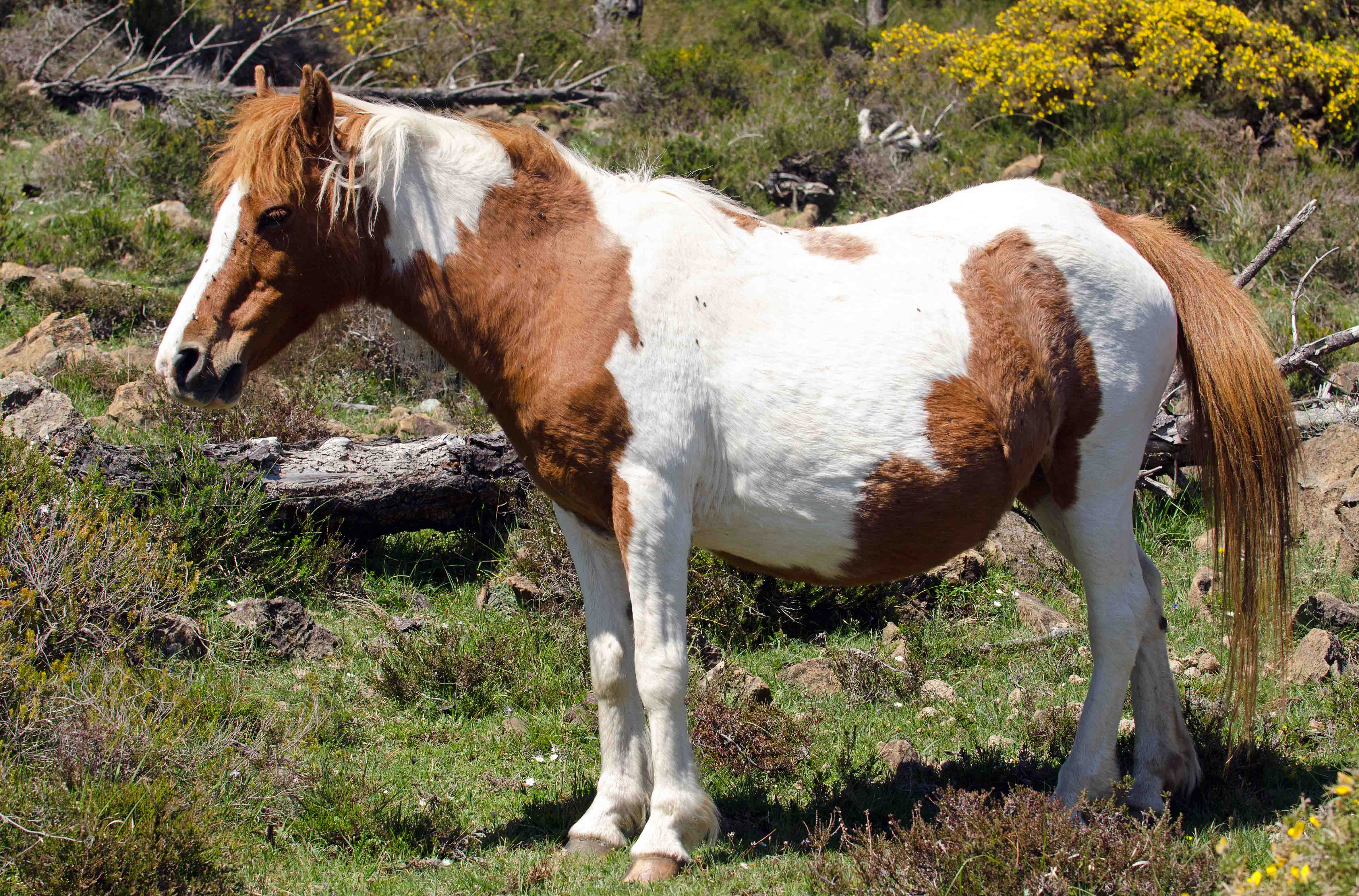
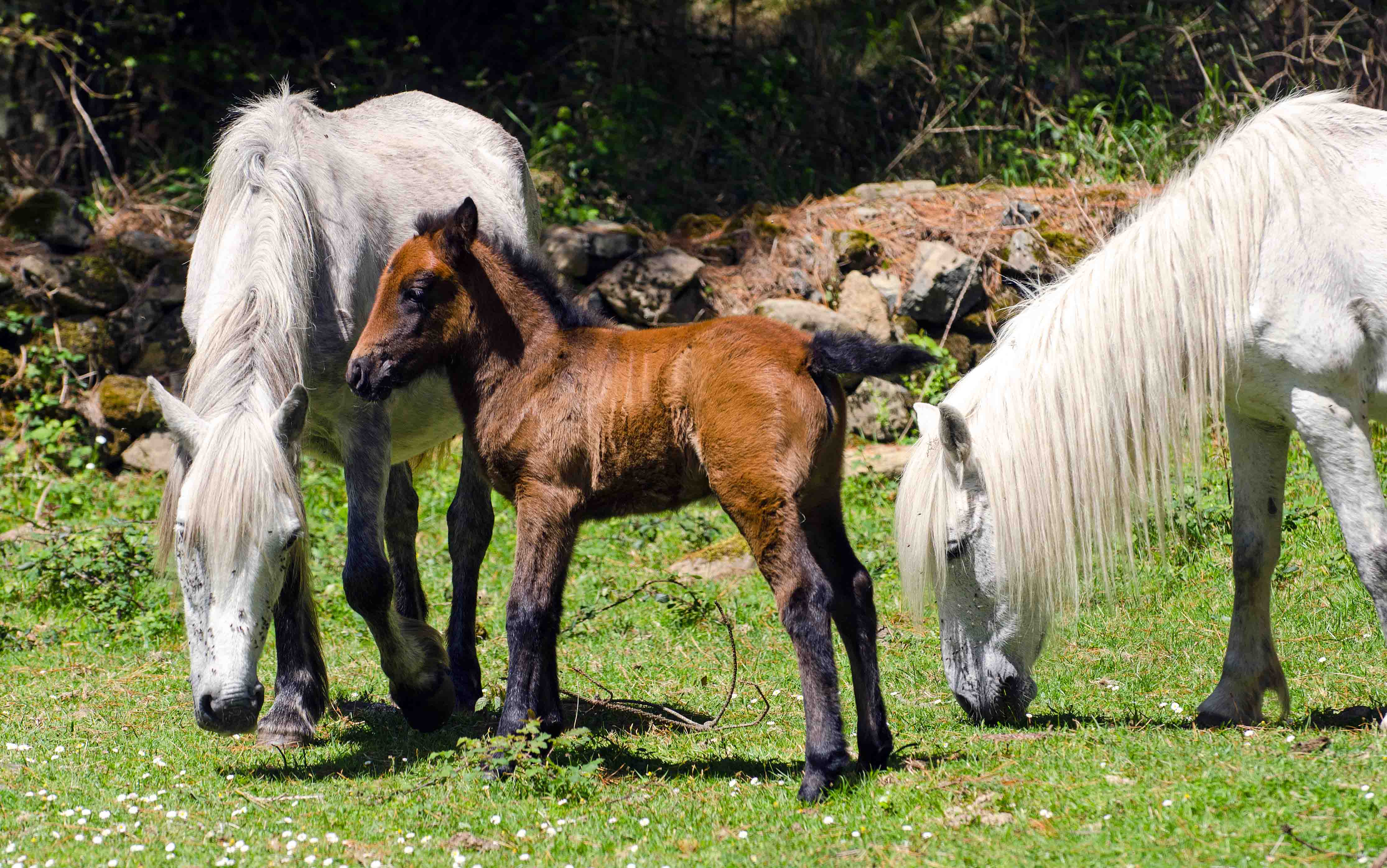
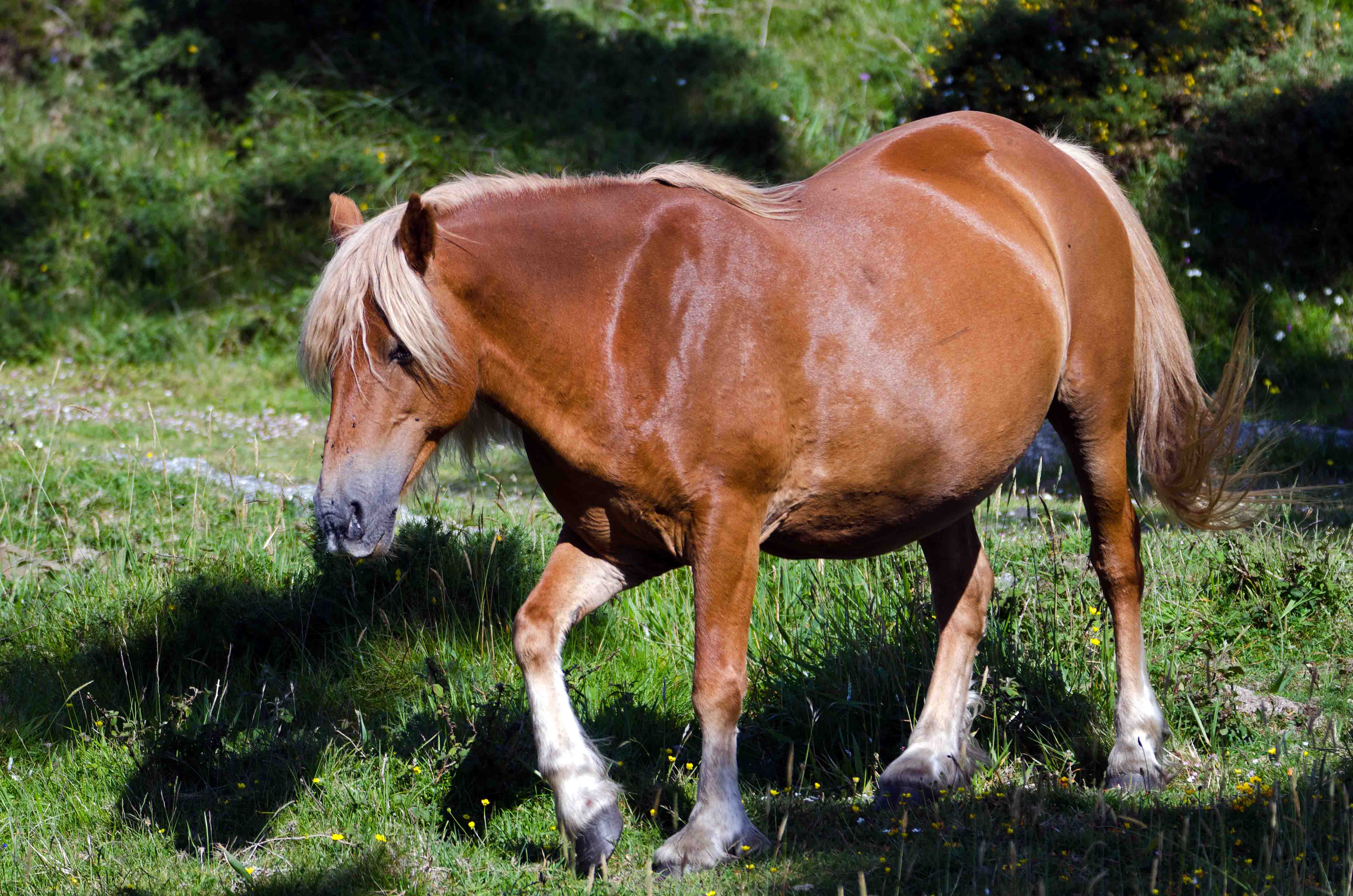
    Galician ponies are mainly chestnut, or bay coloured (i.e. light reddish-brown to very dark brown), but there are plenty of white ones, and piebald (brown and white) ones.

    Piebald pony
    Piebald pony

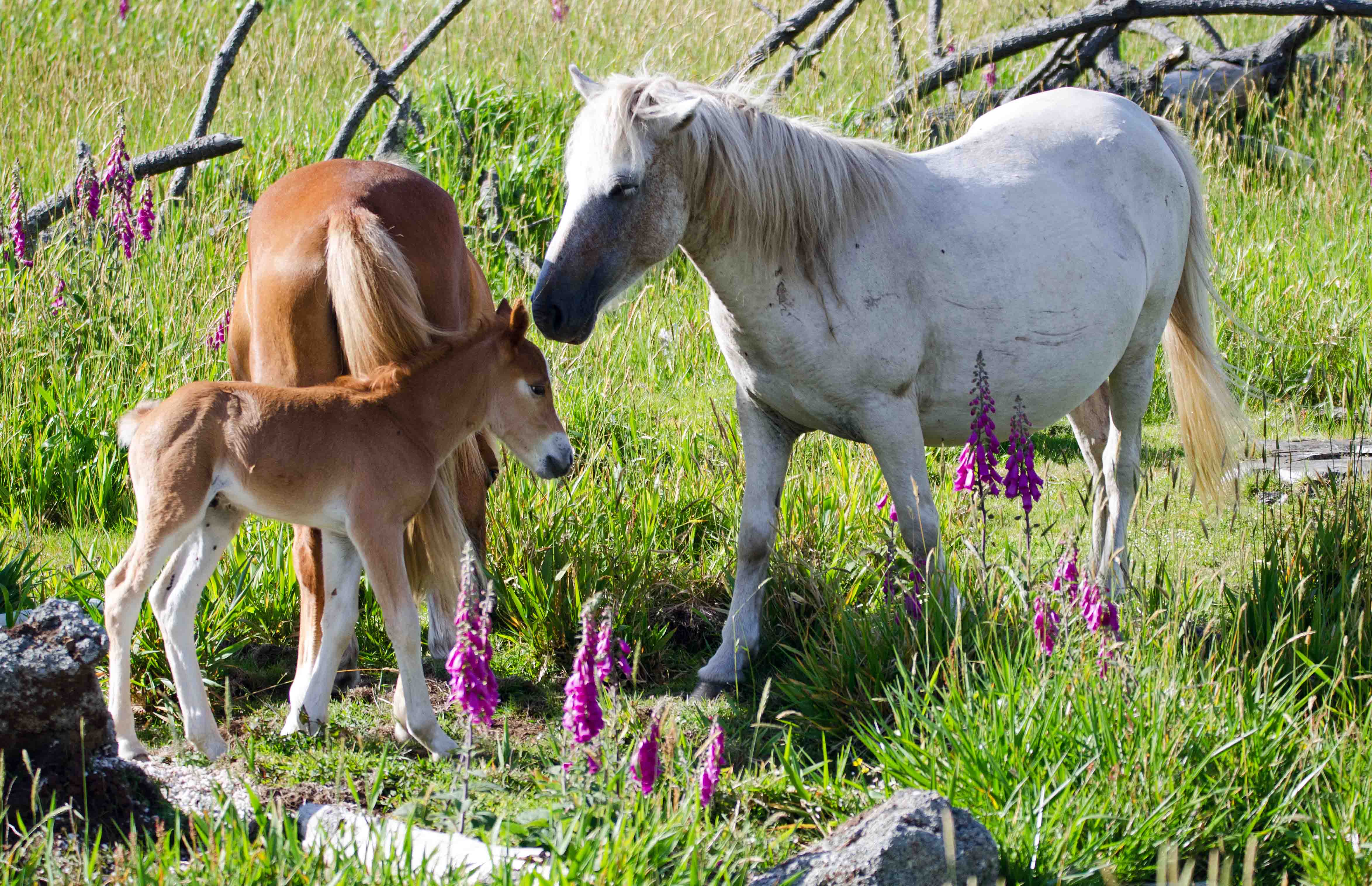
    White mares with brown foal
    White mares with brown foal

    There are said to be different types of Galician ponies in different parts of Galicia, but they all have a straight profile, strong legs, and are between 1.20 and 1.30 meters in height (12.2 – 13.2 hands on average) (References 1, 2).

    Chestnut pony with blonde mane
    Chestnut pony with blonde mane

    They were traditionally bred for meat and horse hair (which was used for brushes), but they are now mostly used for riding or simply as a tourist attraction decorating the hill sides. Many are however, not tame. Although quite tolerant of people, in my experience of trying to take photographs of them, they can be shy, but very protective of their foals.

    White mare and chestnut foal
    White mare and chestnut foal

    Piebald mare and foal_
    Piebald mare and foal

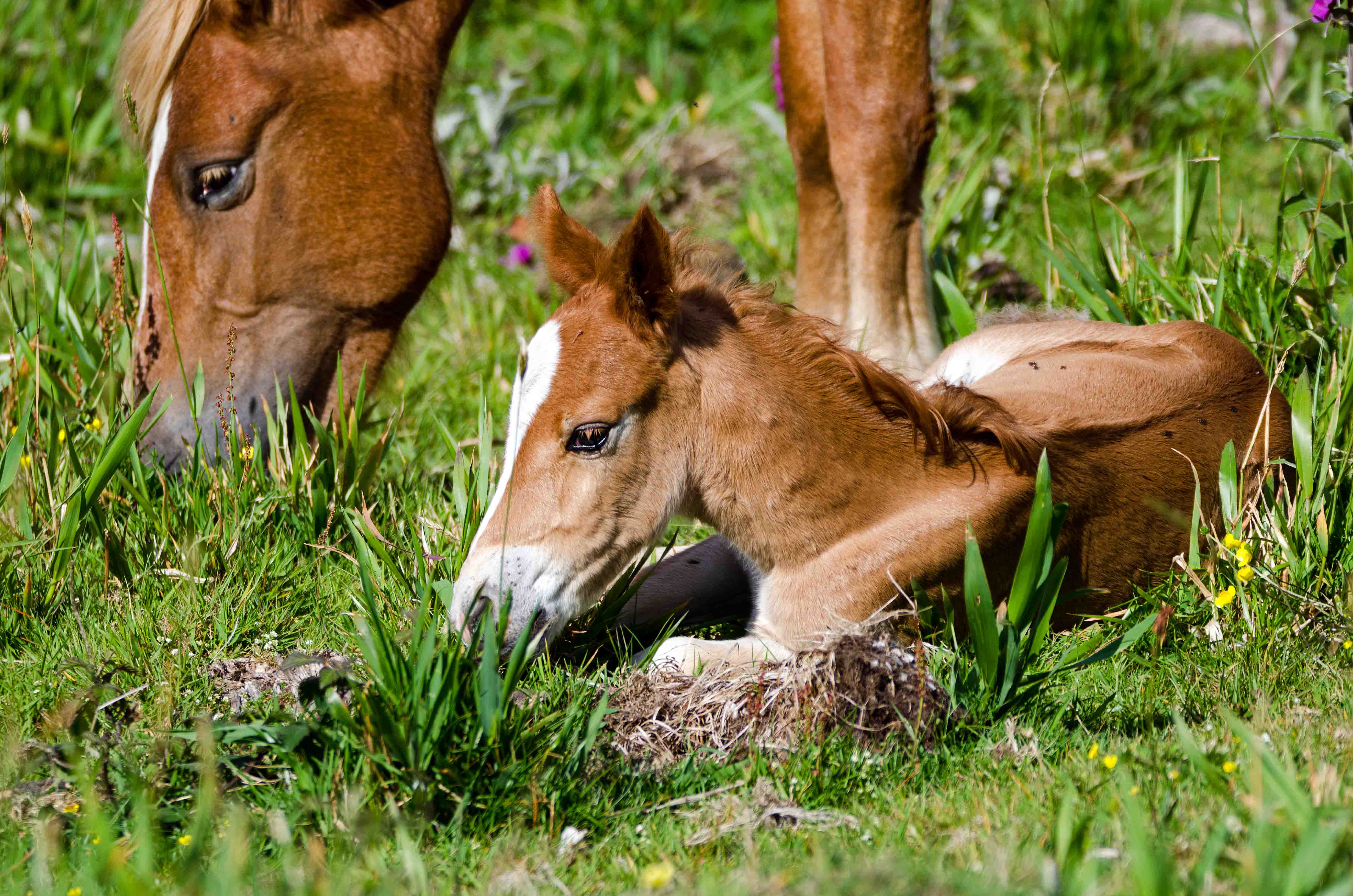
    Very young foal
    Very young foal

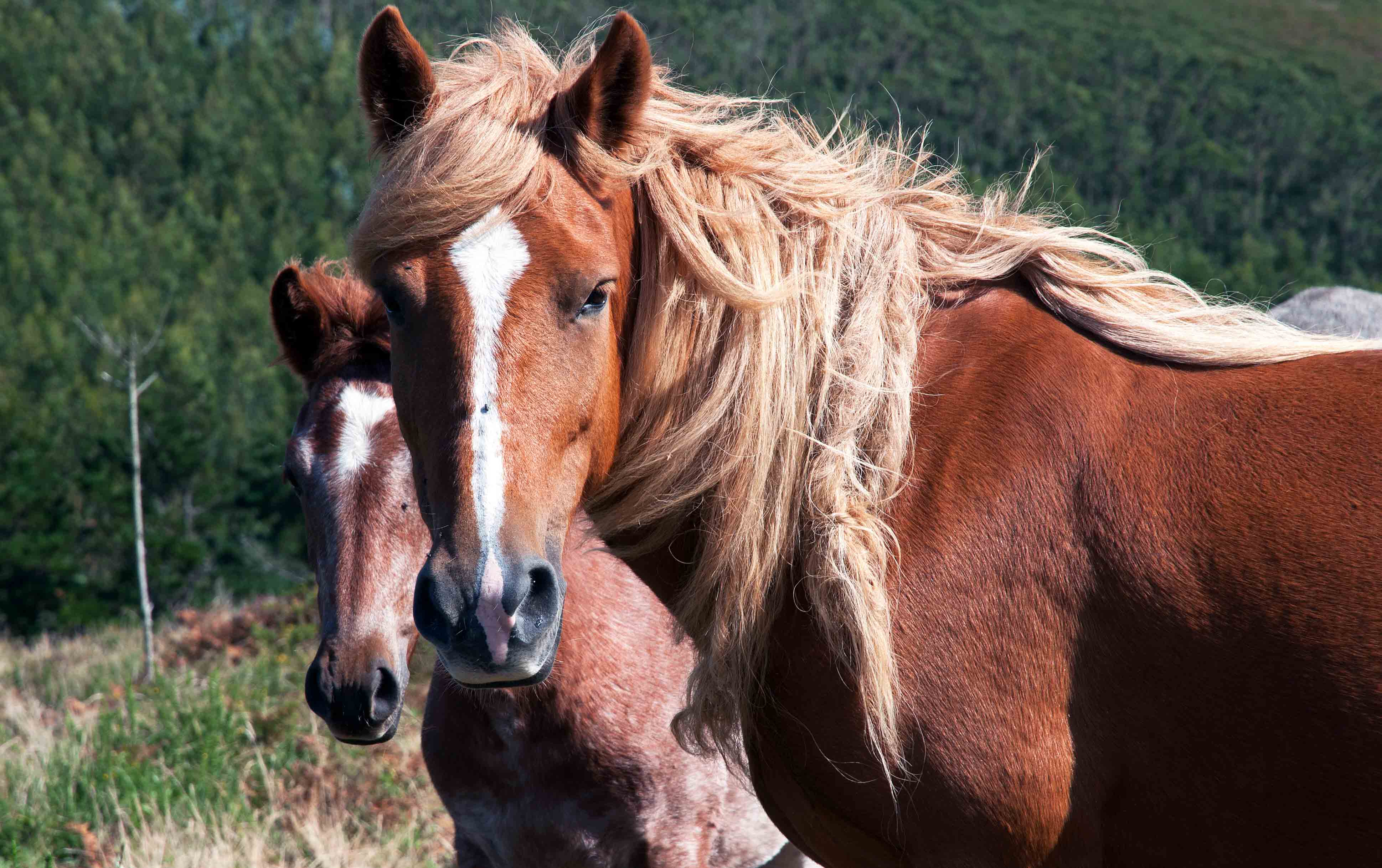
    They said to be rounded up just once a year, in a ceremony called rapa das bestas, where the foals are separated from their mothers, marked and deloused. I am not sure if this practice – which is a rather dramatic affair as the horses are wrestled to the ground by men – occurs everywhere though.  In the past the manes and tails were cut for the hair, and wonderful hair it is!  The manes are often long blonde locks as shown below.

    Mare with golden mane and foal
    Mare with golden mane and foal

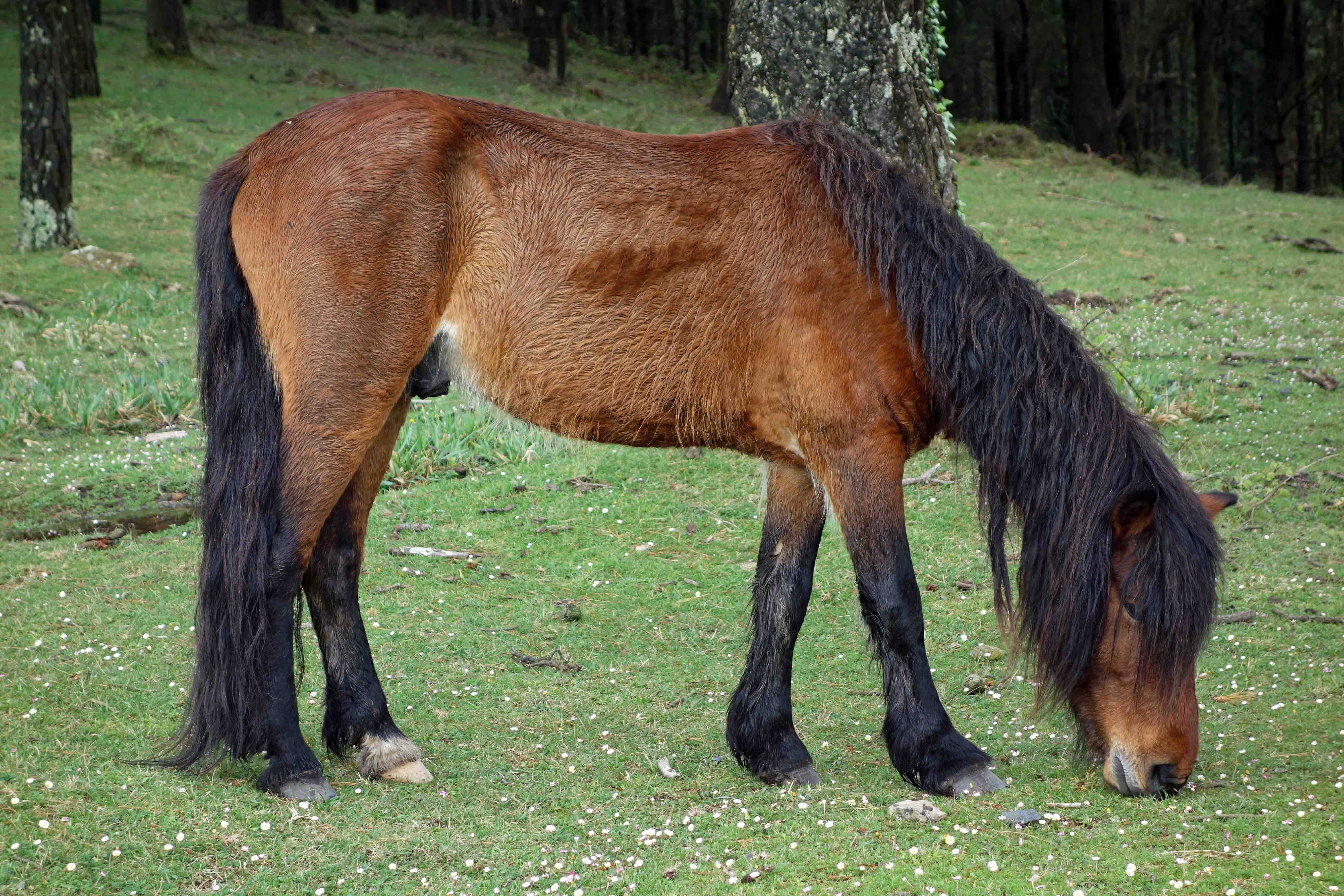
    The stallions are not so common as the mares, presumably they would fight with each other if kept at too high a density.

    Galician pony stallion
    Galician pony stallion

    It’s hard not to be impressed by the natural, semi-wild lives these animals live in a beautiful countryside. Idyllic when the sun is shining in early June – as in the following sequence – but no doubt a different matter during the cold, wet winters. Nevertheless, they are perfectly suited to this climate, having lived here for thousands of years. They are a living legacy.

    The white horse was not the mother, but was very tender and caring of the foal
    The white horse was not the mother, but was very tender and caring of the foal

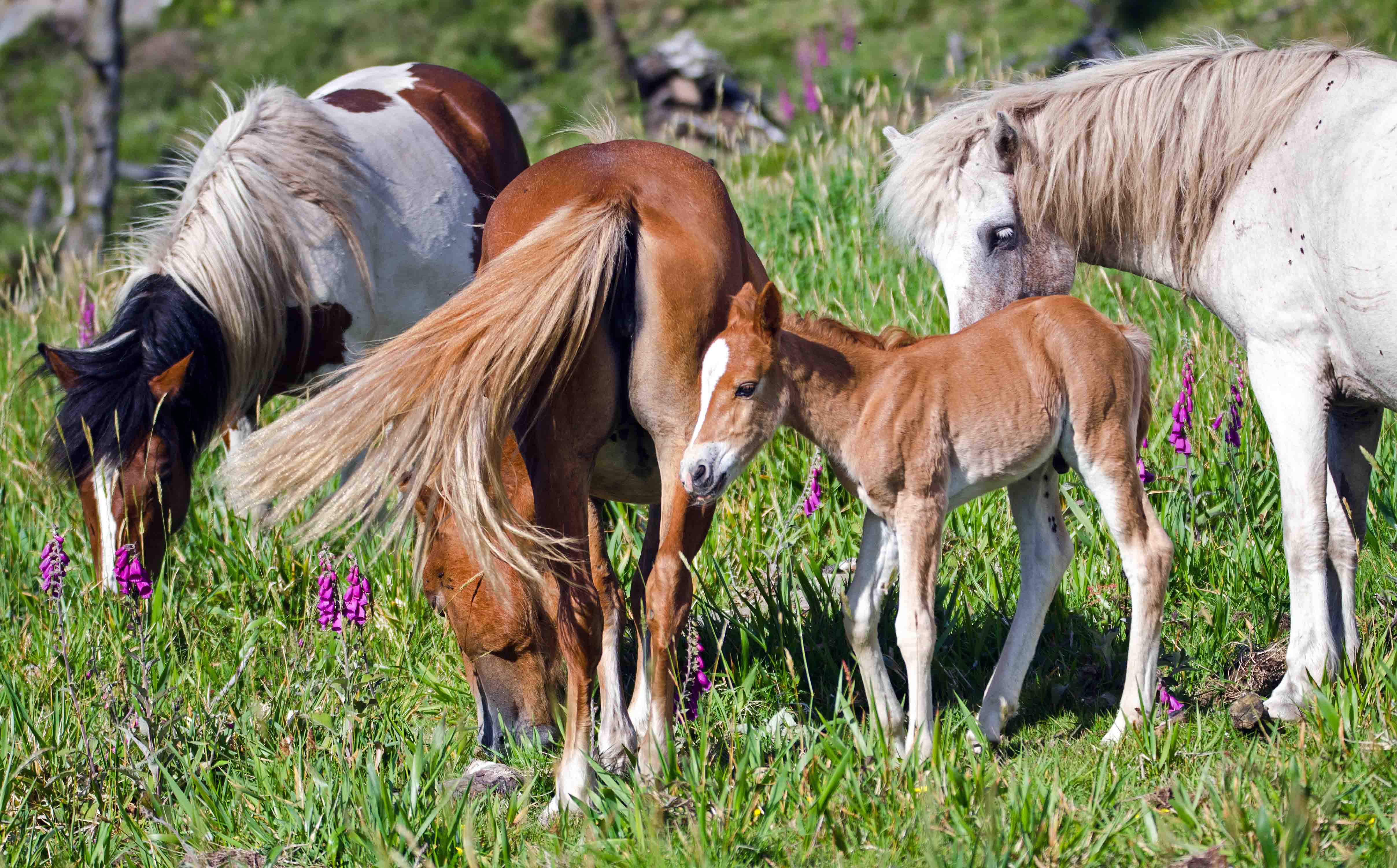
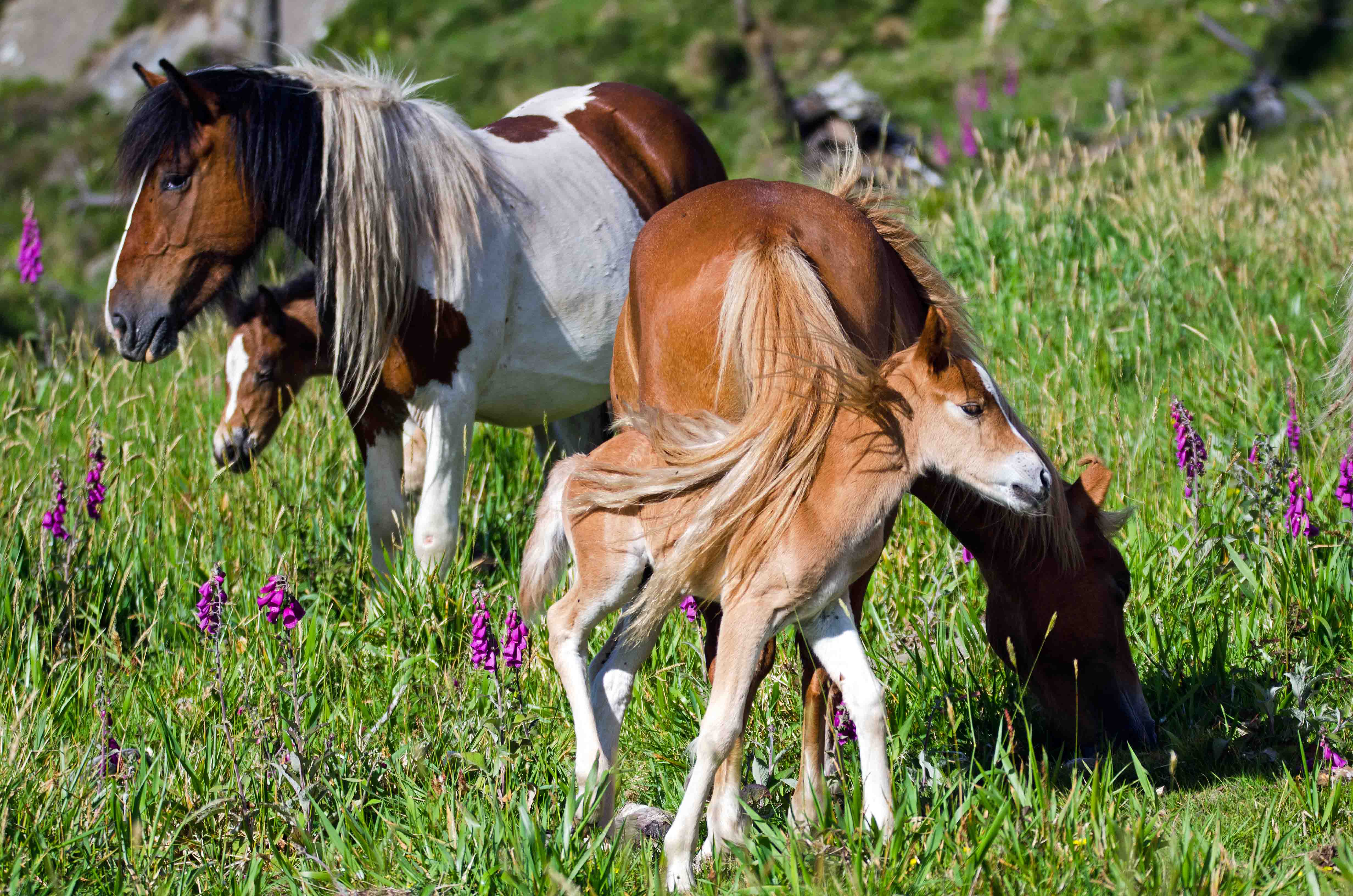
    An idyllic scene of mares and foals on a Galician hillside in early June
    An idyllic scene of mares and foals on a Galician hillside in early June

    Foal brushing its mother's tail
    Foal brushing through its mother’s tail

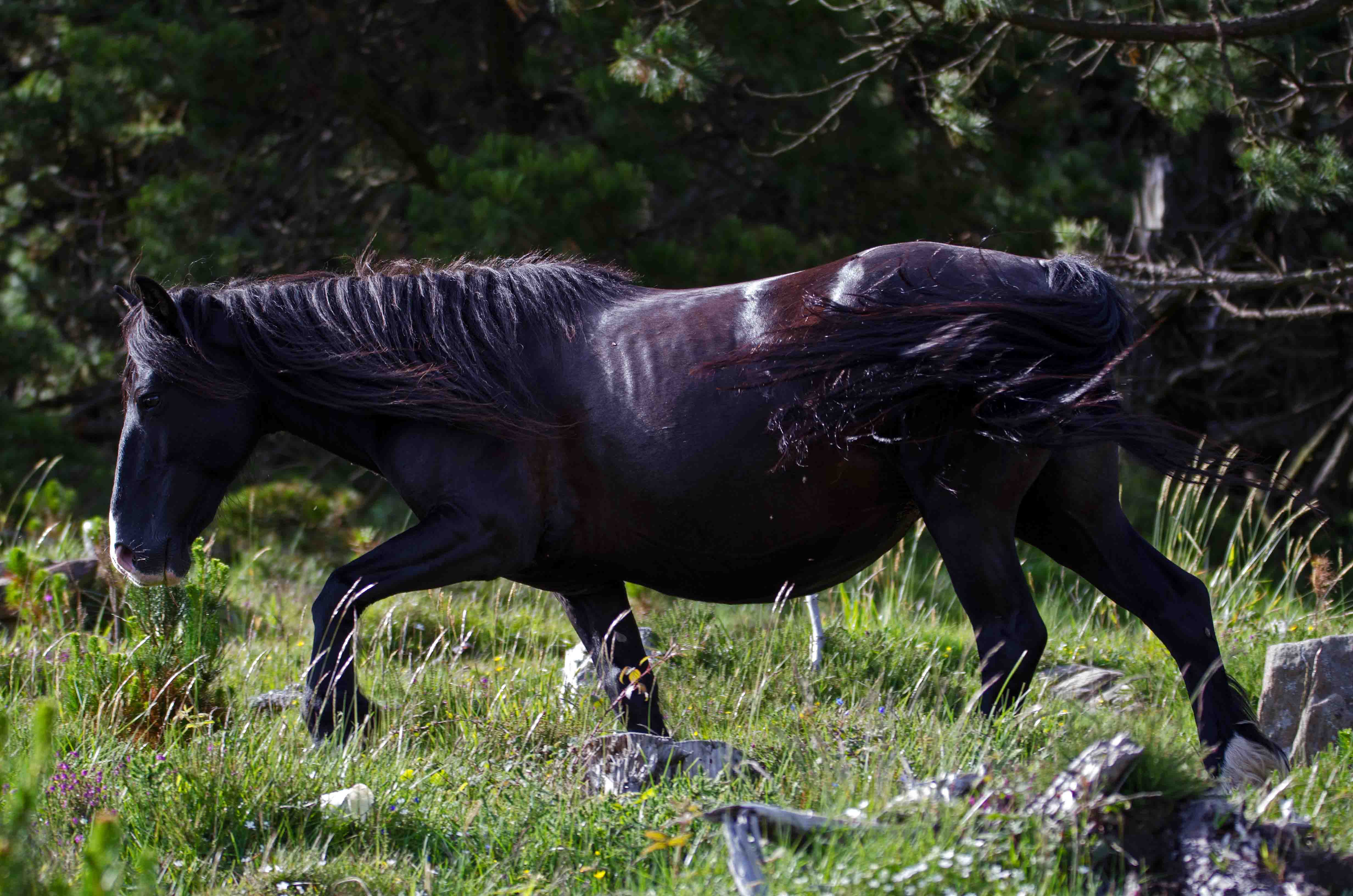
    This magnificent dark, reddish-brown horse – below – was very flighty, and took off as soon as I arrived where the horses gathered, in my car. I am not sure if all the horses on the hillsides in Galicia are traditional Galician ponies, but they are magnificent animals.

    Dark, reddish-brown horse
    Dark, reddish-brown horse

    Chestnut mare
    Chestnut mare


    1. http://www.theequinest.com/breeds/galician-pony/

    2. http://www.ansi.okstate.edu/breeds/horses/galician/

  • Bath time for linnets!

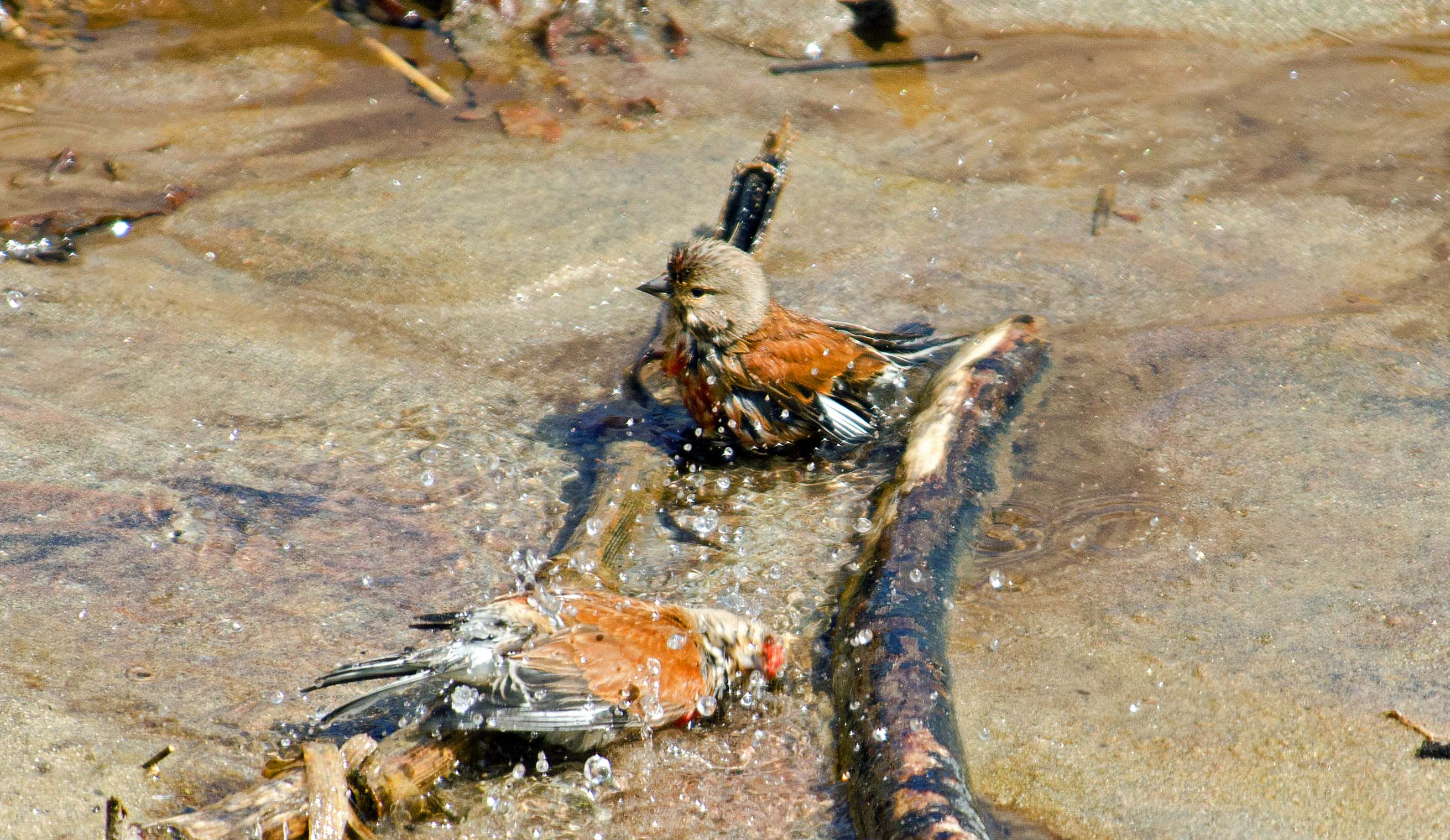
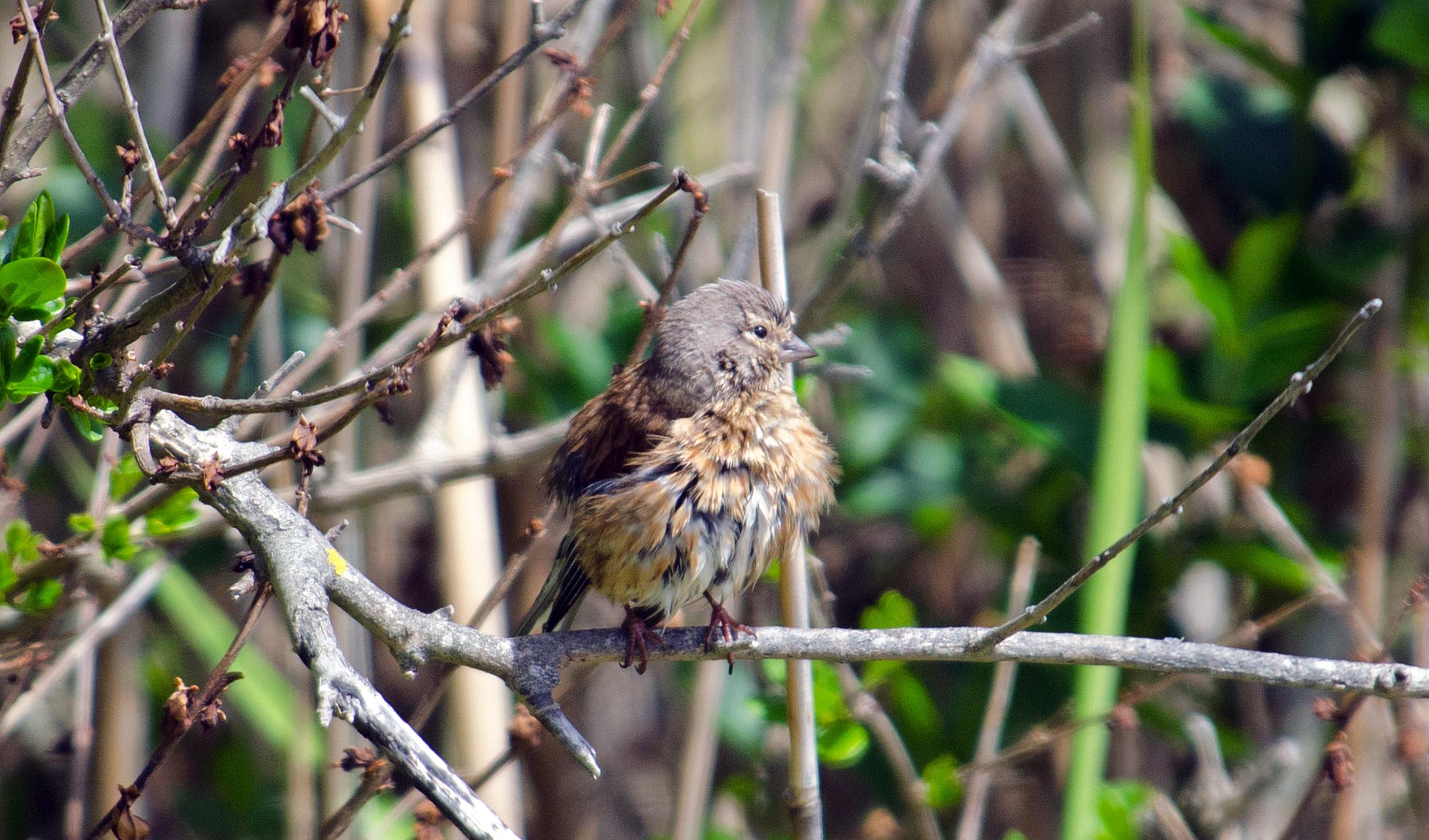
    Linnets bathing
    Linnets bathing

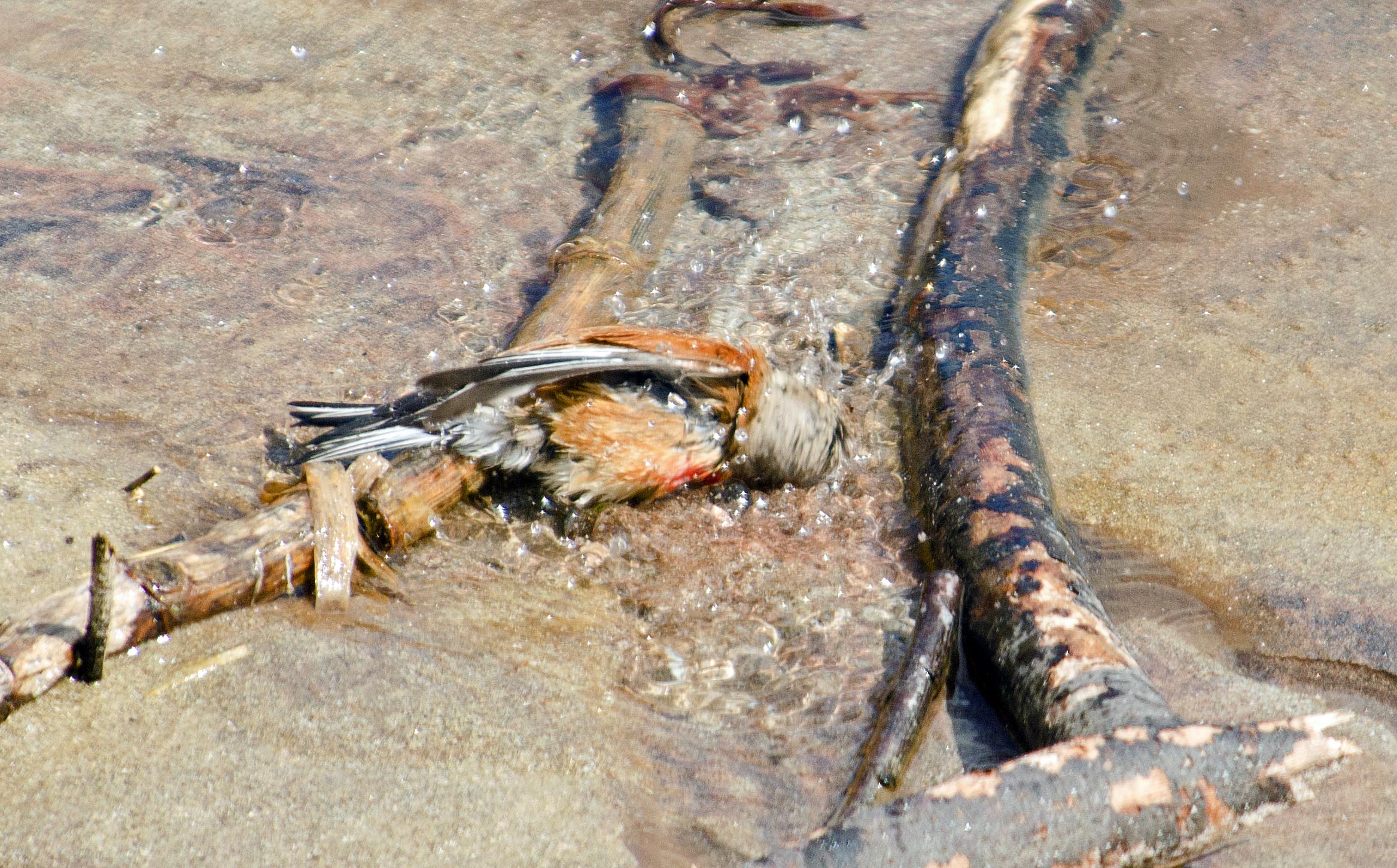
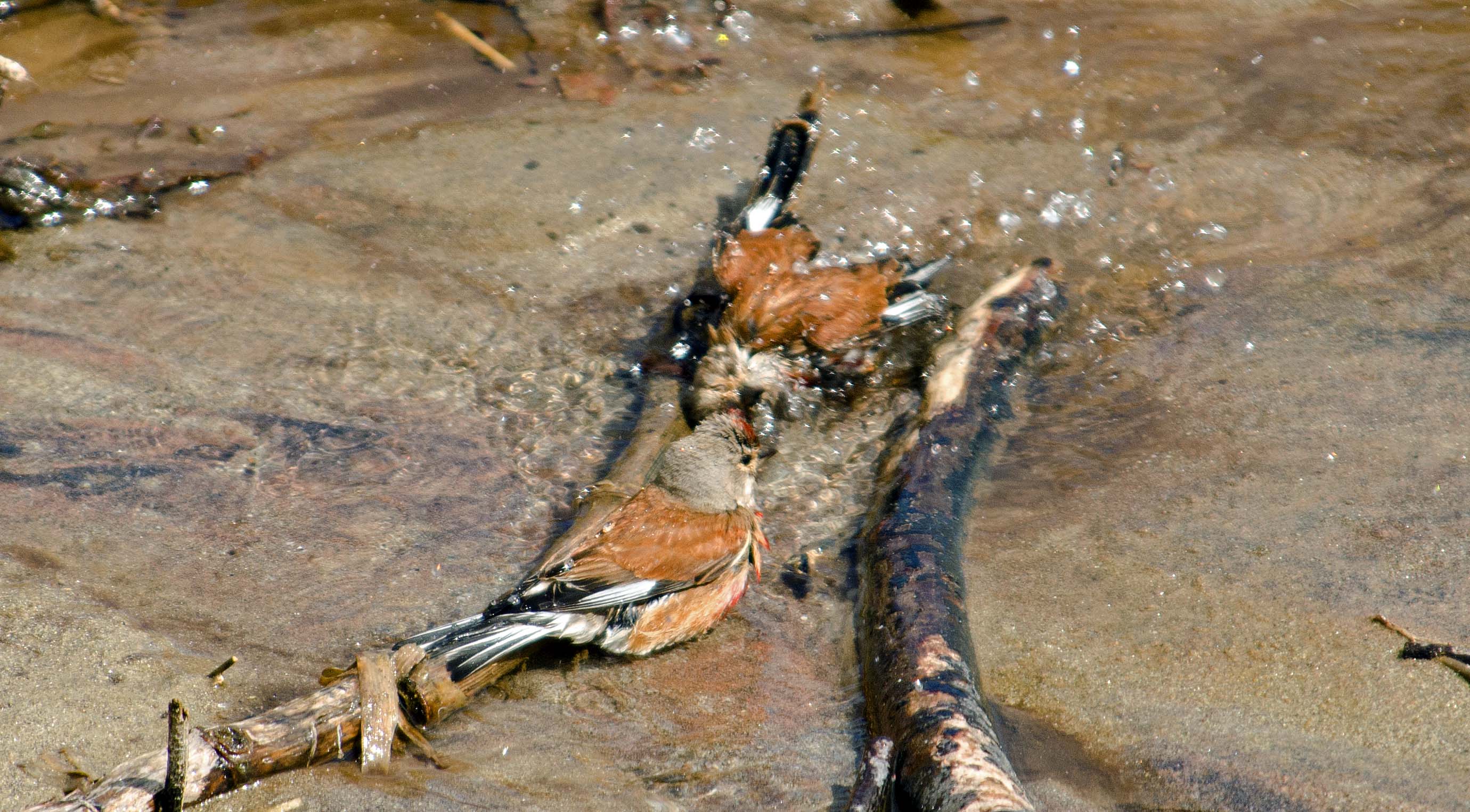
    I came across a small flock of Common Linnets (Carduelis cannabina) having a bath in a small stream flowing onto the beach at Fornos, near the town of Cariño, in Galicia, Spain (1).

     Linnet bathing

    Linnet bathing

    Linnets (Pardillo in Spanish) are quite common in Spain, and flocks can be seen throughout the year along both sides of the Ria Ortigueira. These birds were bathing and preening in late April.

     Linnets bathing

    Linnets bathing

    There’s not a lot to say about them, but it is interesting to see how vigorously they bath and how they shake their heads rapidly to and fro.

    Linnet bathing
    Linnet bathing

    Where there were two males together, I got the impression that one would bath and the other would keep a watch out; but this might just have been a co-incidence.

    Linnets bathing
    Linnets bathing

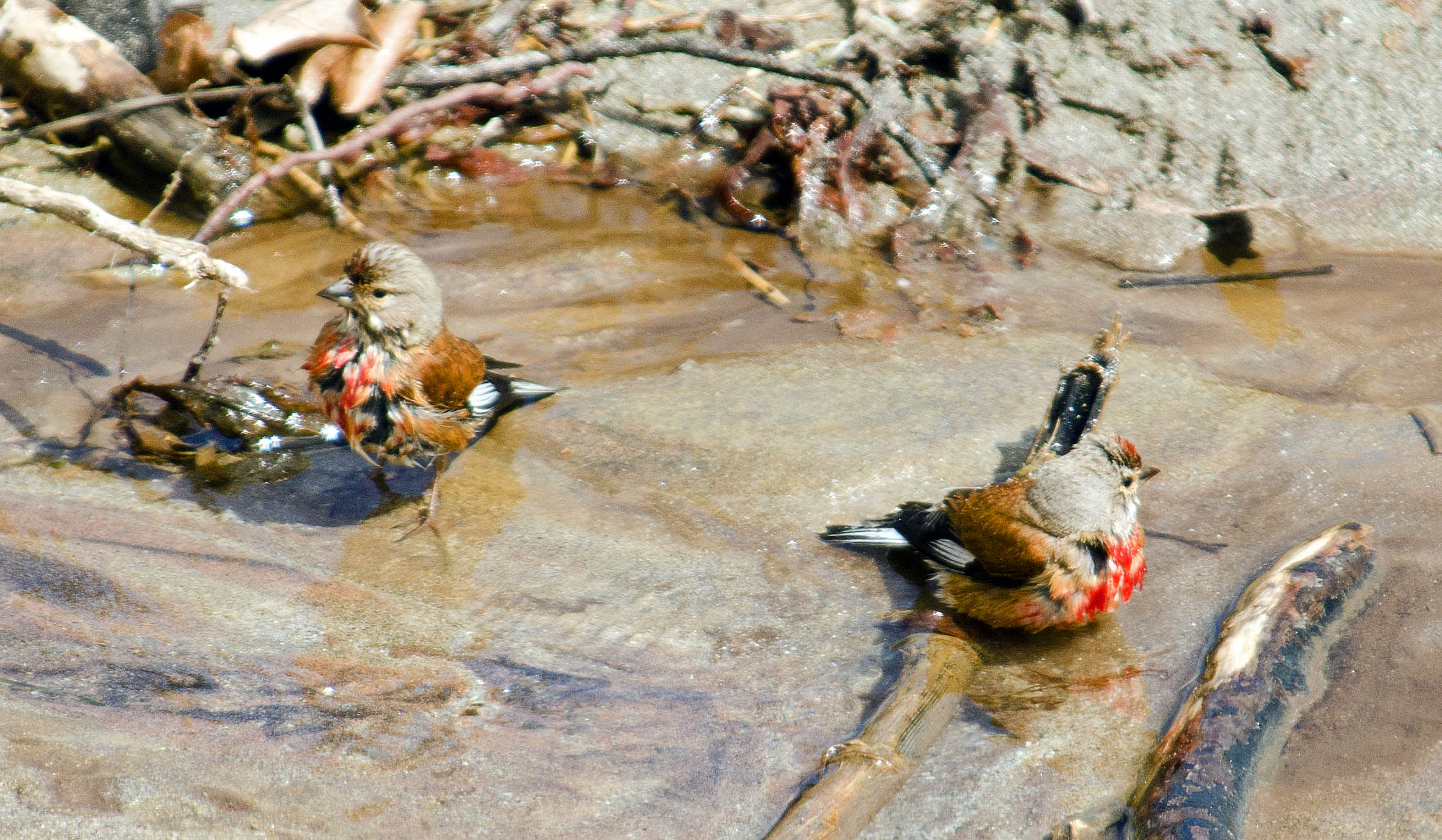
    They also seem to like to get water right up under the breast feathers. Who wouldn’t! The two males in the following photo appear to have lifted up their breast feathers and you can see black under the red and white feathers. Must be wearing a vest!

    Common Linnet (Carduelis cannabina) two males with raised breased feathers
    Common Linnet (Carduelis cannabina) two males with raised breast feathers

    After bathing they spend some time sitting and preening and generally drying off. You can see glimpses of black (skin?) under the feathers on this female (below).

    Common Linnet (Carduelis cannabina) female drying feathers
    Common Linnet (Carduelis cannabina) female drying feathers


    1. http://www.turgalicia.es/ficha-recurso?langId=en_US&cod_rec=10196&ctre=15

  • Pick up a polariser!

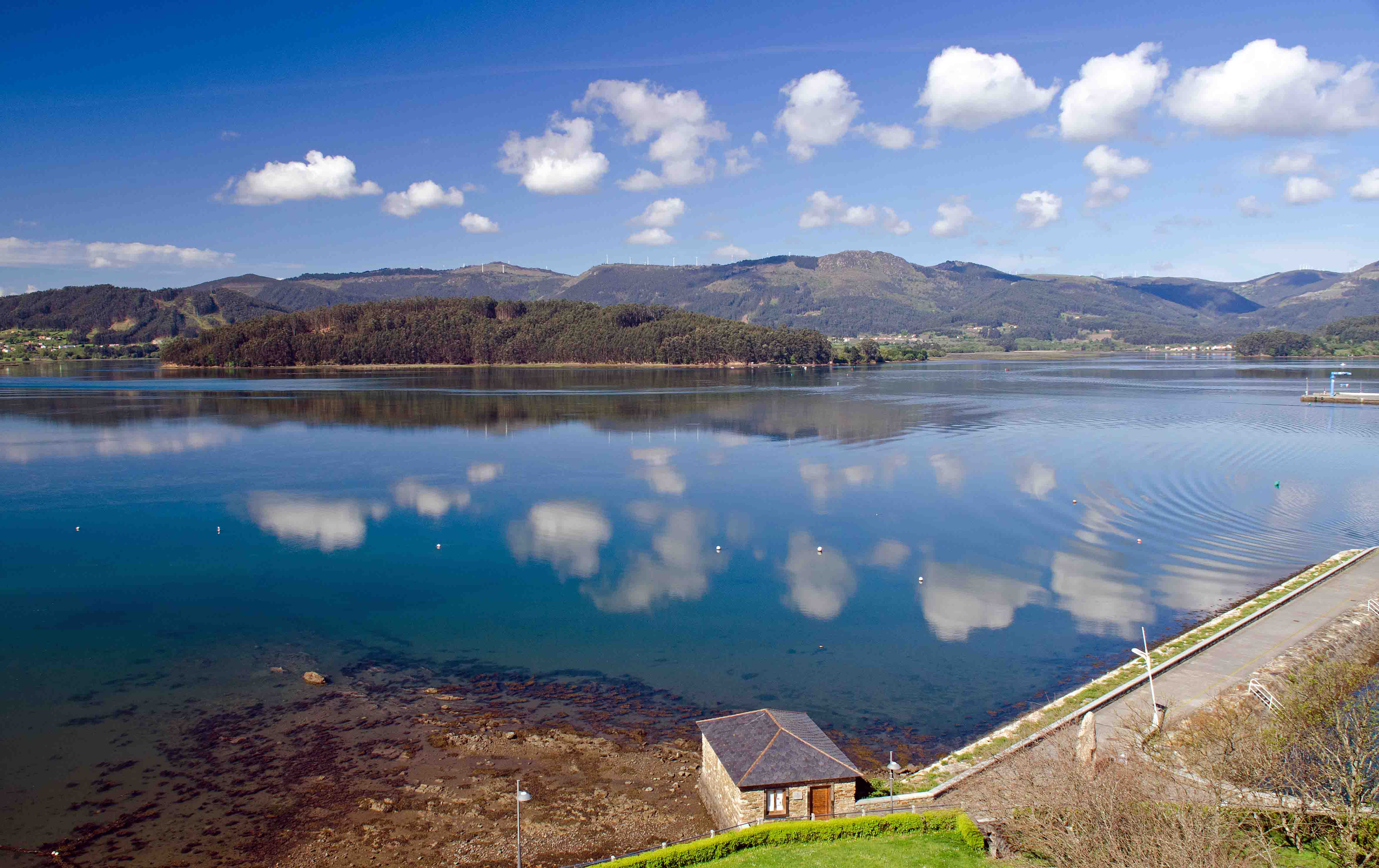
    Ria Ortigueira with polarising filter
    Ria Ortigueira with polarising filter

    Polarising filters are easy to screw onto a lens, and if used with care, add a whole new dimension to your photography. In particular they darken blue skies and alter the tone and translucency of water as well. I fitted a 77mm polarising filter onto the front of my two favourite Nikon lenses (17-55mm f2.8 and 70-200 f2.8) and had some fun taking images during a visit to Galicia, Spain. On the wide-angle lens, the polariser really enhanced the colour of both the sky and the water in the above photograph. It really emphasised the reflections of the little white clouds. You can of course vary the extent of the polarising effect, by rotating the lens, and the choice of how much polarisation to create is really a matter of choice.

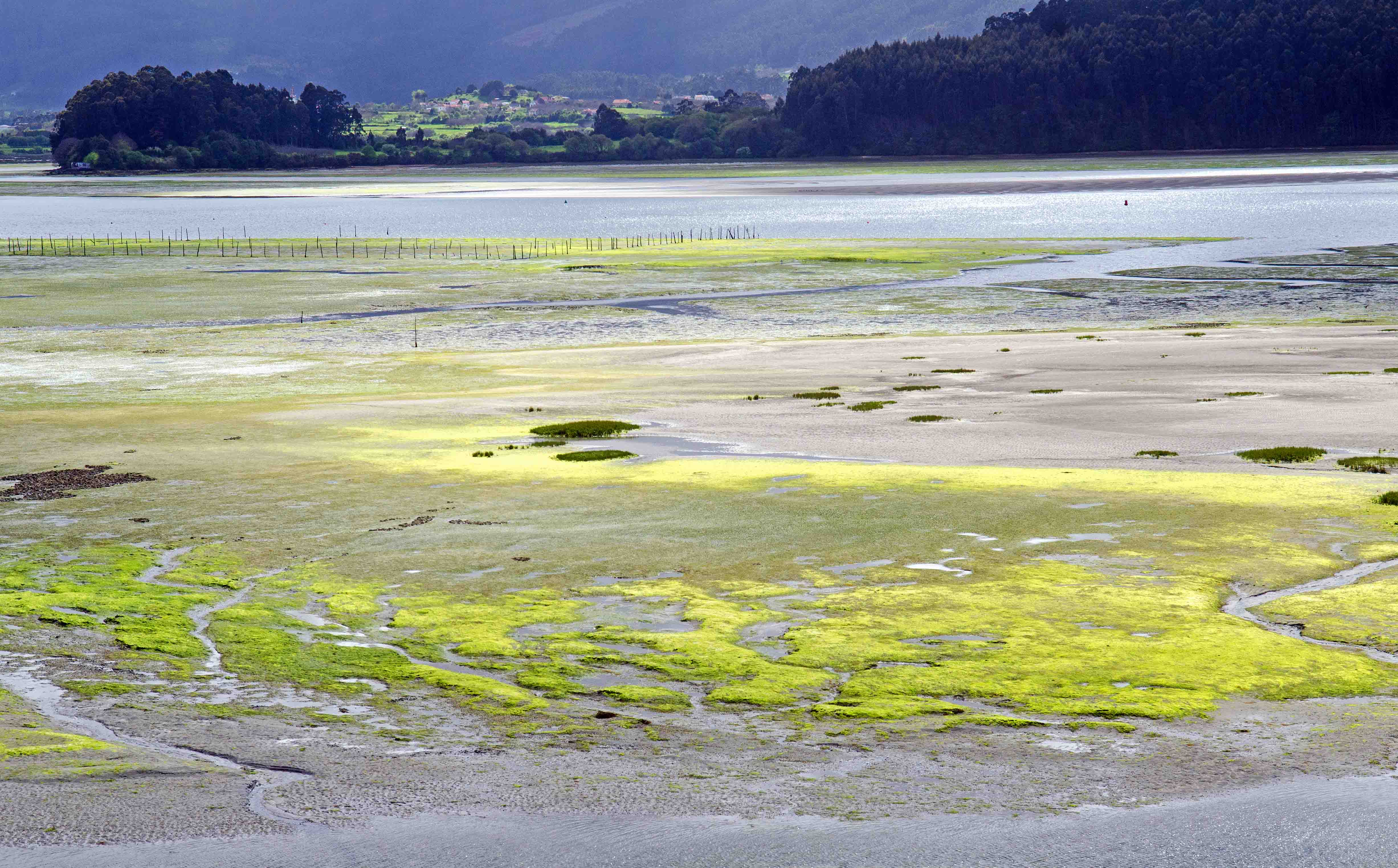
    Mud banks Ortigueira with polariser
    Mud banks Ortigueira with polariser

    Another effect of a polariser is to increase the colour saturation and enhance the green colours in a photograph. I think I managed to this in the above photograph, – using the 70-200mm lens – where the green vegetation on the mud banks at low tide, is nicely saturated. A polarising filter will decreasing the amount of light passing through the lens – by up to two f-stops I understand – but the light meter of a modern camera will evaluate the light passing through the lens and adjust the exposure accordingly. Nevertheless, a polarising filter works best I think in bright light.

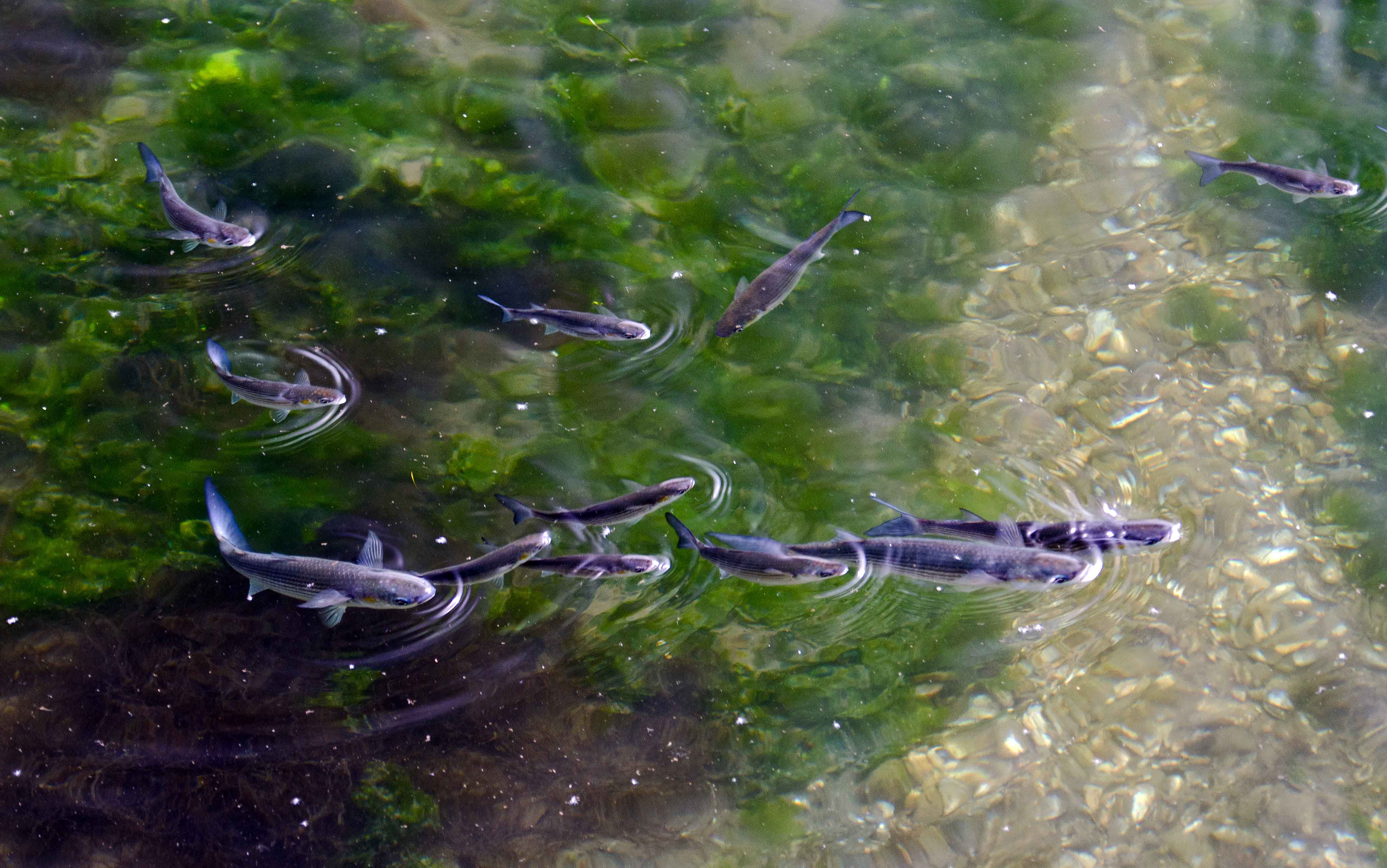
    Fish swimming in the Ria Ortigueira; taken with polarising filter
    Fish swimming in the Ria Ortigueira; taken with polarising filter

    One area where a polarising filter really comes into its own, is when looking down through water. The filter really worked well in cutting down on reflections producing more transparency into the water, when used on the 70-200mm to capture these fish swimming in the Ria. All of these images were taken around the town of Santa Marta de Ortigueira, which is located at the head of the Ria Ortigueira, Galicia, Spain. A Ria is a coastal inlet, or drowned river valley that leads into the sea, and there are many beautiful Rias in NW Spain.

  • Surfing in Galicia

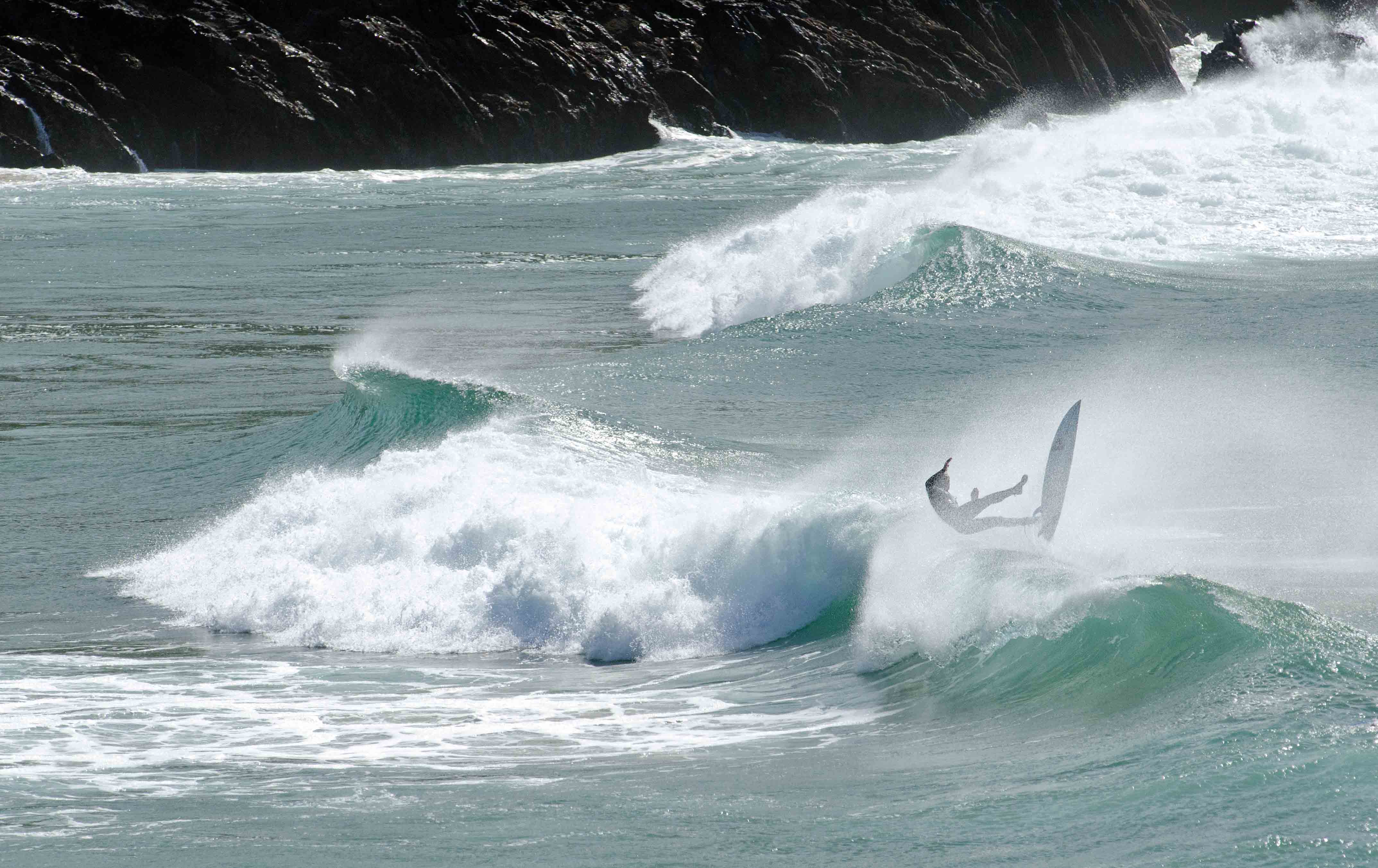
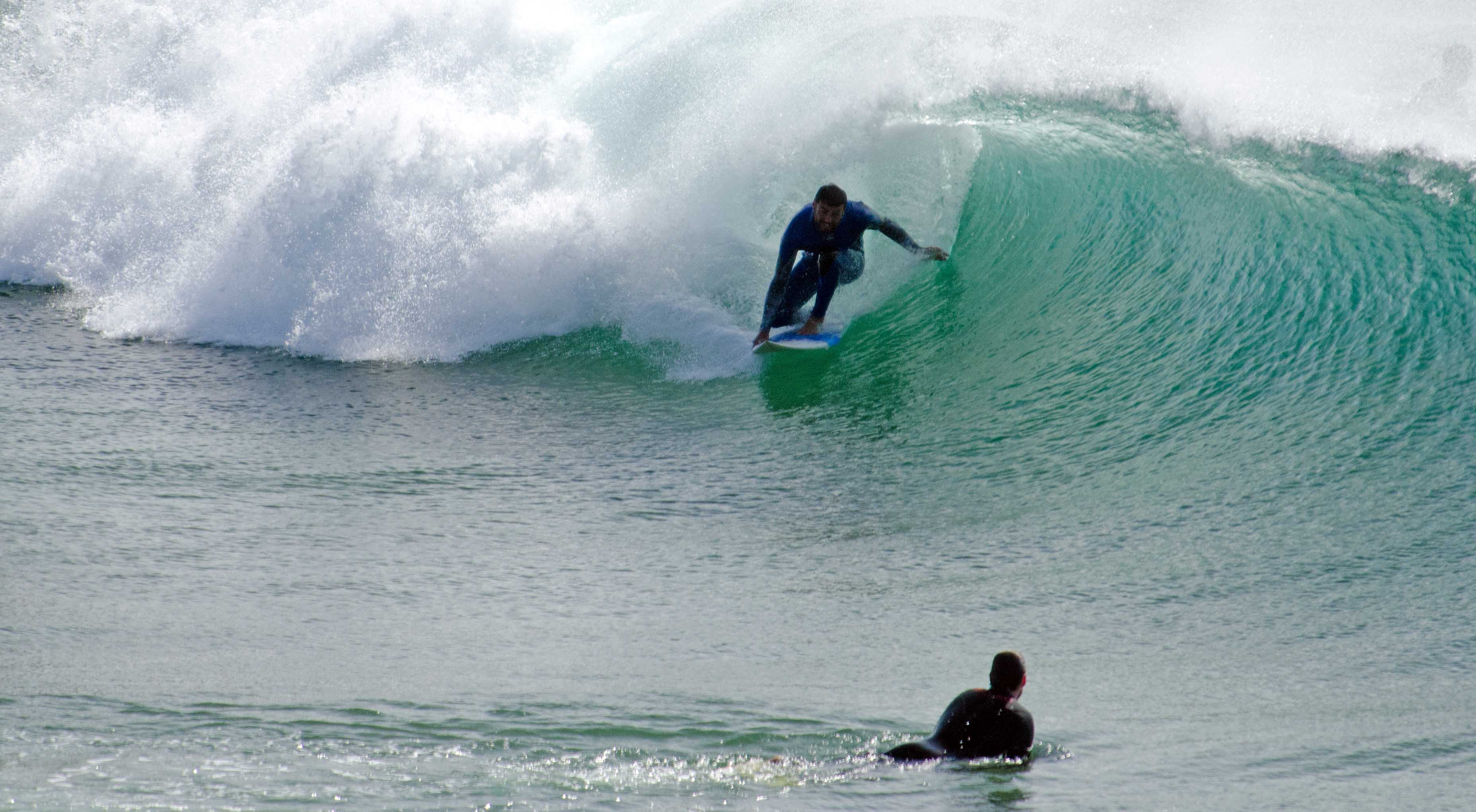
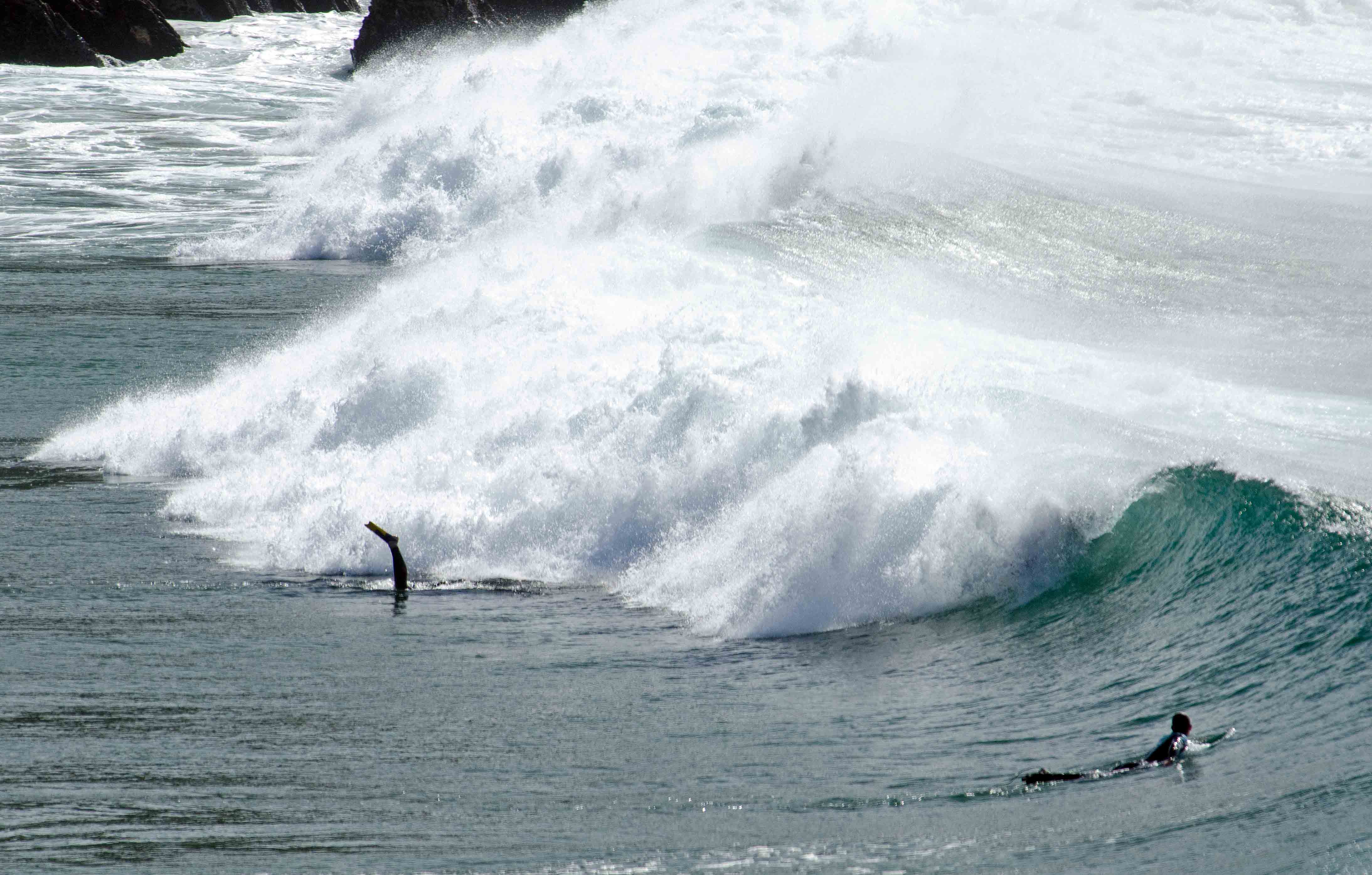
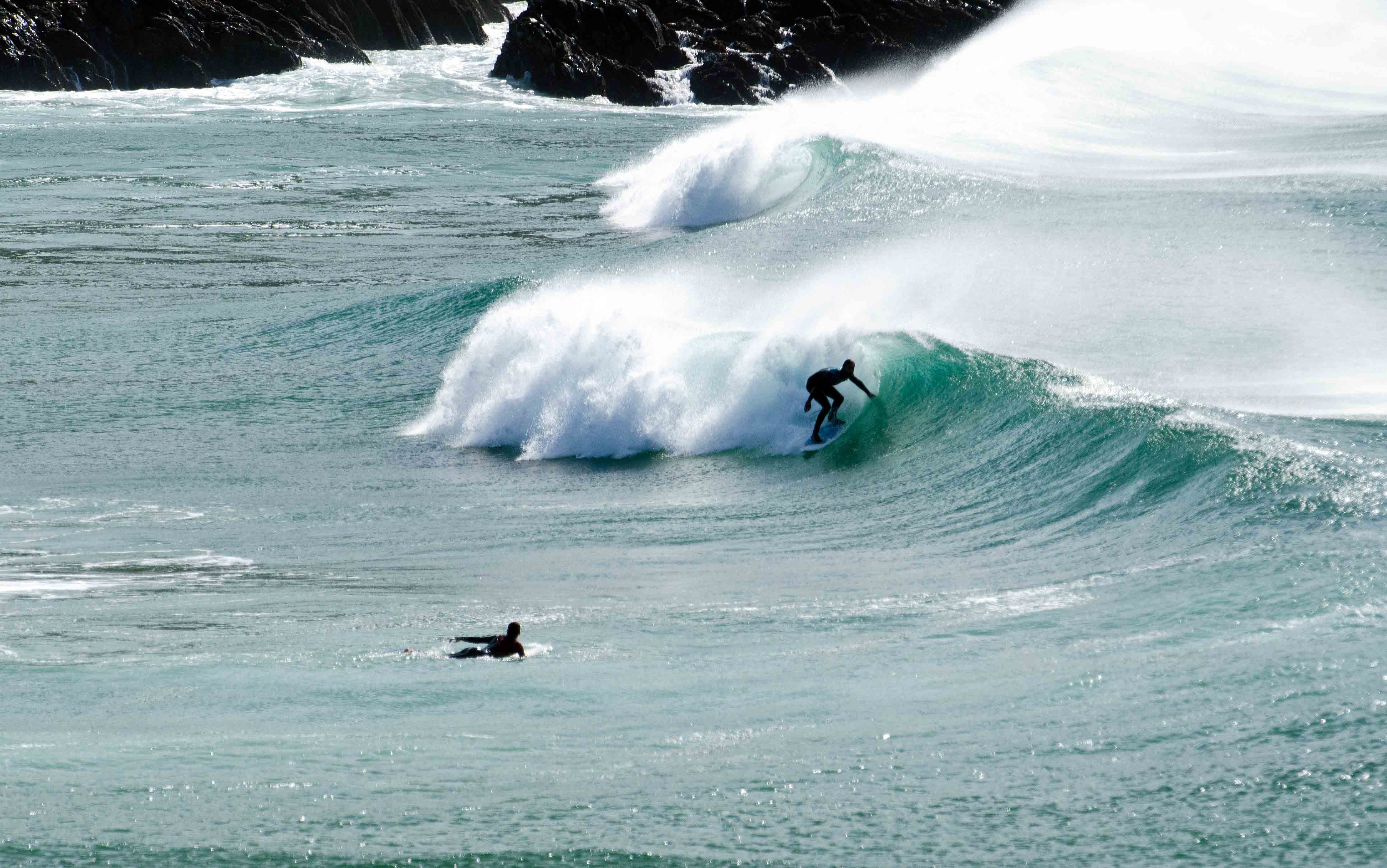
    Surfing at Esterio beach, Galicia, Spain
    Surfing at Esterio beach, Galicia, Spain

    Esteiro beach – or Playa de Esteiro de Bares in Spanish – is a beach used by surfers in northern Spain, in the Province of Galicia. It is a beautiful wide strip of sand that is rarely busy. Apart from the surfers, there are a few dog walkers, the occasional tourist and the odd, flower-sniffing entomologist, such as myself!

    Esterio beach, empty on a calm day
    Esterio beach, empty on a calm day

    It is located near the Cabo Estaca de Bares (or Cape of Bares) on the road tp Viveiro. There is an attractive headland on the east side of the bay, which affords a good, elevated view of the surfers in the breaking waves. I have visited this spot before looking for flowers (and wrote a blog about a lovely Dianthus (‘pink’) flower called Dianthus monspessulanus on my other blog (Ray Cannon’s Nature Notes) (1). There is an excellent aerial photograph of this beach on Pinterest (2).

    Surfing at Esterio beach, Galicia
    Surfing at Esterio beach, Galicia

    Surfing looks great fun, but it is clearly difficult to do well, and I have never tried it myself. Probably, I enjoy taking photographs more than I would surfing, who knows. I’ll have to try it sometime.

    Surfing at Esterio beach
    Surfing at Esterio beach

    There is not much to say about these photographs. This set was taken recently, on 23 ‎April ‎2015. I don’t know any of the surfers, but it would be nice if they could see themselves and hopefully enjoy the images (at least the ones where they are upright!).

     Surfing at Esterio beach

    Surfing at Esterio beach

    The surfers wait in the water for a good wave. Judging the best place to be to catch the waves is obviously quite an art. The action happens quickly, and even a good surf run only lasts for a few seconds. I selected a shutter speed of 1/1000th of a second, which was probably OK. It is more a matter of when to press the shutter, as it is hard to judge whether a given surfer will have a successful run. The most dramatic photographs were when there was a ‘wipe out’! Sorry guys! But the ones where the surfer is riding the surf and trailing his hand against the wave are also nice. I particularly like the following image, where the surfer is completely encased by the wave, although it is hard to make out that there is a person inside the breaking wave.

    Surfing at Esterio beach; surfer encased by breaking wave.
    Surfing at Esterio beach; surfer encased by breaking wave.


    1. http://rcannon992.com/2014/07/19/flower-of-god/

    2. https://www.pinterest.com/pin/165296248799388356/

  • Rainbows on the Ria

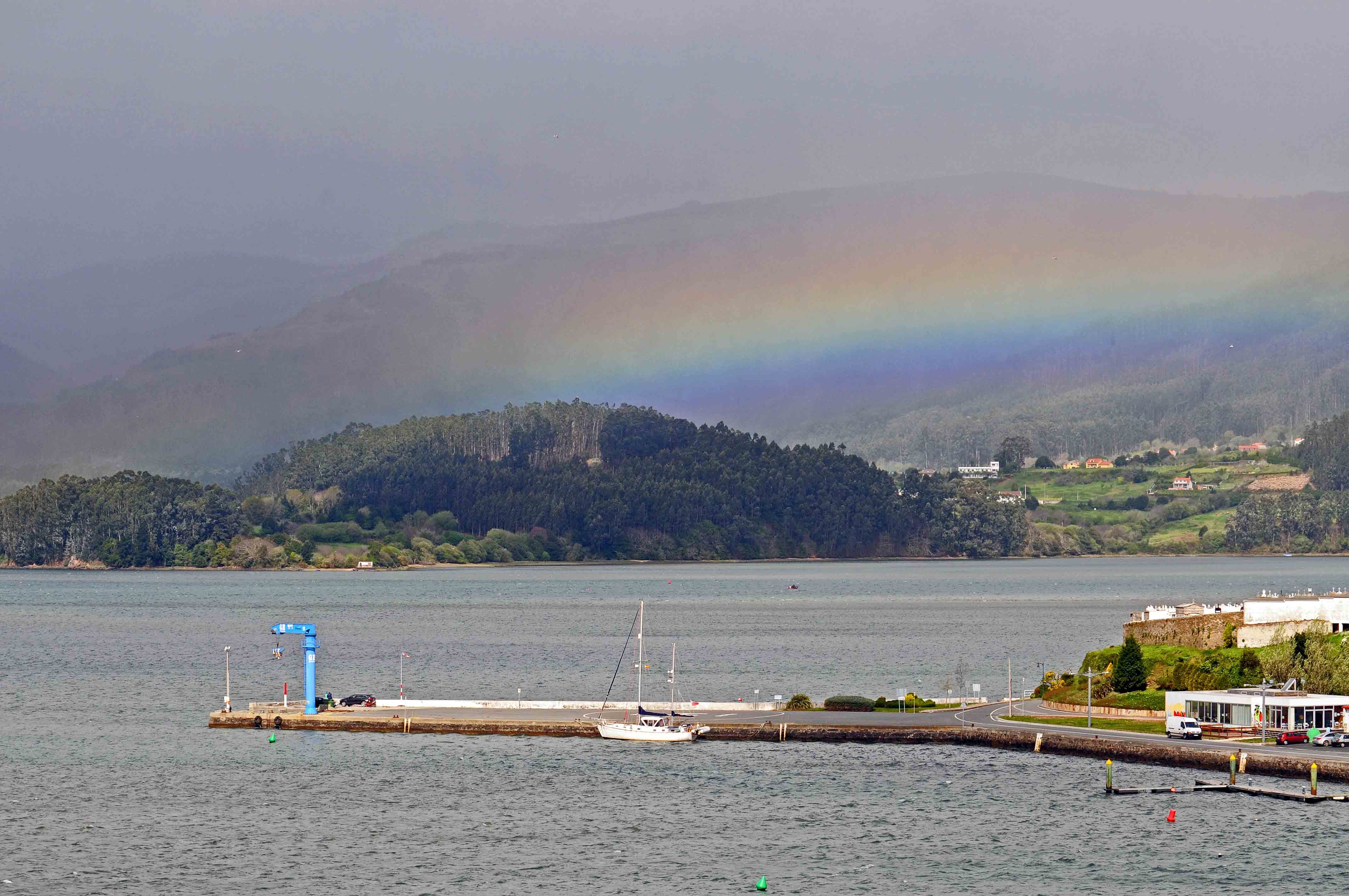
    Rainbow above the Ria Ortigueira, Galicia, Spain.
    Rainbow above the Ria Ortigueira, Galicia, Spain.

    Galicia, in north-western Spain is a beautiful part of the world.  It is much greener than most of the rest of Spain and is sometimes called the Scotland of Spain! It certainly has the celtic roots to go with this appellation.  One of the reasons it is so green is that it often rains!  weather fronts come in off the Atlantic and bring a succession of sunshine and showers.  This produces a lot of rainbows, which I often see forming across the Ria Ortigueiraa from the window of my flat.  Here are two I managed to capture before they faded away.

    Rainbow above the Ria from the town of Santa Marta de Ortigueira in Galicia, Spain.
    Rainbow above the Ria from the town of Santa Marta de Ortigueira in Galicia, Spain.