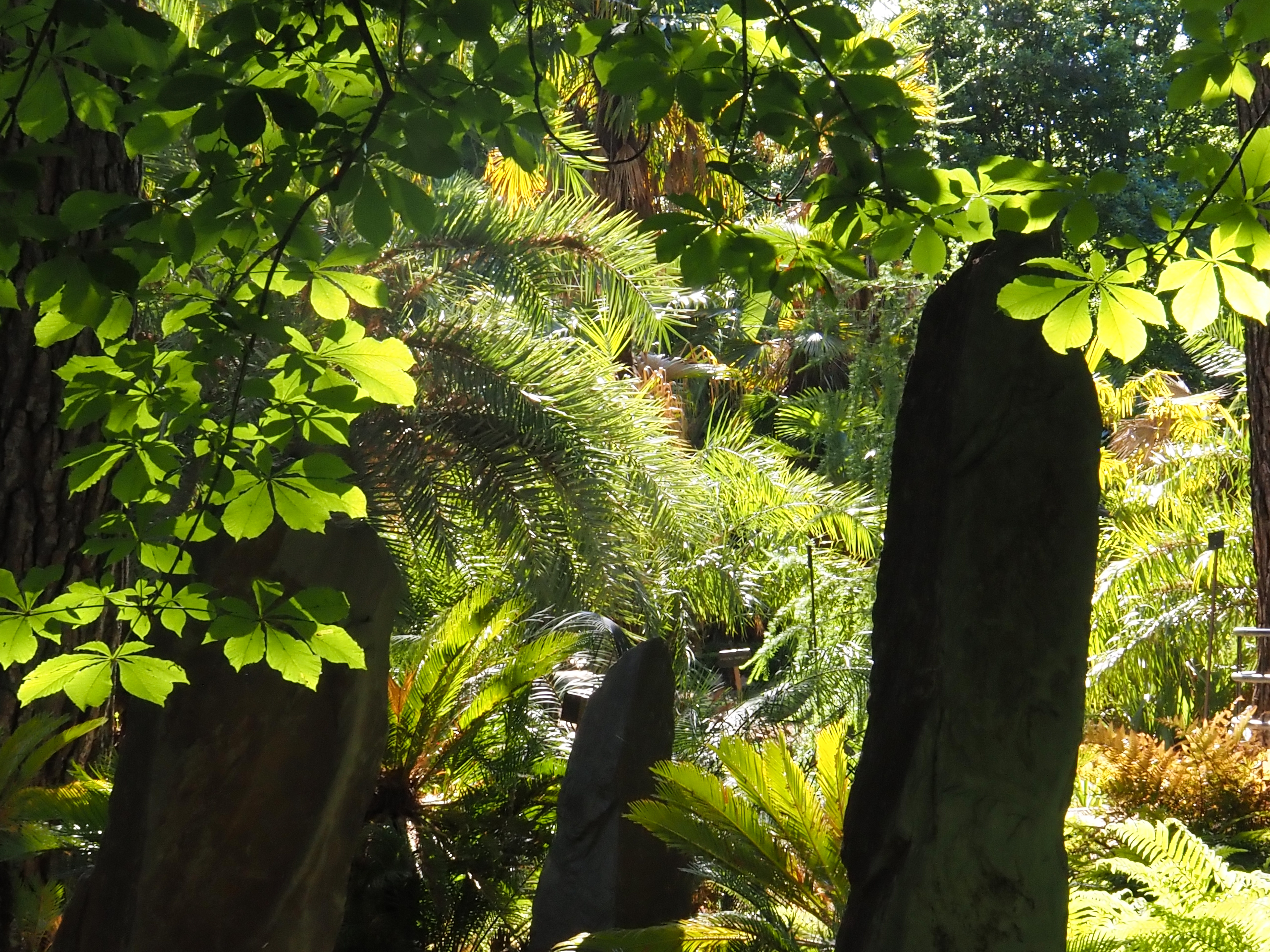
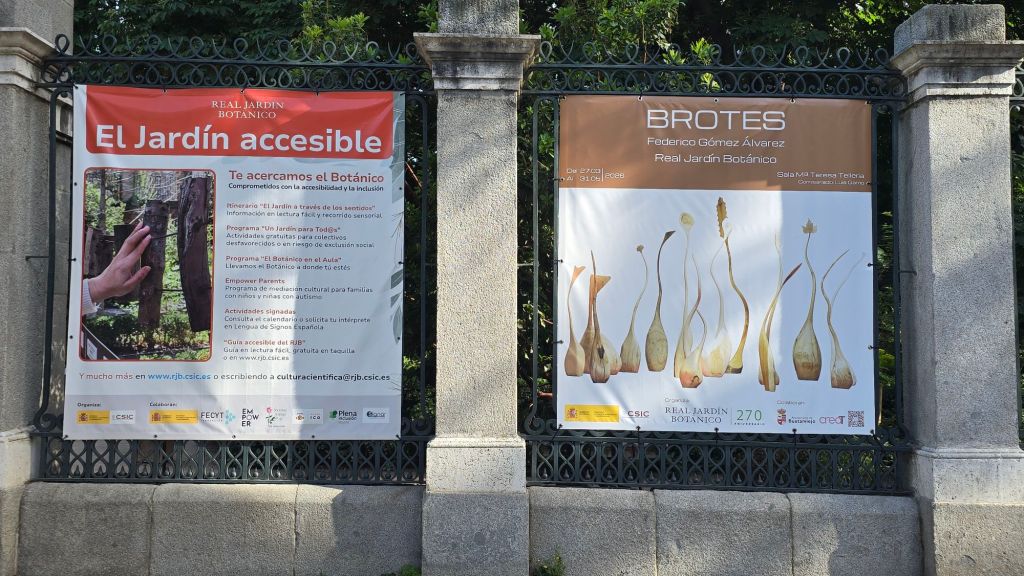
I went to Madrid this year, partly to visit these gardens which I had read about but never visited on previous trips to Madrid. The gardens were founded in 1755, by King Ferdinand VI, and moved to their current location in the centre of Madrid in 1781 by King Charles III of Spain.
The Royal Botanical Gardens of Madrid (Real Jardín Botánico de Madrid) is an 8 hectares (20 acres) botanical garden sited next to the Prado Museum.
There are said to be more than 5,000 species and cultivars of plants from different continents in the gardens, many collected on scientific expeditions carried out in the 18th and 19th centuries.
It only costs one euro to visit the gardens and I went three times on successive days. Temperatures were high (c. 32-33 deg C), even though it was only May,
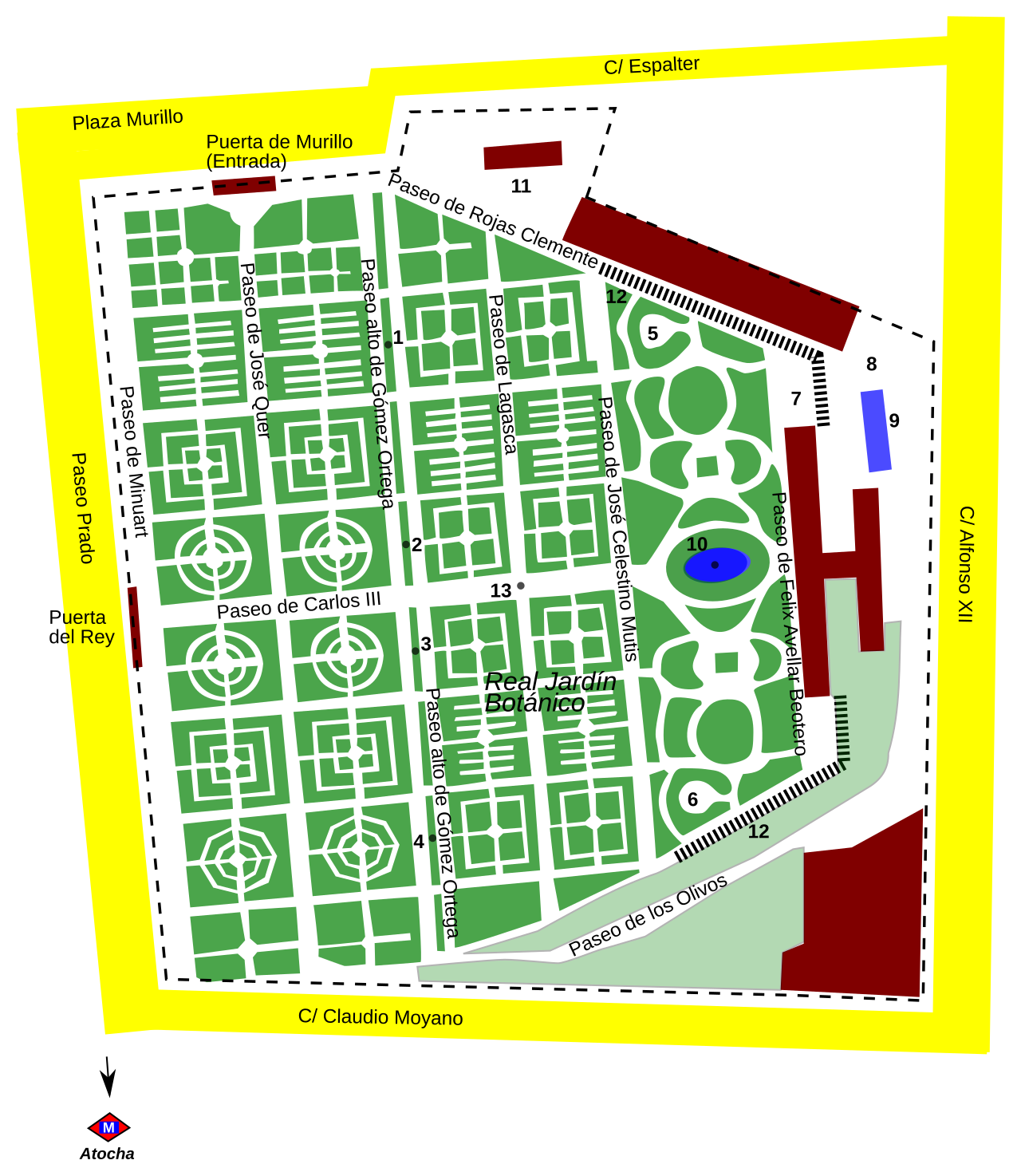
The plants are arranged in a grid (see below) .
Royal Botanical Garden of Madrid. Xauxa Håkan Svensson, Public domain, via Wikimedia Commons 1. Statue of José Quer 2. Statue of Simón de Rojas Clemente 3. Statue of Mariano Lagasca 4. Statue of Antonio José Cavanilles 5. Monument to Blas de Lázaro 7. Collection of succulent plants 8. Waterwheel Pavilion 9. Pond 10. Statue of Carl Linnaeus 11. Small Garden 12. Wrought iron trellis from 1786 13. Statue of Charles III
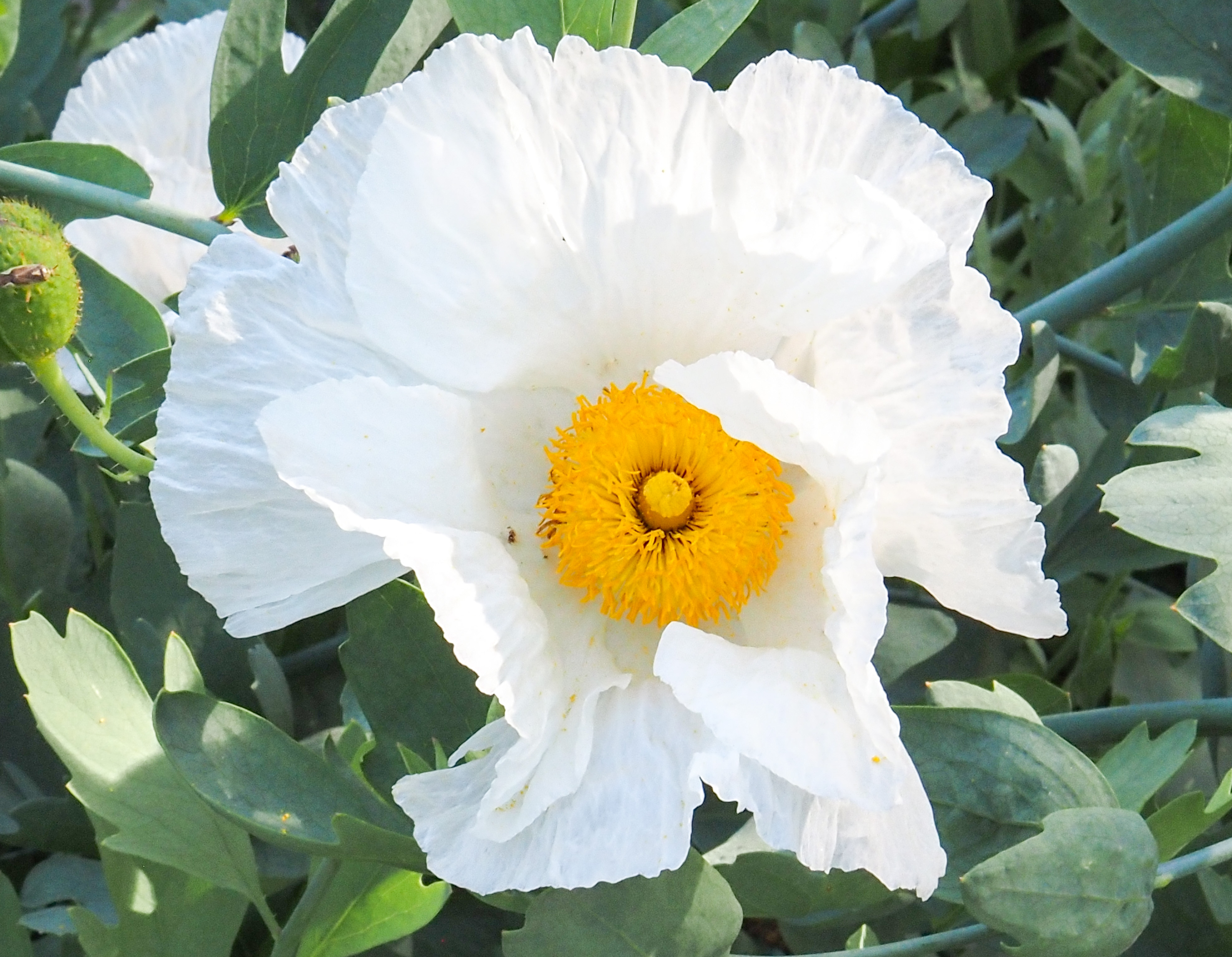
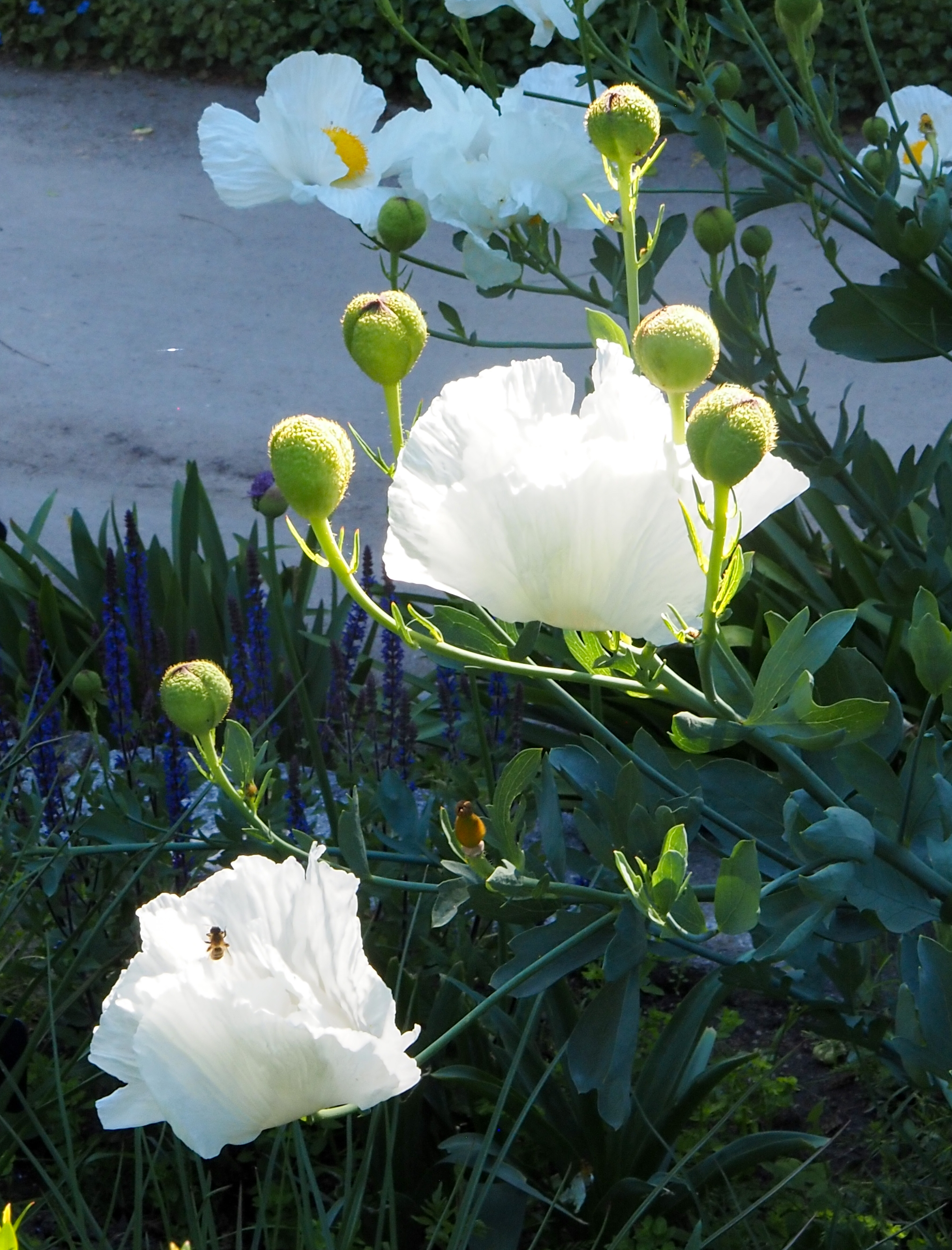
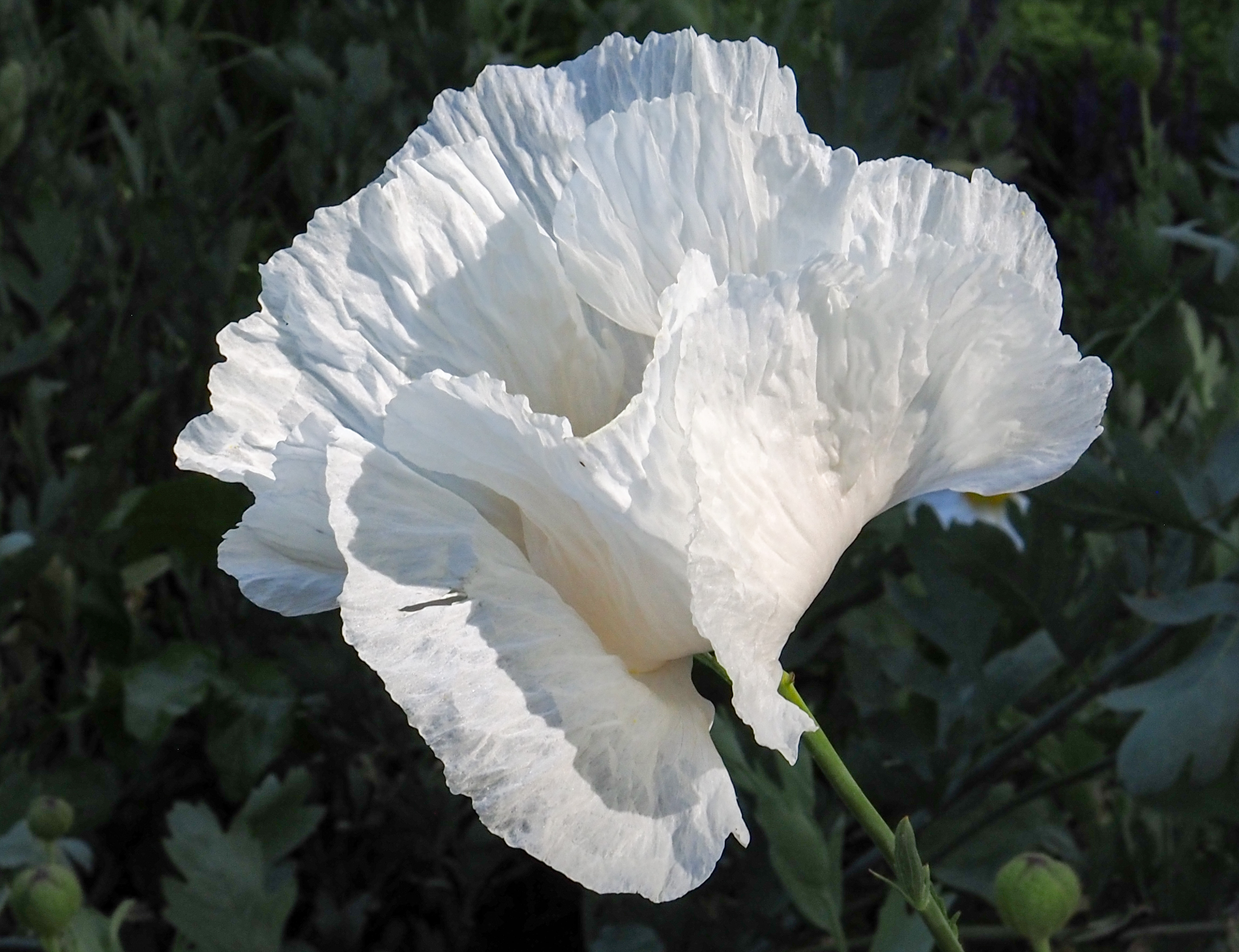
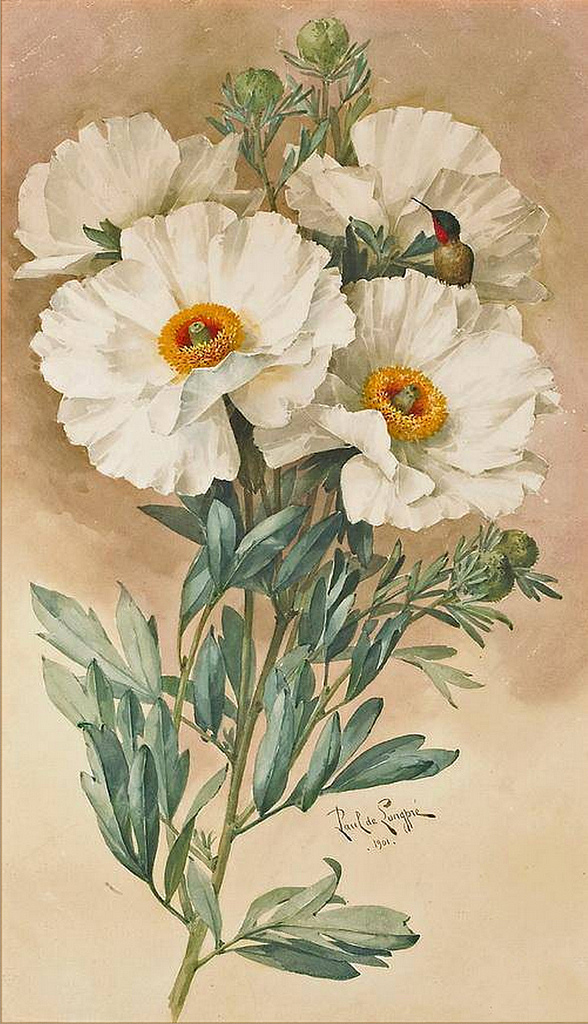
I wandered around taking pictures of flowers and insects that caught my attention. One particularly beautiful flower, Romneya coulteri, the Coulter’s Matilija poppy or California tree poppy (below), is a perennial species of flowering plant in the family Papaveraceae. It is native to southern California, USA, and Baja California, Mexico, where it grows in dry canyons in chaparral and coastal sage plant communities.
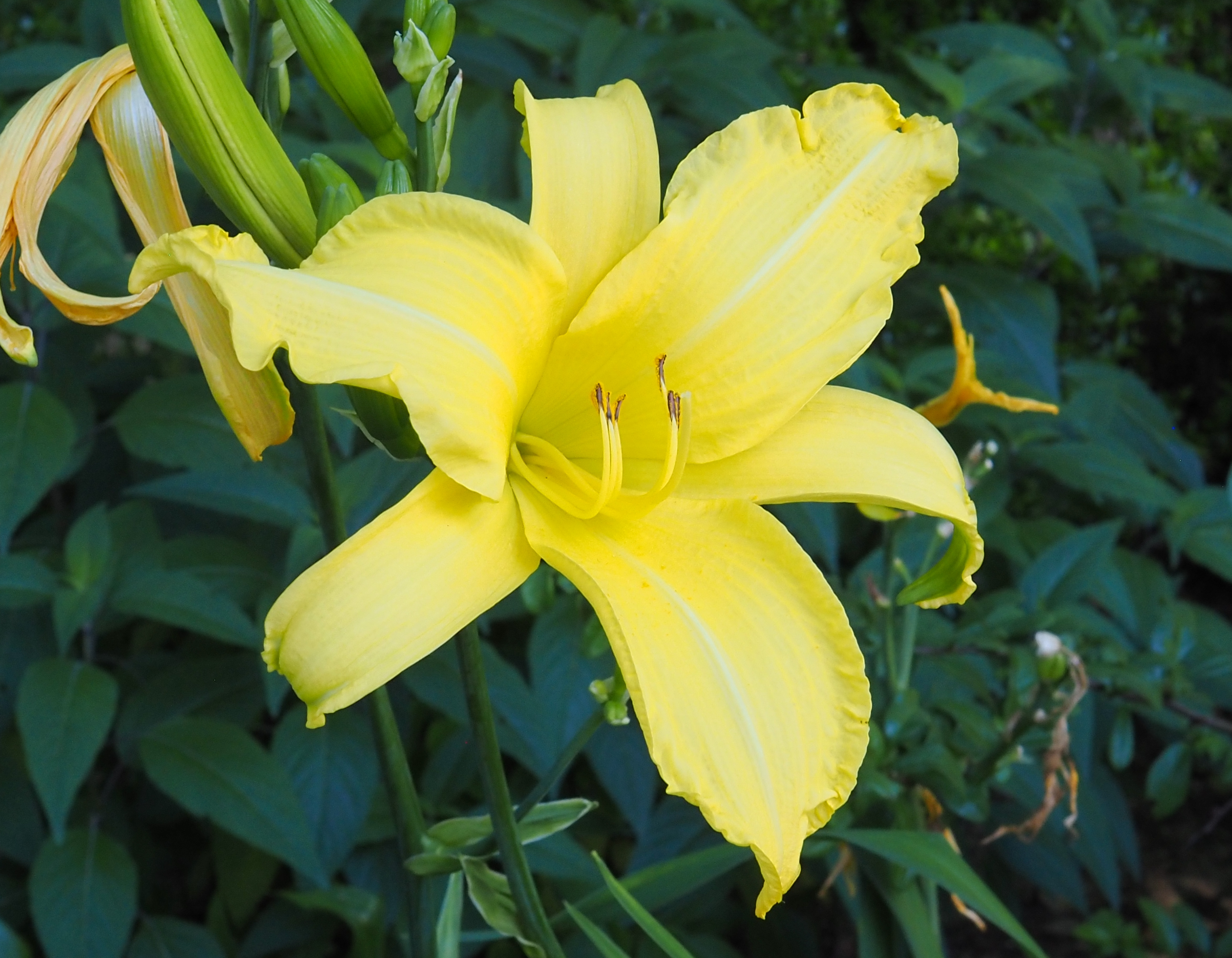
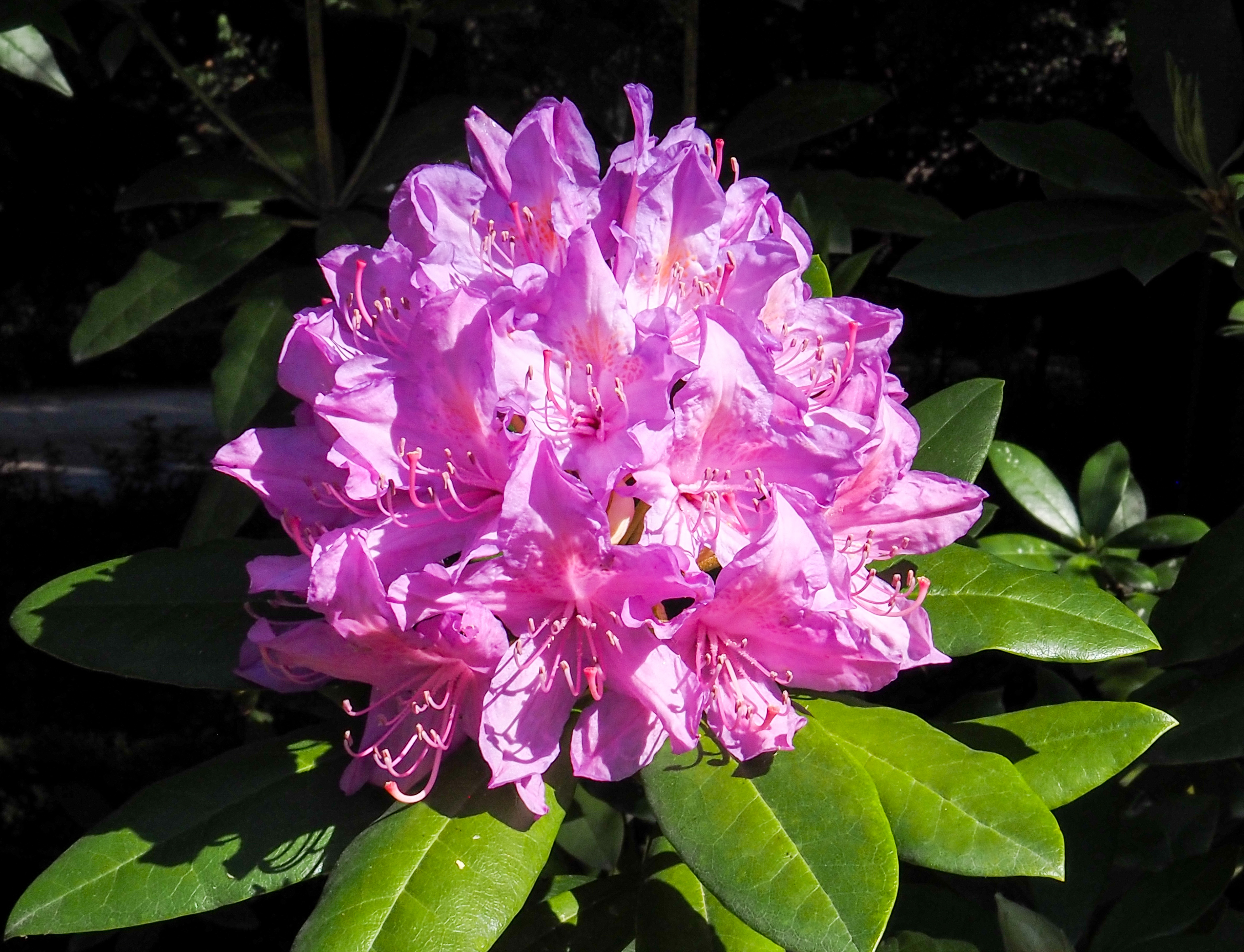
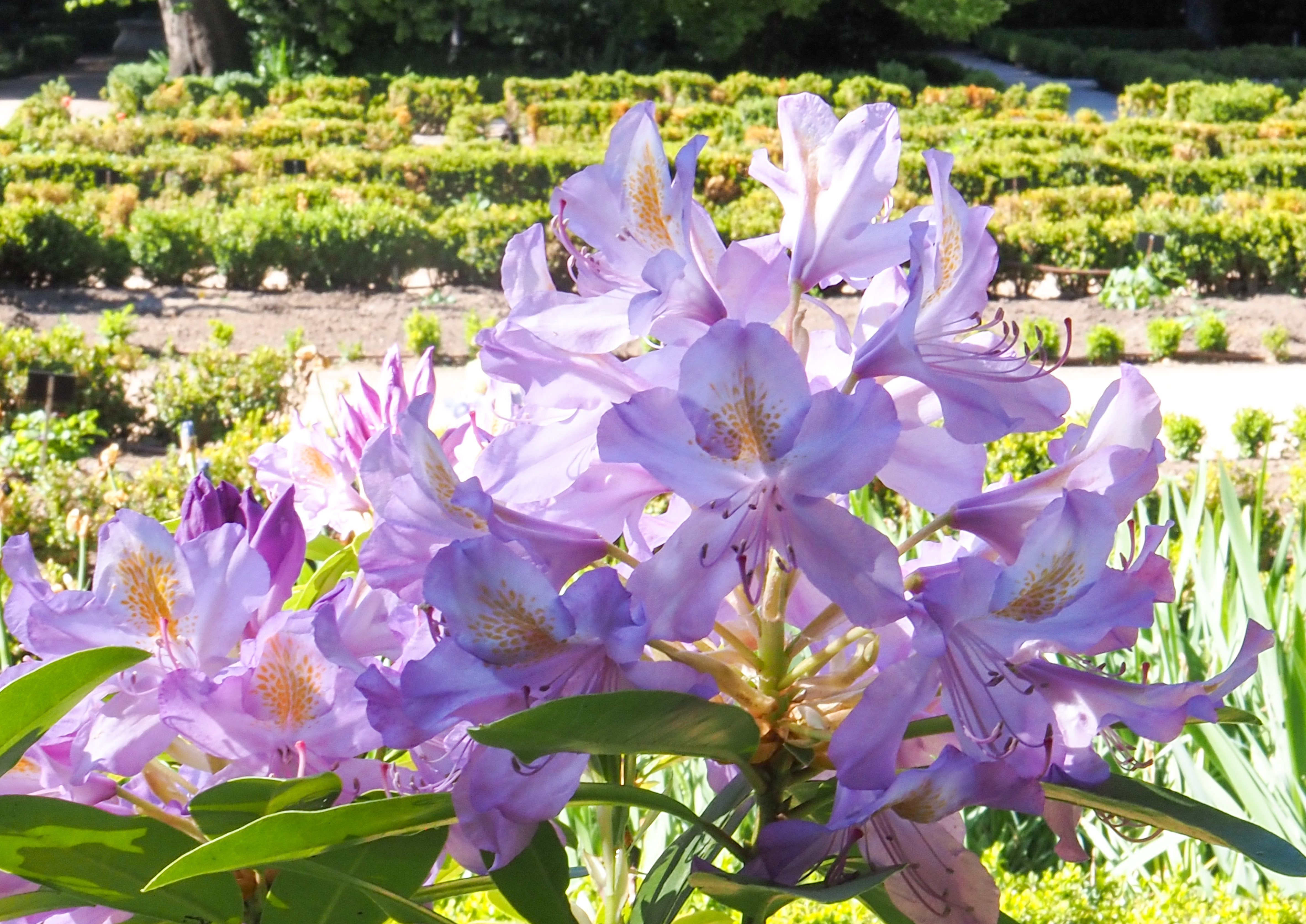
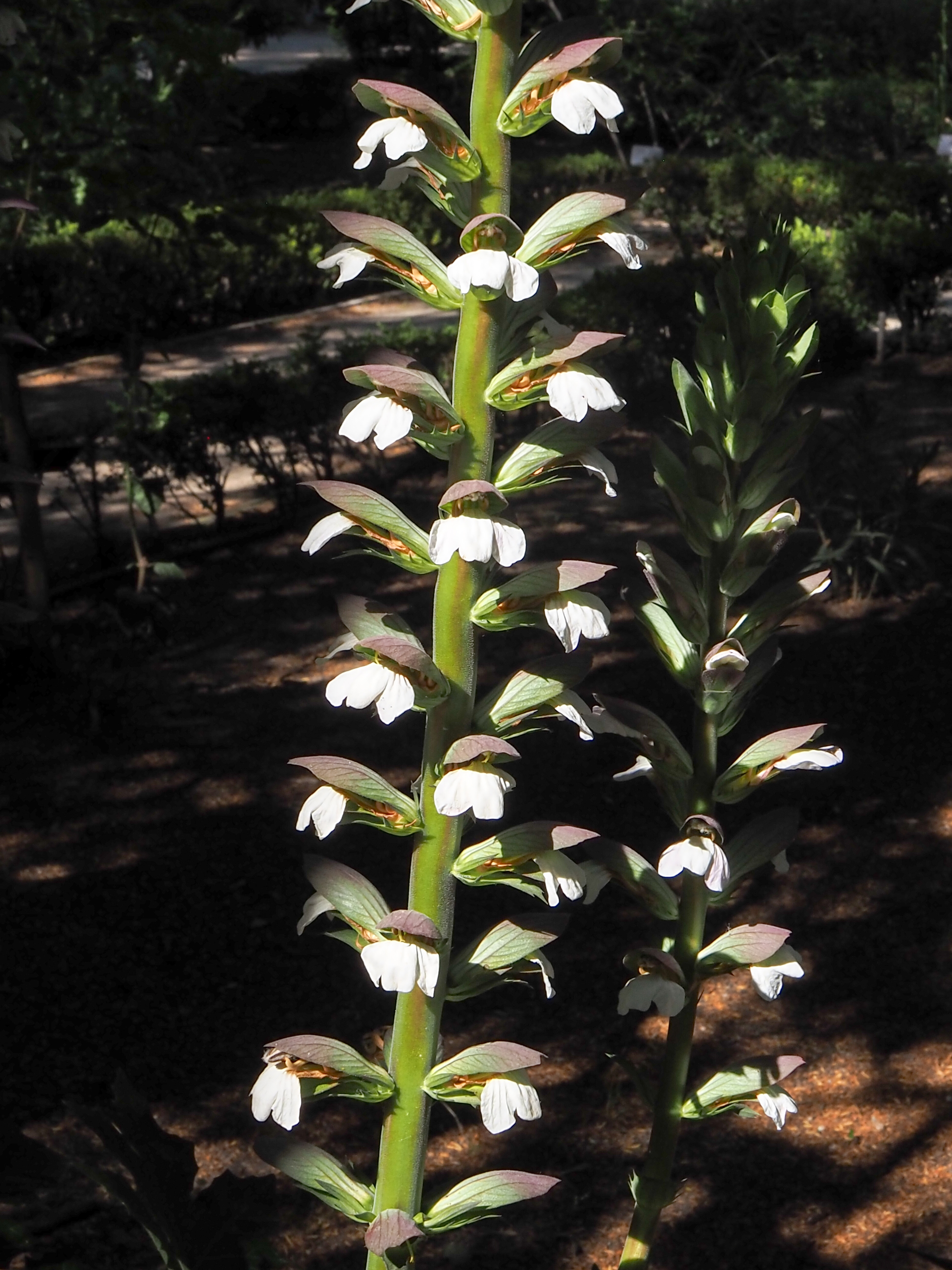
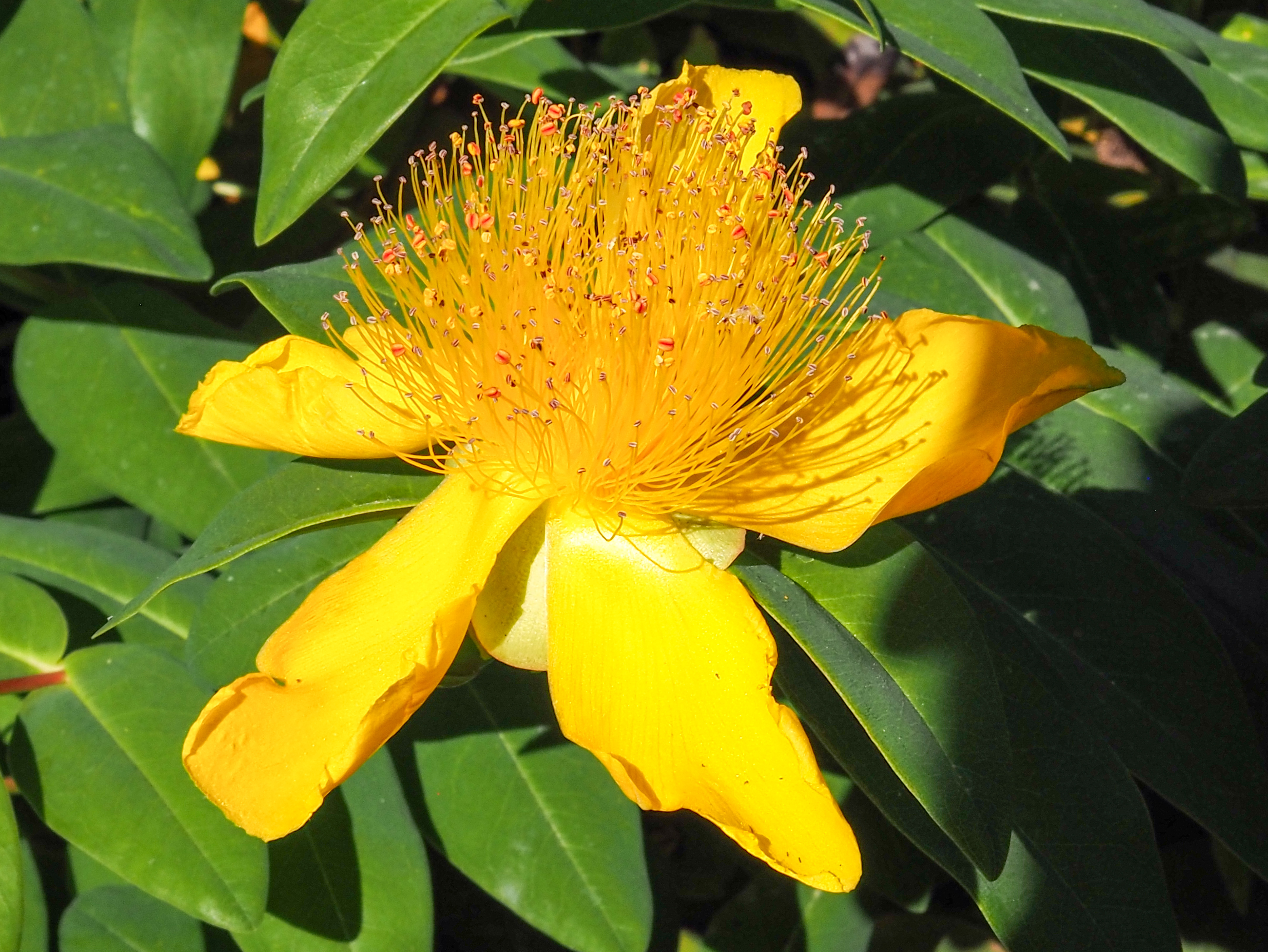
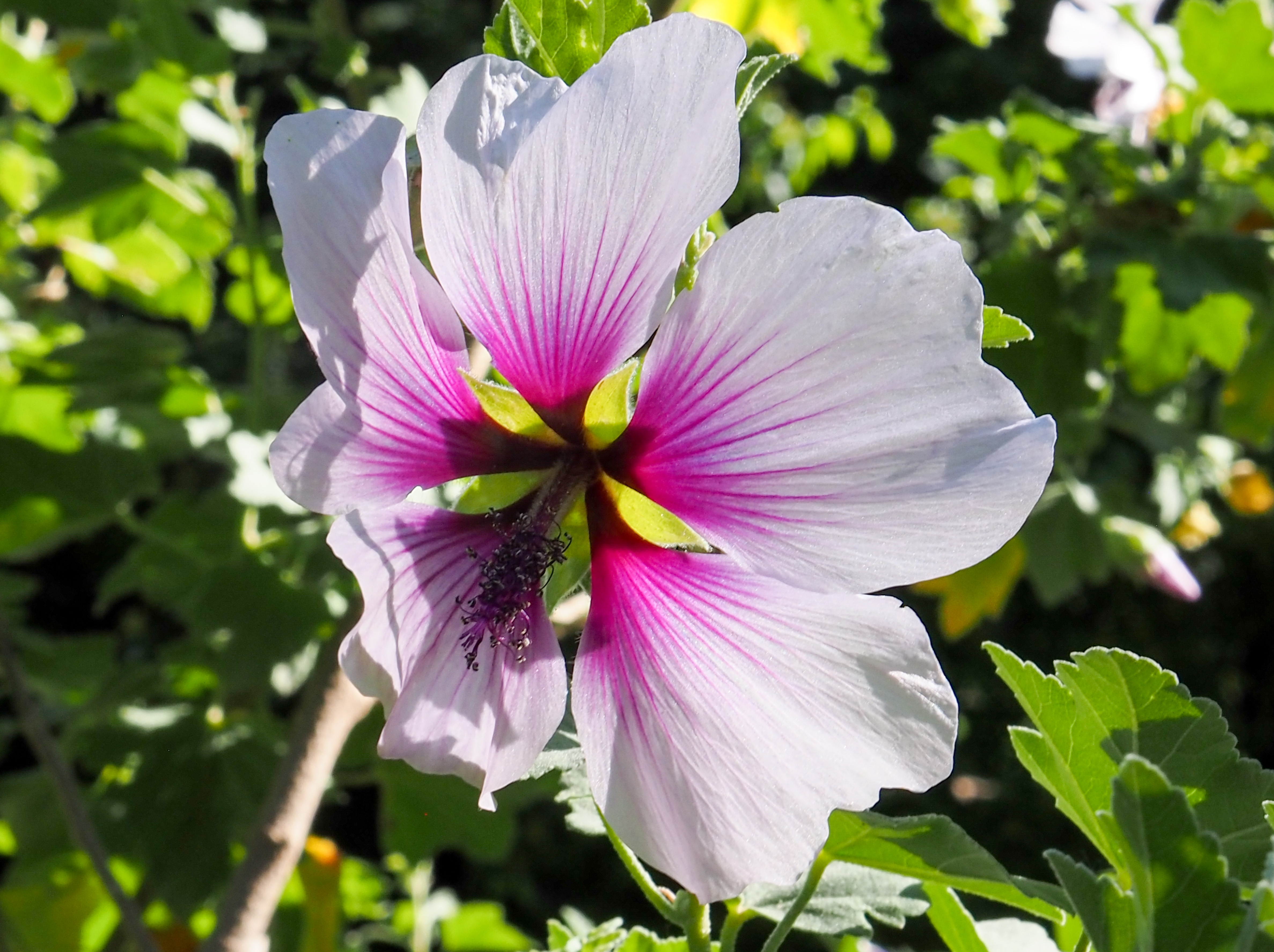
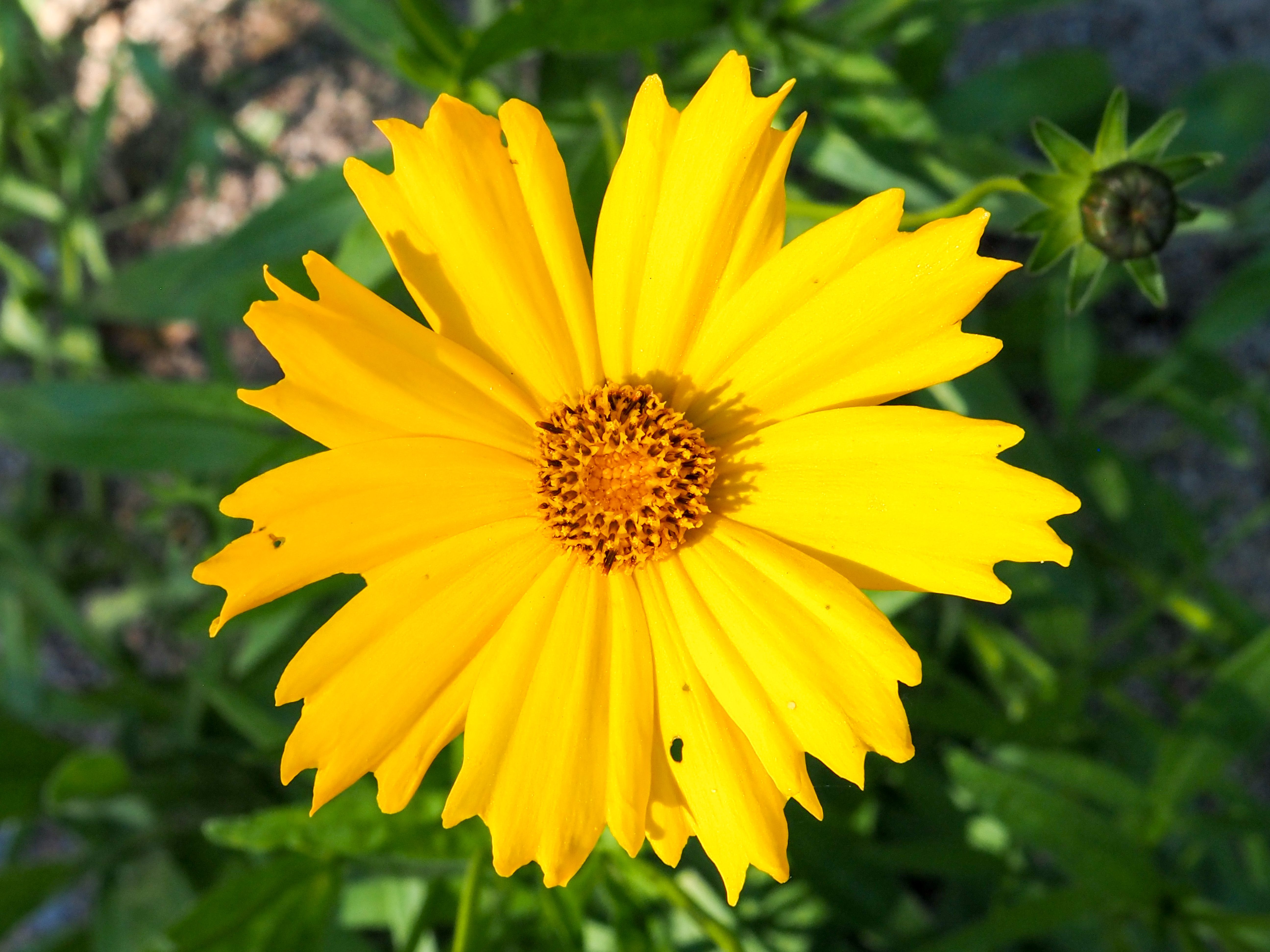
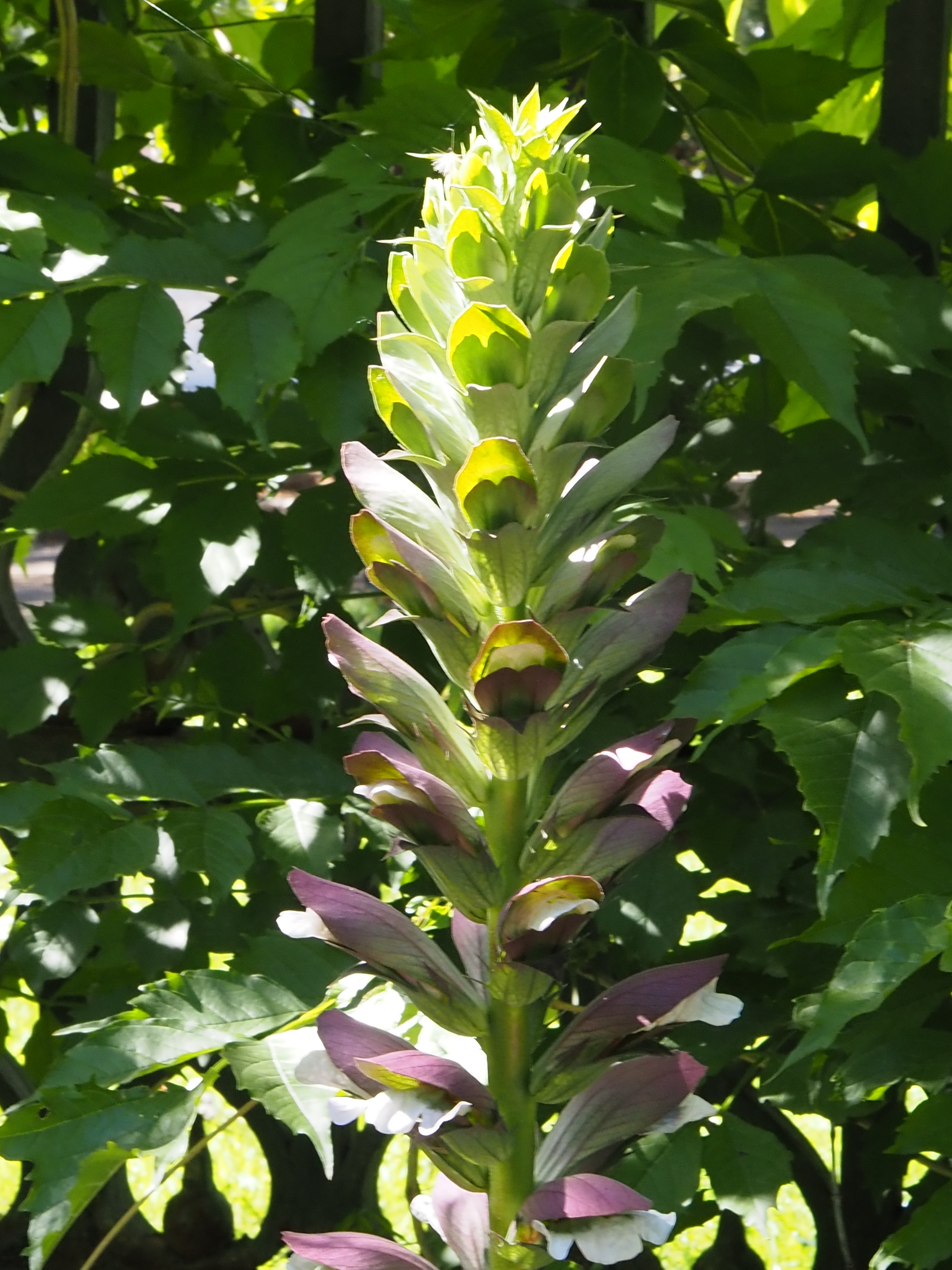
Romneya coulteri the California tree poppy by Paul de Longpré (1855-1911), Public domain, via Wikimedia CommonsLilies, Rhododendrons, Bear’s breeches (Acanthus mollis), Rose-of-Sharon (Hypericum calycinum), Sea Mallow (Lavatera maritima) and Tickseed (Coreopsis sp). Photographs by Raymond J C Cannon
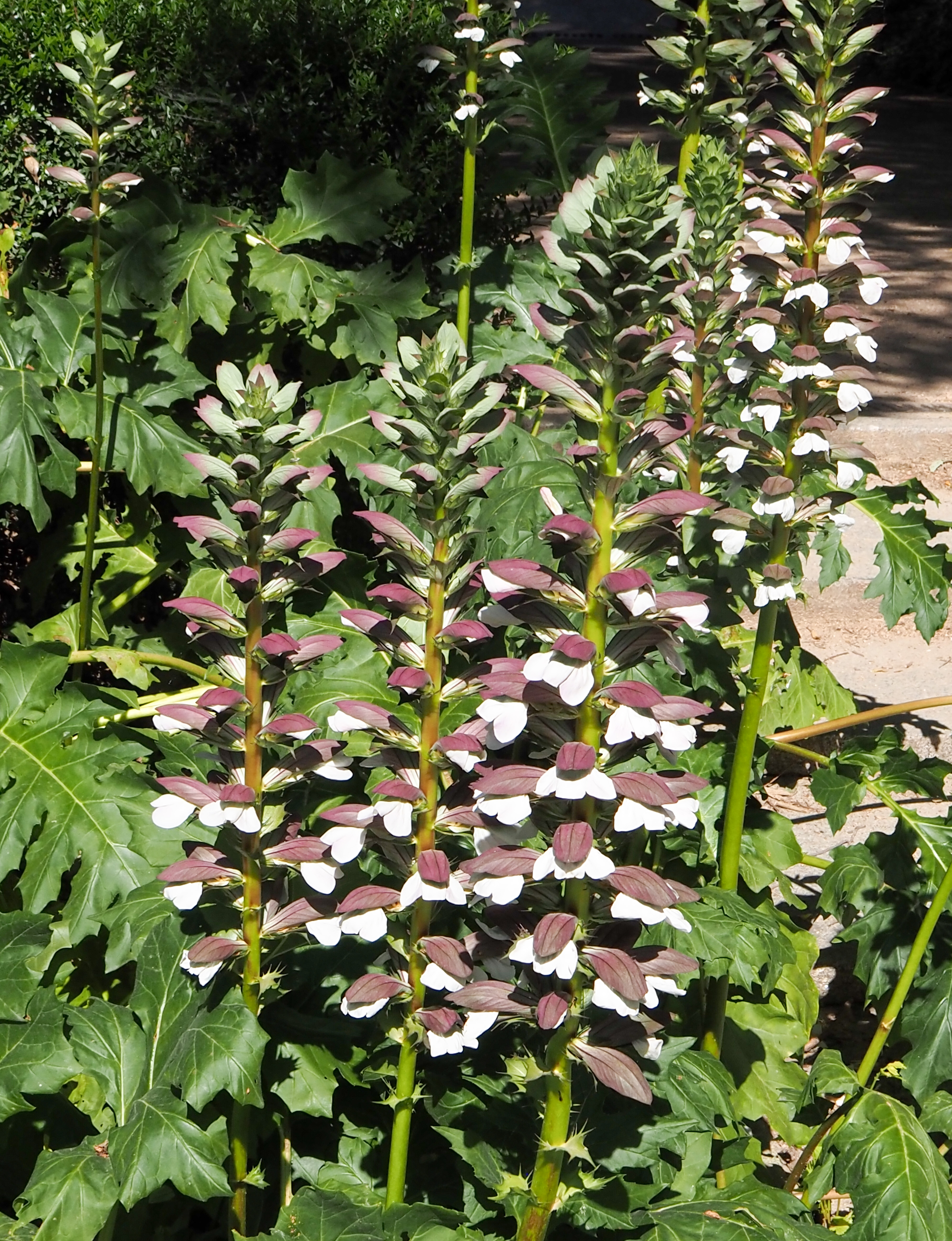
Bear’s breeches (Acanthus mollis). Photographs by Raymond J C Cannon
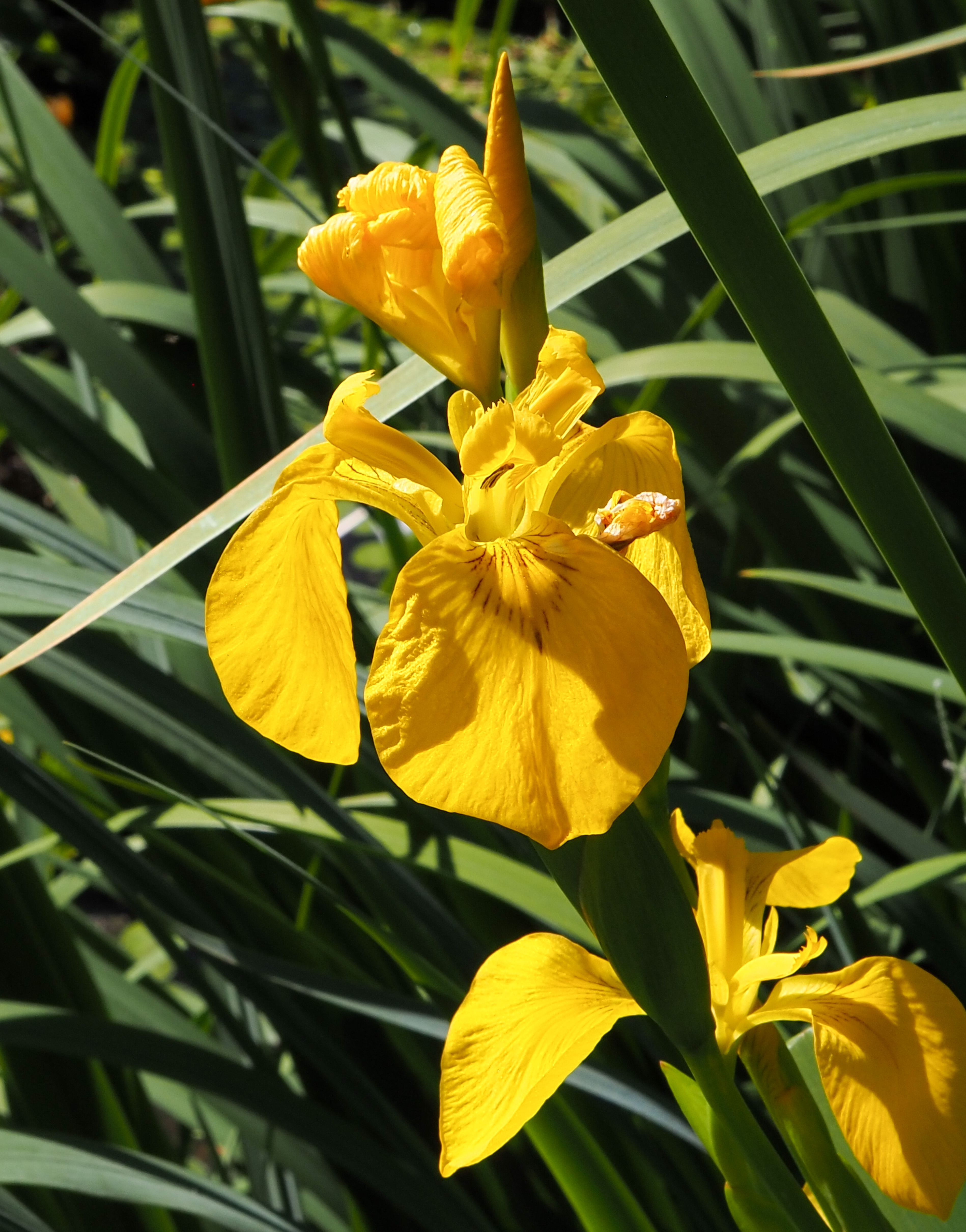
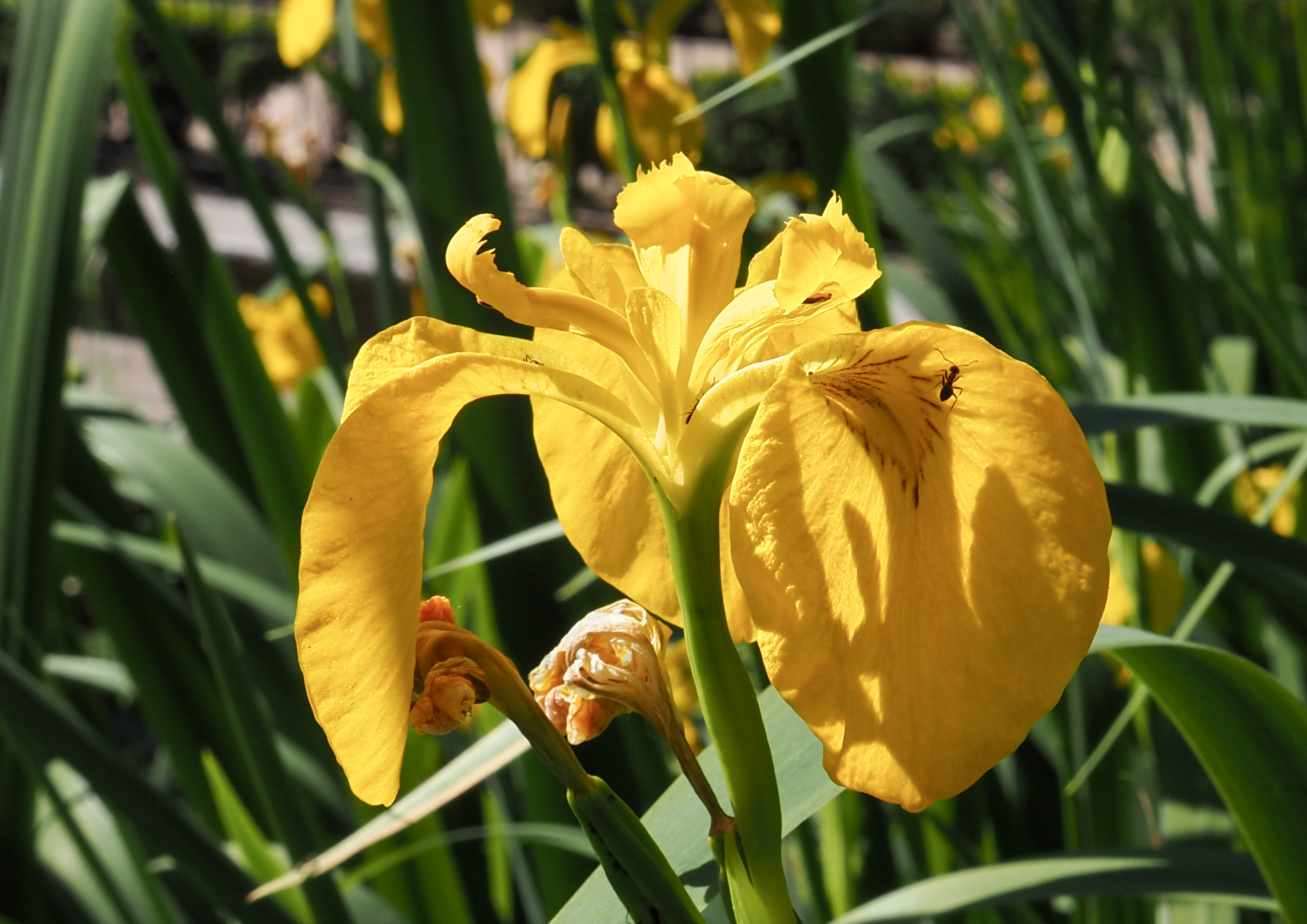
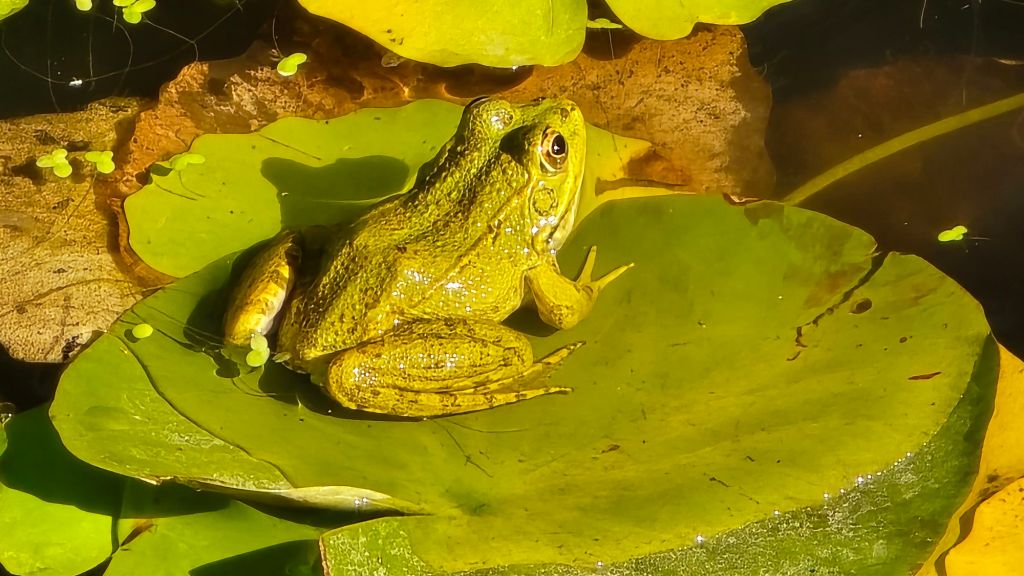
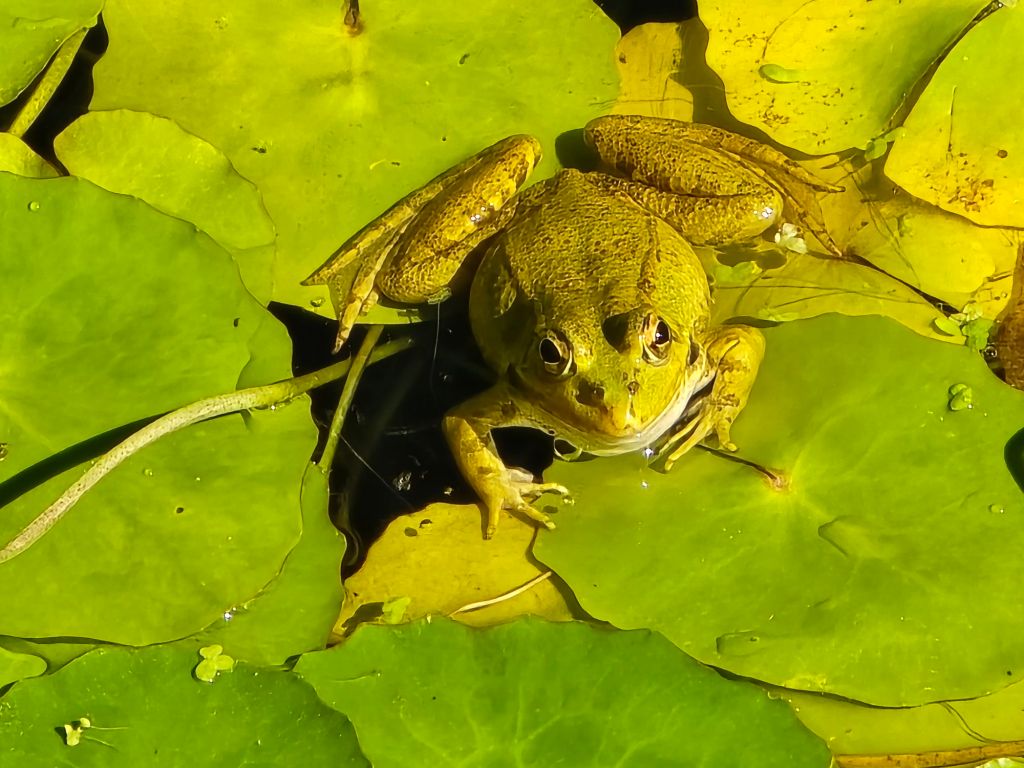
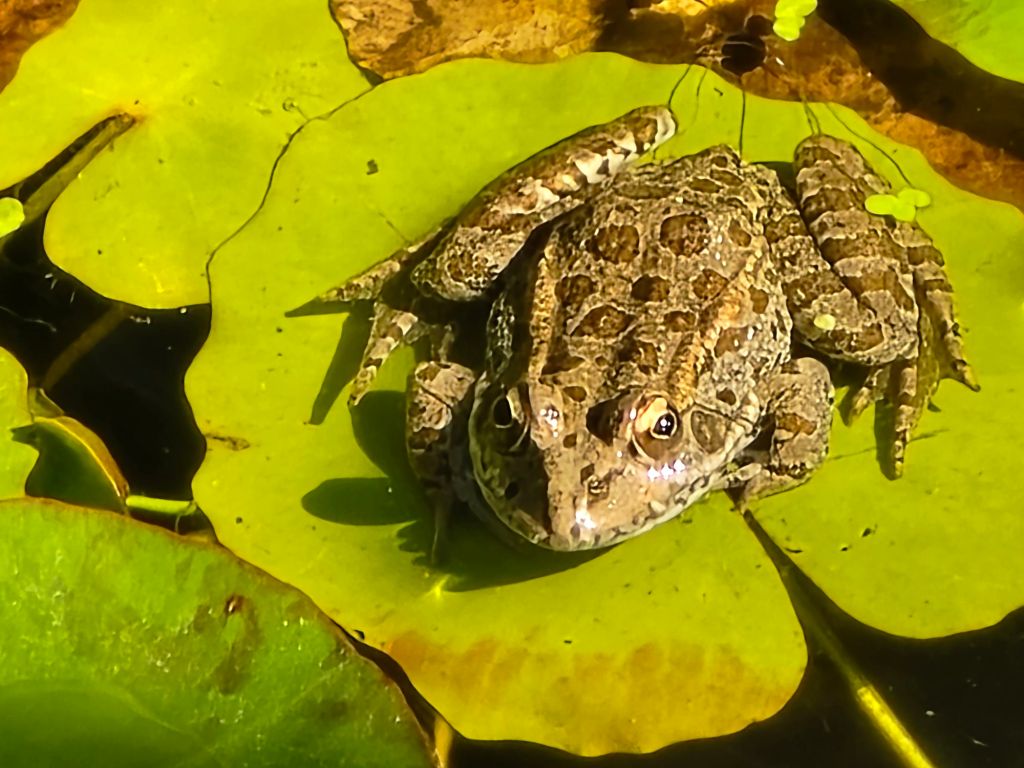
There is a pond containing aquatic plants, including Yellow Flag (Iris pseudacorus) and many frogs!
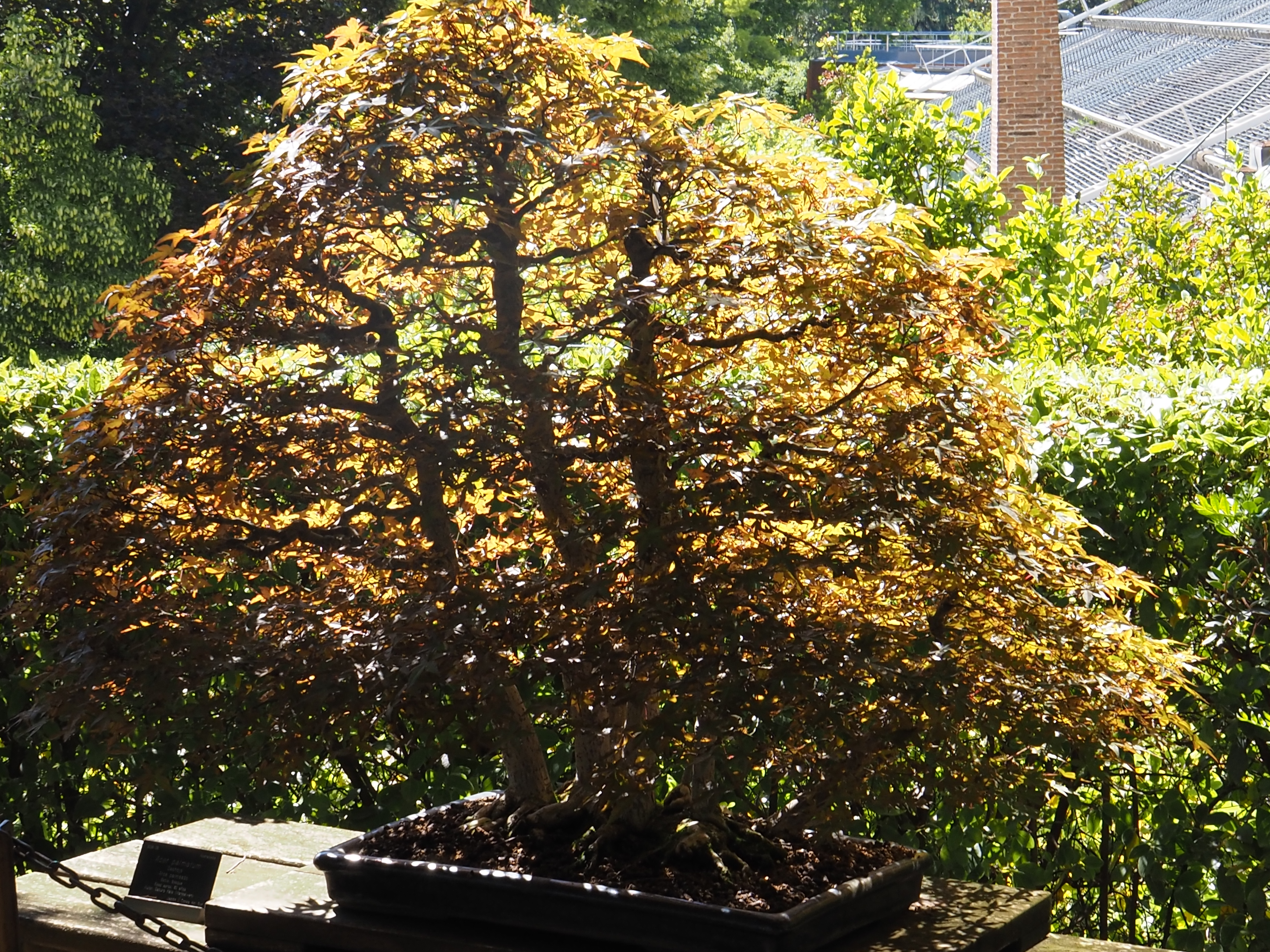
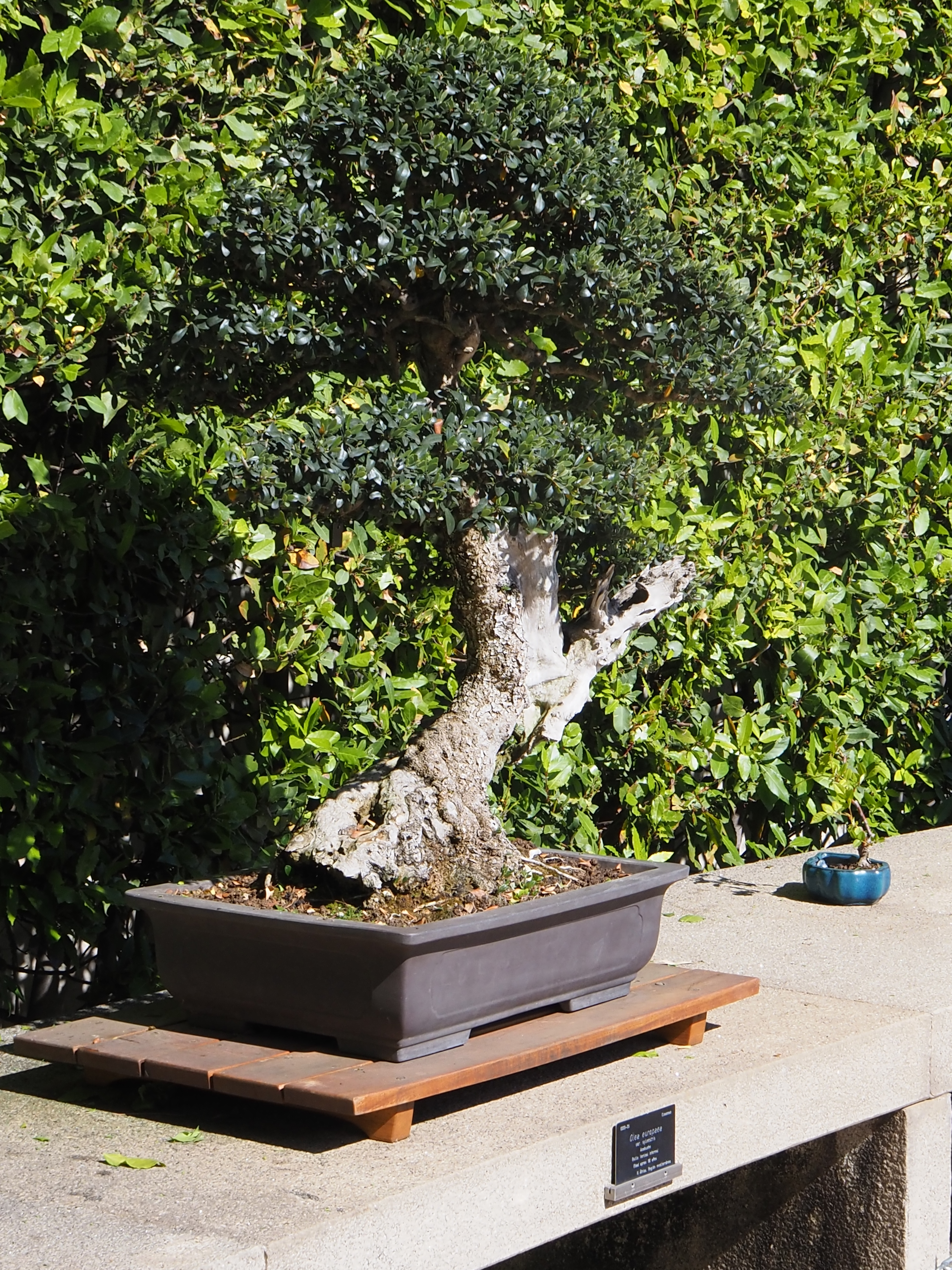
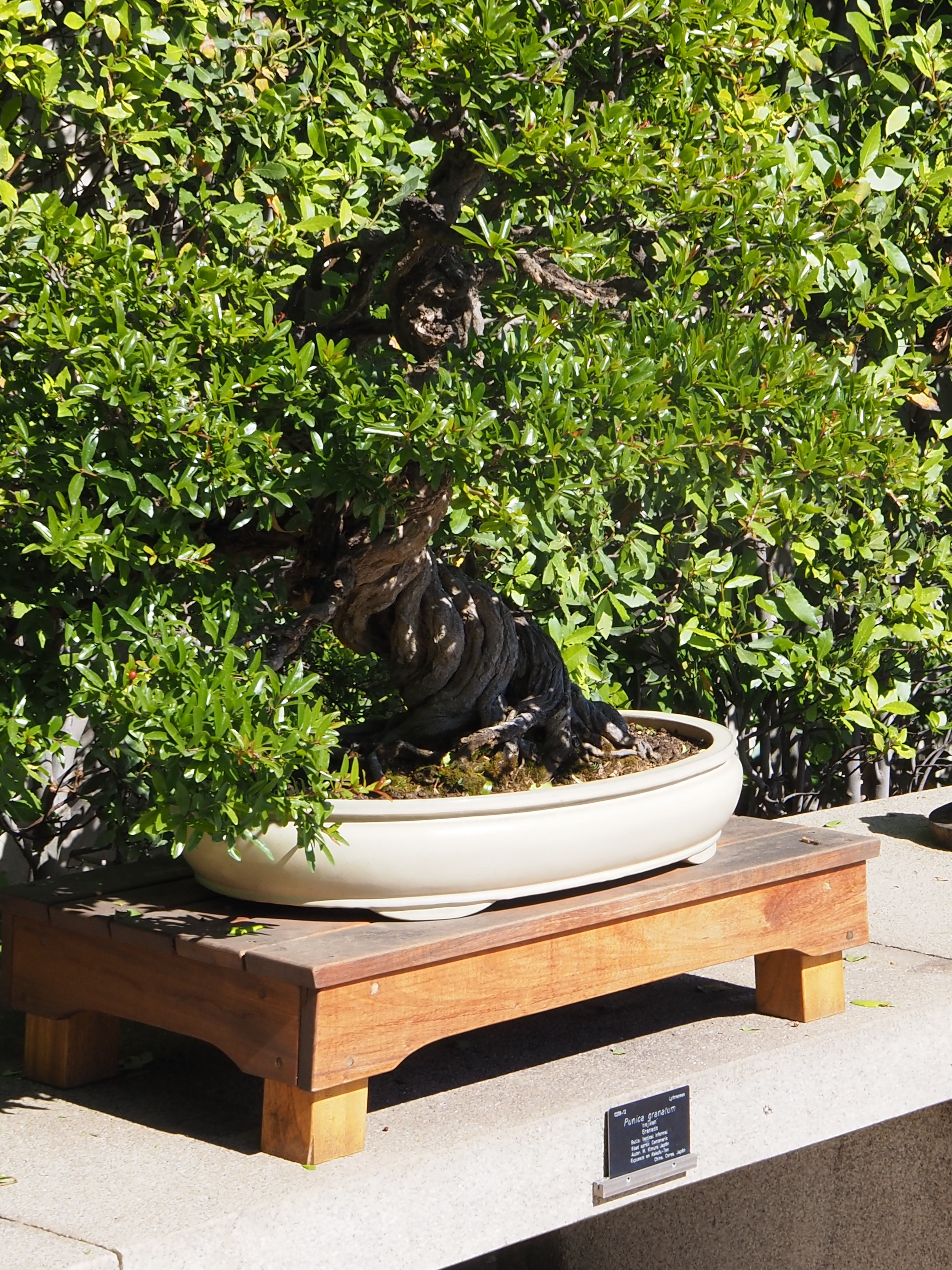
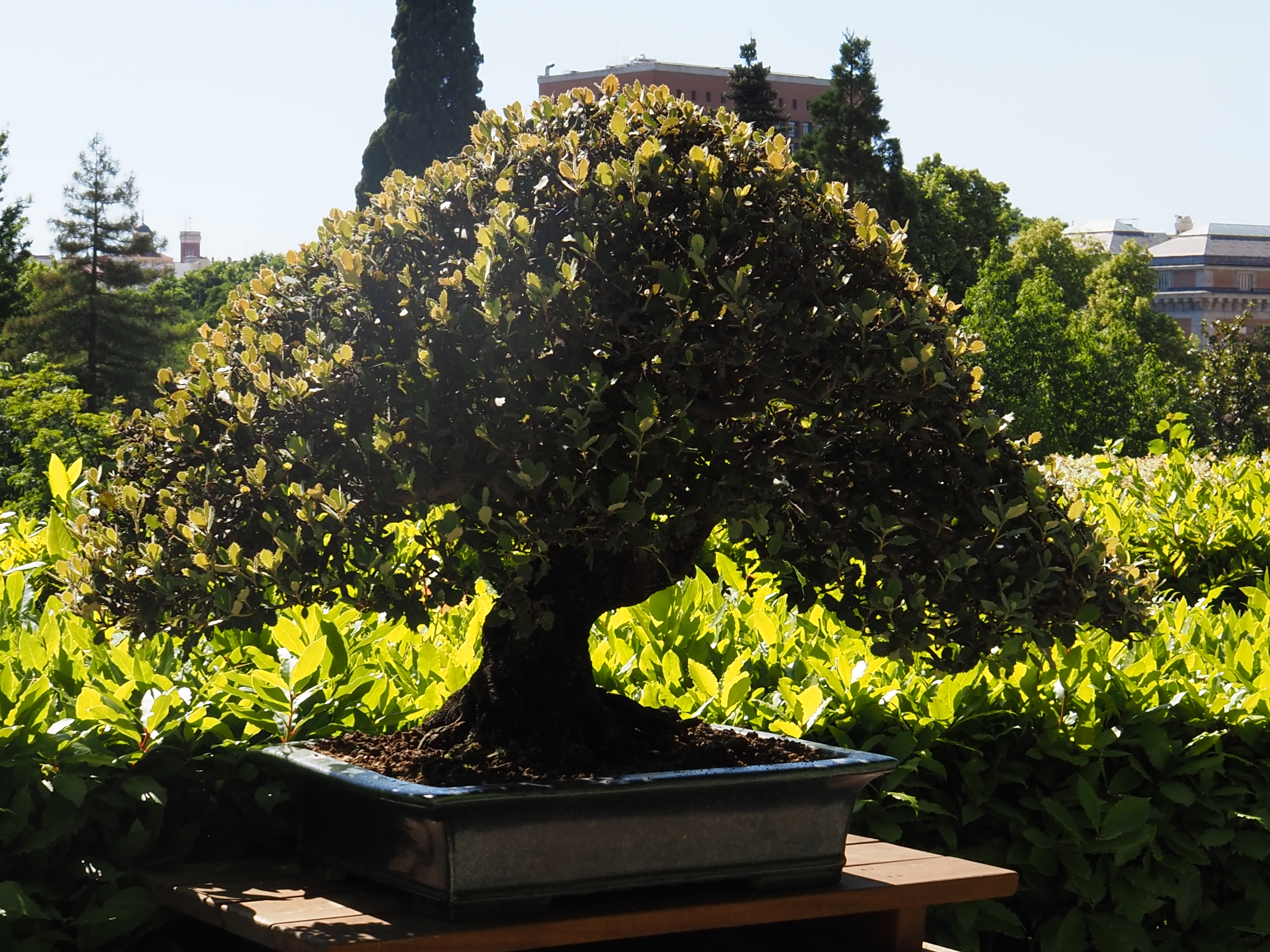
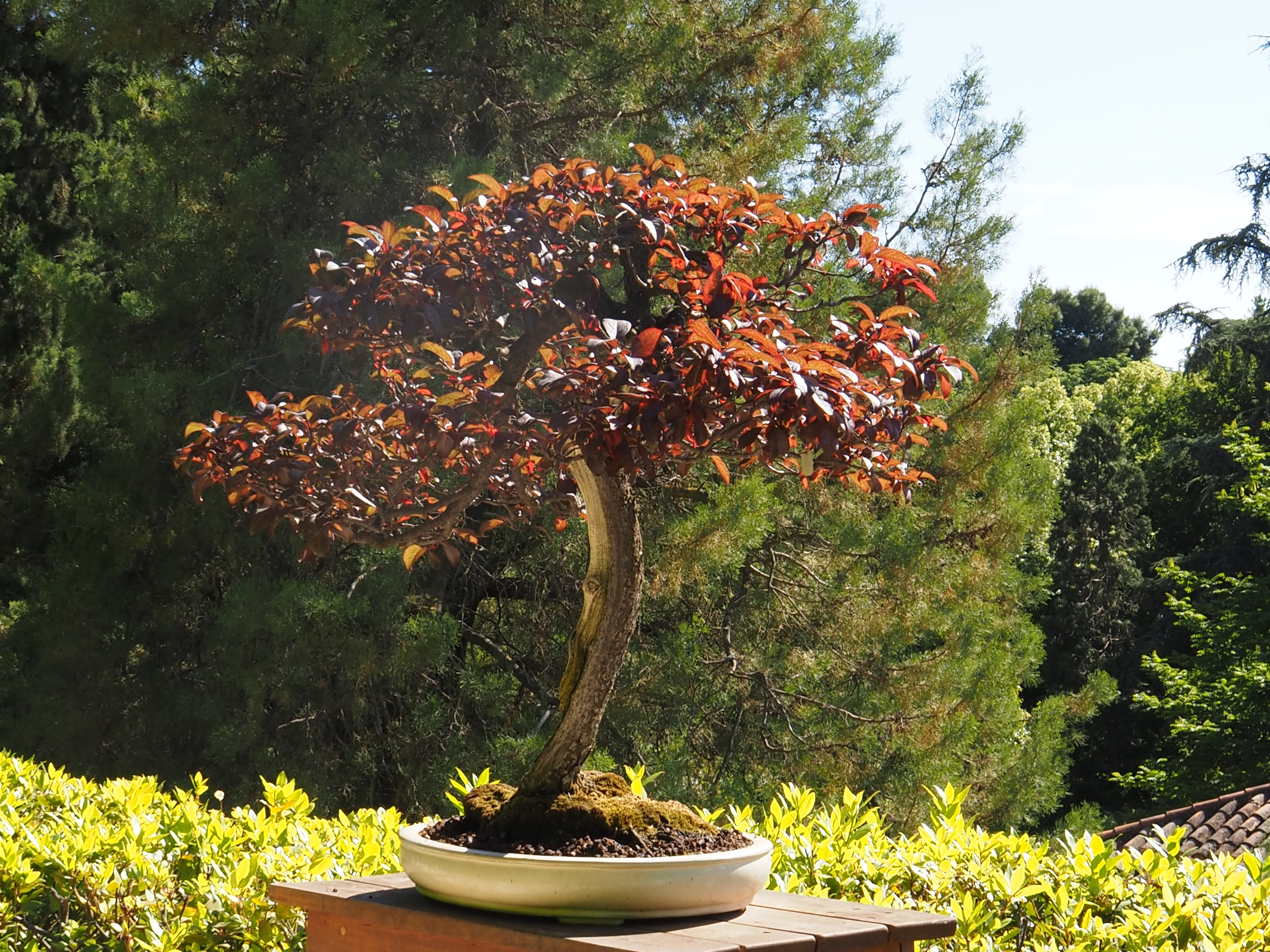
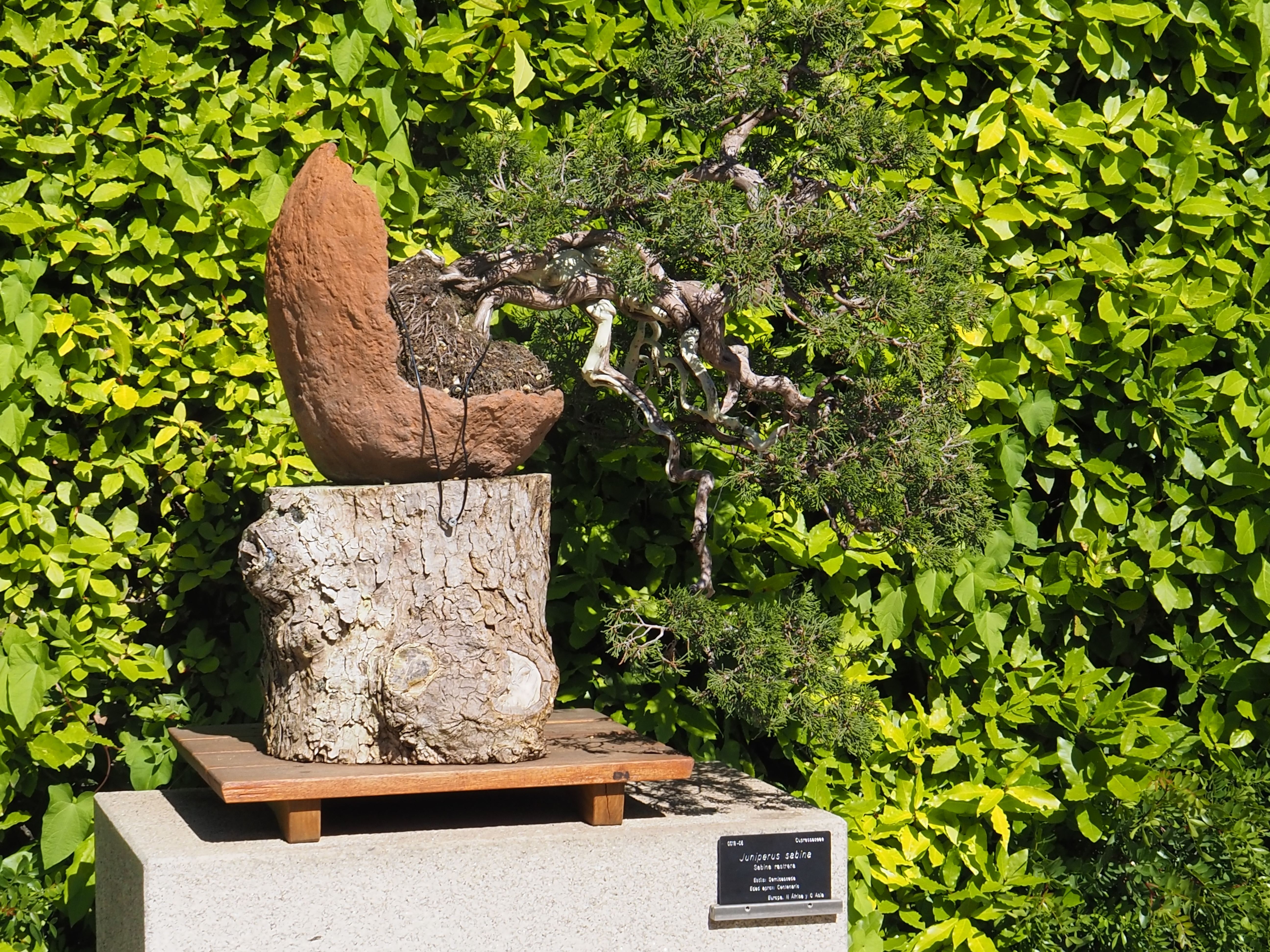
There is a bonsai terrace which was first opened in 2005 and contains some very fine specimens. I recognised some of the tree species, but it was very hot and I did not record the names of each bonsai!
Specimens on the bonsai terrace. Real Jardín Botánico de Madrid
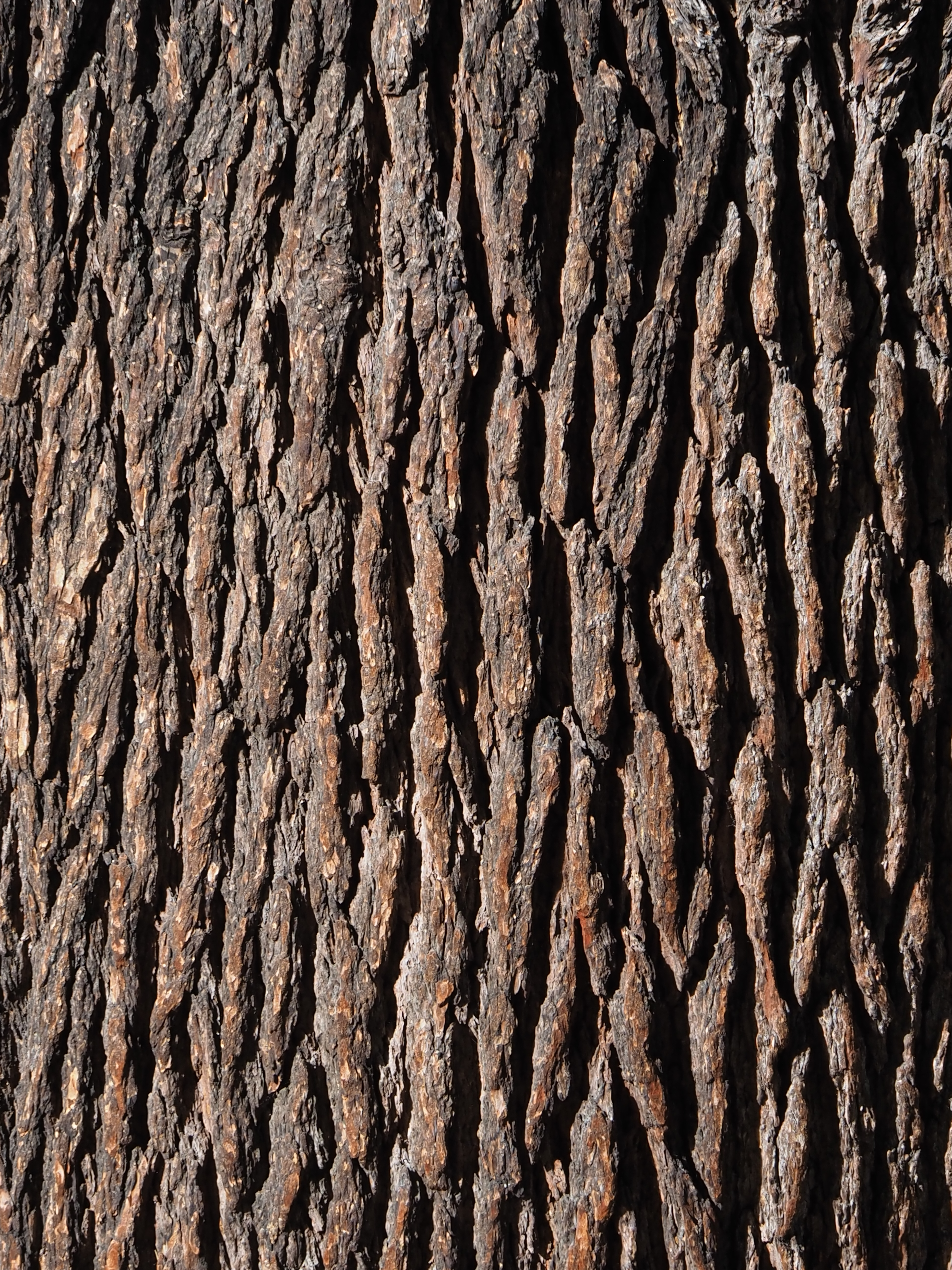
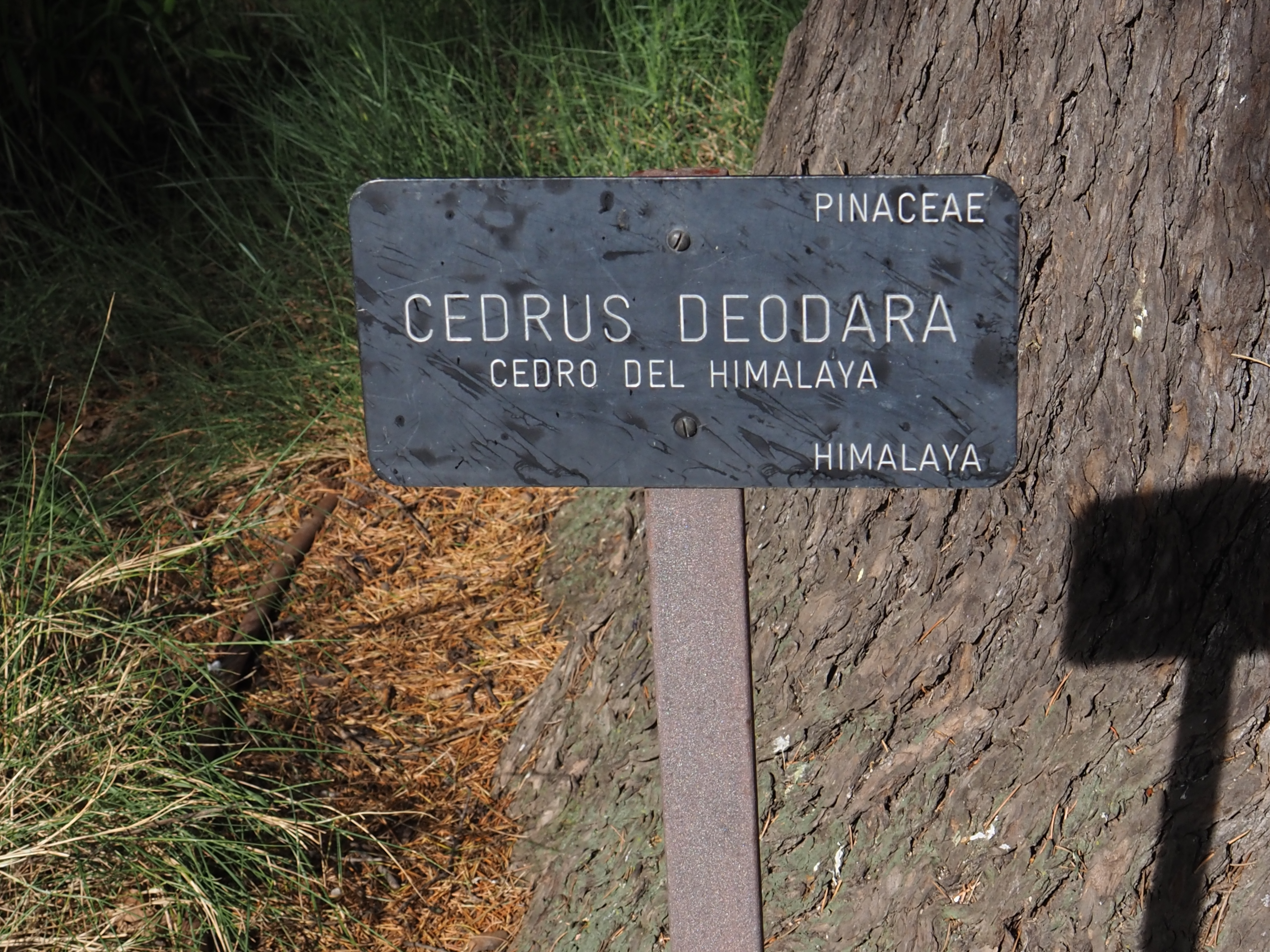
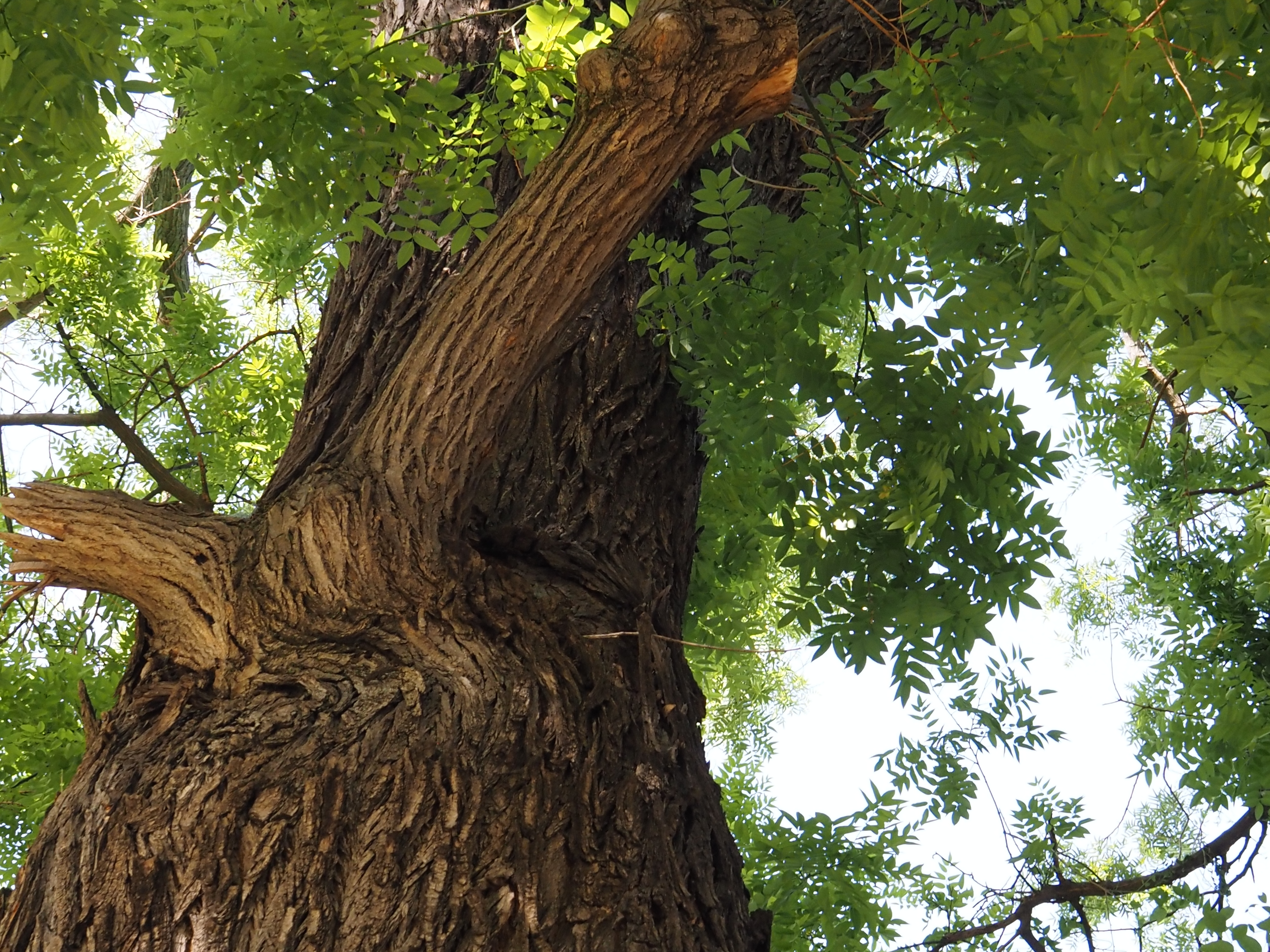
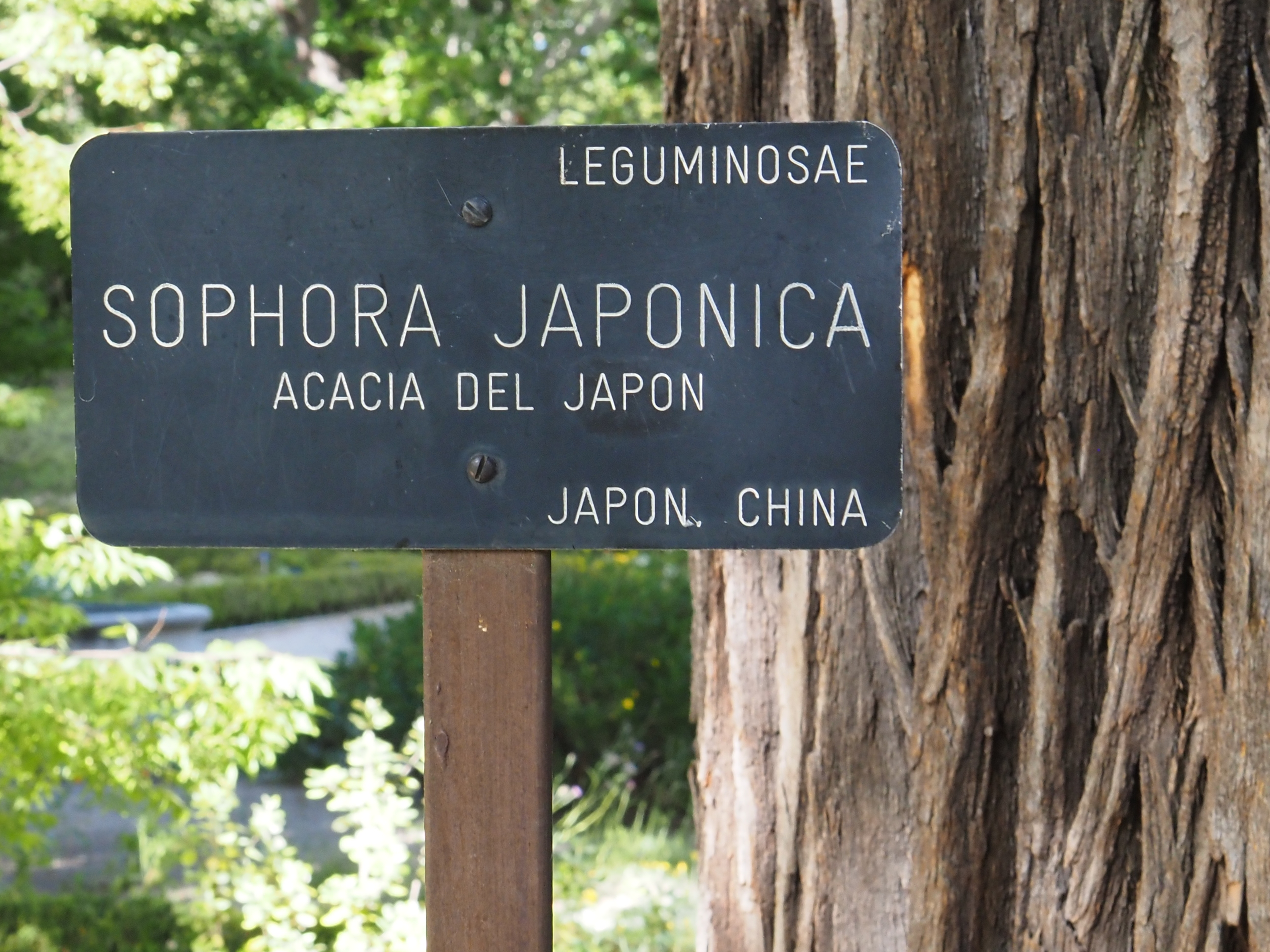
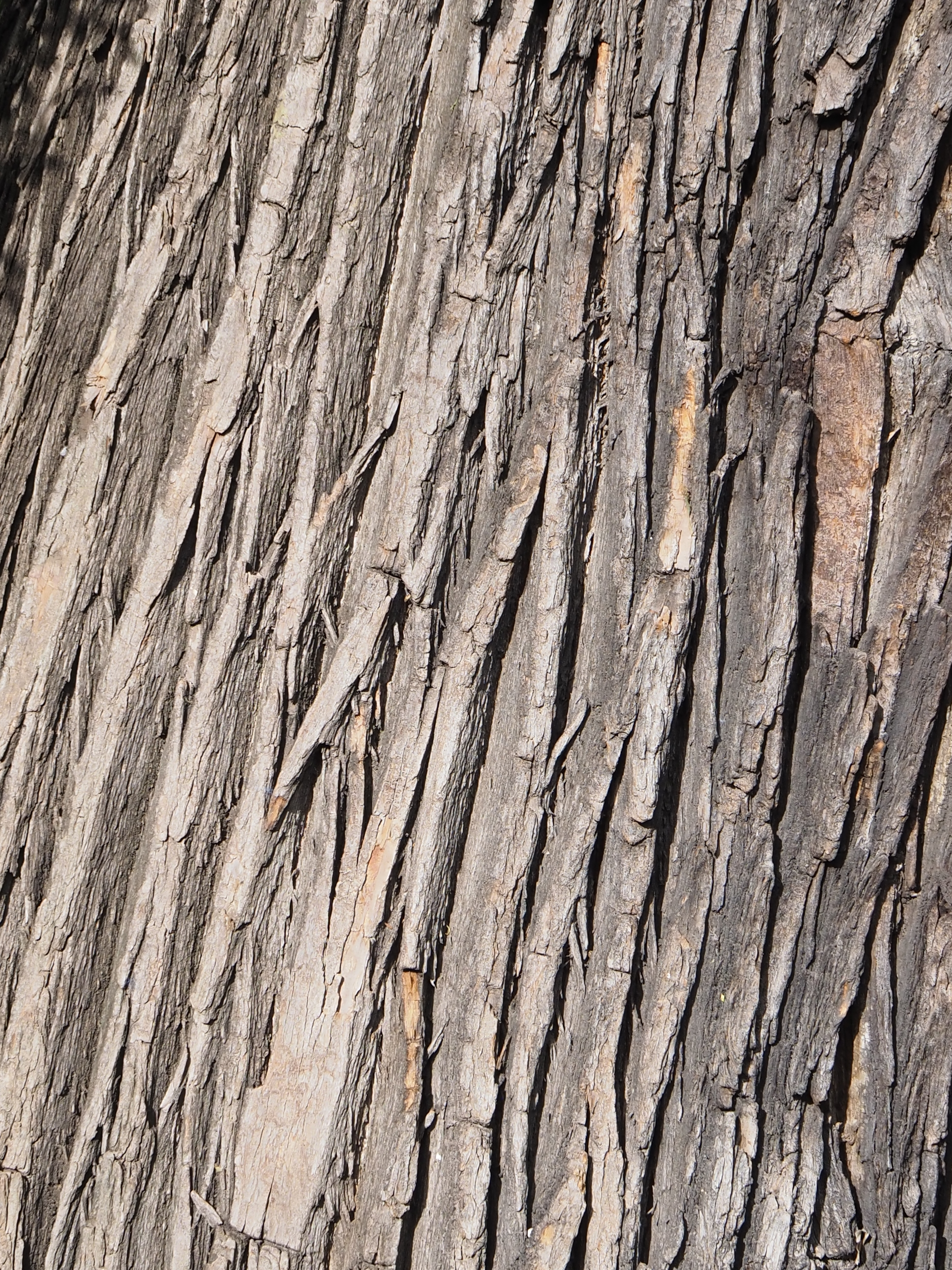
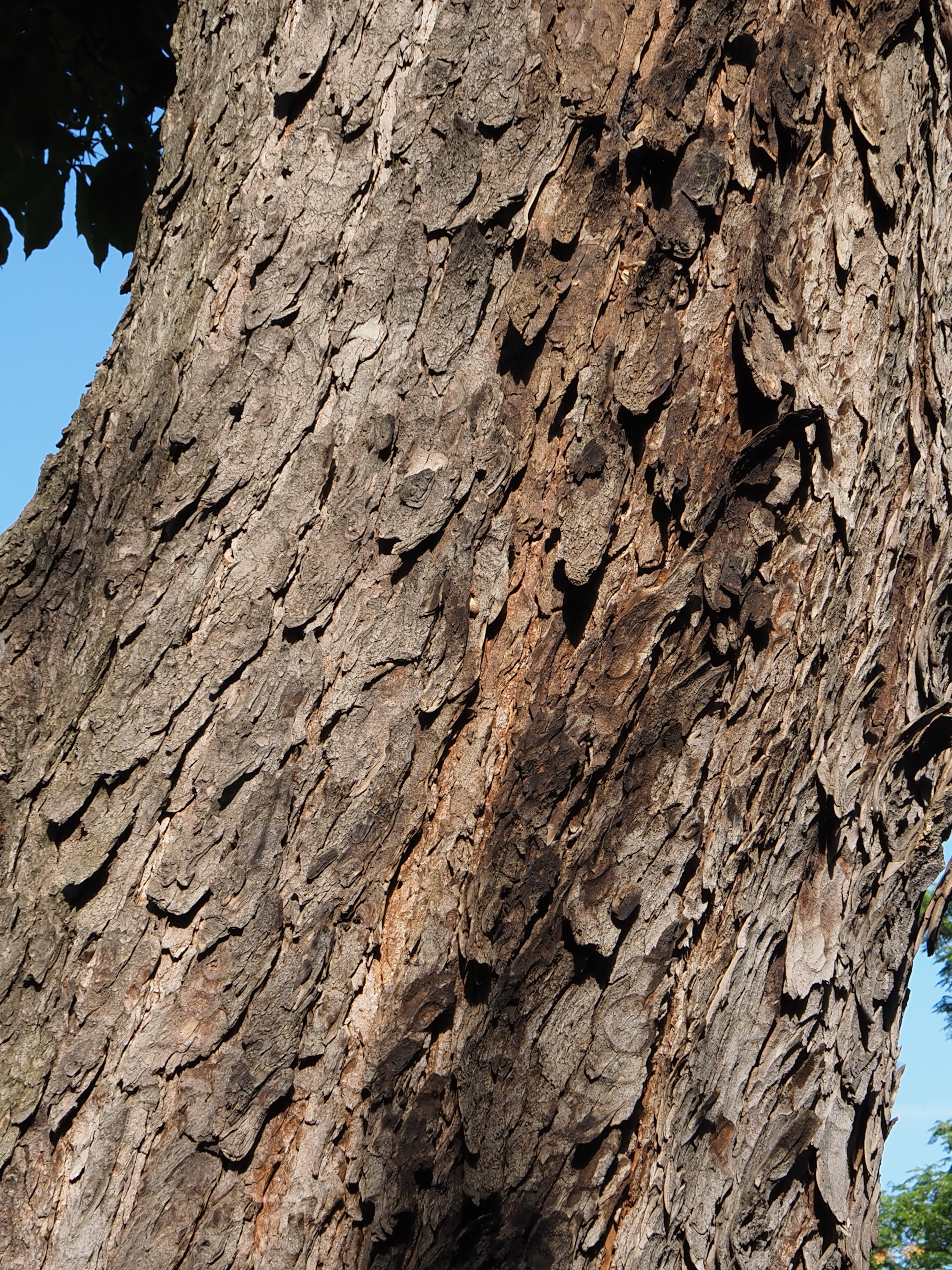
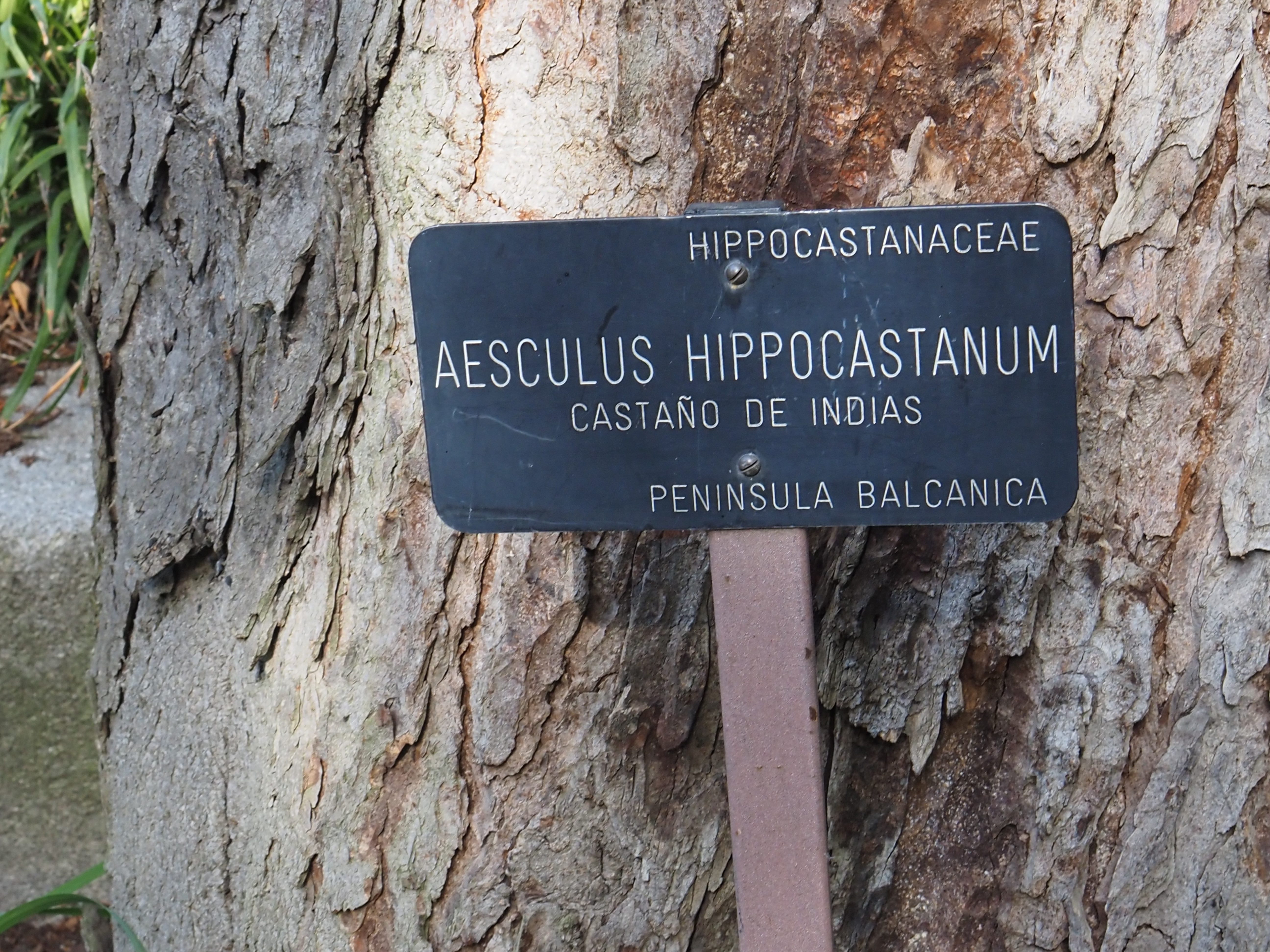
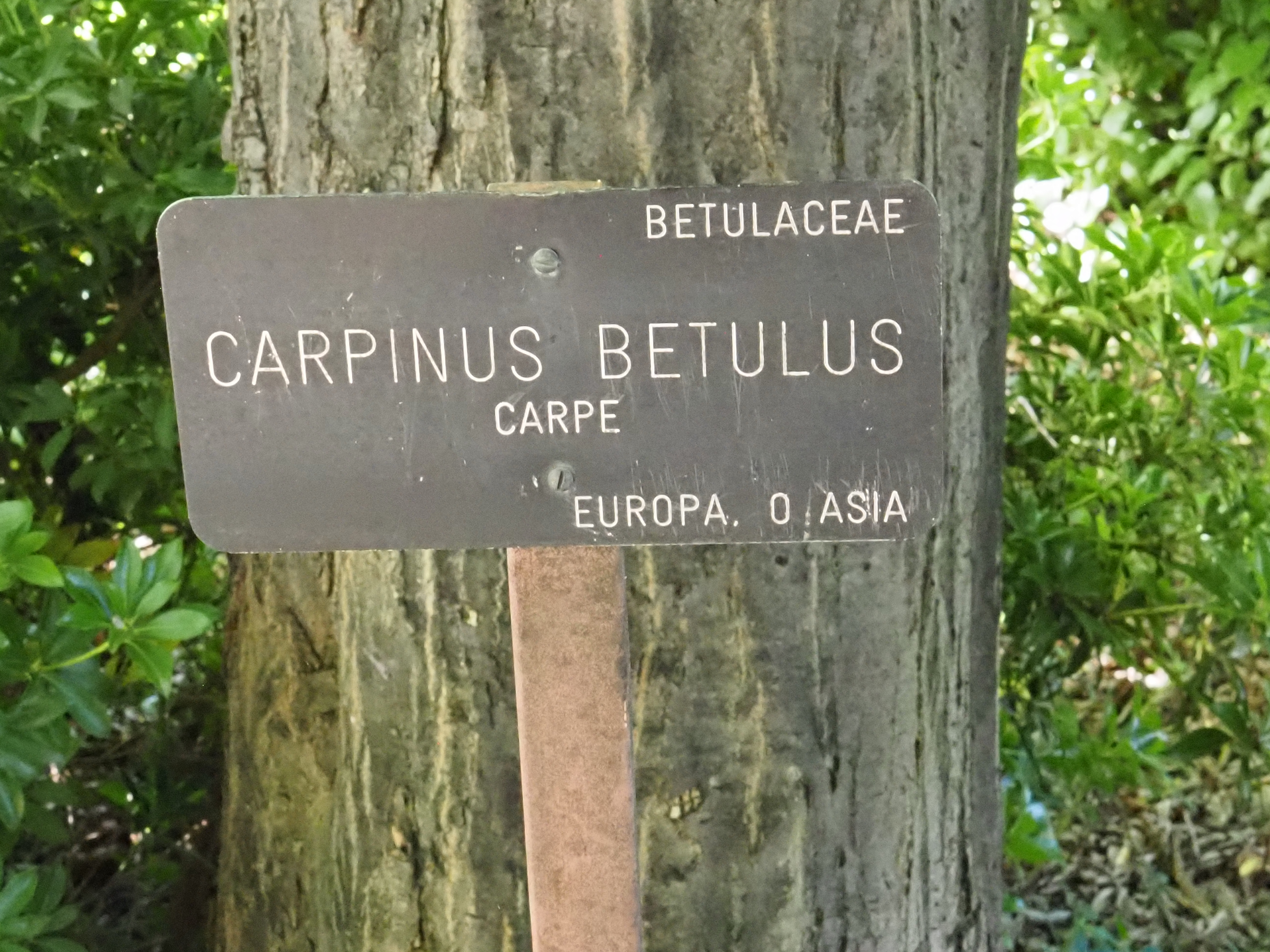
Given the age of the garden, its not surprising that there are some very old ‘monumental’ trees.
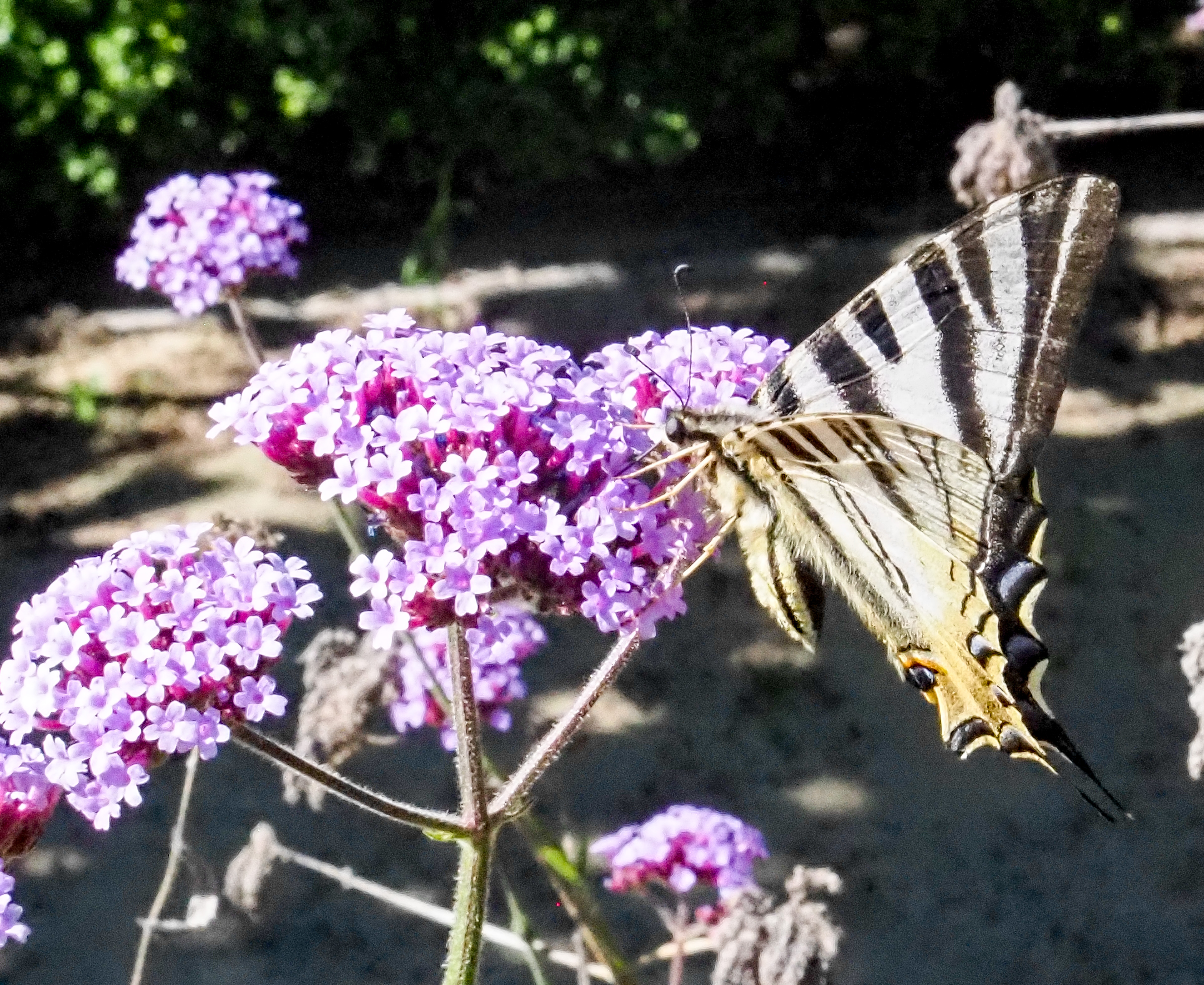
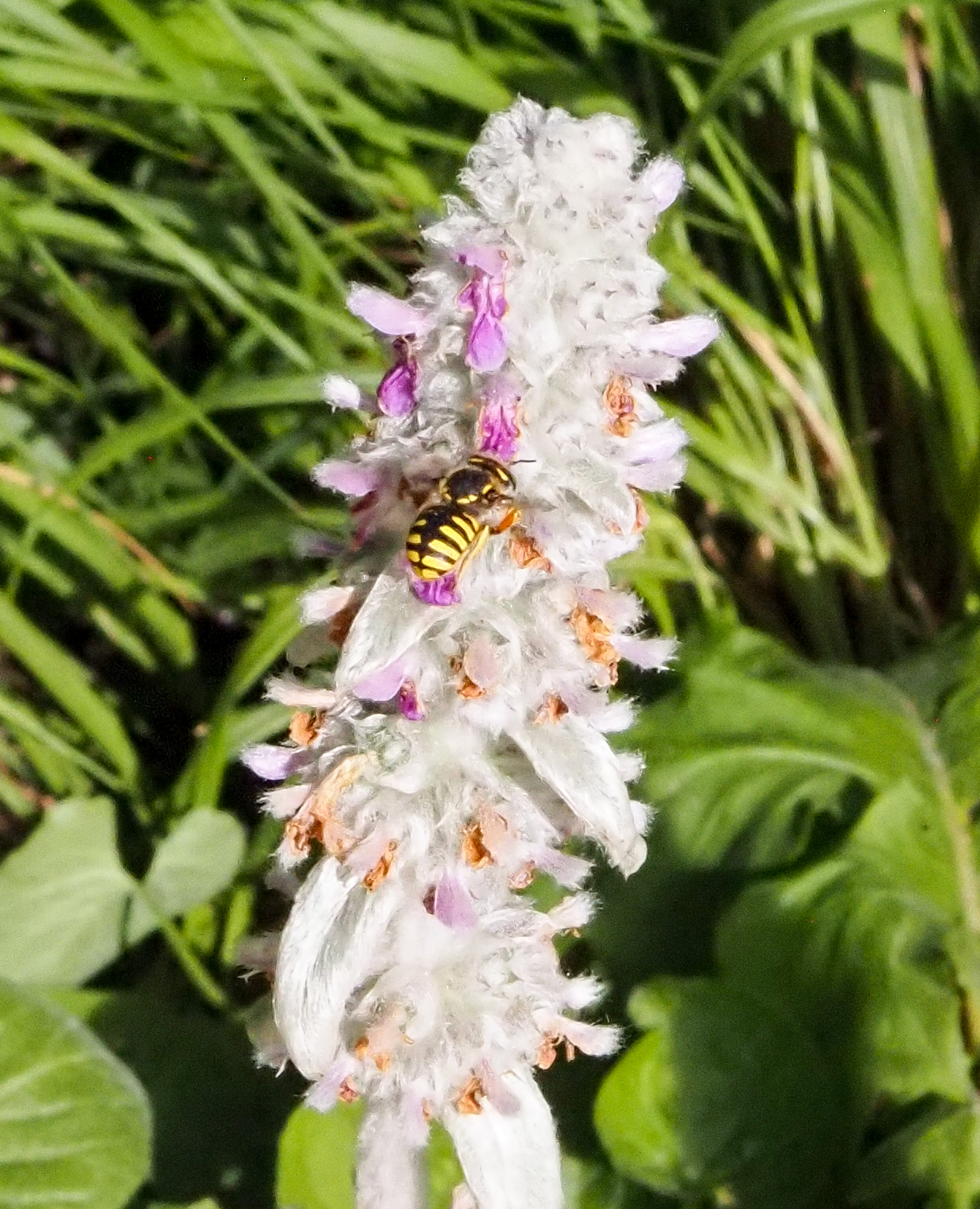
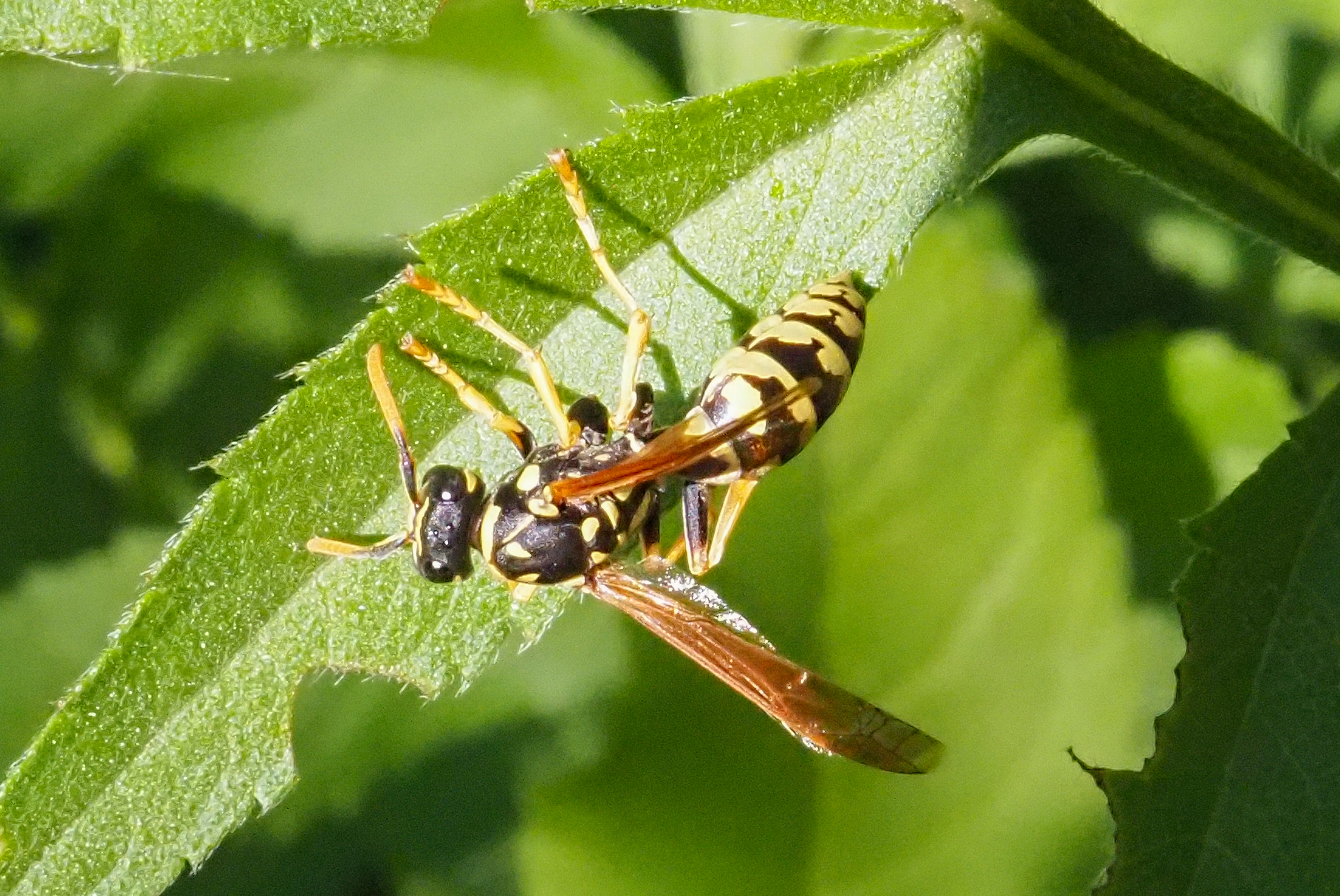
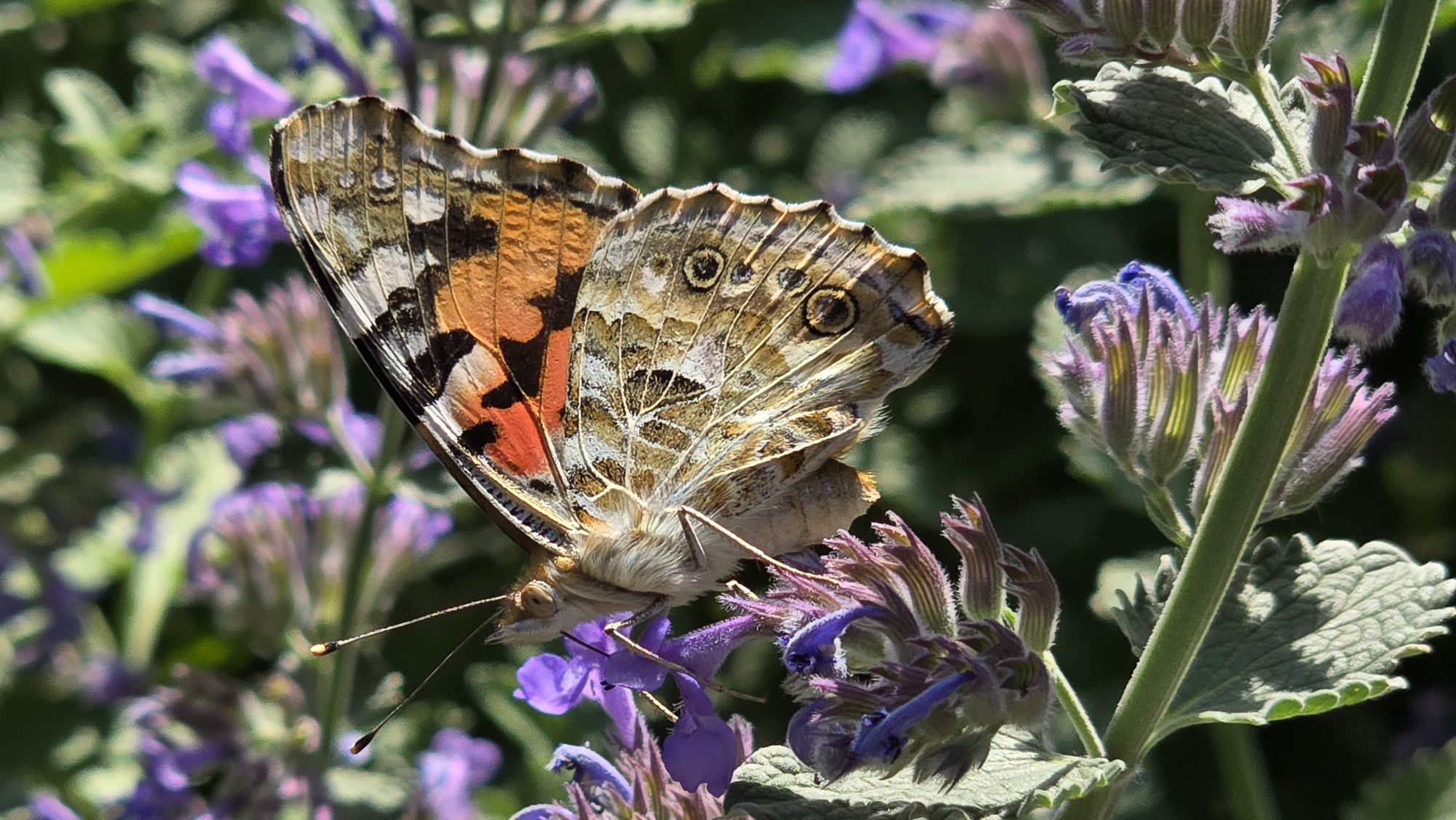
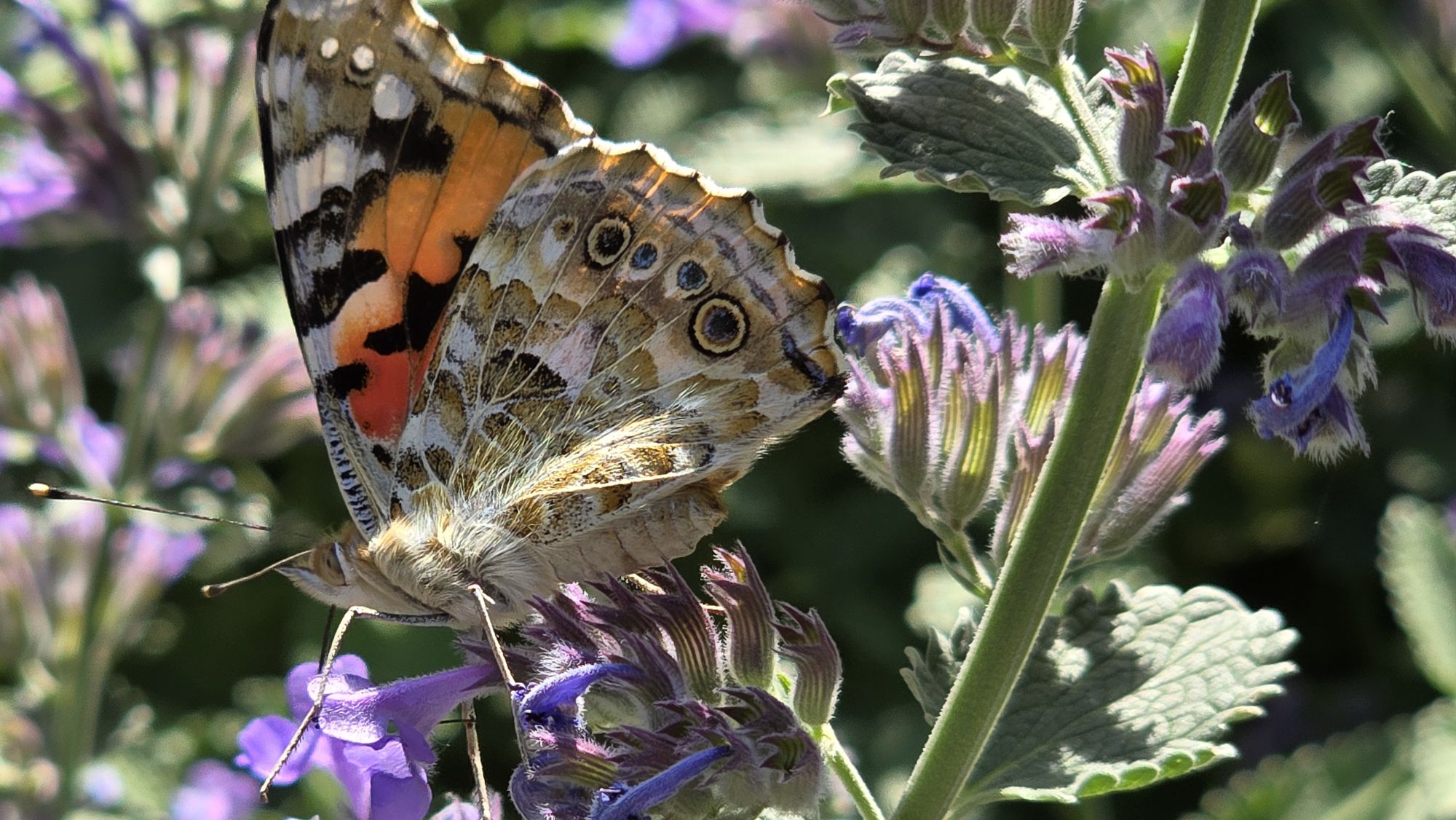
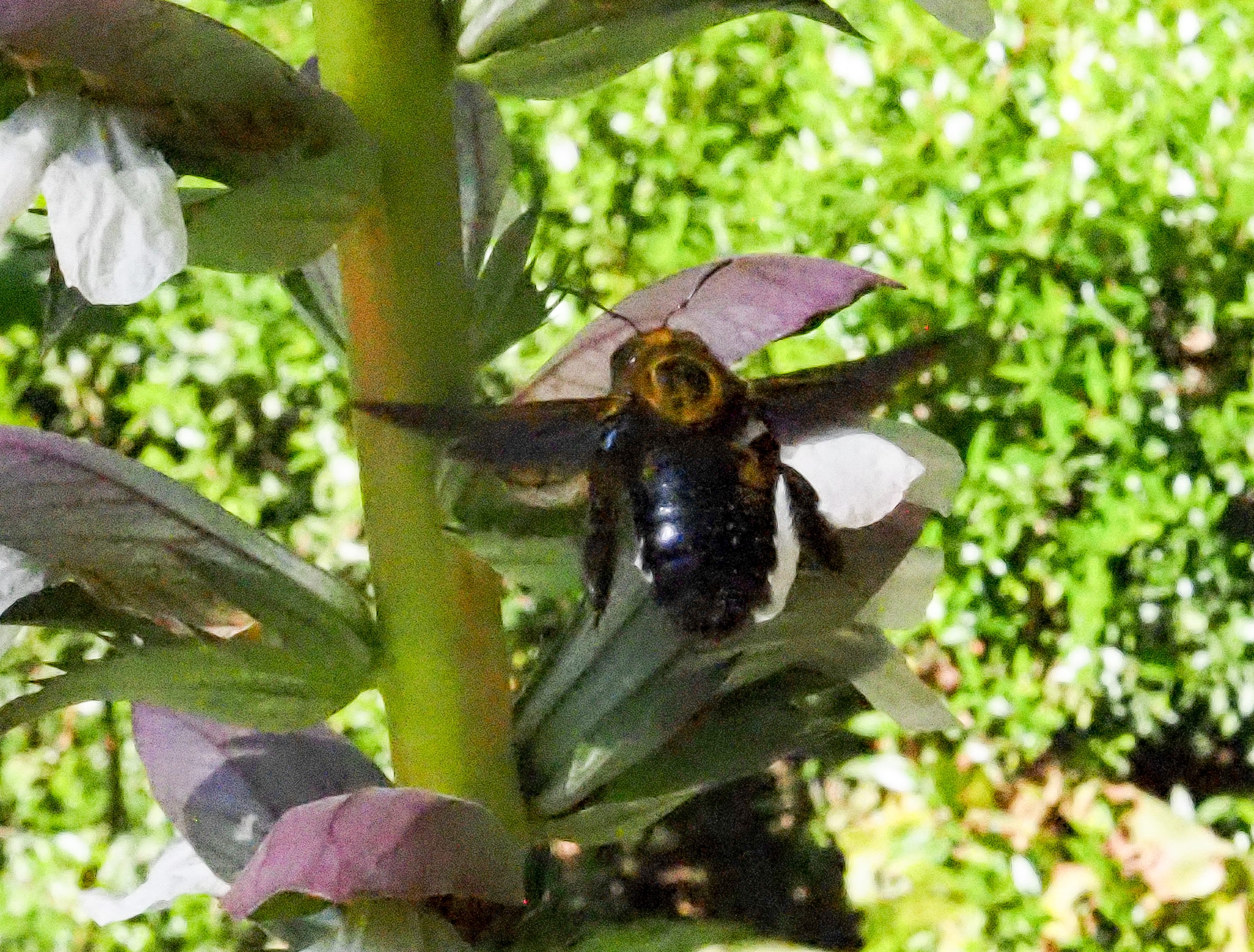
Some of the insects I managed to photograph are shown below.
Southern scarce swallowtail (Iphiclides feisthamelii), Wool carder bee, Polistes gallicus wasp, Painted lady butterfly, Violet carpenter bee. Photos by Raymond JC Cannon
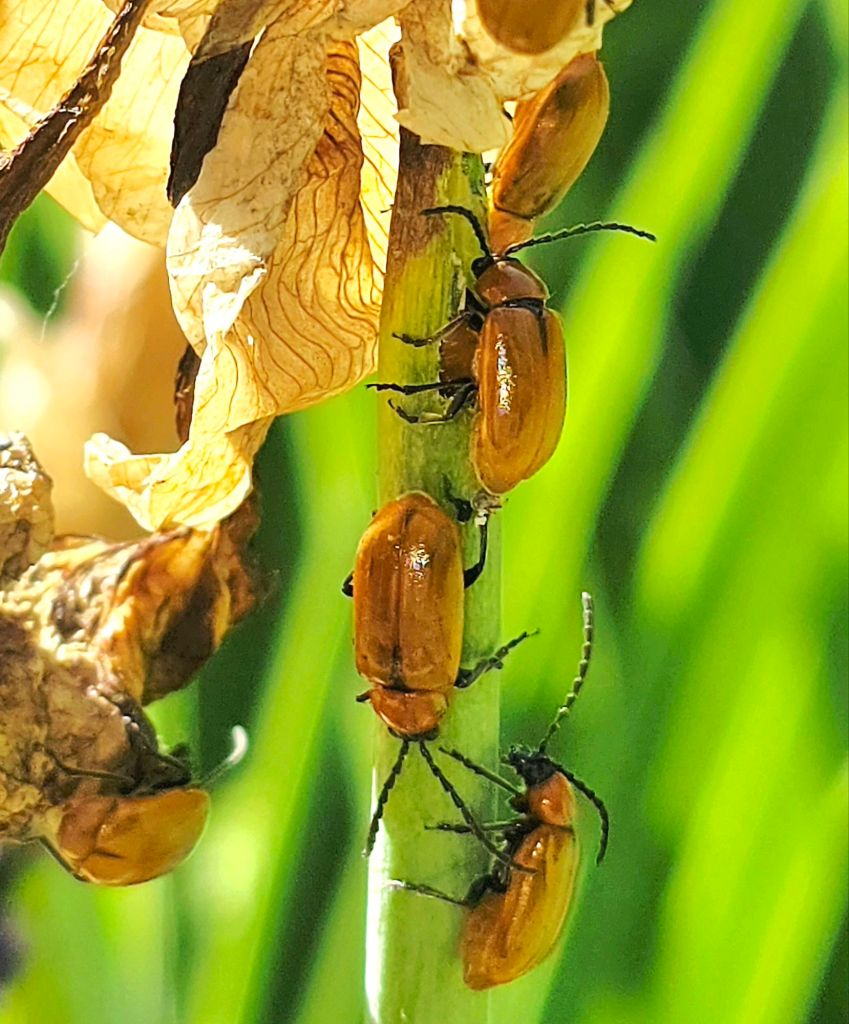
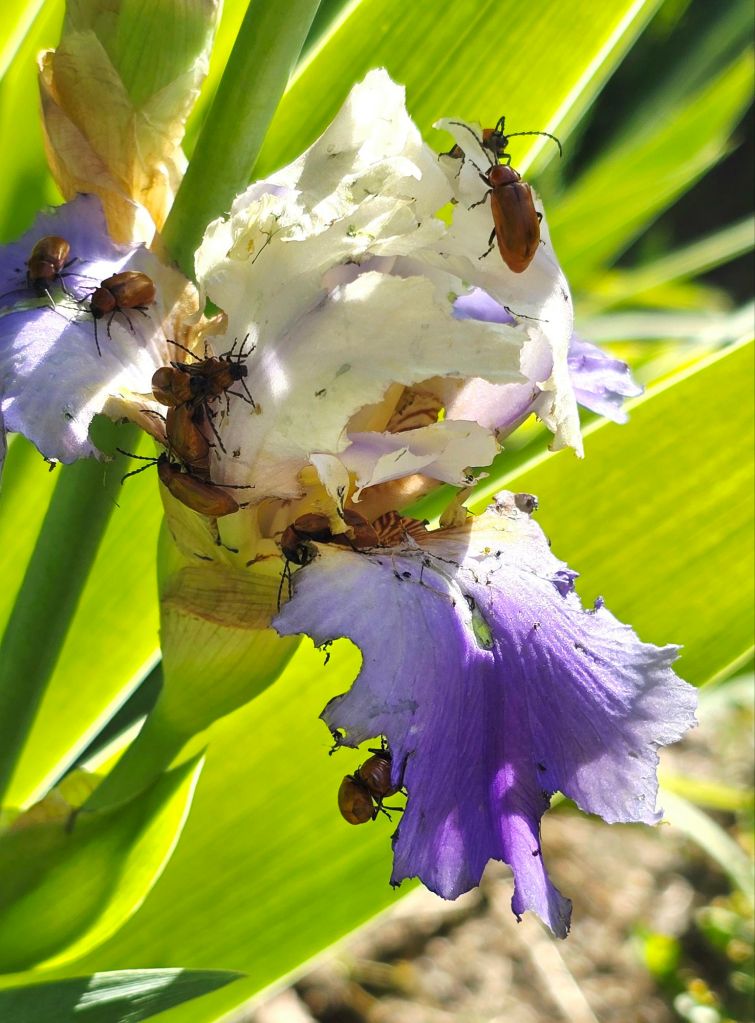
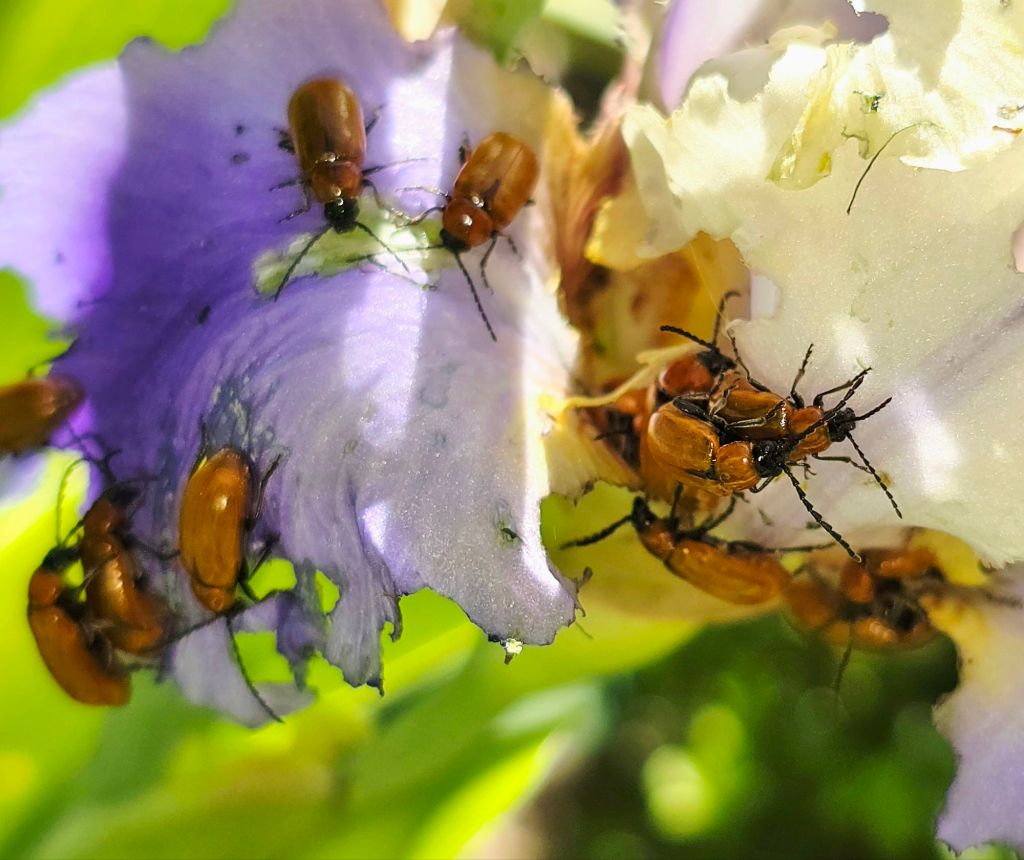
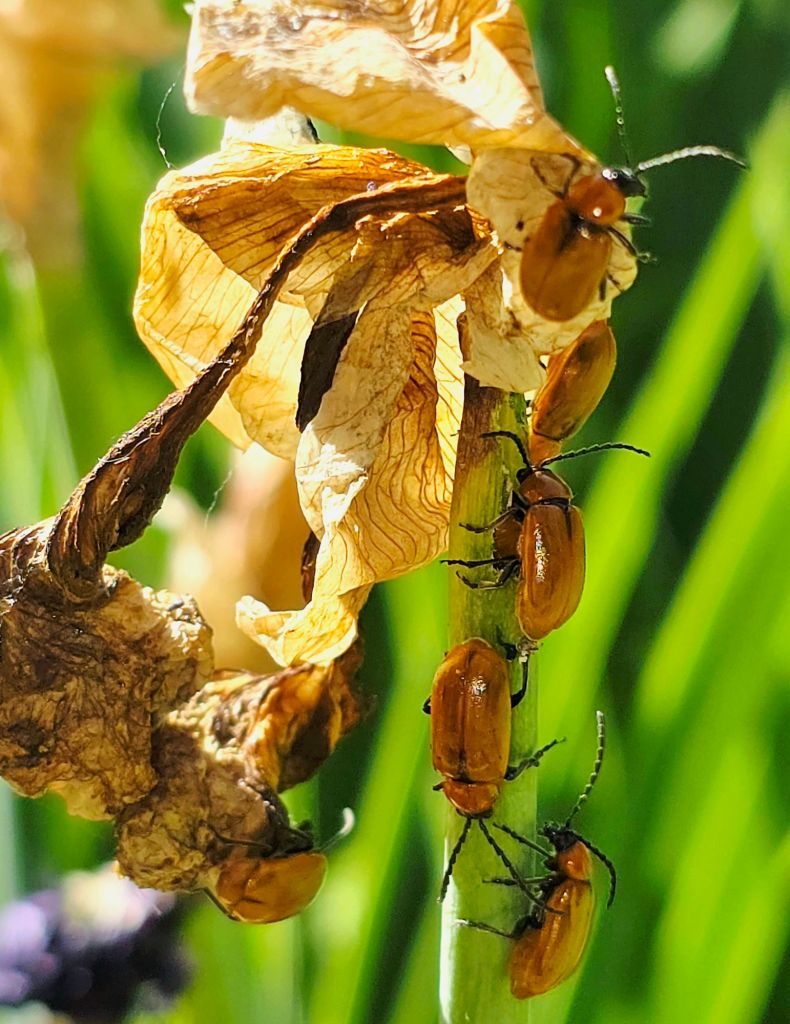
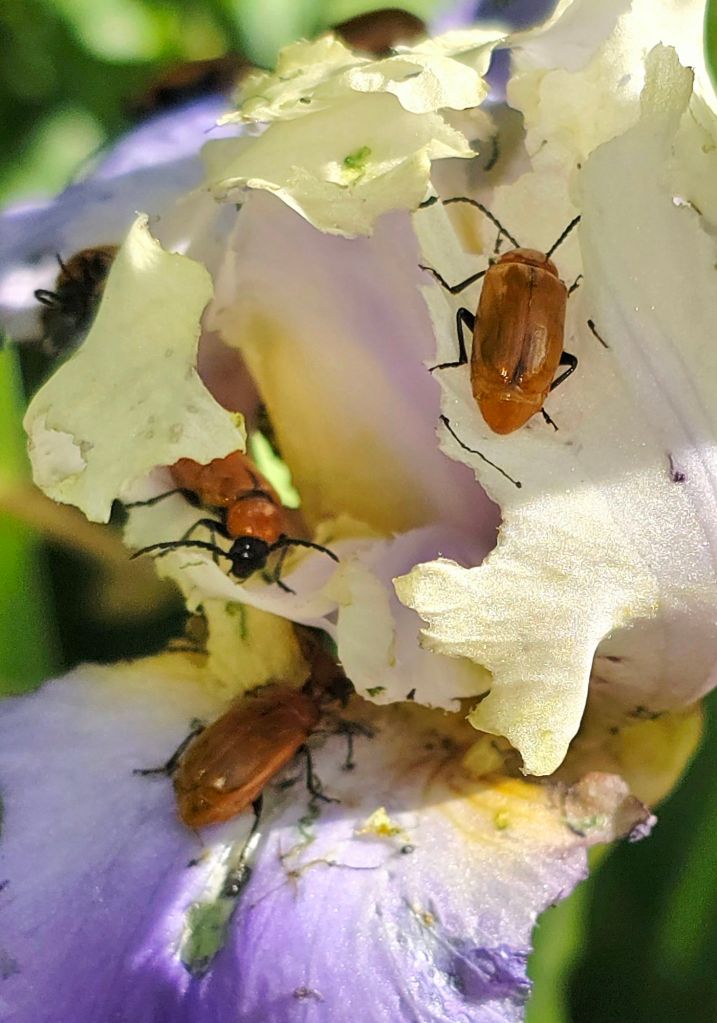
Large infestations of daffodil leaf beetles (Exosoma lusitanicum) were feeding and mating on the Iris flowers and seemed to have mostly destroyed them!
Daffodil leaf beetles (Exosoma lusitanicum). Photographs by Raymond JC Cannon
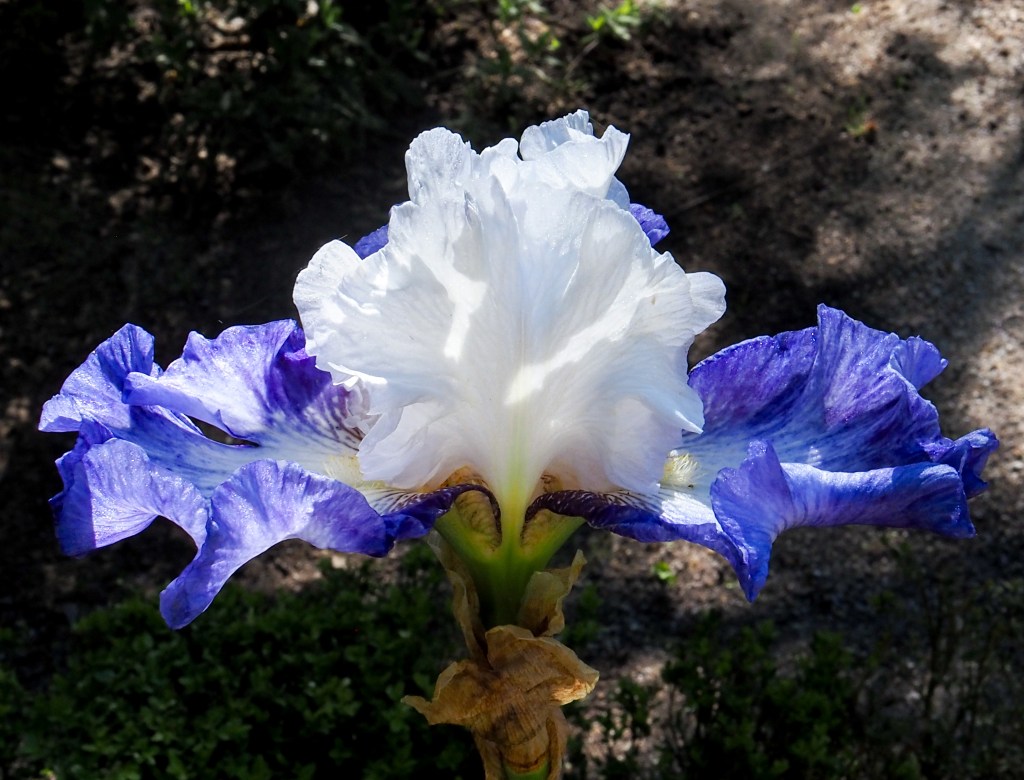
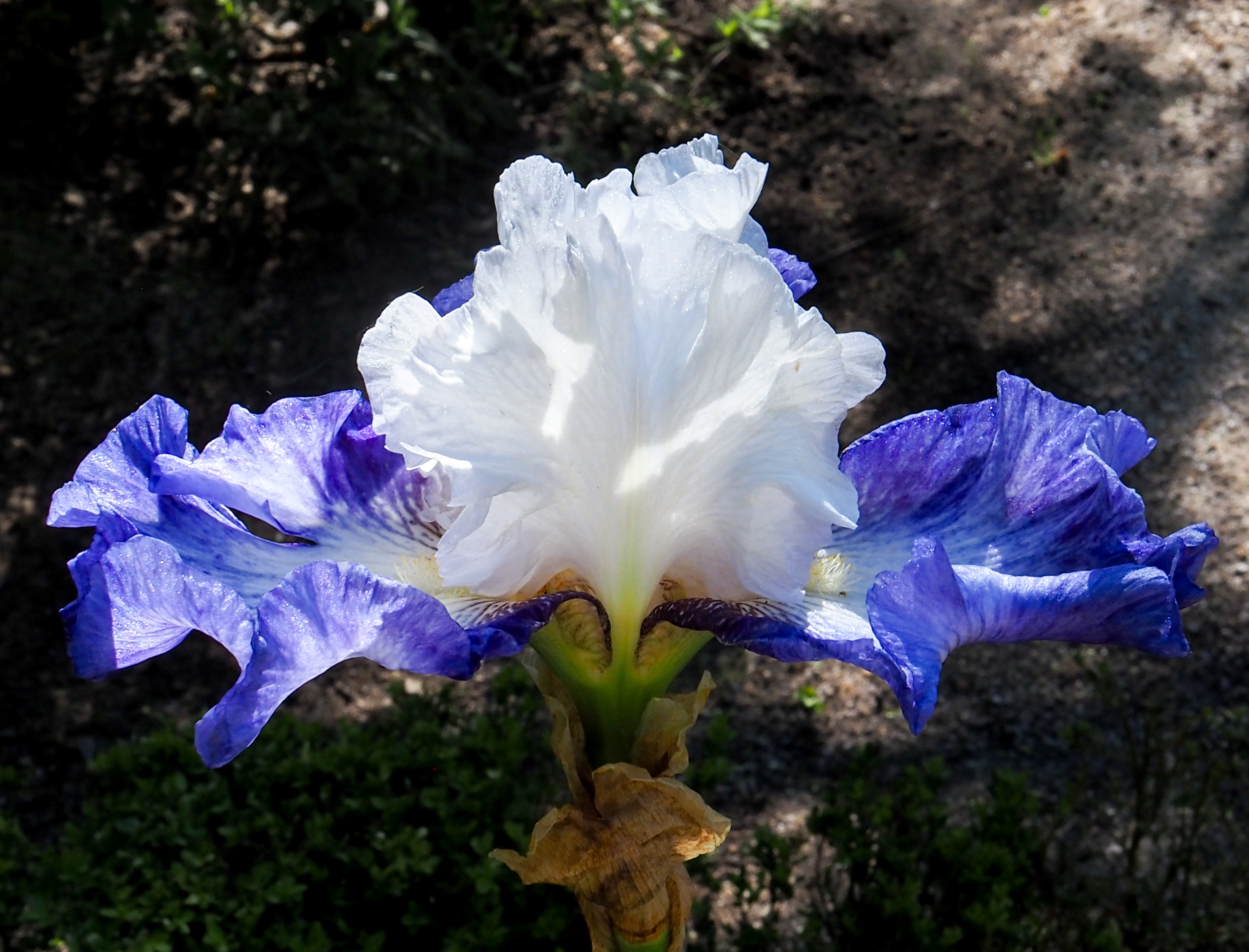
However, some irises had – for the time being at least! – escaped the ravages of the leaf beetles!
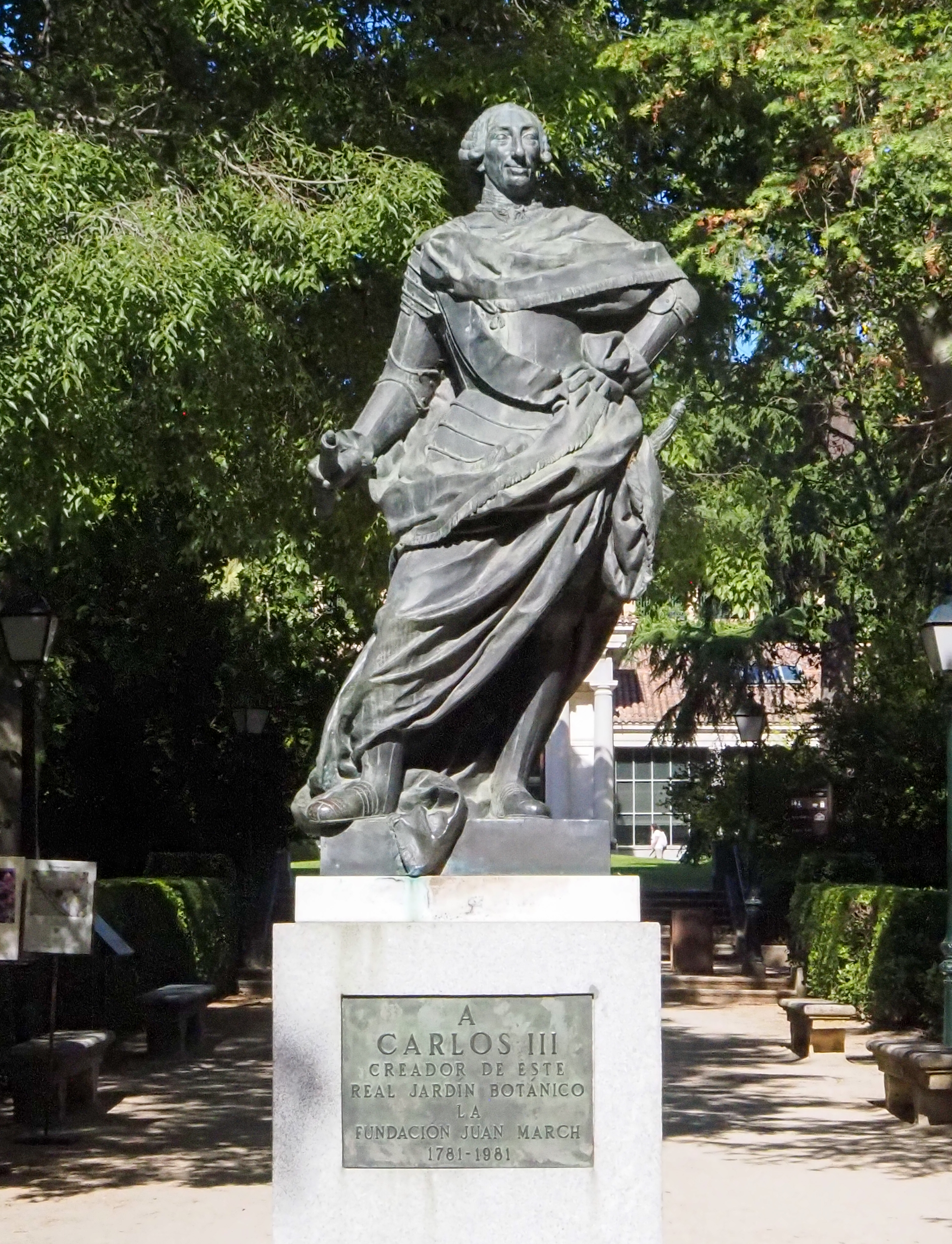
Blue and white iris. Photographs by Raymond JC CannonA statue of Charles III of Spain ‘Creator of the garden’
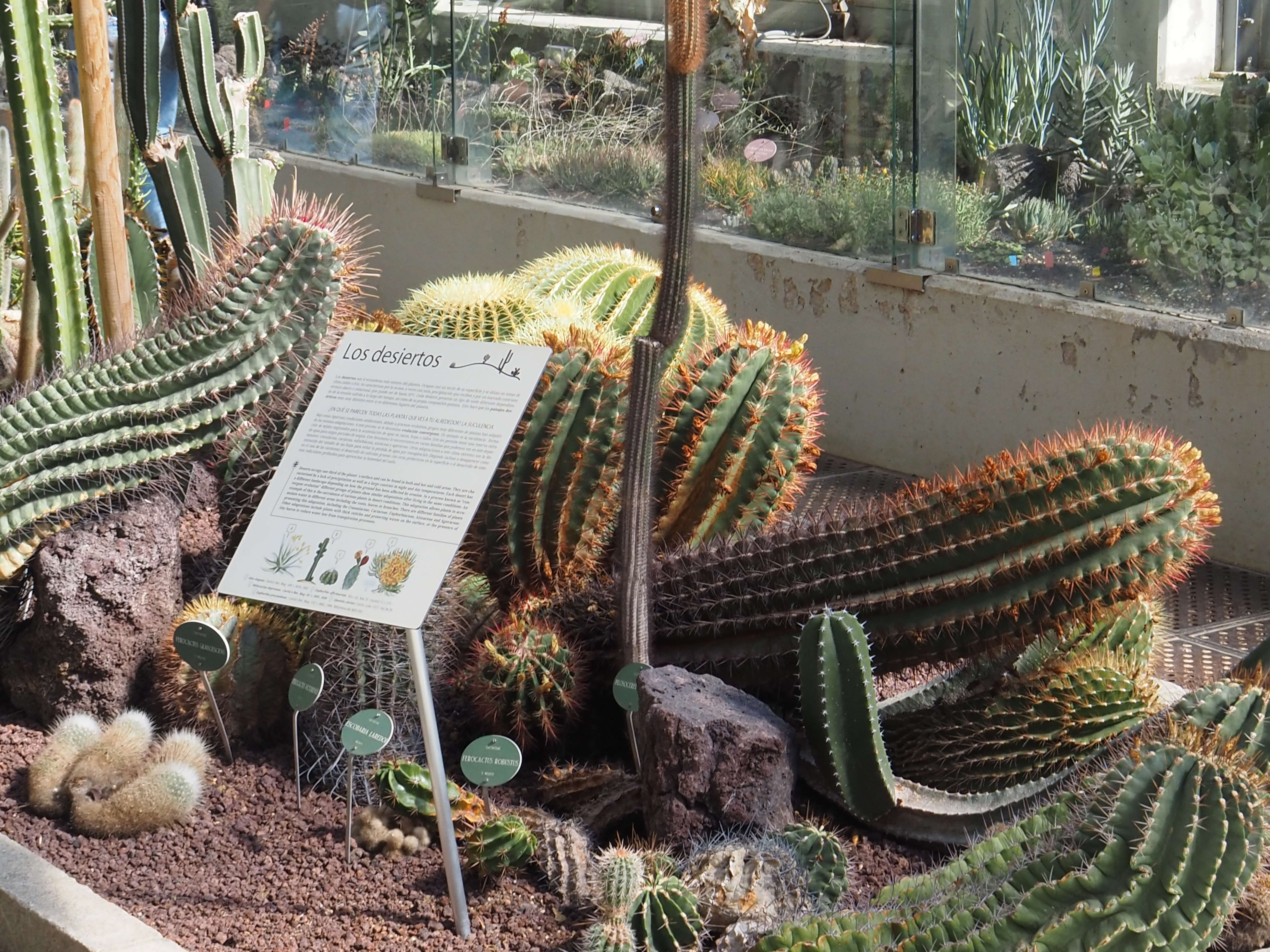
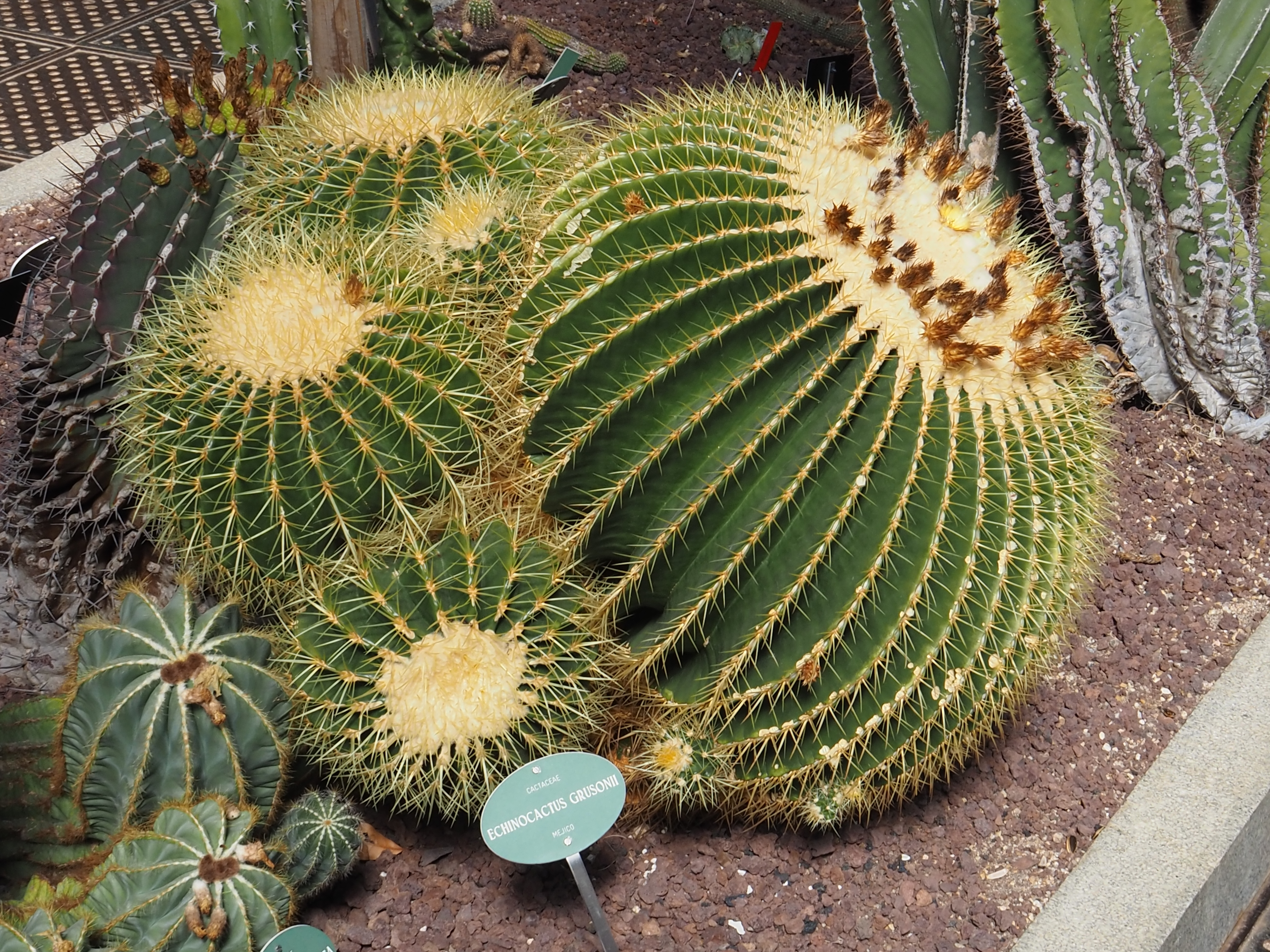
There are also three green houses with cacti and tropical plants.
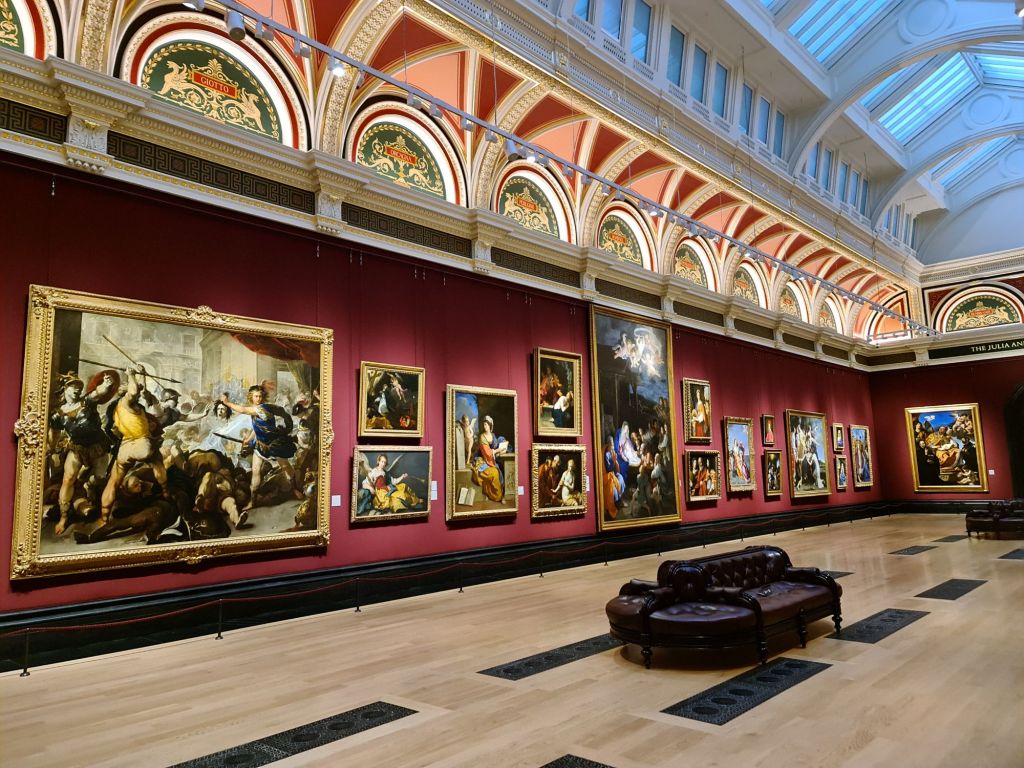
It was not that long ago that it was prohibited to take photographs in art galleries like the National Gallery. The reason given was that flash light was harmful to the paintings. Even though flash could be turned off!
Fortunately, that policy changed in 2014 for the National Gallery (earlier for some other galleries), although in the years after that, visitors were still cautioned to make sure the flash setting was turned off on their cameras.
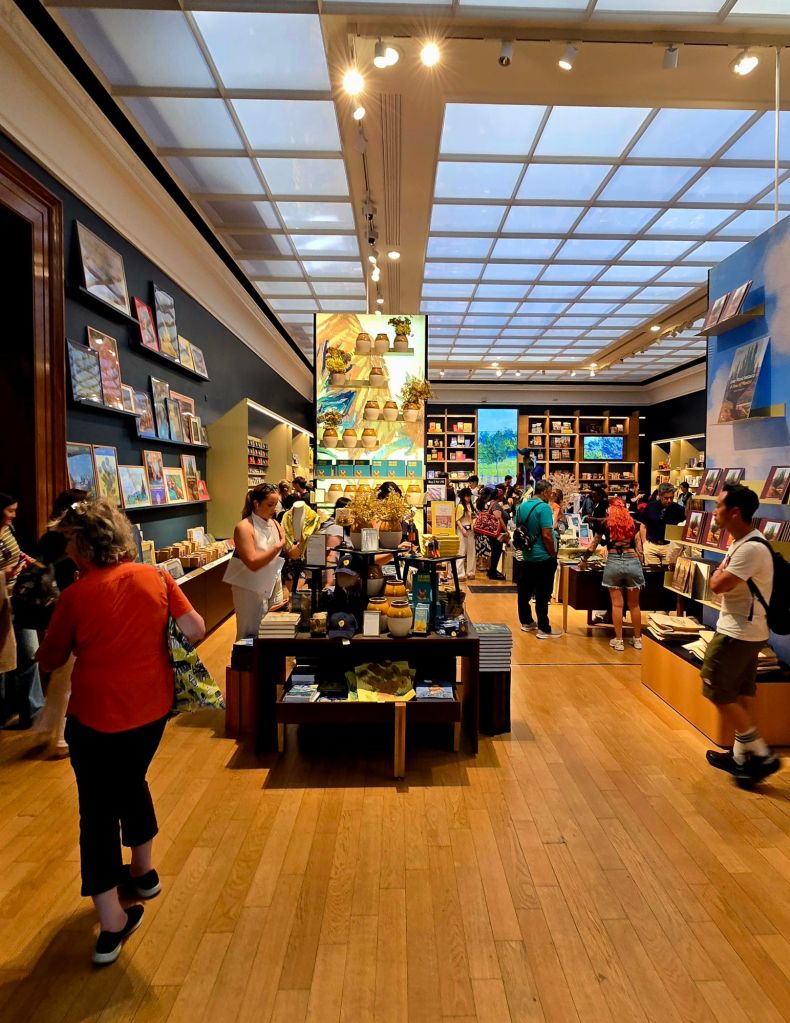
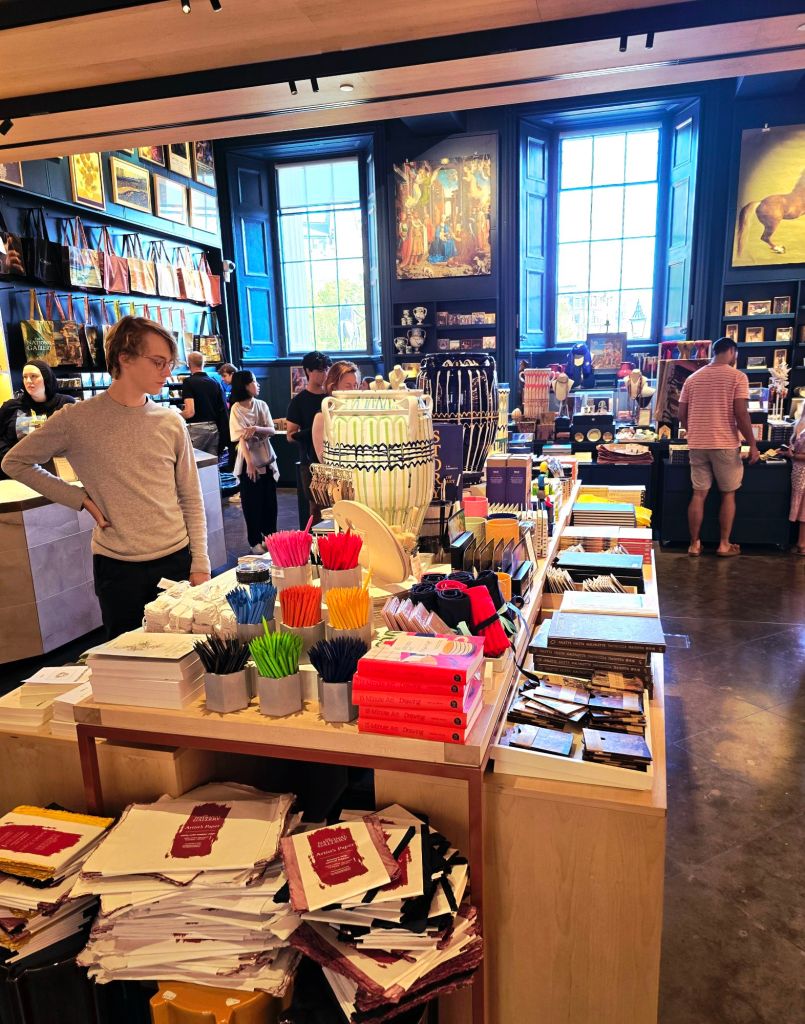
National Gallery shop (17 Aug 2025)National Gallery shop (17 Aug 2025)
About the same time, c. 2010-12, smartphones capable of taking good quality images became much more common, although it is only relatively recently that large megapixel phone cameras have become commonplace.
What this means for looking at paintings in art galleries is that we can all – as most of the planet owns a smartphone – capture high-quality images and sample paintings to capture detailed records of the artwork.
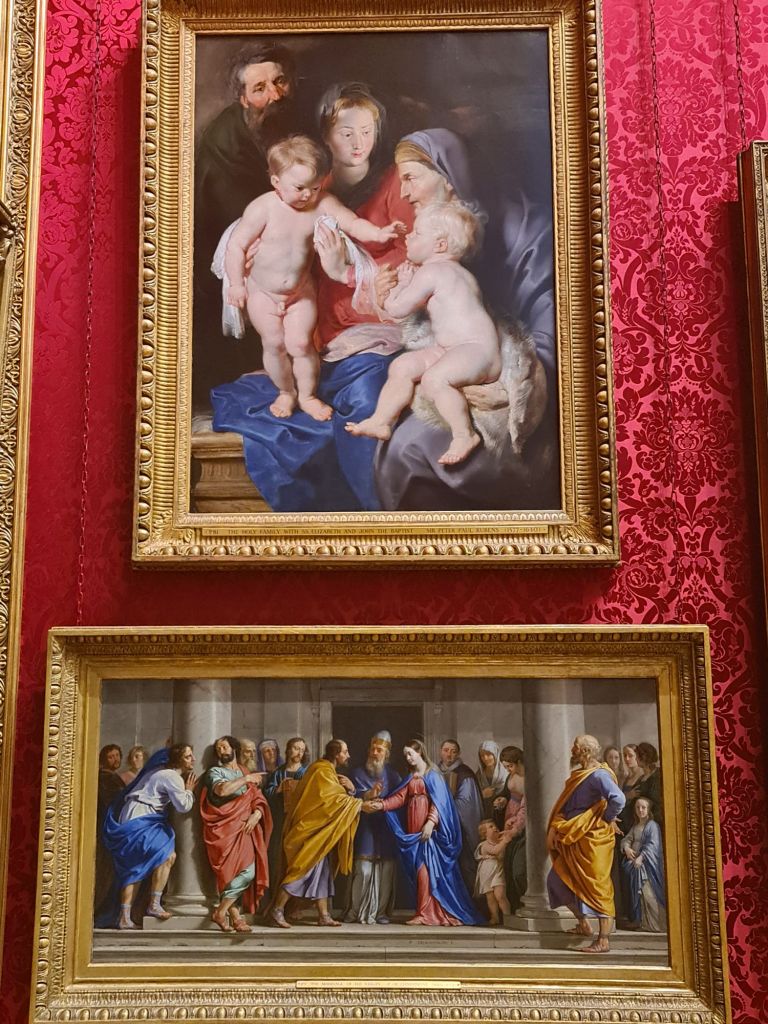
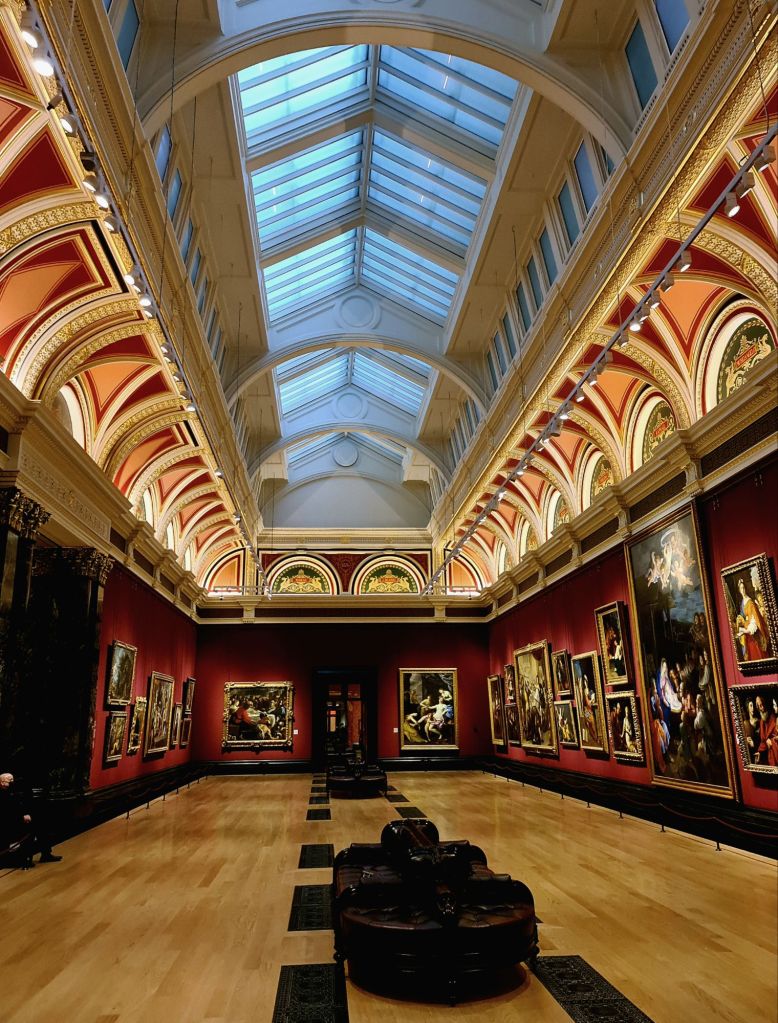
Paintings in the National Gallery during the refurbishment of the Sainsbury wing (reopened 10 My 2025)
Do people actually look closer at a painting once they have photographed it? Or is it just an exercise for ‘ticking off’ a well-known icon, demonstrating that you have ‘been there’ and ‘done that’? Perhaps a bit of both.
I like to think that many people look again at the paintings via their stored images, and other people learn to recognise it when it appears on social media. Certainly, I have learnt a great deal about art from following different Facebook sites.
As someone who grew up in the analogue era, when none of us had digital phones or digital cameras, I really appreciate being able to photograph paintings in galleries.
What I like doing is sampling parts of a painting to look at details that one might miss when looking at the whole painting.
You can also use your camera to scan the painting in great detail, zooming in, without actually taking a picture.
In this blog, I feature some samples I made of some famous Renaissance paintings in the National Gallery. It enables one to see just how skilled these artists were, some 500 years ago.
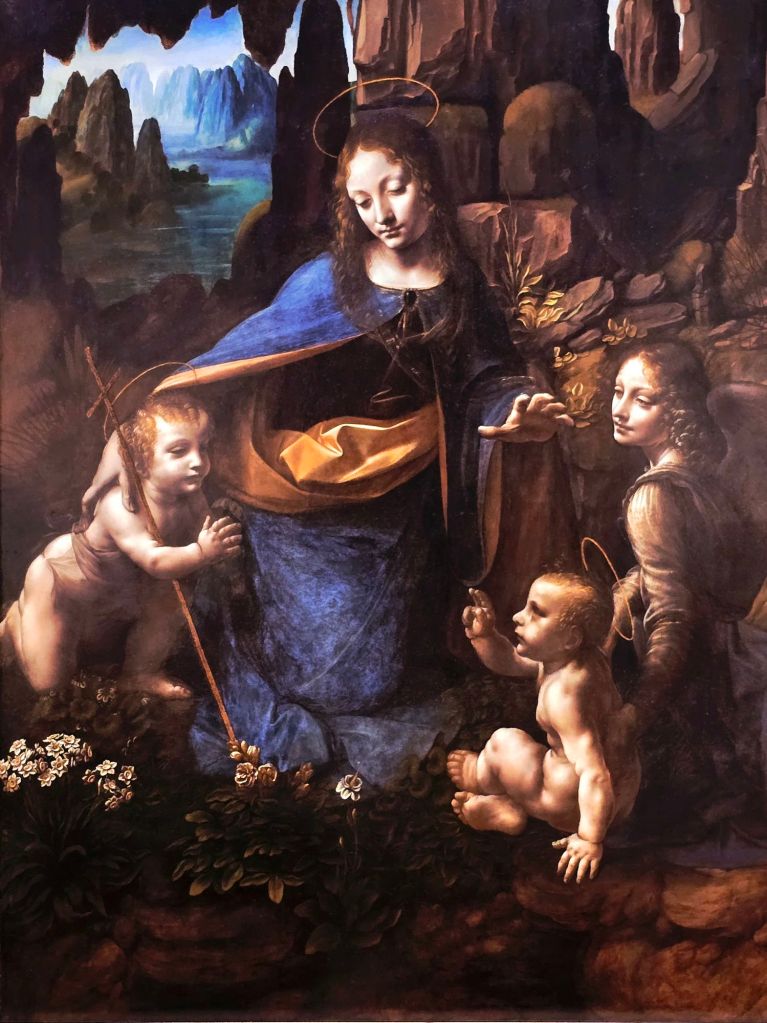
Leonardo de Vicnci is the artist everyone wants to see. Certainly one of the most celebrated and revered artists of all time.
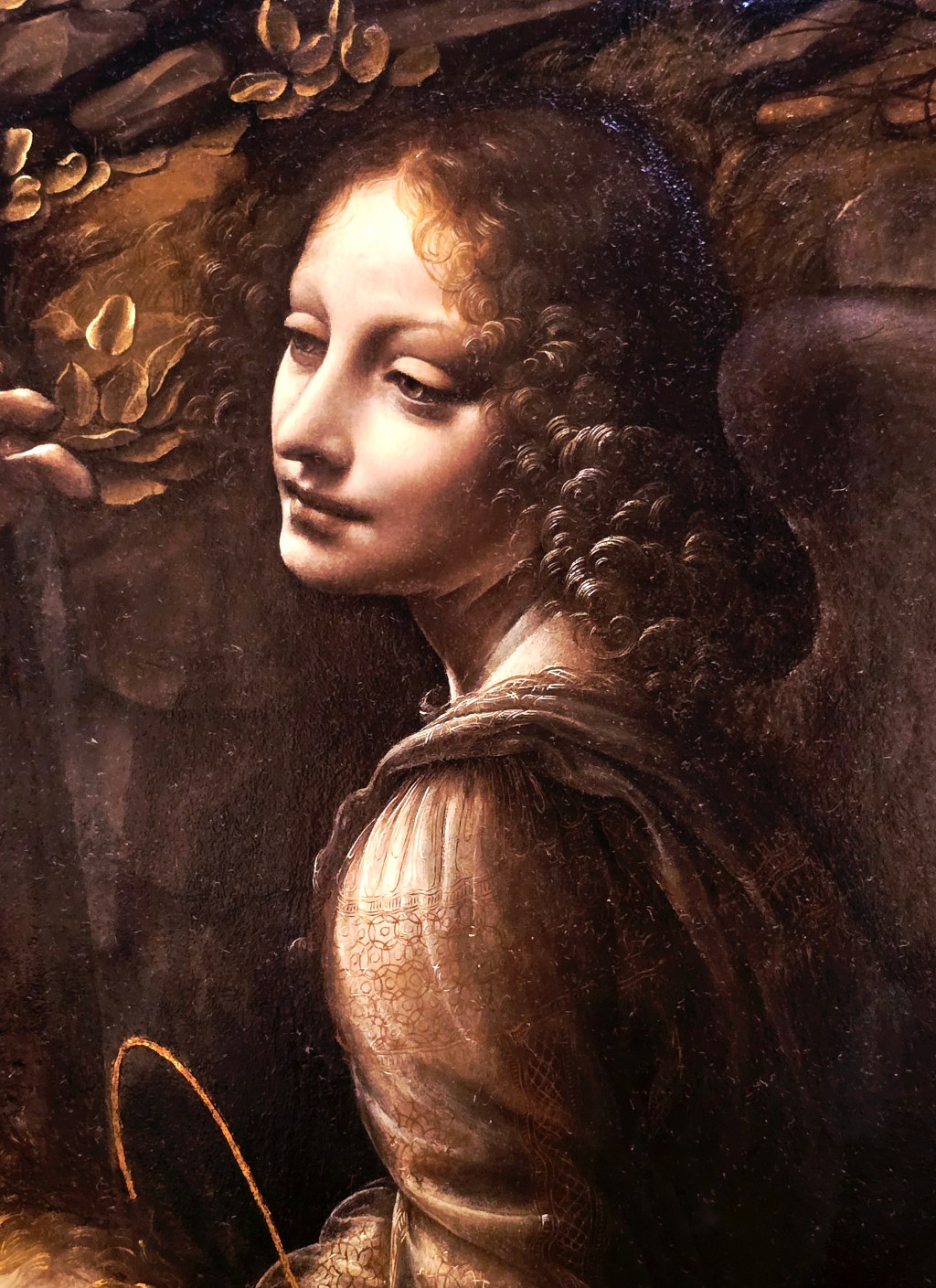
Leonardo and The Virgin of the Rocks. National Gallery London
The National Gallery houses the Virgin of the Rocks, part of a large, elaborate altarpiece made for the church of San Francesco Grande, Milan, to celebrate the Immaculate Conception of the Virgin Mary. Another, earlier version, is held in the Louvre in Paris.
Here are some samples showing the amazing detail, especially the golden hair with spirals and curls typical of Leonardo.
Leonardo and The Virgin of the Rocks (detail)Leonardo and The Virgin of the Rocks (detail)Leonardo and The Virgin of the Rocks (detail)
I had to wait for the crowds to disperse before I could get close, however!
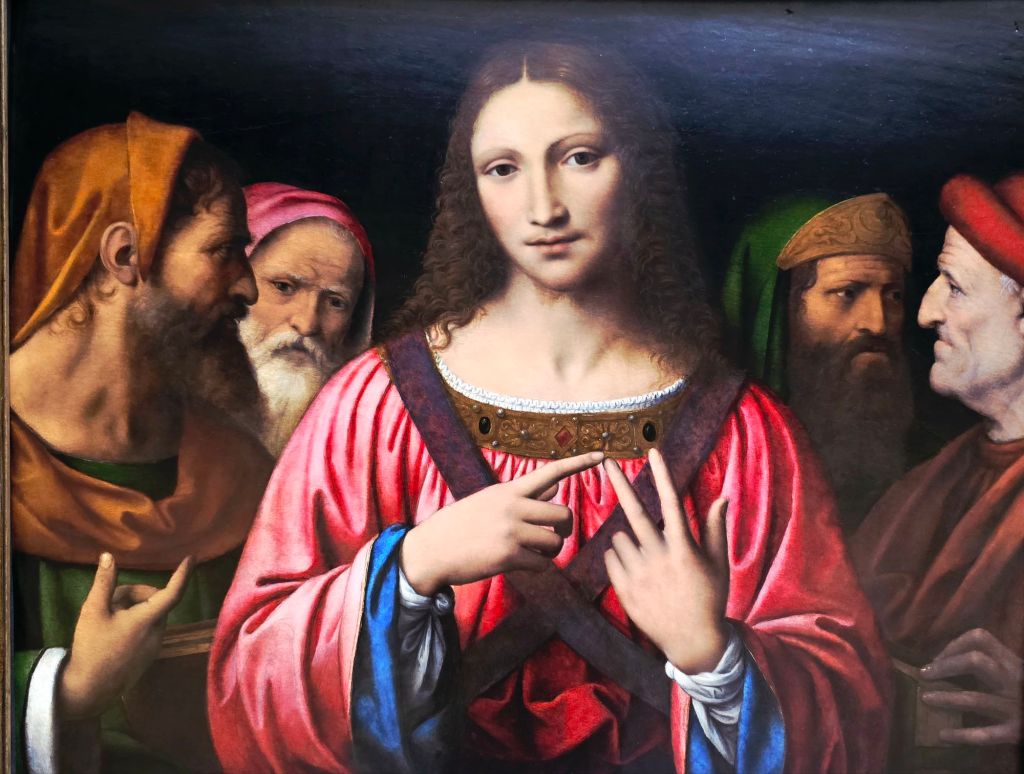
The celebrity status of Leonardo de Vicnci certainly attracts the crowds. The funny thing is that there is another painting in the National Gallery, which was once attributed to Leonardo. It is called Christ Among the Doctors by Bernardino Luini.
Bernardino Luini, Christ among the Doctors, probably about 1515-30
The painting was previously believed to be by Leonardo and may be based on an original design by him. There are numerous versions of this picture: the composition was enormously famous. However, there was nobody looking at it when I passed by! If it had been by the masters hand, rather than just being by a leading followers of de Vinci, I expect that there would be a gaggle of people taking selfies in front of it!
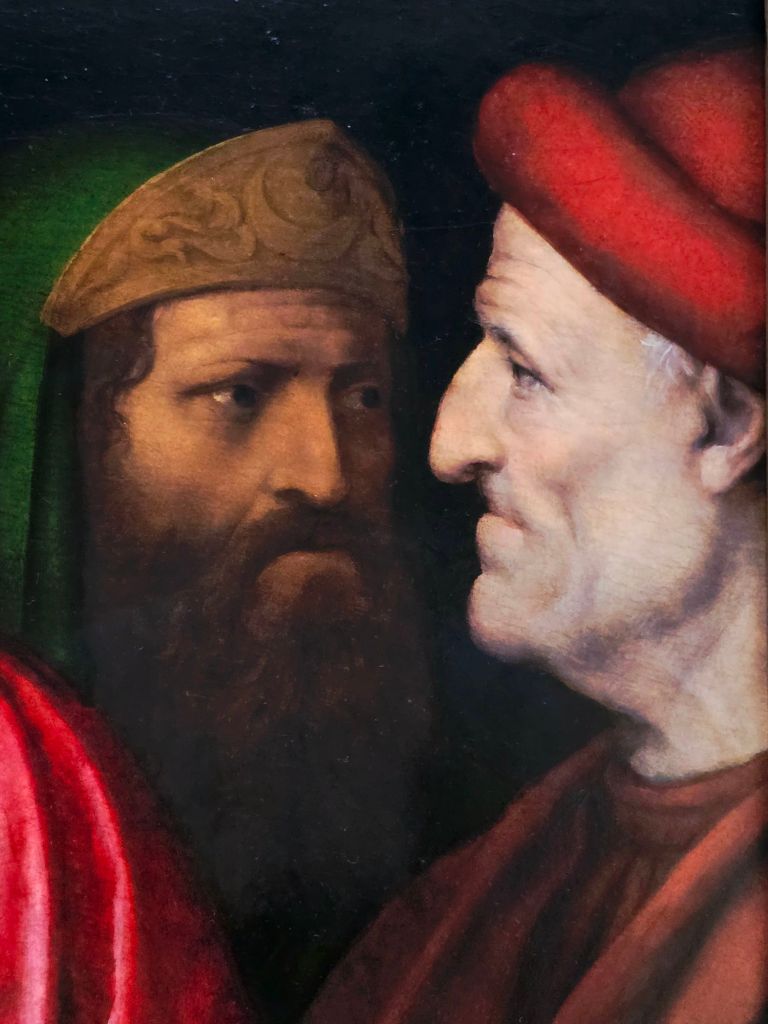
Here are samples of the doctors shown on both sides of the Christ figure Not bad if you ask me!
Christ among the Doctors (detail)Christ among the Doctors (detail)
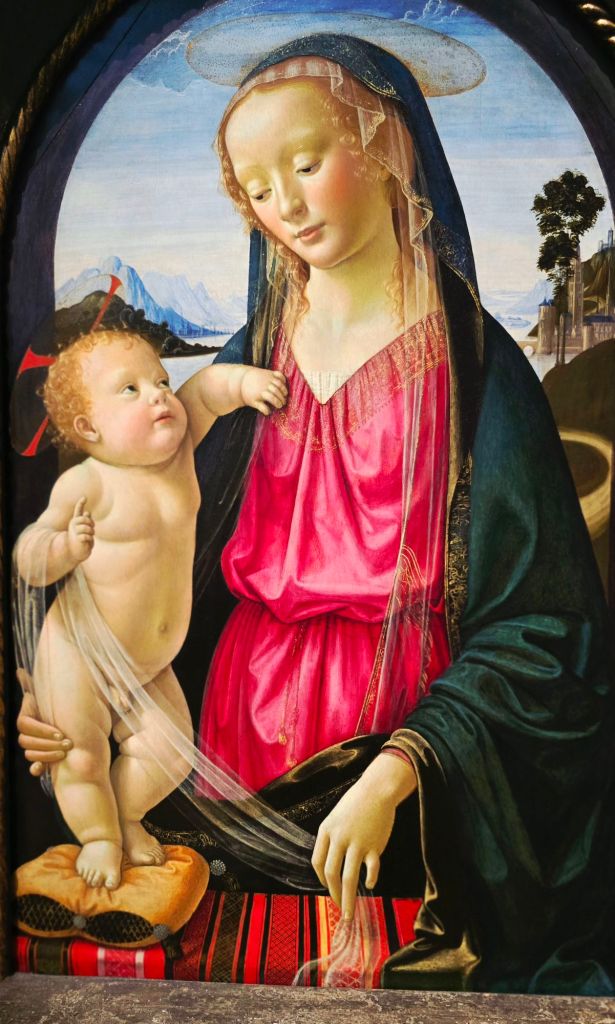
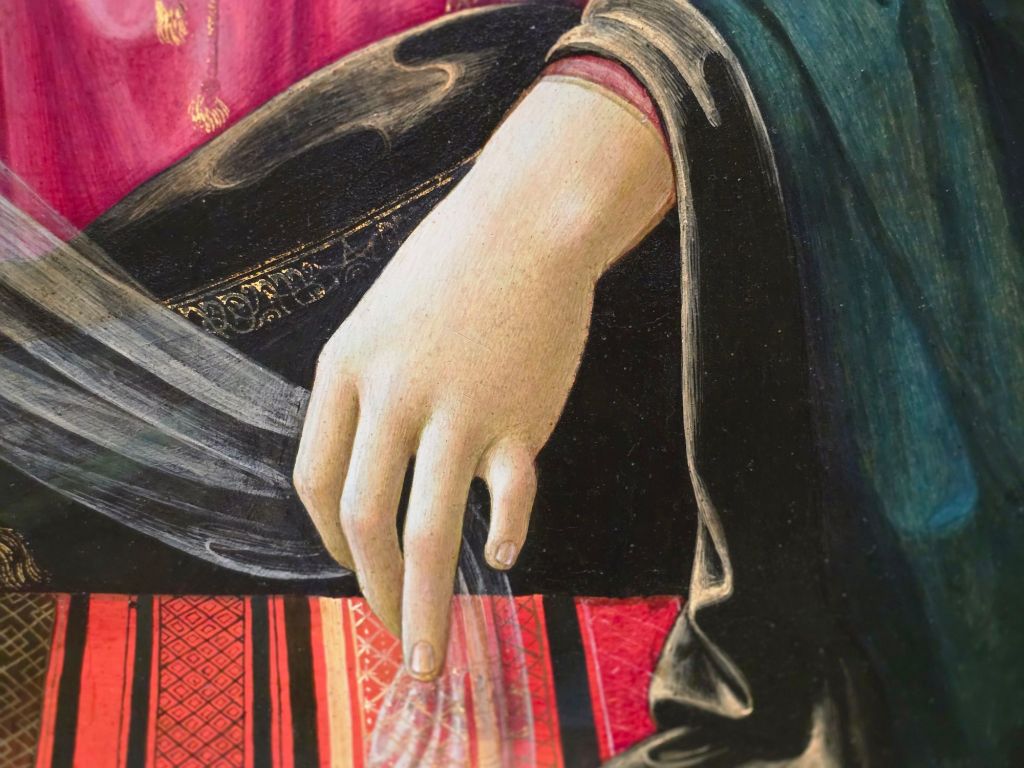
Leonardo was not the only one who could do curls or fine locks of hair. Domenico Ghirlandaio, or Domenico di Tommaso Curradi di Doffo Bigordito, to give him his full name, was also a master painter from Florence. Look at these details from his Virgin and Child, c. 1480-90 (below).
The Virgin and Child by Domenico Ghirlandaio (probably about 1480-90)
Here are some details from The Virgin and child:
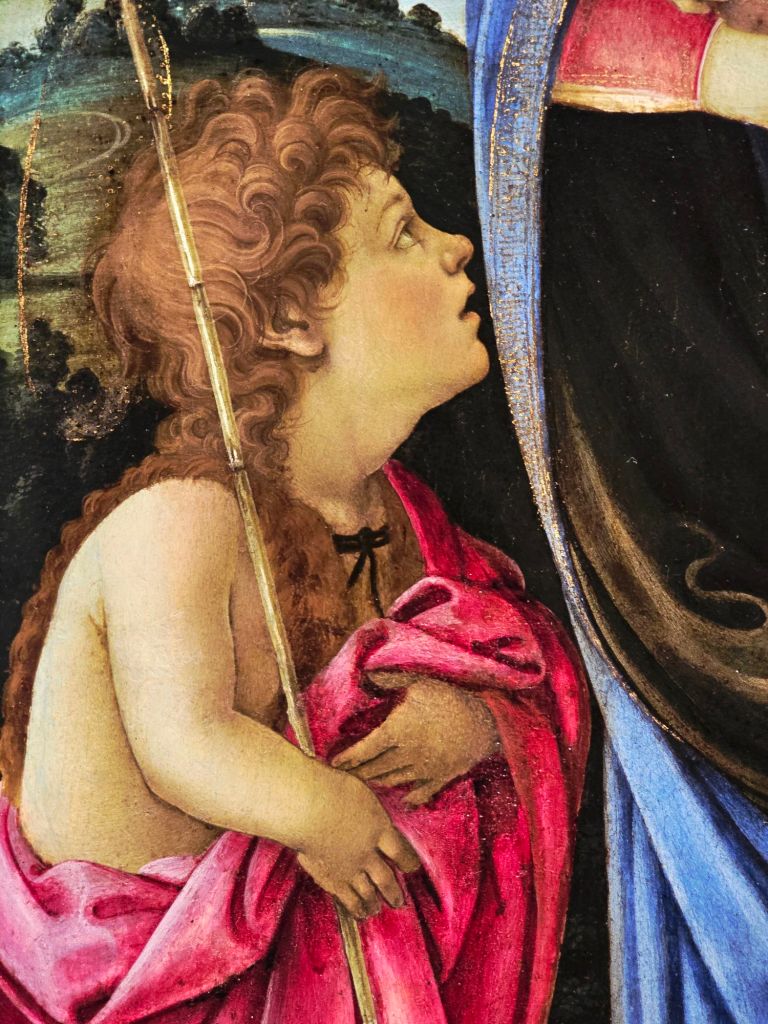
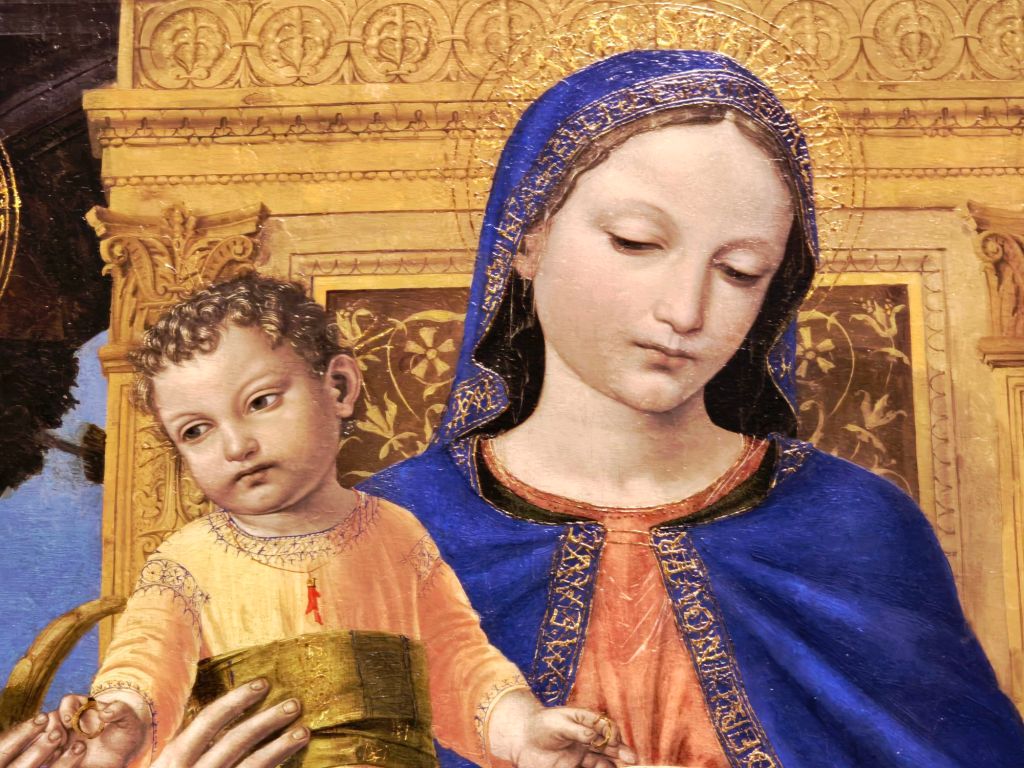
I am not particularly religious, but I am struck by the beauty and artistry of these masters of the Early and High Renaissance. Some of them were priests, like Fra Filippo Lippi, who painted religious scenes with extraordinary tenderness and natural beauty.
The Virgin and Child with Saint John by Filippino Lippi (1480)
The Virgin and Child with Saint John by Filippino Lippi (1480) detailsThe Virgin and Child with Saints by Ambrogio Bergognone (1490)
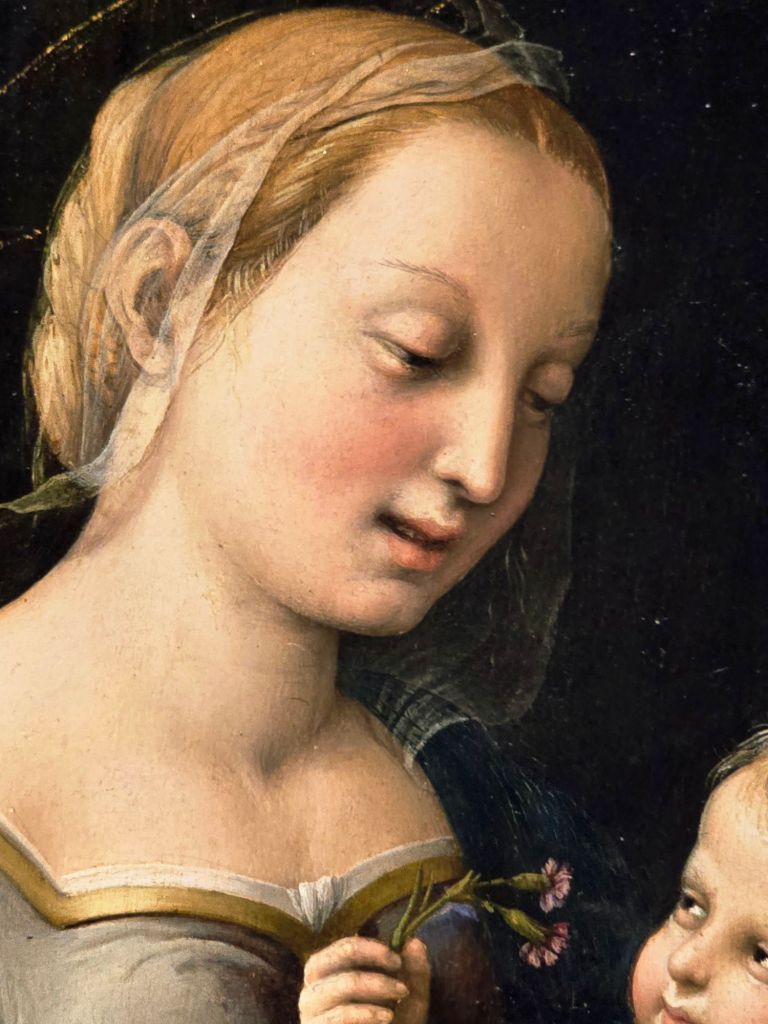
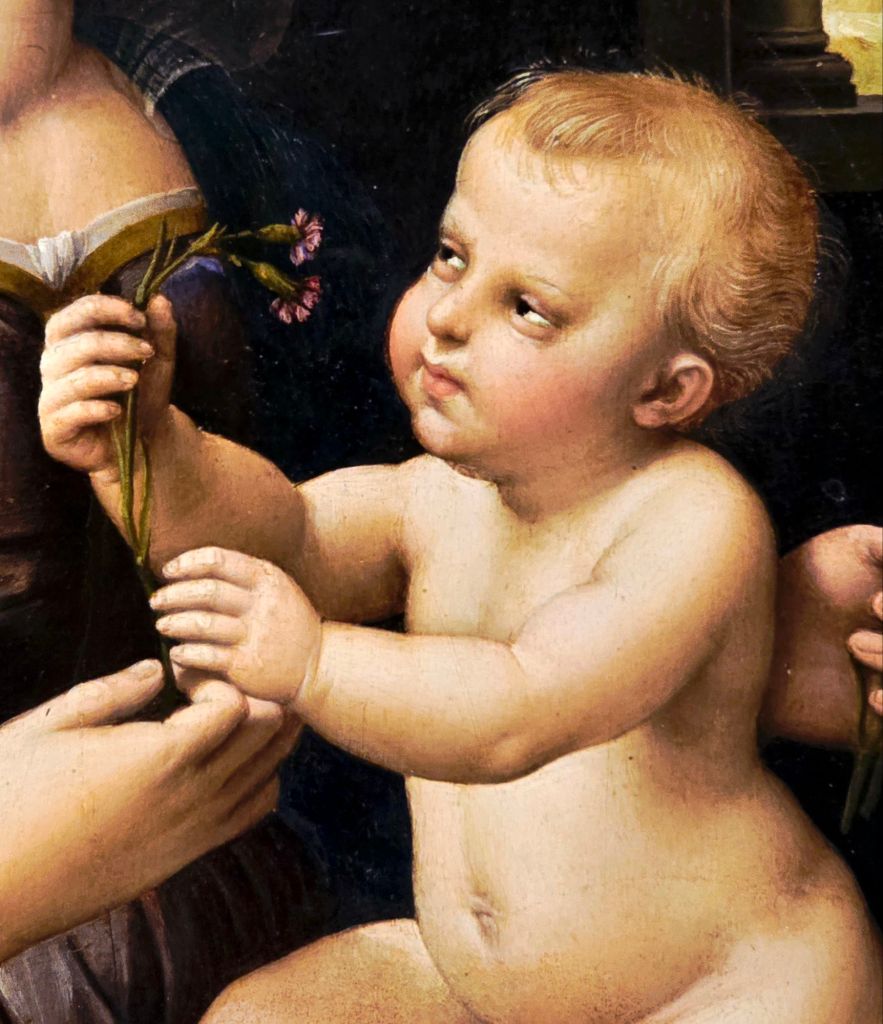
One of the greatest artists of the High Renaissance, and my favourite painter, is, of course, Raphael, or Raffaello Sanzio da Urbino to give him his Italian name. This painting is freely based on Leonardo da Vinci’s Benois Madonna (in the State Hermitage Museum, St Petersburg, an amazing place I was fortunate enough to visit in 1990).
The Madonna of the Pinks (‘La Madonna dei Garofani’) by Raphael
Here are a couple of details.
The Madonna of the Pinks (detail)The Madonna of the Pinks (detail)
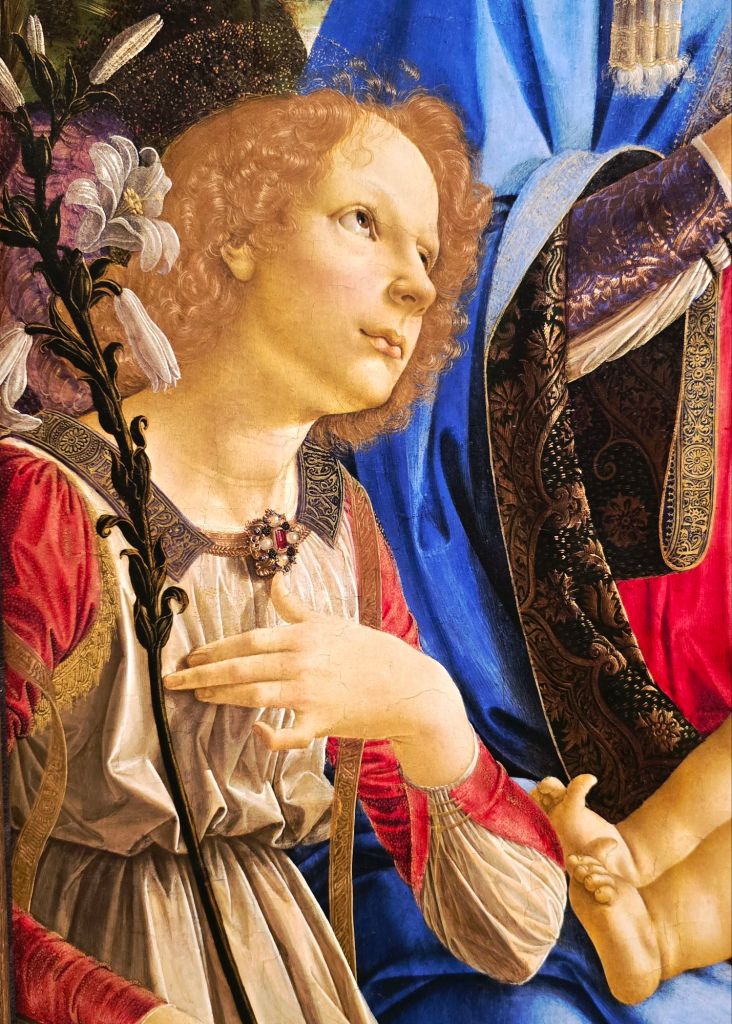
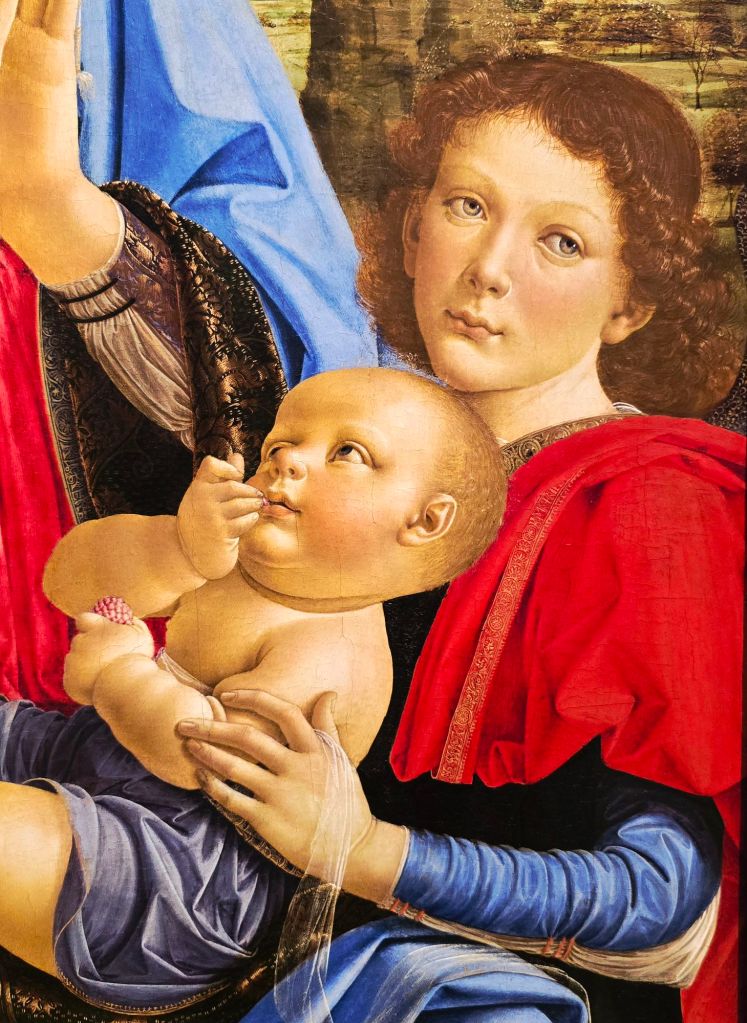
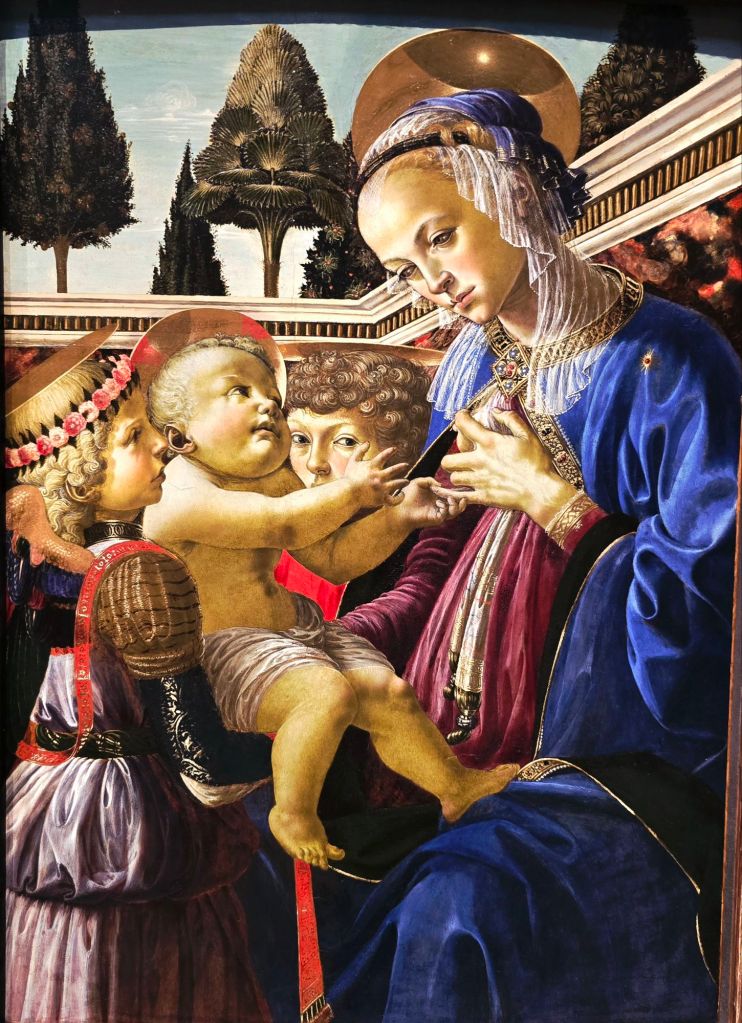
Another Florentine artist and teacher of Leonardo da Vinci was Andrea del Verrocchio. This painting, the Virgin and Child with Two Angels, which had not previously been attributed to Verrocchio, was cleaned and restored about 2010 and is now attributed to him with a date of about 1467–1469. In this painting, he was assisted by assisted by Lorenzo di Credi (1435-1488).
The Virgin and Child with Two Angels about (1476-78) by Andrea del Verrocchio, assisted by Lorenzo di Credi
Once again, the details are incredible. His student Lorenzo di Credi painted the chubby Christ Child, the parted curtains, and the angel on the right
The Virgin and Child with Two Angels (details)
Interestingly, the National Gallery once published a book featuring the favourite details of Kenneth Clark: One Hundred Details: From the National Gallery, London (National Gallery London Publications). It is long out of date, but fortunately, we can all select our favourite details now and get an insight into the extraordinary talents of these Renaissance artists.
I’ll finish with another extraordinary painting by Andrea del Verrocchio called Virgin and Child with Two Angels (also called Madonna del Latte or Madonna of the milk because she is breastfeeding), dating from circa 1467–1469. Not to be confused with his other painting of the Virgin and Child with Two Angels, shown above!
The Virgin and Child with Two Angels Andrea del Verrocchio
Perhaps it’s worth mentioning that all of these paintings are in the public domain and one can freely reproduce their images. Copyright protects an artist’s work during their lifetime, and for 70 years after their death, typically. After this period, the work enters the public domain, meaning it can be copied and used freely.
The paintings in the National Gallery belong to the government on behalf of the British public, and entry to the main collection is free of charge.
The images were all taken by me (Raymond JC Cannon) using a Samsung S24 Ultra mobile phone,
Gigantic tractors towing huge loads, irate Tesla drivers itching to get past; Amazon delivery vans speeding along carrying cardboard boxes for the masses, supermarket delivery vans trundling more sedately with their baskets of goodies; the odd badger and squirrel lying dead in the road, chosen at random as sacrificial roadkill; the 3:30 traffic jam of SUVs going to collect their precious cargos; some passing beat-boxes vibrating with the womb-like, pulsating bass sounds of sonic therapy for their alienated occupants; the buzzing wine of hedge cutters and leaf-blowers, and the distant sounds of racing cars at a famous raceway.
Yes, the occasional excited shriek from a fleeting blackbird, and sitting imperious above it all, corvids perched next to their nests, high in the trees, seemingly immune to our busy roads and new houses, spilling out into the countryside. Expensive new homes with little or no gardens, cars on the drive ready to go, some plugged into electric sockets, others still part of the great transition. And behind all of this human energy and expansion, the unseen rise of greenhouse gases and the erosion of wildlife habitat. The deer hiding in the bushes waiting for the dog walker to pass by in the twilight, sometimes an abundance of small birds feeding from well-stocked feeders in the occasional garden (much easier than life in the countryside); sparrows roosting unseen in friendly hedges, jacdaws on the rooves, grey wagtails bobbing about outside the shop: the winners who can adapt to Man’s relentless growth, coming with us through the Great Acceleration.
And in between it all, patches of a green and pleasant land, waiting for us to decide how to treat it, and the rare and precious creatures who need it to survive.
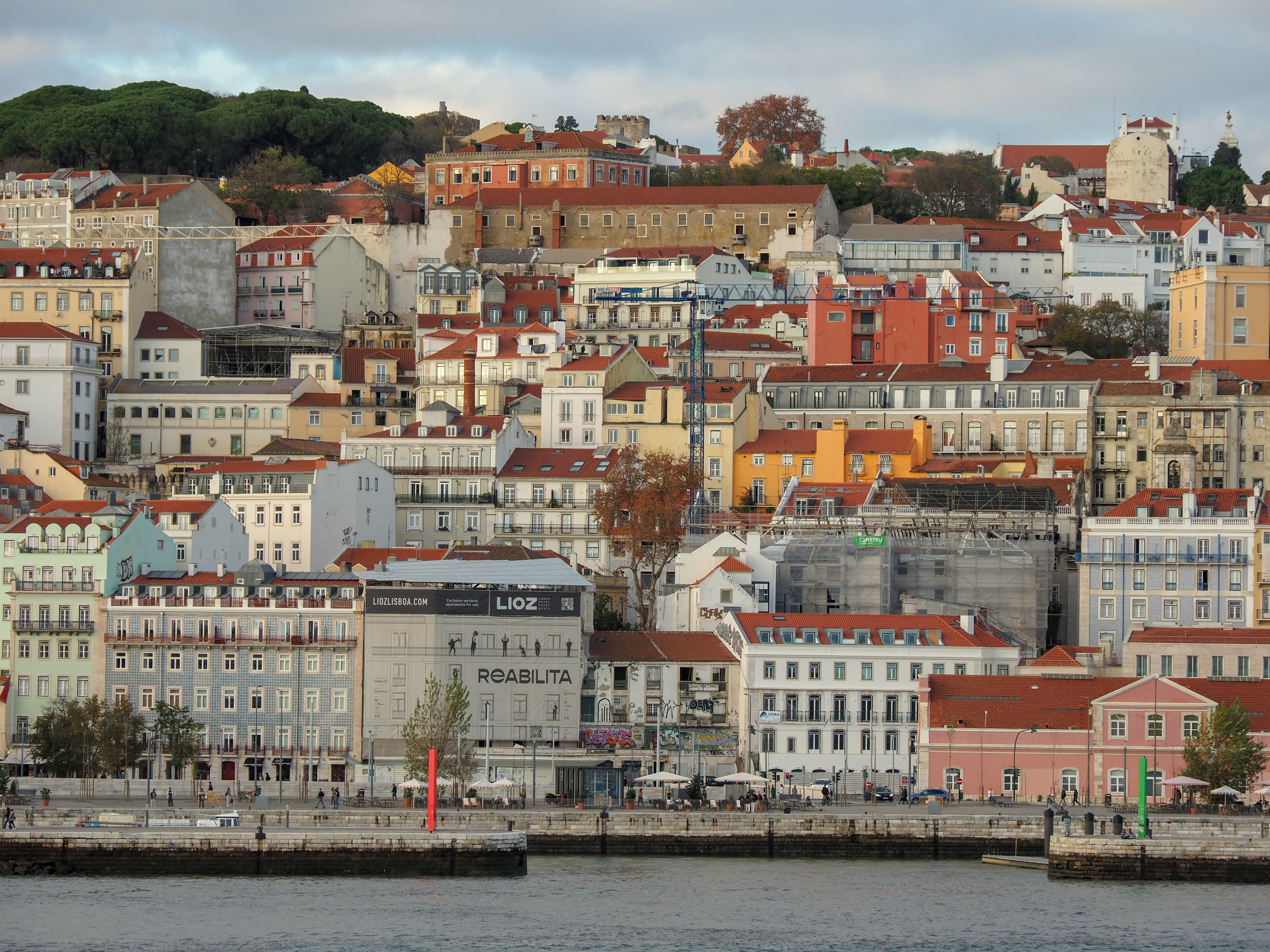
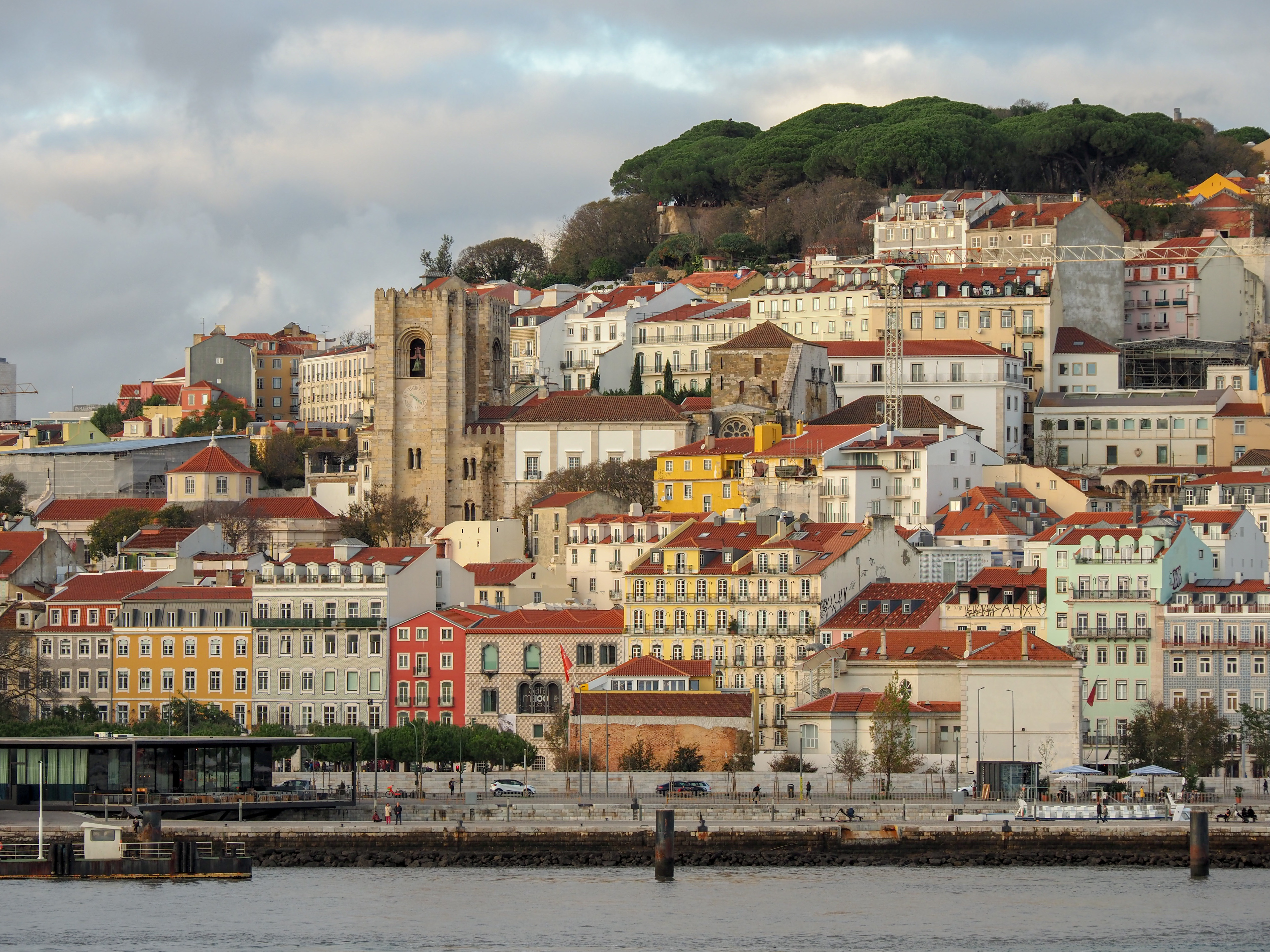
On a recent cruise (Dec 2023) to Madeira and the Canary Islands, we stopped off in Lisbon (Portugal) for the day (below).
Views of Lisbon taken from a ship in the river
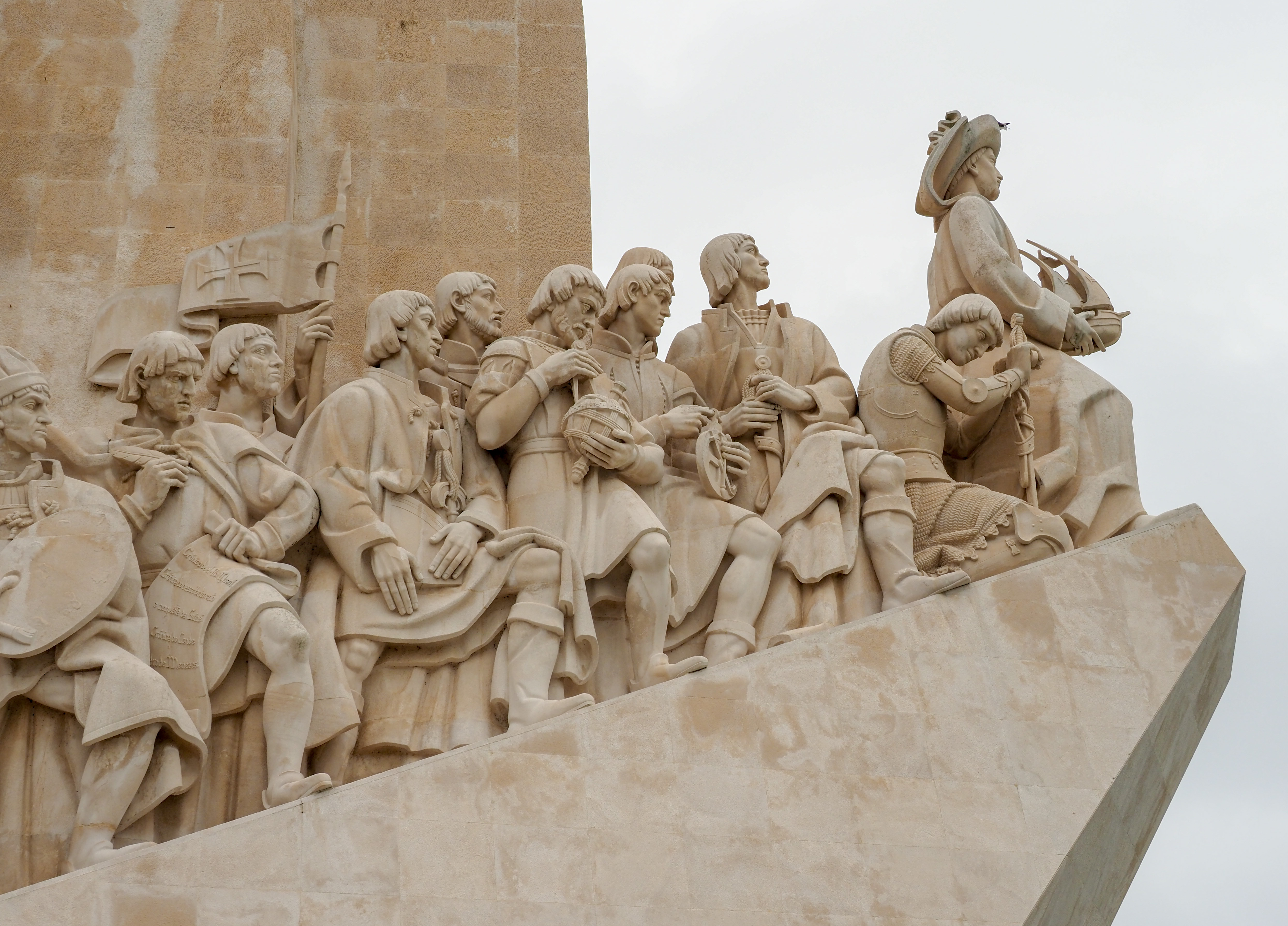
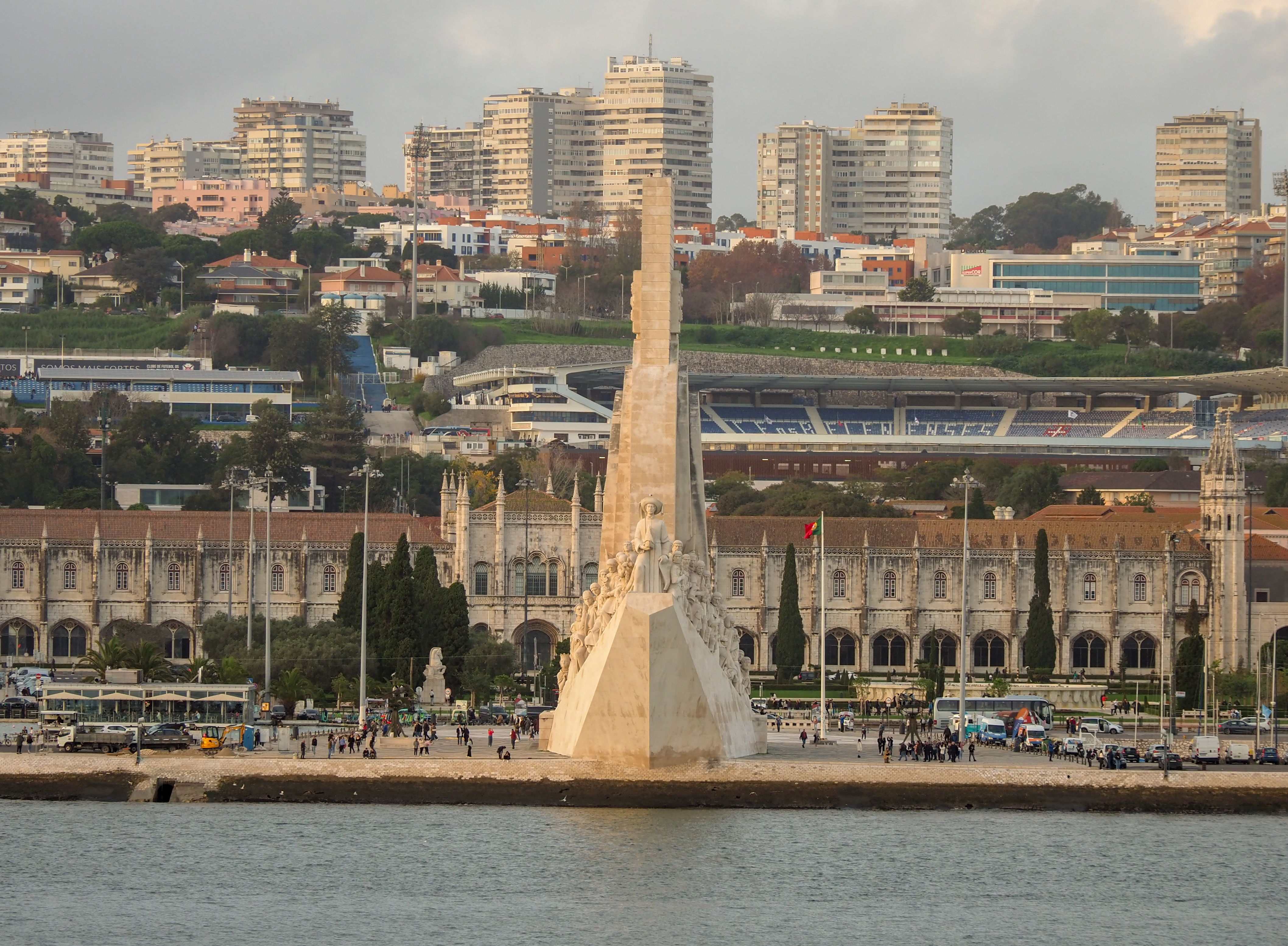
This was the first time I had visited this city, and I took a tour around the main sites. The thing that really stood out for me was the Monument of the Discoveries (or Padrão dos Descobrimentos, in Portuguese). This is a magnificent monument on the northern bank of the Tagus river estuary, in the heart of Lisbon. It is located at the site on the river where ships departed to explore and trade with India and the Orient and celebrates the Portuguese Age of Discovery during the 15th and 16th centuries.
Monument of the Discoveries on the northern bank of the Tagus river estuary
We did not have a lot of time to spare at this site, so I rushed around the monument and tried to take photos of all those who are represented by the limestone structures on both sites.
Henry the Navigator at the prow of The Monument of the Discoveries
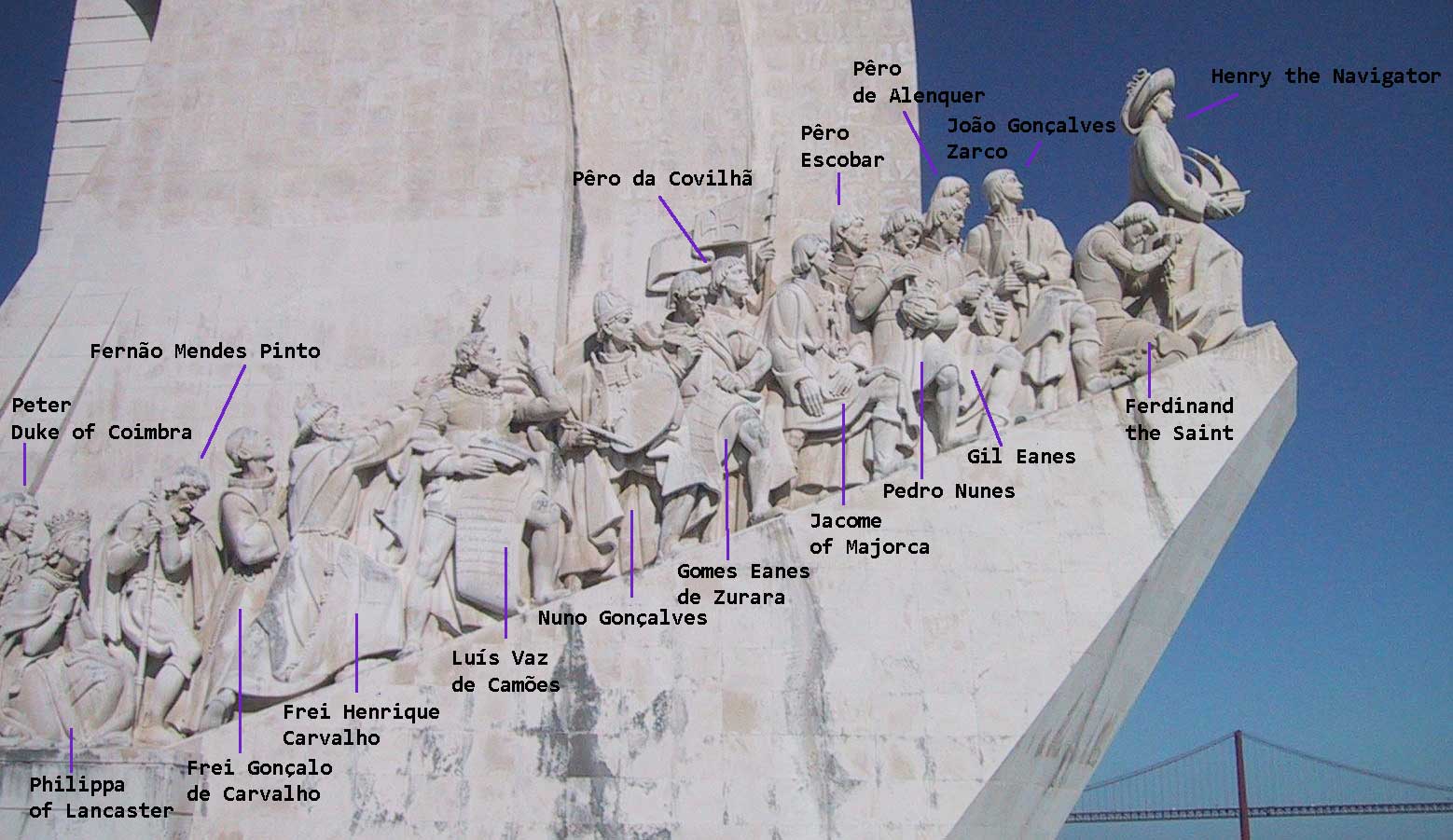
Fortunately, the wikipedia site does an excellent job of pointing out who all these people are (or were!). These sailors and navigators were really the first Europeans to discover much of the world! Their voyages of exploration during the 15th and 16th centuries mapped and chronicled the coasts of Africa and Asia (then known as the East Indies), as well as Canada and Brazil (including the West Indies). Their discoveries and exploits are shown on the following map.
I can not claim to be an expert on any of these remarkable historical characters, so I have borrowed some information from wikipedia, with appropriate acknowledgements. Most of the photos are mine, though!
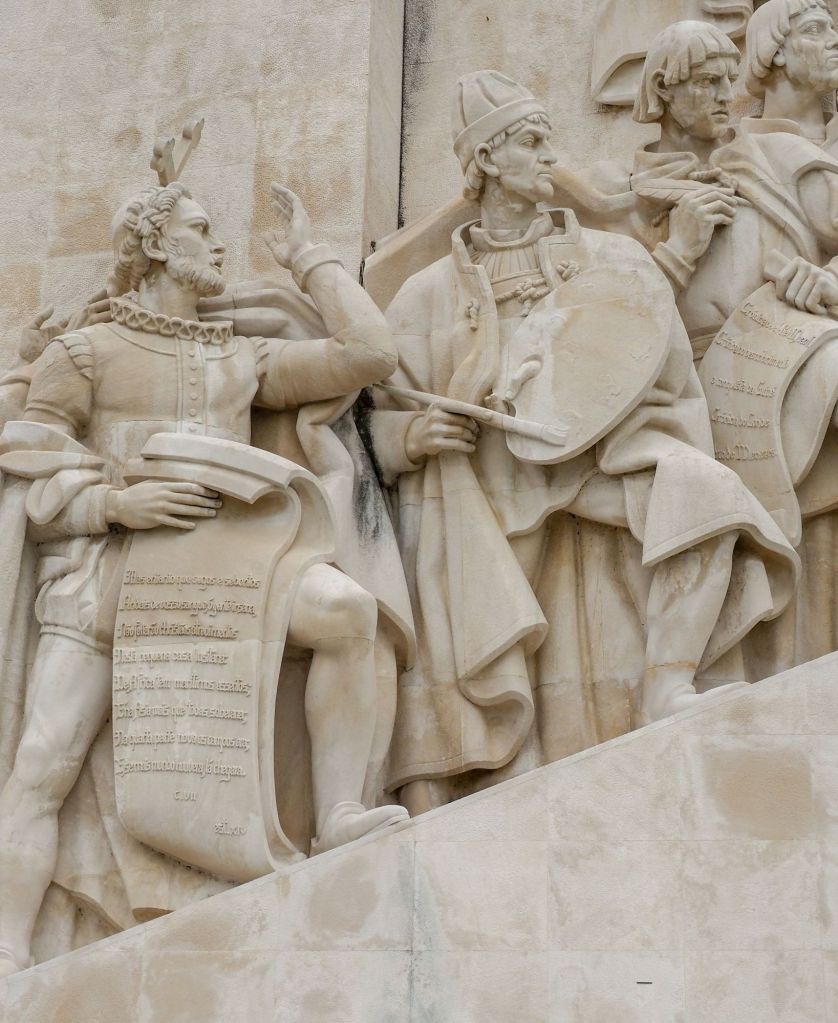
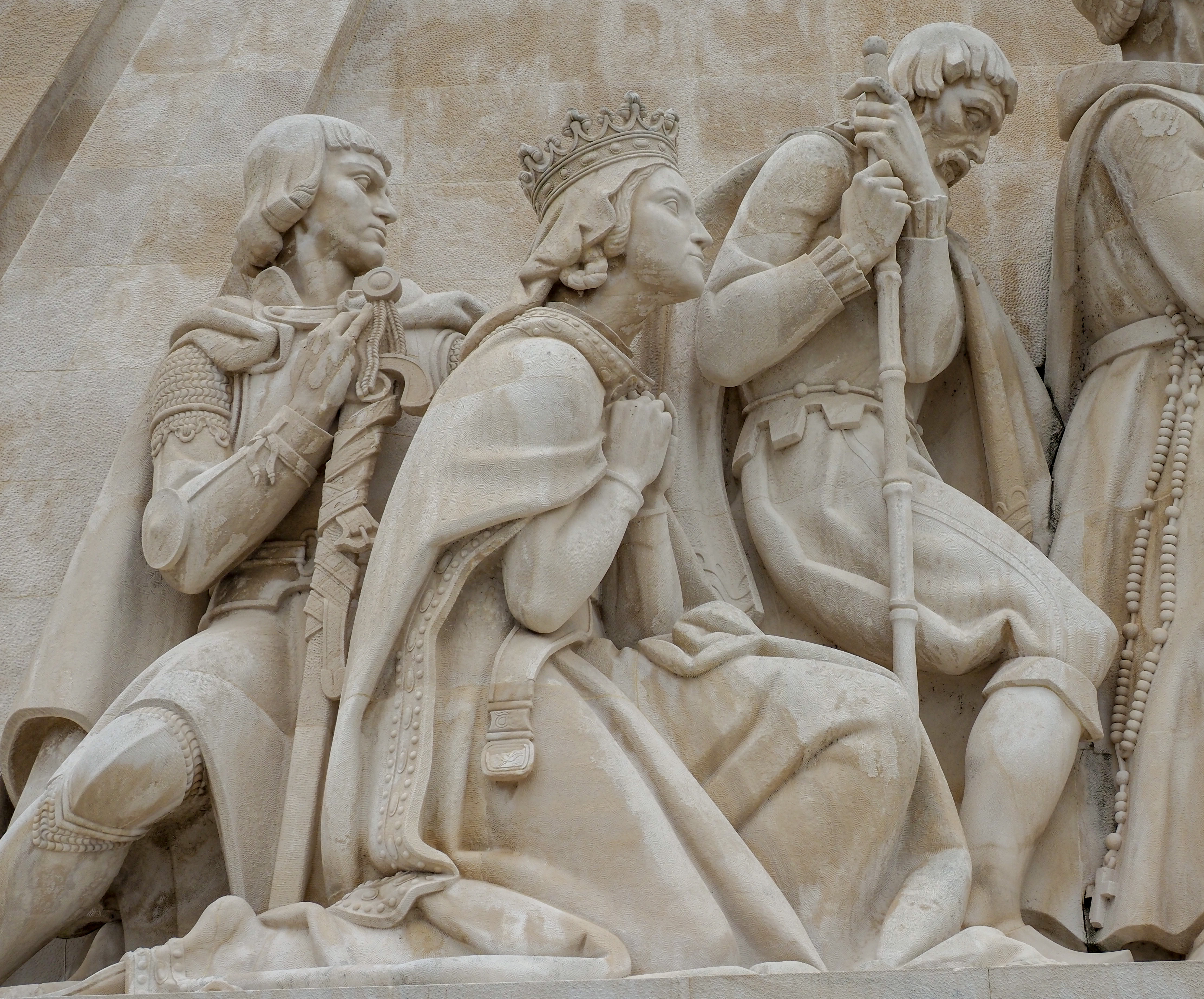
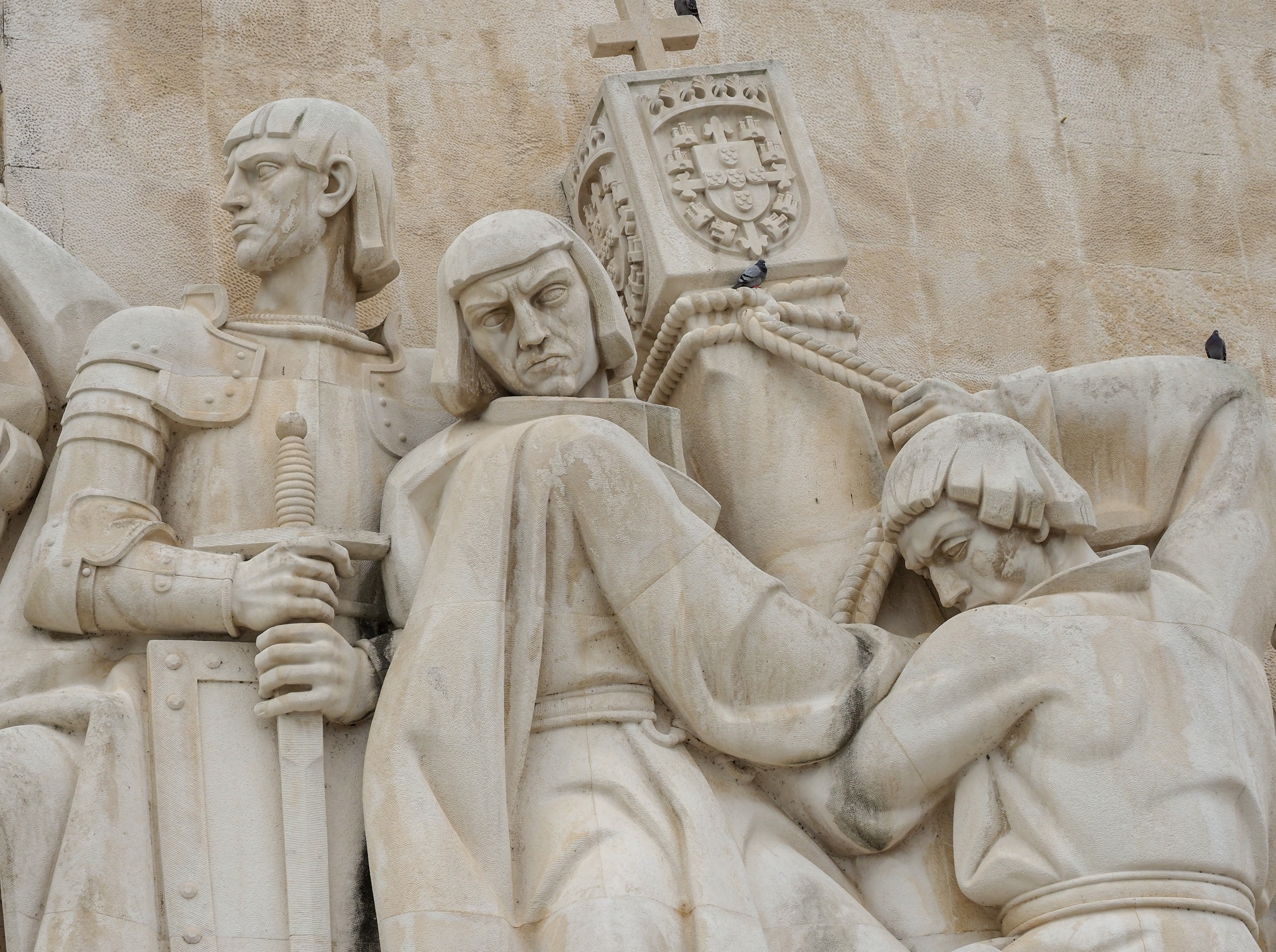
Nuno Gonçalves (painter) to João Gonçalves Zarco (navigator) L to RPeter, Duke of Coimbra (son of King John I of Portugal) to Frei Gonçalo de Carvalho, O.P. (Dominican Missionary) L to RQueen Philippa of Lancaster in the middle
East side of the Monument to the Portuguese Discoveries (Padrão dos Descobrimentos) Walrasiad, CC BY 3.0 https://creativecommons.org/licenses/by/3.0, via Wikimedia CommonsVasco da Gama (discoverer of the sea route to India) to Martim Afonso de Sousa (navigator) L to R
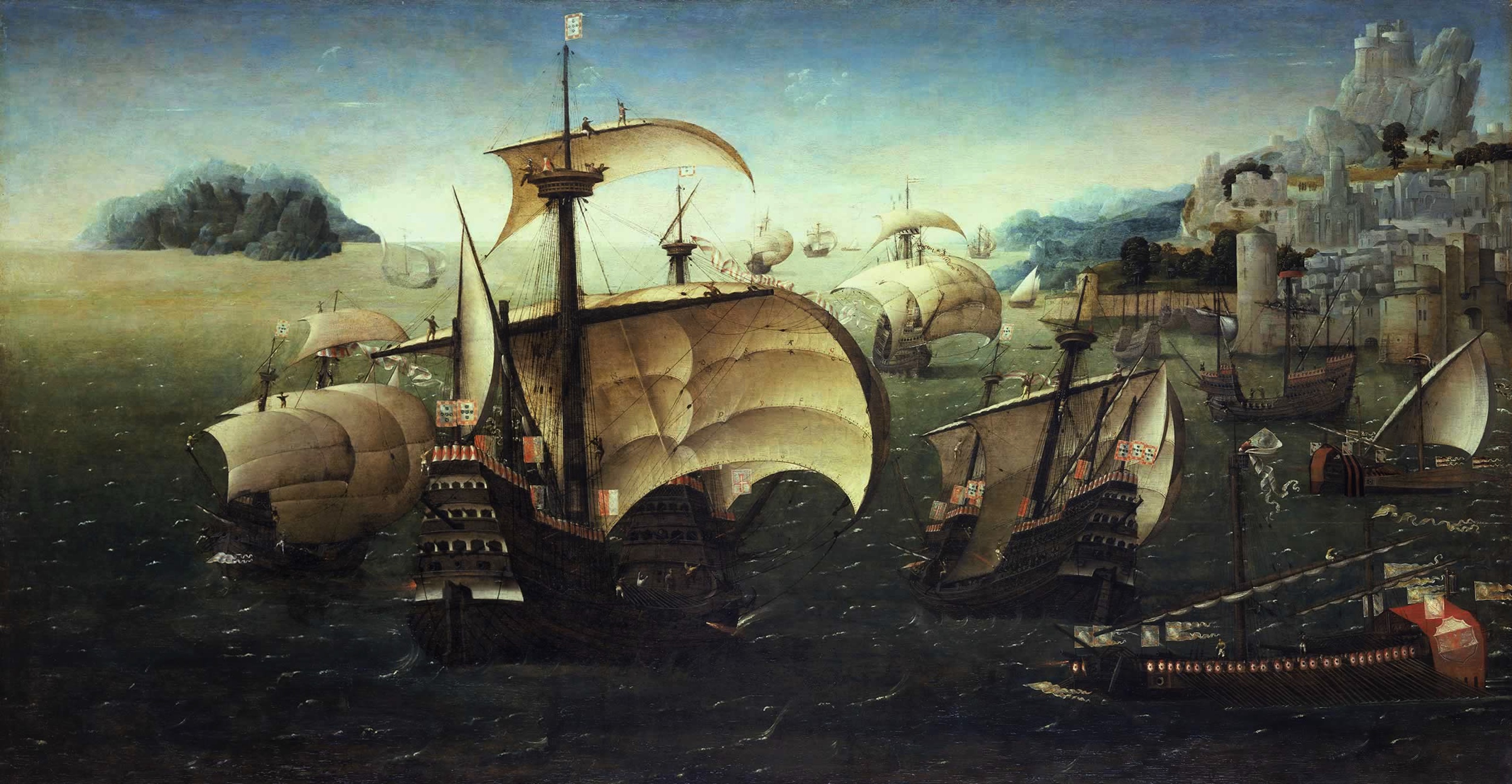
The Portuguese explorer, Vasco da Gama, (c. 1460s –1524), was the first European to reach India by sea, travelling via the Cape of Good Hope (1497–1499). In 1524, the carrack Santa Catarina do Monte Sinai (below) was the flagship of Vasco da Gama, on his third voyage to India.
The carrack Santa Catarina do Monte Sinai and other Portuguese Navy ships in the 16th century. Royal Museums Greenwich, Public domain, via Wikimedia Commons
Pedro Álvares Cabral ( c. 1467 or 1468 – c. 1520) was a Portuguese nobleman, military commander, navigator, and explorer regarded as the European discoverer of Brazil.
Ferdinand Magellan (first to circumnavigate the globe) to Estêvão da Gama (sea captain) L to R
Ferdinand Magellan (first to circumnavigate the globe) with circle in centre
The Portuguese sailor, Ferdinand Magellan (c. 1480 – 1521) led the first expedition to circumnavigate the globe (1519–22), albeit in the service of Spain.
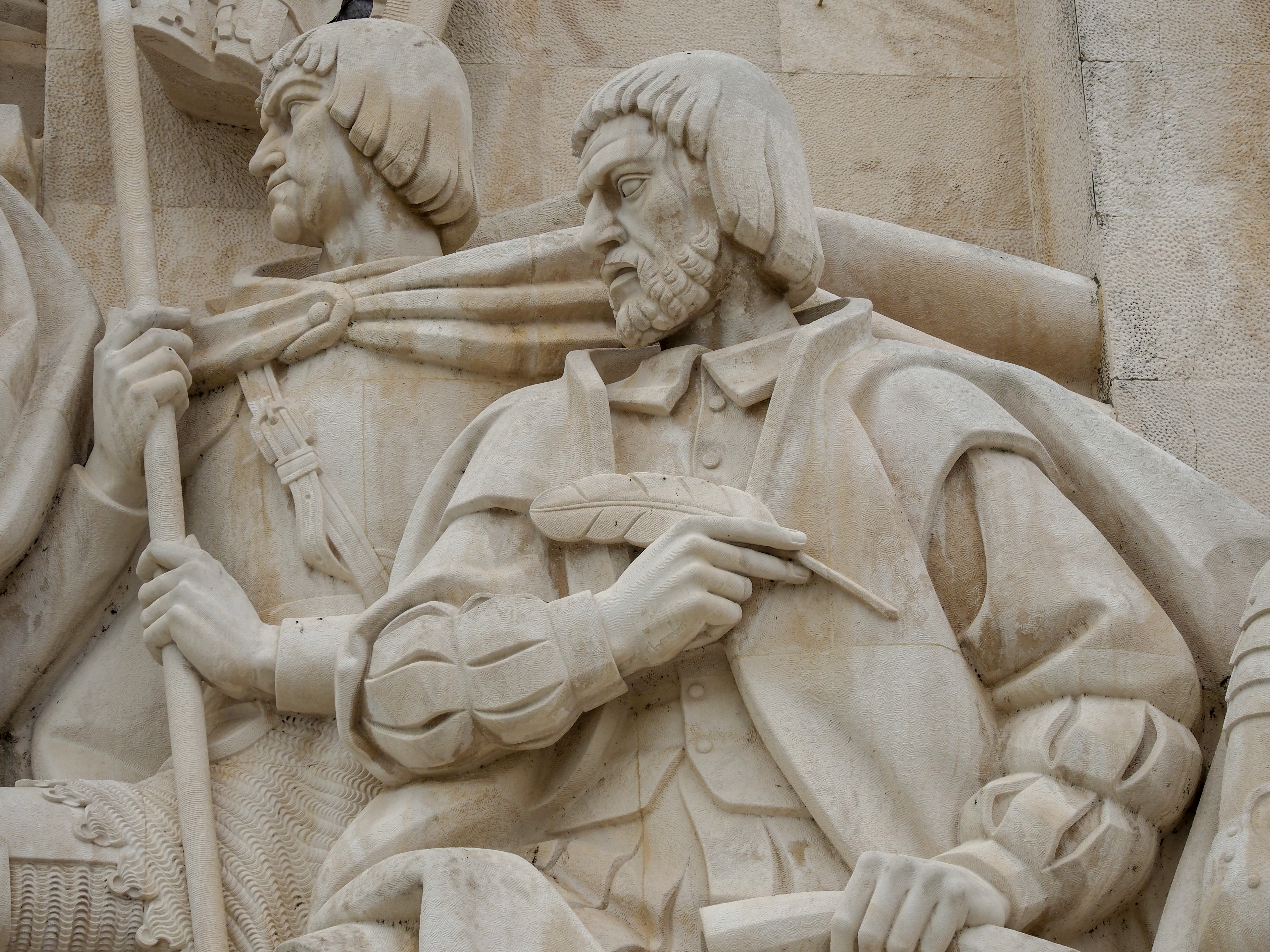
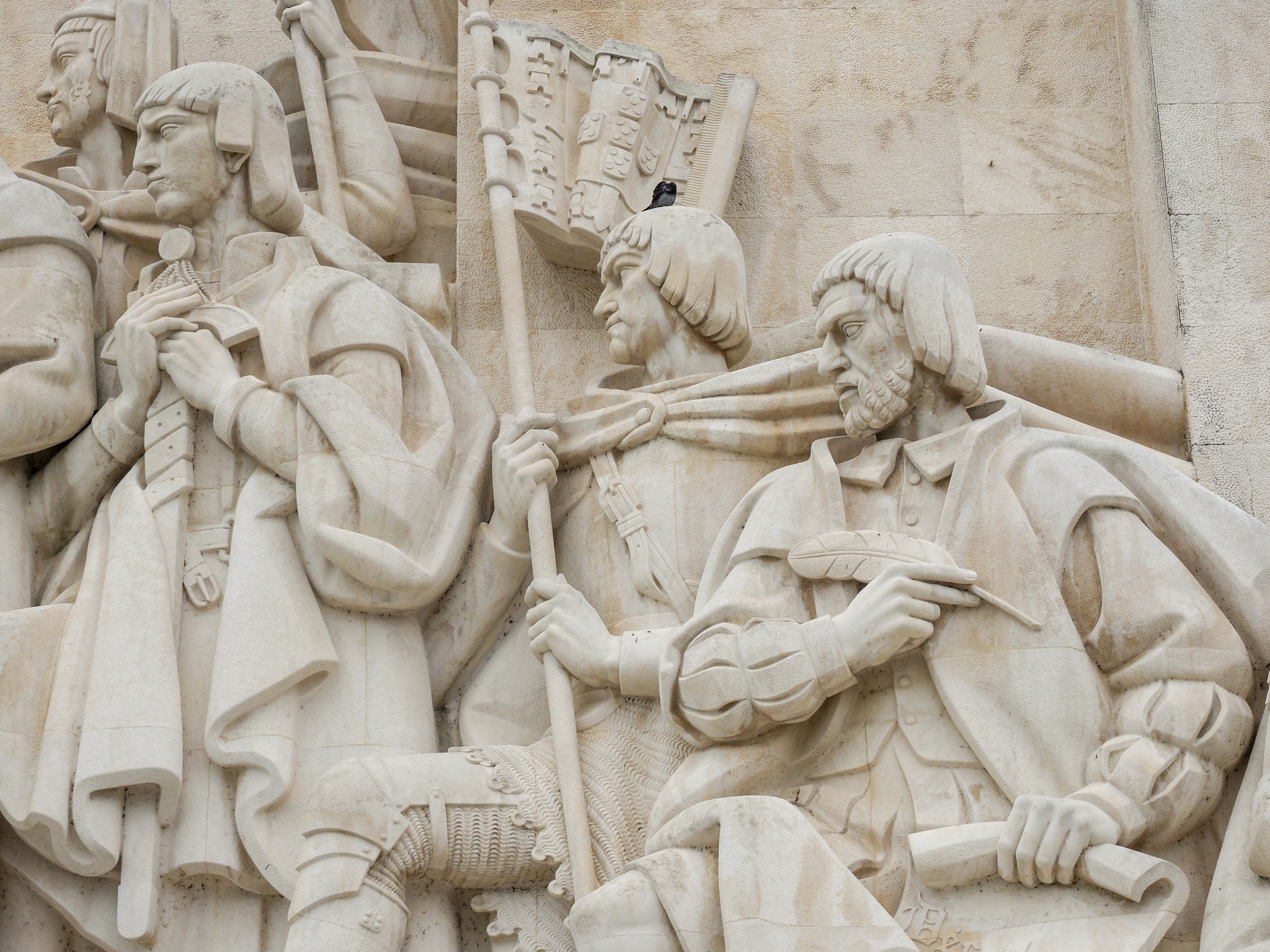
Afonso de Albuquerque (second viceroy of Portuguese India) with long beardBartolomeu Dias (first to cross over the Cape of Good Hope) looking to his rightJoão de Barros (writer) with feather and scrollJoão de Barros (writer) with feather and scroll
Bartolomeu Dias (c. 1450 – 1500) was the first European navigator to sail around the southern tip of Africa and to effectively establish the sea route between Europe and Asia (see below).
Estêvão da Gama (sea captain) to Diogo Cão (first to arrive to the Congo river) L to R
Diogo Cão (c. 1452 – 1486), made two voyages along the west coast of Africa in the 1480s, and was the first European to explore the Congo River and the coasts of present-day Angola and Namibia.
Gaspar Corte-Real (navigator), Martim Afonso de Sousa (navigator) to João de Barros (writer) L to R
Gaspar Corte-Real (1450–1501) was a Portugueseexplorer who, with his father João Vaz Corte-Real and brother Miguel, were the first Europeans – apart from perhaps the Vikings? – to reach Newfoundland and possibly other parts of eastern Canada.
Diogo Cão (first to arrive to the Congo river) to Cristóvão da Gama (captain) L to RSaint Francis Xavier (missionary) hands in prayer
What is really extraordinary about these early navigators is the tiny ships they sailed in! See below.
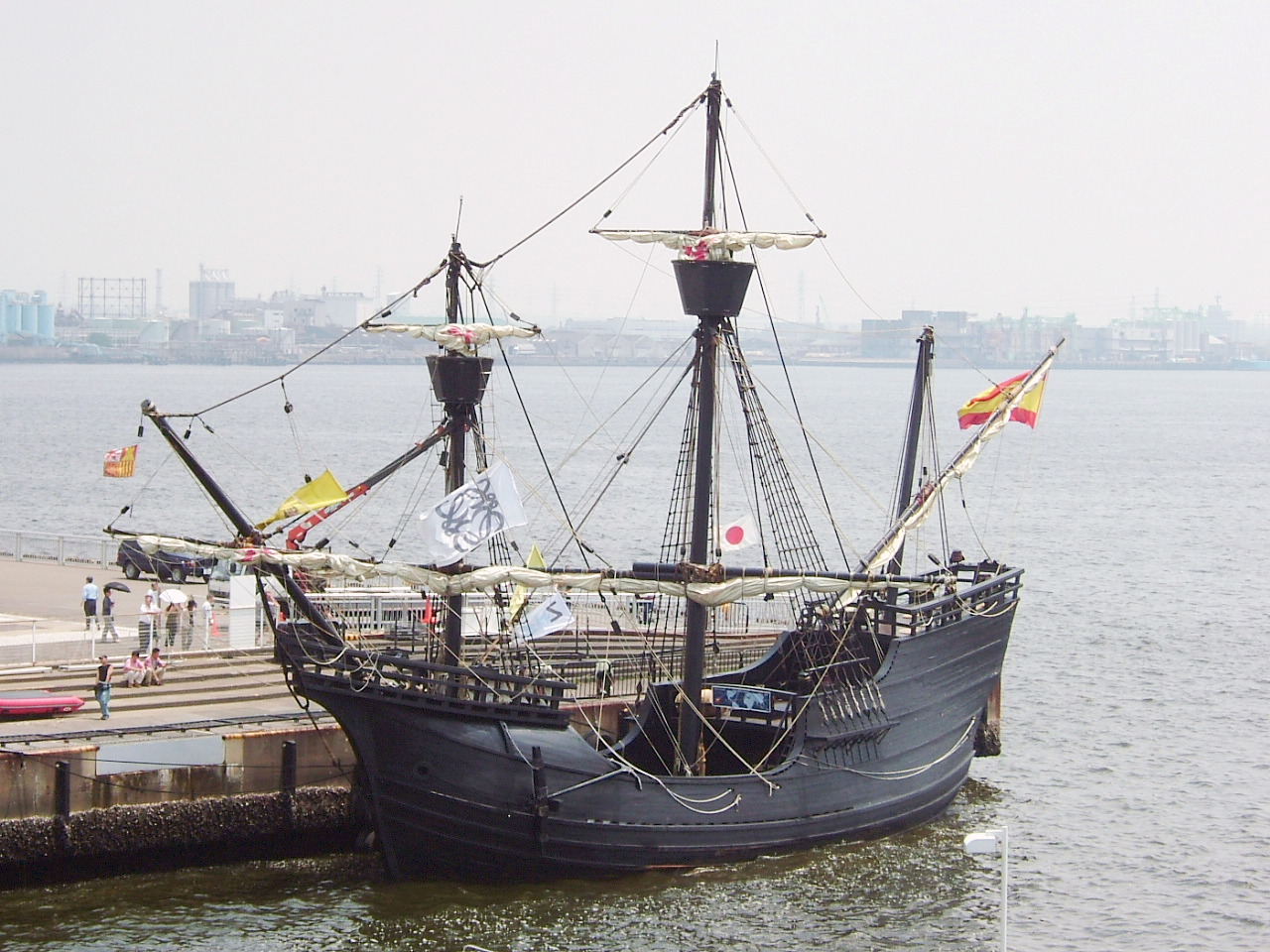
Victoria, the sole ship of Magellan’s fleet to complete the circumnavigation. Detail from a map by Ortelius, 1590. Ortelius, Public domain, via Wikimedia CommonsReplica of the Victoria, a nao, the only one of Magellan‘s five ships to return to Spain in 1522, thus becoming the first ship having circumnavigated the globe. Gnsin, CC BY-SA 3.0 http://creativecommons.org/licenses/by-sa/3.0/, via Wikimedia Commons
These Portuguese explorers were setting out in vessels that were only about 60 feet long, venturing into the unknown, almost falling off the maps of the known world at the time.
Monument of the Discoveries on the northern bank of the Tagus river estuary
I intend to read more about these remarkably sailors! They were not all goodness and light, though! They engaged in fierce battles, set local kingdoms against each other, and generally enslaved and colonised the local people. But much of the world we know today is, in large measure, based on their exploits.
People have been living on the island of Tresco, in the Scilly Islands, for over 5000 years, and visiting these islands by boats from the Cornish mainland as long ago as 6000/7000 BC. The islands would have looked very different back then, covered in oak, ash and elder trees, with roe deer and wild boar in the woodlands. The sea was much lower than it is today and the first settlers in the Neolithic grew oats and barley on the fertile lowlands of the ancient land they called Ennor (used by J. R. R. Tolkien’s for the fictional lands of Middle-earth).
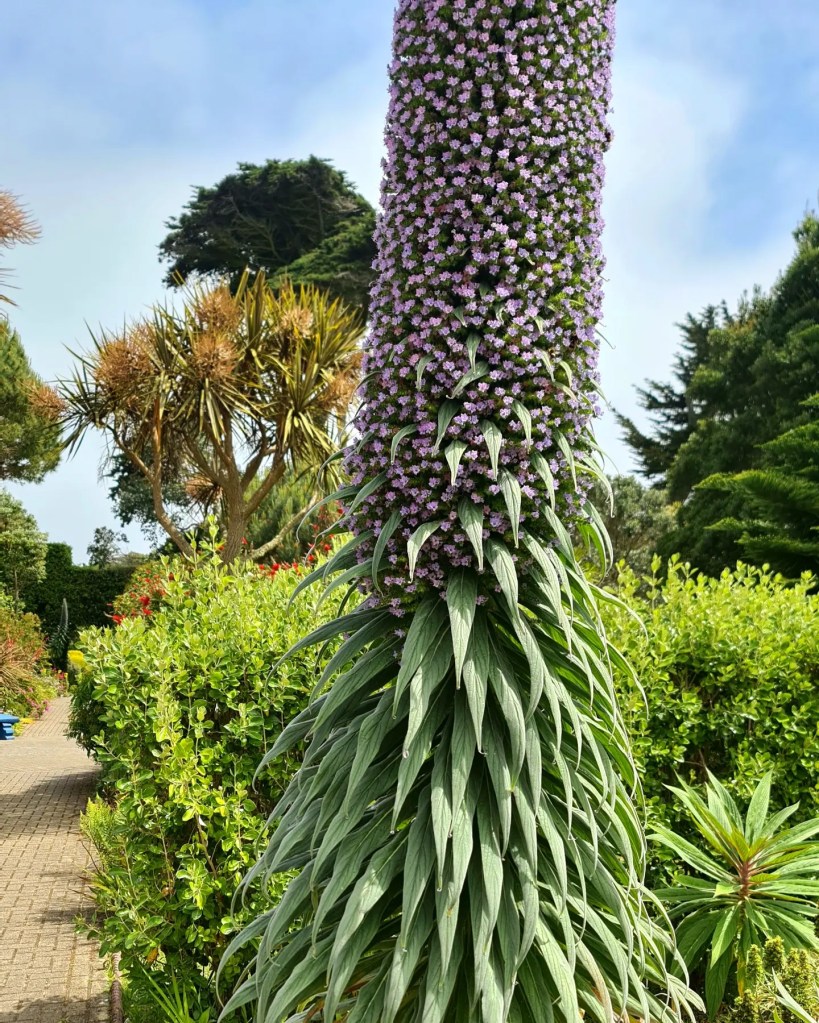
Echium pininanaEchium pininanaEchium pininana
Echium pininana, the tree echium, is in the borage family Boraginaceae. It is endemic to the Canary Islands, where it is restricted to the island of La Palma.
Bumblebee on unidentified flower
The Scilly Islands were still a single island when the Celts arrived around 500BC. The Romans also colonized Ennor, they called it Insulae Sillinae, which remained a single island until at least AD 400. Today, the Scilly Islands comprise some 55 islands and islets, of which Tresco is the second-biggest, measuring about 3.5 km (2.2 mi) by 1.75 km (1.09 mi). This was my second visit to the island, and on both occasions I was blessed with good weather, if a bit windy!
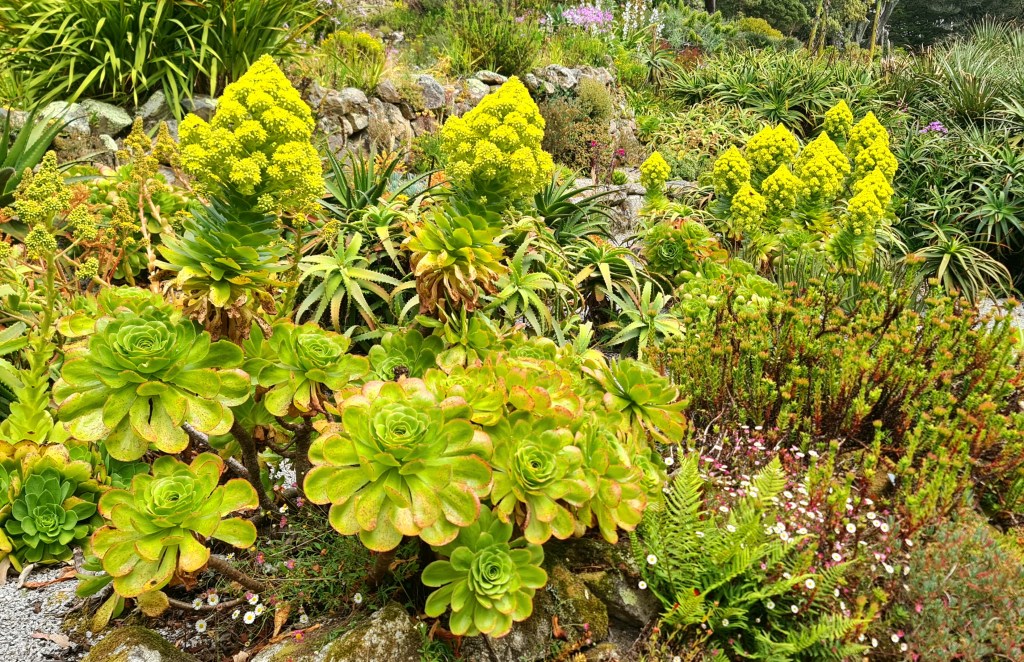
Aeoniums
Benedictine monks first built an abbey on Tresco, founded in 964 AD, and appear to have introduced many new herbs and flowers, such as chamomile, wild thyme and tansy. The ruins of the original abbey can still be seen in the Abbey Gardens. Rents for the Scilly islands was reportedly paid to the crown in puffins! Which seems rather hard on these little birds, which still breed on the islands, albeit in small numbers (about 100 pairs). So there must have been many more puffins on these islands back in the Middle Ages! A reminder that wildlife was often much more abundant in the past (see shifting baselines).
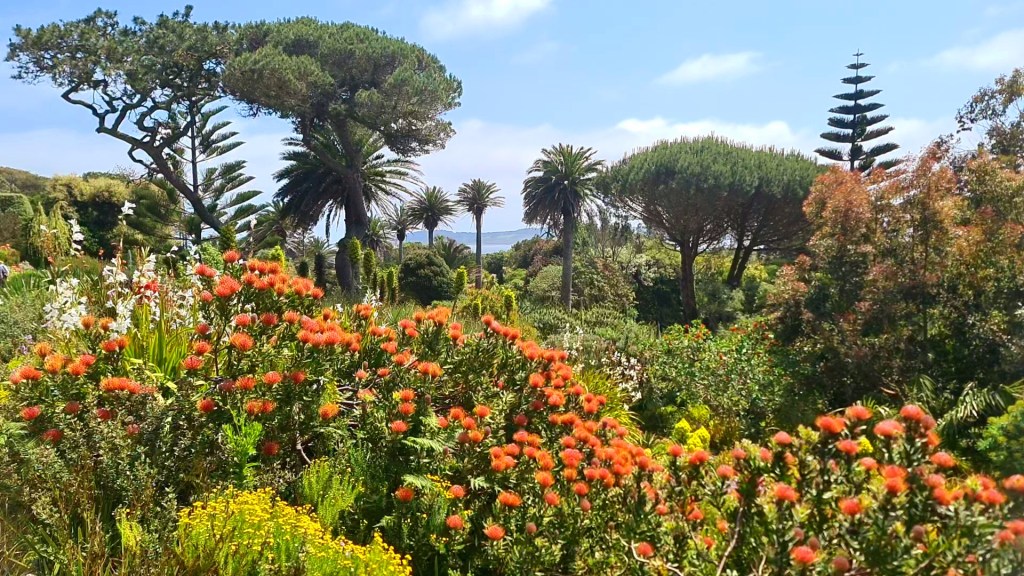
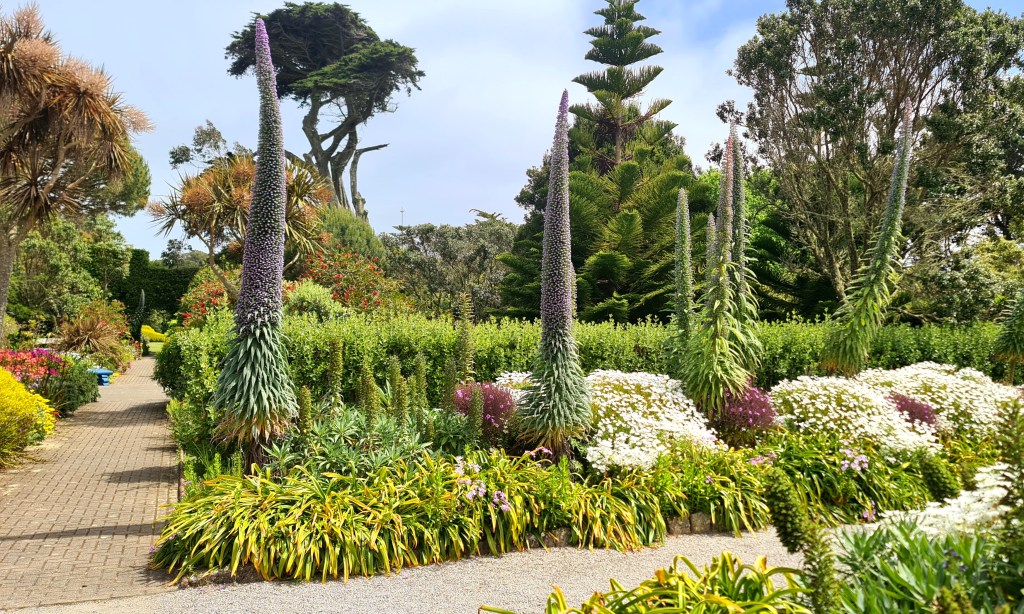
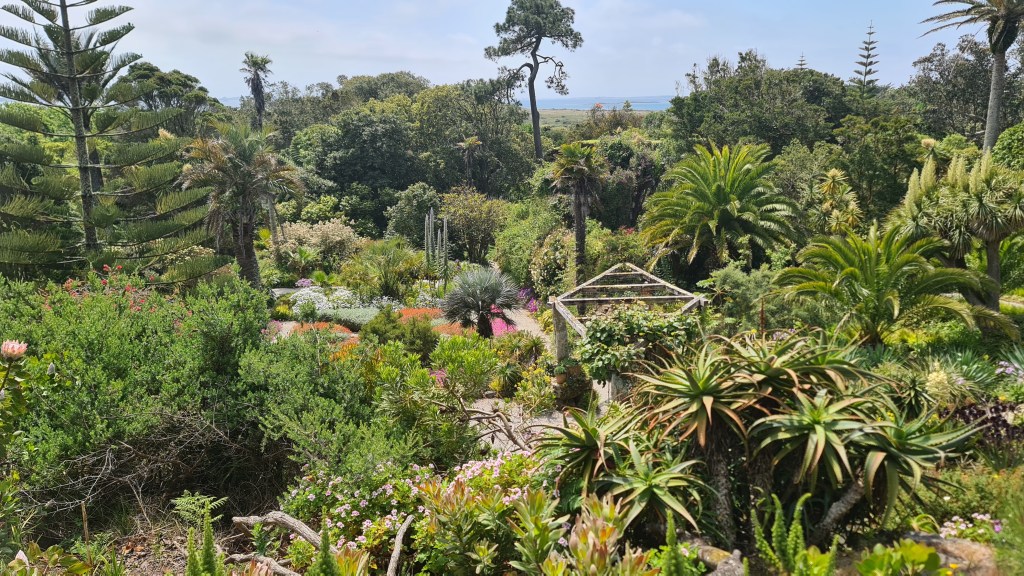
Tresco Abbey Gardens in May 2023
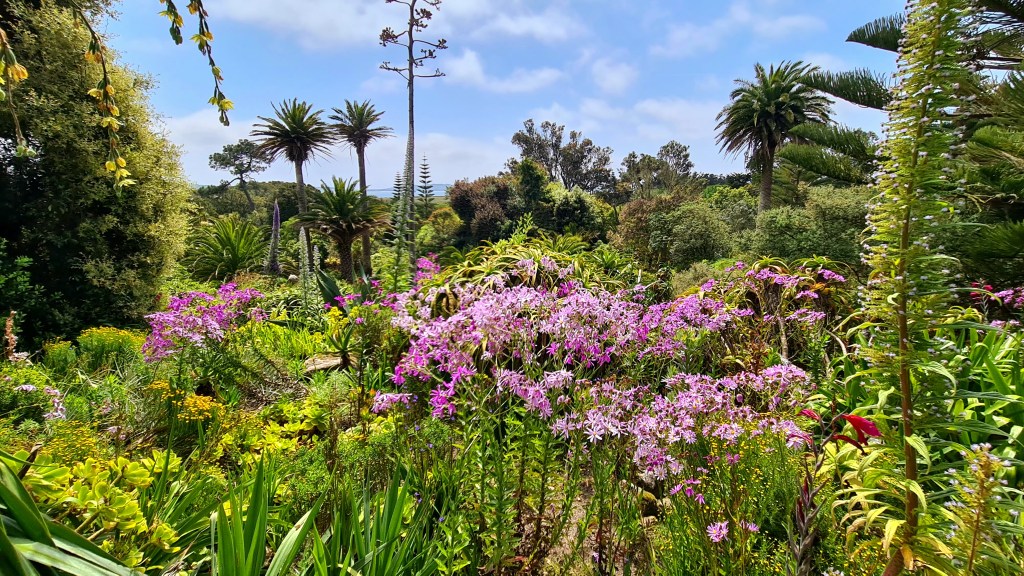
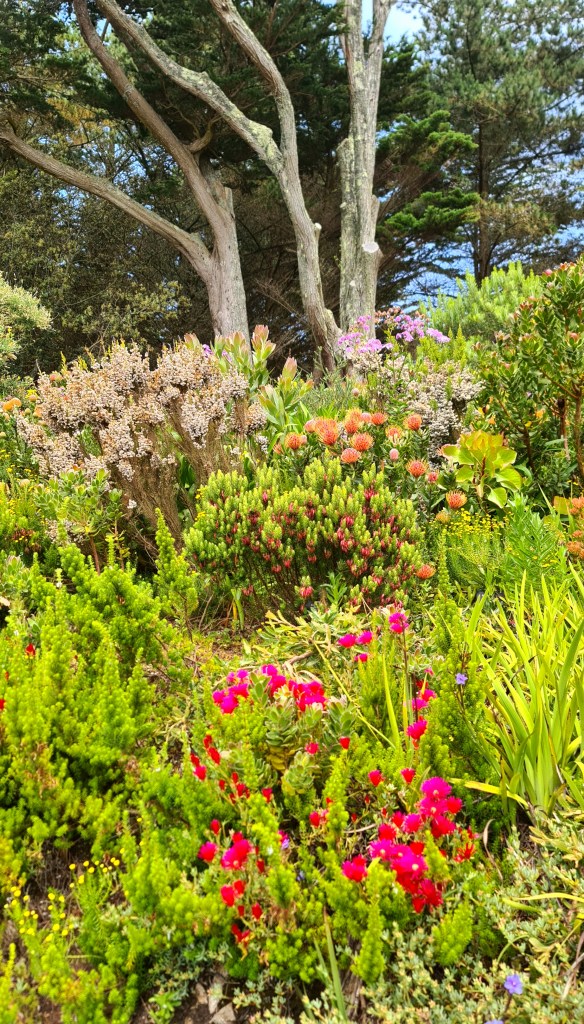
Plants have been introduced into the gardens from all over the world, albeit obtained in many instances via Kew Gardens, including from South Africa, Australia, New Zealand, Chile, and the the Canary Islands. The mild climate of the Scilly Islands, bathed as they are by the Gulf Stream, provide a wonderful, virtually frost-free habitat for such exotics, sheltered by salt-tolerant Monterey Pine and Cypress trees from California.
A yellow flowering succulent
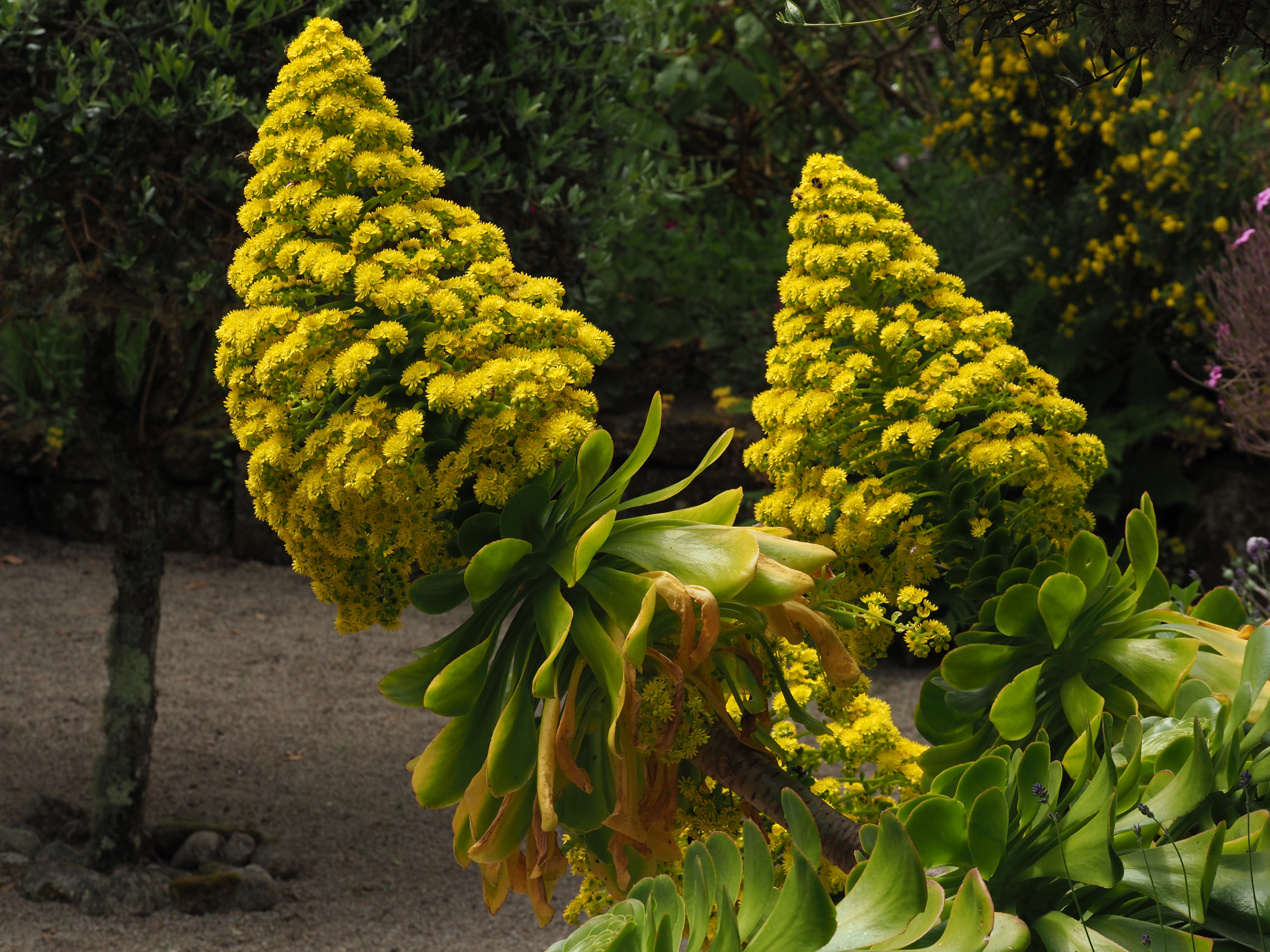
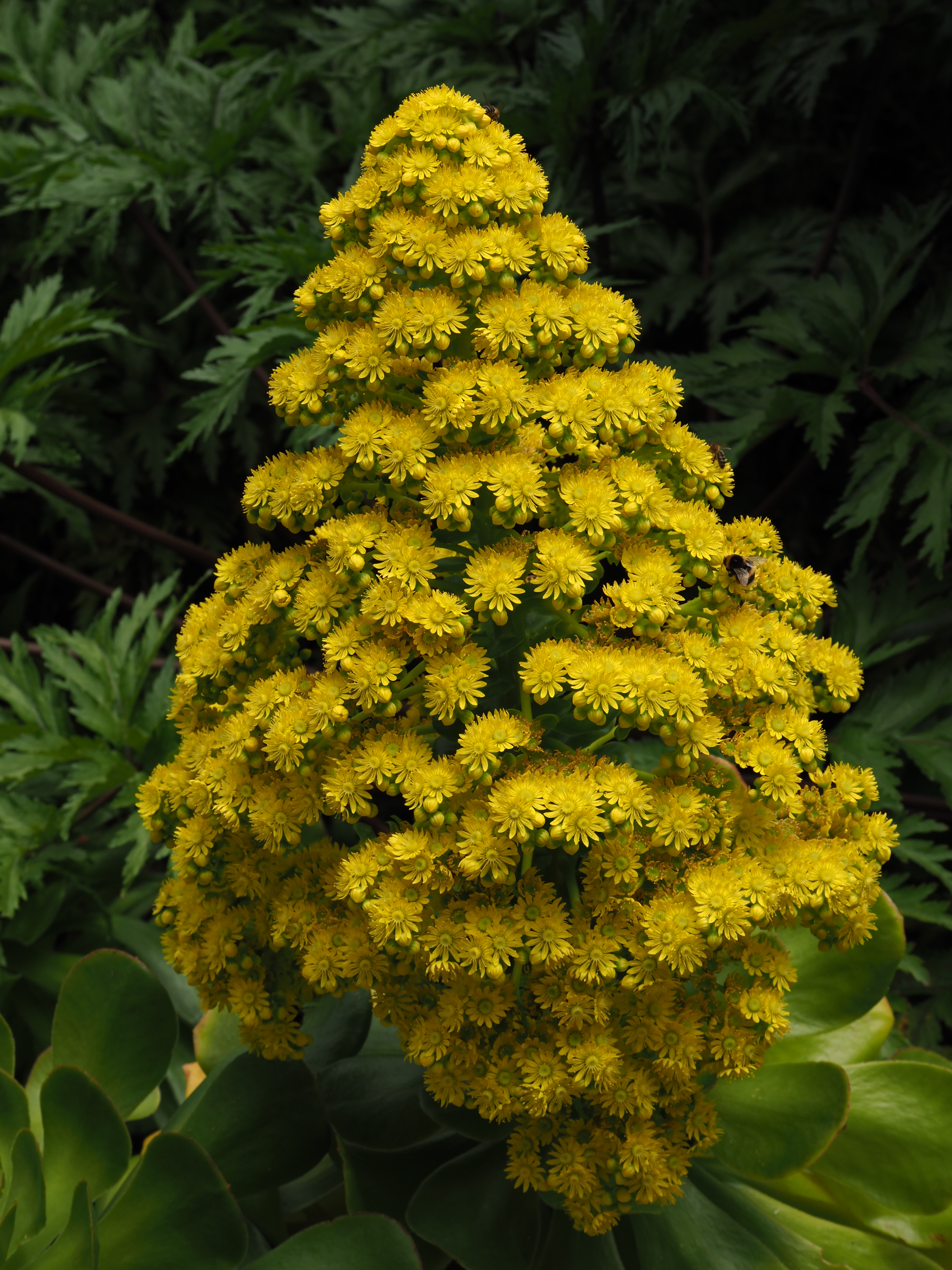
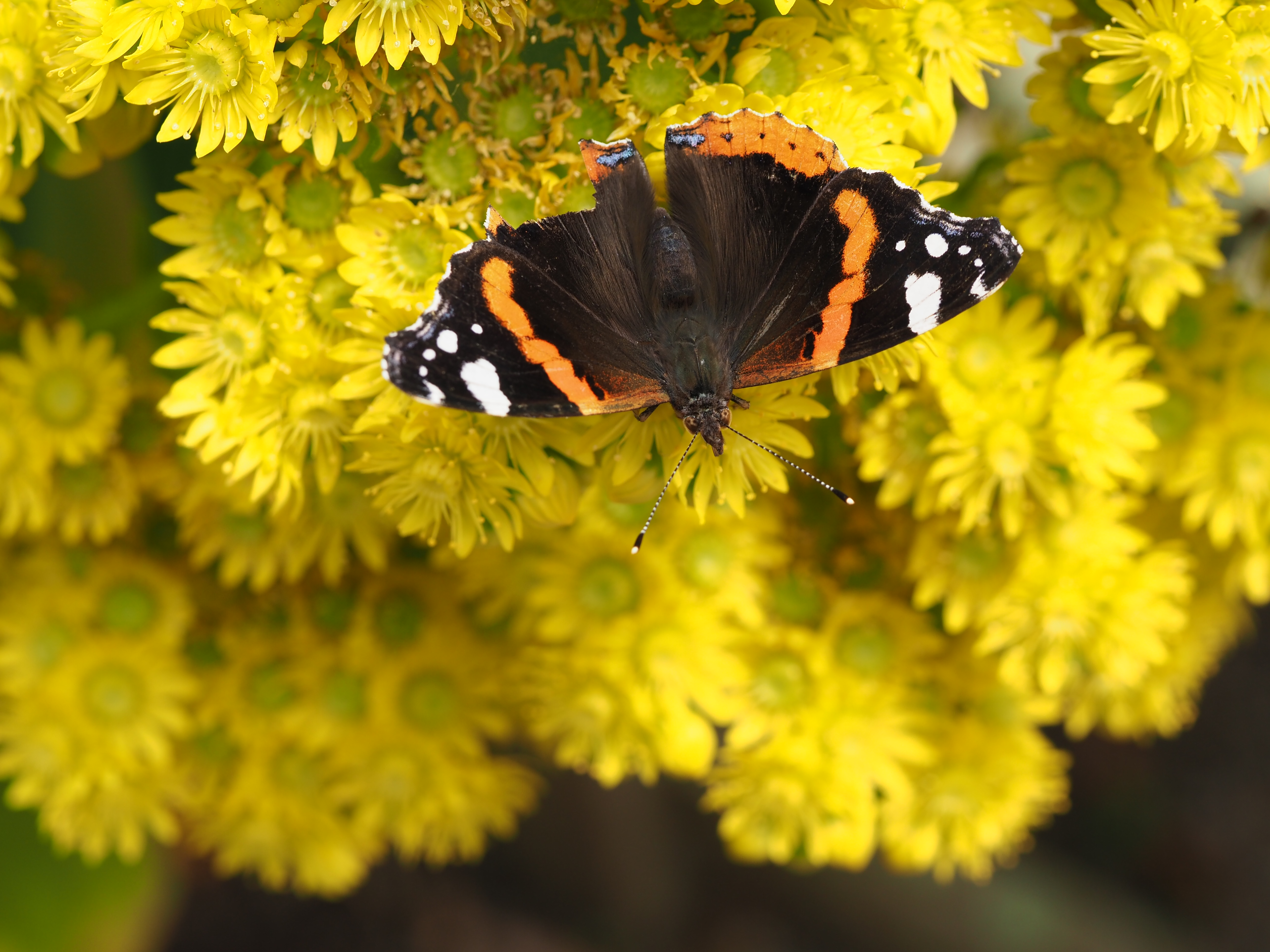
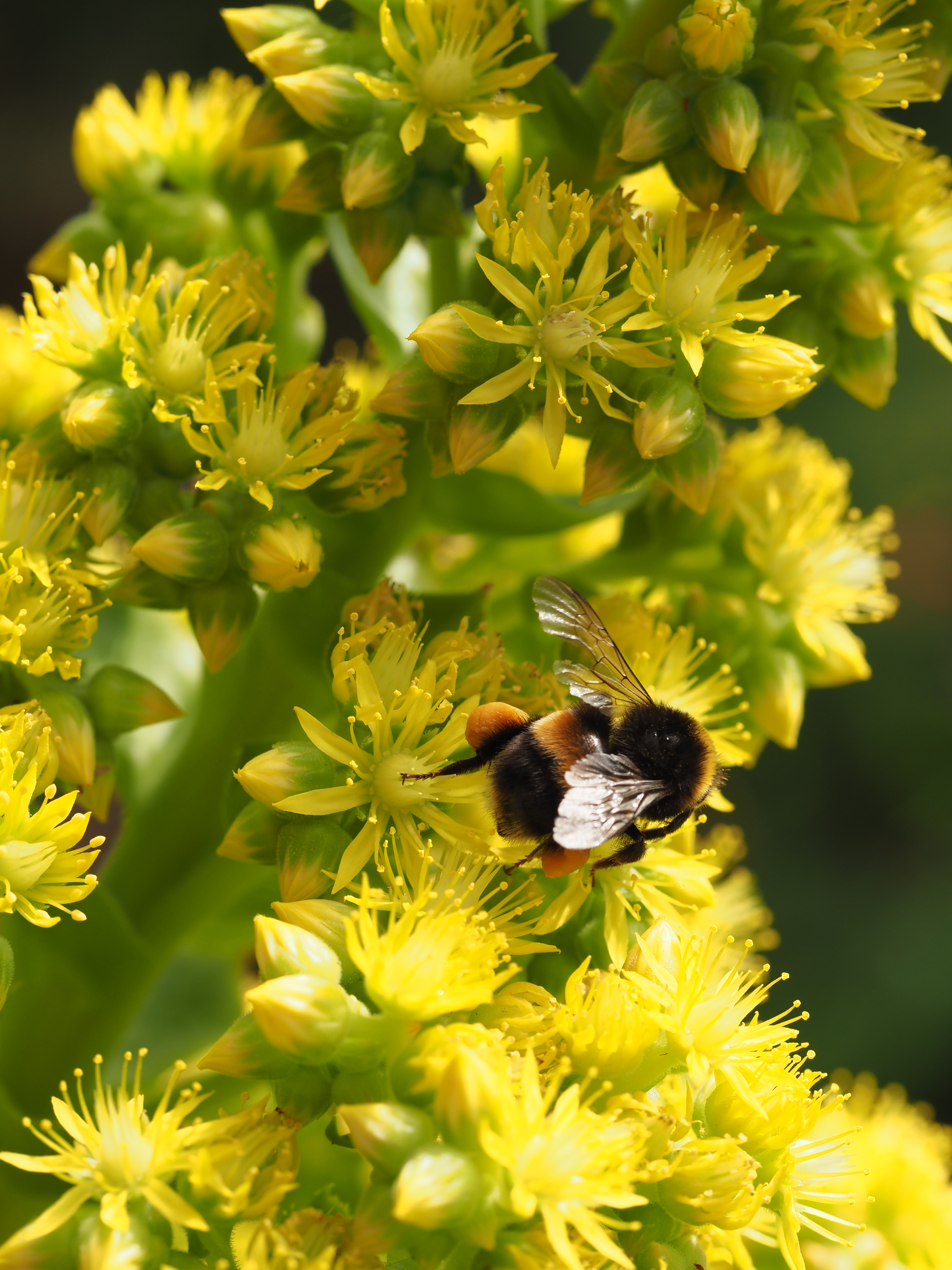
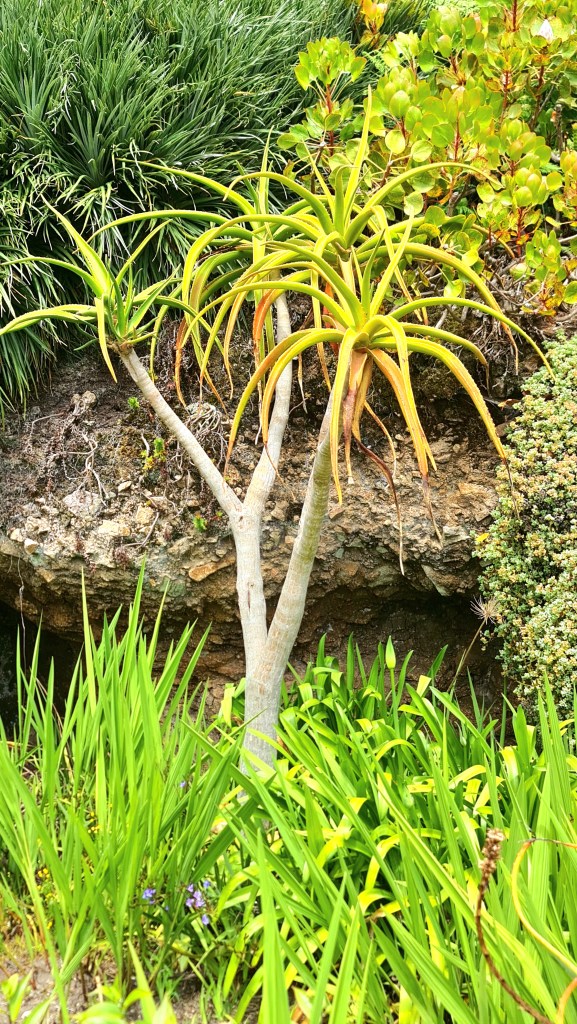
The magnificent Aeonium arboreum ‘Zwartkop’ (Crassulaceae) – a succulent which is endemic to the western Canary Islands is a magnet for all sorts of insects, including bumblebees and butterflies (below). Although it is beautiful and fascinating in my opinion, this plant is considered to be invasive weed in some places, such as Australia.
Aeonium arboreum ‘Zwartkop’Aeonium arboreum ‘Zwartkop’Red admiral butterflyBumblebee laden with pollen
I came across a remarkable flowering agave plant from South America (below). These succulent plants belong to the family Asparagaceae and like many agaves, Furcraea parmentieri is monocarpic, which means that the rosettes die after flowering. At maturity, this plant explodes into flower, producing a tall, spectacular inflorescence (below)
The gardens we see today, were the creation of a wealthy Victorian landowner called Augustus Smith, who in 1834 acquired the lease on the Isles of Scilly from the Duchy of Cornwall for £20,000; the equivalent of a few million pounds today. Still, quite a bargin I think. His title, Lord Proprietor of the Isles of Scilly, gave him the power to make a number of changes and reforms reforms to the islands. He built his home on Tresco, and started the Tresco Abbey Gardens, introducing many exotic plants and carrying out landscape planting.
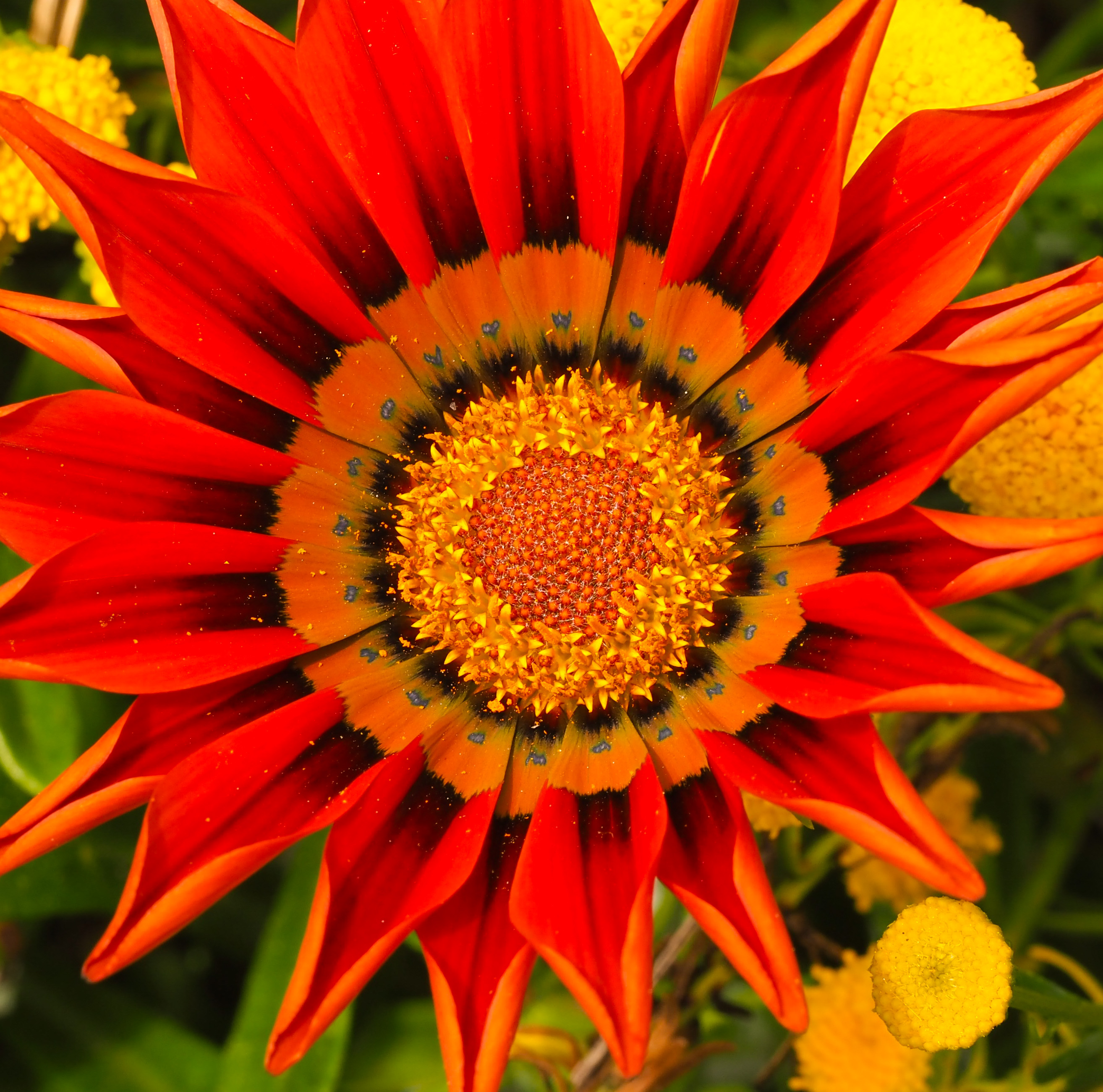
Gazania is a genus of flowering plants in the family Asteraceae, native to Southern Africa, where they typically appear in the late spring and often in bloom throughout the summer into autumn.
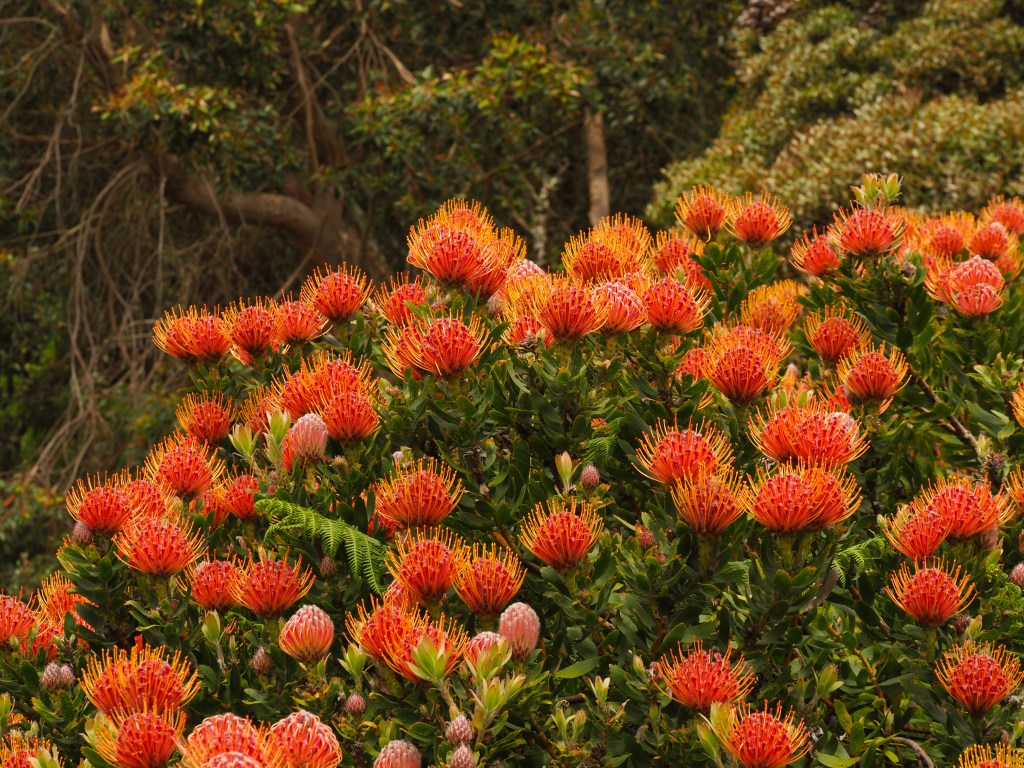
Gazania flower from South AfricaPincushion flowers (Leucospermum cordifolium)
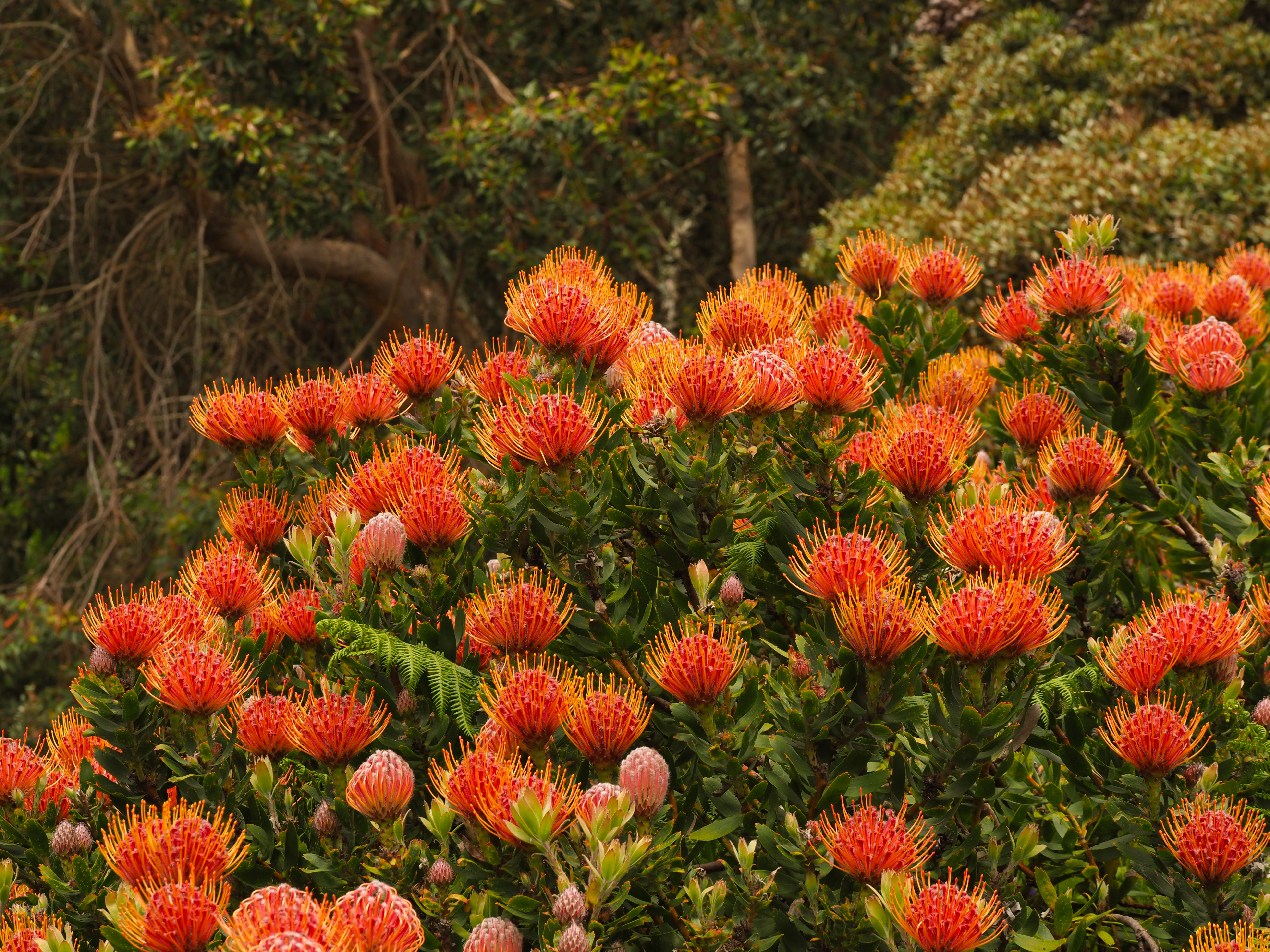
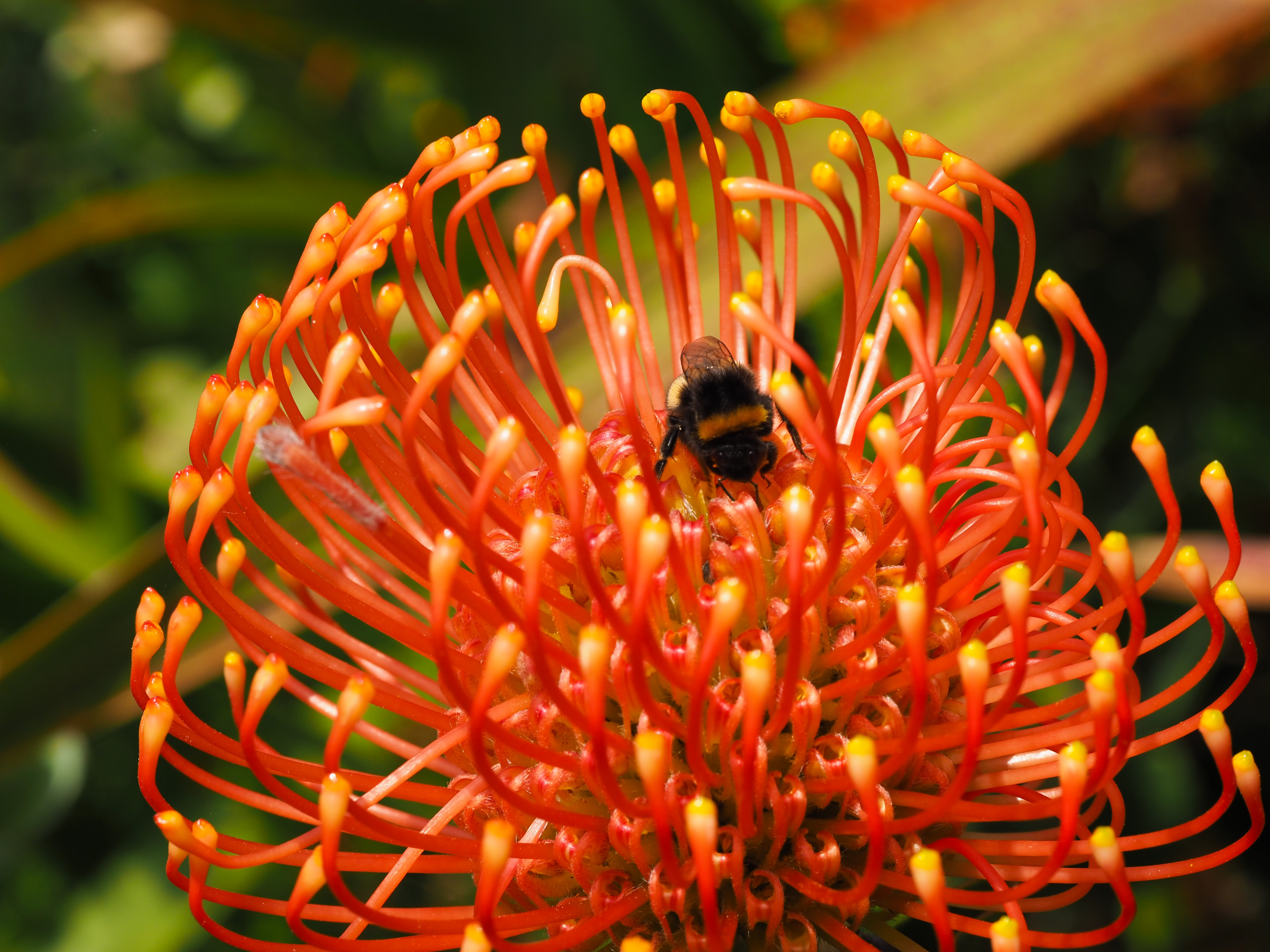
The bumblebees liked the pincushion flowers (below), despite their being exotics from South Africa – they have pollen and nectar just like native flowers – and almost looked like they were trapped in a ‘bee cage’ made by the individual florets!
Bumblebee in Pincushion flower head, Leucospermum cordifoliumBumblebee in Pincushion flower head, Leucospermum cordifolium
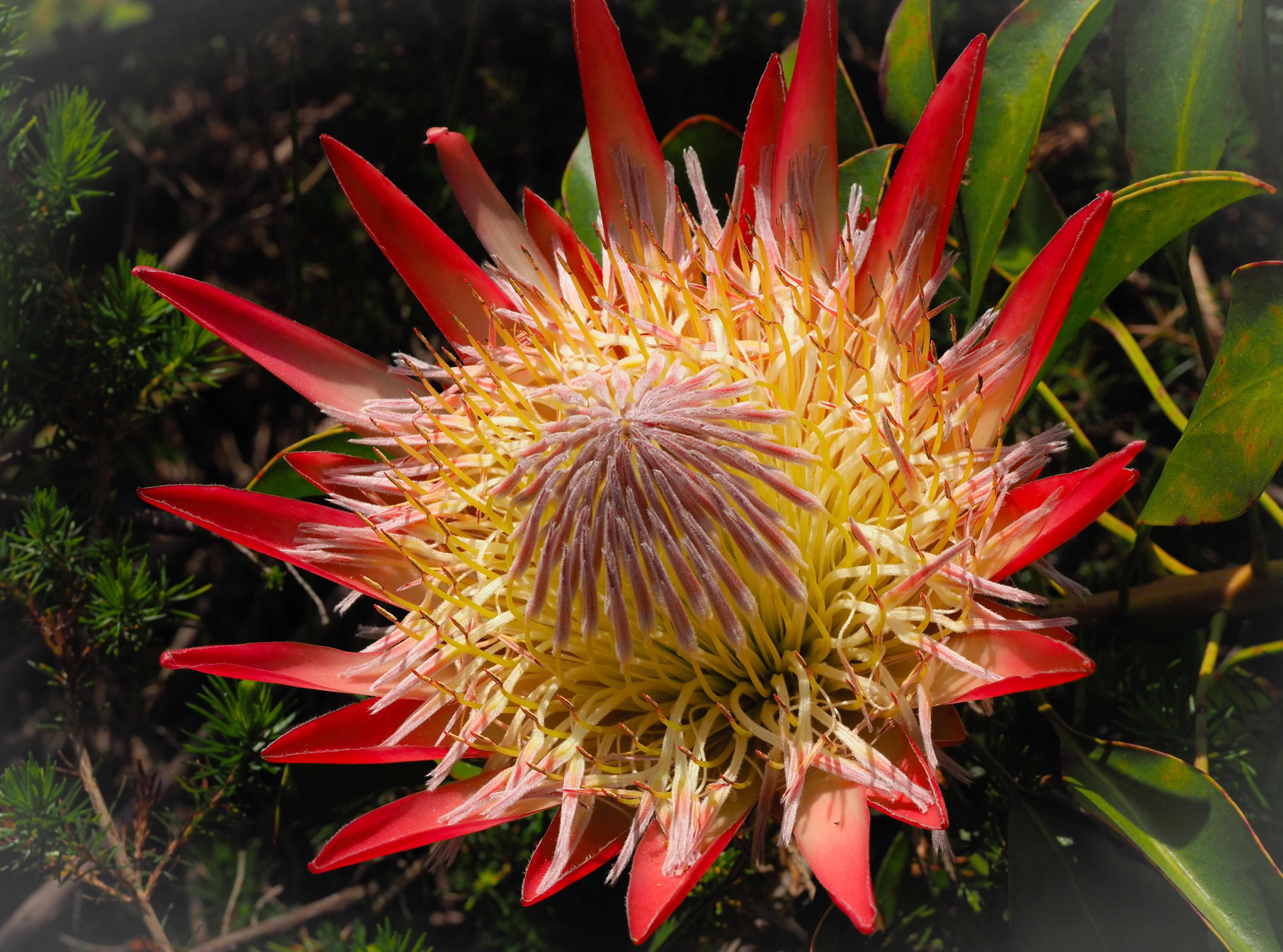
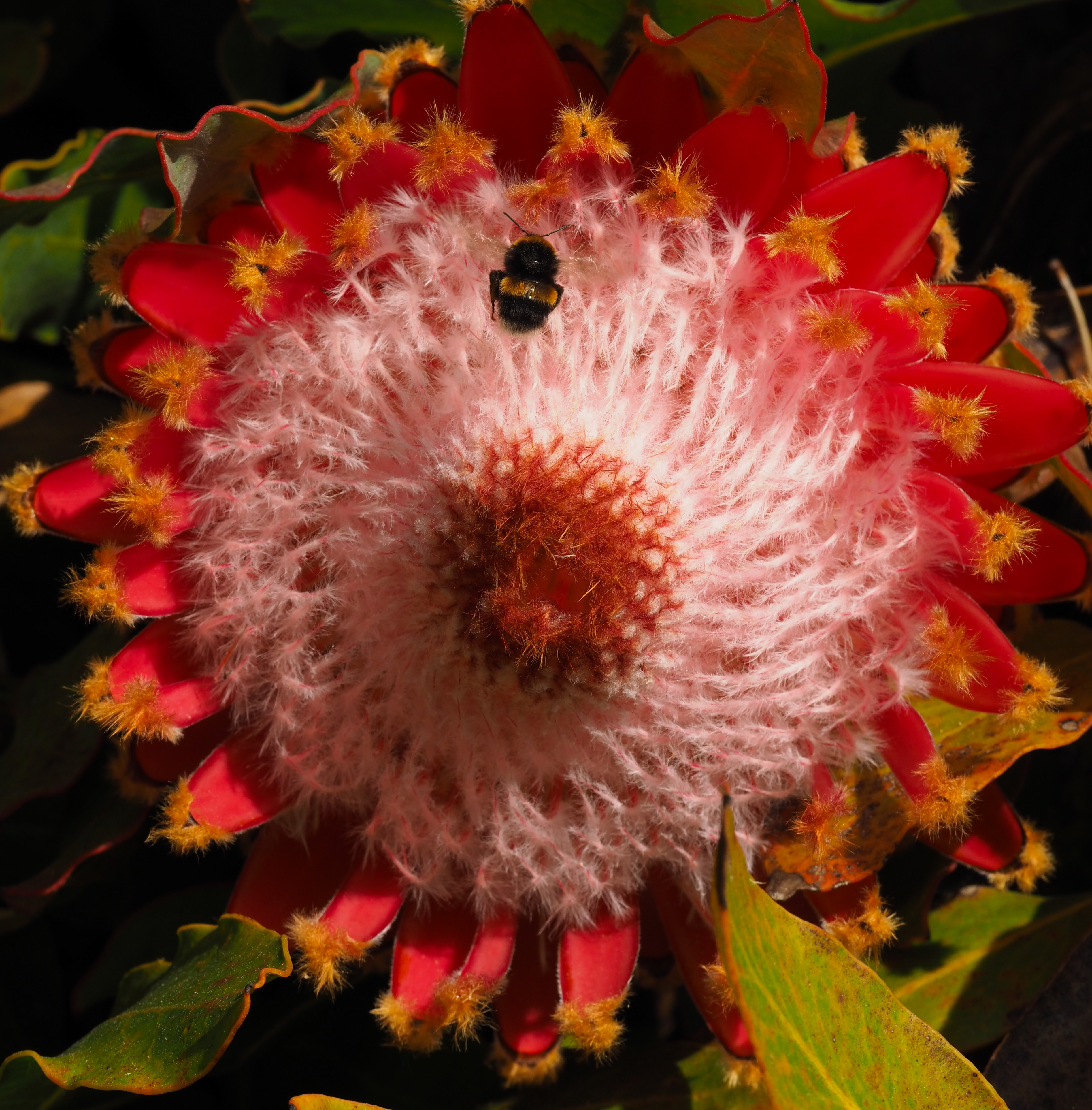
Proteas are one of my favourite flowers, and it was a treat to come across the magnificent King protea, Protea cynaroides (Proteaceae).
King protea Protea cynaroides
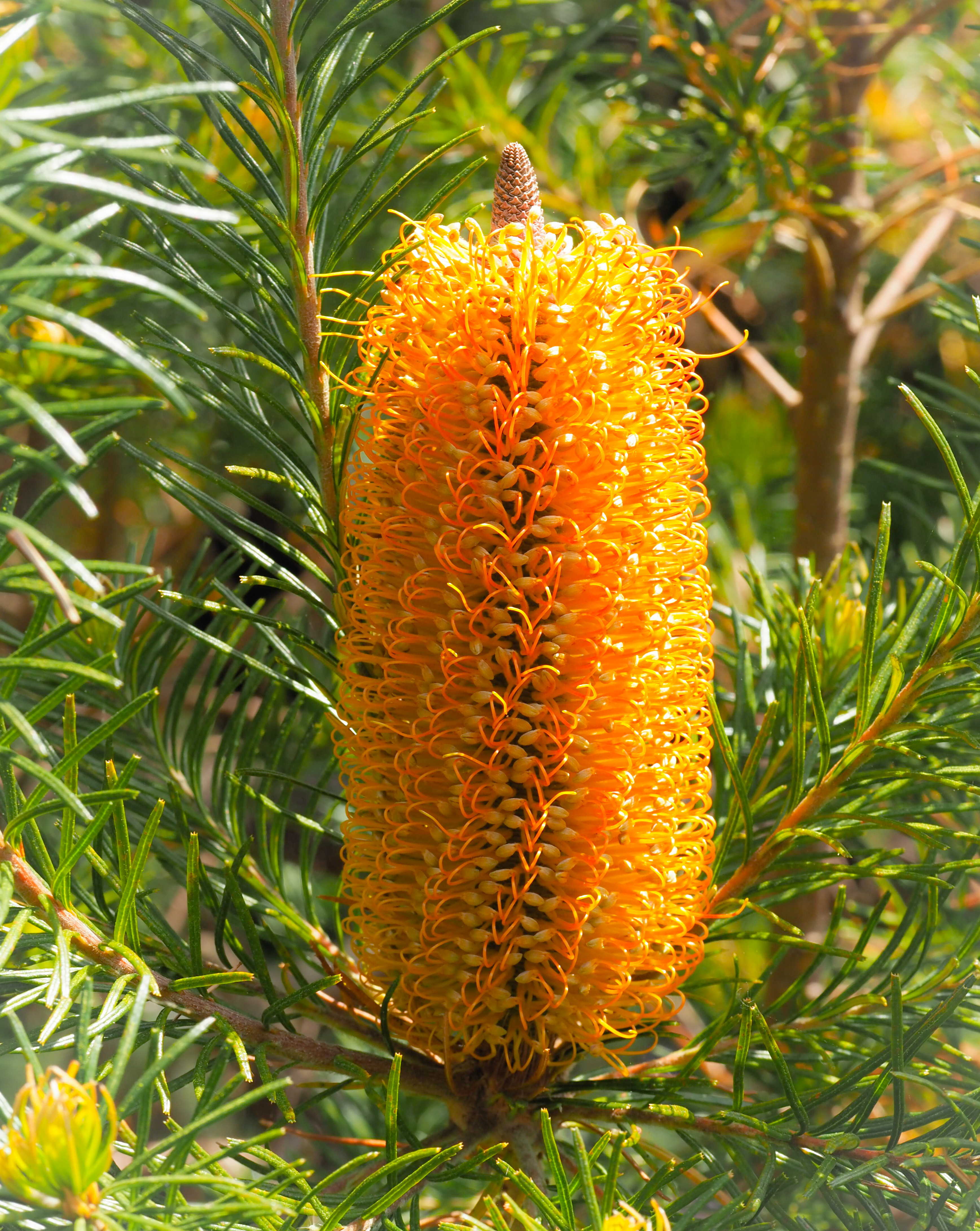
Banksia plants are also in the family Proteaceae and there are around 170 different species in Australia (below).
Banksia spinulosa (I think!)
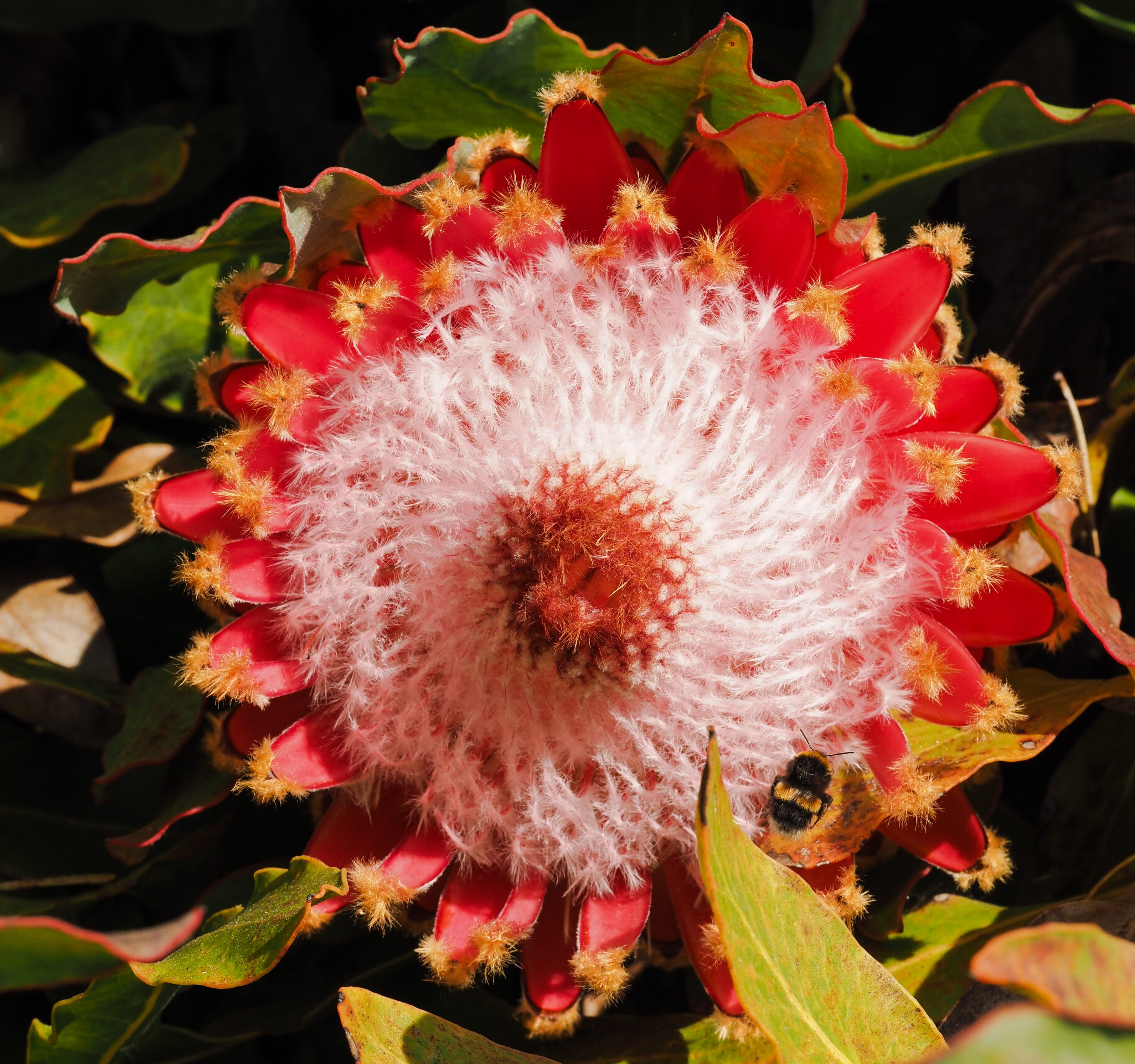
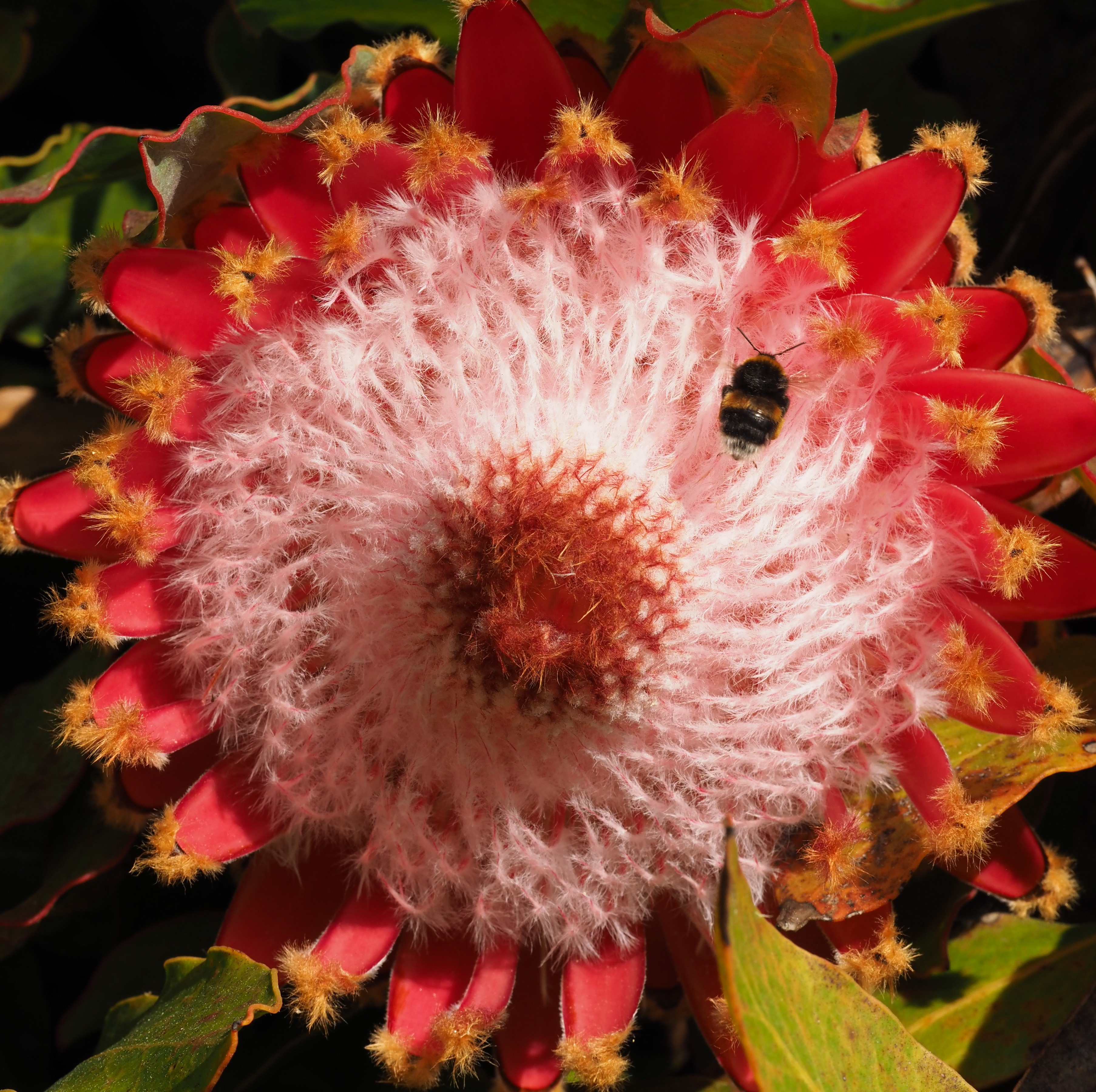
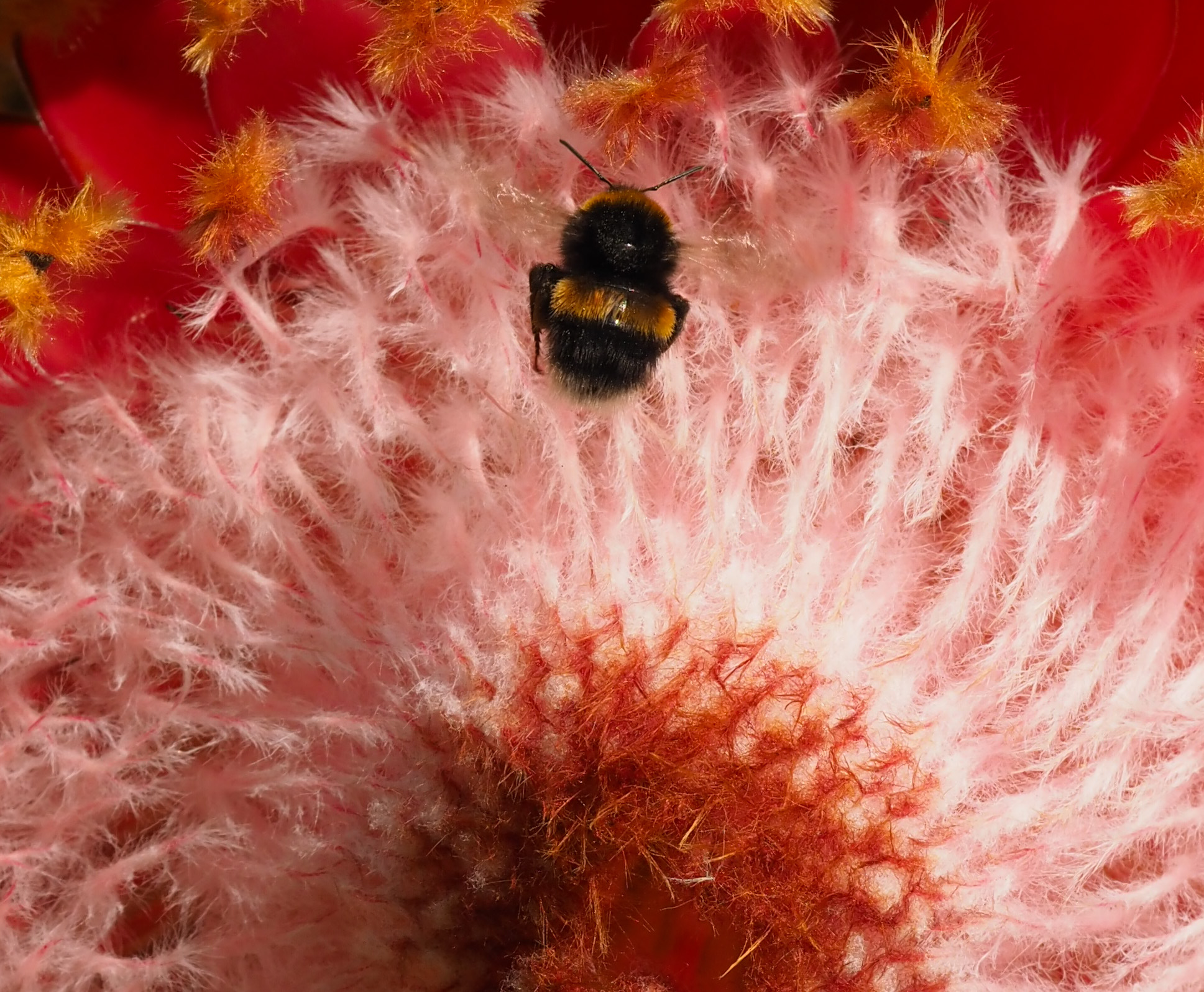
And another species of South African protea was in flower and being visited by a bumblebee (below), which obligingly moved about as I photographed it! Protea magnifica.
Protea magnificaProtea magnificaProtea magnificaBumblebee on Protea magnifica
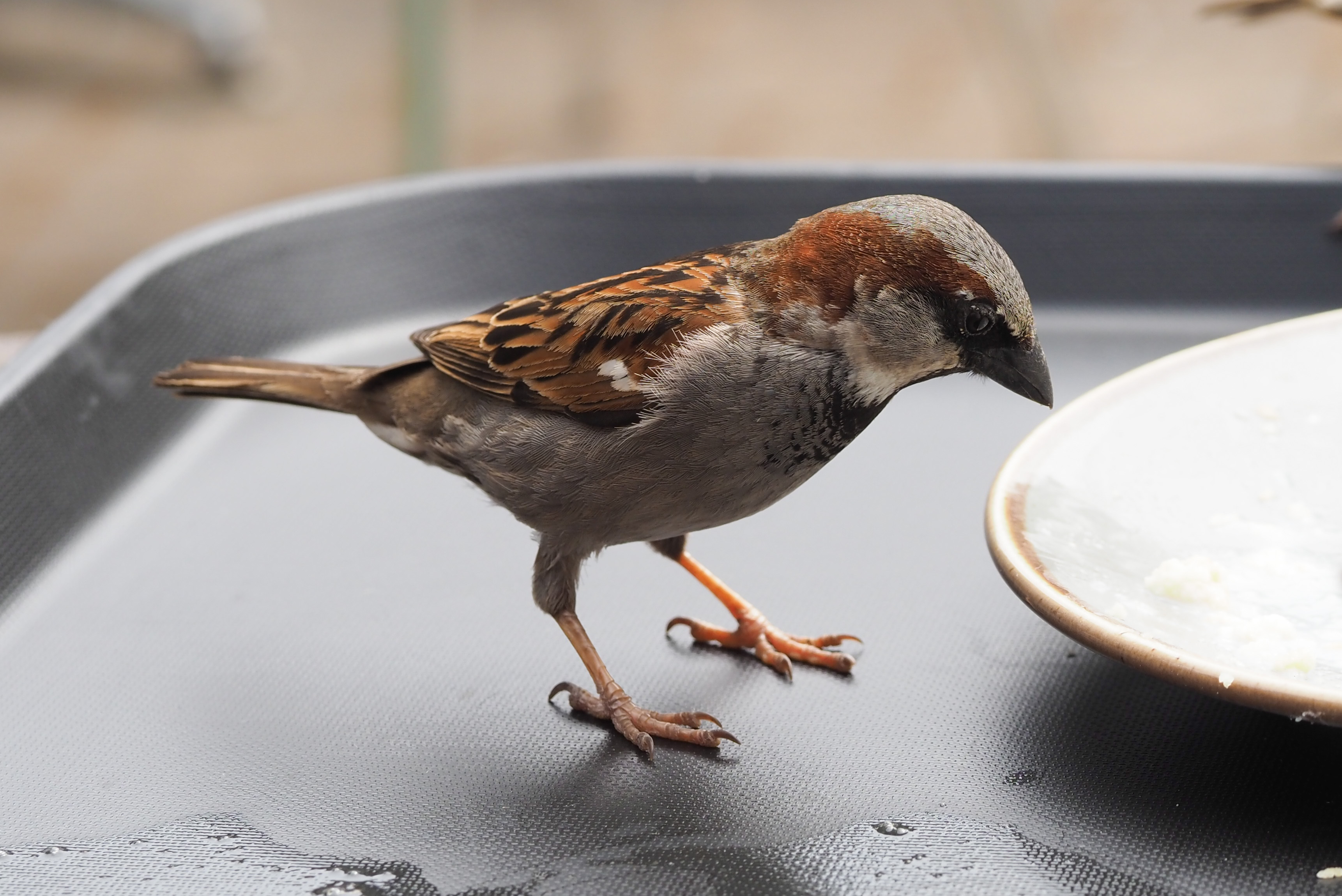
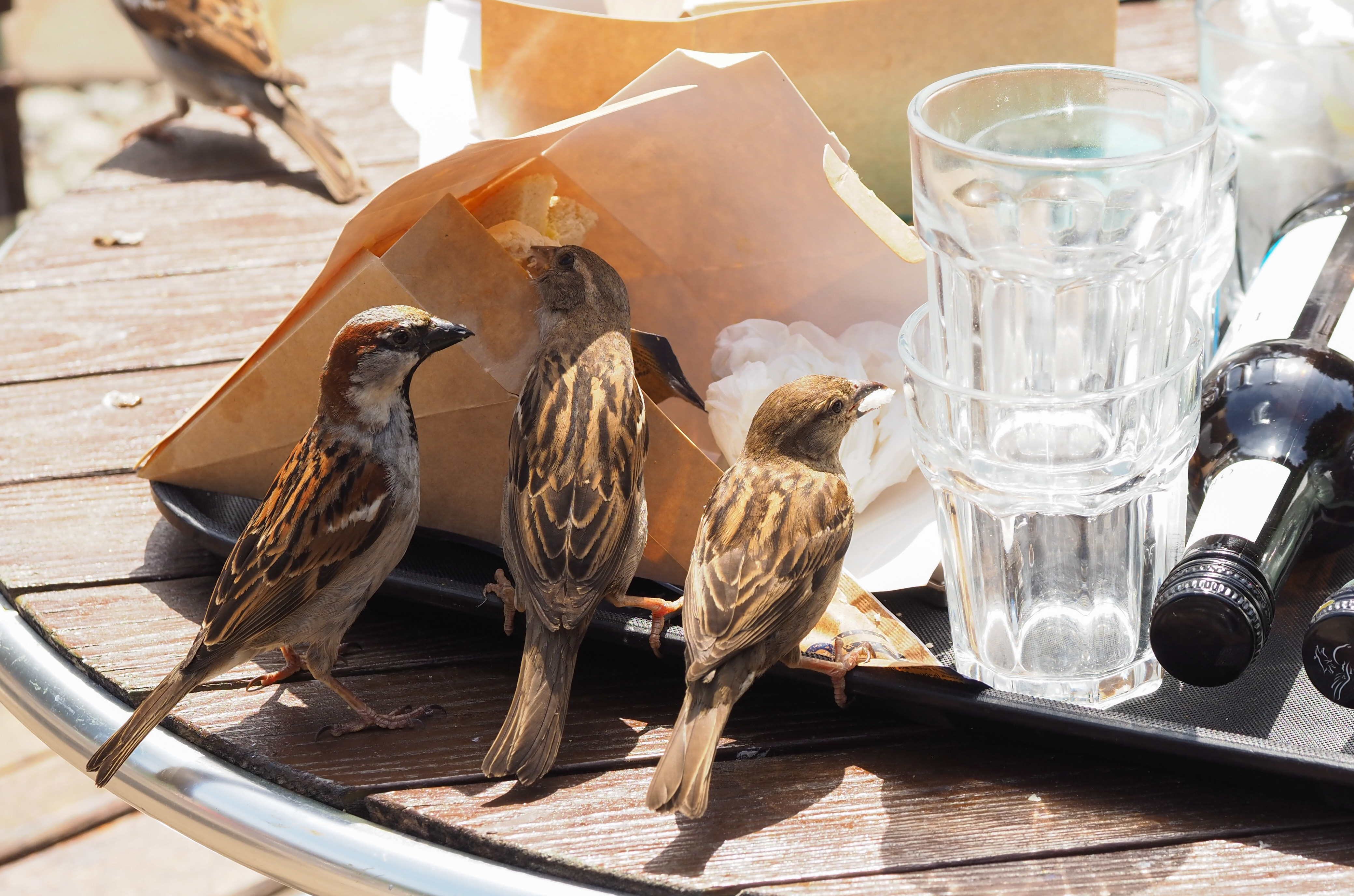
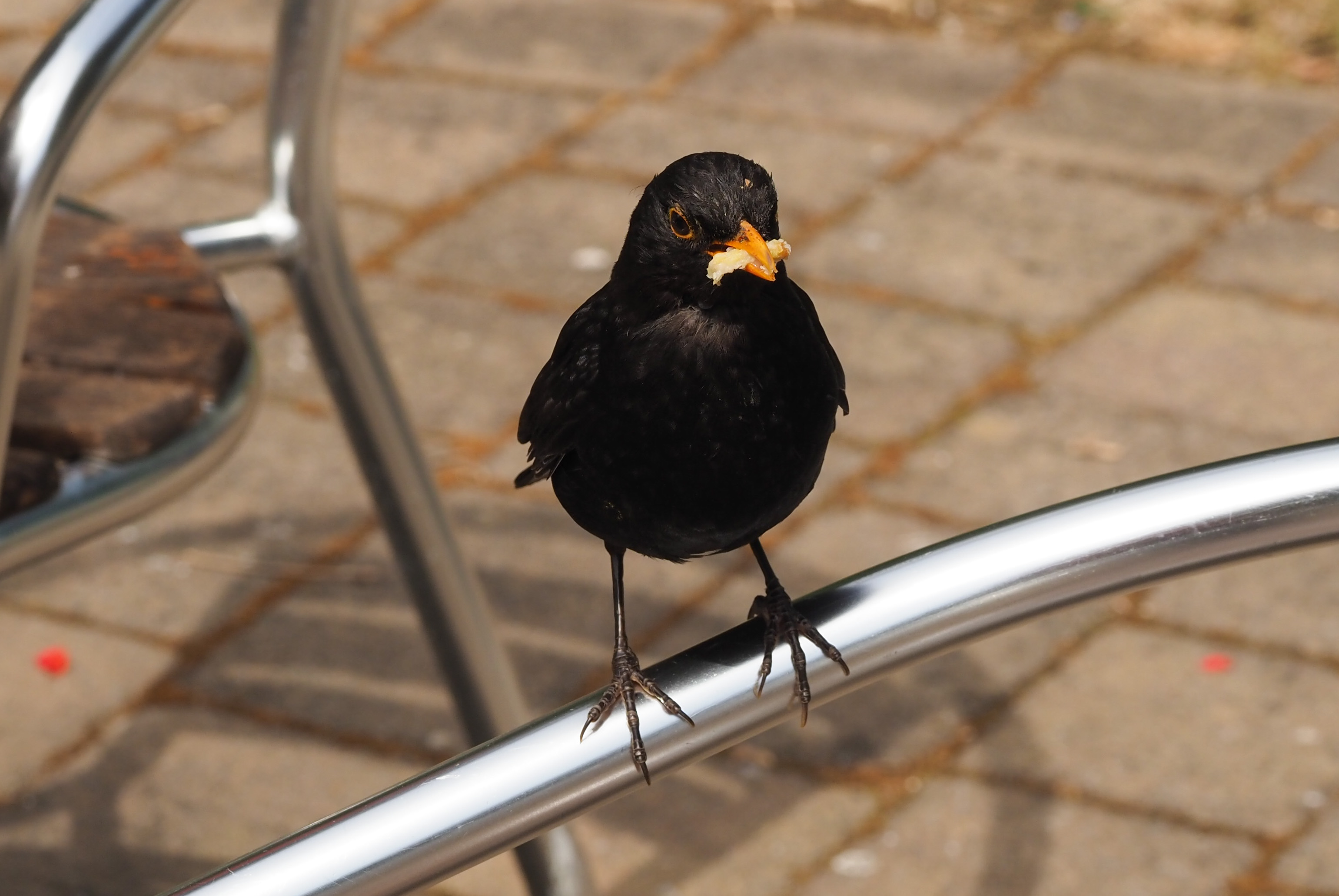
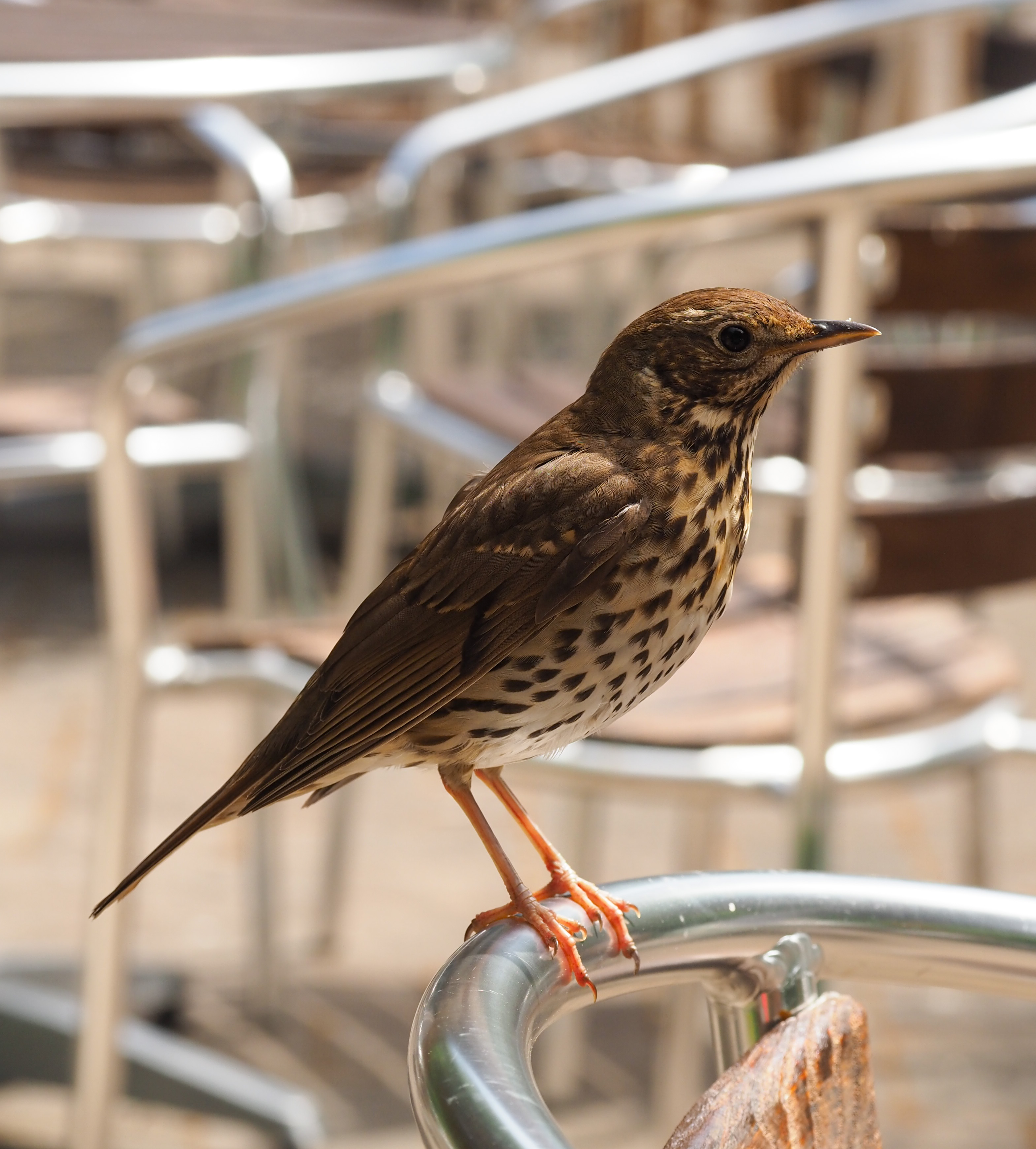
The birds at Tresco Abbey Gardens in the Scilly Islands were extraordinarily tame and clearly used to helping themselves to whatever was left over on the tables in the cafe! I took a few portraits as I was having my tea. It’s not often that birds will let you get so close to them.
House sparrows (males)House sparrows (male)House sparrows (males)House sparrows (male and two females)House sparrows (Three males)Blackbird (male)Thrush
I will post some more pictures of flowers from the fabulous gardens on Tresco in another blog.
Soay lamb in May 2023. Photo by Raymond JC Cannon St Kilda is an isolated archipelago situated about 40 miles west of the Outer Hebrides in Scotland. The three main islands, of which the largest is Hirta, are the remains of an ancient volcano which blew its top about 55 million years ago. The other main islands are Soay […]
Doctors, and other heath professionals, often ask patients: “how bad is the pain, on a scale of one to ten?” I invariably give a rather low number, say two or three, because I know – or at least I can imagine – how bad pain can be. Being a pedantic scientist, I also ask them to define the upper limit!🤣 A cobra bite, a bullet ant or a stonefish? I ask. There are of course some pretty horrendously painful medical conditions, like gall stones, but this being a travel blog, I will stick to bites and stings.😊
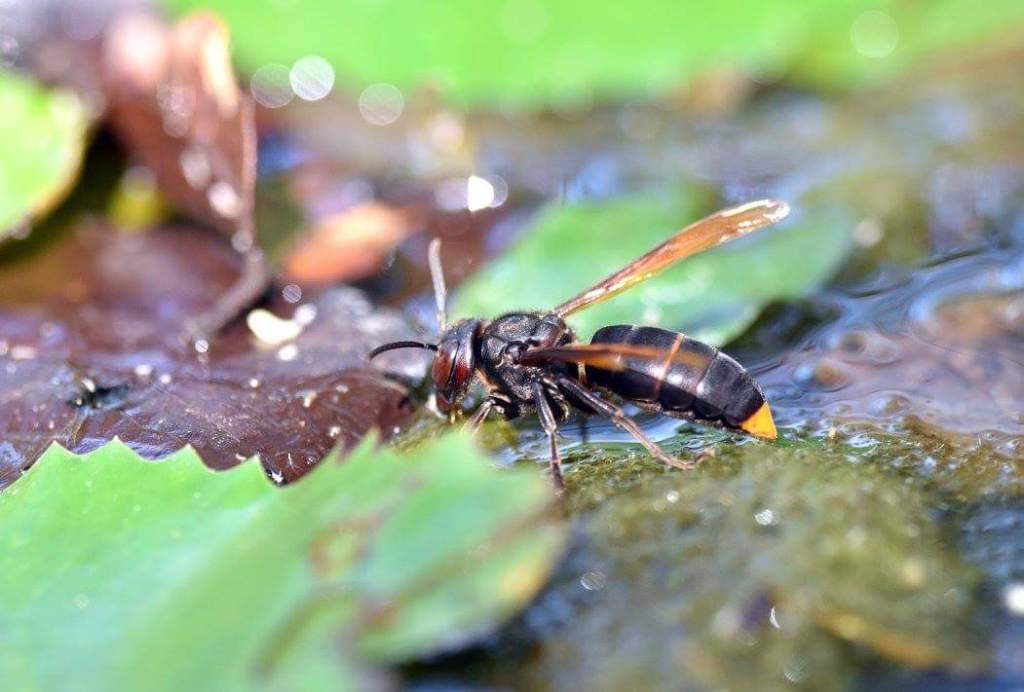
Hornets, like this unidentified species from Bali, usually rank between 2 or 3 on the Schmidt pain index
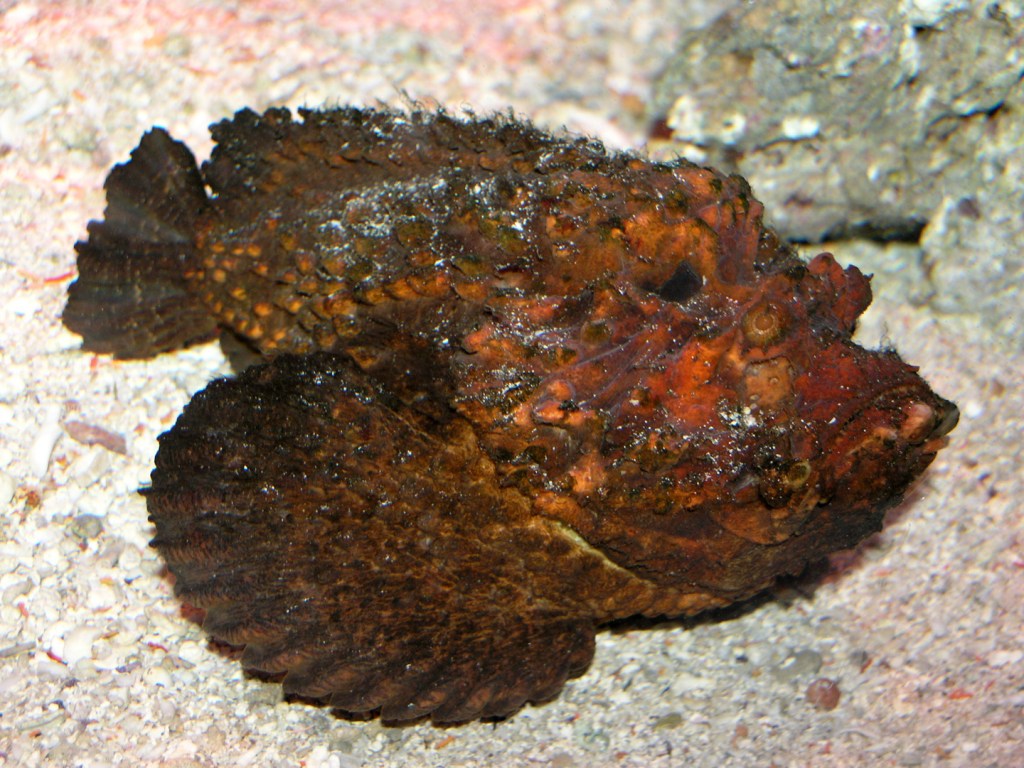
Stonefish, which includes a number of different species from the Red Sea to the Pacific ocean, are the most venomous known fish in the world. There are hundreds of similar venomous species, if we include lionfish and scorpionfish as well. My own memorable encounter (described below) was with a type of scorpionfish, in the Mediterranean (Greek island). I’d rank it as 7 out of 10. We can put the stonefish itself (below) at 10.
A stonefish sting starts with excruciating pain and swelling, which quickly develops into paralysis, tissue necrosis, and even heart failure if left untreated. Link.
The bullet ant’s sting is ranked the highest, at Pain Level 4, on the Schmidt’s sting pain index, and is said to be like “walking over flaming charcoal with a three inch nail embedded in your heel”. You will however, only come across these little terrors under trees in humid lowland rainforests in Central and South America, or in the initiation ceremonies (count me out!) of certain Brazilian tribes.
However, the Schmidt sting pain index only applies to hymenopteran stings, e.g. ants, bees and wasps. Treat insects with respect and they will rarely bite you, in my experience. But I did once get a wasp trapped fown the back of my shirt in Thailand, and in its panic, it ended up stinging me. Just one of life’s experiences if you ask me, and something to talk about when you get home!😊
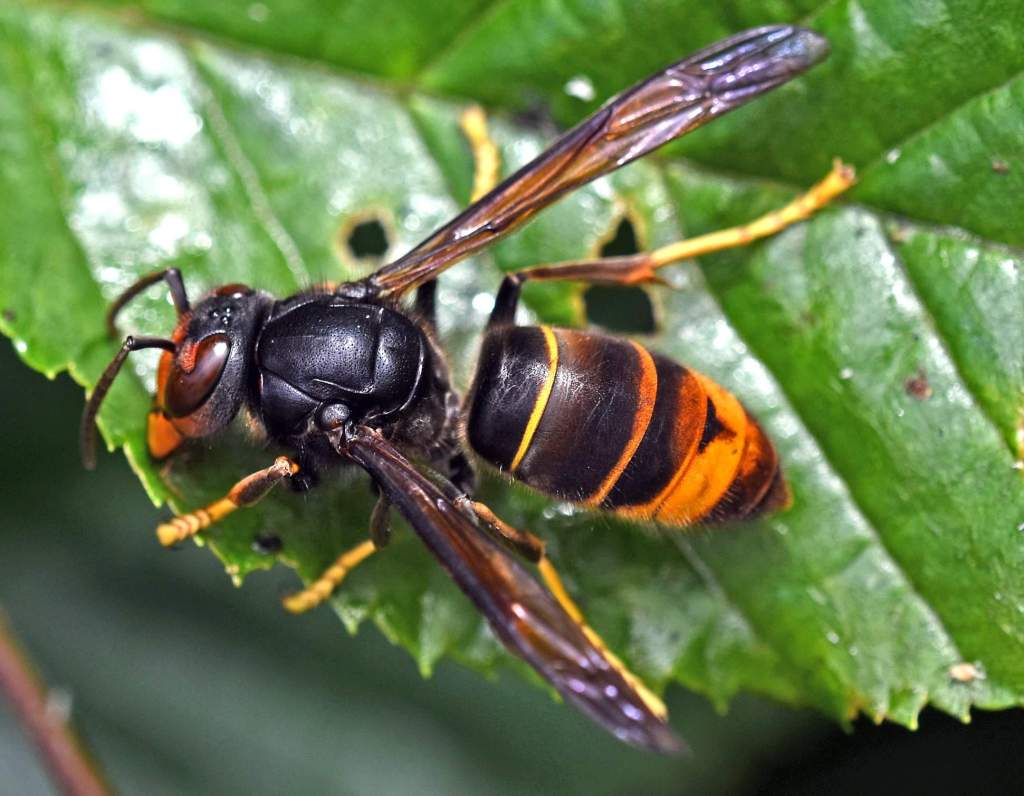
Wasps like the Asian hornet or yellow-legged hornet (Vespa velutina), an invasive species in Europe, are not very aggressive – unless you poke them or do something silly – and in my experience you can approach them very closely without eliciting any response. This situation is however, very different when you get close to their nests, which should be treated with the utmost respect and left to professional pest controllers to remove. People have died as a result of hornet stings.
The invasive Asian hornet, Vespa velutina. Stay away from their nests!
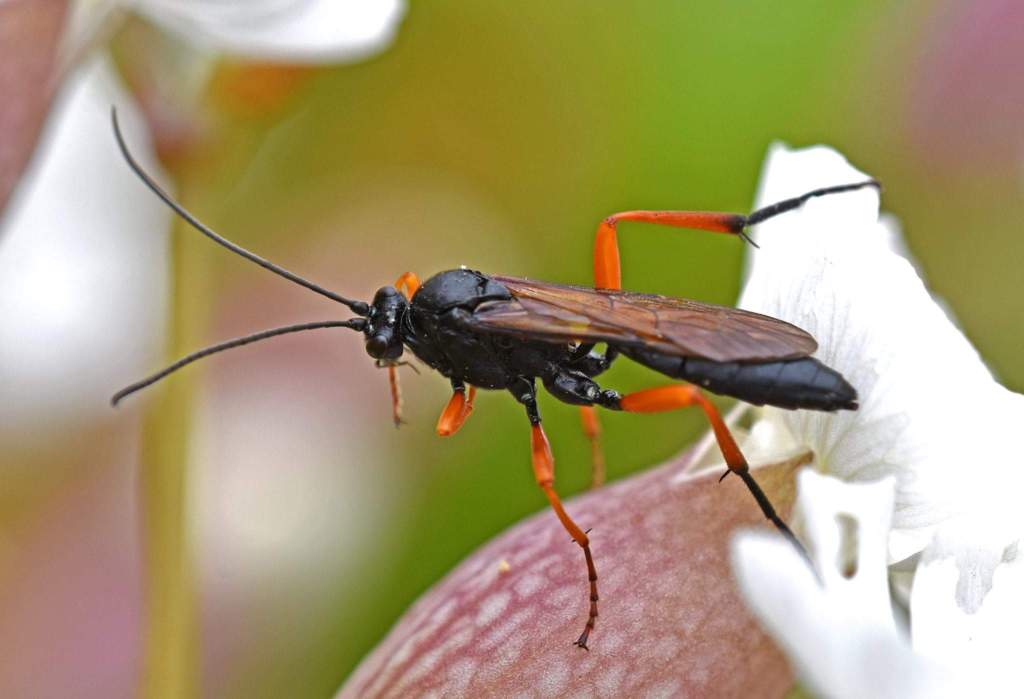
Fortunately, the tarantula hawk wasp (Pompilidae) that I photographed in northernThailand (see below), a wasp that preys on tarantulas, did not bite me. The wasp’s sting is rated near the top of the Schmidt sting pain index, second only to that of the bullet ant, and described by Schmidt as “blinding, fierce, and shockingly electric”. Not something most people would want to experience!
Tarantula hawk wasp (Pompilidae) from Thailand
I don’t know if anyone has attempted to compile a more inclusive pain index than Schmidt, e.g. including spiders, snakes, fish, scorpions, jellyfish, and so on? It would however, be quite challenging to compare and contrast all the different effects, and pain levels, because pain is a somewhat subjective experience. Not totally subjective of course! But, studies have shown that if we think that an impending painful experience will be at a low level – or if we have an expectation of decreasing pain – this produces a reduction in the actual perceived pain, equivalent to the effects of a dose of morphine (Koyama et al., 2005). The brain is a very powerful organ!
“expectations of pain powerfully interact with brain mechanisms processing afferent nociceptive information to dramatically alter the subjective experience of pain” (Koyama et al., 2005).
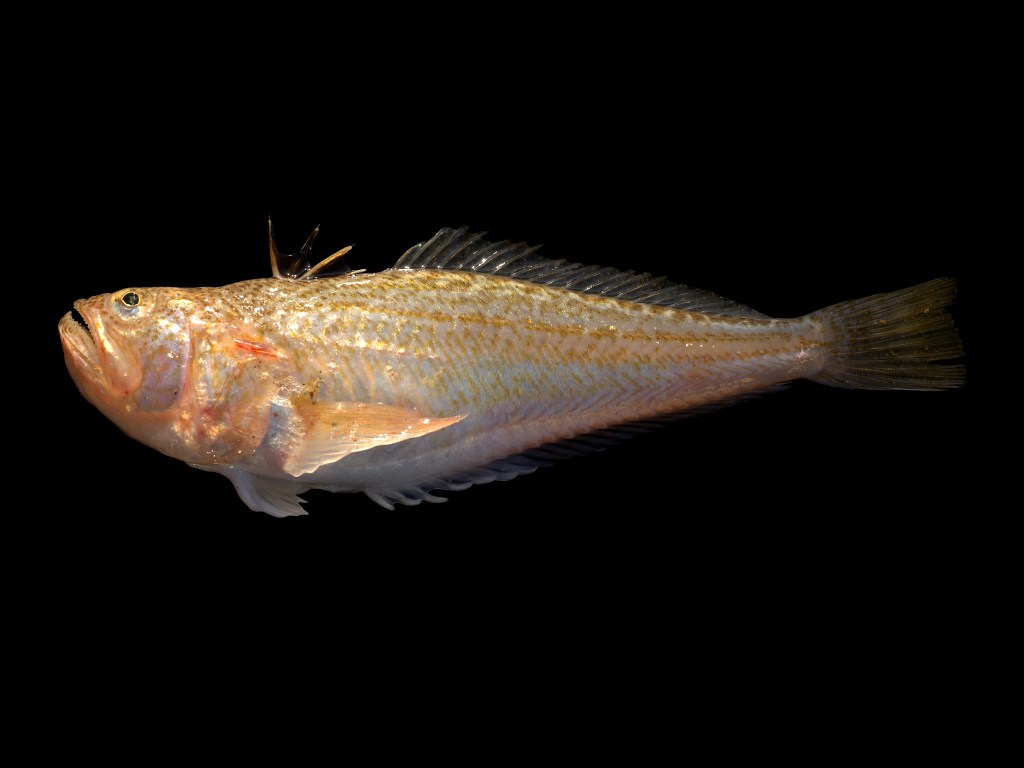
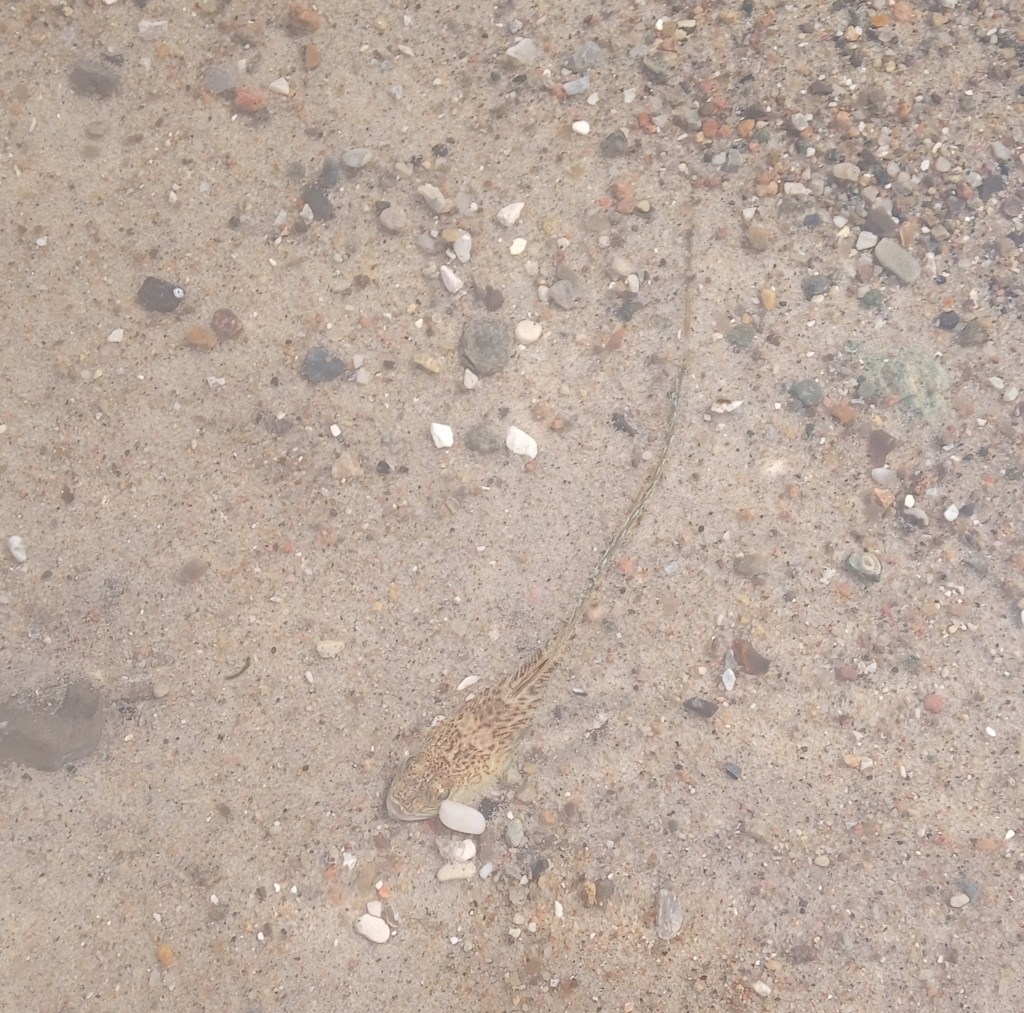
The fish that stung me in Greece – it was my own fault! – was almost certainly, a member of the weever family Trachinidae, which have venomous spines on their first dorsal fin (see above). I don’t know if it was a greater or lesser weever fish, as they both have very broad distributions. They like to bury themselves in the sand, with only their eyes and anterior back fins protruding above the seabed (see below). Poisonous glands are located at the base and sides of these spines and stings can occur when people tread on them, as they are wading though shallow water.
In my case I was diving down about ten feet to try and touch the bottom. Unfortunately, I touched the spine of a ‘scorpion fish’ instead of the seabed, and the fish was presumably just as surprised by this unexpected encounter as I was! However, millions of years of evolution had given it the advantage. Once touched it was unlikely to be touched again! The reason being, a toxin which induces intense pain which develops rapidly, and in some cases moves up from the extremities to the whole limb.
I swam back to the beach, where I had left my clothes, and started to show my stung and bleeding finger to anyone and everyone, who was interested. “Scorpiones” shouted a Greek fisherman, who suggested I go to the hospital. The pain was getting worse and worse and I can’t even remember who took me in their car to the clinic.
“How bad does it get?!” I asked the doctor, panic rising. I somehow felt that I could deal with it better, if I knew what the upper limit of the pain was to be! They reassured me that it was not life-threatening and that I would be just fine. To help me along they gave me some codeine. I recovered soon enough, but I have read that in one case, the pain was so bad that the poor individual tried to amputate their fingers to reduce the pain (Dehaan et al., 1991).
Weever fish are found throughout the eastern Atlantic region from the North Sea through the Mediterranean and Black Seas and along the western coast of Northern and Central Africa. They are often given the colloquial name “scorpion fish”, although they are not true scorpionfish (Scorpaenidae).
Foreign climes can bring all sorts of challenges in terms of venomous animals, but they are not out to get you, and usually just want to be left alone. Following a few basic safety rules, and most importantly of all, listening to locals and following their advice, should help avoid any unwanted painful encounters!
Dehaan, A., Ben-Meir, P., & Sagi, A. (1991). A” scorpion fish”(Trachinus vipera) sting: fishermen’s hazard. Occupational and Environmental Medicine, 48(10), 718-720.
Koyama, T., McHaffie, J. G., Laurienti, P. J., & Coghill, R. C. (2005). The subjective experience of pain: where expectations become reality. Proceedings of the National Academy of Sciences, 102(36), 12950-12955.