Tag: Flowers

  • Royal Botanical Gardens of Madrid

    Royal Botanical Gardens of Madrid

    I went to Madrid this year, partly to visit these gardens which I had read about but never visited on previous trips to Madrid. The gardens were founded in 1755, by King Ferdinand VI, and moved to their current location in the centre of Madrid in 1781 by King Charles III of Spain.
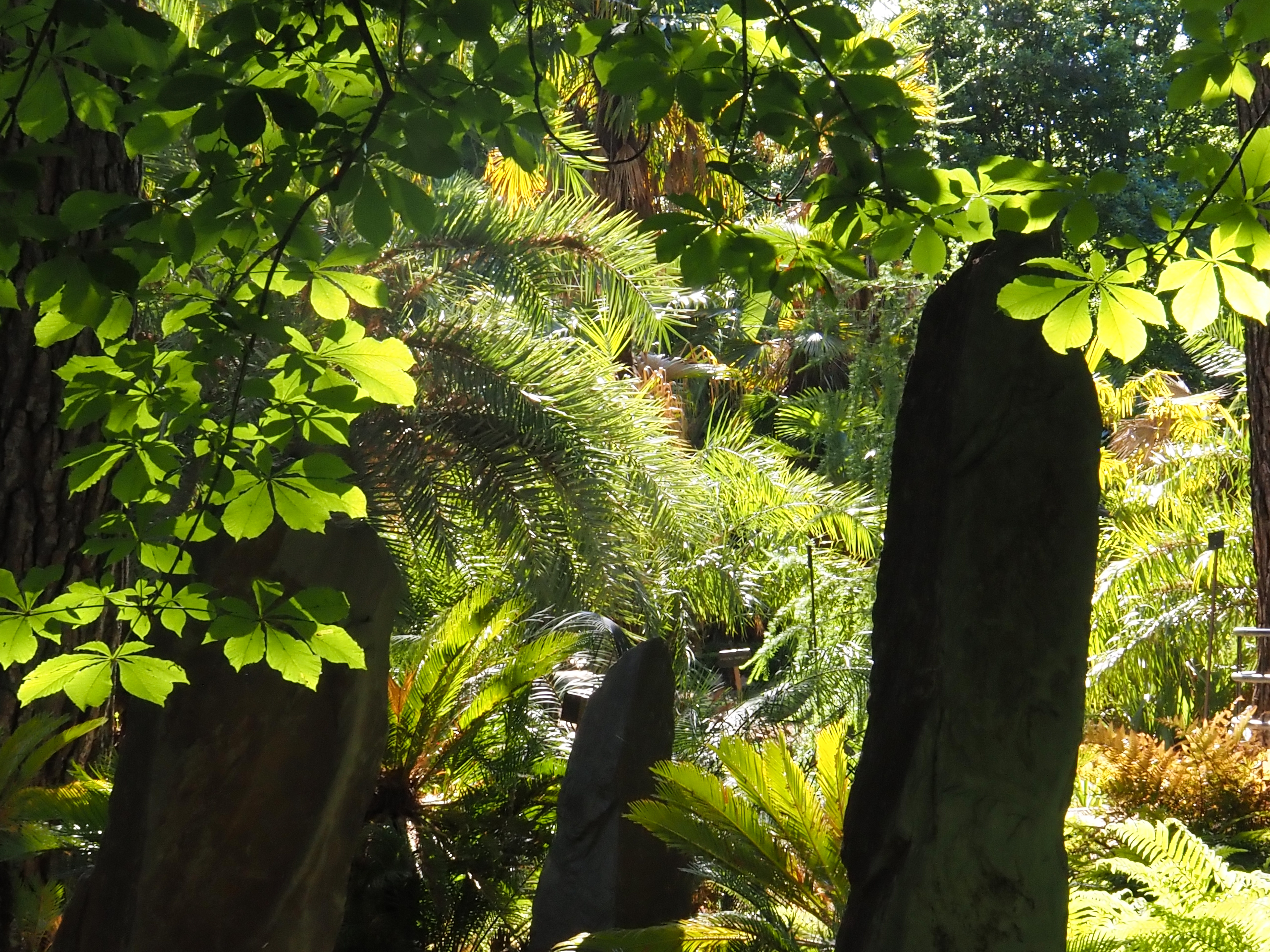
    The Royal Botanical Gardens of Madrid (Real Jardín Botánico de Madrid) is an 8 hectares (20 acres) botanical garden sited next to the Prado Museum.
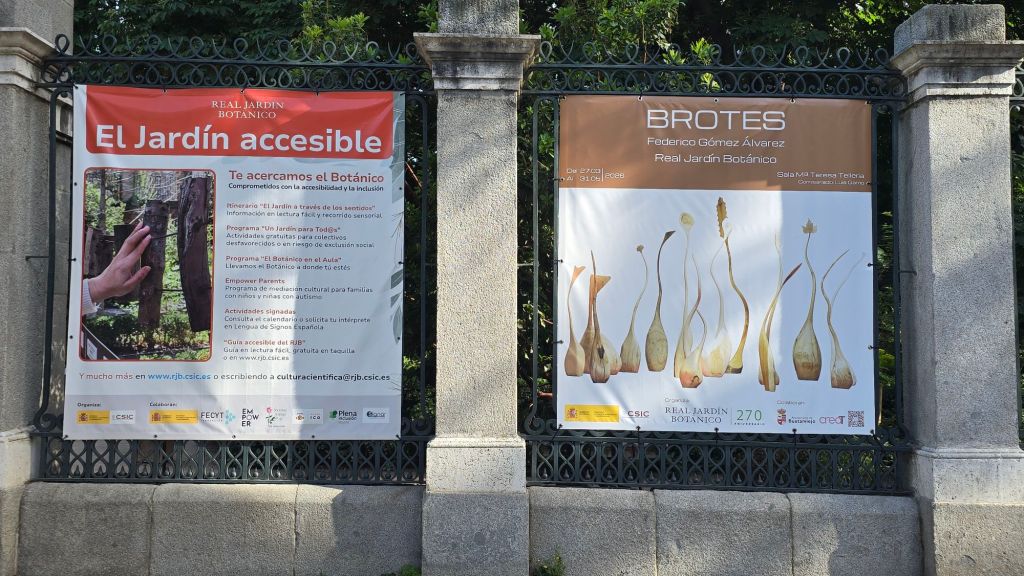
    There are said to be more than 5,000 species and cultivars of plants from different continents in the gardens, many collected on scientific expeditions carried out in the 18th and 19th centuries.

    It only costs one euro to visit the gardens and I went three times on successive days. Temperatures were high (c. 32-33 deg C), even though it was only May,

    The plants are arranged in a grid (see below) .
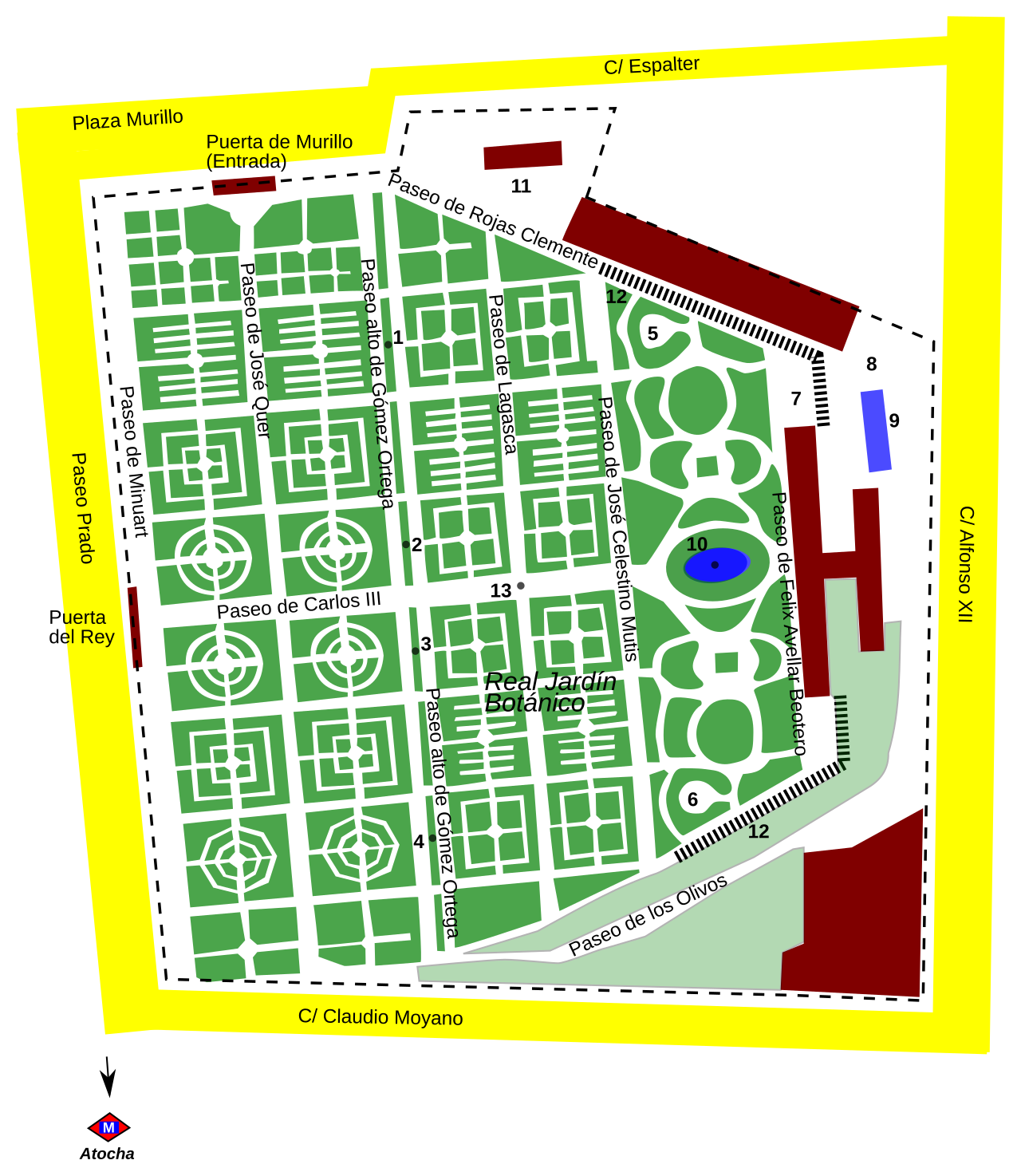
    Royal Botanical Garden of Madrid. 
    Xauxa Håkan Svensson, Public domain, via Wikimedia Commons
    1. Statue of José Quer 2. Statue of Simón de Rojas Clemente 3. Statue of Mariano Lagasca 4. Statue of Antonio José Cavanilles 5. Monument to Blas de Lázaro 7. Collection of succulent plants 8. Waterwheel Pavilion 9. Pond 10. Statue of Carl Linnaeus 11. Small Garden 12. Wrought iron trellis from 1786 13. Statue of Charles III

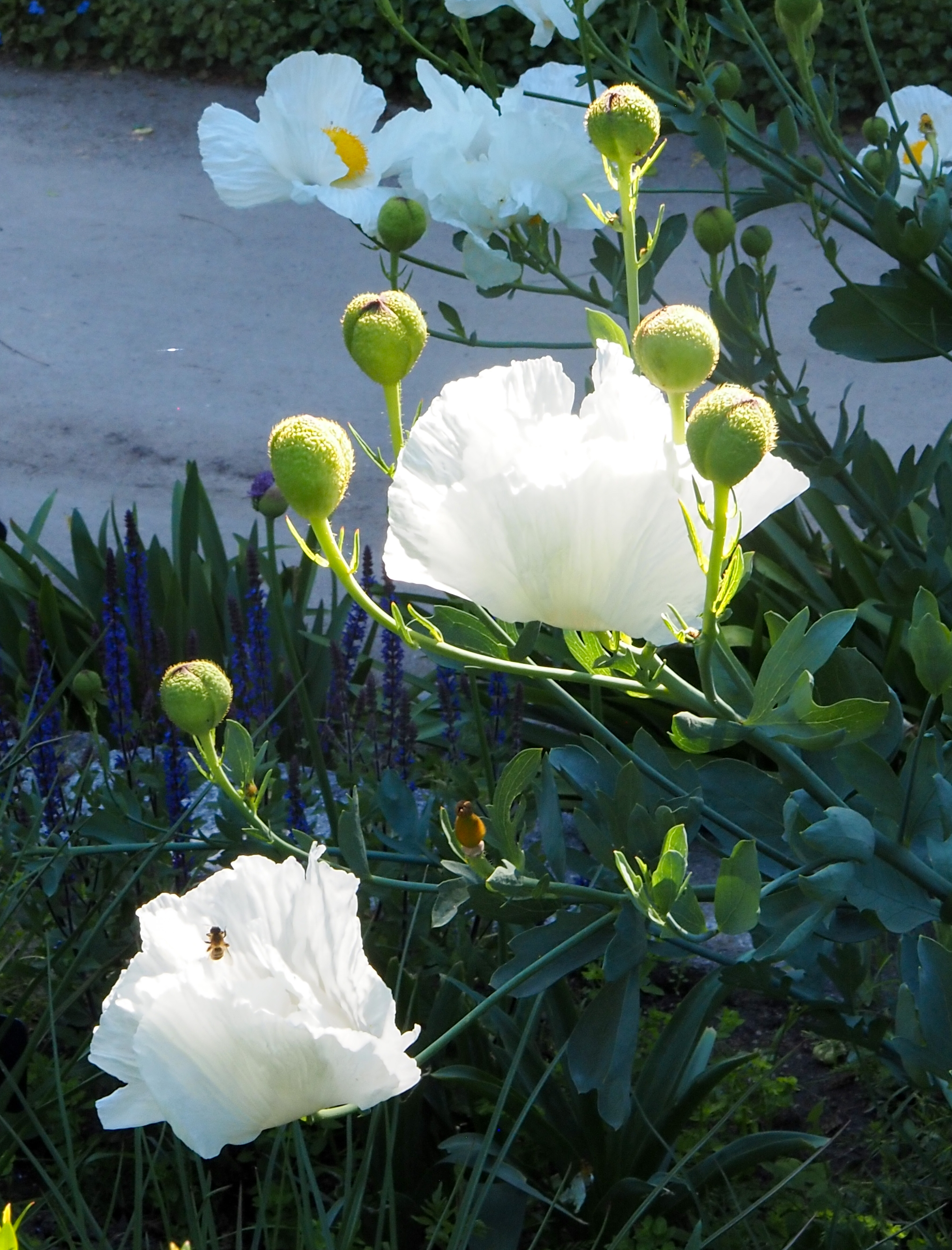
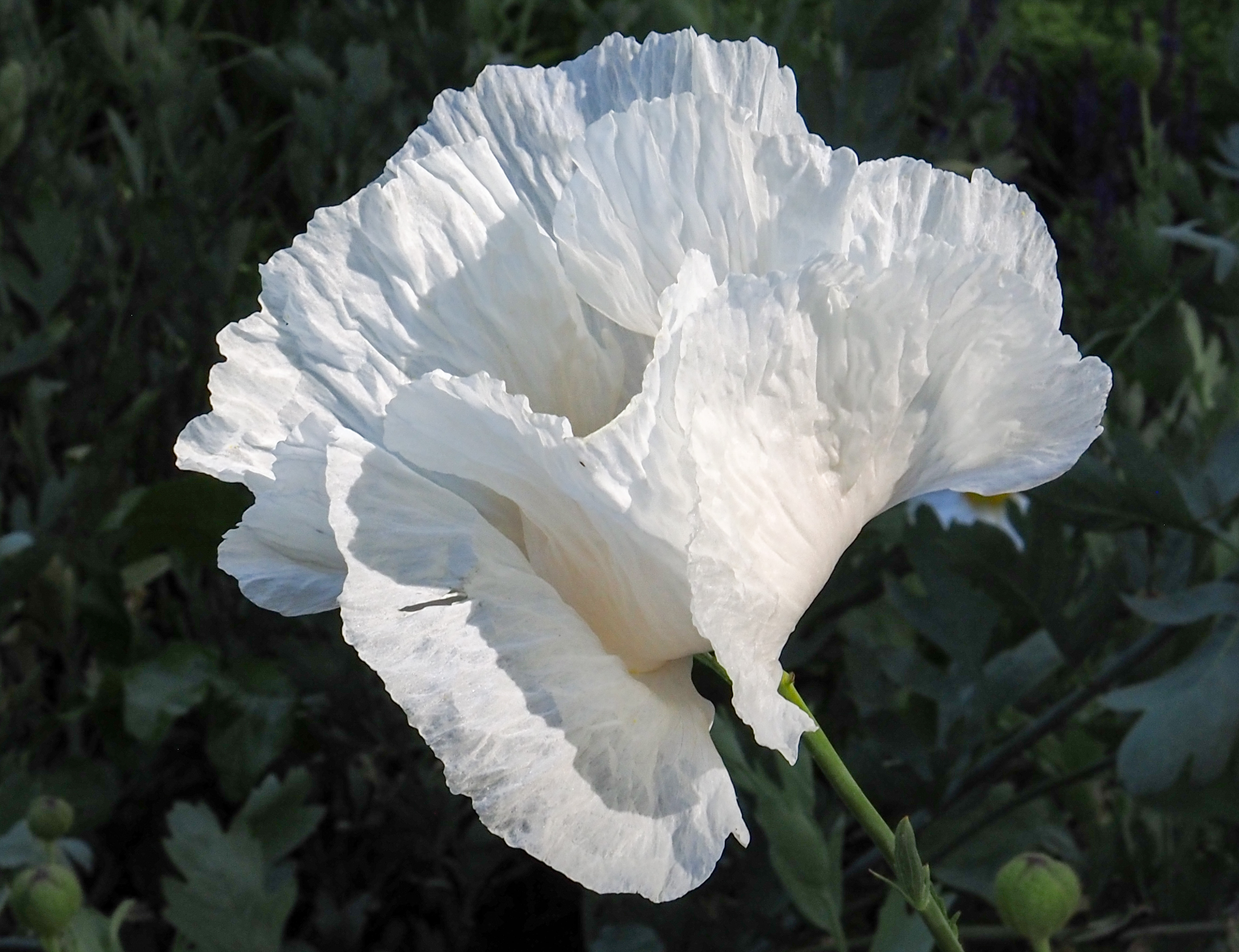
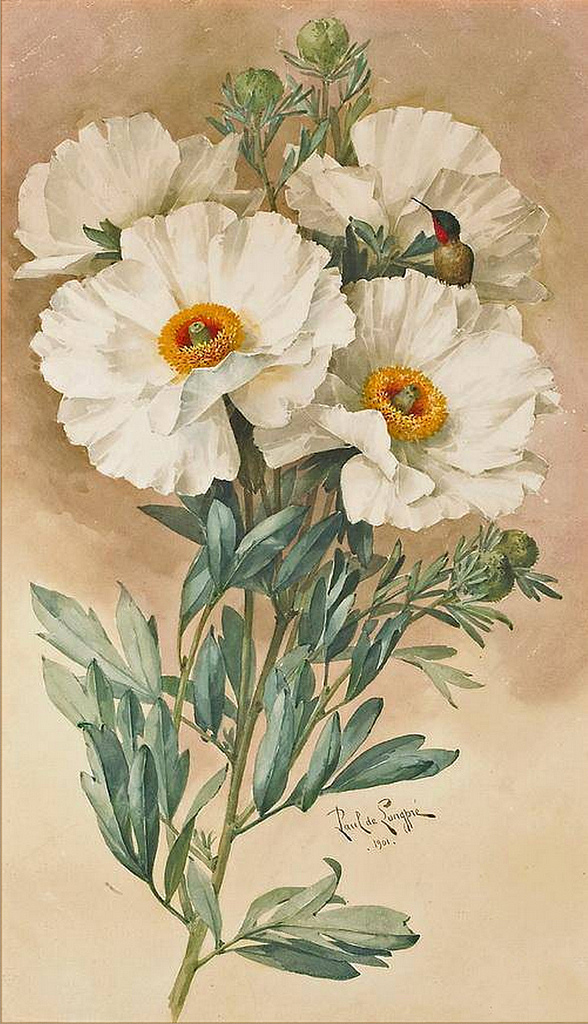
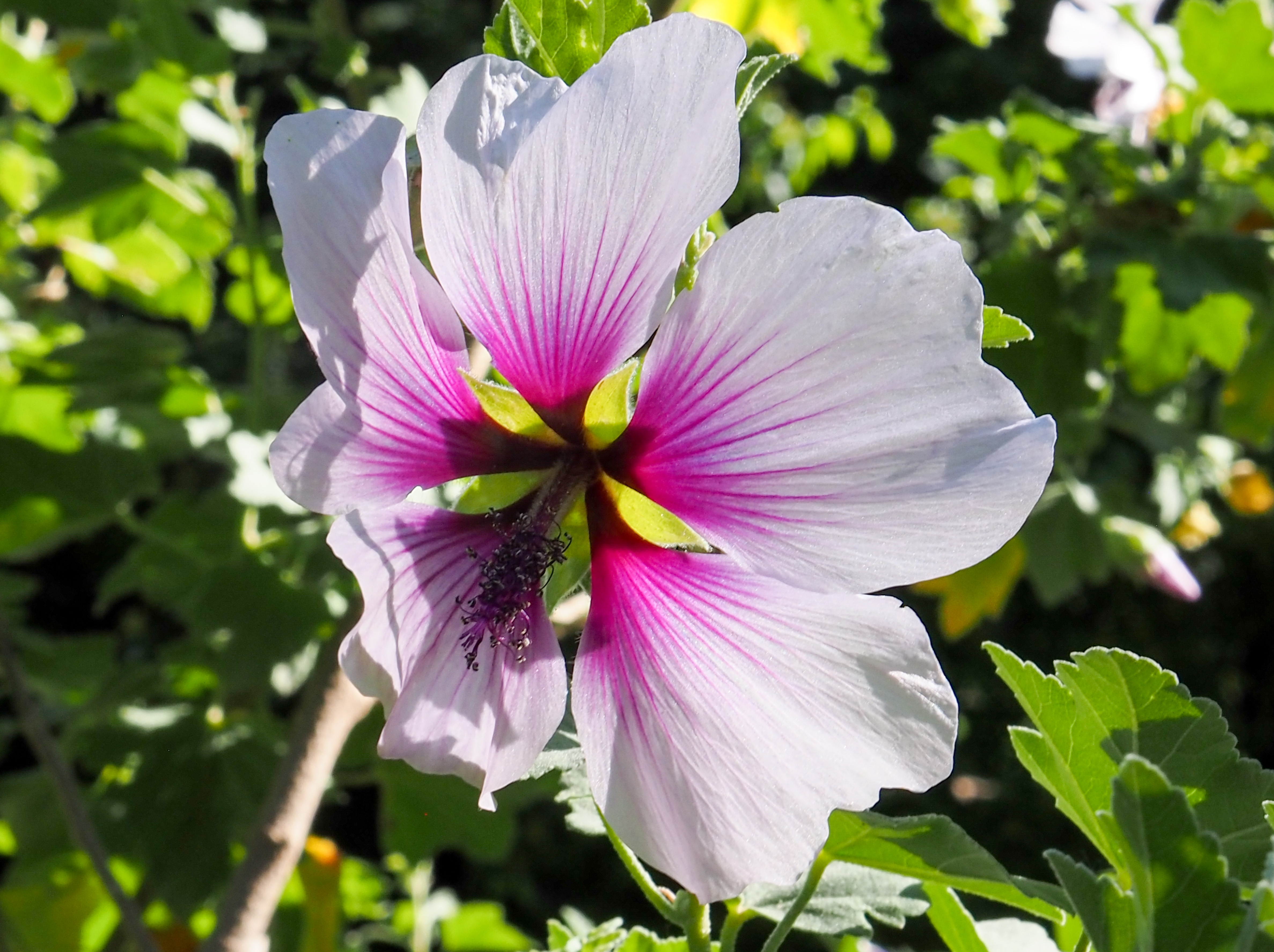
    I wandered around taking pictures of flowers and insects that caught my attention. One particularly beautiful flower, Romneya coulteri, the Coulter’s Matilija poppy or California tree poppy (below), is a perennial species of flowering plant in the family Papaveraceae. It is native to southern California, USA, and Baja California, Mexico, where it grows in dry canyons in chaparral and coastal sage plant communities.
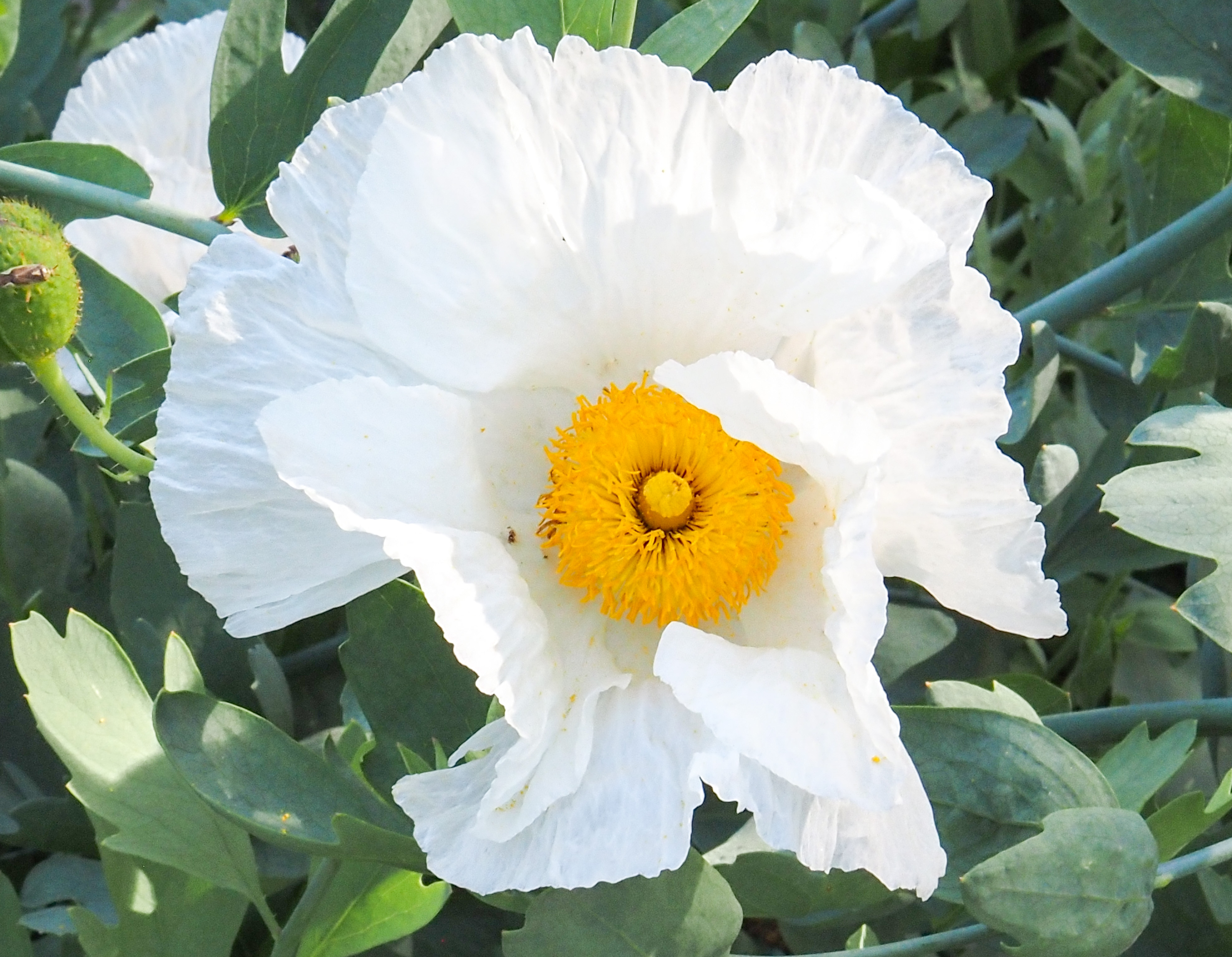
    Romneya coulteri the California tree poppy by Paul de Longpré (1855-1911), Public domain, via Wikimedia Commons

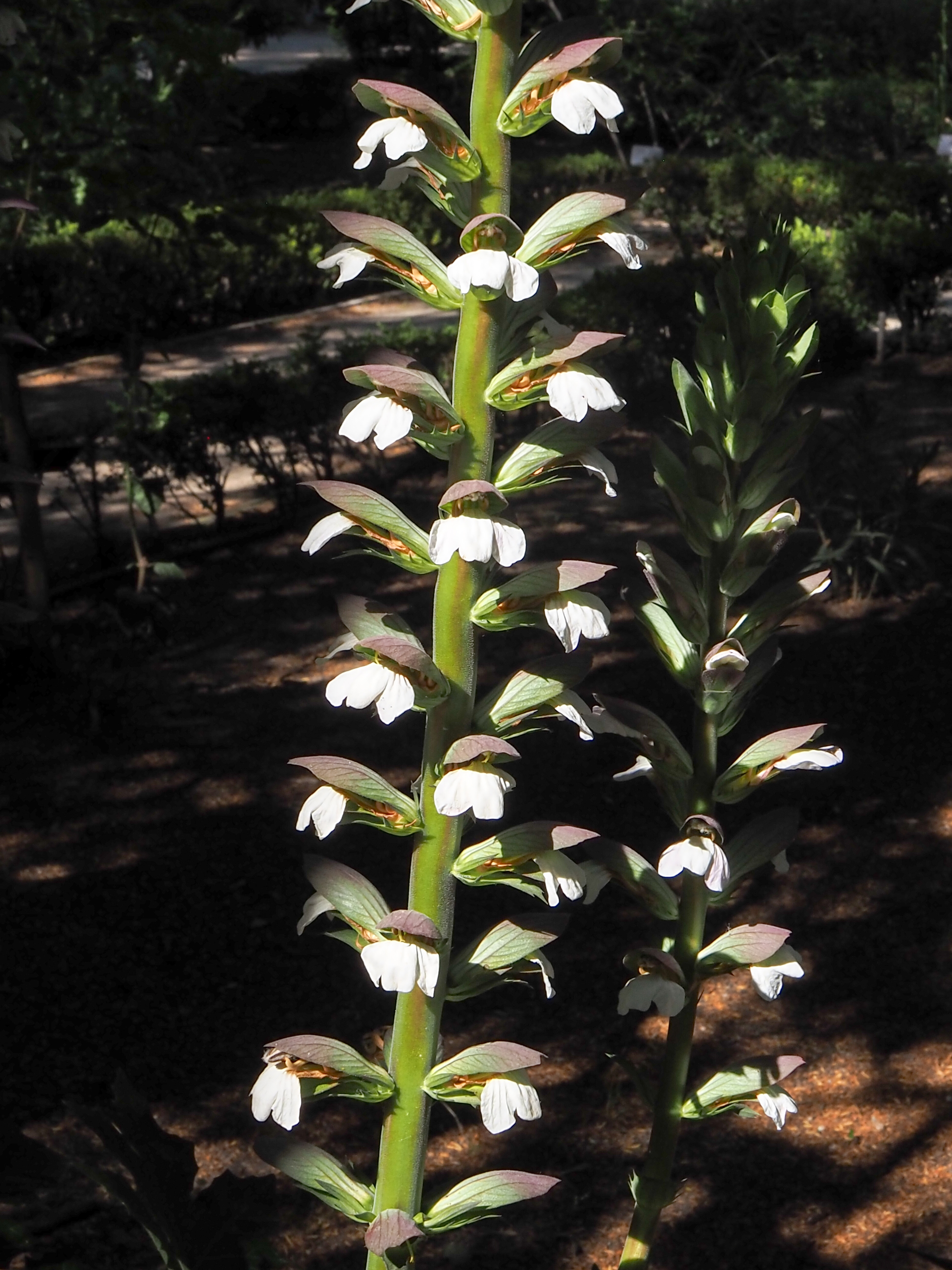
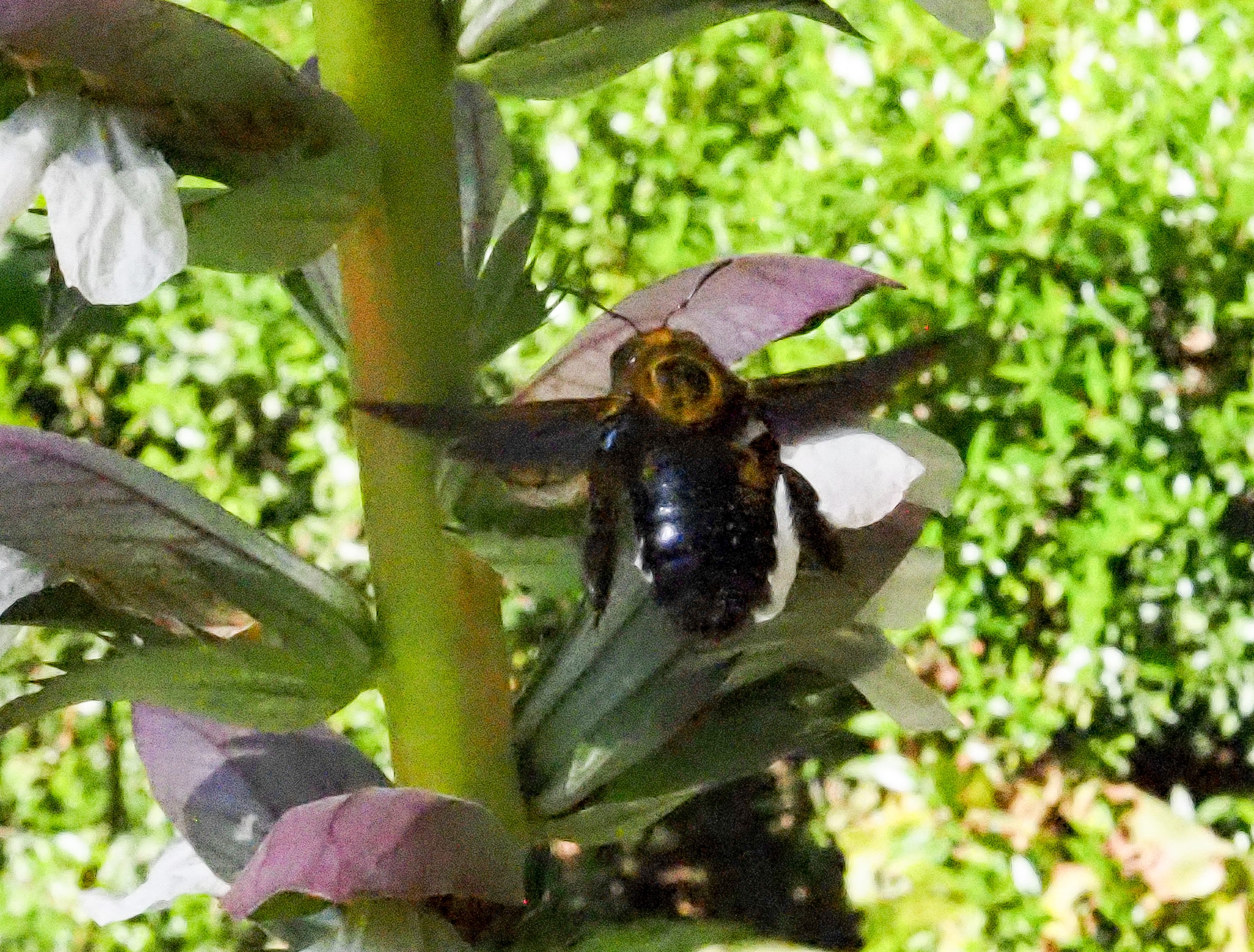
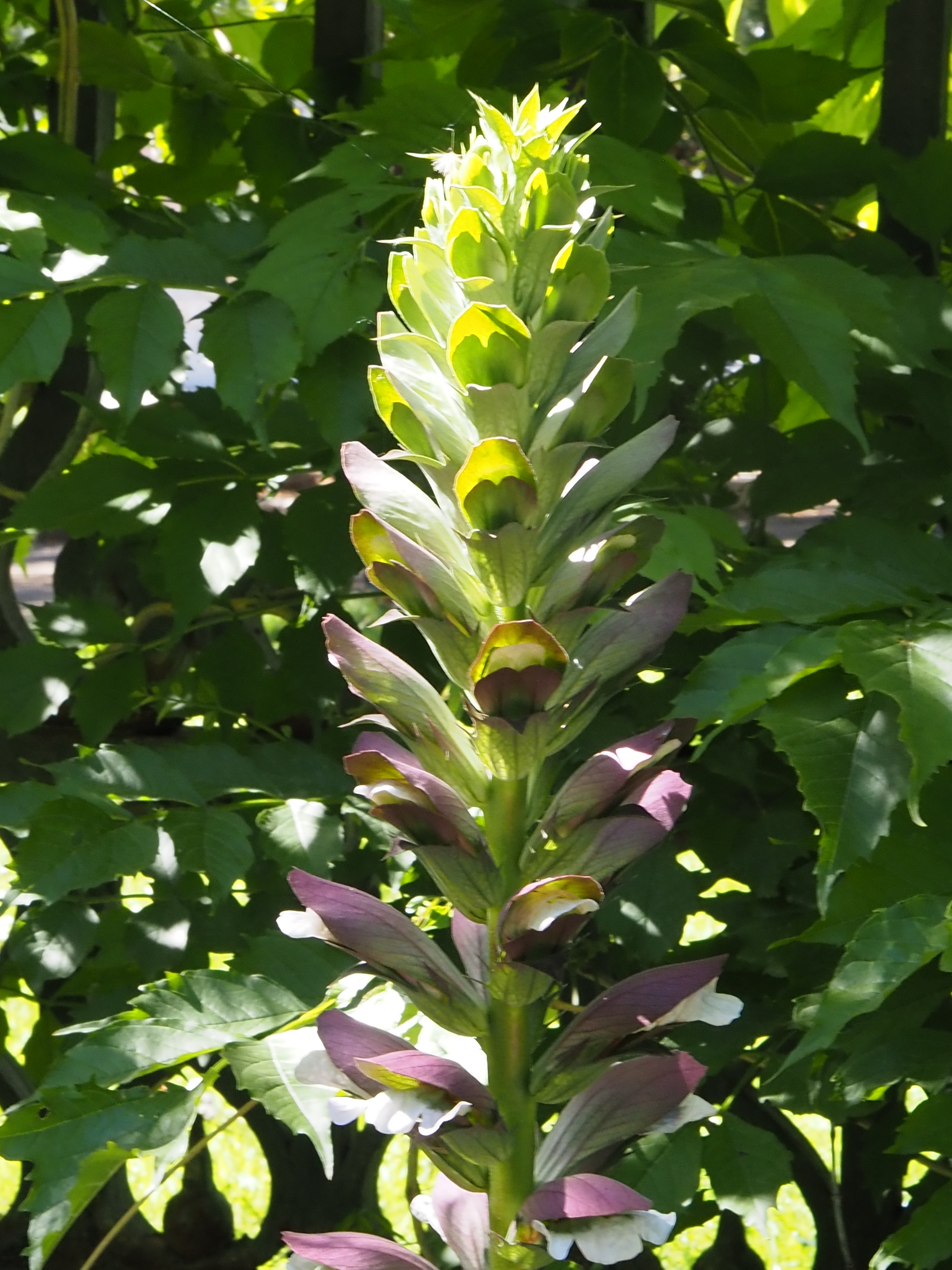
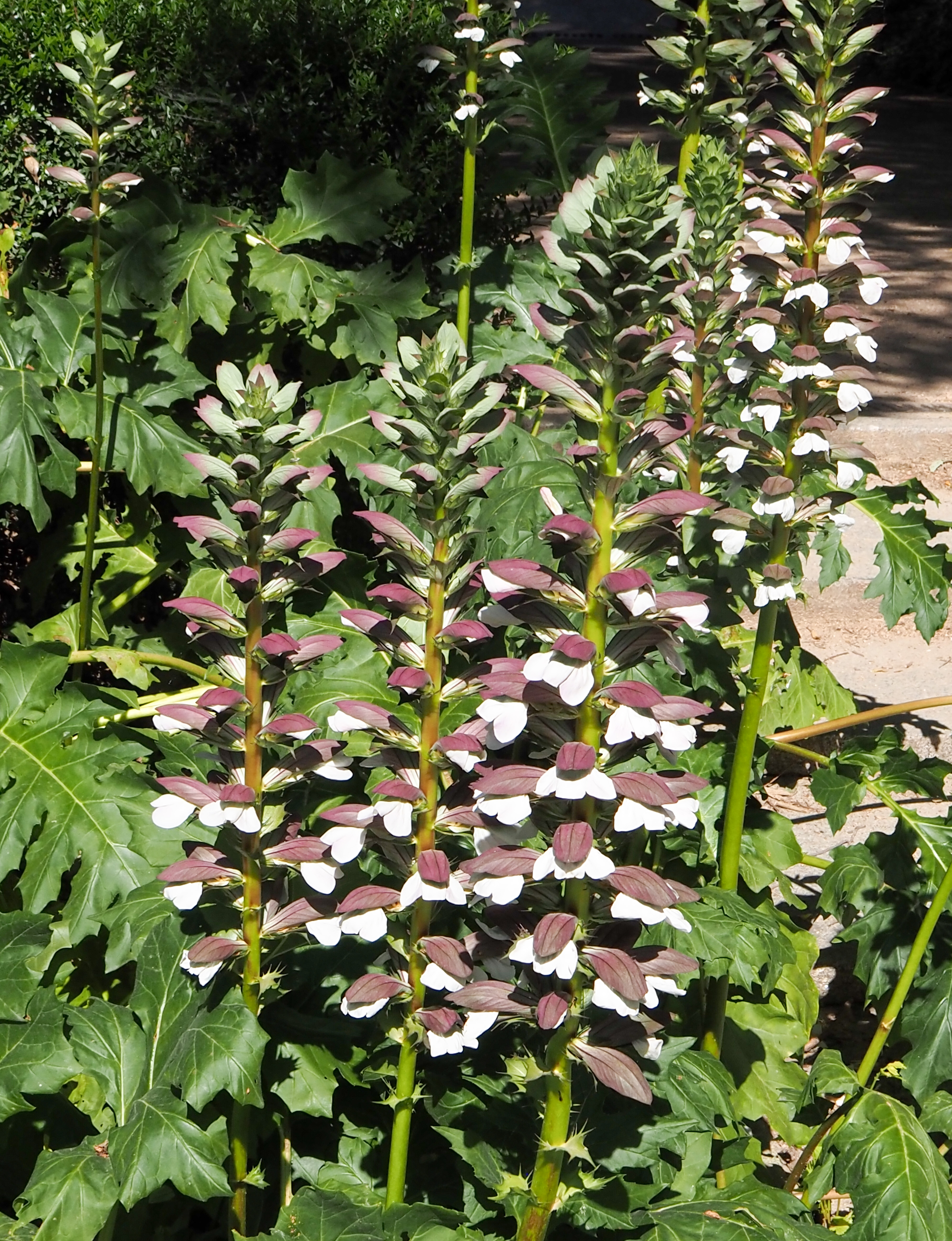
    There were many clumps of Bear’s breeches (Acanthus mollis) which were being visited and pollinated by large Violet Carpenter bees (see separate blog: https://rcannon992.com/2026/05/31/carpenter-bees-big-enough-to-get-into-bears-breeches/).
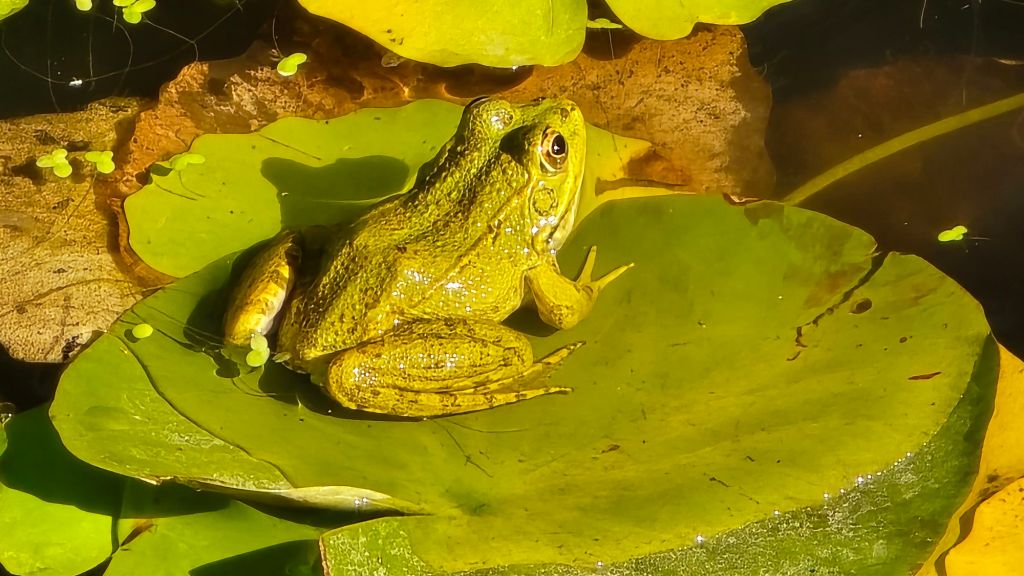
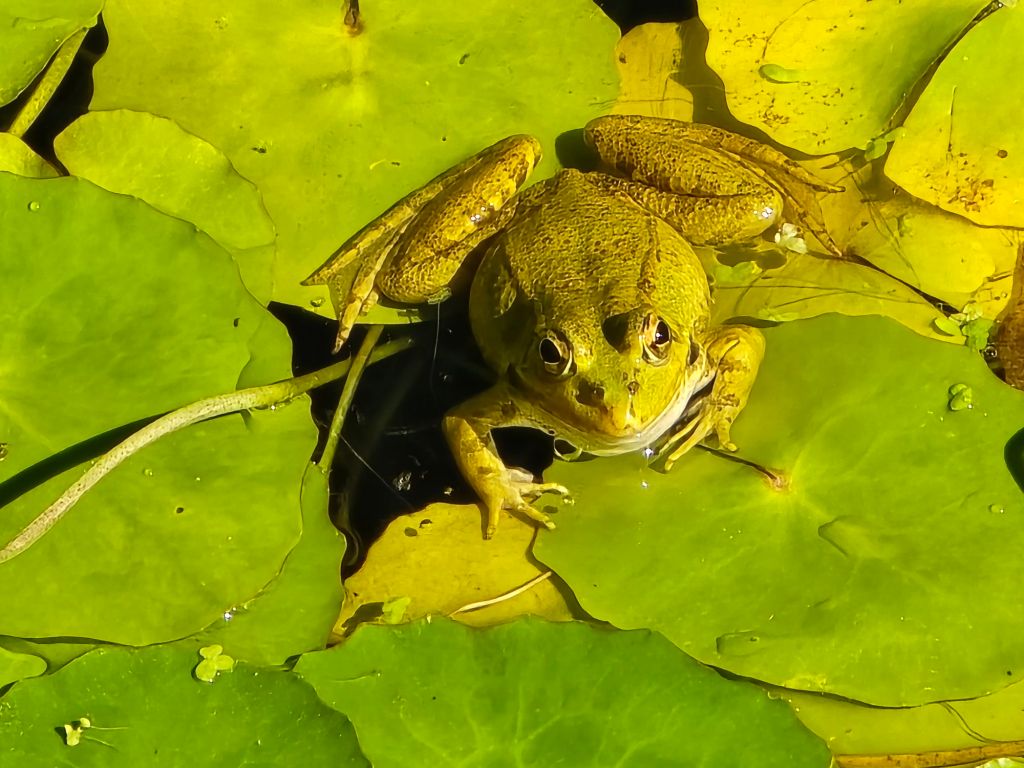
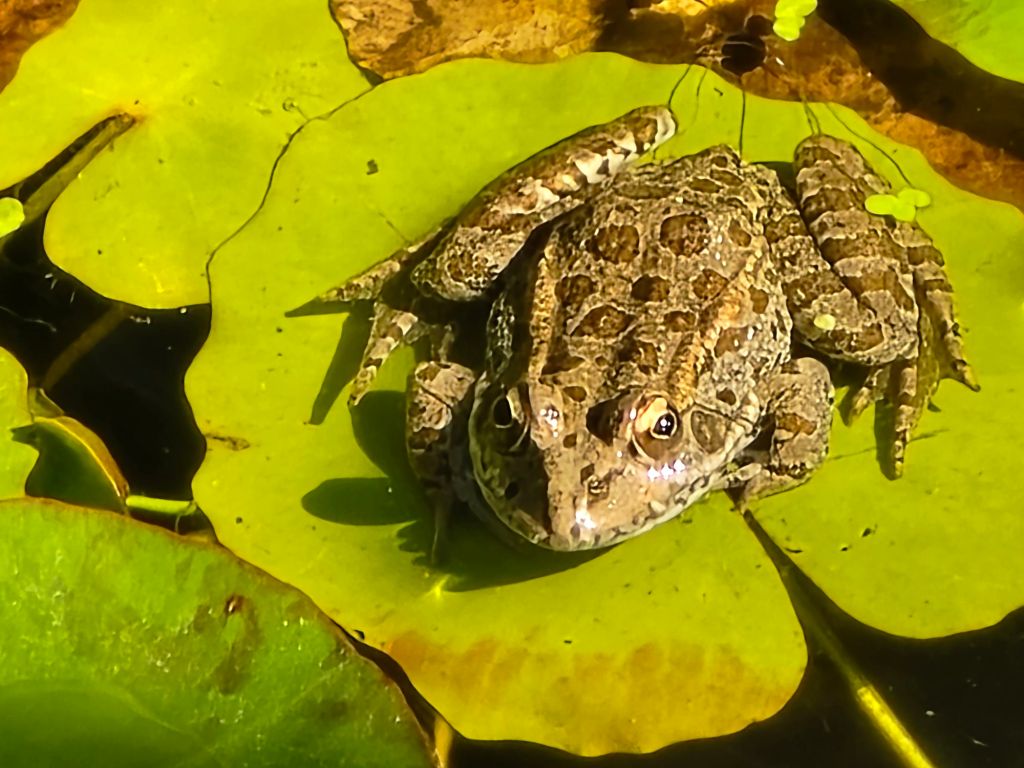
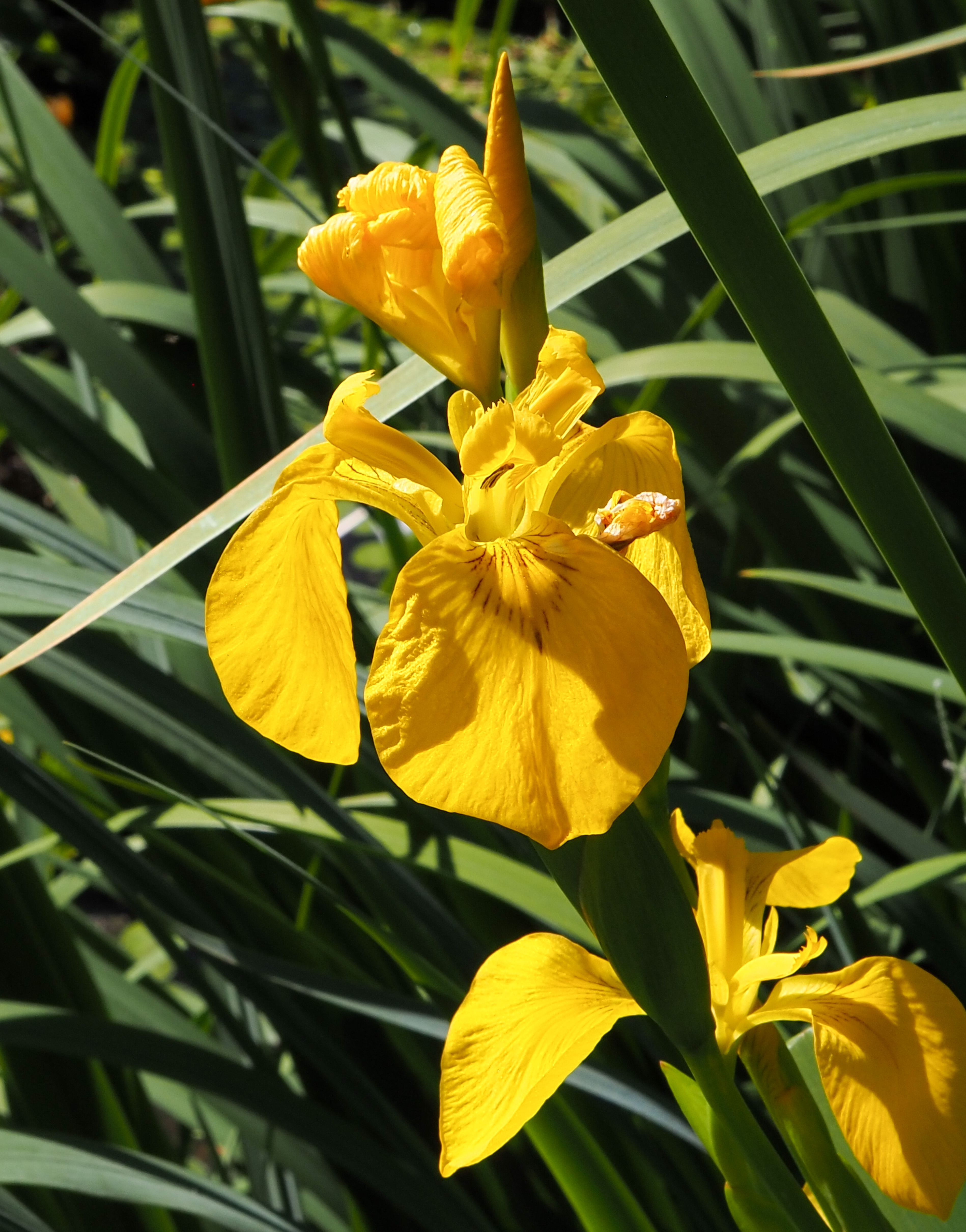
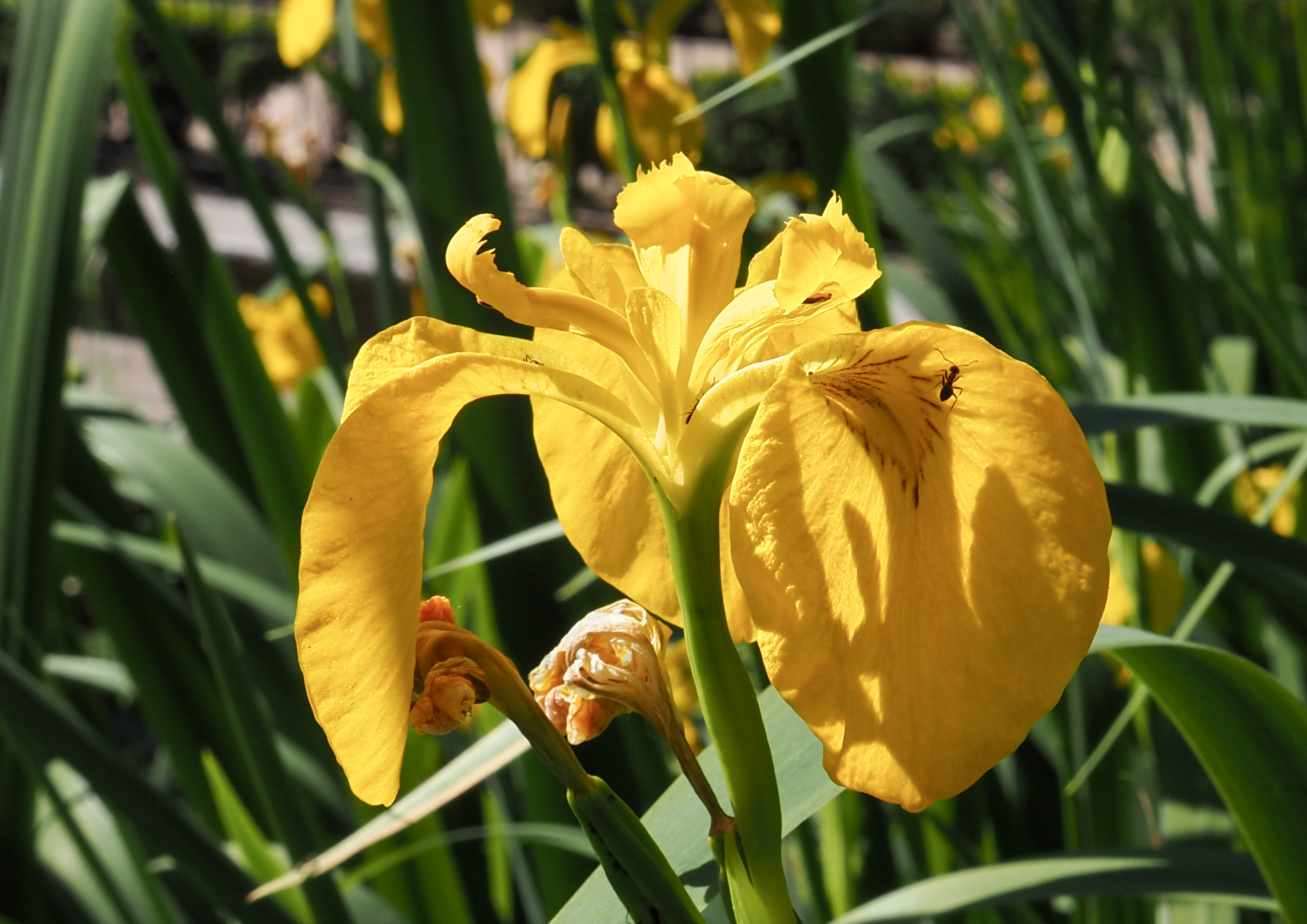
    There is a pond containing aquatic plants, including Yellow Flag (Iris pseudacorus) and many frogs!
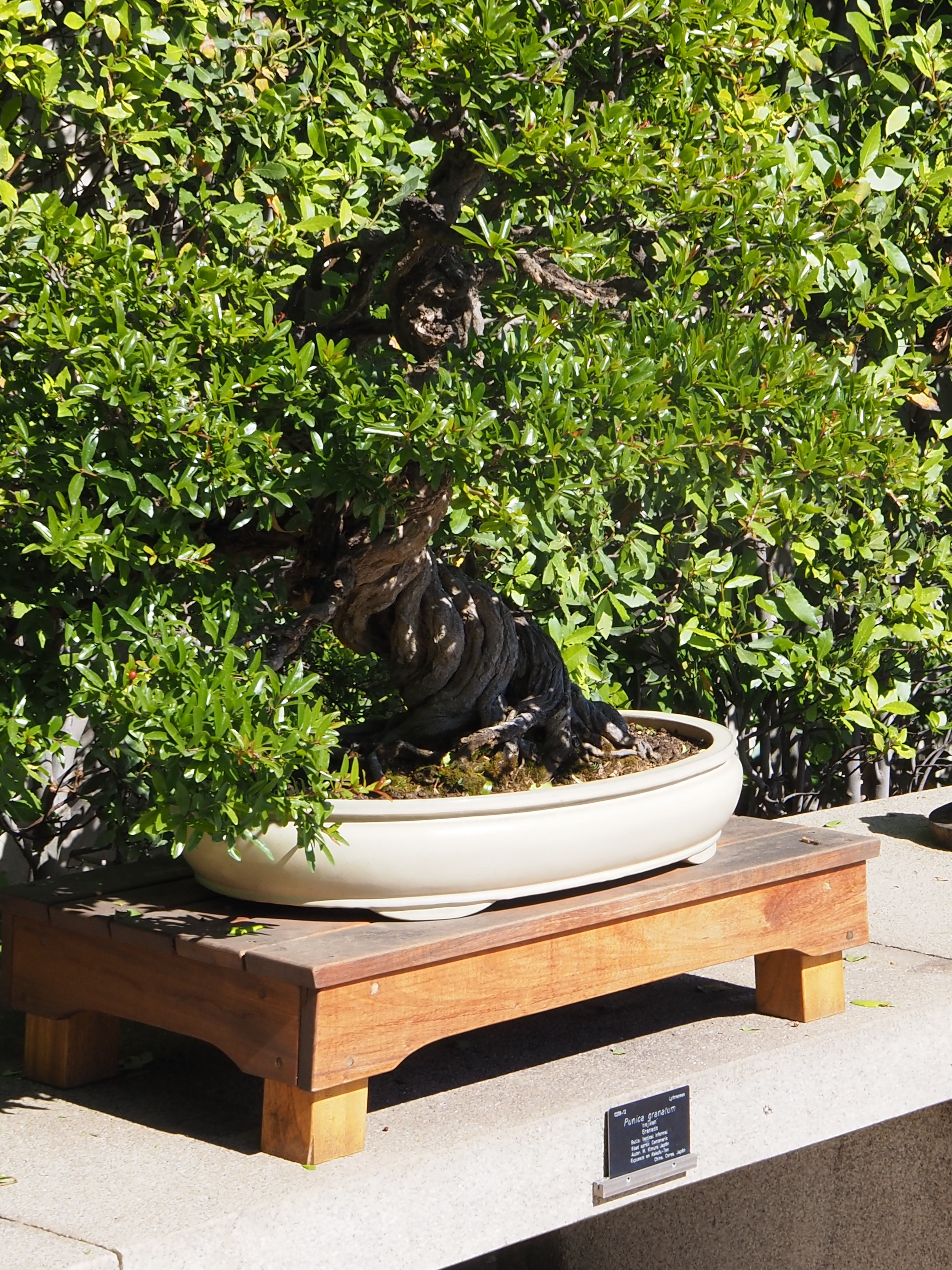
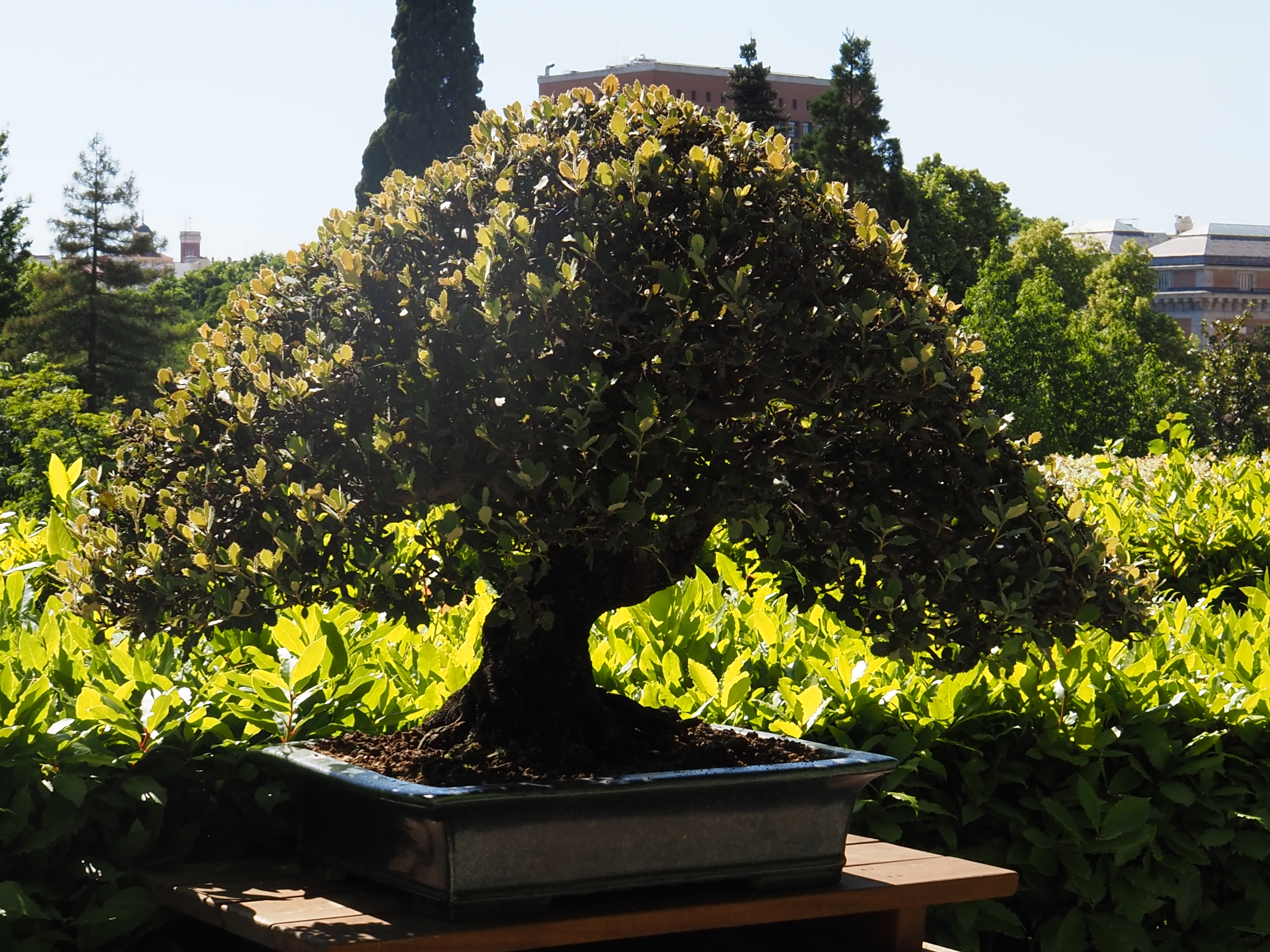
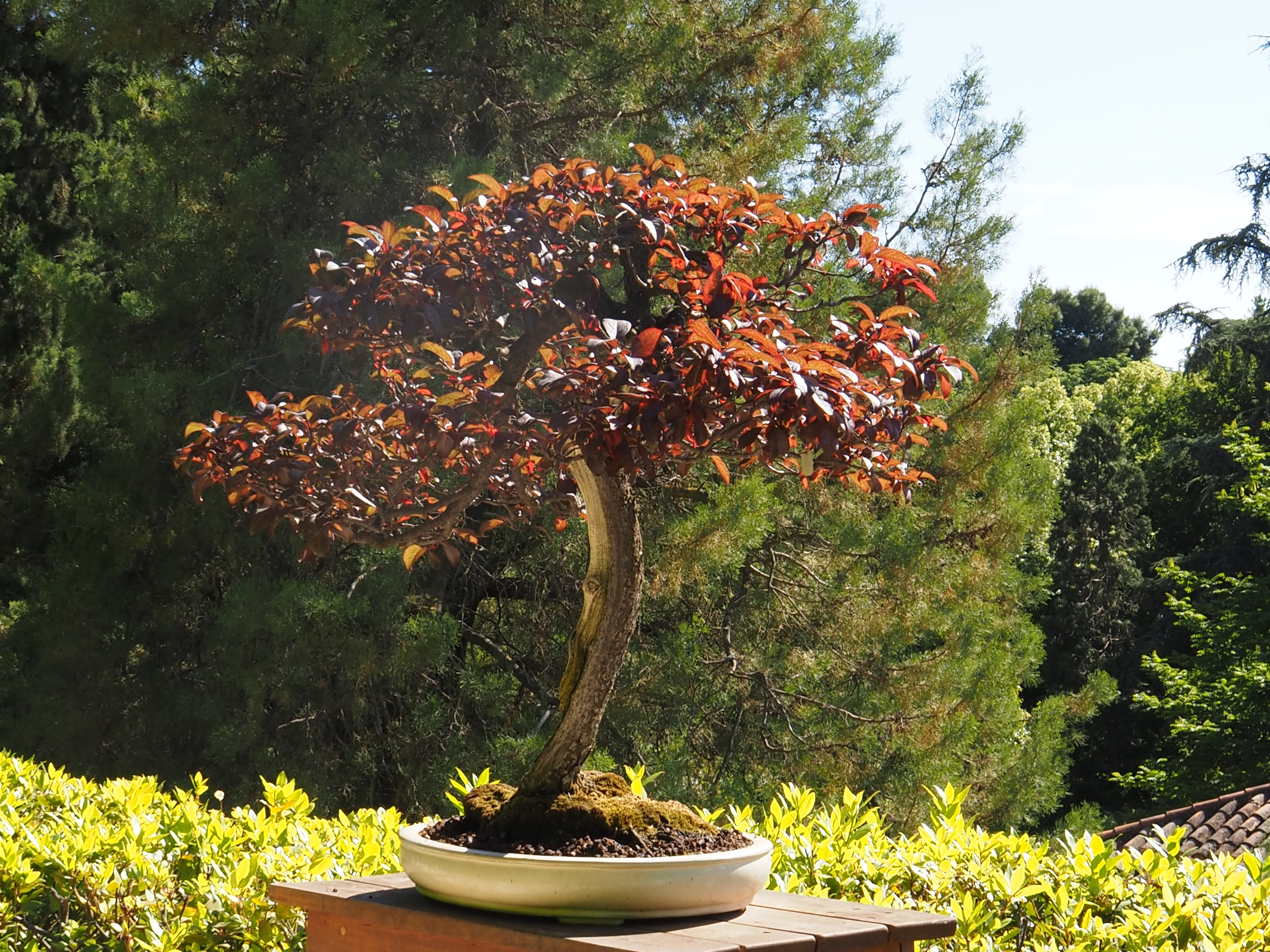
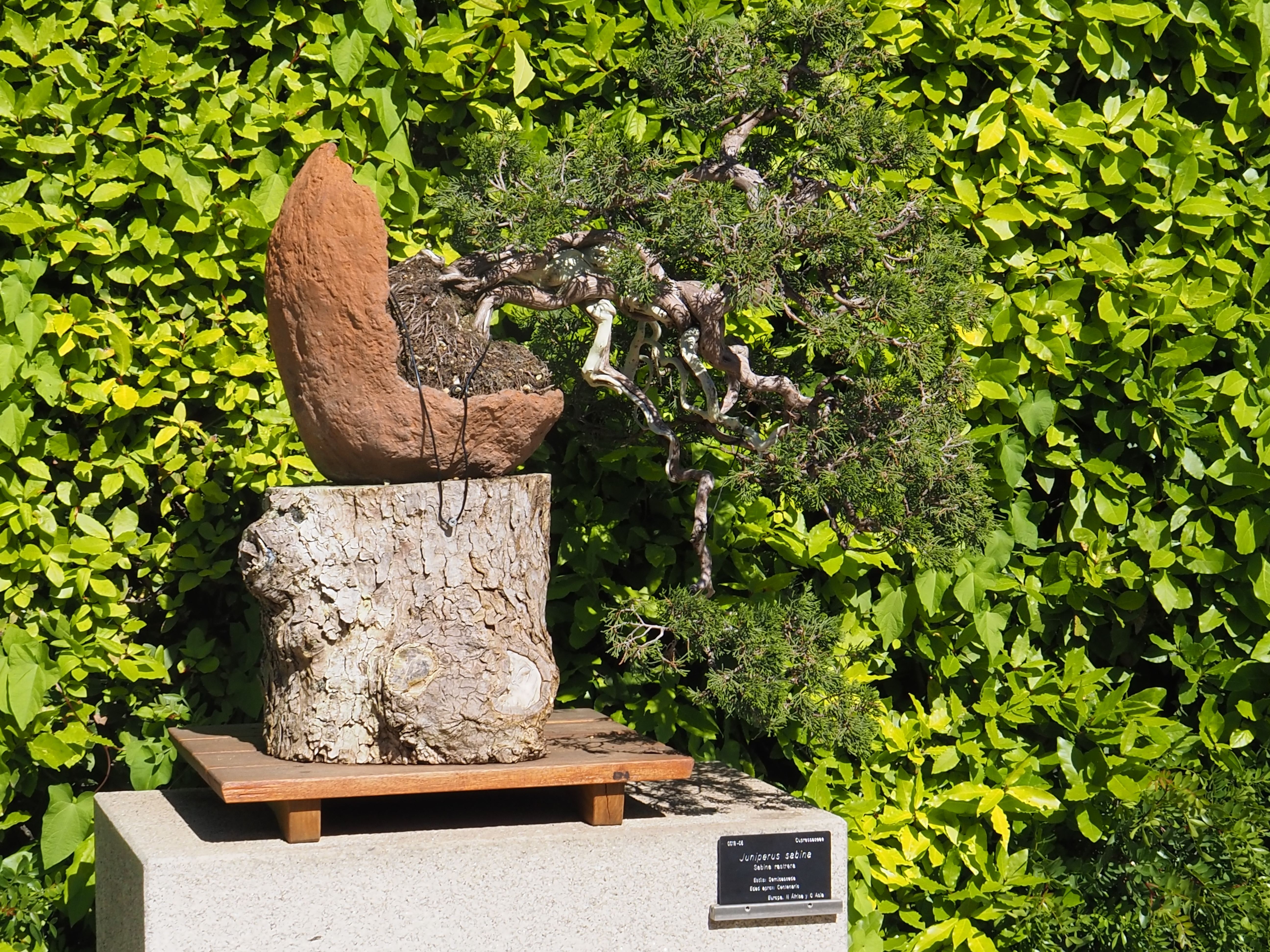
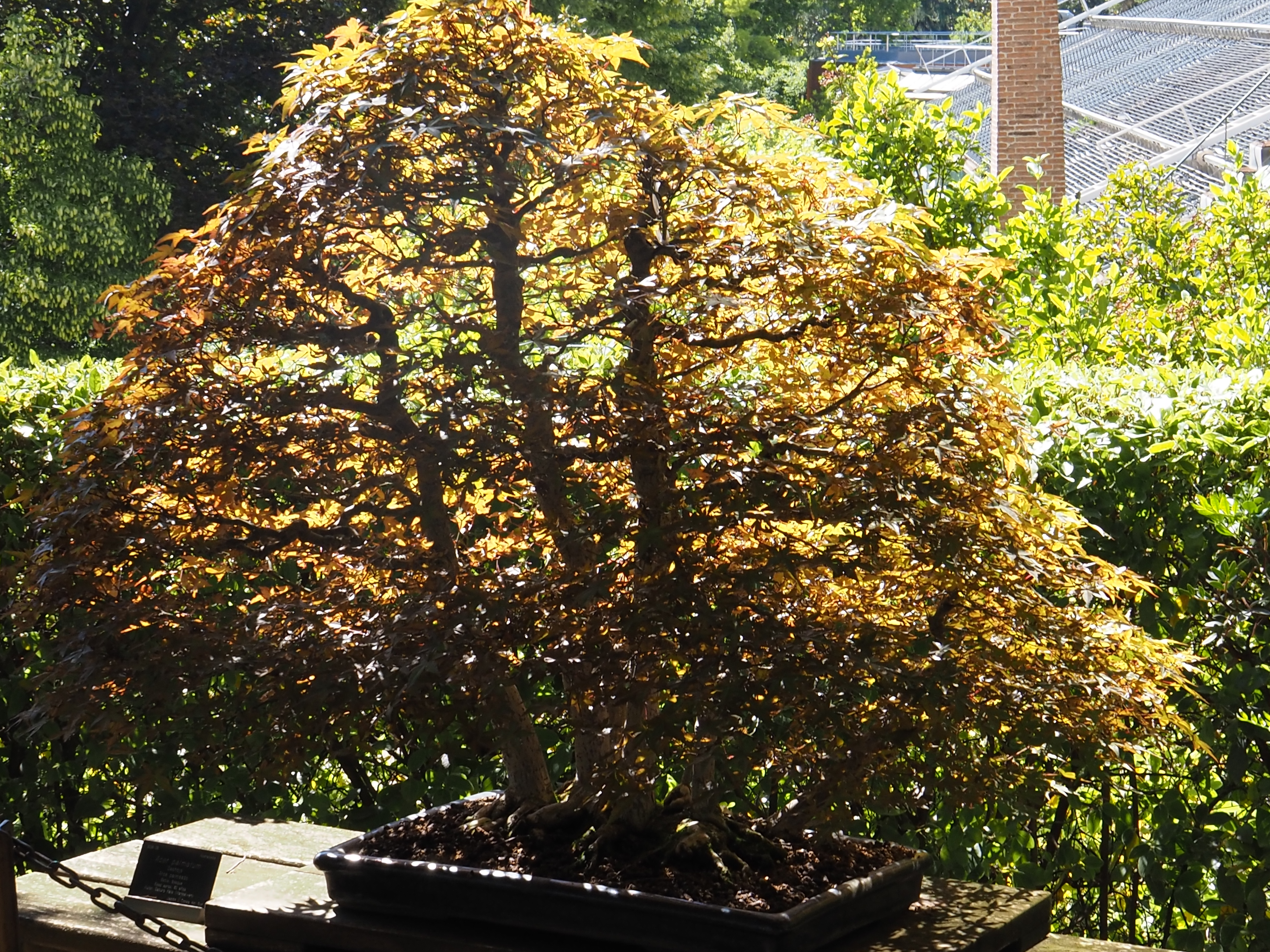
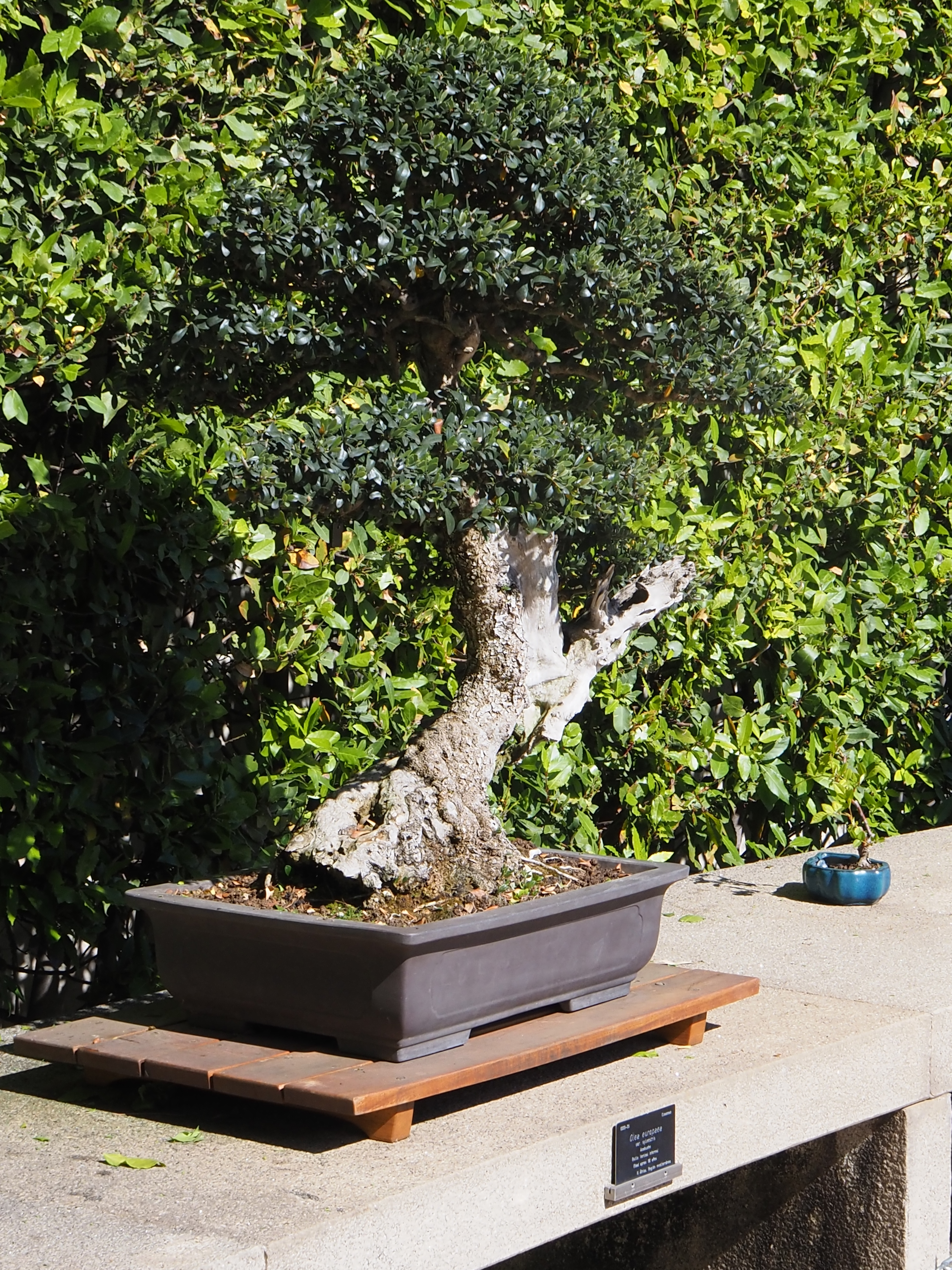
    There is a bonsai terrace which was first opened in 2005 and contains some very fine specimens. I recognised some of the tree species, but it was very hot and I did not record the names of each bonsai!
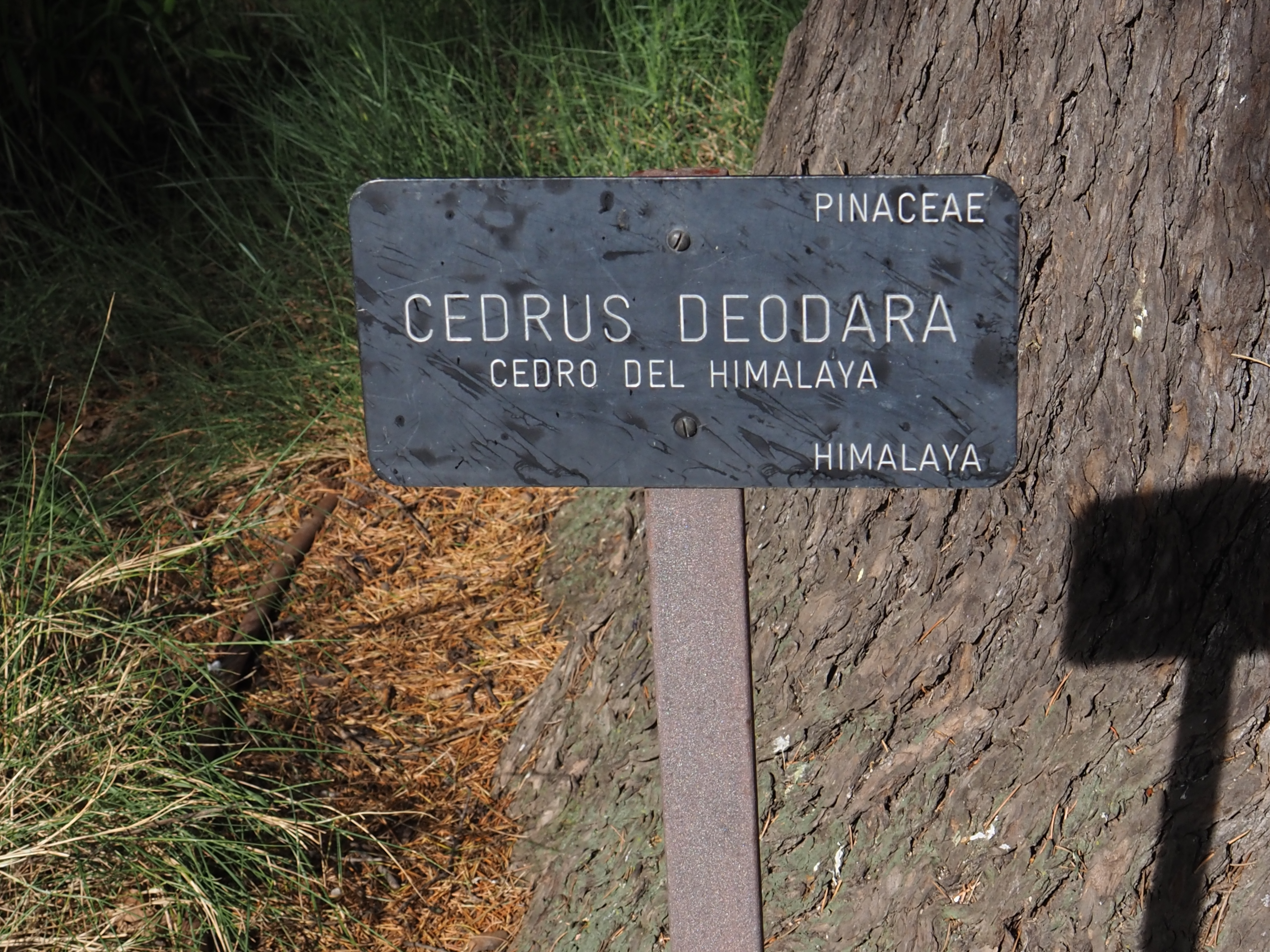
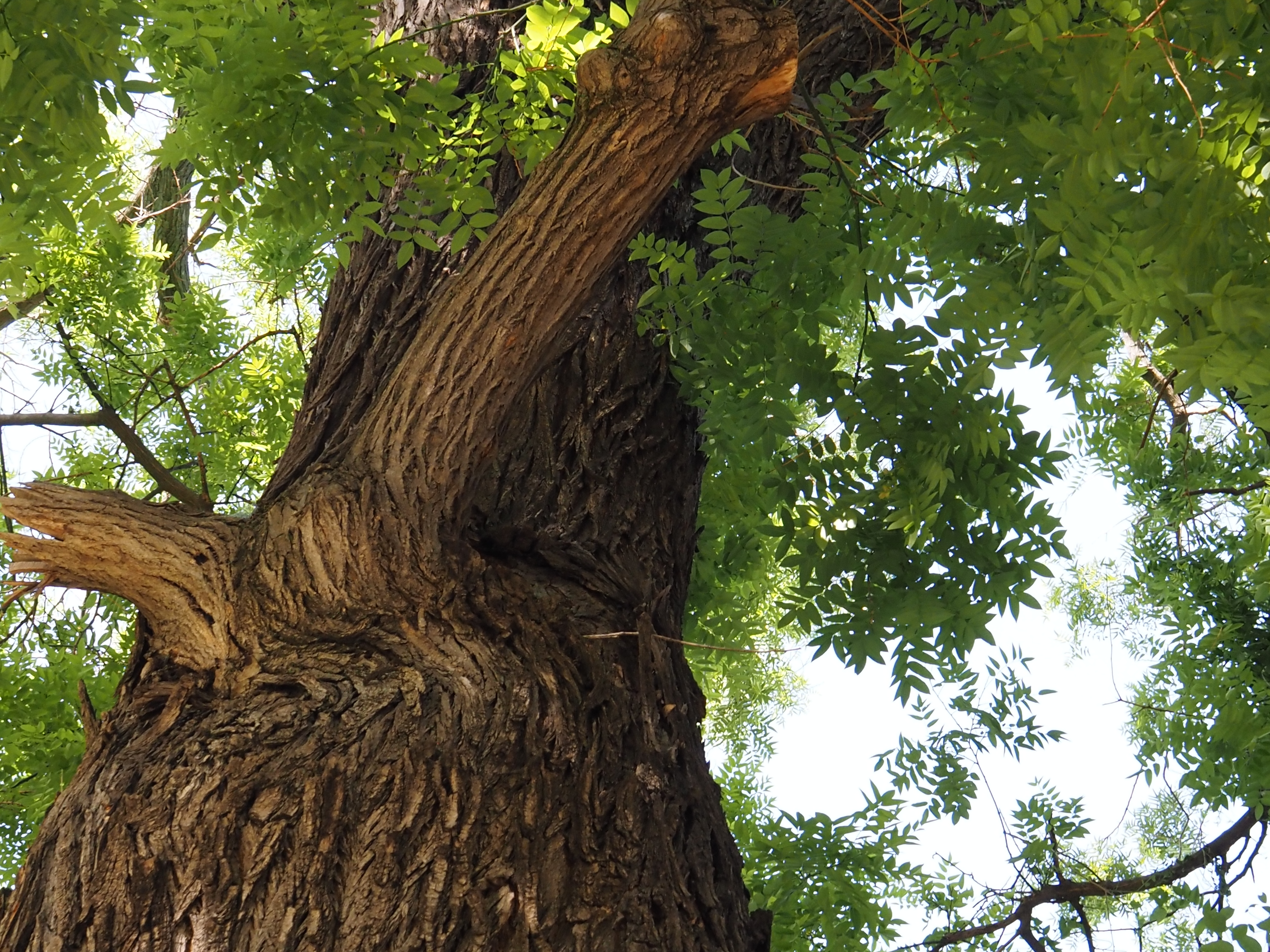
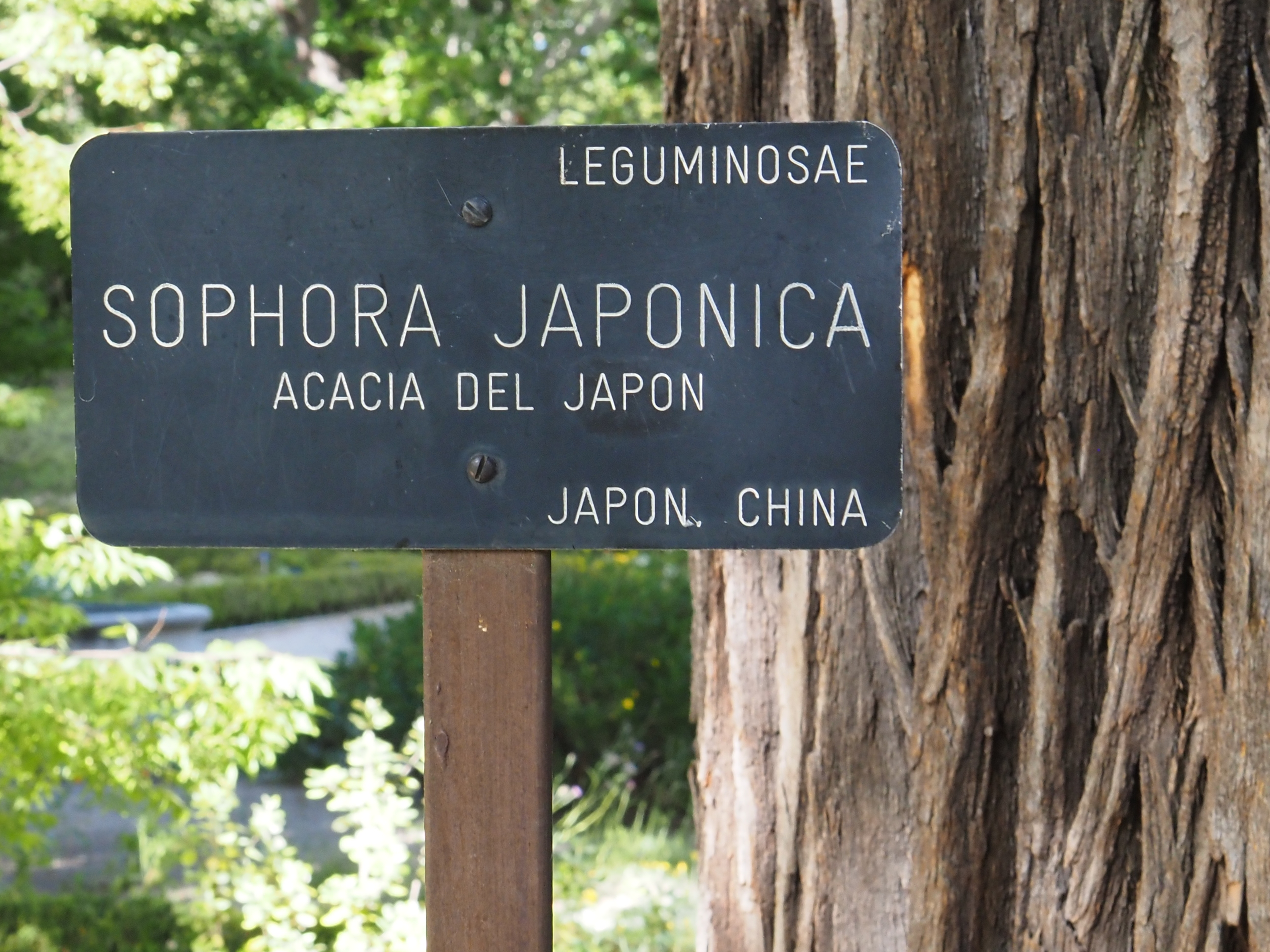
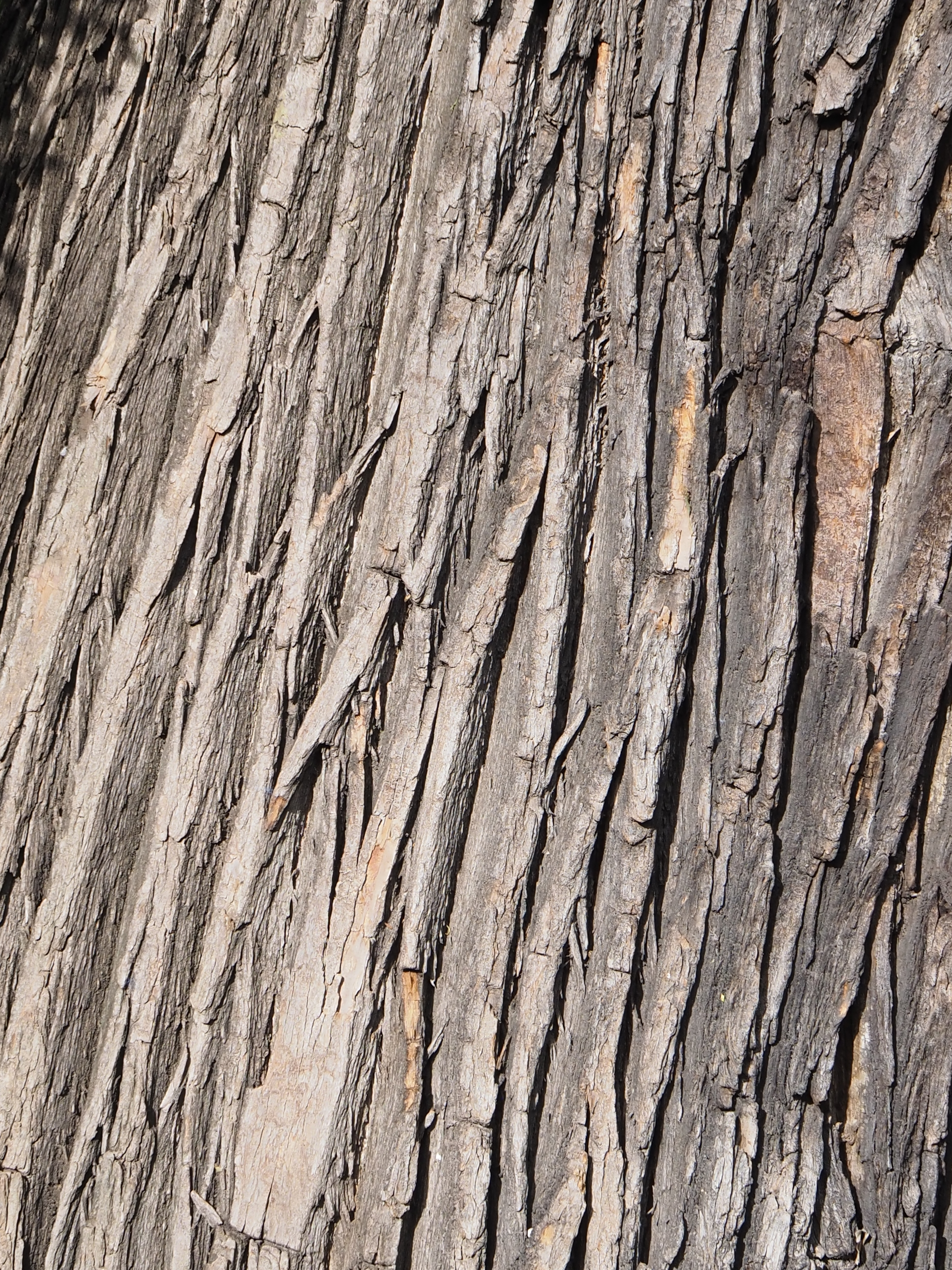
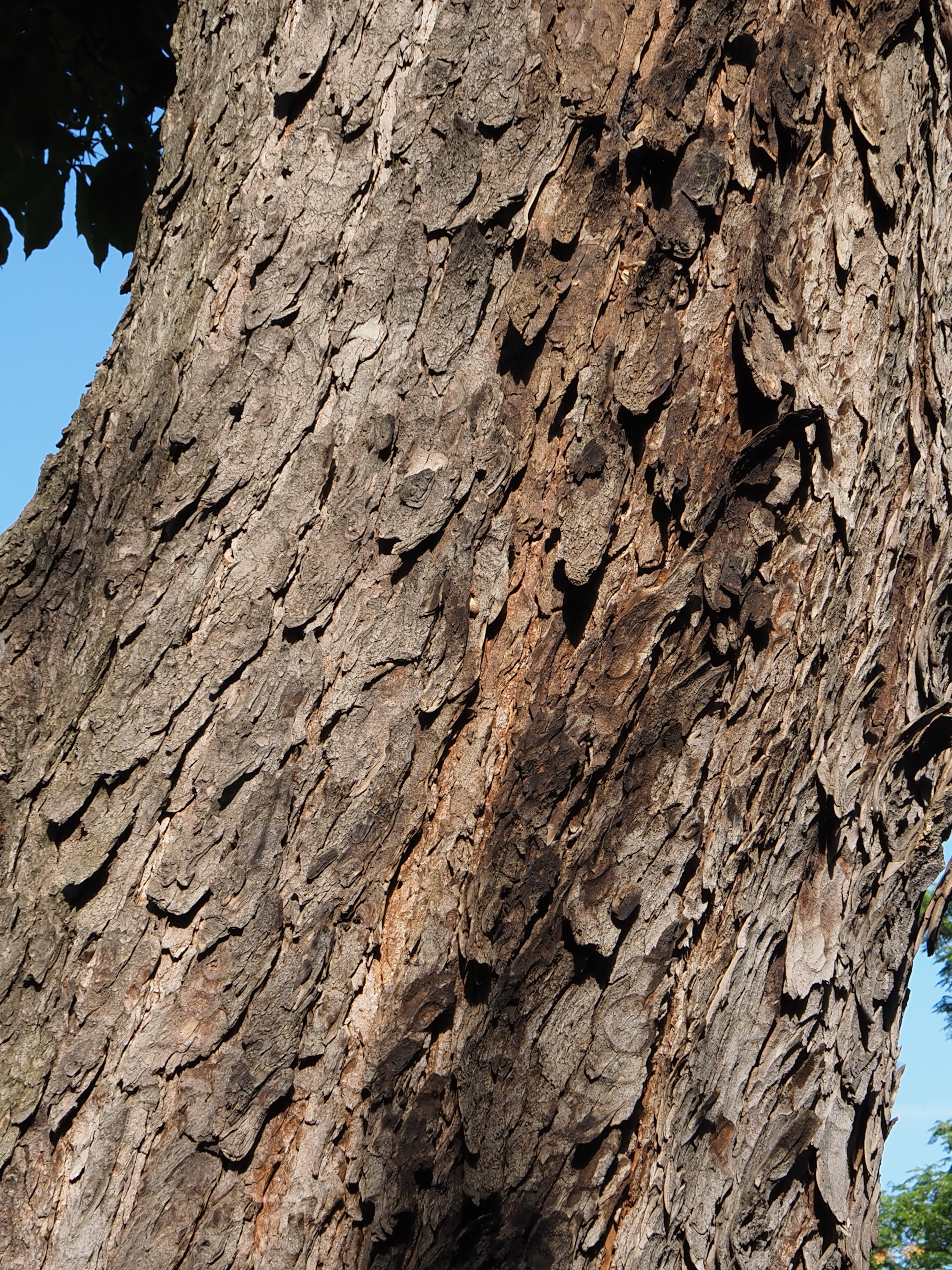
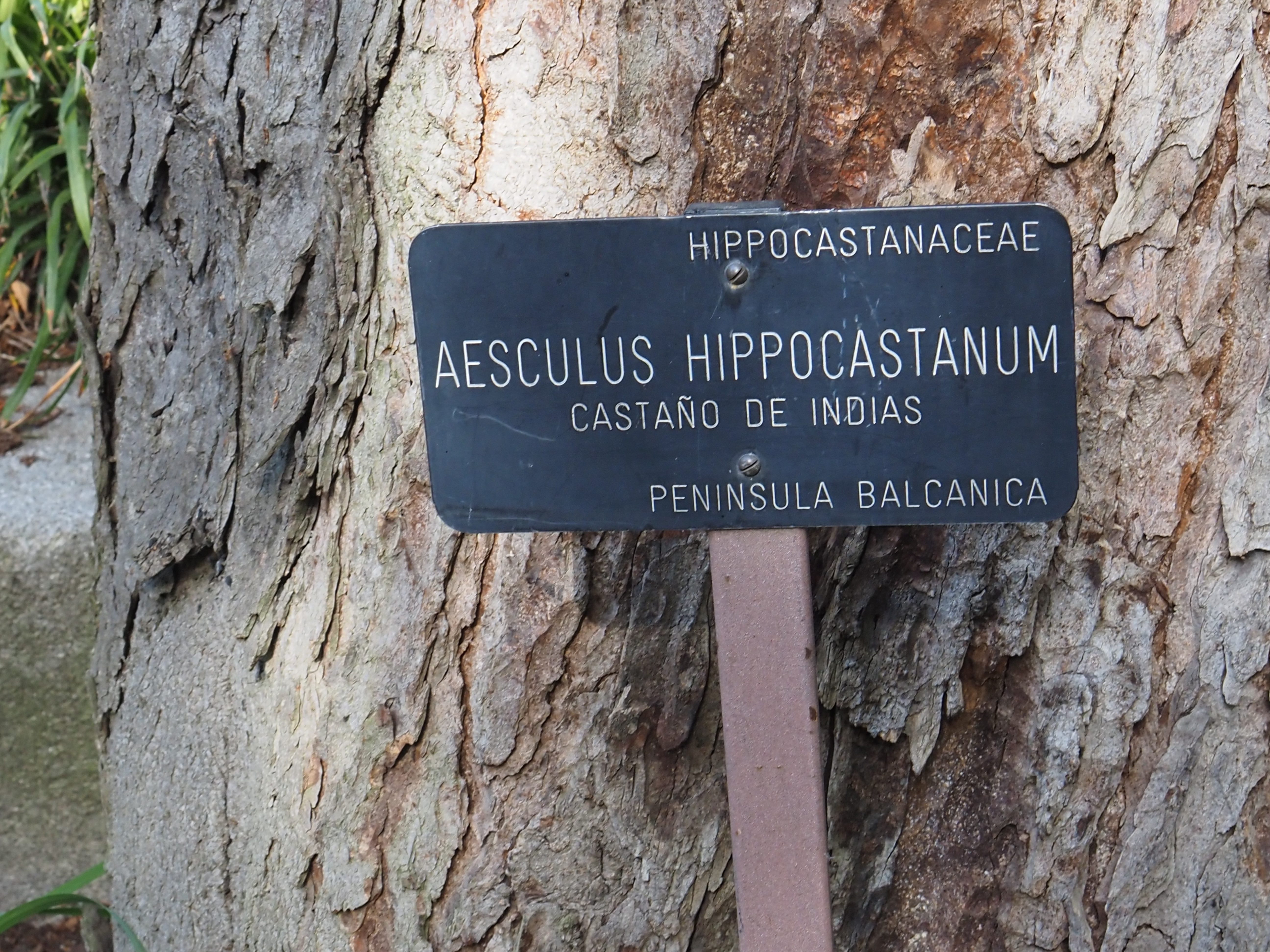
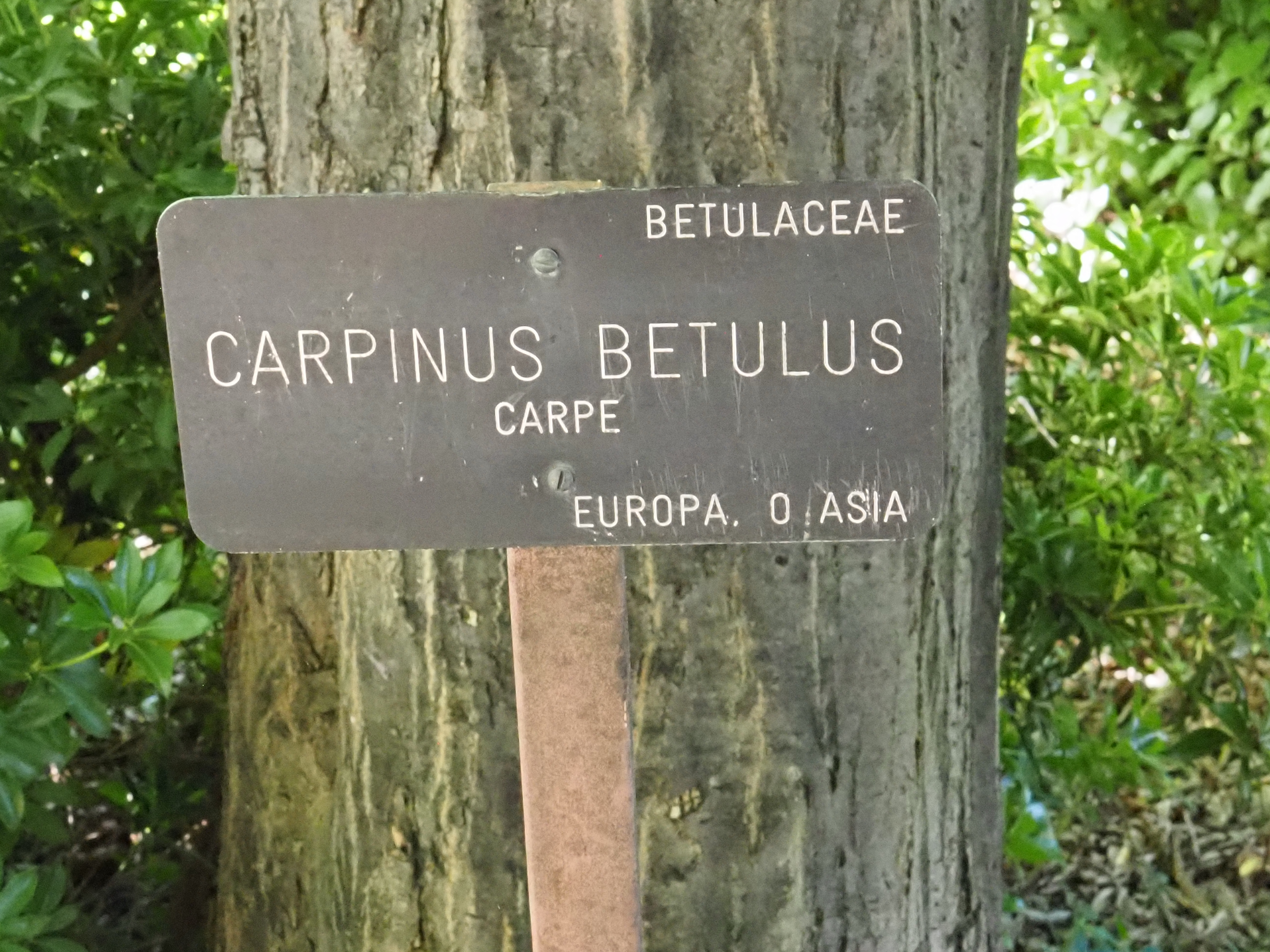
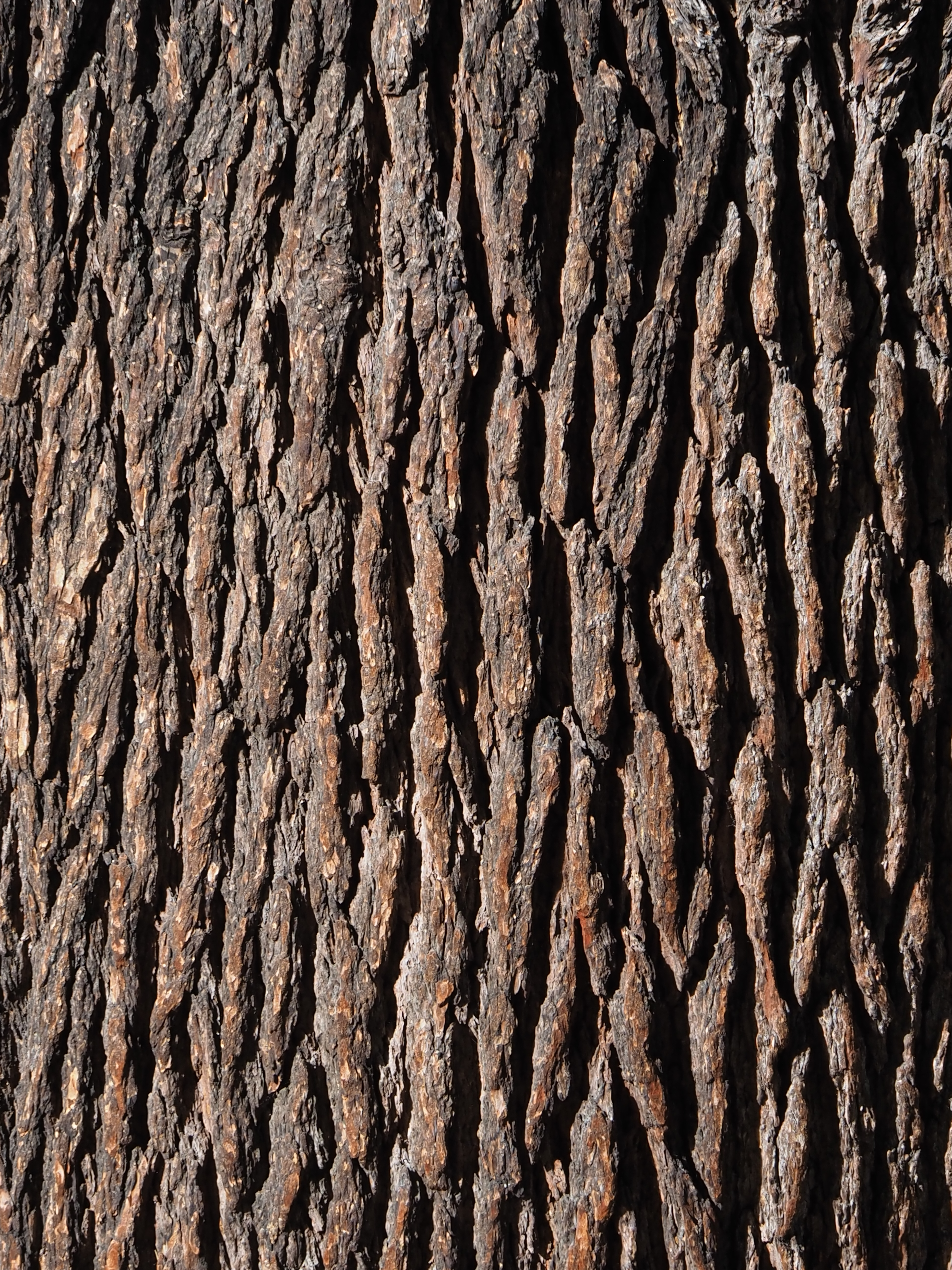
    Given the age of the garden, its not surprising that there are some very old ‘monumental’ trees.
    Some of the insects I managed to photograph are shown below.
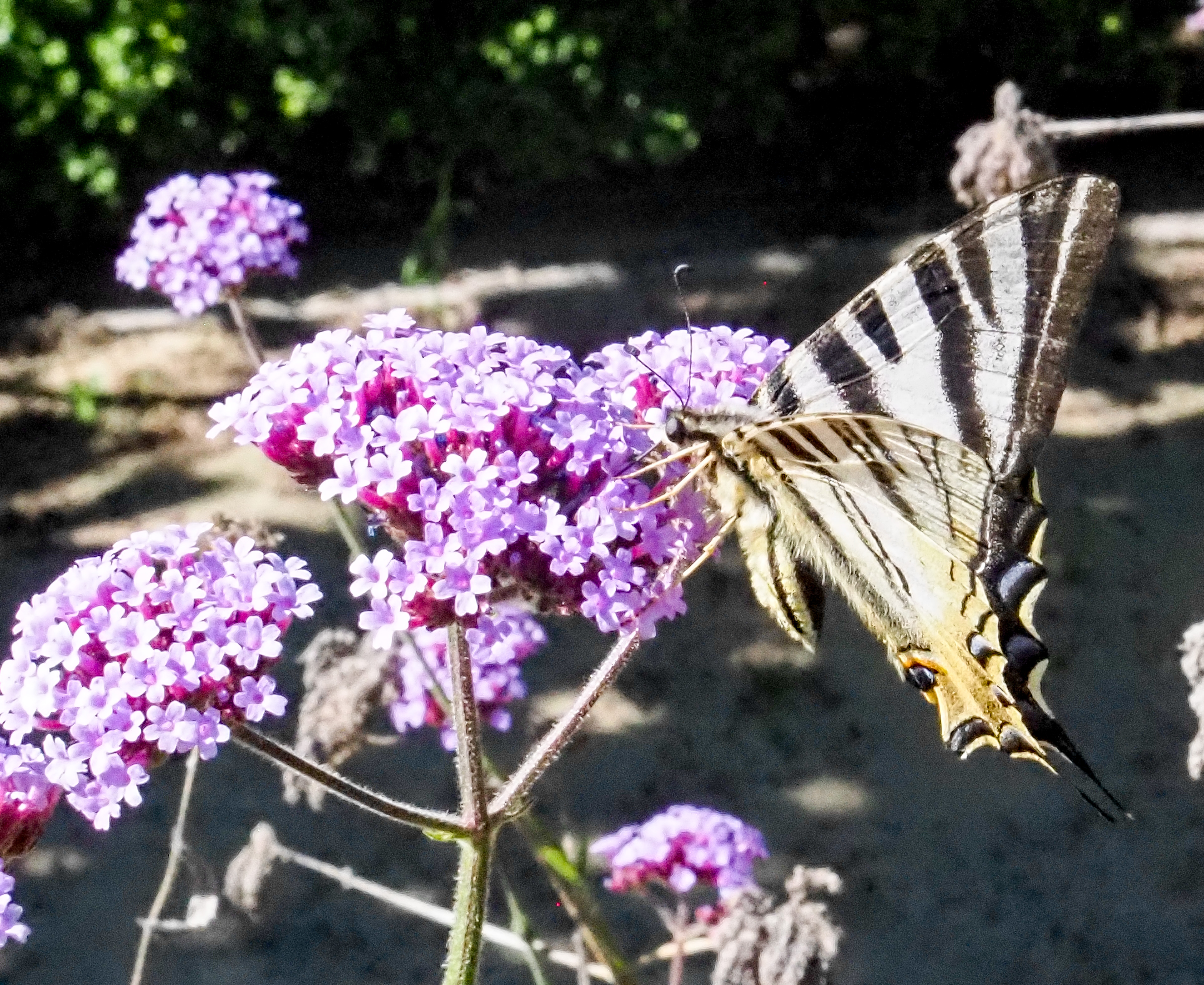
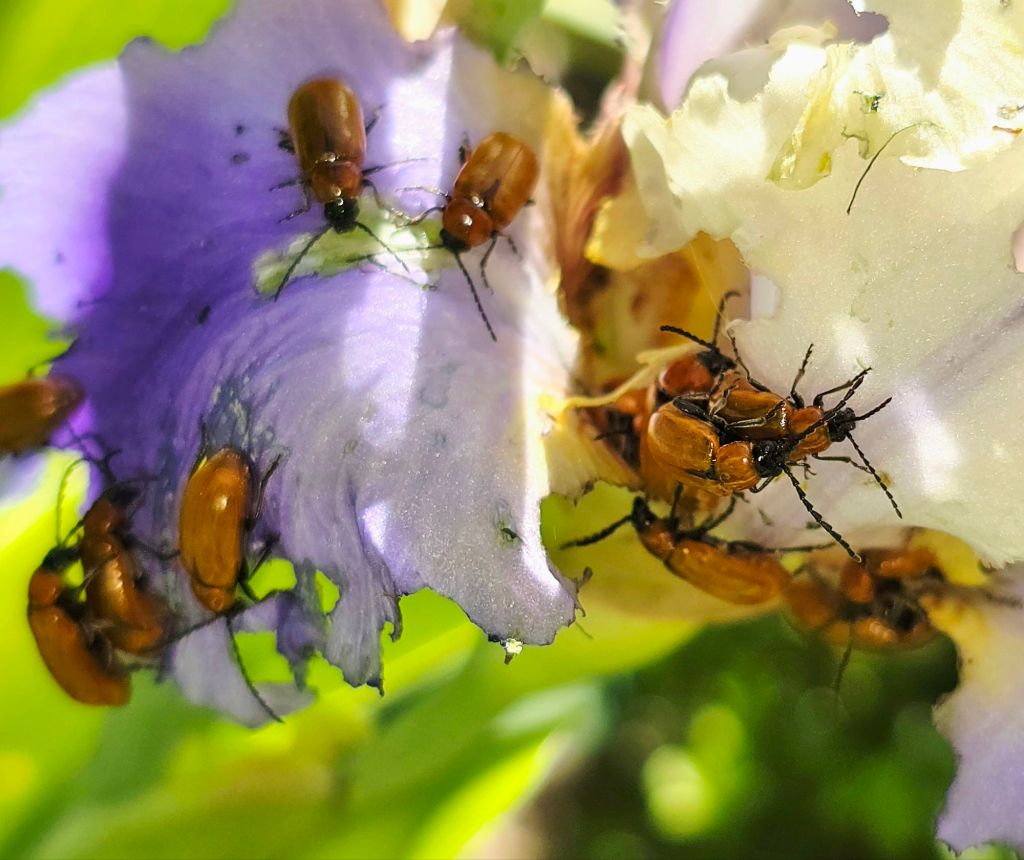
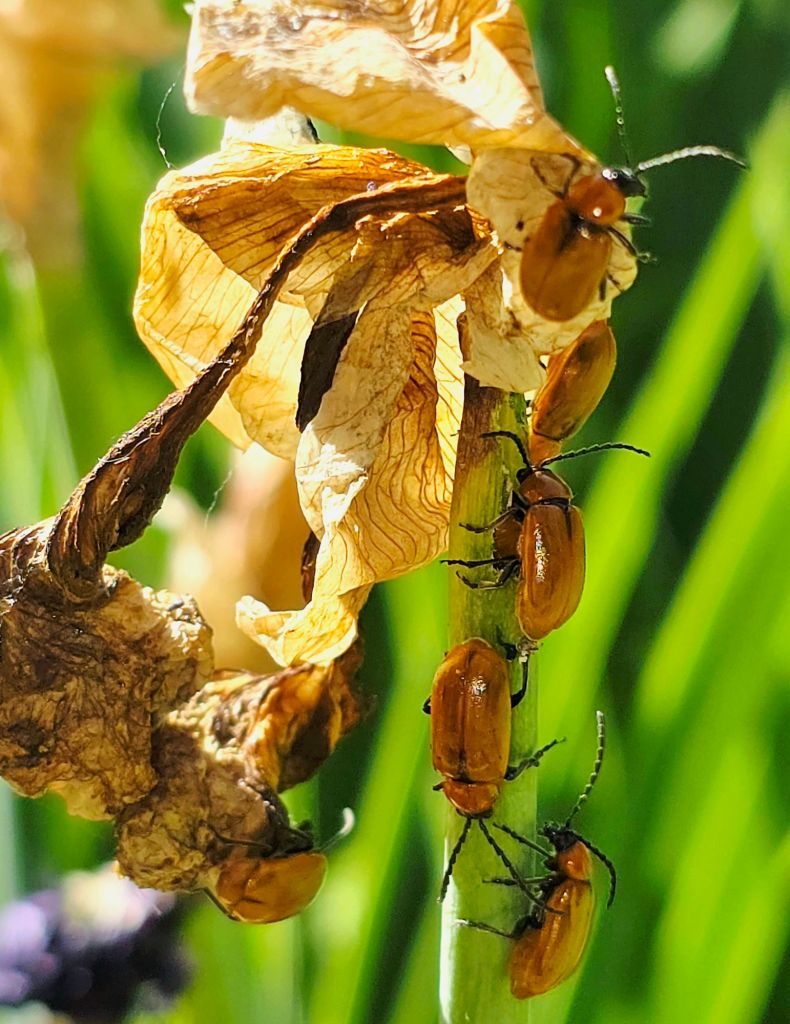
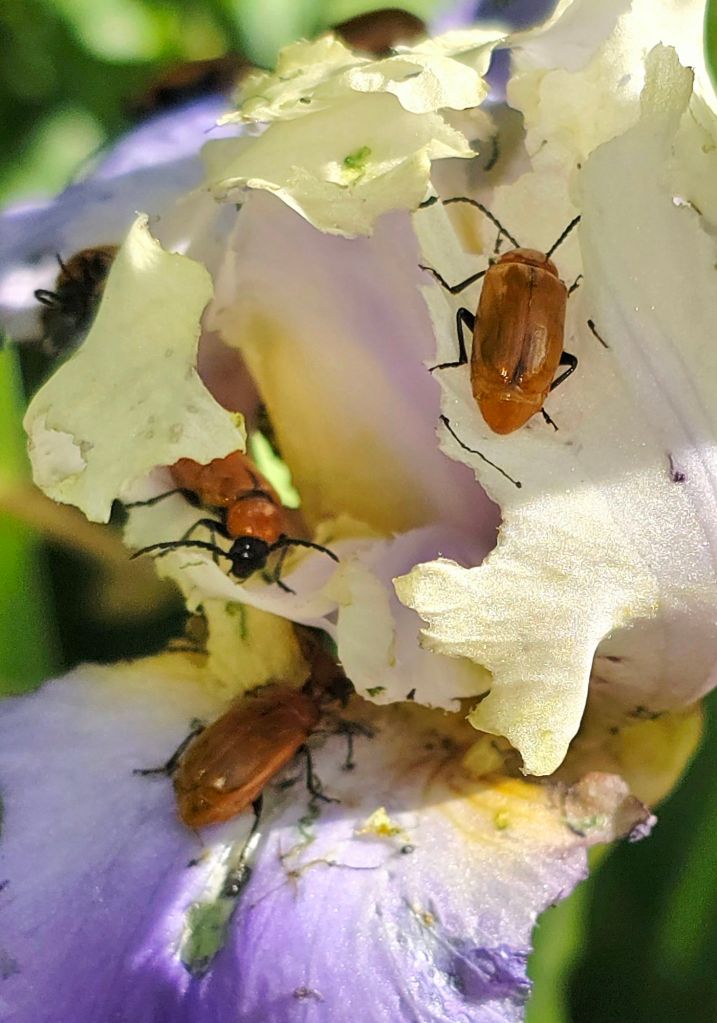
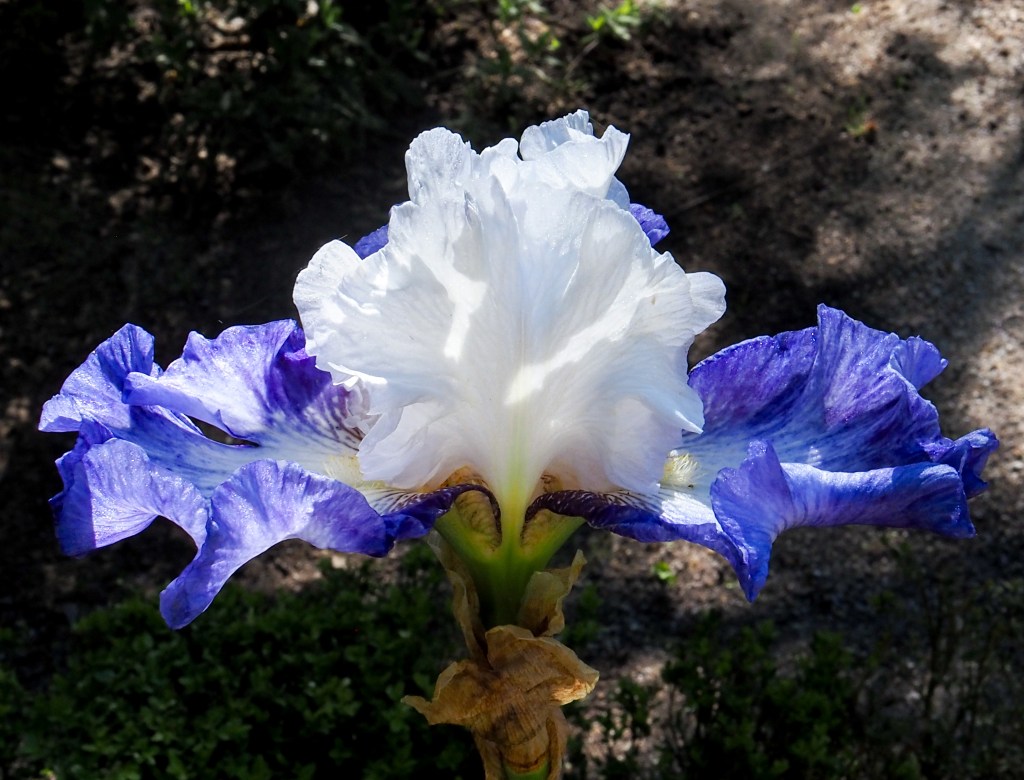
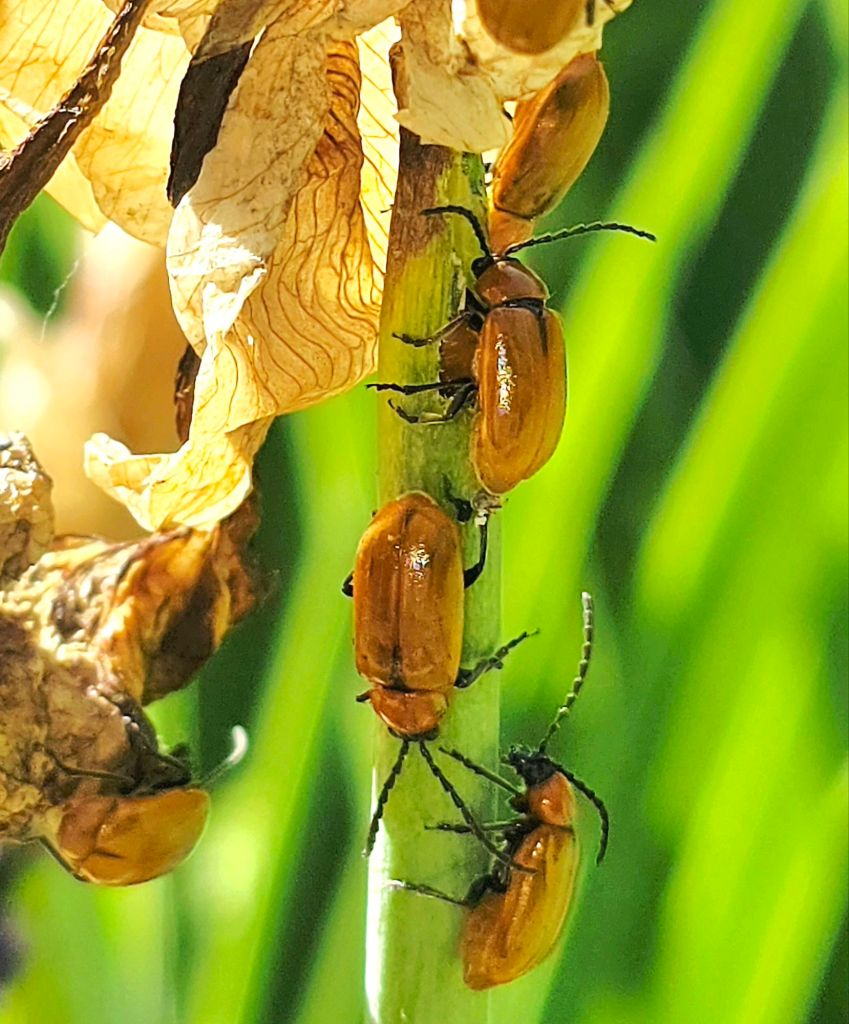
    Large infestations of daffodil leaf beetles (Exosoma lusitanicum) were feeding and mating on the Iris flowers and seemed to have mostly destroyed them!
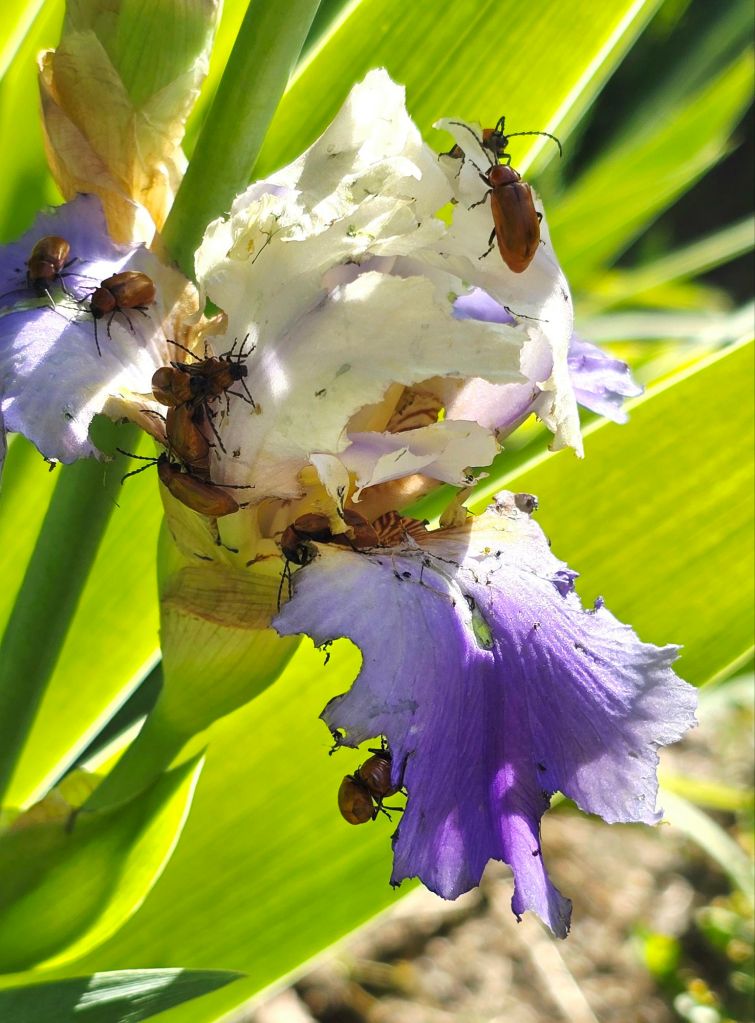
    However, some irises had – for the time being at least! – escaped the ravages of the leaf beetles!
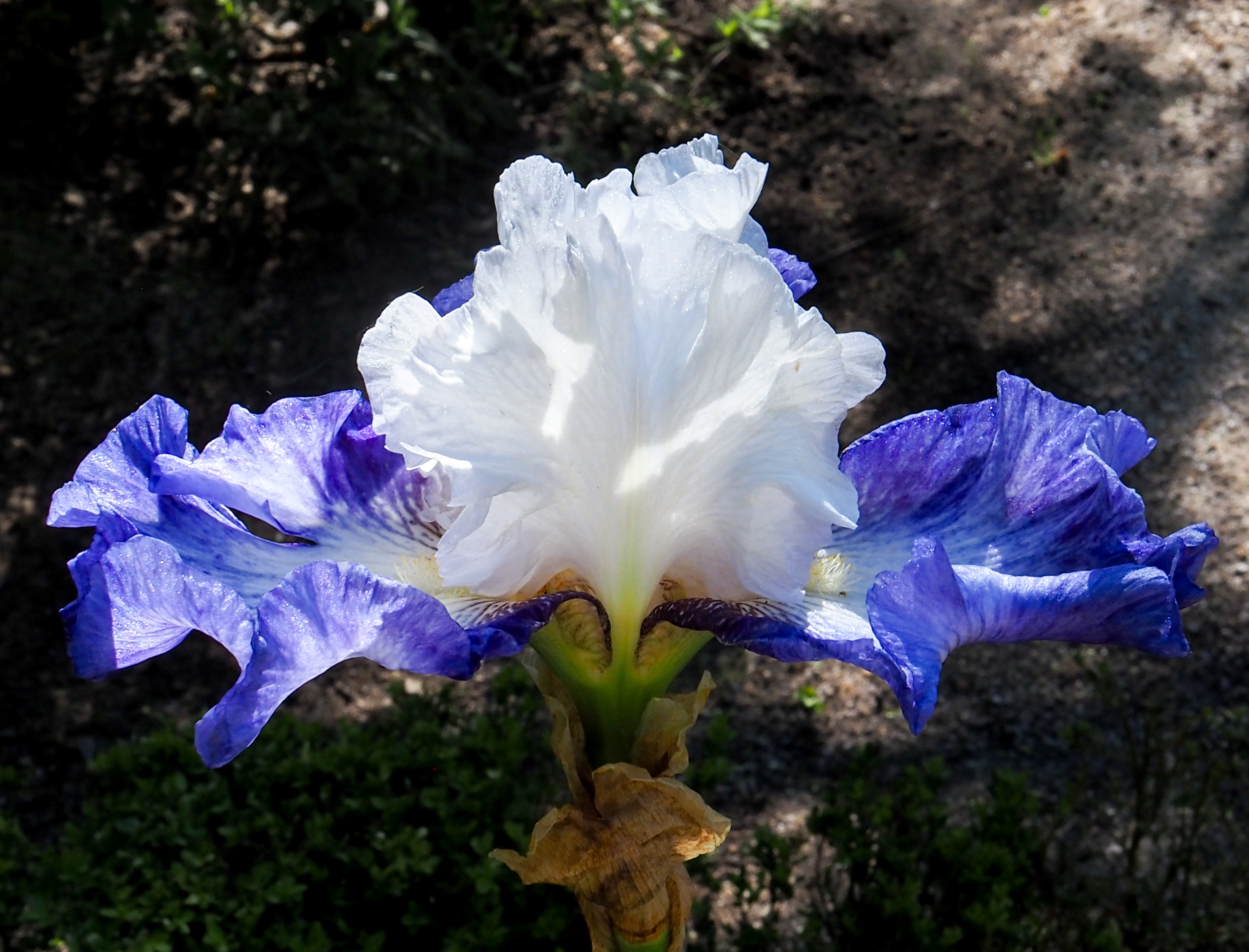
    Blue and white iris. Photographs by Raymond JC Cannon
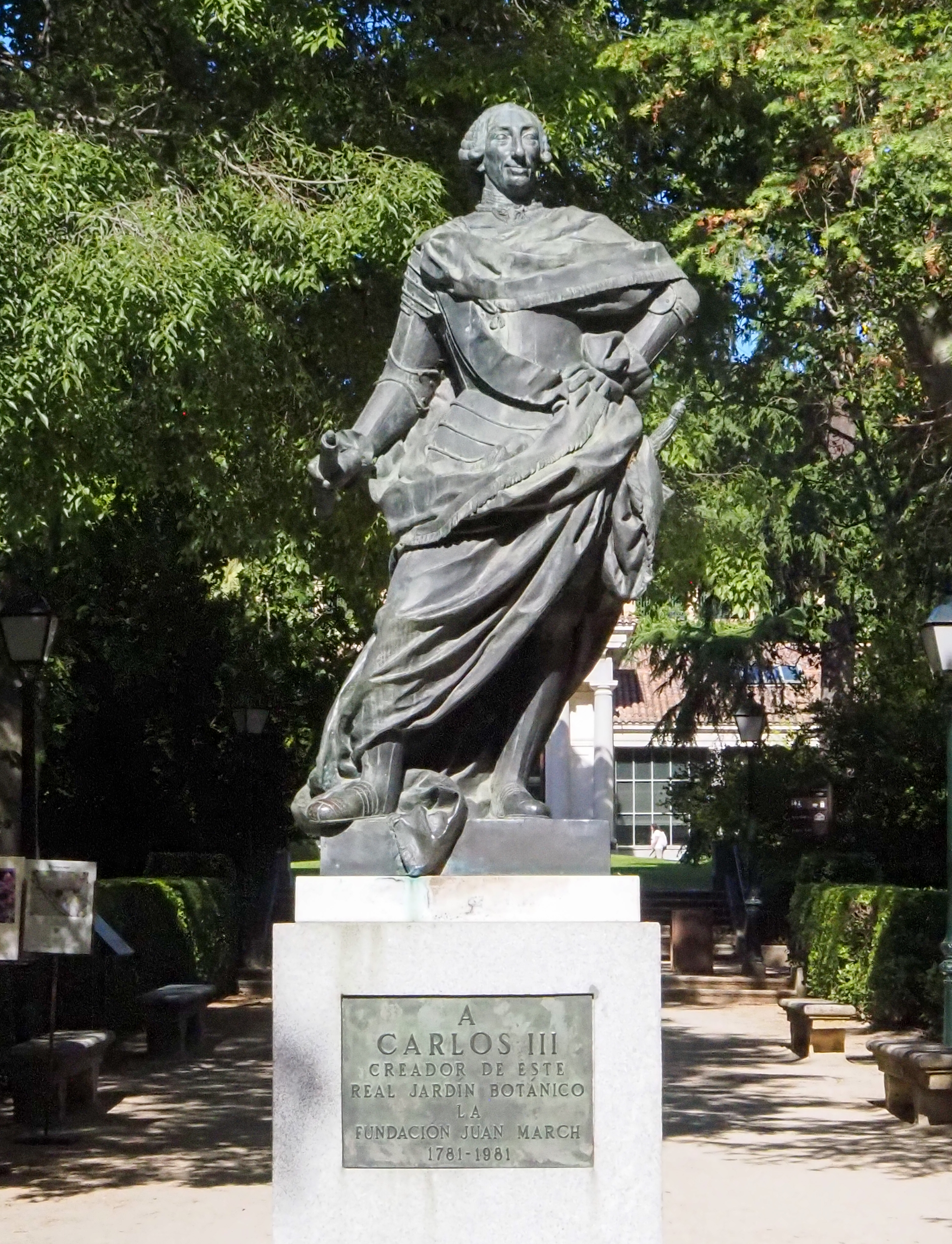
    A statue of Charles III of Spain ‘Creator of the garden’

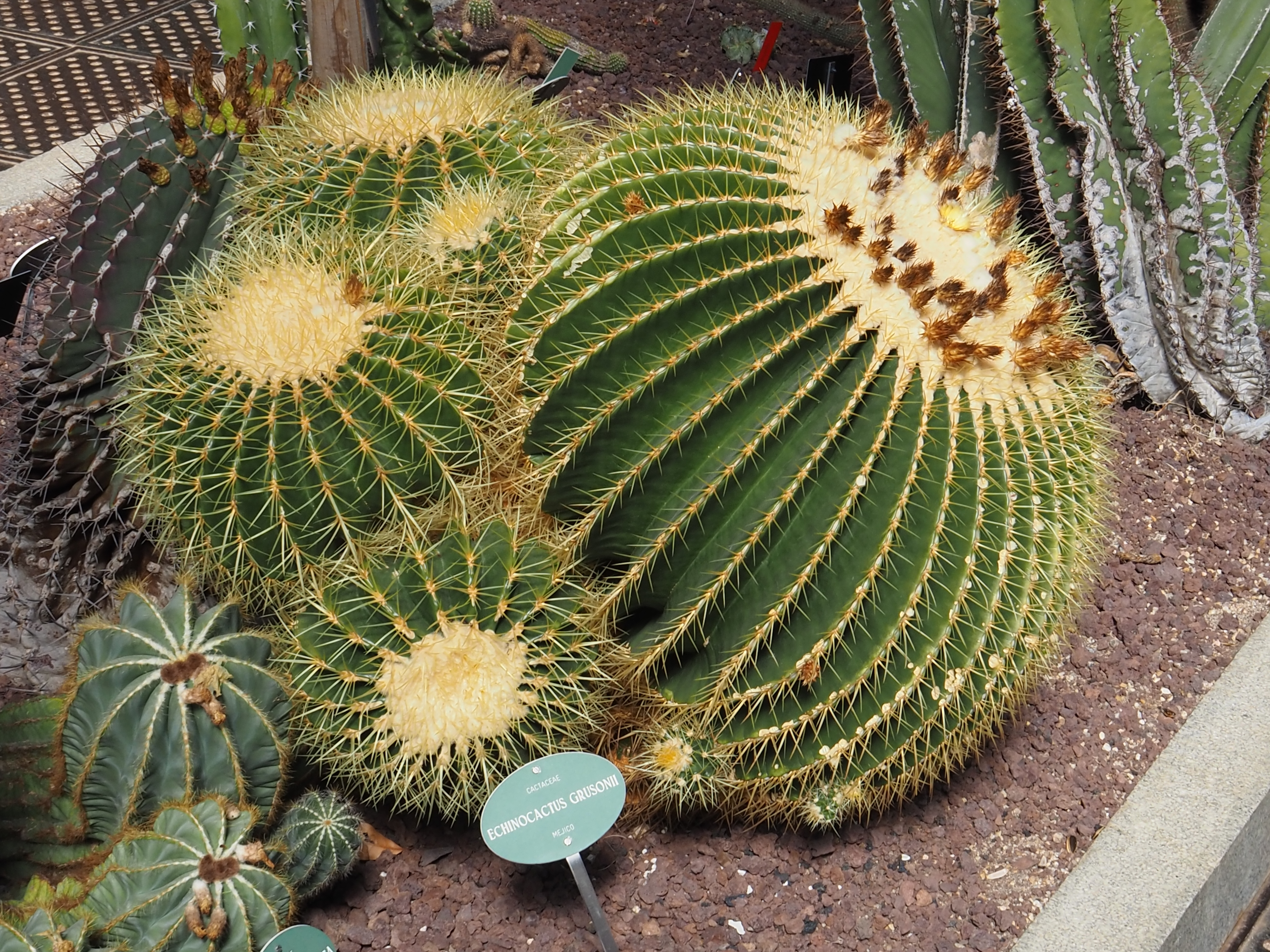
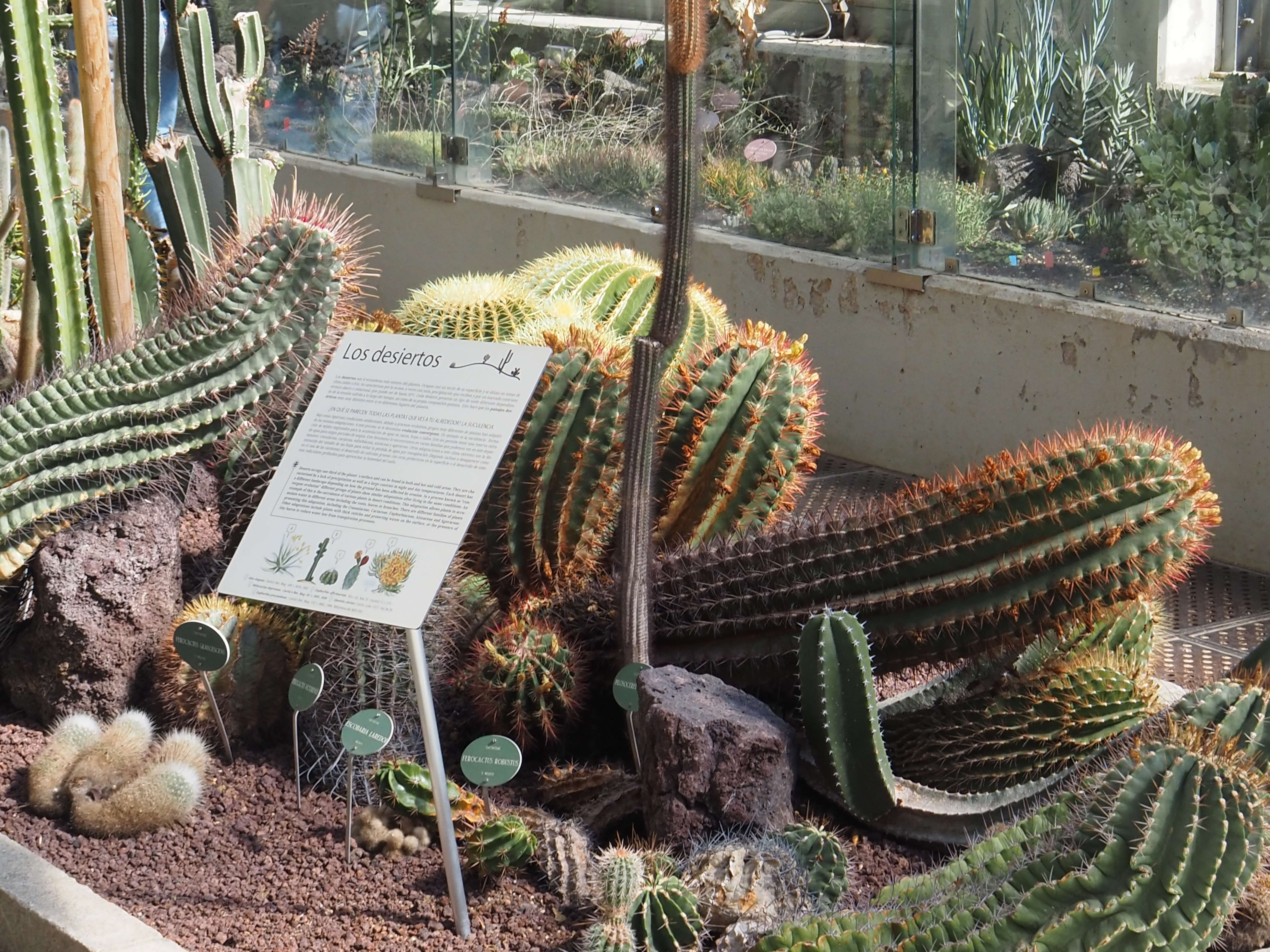
    There are also three green houses with cacti and tropical plants.
    All in all, thoroughly recommended!
  • Tresco Abbey gardens

    Tresco Abbey gardens

    People have been living on the island of Tresco, in the Scilly Islands, for over 5000 years, and visiting these islands by boats from the Cornish mainland as long ago as 6000/7000 BC. The islands would have looked very different back then, covered in oak, ash and elder trees, with roe deer and wild boar in the woodlands. The sea was much lower than it is today and the first settlers in the Neolithic grew oats and barley on the fertile lowlands of the ancient land they called Ennor (used by J. R. R. Tolkien’s for the fictional lands of Middle-earth).

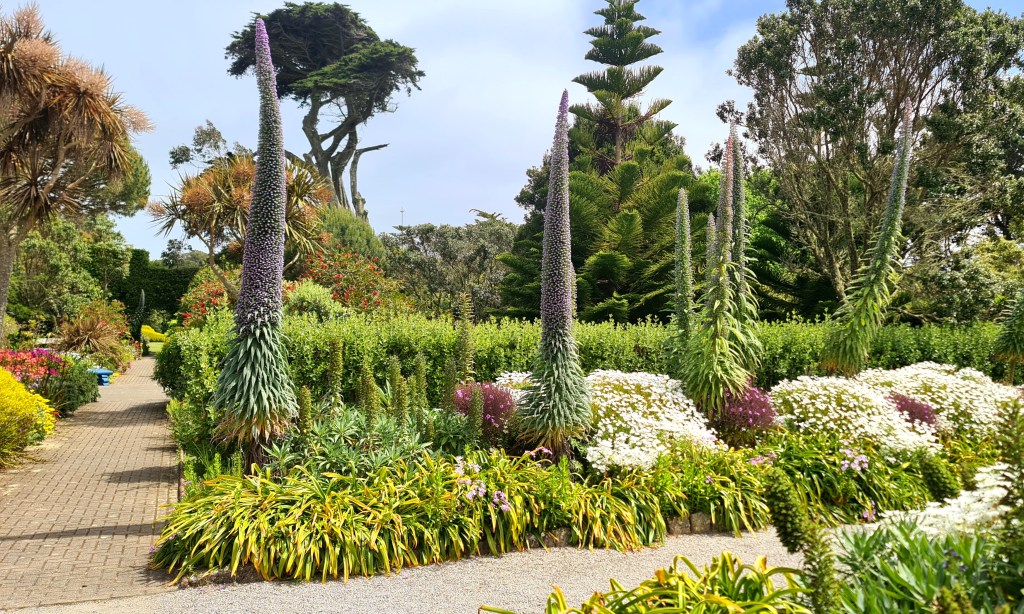
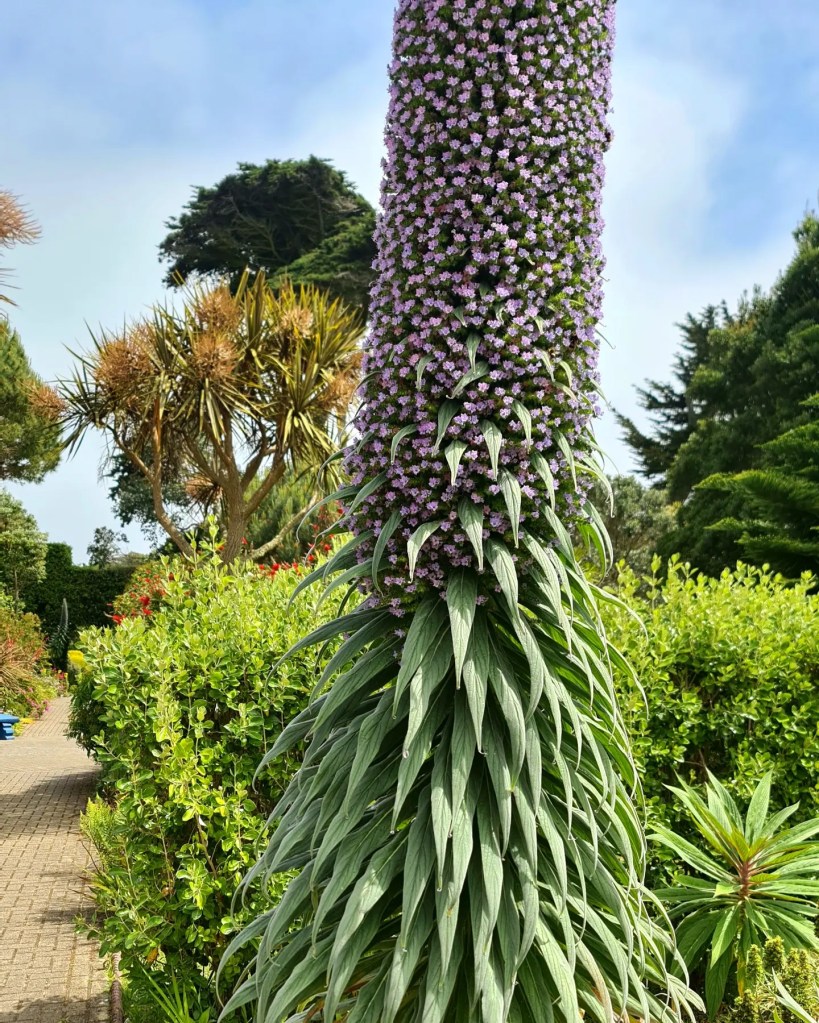
    Echium pininana, the tree echium, is in the borage family Boraginaceae. It is endemic to the Canary Islands, where it is restricted to the island of La Palma.

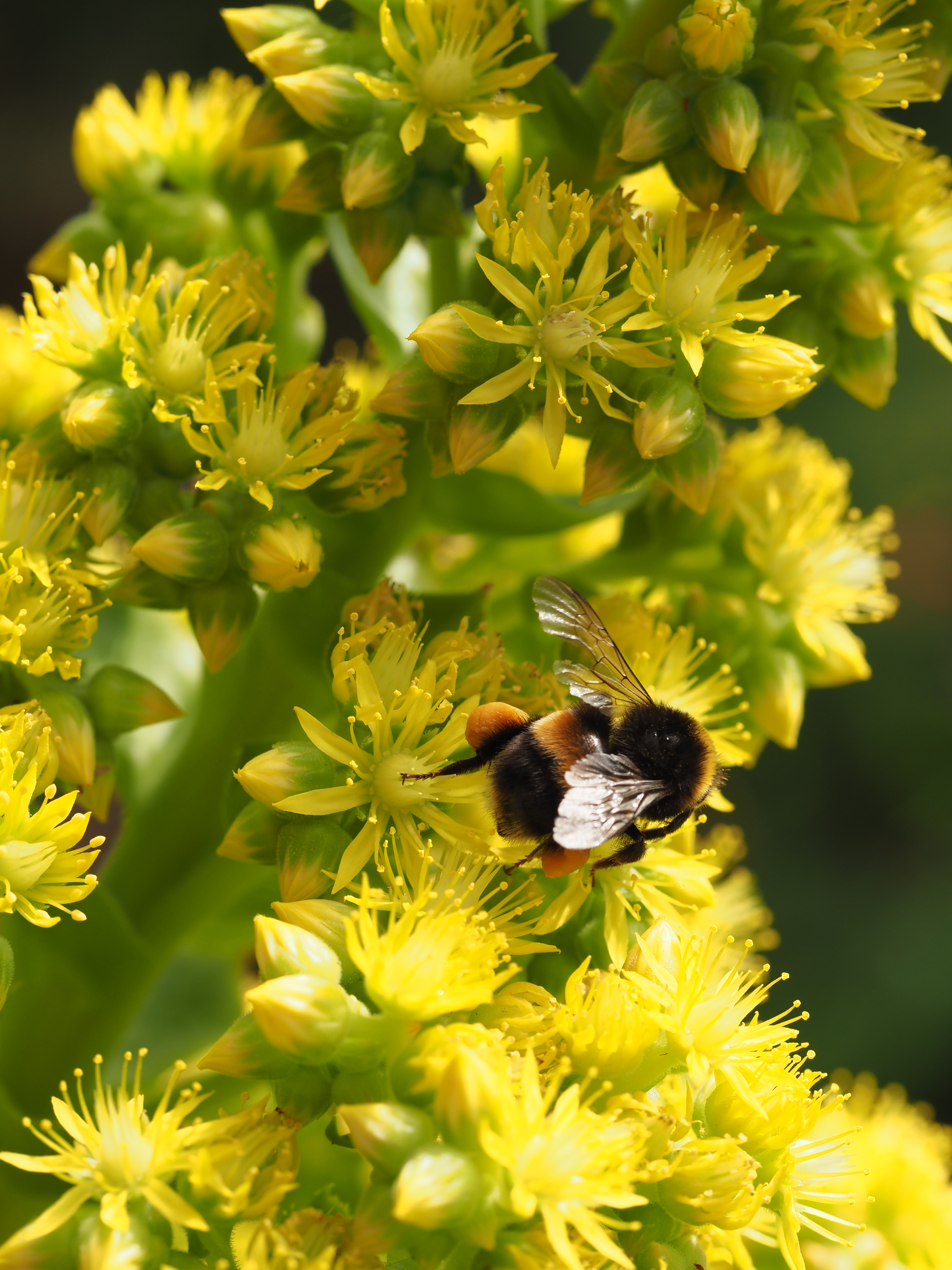
    Bumblebee on unidentified flower

    The Scilly Islands were still a single island when the Celts arrived around 500BC. The Romans also colonized Ennor, they called it Insulae Sillinae, which remained a single island until at least AD 400. Today, the Scilly Islands comprise some 55 islands and islets, of which Tresco is the second-biggest, measuring about 3.5 km (2.2 mi) by 1.75 km (1.09 mi). This was my second visit to the island, and on both occasions I was blessed with good weather, if a bit windy!

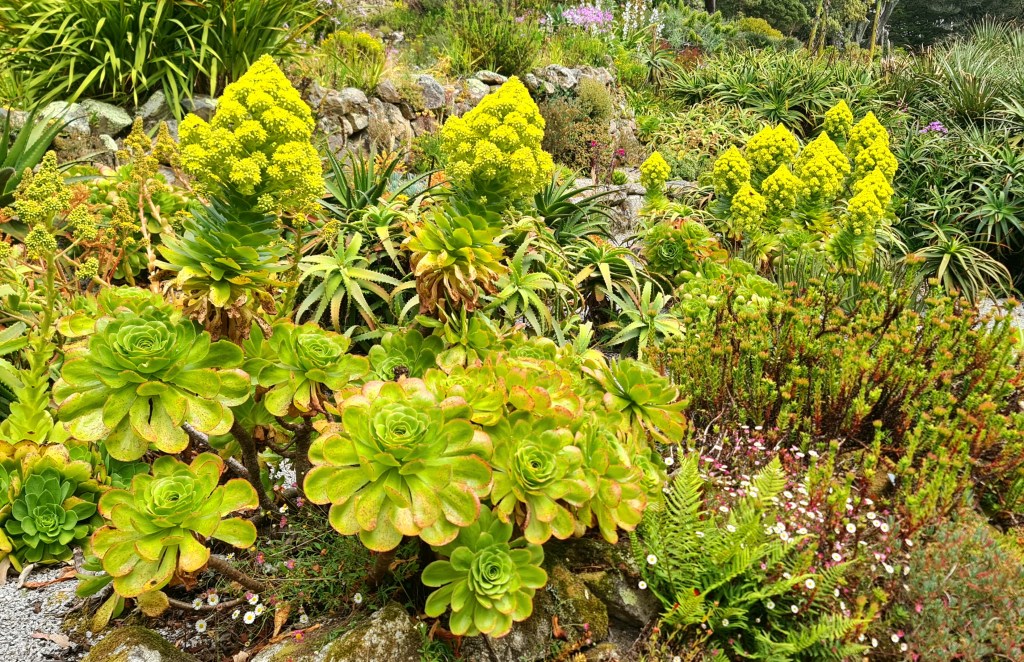
    Aeoniums

    Benedictine monks first built an abbey on Tresco, founded in 964 AD, and appear to have introduced many new herbs and flowers, such as chamomile, wild thyme and tansy. The ruins of the original abbey can still be seen in the Abbey Gardens. Rents for the Scilly islands was reportedly paid to the crown in puffins! Which seems rather hard on these little birds, which still breed on the islands, albeit in small numbers (about 100 pairs). So there must have been many more puffins on these islands back in the Middle Ages! A reminder that wildlife was often much more abundant in the past (see shifting baselines).

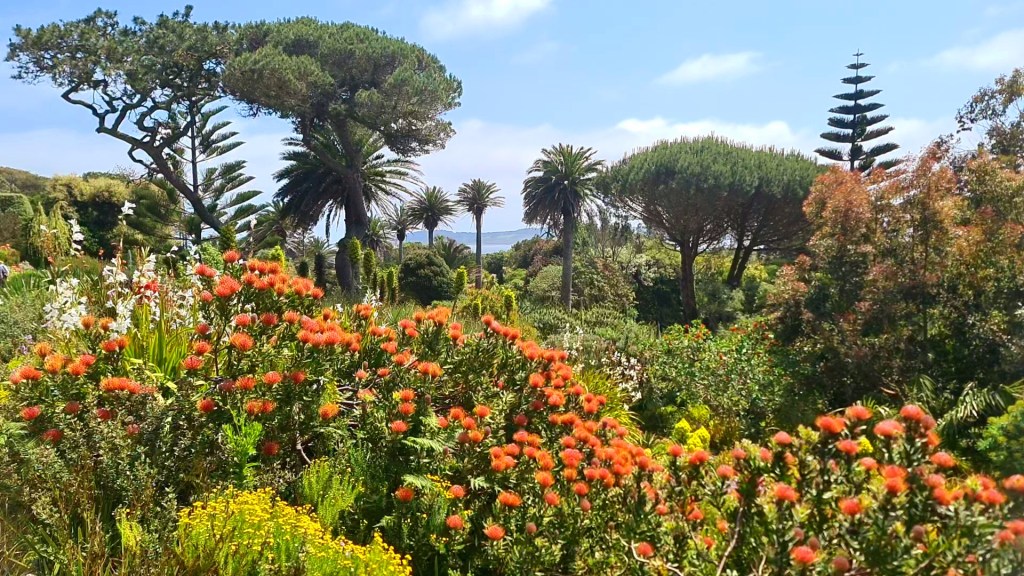
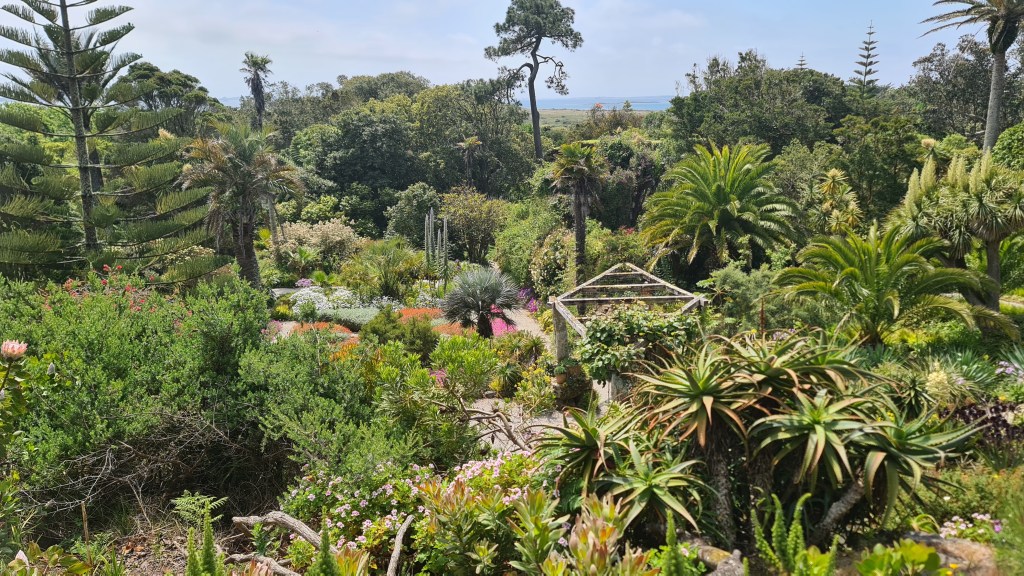
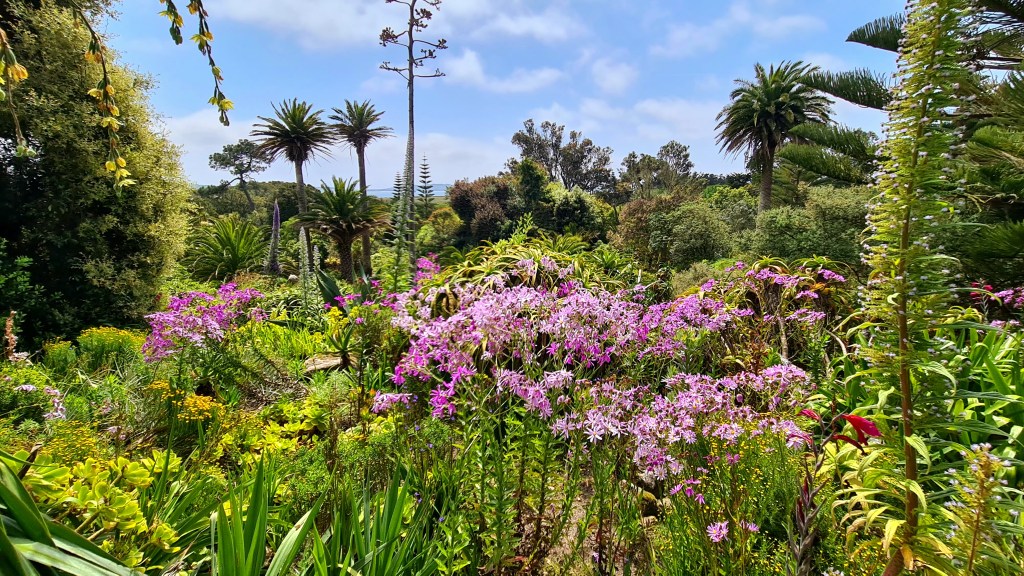
    Tresco Abbey Gardens in May 2023

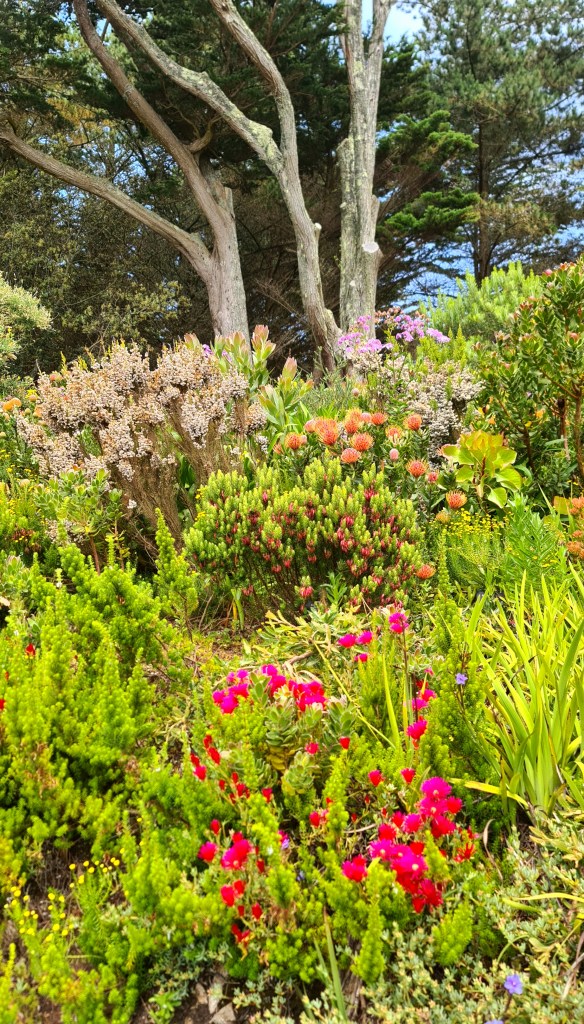
    Plants have been introduced into the gardens from all over the world, albeit obtained in many instances via Kew Gardens, including from South Africa, Australia, New Zealand, Chile, and the the Canary Islands. The mild climate of the Scilly Islands, bathed as they are by the Gulf Stream, provide a wonderful, virtually frost-free habitat for such exotics, sheltered by salt-tolerant Monterey Pine and Cypress trees from California.

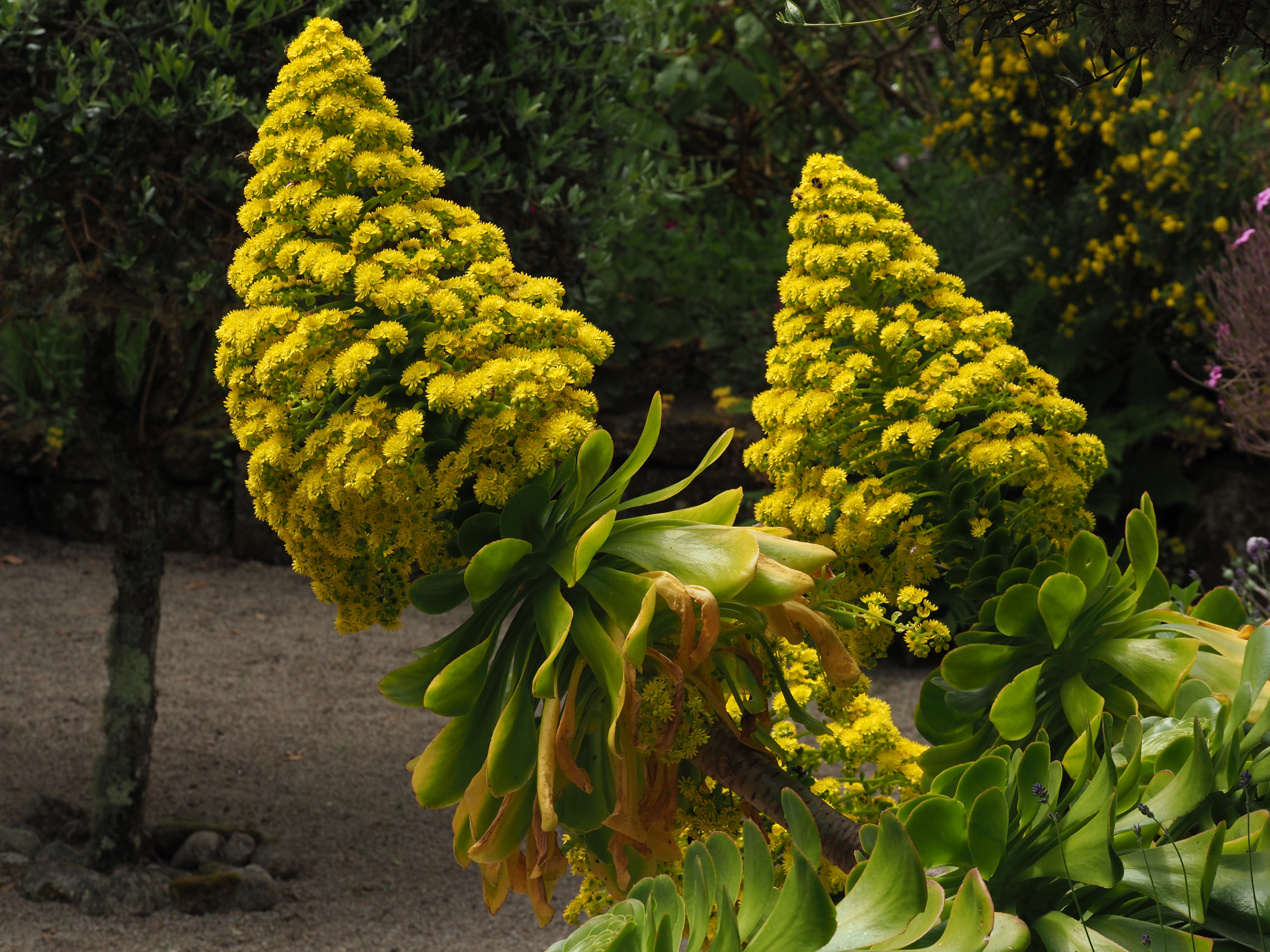
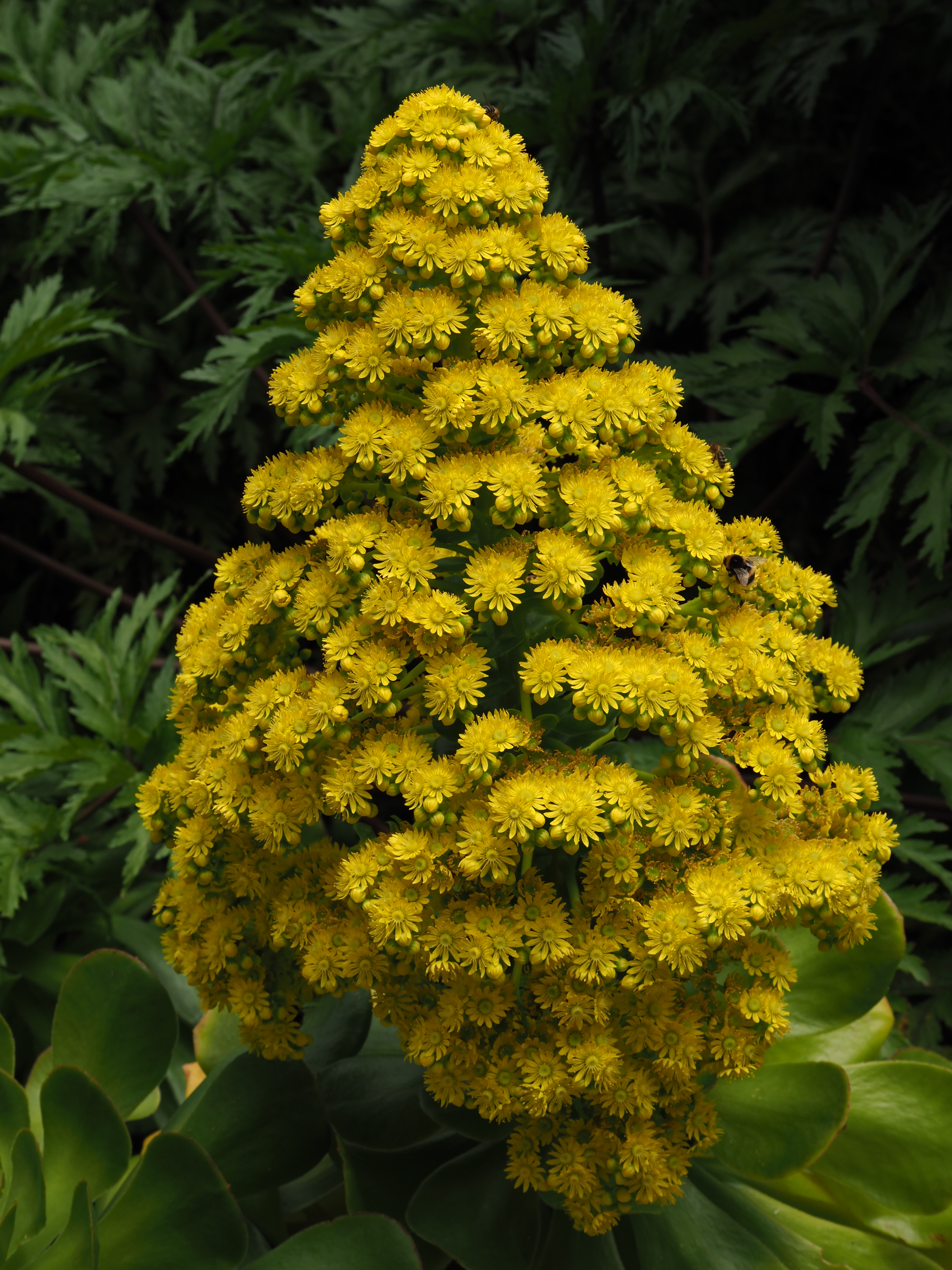
    A yellow flowering succulent

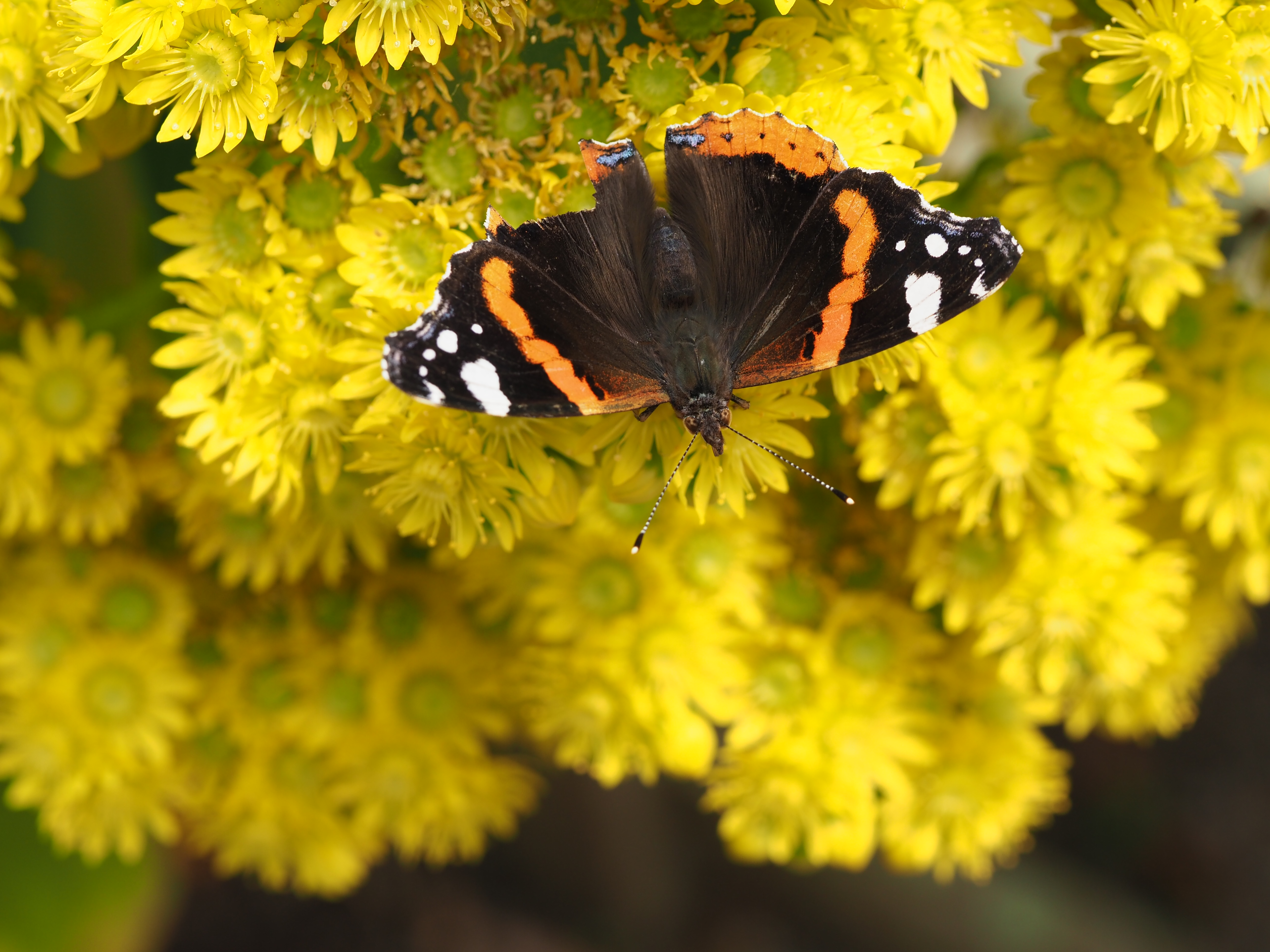
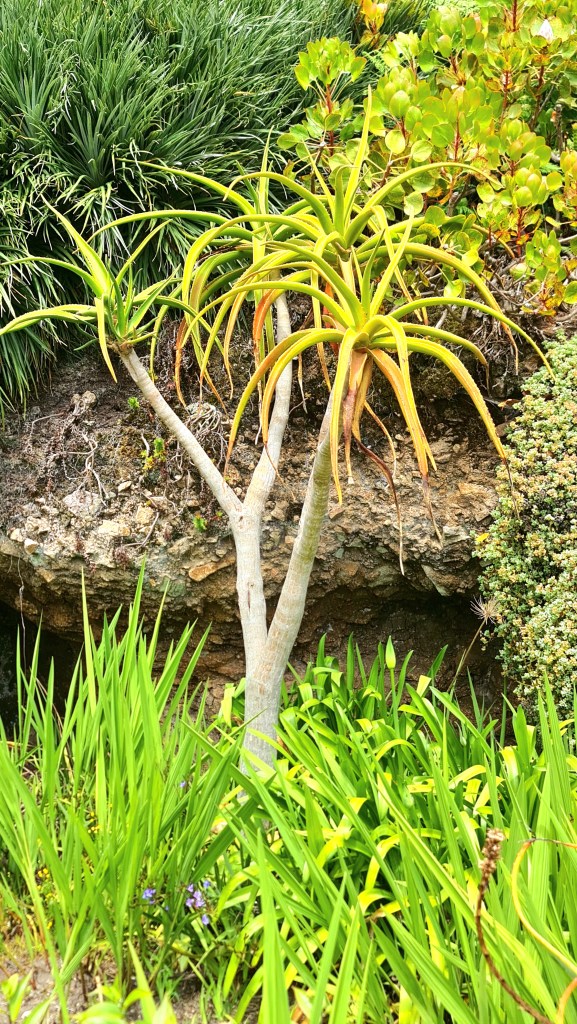
    The magnificent Aeonium arboreum ‘Zwartkop’ (Crassulaceae) – a succulent which is endemic to the western Canary Islands is a magnet for all sorts of insects, including bumblebees and butterflies (below). Although it is beautiful and fascinating in my opinion, this plant is considered to be invasive weed in some places, such as Australia.

    Aeonium arboreum ‘Zwartkop’

    I came across a remarkable flowering agave plant from South America (below). These succulent plants belong to the family Asparagaceae and like many agaves, Furcraea parmentieri is monocarpic, which means that the rosettes die after flowering. At maturity, this plant explodes into flower, producing a tall, spectacular inflorescence (below)

    Furcraea parmentieri (Asparagaceae)

    The gardens we see today, were the creation of a wealthy Victorian landowner called Augustus Smith, who in 1834 acquired the lease on the Isles of Scilly from the Duchy of Cornwall for £20,000; the equivalent of a few million pounds today. Still, quite a bargin I think. His title, Lord Proprietor of the Isles of Scilly, gave him the power to make a number of changes and reforms reforms to the islands. He built his home on Tresco, and started the Tresco Abbey Gardens, introducing many exotic plants and carrying out landscape planting.

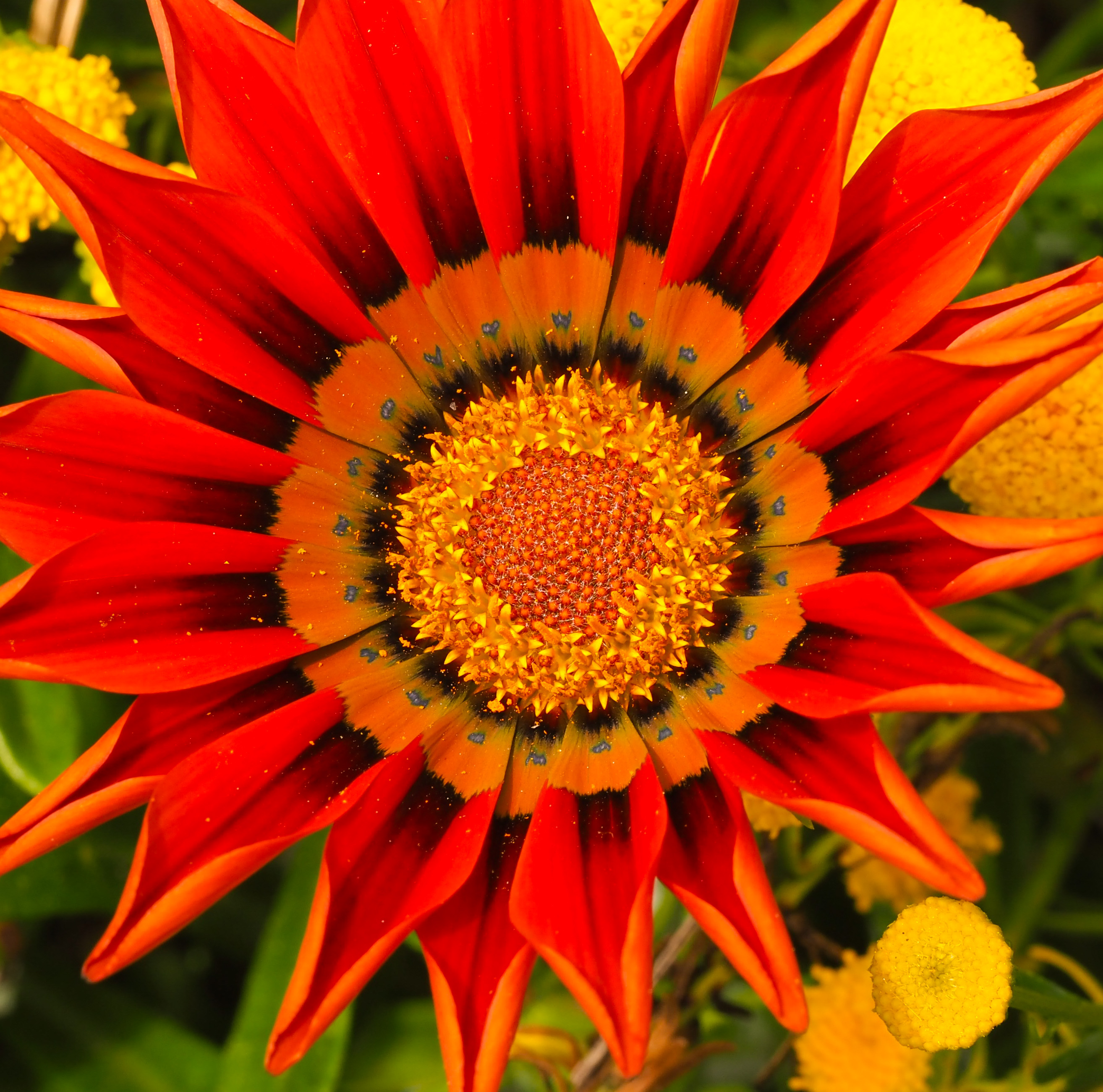
    Gazania is a genus of flowering plants in the family Asteraceae, native to Southern Africa, where they typically appear in the late spring and often in bloom throughout the summer into autumn.

    Gazania flower from South Africa
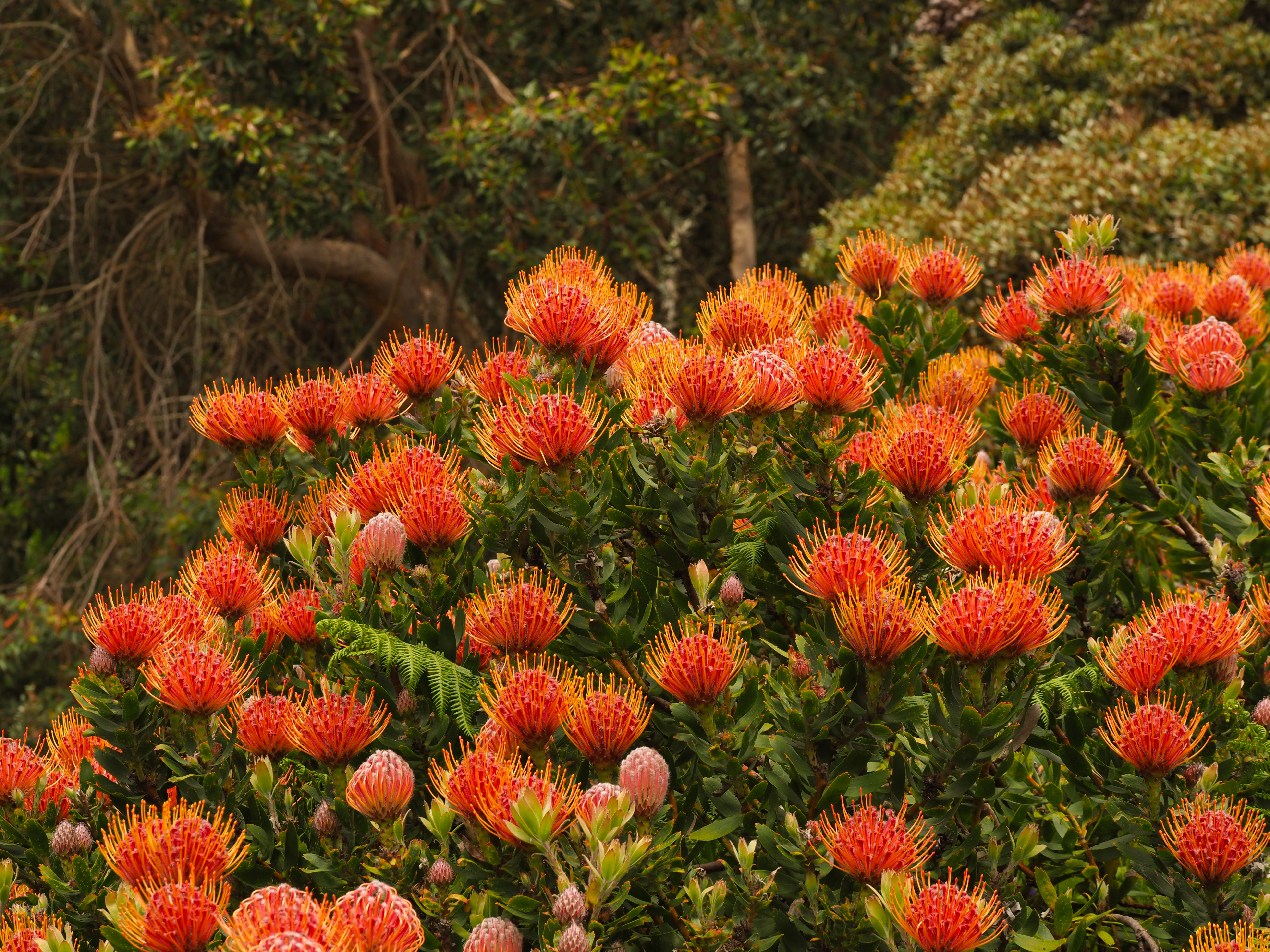
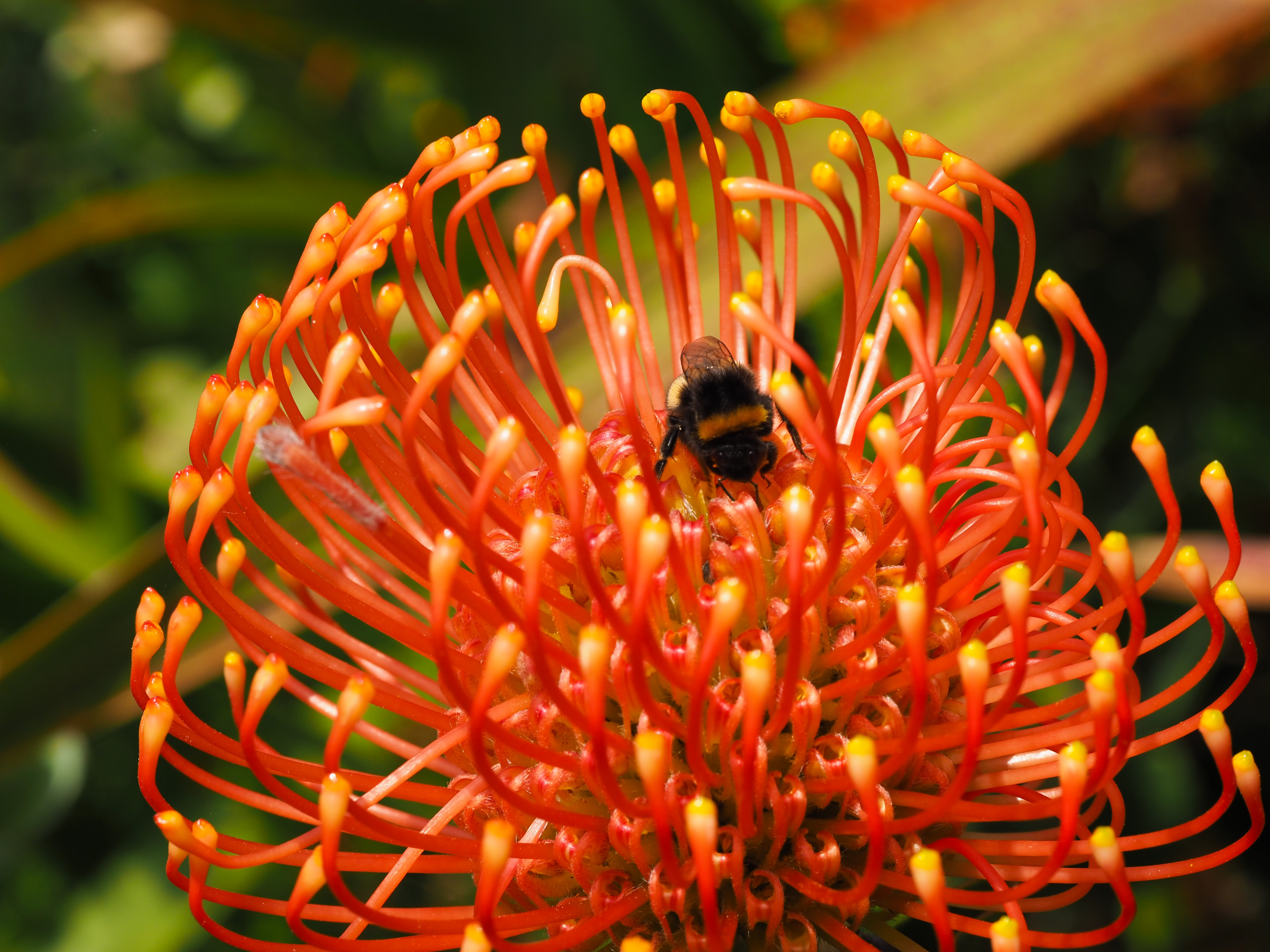
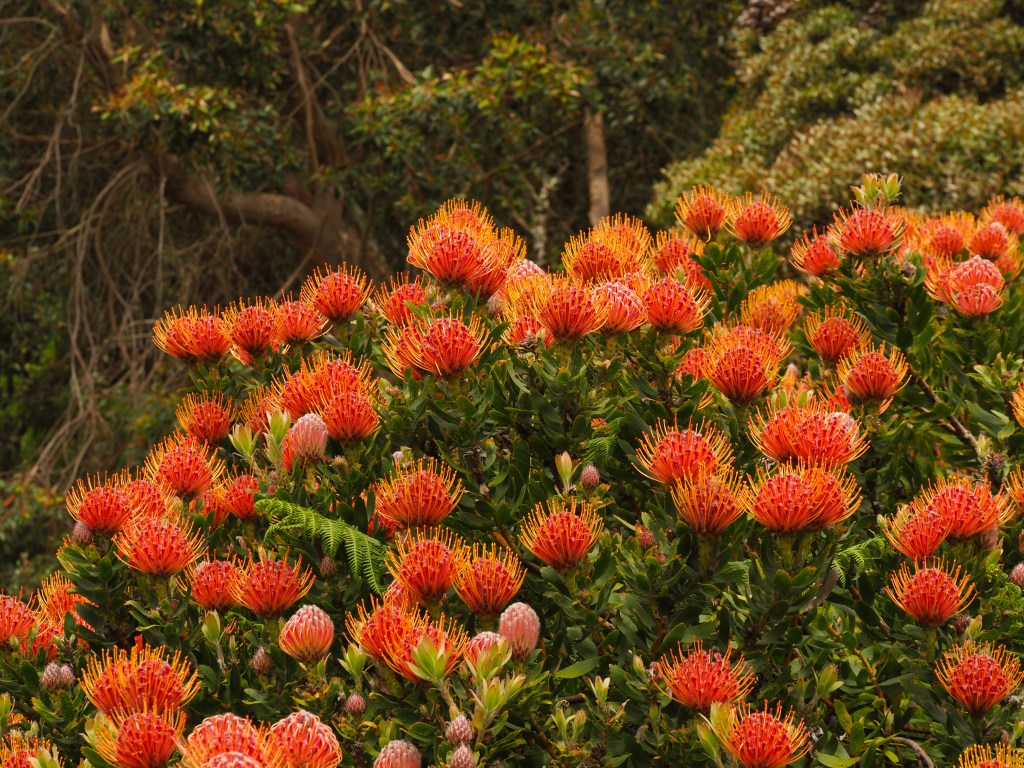
    Pincushion flowers (Leucospermum cordifolium)

    The bumblebees liked the pincushion flowers (below), despite their being exotics from South Africa – they have pollen and nectar just like native flowers – and almost looked like they were trapped in a ‘bee cage’ made by the individual florets!

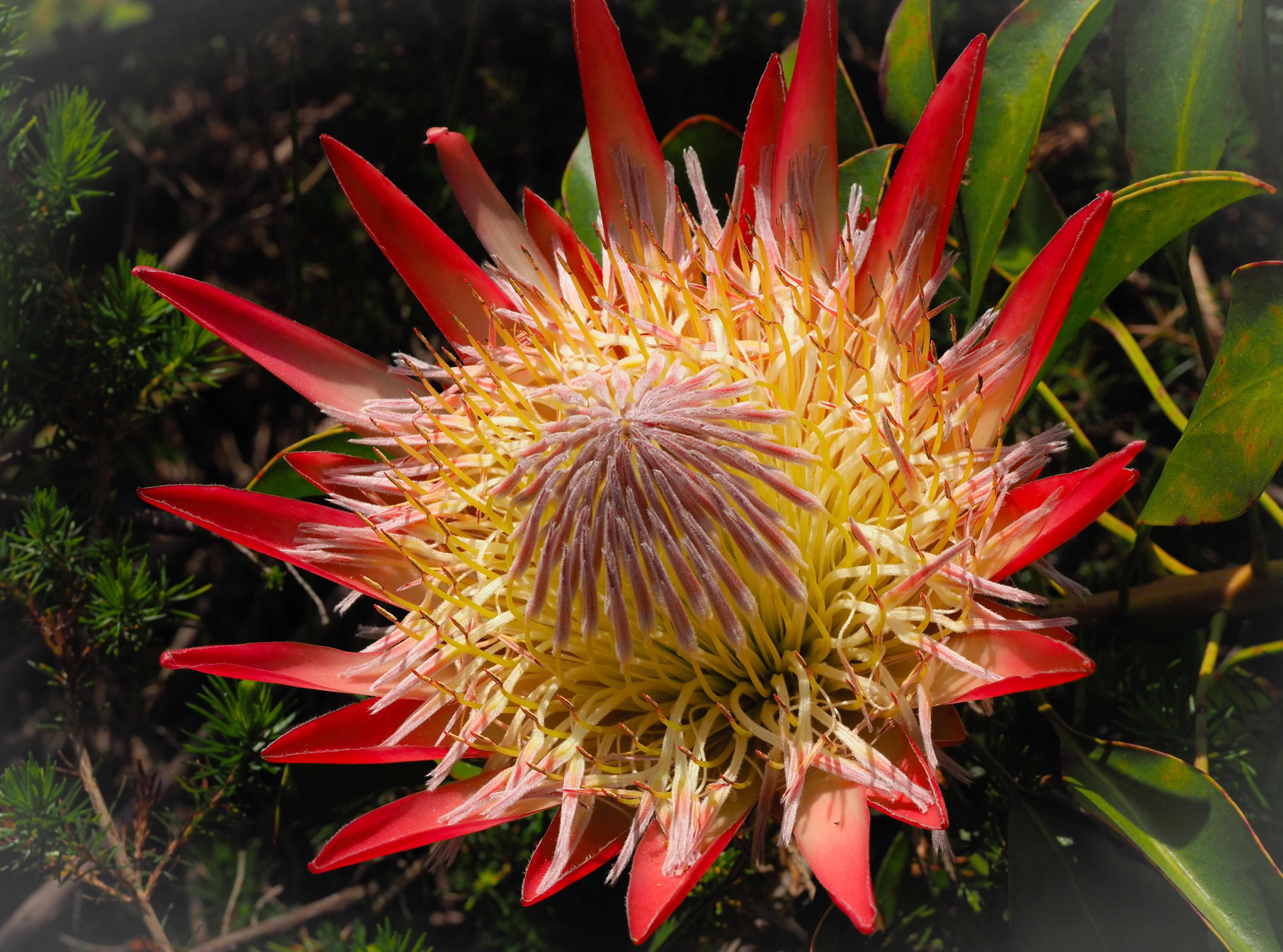
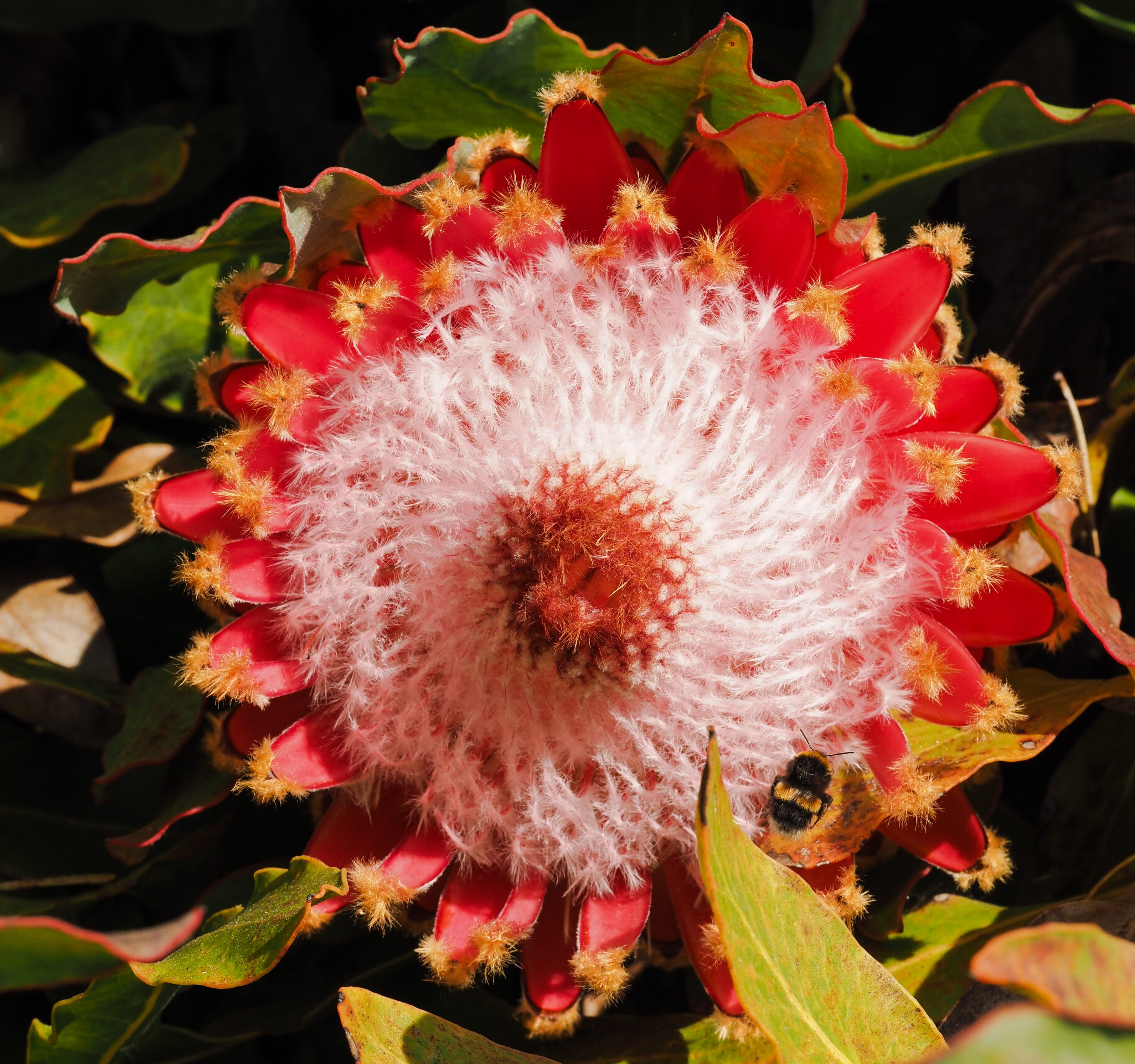
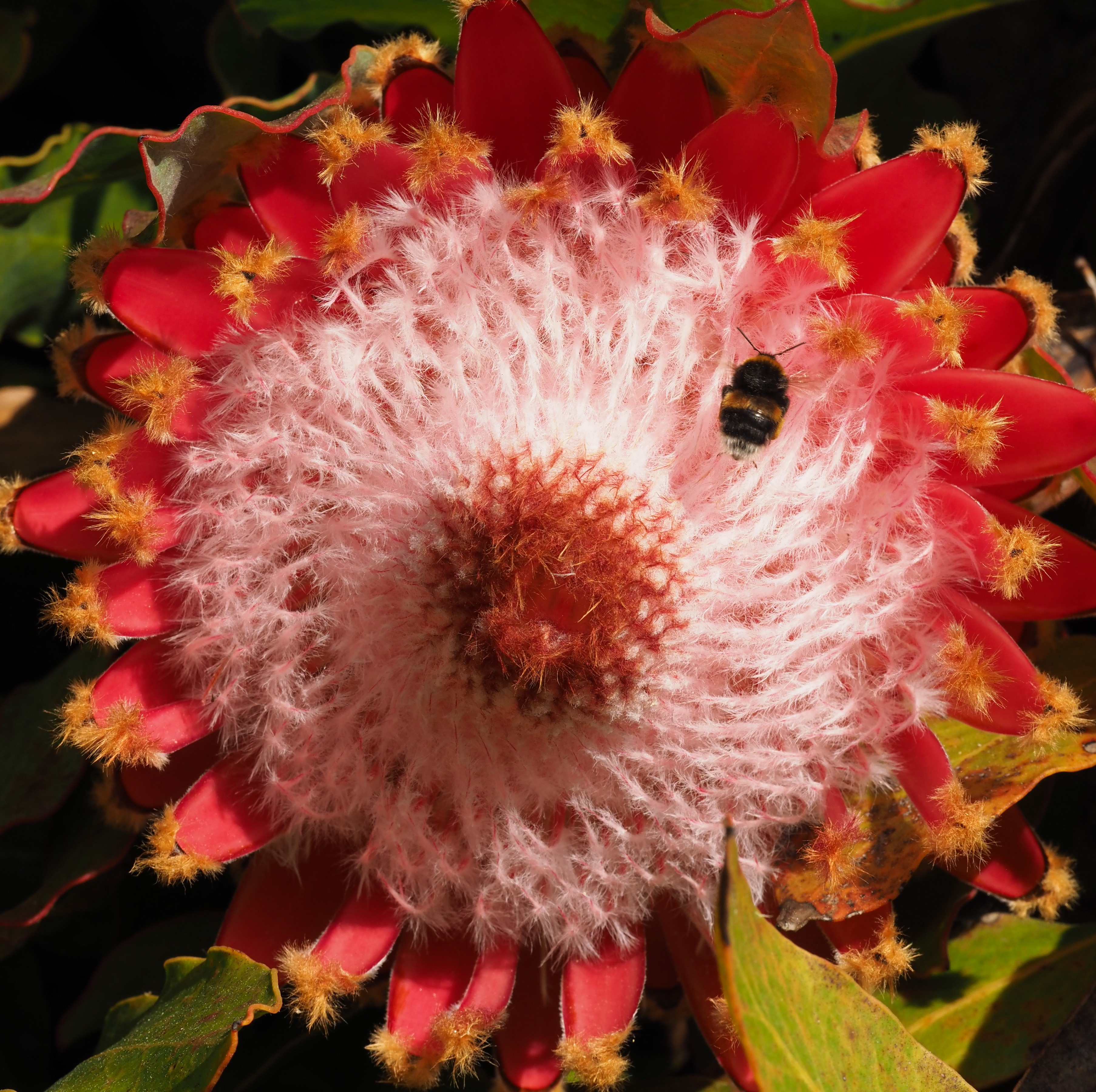
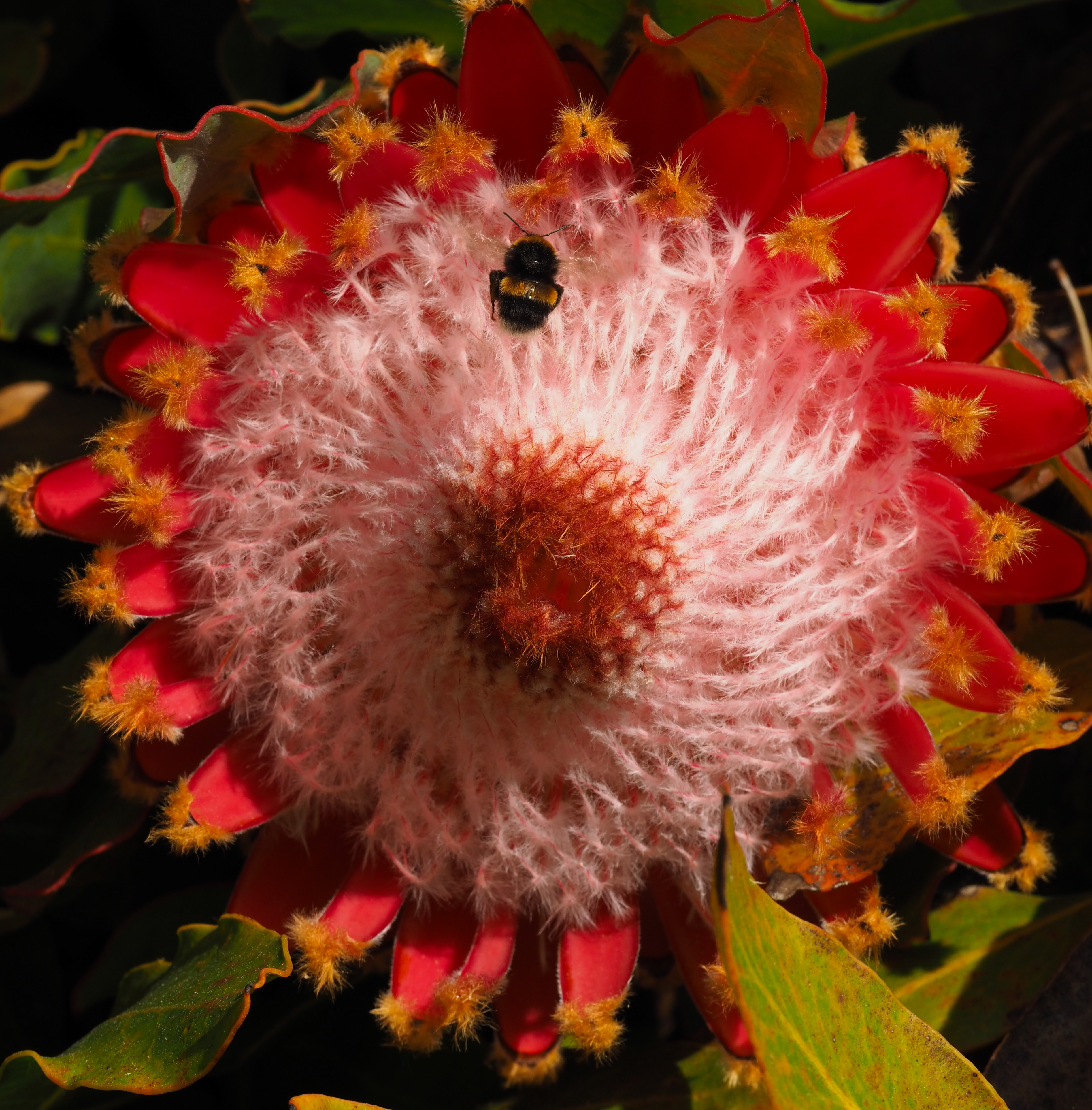
    Proteas are one of my favourite flowers, and it was a treat to come across the magnificent King protea, Protea cynaroides (Proteaceae).

    King protea Protea cynaroides

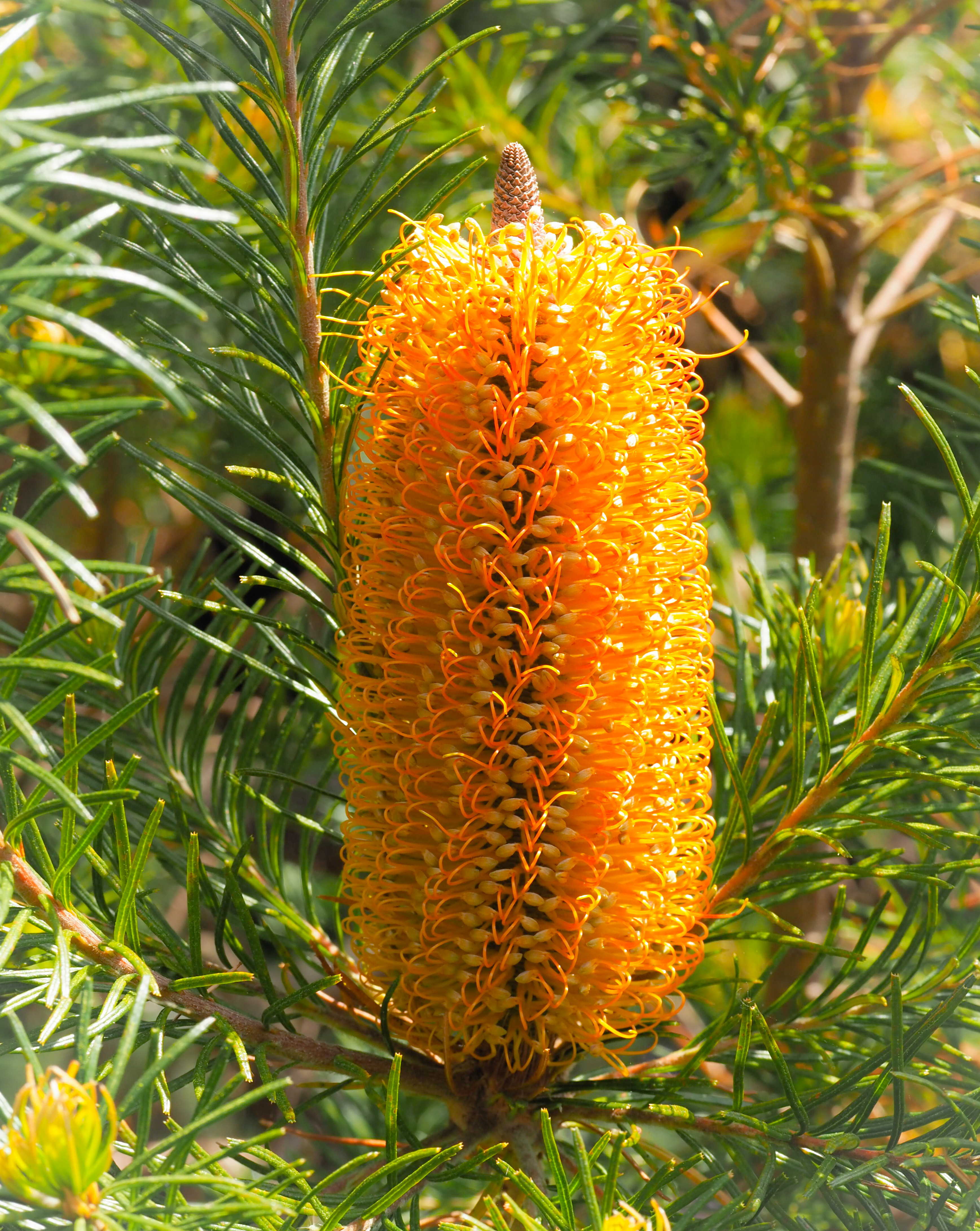
    Banksia plants are also in the family Proteaceae and there are around 170 different species in Australia (below).

    Banksia spinulosa (I think!)

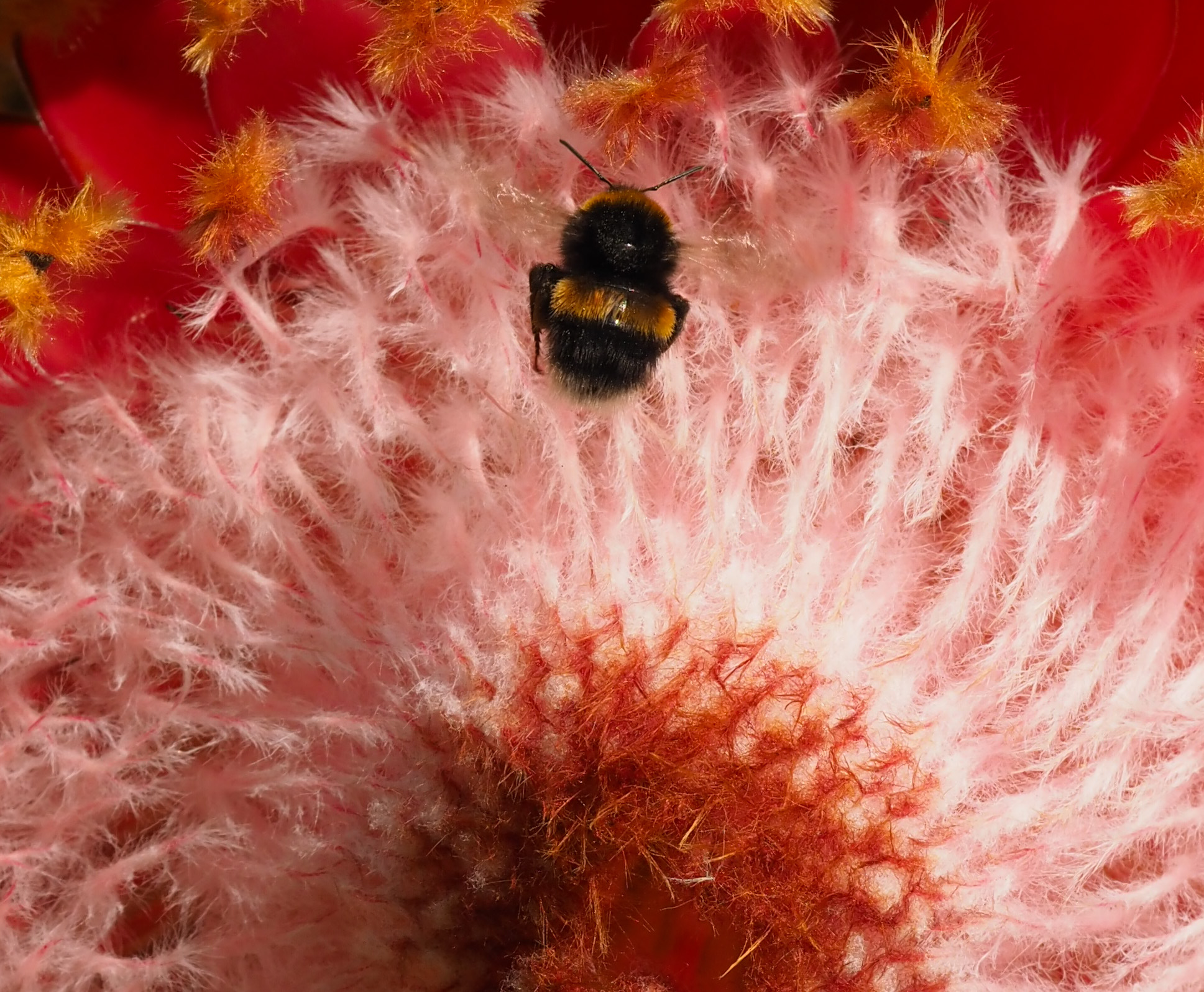
    And another species of South African protea was in flower and being visited by a bumblebee (below), which obligingly moved about as I photographed it! Protea magnifica.

  • A walk in the countryside on 1st April

    Felmersham Gravel Pits, Bedfordshire

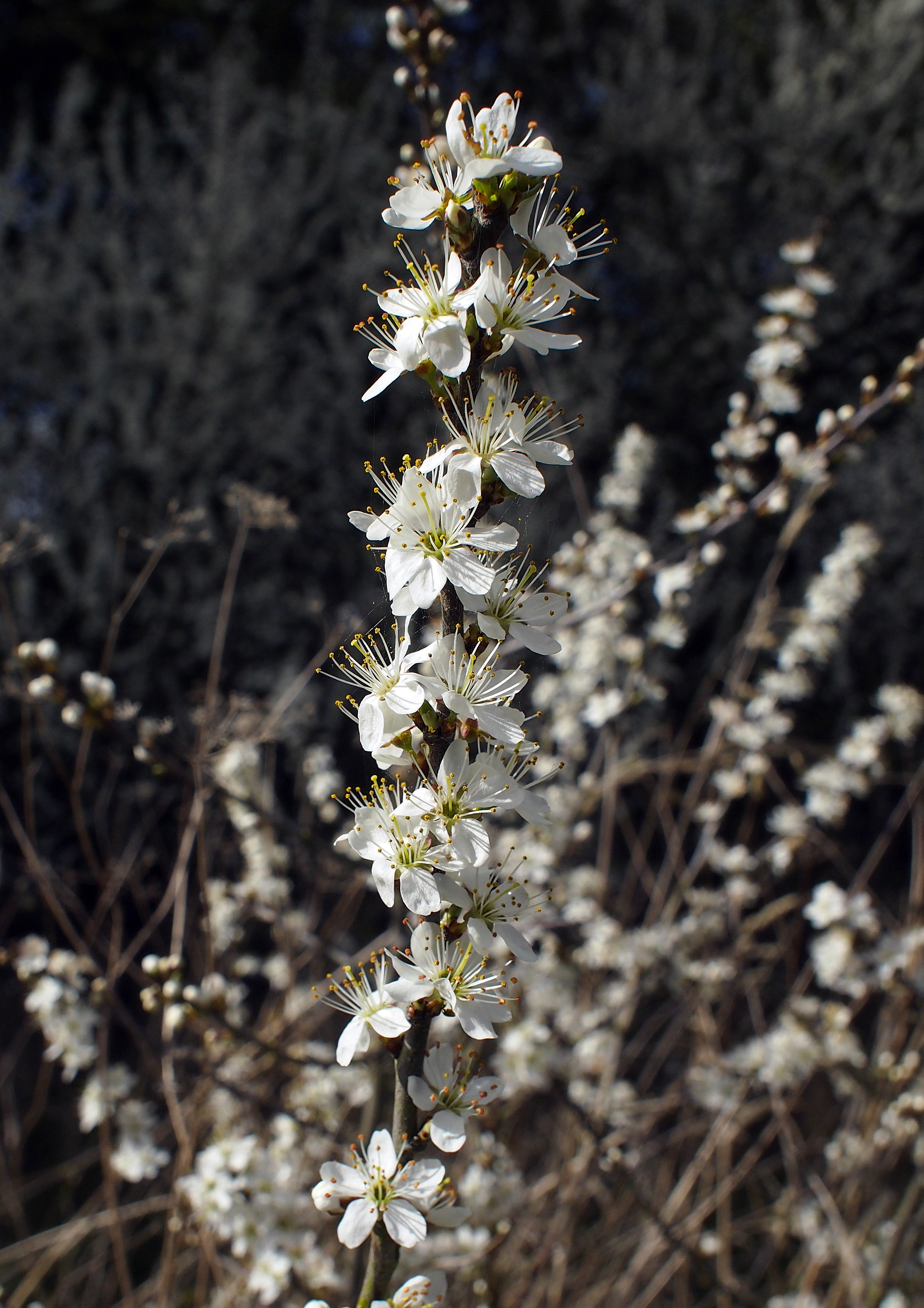
    Spring has come early this year. The world is warming up; 2016 was the warmest year since record-keeping began (in 1880). (1) Perhaps 2017 will be even warmer? The countryside in Bedfordshire is waking up; shaking itself free of winter’s cloak and putting on a new dress of green leaves and spring flowers! Sprays of blossom are appearing, like this Blackthorn (Prunus spinosa) twig (below).

    Blackthorn (Prunus spinosa) blossom on 1st April

    One of my favourite walks, is between Sharnbrook and Felmersham and back, in Bedfordshire. An easy stroll along the banks of the Great Ouse towards the village of Felmersham and then back through the Felmersham Gravel Pits, which are a 21.6 hectare Site of Special Scientific Interest. I took these photographs along this walk on 1st April 2017, with a small camera (an Olympus Pen EP-3 fitted with a 17mm lens; 34mm equivalent).

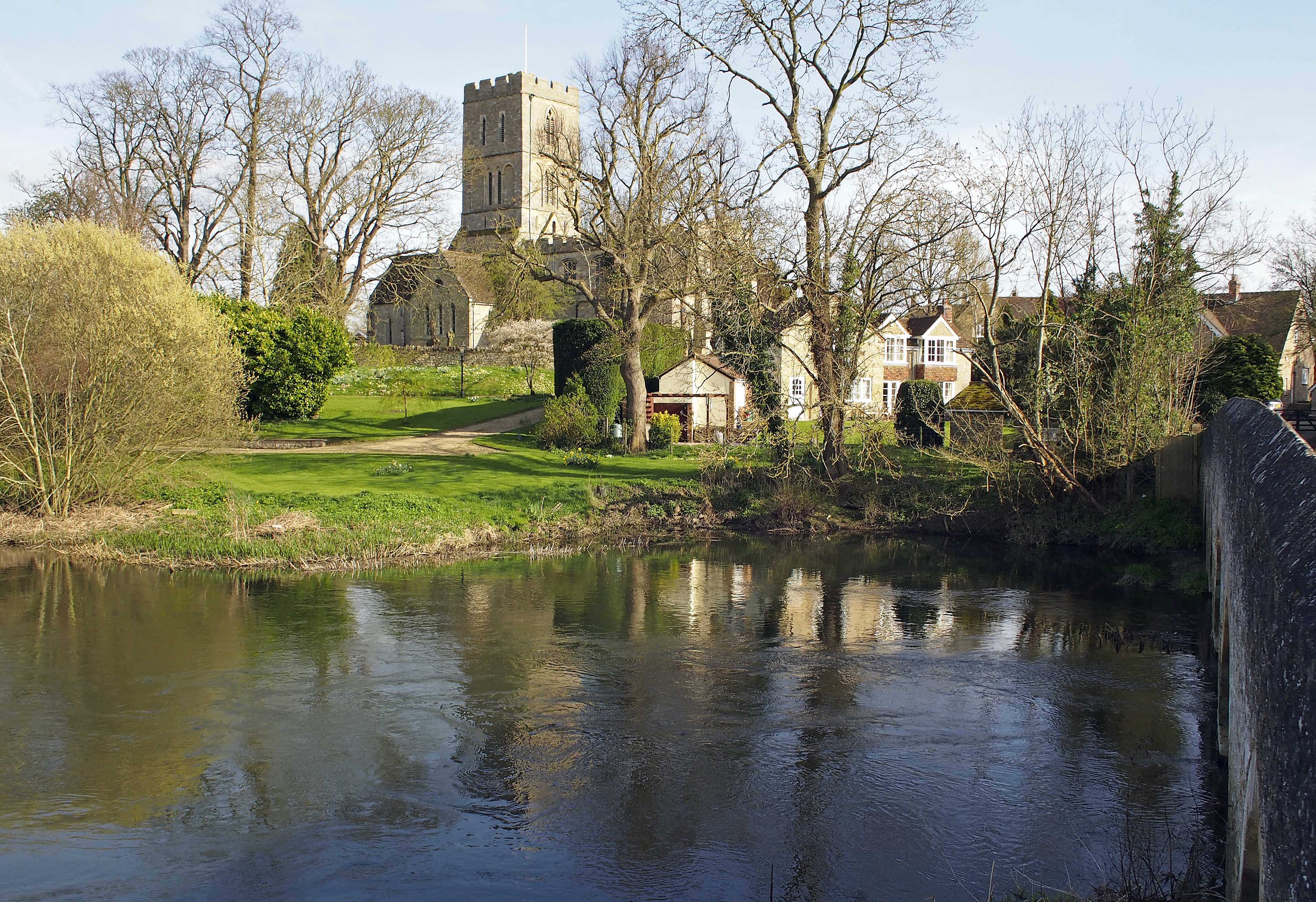
    St Mary’s Church at Felmersham was build between 1220 and 1240; it doesn’t look that old! (2)

    St Mary’s Church, Felmersham next to the Great Ouse, Bedfordshire

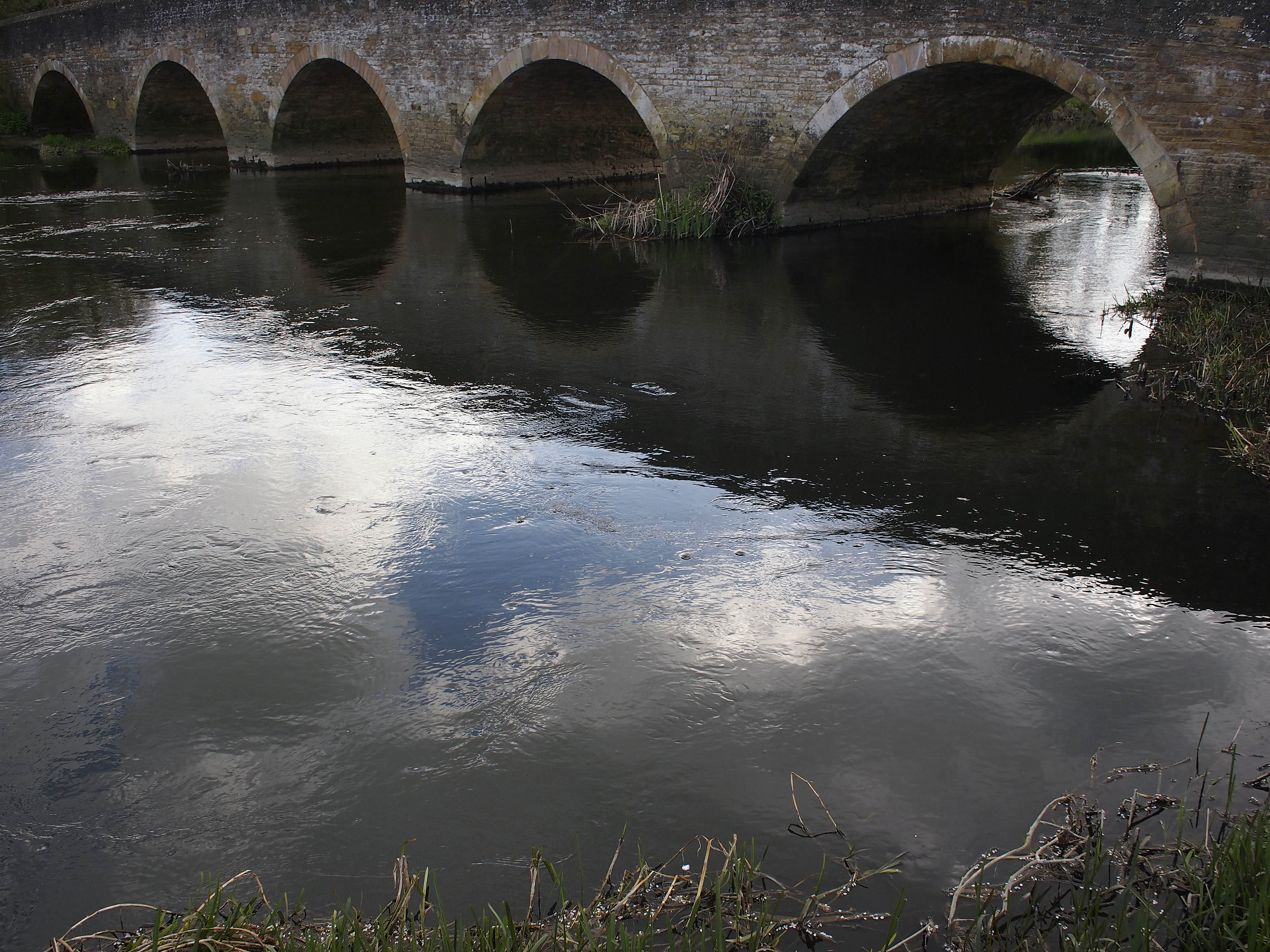
    The 5-arched stone bridge, on the other hand, looks very old, but was ‘only’ built in 1818!
    Stone bridge over the Great Ouse at Felmersham

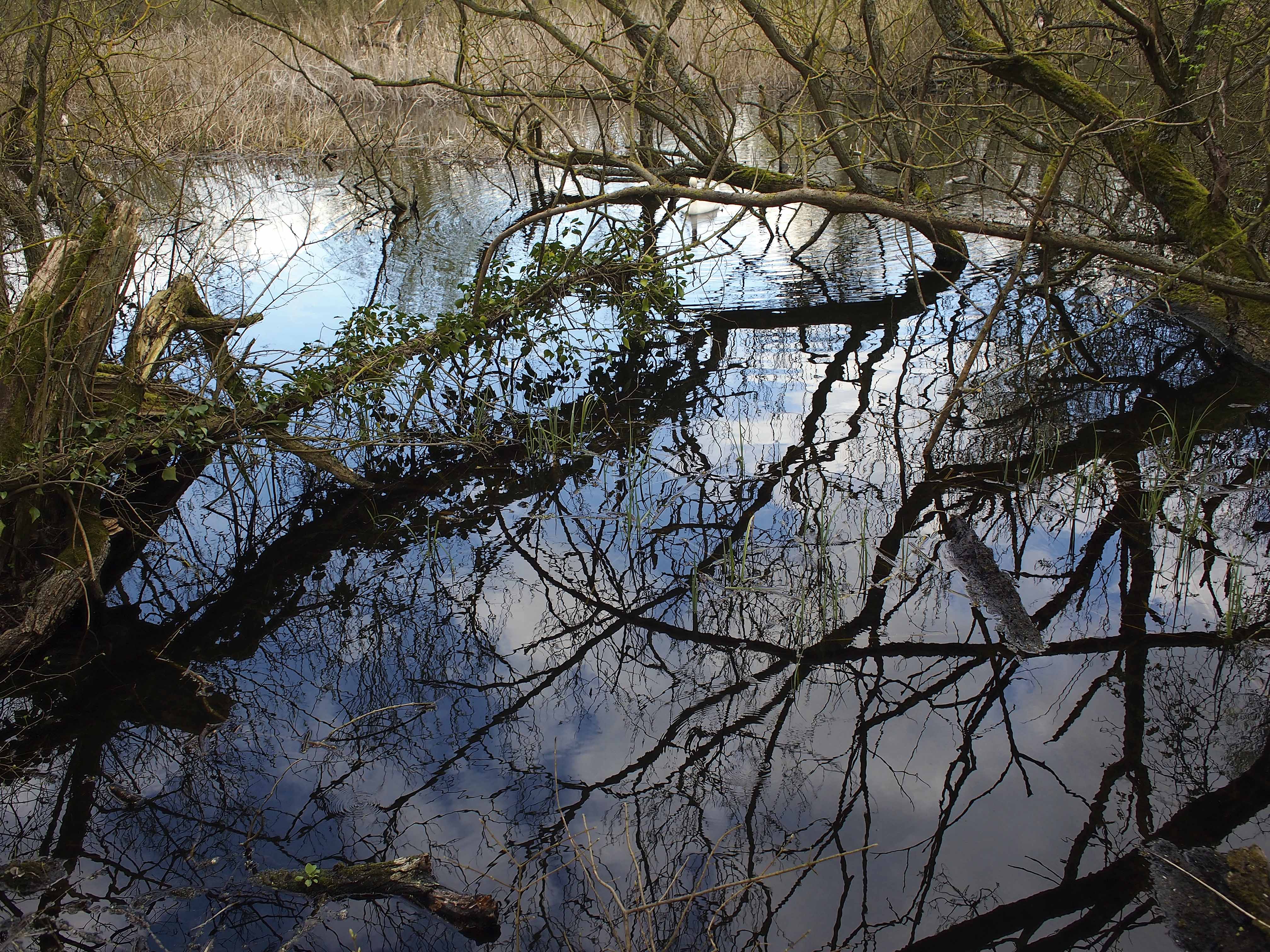
    The gravel pits in the Nature Reserve were dug out during the second World War when the gravel was used in the construction of local war-time air fields. (3) The pits are now lakes and much beloved of waterfowl, including ducks, geese, swans, grebes and so on. It is a magical place that I have visited for many years; very relaxing to walk beside the lakes and ponds and reflect on the reflections!

    Felmersham gravel pits, Bedfordshire

    There are certain spots where I must have taken dozens of pictures, but the scene is always changing; not only through the year, but also from year to year as the vegetation grows, or is cut back by conservators to create spaces for nature.

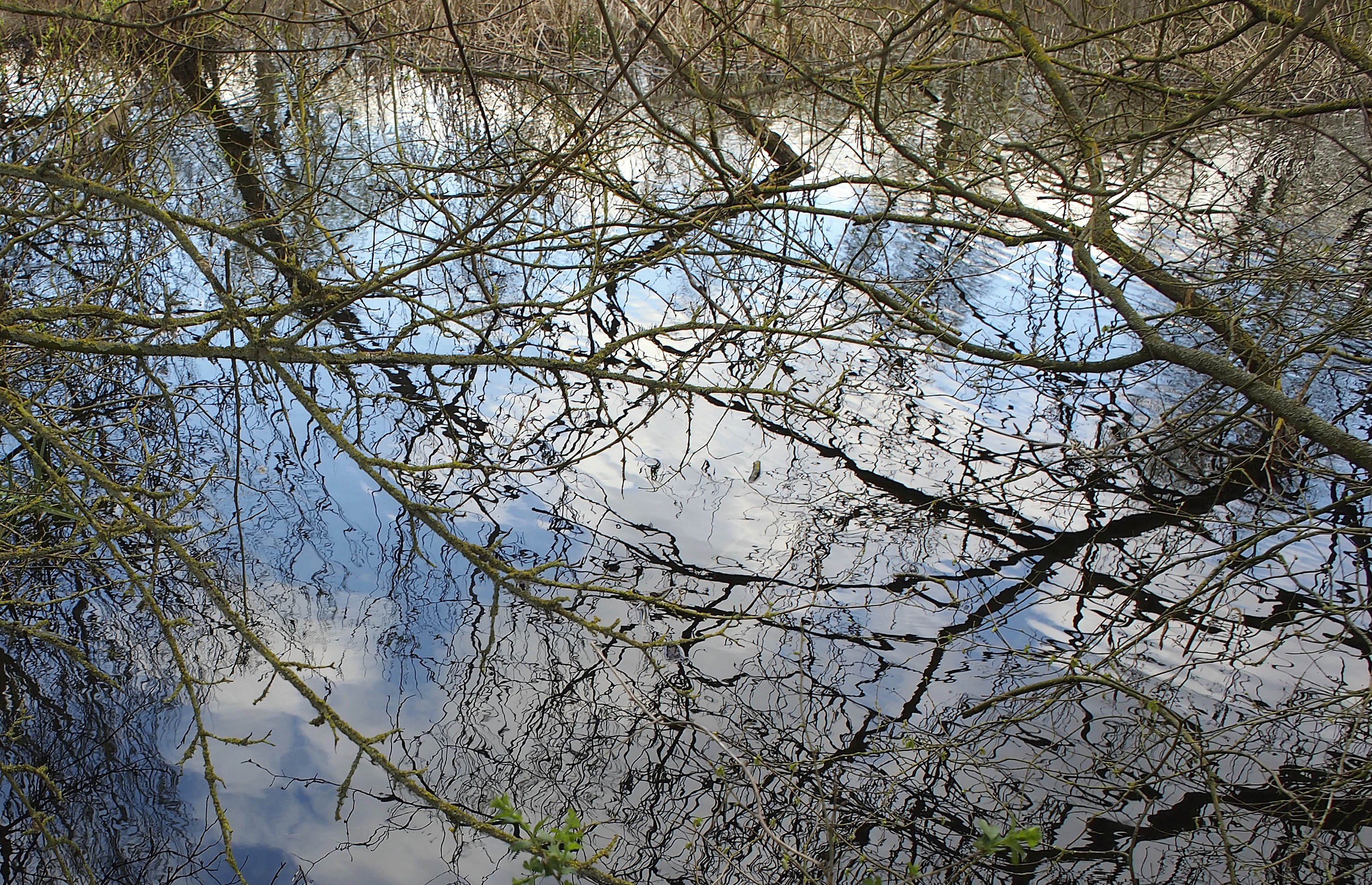
    Reflections in the lake. Felmersham gravel pits, Bedfordshire

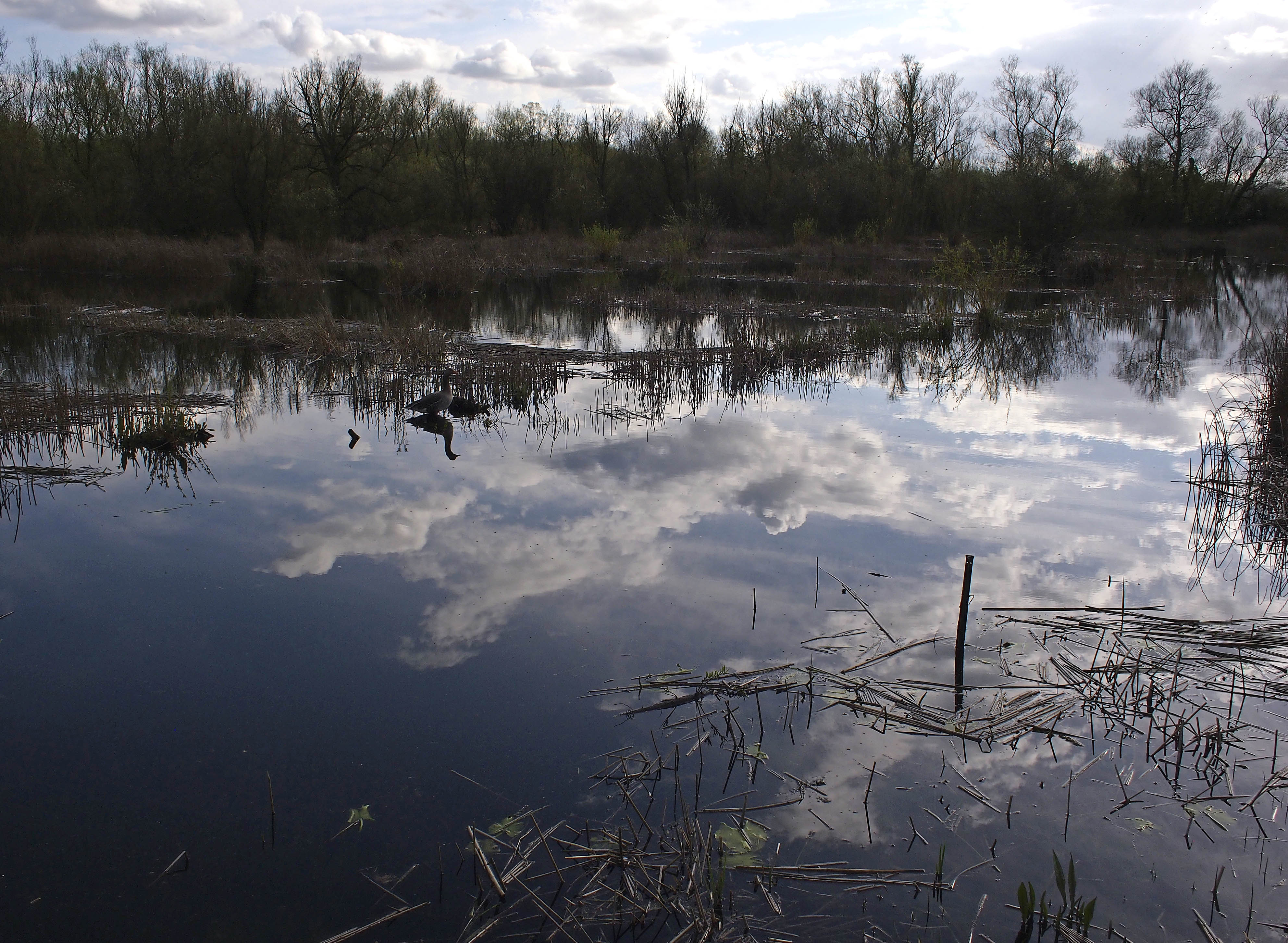
    Spot the goose! No fishermen at this time of year. Angling is apparently by Wildlife Trust permit only. (4)

    Felmersham gravel pits, Bedfordshire.

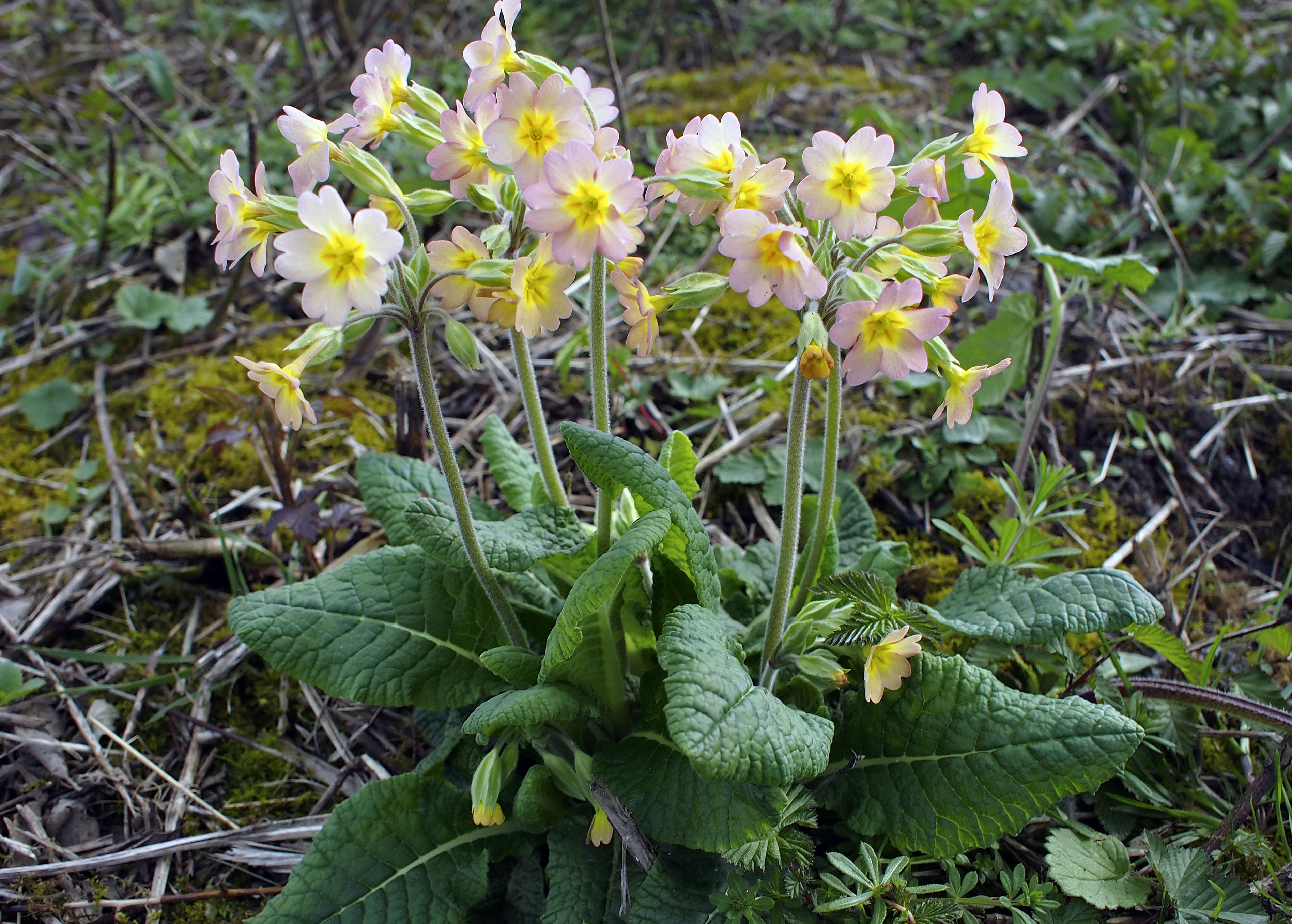
    Some new flowers were starting to appear on 1st April. The primroses have been out for some time, but this was the first time I came across cowslips. These had wonderful colours; were they wild or garden escapes? I don’t know.

    Pink and yellow Primulas

    Red Primula veris, Coronation cowslip

    The vegetation beneath the water was also blooming! Large water-lily leaves could be seen (below).

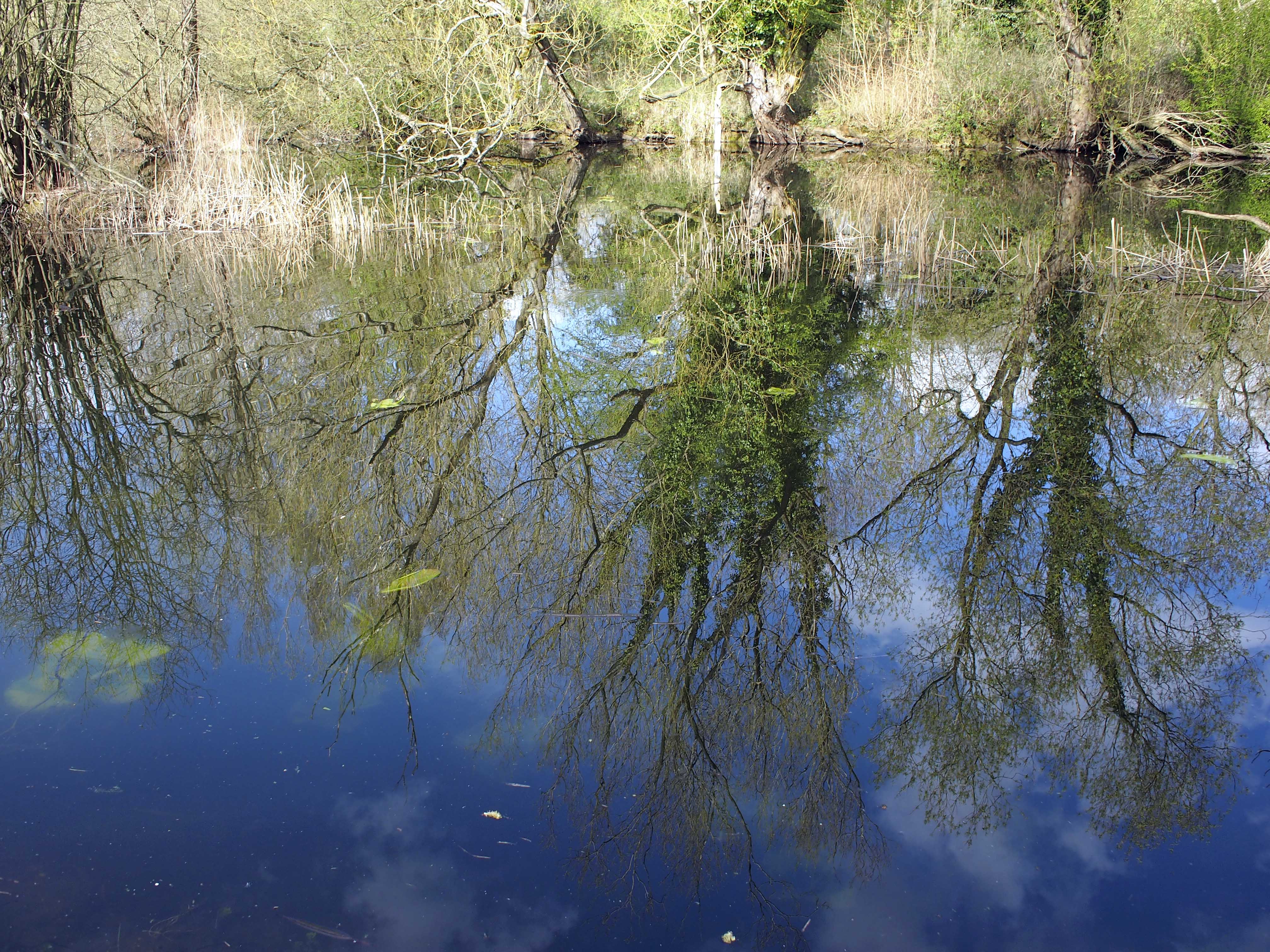
    Trees reflected in the water, with green plants underwater.

    This year’s reeds have not yet emerged, however. The brown reeds are leftover from last year (below).

    Reeds on Felmersham gravel pits, Bedfordshire.

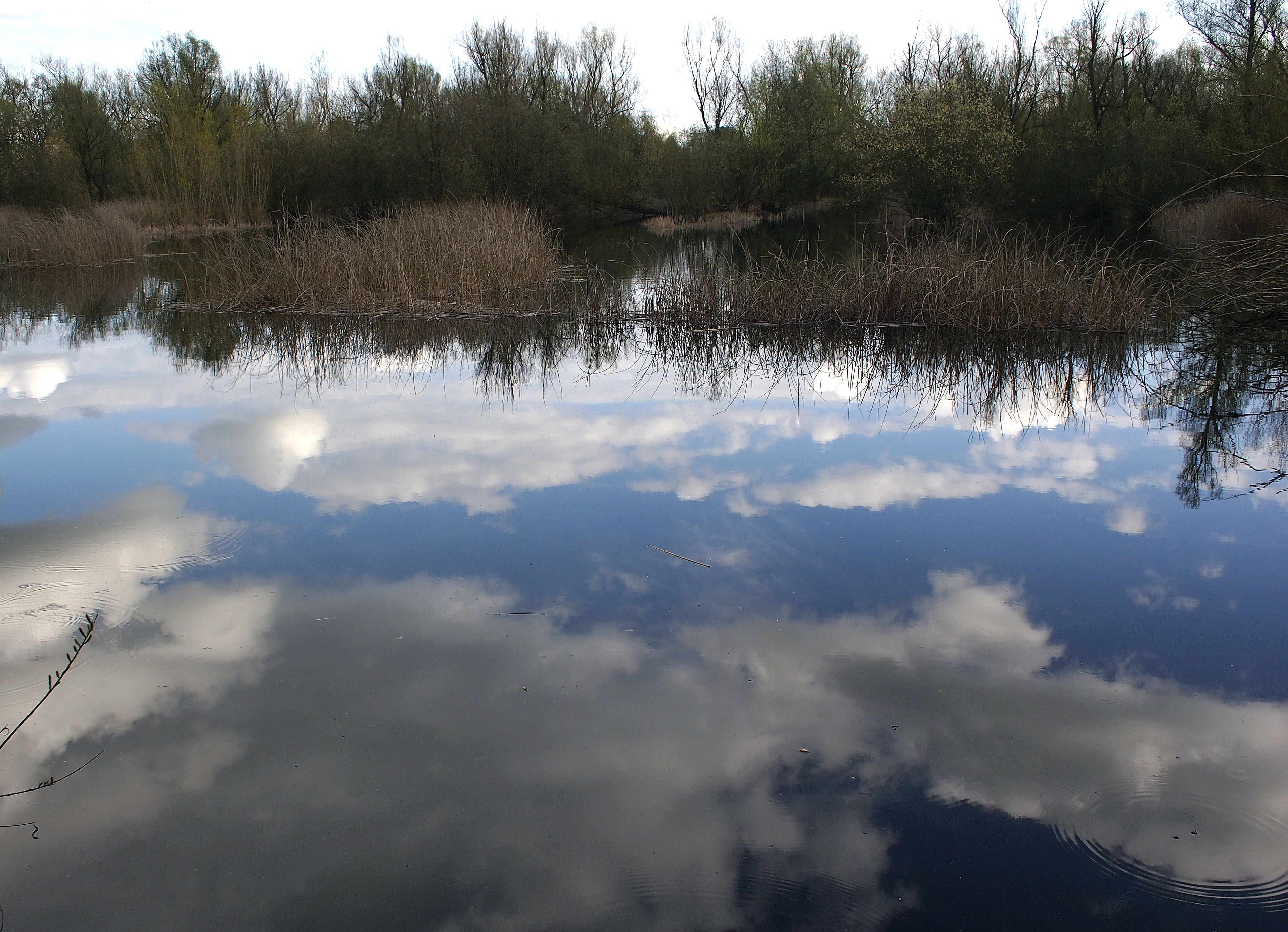
    Clouds reflected in Felmersham gravel pits, Bedfordshire.

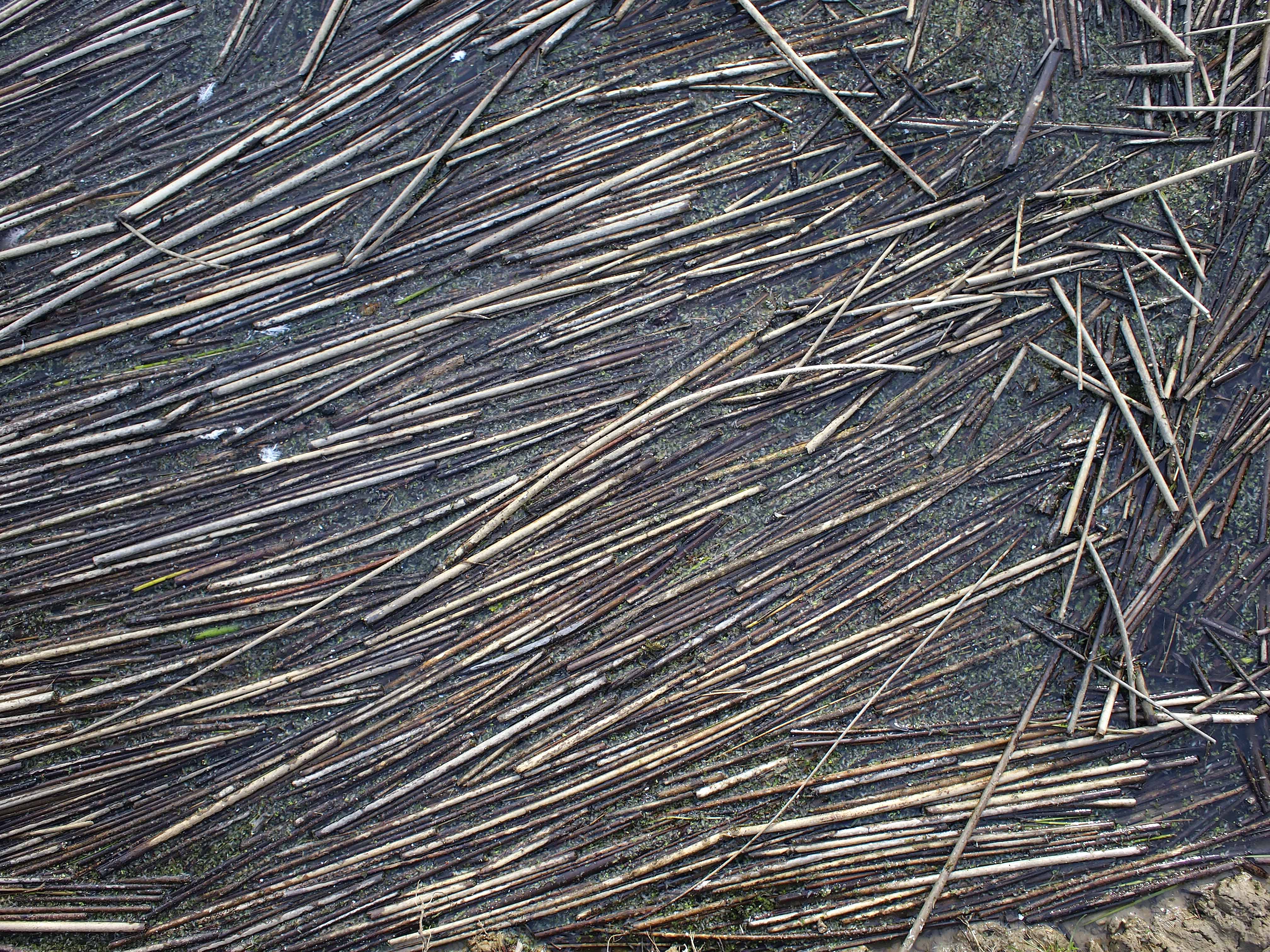
    In one corner of a lake, reeds had been piled up by the wind along the bank.

    Reeds floating on the water.

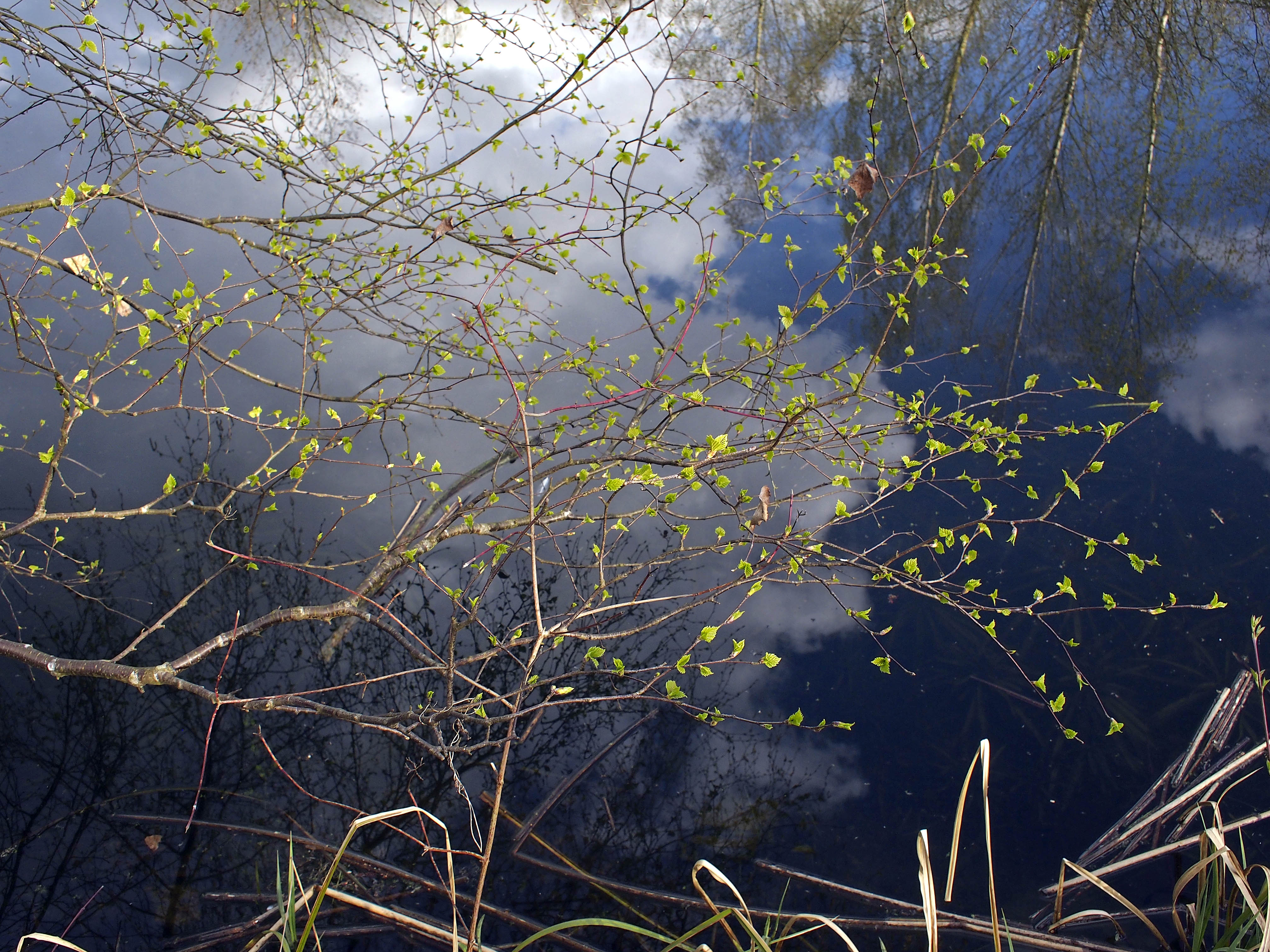
    Trees vary from species to species in terms of when their leaves first appear. The leaves on this bush overhanging the water, were just starting to appear, breaking out of their buds.

    New leaves emerging on overhanging bush.

    One of the pleasures of travelling a familiar path is that you see old favourites in a new light, as well as coming across new things. The world is always changing and it is our blessing to be able to witness it, albeit briefly.

    1. https://www.nasa.gov/press-release/nasa-noaa-data-show-2016-warmest-year-on-record-globally
    2. http://www.felmersham.net/church.htm
    3. http://www.felmersham.net/nature.htm
    4. http://www.wildlifebcn.org/reserves/felmersham-gravel-pits