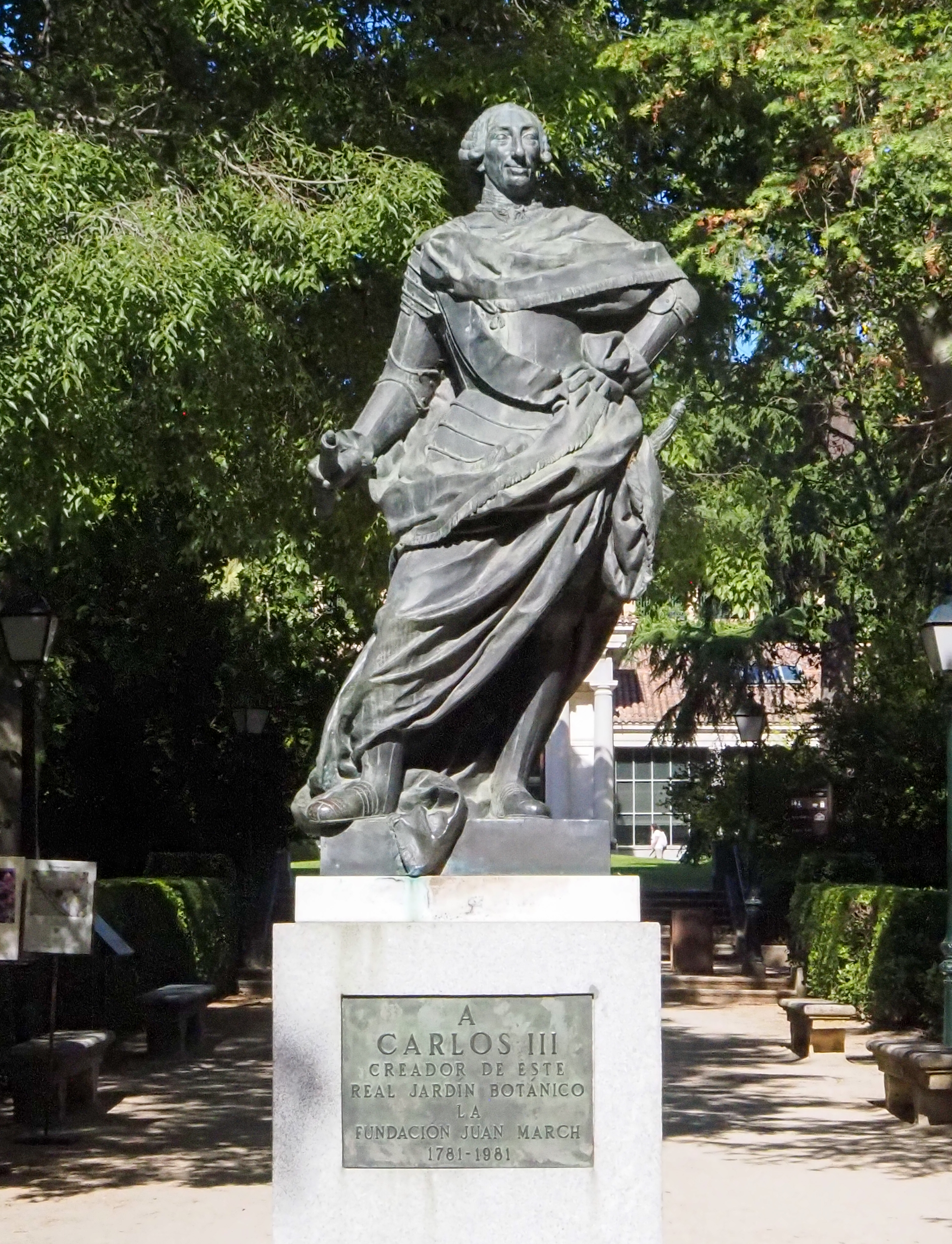
I went to Madrid this year, partly to visit these gardens which I had read about but never visited on previous trips to Madrid. The gardens were founded in 1755, by King Ferdinand VI, and moved to their current location in the centre of Madrid in 1781 by King Charles III of Spain.
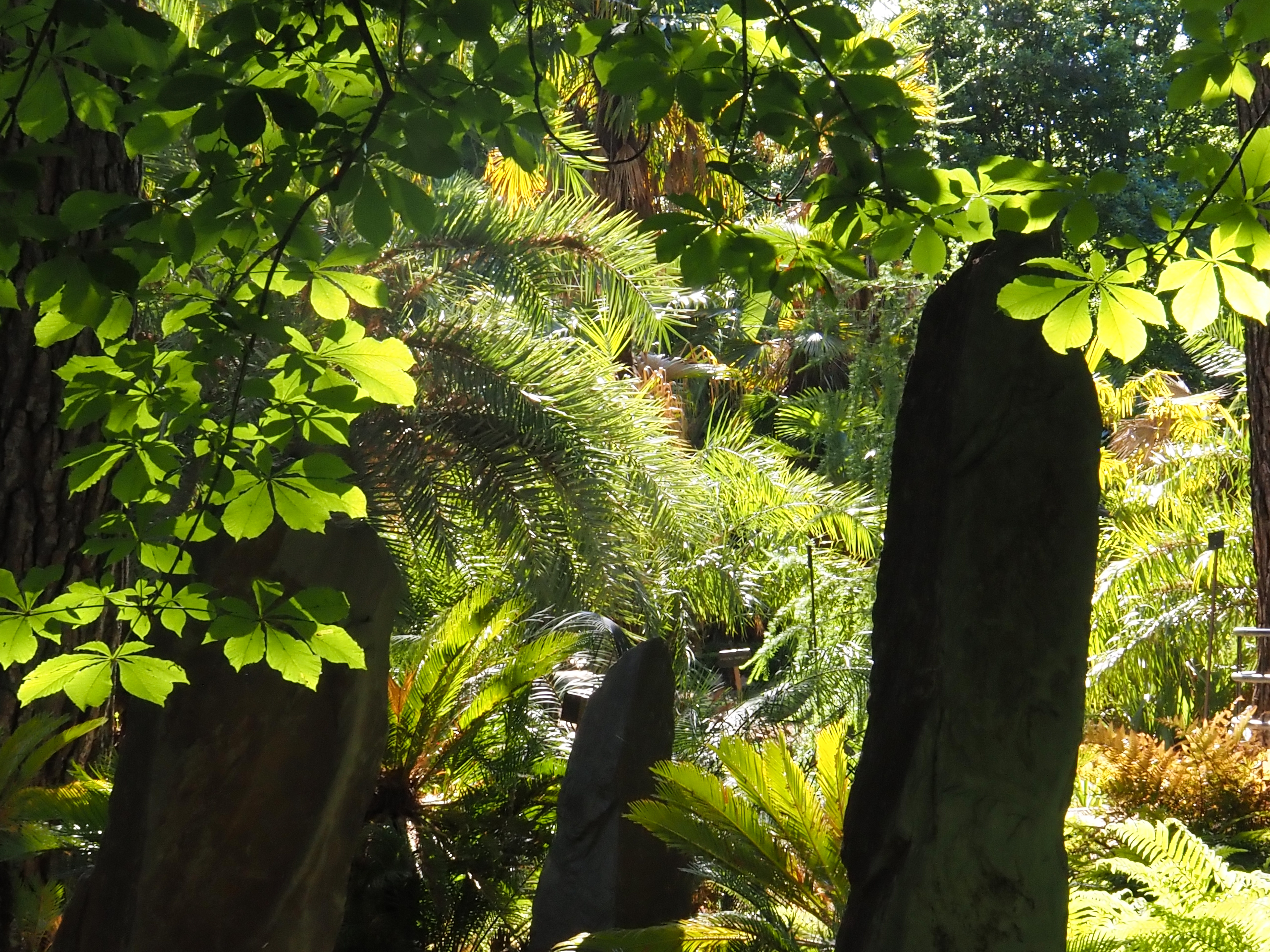
The Royal Botanical Gardens of Madrid (Real Jardín Botánico de Madrid) is an 8 hectares (20 acres) botanical garden sited next to the Prado Museum.
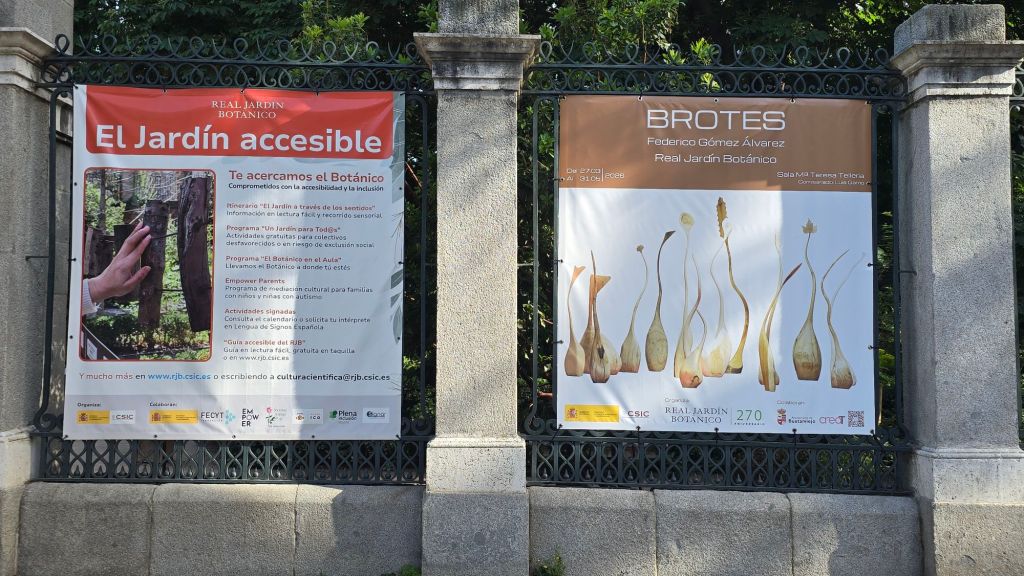
There are said to be more than 5,000 species and cultivars of plants from different continents in the gardens, many collected on scientific expeditions carried out in the 18th and 19th centuries.
It only costs one euro to visit the gardens and I went three times on successive days. Temperatures were high (c. 32-33 deg C), even though it was only May,
The plants are arranged in a grid (see below) .
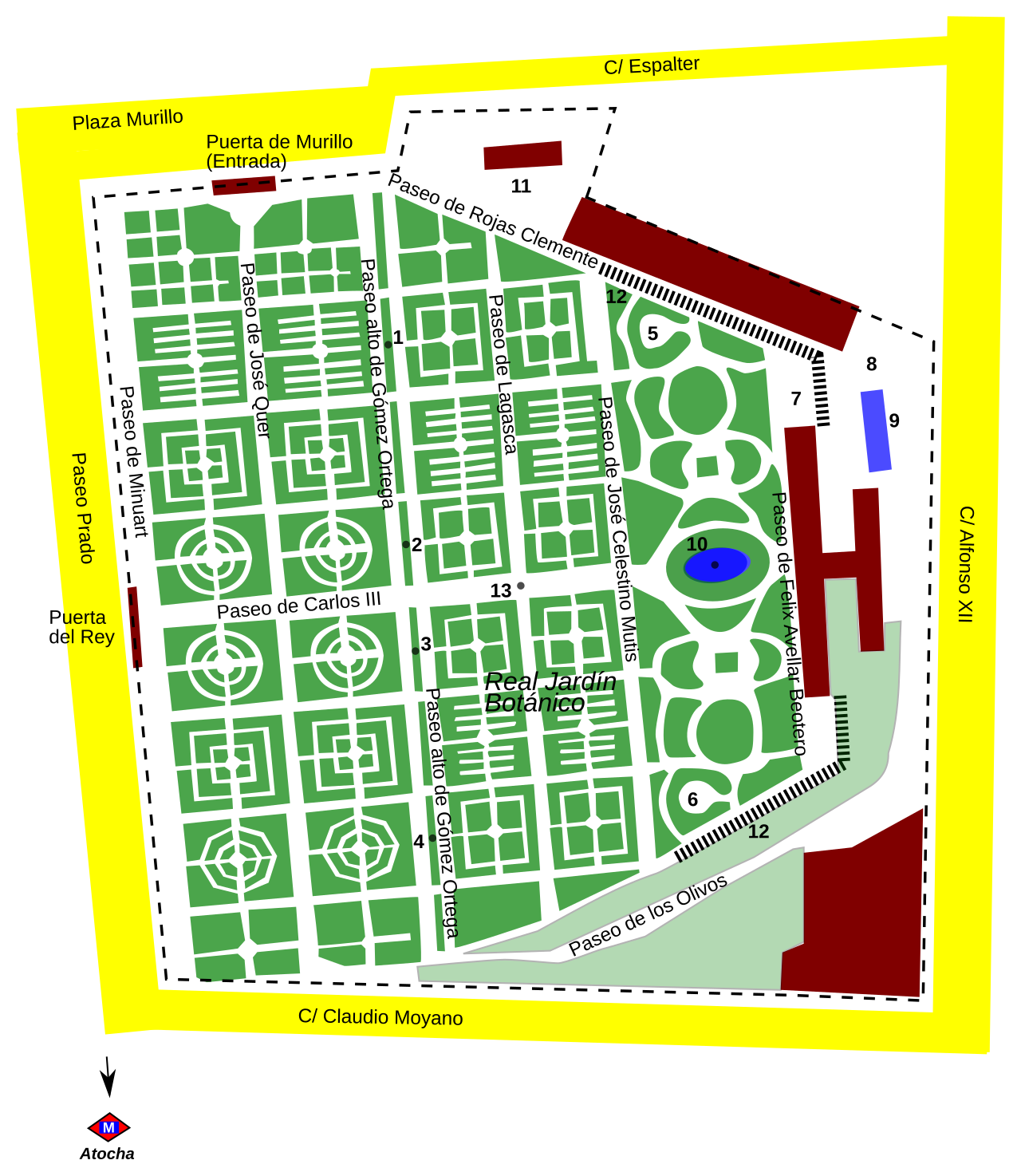
Xauxa Håkan Svensson, Public domain, via Wikimedia Commons
1. Statue of José Quer 2. Statue of Simón de Rojas Clemente 3. Statue of Mariano Lagasca 4. Statue of Antonio José Cavanilles 5. Monument to Blas de Lázaro 7. Collection of succulent plants 8. Waterwheel Pavilion 9. Pond 10. Statue of Carl Linnaeus 11. Small Garden 12. Wrought iron trellis from 1786 13. Statue of Charles III
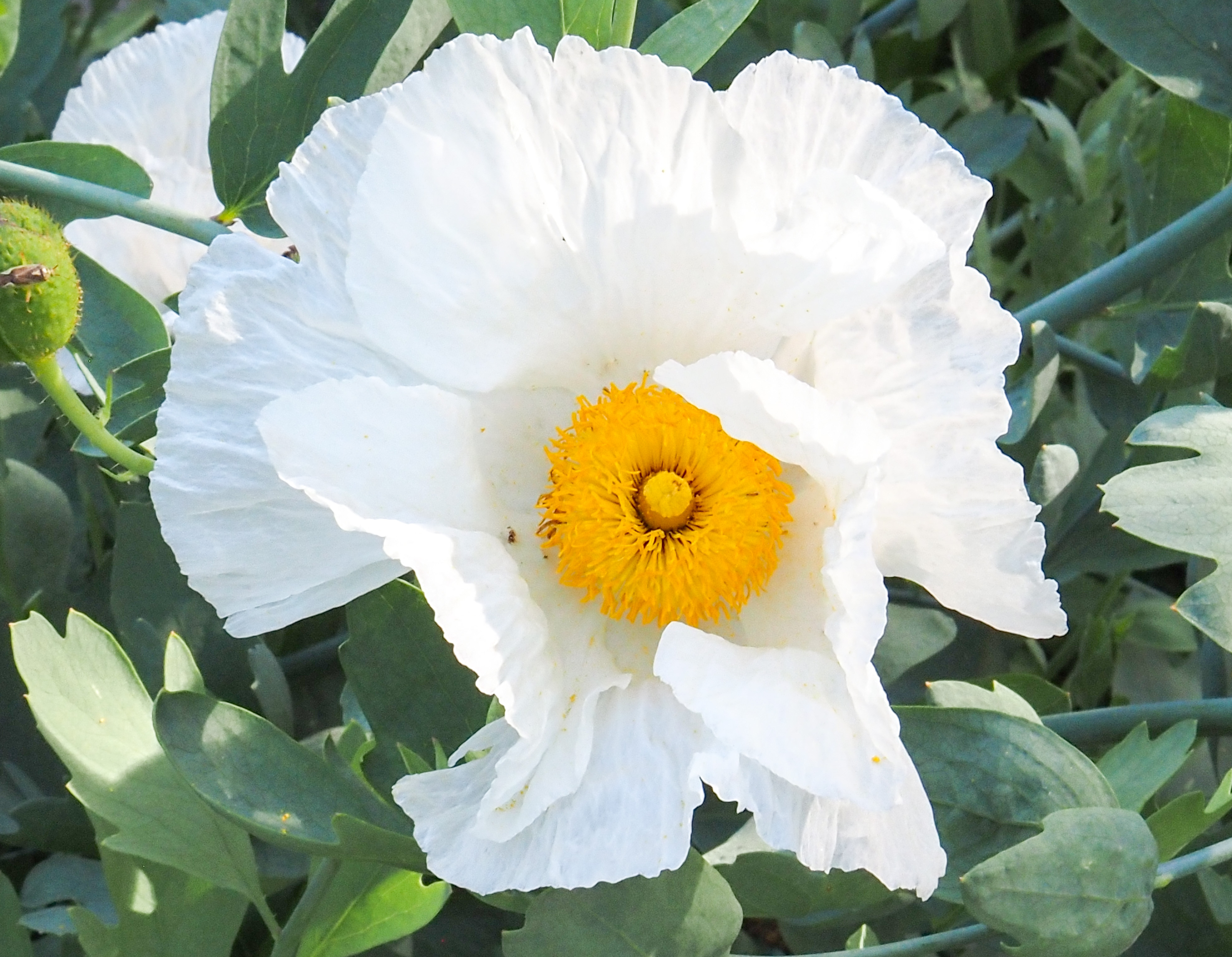
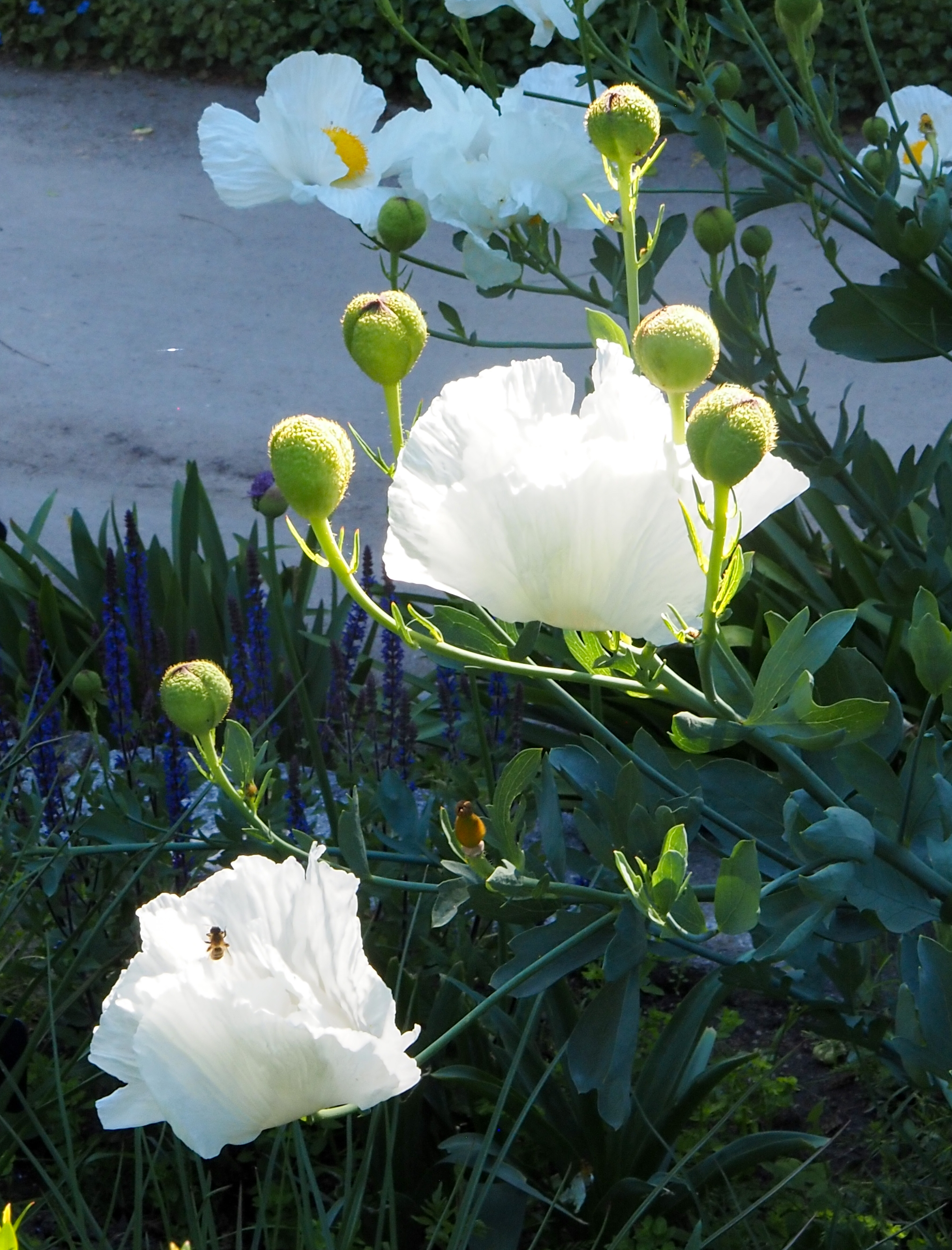
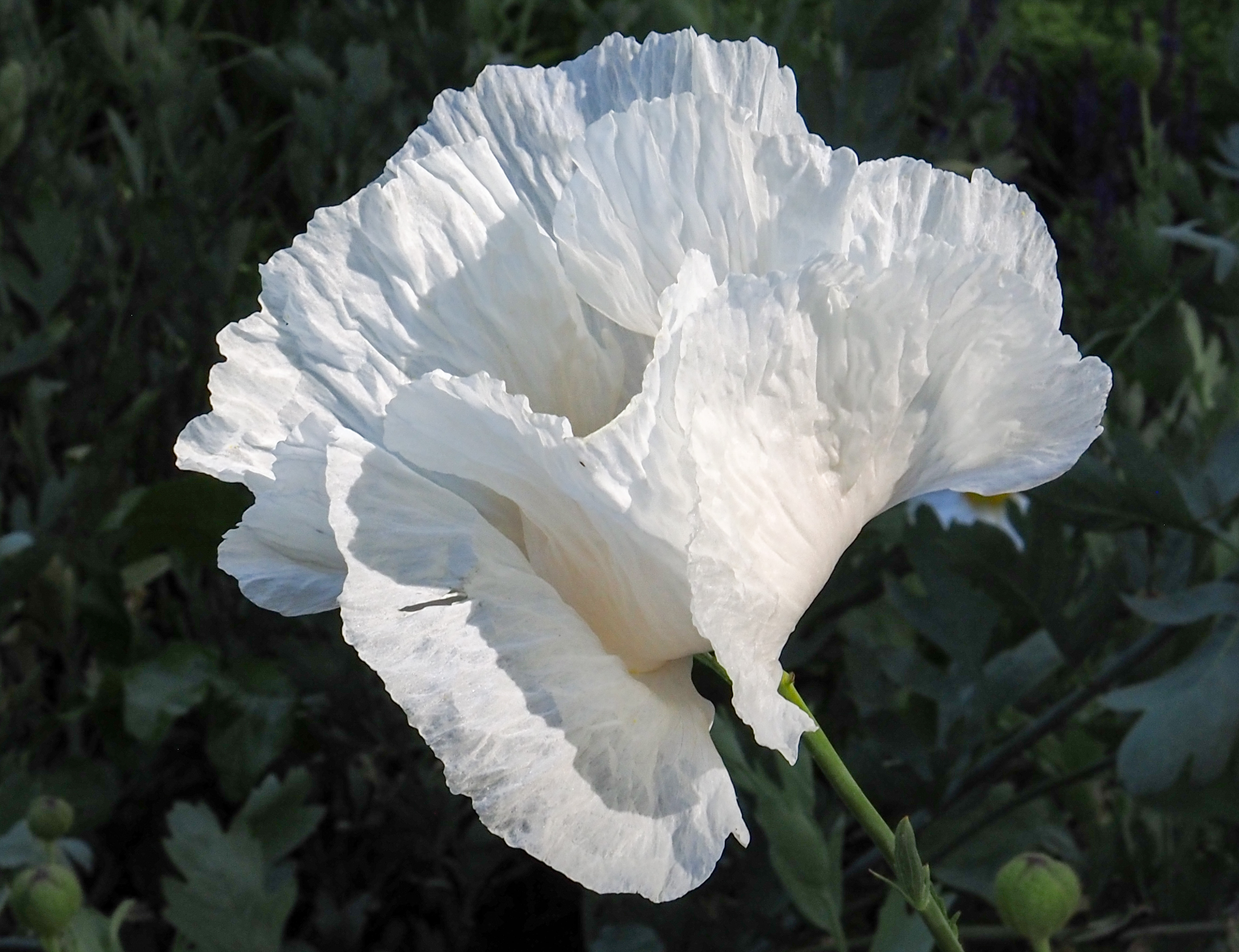
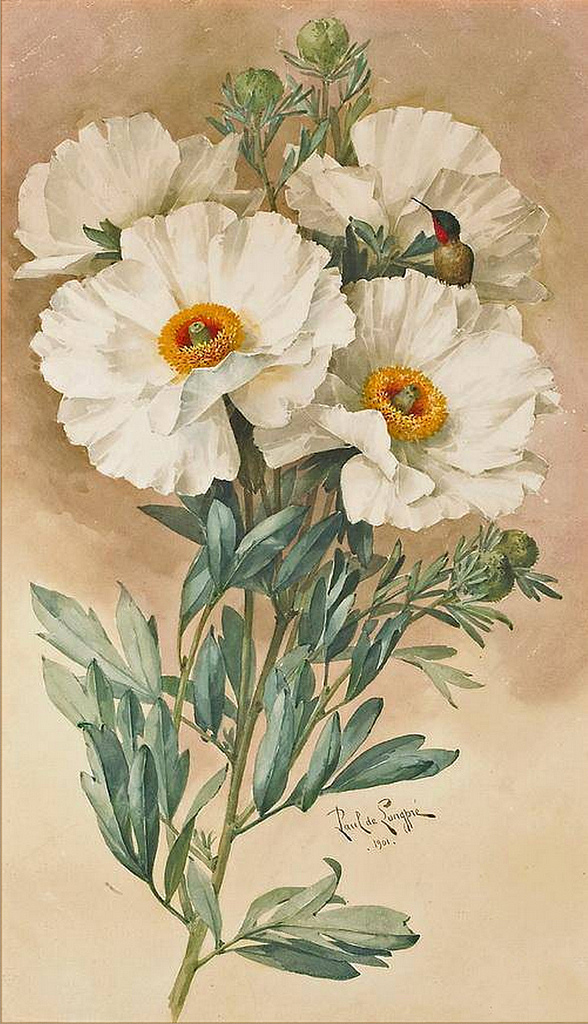
I wandered around taking pictures of flowers and insects that caught my attention. One particularly beautiful flower, Romneya coulteri, the Coulter’s Matilija poppy or California tree poppy (below), is a perennial species of flowering plant in the family Papaveraceae. It is native to southern California, USA, and Baja California, Mexico, where it grows in dry canyons in chaparral and coastal sage plant communities.
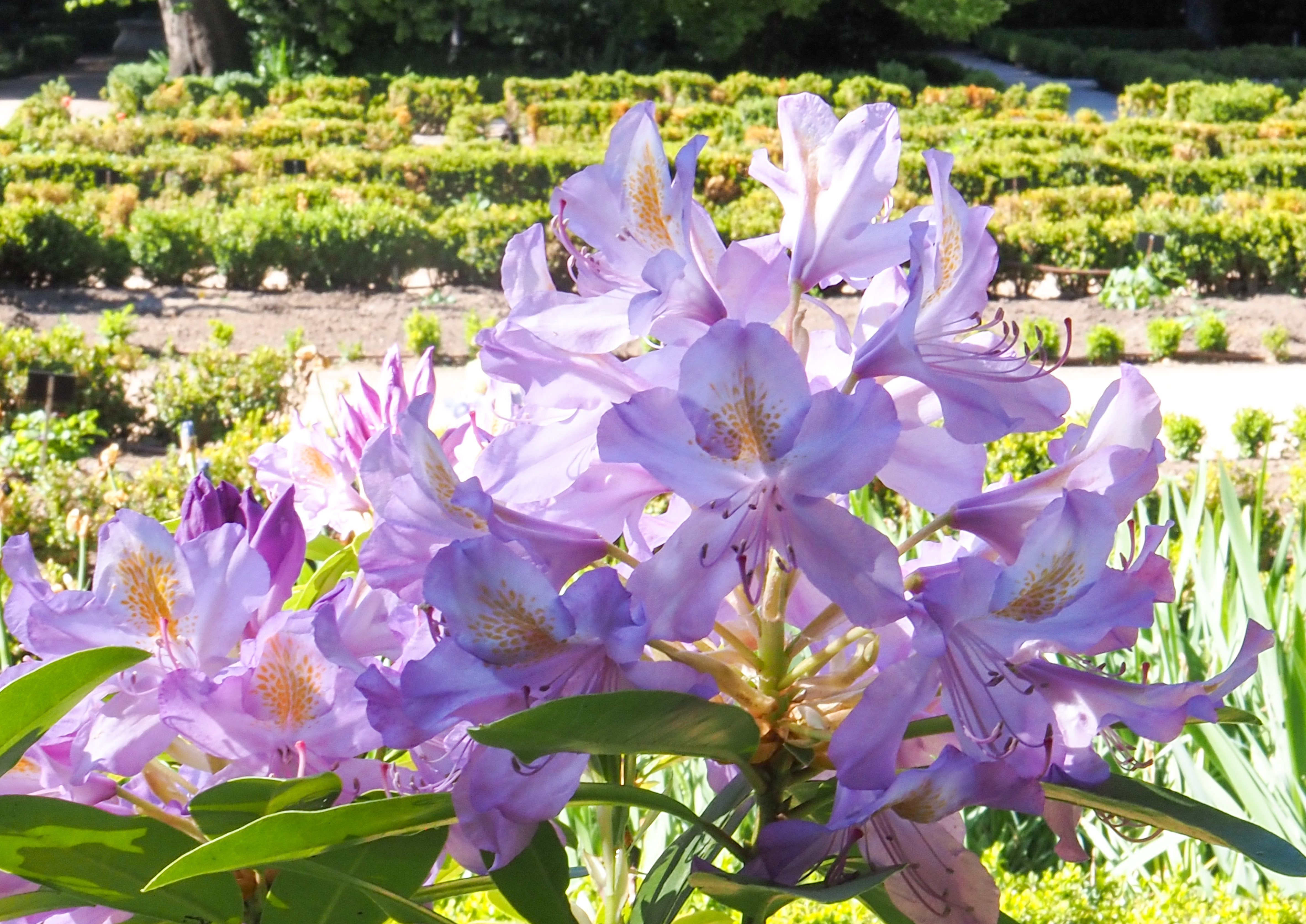
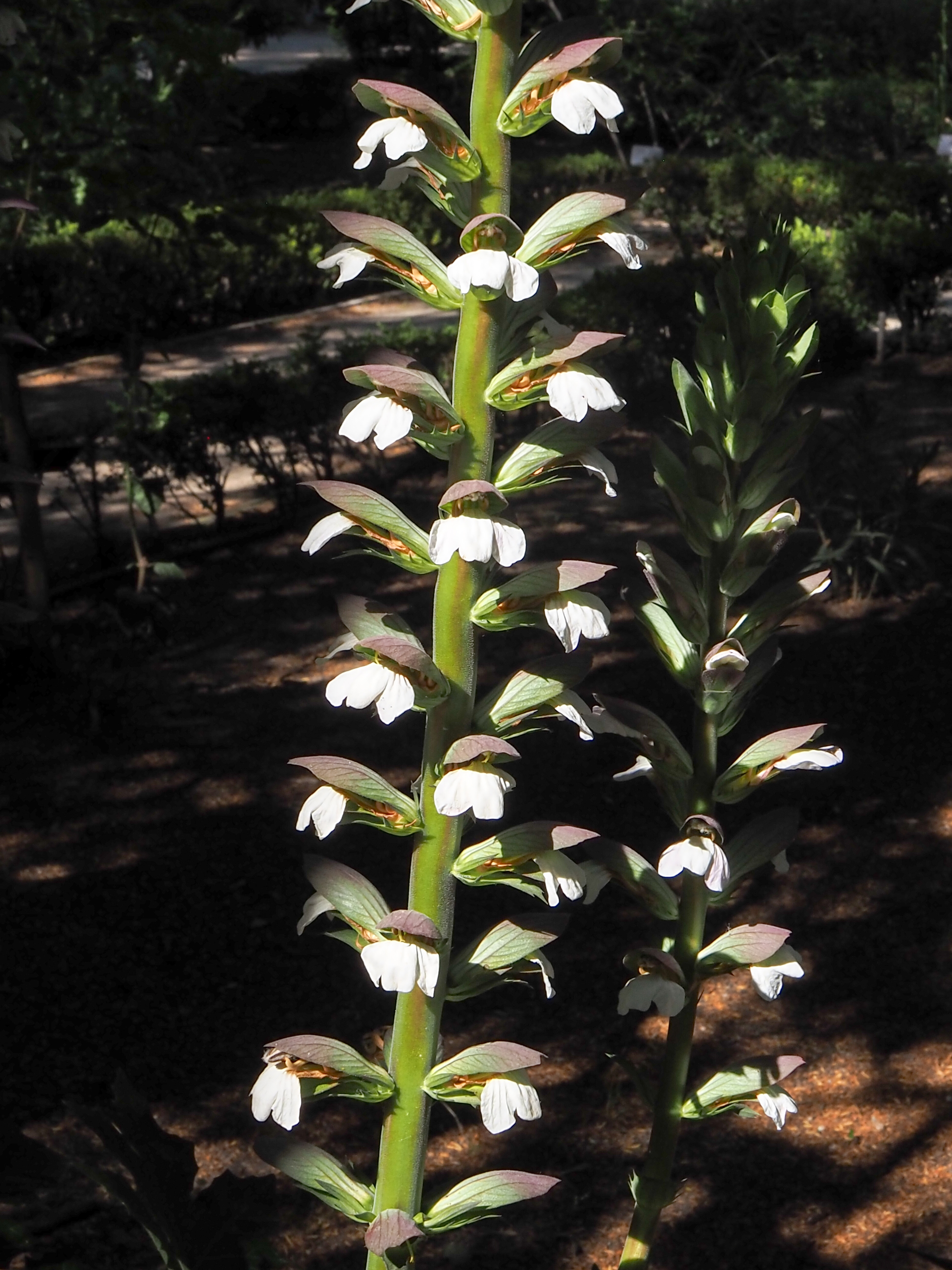
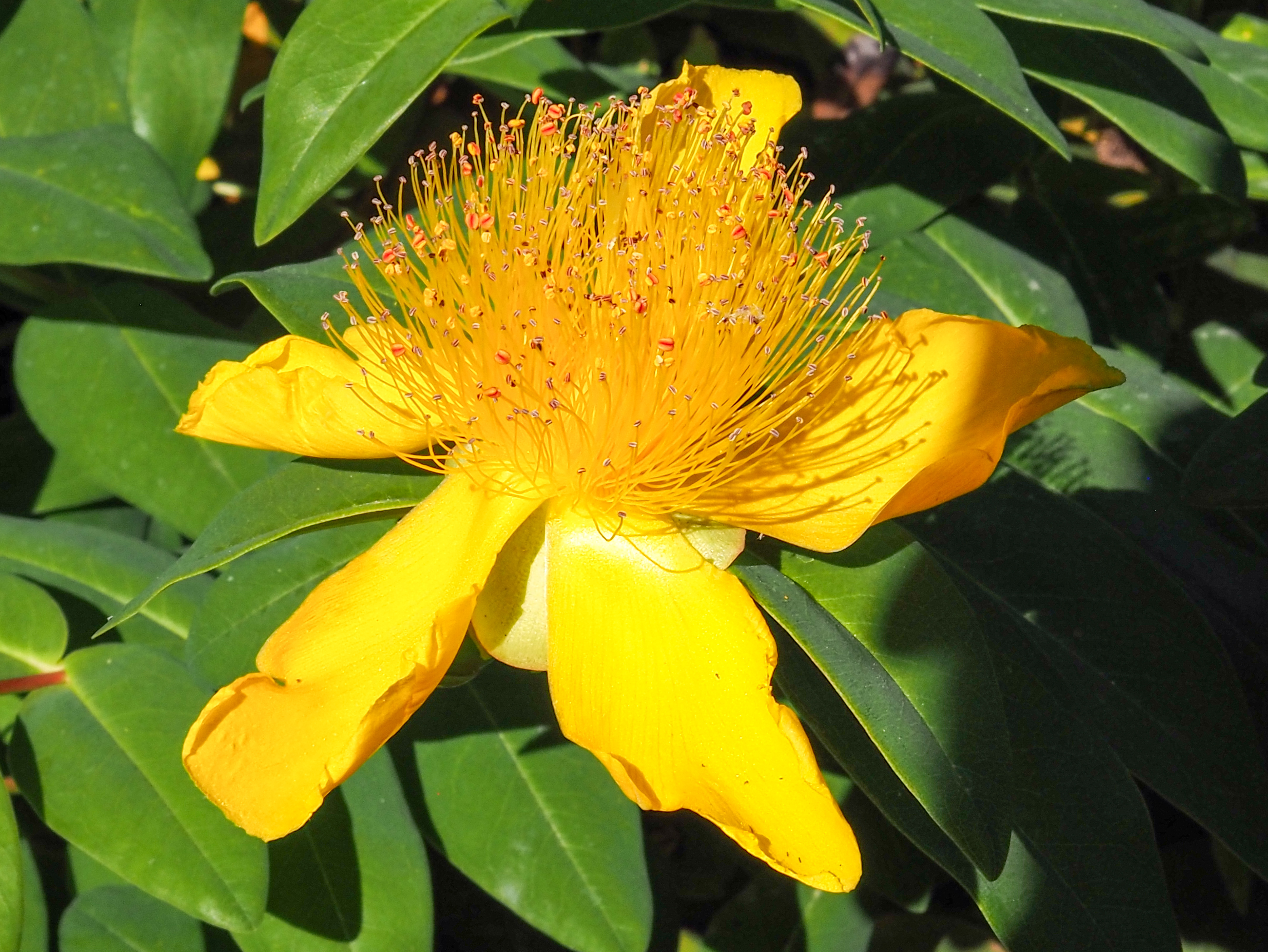
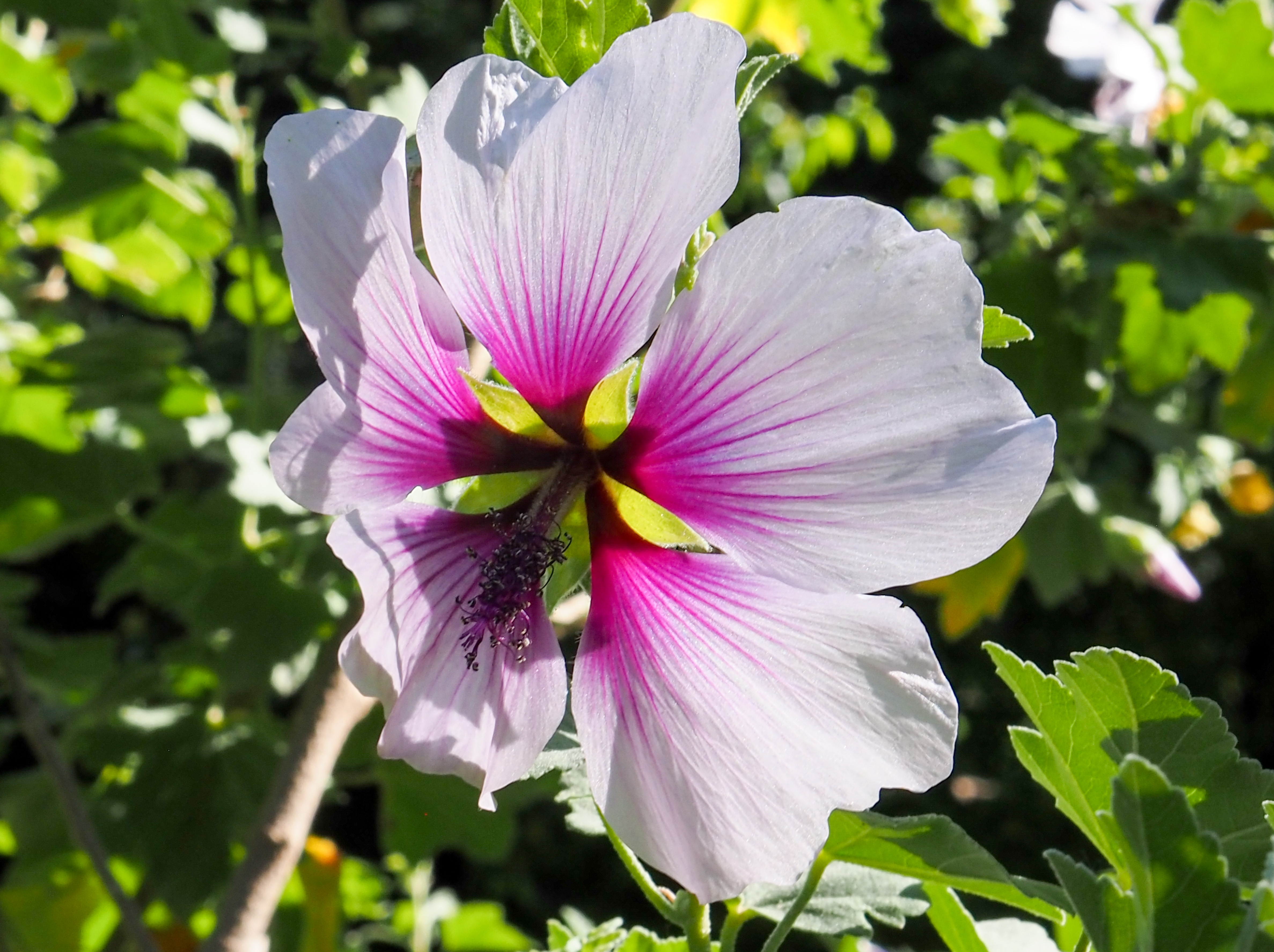
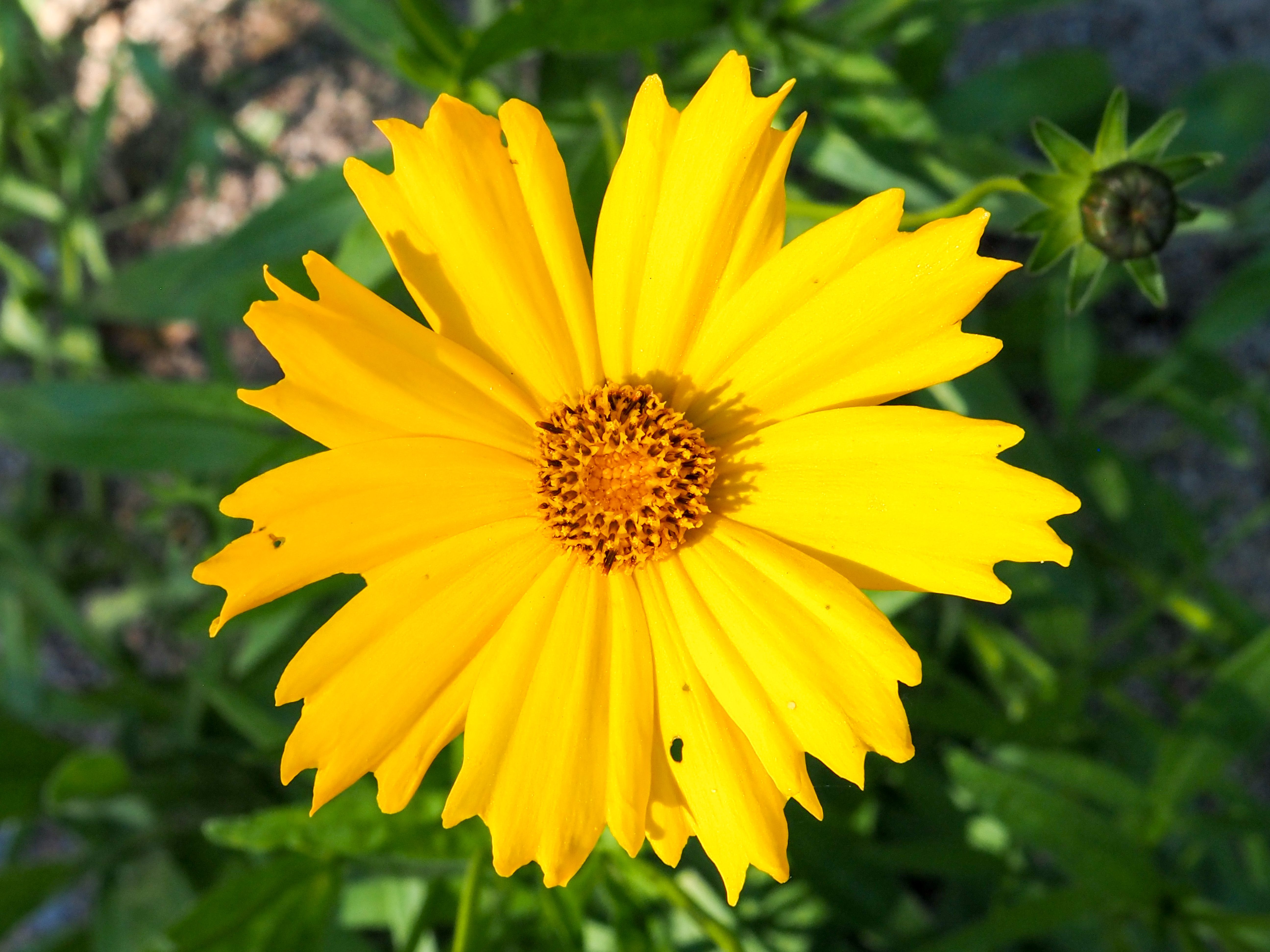
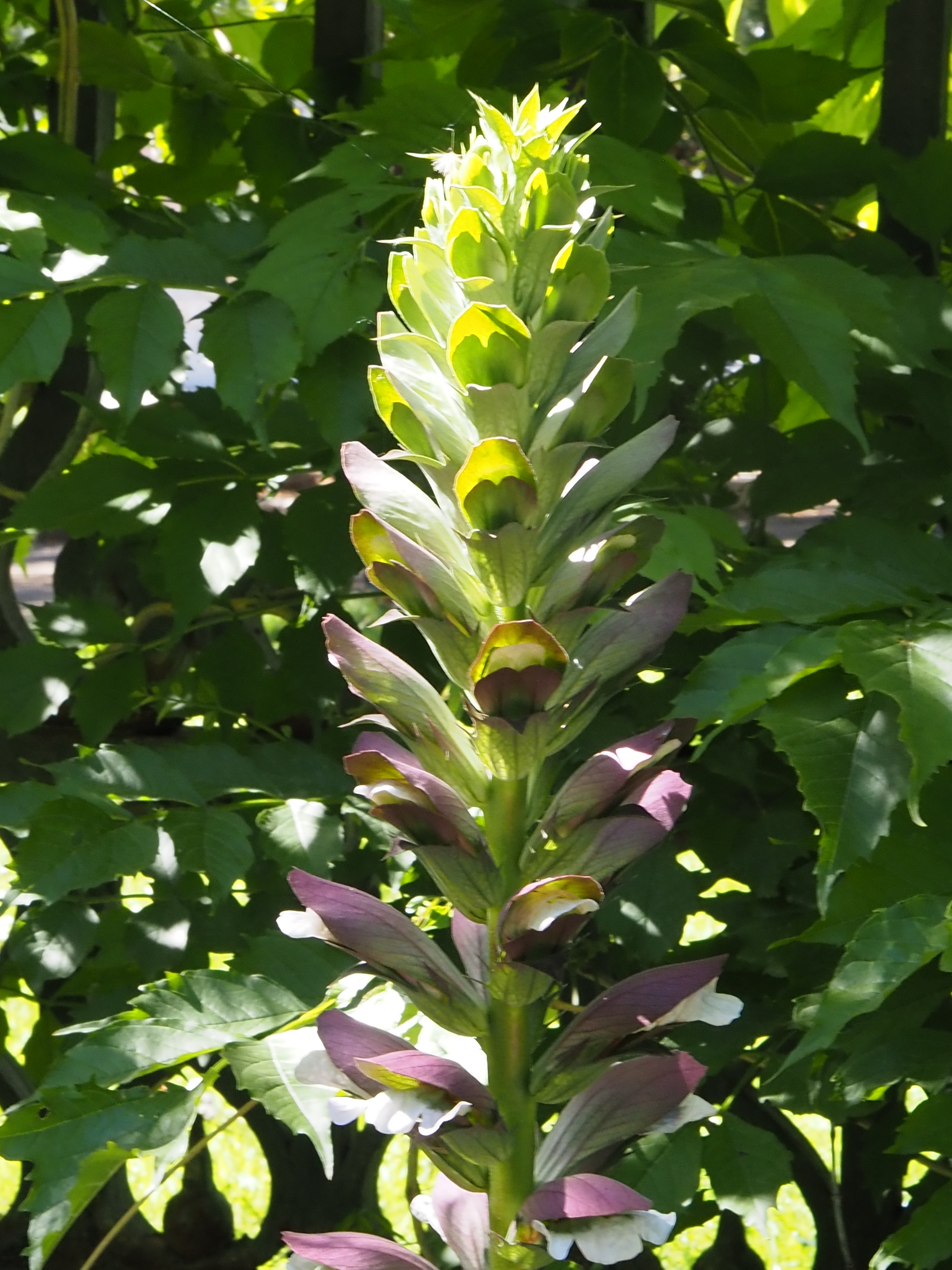
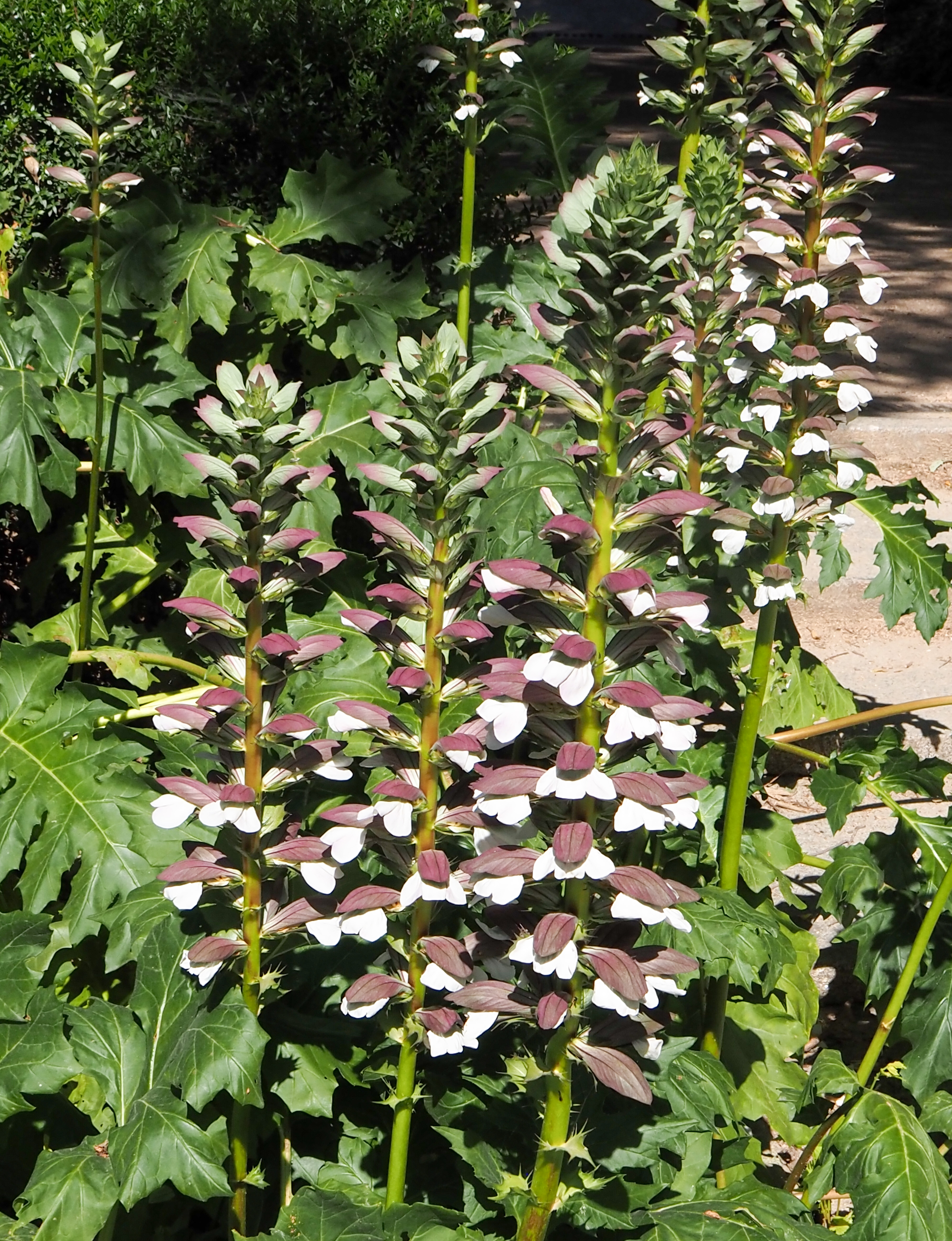
There were many clumps of Bear’s breeches (Acanthus mollis) which were being visited and pollinated by large Violet Carpenter bees (see separate blog: https://rcannon992.com/2026/05/31/carpenter-bees-big-enough-to-get-into-bears-breeches/).
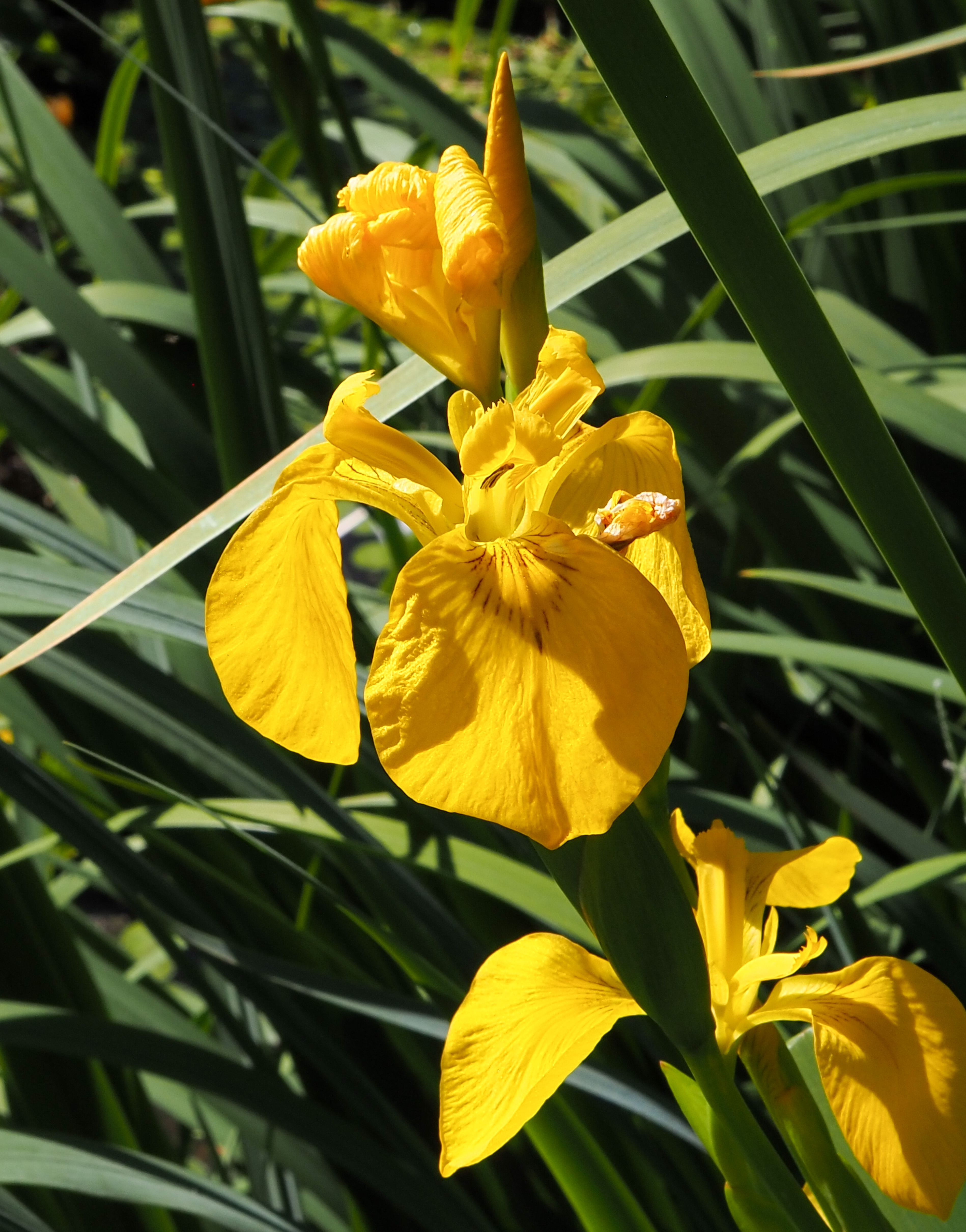
There is a pond containing aquatic plants, including Yellow Flag (Iris pseudacorus) and many frogs!
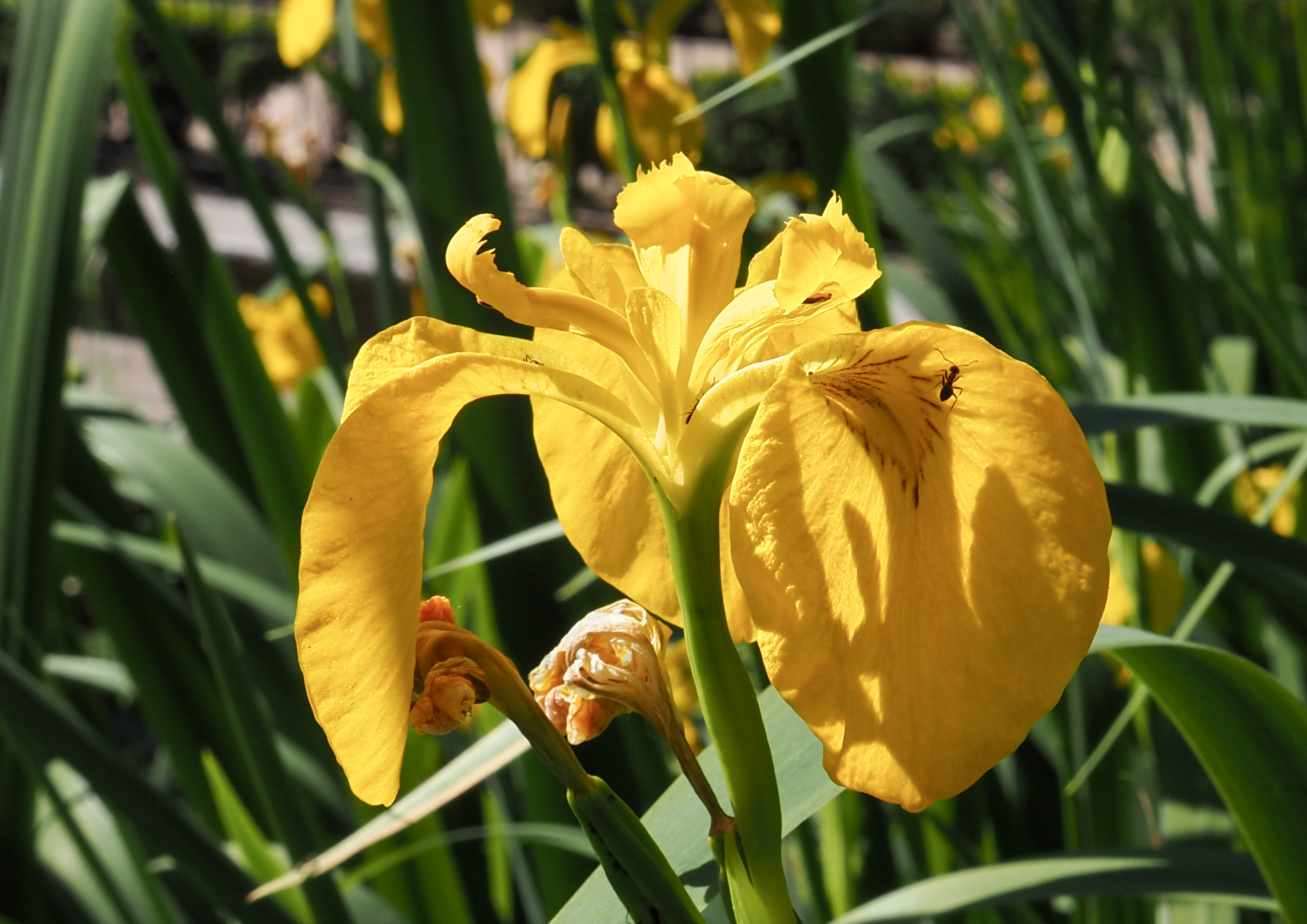
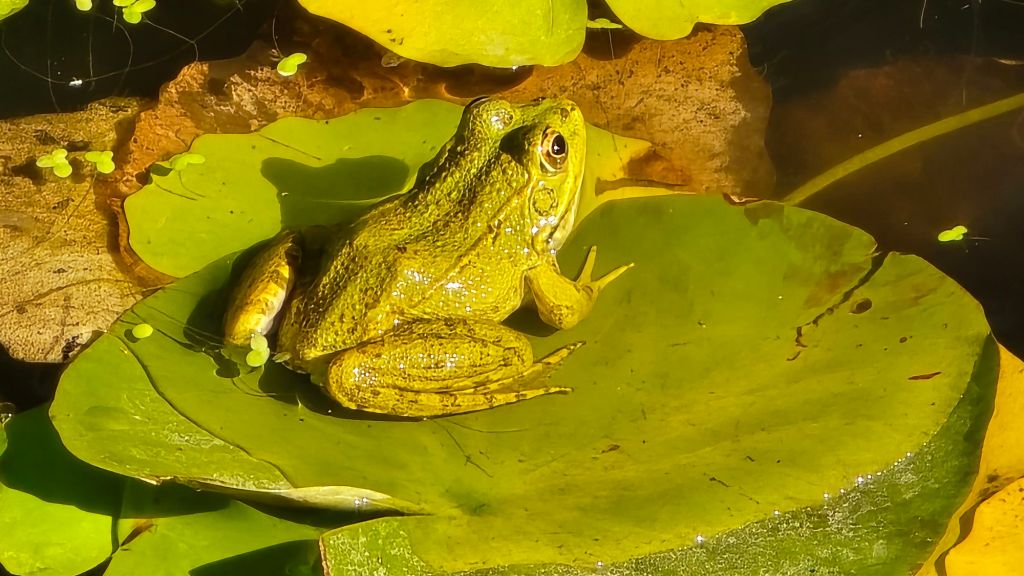
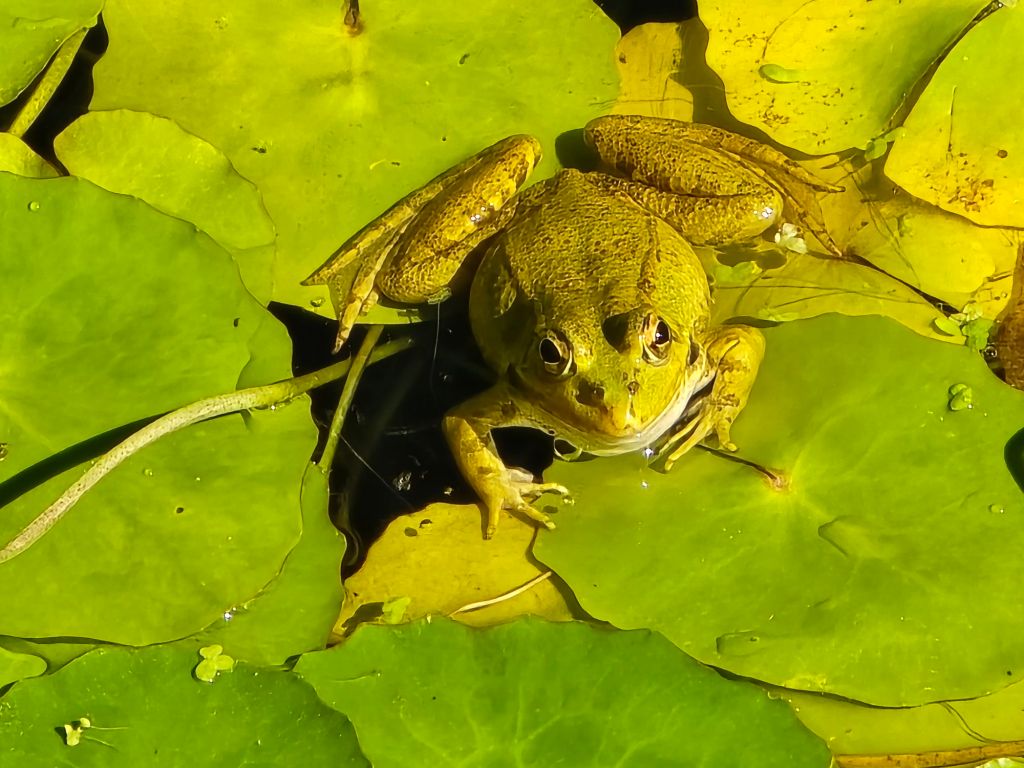
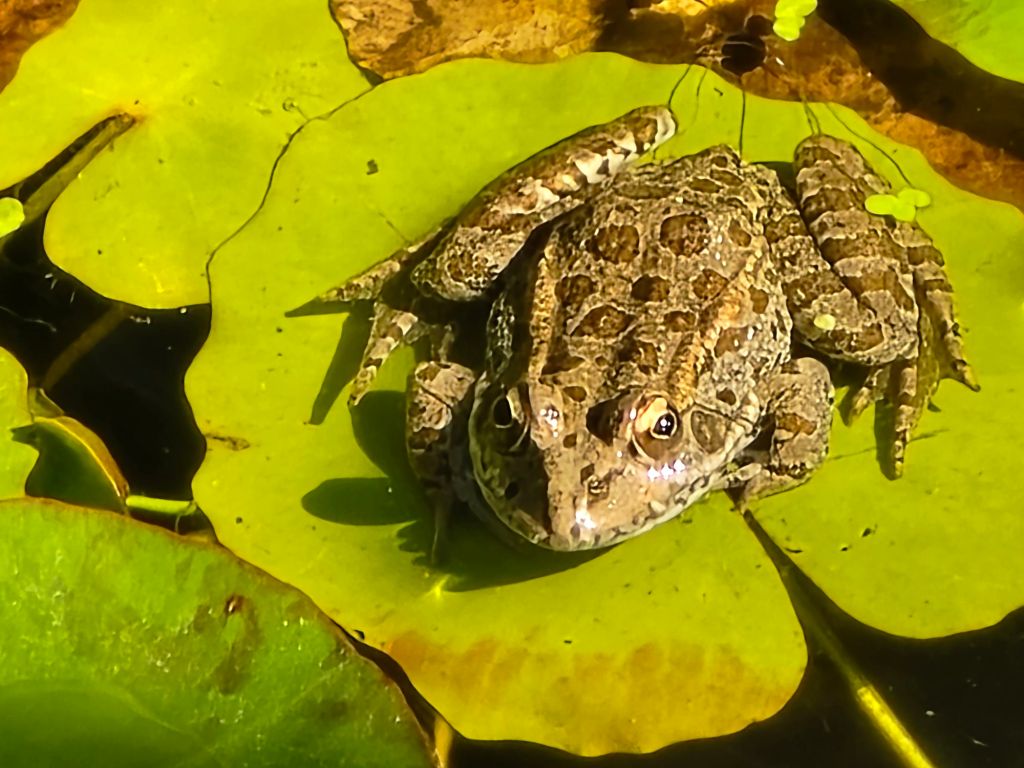
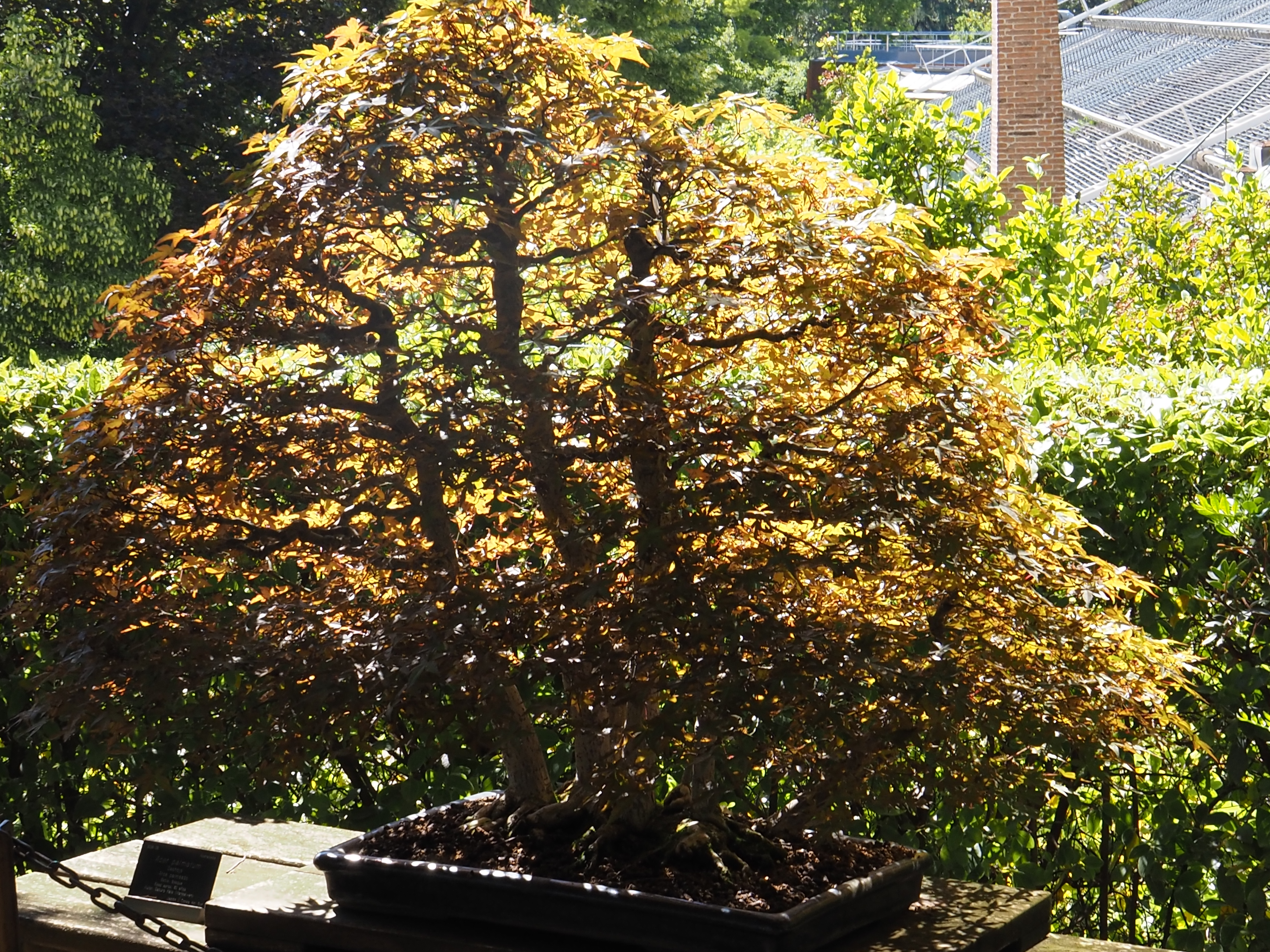
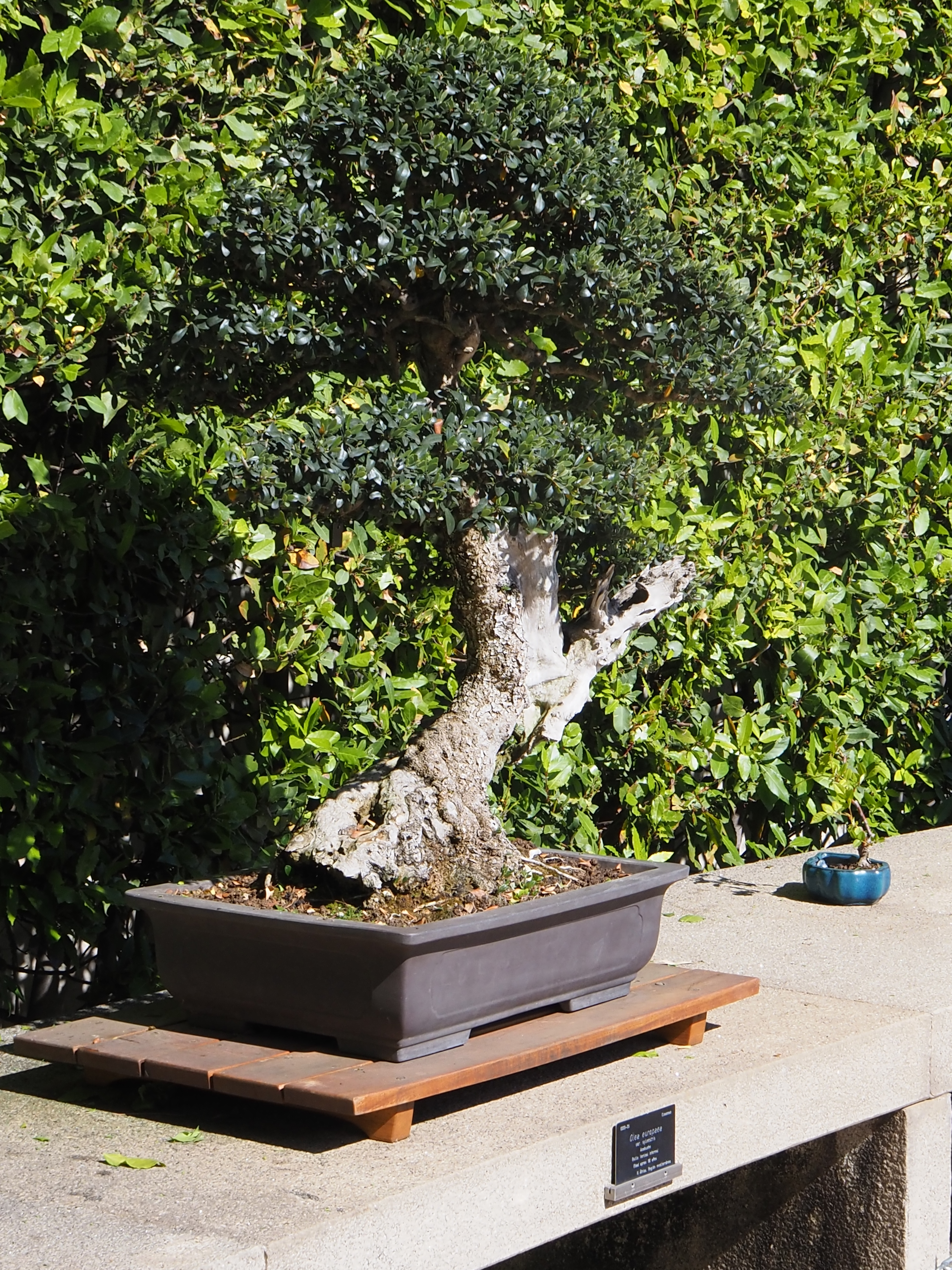
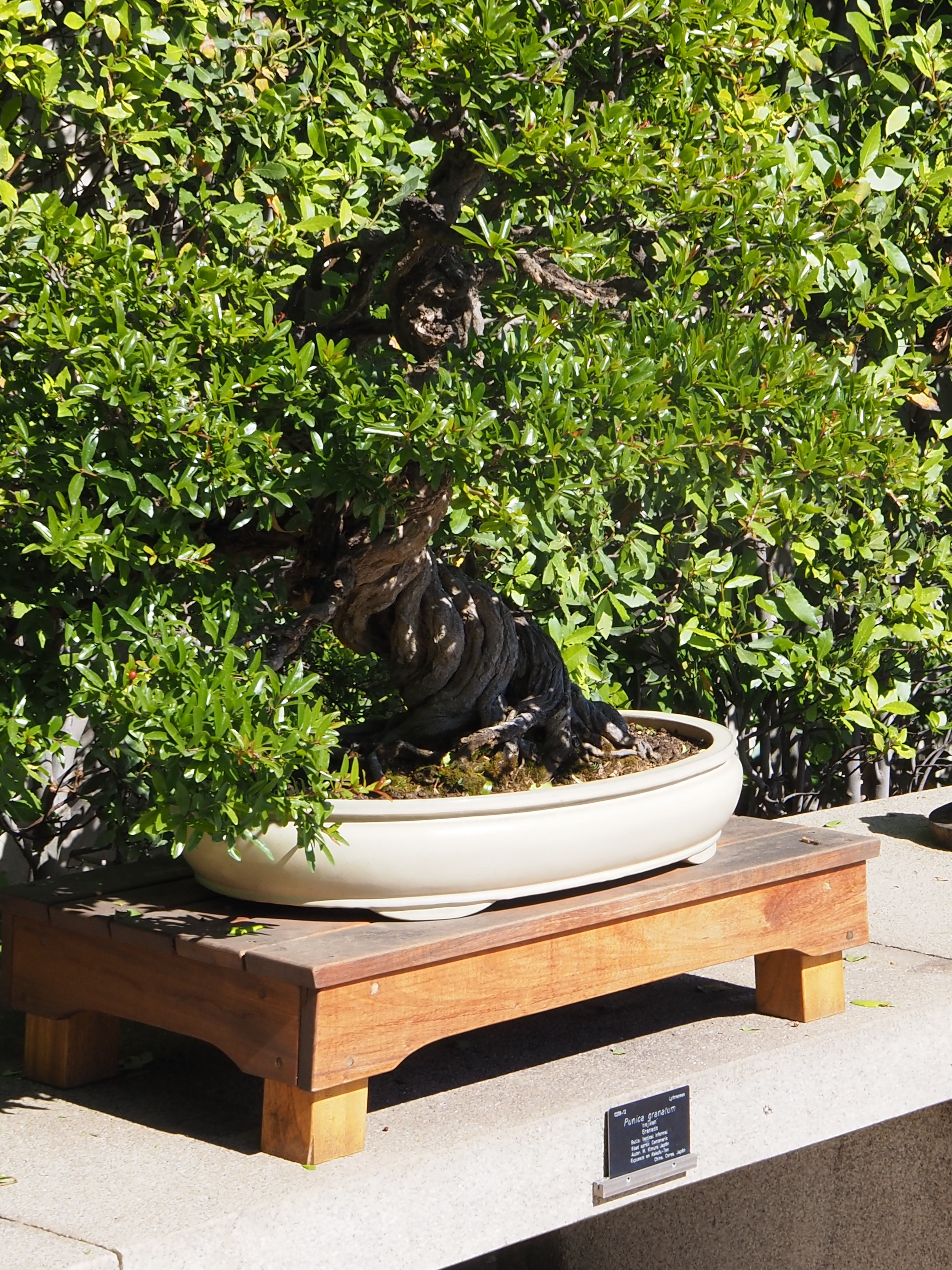
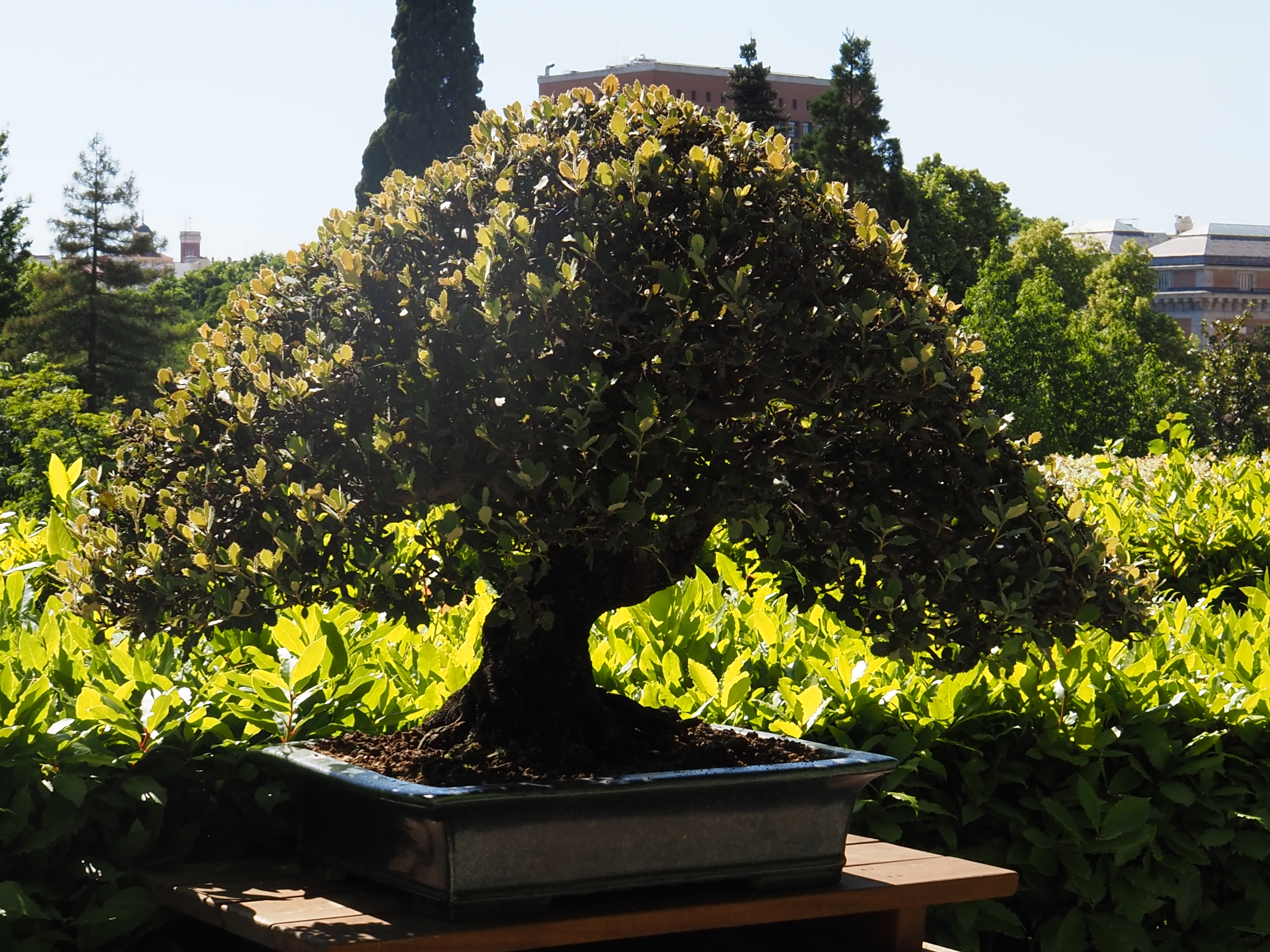
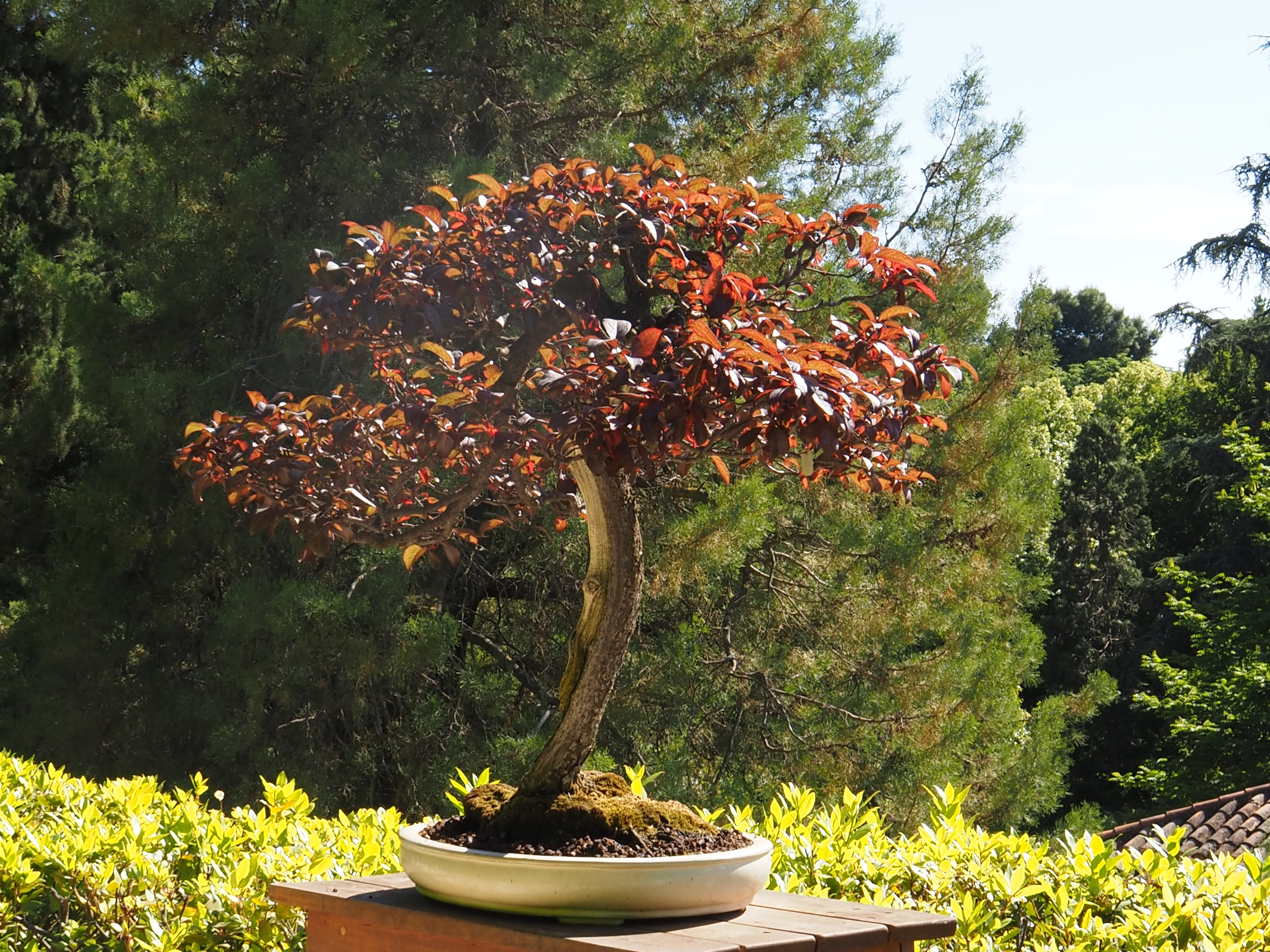
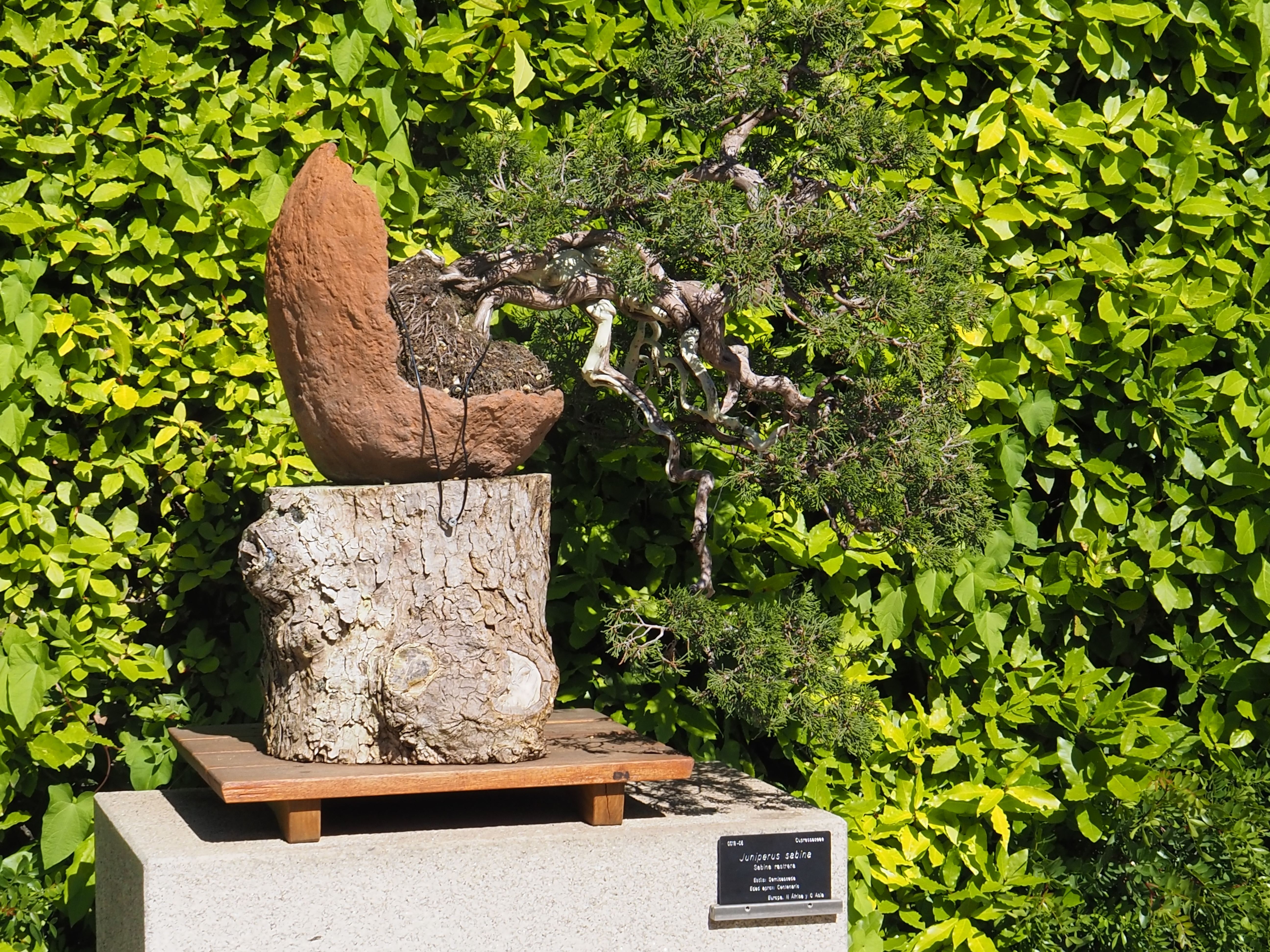
There is a bonsai terrace which was first opened in 2005 and contains some very fine specimens. I recognised some of the tree species, but it was very hot and I did not record the names of each bonsai!
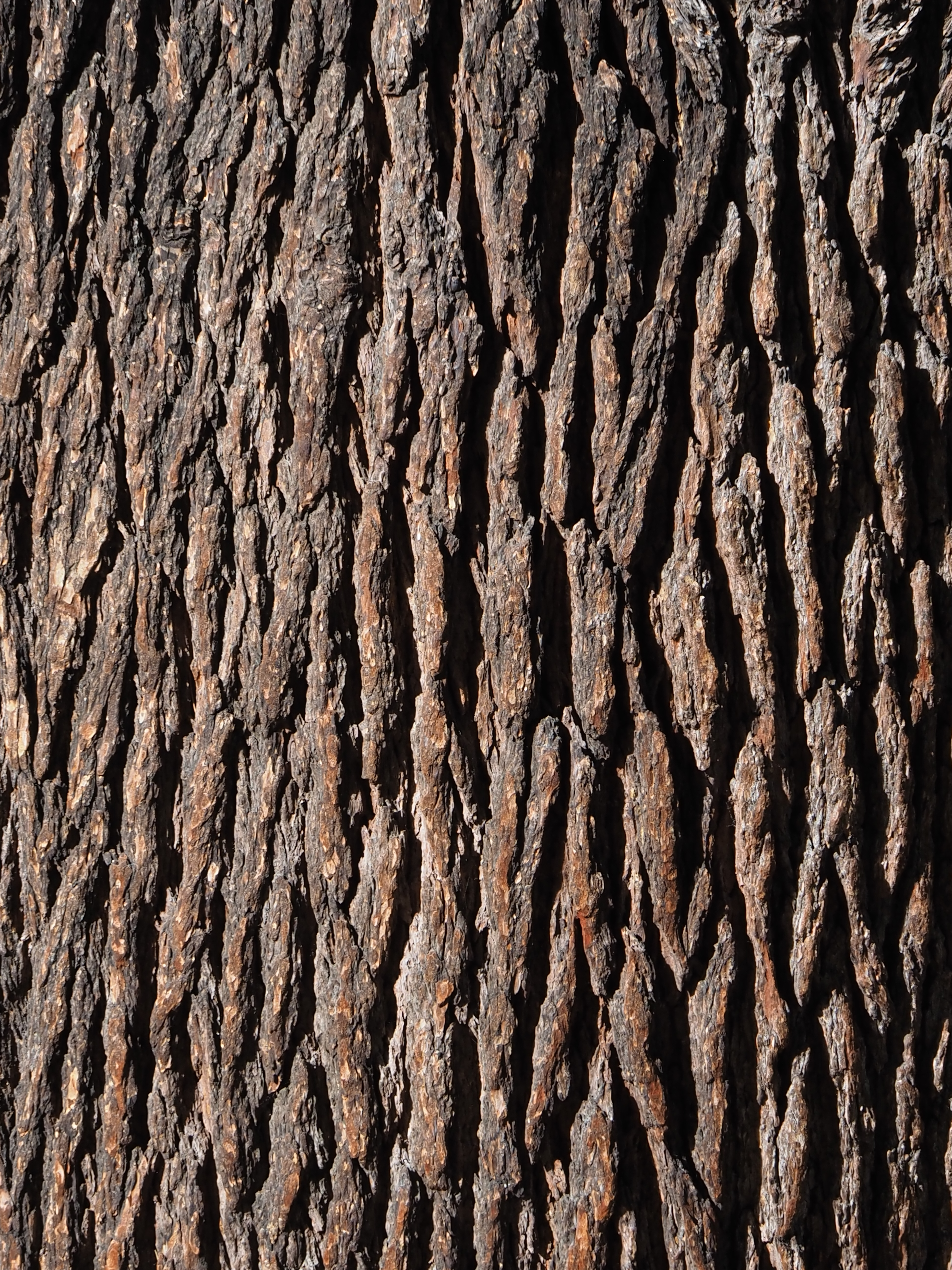
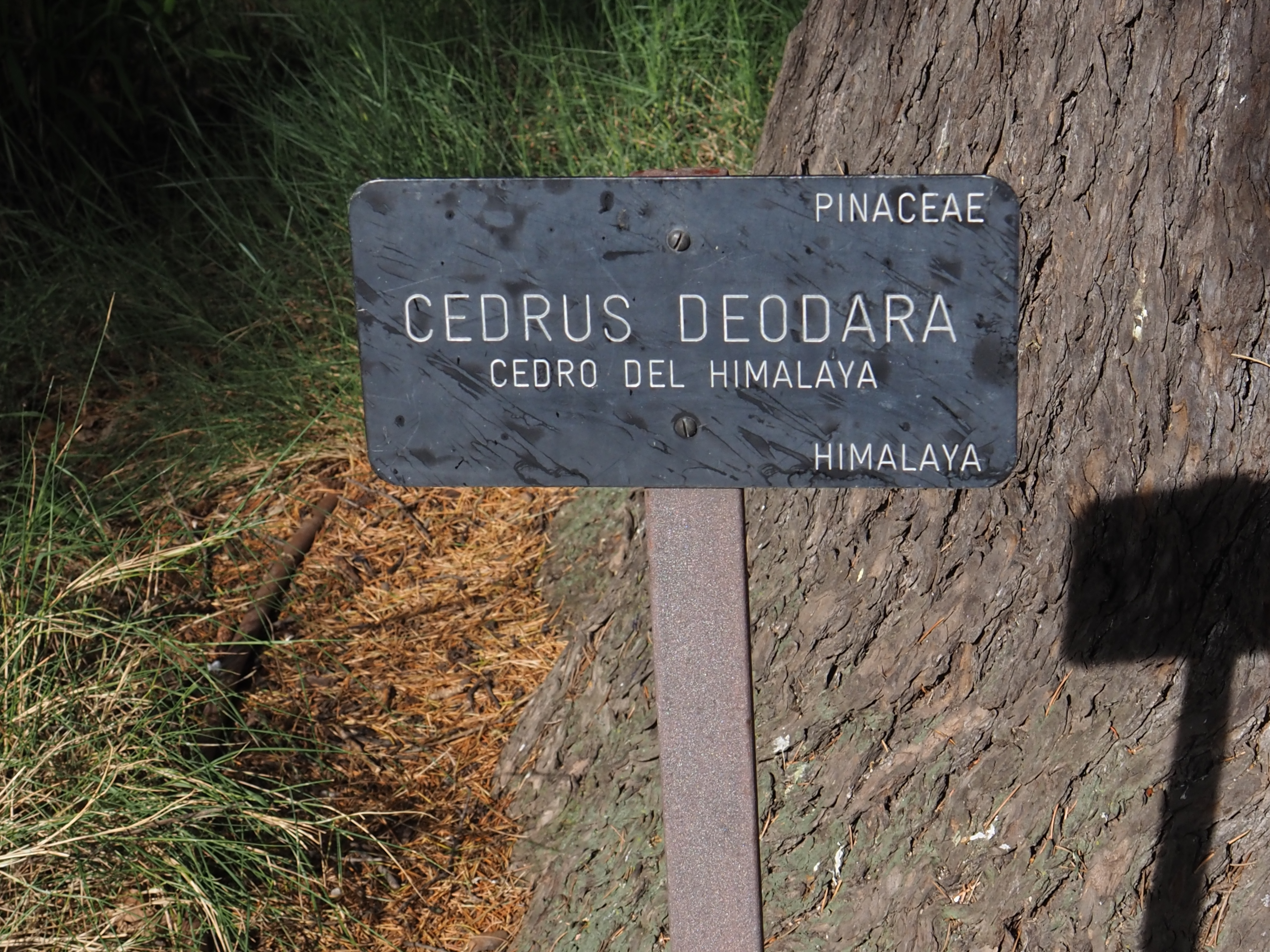
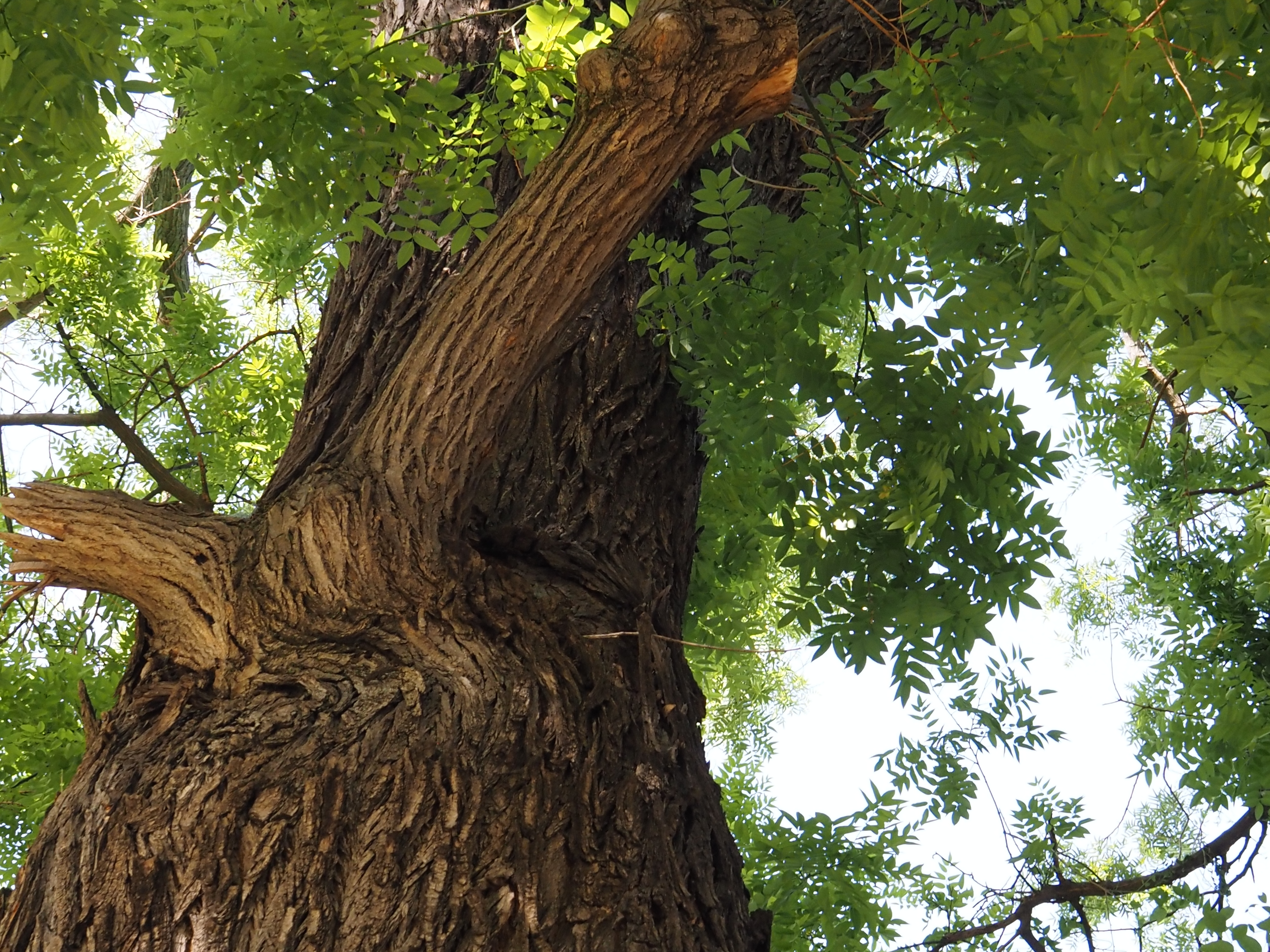
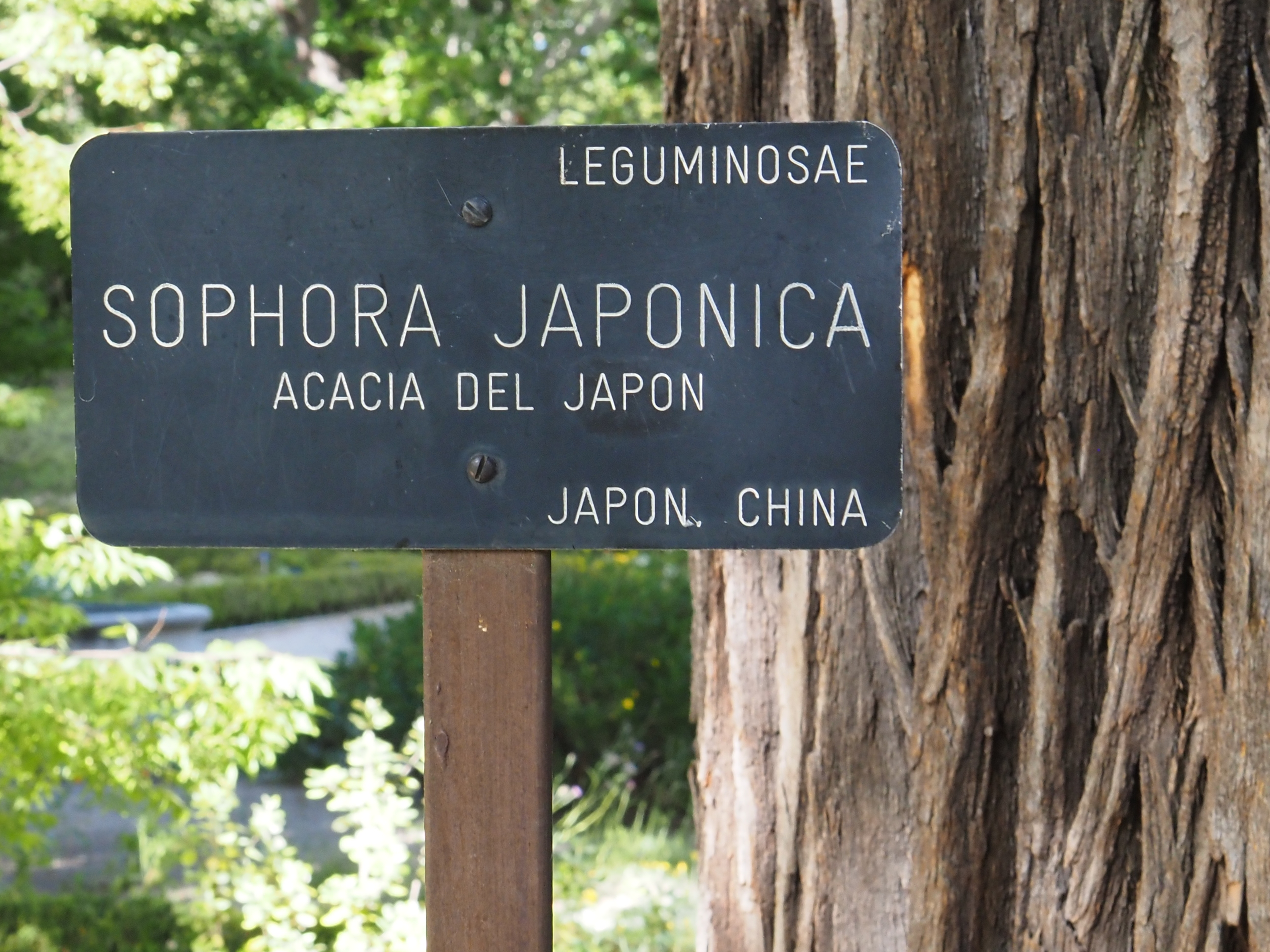
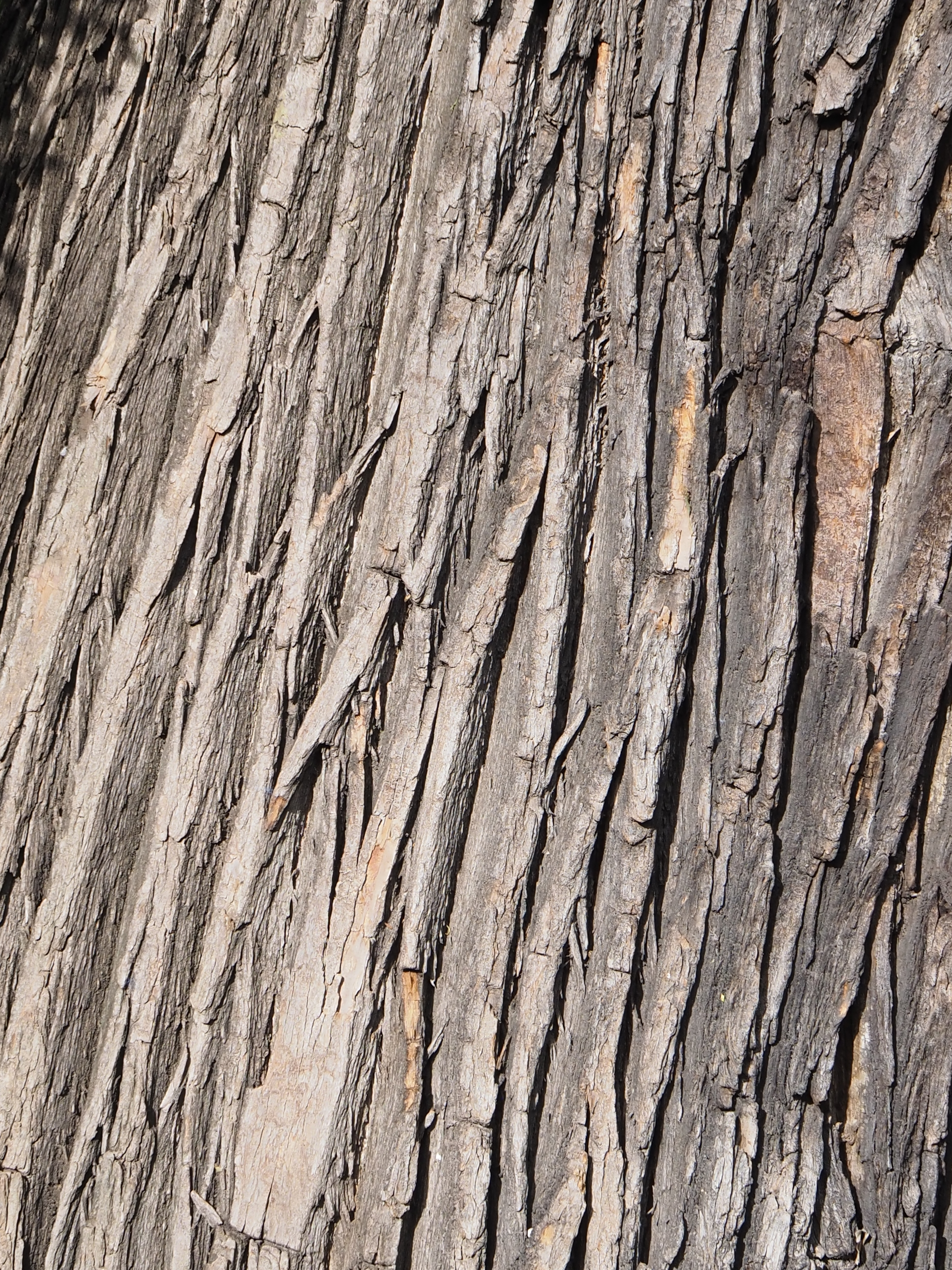
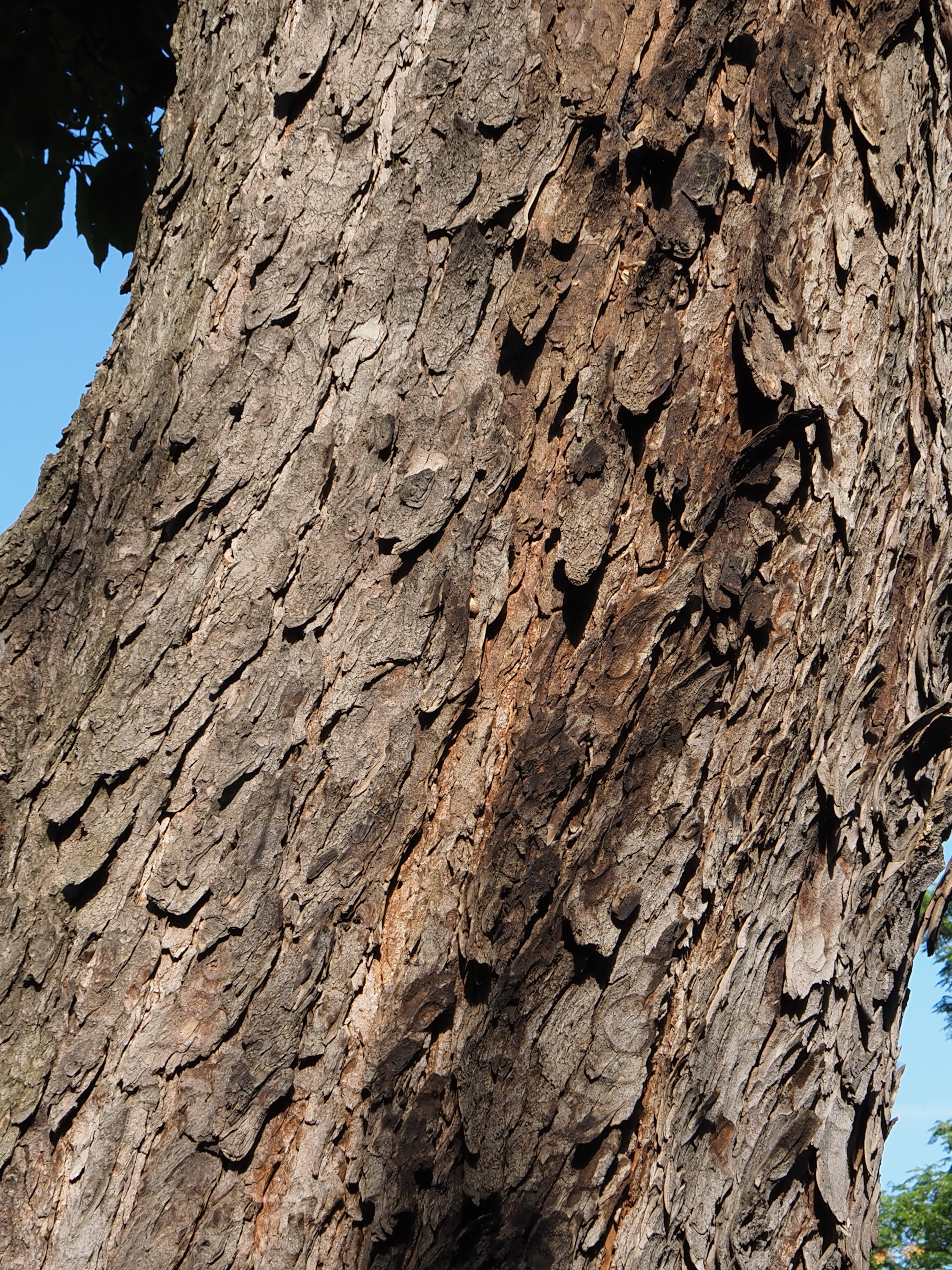
Given the age of the garden, its not surprising that there are some very old ‘monumental’ trees.
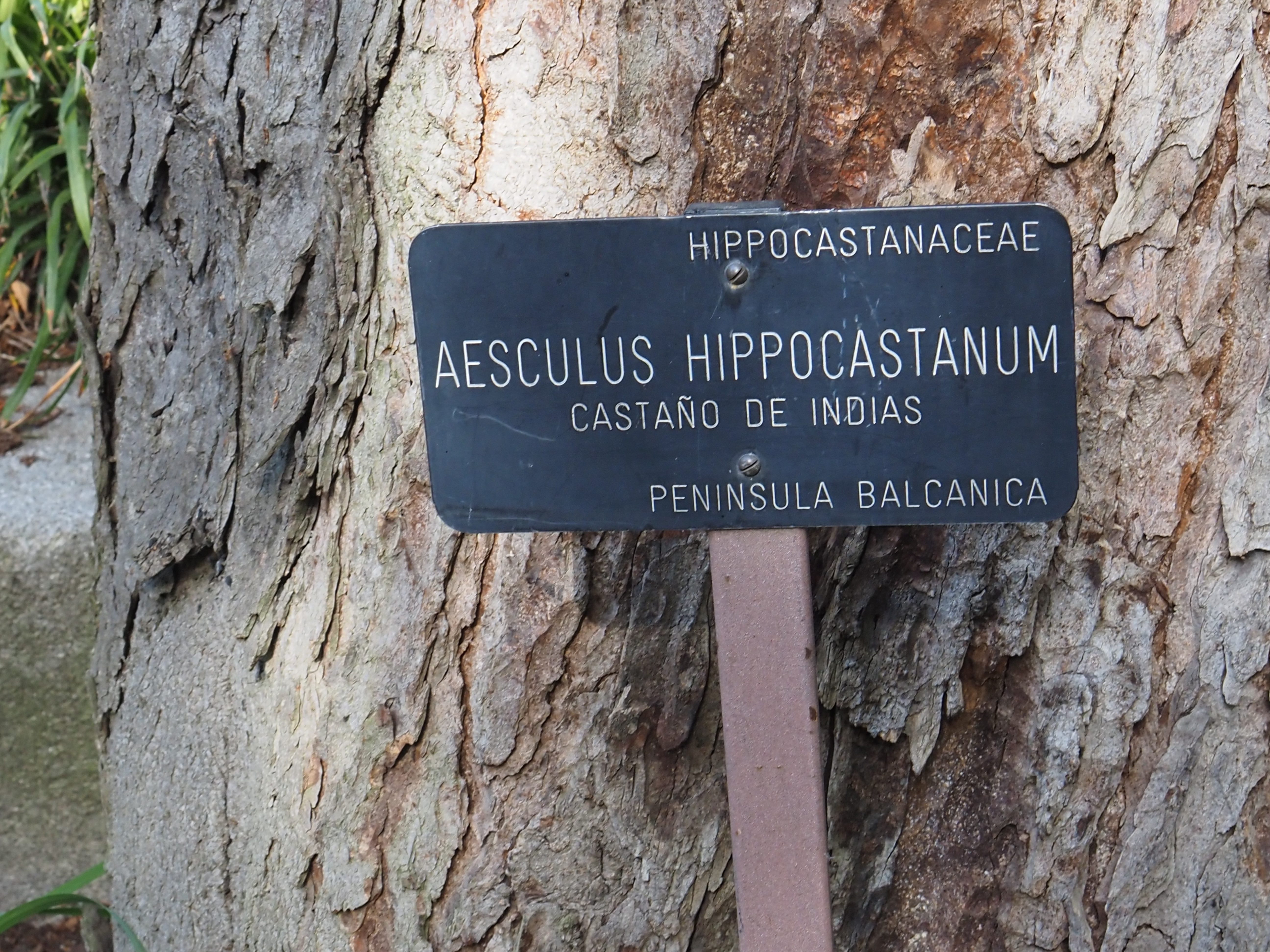
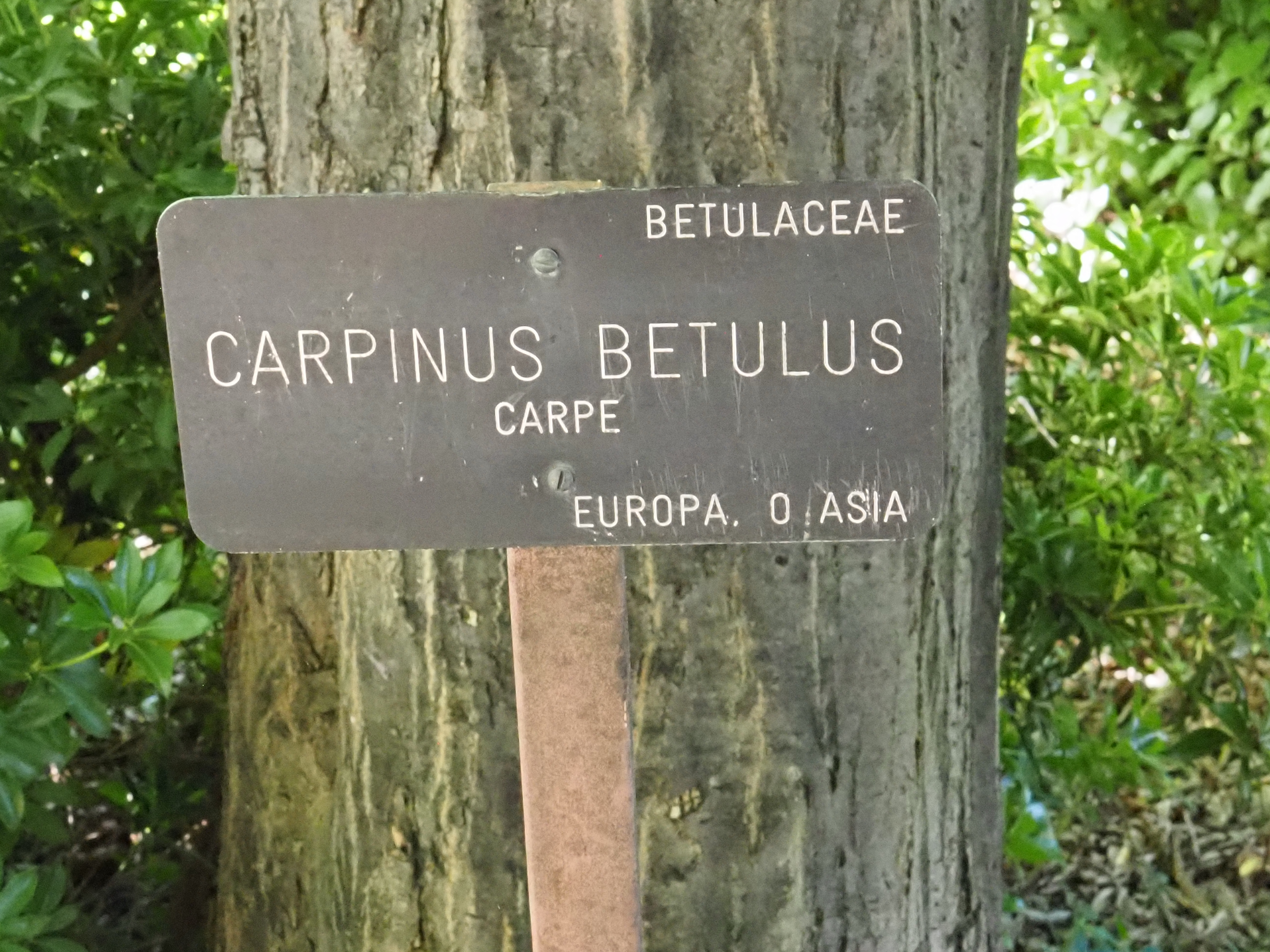
Some of the insects I managed to photograph are shown below.
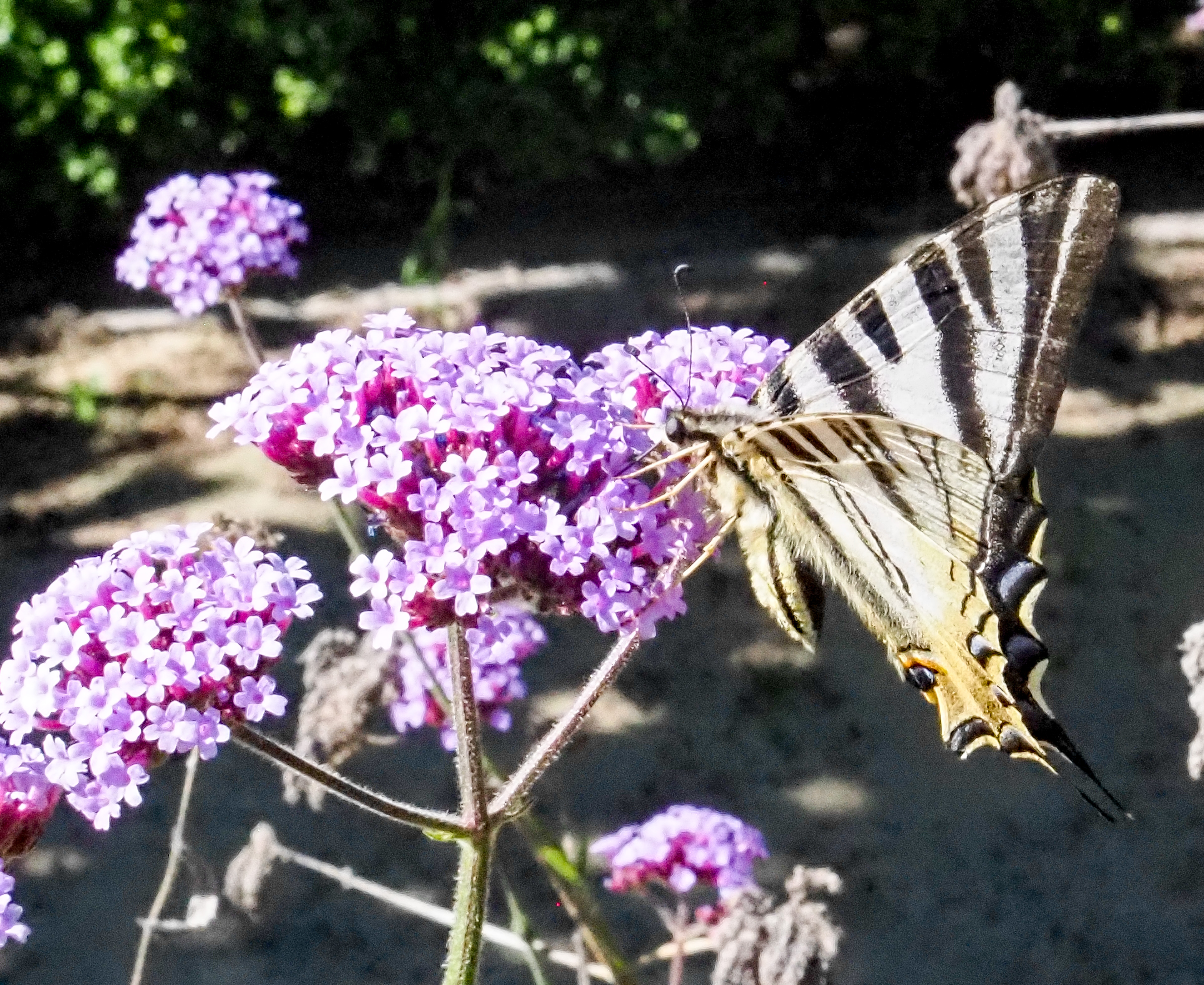
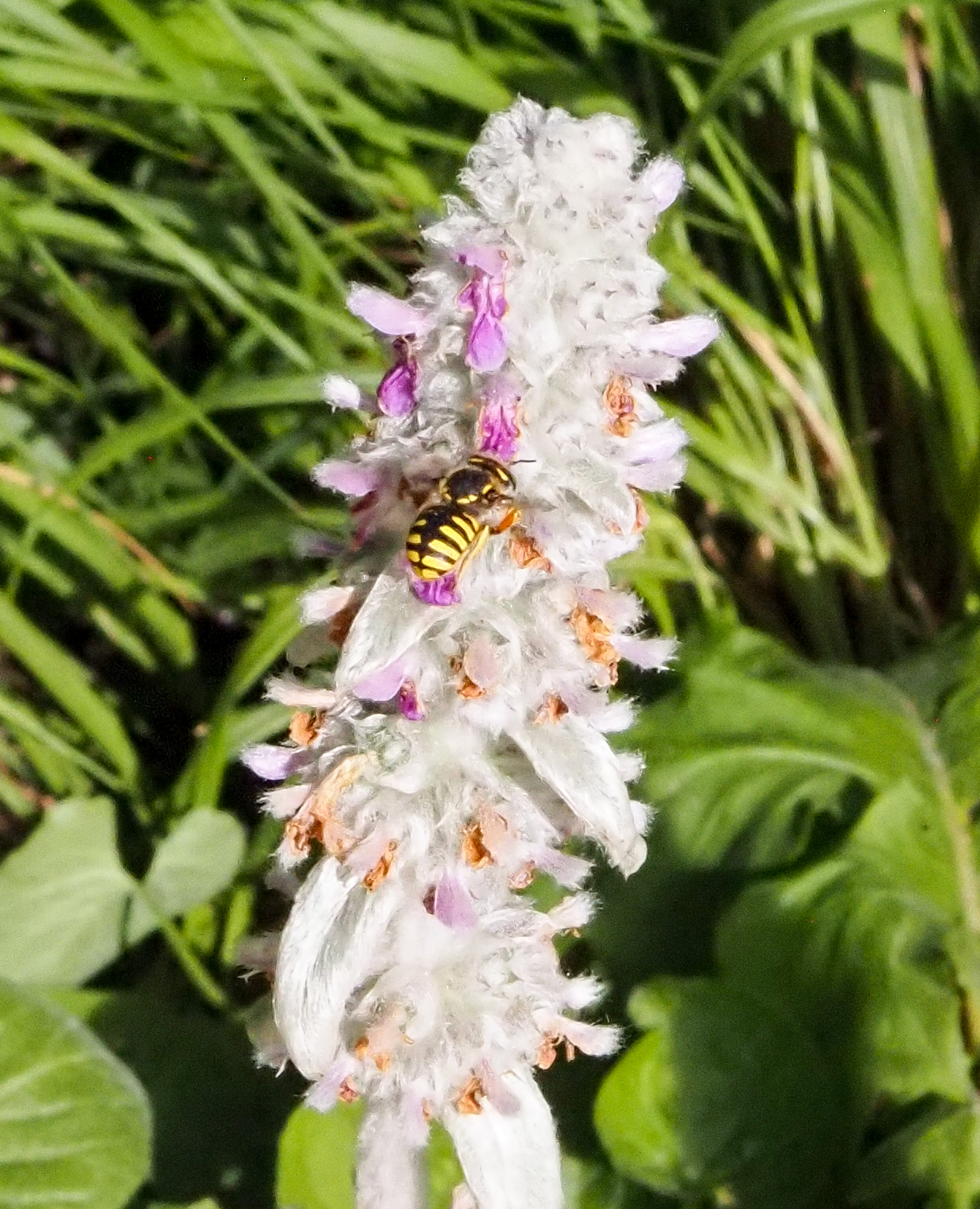
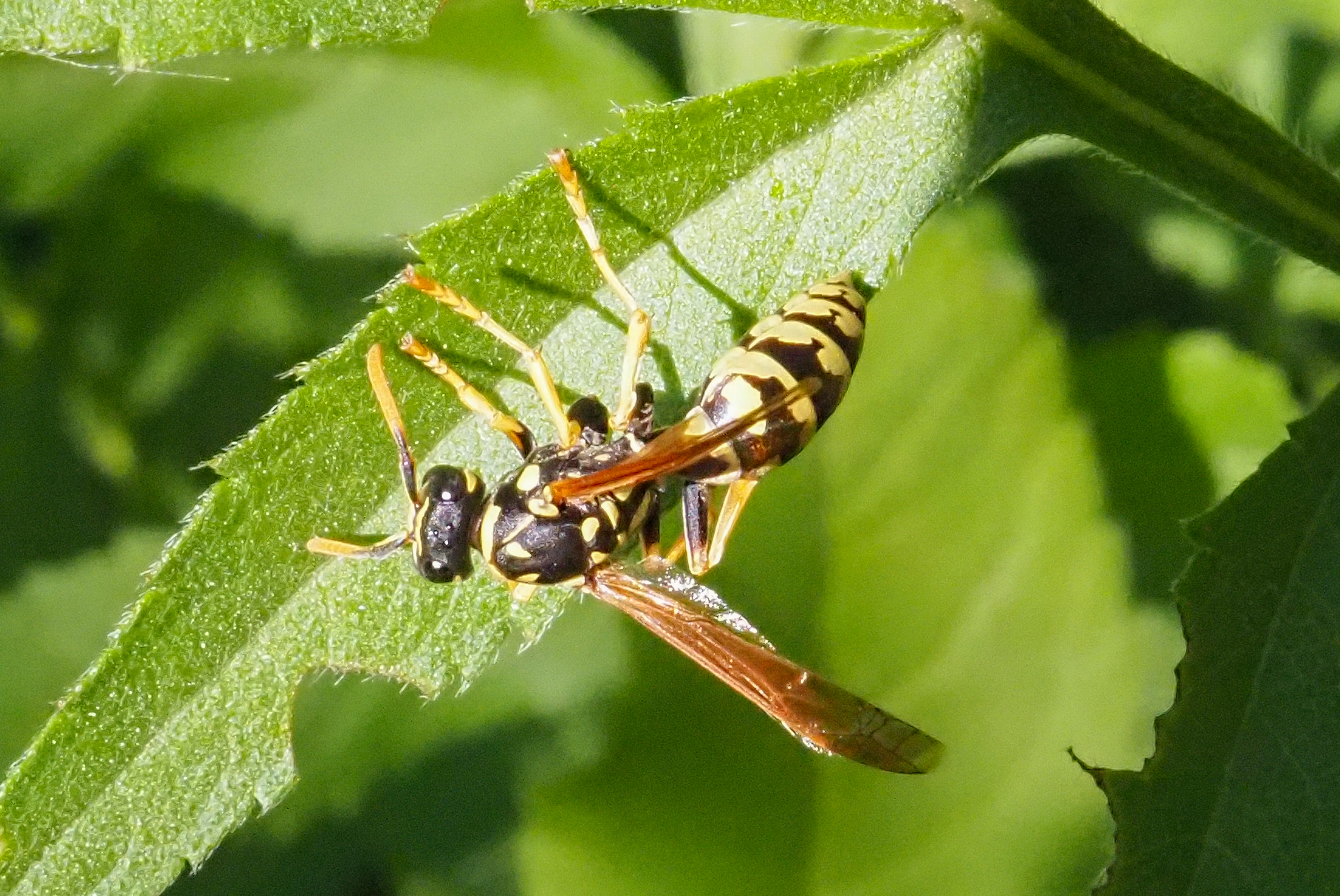
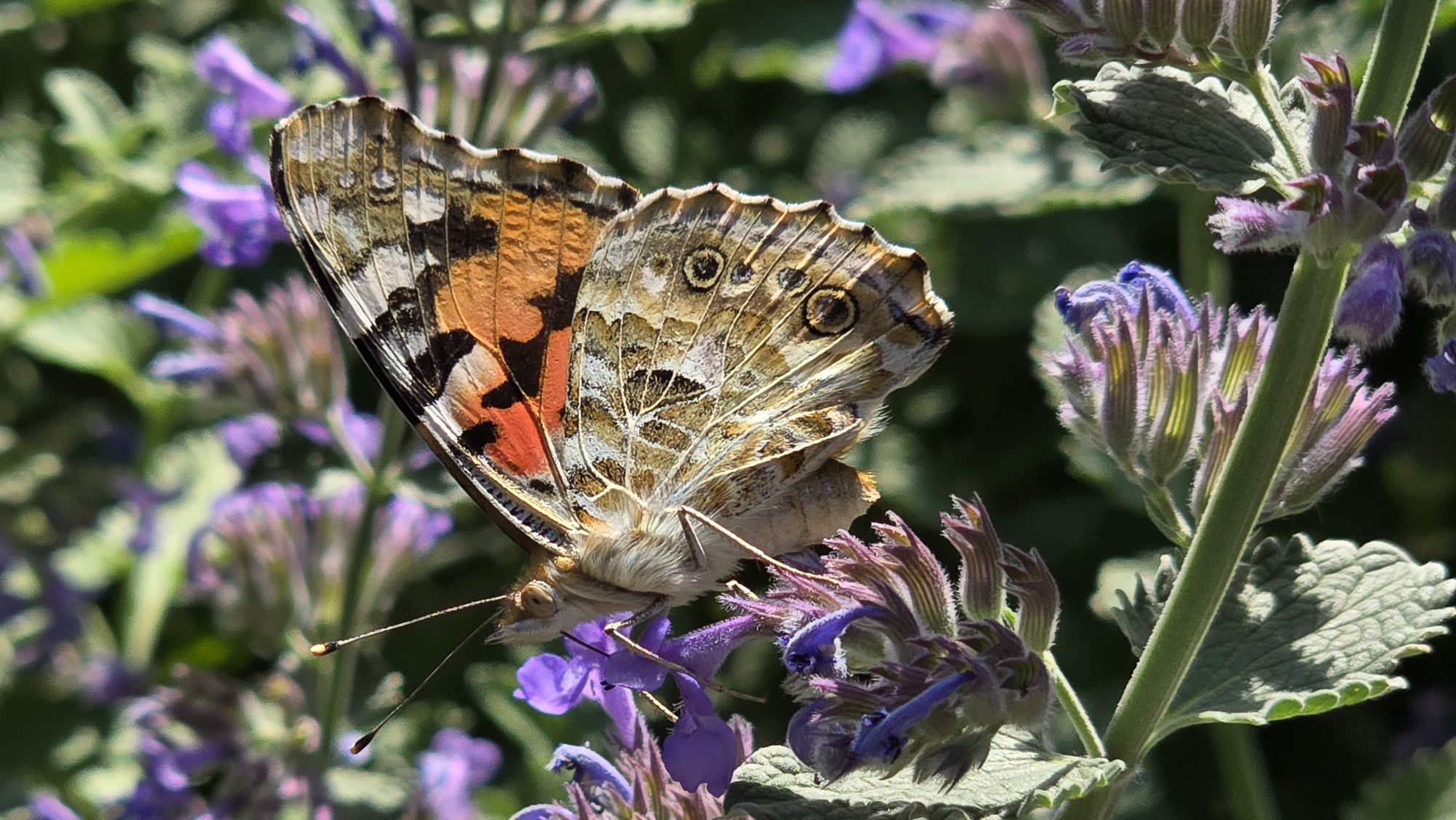
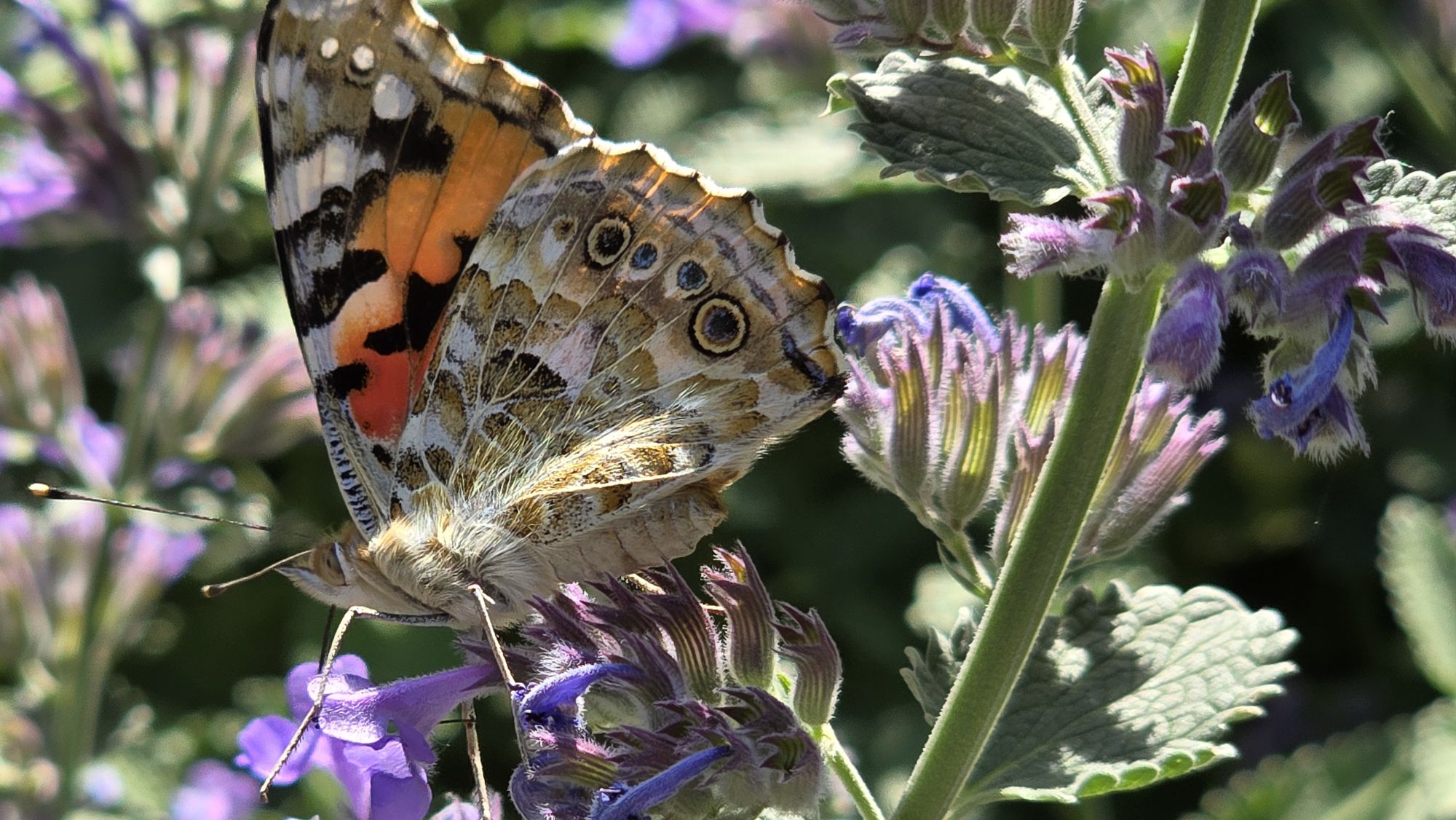
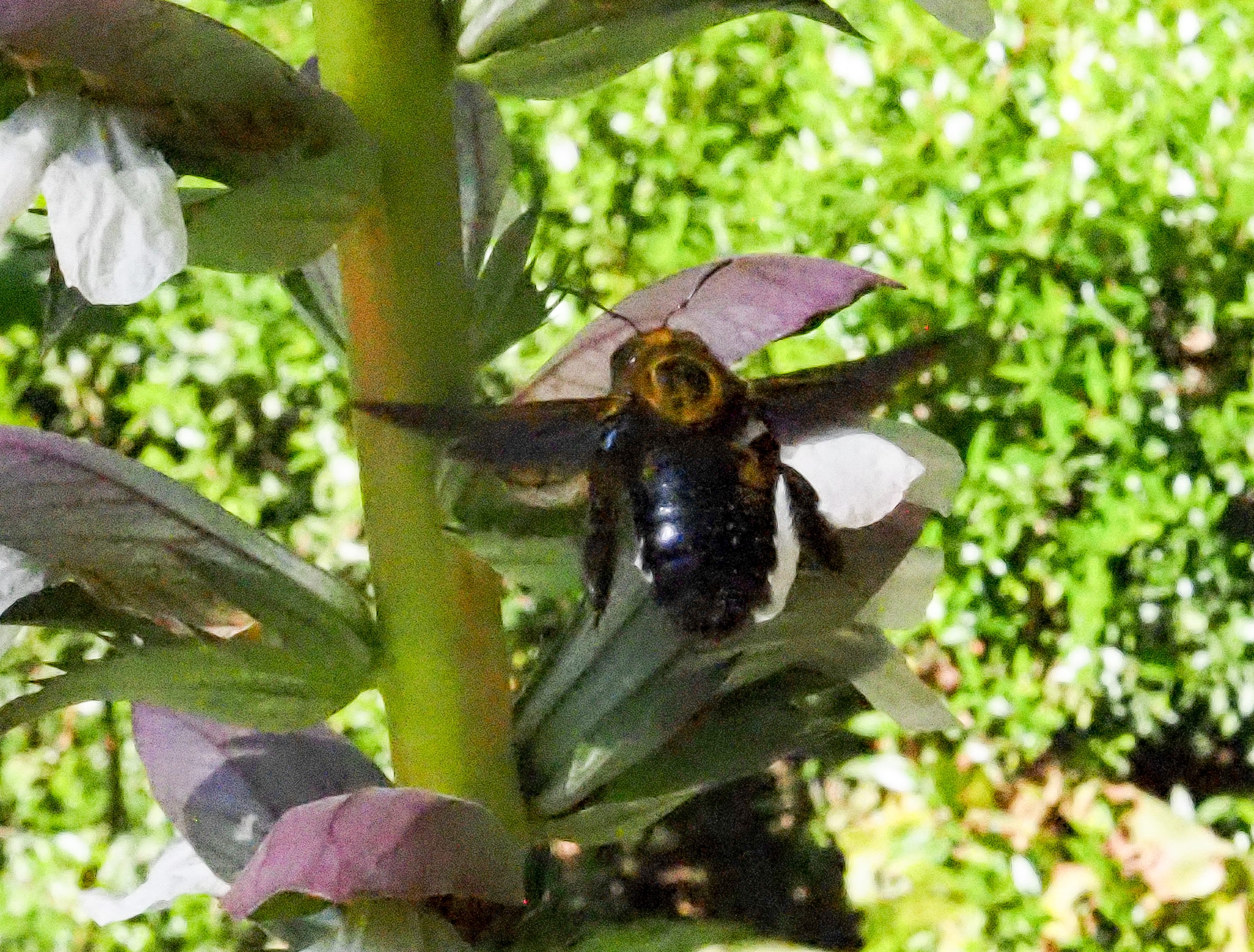
Photos by Raymond JC Cannon
Large infestations of daffodil leaf beetles (Exosoma lusitanicum) were feeding and mating on the Iris flowers and seemed to have mostly destroyed them!
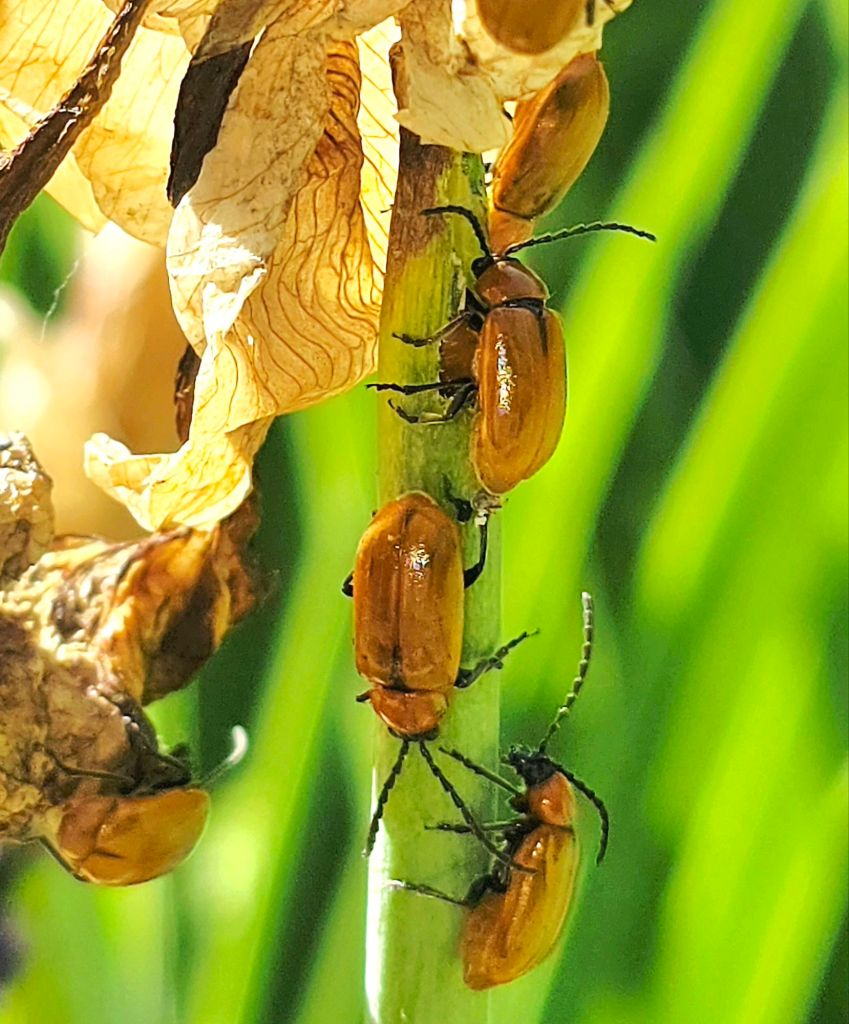
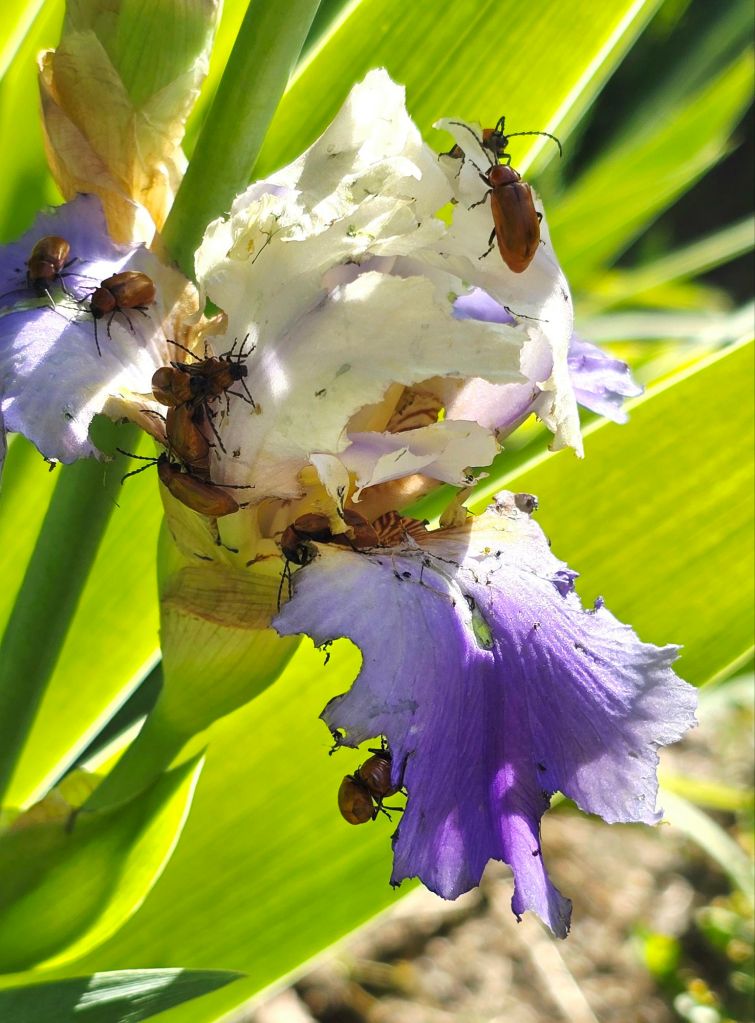
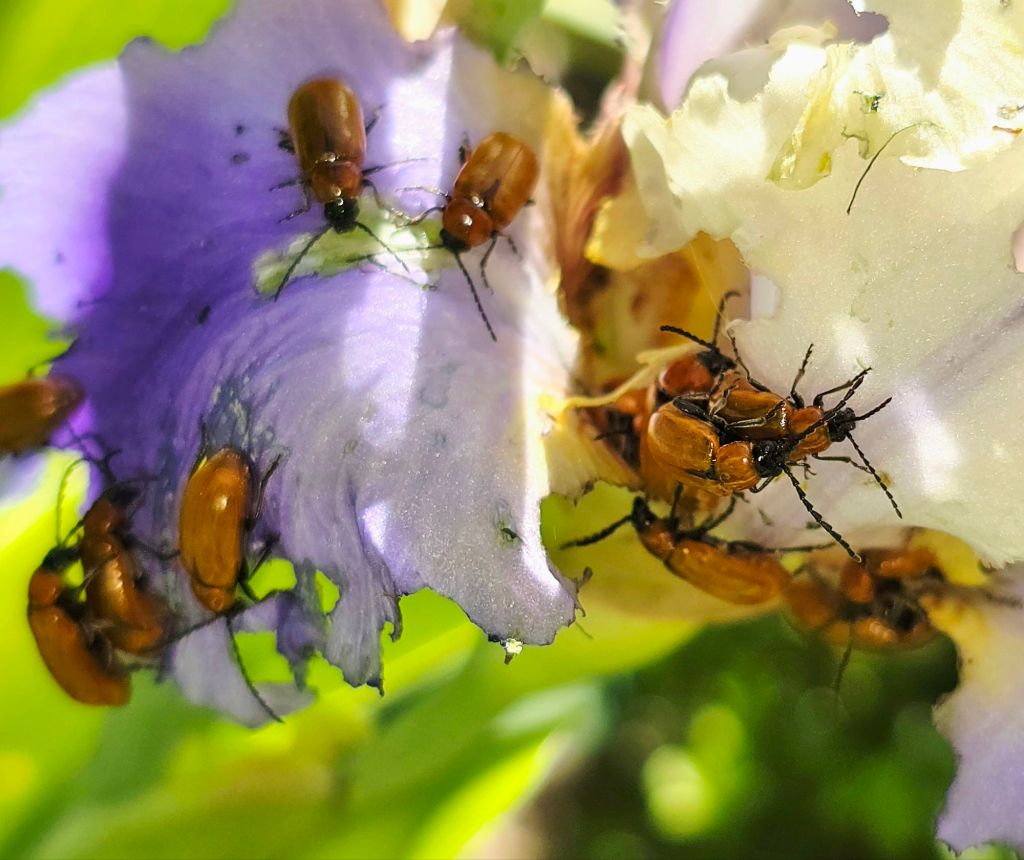
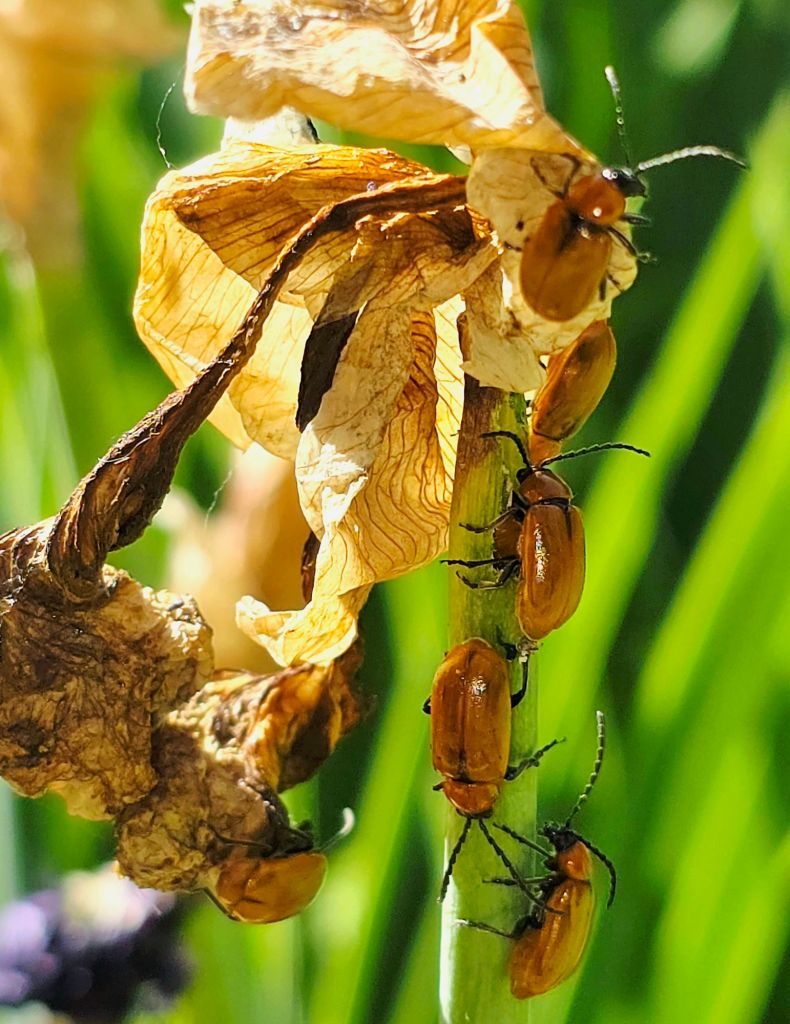
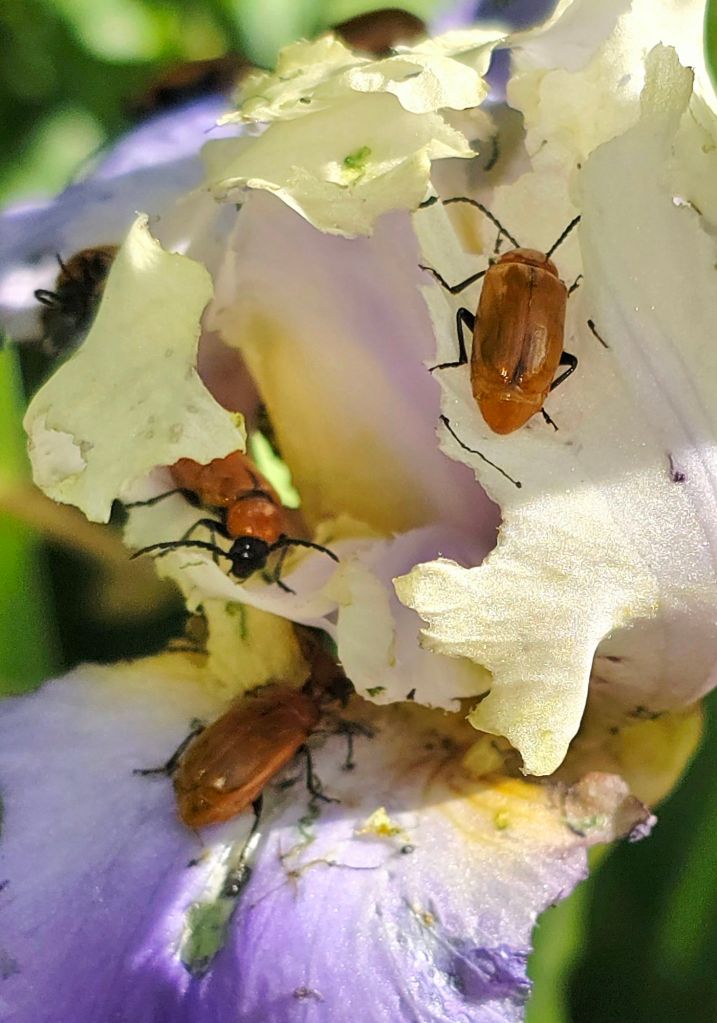
Photographs by Raymond JC Cannon
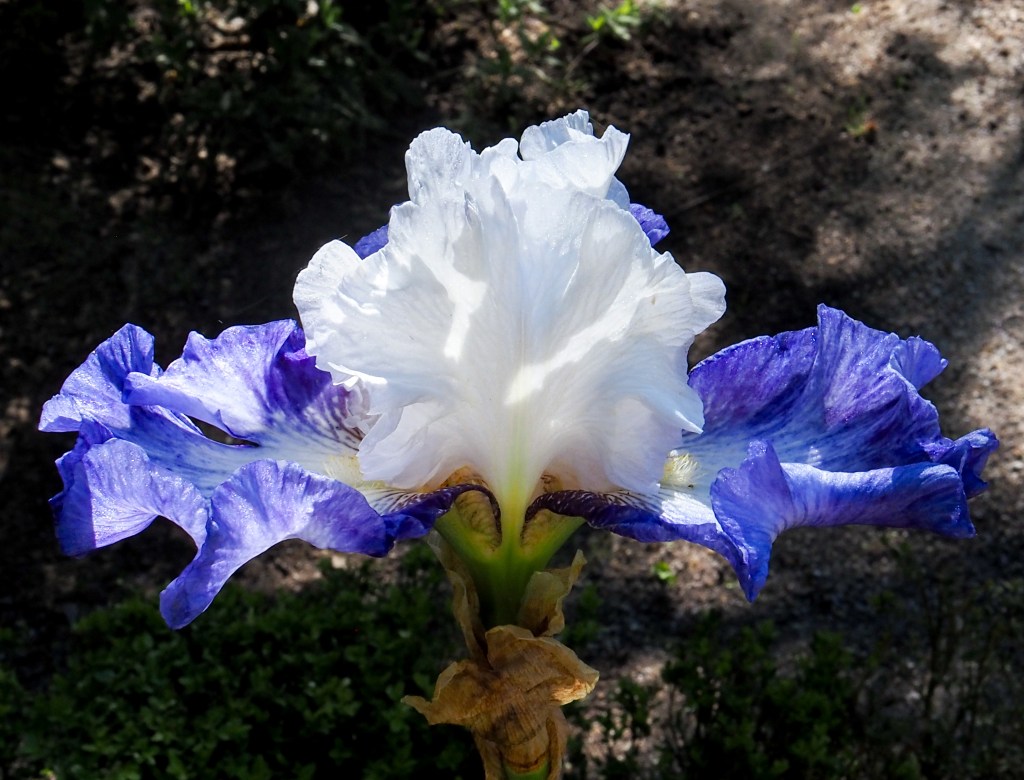
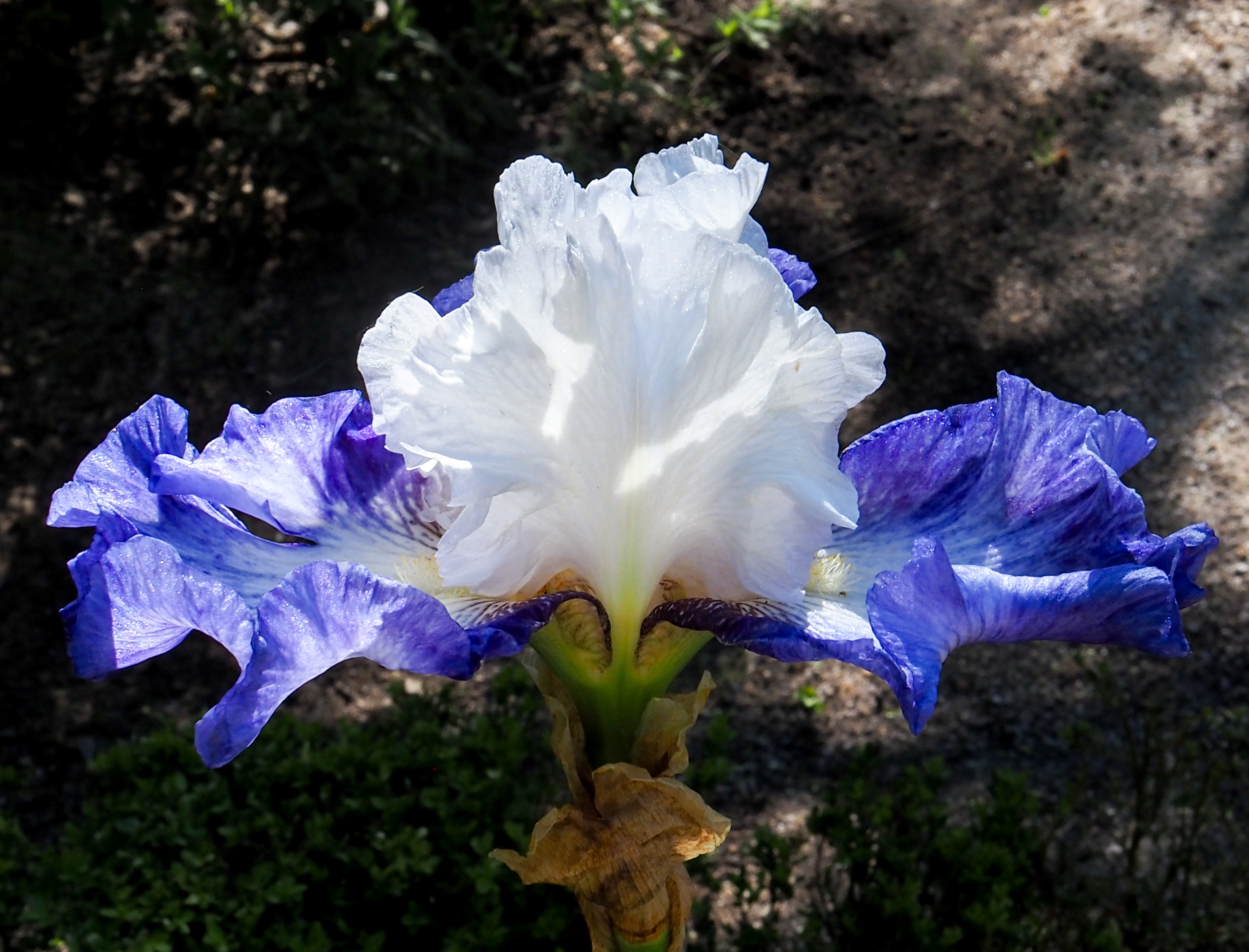
However, some irises had – for the time being at least! – escaped the ravages of the leaf beetles!
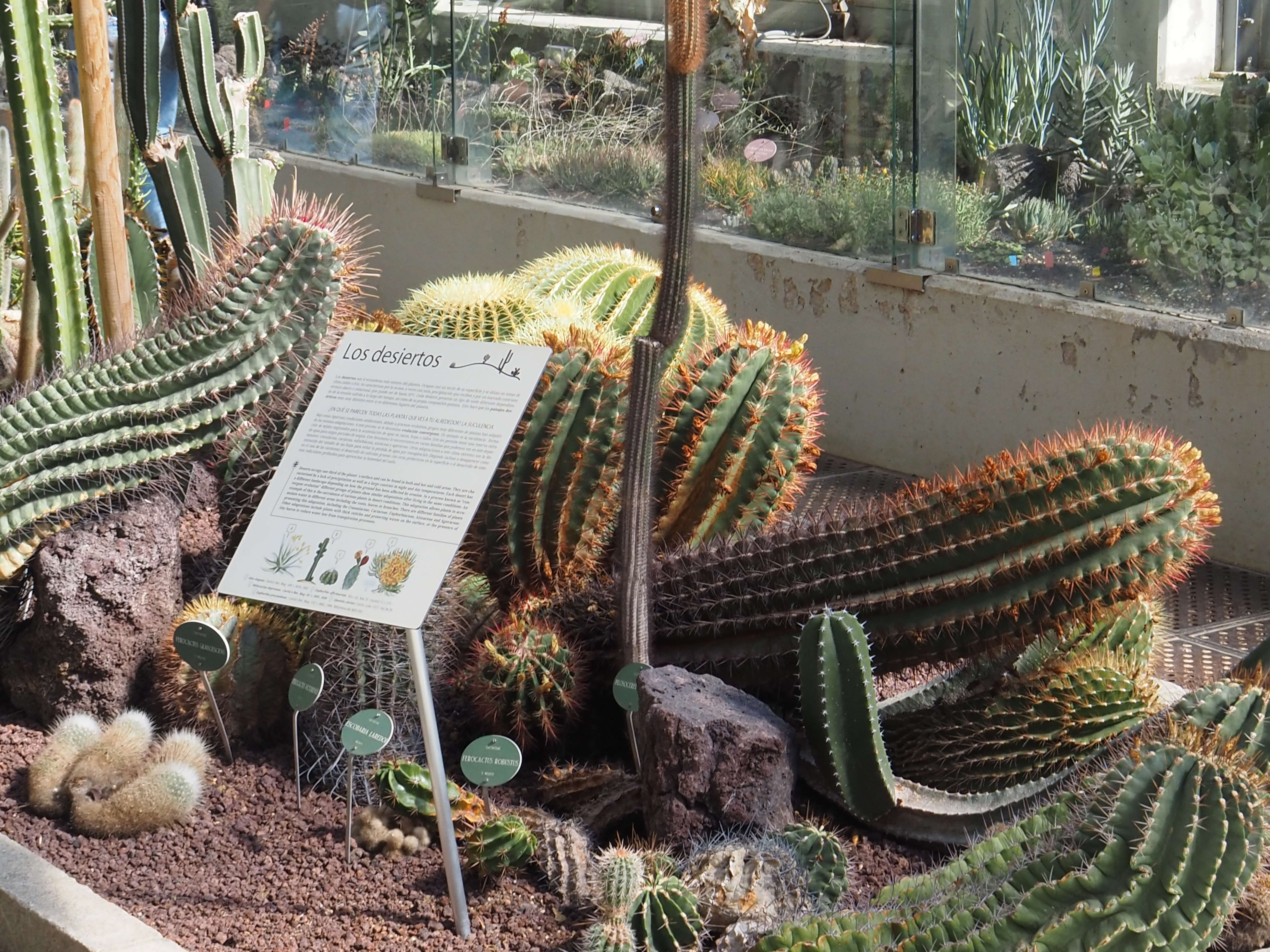
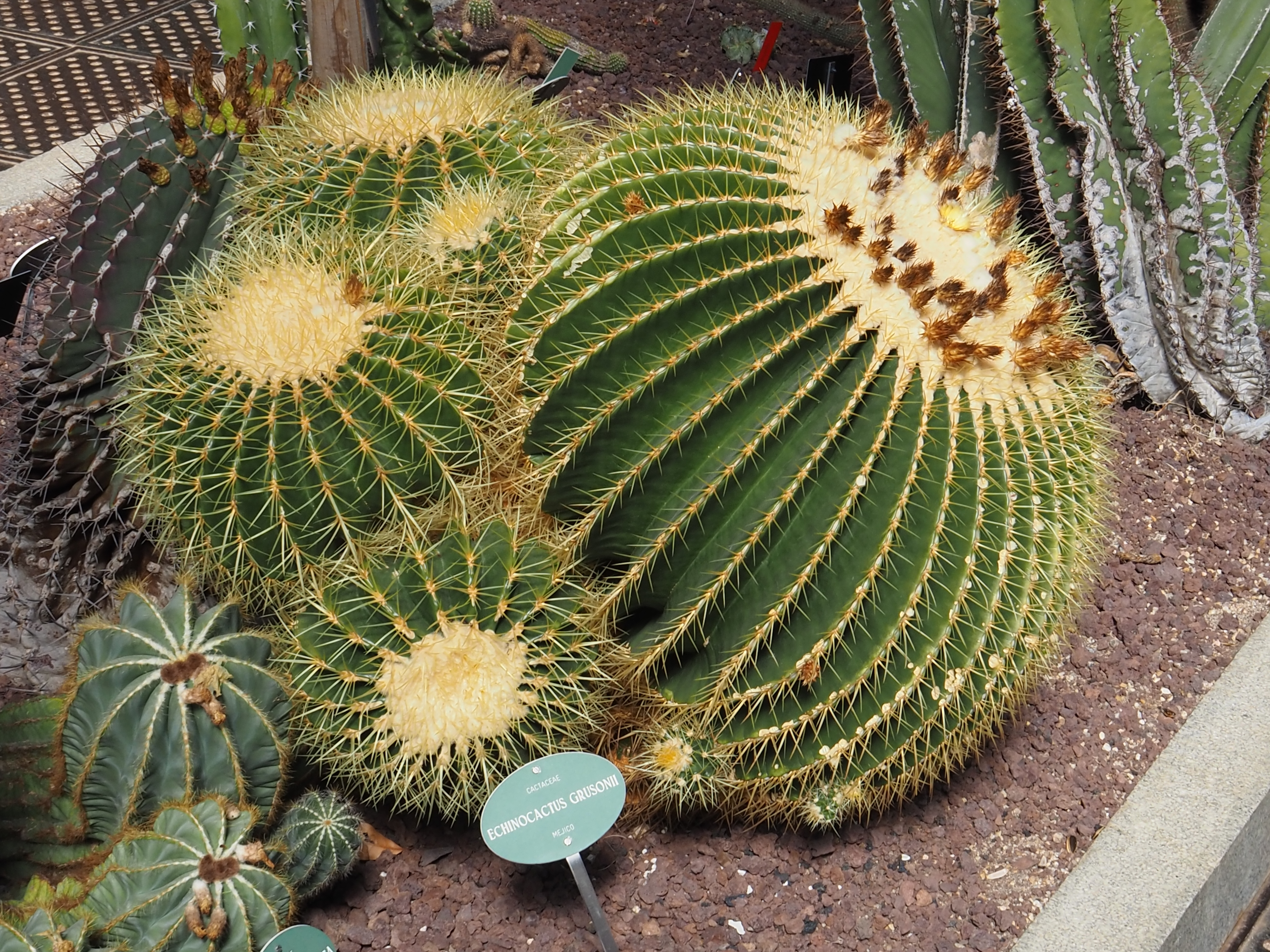
There are also three green houses with cacti and tropical plants.
All in all, thoroughly recommended!