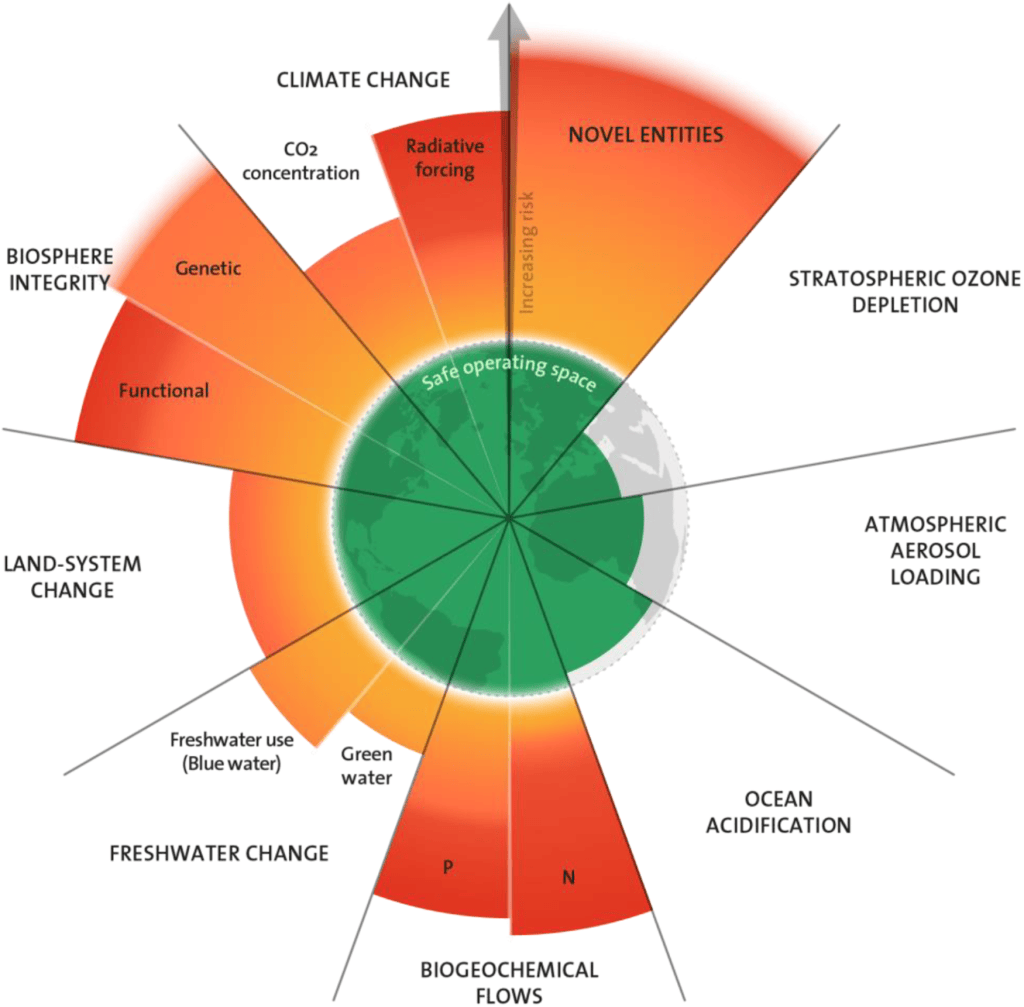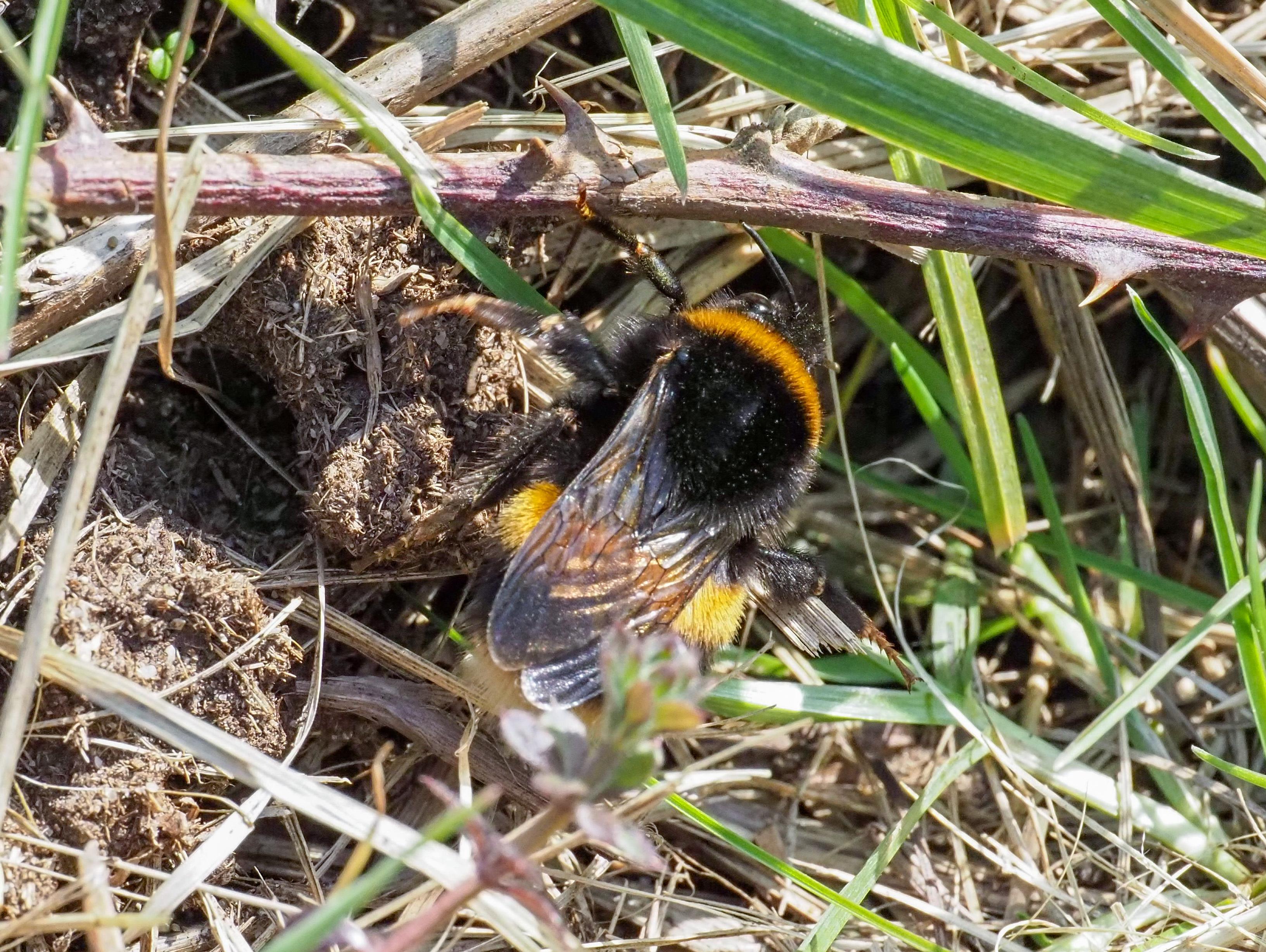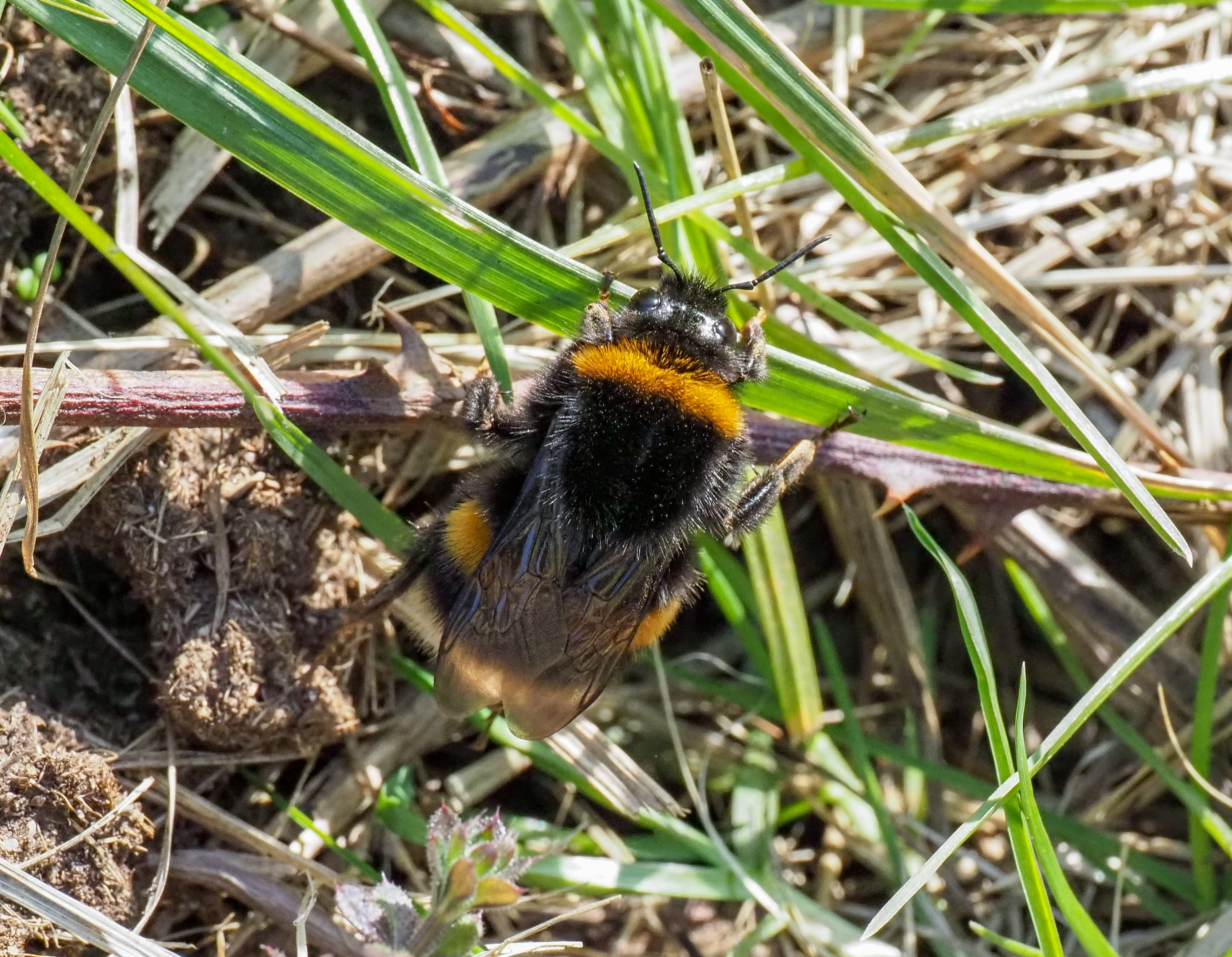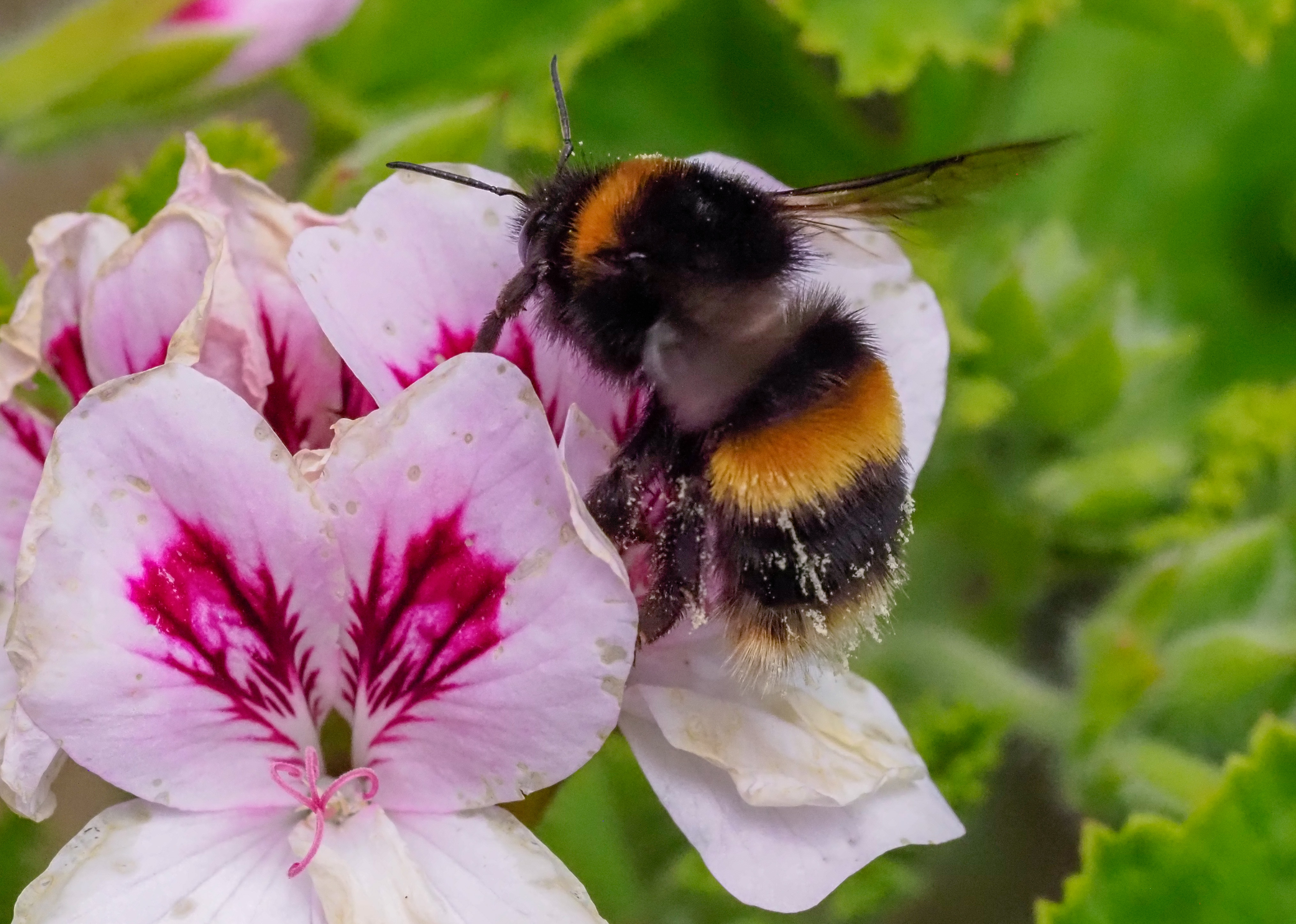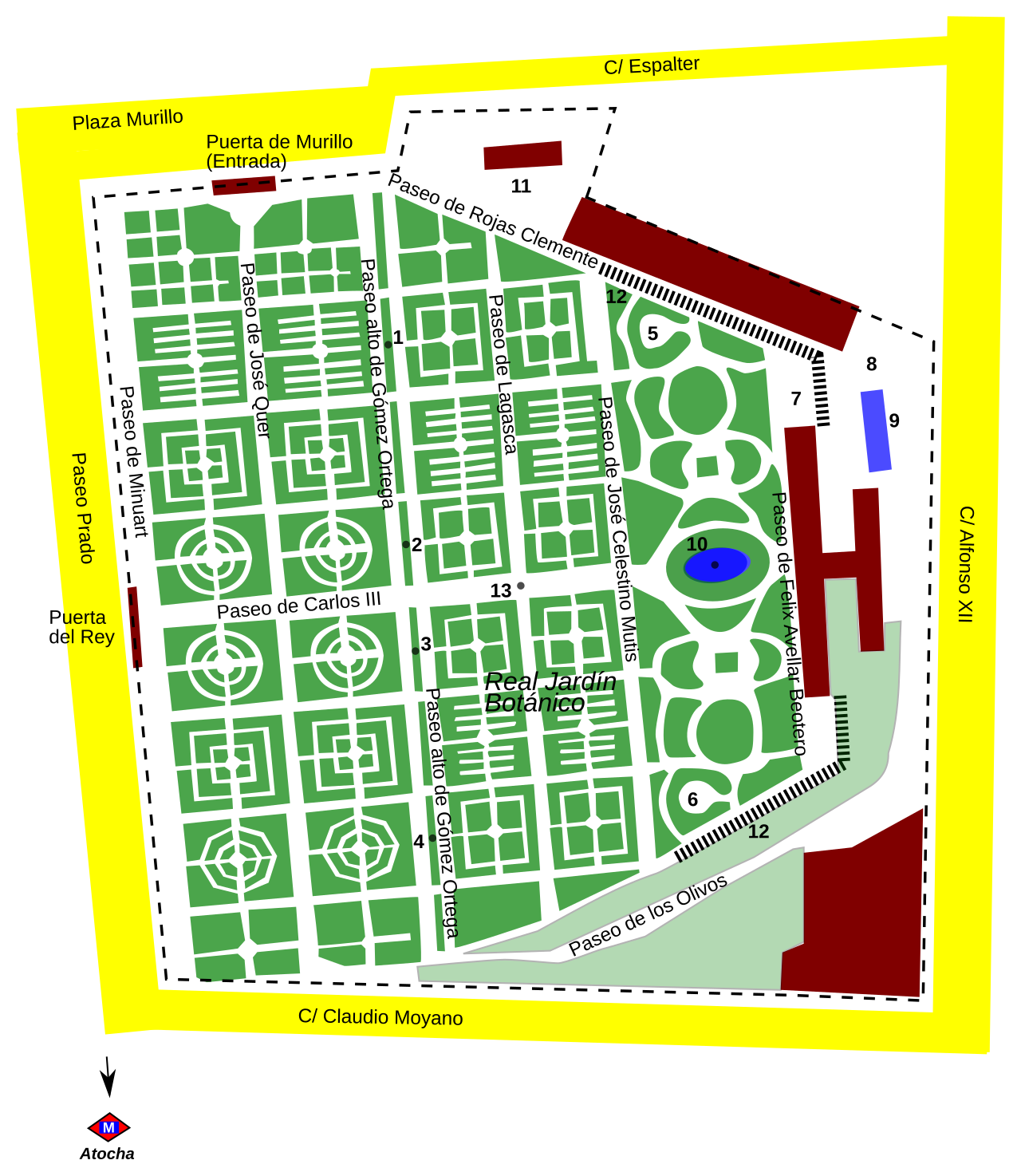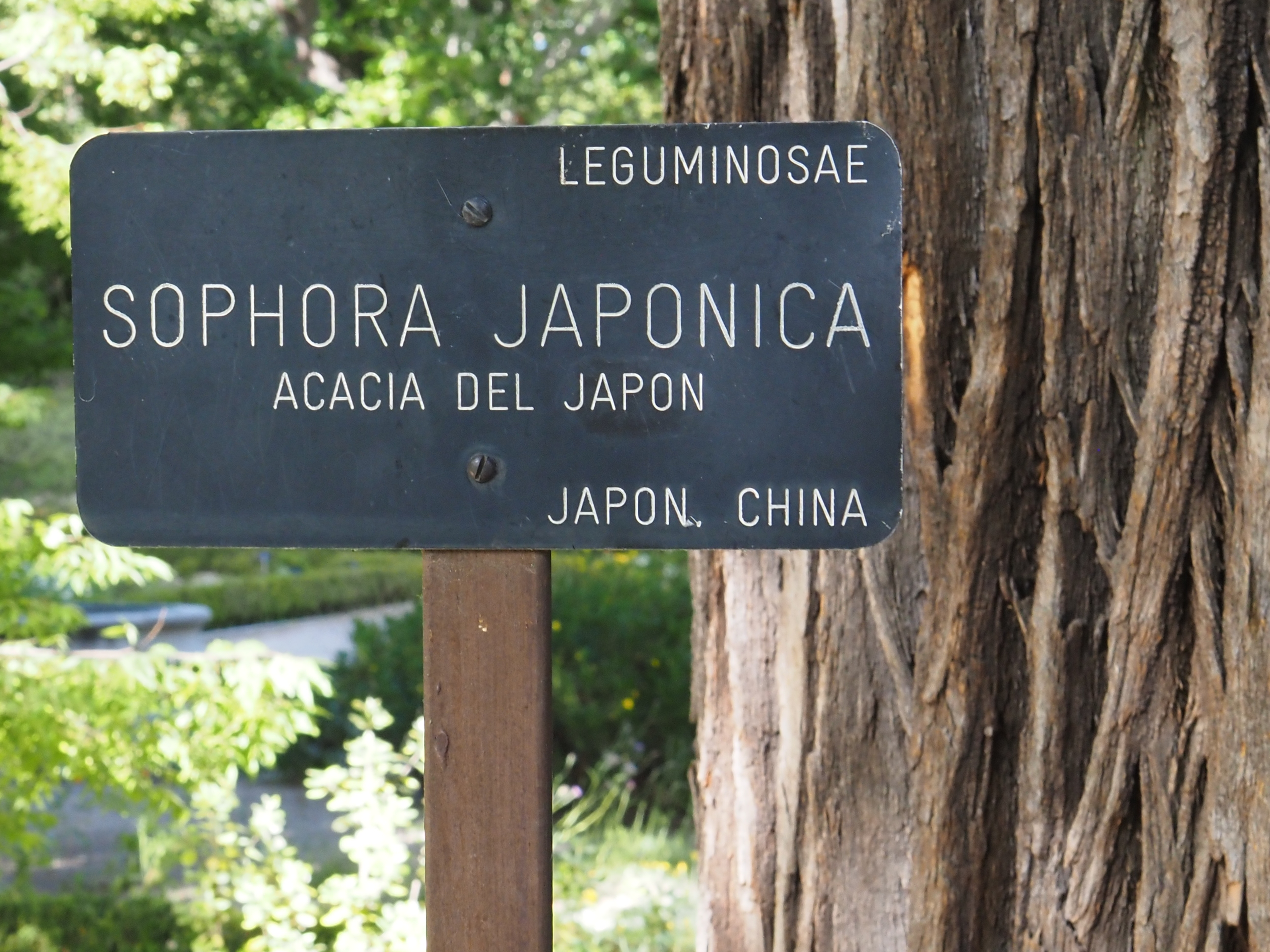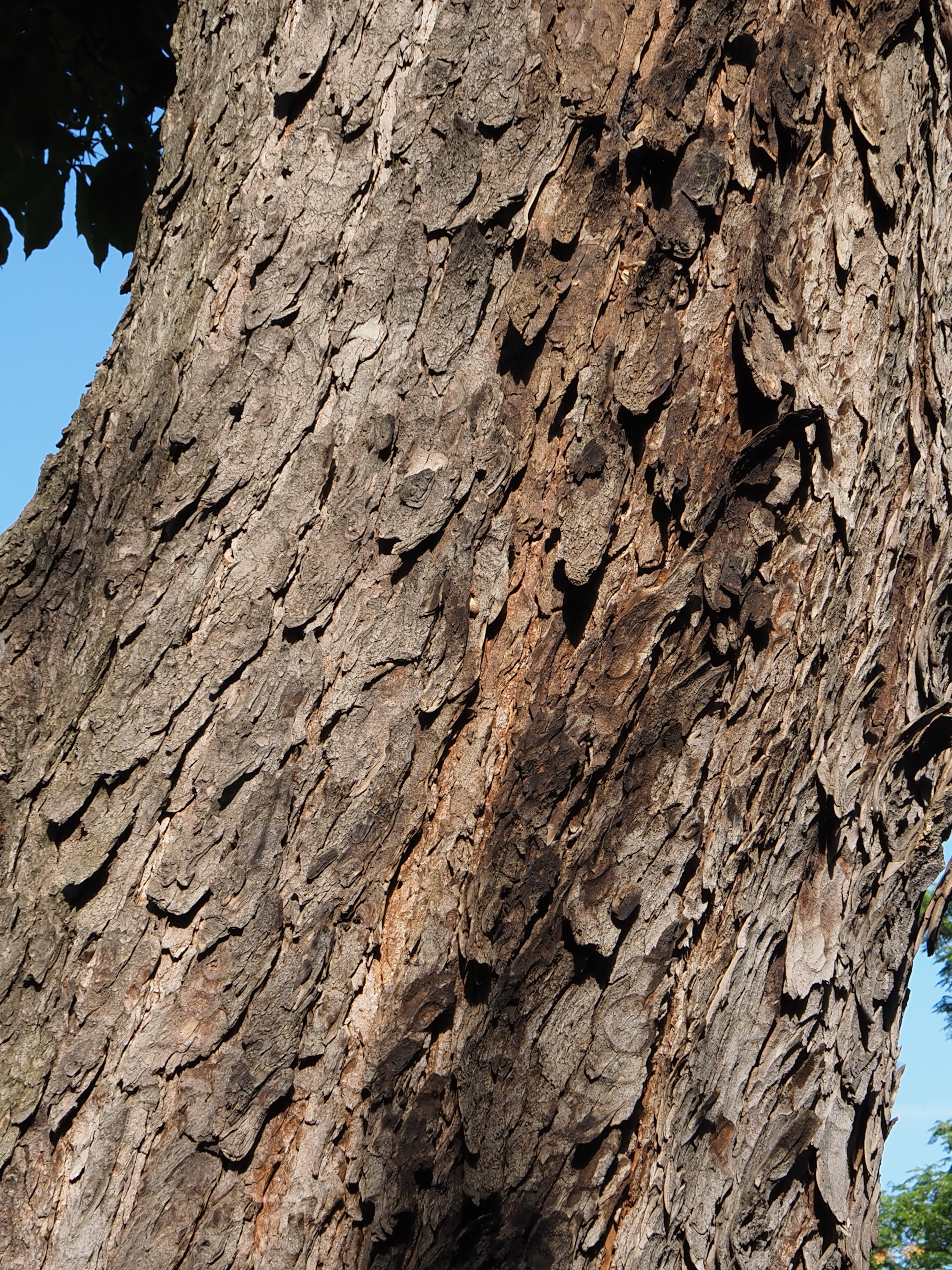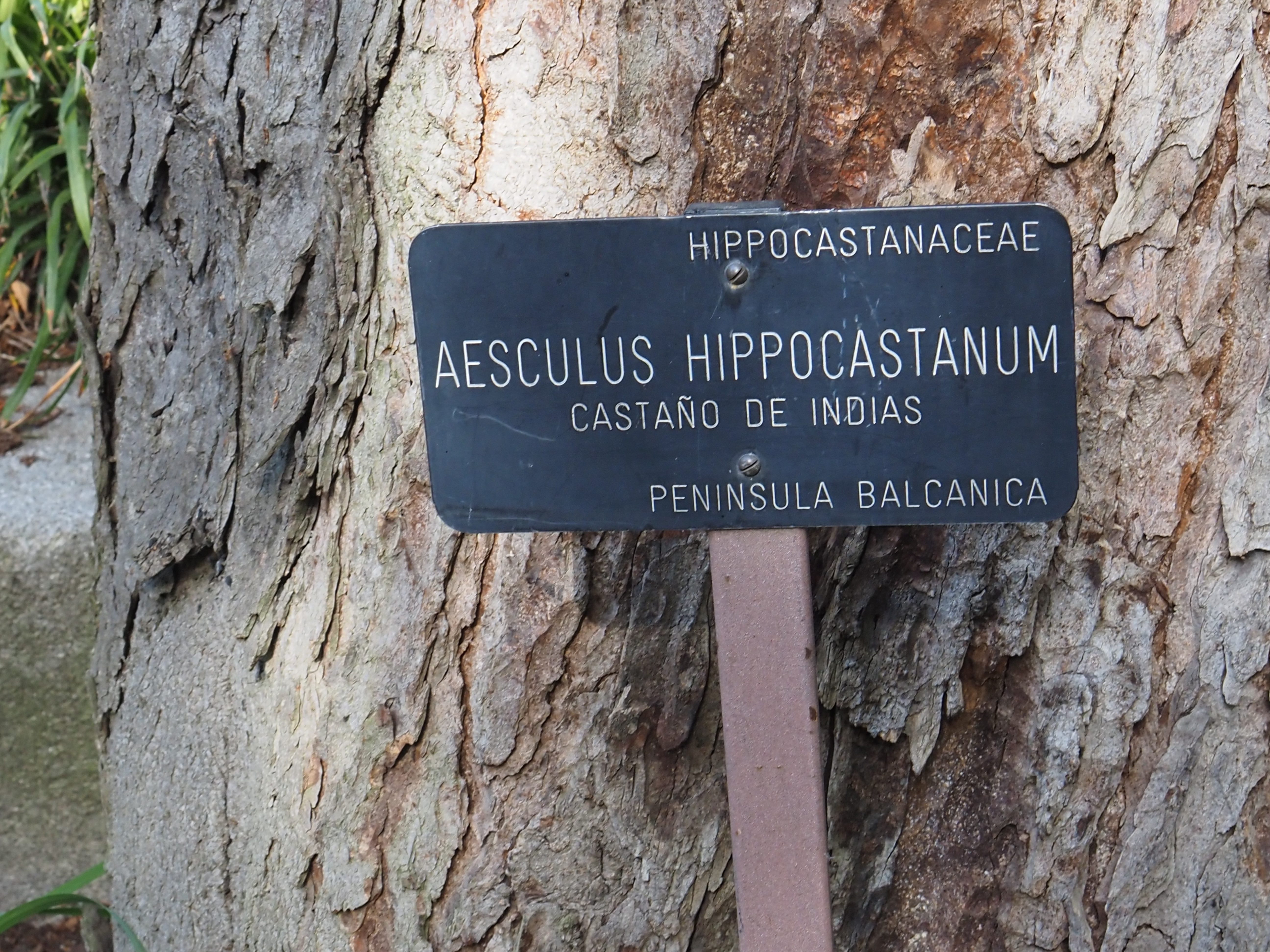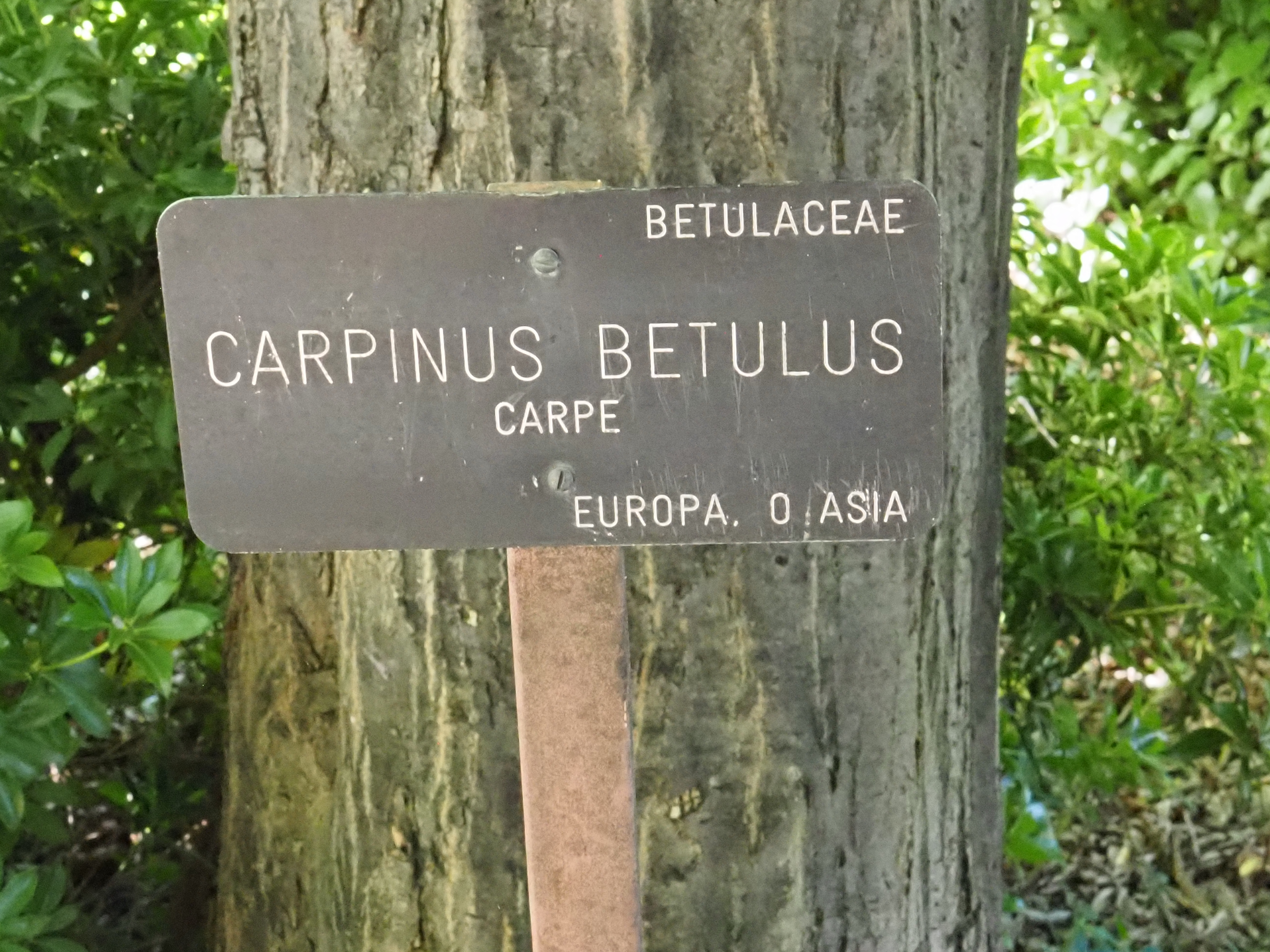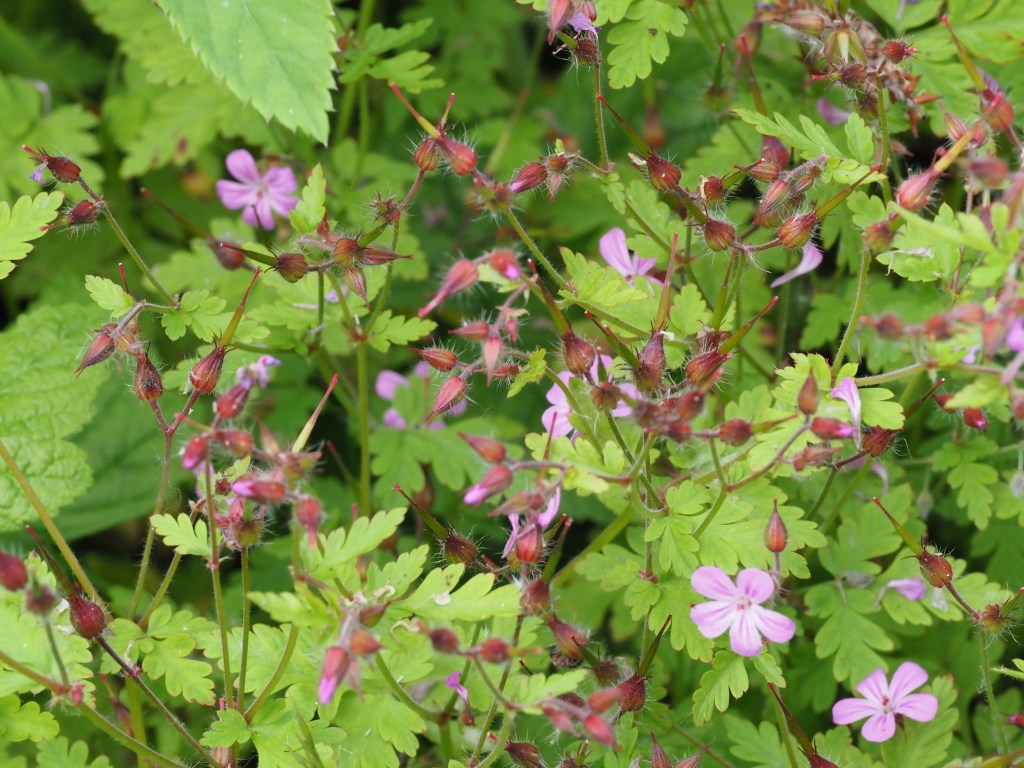
I went to Madrid this year, partly to visit these gardens which I had read about but never visited on previous trips to Madrid. The gardens were founded in 1755, by King Ferdinand VI, and moved to their current location in the centre of Madrid in 1781 by King Charles III of Spain.
The Royal Botanical Gardens of Madrid (Real Jardín Botánico de Madrid) is an 8 hectares (20 acres) botanical garden sited next to the Prado Museum.
There are said to be more than 5,000 species and cultivars of plants from different continents in the gardens, many collected on scientific expeditions carried out in the 18th and 19th centuries.
It only costs one euro to visit the gardens and I went three times on successive days. Temperatures were high (c. 32-33 deg C), even though it was only May,
The plants are arranged in a grid (see below) .
Royal Botanical Garden of Madrid. Xauxa Håkan Svensson, Public domain, via Wikimedia Commons 1. Statue of José Quer 2. Statue of Simón de Rojas Clemente 3. Statue of Mariano Lagasca 4. Statue of Antonio José Cavanilles 5. Monument to Blas de Lázaro 7. Collection of succulent plants 8. Waterwheel Pavilion 9. Pond 10. Statue of Carl Linnaeus 11. Small Garden 12. Wrought iron trellis from 1786 13. Statue of Charles III

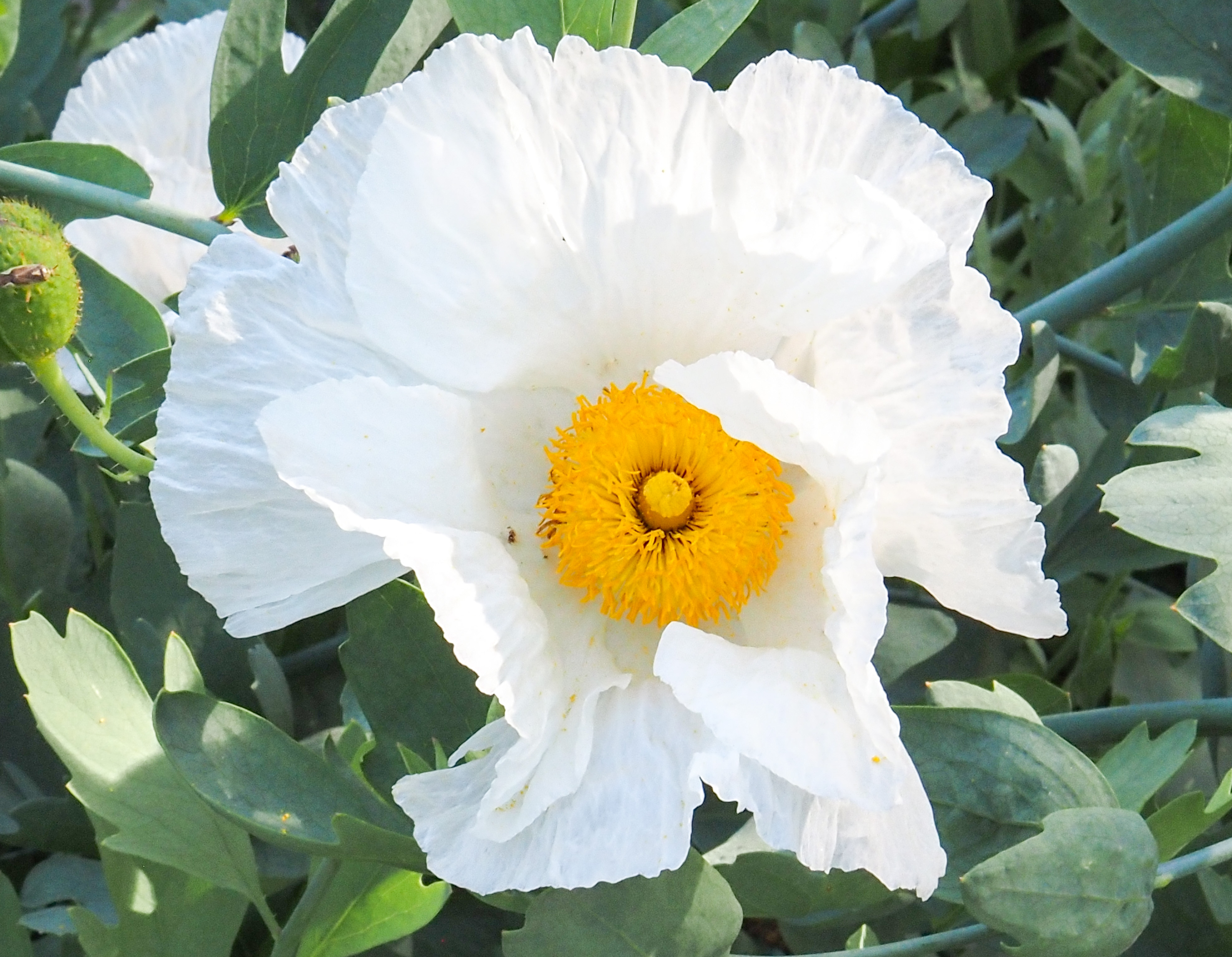
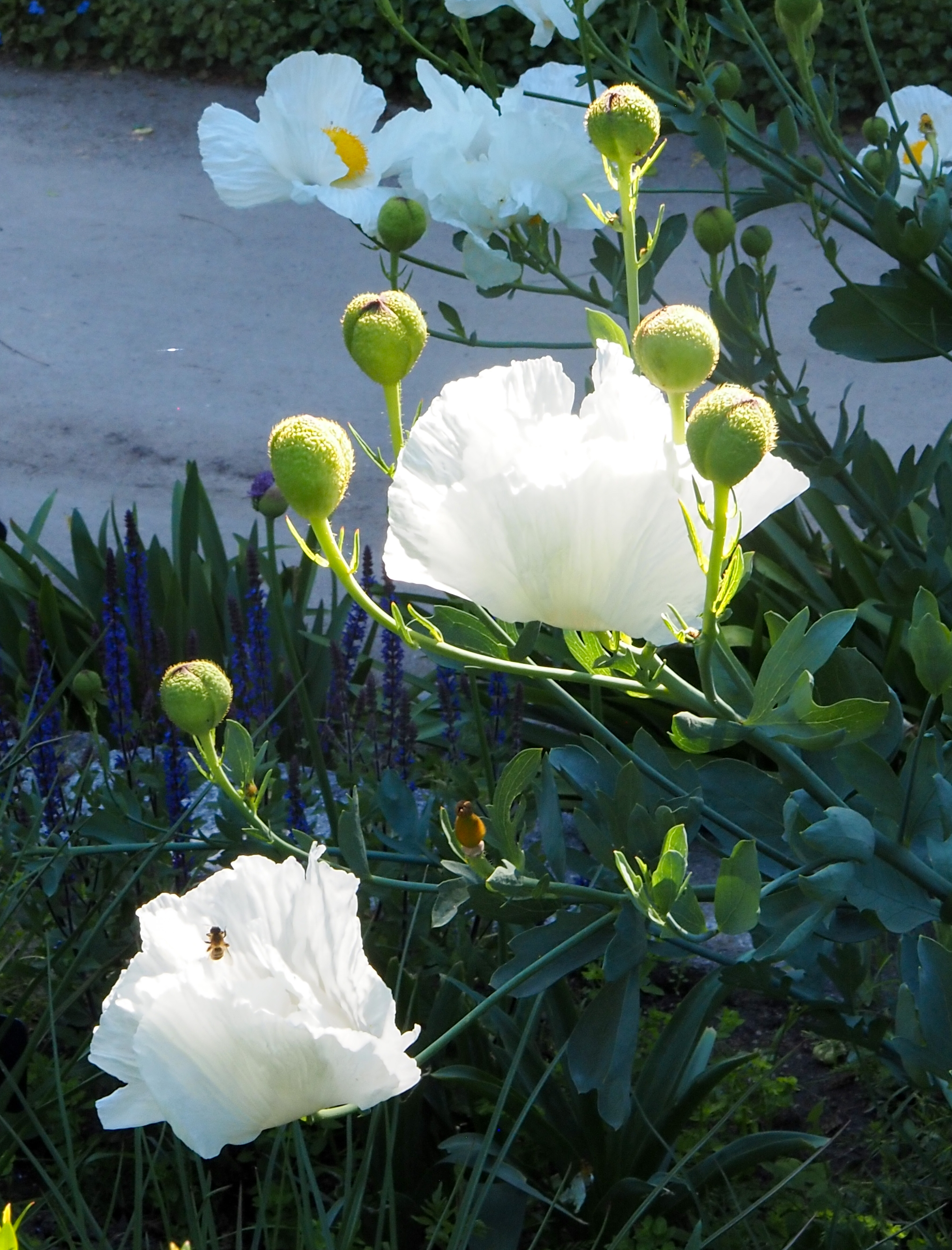
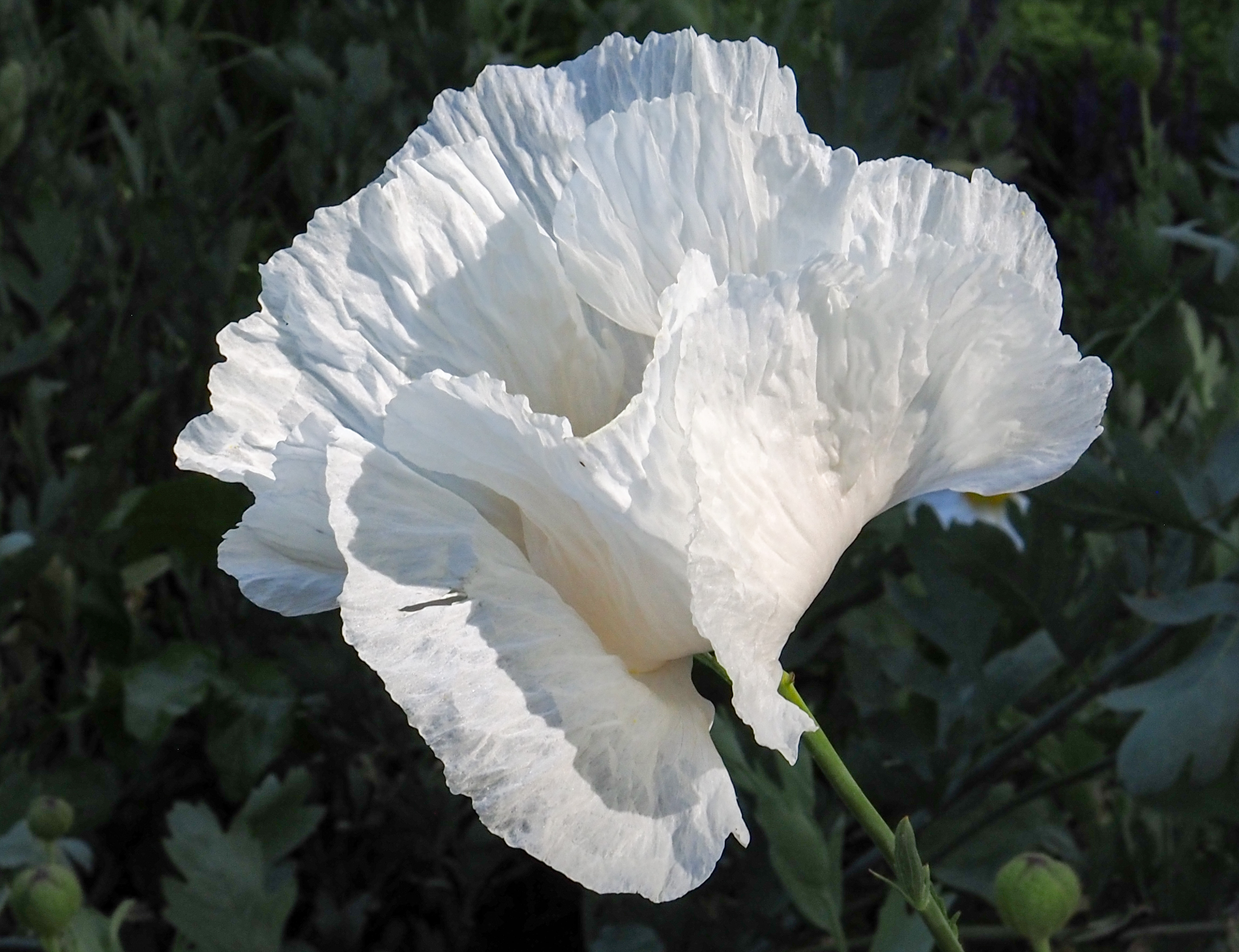
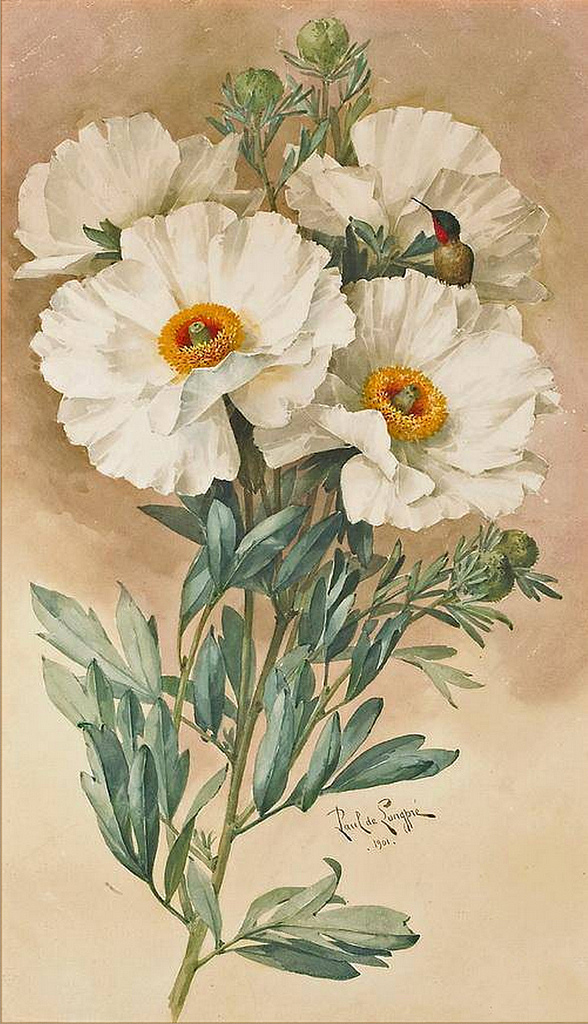
I wandered around taking pictures of flowers and insects that caught my attention. One particularly beautiful flower, Romneya coulteri, the Coulter’s Matilija poppy or California tree poppy (below), is a perennial species of flowering plant in the family Papaveraceae. It is native to southern California, USA, and Baja California, Mexico, where it grows in dry canyons in chaparral and coastal sage plant communities.
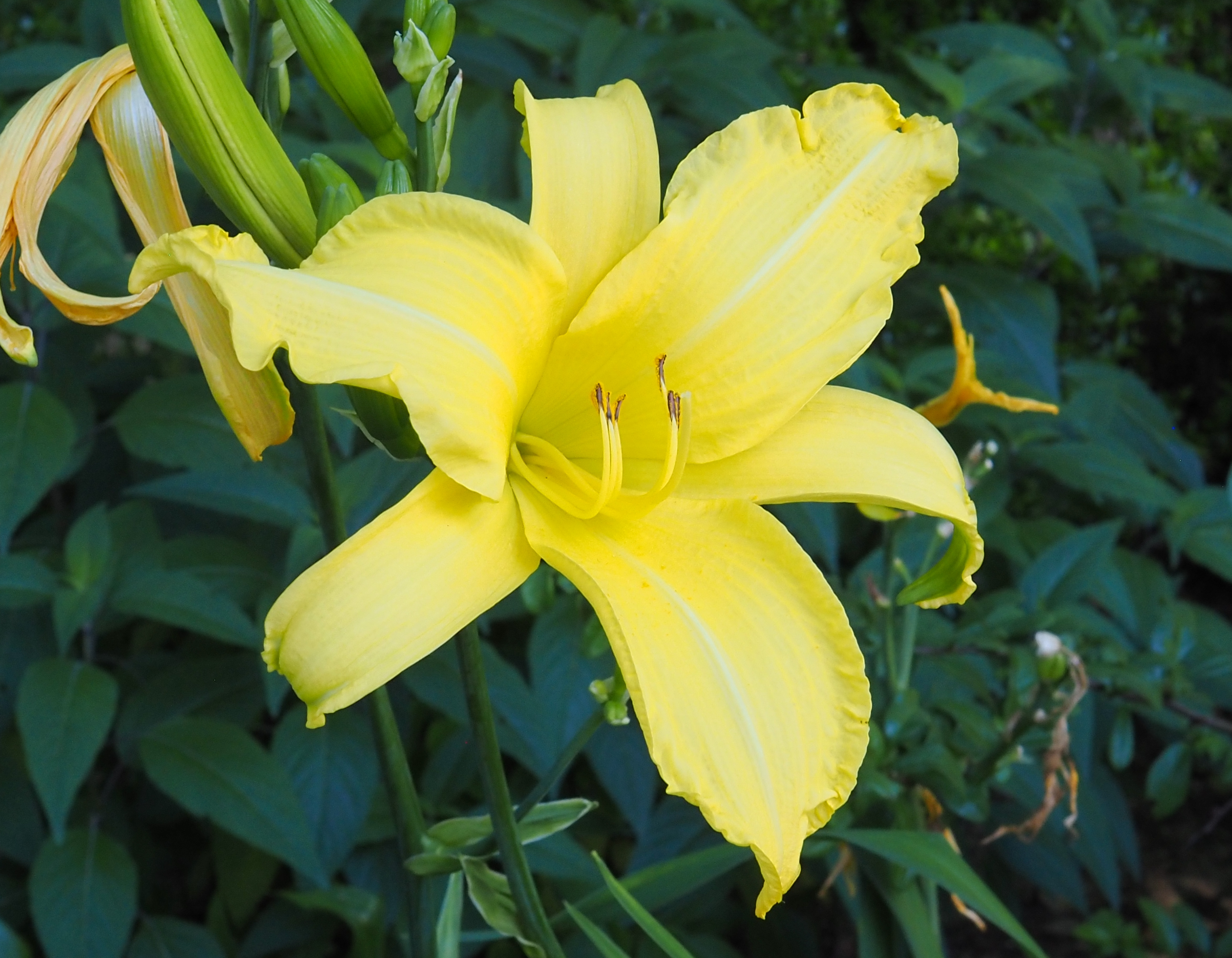
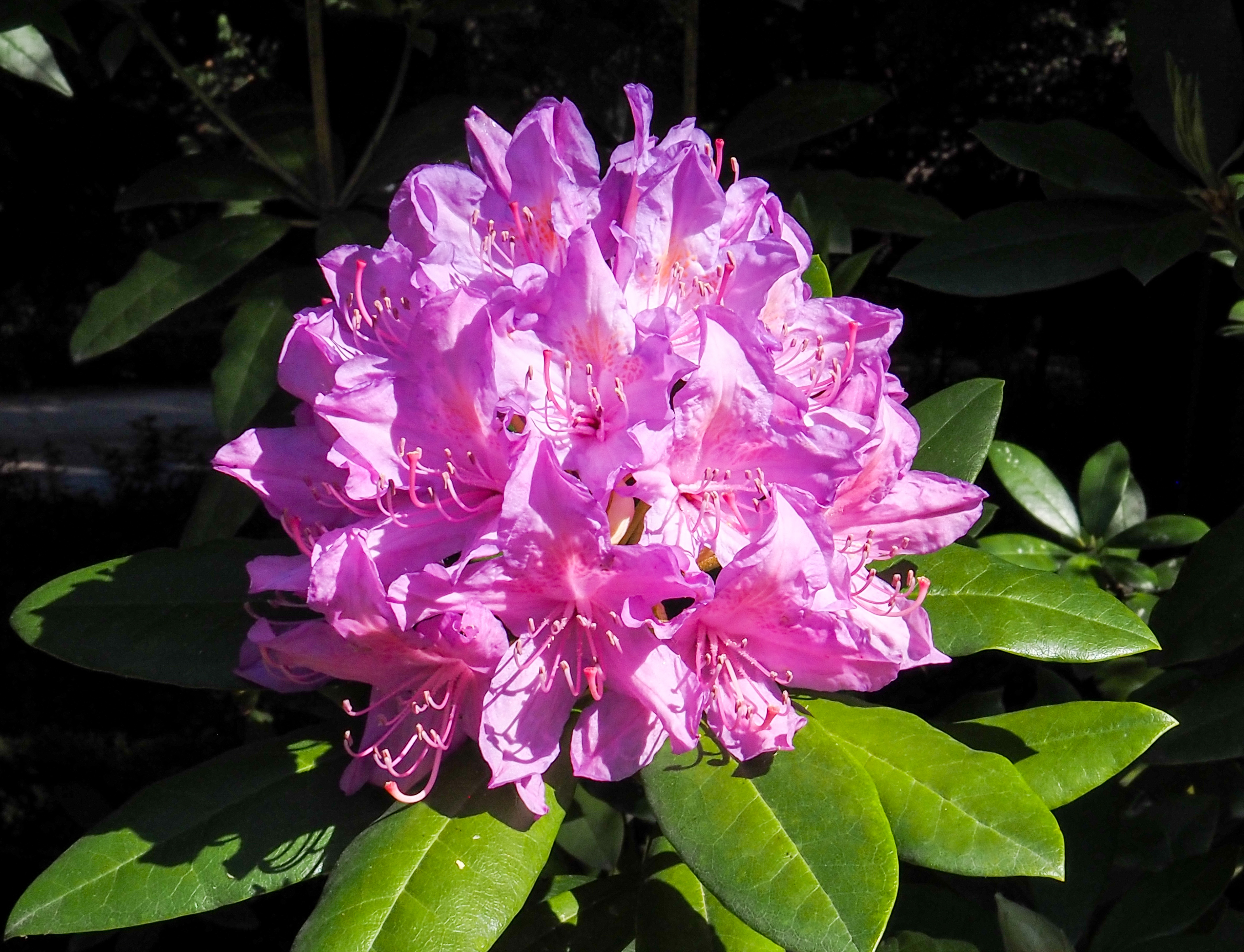
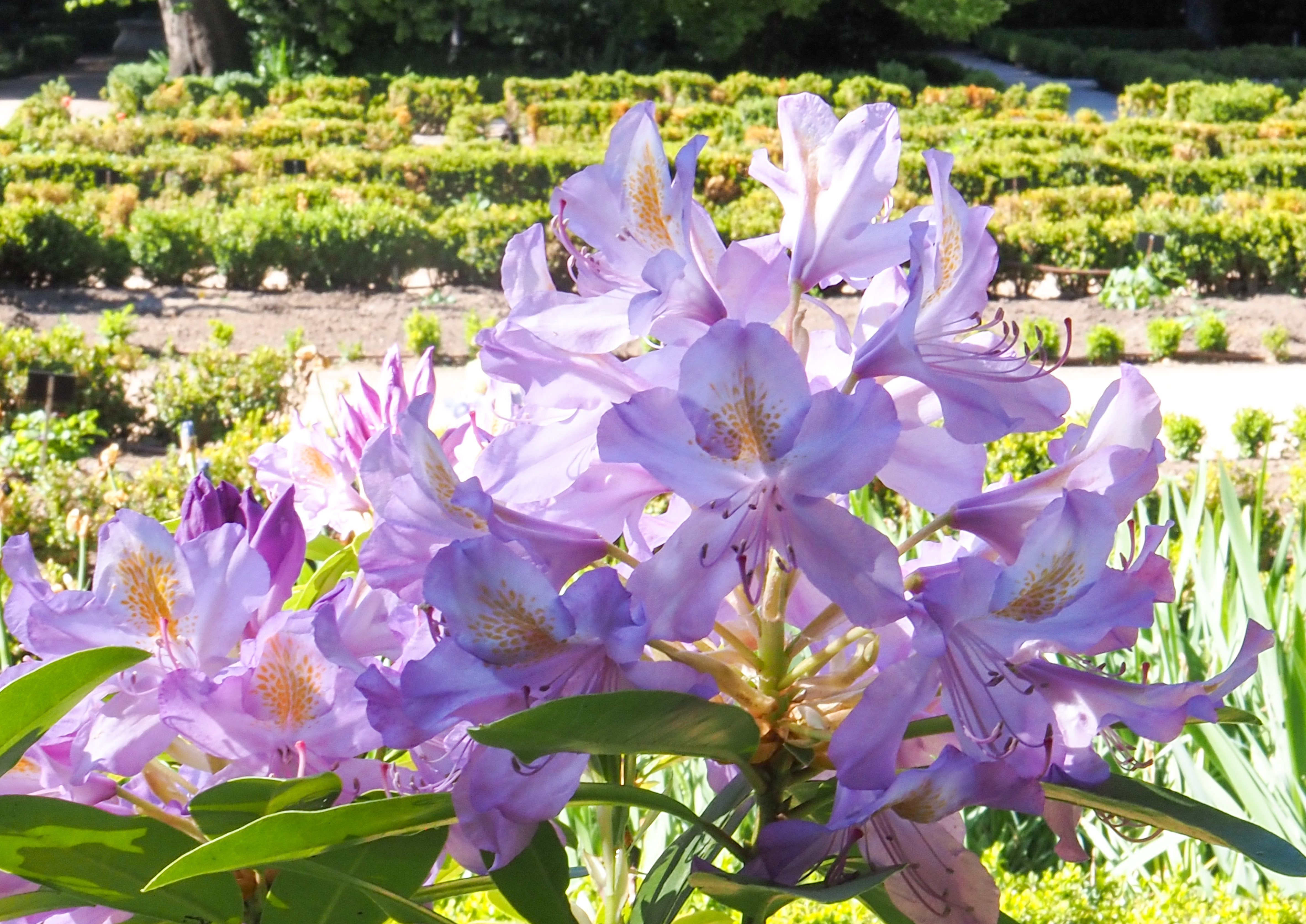
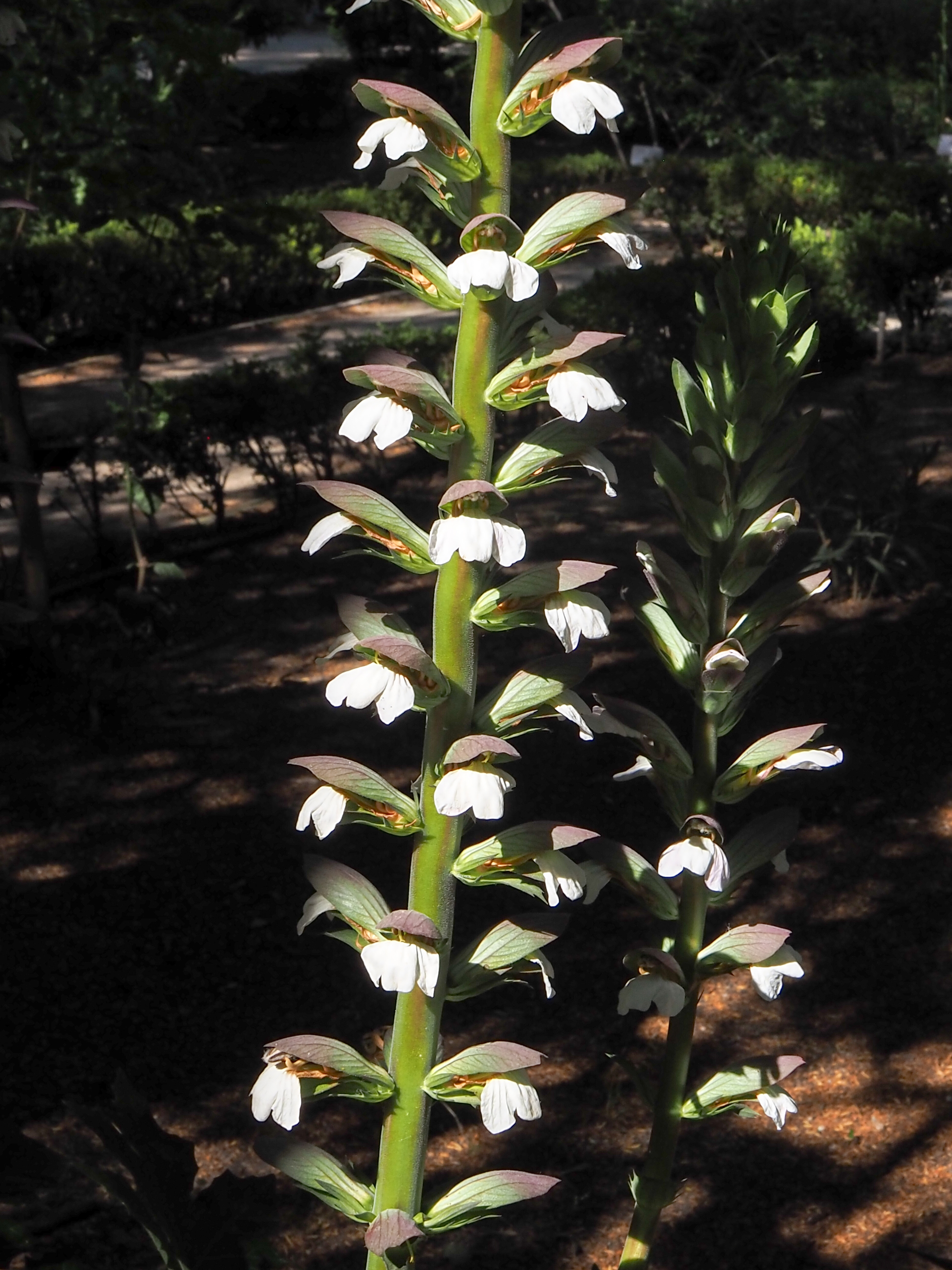
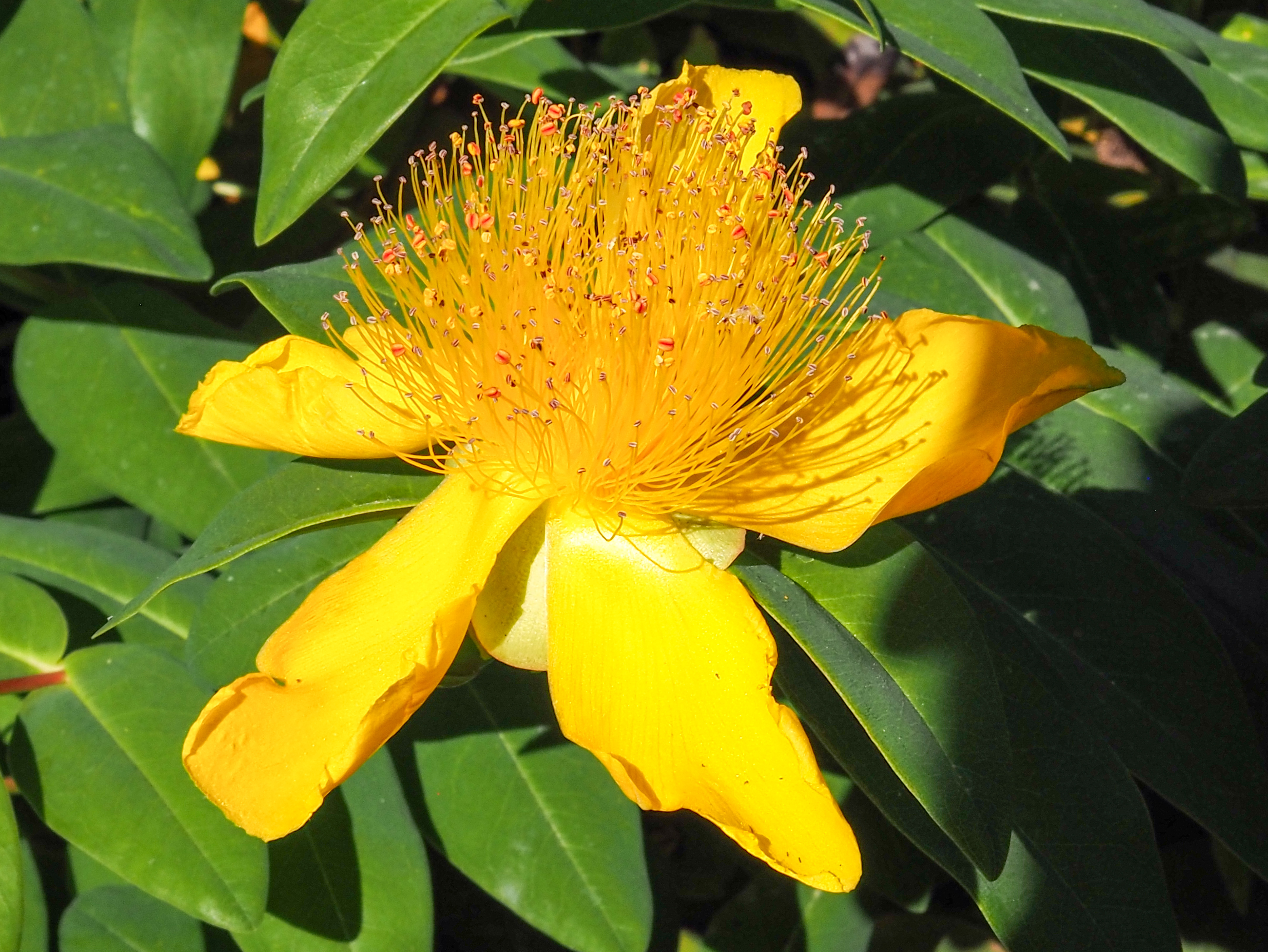
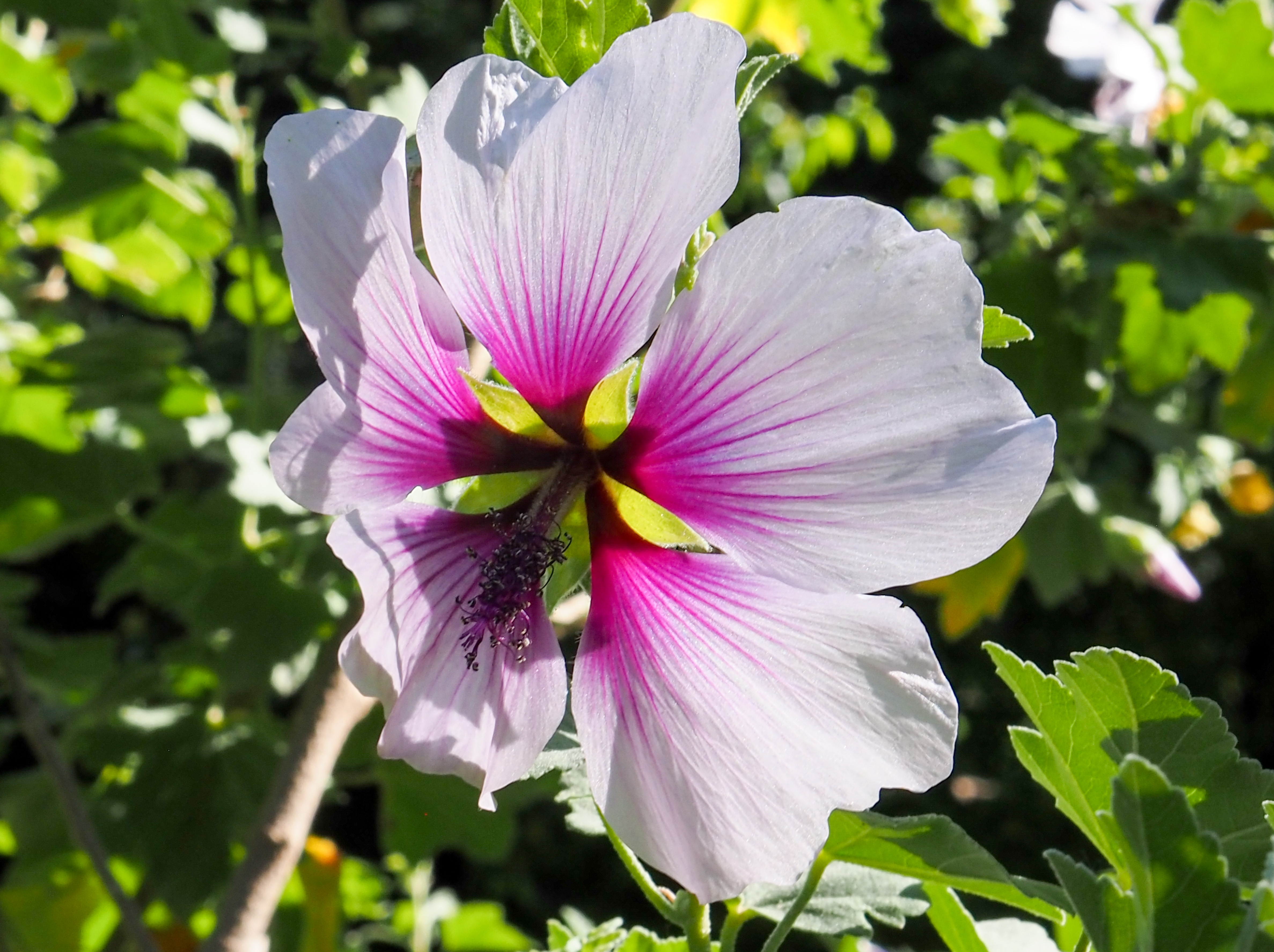
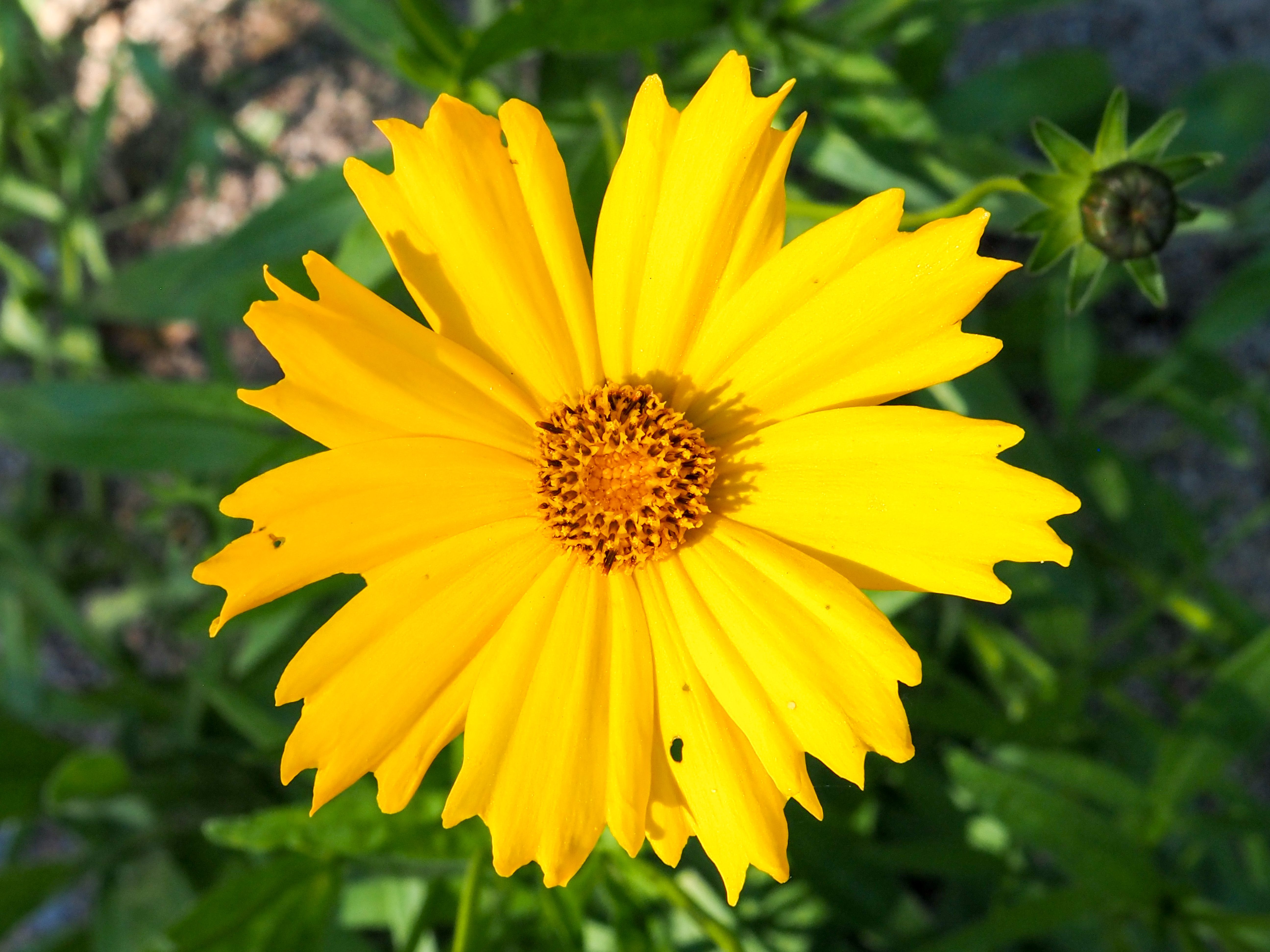
Romneya coulteri the California tree poppy by Paul de Longpré (1855-1911), Public domain, via Wikimedia CommonsLilies, Rhododendrons, Bear’s breeches (Acanthus mollis), Rose-of-Sharon (Hypericum calycinum), Sea Mallow (Lavatera maritima) and Tickseed (Coreopsis sp). Photographs by Raymond J C Cannon
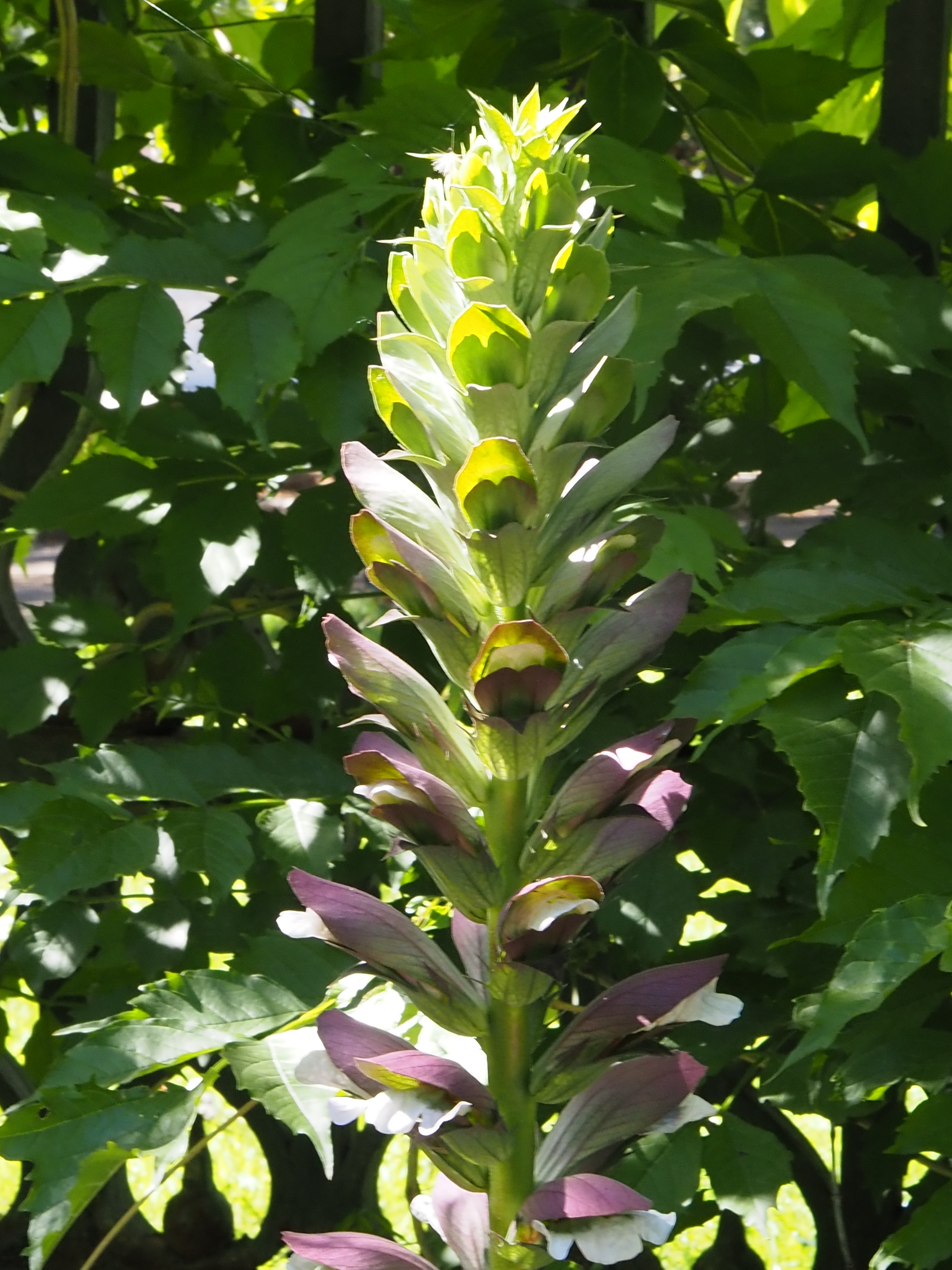
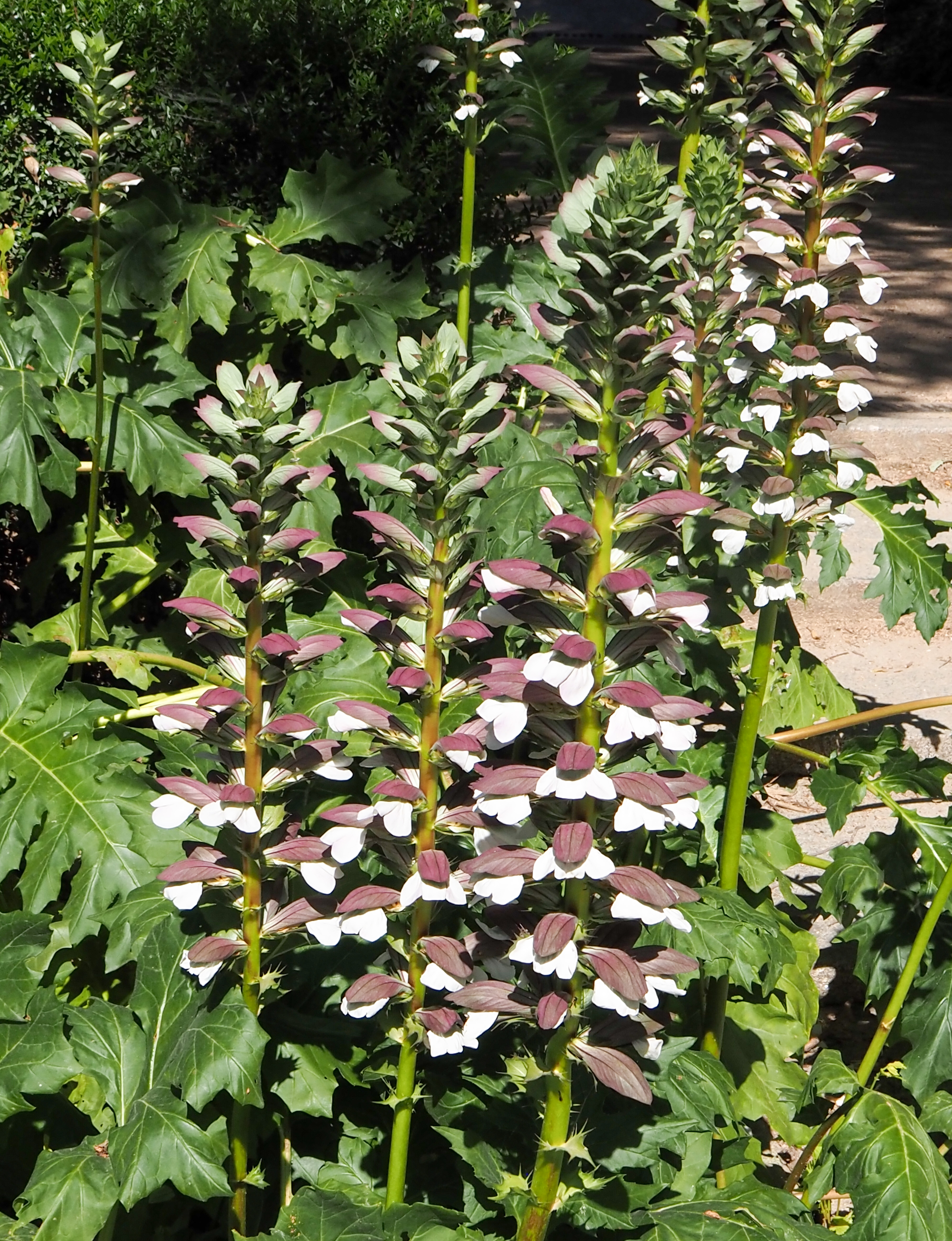
Bear’s breeches (Acanthus mollis). Photographs by Raymond J C Cannon
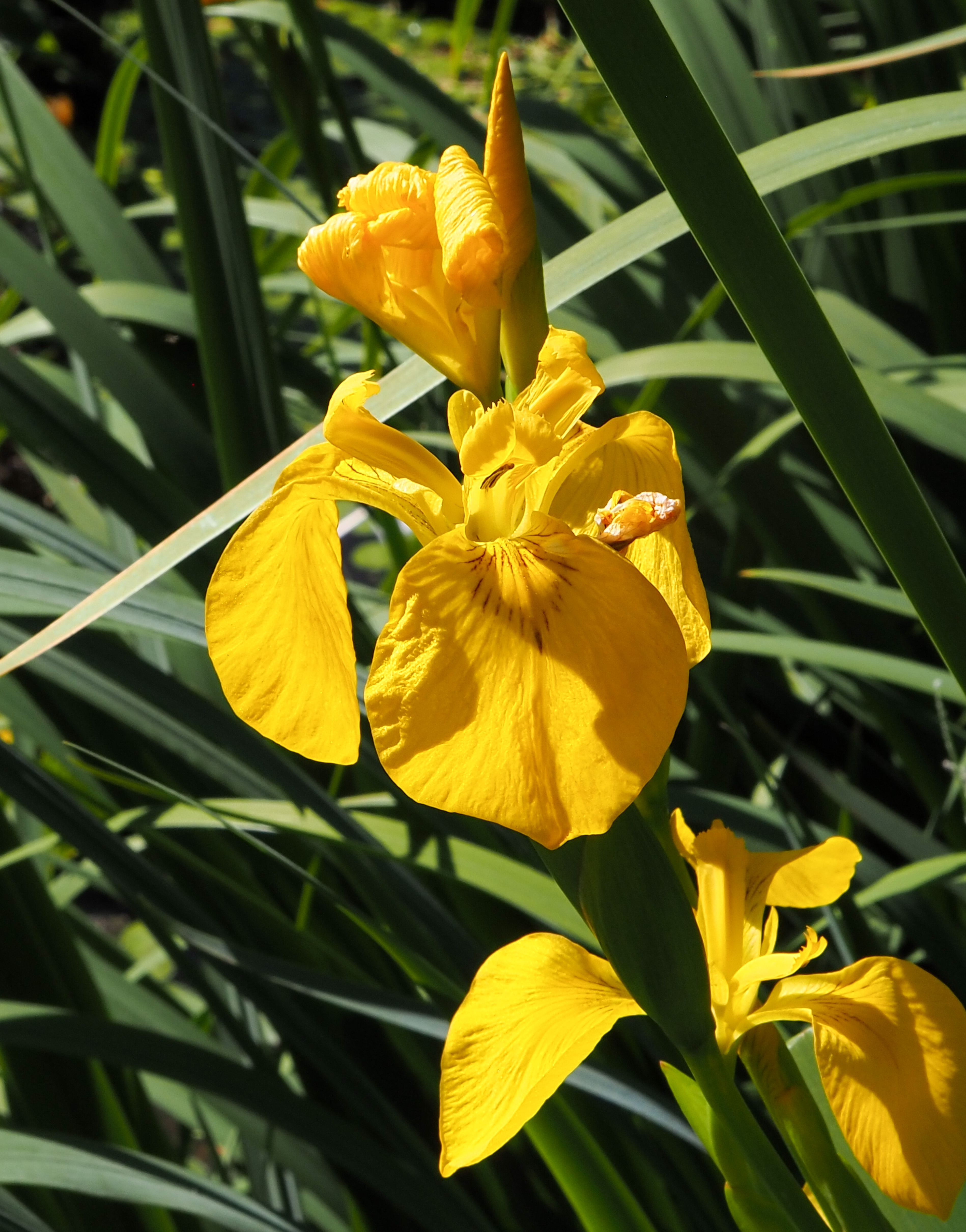
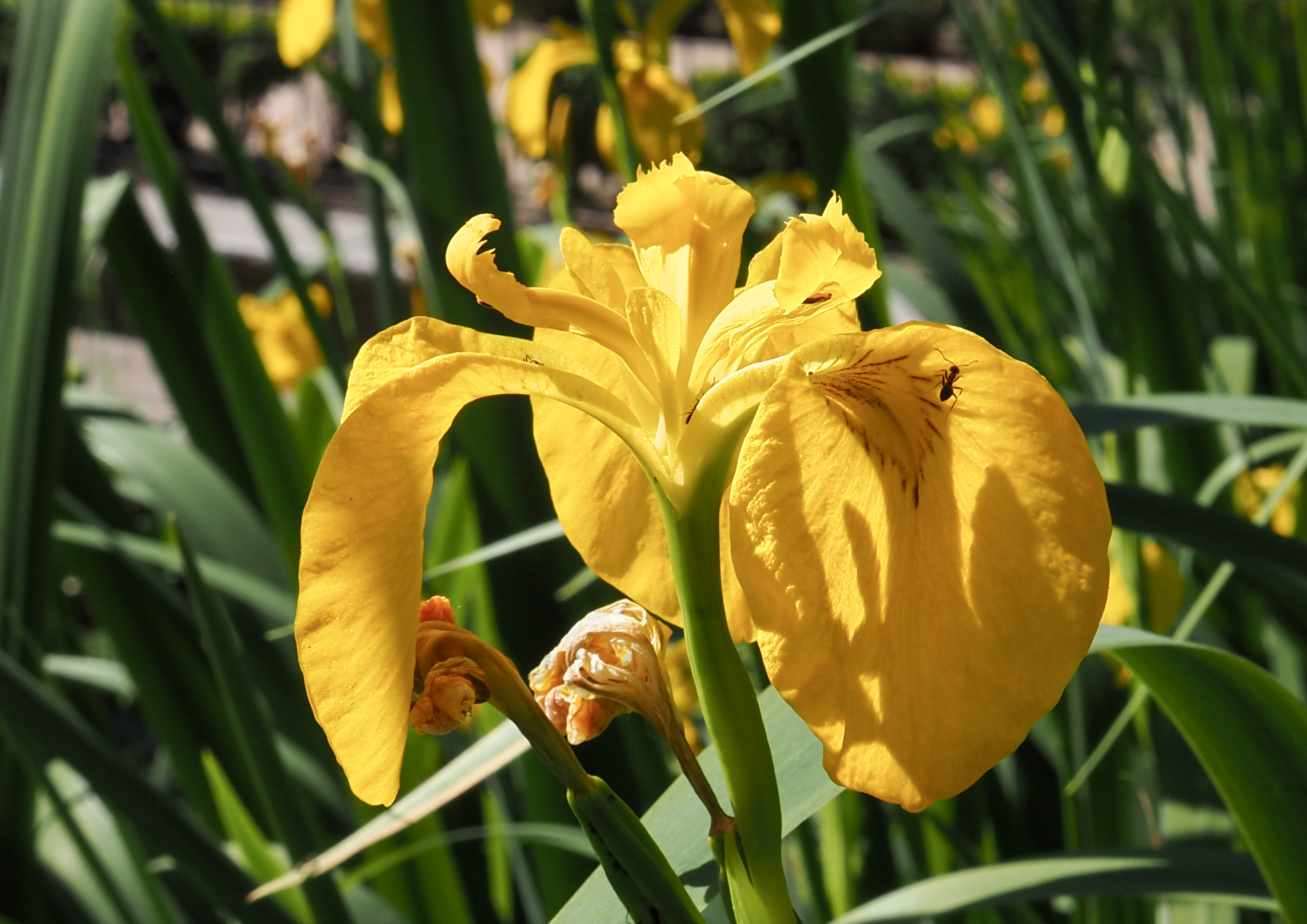
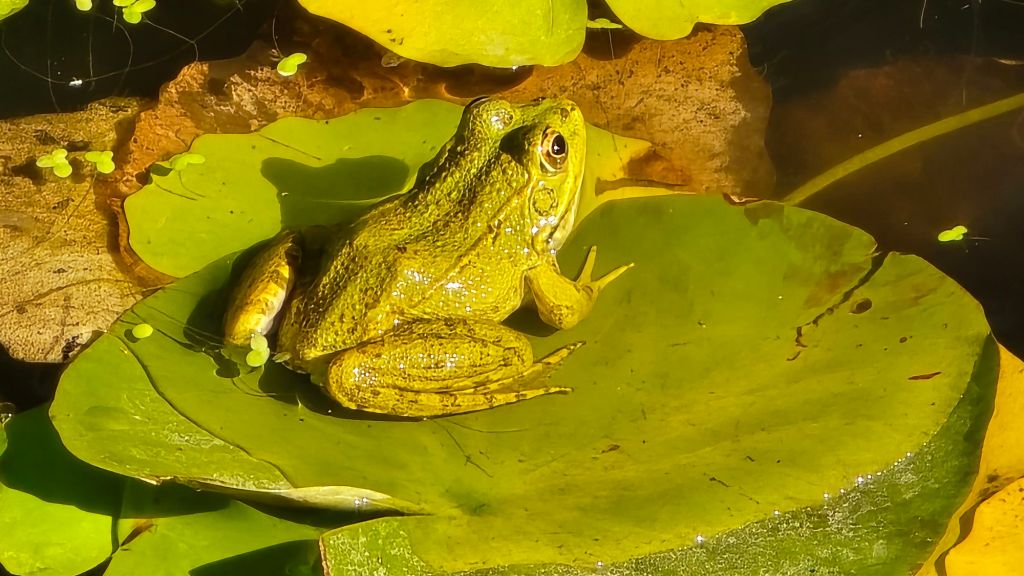
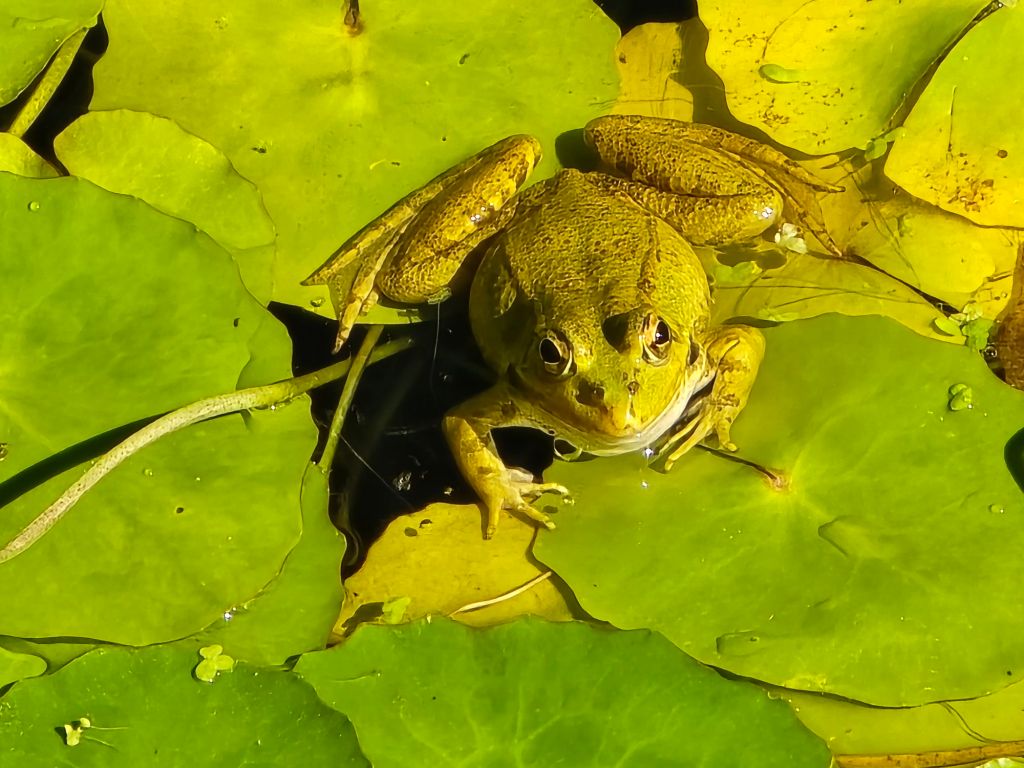
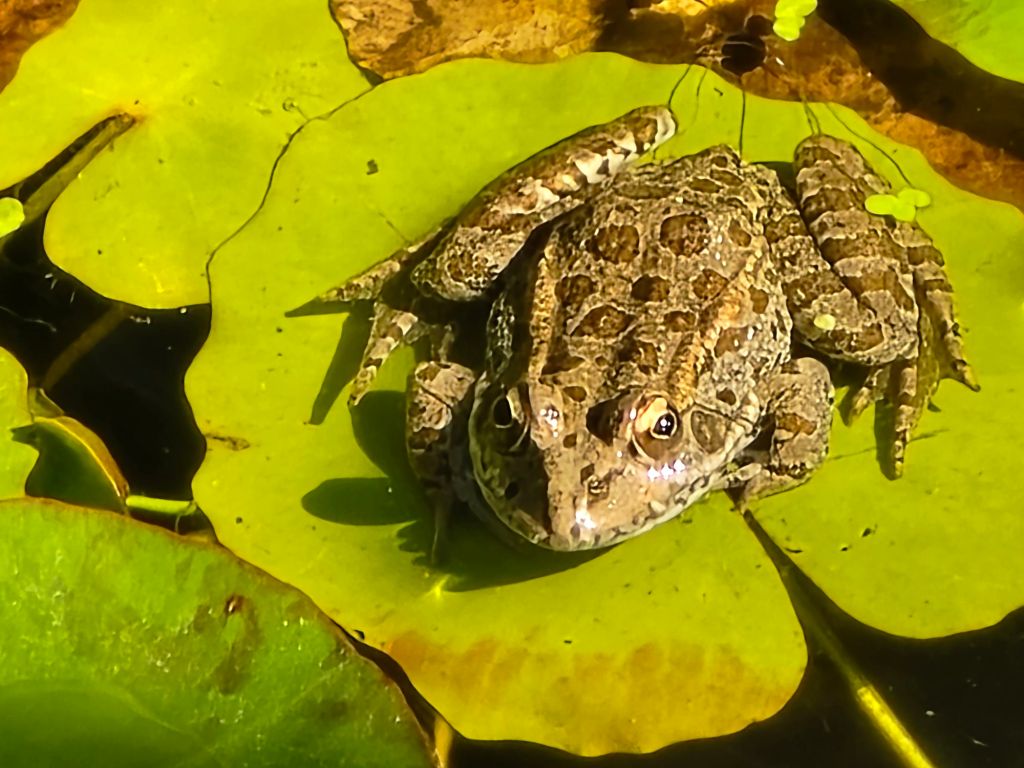
There is a pond containing aquatic plants, including Yellow Flag (Iris pseudacorus) and many frogs!
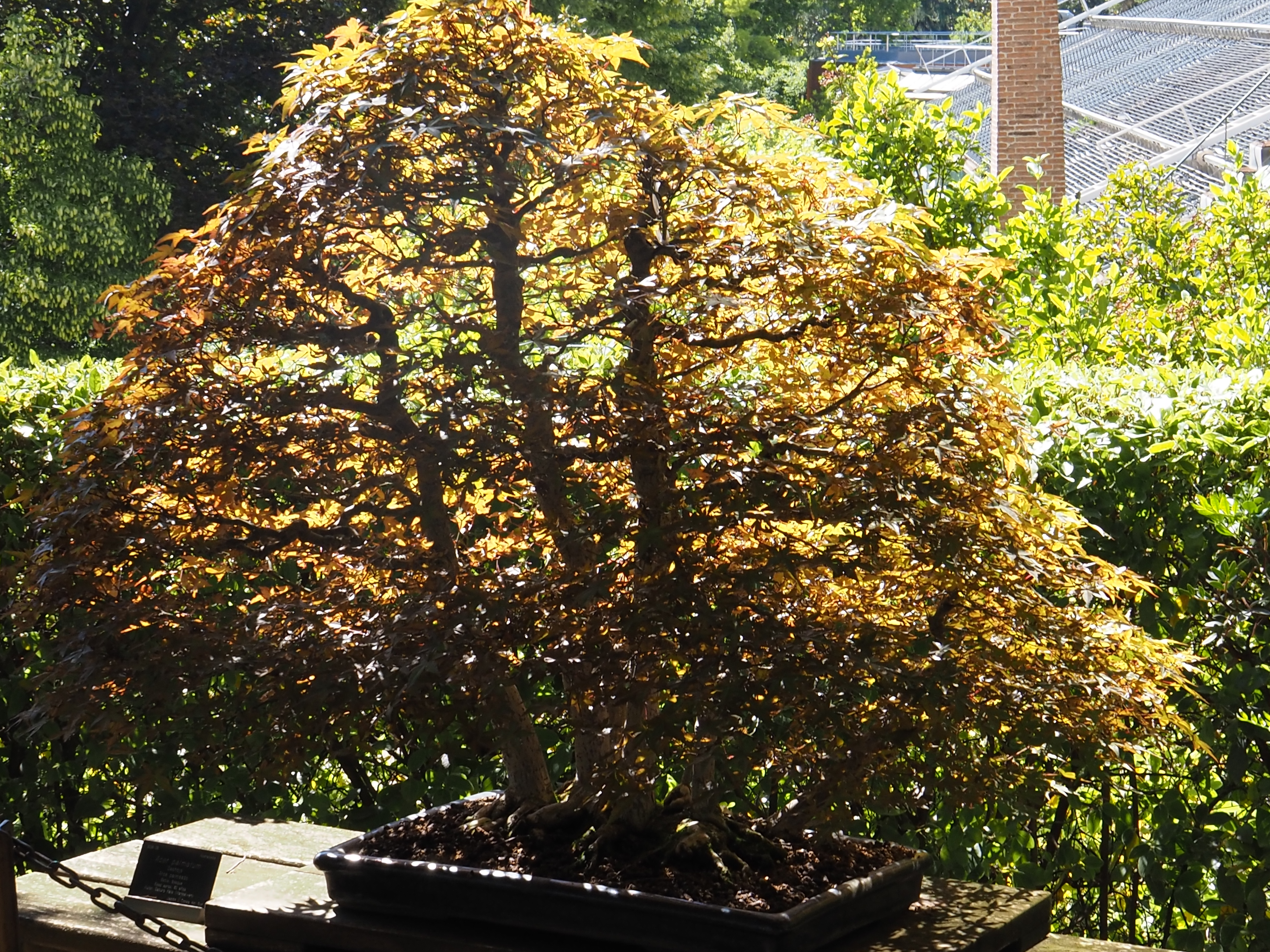
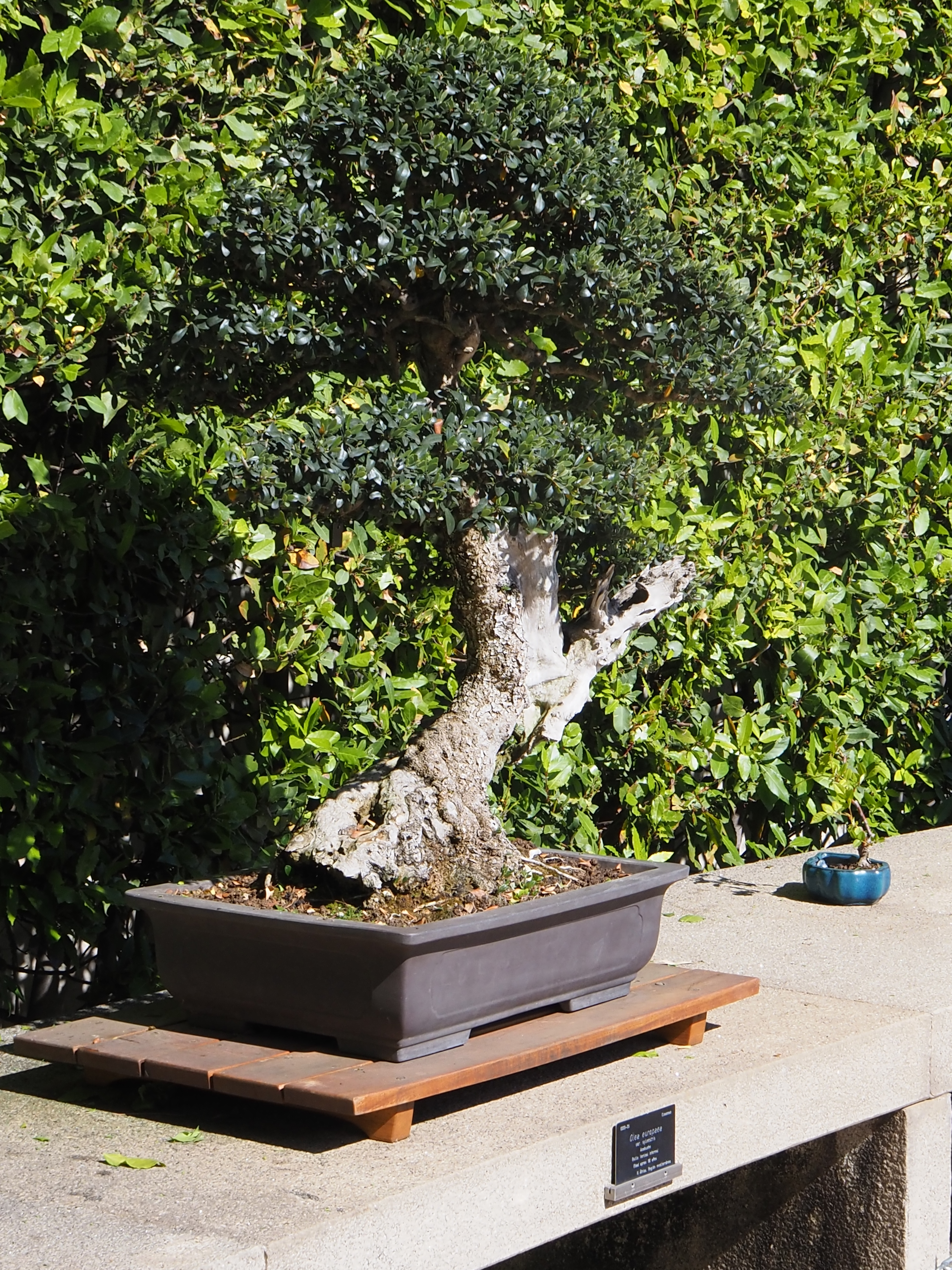
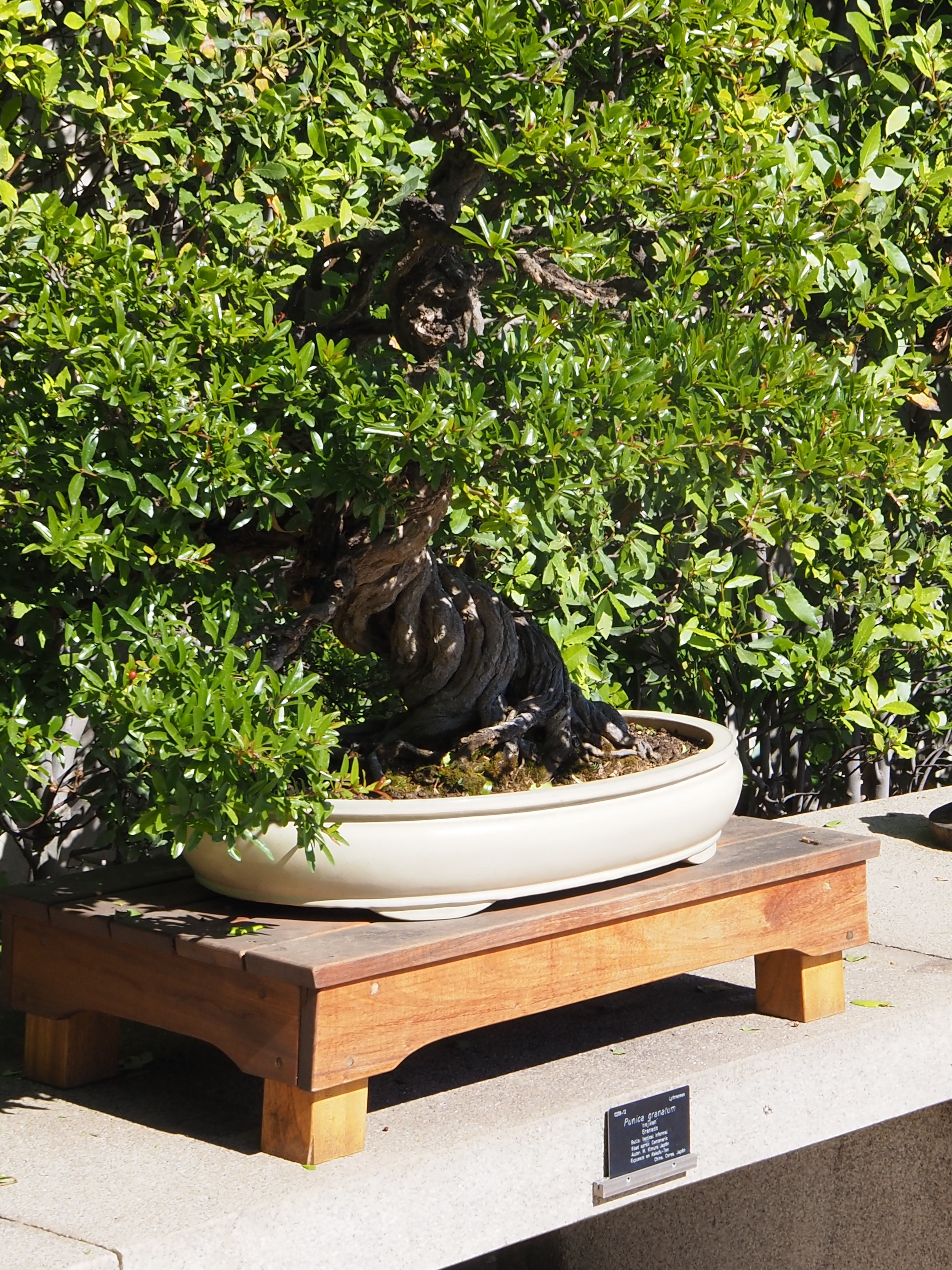
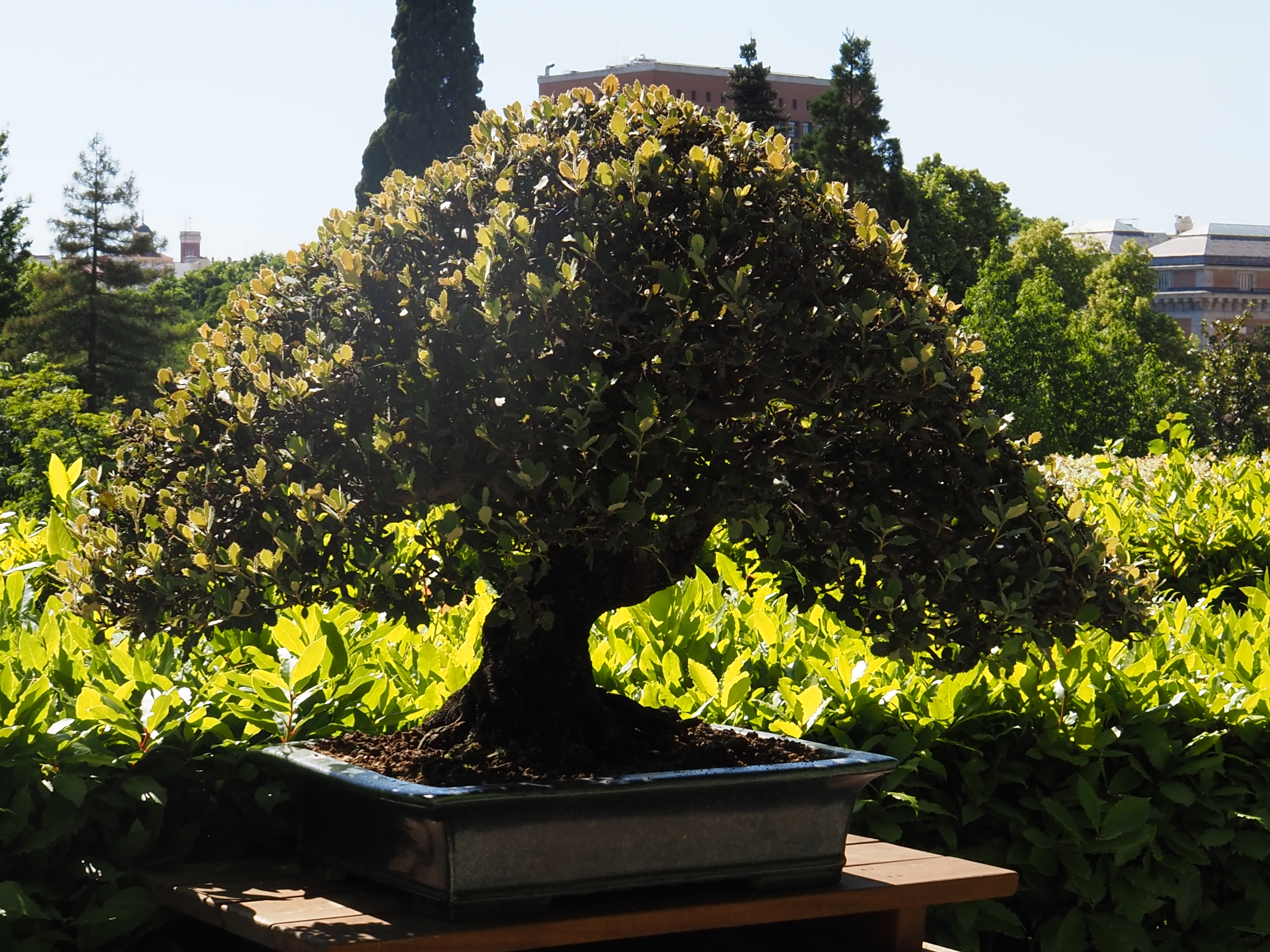
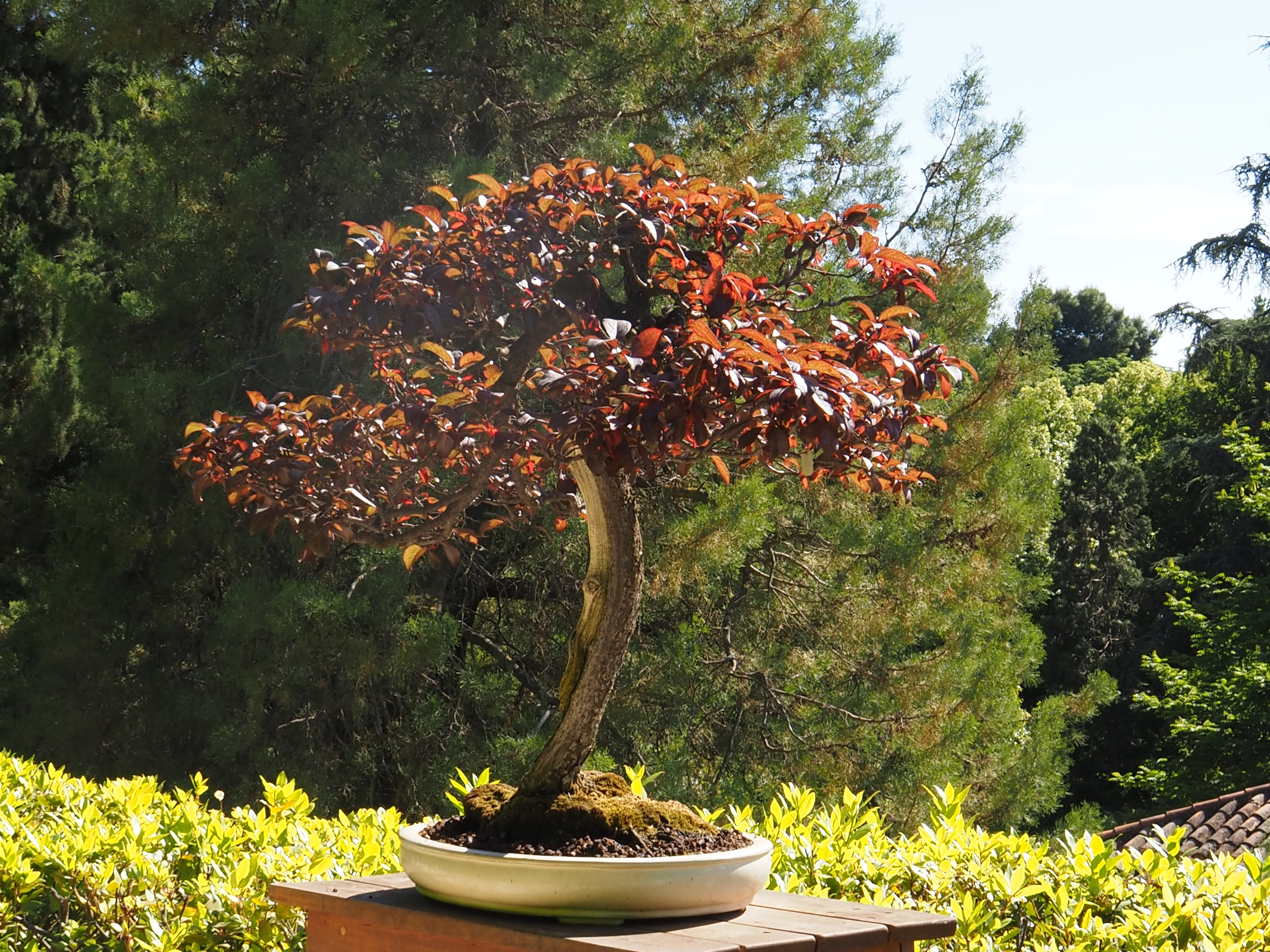
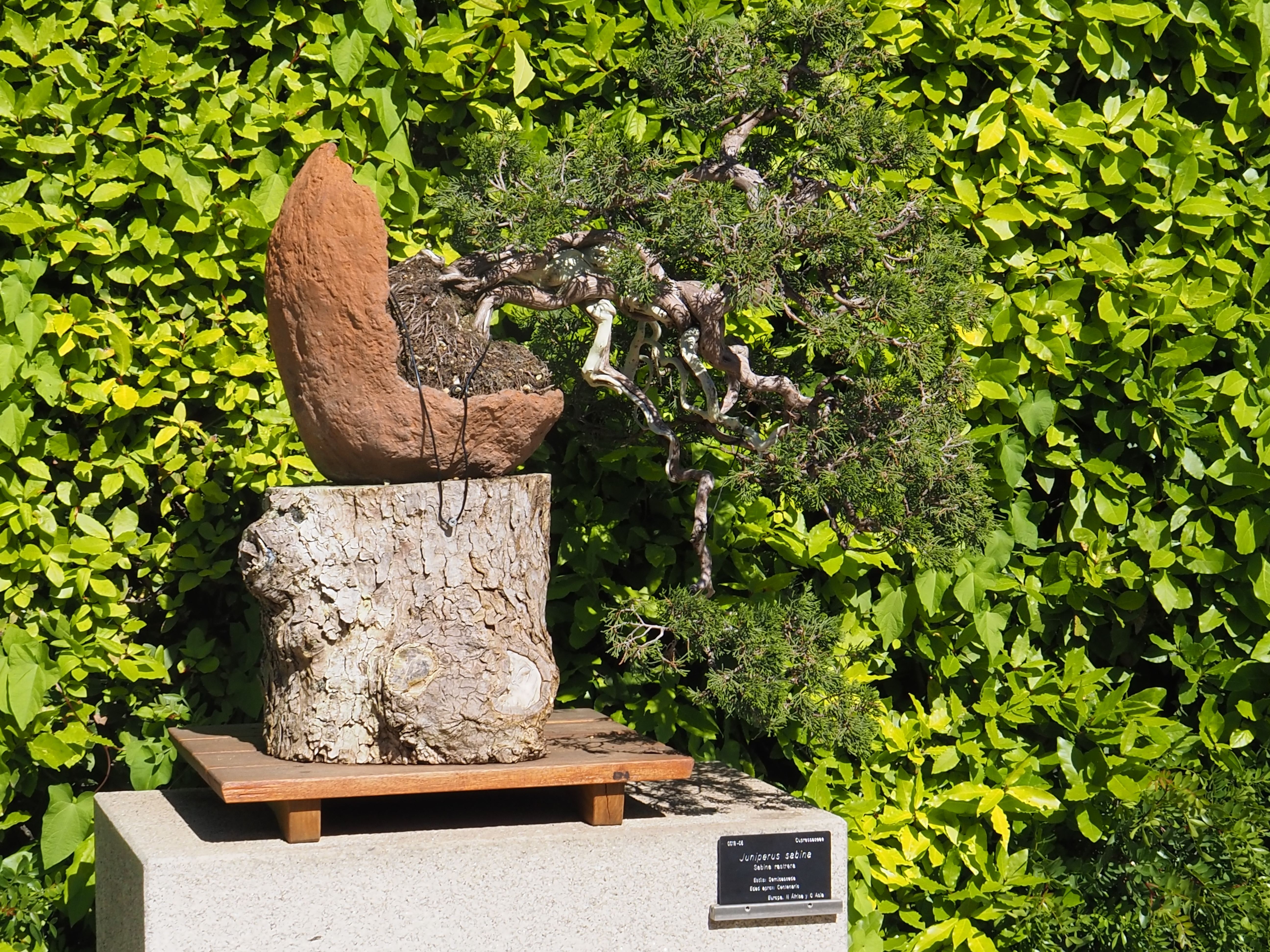
There is a bonsai terrace which was first opened in 2005 and contains some very fine specimens. I recognised some of the tree species, but it was very hot and I did not record the names of each bonsai!
Specimens on the bonsai terrace. Real Jardín Botánico de Madrid
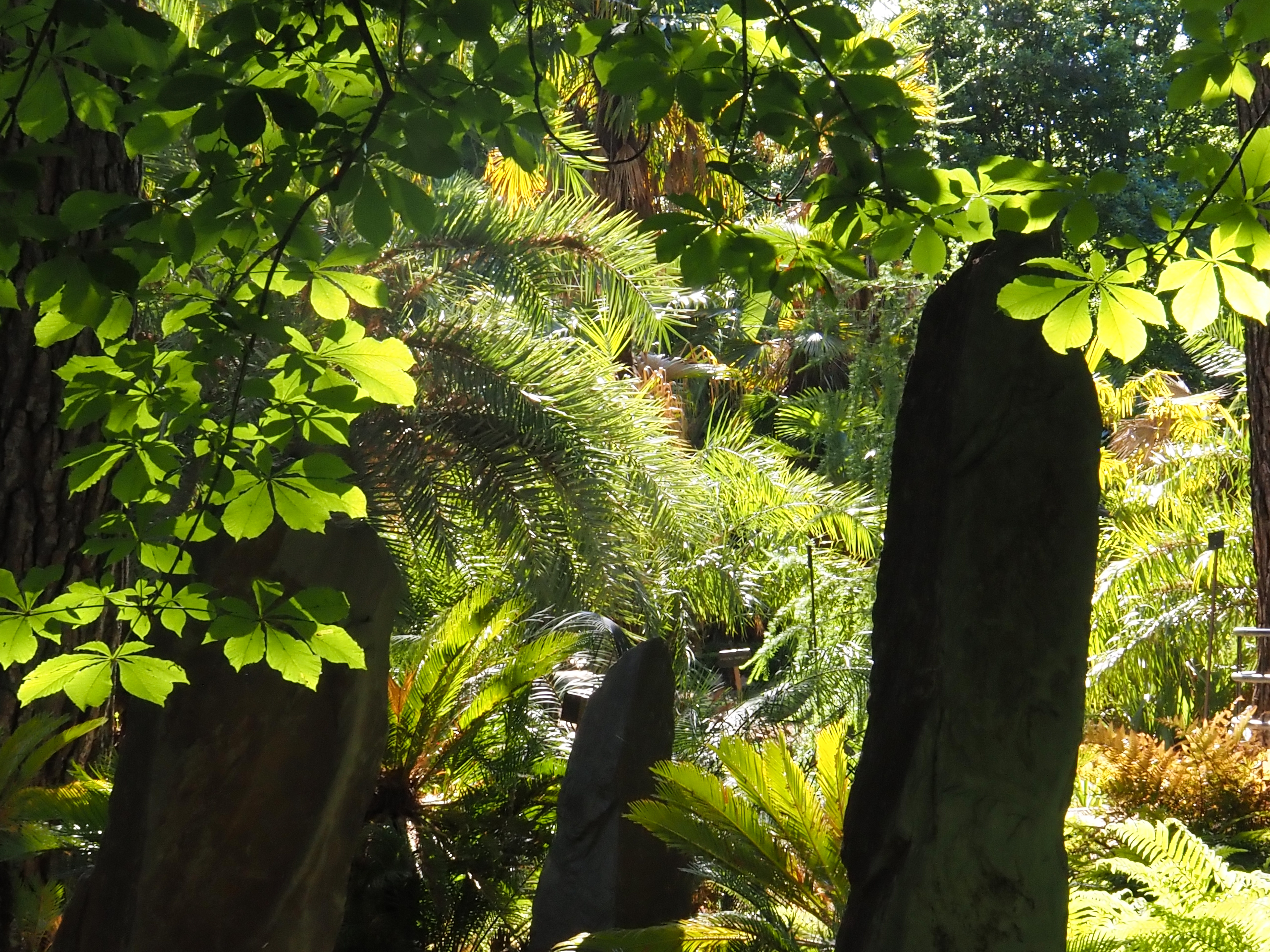
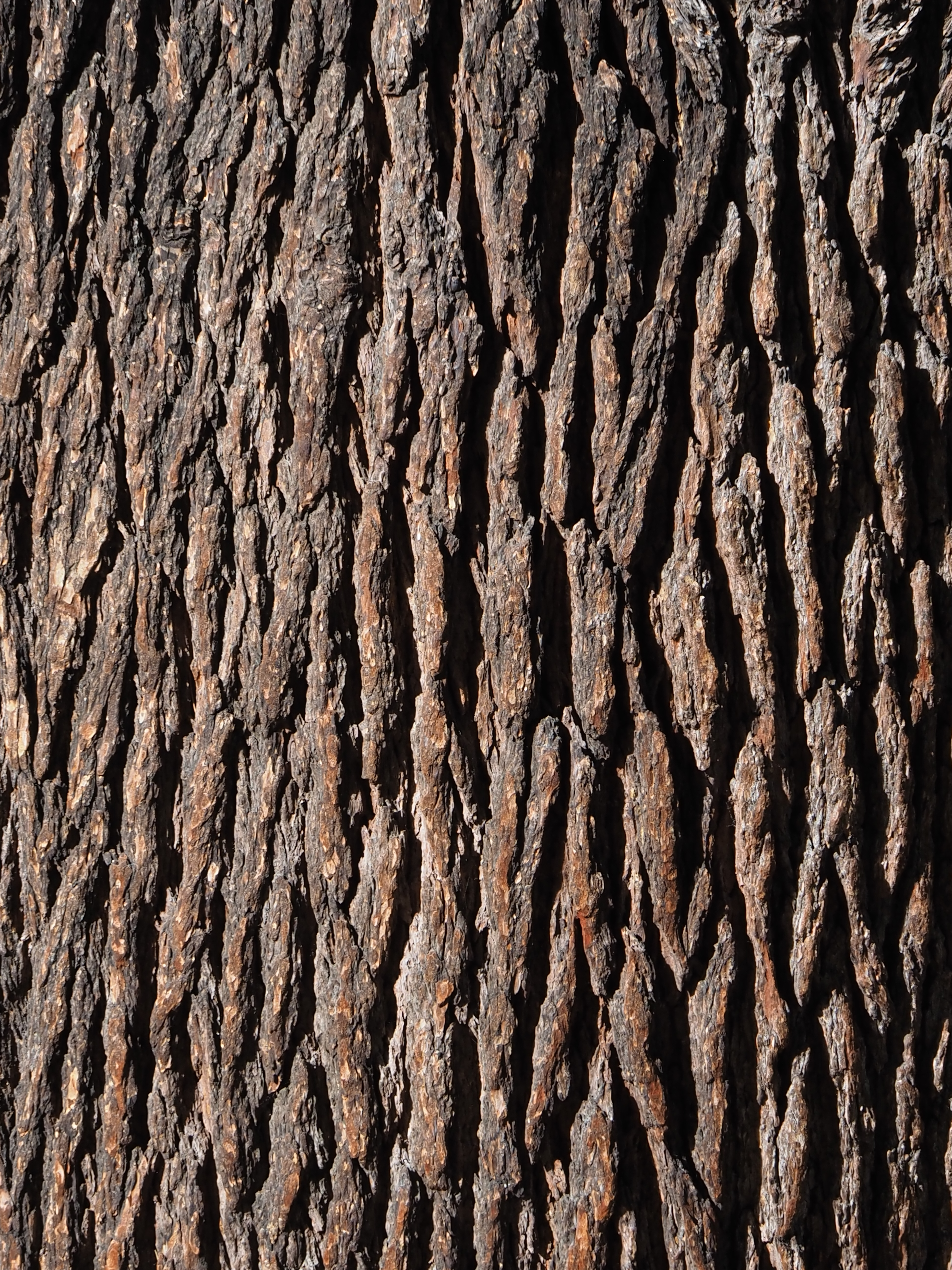
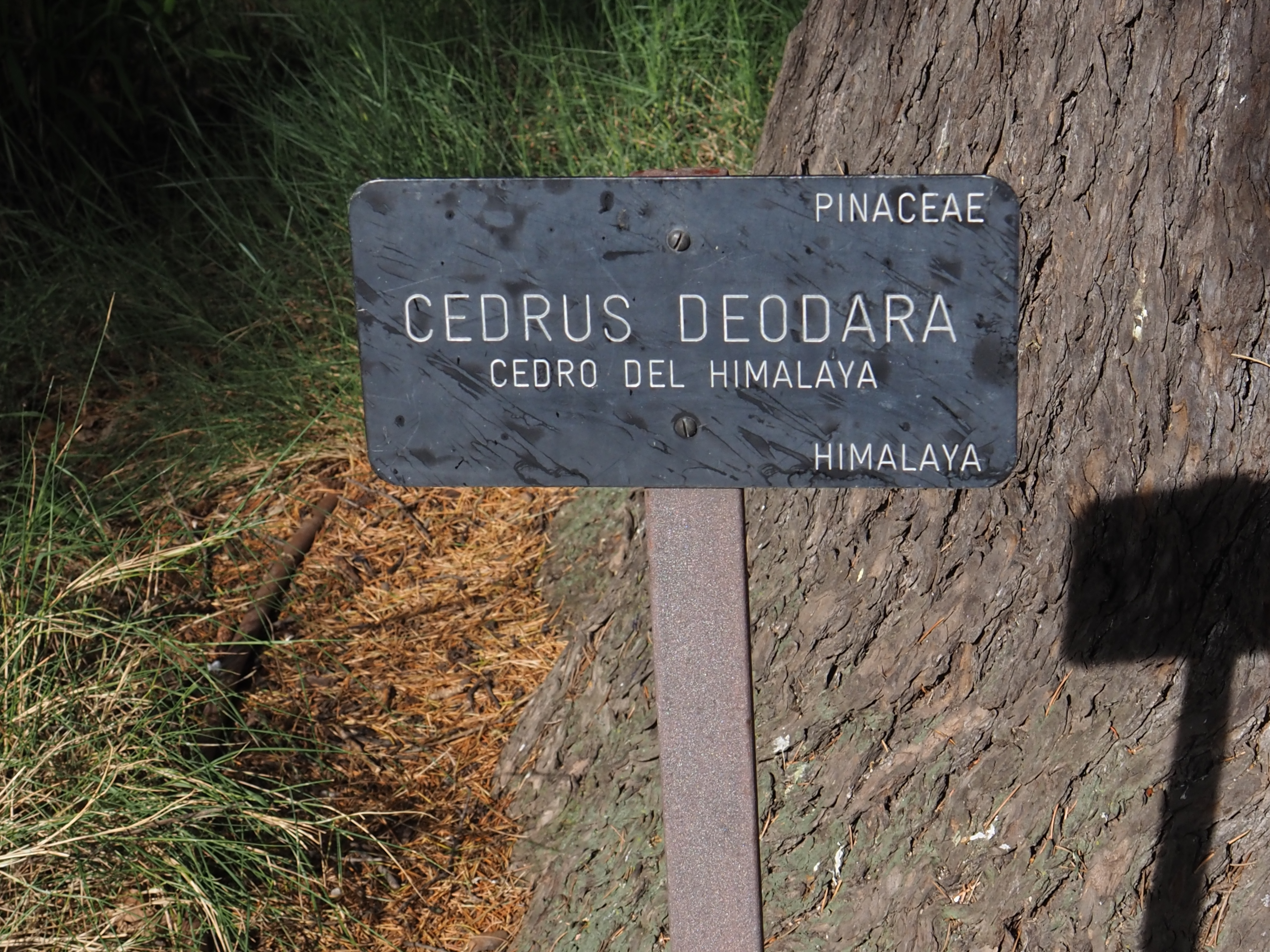
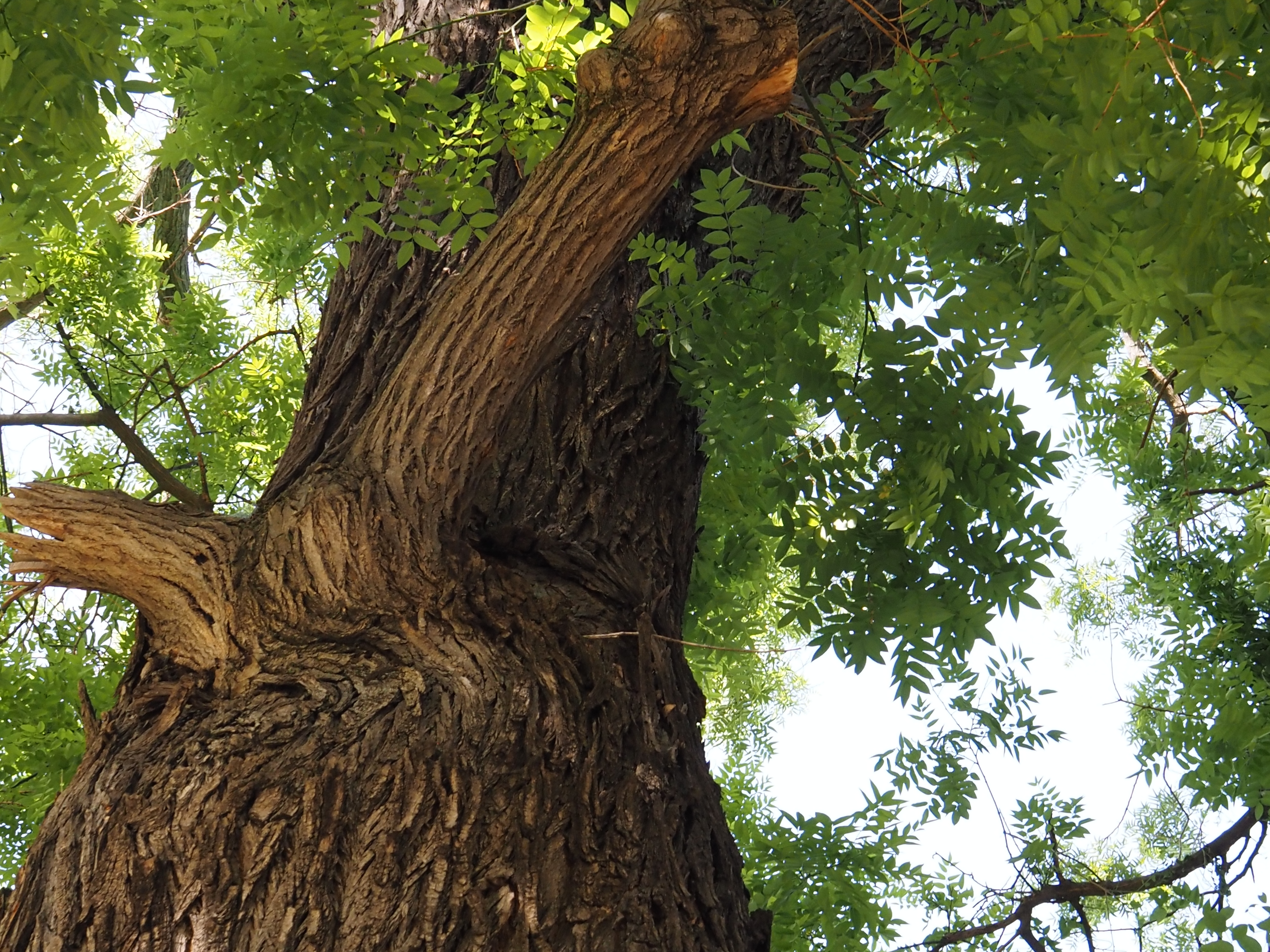
Given the age of the garden, its not surprising that there are some very old ‘monumental’ trees.
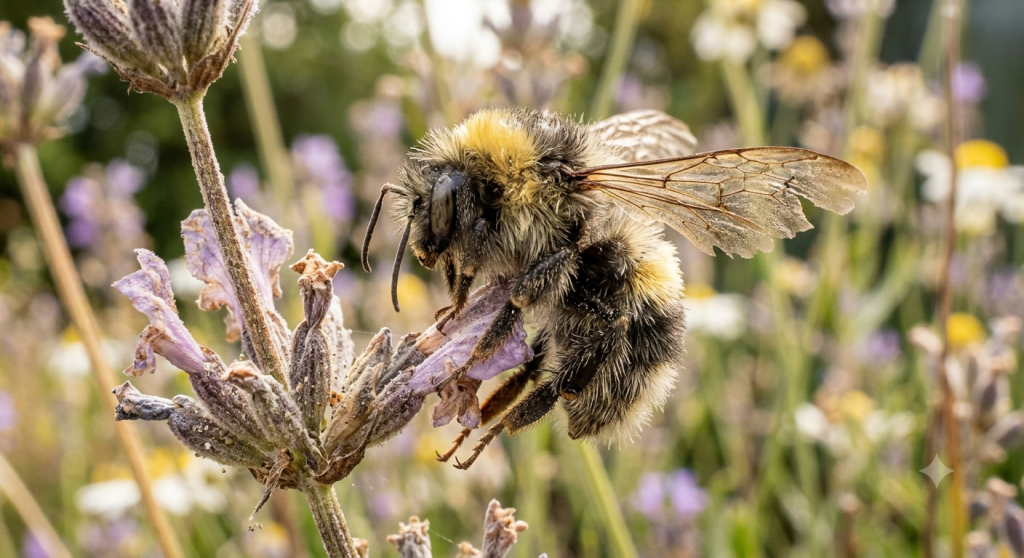
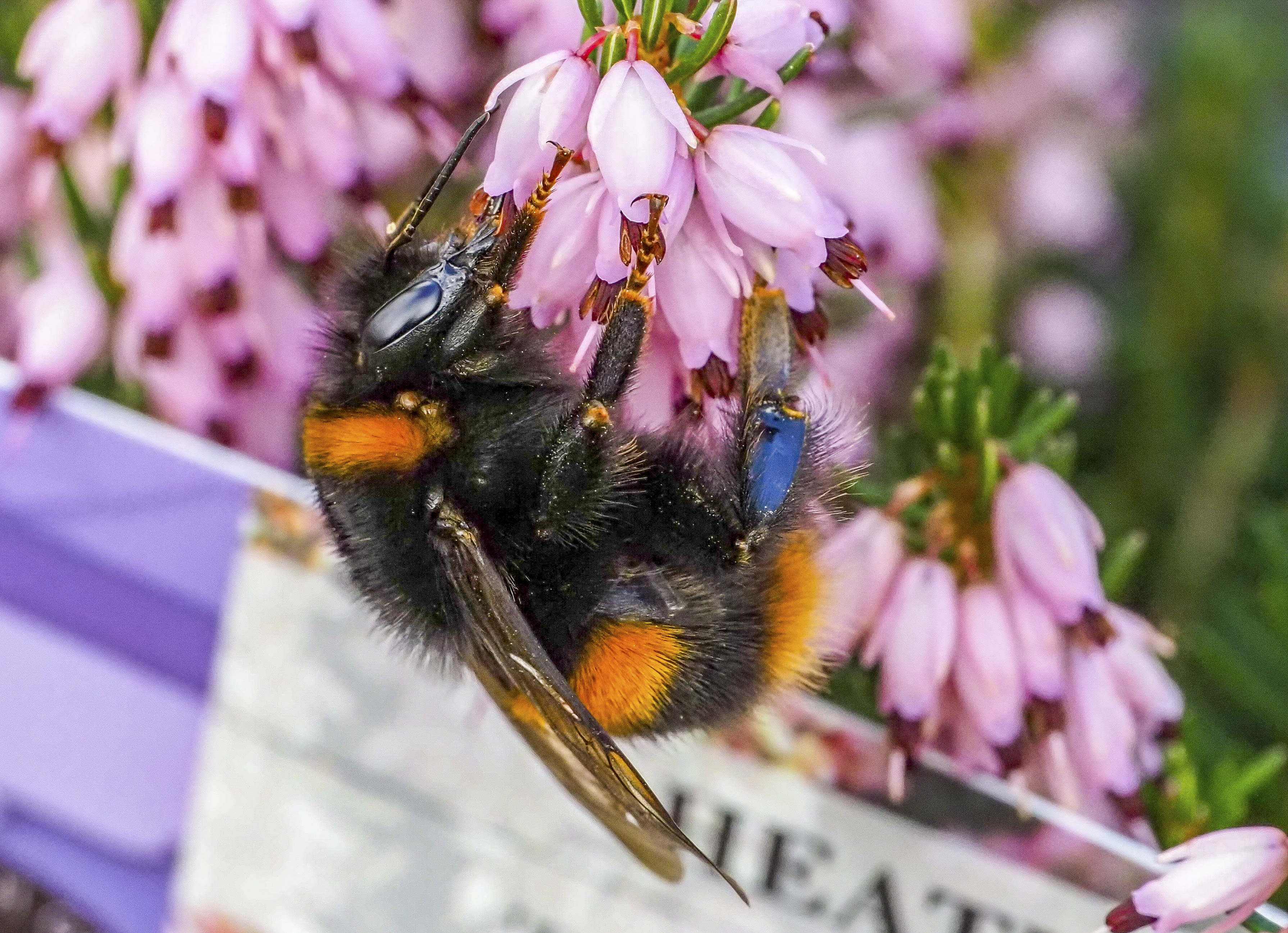
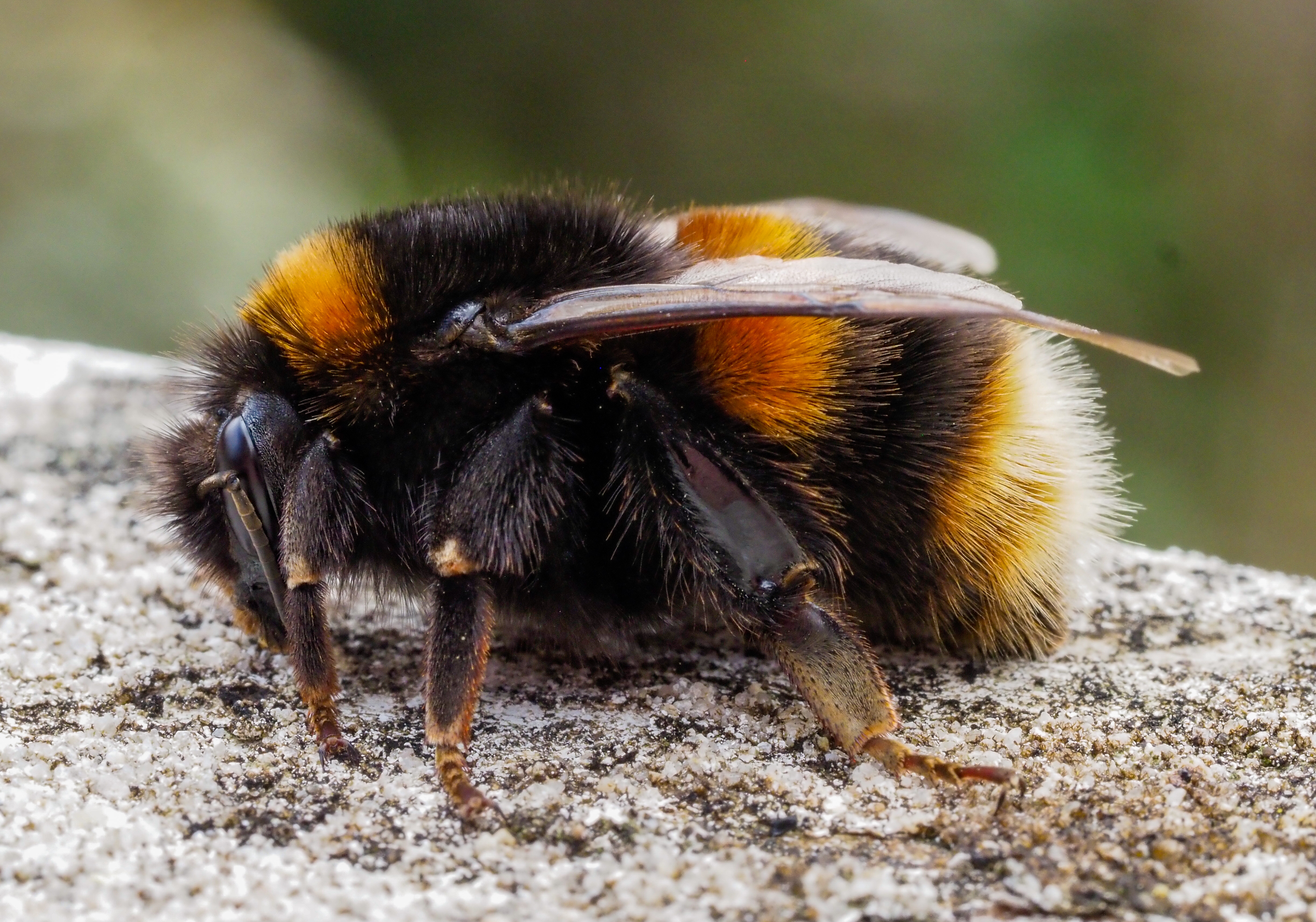
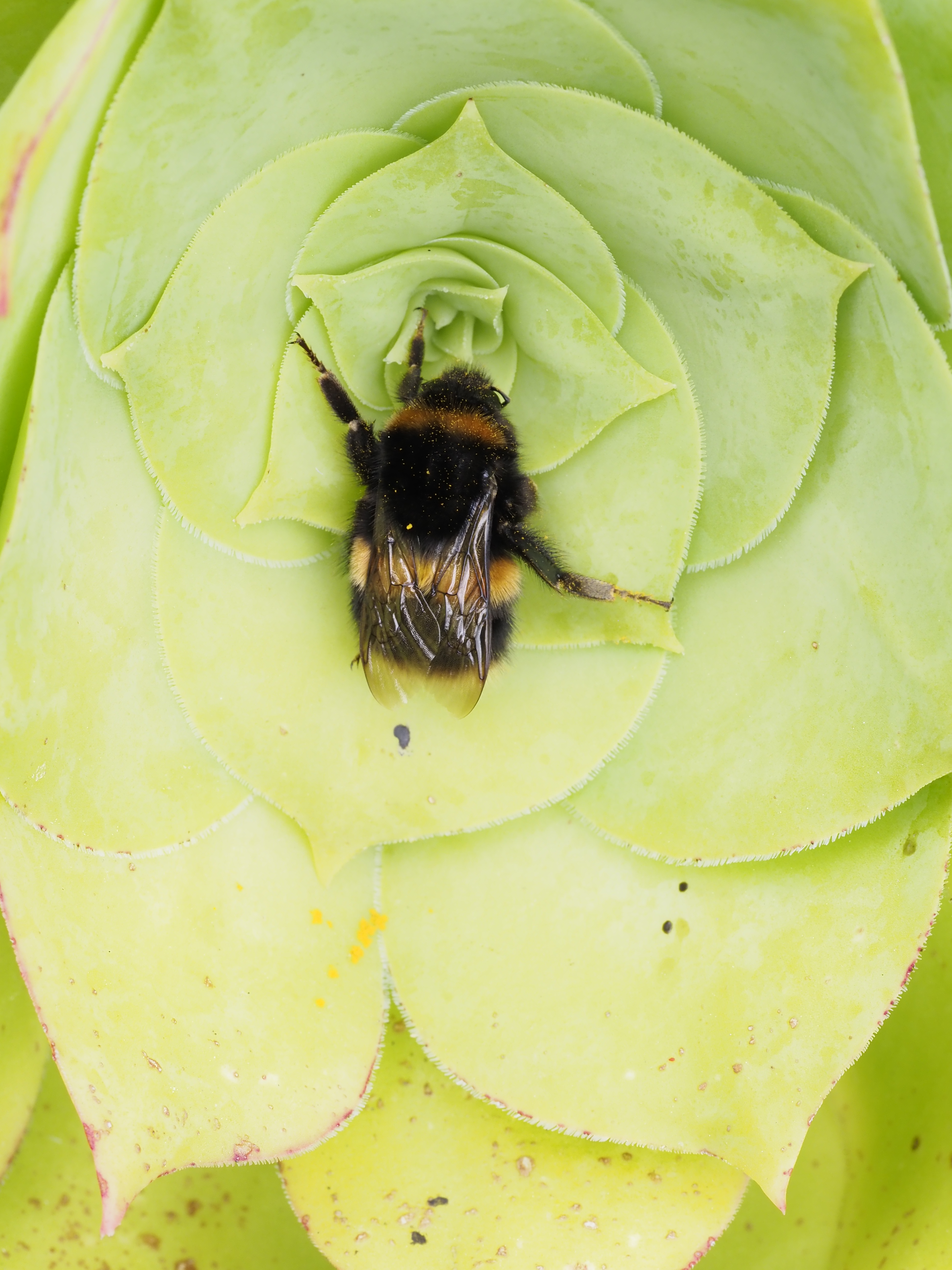
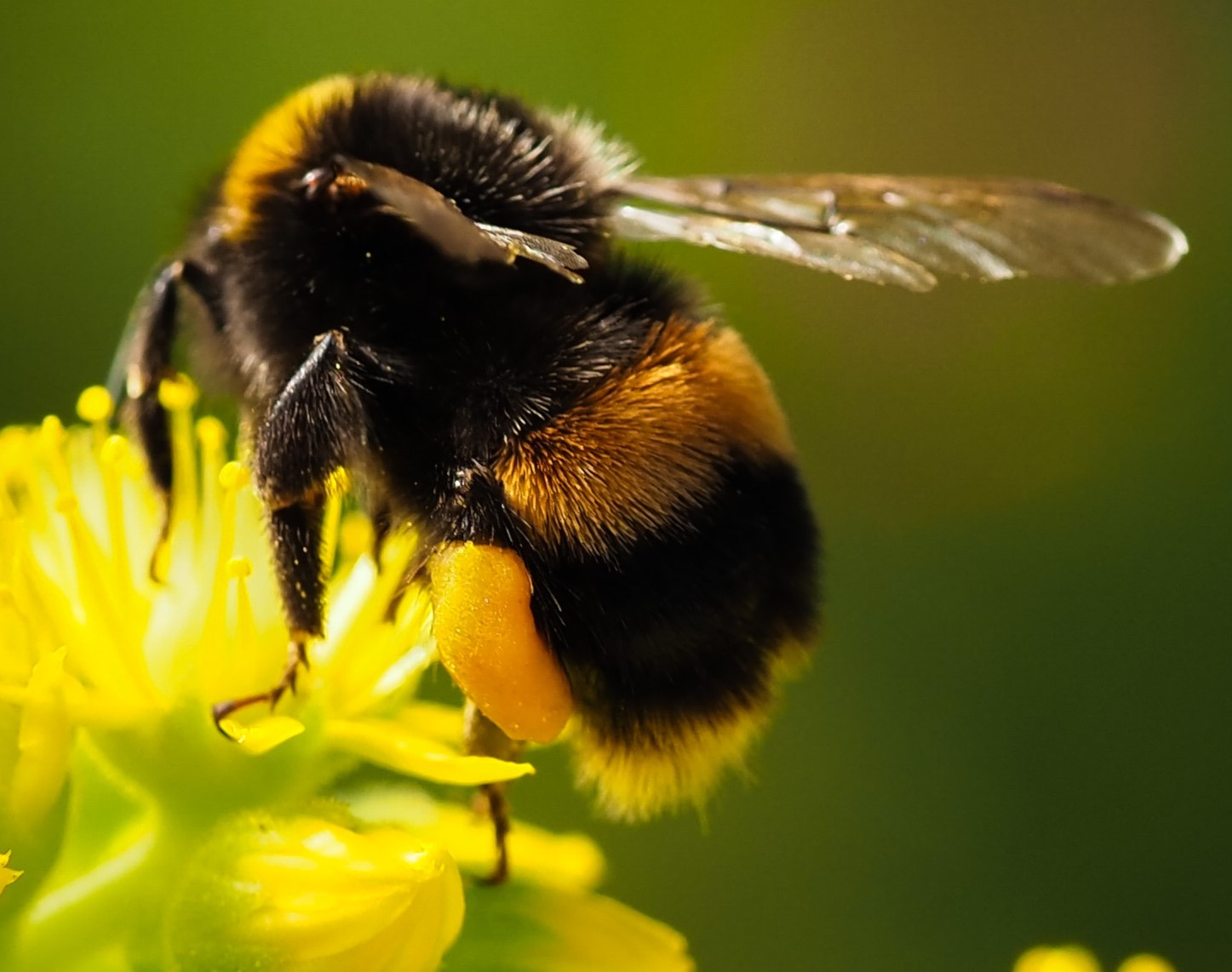
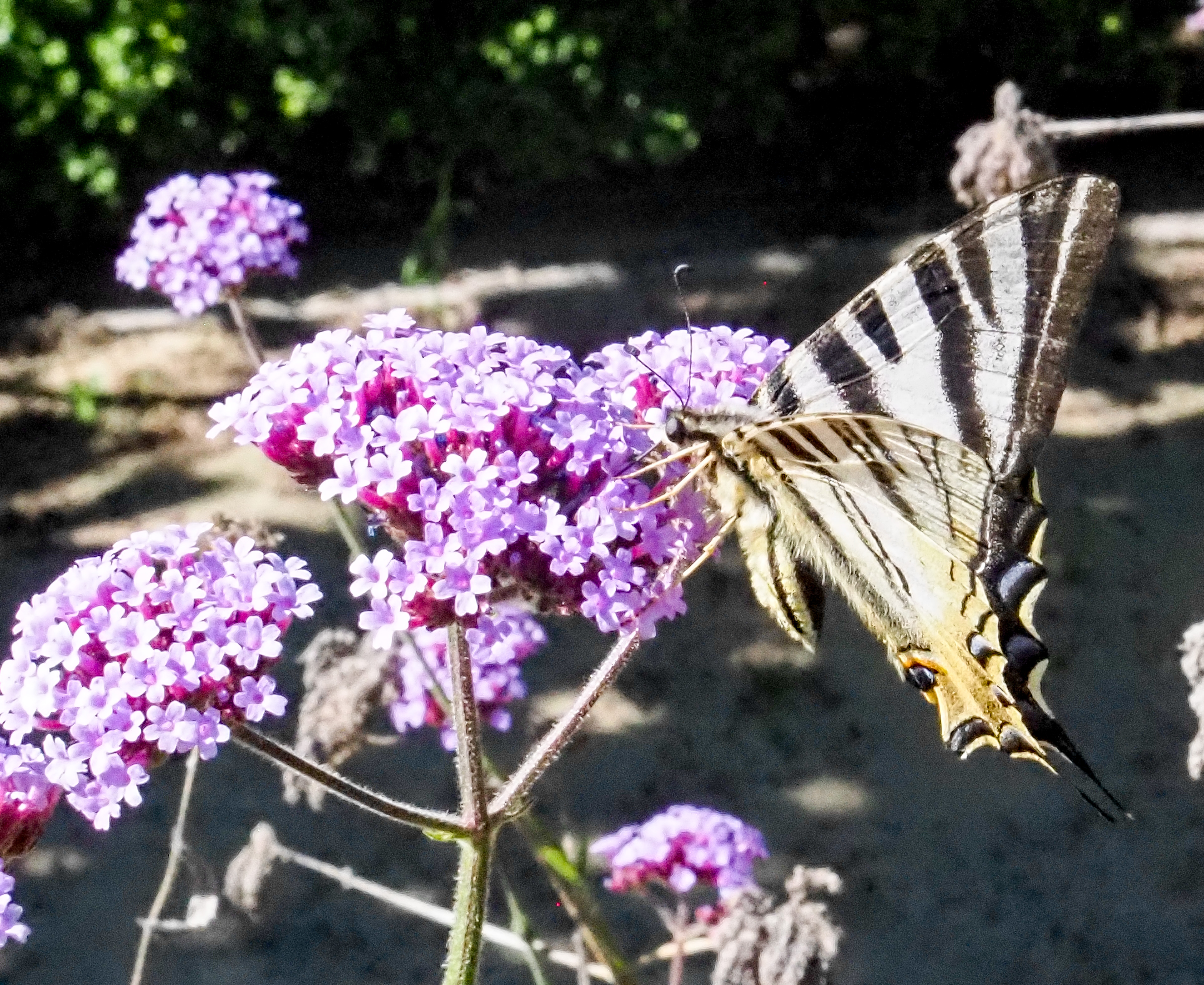
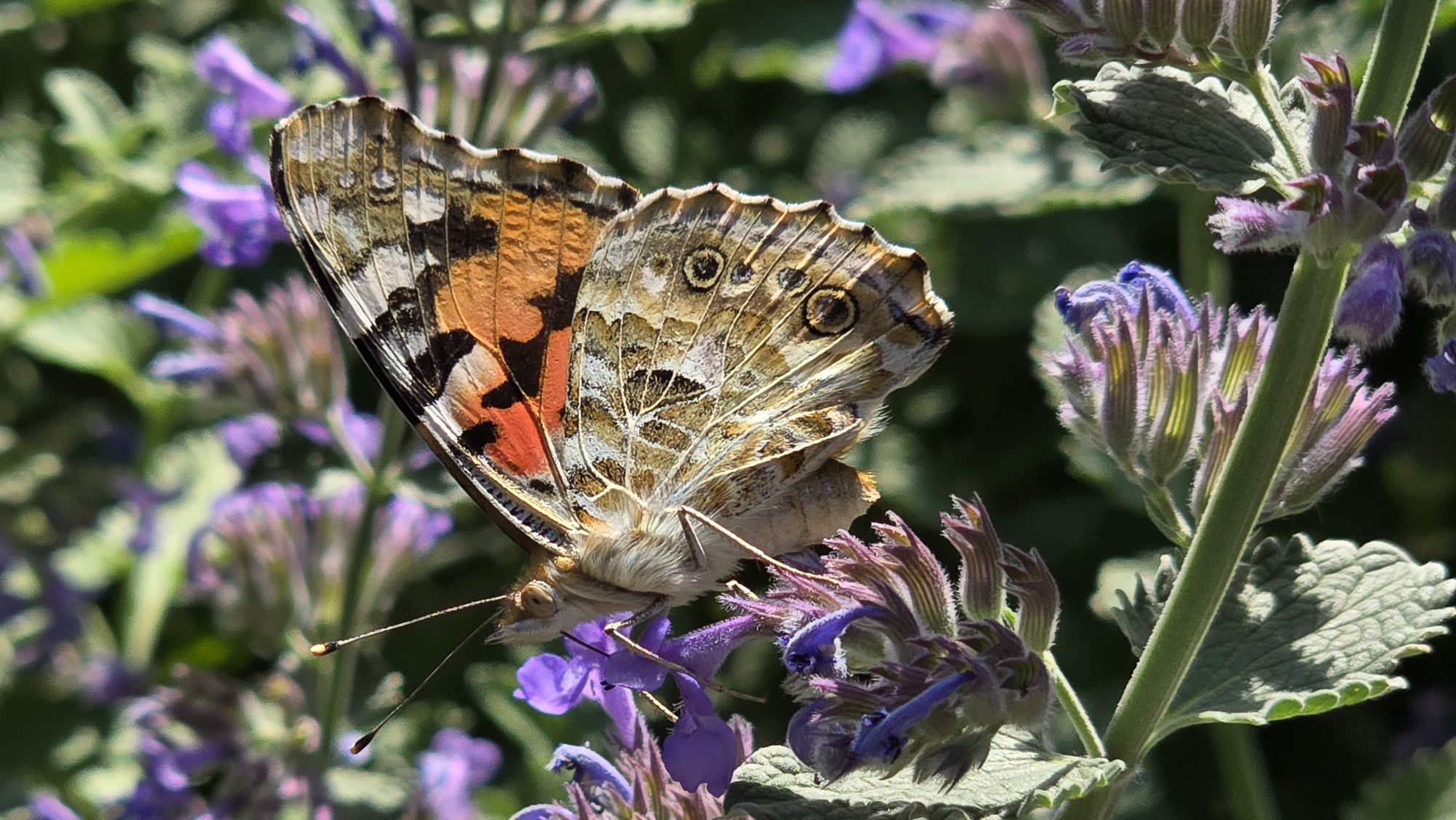
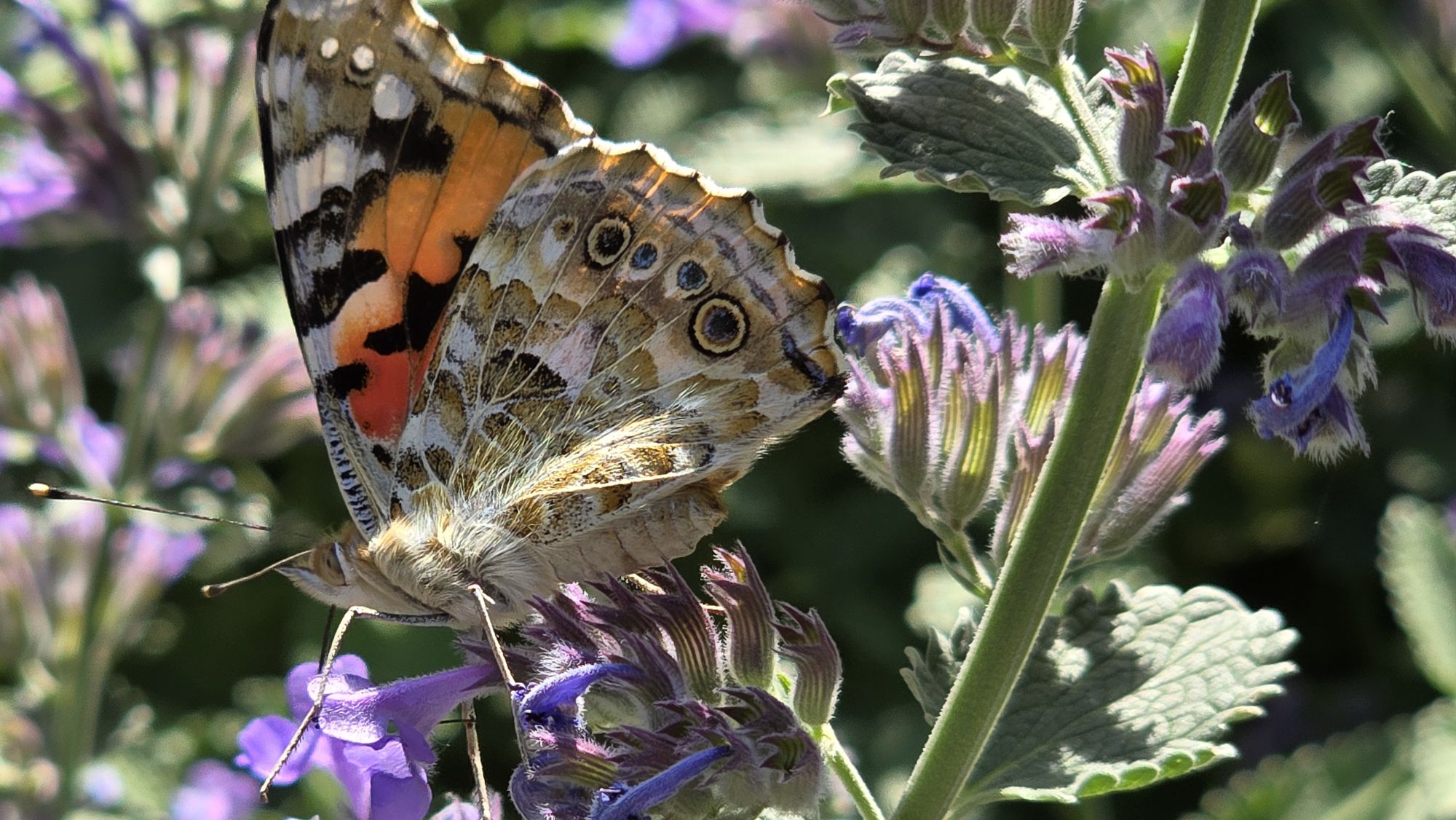
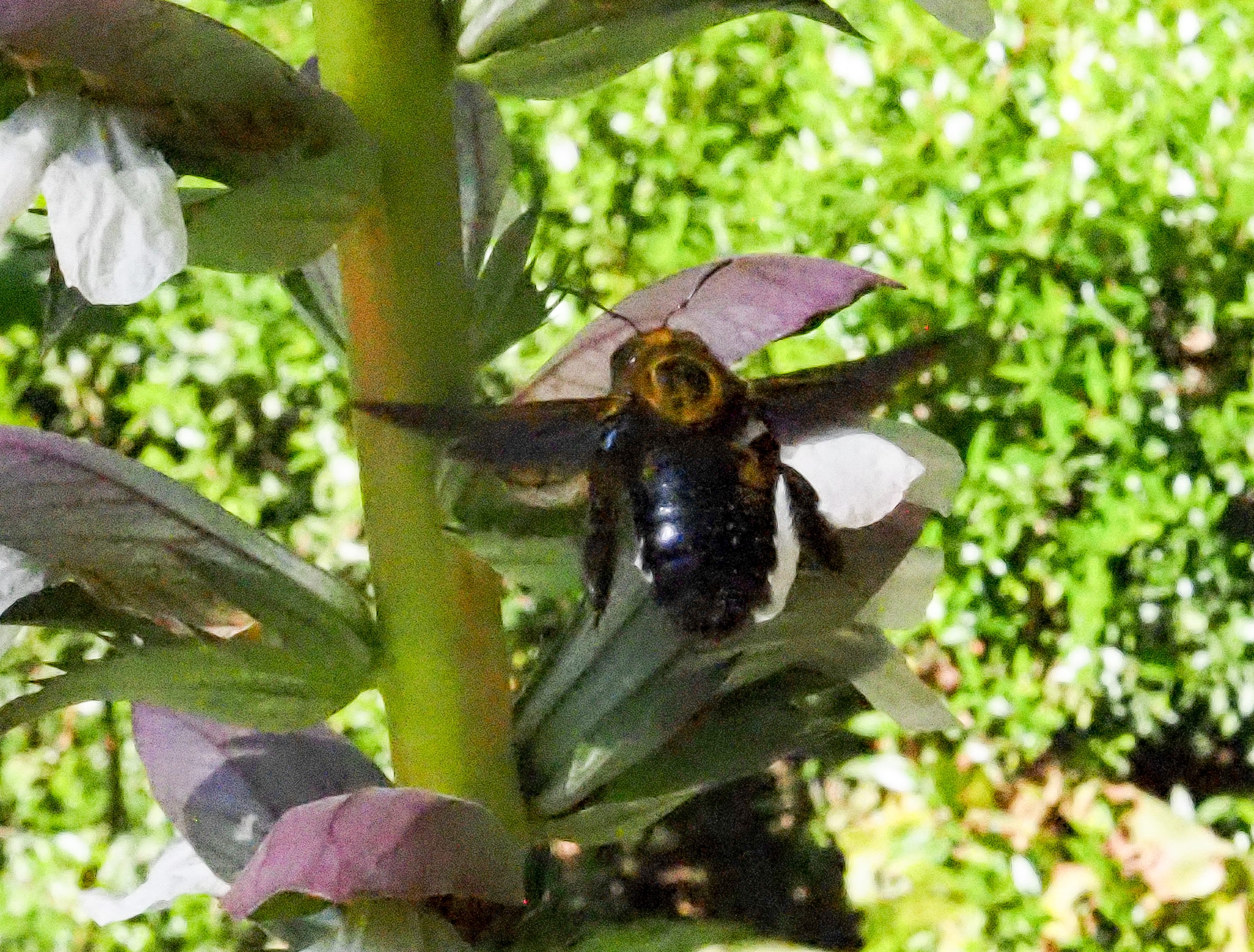
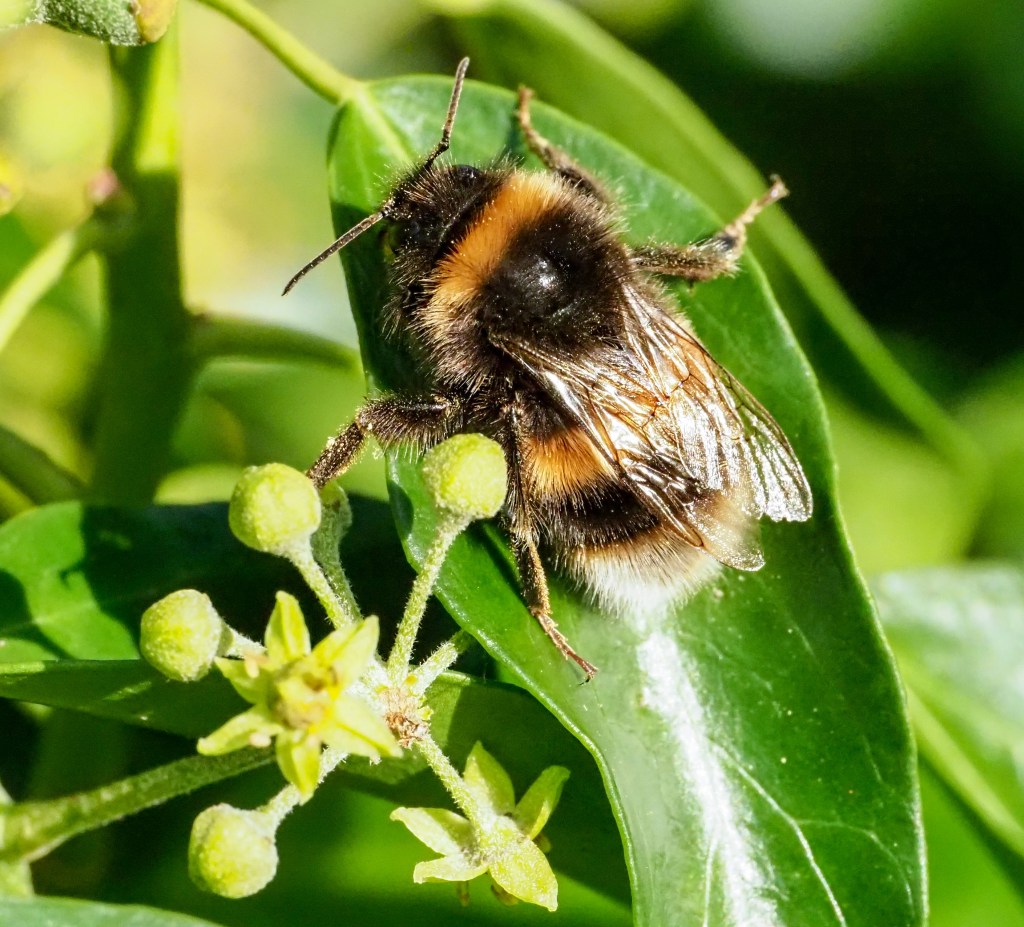
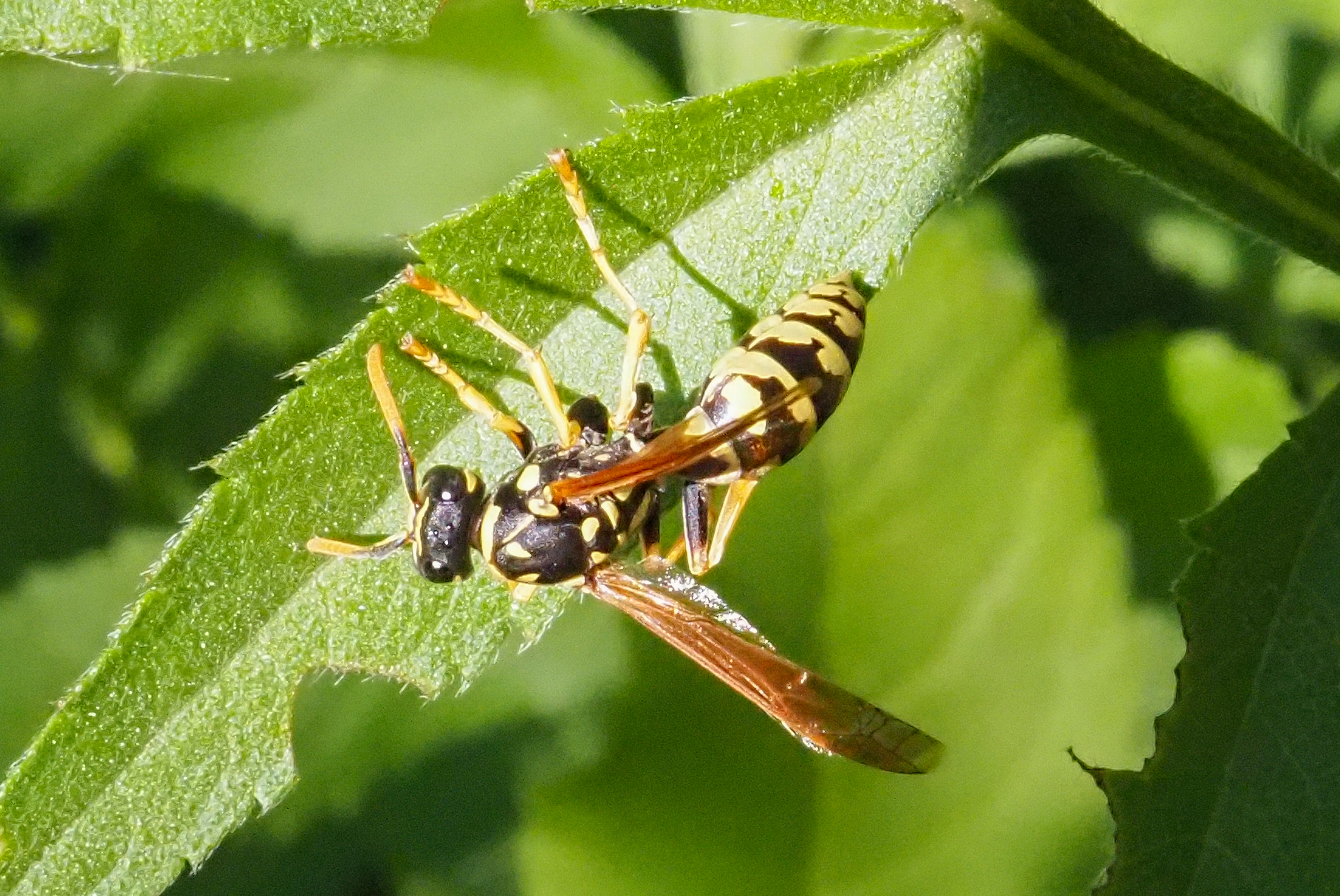
Some of the insects I managed to photograph are shown below.
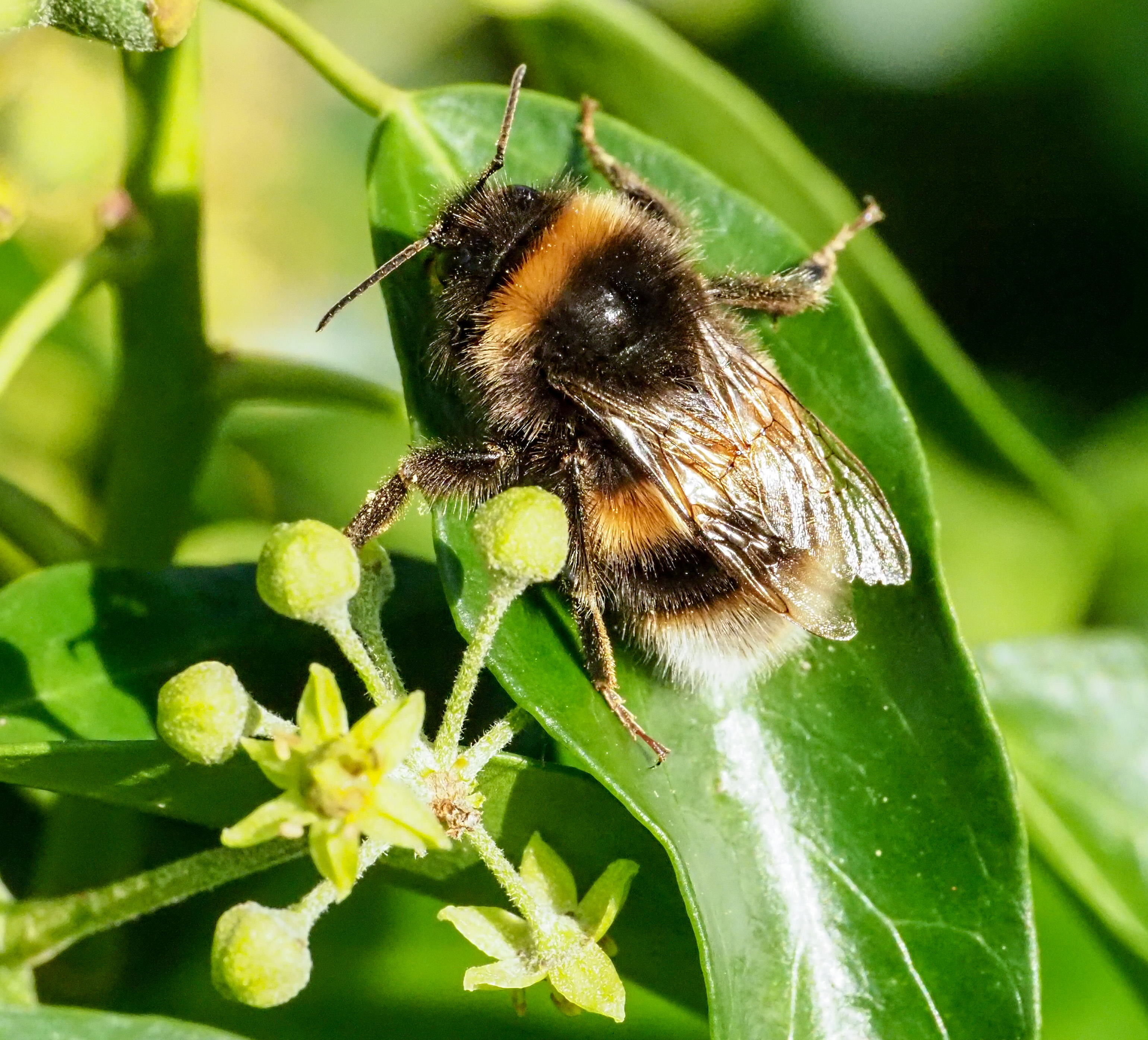
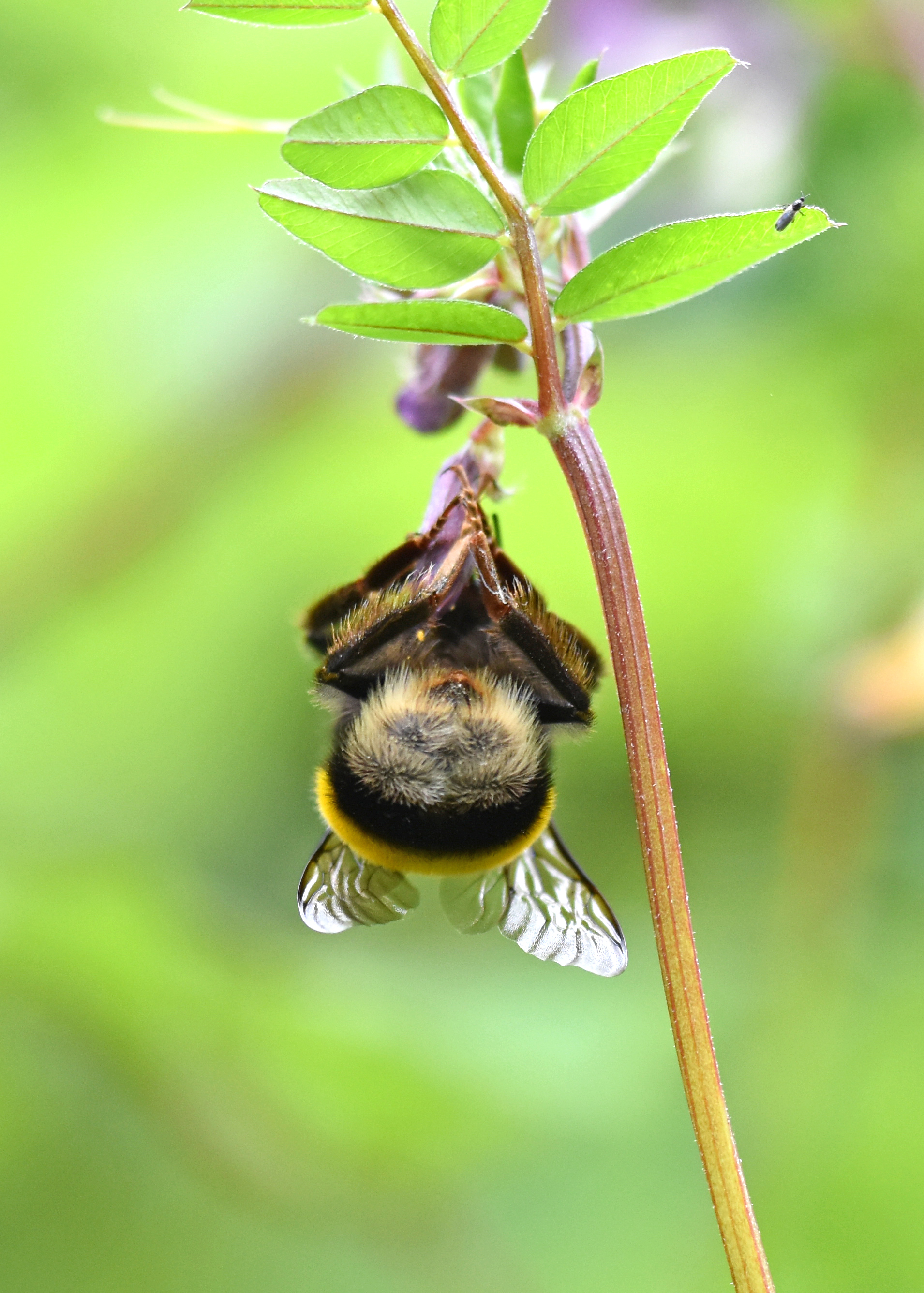
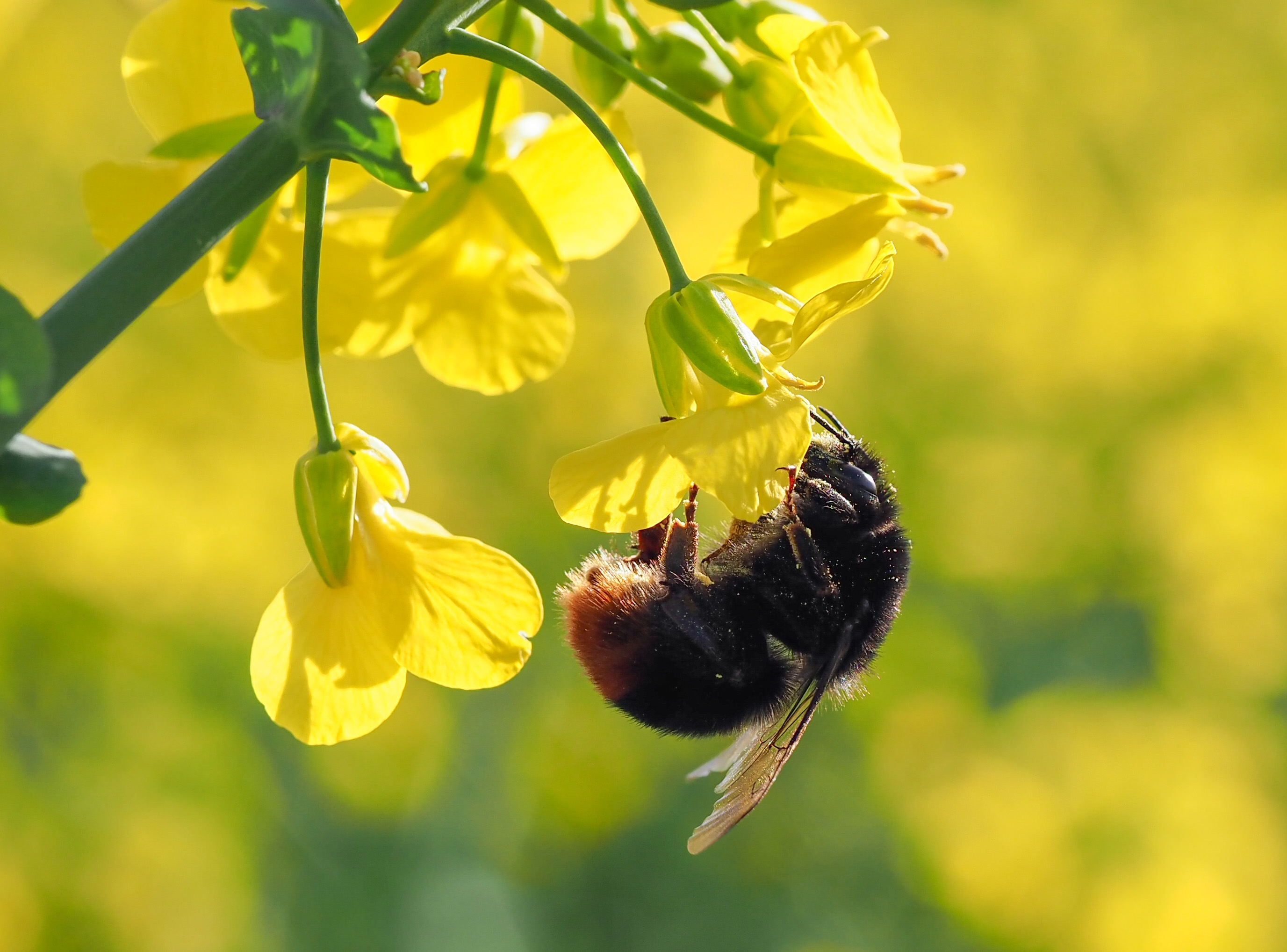
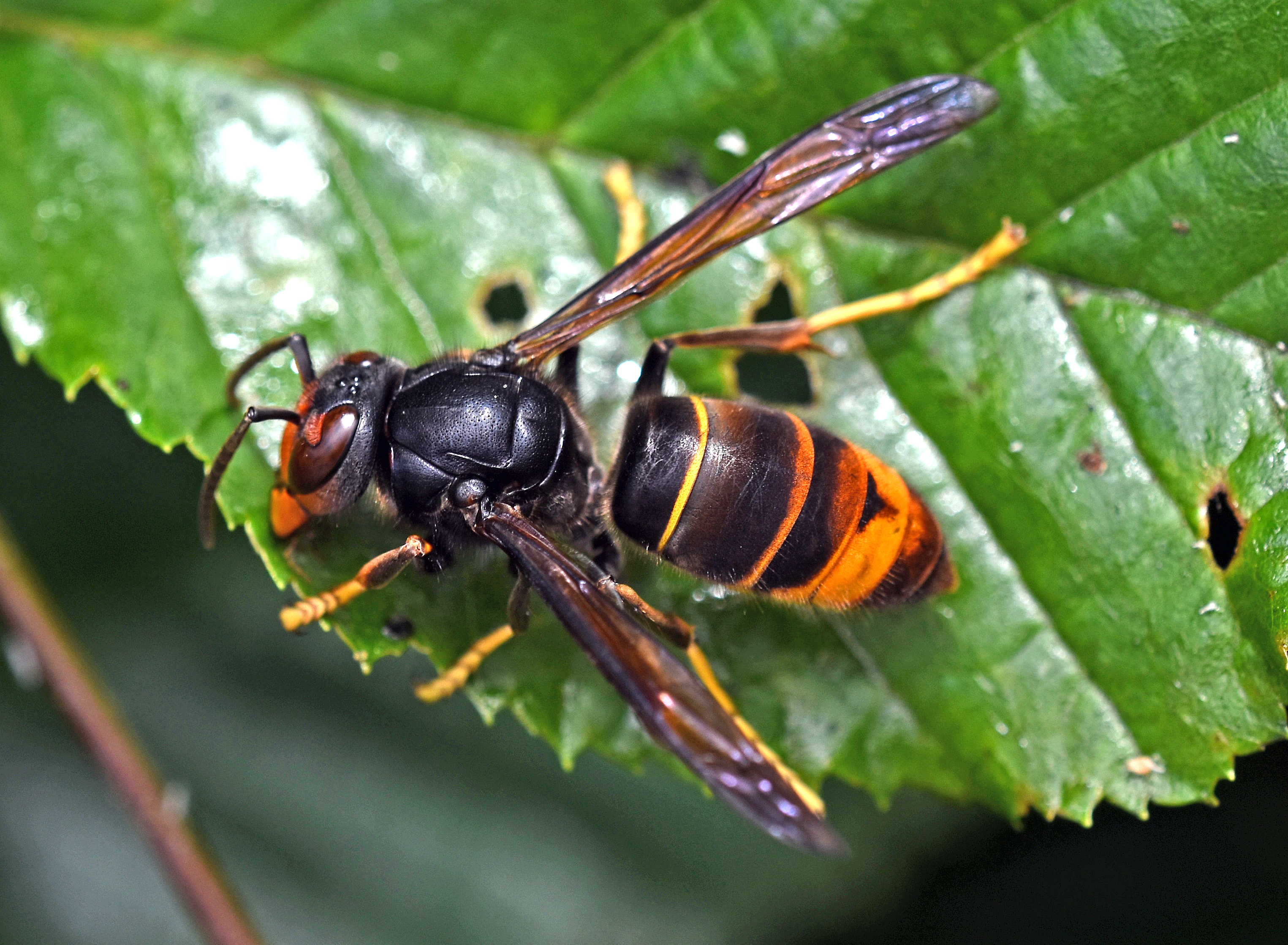
Southern scarce swallowtail (Iphiclides feisthamelii), Wool carder bee, Polistes gallicus wasp, Painted lady butterfly, Violet carpenter bee. Photos by Raymond JC Cannon
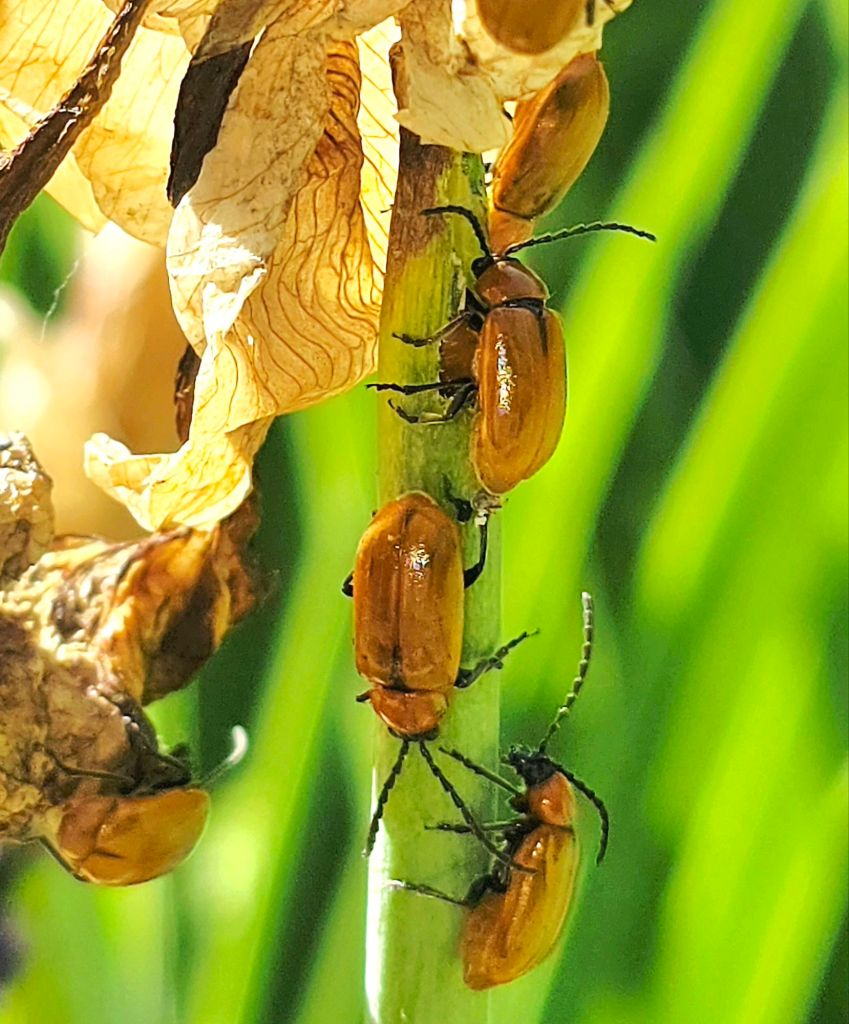
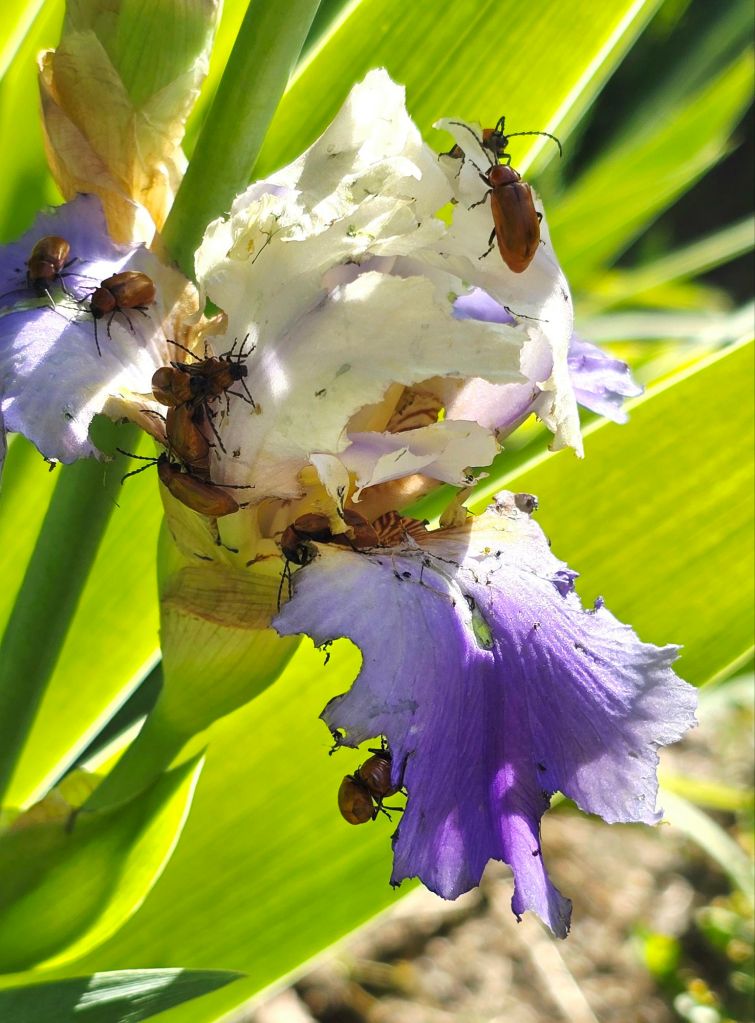
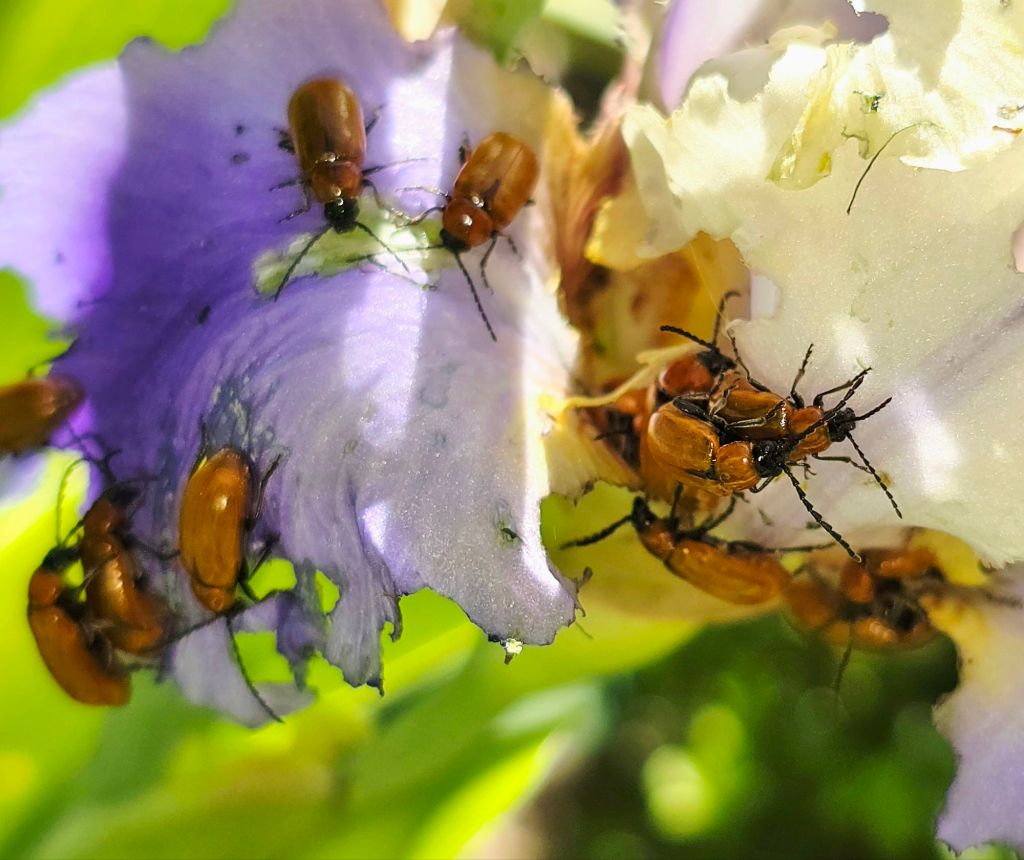
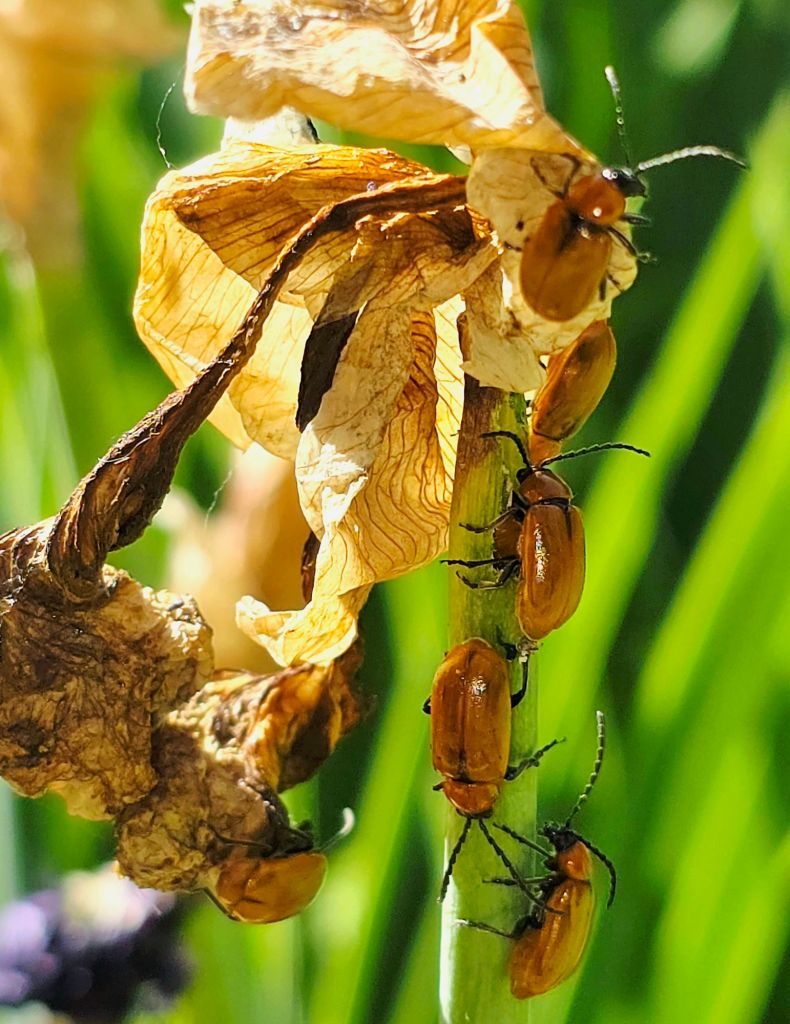
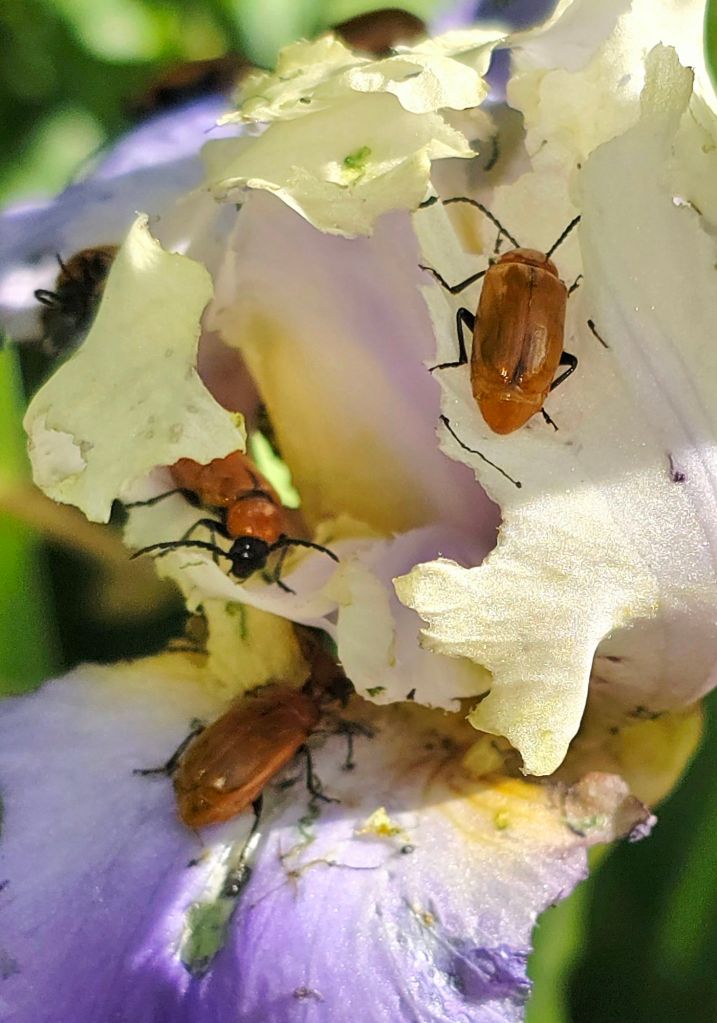
Large infestations of daffodil leaf beetles (Exosoma lusitanicum) were feeding and mating on the Iris flowers and seemed to have mostly destroyed them!
Daffodil leaf beetles (Exosoma lusitanicum). Photographs by Raymond JC Cannon
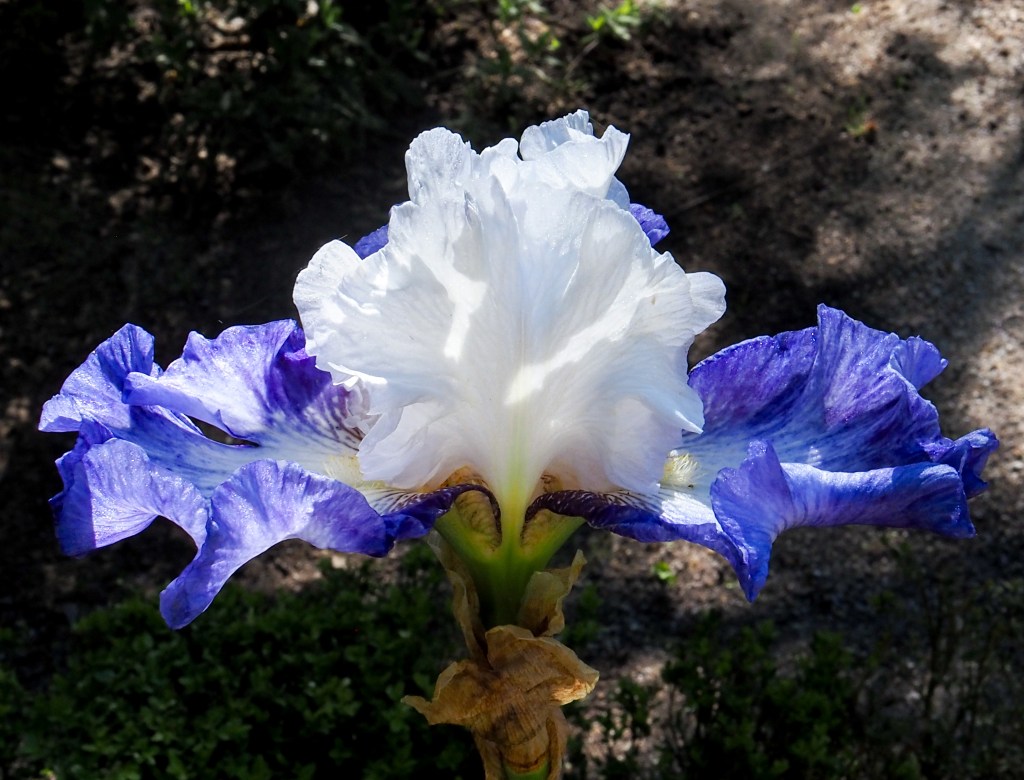
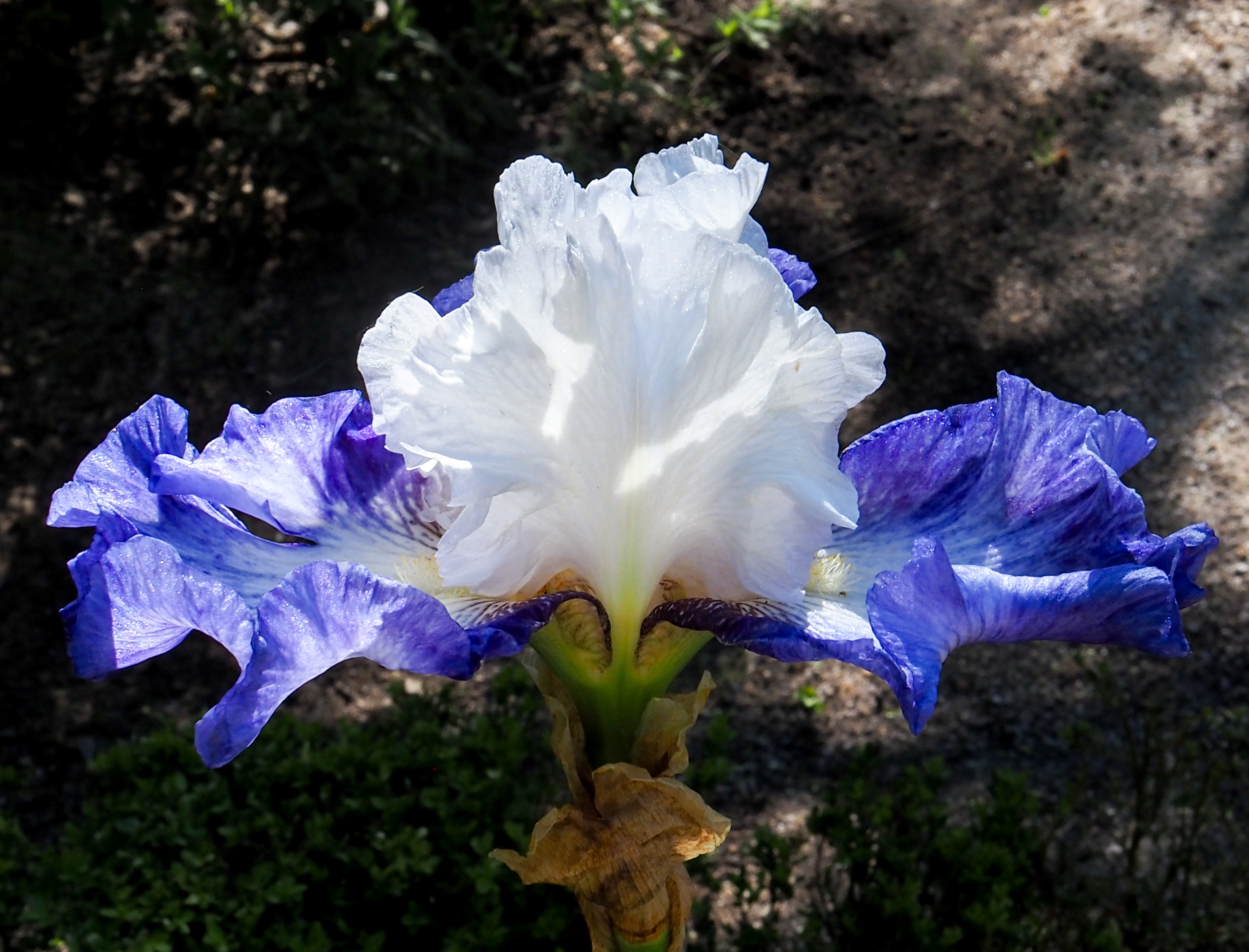
However, some irises had – for the time being at least! – escaped the ravages of the leaf beetles!
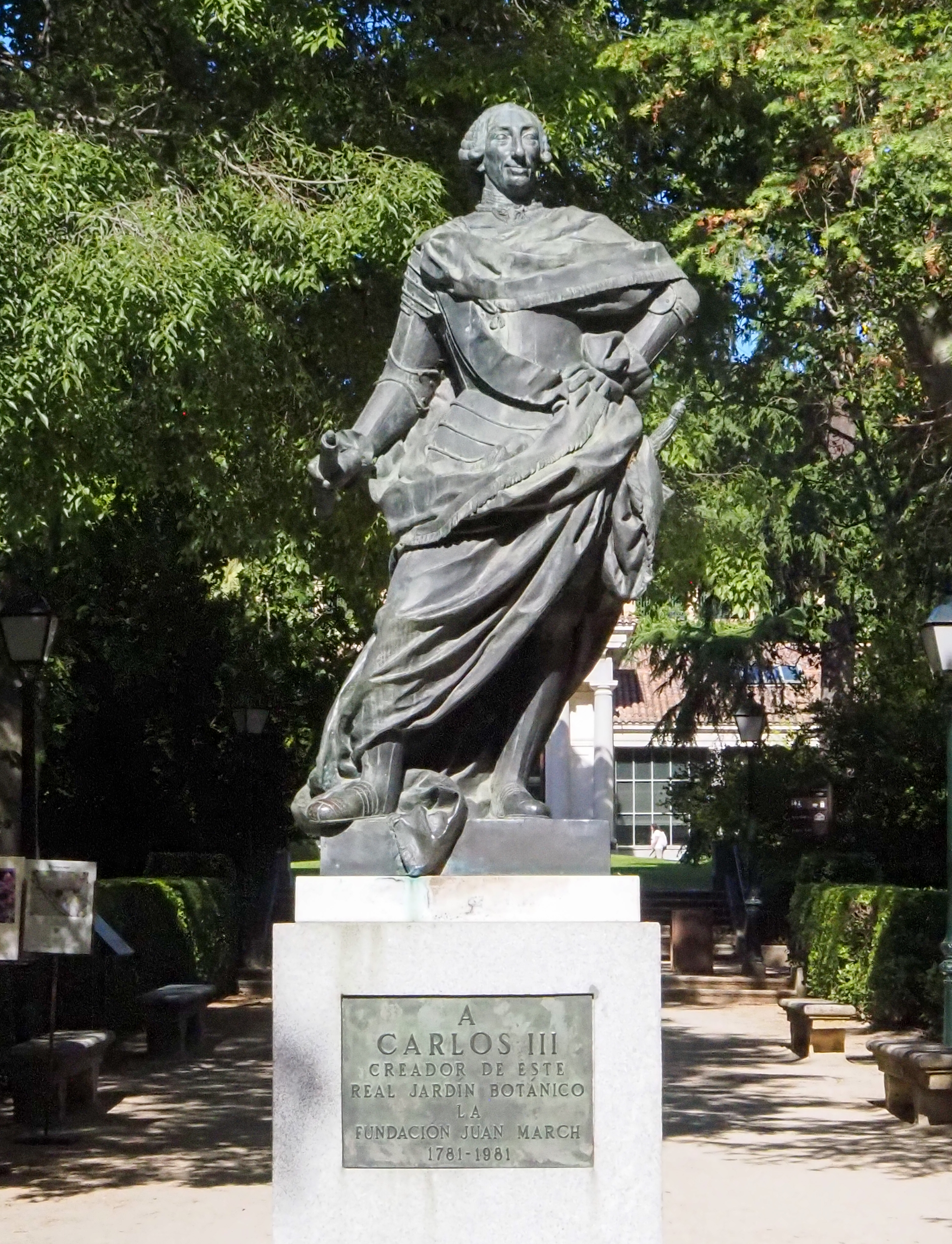
Blue and white iris. Photographs by Raymond JC CannonA statue of Charles III of Spain ‘Creator of the garden’
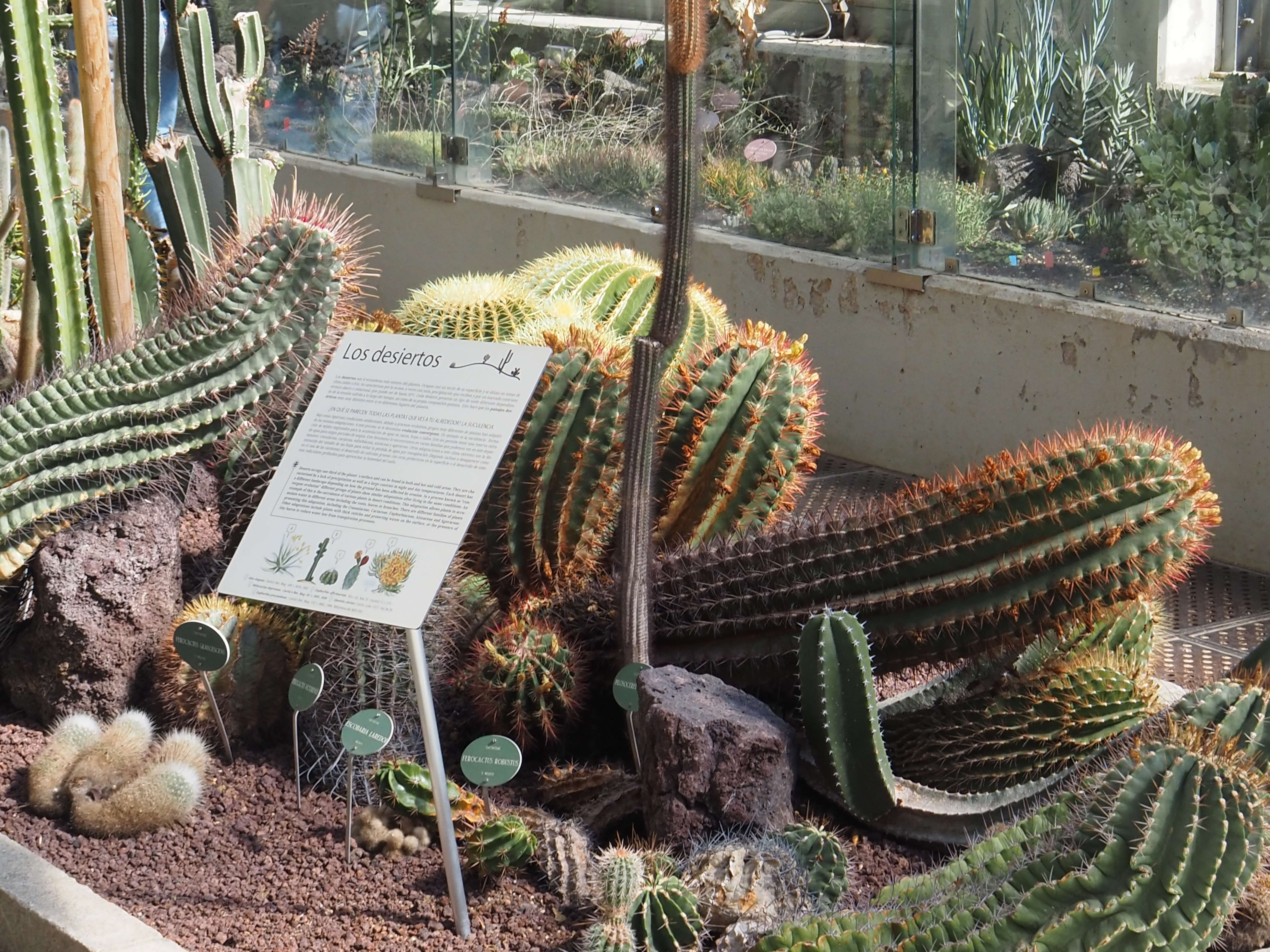
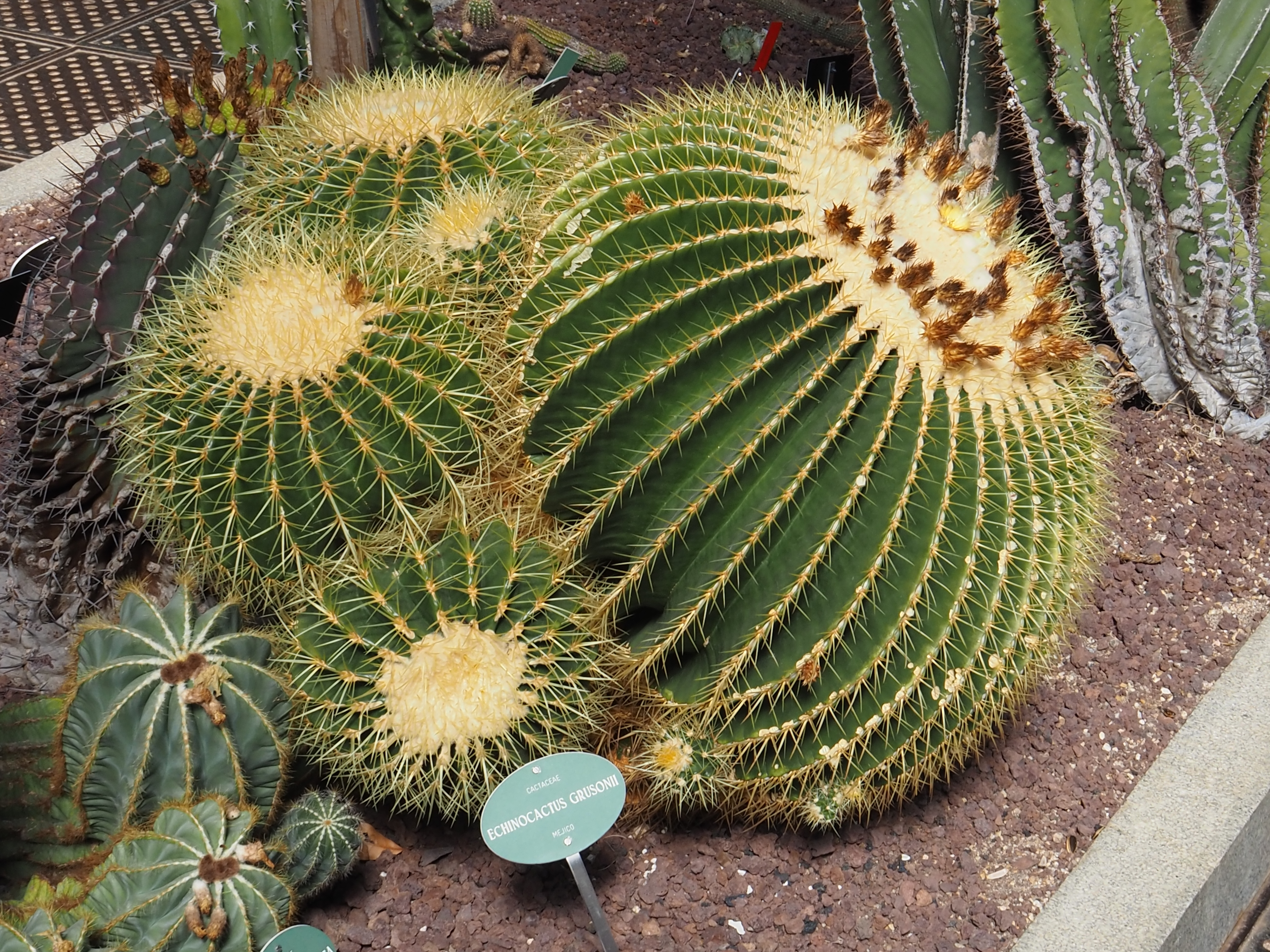
There are also three green houses with cacti and tropical plants.
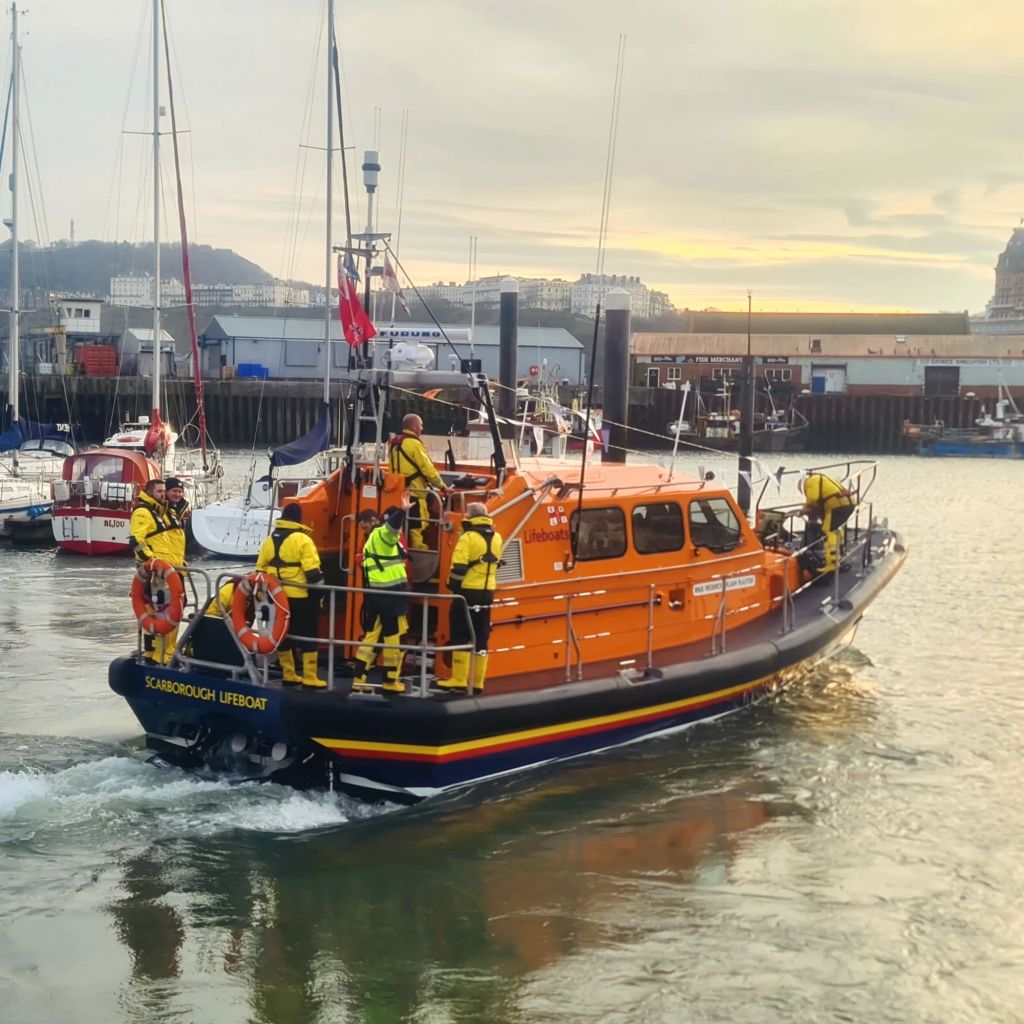
Scarborough got a new lifeboat station in 2016, and shortly afterwards, in 2021, a brand new lifeboat to go with it!
Frederick William Plaxton in the harbour
The all-weather Shannon-class lifeboat was named after Frederick William Plaxton, the founder of Scarborough coach building firm Plaxton Ltd. It cost in excess of £2 million pounds and is capable of reaching a speed of 25 knots.
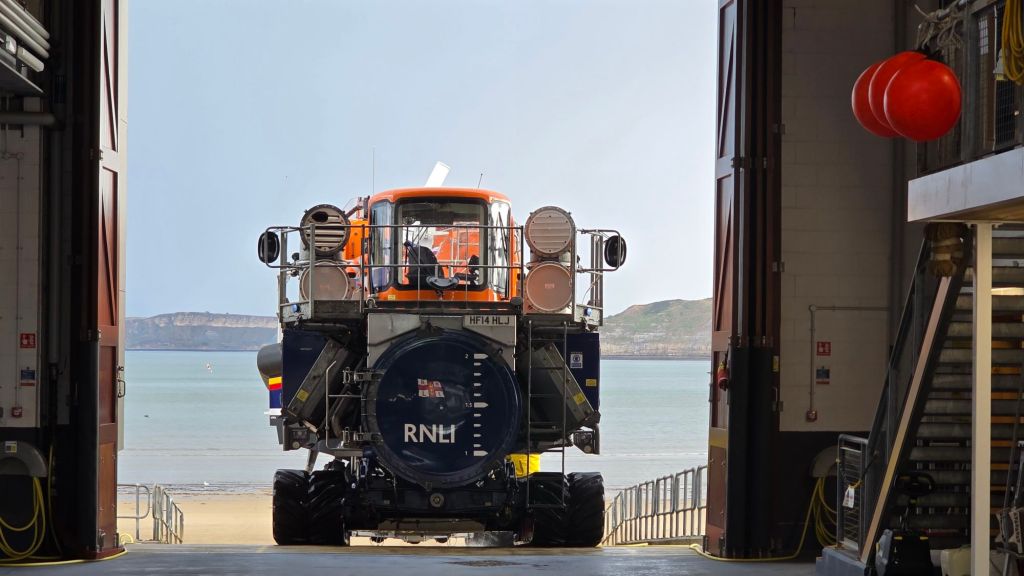
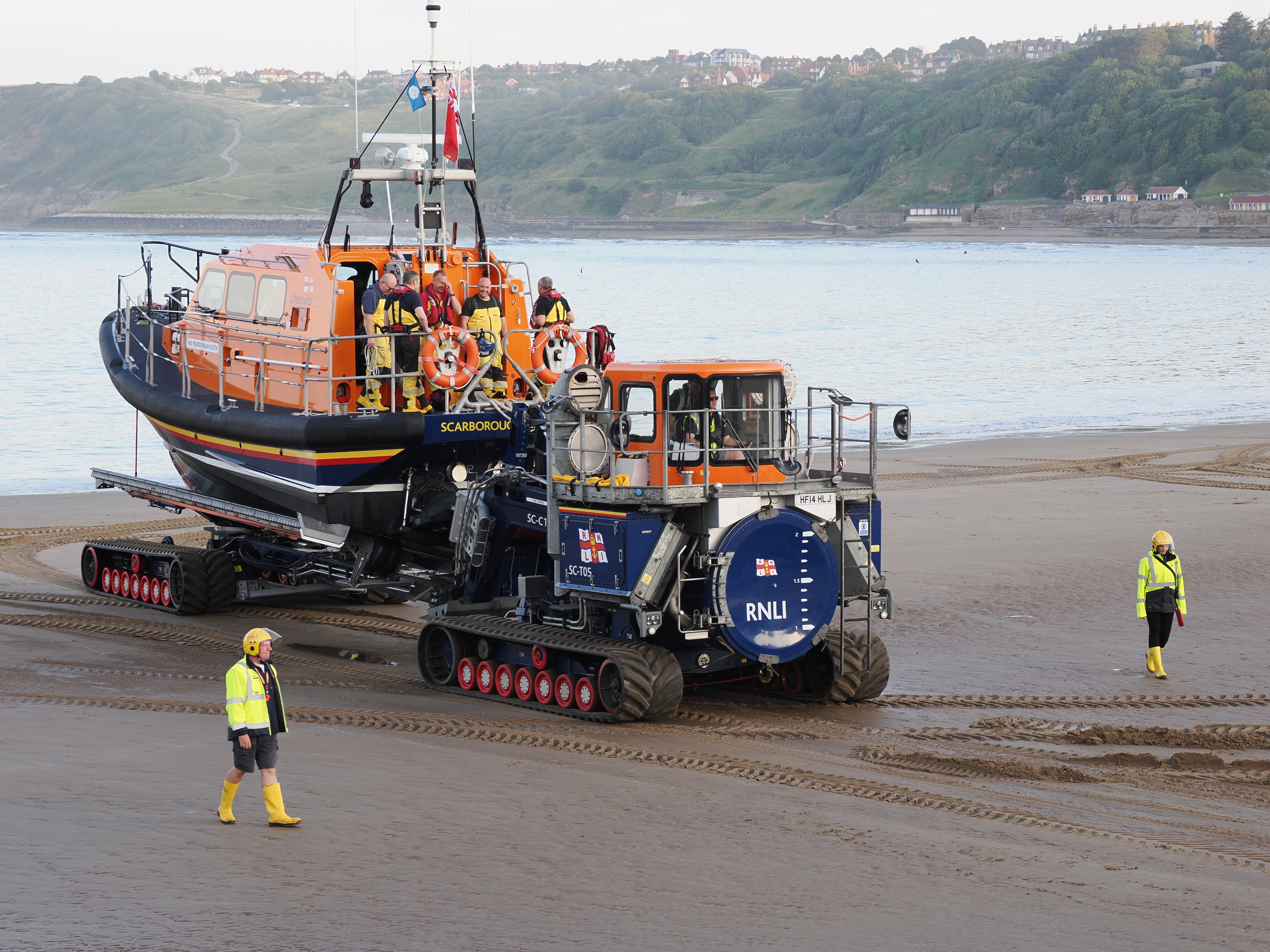
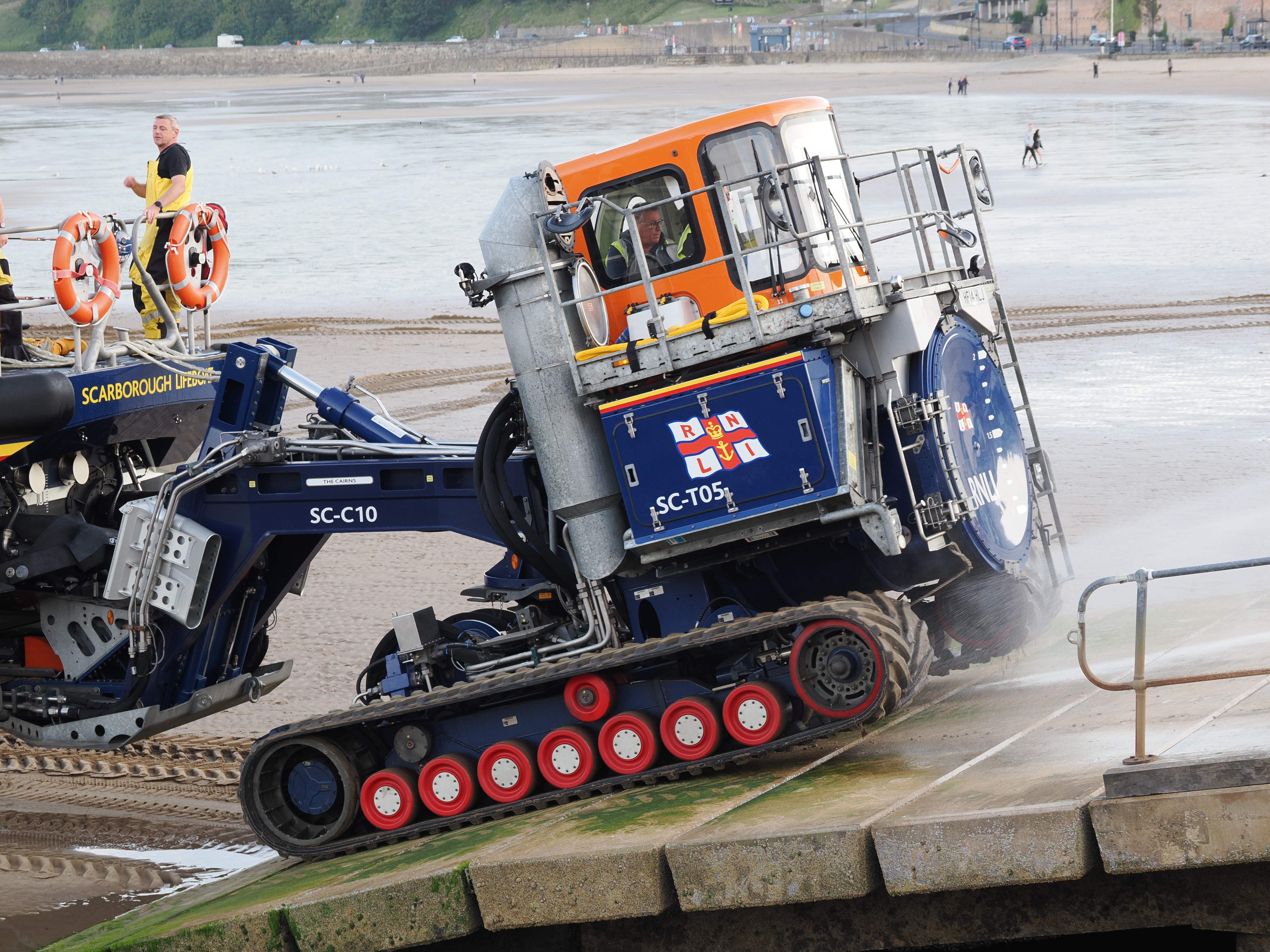
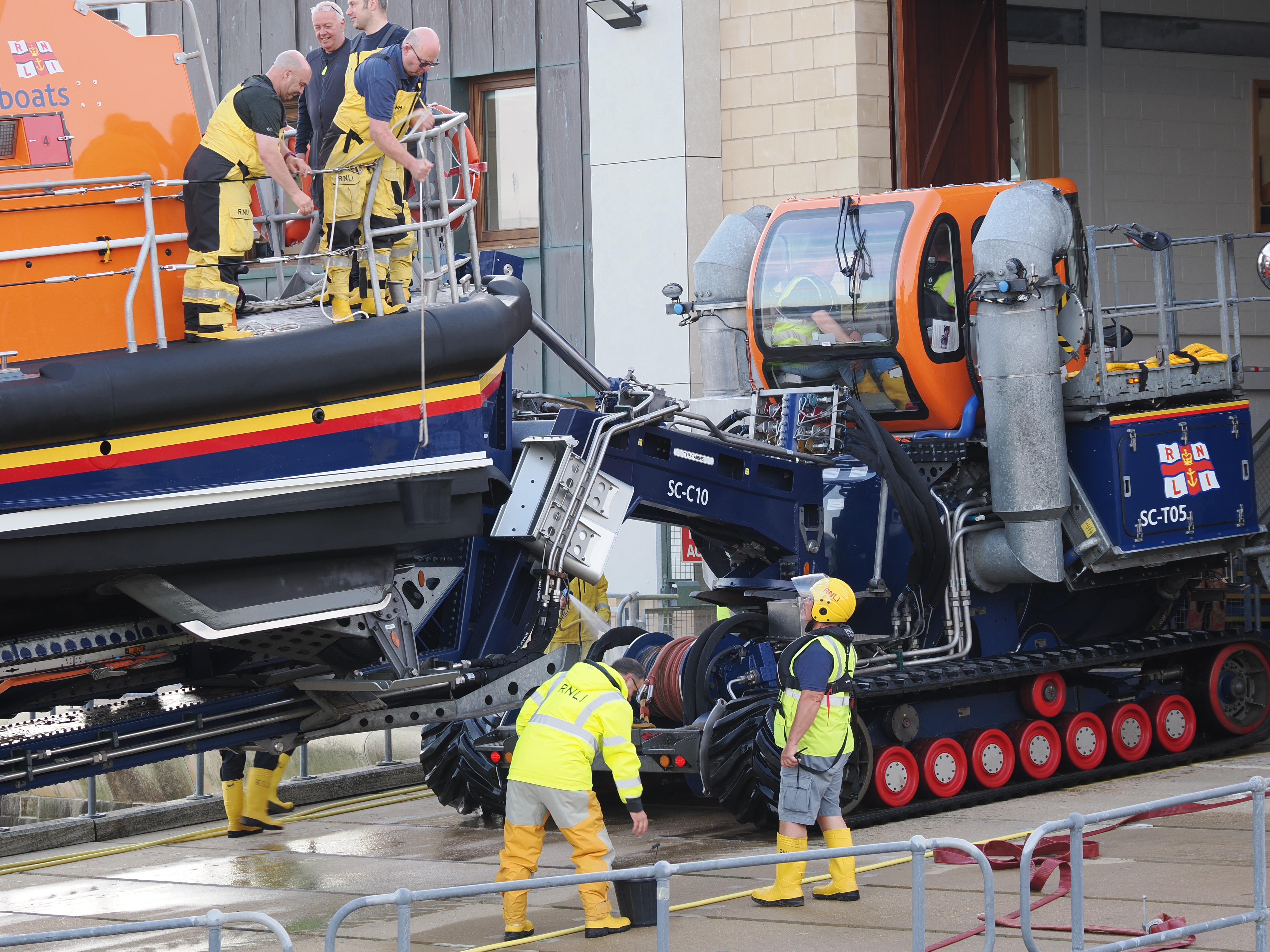
The lifeboat is launched and recovered using a Shannon Launch and Recovery System (SLARS): a tracked vehicle which transports the lifeboat from the boathouse to the sea, tilts to act as a slipway for launching, and then uses a powerful winch to haul the boat back onto the carriage for recovery.
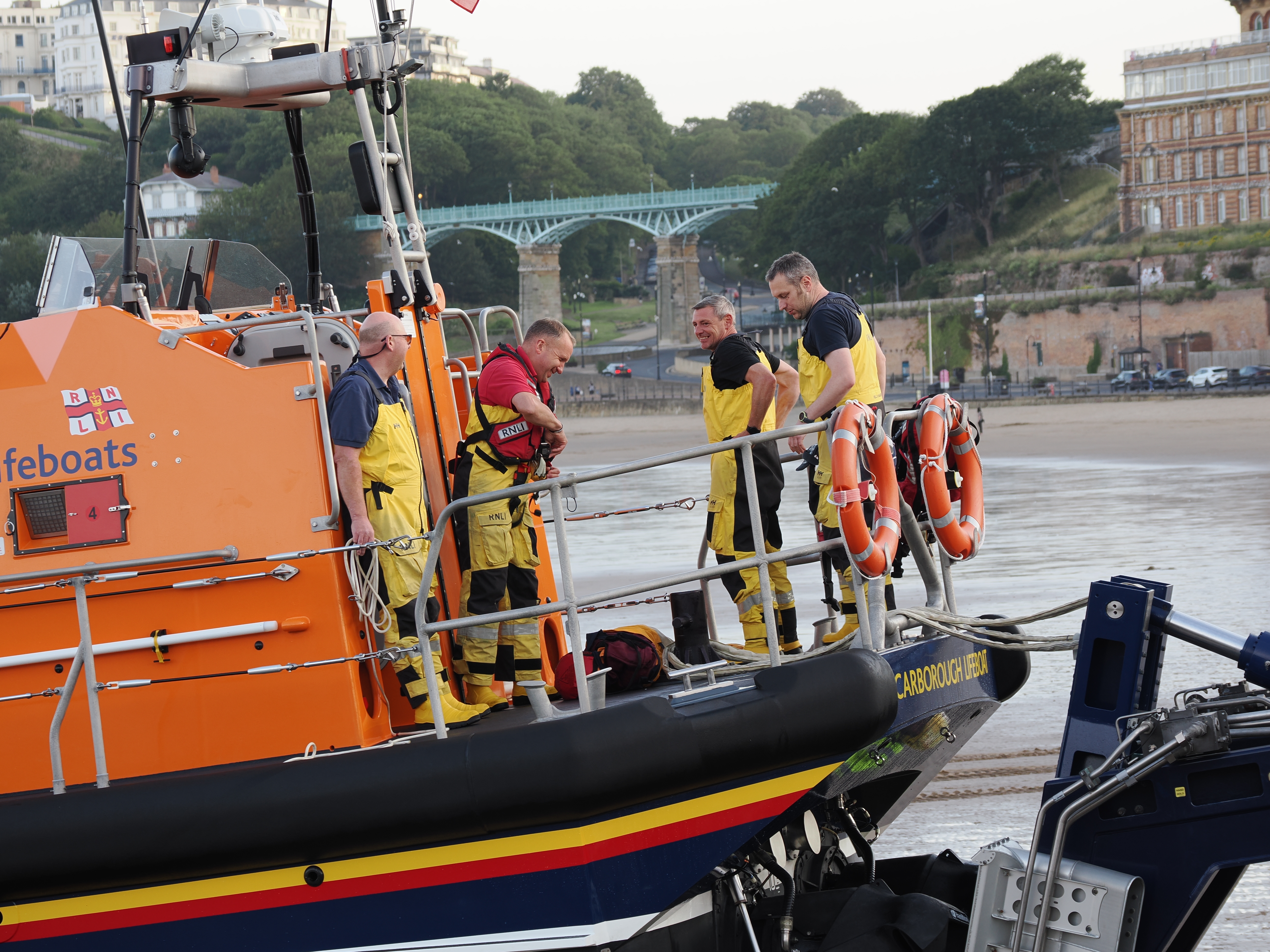
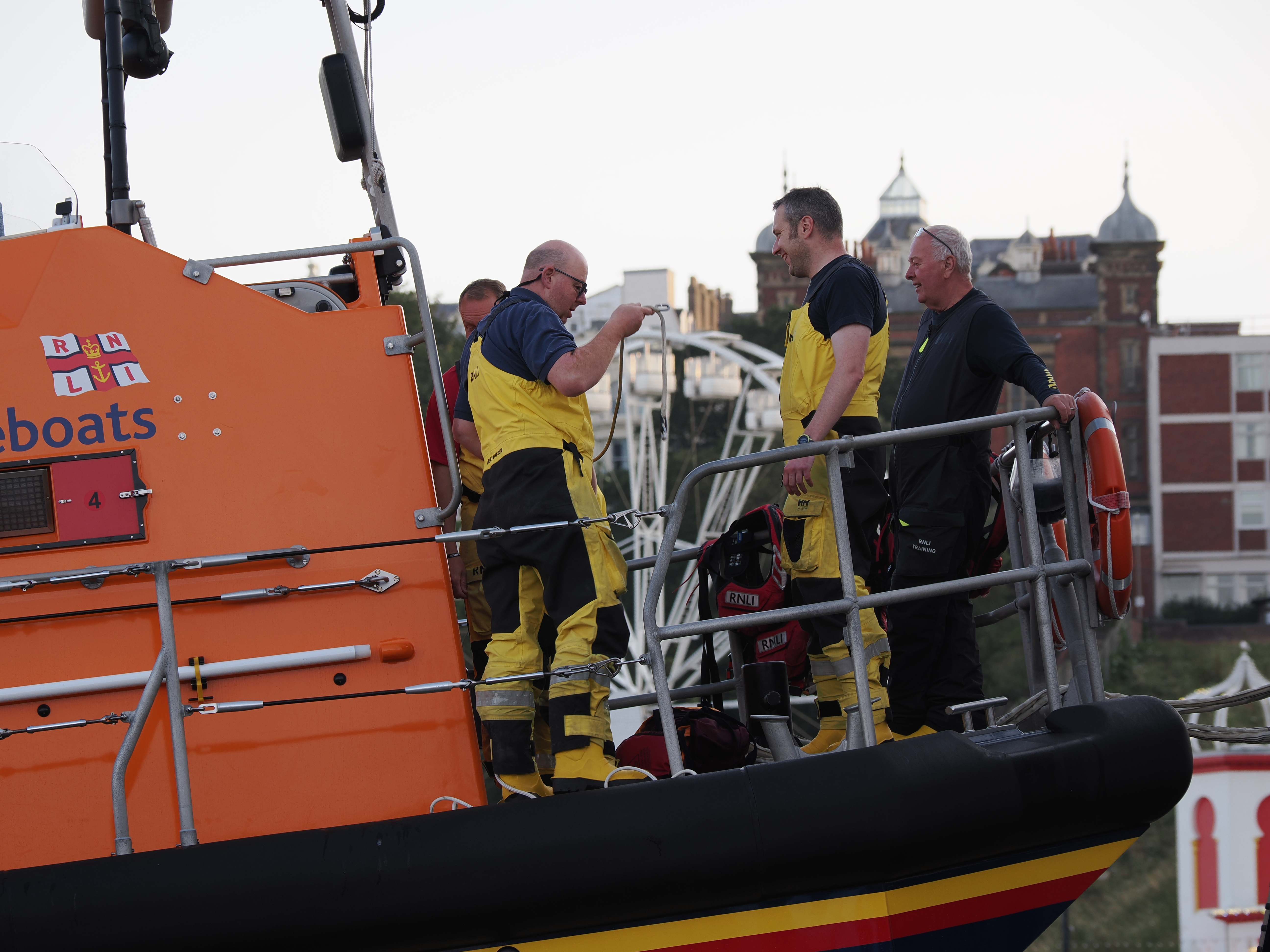
Earlier this year (July 2025) I photographed the whole procedure of recovering the lifeboat at low tide on Scarborough’s South Bay.
Recovering the Frederick William Plaxton lifeboat on 8 July 2025 (1)Recovering the Frederick William Plaxton lifeboat on 8 July 2025 (2)Recovering the Frederick William Plaxton lifeboat on 8 July 2025 (3)Recovering the Frederick William Plaxton lifeboat on 8 July 2025 (4)
Just so it does not feel left out, there is another smaller lifeboat called D-856 John Wesley Hillard IV, a D-Class inshore lifeboat, which arrived on on Thursday 10 June 2021. It had come in a bit before the larger one on 8th July (see below).
D-856 John Wesley Hillard IV, a D-Class inshore lifeboat, Scarborough
It was not that long ago that it was prohibited to take photographs in art galleries like the National Gallery. The reason given was that flash light was harmful to the paintings. Even though flash could be turned off!
Fortunately, that policy changed in 2014 for the National Gallery (earlier for some other galleries), although in the years after that, visitors were still cautioned to make sure the flash setting was turned off on their cameras.
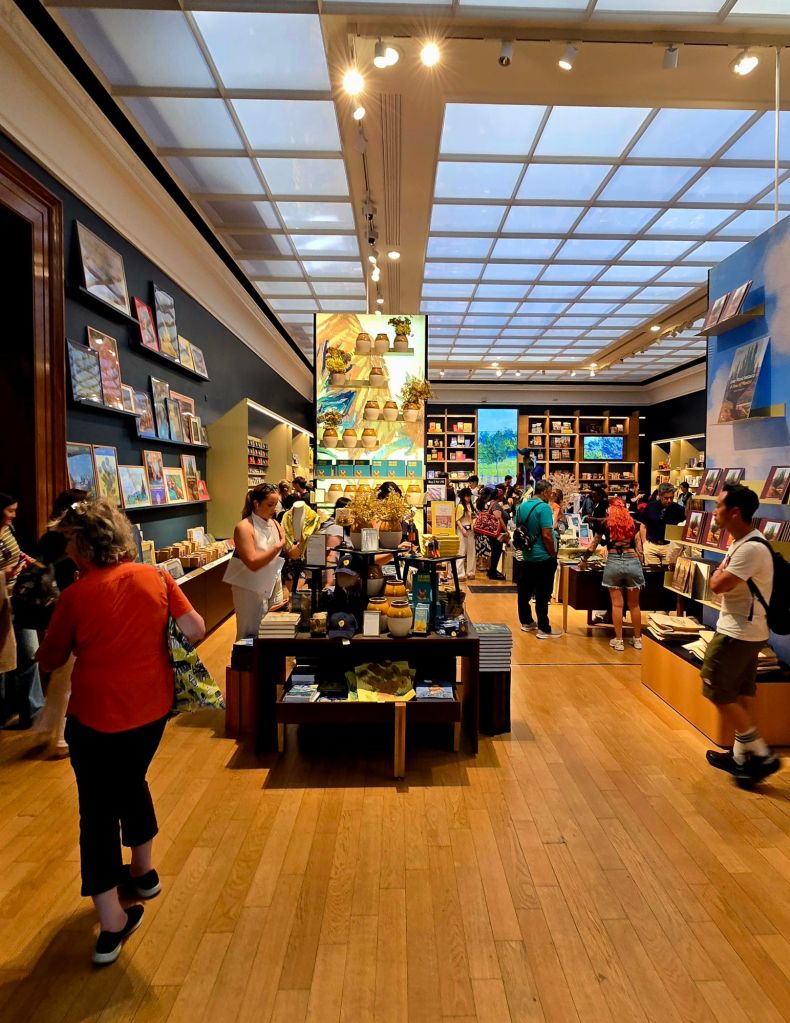
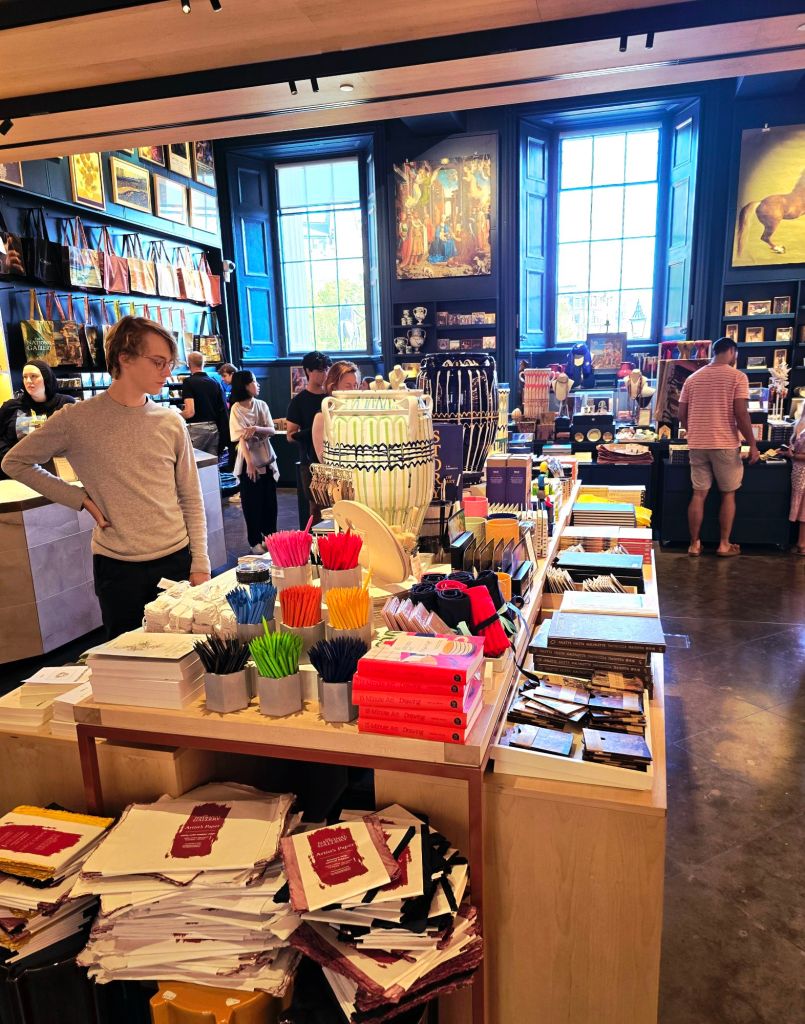
National Gallery shop (17 Aug 2025)National Gallery shop (17 Aug 2025)
About the same time, c. 2010-12, smartphones capable of taking good quality images became much more common, although it is only relatively recently that large megapixel phone cameras have become commonplace.
What this means for looking at paintings in art galleries is that we can all – as most of the planet owns a smartphone – capture high-quality images and sample paintings to capture detailed records of the artwork.
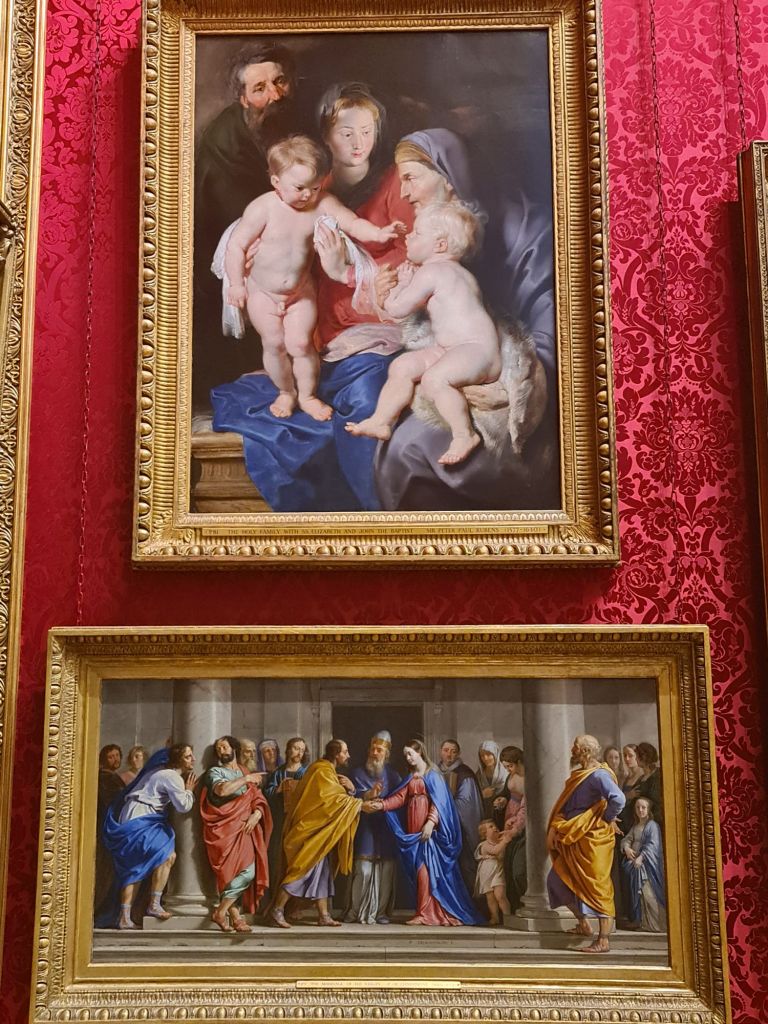
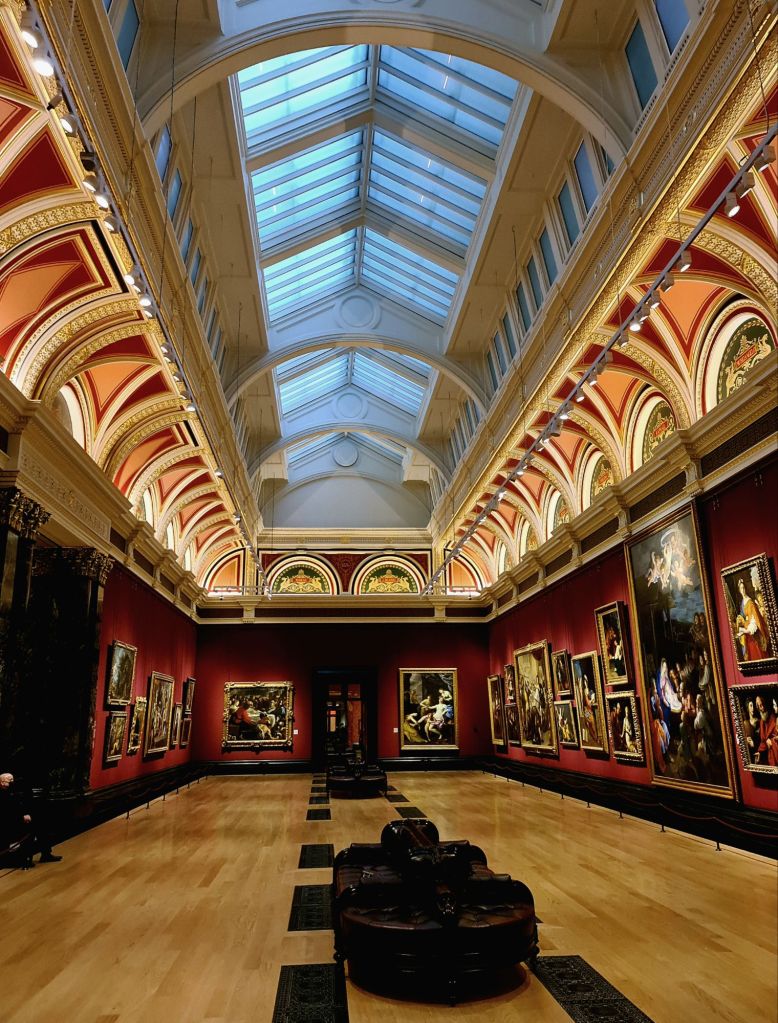
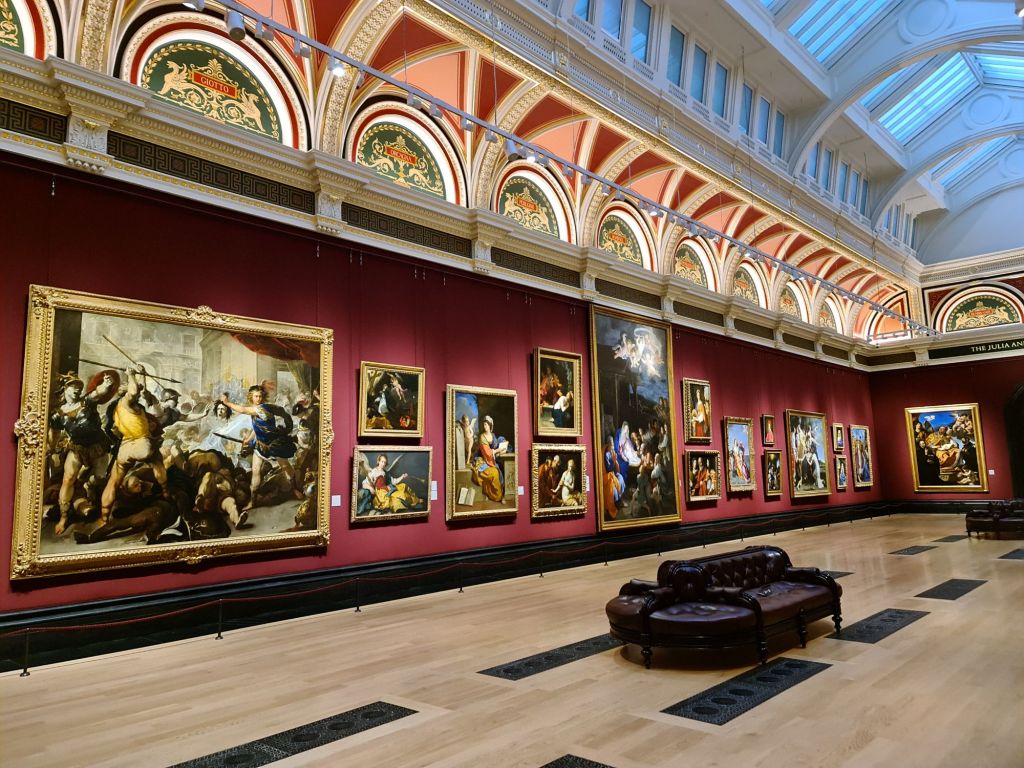
Paintings in the National Gallery during the refurbishment of the Sainsbury wing (reopened 10 My 2025)
Do people actually look closer at a painting once they have photographed it? Or is it just an exercise for ‘ticking off’ a well-known icon, demonstrating that you have ‘been there’ and ‘done that’? Perhaps a bit of both.
I like to think that many people look again at the paintings via their stored images, and other people learn to recognise it when it appears on social media. Certainly, I have learnt a great deal about art from following different Facebook sites.
As someone who grew up in the analogue era, when none of us had digital phones or digital cameras, I really appreciate being able to photograph paintings in galleries.
What I like doing is sampling parts of a painting to look at details that one might miss when looking at the whole painting.
You can also use your camera to scan the painting in great detail, zooming in, without actually taking a picture.
In this blog, I feature some samples I made of some famous Renaissance paintings in the National Gallery. It enables one to see just how skilled these artists were, some 500 years ago.
Leonardo de Vicnci is the artist everyone wants to see. Certainly one of the most celebrated and revered artists of all time.
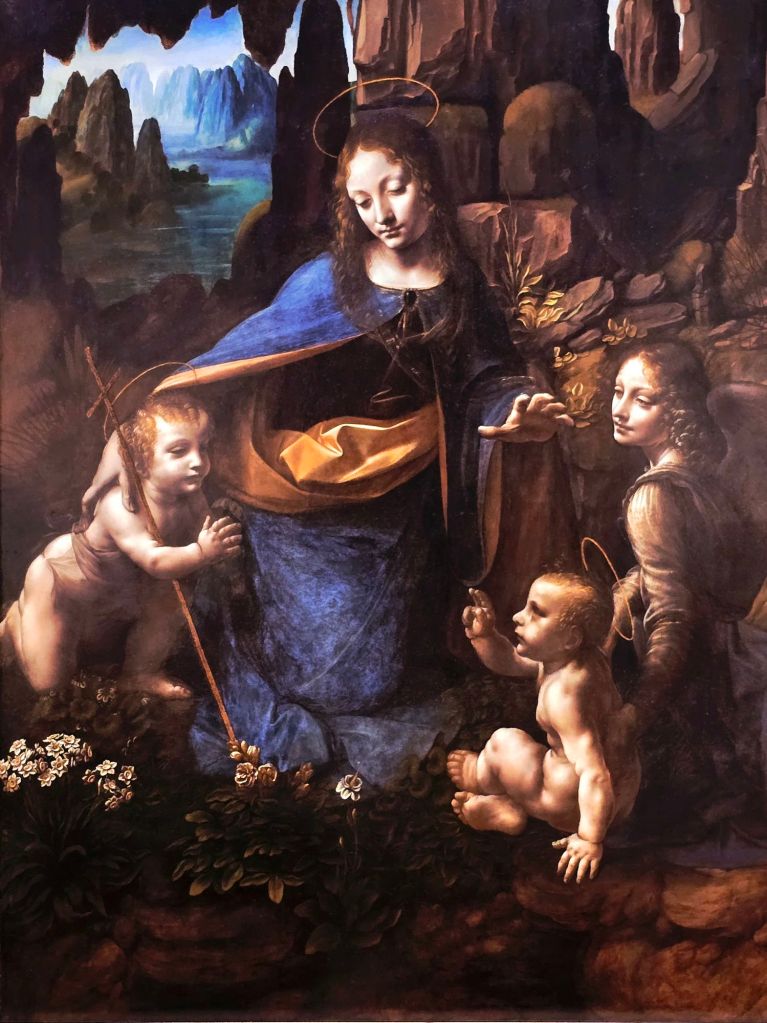
Leonardo and The Virgin of the Rocks. National Gallery London
The National Gallery houses the Virgin of the Rocks, part of a large, elaborate altarpiece made for the church of San Francesco Grande, Milan, to celebrate the Immaculate Conception of the Virgin Mary. Another, earlier version, is held in the Louvre in Paris.
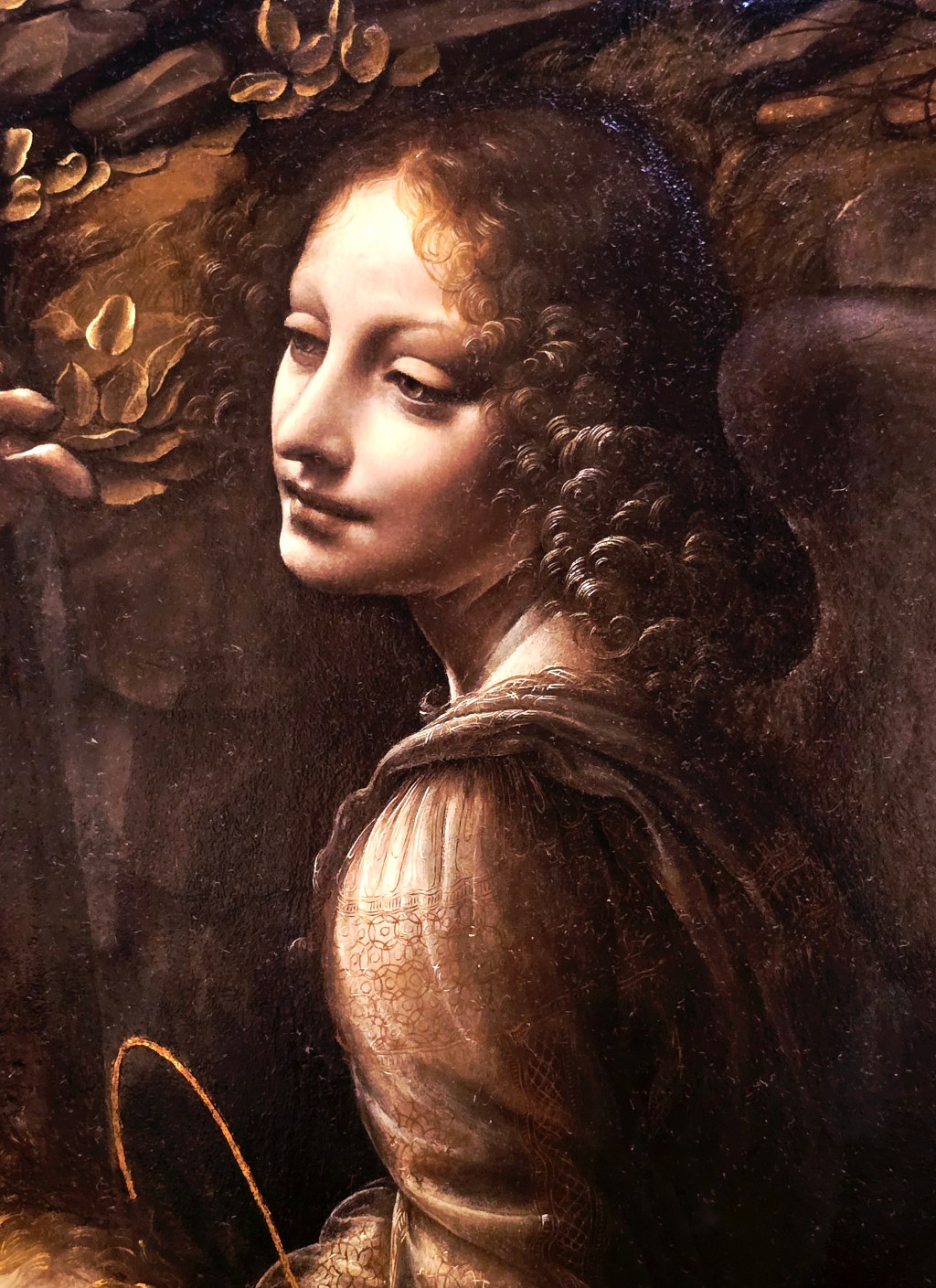
Here are some samples showing the amazing detail, especially the golden hair with spirals and curls typical of Leonardo.
Leonardo and The Virgin of the Rocks (detail)Leonardo and The Virgin of the Rocks (detail)Leonardo and The Virgin of the Rocks (detail)
I had to wait for the crowds to disperse before I could get close, however!
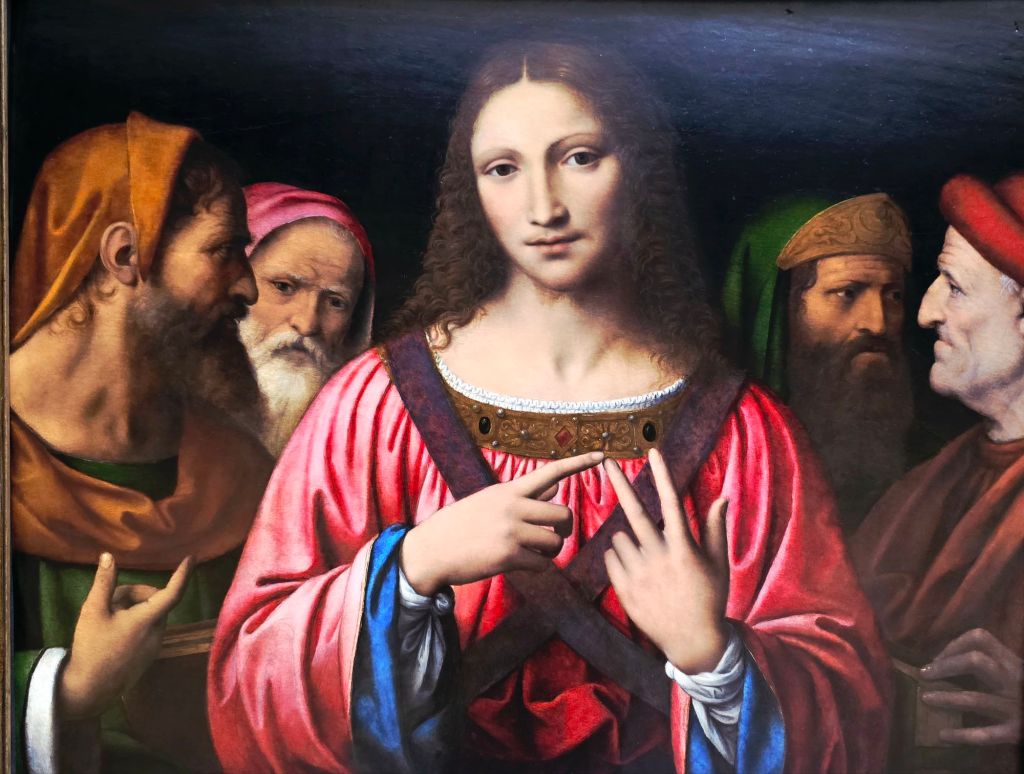
The celebrity status of Leonardo de Vicnci certainly attracts the crowds. The funny thing is that there is another painting in the National Gallery, which was once attributed to Leonardo. It is called Christ Among the Doctors by Bernardino Luini.
Bernardino Luini, Christ among the Doctors, probably about 1515-30
The painting was previously believed to be by Leonardo and may be based on an original design by him. There are numerous versions of this picture: the composition was enormously famous. However, there was nobody looking at it when I passed by! If it had been by the masters hand, rather than just being by a leading followers of de Vinci, I expect that there would be a gaggle of people taking selfies in front of it!
Here are samples of the doctors shown on both sides of the Christ figure Not bad if you ask me!
Christ among the Doctors (detail)Christ among the Doctors (detail)
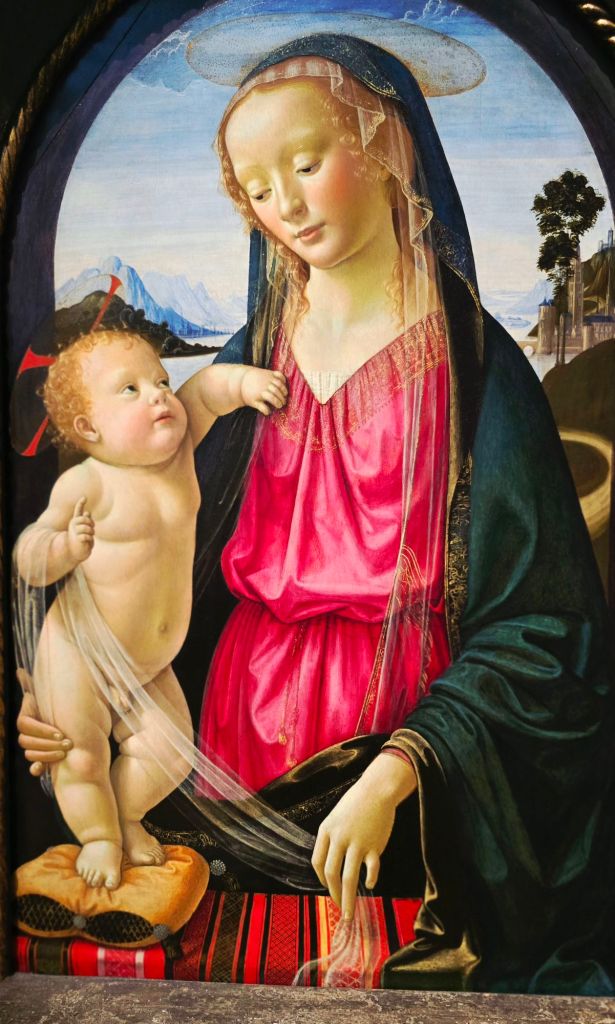
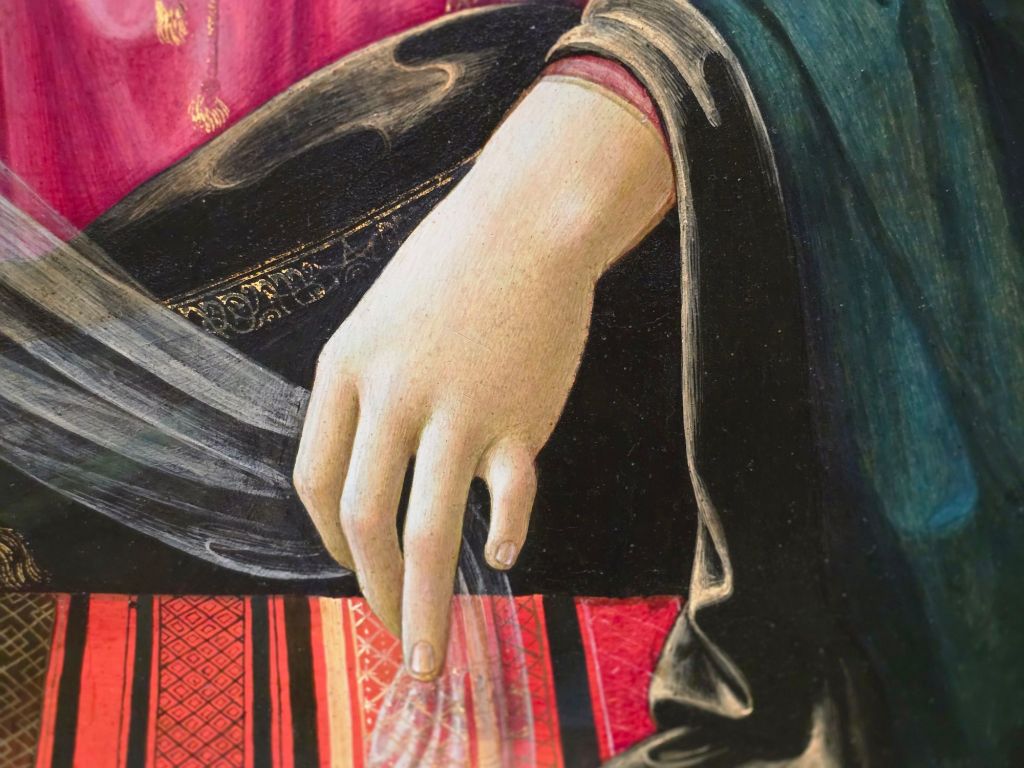
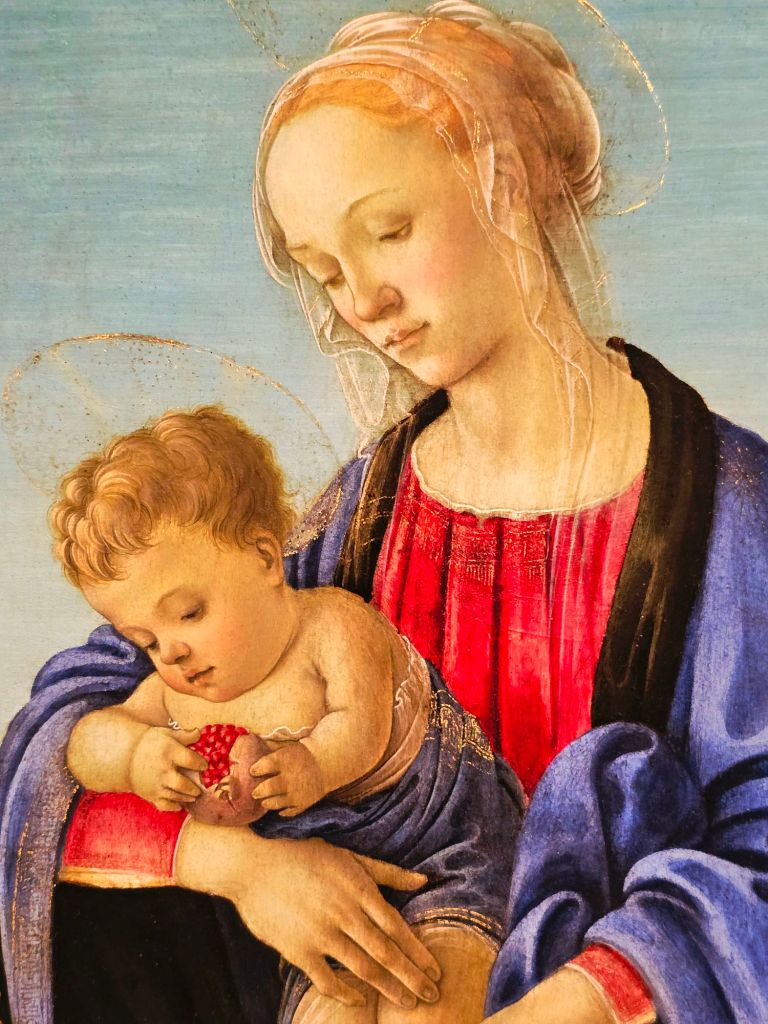
Leonardo was not the only one who could do curls or fine locks of hair. Domenico Ghirlandaio, or Domenico di Tommaso Curradi di Doffo Bigordito, to give him his full name, was also a master painter from Florence. Look at these details from his Virgin and Child, c. 1480-90 (below).
The Virgin and Child by Domenico Ghirlandaio (probably about 1480-90)
Here are some details from The Virgin and child:
I am not particularly religious, but I am struck by the beauty and artistry of these masters of the Early and High Renaissance. Some of them were priests, like Fra Filippo Lippi, who painted religious scenes with extraordinary tenderness and natural beauty.
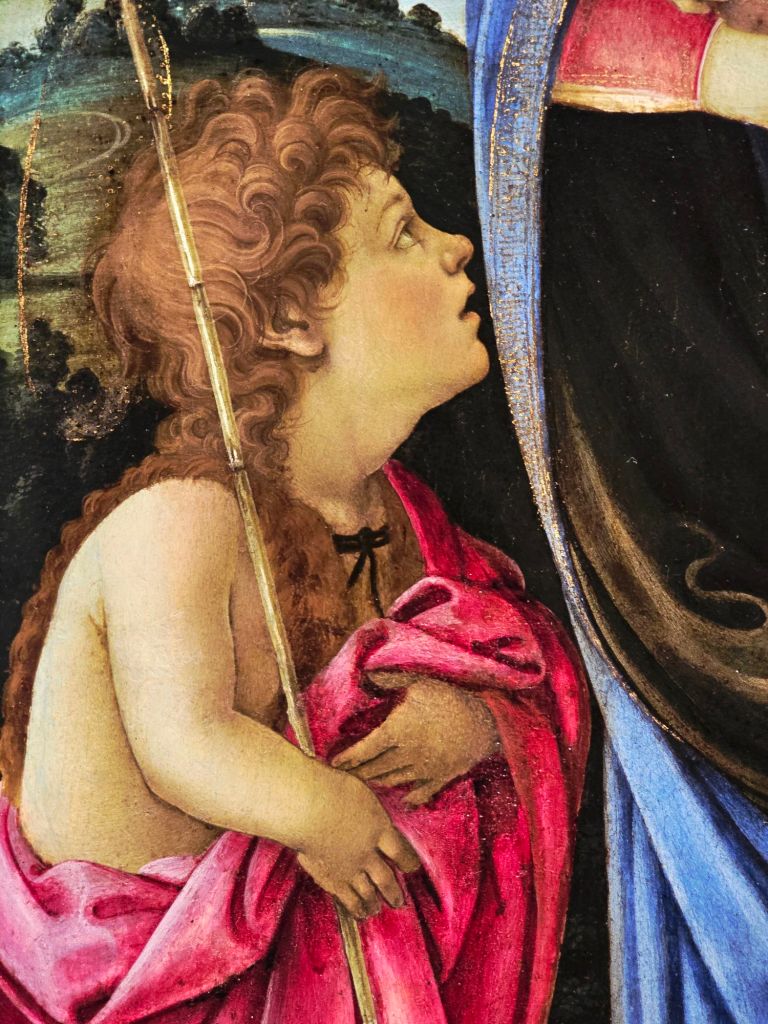
The Virgin and Child with Saint John by Filippino Lippi (1480)
The Virgin and Child with Saint John by Filippino Lippi (1480) detailsThe Virgin and Child with Saints by Ambrogio Bergognone (1490)
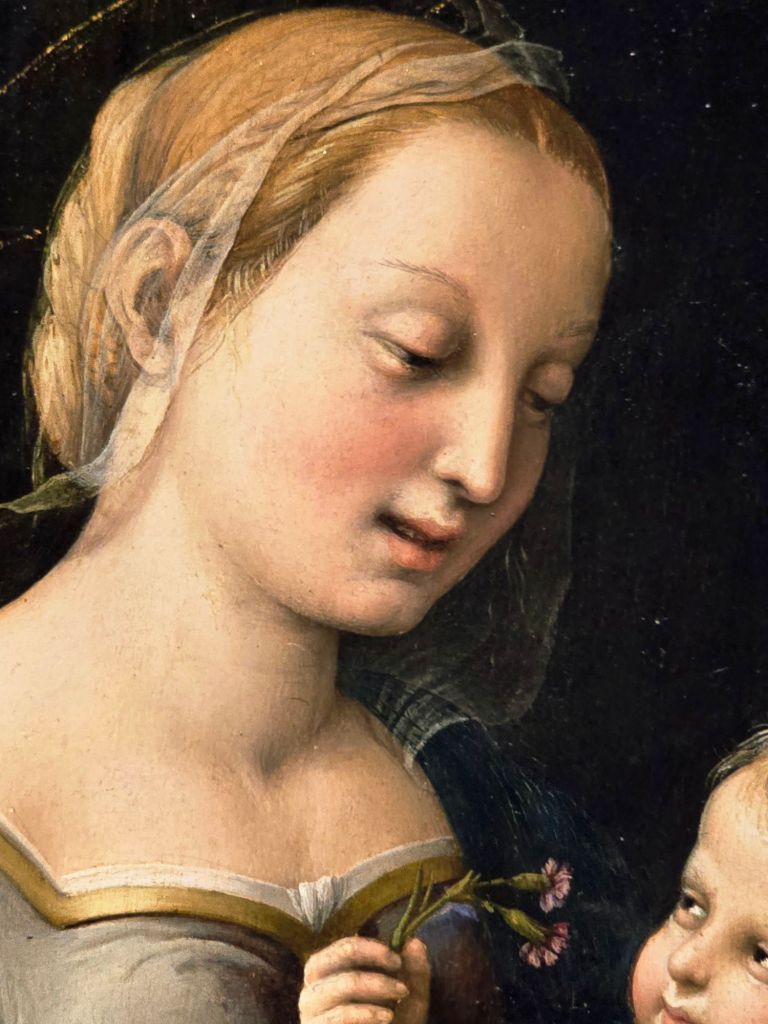
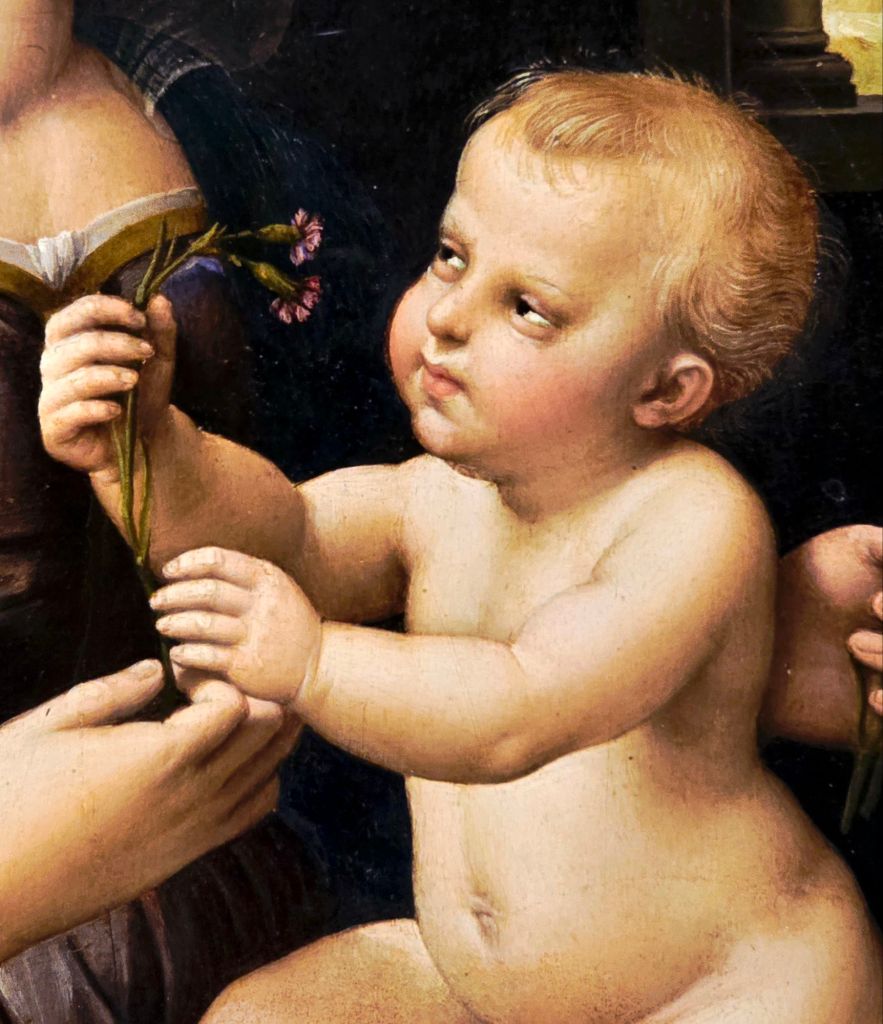
One of the greatest artists of the High Renaissance, and my favourite painter, is, of course, Raphael, or Raffaello Sanzio da Urbino to give him his Italian name. This painting is freely based on Leonardo da Vinci’s Benois Madonna (in the State Hermitage Museum, St Petersburg, an amazing place I was fortunate enough to visit in 1990).
The Madonna of the Pinks (‘La Madonna dei Garofani’) by Raphael
Here are a couple of details.
The Madonna of the Pinks (detail)The Madonna of the Pinks (detail)
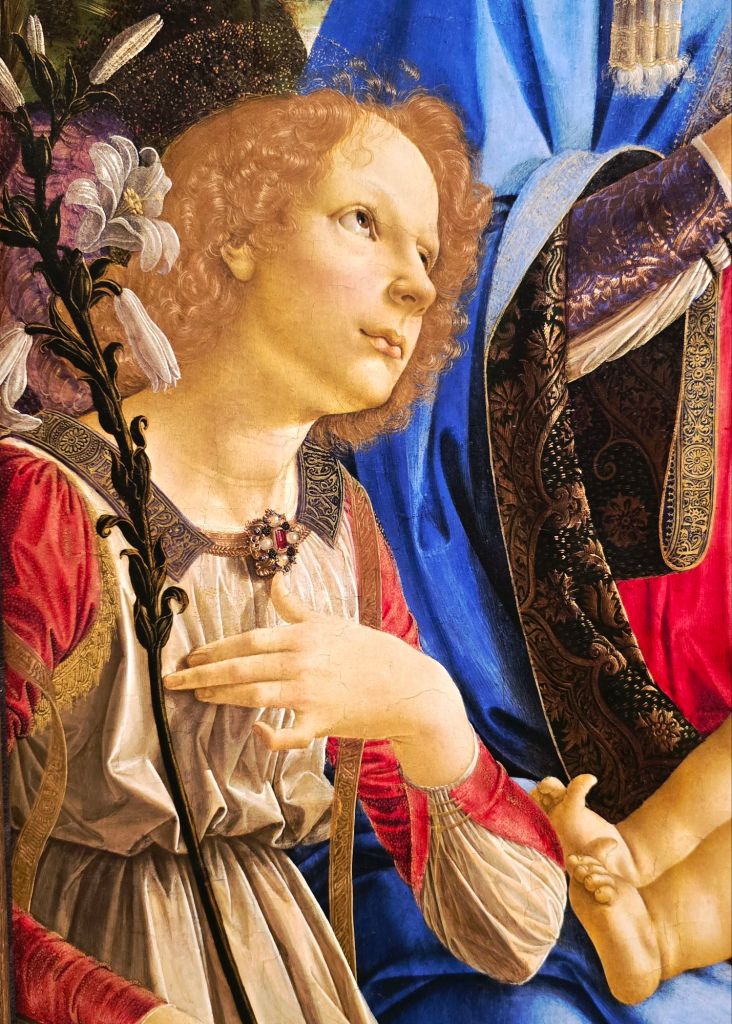
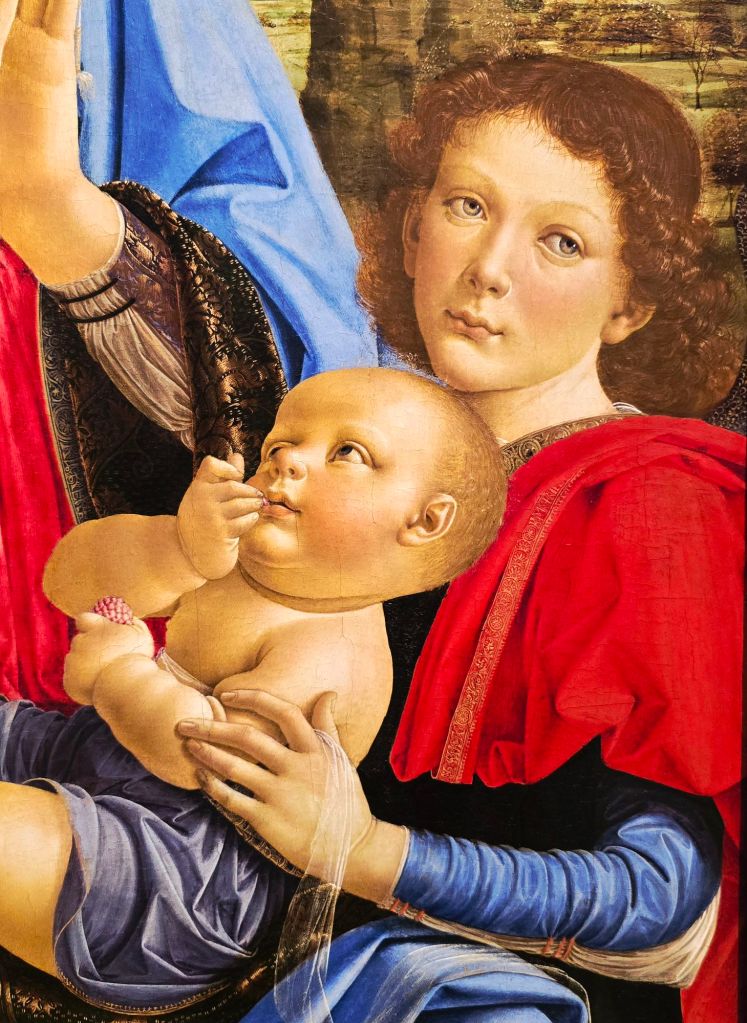
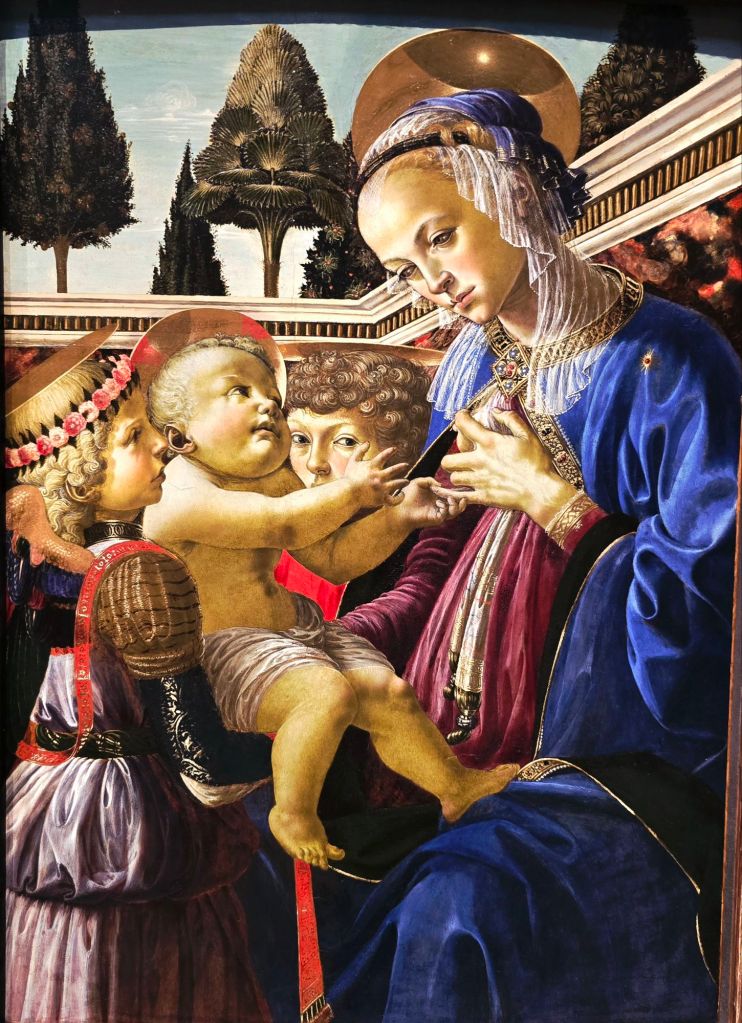
Another Florentine artist and teacher of Leonardo da Vinci was Andrea del Verrocchio. This painting, the Virgin and Child with Two Angels, which had not previously been attributed to Verrocchio, was cleaned and restored about 2010 and is now attributed to him with a date of about 1467–1469. In this painting, he was assisted by assisted by Lorenzo di Credi (1435-1488).
The Virgin and Child with Two Angels about (1476-78) by Andrea del Verrocchio, assisted by Lorenzo di Credi
Once again, the details are incredible. His student Lorenzo di Credi painted the chubby Christ Child, the parted curtains, and the angel on the right
The Virgin and Child with Two Angels (details)
Interestingly, the National Gallery once published a book featuring the favourite details of Kenneth Clark: One Hundred Details: From the National Gallery, London (National Gallery London Publications). It is long out of date, but fortunately, we can all select our favourite details now and get an insight into the extraordinary talents of these Renaissance artists.
I’ll finish with another extraordinary painting by Andrea del Verrocchio called Virgin and Child with Two Angels (also called Madonna del Latte or Madonna of the milk because she is breastfeeding), dating from circa 1467–1469. Not to be confused with his other painting of the Virgin and Child with Two Angels, shown above!
The Virgin and Child with Two Angels Andrea del Verrocchio
Perhaps it’s worth mentioning that all of these paintings are in the public domain and one can freely reproduce their images. Copyright protects an artist’s work during their lifetime, and for 70 years after their death, typically. After this period, the work enters the public domain, meaning it can be copied and used freely.
The paintings in the National Gallery belong to the government on behalf of the British public, and entry to the main collection is free of charge.
The images were all taken by me (Raymond JC Cannon) using a Samsung S24 Ultra mobile phone,
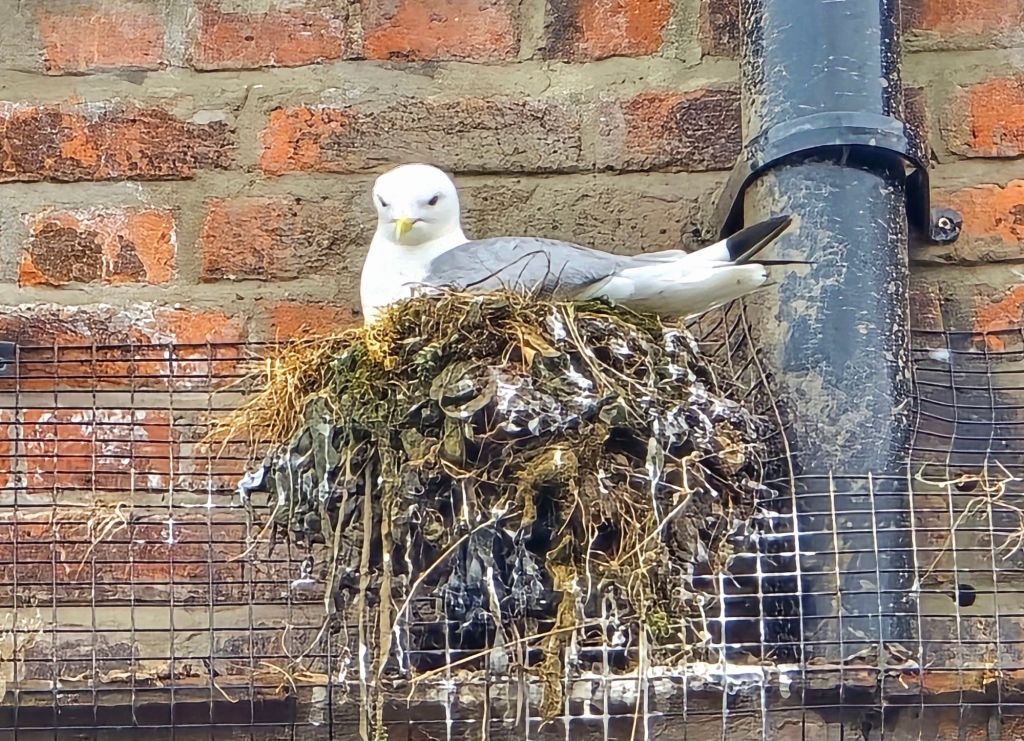
Imagine coming back from a winter spent at sea to find that your nest site is no longer there! That’s what’s happening to many kittiwakes in Scarborough this year.
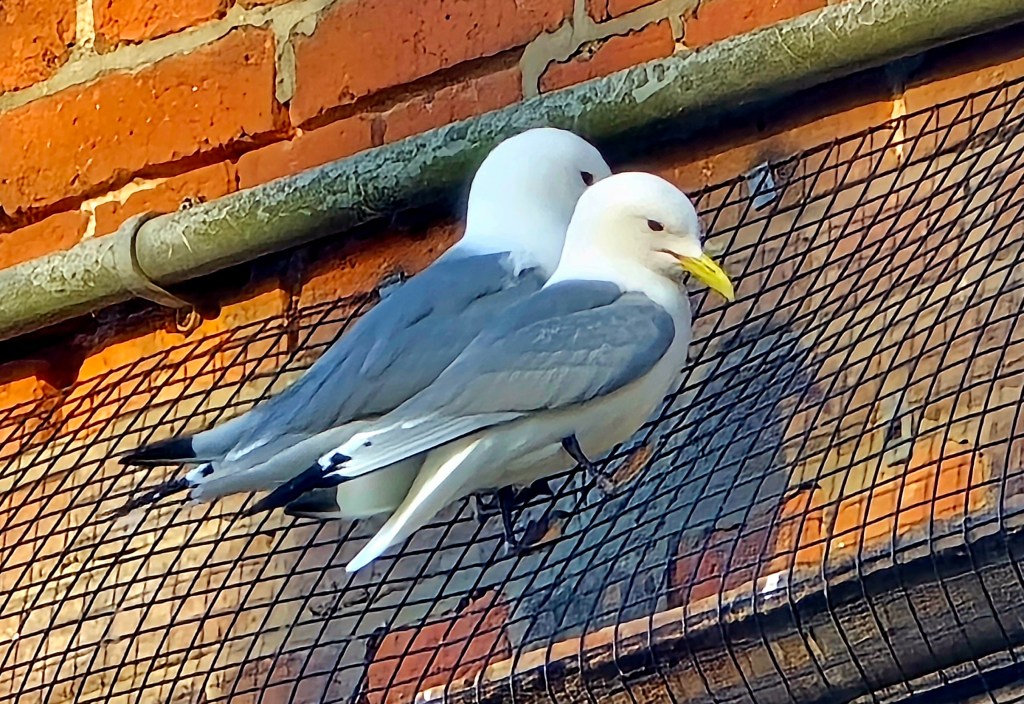
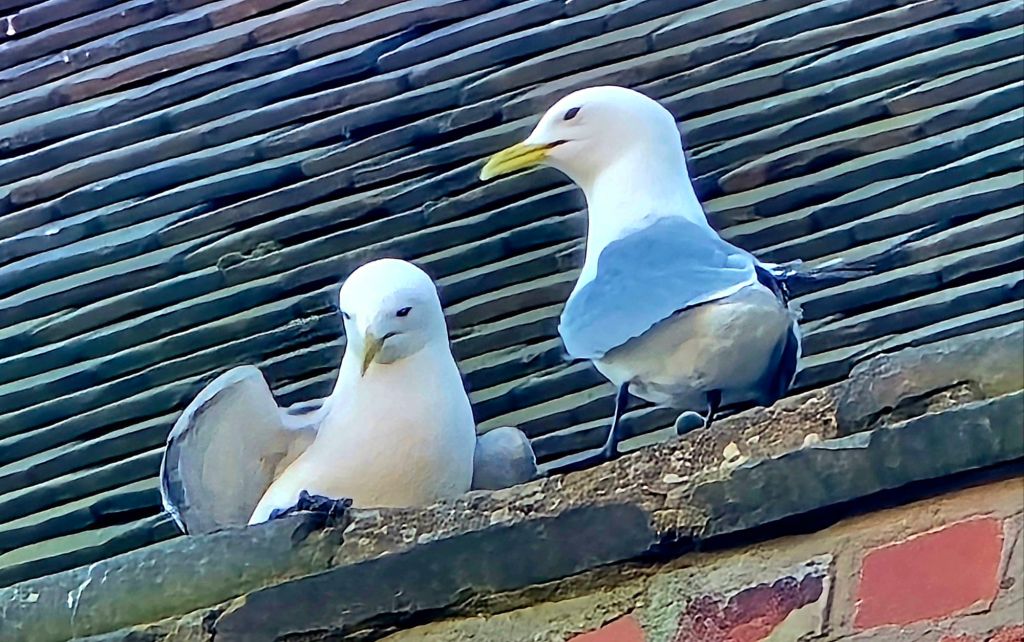
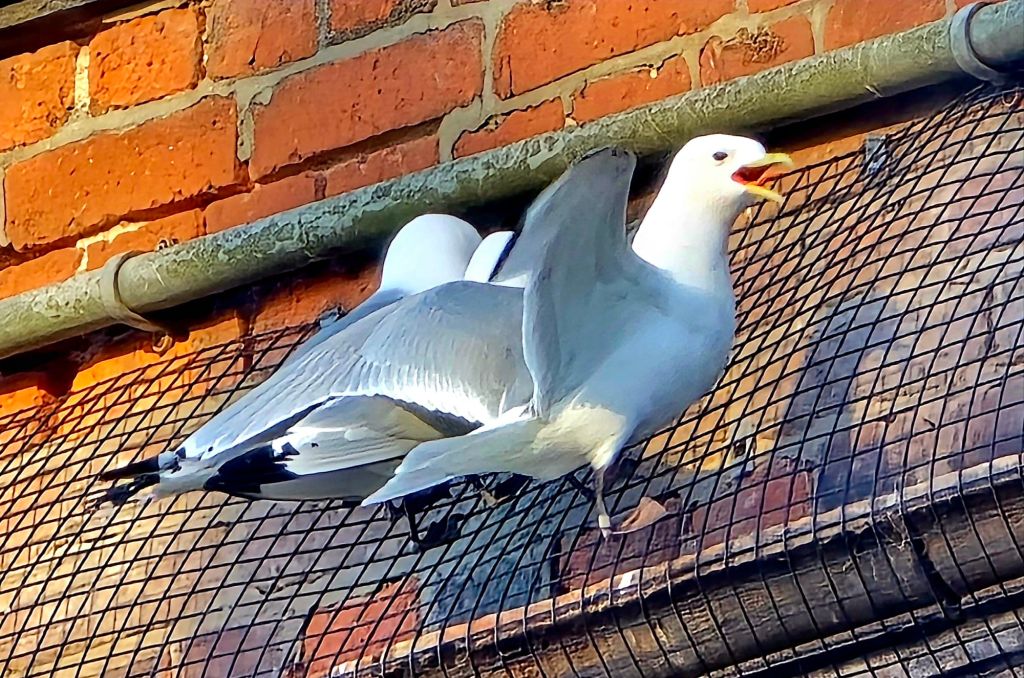
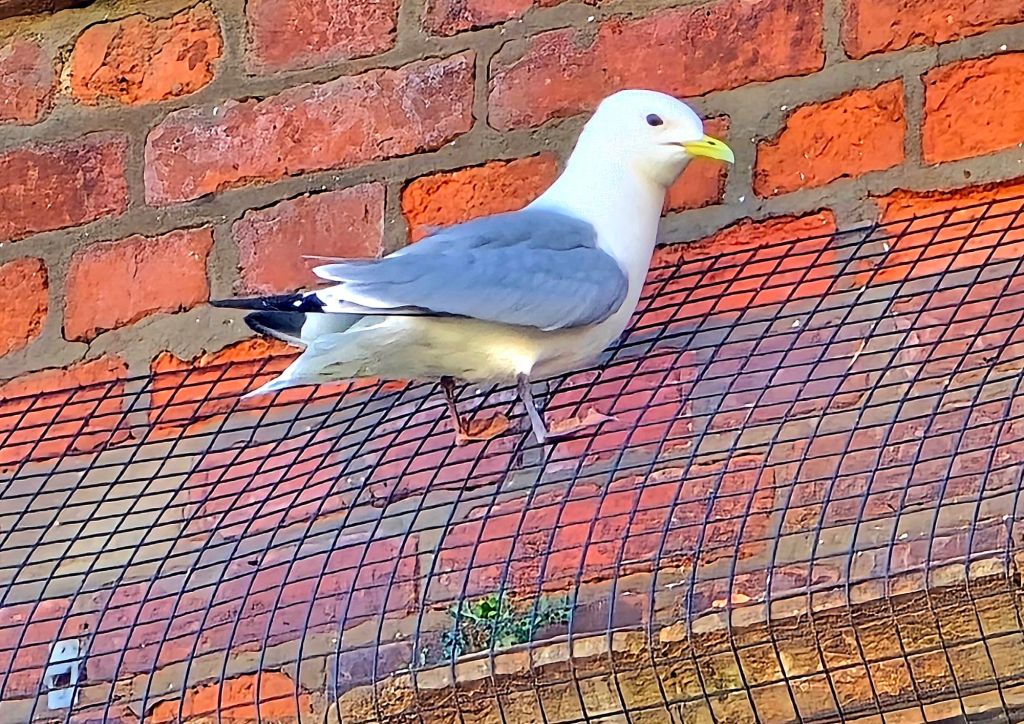
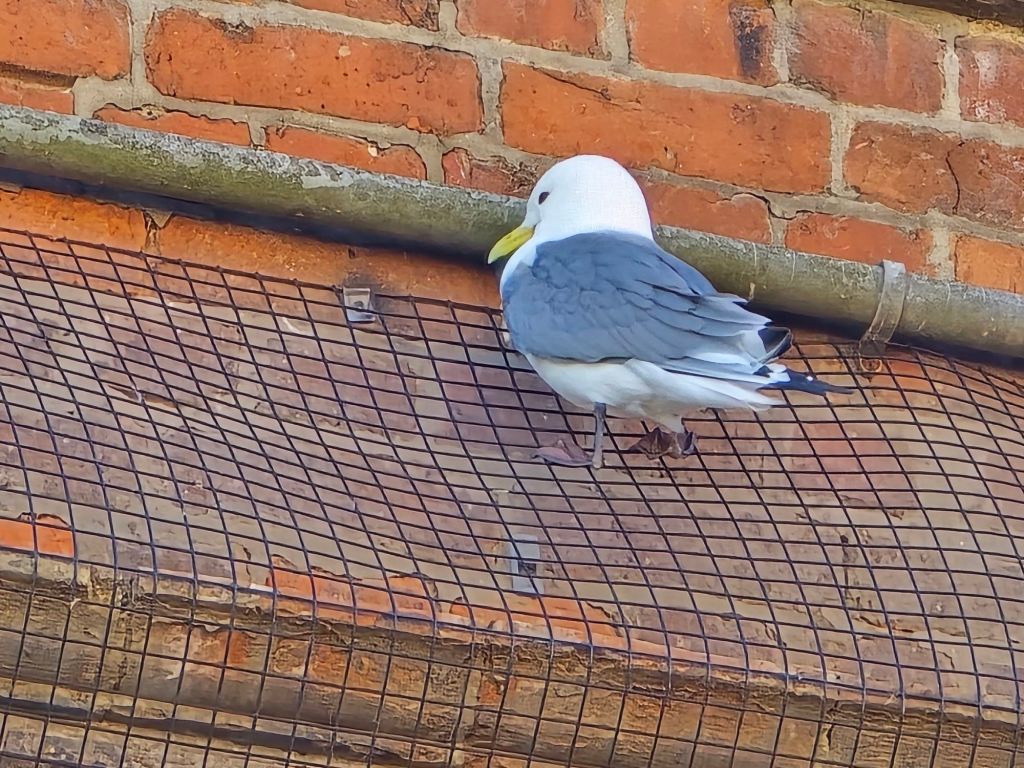
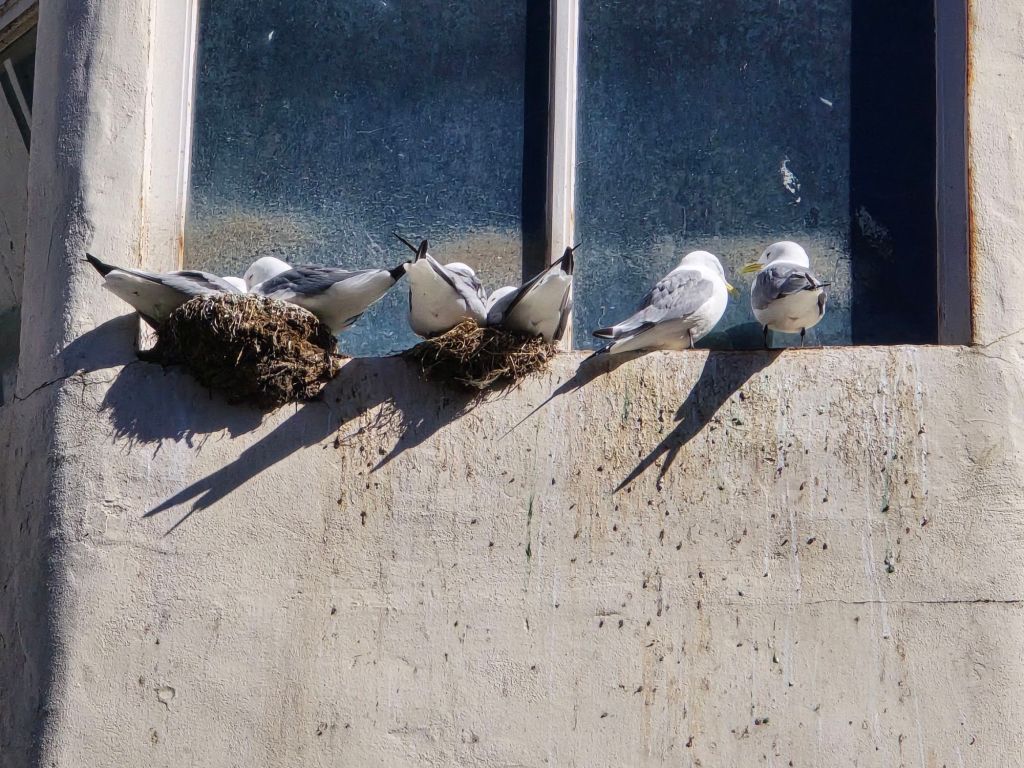
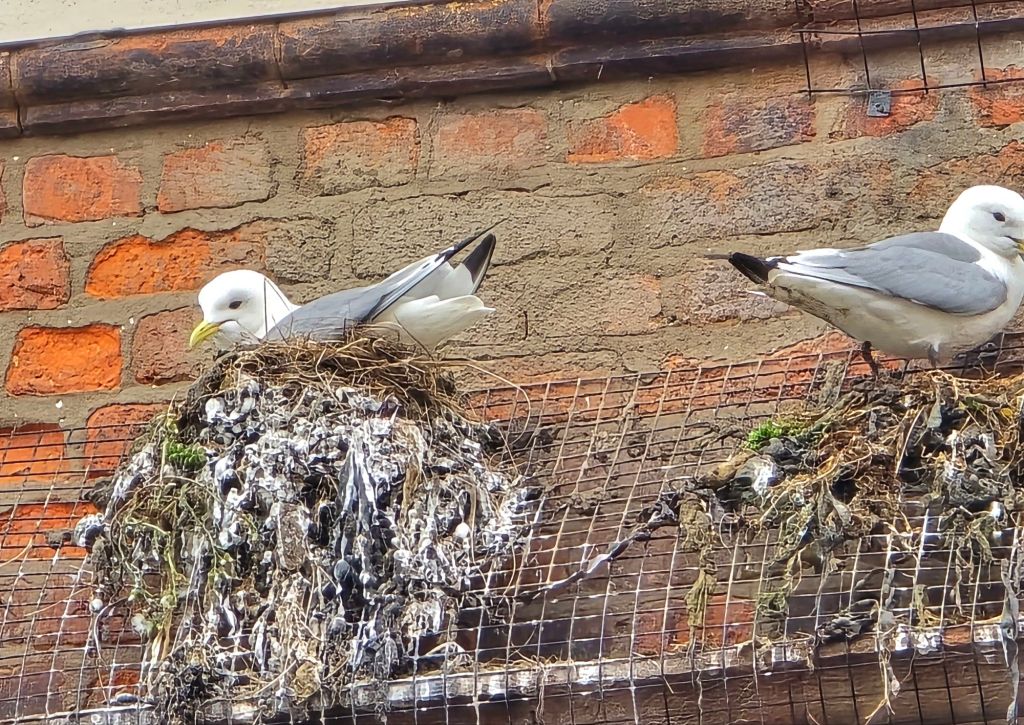
Black-legged kittiwakes (Rissa tridactyla) excluded from previous nest sites by new wire mesh
You’ve come back and have found your long lost love – kittiwake pairs do not stay together during the winter – but the euphoria is heavily dampened by the fact that your nesting site has gone! (Removed by the Council or the owners of the buildings).
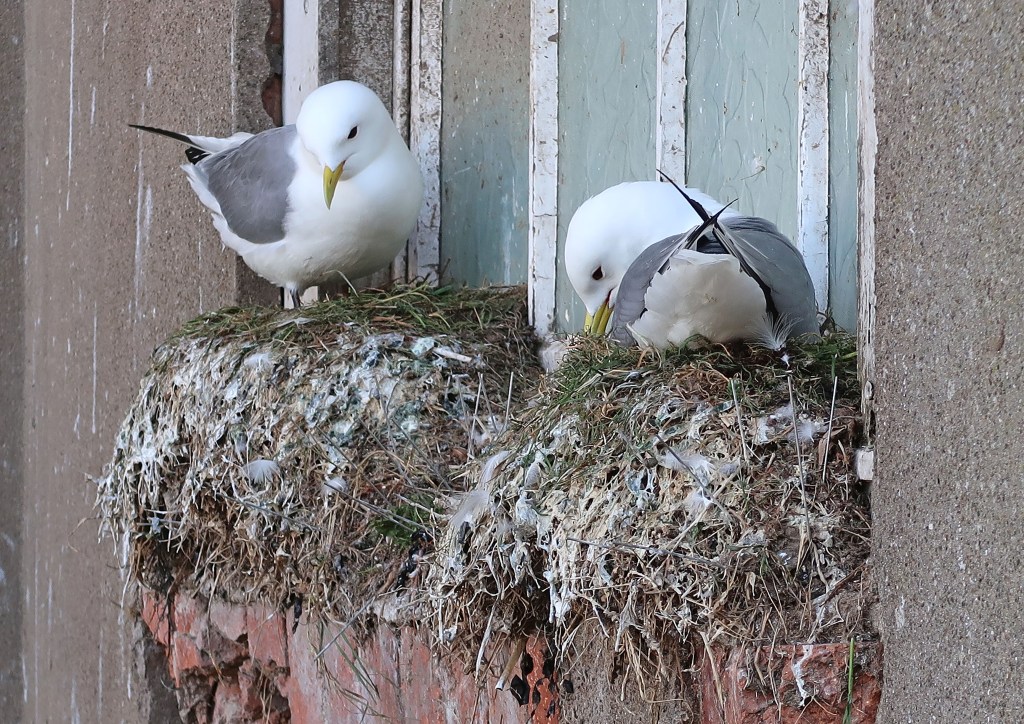
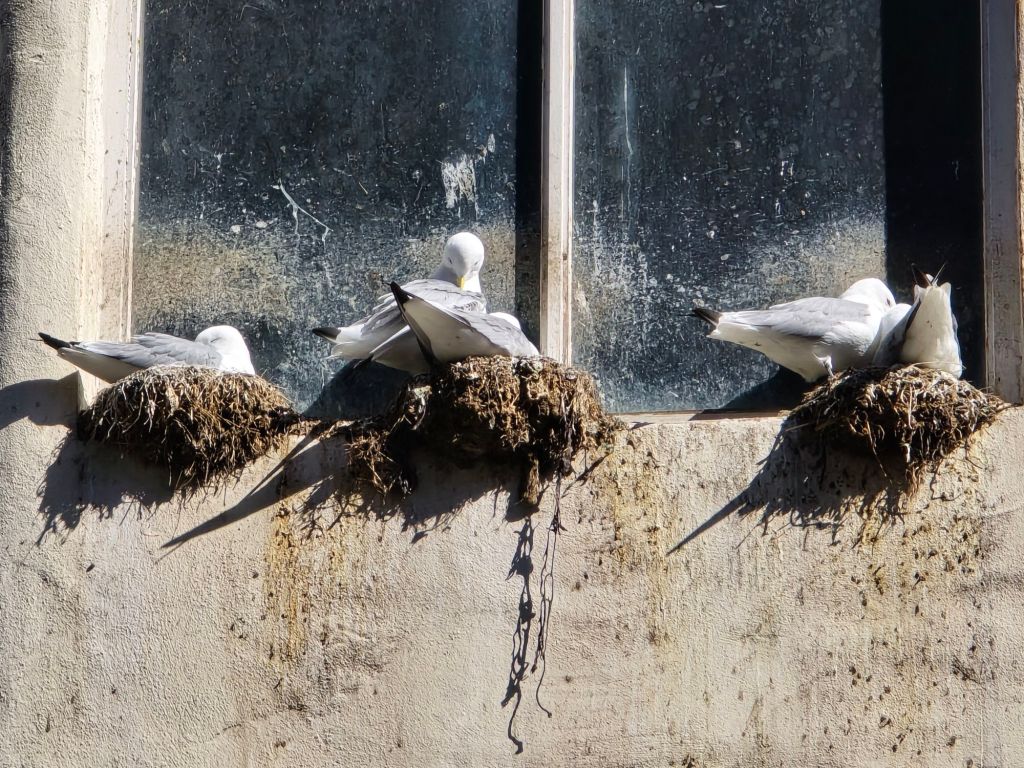
Whereas, in years gone by, you had a lovely big nest of seaweed – built over a previous bed of spines, it has to be said (see below) – now there are just long vicious spines.
Kittiwakes nesting on a ledge on the Grand hotel, Scarborough
New spines have replaced the nests on this ledge (below), shown above with nesting birds.
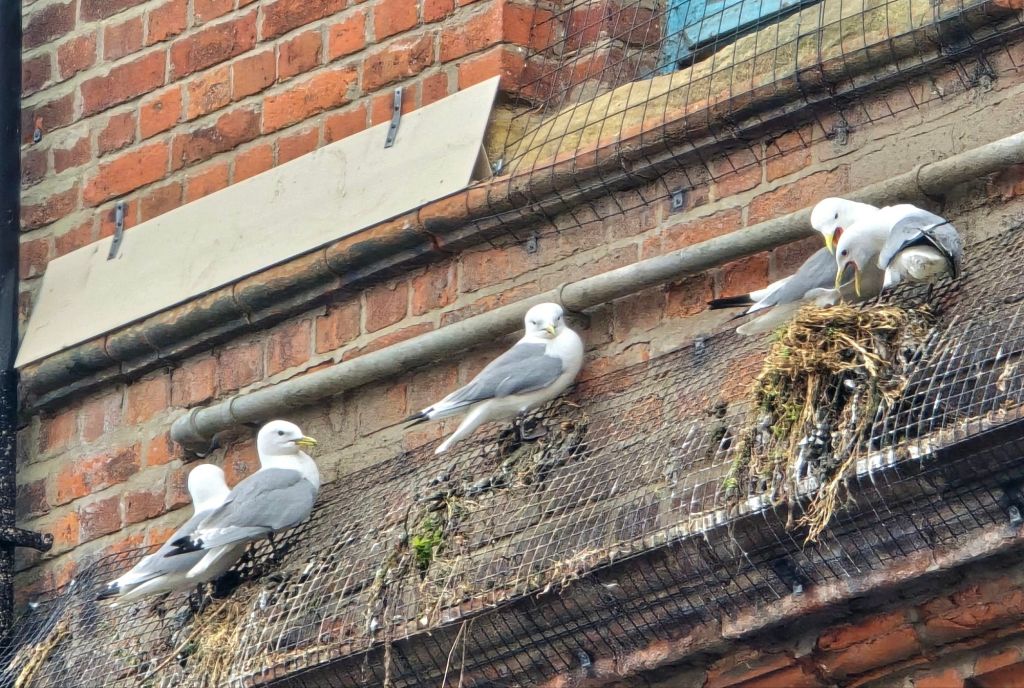
In other places in the town, the nests have been removed, and ledges have been covered on seagull-excluding mesh.
2nd April 20252nd April 2025Kittiwakes return in the Spring to find their old nest sites covered in mesh (2 Apr 25)
Now, one can understand that not everyone wants their window ledges covered in bird’s nests! But what’s a bird to do if it’s nested there for years and years?
The poor kittiwakes returning to their old nest sites look bewildered to me. They are standing on the mesh, looking down at where their nest used to be. I can almost hear them muttering “WTF!”
‘What happened? We’ve been nesting here for years! We have always nested in the town, unlike our cousins on the cliffs. What shall we do? Where shall we go?’
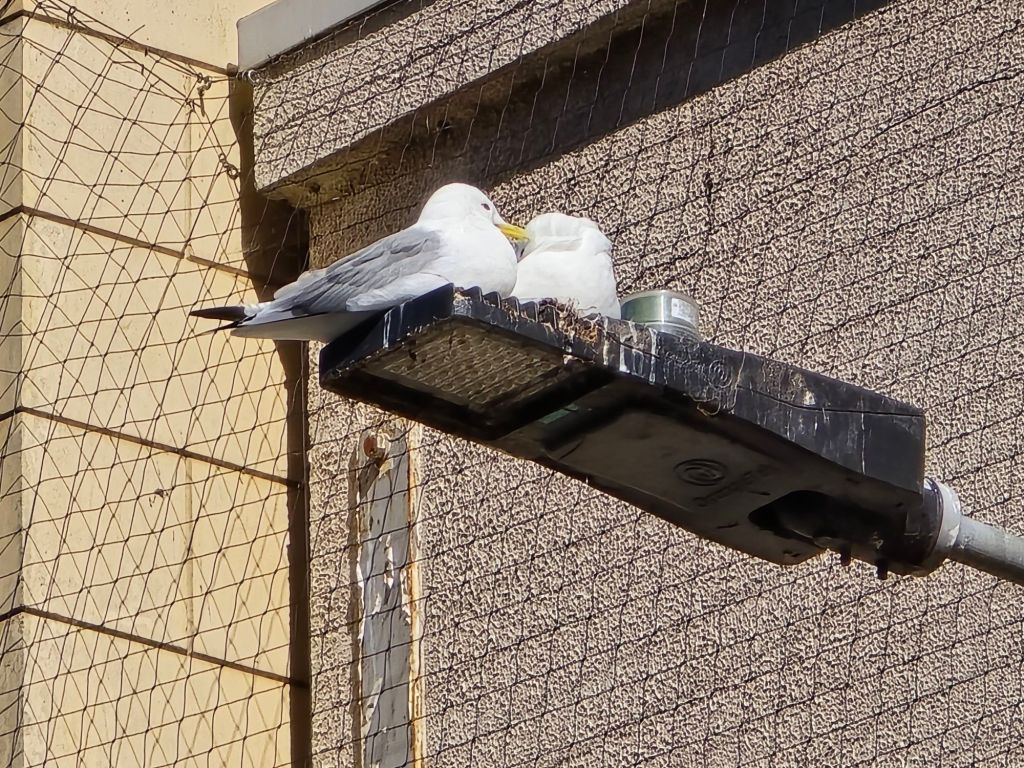
Some clever pairs have learned how to nest balanced on top of lamp-posts, but there are not too many of these, and we don’t all enjoy living above a busy road!
Nesting on a street lamp. This amazing couple has brought up many chicks – sometimes two a year! – balanced on this street light.
Another pair have opted for this other street light – at least they still have a nest site!
Kittieakes nesting on a lamp-post. Not for the faint-hearted!
It’s a problem. Kittiwakes have been moving into seaside towns for many years now, since the 1940’s. Life on a window ledge may seem challenging to us, but for kittiwakes, it offers an existence relatively free from predators: like peregrine falcons, which predate the birds living on the cliffs. They don’t seem to mind the hustle and bustle of the town, but unlike the larger herring gulls – which steal pasties and ice creams from unsuspecting sea-siders – kittiwakes are not living with us for our food. They fly off every day to catch fish and bring these back to their chicks. You will never see a kittiwake begging for food or stealing a chip!
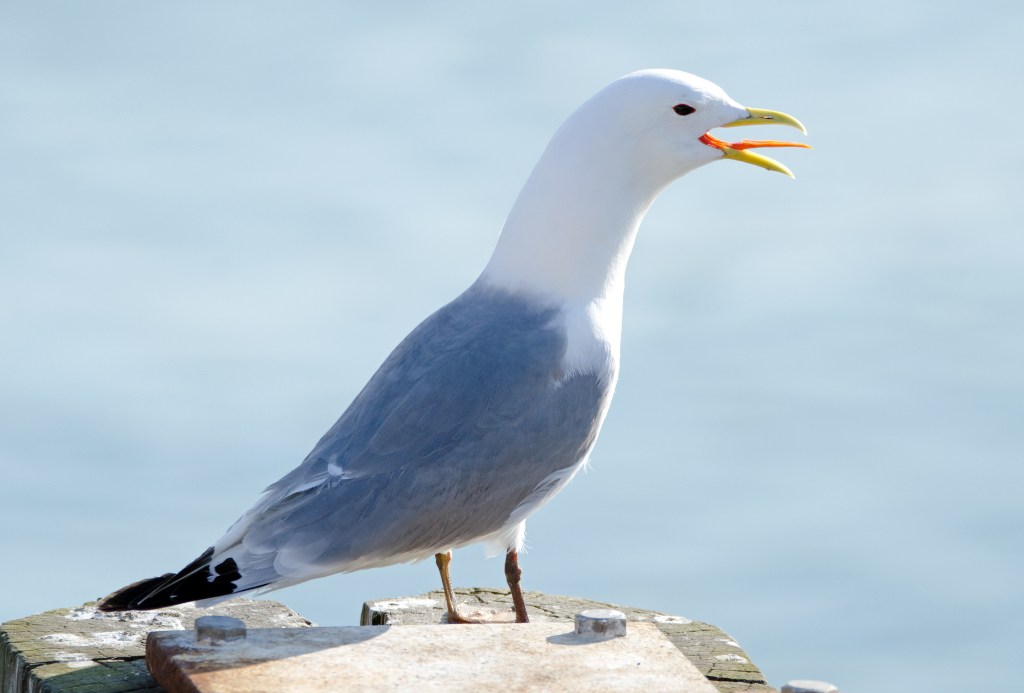
Black-legged kittiwake (Rissa tridactyla) adult
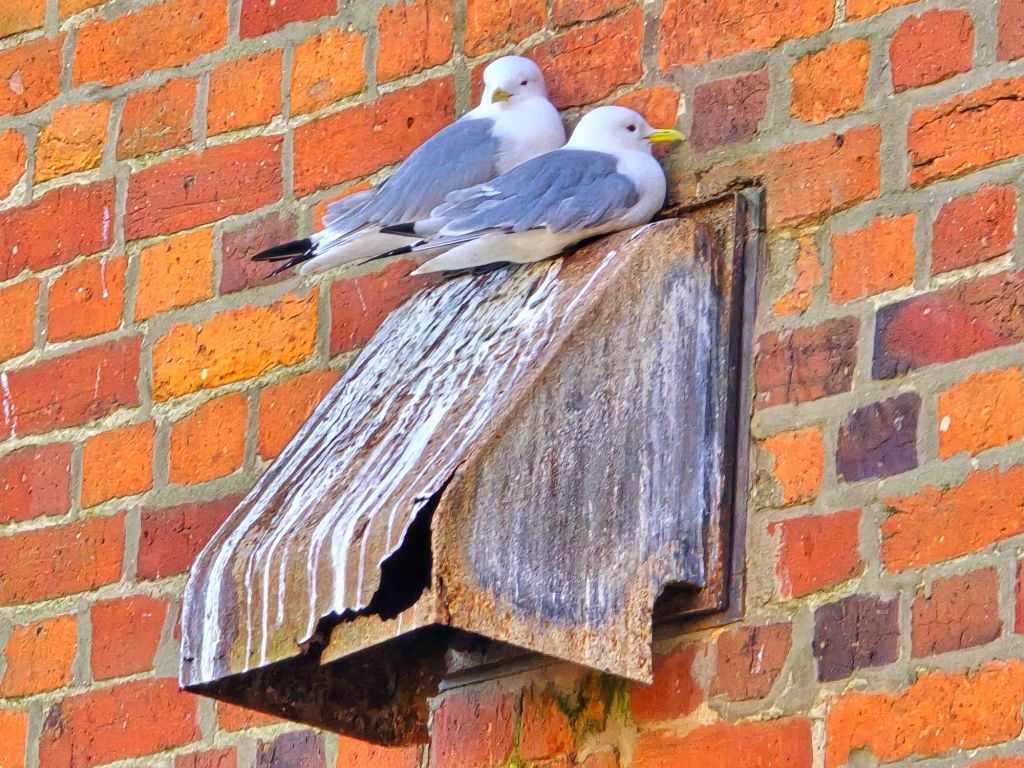
There are still some places left in the town where kittiwakes can nest on buildings (below), but understandably, many shops and buildings have taken measures to excude them.
Kittiwakes are starting to nest on window ledges in Scarborough. The lucky ones, I suppose.
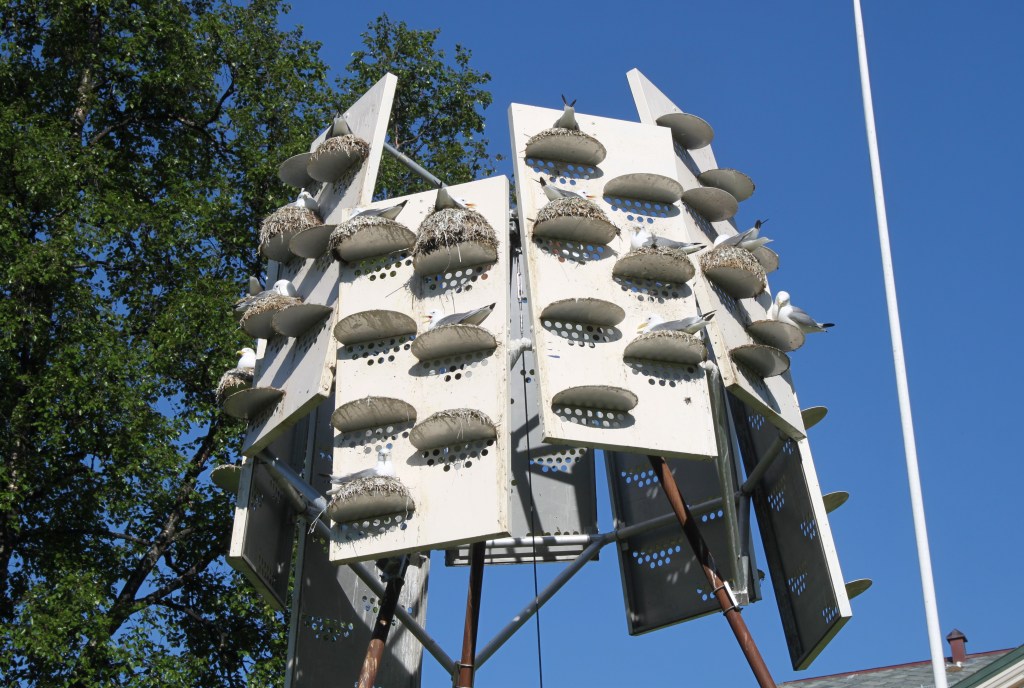
So, what’s the solution? Kittiwake hotels! In other parts of the world, like in Tromsø, Norway, people have constructed artificial bird cliffs to encourage kittiwakes nesting away from nesting on building.
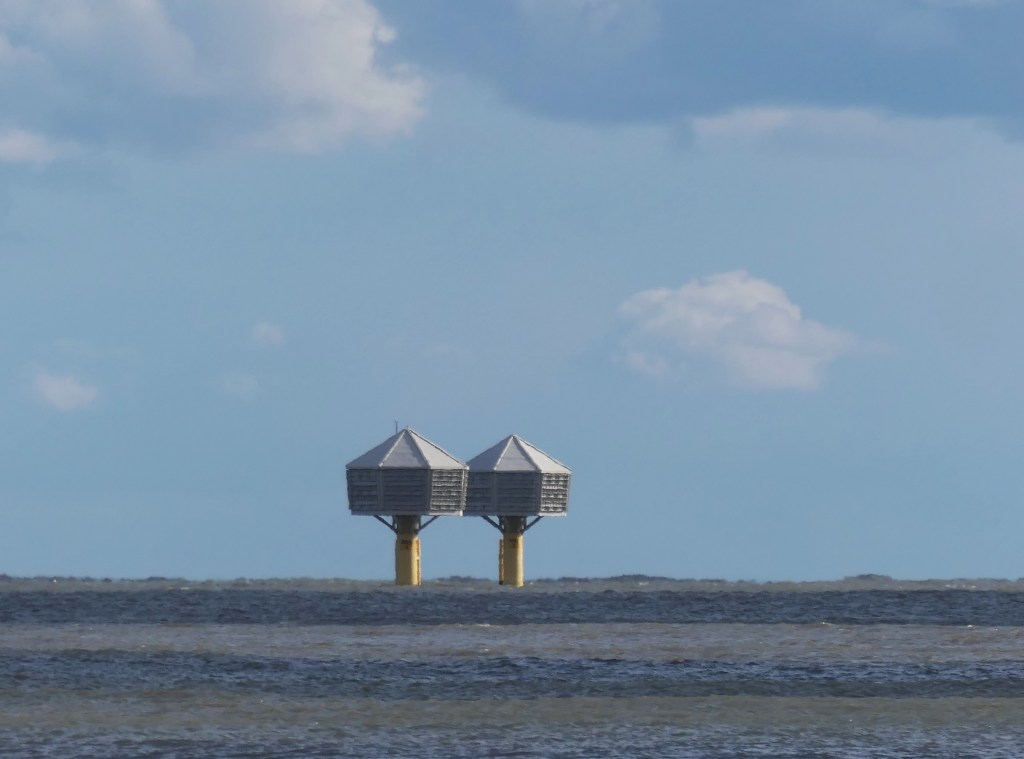
These artificial structures are starting to be built in the UK as well, such as these artificial nesting structures at Ness Point, also known as Lowestoft Ness, the most easterly point of England, Great Britain,
A kittiwake hotel has also been built in Gateshead: the Saltmeadows Tower has reportedly been a great success, and kittiwakes successfully fledge young birds, see here and here.
Kittiwakes are Red listed species of highest conservation concern, so we need to take good care of them. Measures were taken to try and exclude them from the famous Spa Bridge in Scarborough – read about it here and here – but in subsequent years they have largely recolonised it.
Kittiwakes are amazingly clever and adaptable birds! As you might have gathered, I love them. Some people visiting the seaside may not know the differences between kittiwakes and herring gulls, but they have undoubtedly heard the raucous cry of the kitiwake, which gives them their onomatopoeic name.
The majority of kittiwakes still live on sea cliffs, but increasing numbers now live on man-made cliffs: such as bridges and buildings. If we decide to change the rules and tell them they are no longer welcome on our buildings, we have a duty, I think, to provide them with alternative accommodation. Many towns have started to do this. Scarborough needs to do so urgently! It’s a problem we can easily solve with a bit of money and ingenuity.
Update (August 2025).
The really good news is that the kittiwakes overcame the obstacles by pulling up seaweed on the wire mesh. It took them quite a long time, but most managed to build excellent nests composed of over avfoot of dried seaweed. Such clever birds! I love their tenacity and adaptability.
Gigantic tractors towing huge loads, irate Tesla drivers itching to get past; Amazon delivery vans speeding along carrying cardboard boxes for the masses, supermarket delivery vans trundling more sedately with their baskets of goodies; the odd badger and squirrel lying dead in the road, chosen at random as sacrificial roadkill; the 3:30 traffic jam of SUVs going to collect their precious cargos; some passing beat-boxes vibrating with the womb-like, pulsating bass sounds of sonic therapy for their alienated occupants; the buzzing wine of hedge cutters and leaf-blowers, and the distant sounds of racing cars at a famous raceway.
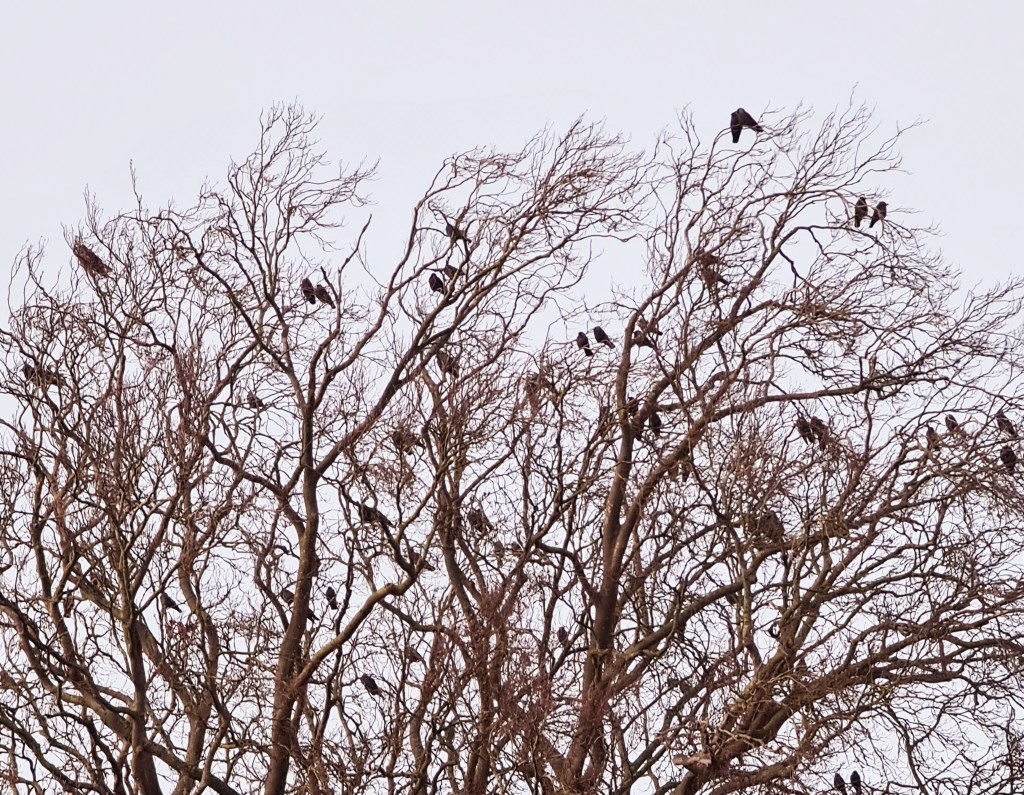
Yes, the occasional excited shriek from a fleeting blackbird, and sitting imperious above it all, corvids perched next to their nests, high in the trees, seemingly immune to our busy roads and new houses, spilling out into the countryside. Expensive new homes with little or no gardens, cars on the drive ready to go, some plugged into electric sockets, others still part of the great transition. And behind all of this human energy and expansion, the unseen rise of greenhouse gases and the erosion of wildlife habitat. The deer hiding in the bushes waiting for the dog walker to pass by in the twilight, sometimes an abundance of small birds feeding from well-stocked feeders in the occasional garden (much easier than life in the countryside); sparrows roosting unseen in friendly hedges, jacdaws on the rooves, grey wagtails bobbing about outside the shop: the winners who can adapt to Man’s relentless growth, coming with us through the Great Acceleration.
And in between it all, patches of a green and pleasant land, waiting for us to decide how to treat it, and the rare and precious creatures who need it to survive.
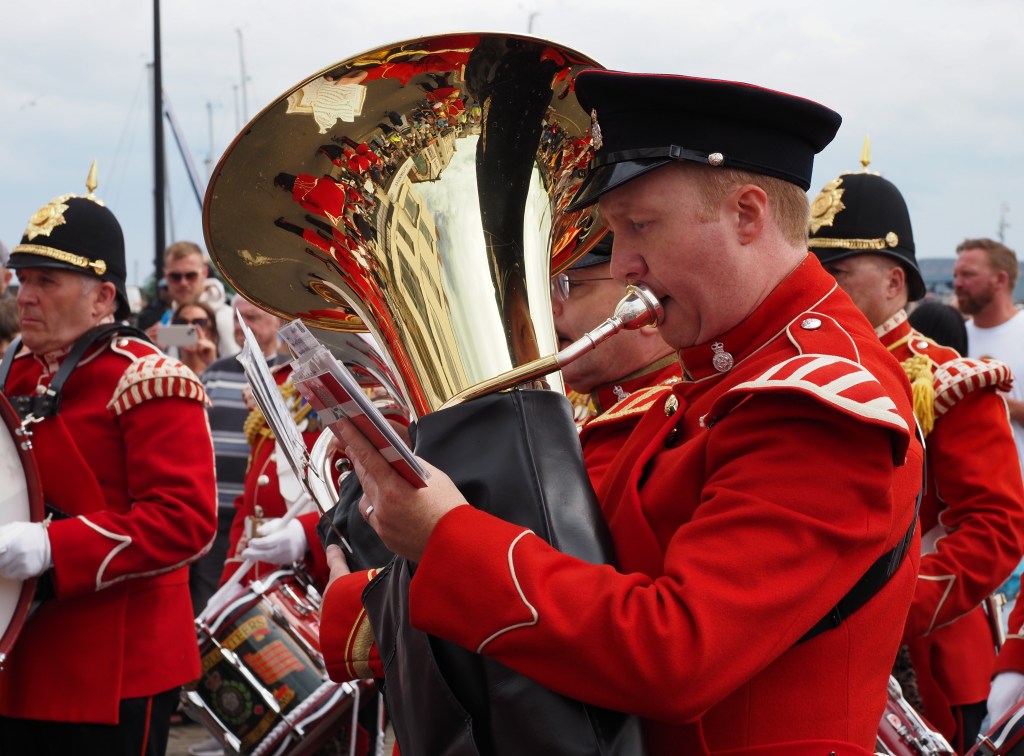
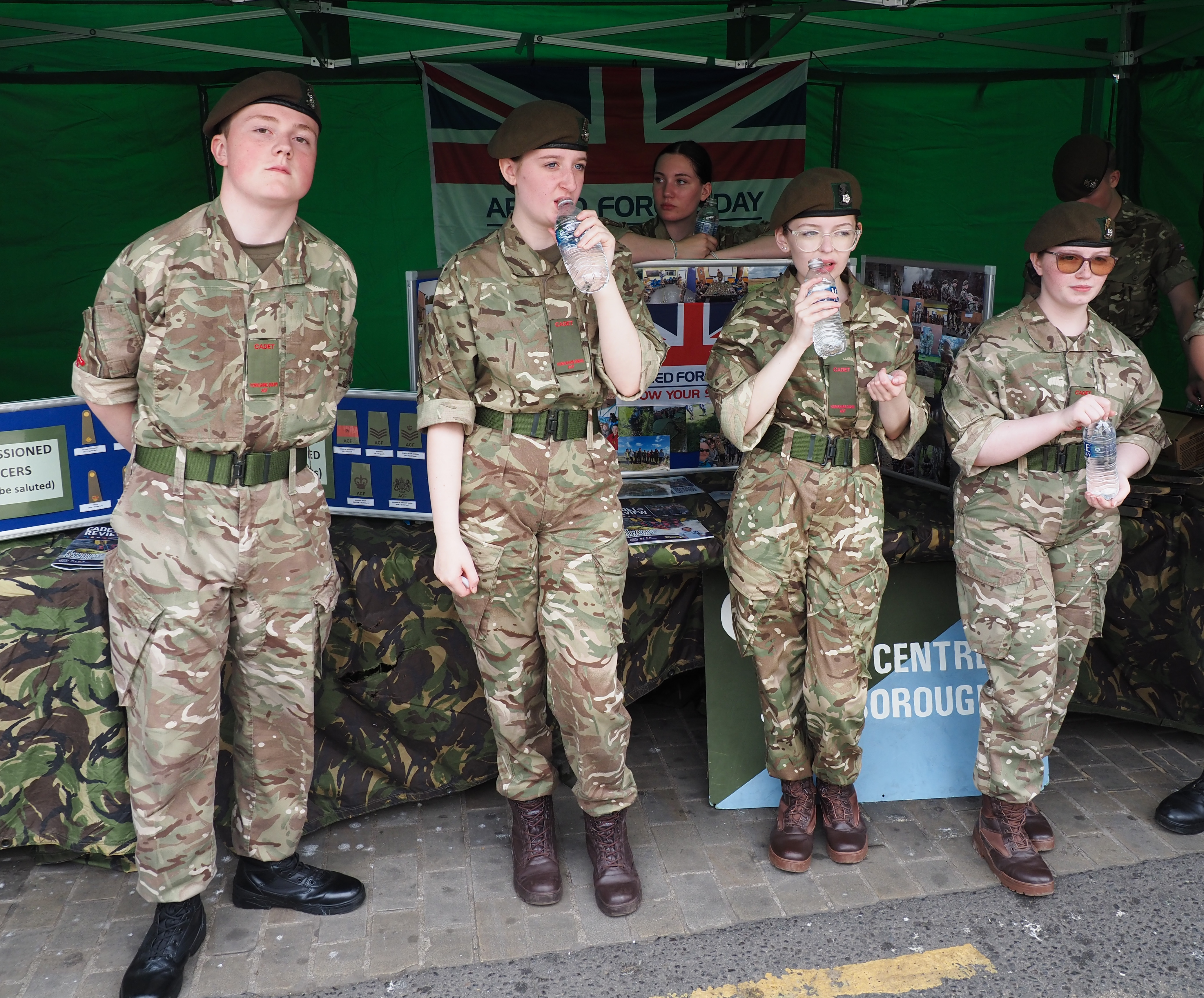
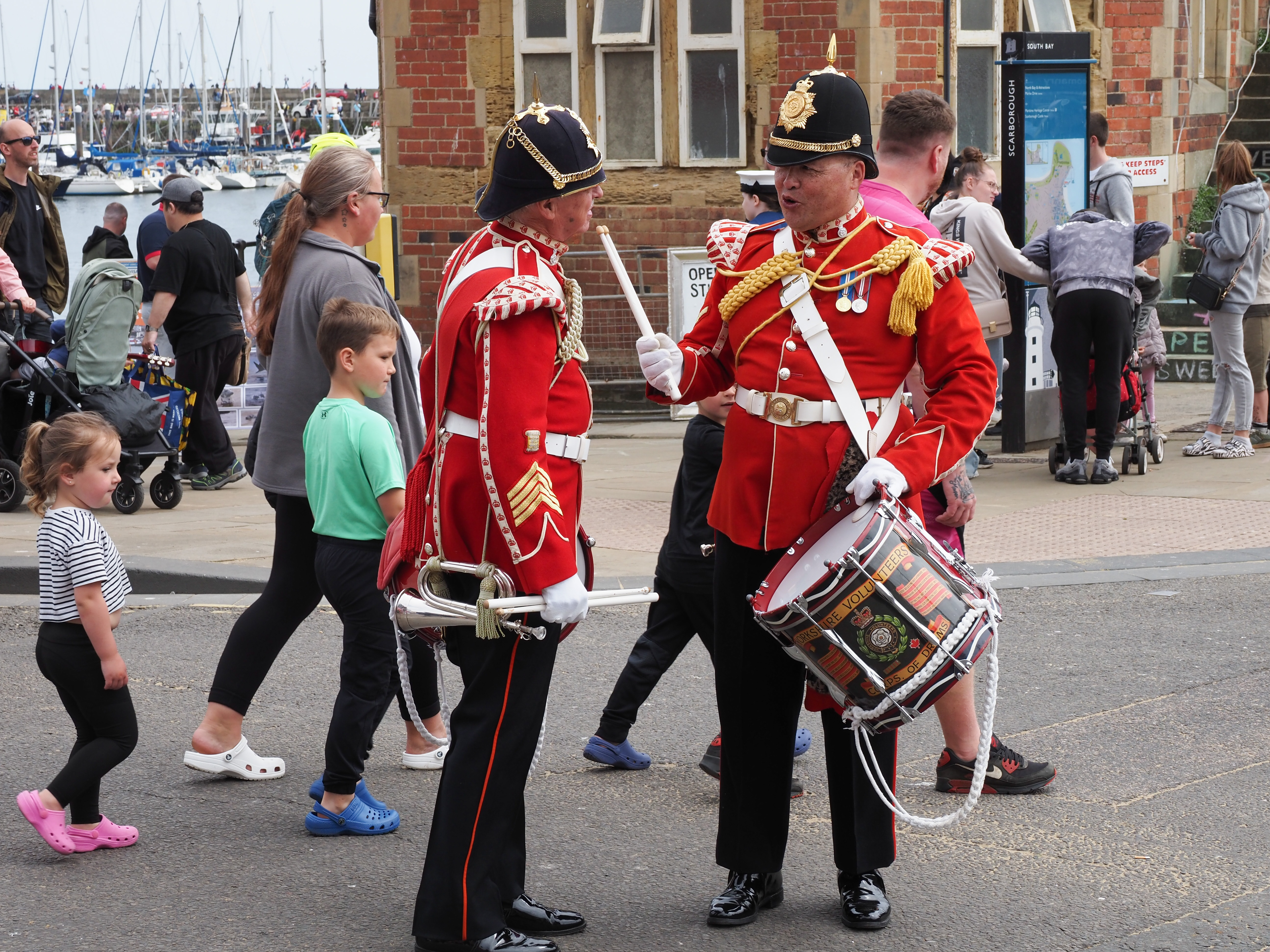
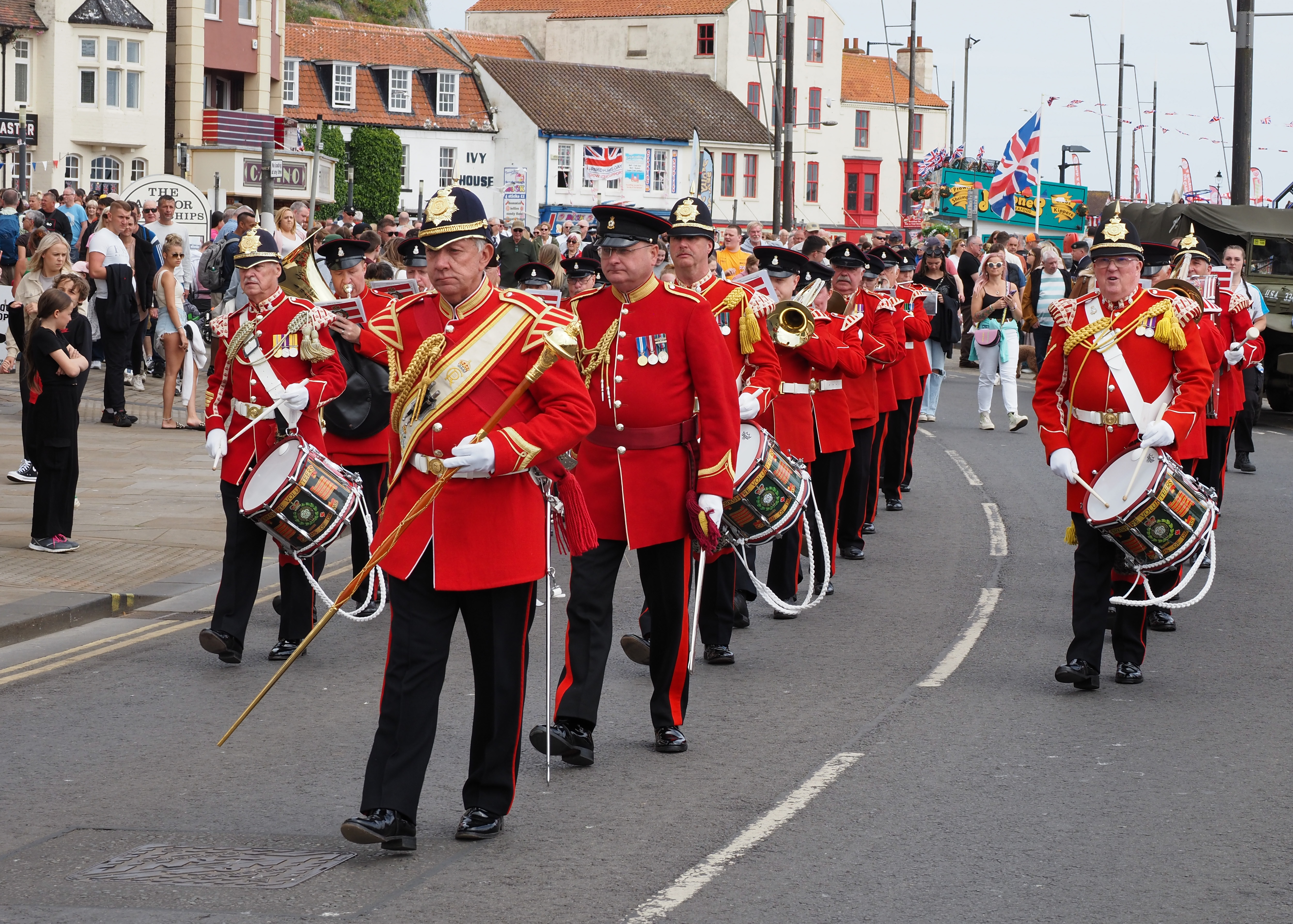
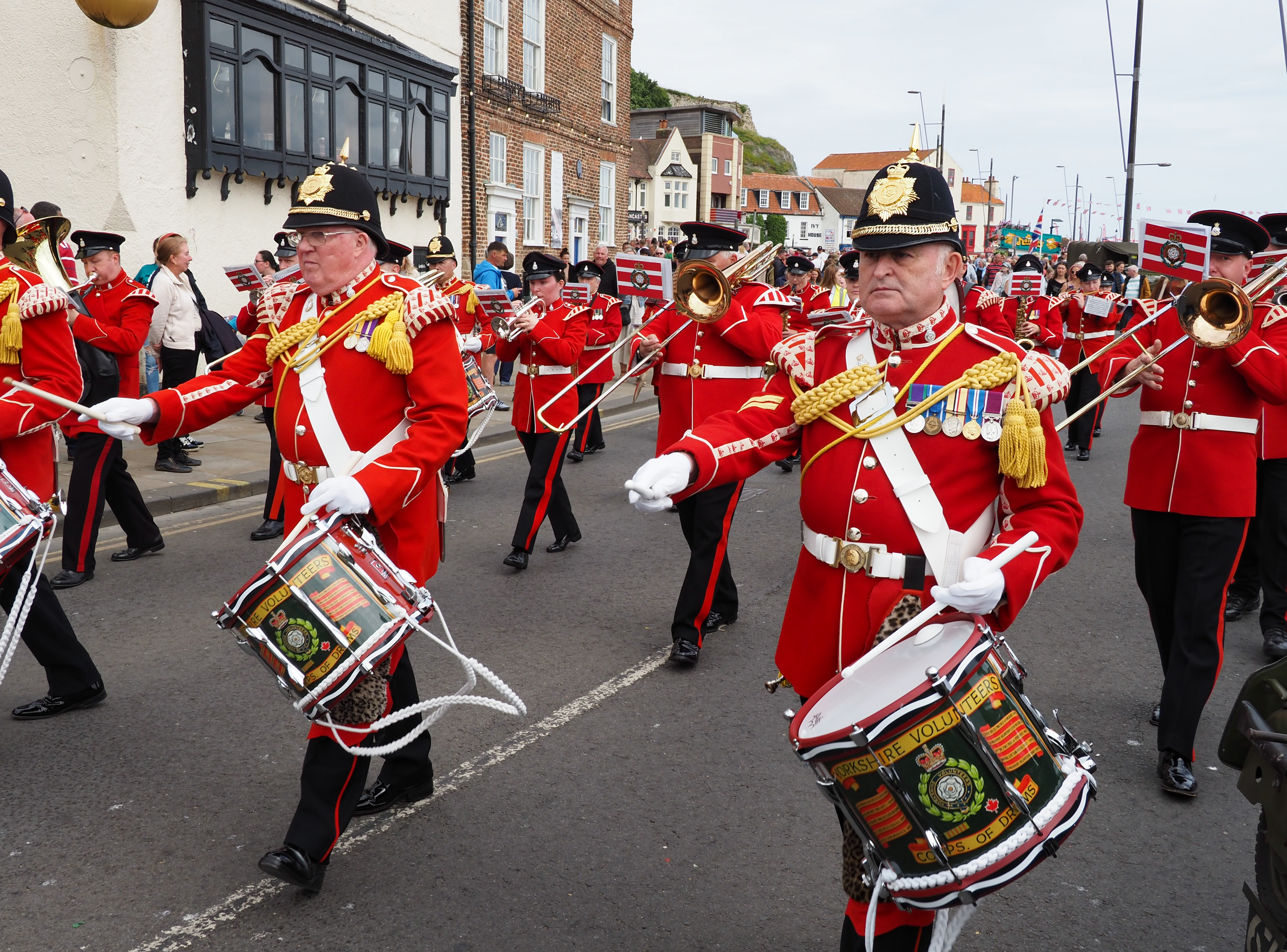
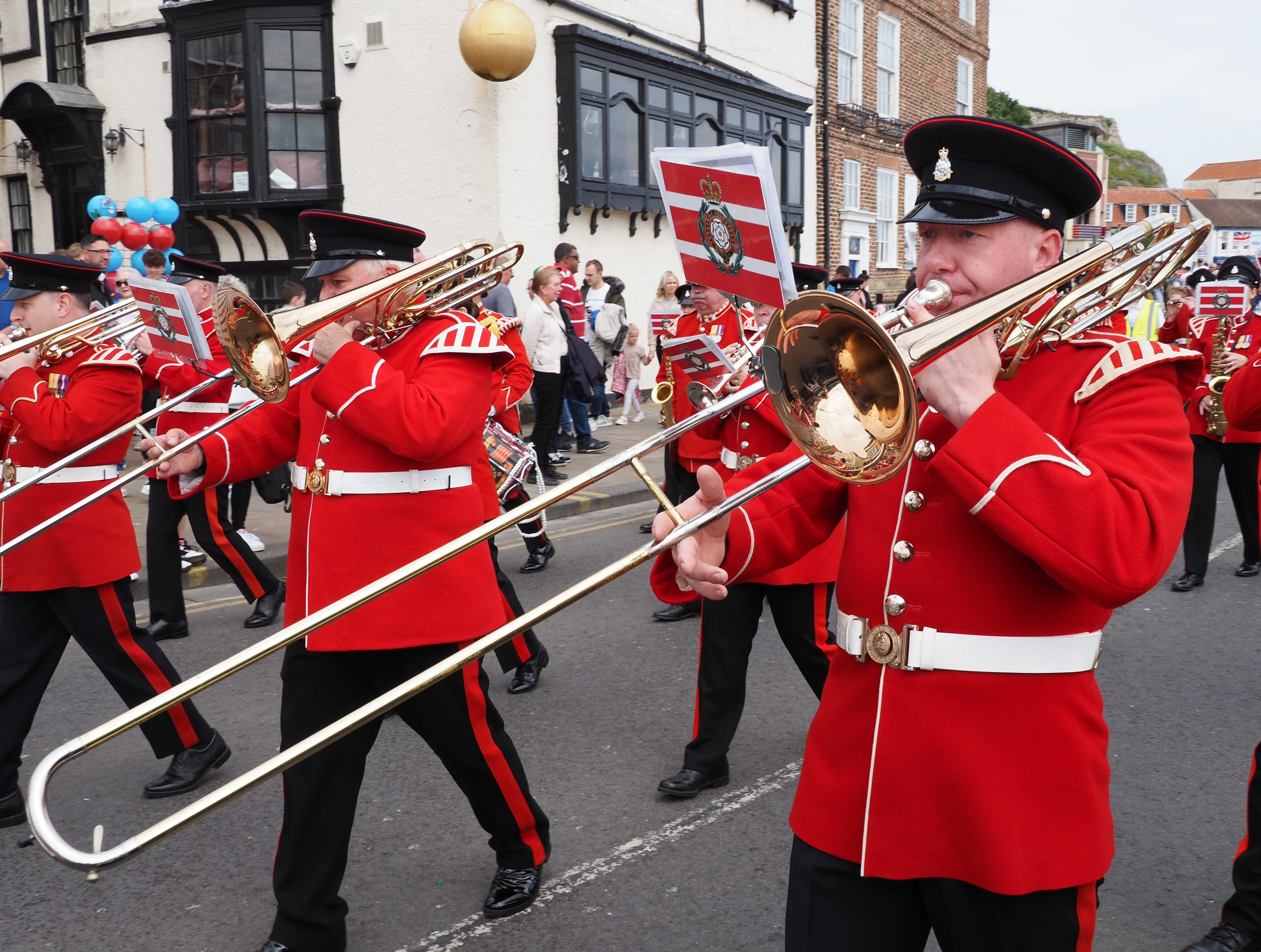
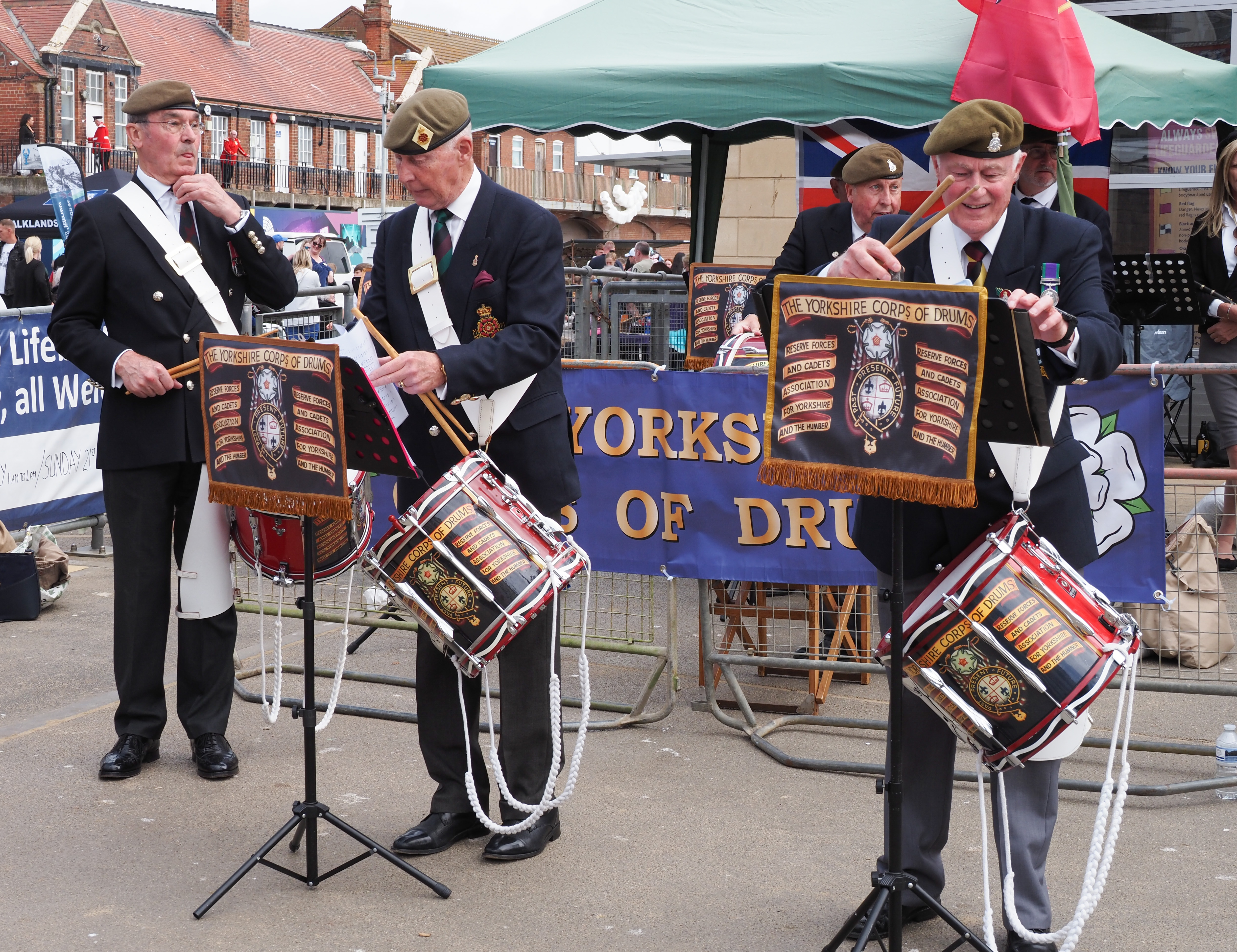
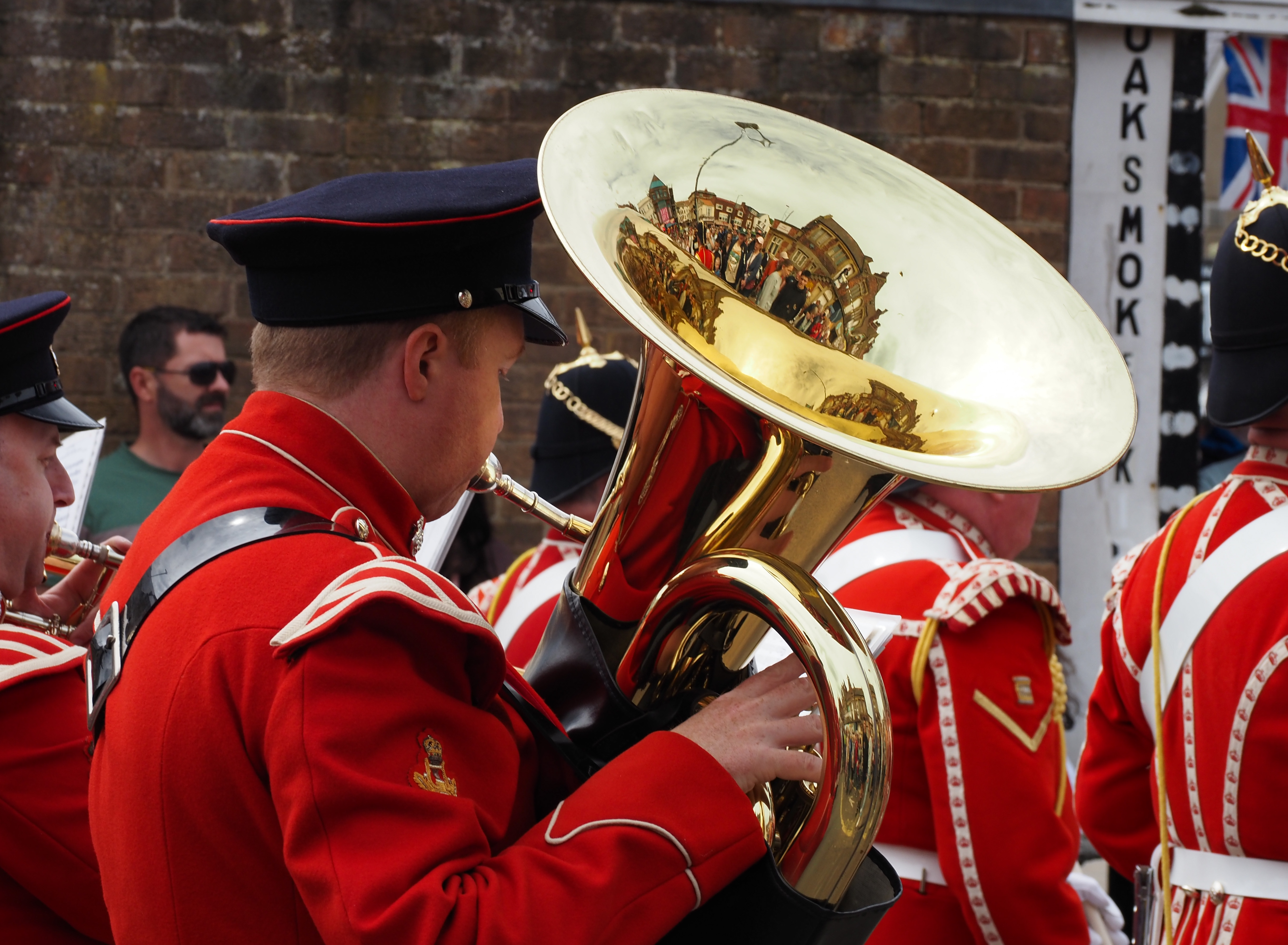
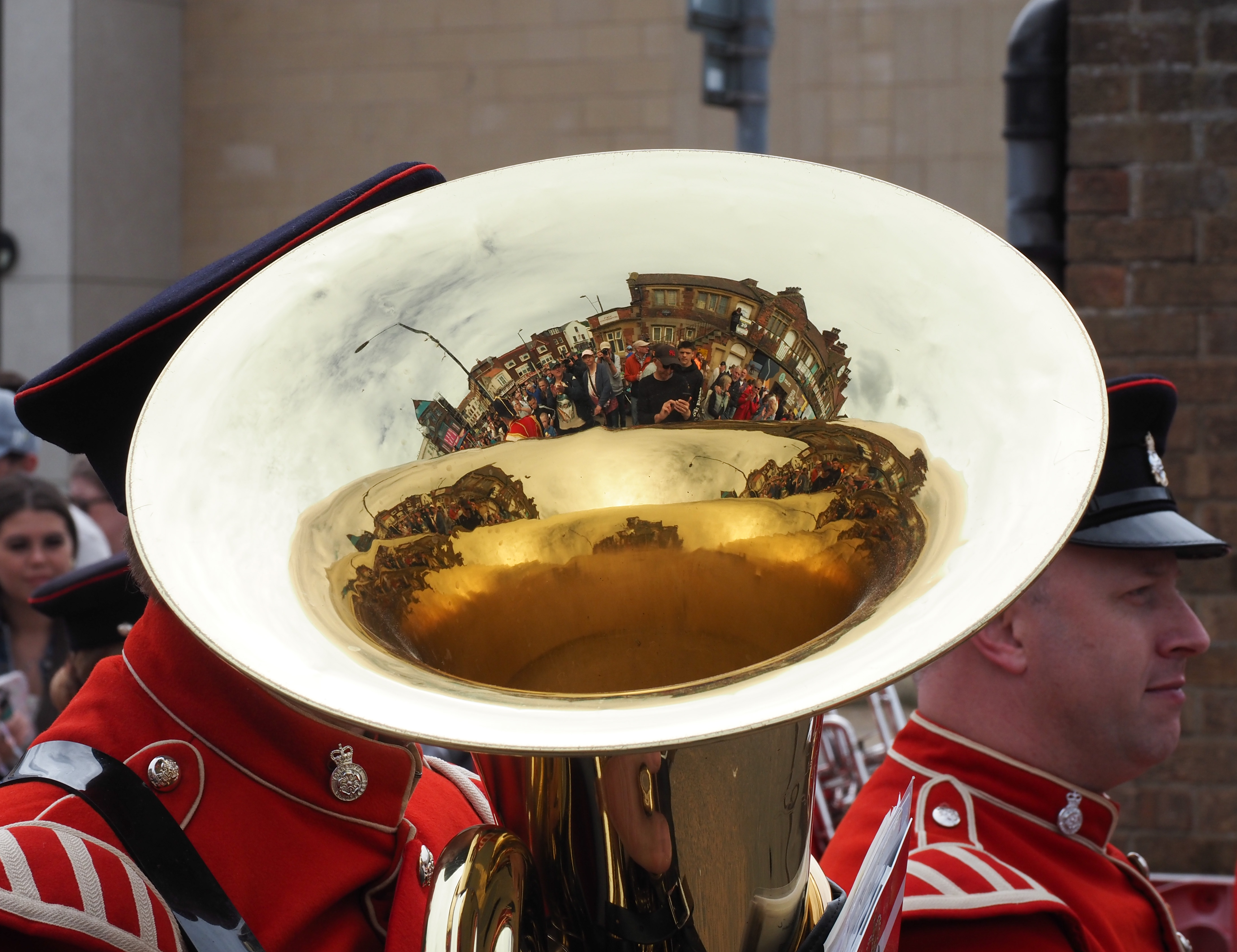
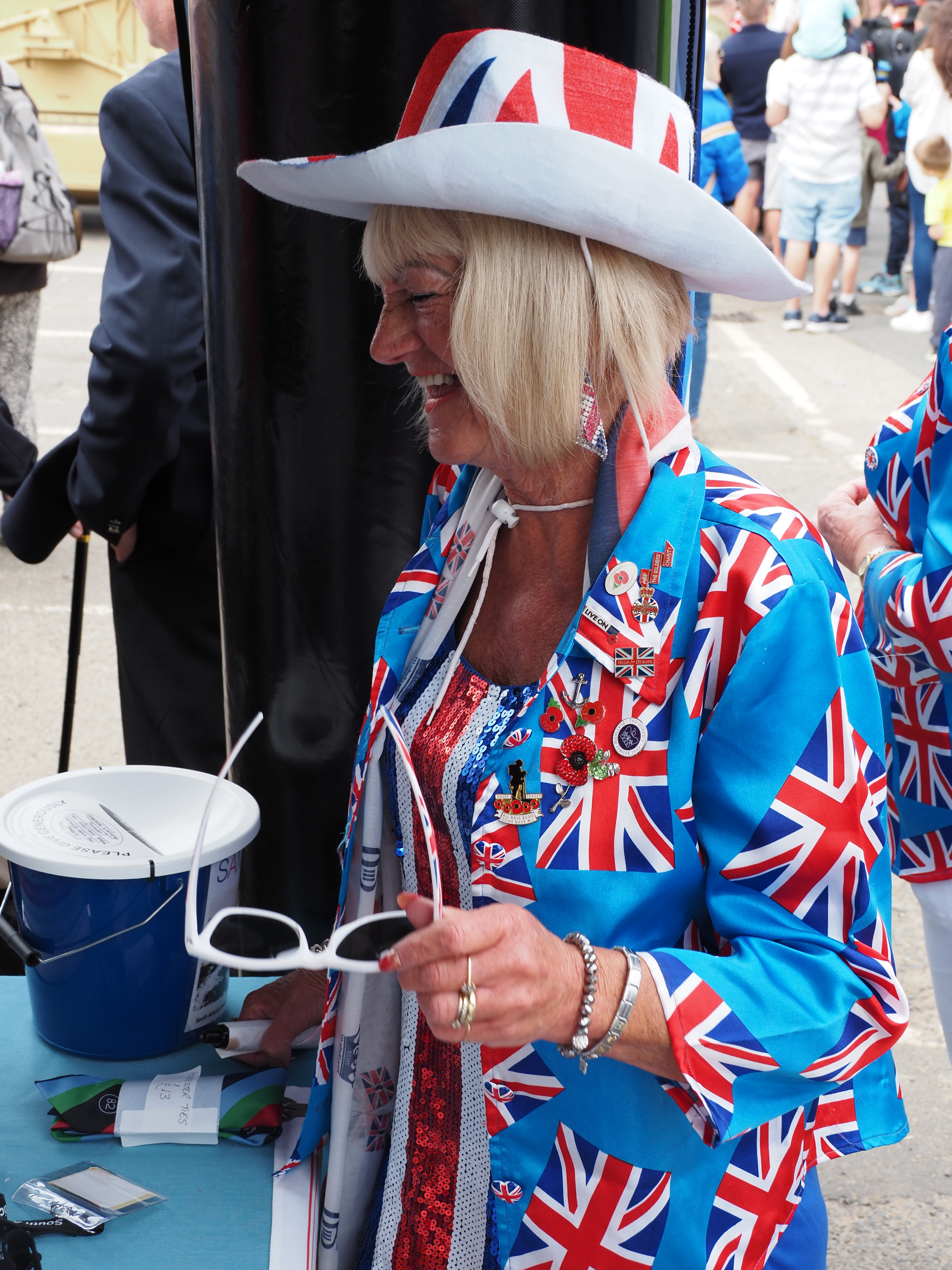
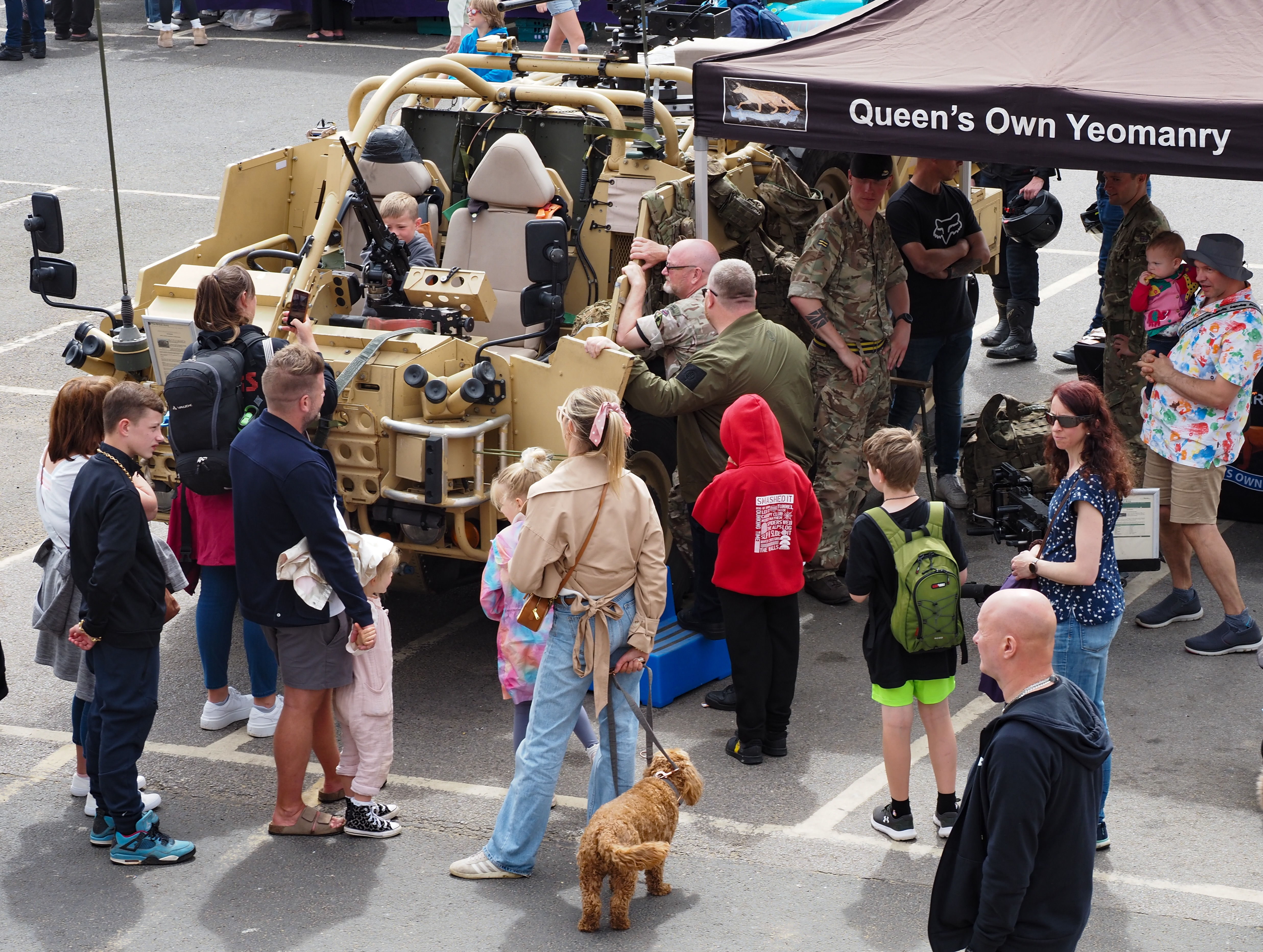
Saturday 29th June 2024 was Armed Forces Dayin Scarborough; an annual event celebrated around the country to commemorate the service of men and women in the British Armed Forces.
Whatever you may think about celebrating the contributions of ex-servicemen and women, it is a great opportunity for photography! Personally, I think we owe these veterans a huge debt.
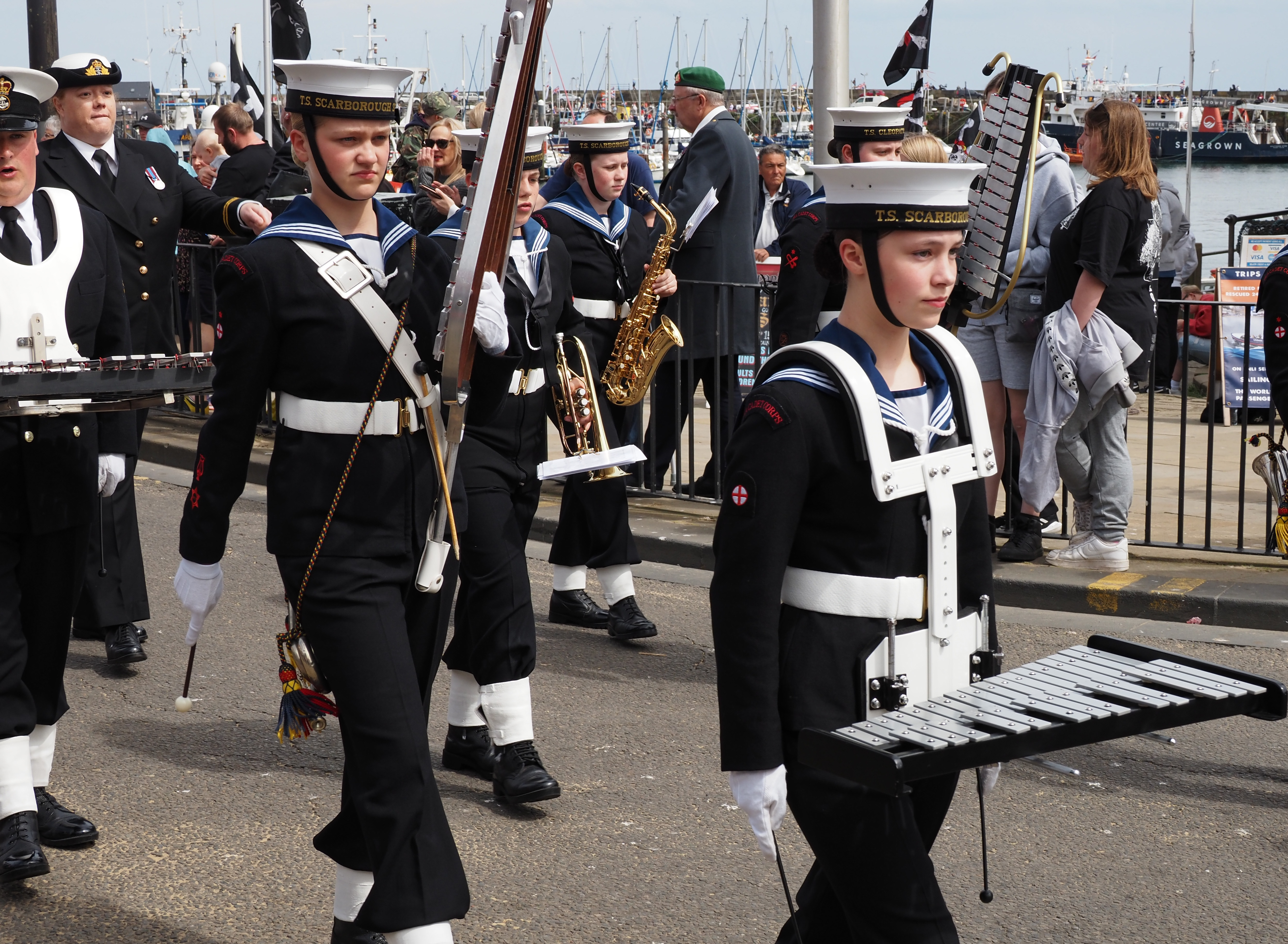
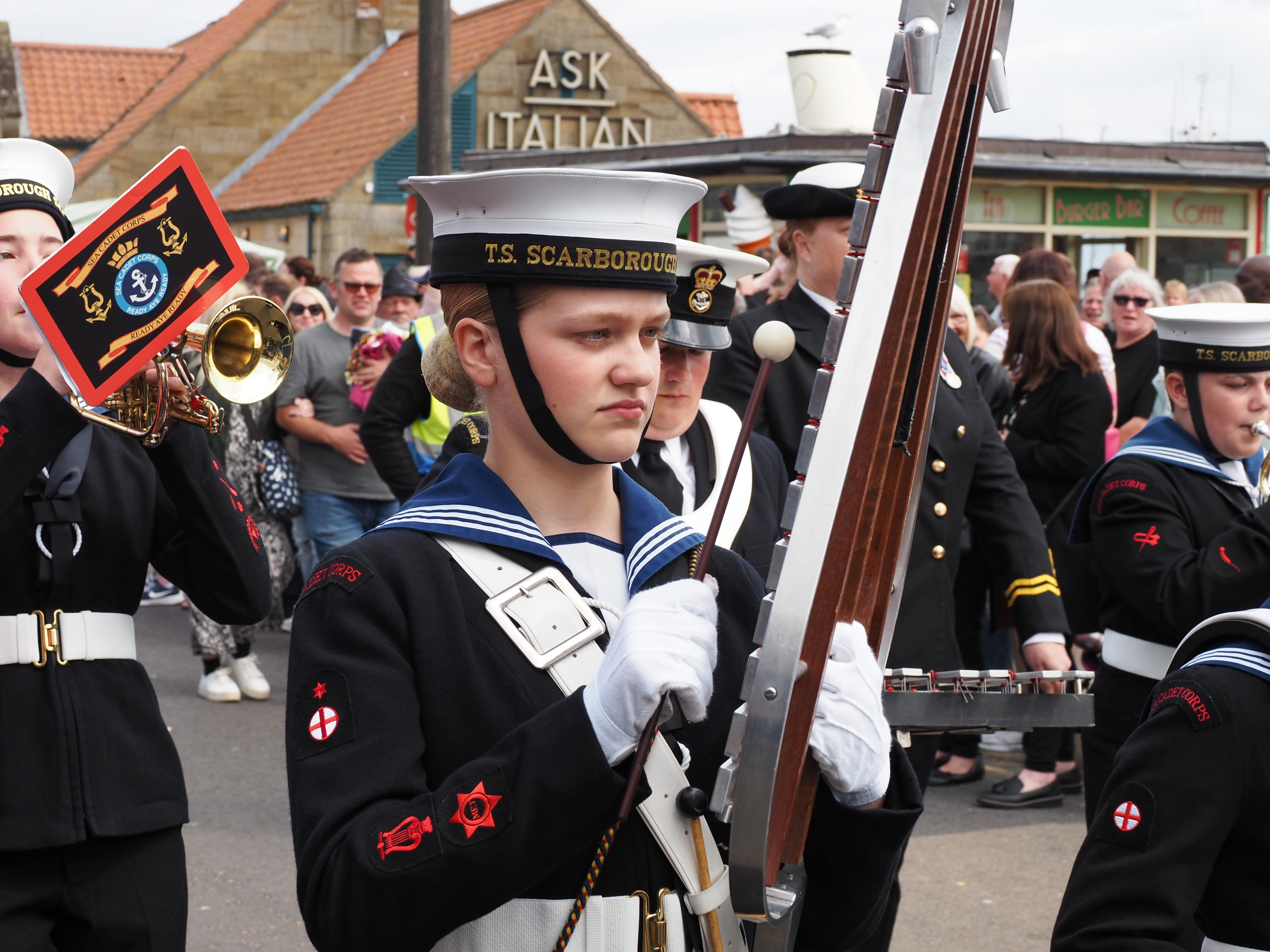
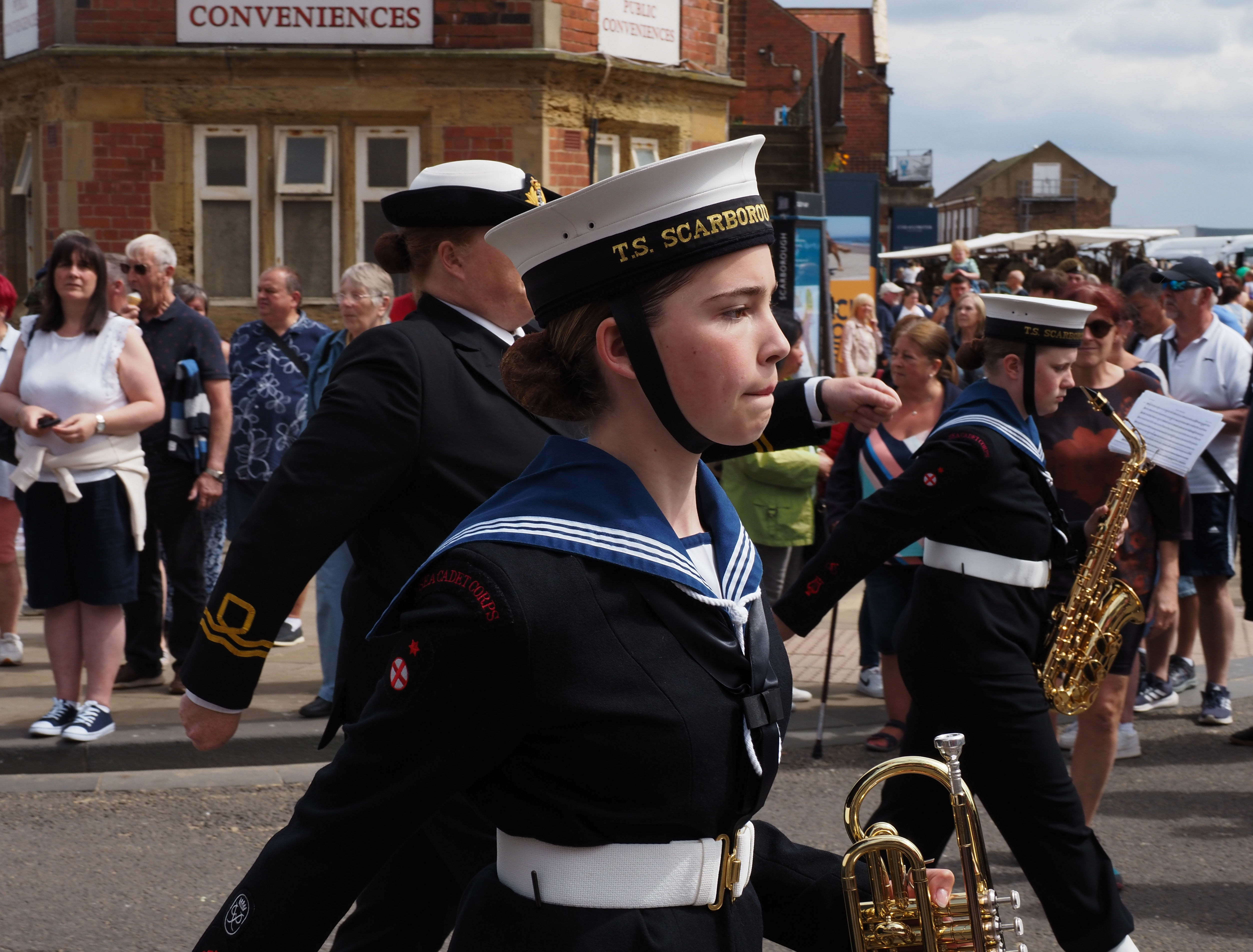
I went down to the seafront to try and capture some interesting images; there were bands, marches and stalls; what follows is an eclectic series of images; just things that caught my eye.
Let’s start with the bands.
The band of the sea cadets was rather more youthful!
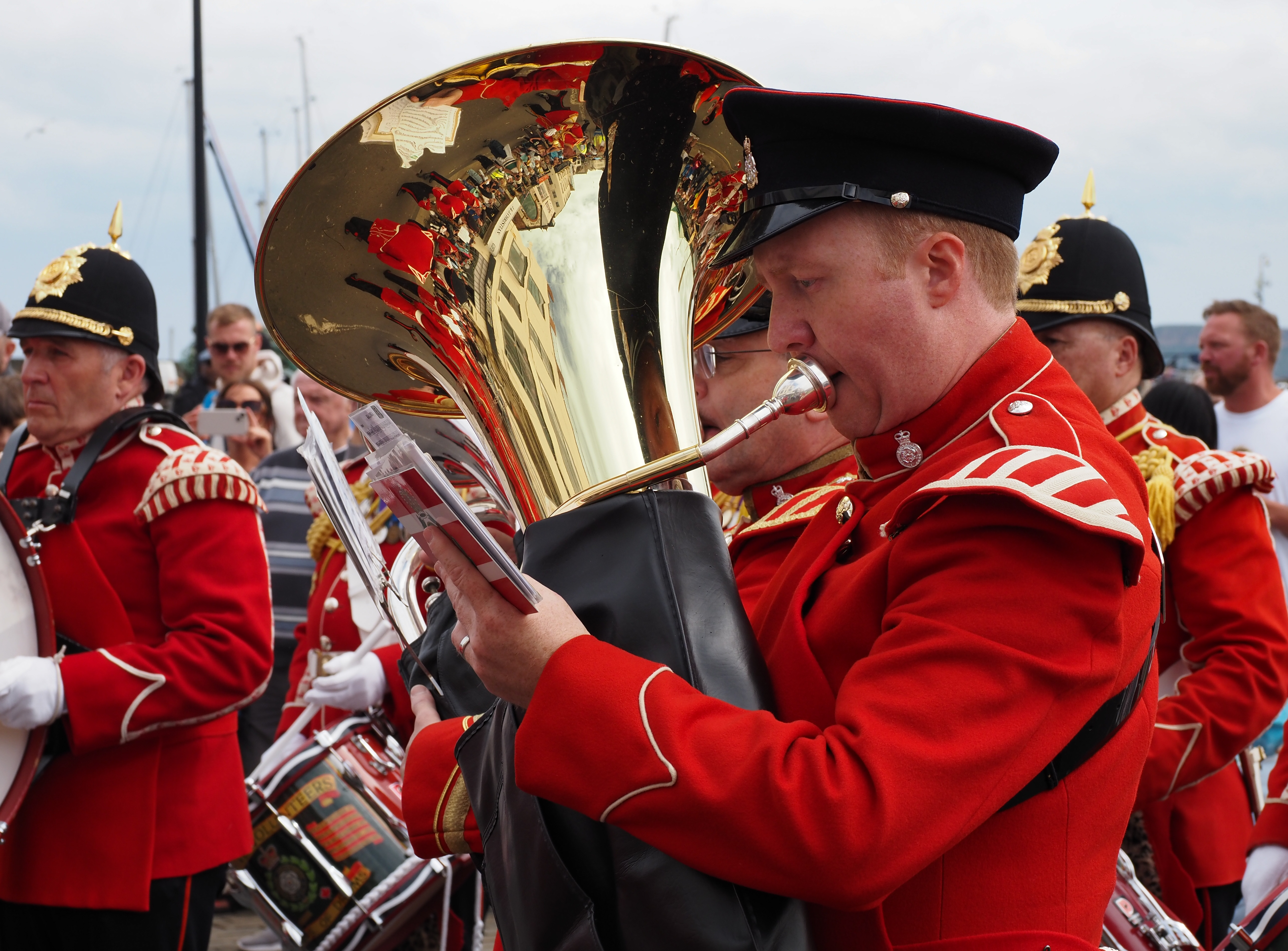
I love a good reflection, and highly polished tubas are great for capturing curved panoramas of the surroundings!
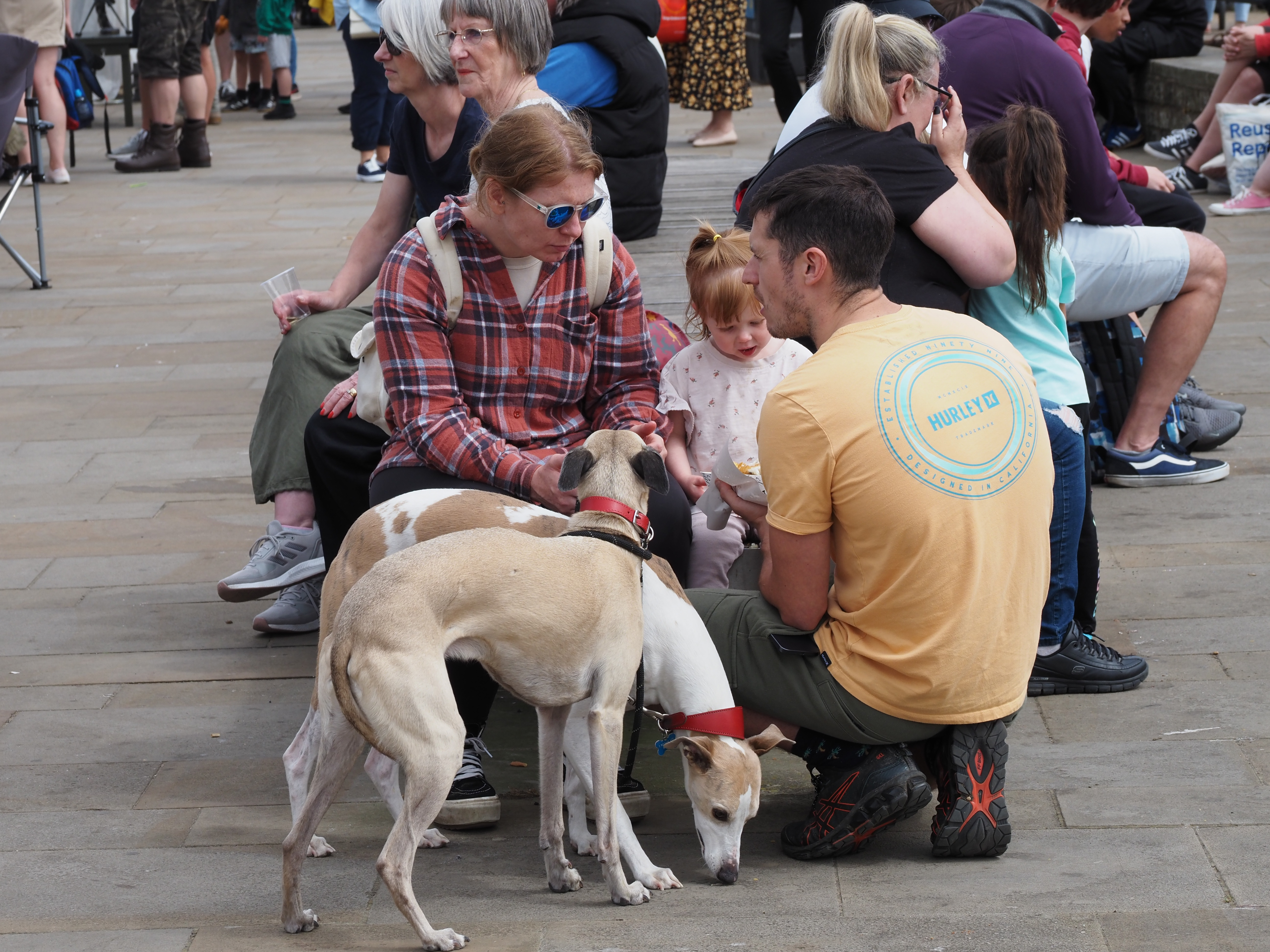
Some images of people and street scenes.
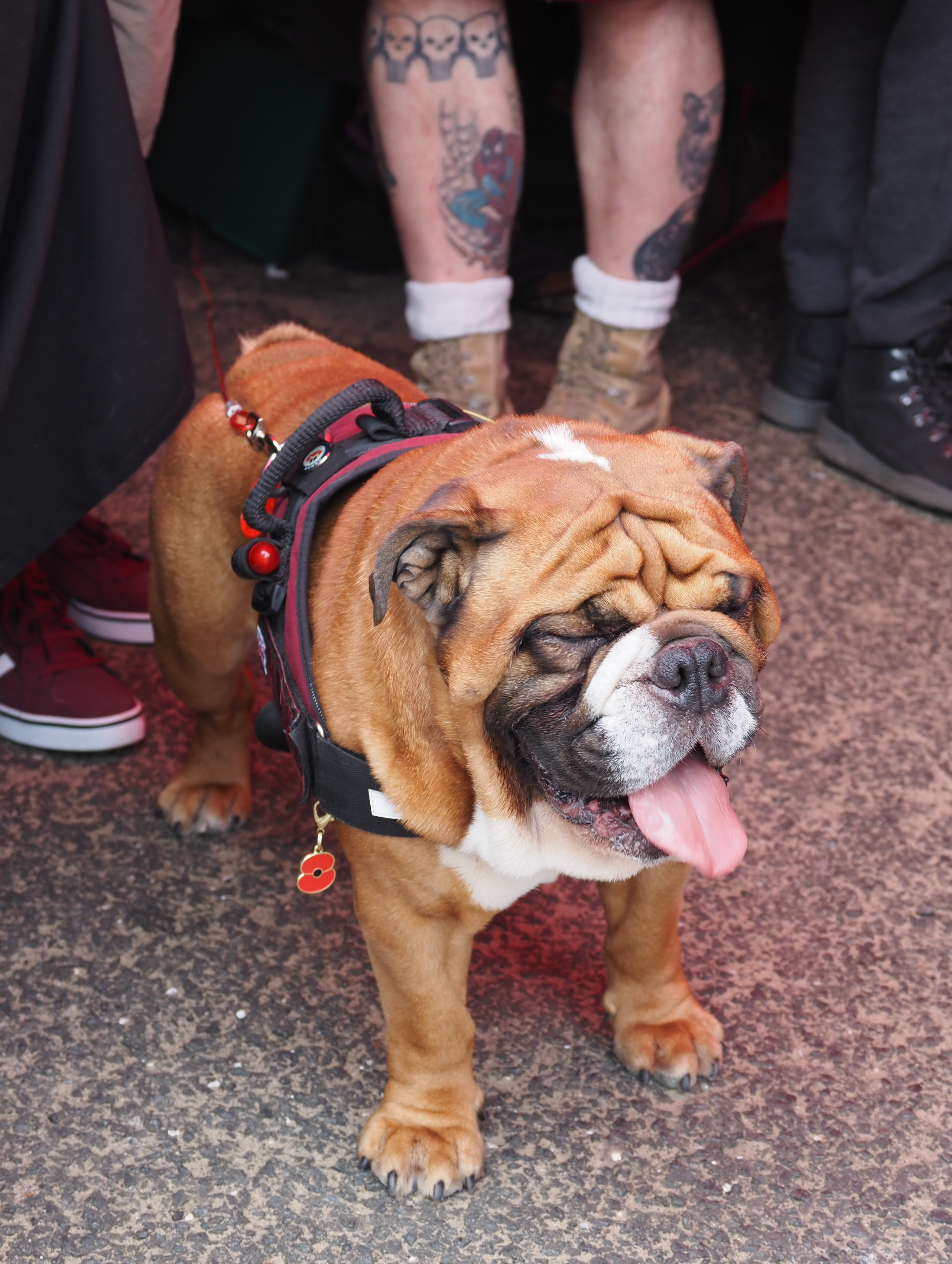
And, of course, it wouldn’t be Britain without the dogs!
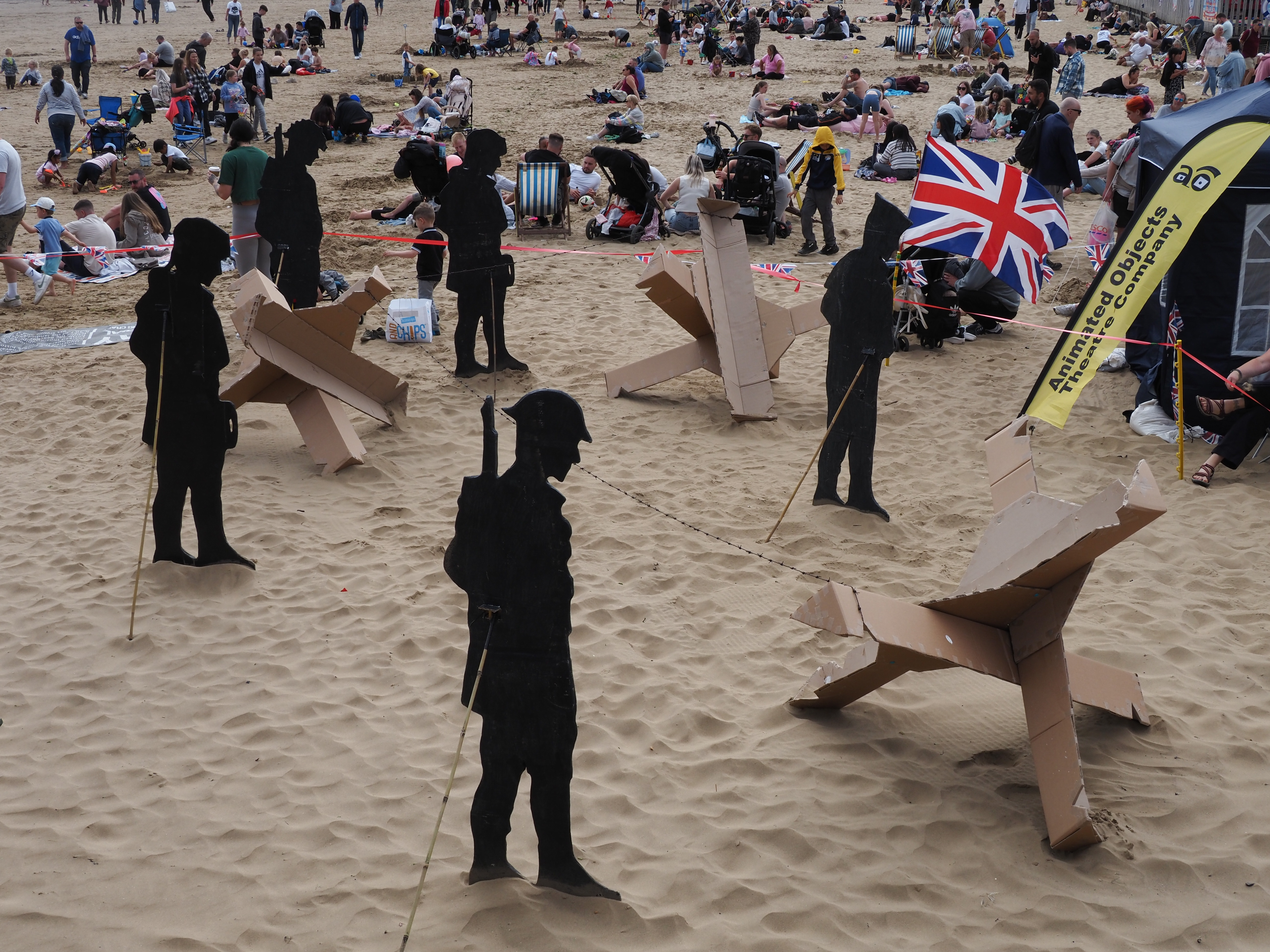
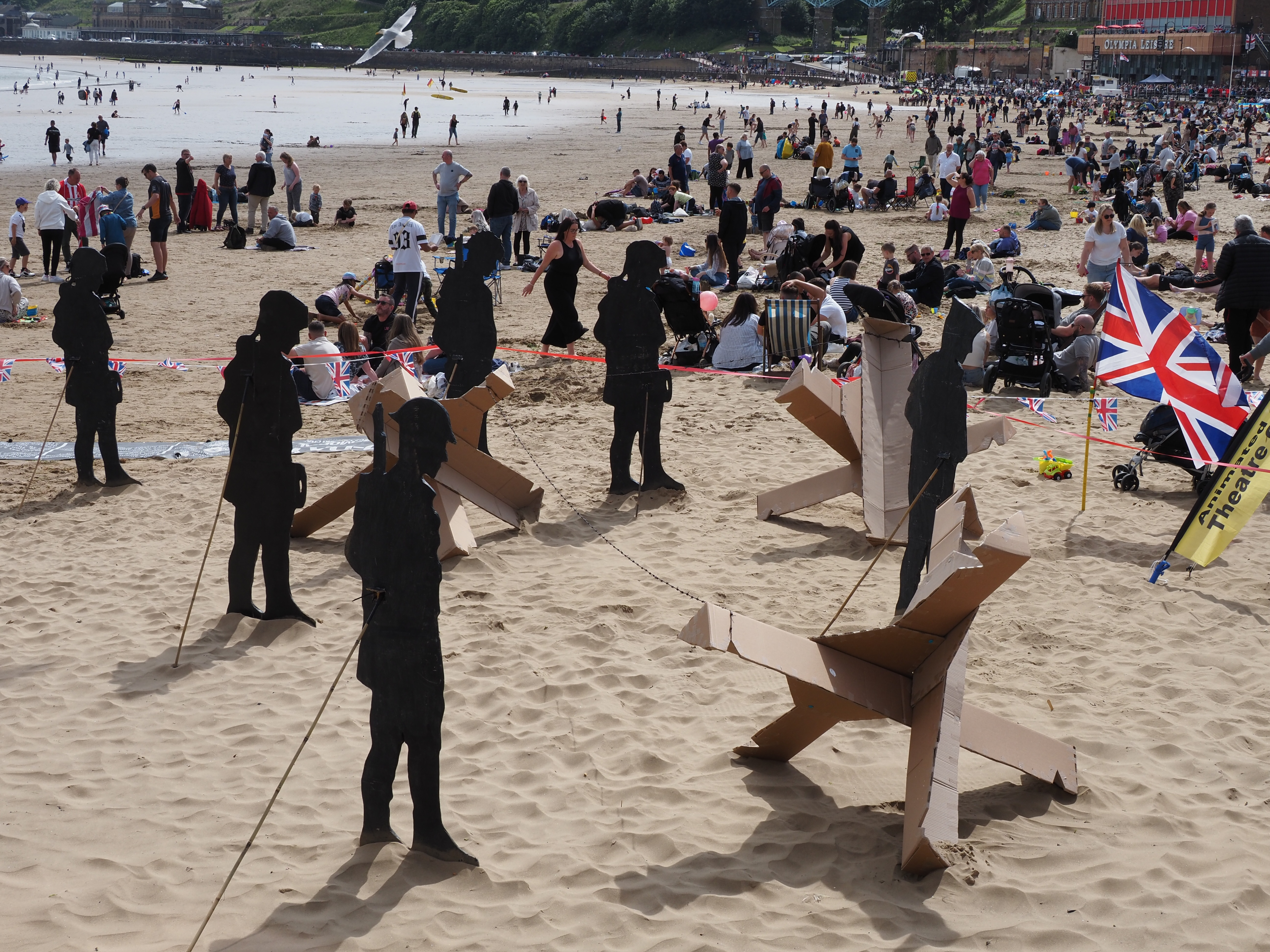
This year was the 80th anniversary of D-Day.
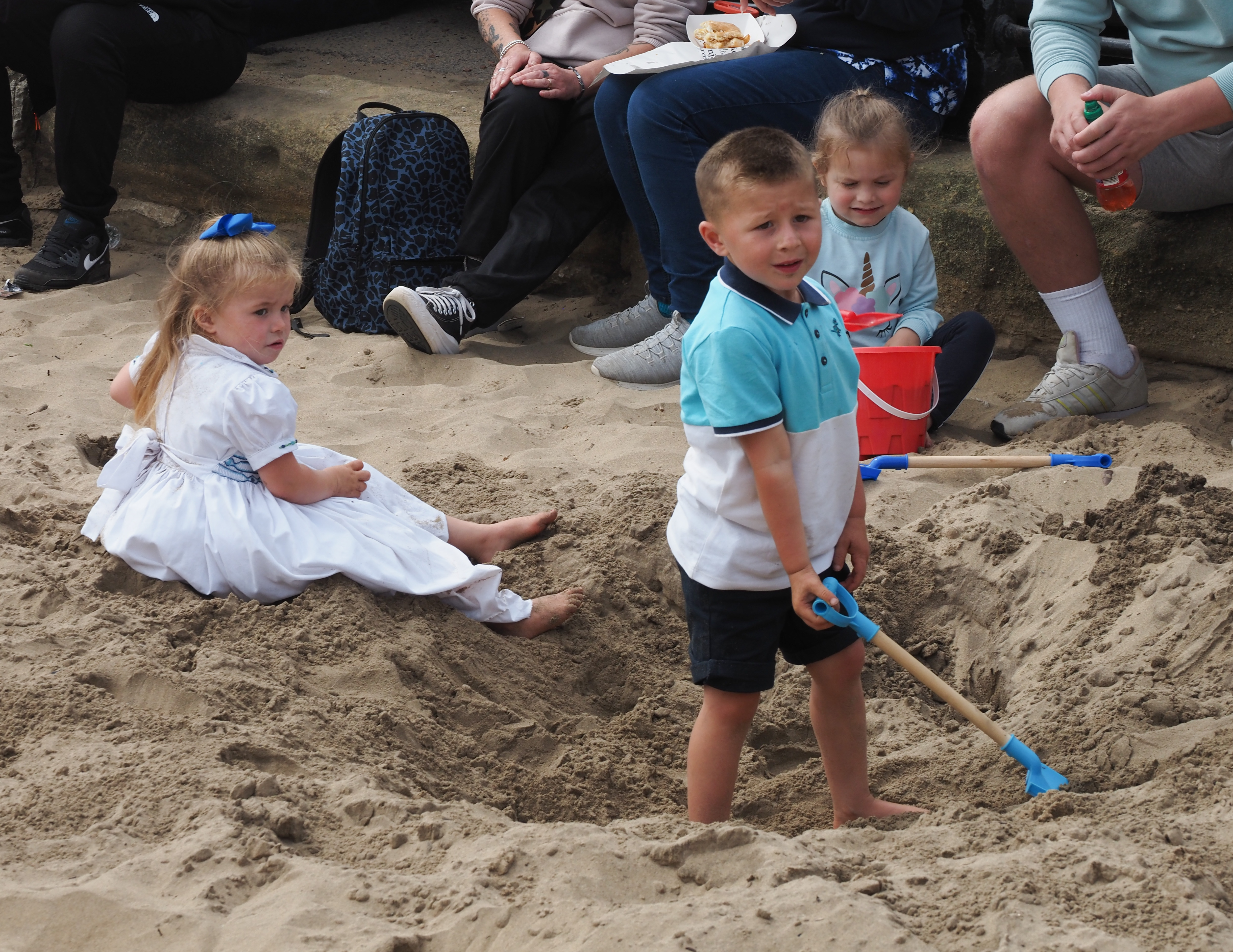
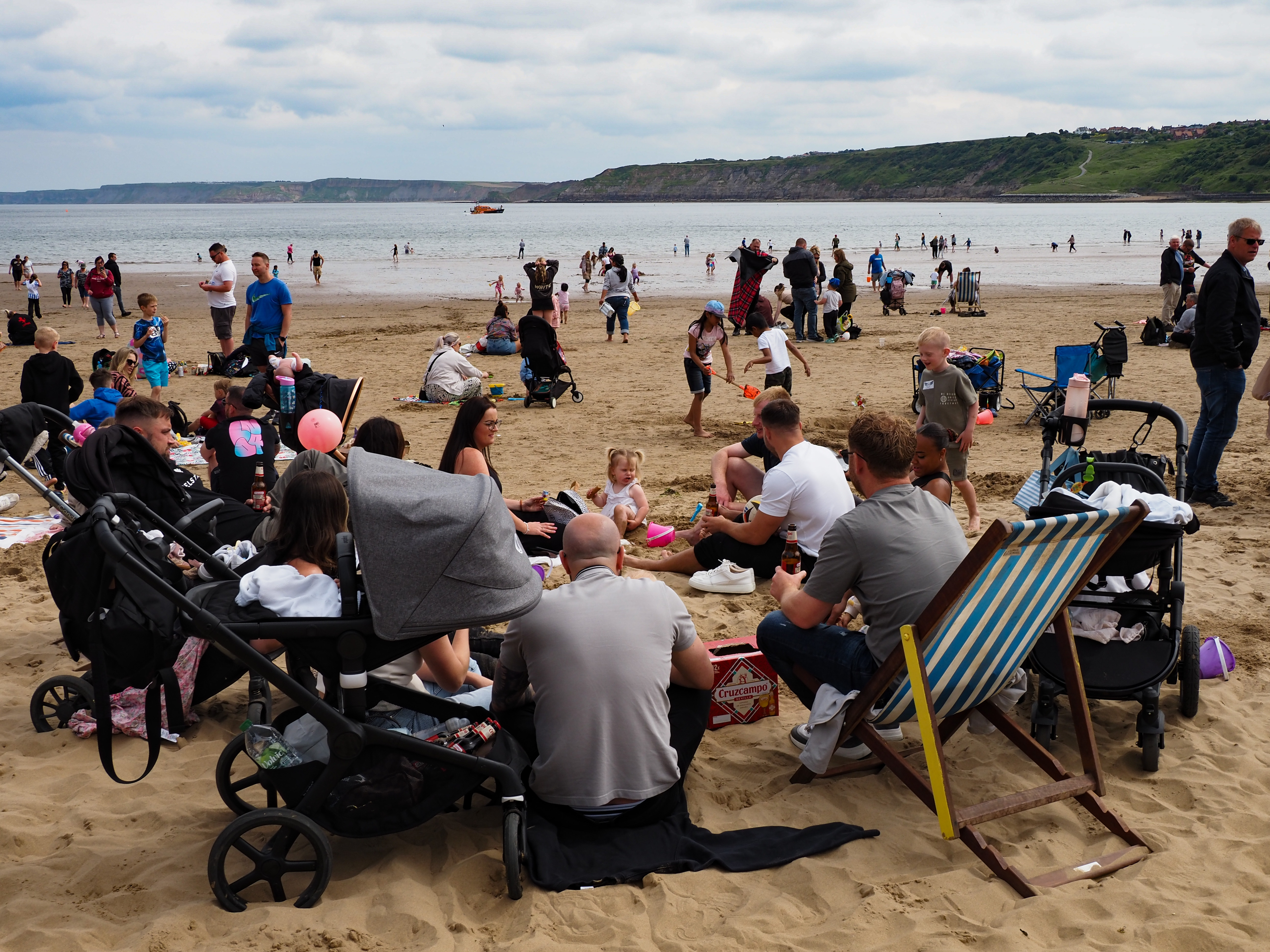
Finally some images from the beach. It was only 18 deg C, but the sun came out and the hardy northerners (not me!) were even venturing into the water!
The National Gallery was less crowded than when I visited a few weeks ago. We do not charge entrance fees for access to museums in the UK, which is all well and good, but it does mean that they can get get rather well attended, on occasions. Teachers are very fond of bringing their classes to museums, and for tourists, it is a great benefit. In comparison, the Louvre in Paris charges17 euros for adult admission.
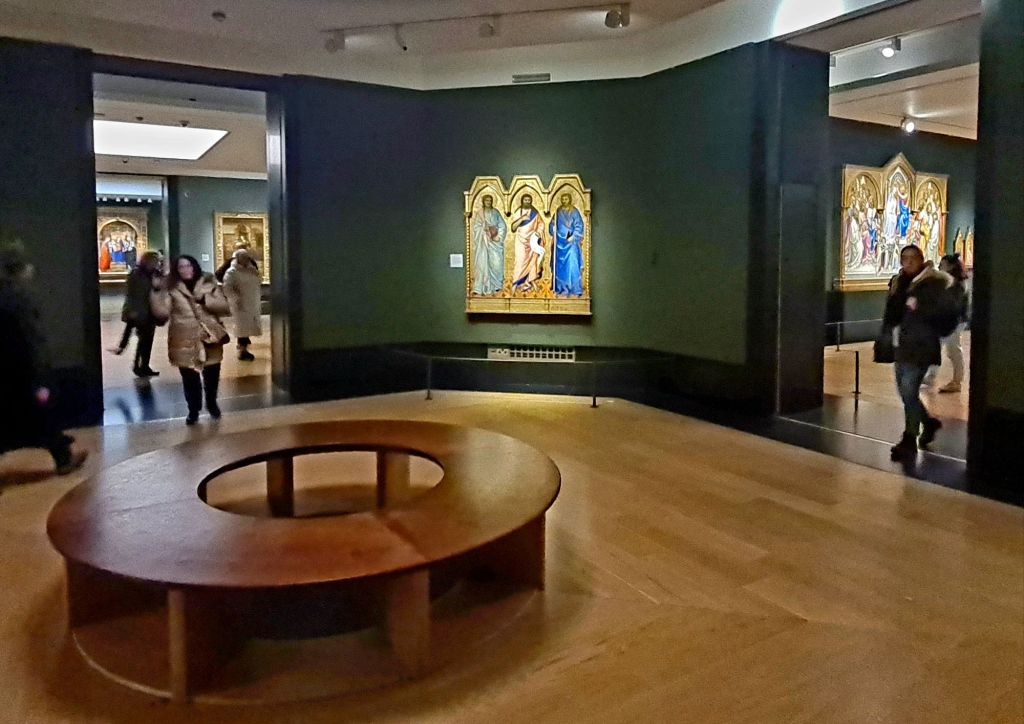
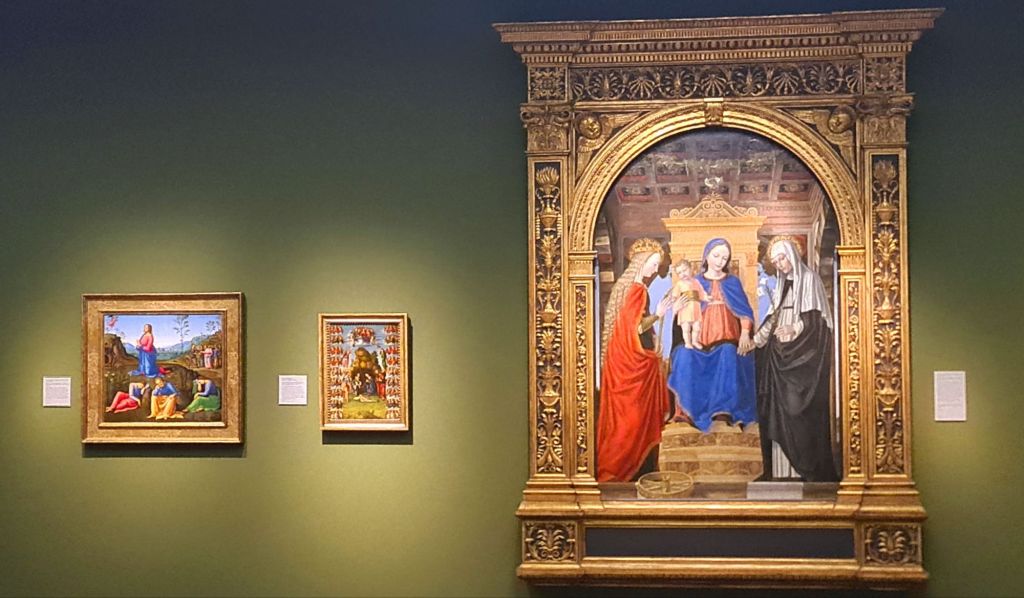
The Sainsbury Wing of the gallery is being ‘reconfigured’, so many of the paintings have been moved around and sited in new locations, including the basement (see below).
Early Renaissance paintings in the National Gallery, London
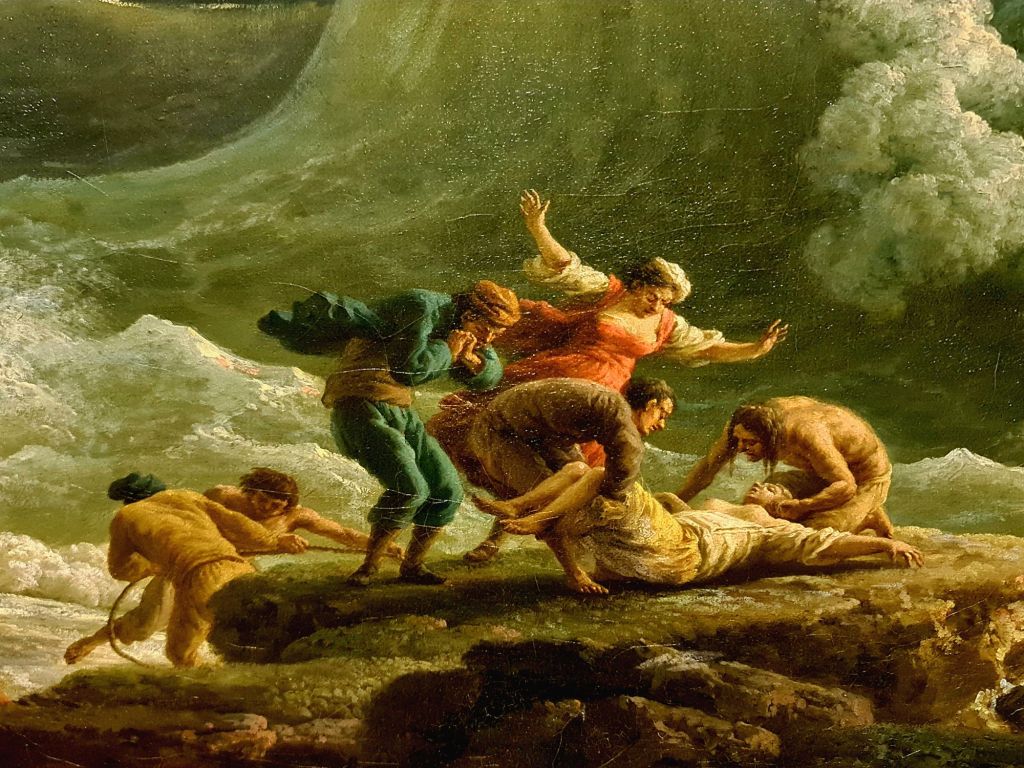
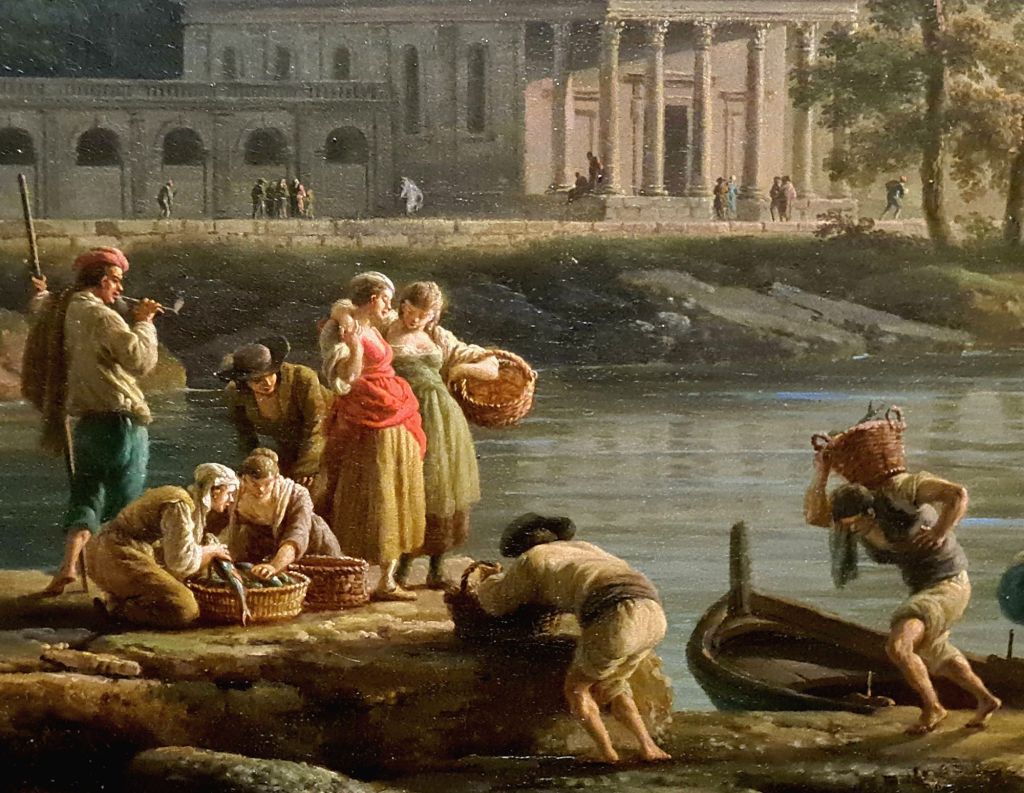
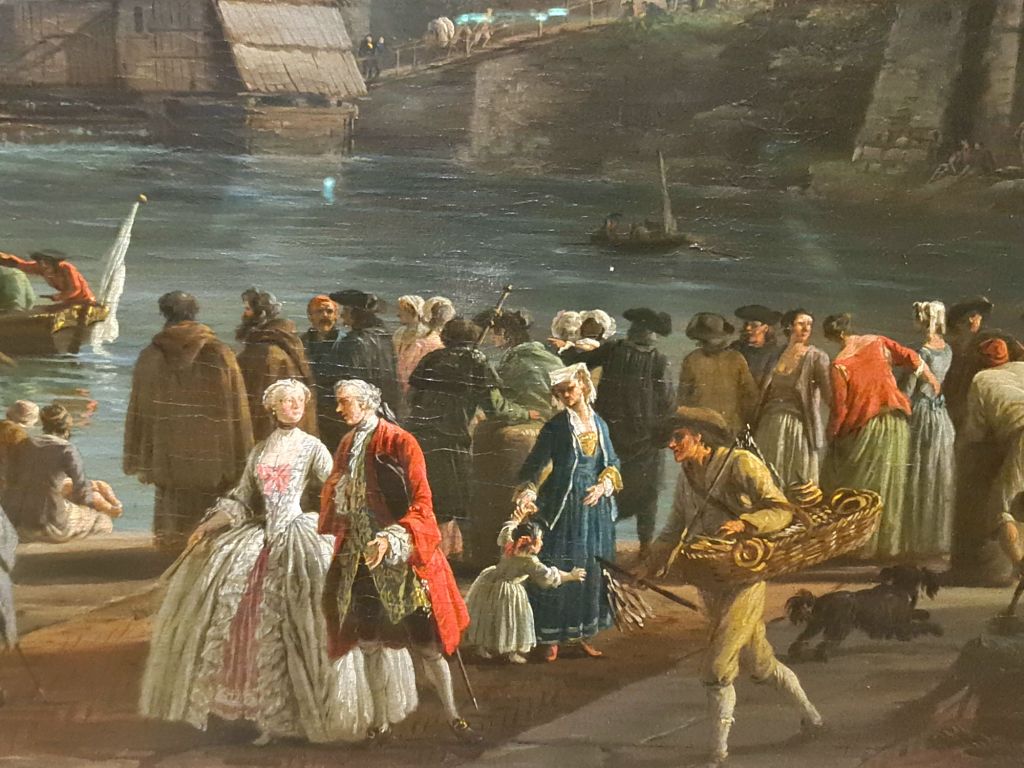
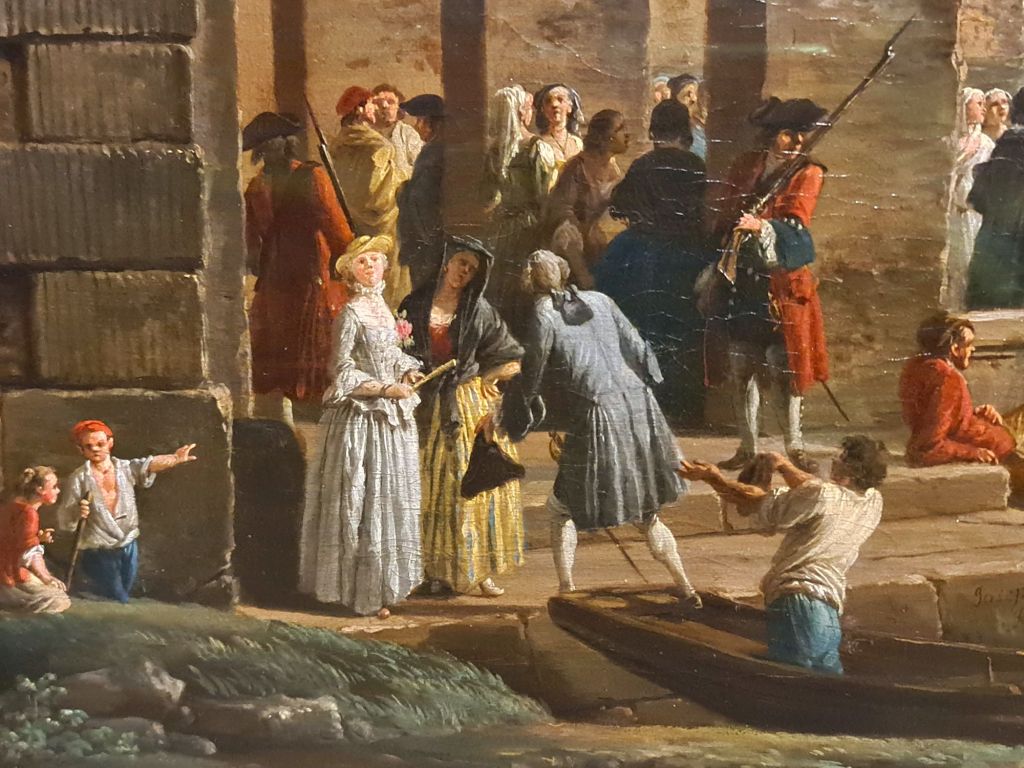
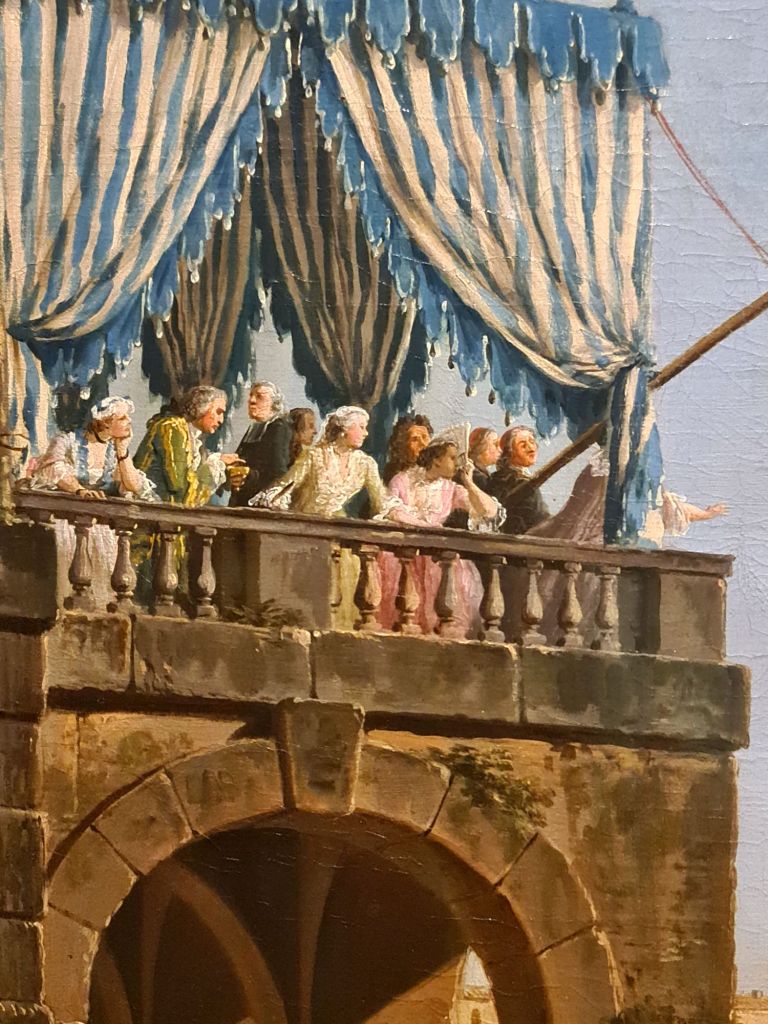
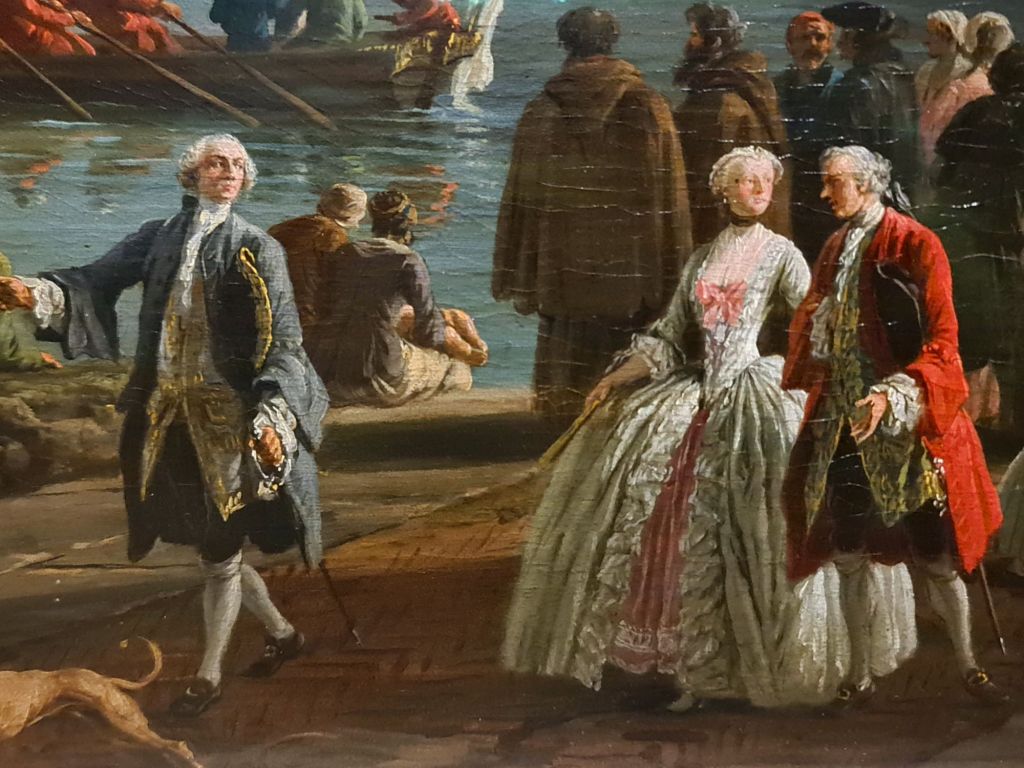
However, on this occasion, my eye was caught by some paintings I had never seen, or stopped to look at before. There were three impressive canvases by the French artist, Claude-Joseph Vernet (below). Now these atmospheric, 18th century land- and seascapes are not my favourite sort of art, but they are fascinating and a real insight into the people and customs (including costumes!) of the times.
Joseph Vernet (1778) by Élisabeth Louise Vigée Le Brun, Public domain, via Wikimedia Commons
One of the fun things about going to an art gallery is taking pictures! It is not that long ago, or so it seems to me, that you were not allowed to take photographs of the paintings. The thinking at the time, was that flash light might damage the paintings. Britain was one of the last countries to give in and change the policy regarding photography. Although many people just want to take a selfie in front of a famous painting to say ‘look where I was’ (!), it does, I think, really add to the occasion by allowing you to capture an image and look at it more closely, and for more time, at home.
A Shipwreck in Stormy Seas (1773) by Claude-Joseph Vernet National Gallery, LondonDetails from A Shipwreck in Stormy Seas (1773) by Claude-Joseph Vernet National Gallery, London
Photography also allows you to ‘sample a picture’. I really like doing this, because no matter how long you stand in front of a painting, there are details you might miss. Photographing sections, or sampling a picture, allows you to study it in much more detail. Large canvases, like those of Claude-Joseph Vernet, are full of fascinating details. It is really a portal, more than a glimpse, back into the 18th century.
A Landscape at Sunset (1773) by Claude-Joseph Vernet National Gallery, LondonDetails from A Landscape at Sunset (1773) by Claude-Joseph Vernet National Gallery, London
It is also possible to zoom in on each of these paintings on the National Gallery’s site on Claude-Joseph Vernet.
A Sporting Contest on the Tiber (1750) by Claude-Joseph Vernet National Gallery, LondonDetails of A Sporting Contest on the Tiber (1750) by Claude-Joseph Vernet National Gallery, London
Psyche showing her Sisters her Gifts from Cupid (1753) by Jean-Honore Fragonard National Gallery, London
Details from Psyche showing her Sisters her Gifts from Cupid (1753) by Jean-Honore Fragonard National Gallery, London
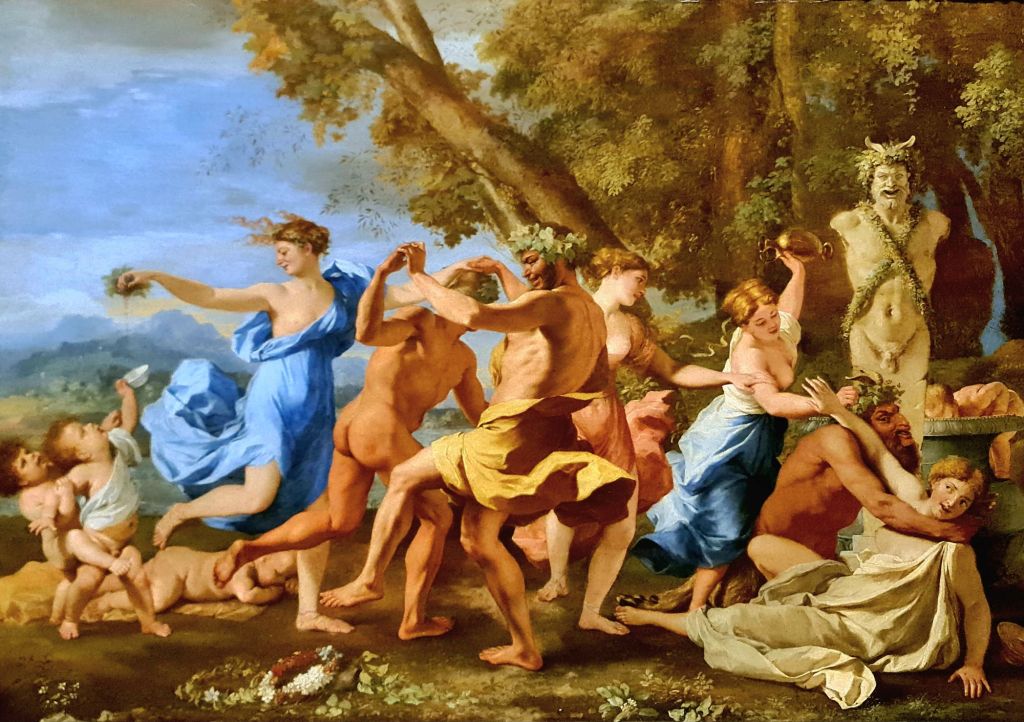
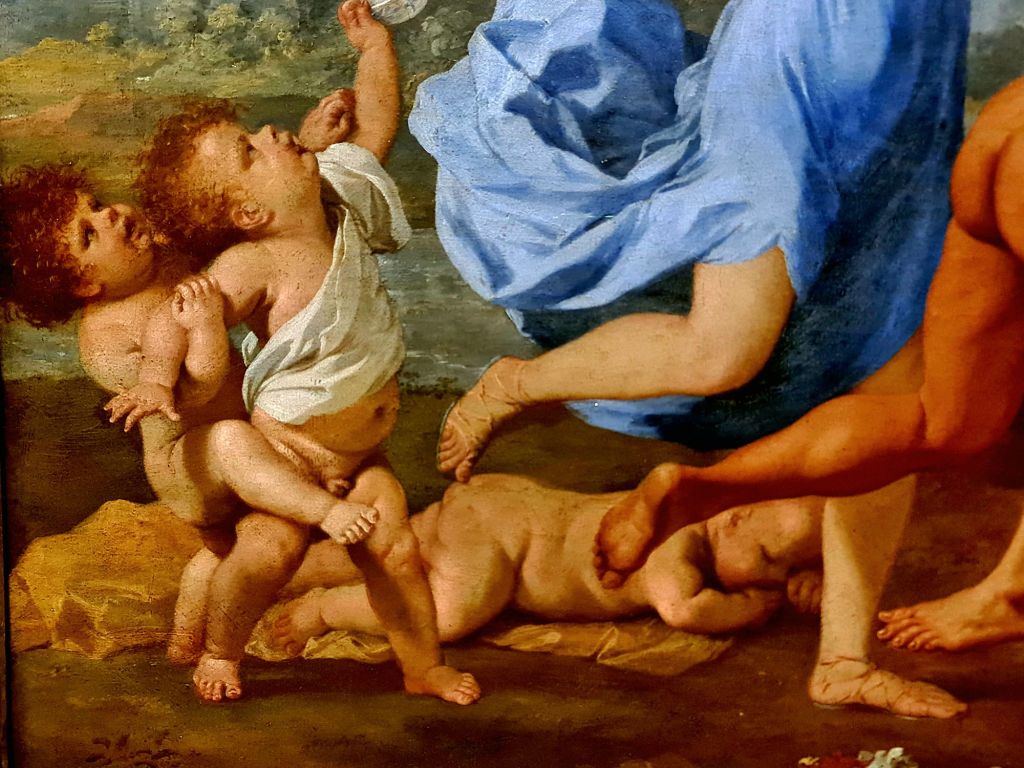
Nicolas Poussin, another French painter, was born nearly 140 years before Fragonard, and his painting, A Bacchanalian Revel Before a Term, is in the classical style, I suppose. What struck me most about this wild party scene was what fun the dancers and revelers seem to be having! Apart from the poor baby which seems to be getting trampled underfoot, bottom left!
A Bacchanalian Revel before a Tern (1632-3) by Nicolas Poussin National Gallery, LondonDetails from A Bacchanalian Revel before a Tern (1632-3) by Nicolas Poussin National Gallery, London
A number of artists have been inspired by this painting by Poussin, including the London-based artist Leon Kossoff, see here.
I have not been on an aeroplane or done any travel outside the British Isles since before the pandemic. The reason is that I have been on a long road of recovery from a Covid-19 infection.
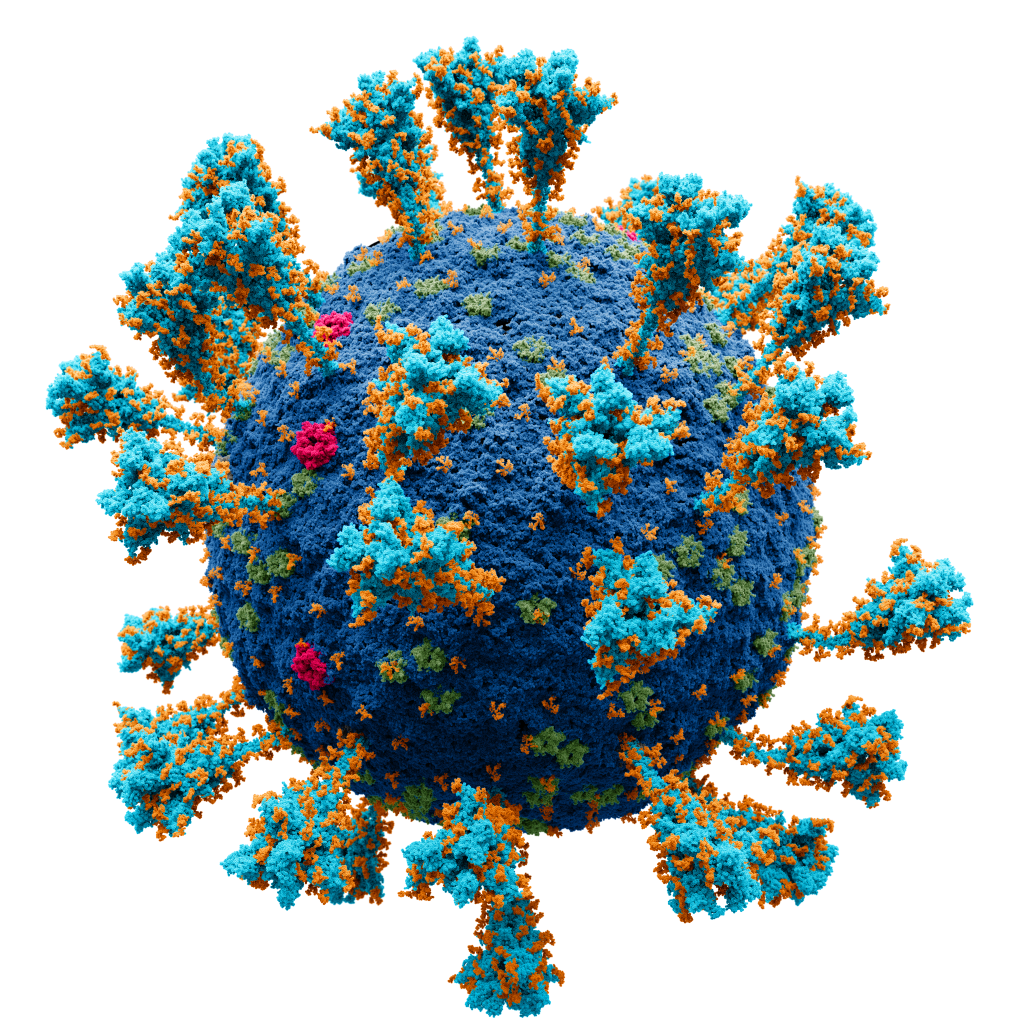
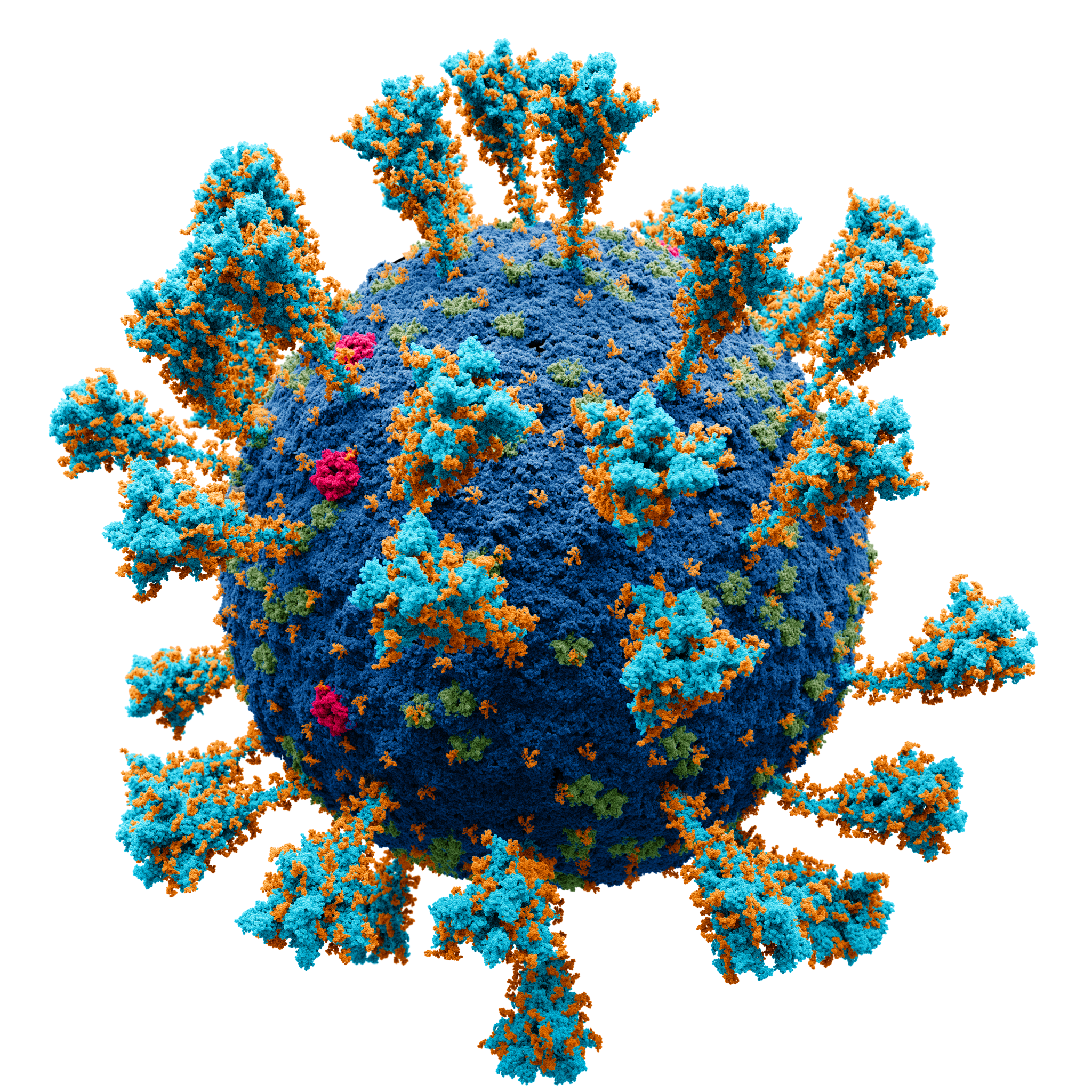
By Alexey Solodovnikov (Idea, Producer, CG, Editor), Valeria Arkhipova (Scientific Сonsultant) – Own work. Scientific consultants:Nikitin N.A., Doctor of Biological Sciences, Department of Virology, Faculty of Biology, Lomonosov Moscow State University.Borisevich S.S. Candidate of Chemical Sciences, Specialist in Molecular Modeling of Viral Surface Proteins, Senior Researcher, Head of the “Quantum & Dynamics»,Laboratory of Chemical Physics, Ufa Institute of Chemistry RASArkhipova V.I., specialization in Fundamental and Applied chemistry, senior engineer, RNA Chemistry Laboratory, Institute of chemical biology and fundamental medicine SB RAS, CC BY-SA 4.0, https://commons.wikimedia.org/w/index.php?curid=104914011
I contracted Covid (give it its full name: coronavirus SARS-CoV-2) in Aug 2022, my one and only infection, as far as I am aware. Although I am now largely recovered, it has taken about a year and a half to get back my strength.
I still have some after-effects, i.e. Long Covid, and I like to say that I am not the same man that I was before the Chinese stealth virus rewired my mind (!), but I am happy to report that I am much better, as much as one can ever be sure, that is, that this stealthy virus has finished with you!
The main symptoms of Long Covid usually include fatigue, breathlessness, headaches, chest pains, palpitations and dizziness, although there is not a widely accepted definition of this chronic illness, as this Royal Society website explains. I thought that it would be useful therefore, to briefly describe my own encounter with the syndrome and place it in the context of my own previous experiences of having another debilitating ailment: post-viral fatigue/ME.
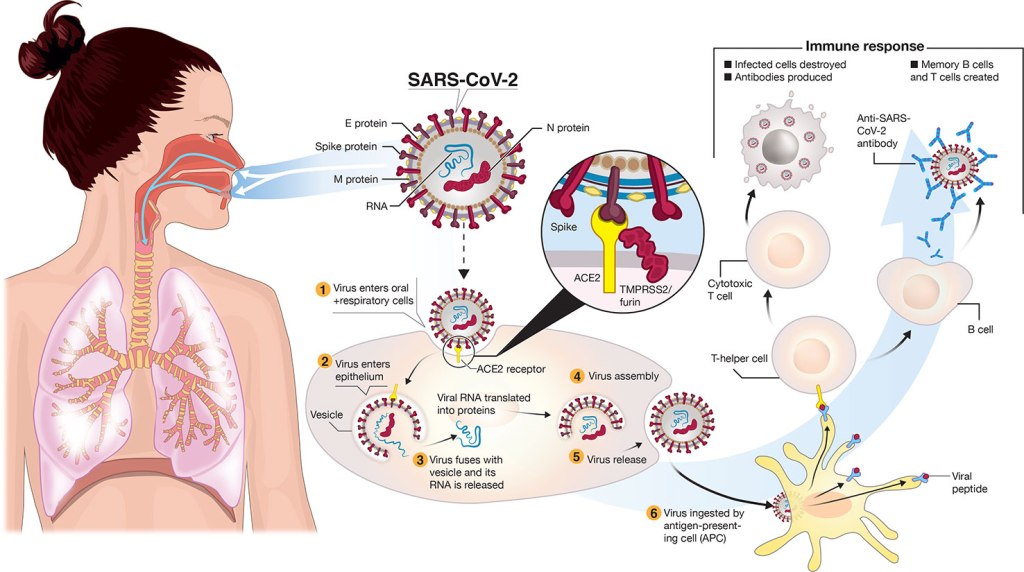
Transmission and life-cycle of SARS-CoV-2 causing COVID-19. SARS-CoV-2 is transmitted via respiratory droplets of infected cases to oral and respiratory mucosal cells. The virus, possessing a single-stranded RNA genome wrapped in nucleocapsid (N) protein and three major surface proteins: membrane (M), envelope (E) and Spike, replicates and passes to the lower airways potentially leading to severe pneumonia. The gateway to host cell entry (magnified view) is via Spike-converting enzyme 2 (ACE2) interaction with cleavage of Spike in the prefusion state by proteases TMPRSS-2/furin. A simplified depiction of the life cycle of the virus is shown along with potential immune responses elicited. https://commons.wikimedia.org/wiki/File:Fphar-11-00937-g001.jpg#/media/File:Fphar-11-00937-g001.jpg
As someone who has suffered from intermittent bouts of post-viral fatigue for much of my adult life, I was probably a sitting duck for Long Covid! Like many of us at the time however, I had a pretty cavalier attitude towards Covid when it first appeared. I remember thinking to myself: perhaps it would be a good idea to expose myself to the virus in order to build-up some immunity. The idea of herd immunity was doing the rounds, especially in government circles.
We were all very naïve about this virus, including prime ministers and health secretaries, and sadly many people have still not learnt how serious the symptoms can be, albeit for a relatively small proportion of the population. Nevertheless, according to the Office of National Statistics, that small proportion (three percent or more) constitute an estimated 2.0 million people in the UK experiencing self-reported Long Covid continuing for more than four weeks after the first coronavirus (COVID-19) infection
The Covid infection I experienced in Aug 2022 was not particularly severe, I have had worse bouts of flu in the past, but the after-effects were very debilitating. The main symptoms I suffered were chest pains, head-aches, insomnia, and bowel problems. I was also incredibly susceptible to cold and windy weather and went about dressed up for the Arctic, with long John’s and thermal vests, which made me sweat, of course. If I got too cold, I started to shiver and feel awful, and I had to take to my bed. Recovery usually took a day or so. I often piled on a ridiculous number of blankets to get warm again and I began calling these bouts ‘meltdowns‘.
“the variant of SARS-CoV-2 a person was first exposed to determines how well their immune system responds to different parts of the virus, and how protected they are against other variants.” (University of Cambridge Link)
This susceptibility to cold continued for at least a year, and I am still (18 months later) very cautious about going out in cold, windy weather. I also suffered ‘meltdowns’ if I overdid it in any way. Walking too fast or too far, for example. These symptoms of post-exertional fatigue were very similar to those I have had in the past during prolonged bouts of recovery from viruses: i.e. chronic fatigue syndrome. My experience of ME/CFS in the past always occurred as a result of a cold or flu virus, and I usually recovered after a month or three!😊.
Sensory overload: In the months following my Covid infection, I could not tolerate cold, hot sun, wind, or noise. Noisy situations would bring on a sort of brain fog, and cold and heat would precipitate ‘meltdowns’! But gradually, things did improve. There seems to be a general consensus that it takes about 18 months to recover from Long Covid; but this is very much an average, and many people will take much longer, or much shorter. It all depends on the severity of the initial infection and your own genetics (=immune system).
Looking back: The first time I got ME, as I call it, I was in my 30’s, but when I look back over my life, I have had periods of fatigue which were strange and difficult to link to obvious episodes of illness. For example, during the run-up to my A levels, I found it impossible to revise. I got sick and felt ill as soon as I looked at my notes!
This is why some doctors, not so many now, thought that ME was ‘all in the mind’. In reality it is in the mind AND the body, and strangely enough, in the gut!
In the end, I took all of my A levels without having done any revision at all! Luckily, I was enough of a swat to pass them all satisfactorily, based on what I had done before. Fortunately, this lethargy did not happen again, for example, when I took the exams for my degree, but I did know a fellow student who got ill and simply was not able to study anymore.
The symptoms of Long Covid (LC) and ME/CFS are both mind/body illnesses. In other words, they affect both the body and mind of the patient. This led many doctors to come to the conclusion that they were dealing with depression, and many medics prescribed antidepressants for ME. These drugs can, however, help, but that does not mean that ME/CFS is just in the mind!
In my experience, some people get ‘stuck’ in their illnesses: LC or ME. It can be difficult to extricate yourself from the malaise.
One has to find a way out of the illness, and the route may vary for each patient or sufferer of LC or ME/CFS. I am grouping these illness together because they can be very similar, but in my experience, every post-viral episode is different, even in the same person. This is because viruses differ and evolve, and our immune systems are also learning and changing throughout life.
When I first got a severe bout of ME in my thirties (I am now 69) it took a long time to get well (4-6 months). One tends to get a bit stuck and there seems to be no way to get back to a normal state of mind and health. My own breakthrough came in the form of a meditation tape which a chiropractor gave me. This enabled be to really relax (on the floor) every day and focus on my breathing. I also tried to eat well and gradually built up my strength by gentle walking.
Exercise is important, but don’t overdo it. Keep within your limits, if you can find them.
I got very little support from the medical profession. I remember one doctor saying: “Some of my patients get sick every winter and do not recover until the spring.” Yes, I thought, but do you have anything to offer them in the way of advice or treatments?
Maybe I’m being too harsh? I got very upset when my mother’s cat died and the vet couldn’t help. “Do something,” I shouted! “It’s dead,” said the vet. Useless bugger I thought!
Gut feelings: I remember telling another doctor that I thought the root cause of ME lay in the gut. He looked at me as though I was an idiot. In the gut? This was about 1990; we now know that disruption of the gut microbiota may well be a contributing factor in ME/CFS, and there are positive effects of probiotic therapy. The gut–brain axis plays a really important role in regulating physical and mental health.
“Between 70 and 80 per cent of immune cells are in the gut, where they are constantly communicating with microbes. This crosstalk helps fight disease, strengthen immune responses and regulate inflammation, our body’s first line of defence against infection” (New Scientist 3 October 2023)
“Long Covid has taken all that I took for granted as being stable in my life, lifted it up, shaken it, put it down again and left me to make sense of what was left, like one of those snow globes, except not so pretty.” (Gahan, 2023)
My experiences with the medical profession with Long Covid were not much better than with ME. I expect there are good specialists, certainly now, but accessing them is not always easy. The NHS tackle each symptom separately, and understandably, go down well-trodden pathways to establish whether there are any severe underlying problems. So, when I presented myself in A&E with chest pains, I got X-rayed (there was nothing to be seen) and sent up to be examined for heart problems. I came away from that first session, having been prescribed medication for angina. I knew I didn’t have angina, because I could walk up long flights of stairs without problems (other than fatigue). I subsequently had an ECG and an echocardiogram and finally saw a consultant heart specialist. There was nothing wrong with my heart!
We now know that traditional chest X-ray can reveal only so much and cannot distinguish compromised lung function resulting from the novel coronavirus. A novel scanning method using xenon gas was developed by scientists at the University of Sheffield, to detect lung abnormalities not identified by routine scans.
On another occasion, visiting a GP practice for chest pains, I was given antibiotics. I somehow knew that I did not have an infection. The rattly sounds of my chest were a Long Covid symptom. Similarly, with headaches, no one seemed to have a clue. I remember one consultant saying to me: “after the (viral) illness is over, the body clears itself of viroids; there are none left in the body”. Wrong, wrong, wrong! Even I knew that this was not the case. Were they not reading the literature?
Viral persistence:
“There is ample evidence for persistence of SARS-CoV-2 viral RNA and proteins in several tissues, including respiratory tract, GI tract, olfactory mucosa, and the central nervous system” (eLife. 2023; 12: e86015, doi: 10.7554/eLife.86015).
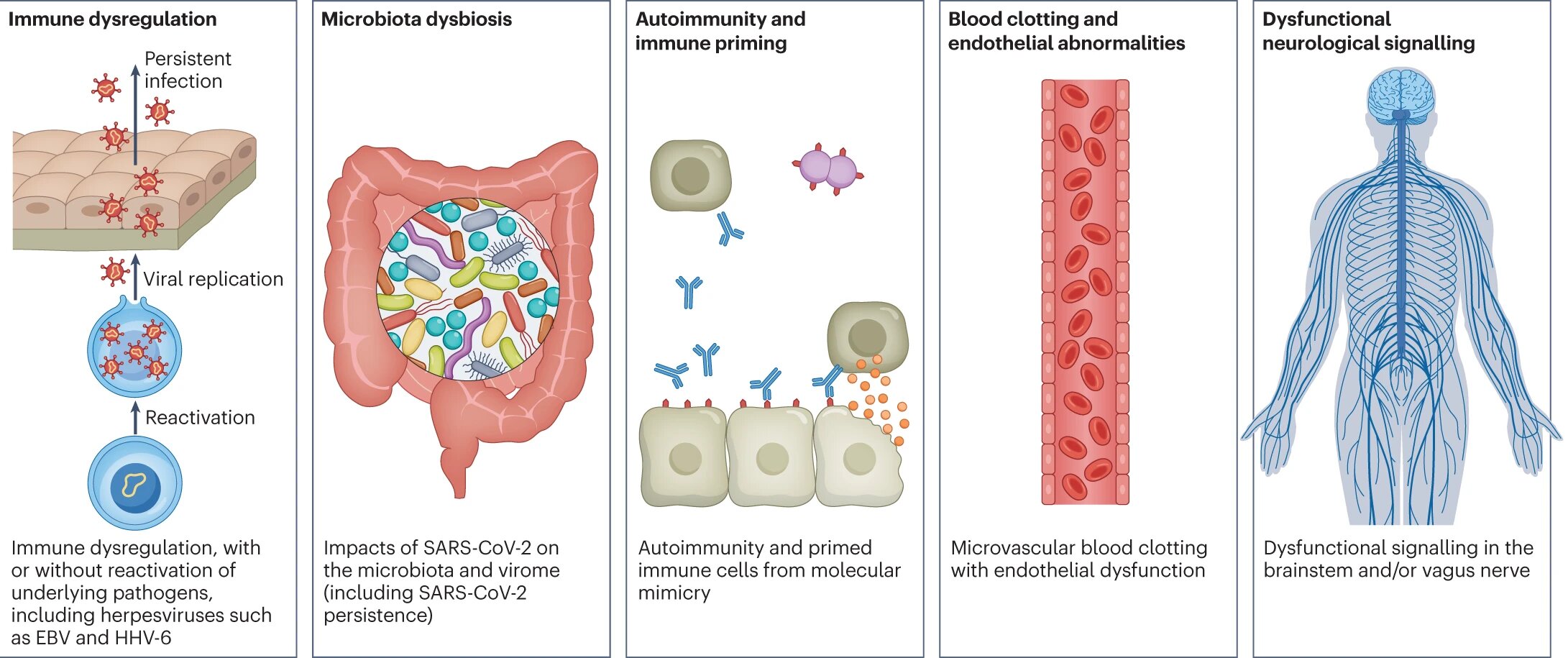
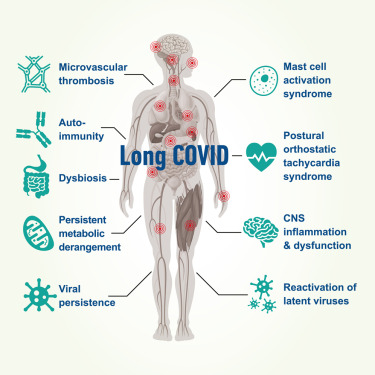
Hypothesized mechanisms of long COVID pathogenesis. There are several hypothesized mechanisms for long COVID pathogenesis, including immune dysregulation, microbiota disruption, autoimmunity, clotting and endothelial abnormality, and dysfunctional neurological signaling. EBV, Epstein–Barr virus; HHV-6, human herpesvirus 6; SARS-CoV-2, severe acute respiratory syndrome coronavirus 2. Credit: Nature Reviews Microbiology (2023). DOI: 10.1038/s41579-022-00846-2
Fatigue: Fatigue is not the same as tiredness. You just don’t have the energy to do things, even if you have had a good rest. Brains get fatigued, and bodies get fatigued. Why we don’t we bounce back after a good rest, after contracting a virus, I don’t know. There must be a physical cause. But the changes must be very tiny, at the cellular level, and difficult to detect, I suppose. Medicine does not usually operate at that level. But research does: it just needs studying, and because more people have Long Covid than have ME, the Covid pandemic may lead to a better understanding of these autoimmune diseases. Maybe!
Symptoms
The potential biological mechanisms underpinning the development of Long COVID (LC). From: Perumal, R., Shunmugam, L., Naidoo, K., Wilkins, D., Garzino-Demo, A., Brechot, C., … & Nikolich, J. (2023). Biological mechanisms underpinning the development of Long COVID. Iscience. https://www.sciencedirect.com/science/article/pii/S258900422301012X
Although, LC symptoms have been likened to a ‘lucky dip’ (unlucky dip rather!), where the particular constellation of symptoms varies from person to person, recent research has identified three main clusters, or types of symptoms:
i) a cardio-respiratory cluster of symptoms,
ii) a central neurological cluster, and
iii) a multi-organ systemic inflammatory cluster (Canas et al., 2023).
“different profiles of post-COVID-19 condition, characterised by differing symptom combinations, durations, and functional outcomes” (Canas et al., 2023).
In plain language, this study found that the largest group of LC sufferers experienced neurological symptoms such as fatigue, brain-fog and headaches, whilst a second group experienced respiratory symptoms including chest pain and severe shortness of breath, possibly as a result of lung damage. The third group was made up of people who experienced a diverse range of symptoms, including heart palpitations, muscle ache, and changes in skin and hair.
In my own case, the progression of the post-viral Long Covid symptoms followed a rough pattern of chest, brain (headaches and tinnitus), and gut problems.
Taste and smell loss are common symptoms of Covid-19 that may emerge and persist long after initial infection, but fortunately I never lost my sense of smell.
Brain fog or brain fatigue
People with symptoms for 12 weeks or more fell into three main groups based on the types of symptoms they were experiencing. The largest group was characterised by a cluster of neurological symptoms such as fatigue, brain-fog and headache and was the most common subtype among alpha and delta variants. A second group experienced respiratory symptoms, including chest pain and severe shortness of breath, which could point to lung damage. This was the largest cluster in the wild-type period when the population was unvaccinated. Finally, there were some people who experienced a diverse range of symptoms, including heart palpitations, muscle ache and pain, and changes in skin and hair. (Three types of long-COVID for people experiencing symptoms for 12 weeks or more)
Post-exertional fatigue or crashing out! “Boom and bust”—you feel great, do a little bit more than usual, and come crashing down the next day. (Link 3)
Psychological effects – avoid noise and stimulus – feel like I have been ‘rewired’!
Flare-ups: what’s going on? It may be to do with MAST cells.
In the long COVID-19, a persistent inflammatory state will activate specific mast cell genes that will cause an abnormal mast cell activation control. (Sumantri & Rengganis, 2023)
COVID-19 infection could lead to exaggeration of existing undiagnosed mast cell activation syndrome, or could activate normal mast cells owing to the persistence of viral particles. (Arun et al., 2022)
Progress: I liken recovery from LC or ME to an expanding balloon (below). You gradually get your energy and brain power back. But whether you get back to where you were is debatable!
Pace yourself and don’t overdo it. Learn how to relax. Try to listen to soothing music and sink into the sofa. Really let go. Let that diaphragm relax. Clear the mind. Think nice thoughts. Eat good food.
Most people with Long Covid (as with ME) sometimes come to the conclusion that they are on their own and have to try and find their own way out of their post-viral malaise. If they can; but there are resources out there if you reach out. Things have improved somewhat after the Covid epidemic: many hospitals have LC clinics, and the NHS introduced a Living with Long Covid App. It’s helpful, but for me, it didn’t capture the subtleties of the illness.
Treatments: Don’t get too excited, because there aren’t any! As far as I am aware, there are no treatments being routinely offered by the NHS for Long Covid in the UK. However, there is plenty of good advice now, recovery programmes and Long Covid clinics. See here.
In my experience, the best treatments are rest and relaxation. Plus good diet; healthy foods. However, not everyone has the luxury of putting their life on hold for a while whilst they recover. It must be particularly hard for mothers with children to look after. And for some unknown reason, women seem to suffer more from these diseases than men.
Slow down and pace yourself: “There are no limits!” Spouts an online athletics coach. “Limitations are all in your mind”. Not if you have LC they’re not! There are well-defined limits to your physical and mental capacities and if you transgress them, you pay a price. Overdo your exercise programme and you will wind up back in bed, feeling awful for an undefined recovery period.
During the early stages – i.e. the first couple of months of my own LC journey, I felt sicker than I have ever felt before, especially during the bouts when I ‘crashed out’. It was much worse than the infective stage of the virus, worse than the worst bout of flu I can remember. But, I knew that it was temporary; I just keep taking paracetamols and sucking on sugar-free sweets (it seemed to help!), and the discomfort eventually receded. Until the next time I overdid it!
But, my long Covid was fairly mild compared to some people.
With time, I recovered, as most people do, I think. Hopefully, this blog, and the links below, might help a few people struggling with these symptoms.
Arun S, Storan A, Myers B. Mast cell activation syndrome and the link with long COVID. Br J Hosp Med (Lond). 2022 Jul 2;83(7):1-10. doi: 10.12968/hmed.2022.0123. Epub 2022 Jul 26. PMID: 35938771.
Astin, R., Banerjee, A., Baker, M. R., Dani, M., Ford, E., Hull, J. H., … & Hall, C. N. (2023). Long COVID: mechanisms, risk factors and recovery. Experimental physiology, 108(1), 12-27.
Burges Watson, D. L., Campbell, M., Hopkins, C., Smith, B., Kelly, C., & Deary, V. (2021). Altered smell and taste: Anosmia, parosmia and the impact of long Covid-19. PloS one, 16(9), e0256998.
Canas, L. S., Molteni, E., Deng, J., Sudre, C. H., Murray, B., Kerfoot, E., … & Modat, M. (2023). Profiling post-COVID-19 condition across different variants of SARS-CoV-2: a prospective longitudinal study in unvaccinated wild-type, unvaccinated alpha-variant, and vaccinated delta-variant populations. The Lancet Digital Health.
Callard, F., & Perego, E. (2021). How and why patients made Long Covid. Social science & medicine, 268, 113426.
Décary, S.; Gaboury, I.; Poirier, S.; Garcia, C.; Simpson, S.; Bull, M.; Brown, D.; Daigle, F. Humility and Acceptance: Working Within Our Limits With Long COVID and Myalgic Encephalomyelitis/Chronic Fatigue Syndrome. J. Orthop. Sports Phys. Ther.2021, 51, 197–200. https://pubmed.ncbi.nlm.nih.gov/33930983/
Davis, H.E., McCorkell, L., Vogel, J.M. et al. Long COVID: major findings, mechanisms and recommendations. Nat Rev Microbiol21, 133–146 (2023). https://doi.org/10.1038/s41579-022-00846-2
Raveendran, A. V., Jayadevan, R., & Sashidharan, S. (2021). Long COVID: an overview. Diabetes & Metabolic Syndrome: Clinical Research & Reviews, 15(3), 869-875.
Scurati R, Papini N, Giussani P, Alberti G, Tringali C. The Challenge of Long COVID-19 Management: From Disease Molecular Hallmarks to the Proposal of Exercise as Therapy. International Journal of Molecular Sciences. 2022; 23(20):12311. https://doi.org/10.3390/ijms232012311
Sumantri S, Rengganis I. Immunological dysfunction and mast cell activation syndrome in long COVID. Asia Pac Allergy. 2023 Mar;13(1):50-53. doi: 10.5415/apallergy.0000000000000022. Epub 2023 Apr 28. PMID: 37389095; PMCID: PMC10166245.
I often visit the National Gallery when I am in London. There is always something new to see or old favourites to revisit and admire.
When I was younger, I was completely taken by Impressionist artists, like Degas (below), and would generally walk rather briskly through the Old Master galleries, containing Renaissance painters and the like.
Edgar Degas, Ballet Dancers, pastel on paper laid on panel, 1888 (The National Gallery, London)
I still love the more modern works, but I have become more and more fascinated by the older styles of painting; not just the incredible techniques of Old Masters like Leonardo da Vinci and Rafael – to name just two – but also the wonderful colours and strange compositions of some very early paintings (see below).
Francesco Pesellino
A highlight of the visit was a small, free exhibition of works by the Italian Renaissance painter Francesco Pesellino (c. 1422 – 1457). I had not come across this artist before, and he is, it seems, something of a forgotten master, who died very young (aged only 35). The centrepiece of the exhibition is two panels depicting the Story of David. An extraordinary work of art that apparently took about 10 years to complete.
The Triumph of David (1445-55) by Francesco Pesellino. Public domain, via Wikimedia Commons
The panels were only acquired by the NG in 2000 and have only recently been put on display after a lengthy period of conservation.
The Story of David and Goliath by Francesco Pesellino. Public domain, via Wikimedia Commons
There was a scrum of people trying to get a good look at the panels, and the gallery had supplied magnifying glasses in order to obseve the details of these paintings, which was incredible. I used my tablet phone to take some pictures, also featured here and here.
Details from the Story of David Panels by Francesco Pesellino.
Another fascinating painting by Pesselino was calledKing Melchior Sailing to the Holy Land painted c.1445–1450 in tempera, oil, and gold on panel (below). These early paintings, as well as being gorgeous works of art, also tell us a great deal about what life was like in Medieval times; the boats, the costumes, the different sorts of people.
King Melchior Sailing to the Holy Land by Pesellino. National Gallery, London.
Again, it is fascinating to look at the details. It is not so long ago that it was strictly forbidden to take photographs in an art museum! Now everyone is snapping away, mostly with mobile phones. It is a great opportunity to look again, more carefully, and more attentively, perhaps, at something one only just glanced at earlier.
The Pistoia Santa Trinità Altarpiece is a 1455-1460 egg tempera, tempera grassa and oil on wood painting, begun by Pesellino and completed by Fra Filippo Lippi and his workshop.Detail from Francesco Pesellino, ‘Virgin and Child’, about 1455
New acquisition
This lovely painting caught my attention, just by chance. It turns out that it is a recent acquisition (2022) by the Gallery. This Portrait of a Girl (c. 1650) by Isaack Luttichuys (pronounced ‘Lootickhouse’) (1616–1673), was accepted in lieu of Inheritance Tax by HM Government from the estate of someone called George Pinto, a banker who died in 2018. The painting was used to settle £46,818 worth of tax, according to this press release, which seems very good value to me as it really is an exquiste painting from this Dutch master.
Portrait of a Girl (about 1650) by Isaack Luttichuys. National Gallery
Finally, I came across some paintings I had not noticed before, called The Story of Griselda, Part I, II, and III. It is not known who painted the work, other than he was an Italian artist who specialized in panel painting and worked in Umbria around 1490. He is, therefore, called the Master of the Story of Griselda.
Details from Master of the Story of Griselda (active about 1490-1500)
The paintings tell the story of a young peasant woman called Griselda, based on The Decameron, a 14th-century work by Boccaccio. It is a very misogynistic story about a beautiful woman who was put through a series of emotional ordeals by her husband to test her loyalty to him. The tale is also described here. Margaret Atwood did a funny, spoof version of the tale.
Details from Master of the Story of Griselda (active about 1490-1500)
I love the little animals and the camp waiters! In fact, everyone seems to be bowing or posing or trying to look cool, with heads turned to one side and hands on hips! All deliciously camp to our eyes, but no doubt, a highly stylised portrait of renaissance men and women.
Details from Master of the Story of Griselda (active about 1490-1500)