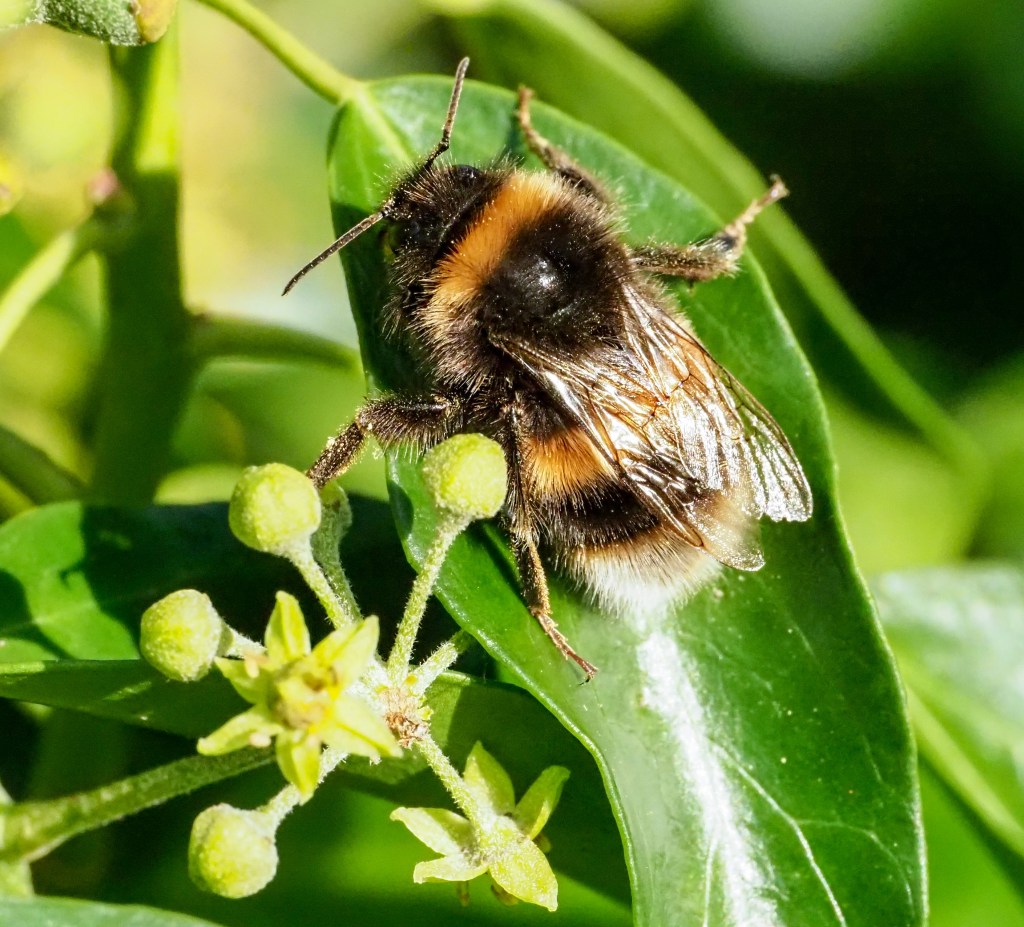
I have just come across the term polycrisis. It means “a situation where multiple separate crises happen at the same time and interact to make the overall damage worse than the sum of its parts.”
I thought I would create a character called Polly Crisis – a bumblebee – who, a bit like us, has to navigate many different ecological crises in her life. She’s an old bumblebee who has survived the worse that life has thrown at her, raised multiple broods of her own, and still spends every day gathering pollen and nectar for her colony!
Go Polly Crisis go! Here’s a Google Gemini AI generated photo of her.
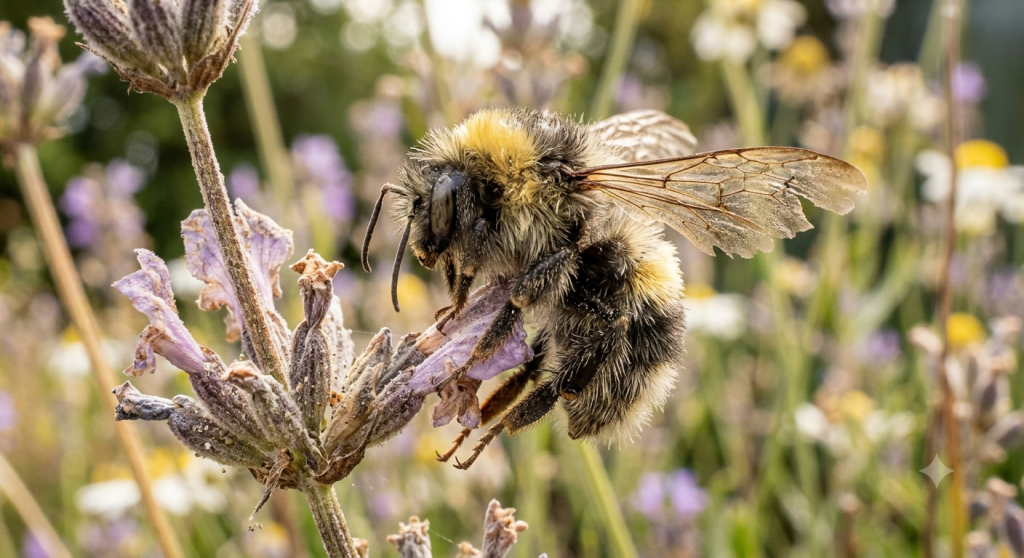
Polly Crisis started off looking like this: a great big beautiful queen (below). She emerged from her underground hibernation burrow where she had spent the winter by herself; rising temperatures roused her from her slumber and she set off searching for flowers.
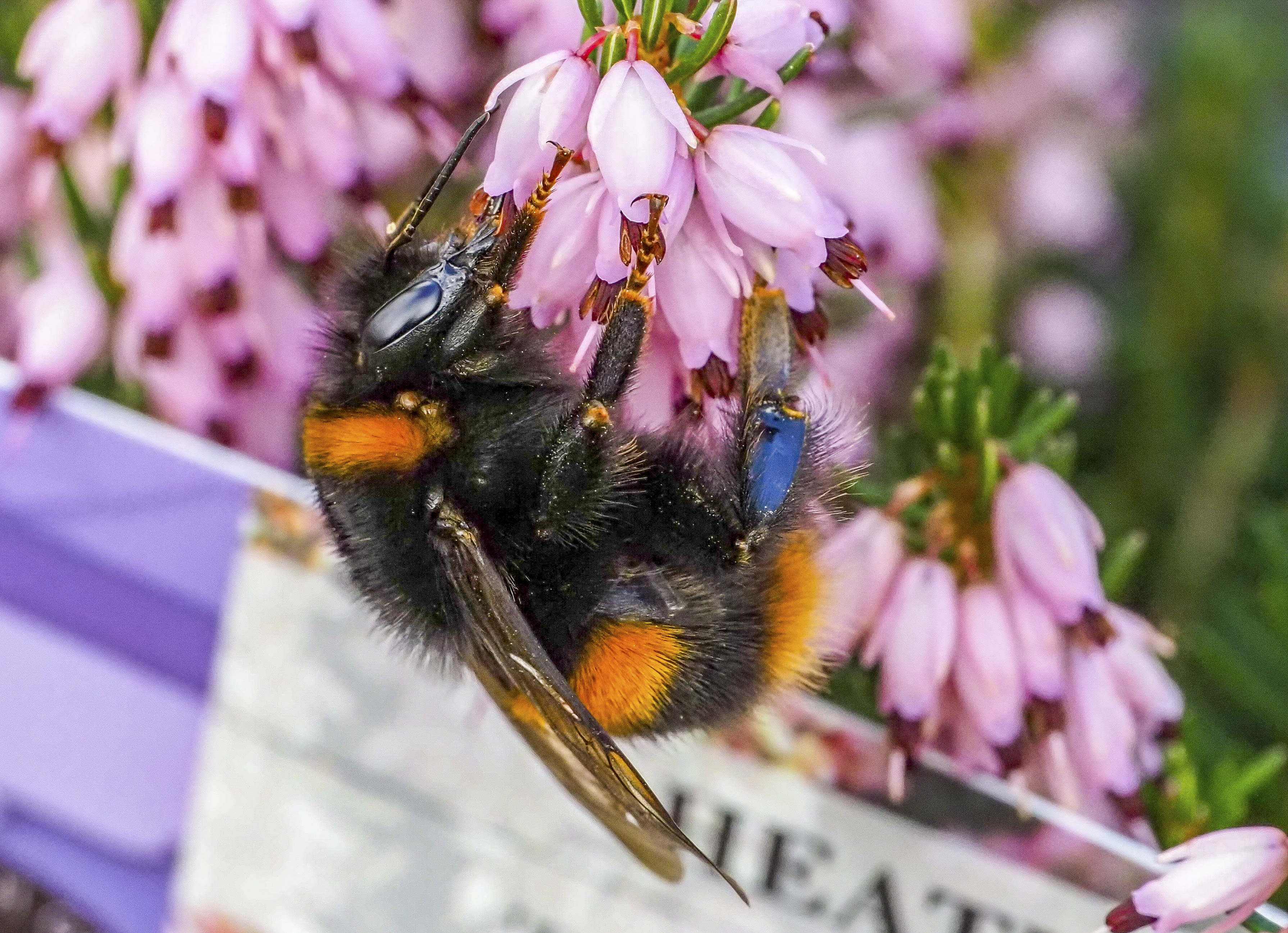
Polly moved around her habitat, which included flower-rich patches such as gardens, meadows, and hedgerows. She also found a garden centre which hosted a cornucopia of nectar and pollen sources.
Polly found so much nectar, she occasionally had to stop nectaring and take a break. A little nap on the ground.
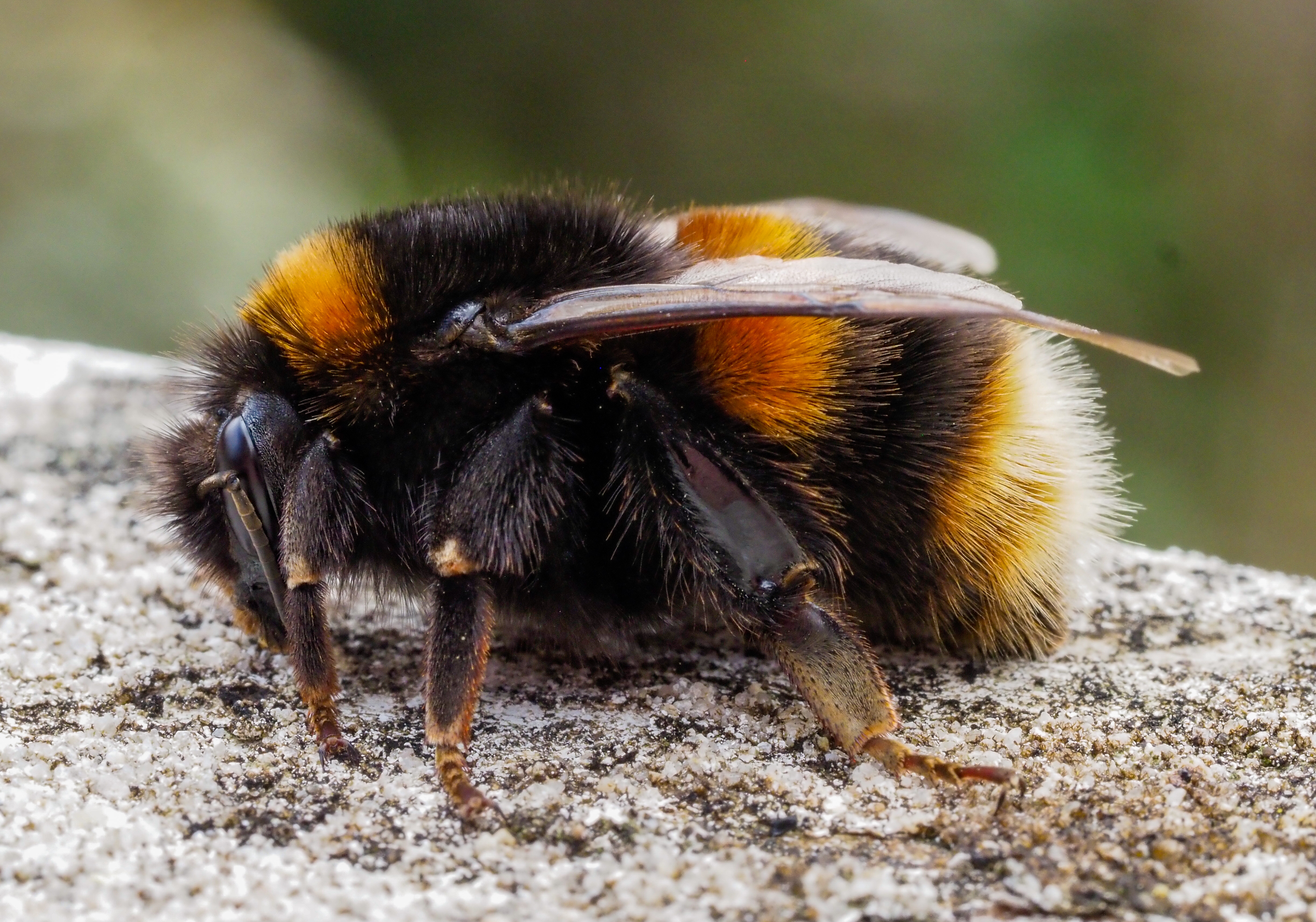
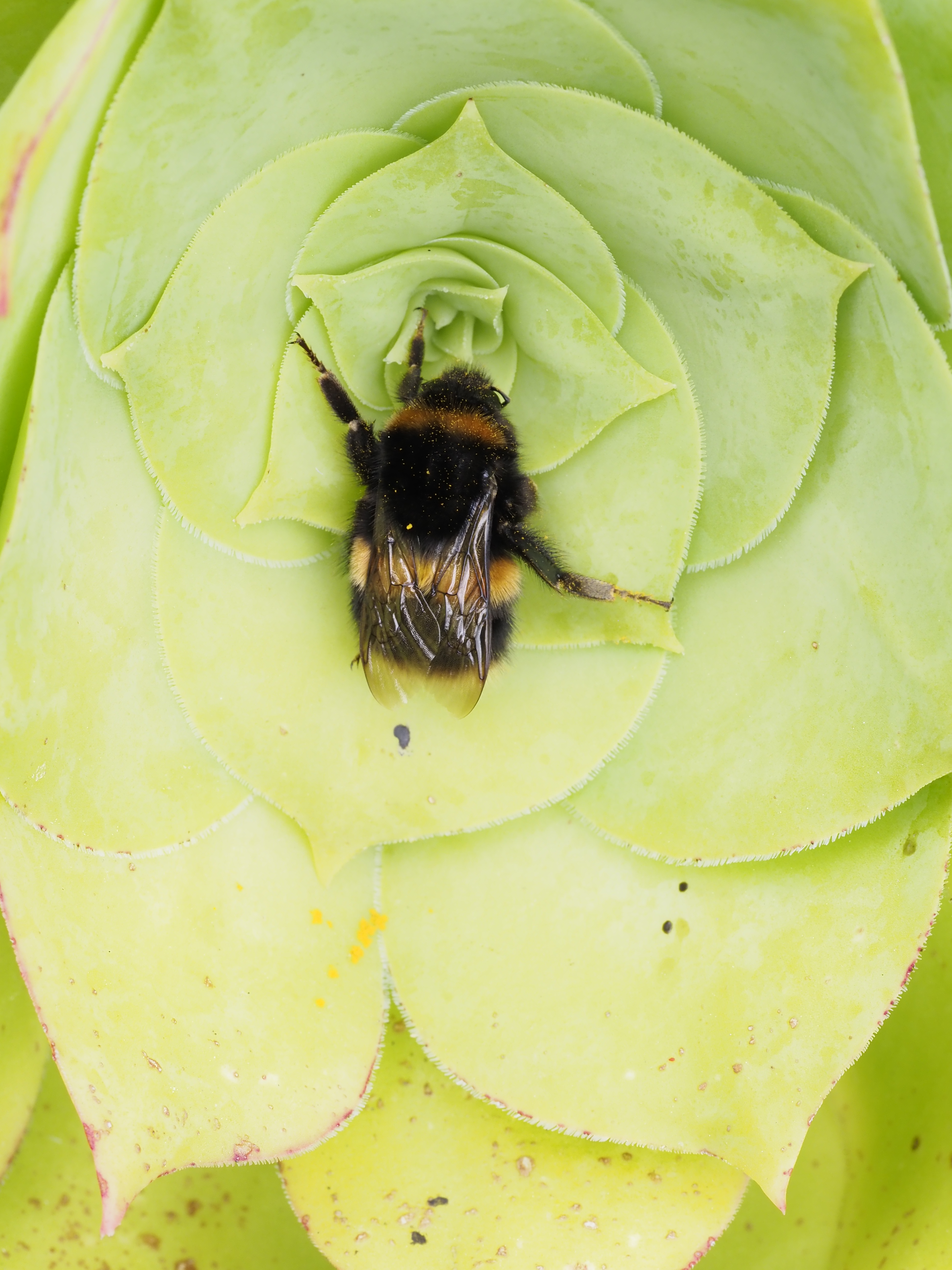
Sometimes, she needed a longer nap, and rather than returning to her overwintering site, she found a nice plant to sleep in! Like this succulent, Aeonium arboreum (below).
It all seems a charmed existence, so what challenges do a bumblebee like this face? And do these separate pressures constitute a polycrisis?
One much publicised example of a polycrisis, is the effects we humans are having on the Earth’s systems, pushing planetary boundaries beyond their ‘safe’ levels of functioning (below).
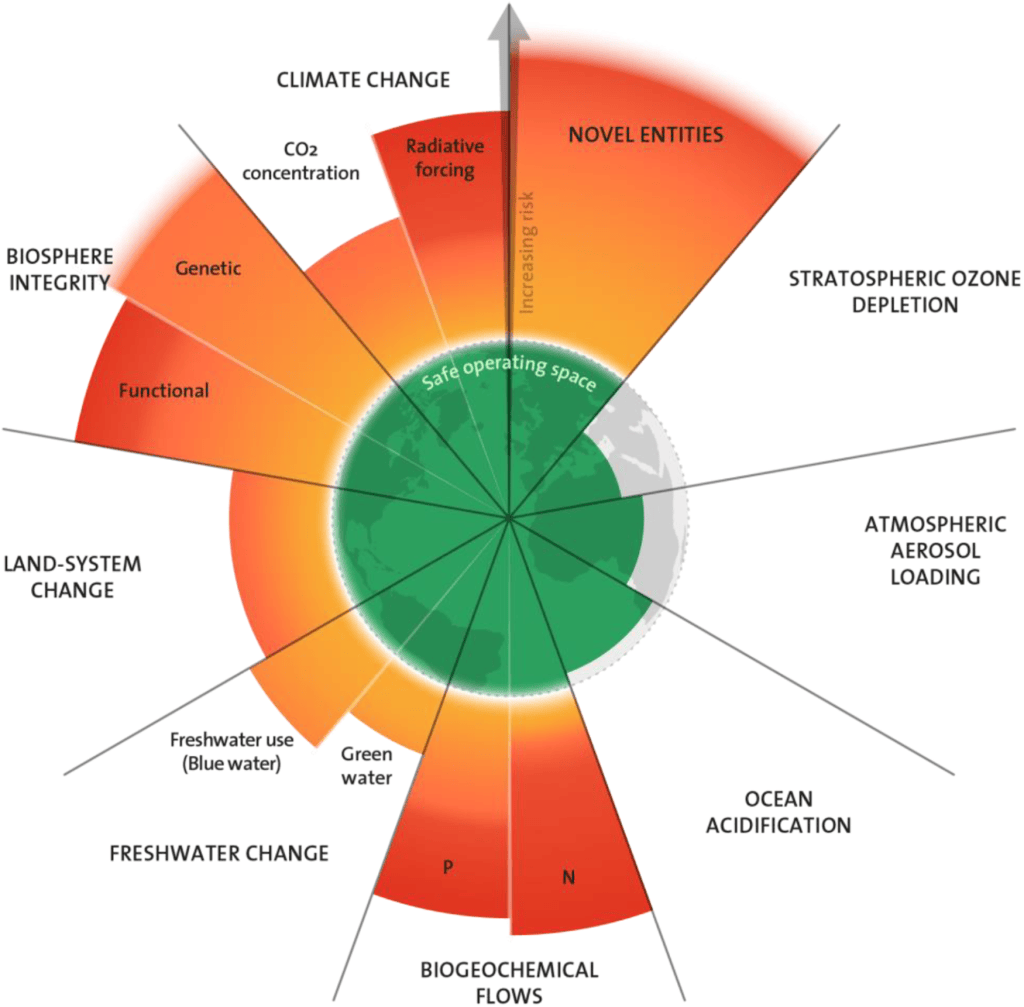
Many of the crises facing us, and insects like Polly, are ecological. Six of the nine planetary boundaries – shown above – are ‘beyond a safe operating space’, they include: ‘novel entities’ (such as pollution, microplastics, etc), biosphere integrity, biogeochemical flows, climate change, land-system change, and freshwater change.
Which ones of these crises might affect the lives of insects like Polly Crisis? They include factors such as:
- Habitat destruction: Intensive farming and urban growth have used up huge areas of wildflower-rich grasslands, depriving bees and other pollinators of vital food sources (Why bumblebees need our help).
- Nesting disruption: Turning wild spaces into developed land – all those new houses and out-of-town shopping centres, for examples – diminishes the availability of safe underground cavities and other sites needed for bumblebee queens to hibernate and build annual colonies. (Bumblebees and climate change).
Here is a photo of Polly as she was on the ground exploring for some potential nesting sites. (Bumblebee nests).
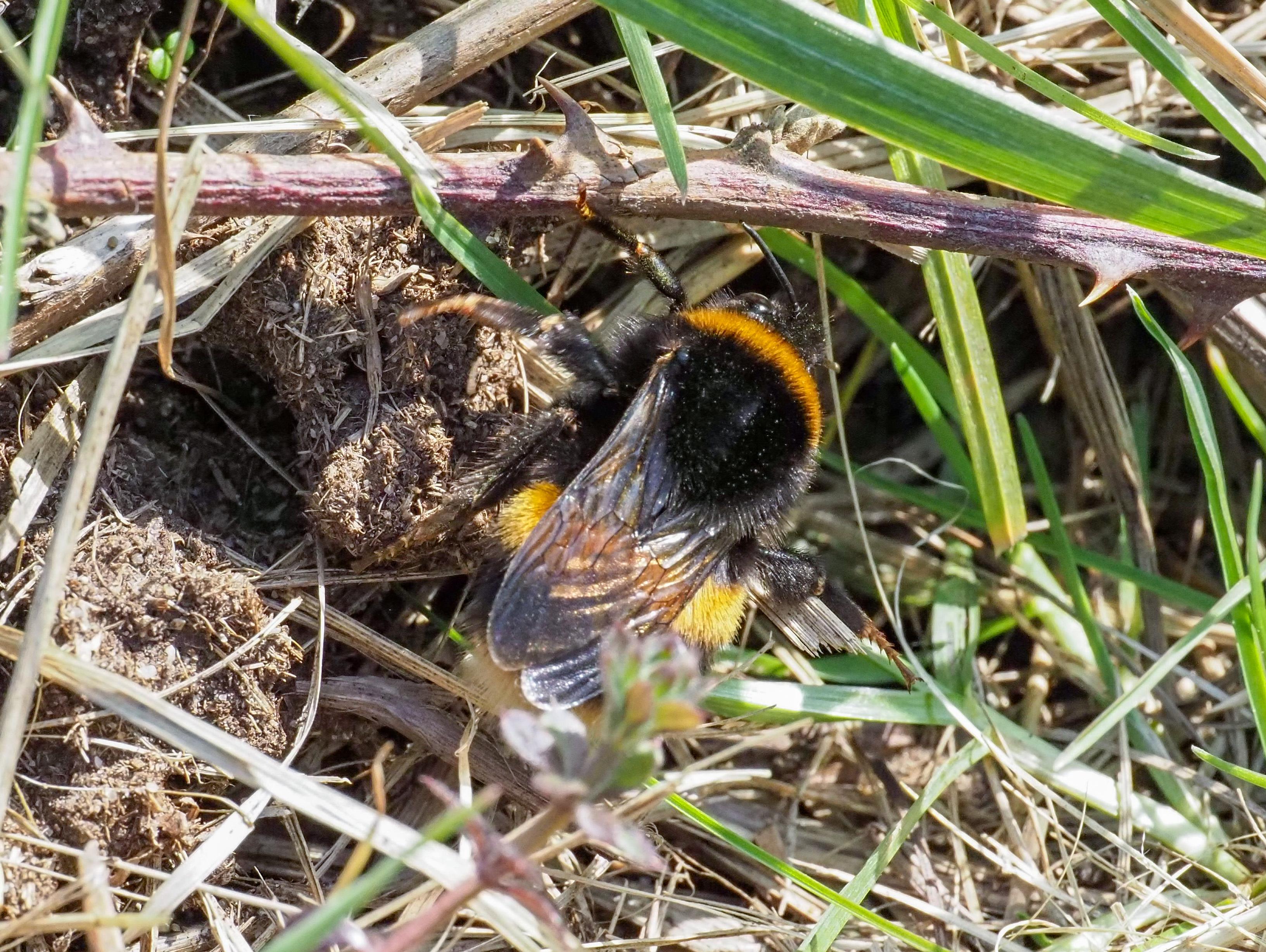
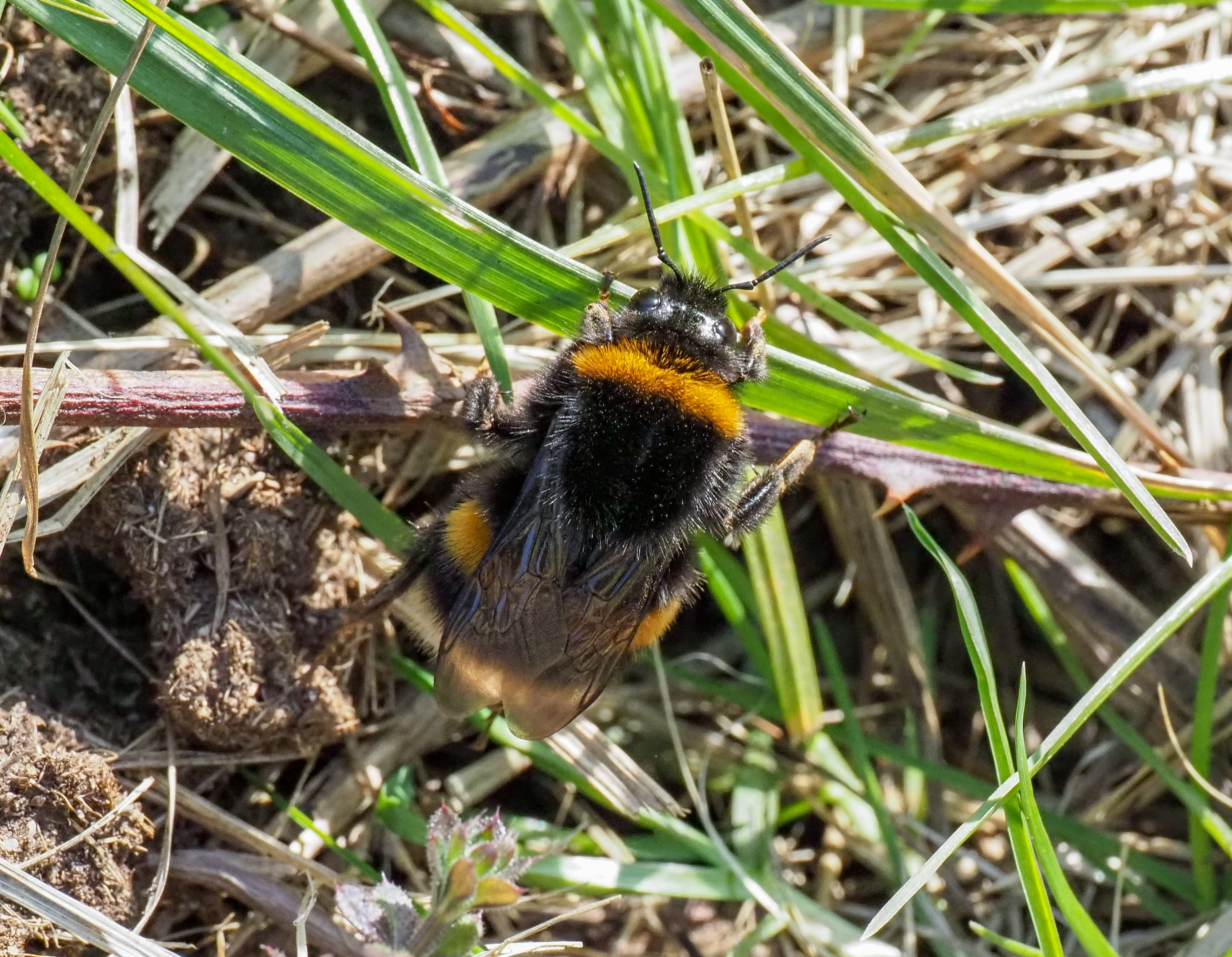
Photos by Raymond JC Cannon
- Heat stress: bumblebees have large, furry bodies which give them an advantage in cool weather and in cooler climates, but they can struggle to survive severe heatwaves and rising baseline temperatures (Threats to pollinators).
Most researchers have concluded that bumblebees are facing increasing physiological challenges as a result of climate change with hotter temperatures increasing the risks of local extinctions and changing species richness (Soroye et al., 2020). There will winners and losers as the climate changes – because some species are more resistant to heat stress than others (Martinet et al., 2021) – but there are likely to be be more ‘losers’ than ‘winners’ unfortunately.
- Phenological mismatches: Unpredictable seasonal shifts can cause flowers to bloom earlier, creating timing gaps where hungry bees emerge before food is available.
For example, the time lag between the peak flowering of some alpine plants and the peak abundance of worker bees, the phenological mismatch, has increased as a result of earlier snowmelt with the warming climate (Kudo et al., 2025). Phenological mismatches between flowers and pollinators are expected to become more prevalent in a warmer climate (Jackson et al., 2022).
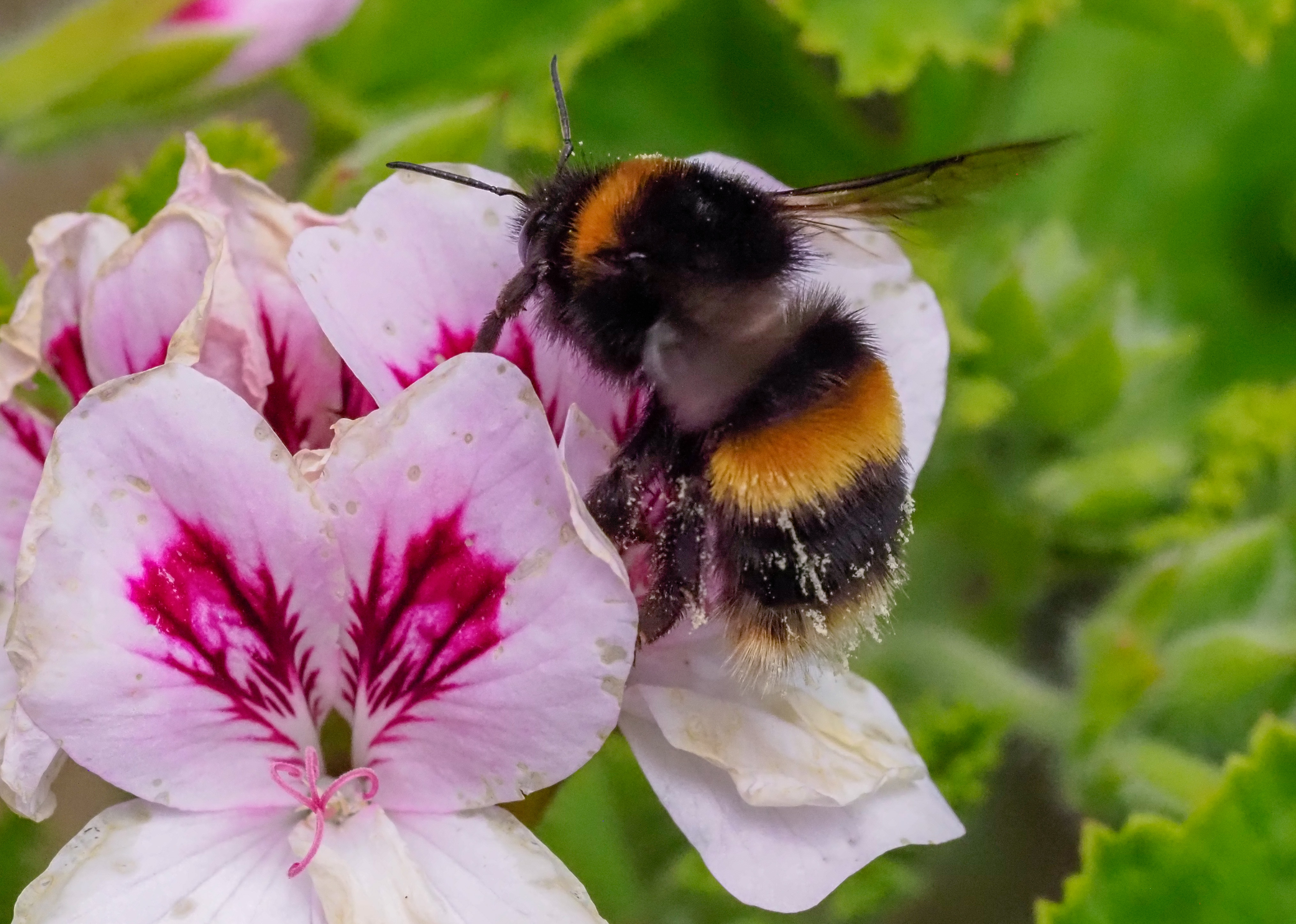
Photo by Raymond JC Cannon
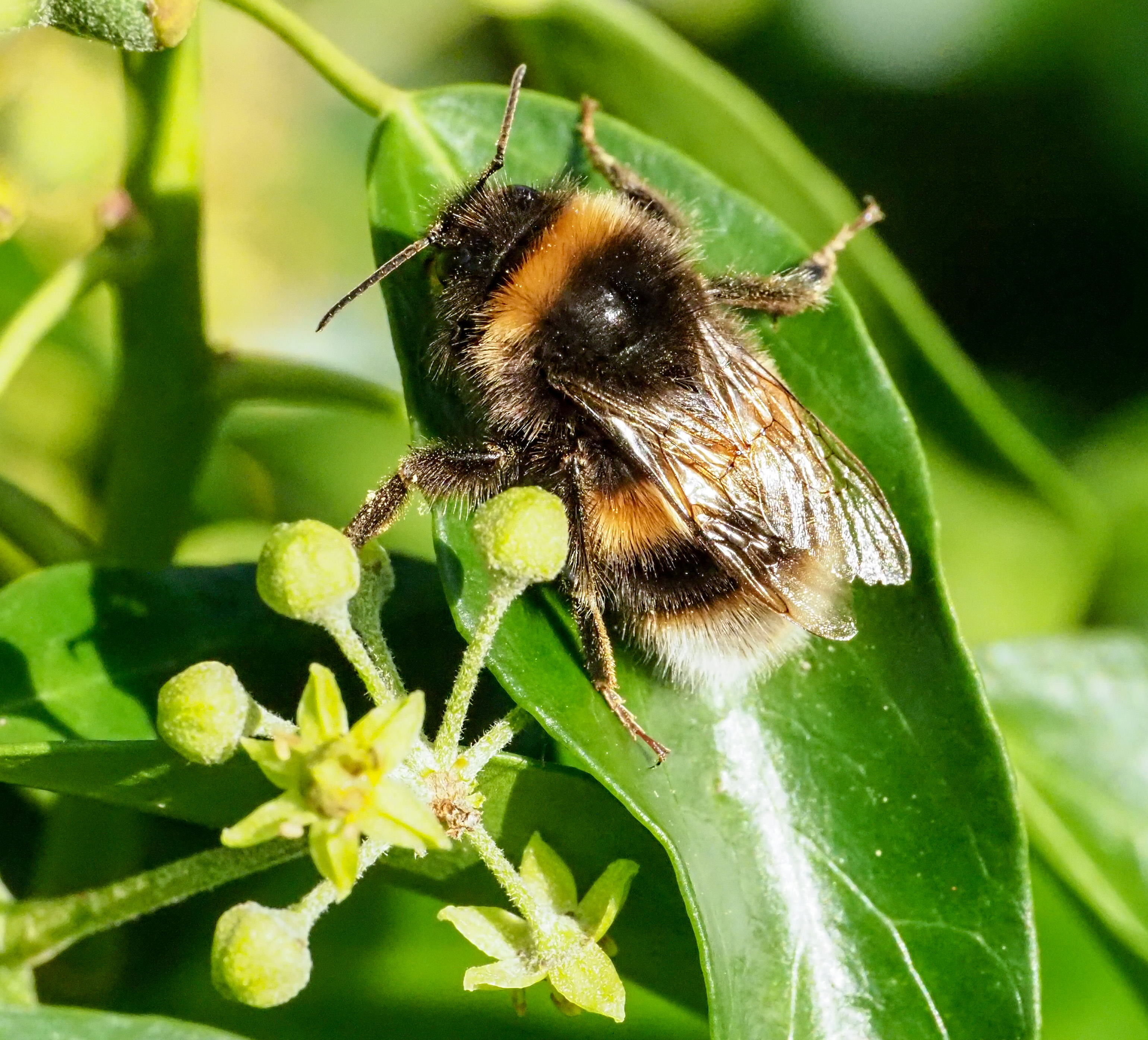
- Severe storms and floods: Heavy rainfall and flooding can drown out underground nests and kill hibernating queens, while high winds inhibit foraging flights. Bumblebees often need to rest and warm up, especially as temperatures drop in the autumn (below).
- Direct toxicity: Insecticides can kill individual bees outright or impair their navigation, memory, and foraging ability.
Imidacloprid is a neonicotinoid insecticide (neonic) which is widely used in some countries and can affect bumblebee survival, behaviour, and colony health. Dose rates commonly used in the field can increase the mortality rates of both workers and queens, slow growth and cause nest failures (Tasman et al., 2020; Chole et al., 2022).
- Disrupted sleep. Low doses of neonics can also disrupt their sleep and affect circadian rhythms, such that bumblebees sleep more during the day and move around at night. What’s a bee to do?!
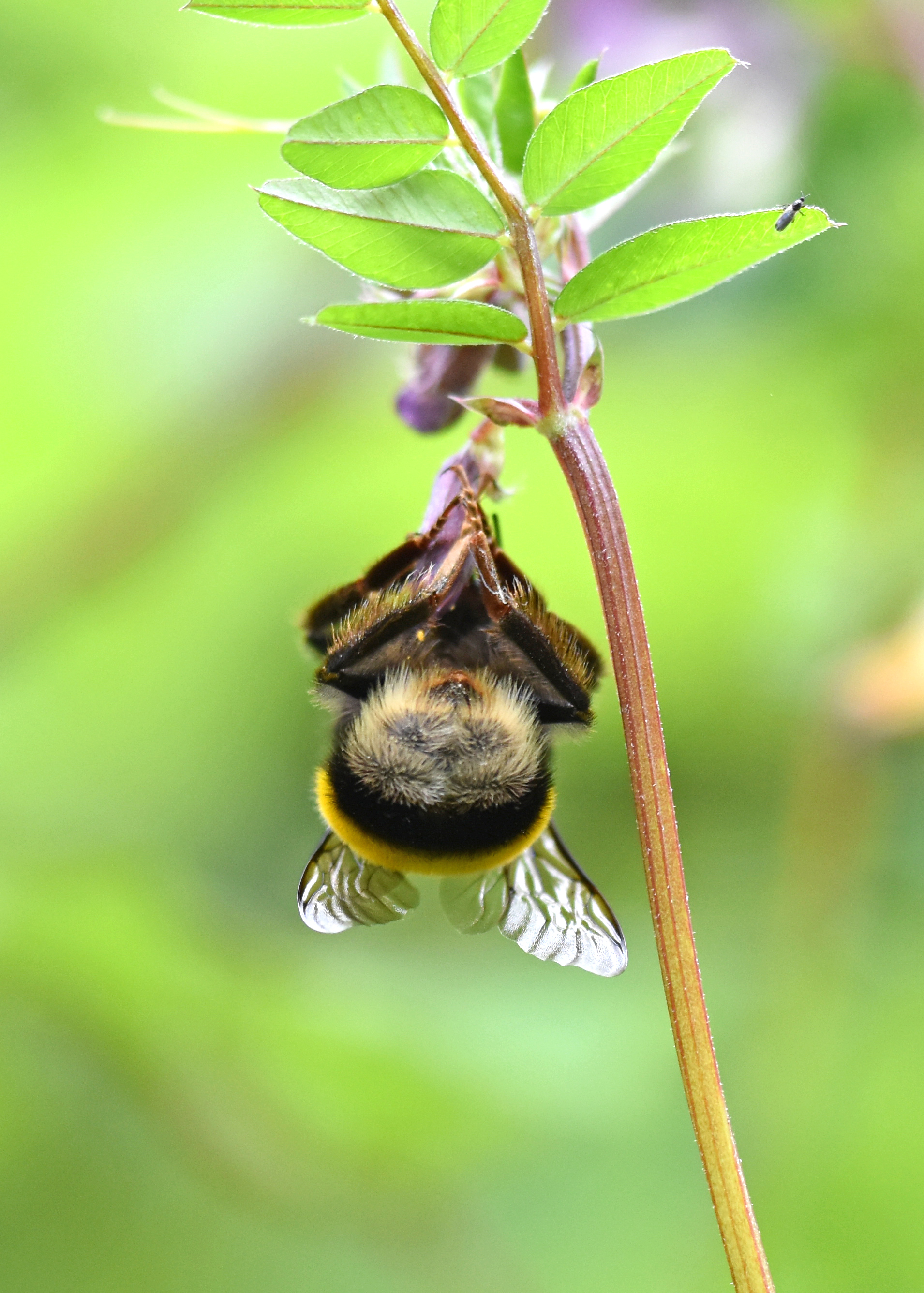
Scientists in Germany tested bumblebee (Bombus terrestris) ‘microcolonies’ under present-day, and projected “future” (50 years later) heatwave scenarios, and evaluated the effects of three widely used agricultural chemicals. They found that the widespread use of highly toxic insecticides remains a prominent threat to bumblebee colony stability and long-term population persistence, even though – surprisingly – the pesticide-stressed colonies exhibited slightly better reproductive fitness and survival under the simulated future heatwave scenario than under present-day conditions (Nebauer et al., 2024). The increased temperatures somewhat mitigated the absolute severity of the pesticide toxicity. This demonstrated that the outcomes of combined stressors are not always easy to predict, and the effects can sometimes be counterintuitive.
- Floral reduction: Whilst bumblebees can benefit from some crop flowers – such as oil-seed rape – herbicides used on crops can kill non-crop flowering weeds that otherwise would serve as nutrition sources in agricultural landscapes.
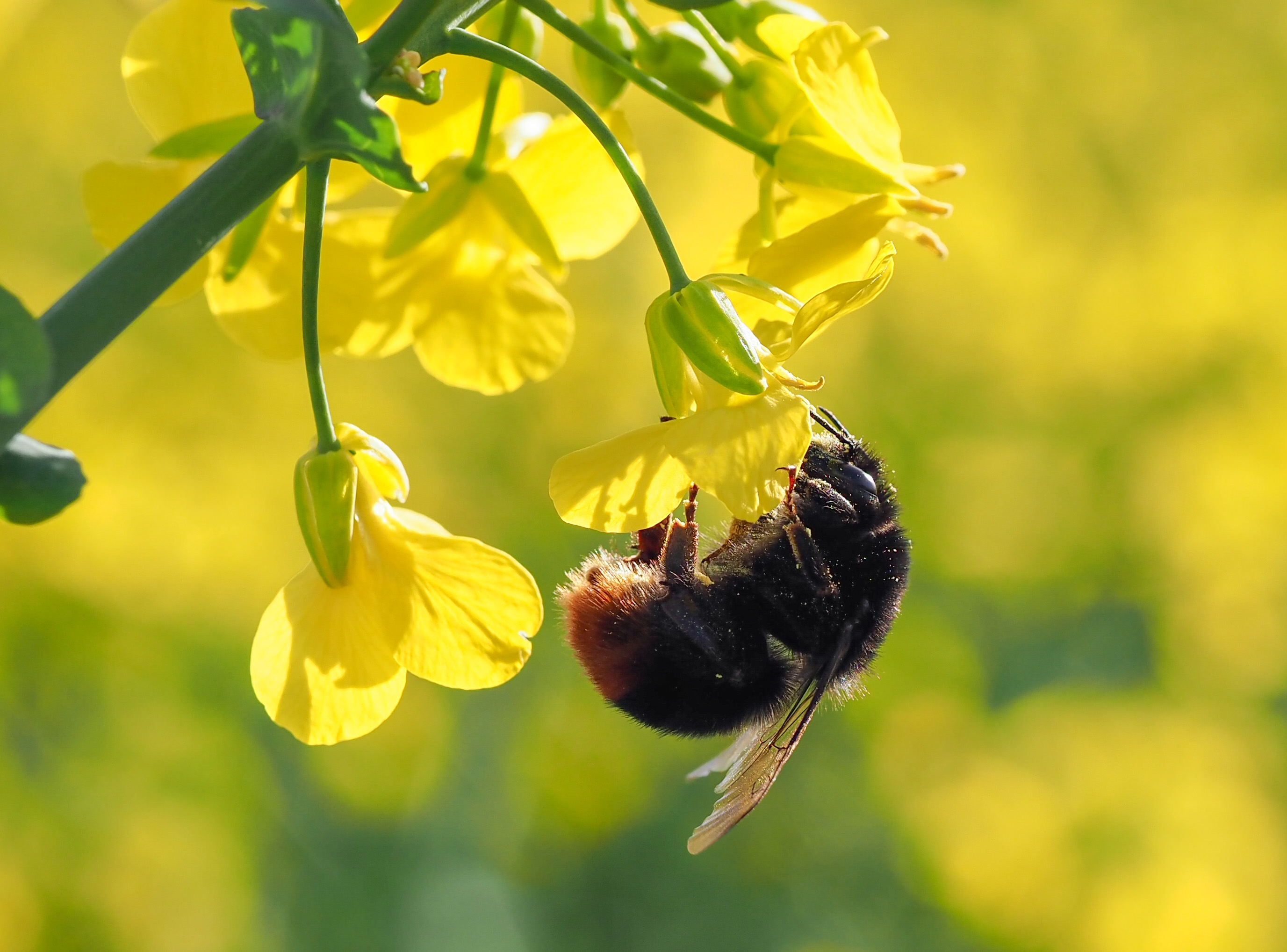
- Interactive stress: The combined effects of agrochemicals and extreme heat can exacerbate the physiological stress on bees, and can lower the overall colony survival and reproductive success.
“synergistic effects of different stressors are likely, but hard to predict, urging for more studies on interactions between different stressors on various organisms” (Nebauer et al., 2024).
- Invasive species: Shifting geographic ranges due to climate change may force native and invasive species into competition for limited resources.
Whilst the yellow-legged, or Asian, hornet, Vespa velutina, is mainly a threat to honeybees, it might still pose a risk to some bumblebees, particularly commercially-reared colonies (O’Shea-Wheller et al., 2023).
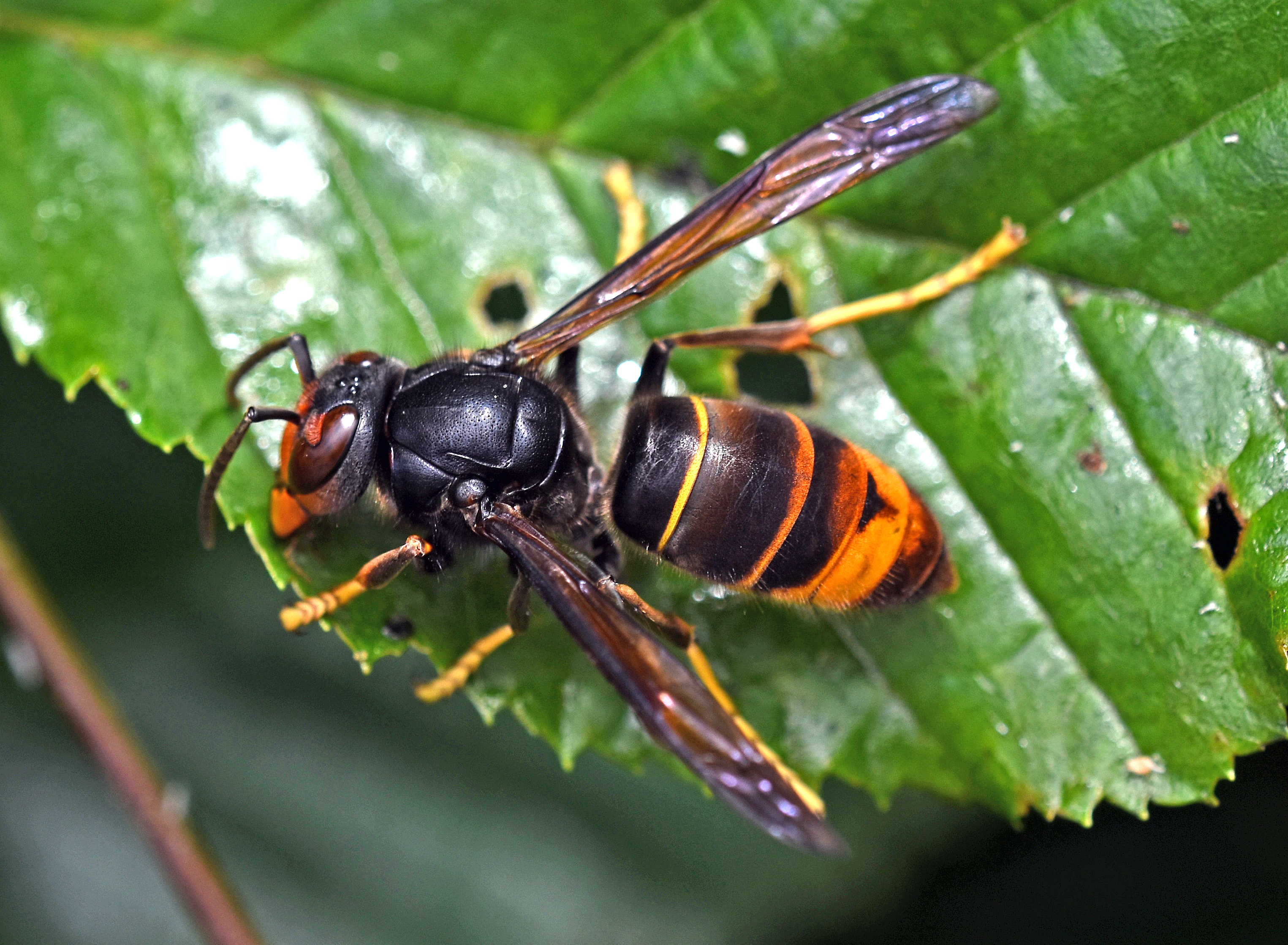
The invasive Asian hornets were found to frequently engage in hunting bumblebees at B. terrestris colonies, but their repeated attempts at predation were entirely unsuccessful. The bumblebees managed to escape from the hornets at their nest entrances. However, the bumblebee colony weights decreased in association with wasp densities, indicating potential indirect effects upon colony growth (O’Shea-Wheller et al., 2023).
Final note
We live in a ‘tragic universe’ (Scarlett Thomas) where suffering abounds and death is inevitable, but along the way much joy and creativity is possible.
“I want a tragic universe, not a nice rounded-off universe with a moral at the end” (Scarlett Thomas 2010 novel Our Tragic Universe).
For insects, like us, a lifetime of activity results in an accumulation of ‘wear and tear’. Bumblebees are remarkably resilient animals that can cope with a fair amount of disruption caused by weather and other natural phenomena, but they have their limits. They live incredibly active lives (‘hardworking’ we might say if we are tempted to anthropomorphise), which can see them visiting up to 5,000 flowers in a day, and perhaps as many as 100,000 flowers during their foraging lifetimes.
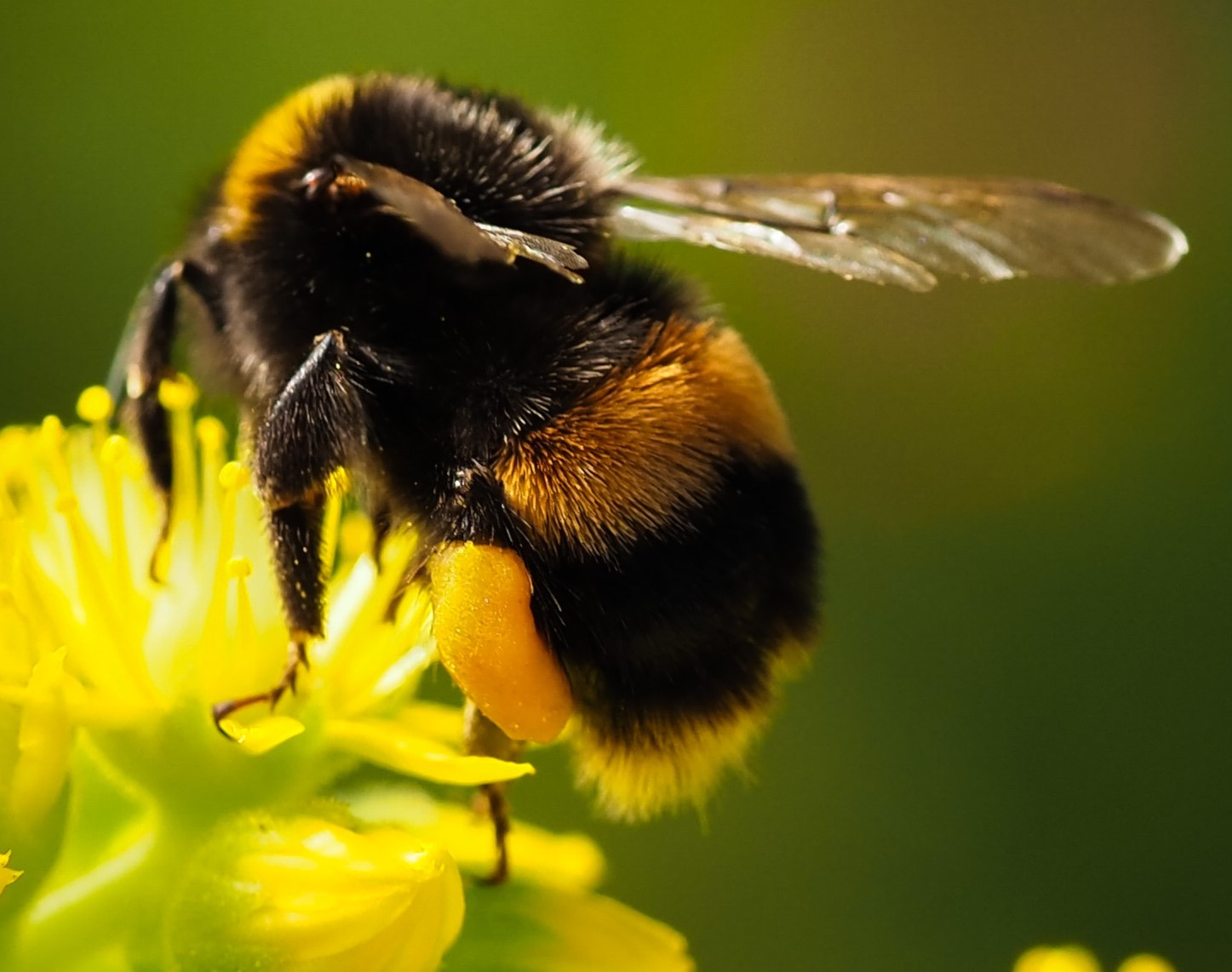
Back and forth they go with their heavy loads, flying up to one hundred miles in the course of their lifetimes; bumblebees can carry up to 40% to 50% of their own body weight in pollen!
But there are some things they can’t cope with. If we take away places where they can nest; if we remove or greatly diminish the diversity of nectiferous flowers they have to feed on; if we introduce hazardous or body-numbing chemicals into their environment; if we increase temperatures so much they die of heat stroke; if storms and droughts become so severe that they perish; then these things become a polycrisis which they may not be able to survive.
So, luckily Poly Crisis managed to survive for a long time this year – despite the very hot summer – and her offspring will be around to pollinate our flowers and crops next year; but if we are not more careful, and less profligate in our ways – and if we don’t leave sufficient, unpolluted habitats for nature to thrive in – we will all come tumbling down in the future.
The multiple, simultaneously occurring, interacting crises – which amplify each other, and produce outcomes more severe than the sum of the individual crises – are something only we can do something about. Bees like Polly Crisis and her descendants are hoping that we do, and soon!
References
Chole, H., de Guinea, M., Woodard, S. H., & Bloch, G. (2022). Field-realistic concentrations of a neonicotinoid insecticide influence socially regulated brood development in a bumblebee. Proceedings of the Royal Society B: Biological Sciences, 289(1987), 20220253.
Jackson, H. M., Johnson, S. A., Morandin, L. A., Richardson, L. L., Guzman, L. M., & M’Gonigle, L. K. (2022). Climate change winners and losers among North American bumblebees. Biology letters, 18(6), 20210551.
Jackson, H. M., Johnson, S. A., Morandin, L. A., Richardson, L. L., Guzman, L. M., & M’Gonigle, L. K. (2022). Climate change winners and losers among North American bumblebees. Biology letters, 18(6), 20210551.
Kerr, J. T., Pindar, A., Galpern, P., Packer, L., Potts, S. G., Roberts, S. M., … & Pantoja, A. (2015). Climate change impacts on bumblebees converge across continents. Science, 349(6244), 177-180.
Kudo, G., Imoto, T., Nagase, T., & Liew, H. X. (2025). Phenological mismatch between alpine flowers and bumble bees: its mechanism and impacts on the population dynamics of bumble bees. Oecologia, 207(9), 150.
Maebe, K., Hart, A. F., Marshall, L., Vandamme, P., Vereecken, N. J., Michez, D., & Smagghe, G. (2021). Bumblebee resilience to climate change, through plastic and adaptive responses. Global change biology, 27(18), 4223-4237.
Martinet, B., Dellicour, S., Ghisbain, G., Przybyla, K., Zambra, E., Lecocq, T., … & Rasmont, P. (2021). Global effects of extreme temperatures on wild bumblebees. Conservation biology, 35(5), 1507-1518.
Nebauer, A. C., Prucker, P., Ruedenauer, A. F., Kollmann, J., & Leonhardt, D. S. (2024). Bumblebees under stress: Interacting effects of pesticides and heatwaves on colony development and longevity. Volume 27, Issue 11111050November 15, Open access.
O’Shea-Wheller, T. A., Curtis, R. J., Kennedy, P. J., Groom, E. K., Poidatz, J., Raffle, D. S., … & Osborne, J. L. (2023). Quantifying the impact of an invasive hornet on Bombus terrestris colonies. Communications biology, 6(1), 990.
Soroye, P., Newbold, T., & Kerr, J. (2020). Climate change contributes to widespread declines among bumble bees across continents. Science, 367(6478), 685-688.
Tackenberg, M. C., Giannoni-Guzmán, M. A., Sanchez-Perez, E., Doll, C. A., Agosto-Rivera, J. L., Broadie, K., … & McMahon, D. G. (2020). Neonicotinoids disrupt circadian rhythms and sleep in honey bees. Scientific reports, 10(1), 17929.
Tasman, K., Rands, S. A., & Hodge, J. J. (2020). The neonicotinoid insecticide imidacloprid disrupts bumblebee foraging rhythms and sleep. Iscience, 23(12).
Thomas, Scarlett. Our tragic universe. Canongate Books, 2010.
Woodard, S. H. (2017). Bumble bee ecophysiology: integrating the changing environment and the organism. Current opinion in insect science, 22, 101-108.
 Ray's ramblings
Leave a comment