Scarborough Castle in North Yorkshire is managed by English Heritage, and occupies a superb position on a promontory between two bays (North and South Bays) overlooking the harbour and Old Town in Scarborough.
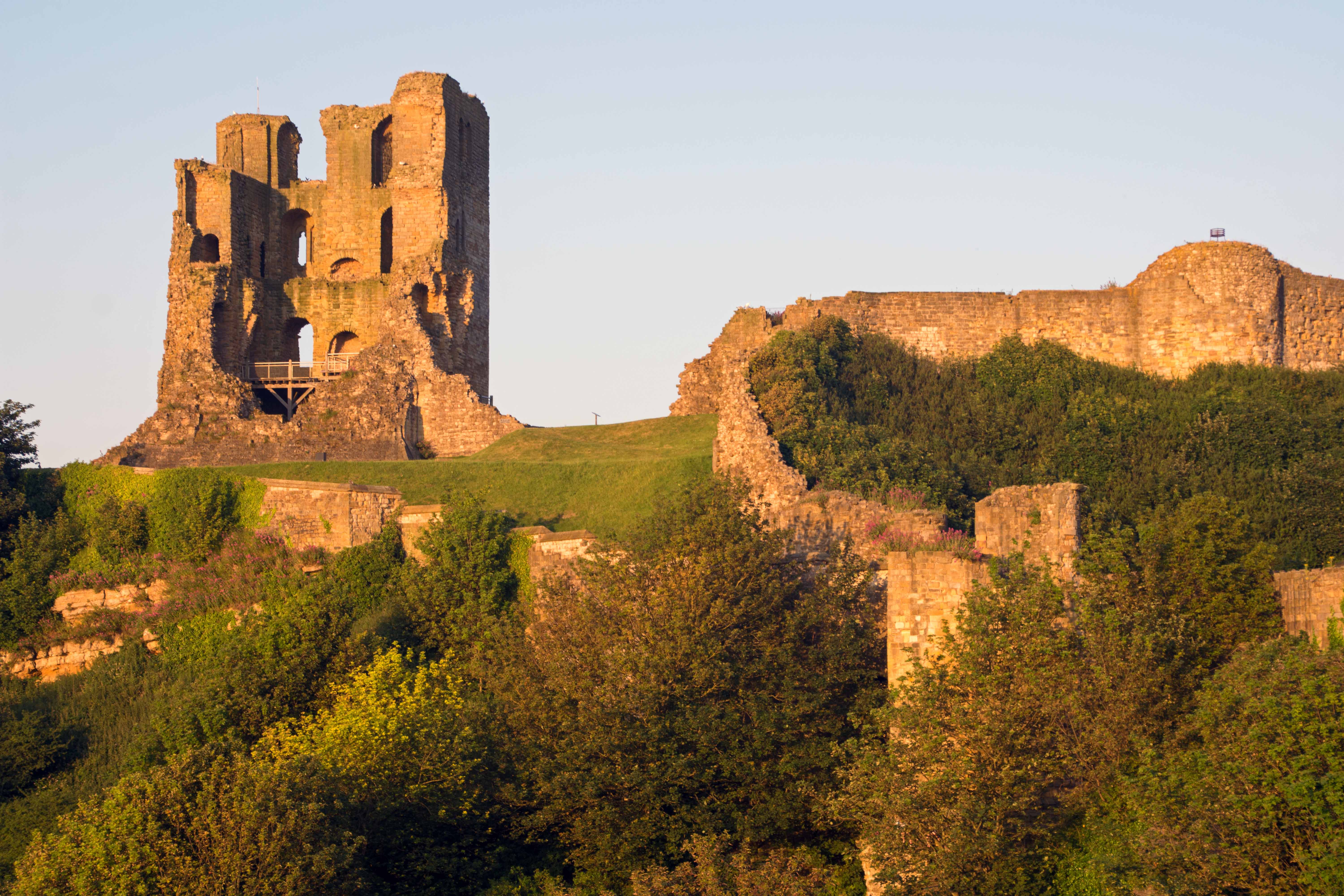
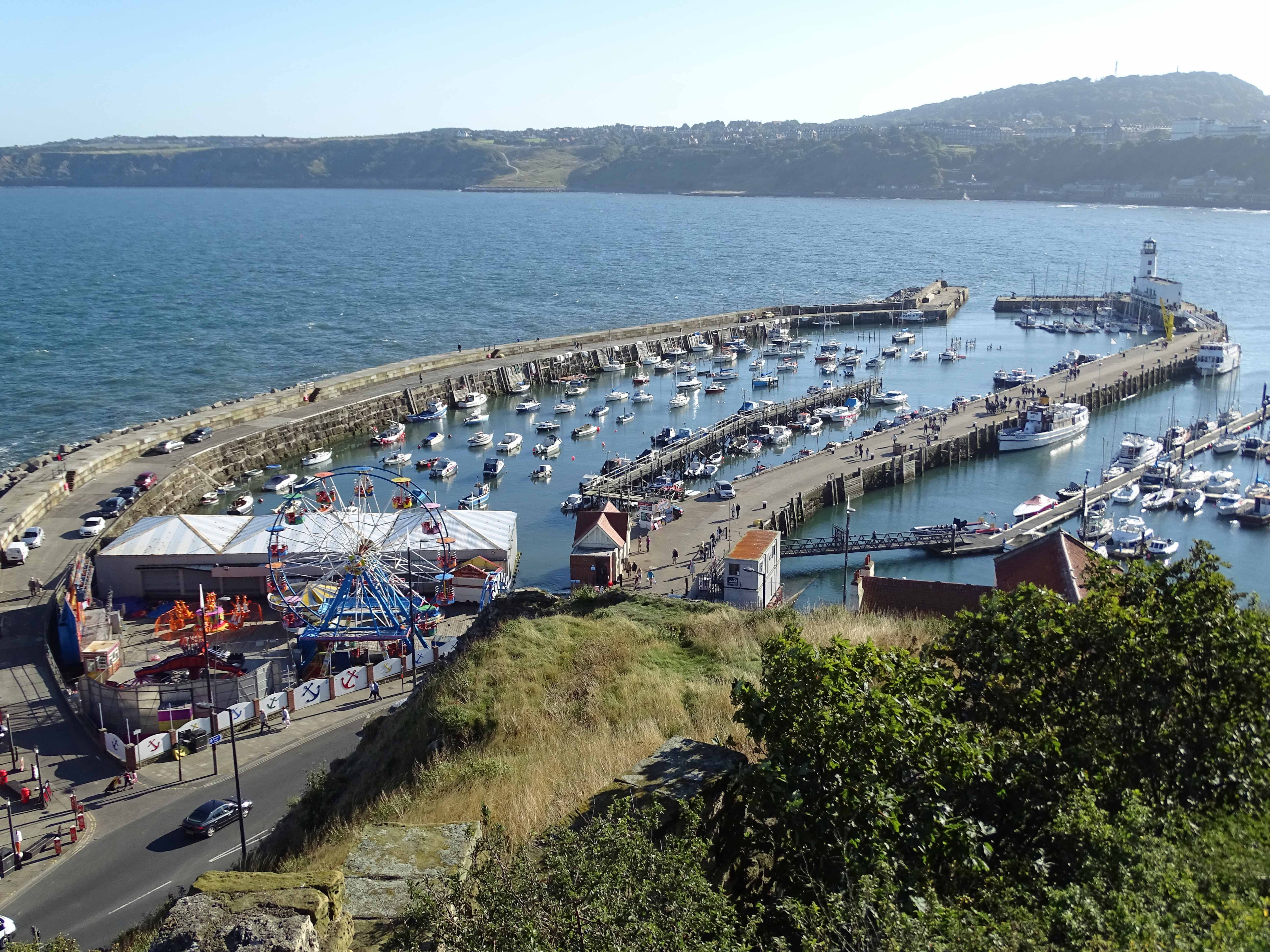
The castle was founded in 1138 under the reign of King Stephen and extensively rebuilt in 1159 by Henry II. This monarch spent the princely sum of £650 on the castle over the next ten years, constructing the great tower, or keep, between 1159–69. Later on, King John spent £2,291 on the creation of an outer wall in 1202–6, and then an extension of the wall down to the cliff in 1207–12 (1). There are superb views of Scarborough harbour from the walls of the castle.
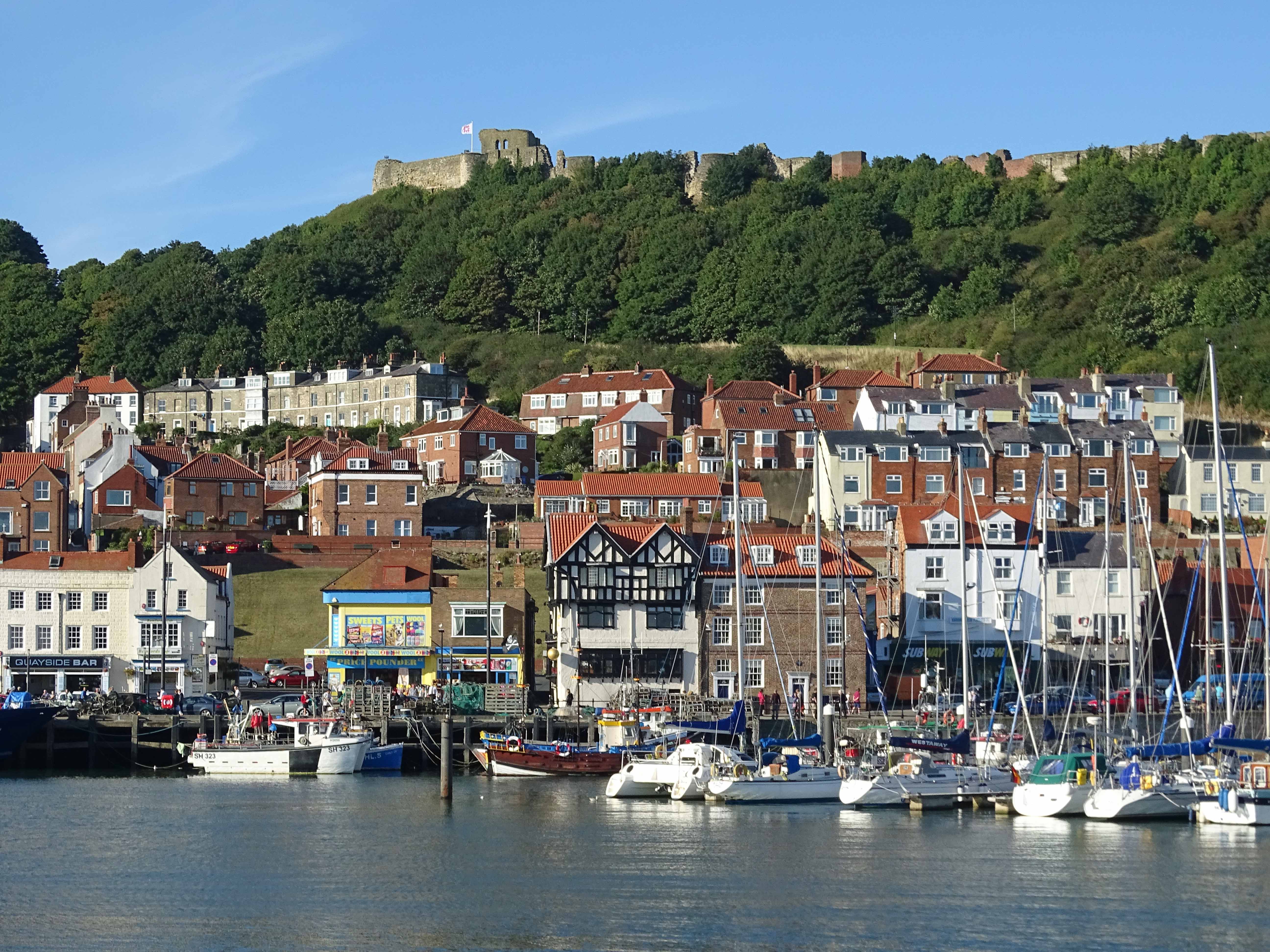
The view from the harbour looking upwards shows the extent of the castle walls.
The castle saw two prolonged sieges during the English Civil War of the 17th century, after which it was partially destroyed on the orders of the then Parliament. In February 1645 the parliamentary army captured the town of Scarborough but the royalist soldiers retreated into Scarborough castle (1). They held out until July 1645, despite being bombarded by what was then the largest cannon in the country, called the Cannon Royal, from the 12th-century St. Mary’s Church located below the castle (2).
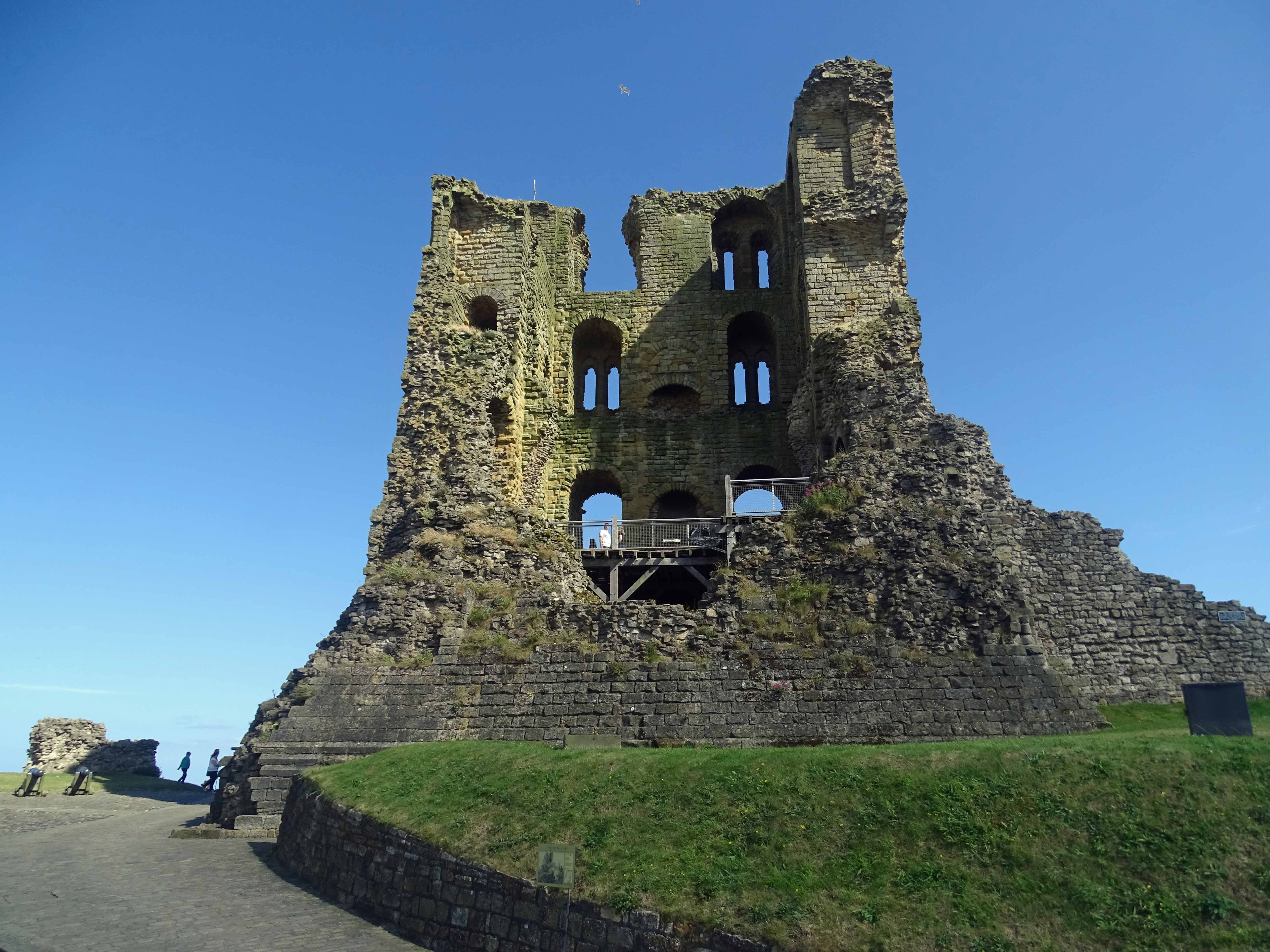
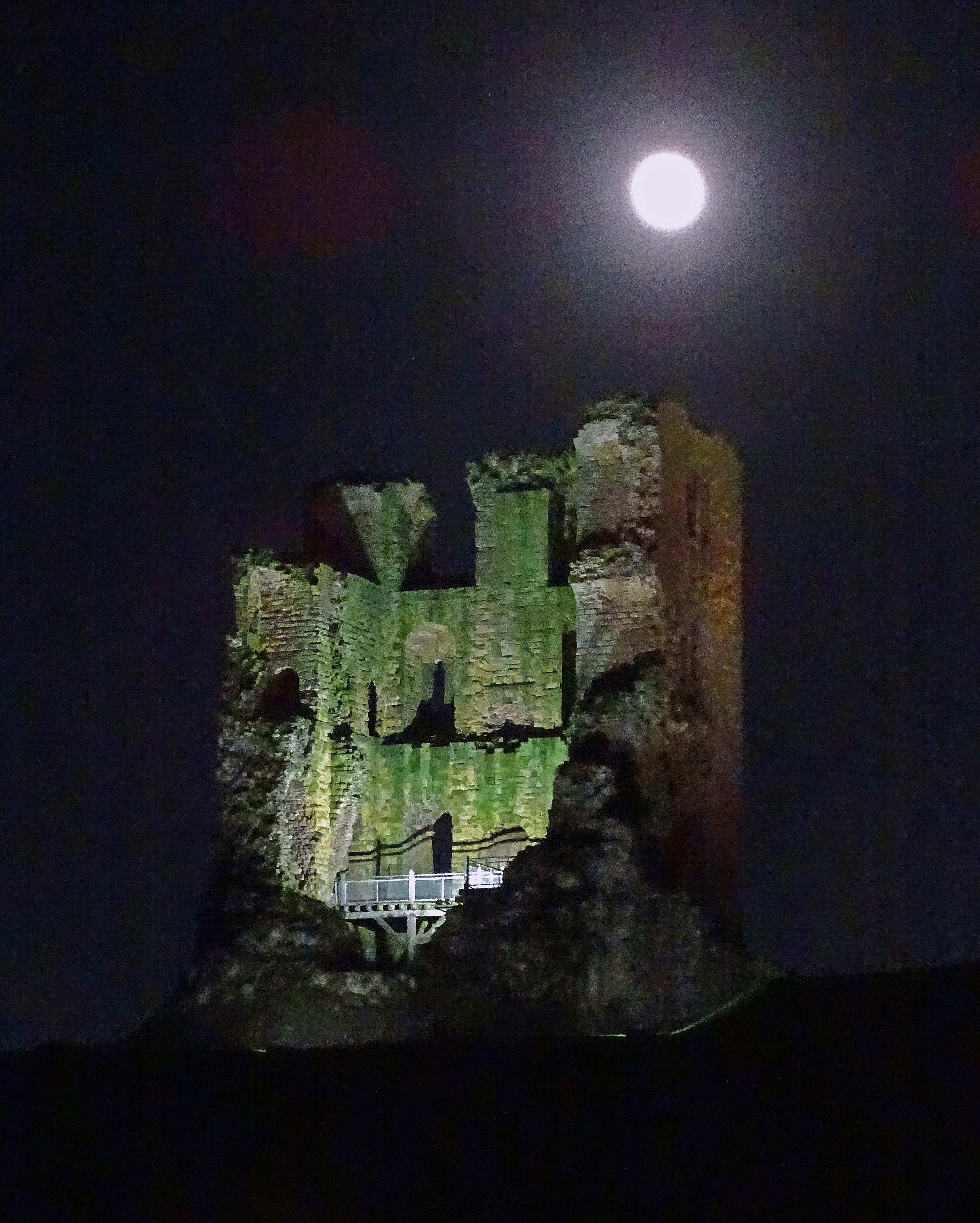
The castle was again besieged in 1648; from July to September of that year. This time the parliamentarians severely damaged it so that it would not fall into royalist hands again. The west face of the keep had already been destroyed by canon in the preceding battles. Unfortunately the keep was never repaired, but it is still an impressive sight, especially when it is illuminated at night.
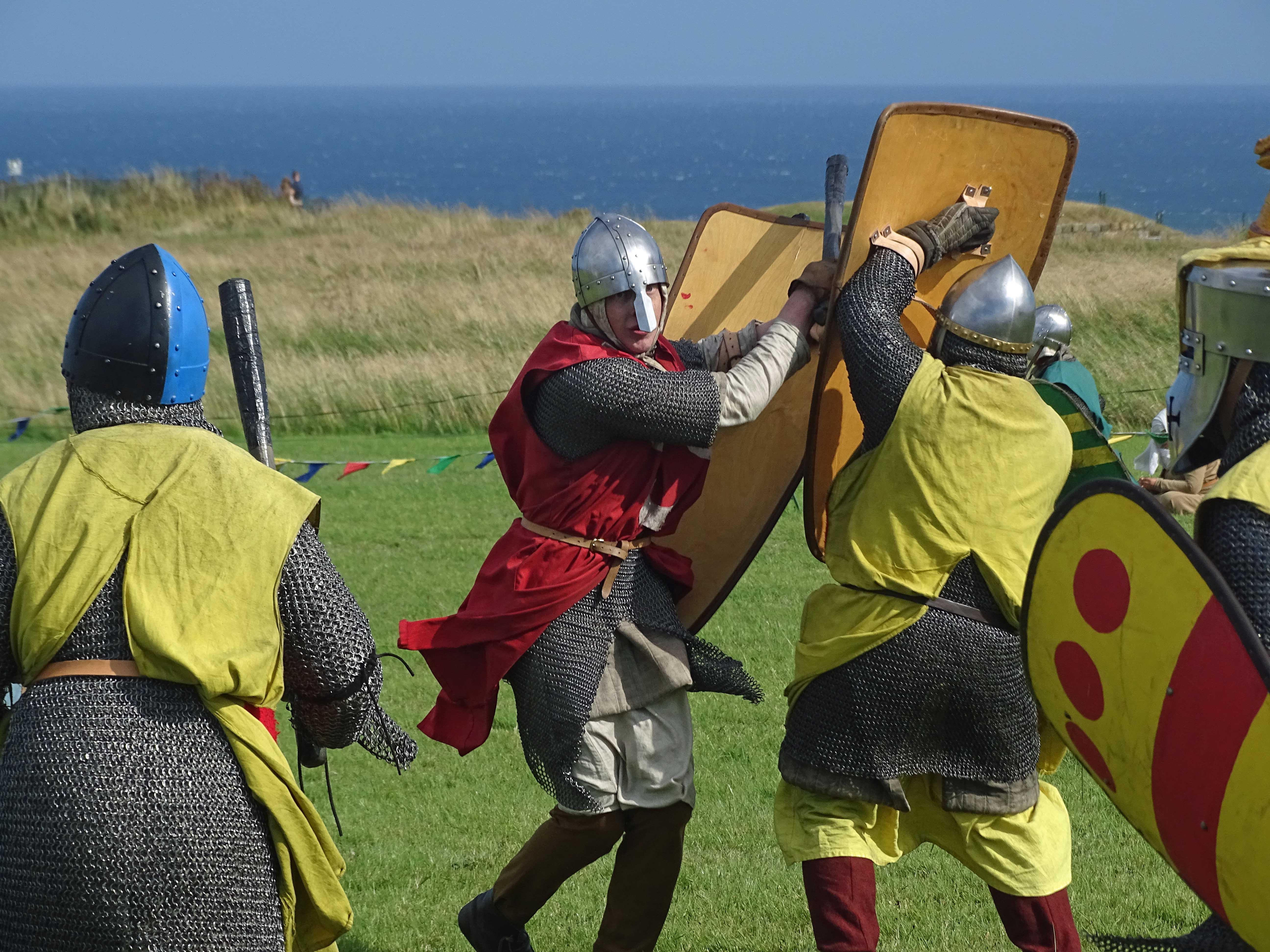
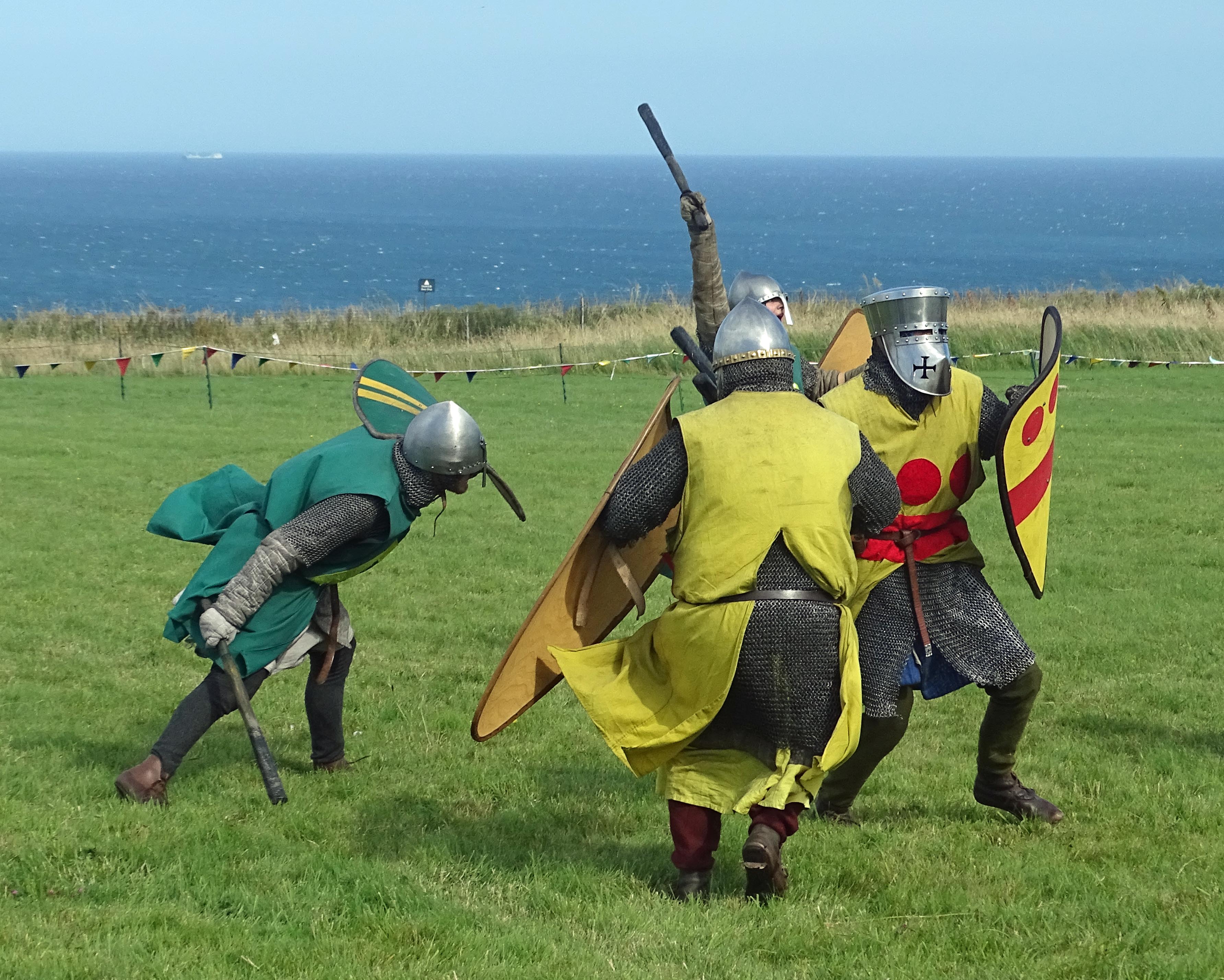
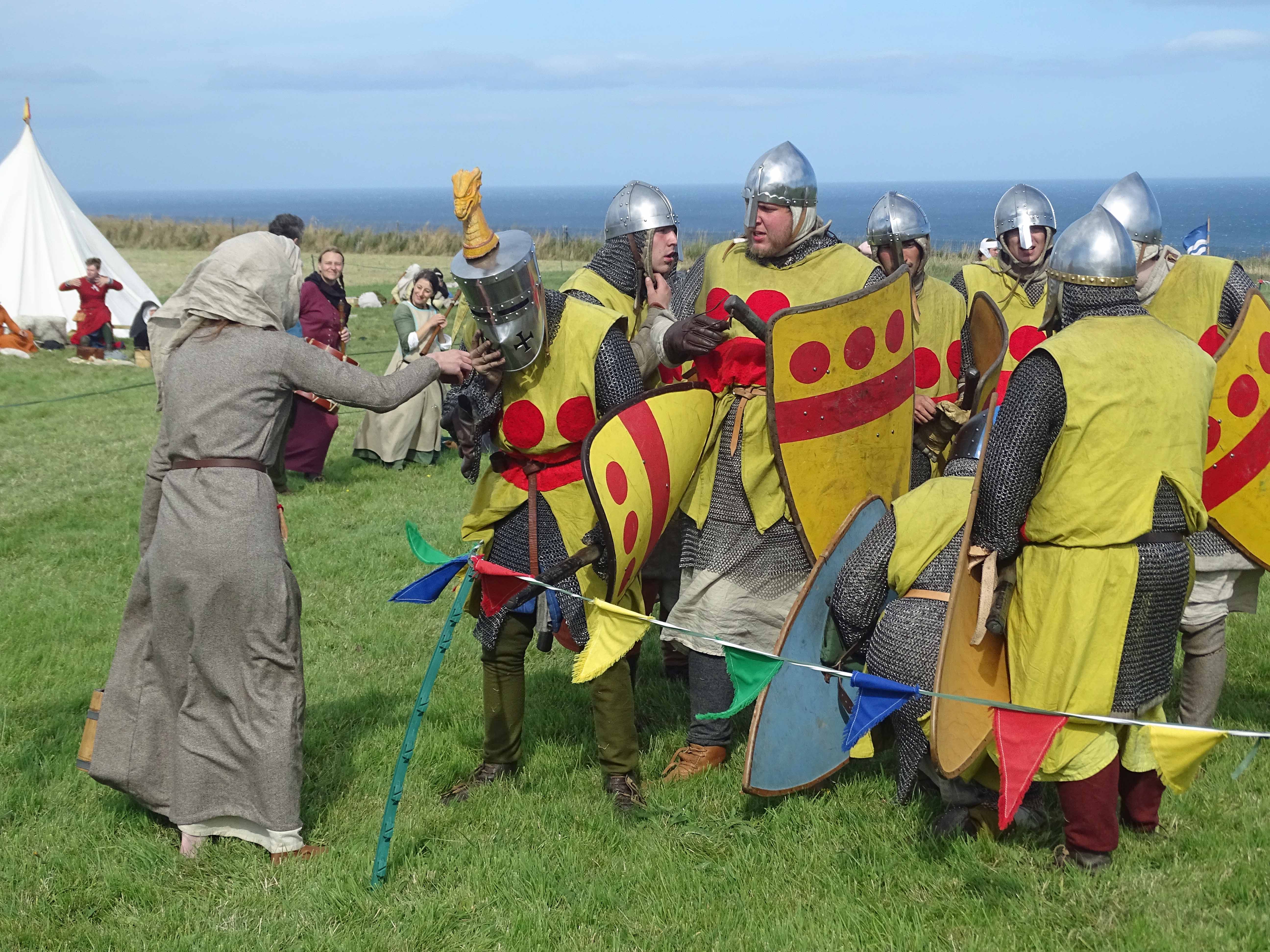
Today saw a re-enactment of medieval fighting in Anglo-Norman times when the castle was first constructed. The good-humored battles involved four teams of knights jousting with shields and clubs.
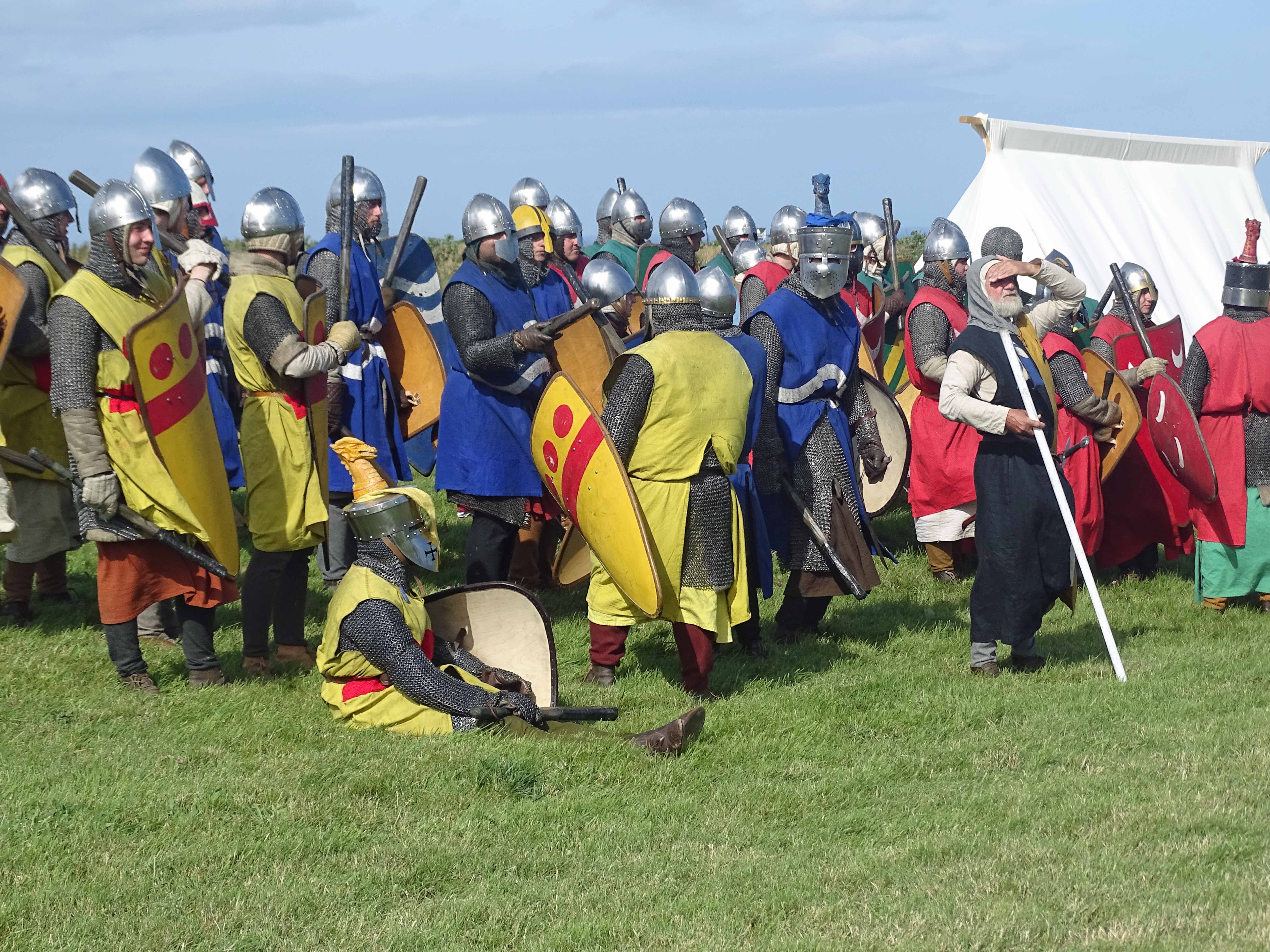

The aim of the sport was to try to knock off a Crest (known as a dragon) from on top of the helmet of one of the knights. The others members of his team try to protect him from the opposition.
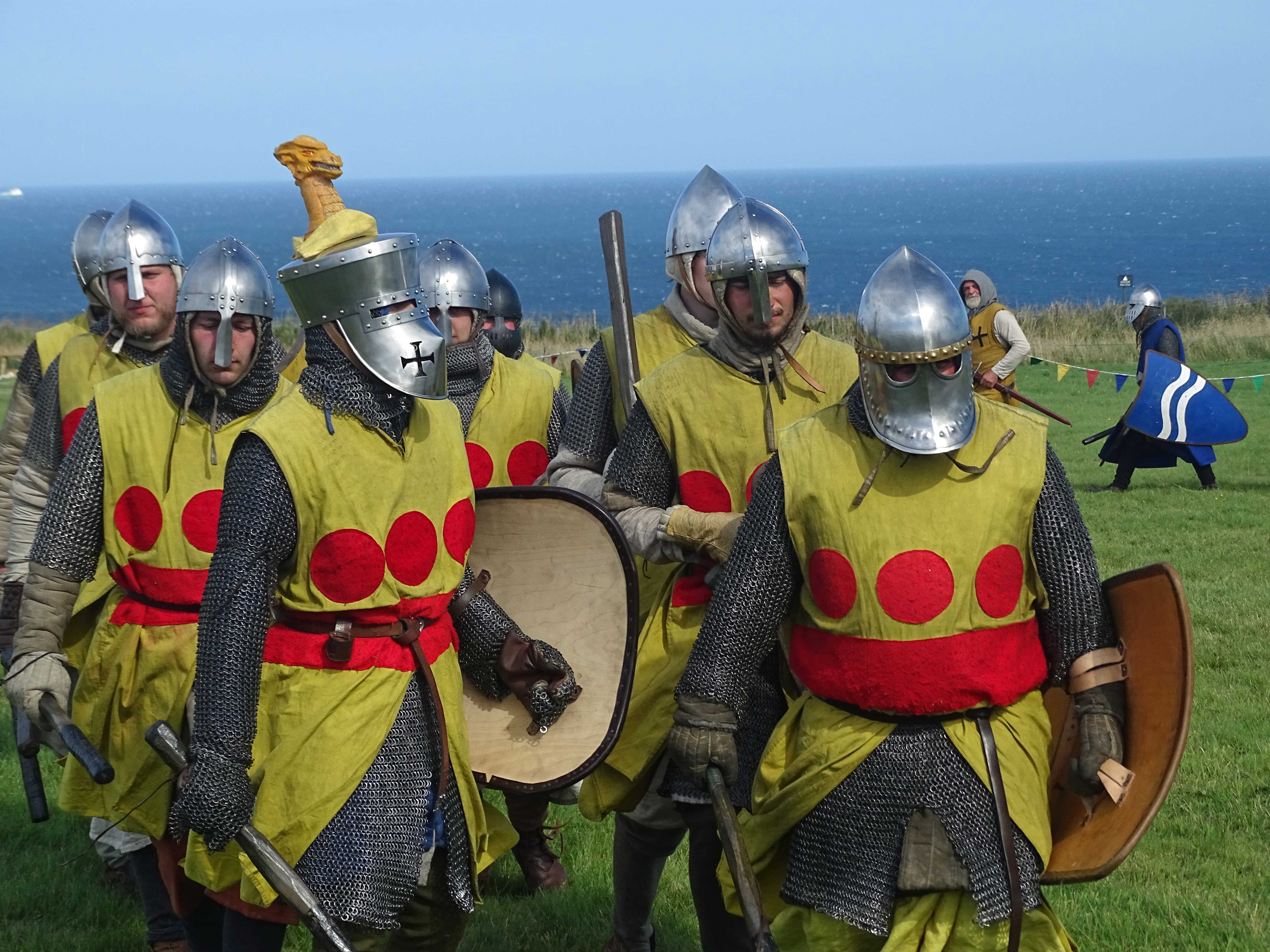
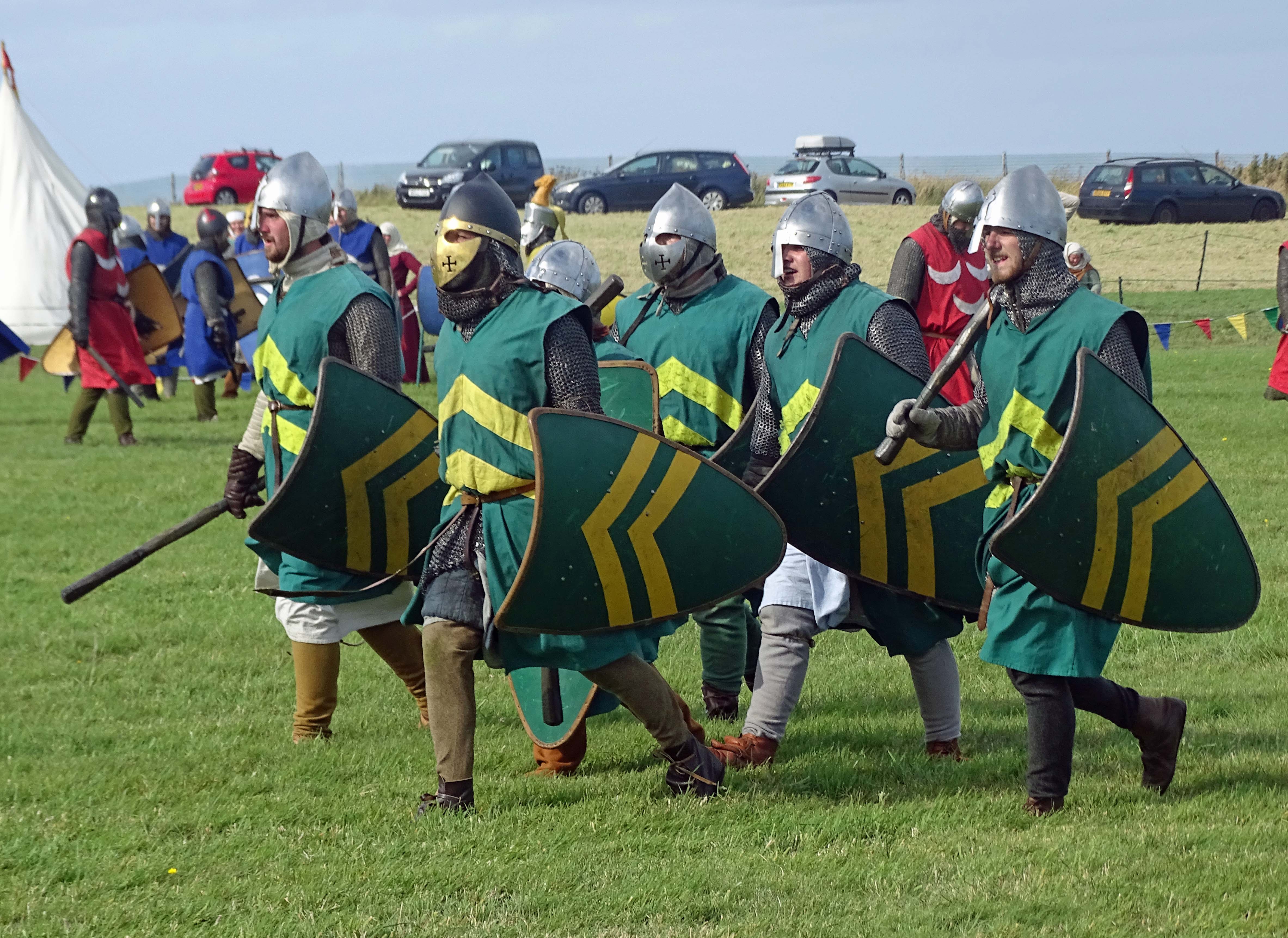
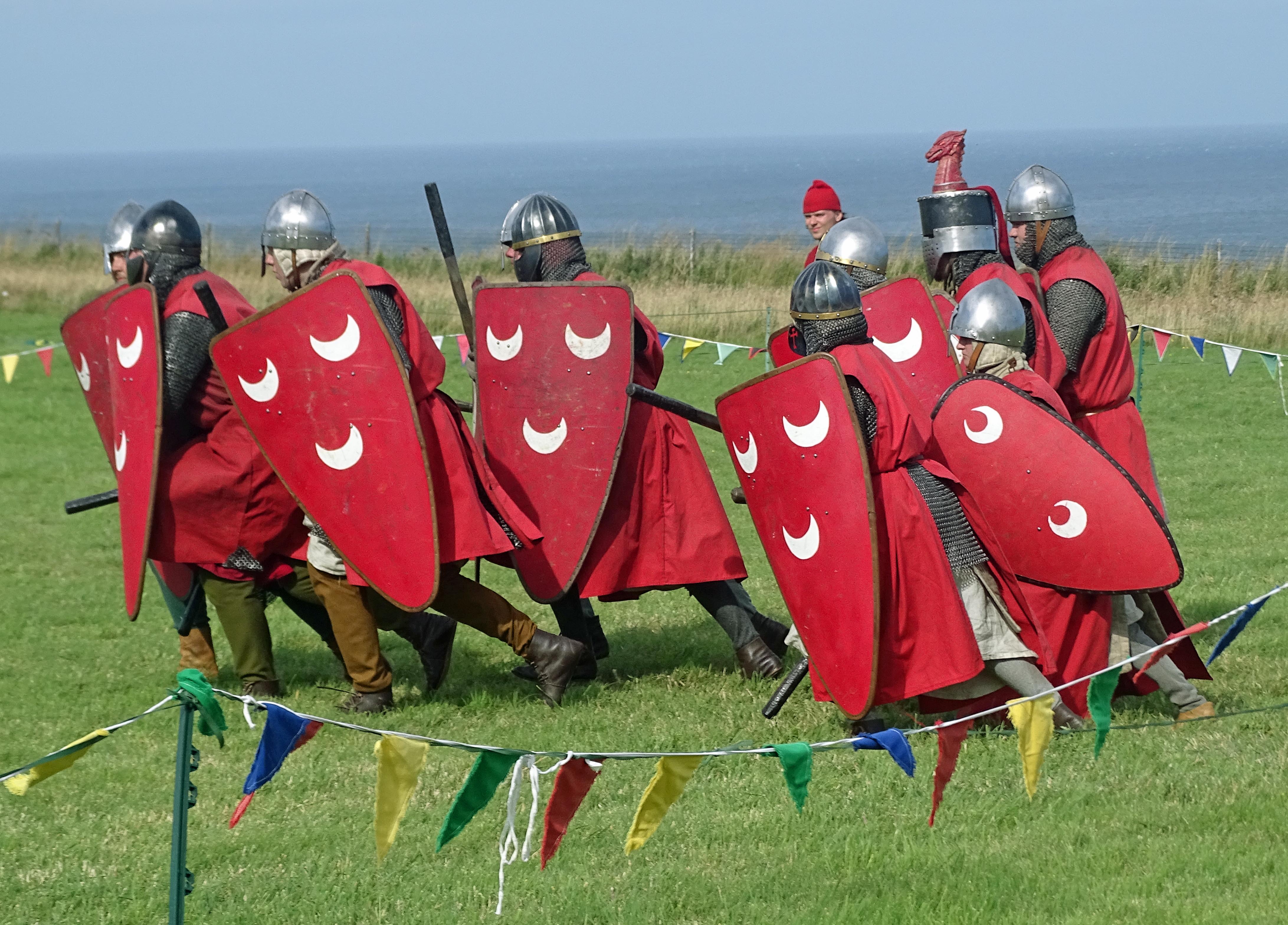
Battle ensues below.
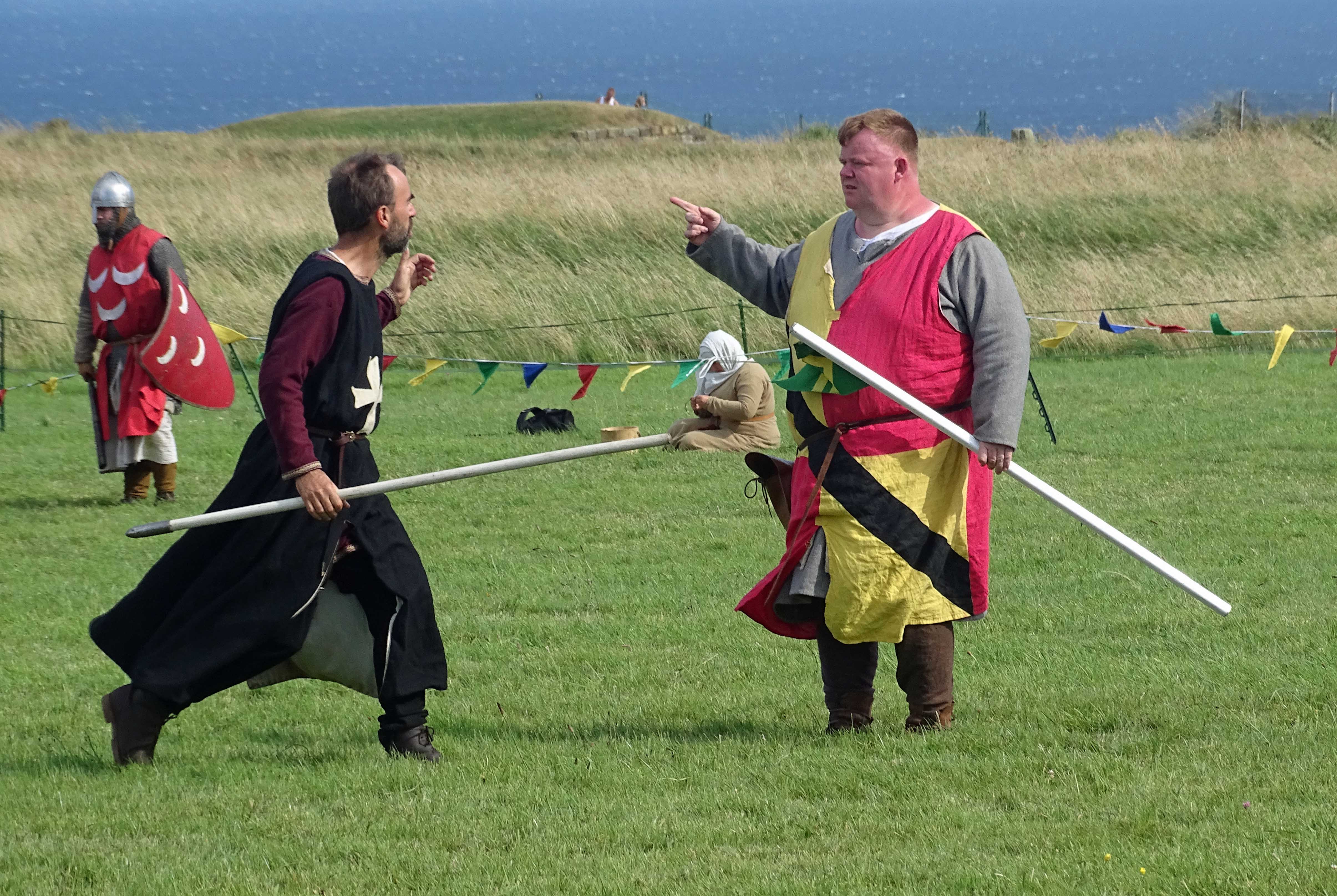
To ensure fair play, the proceedings were overseen by a Knight Marshall and his Heralds.
The battle was thirsty work and the knights stopped to take on water!

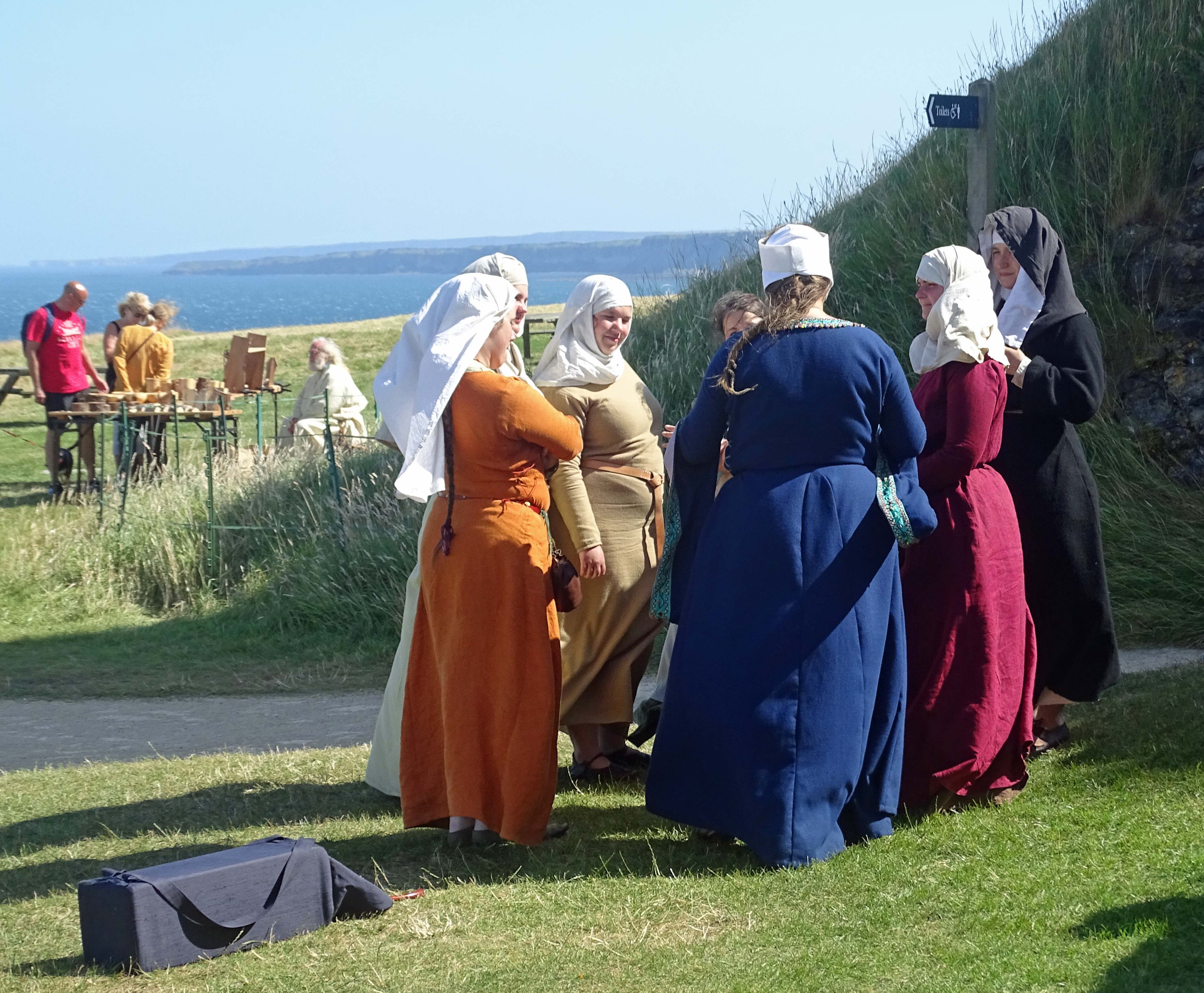

All good fun and much enjoyed by the crowd of onlookers.
 Ray Cannon's travel and photography blog
Leave a comment