Doctors, and other heath professionals, often ask patients: “how bad is the pain, on a scale of one to ten?” I invariably give a rather low number, say two or three, because I know – or at least I can imagine – how bad pain can be. Being a pedantic scientist, I also ask them to define the upper limit!🤣 A cobra bite, a bullet ant or a stonefish? I ask. There are of course some pretty horrendously painful medical conditions, like gall stones, but this being a travel blog, I will stick to bites and stings.😊
Stonefish, which includes a number of different species from the Red Sea to the Pacific ocean, are the most venomous known fish in the world. There are hundreds of similar venomous species, if we include lionfish and scorpionfish as well. My own memorable encounter (described below) was with a type of scorpionfish, in the Mediterranean (Greek island). I’d rank it as 7 out of 10. We can put the stonefish itself (below) at 10.
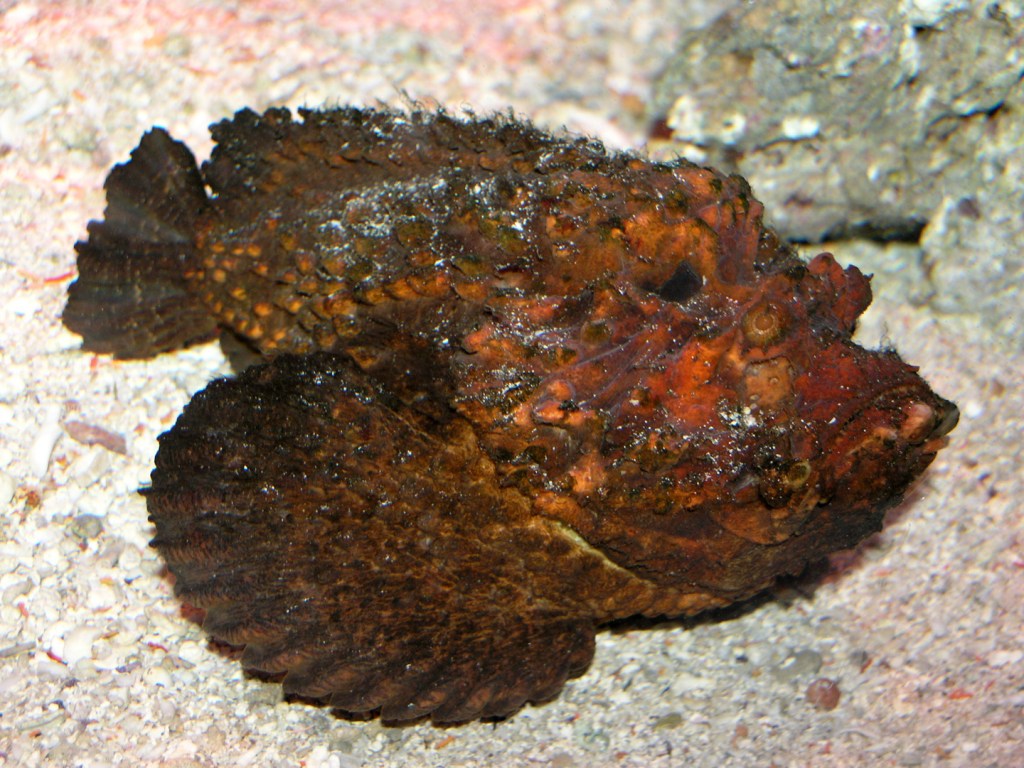
https://upload.wikimedia.org/wikipedia/commons/5/57/Stone_Fish_at_AQWA_SMC2006.jpg
A stonefish sting starts with excruciating pain and swelling, which quickly develops into paralysis, tissue necrosis, and even heart failure if left untreated. Link.
The bullet ant’s sting is ranked the highest, at Pain Level 4, on the Schmidt’s sting pain index, and is said to be like “walking over flaming charcoal with a three inch nail embedded in your heel”. You will however, only come across these little terrors under trees in humid lowland rainforests in Central and South America, or in the initiation ceremonies (count me out!) of certain Brazilian tribes.

However, the Schmidt sting pain index only applies to hymenopteran stings, e.g. ants, bees and wasps. Treat insects with respect and they will rarely bite you, in my experience. But I did once get a wasp trapped fown the back of my shirt in Thailand, and in its panic, it ended up stinging me. Just one of life’s experiences if you ask me, and something to talk about when you get home!😊
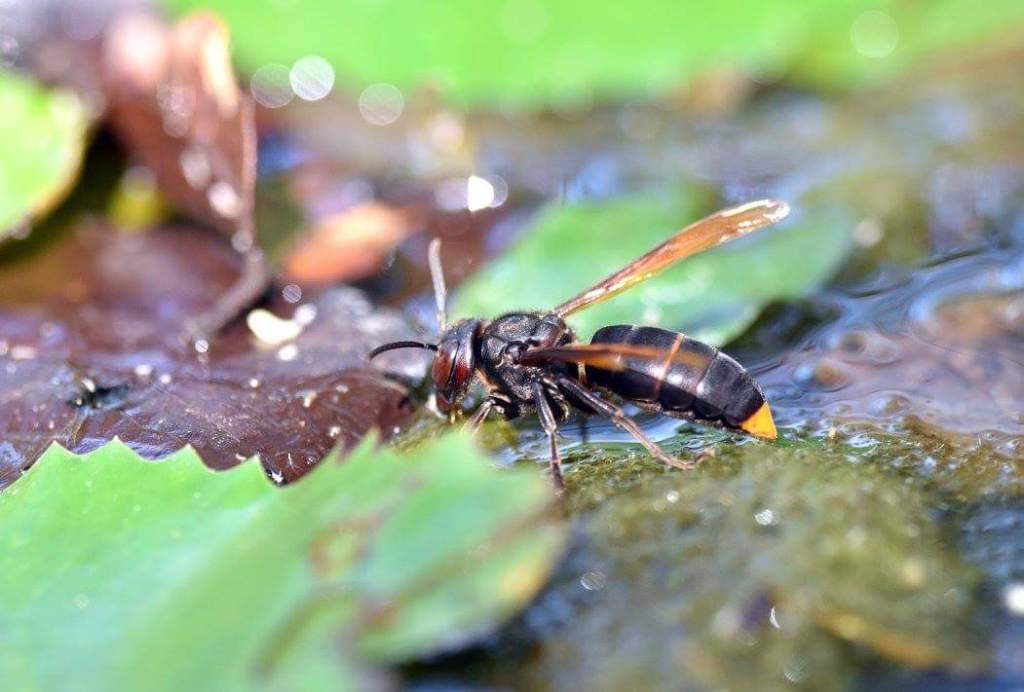
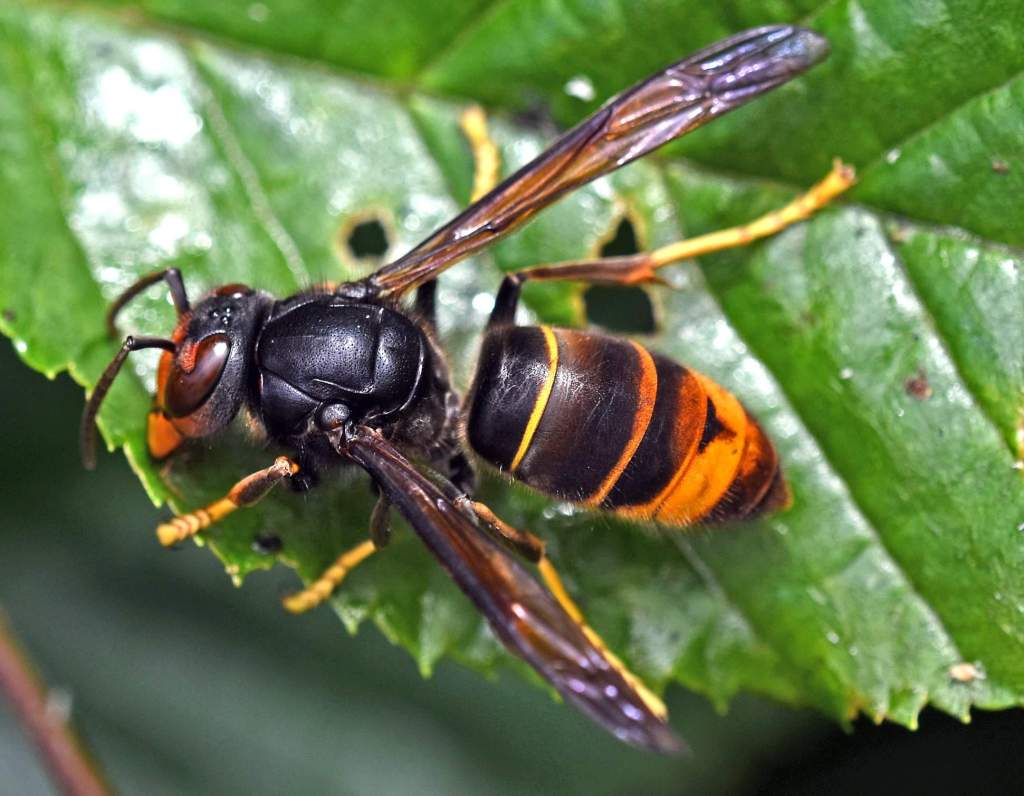
Wasps like the Asian hornet or yellow-legged hornet (Vespa velutina), an invasive species in Europe, are not very aggressive – unless you poke them or do something silly – and in my experience you can approach them very closely without eliciting any response. This situation is however, very different when you get close to their nests, which should be treated with the utmost respect and left to professional pest controllers to remove. People have died as a result of hornet stings.
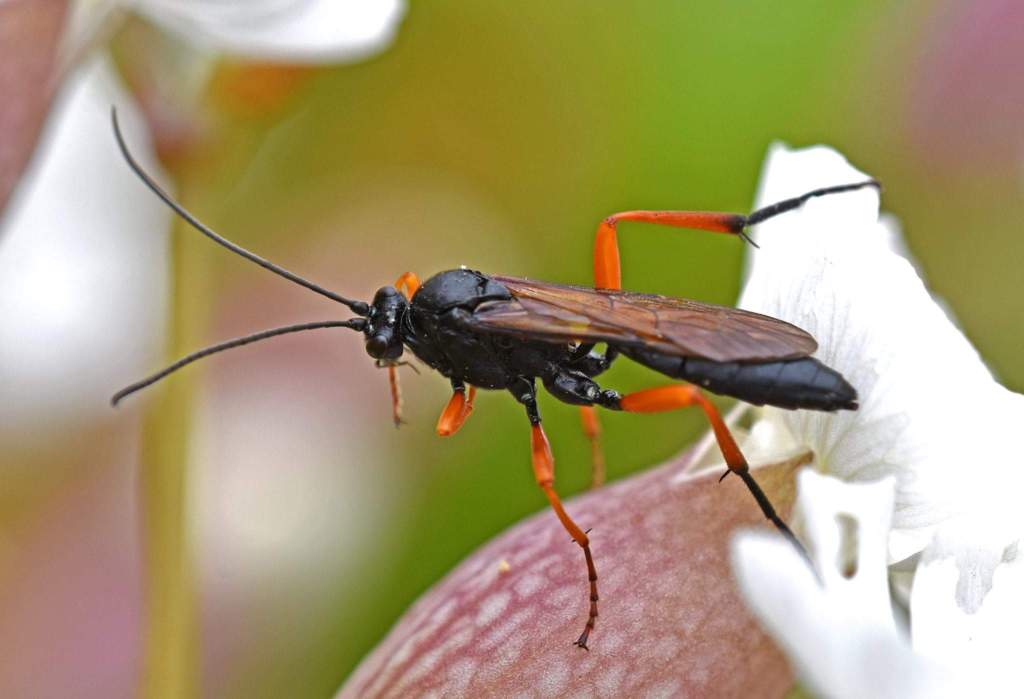
Fortunately, the tarantula hawk wasp (Pompilidae) that I photographed in northernThailand (see below), a wasp that preys on tarantulas, did not bite me. The wasp’s sting is rated near the top of the Schmidt sting pain index, second only to that of the bullet ant, and described by Schmidt as “blinding, fierce, and shockingly electric”. Not something most people would want to experience!
I don’t know if anyone has attempted to compile a more inclusive pain index than Schmidt, e.g. including spiders, snakes, fish, scorpions, jellyfish, and so on? It would however, be quite challenging to compare and contrast all the different effects, and pain levels, because pain is a somewhat subjective experience. Not totally subjective of course! But, studies have shown that if we think that an impending painful experience will be at a low level – or if we have an expectation of decreasing pain – this produces a reduction in the actual perceived pain, equivalent to the effects of a dose of morphine (Koyama et al., 2005). The brain is a very powerful organ!
“expectations of pain powerfully interact with brain mechanisms processing afferent nociceptive information to dramatically alter the subjective experience of pain” (Koyama et al., 2005).
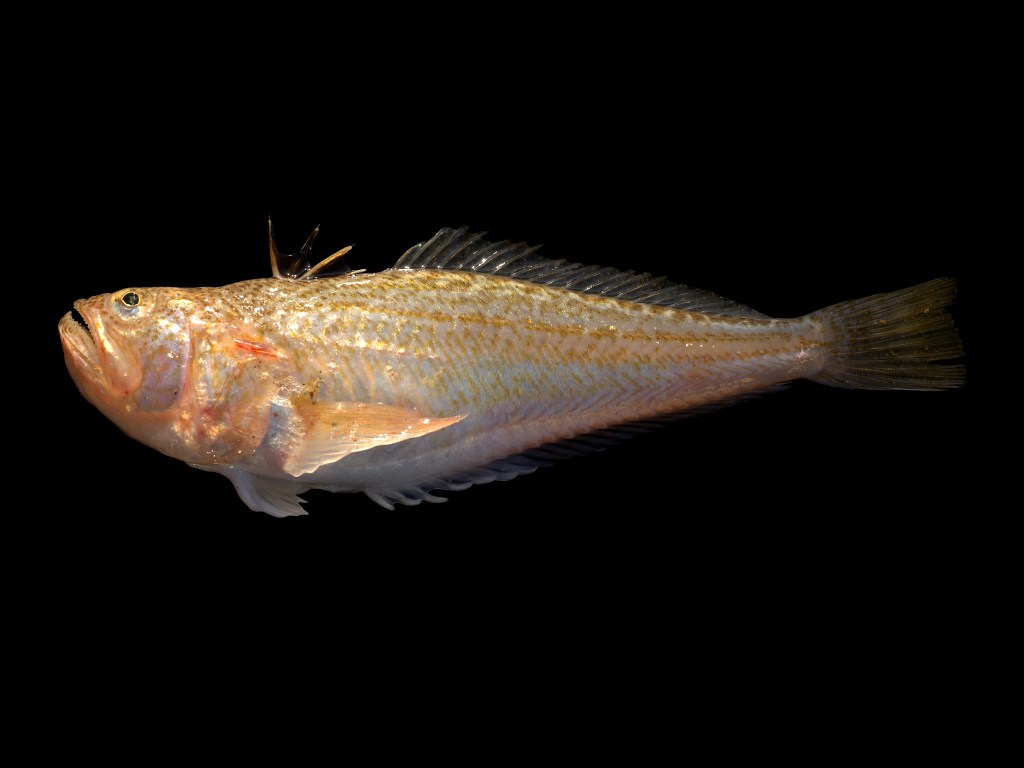
The fish that stung me in Greece – it was my own fault! – was almost certainly, a member of the weever family Trachinidae, which have venomous spines on their first dorsal fin (see above). I don’t know if it was a greater or lesser weever fish, as they both have very broad distributions. They like to bury themselves in the sand, with only their eyes and anterior back fins protruding above the seabed (see below). Poisonous glands are located at the base and sides of these spines and stings can occur when people tread on them, as they are wading though shallow water.
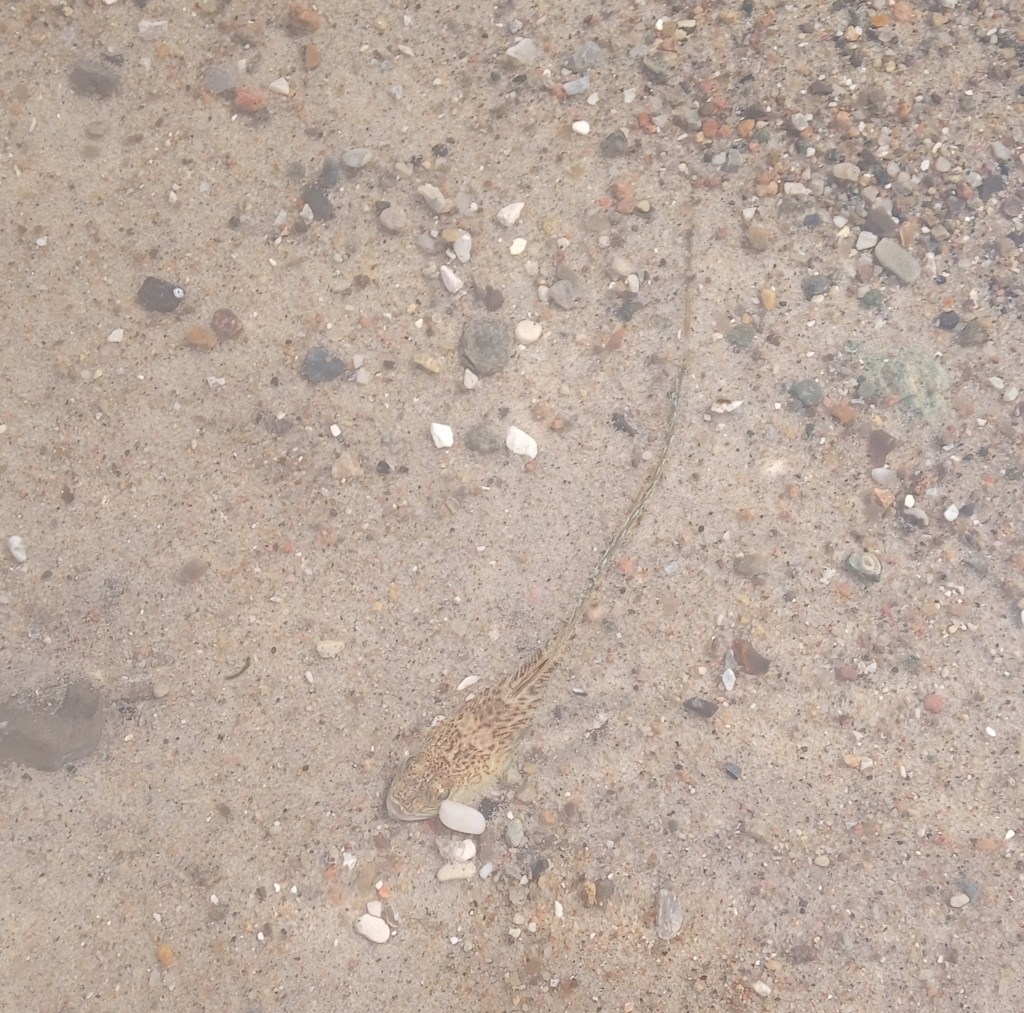
In my case I was diving down about ten feet to try and touch the bottom. Unfortunately, I touched the spine of a ‘scorpion fish’ instead of the seabed, and the fish was presumably just as surprised by this unexpected encounter as I was! However, millions of years of evolution had given it the advantage. Once touched it was unlikely to be touched again! The reason being, a toxin which induces intense pain which develops rapidly, and in some cases moves up from the extremities to the whole limb.
I swam back to the beach, where I had left my clothes, and started to show my stung and bleeding finger to anyone and everyone, who was interested. “Scorpiones” shouted a Greek fisherman, who suggested I go to the hospital. The pain was getting worse and worse and I can’t even remember who took me in their car to the clinic.
“How bad does it get?!” I asked the doctor, panic rising. I somehow felt that I could deal with it better, if I knew what the upper limit of the pain was to be! They reassured me that it was not life-threatening and that I would be just fine. To help me along they gave me some codeine. I recovered soon enough, but I have read that in one case, the pain was so bad that the poor individual tried to amputate their fingers to reduce the pain (Dehaan et al., 1991).
Weever fish are found throughout the eastern Atlantic region from the North Sea through the Mediterranean and Black Seas and along the western coast of Northern and Central Africa. They are often given the colloquial name “scorpion fish”, although they are not true scorpionfish (Scorpaenidae).
Foreign climes can bring all sorts of challenges in terms of venomous animals, but they are not out to get you, and usually just want to be left alone. Following a few basic safety rules, and most importantly of all, listening to locals and following their advice, should help avoid any unwanted painful encounters!
Links
Weever Fish Stings: How to Avoid Them & How to Treat Them
References
Dehaan, A., Ben-Meir, P., & Sagi, A. (1991). A” scorpion fish”(Trachinus vipera) sting: fishermen’s hazard. Occupational and Environmental Medicine, 48(10), 718-720.
Koyama, T., McHaffie, J. G., Laurienti, P. J., & Coghill, R. C. (2005). The subjective experience of pain: where expectations become reality. Proceedings of the National Academy of Sciences, 102(36), 12950-12955.
 Ray Cannon's travel and photography blog


Leave a comment