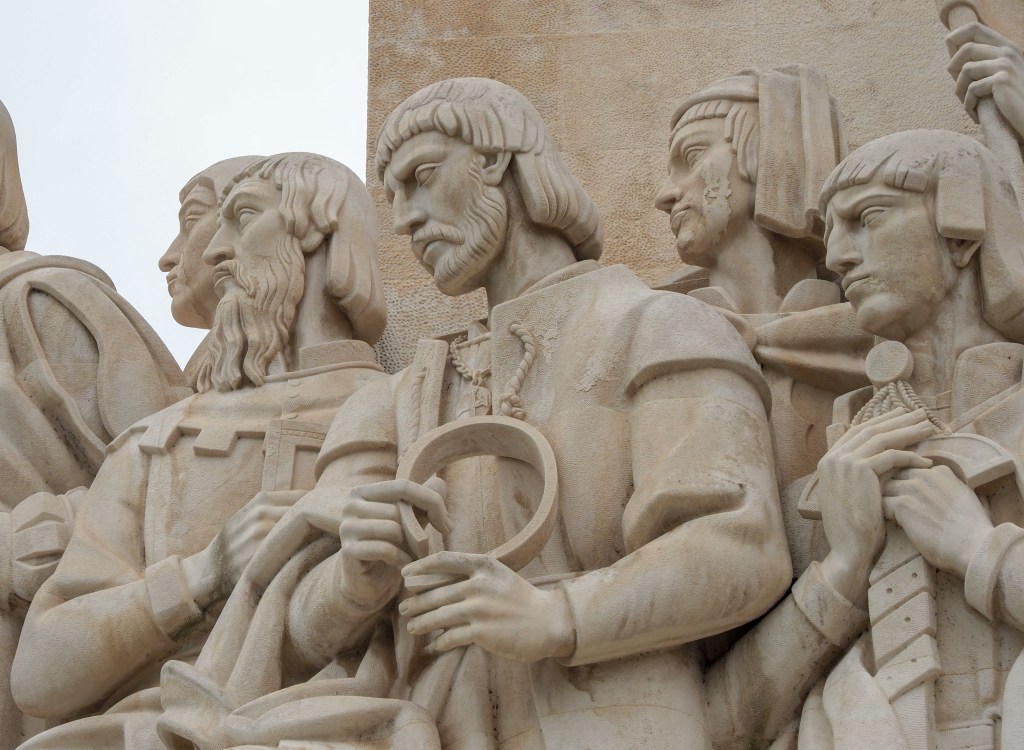
On a recent cruise (Dec 2023) to Madeira and the Canary Islands, we stopped off in Lisbon (Portugal) for the day (below).
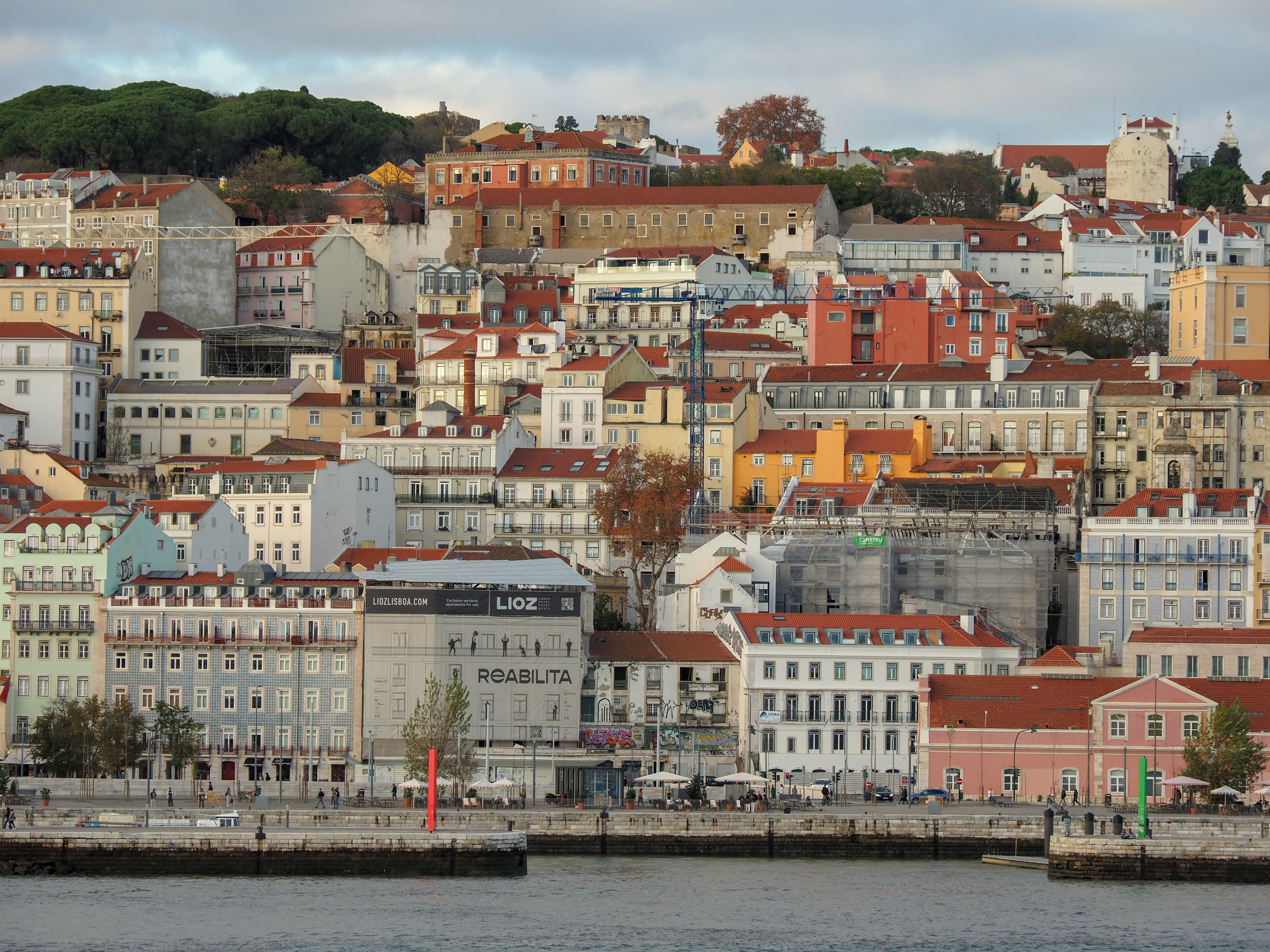
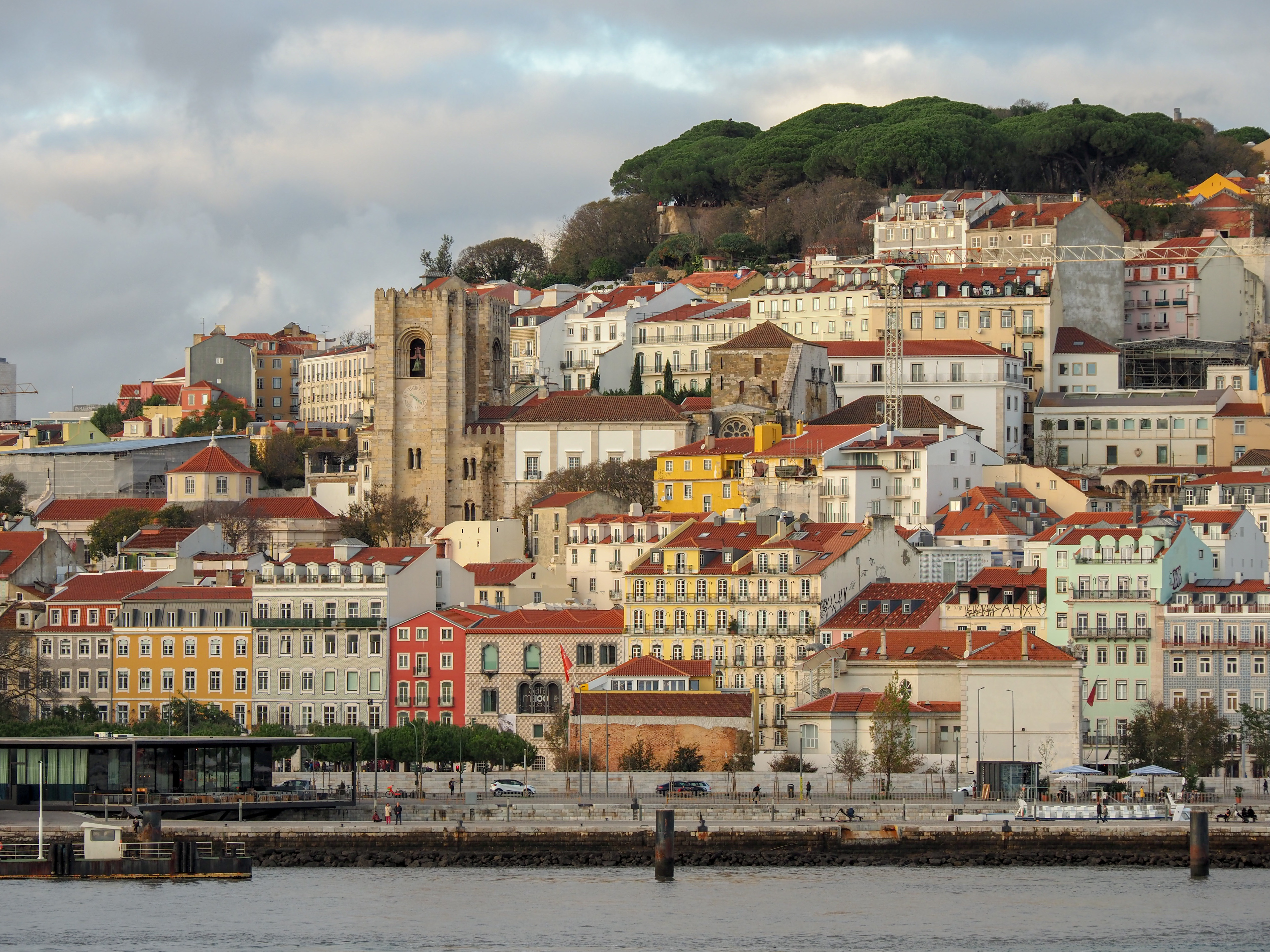

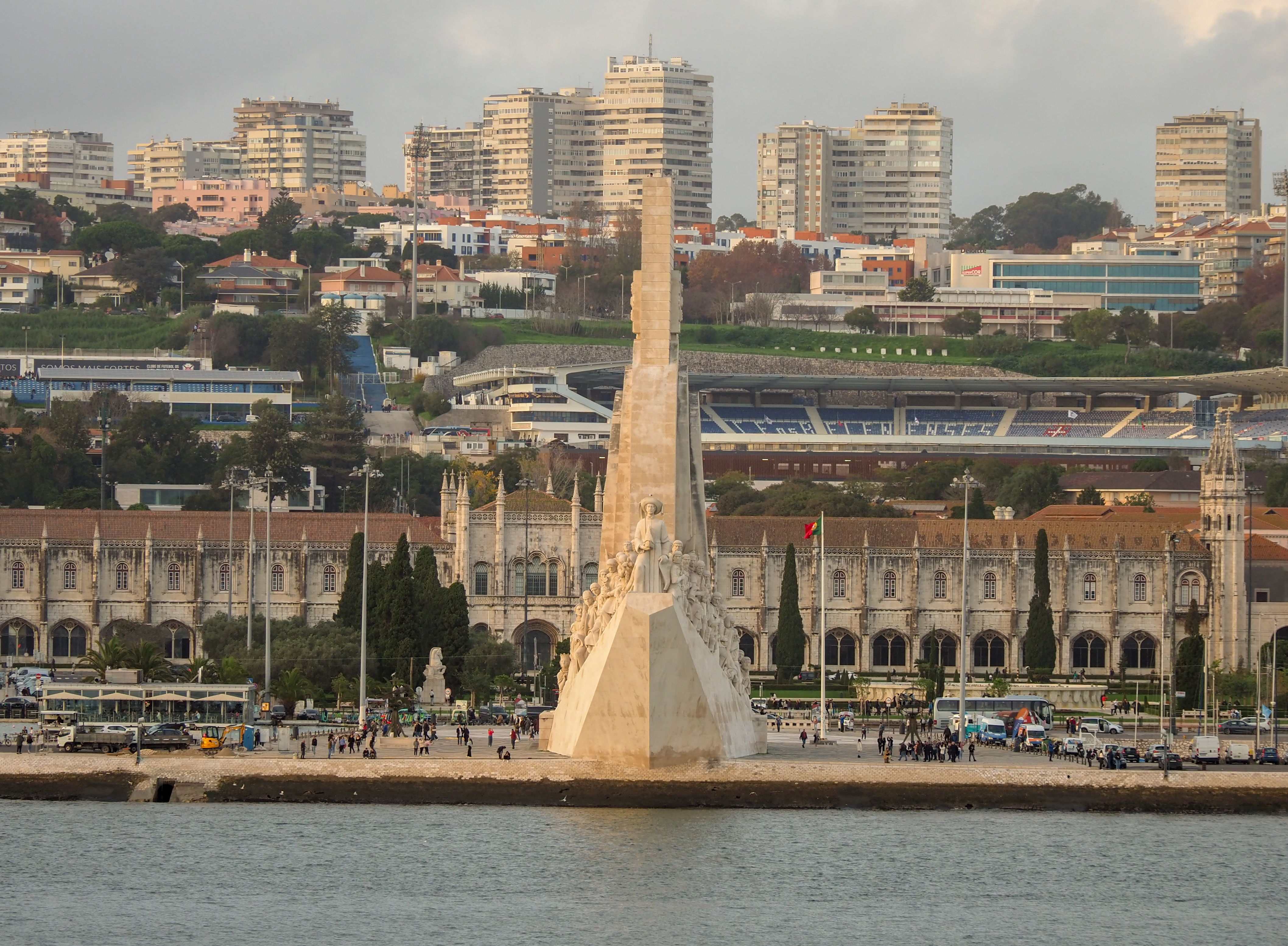
This was the first time I had visited this city, and I took a tour around the main sites. The thing that really stood out for me was the Monument of the Discoveries (or Padrão dos Descobrimentos, in Portuguese). This is a magnificent monument on the northern bank of the Tagus river estuary, in the heart of Lisbon. It is located at the site on the river where ships departed to explore and trade with India and the Orient and celebrates the Portuguese Age of Discovery during the 15th and 16th centuries.

We did not have a lot of time to spare at this site, so I rushed around the monument and tried to take photos of all those who are represented by the limestone structures on both sites.
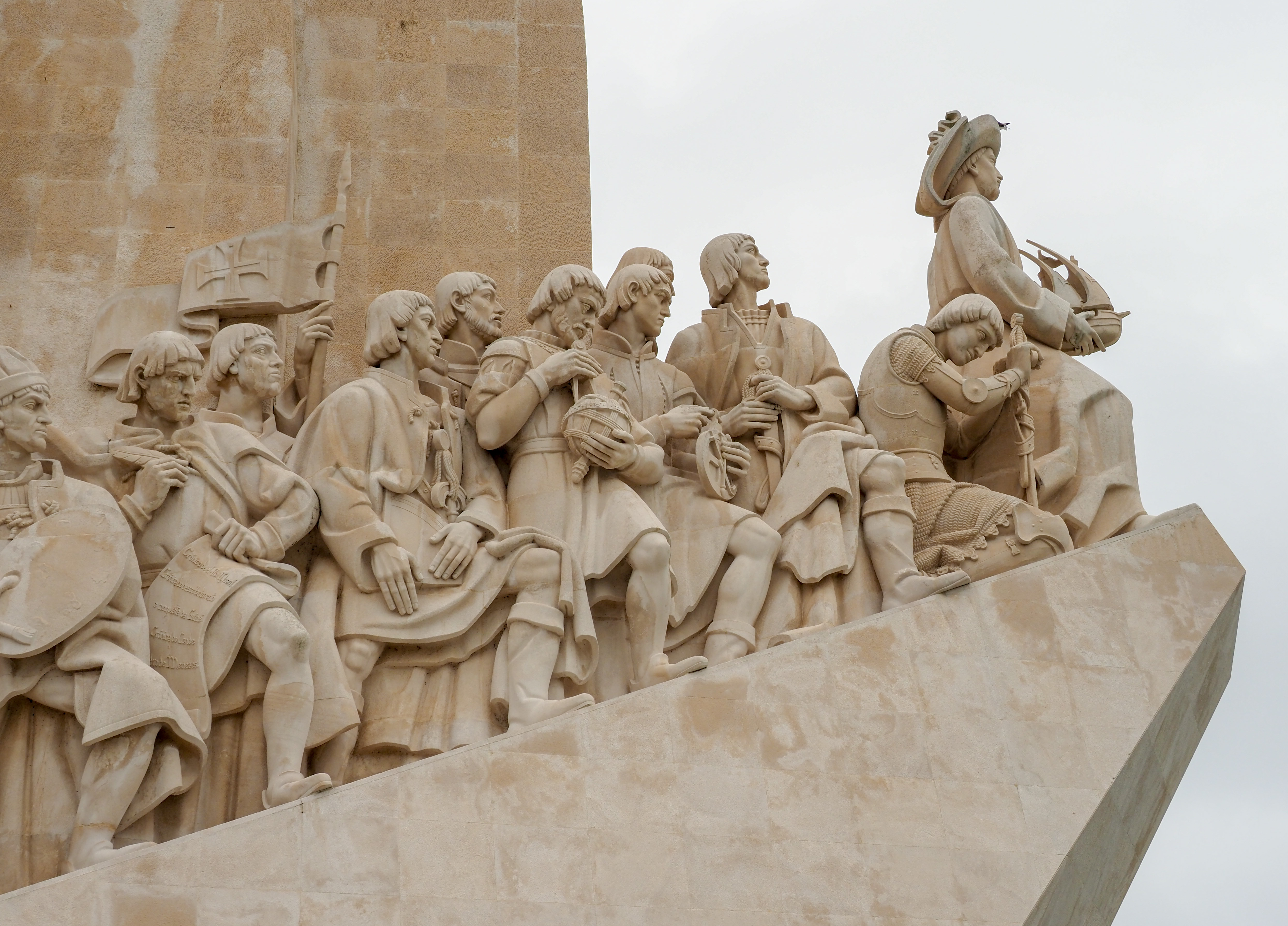
Fortunately, the wikipedia site does an excellent job of pointing out who all these people are (or were!). These sailors and navigators were really the first Europeans to discover much of the world! Their voyages of exploration during the 15th and 16th centuries mapped and chronicled the coasts of Africa and Asia (then known as the East Indies), as well as Canada and Brazil (including the West Indies). Their discoveries and exploits are shown on the following map.

I can not claim to be an expert on any of these remarkable historical characters, so I have borrowed some information from wikipedia, with appropriate acknowledgements. Most of the photos are mine, though!
The Western side
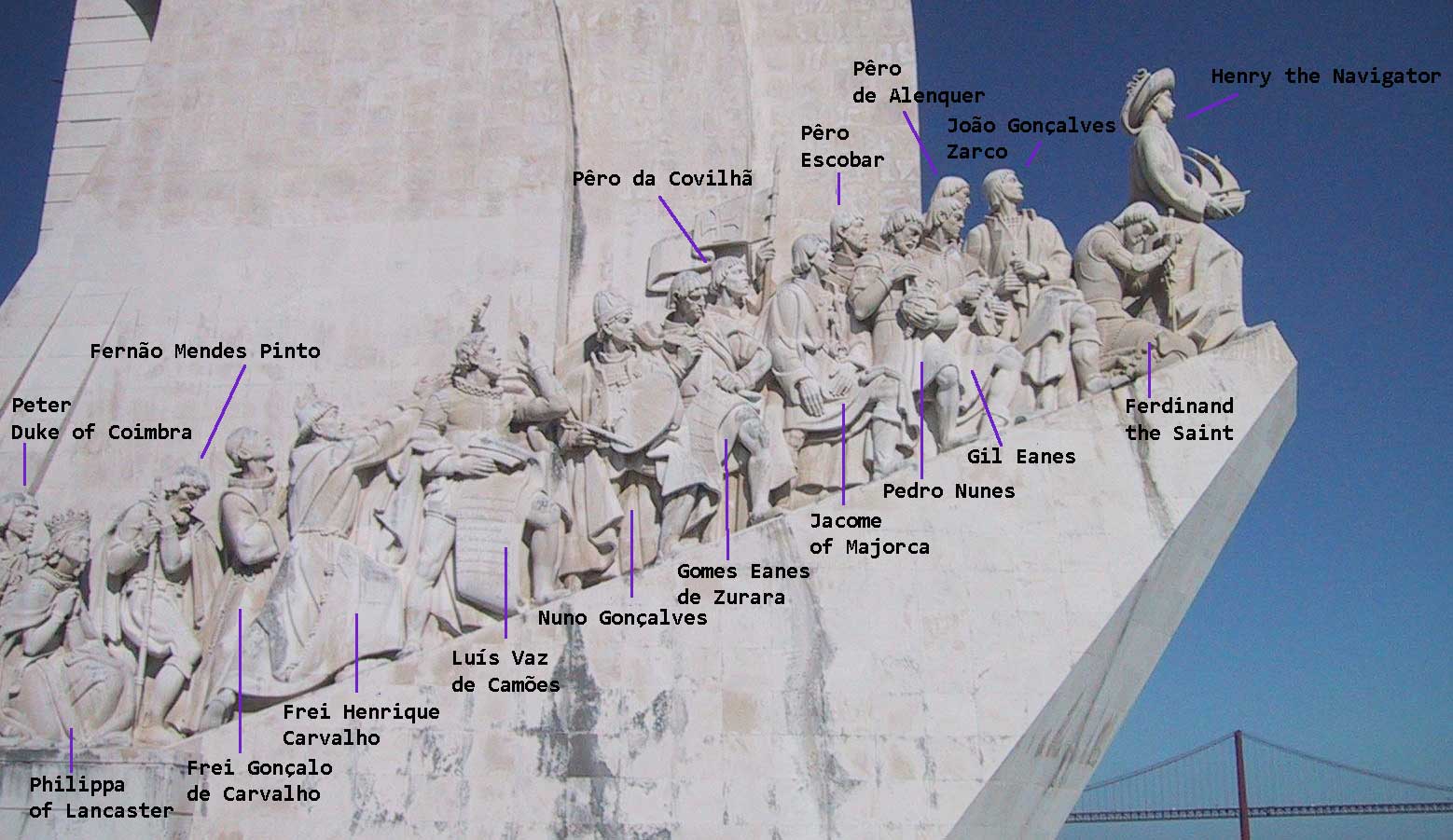
The Western profile of the monument by Walrasiad, CC BY 3.0 https://creativecommons.org/licenses/by/3.0, via Wikimedia Commons
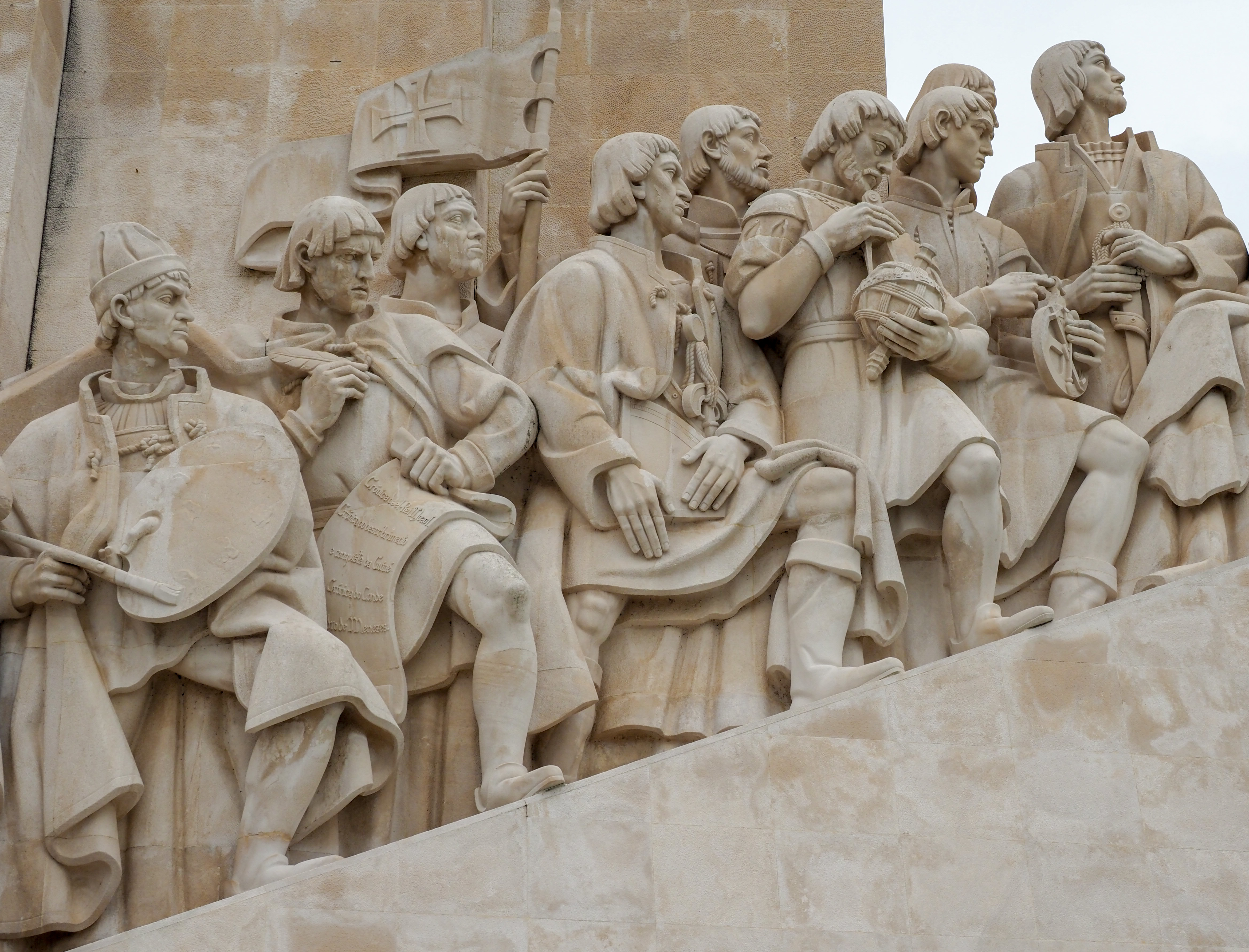
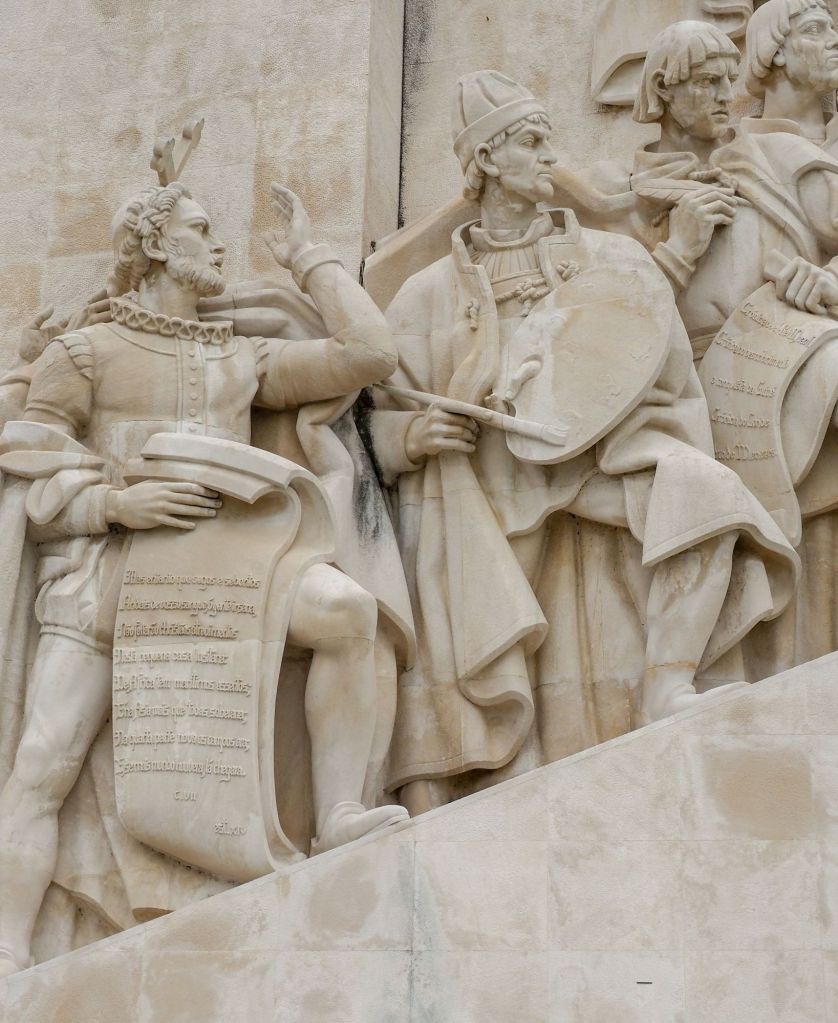

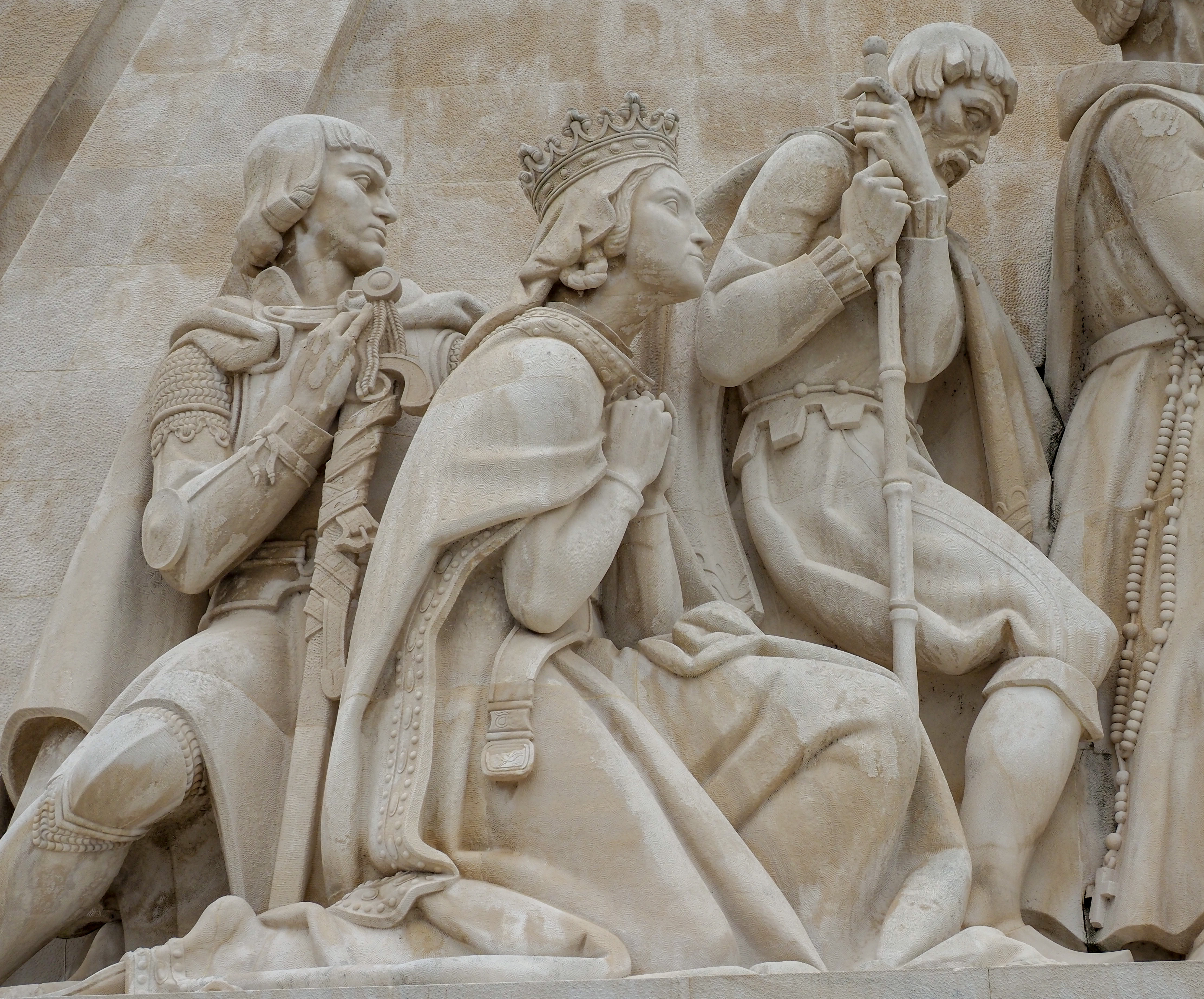
Philippa of Lancaster (1360 – 1415) was the Queen of Portugal from 1387 to1415, having married King John I. Philippa was the eldest child of John of Gaunt, 1st Duke of Lancaster, and Blanche of Lancaster; her younger brother Henry, become King Henry IV.
The Eastern side

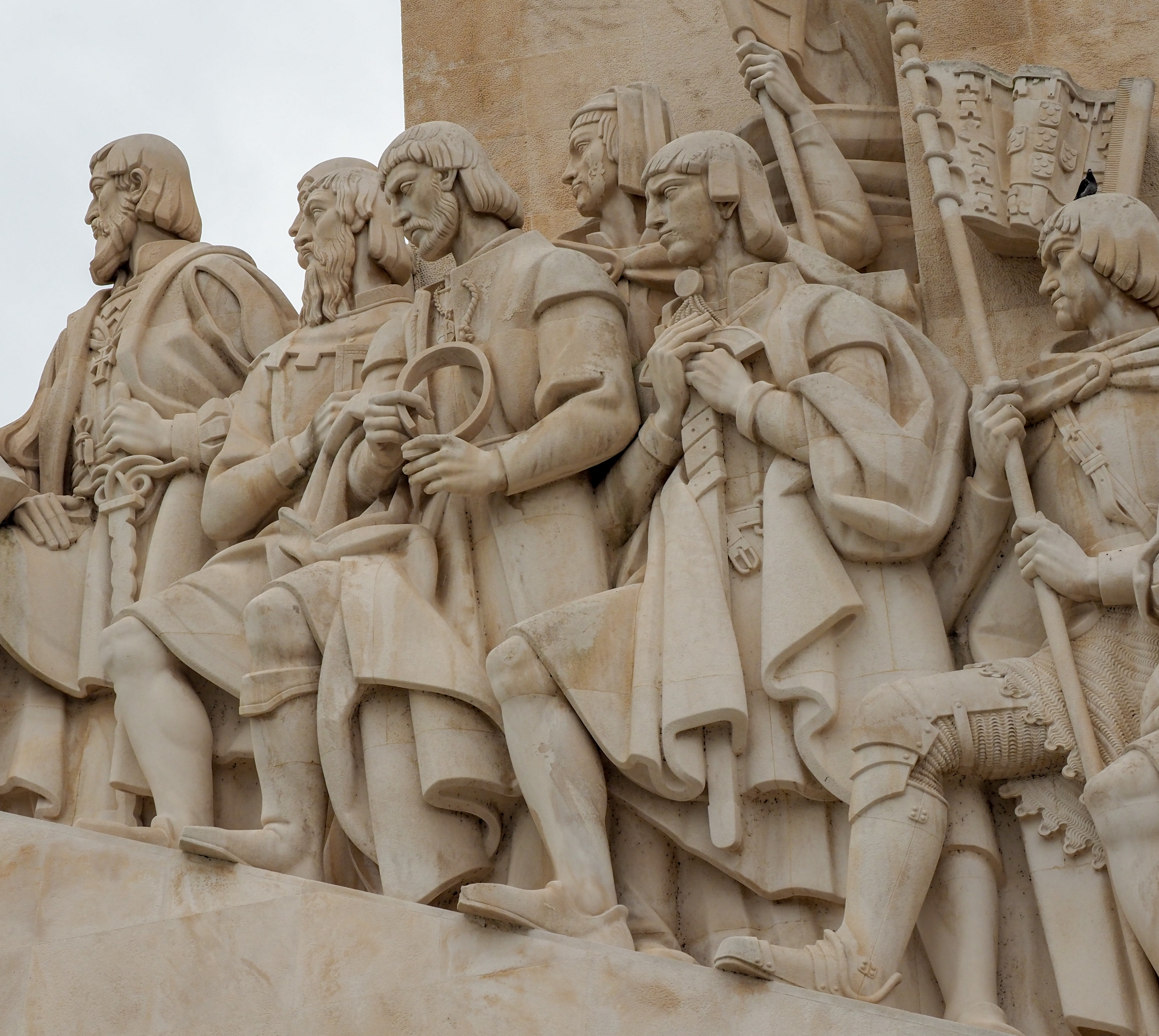
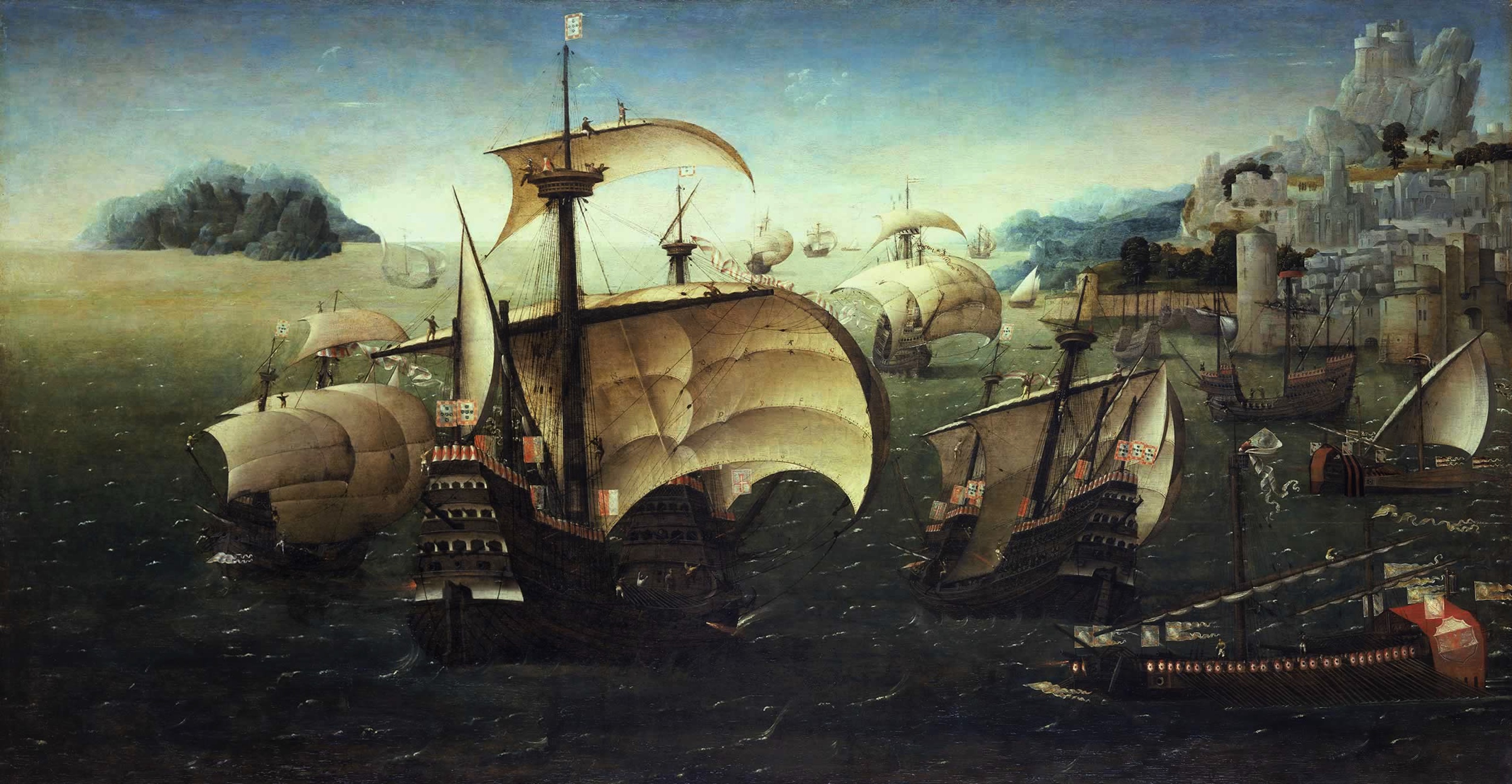
The Portuguese explorer, Vasco da Gama, (c. 1460s –1524), was the first European to reach India by sea, travelling via the Cape of Good Hope (1497–1499). In 1524, the carrack Santa Catarina do Monte Sinai (below) was the flagship of Vasco da Gama, on his third voyage to India.
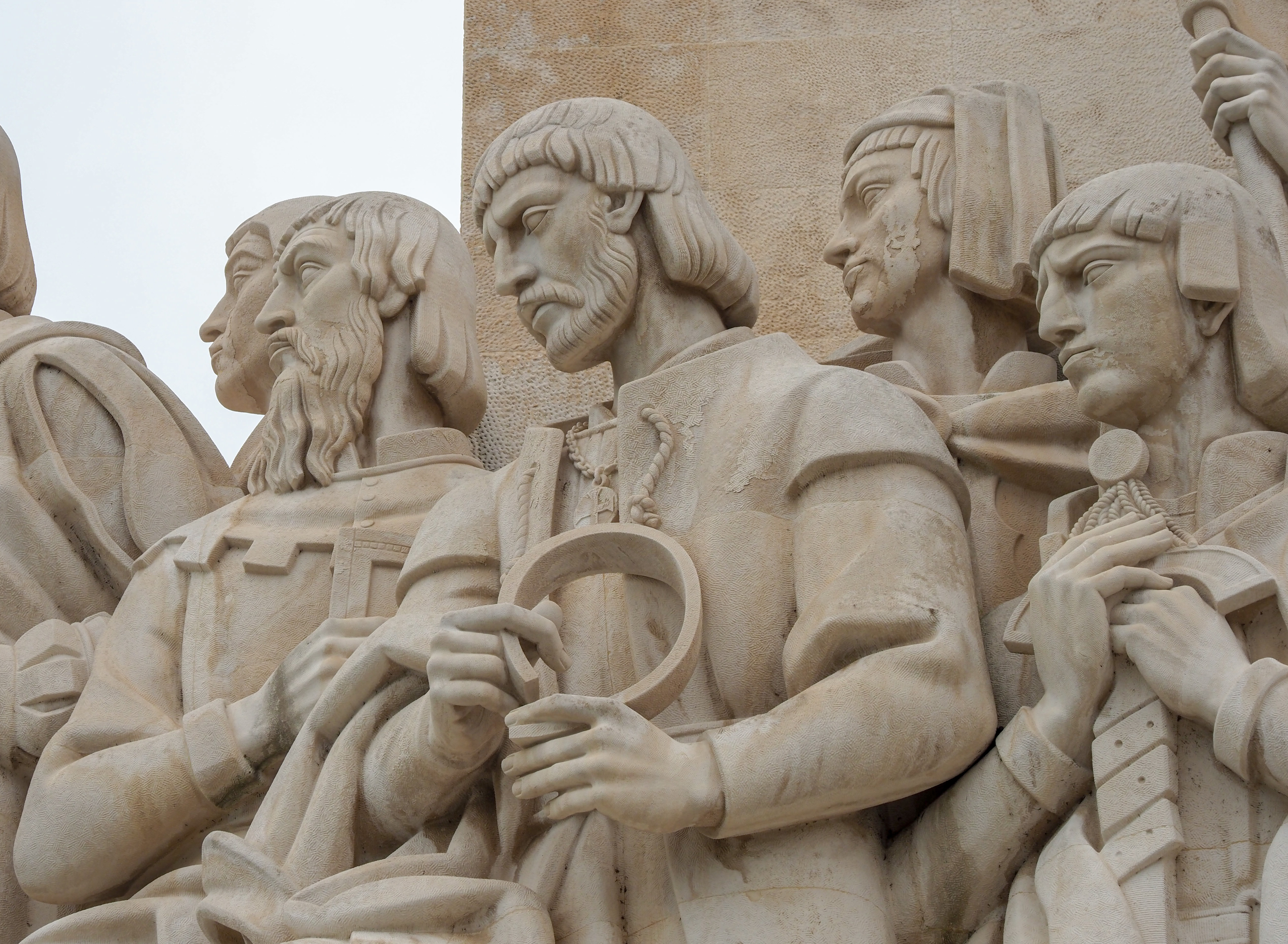
Pedro Álvares Cabral ( c. 1467 or 1468 – c. 1520) was a Portuguese nobleman, military commander, navigator, and explorer regarded as the European discoverer of Brazil.

Estêvão da Gama (c. 1505–1576) was the governor of the Portuguese Gold Coast (1529–1535) and of Portuguese India (1540–1542), and the second son of Vasco da Gama.
The Portuguese sailor, Ferdinand Magellan (c. 1480 – 1521) led the first expedition to circumnavigate the globe (1519–22), albeit in the service of Spain.
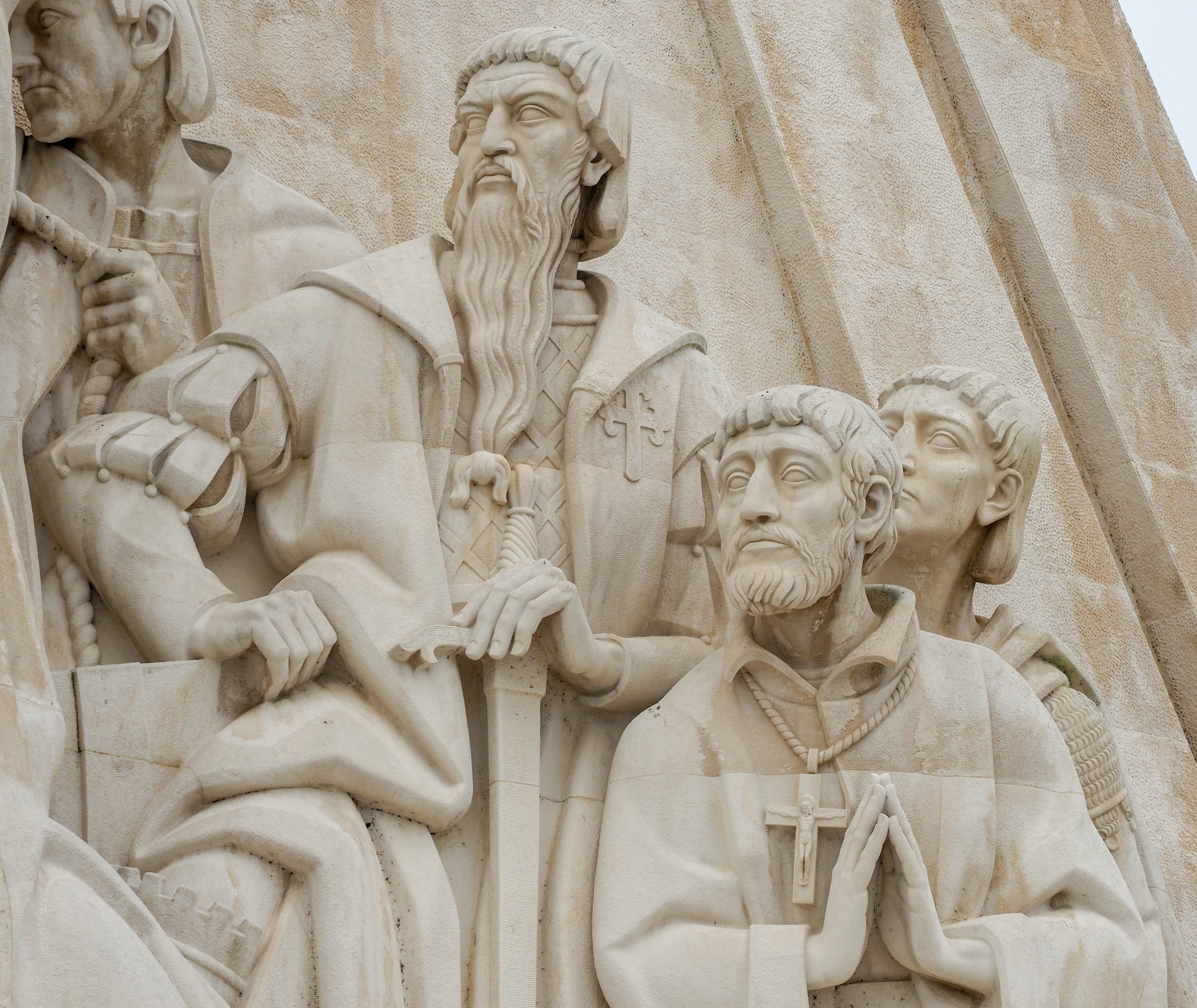


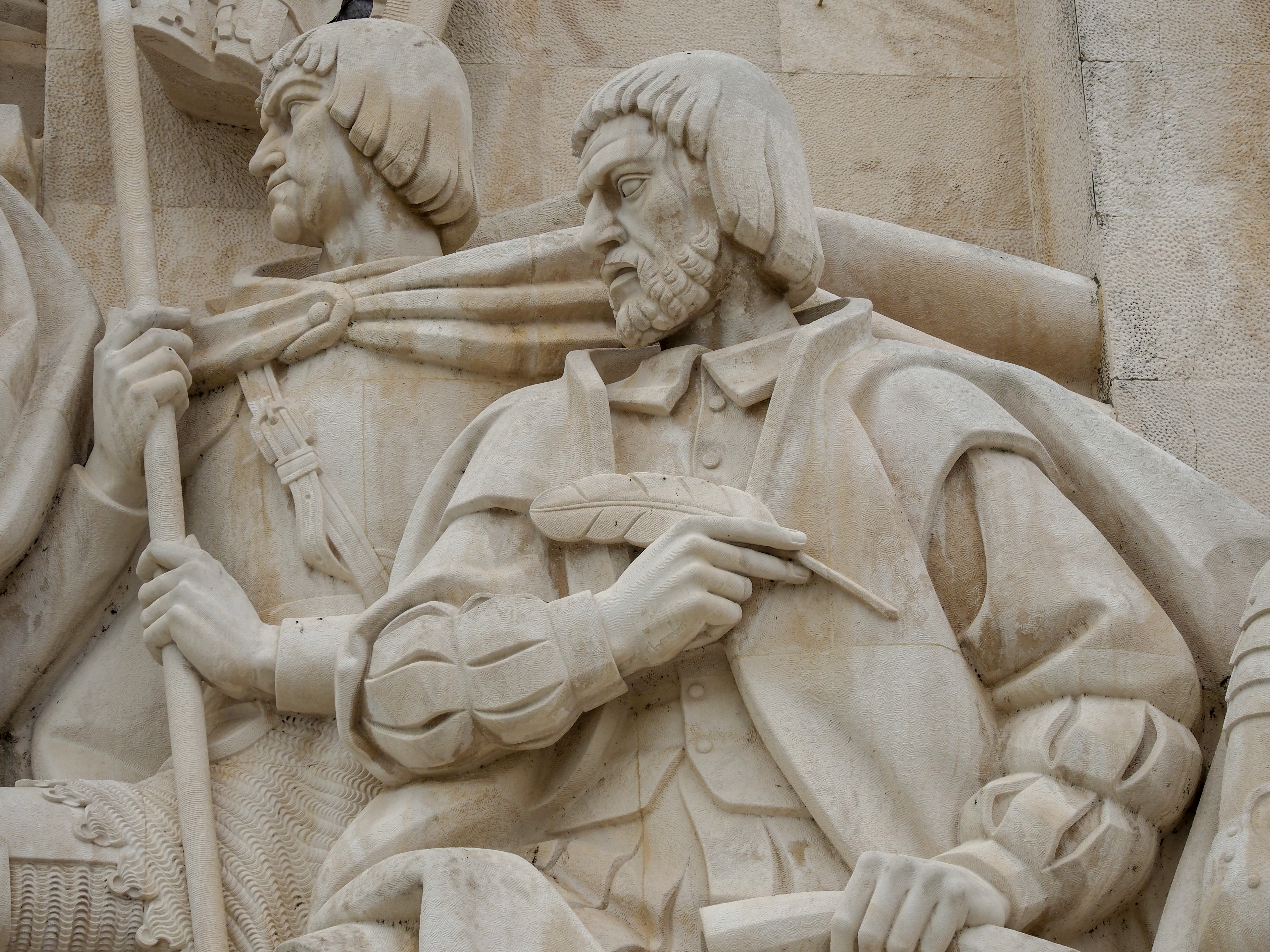
Bartolomeu Dias (c. 1450 – 1500) was the first European navigator to sail around the southern tip of Africa and to effectively establish the sea route between Europe and Asia (see below).
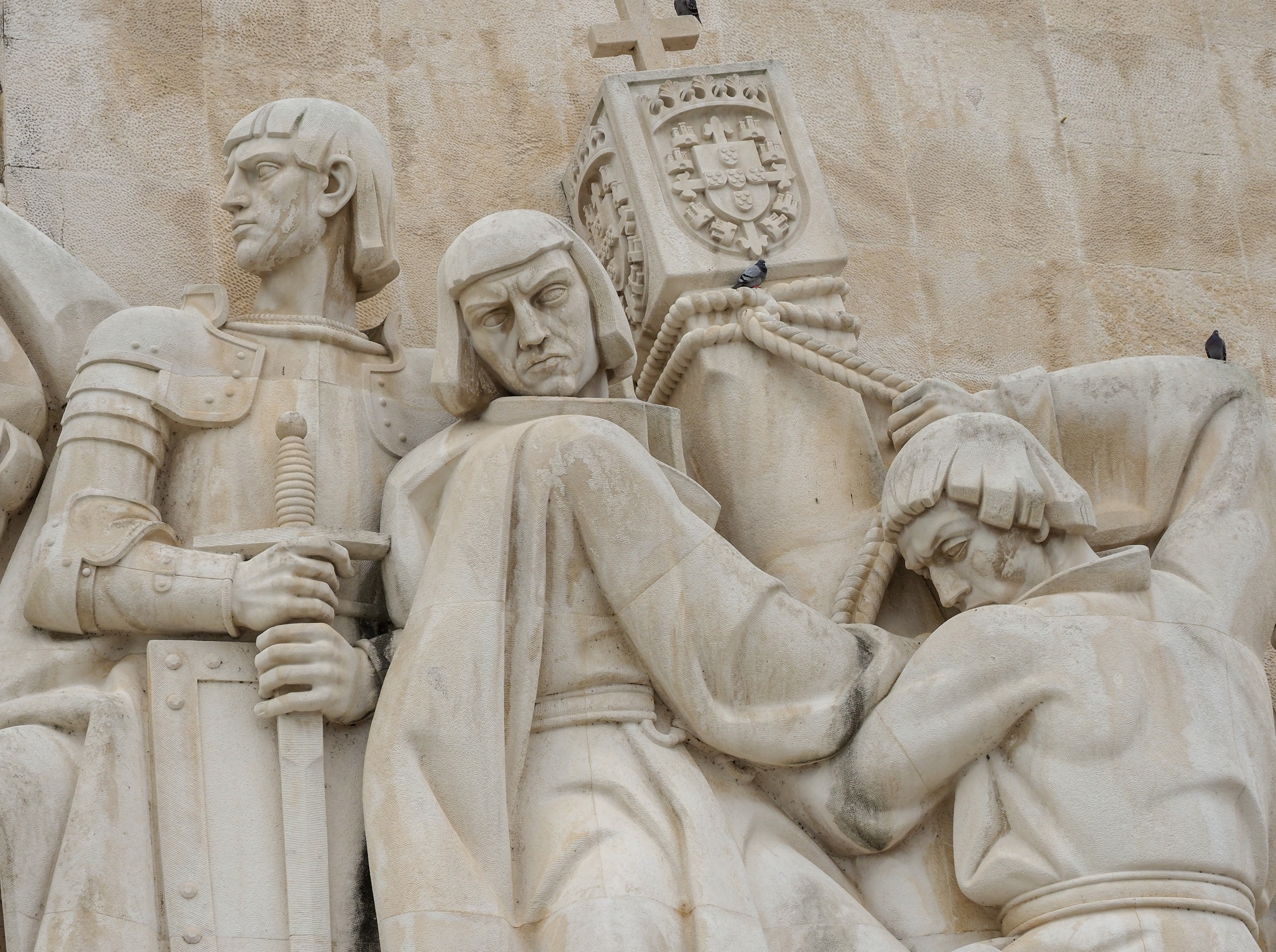
Diogo Cão (c. 1452 – 1486), made two voyages along the west coast of Africa in the 1480s, and was the first European to explore the Congo River and the coasts of present-day Angola and Namibia.
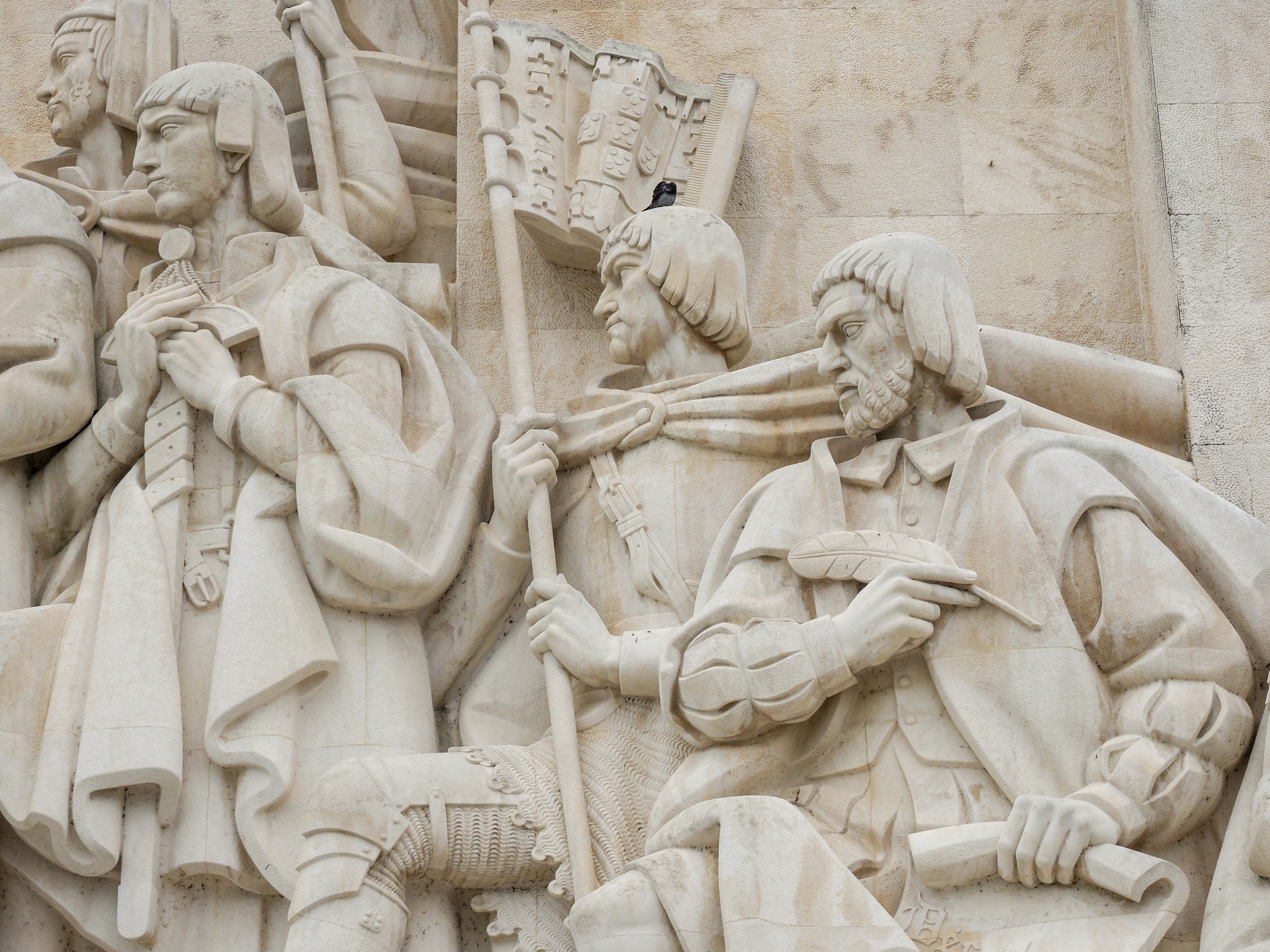
Gaspar Corte-Real (1450–1501) was a Portuguese explorer who, with his father João Vaz Corte-Real and brother Miguel, were the first Europeans – apart from perhaps the Vikings? – to reach Newfoundland and possibly other parts of eastern Canada.

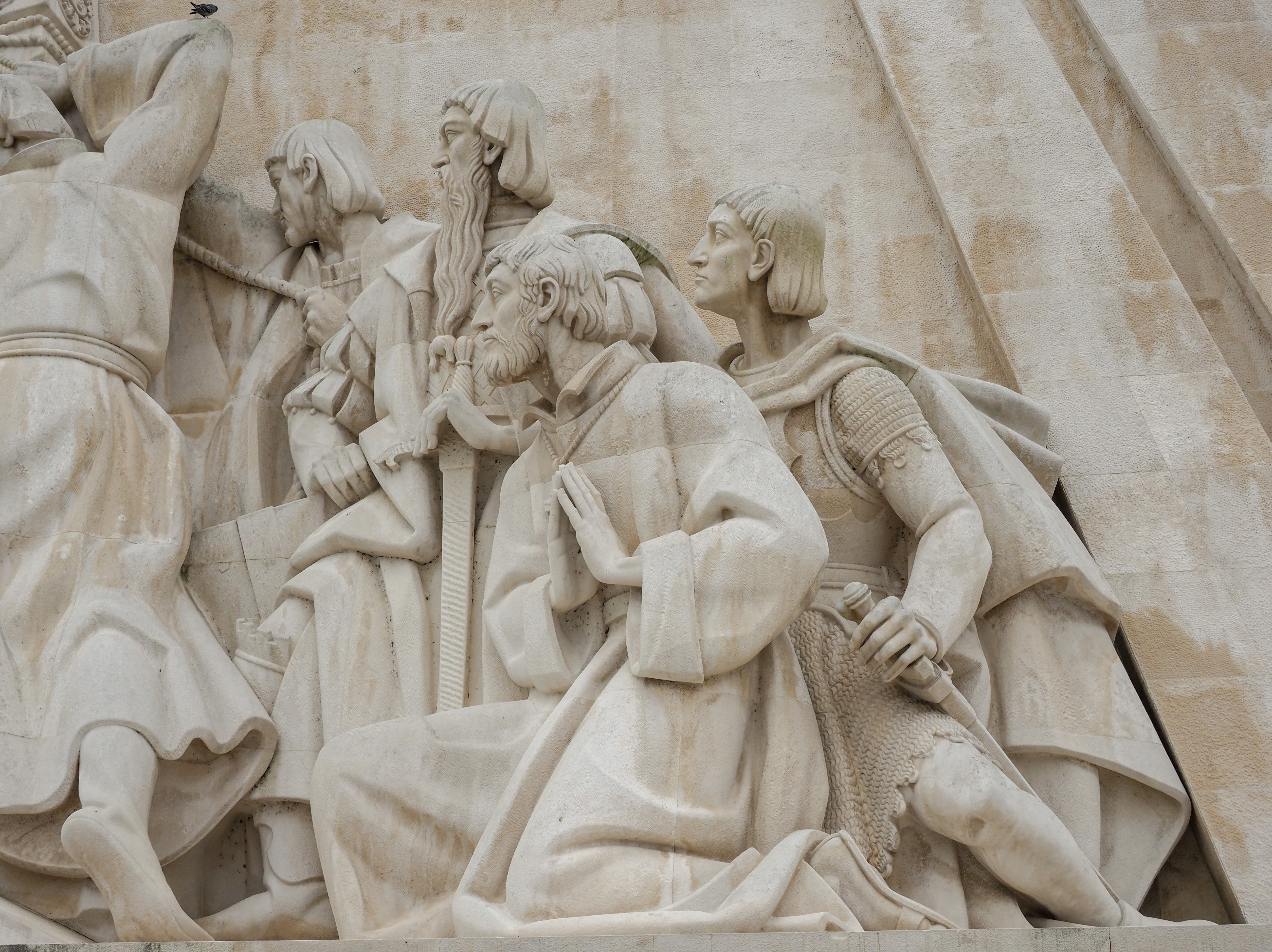
What is really extraordinary about these early navigators is the tiny ships they sailed in! See below.

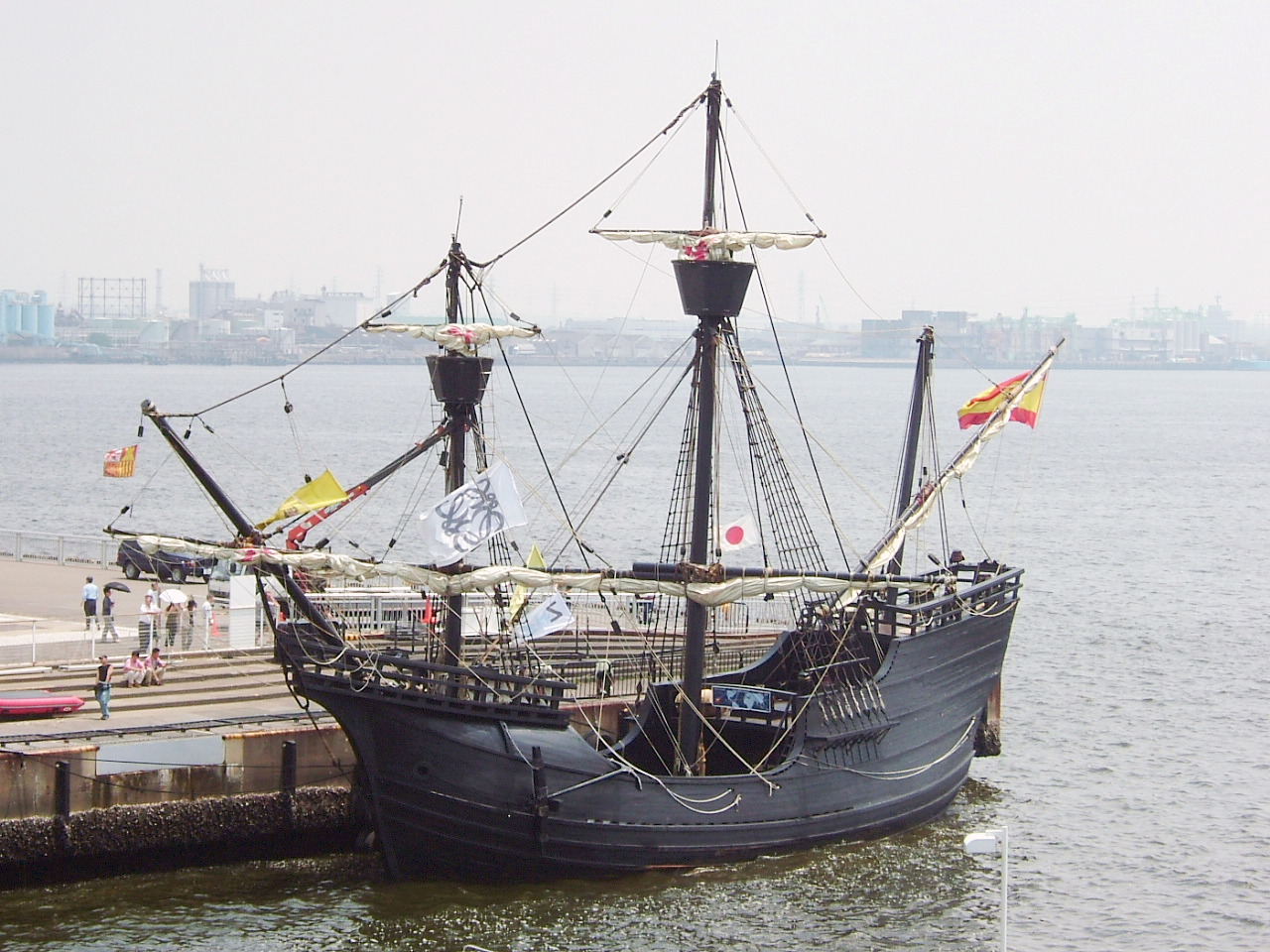
These Portuguese explorers were setting out in vessels that were only about 60 feet long, venturing into the unknown, almost falling off the maps of the known world at the time.
I intend to read more about these remarkably sailors! They were not all goodness and light, though! They engaged in fierce battles, set local kingdoms against each other, and generally enslaved and colonised the local people. But much of the world we know today is, in large measure, based on their exploits.
 Ray Cannon's travel and photography blog
Leave a comment