Author: rcannon992

  • The Monument of the Discoveries (Padrão dos Descobrimentos)

    The Monument of the Discoveries (Padrão dos Descobrimentos)

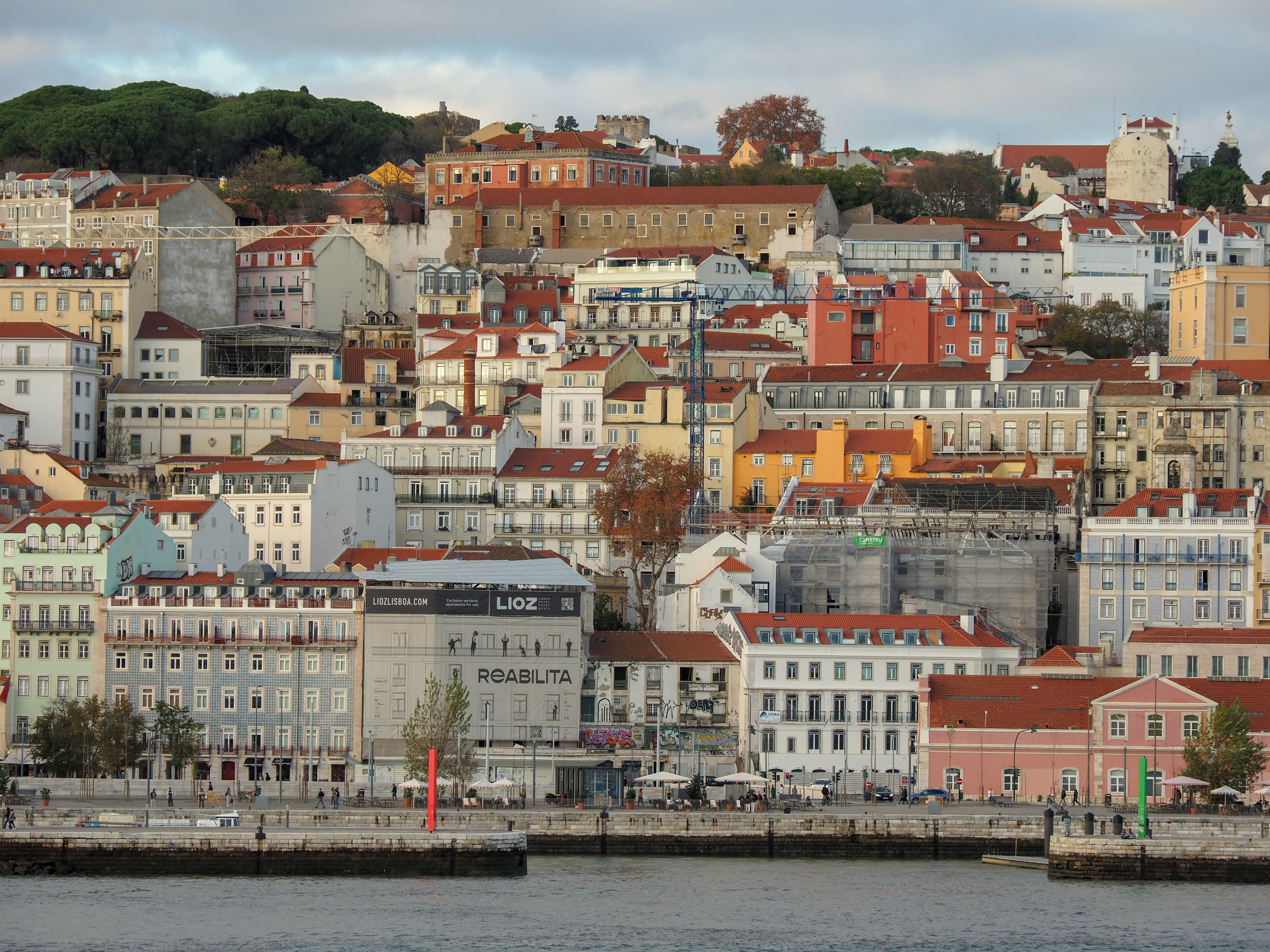
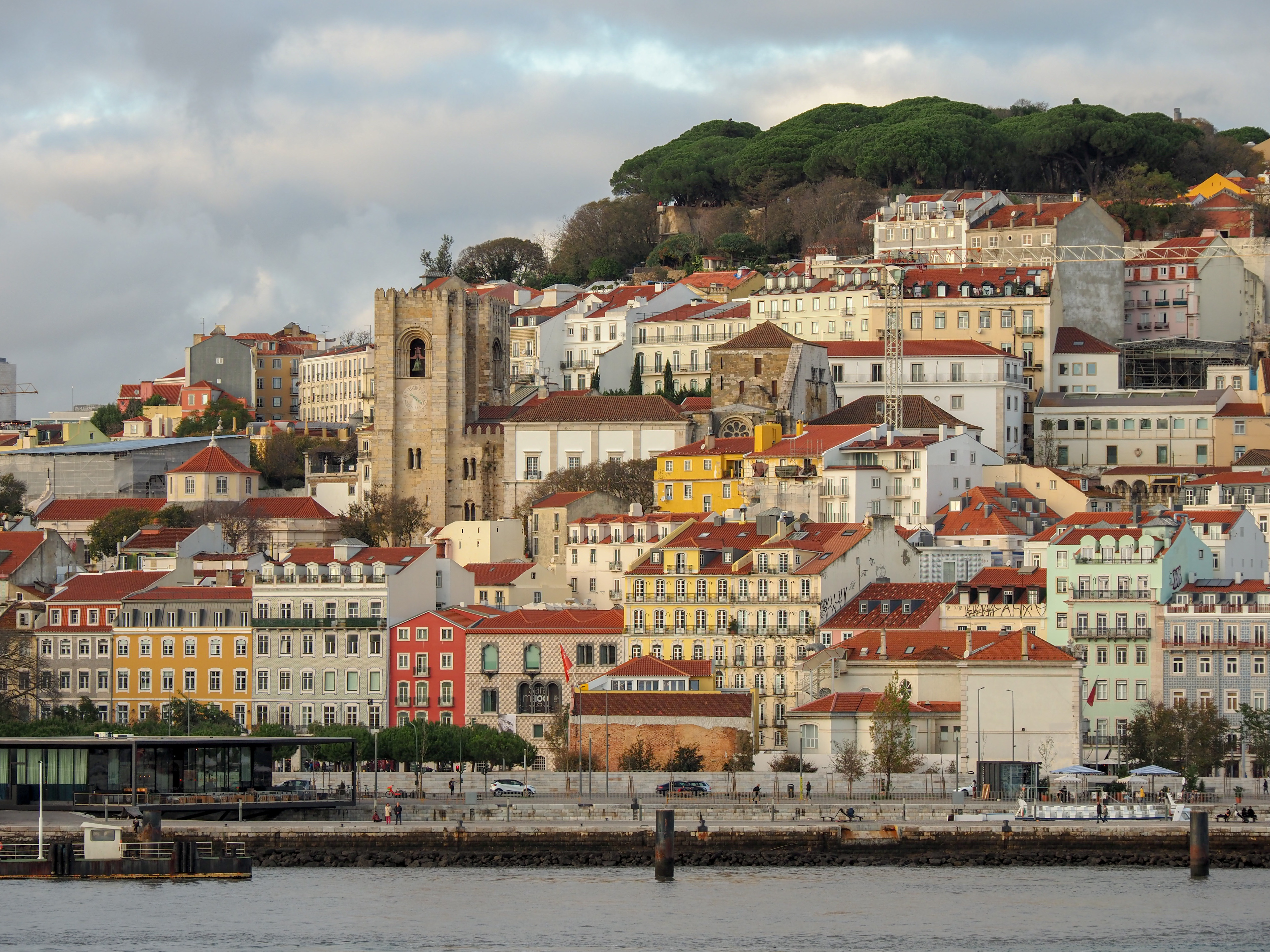
    On a recent cruise (Dec 2023) to Madeira and the Canary Islands, we stopped off in Lisbon (Portugal) for the day (below).

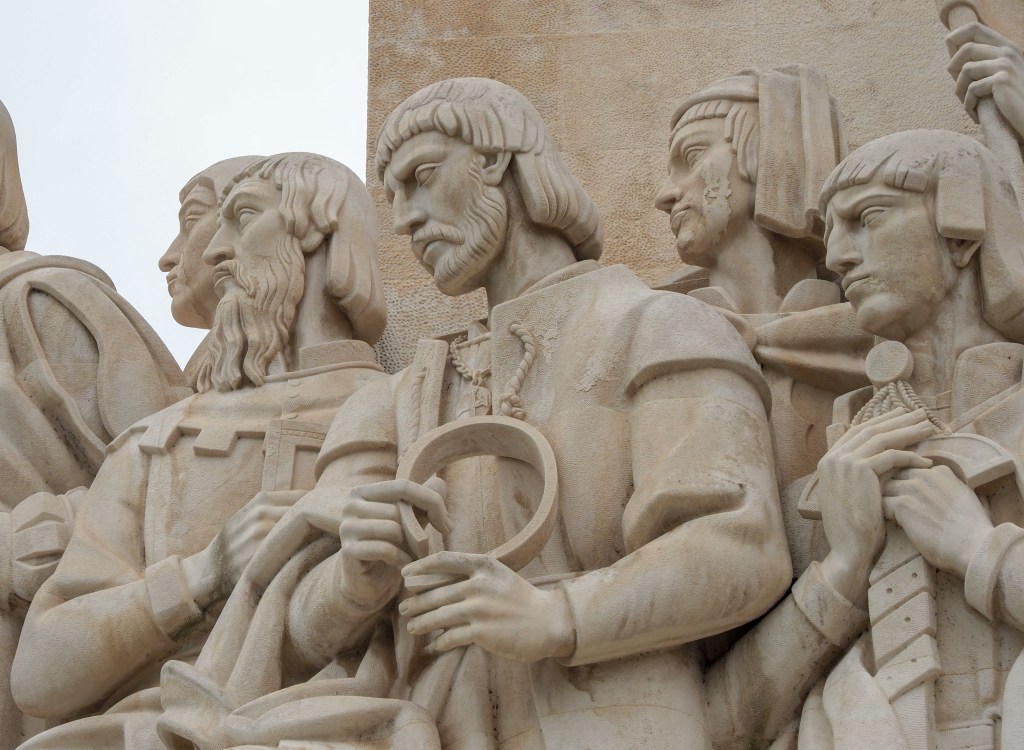
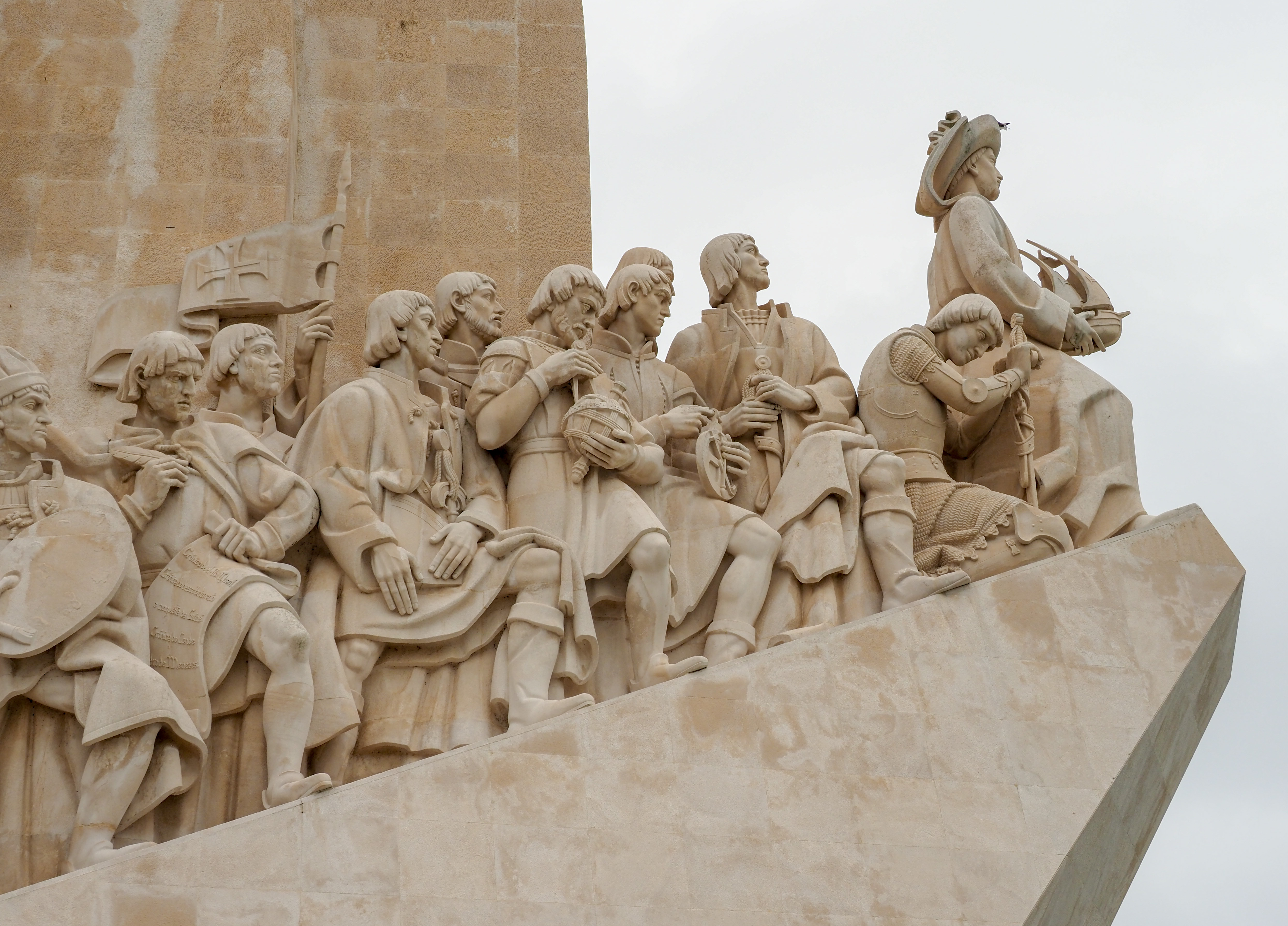
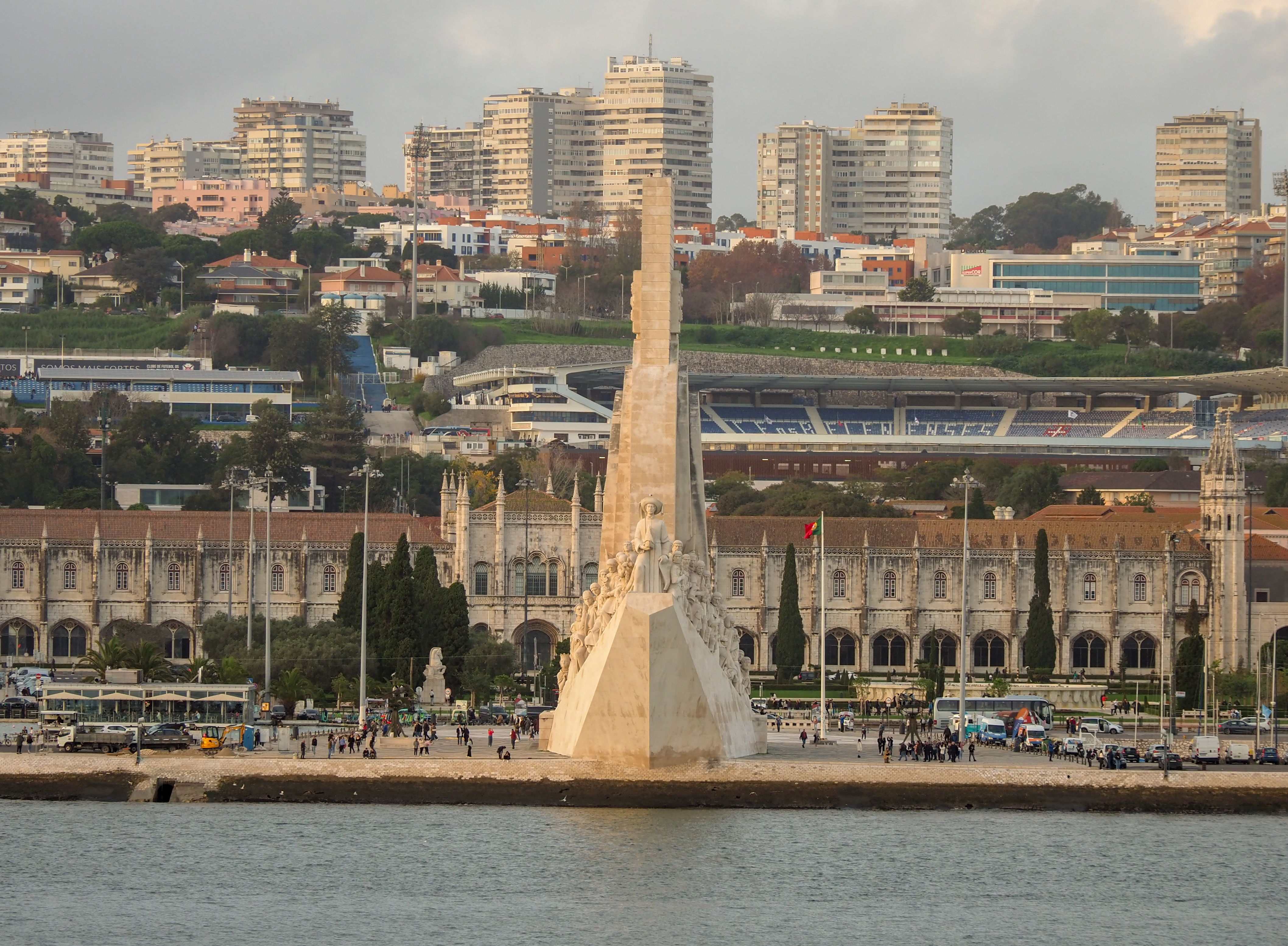
    This was the first time I had visited this city, and I took a tour around the main sites. The thing that really stood out for me was the Monument of the Discoveries (or Padrão dos Descobrimentos, in Portuguese). This is a magnificent monument on the northern bank of the Tagus river estuary, in the heart of Lisbon. It is located at the site on the river where ships departed to explore and trade with India and the Orient and celebrates the Portuguese Age of Discovery during the 15th and 16th centuries.

    Monument of the Discoveries on the northern bank of the Tagus river estuary

    We did not have a lot of time to spare at this site, so I rushed around the monument and tried to take photos of all those who are represented by the limestone structures on both sites.

    Henry the Navigator at the prow of The Monument of the Discoveries

    Fortunately, the wikipedia site does an excellent job of pointing out who all these people are (or were!). These sailors and navigators were really the first Europeans to discover much of the world! Their voyages of exploration during the 15th and 16th centuries mapped and chronicled the coasts of Africa and Asia (then known as the East Indies), as well as Canada and Brazil (including the West Indies). Their discoveries and exploits are shown on the following map.

    Portuguese exploration and discoveries: first arrival places and dates; main Portuguese spice trade routes in the Indian Ocean (blue); territories claimed during the reign of King John III (c. 1536) (green); Main Factories (orange) Hugo Refachinho, CC BY-SA 4.0 https://creativecommons.org/licenses/by-sa/4.0, via Wikimedia Commons

    I can not claim to be an expert on any of these remarkable historical characters, so I have borrowed some information from wikipedia, with appropriate acknowledgements. Most of the photos are mine, though!

    The Western side

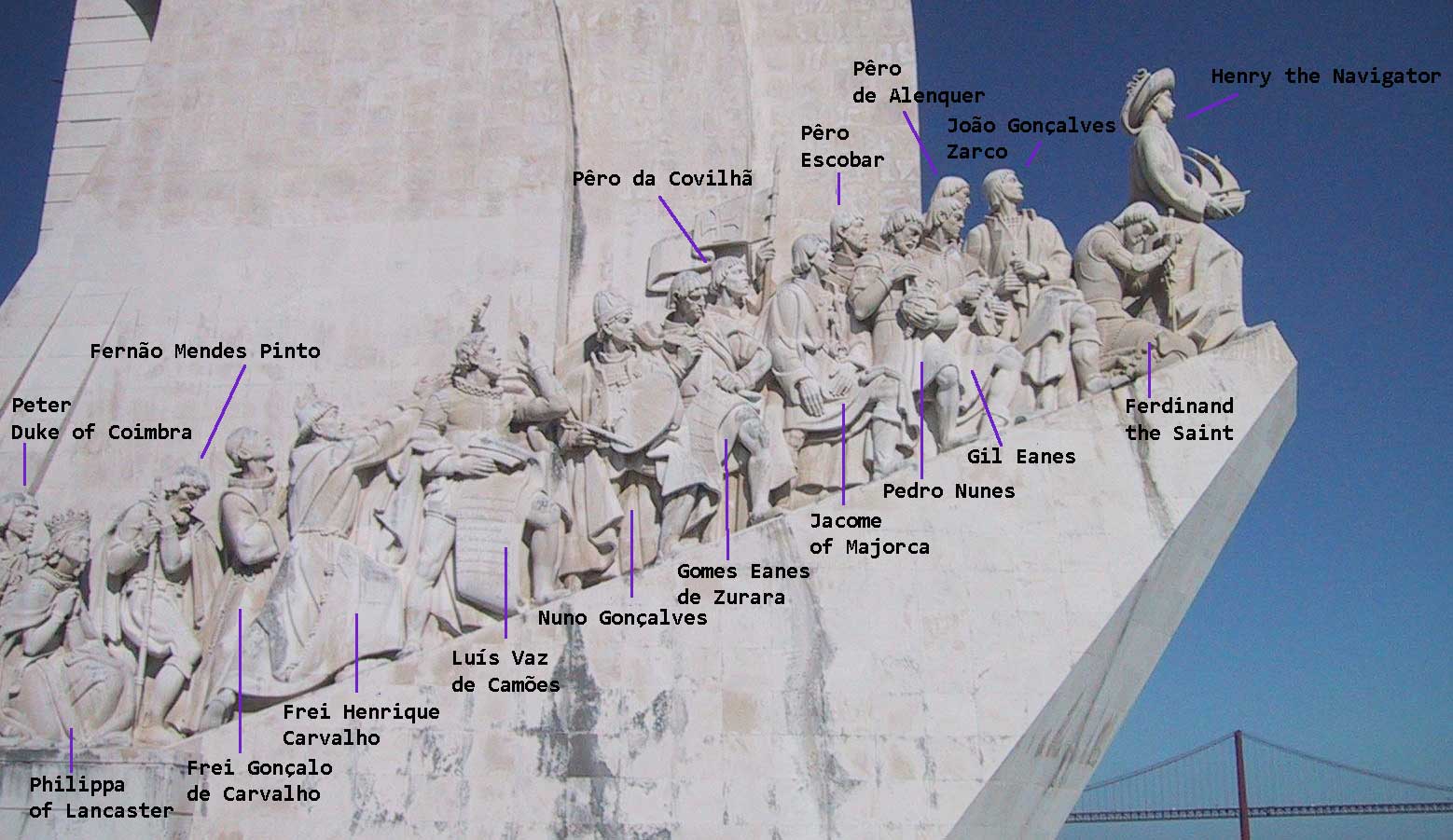
    The Western profile of the monument by Walrasiad, CC BY 3.0 https://creativecommons.org/licenses/by/3.0, via Wikimedia Commons

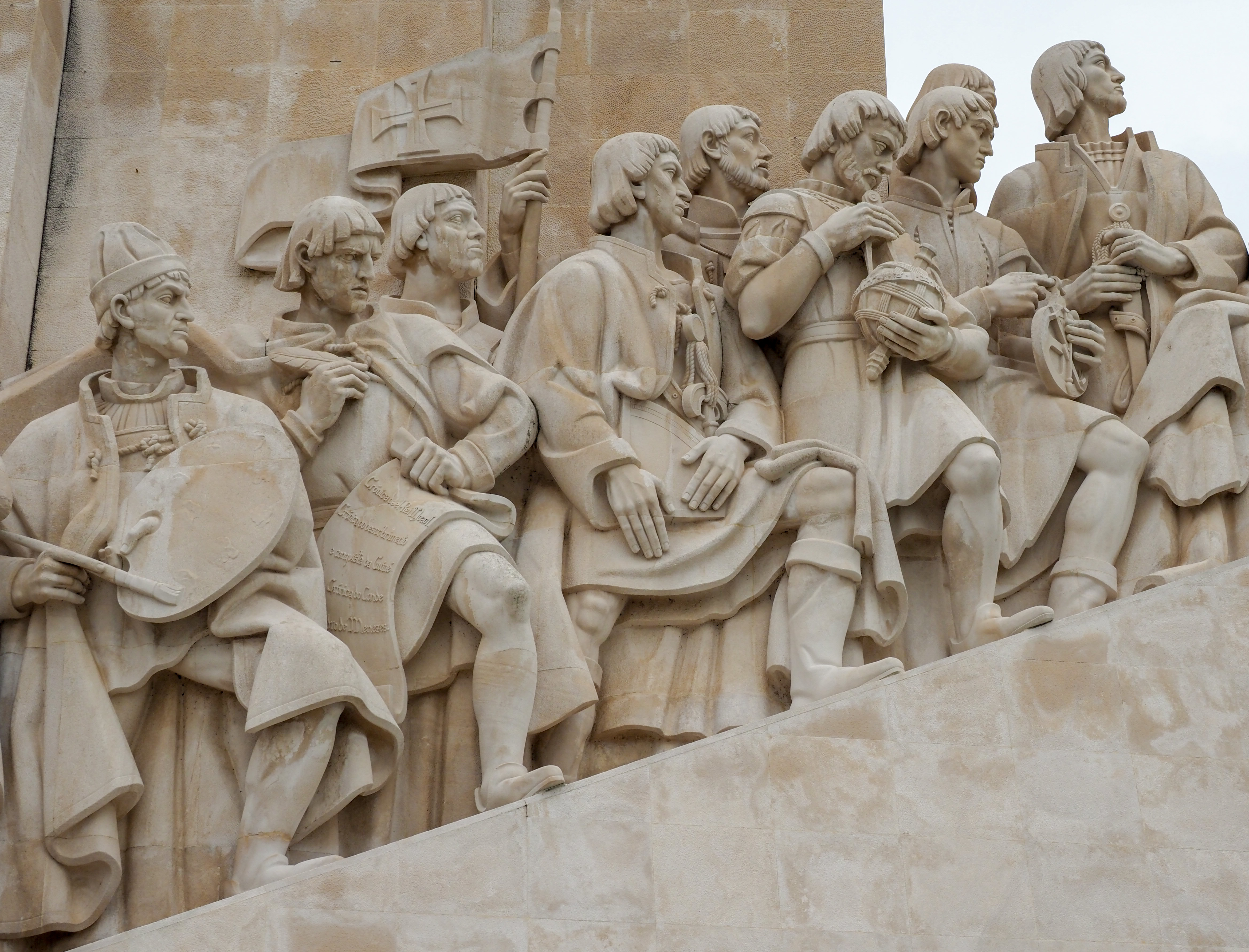
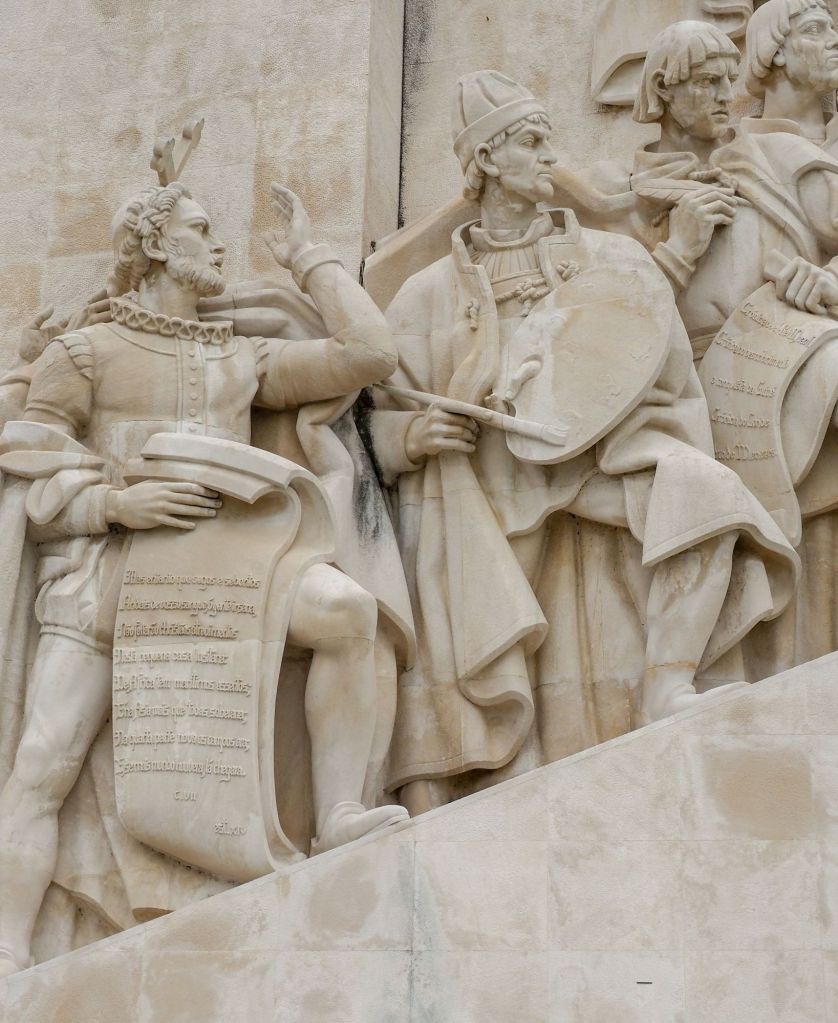
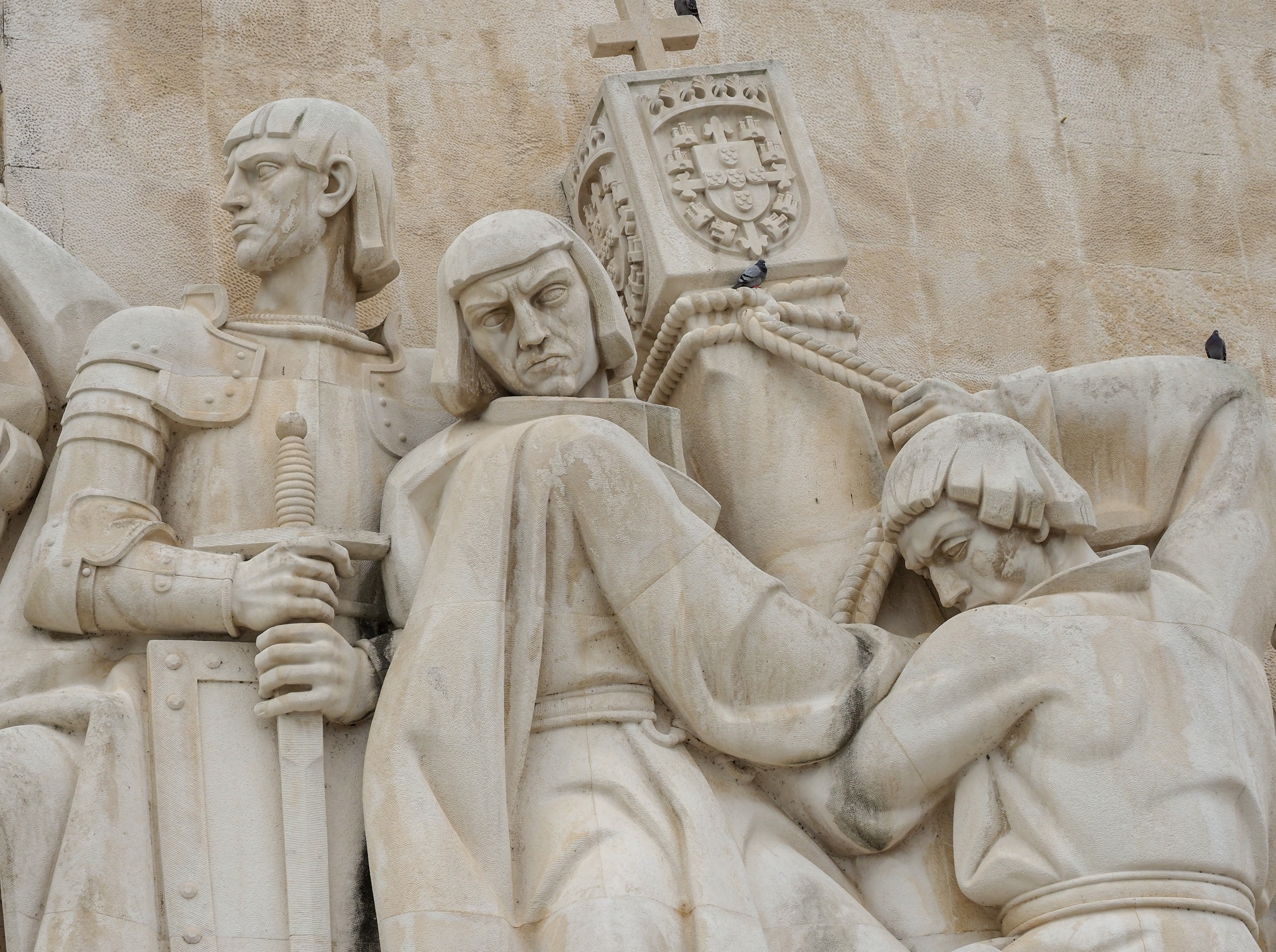
    Nuno Gonçalves (painter) to João Gonçalves Zarco (navigator) L to R
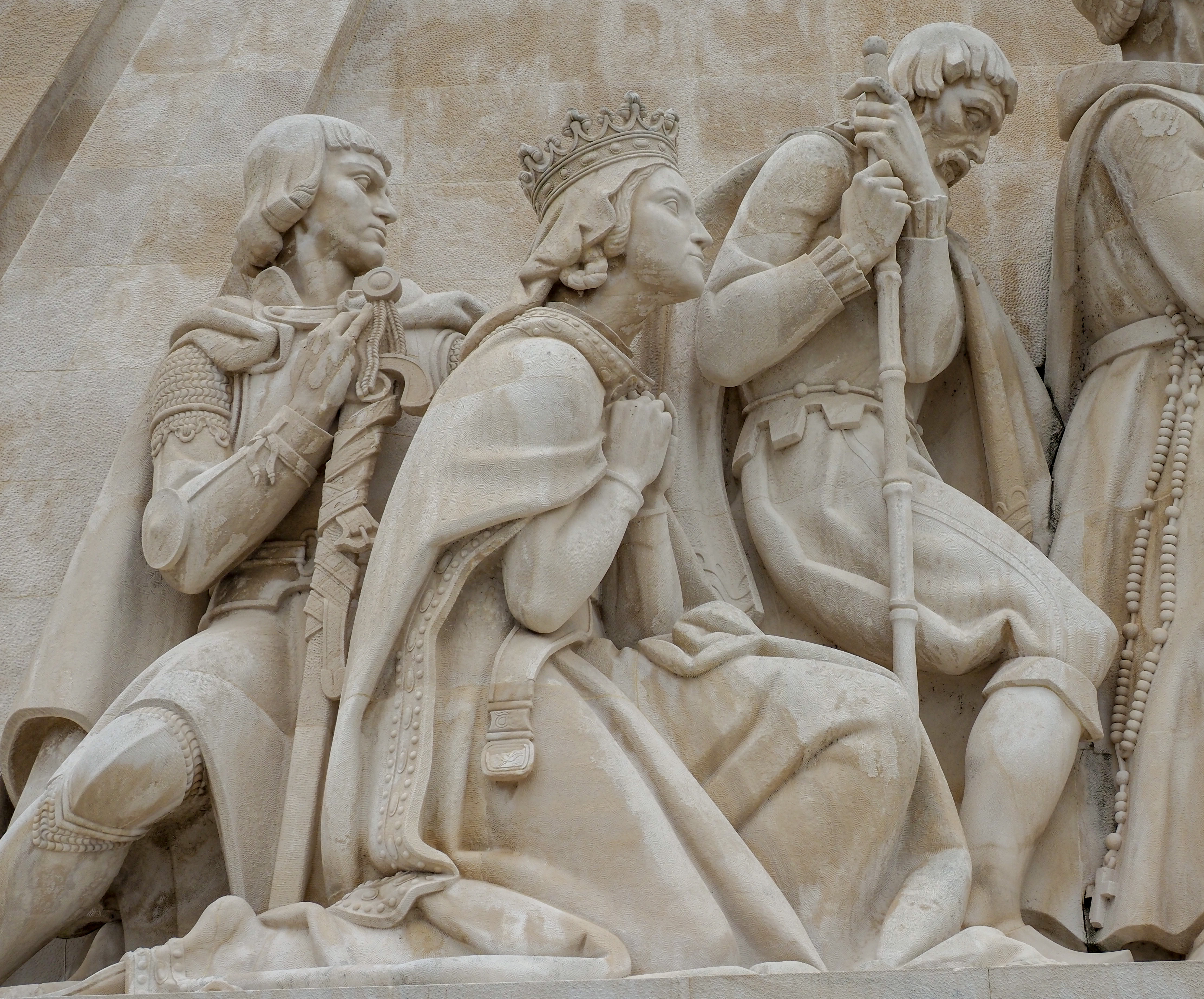
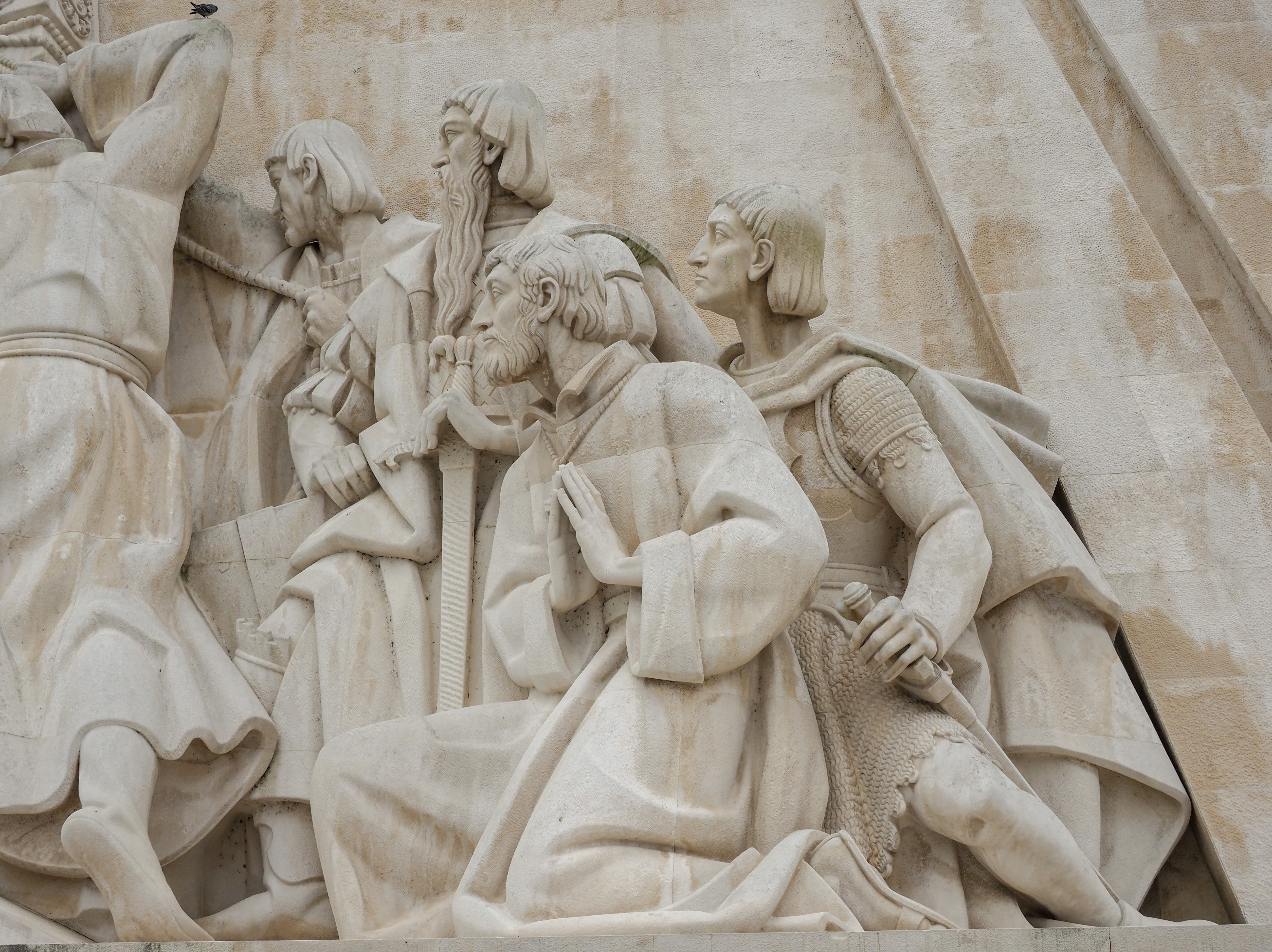
    Peter, Duke of Coimbra (son of King John I of Portugal) to Frei Gonçalo de Carvalho, O.P. (Dominican Missionary) L to R
    Queen Philippa of Lancaster in the middle

    Philippa of Lancaster (1360 – 1415) was the Queen of Portugal from 1387 to1415, having married King John I. Philippa was the eldest child of John of Gaunt, 1st Duke of Lancaster, and Blanche of Lancaster; her younger brother Henry, become King Henry IV.

    The Eastern side

    East side of the Monument to the Portuguese Discoveries (Padrão dos Descobrimentos) Walrasiad, CC BY 3.0 https://creativecommons.org/licenses/by/3.0, via Wikimedia Commons
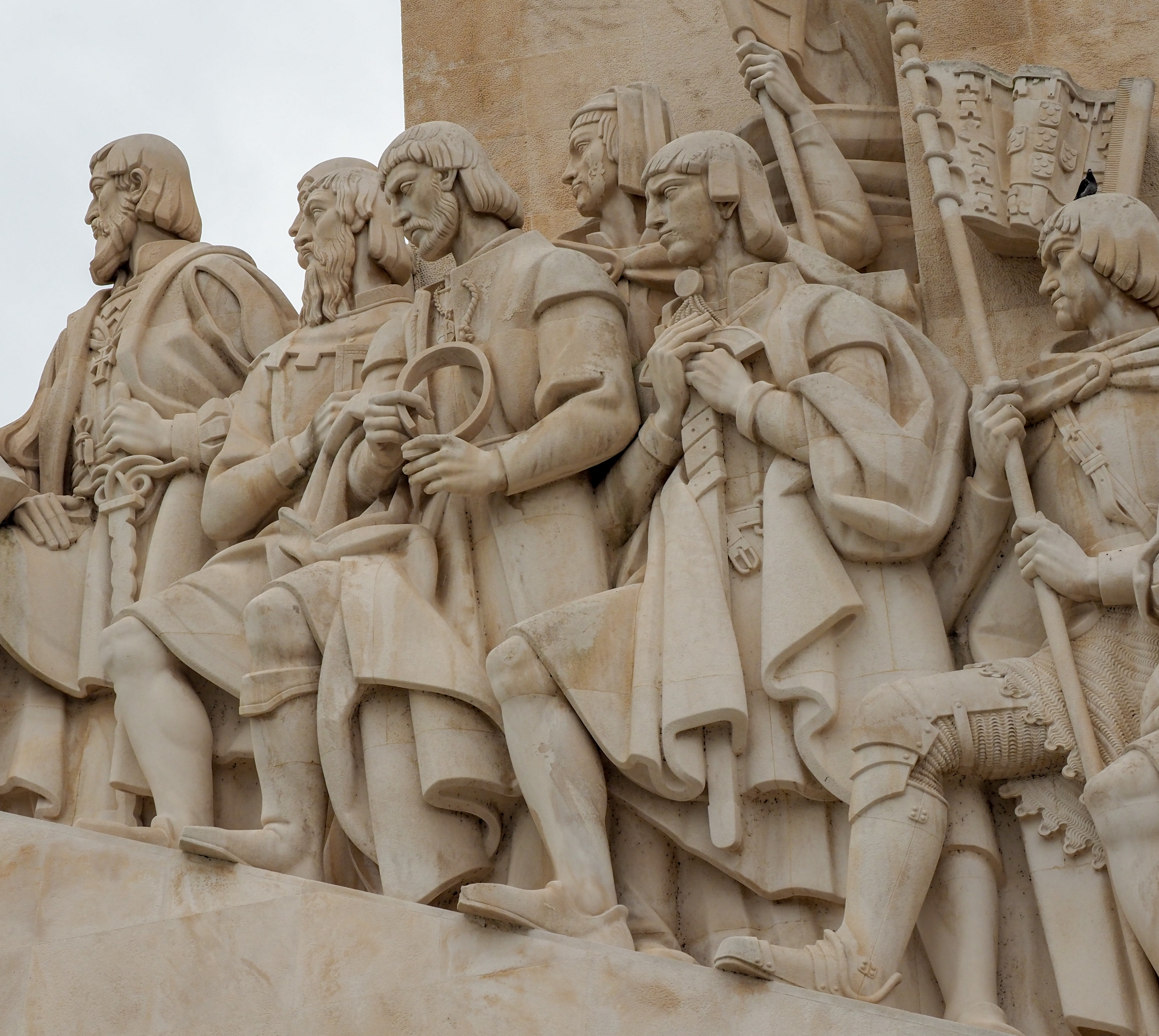
    Vasco da Gama (discoverer of the sea route to India) to Martim Afonso de Sousa (navigator) L to R

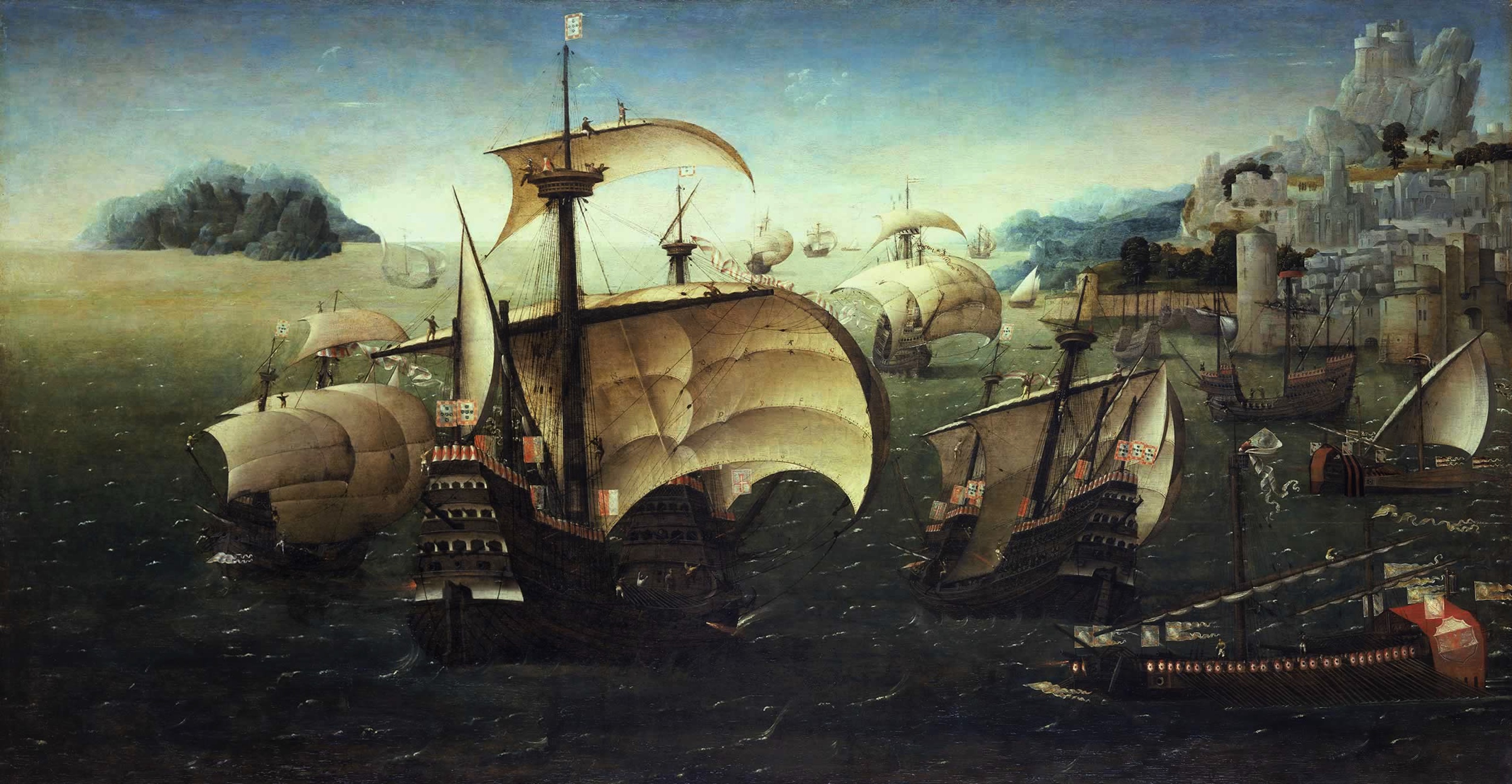
    The Portuguese explorer, Vasco da Gama, (c. 1460s –1524), was the first European to reach India by sea, travelling via the Cape of Good Hope (1497–1499). In 1524, the carrack Santa Catarina do Monte Sinai (below) was the flagship of Vasco da Gama, on his third voyage to India.

    The carrack Santa Catarina do Monte Sinai and other Portuguese Navy ships in the 16th century. Royal Museums Greenwich, Public domain, via Wikimedia Commons

    Pedro Álvares Cabral ( c. 1467 or 1468 – c. 1520) was a Portuguese nobleman, military commander, navigator, and explorer regarded as the European discoverer of Brazil. 

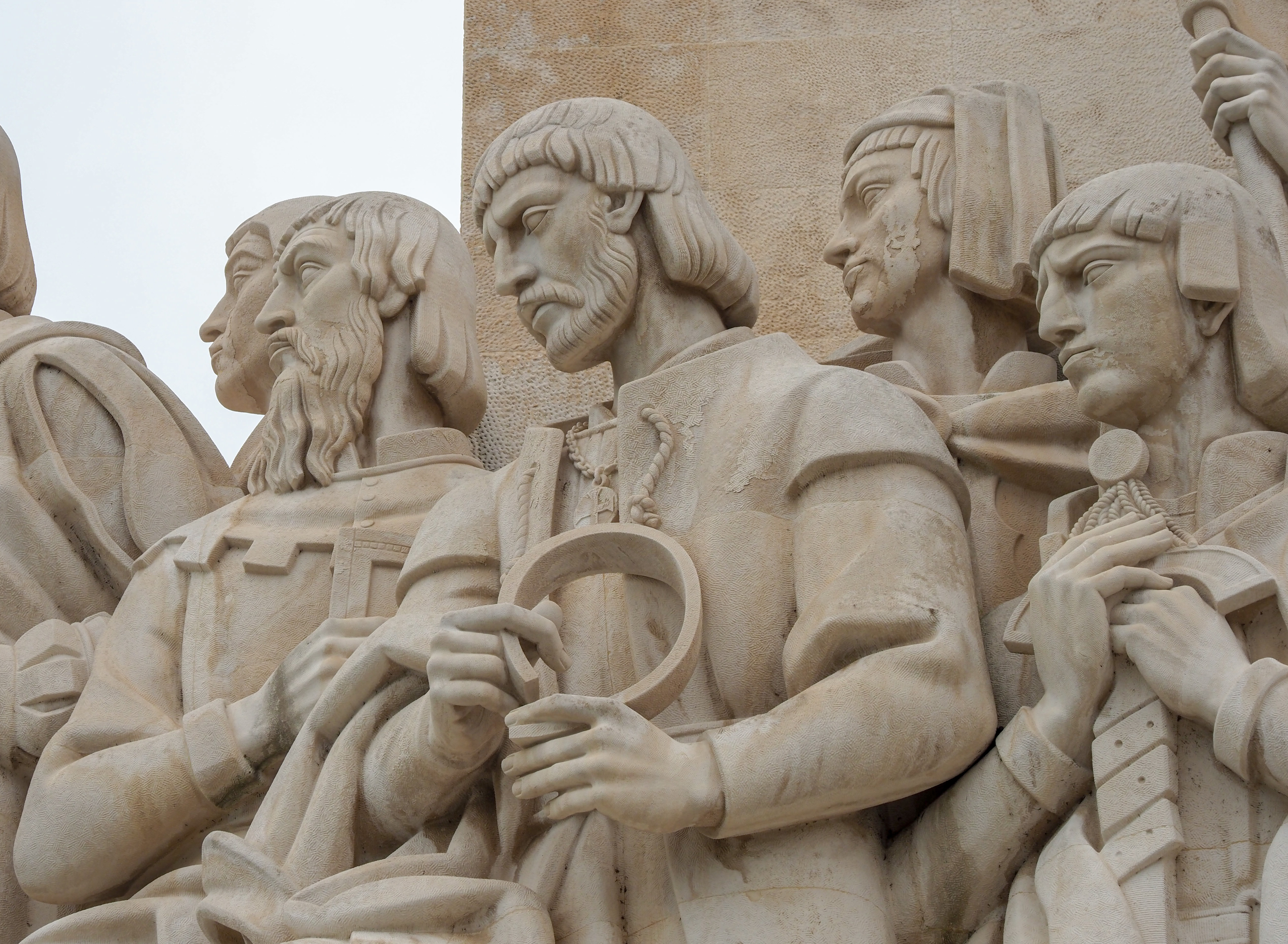
    Ferdinand Magellan (first to circumnavigate the globe) to Estêvão da Gama (sea captain) L to R

    Estêvão da Gama (c. 1505–1576) was the governor of the Portuguese Gold Coast (1529–1535) and of Portuguese India (1540–1542), and the second son of Vasco da Gama.

    Ferdinand Magellan (first to circumnavigate the globe) with circle in centre

    The Portuguese sailor, Ferdinand Magellan (c. 1480 – 1521) led the first expedition to circumnavigate the globe (1519–22), albeit in the service of Spain.

    Bartolomeu Dias (c. 1450 – 1500) was the first European navigator to sail around the southern tip of Africa and to effectively establish the sea route between Europe and Asia (see below).
    Estêvão da Gama (sea captain) to Diogo Cão (first to arrive to the Congo river) L to R

    Diogo Cão (c. 1452 – 1486), made two voyages along the west coast of Africa in the 1480s, and was the first European to explore the Congo River and the coasts of present-day Angola and Namibia.

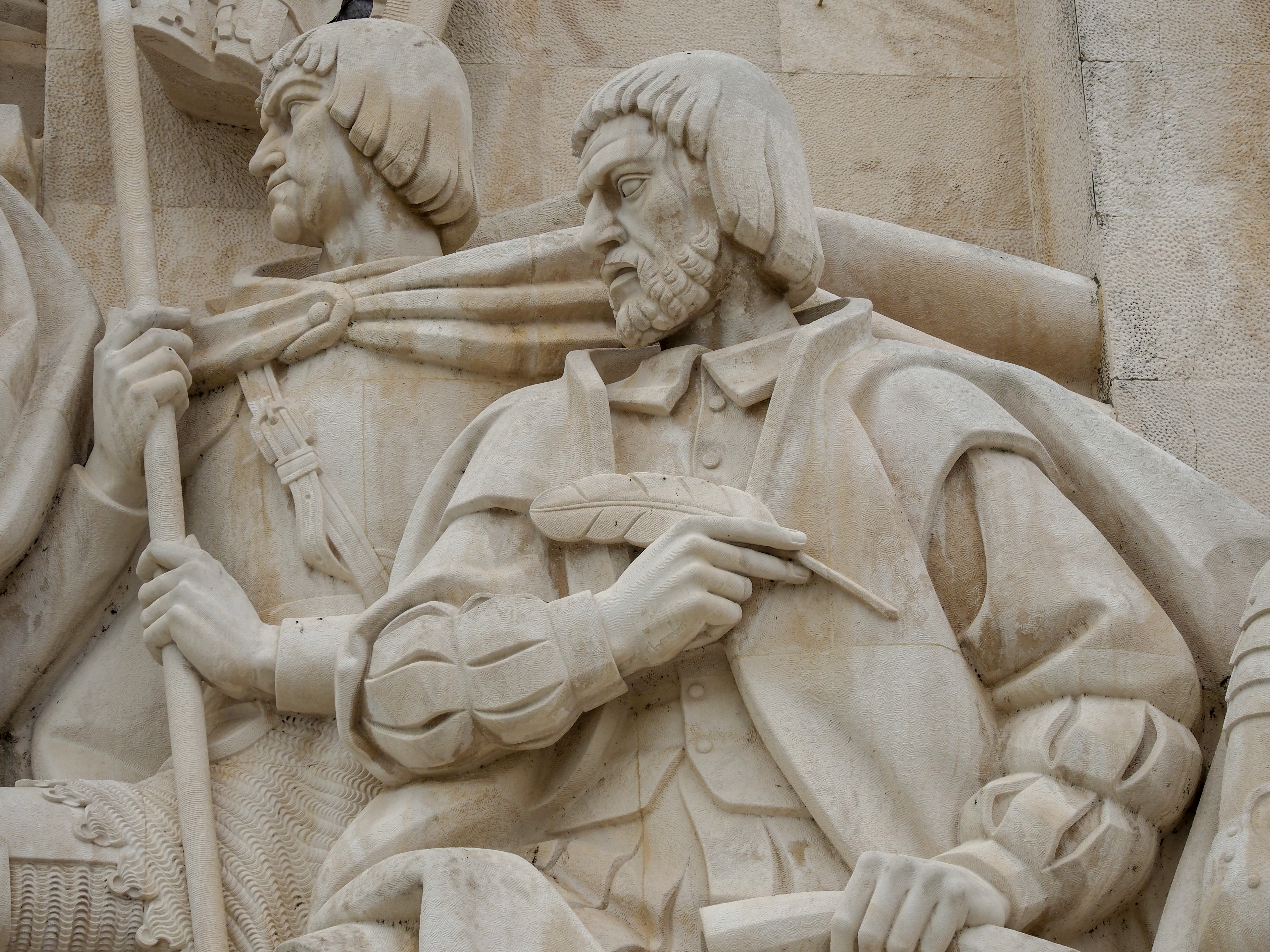
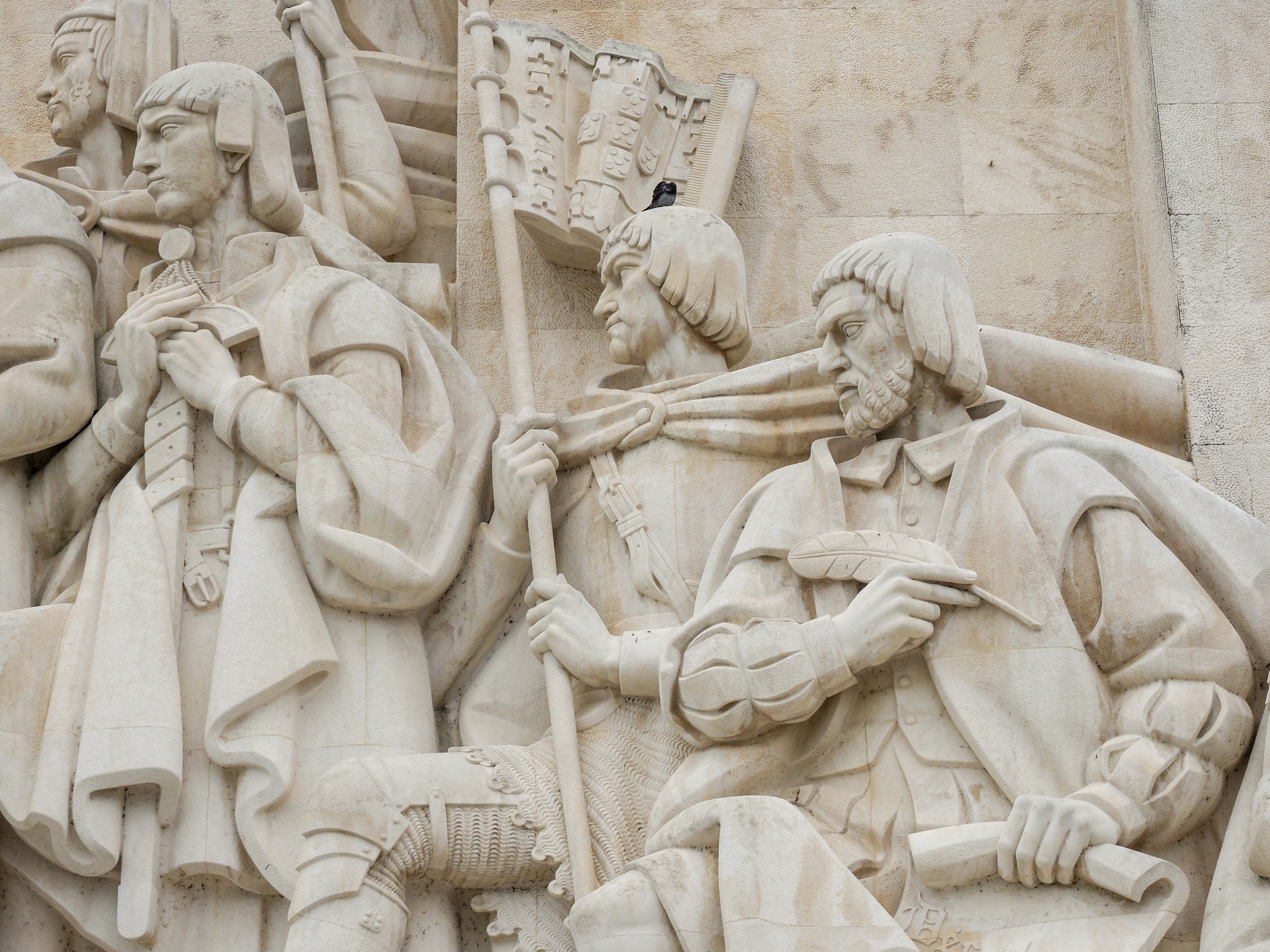
    Gaspar Corte-Real (navigator), Martim Afonso de Sousa (navigator) to João de Barros (writer) L to R

    Gaspar Corte-Real (1450–1501) was a Portuguese explorer who, with his father João Vaz Corte-Real and brother Miguel, were the first Europeans – apart from perhaps the Vikings? – to reach Newfoundland and possibly other parts of eastern Canada.

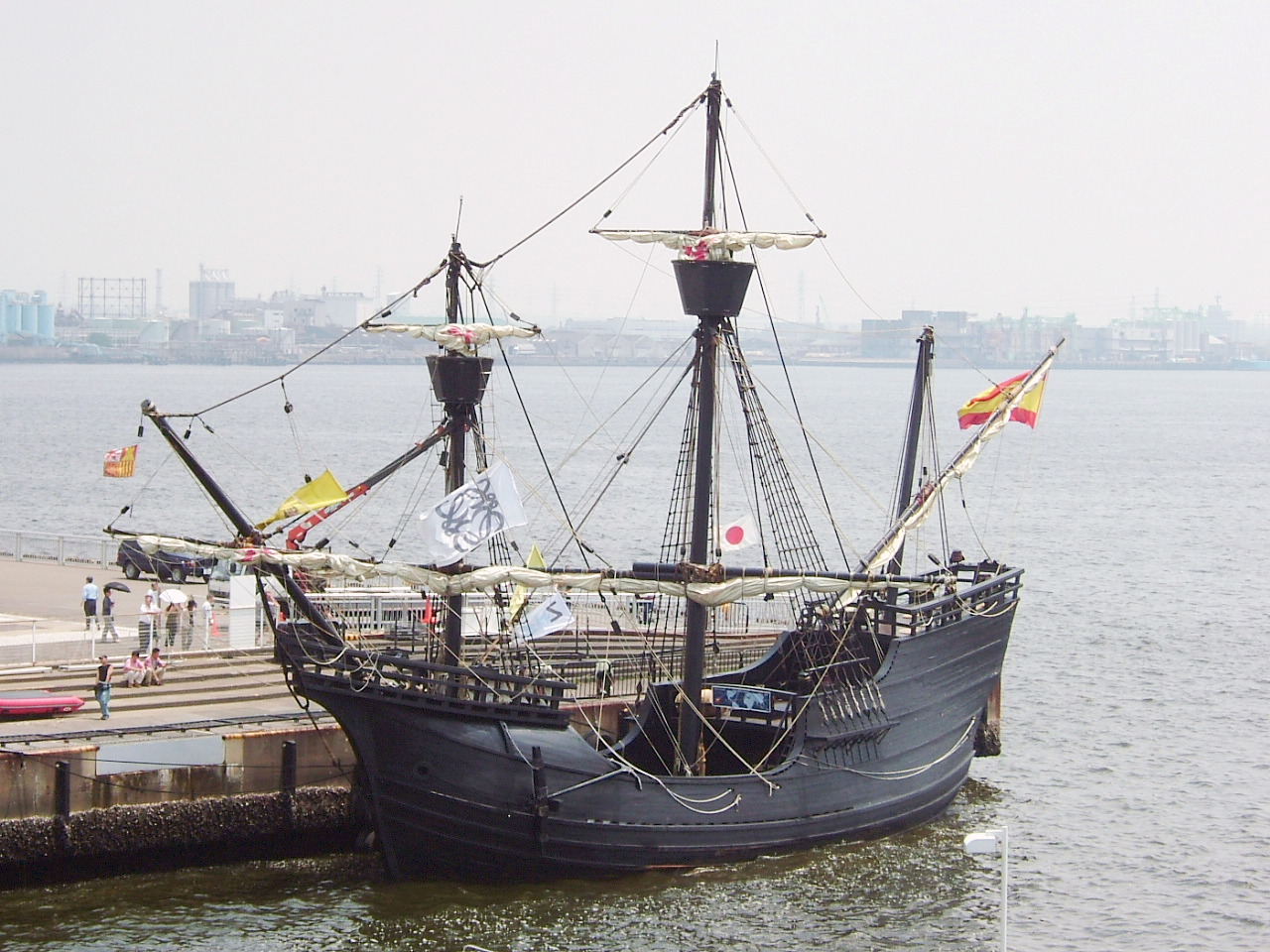
    What is really extraordinary about these early navigators is the tiny ships they sailed in! See below.

    Victoria, the sole ship of Magellan’s fleet to complete the circumnavigation. Detail from a map by Ortelius, 1590. Ortelius, Public domain, via Wikimedia Commons
    Replica of the Victoria, a nao, the only one of Magellan‘s five ships to return to Spain in 1522, thus becoming the first ship having circumnavigated the globe. Gnsin, CC BY-SA 3.0 http://creativecommons.org/licenses/by-sa/3.0/, via Wikimedia Commons

    These Portuguese explorers were setting out in vessels that were only about 60 feet long, venturing into the unknown, almost falling off the maps of the known world at the time.

    Monument of the Discoveries on the northern bank of the Tagus river estuary

    I intend to read more about these remarkably sailors! They were not all goodness and light, though! They engaged in fierce battles, set local kingdoms against each other, and generally enslaved and colonised the local people. But much of the world we know today is, in large measure, based on their exploits.

  • Tresco Abbey gardens

    Tresco Abbey gardens

    People have been living on the island of Tresco, in the Scilly Islands, for over 5000 years, and visiting these islands by boats from the Cornish mainland as long ago as 6000/7000 BC. The islands would have looked very different back then, covered in oak, ash and elder trees, with roe deer and wild boar in the woodlands. The sea was much lower than it is today and the first settlers in the Neolithic grew oats and barley on the fertile lowlands of the ancient land they called Ennor (used by J. R. R. Tolkien’s for the fictional lands of Middle-earth).

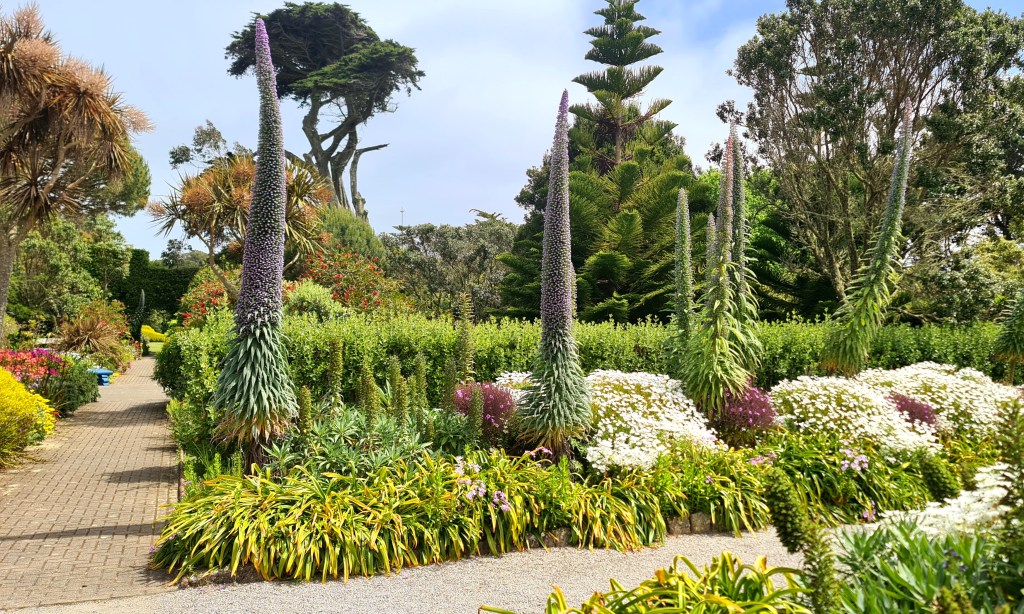
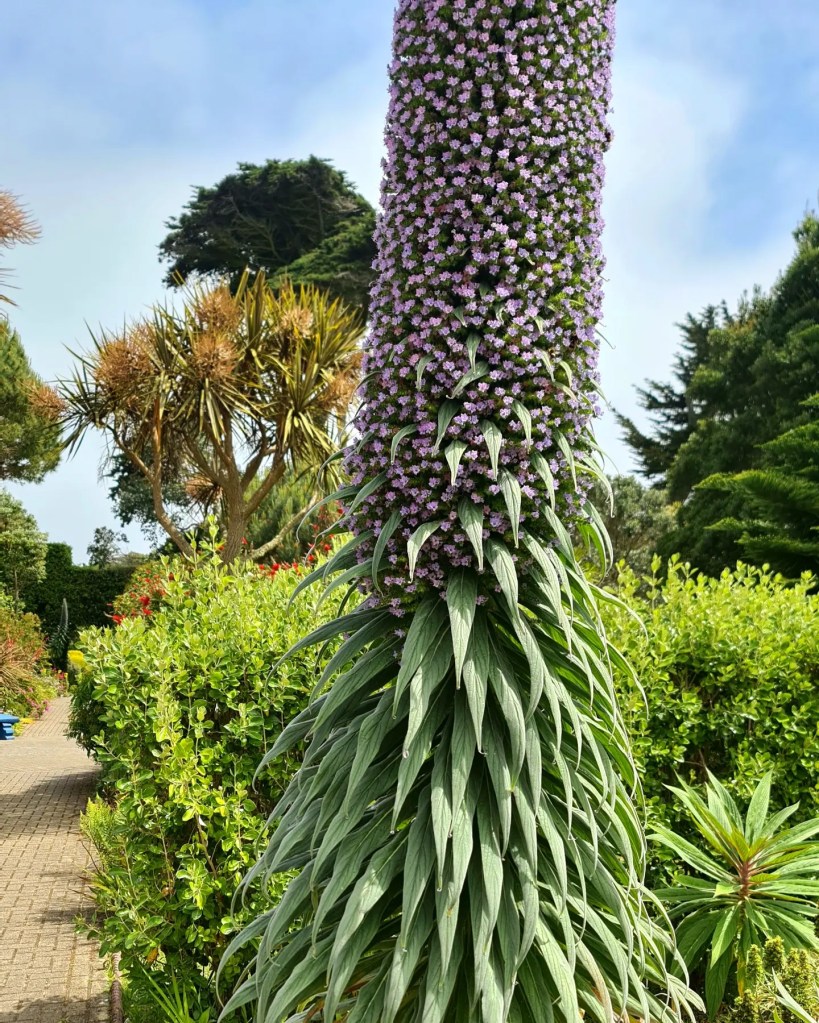
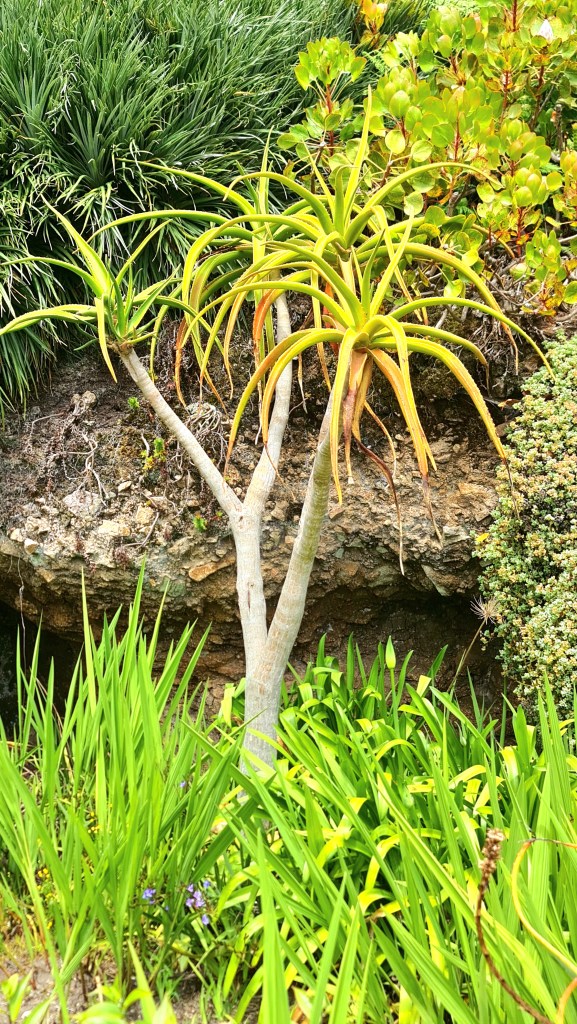
    Echium pininana, the tree echium, is in the borage family Boraginaceae. It is endemic to the Canary Islands, where it is restricted to the island of La Palma.

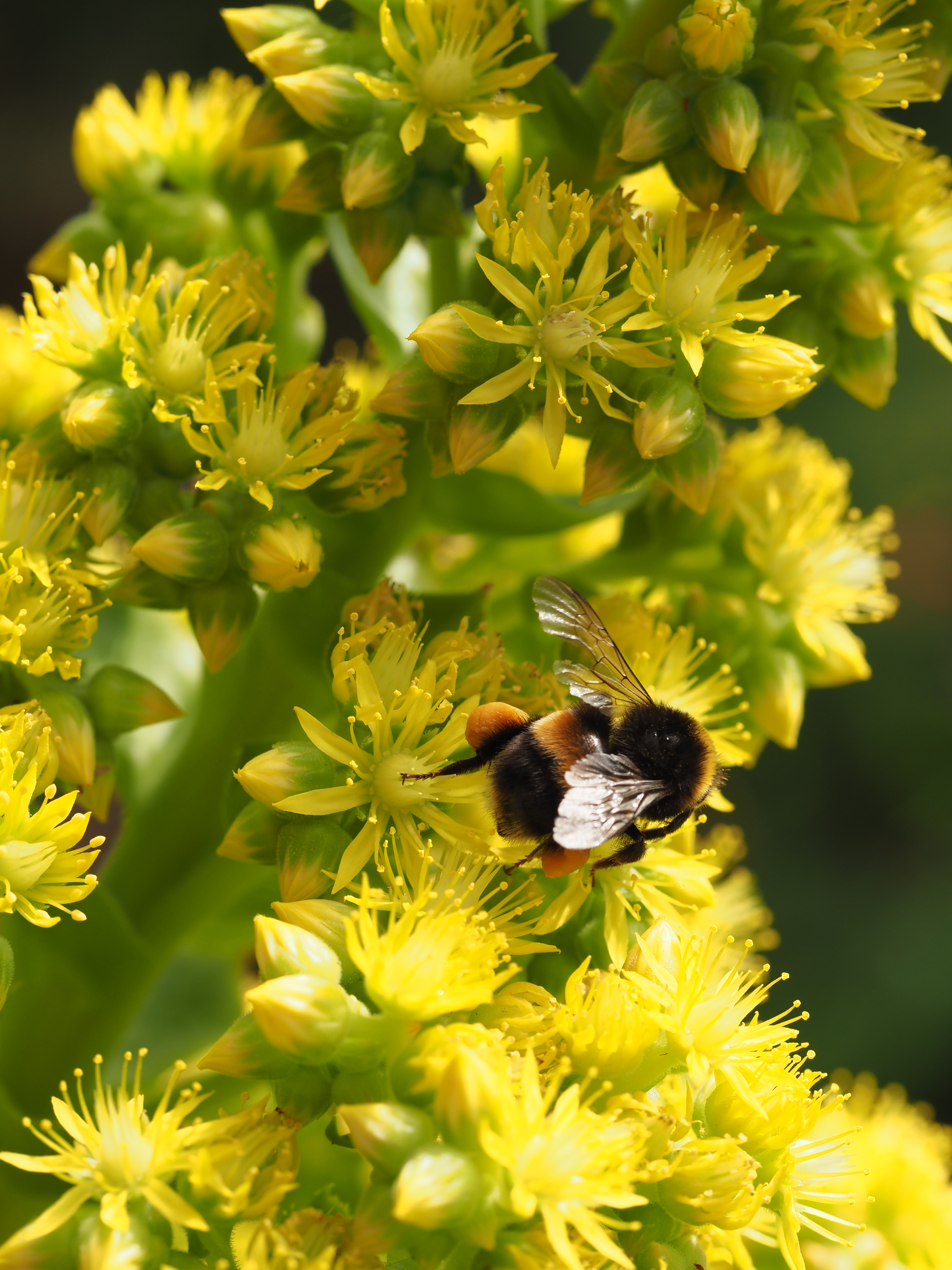
    Bumblebee on unidentified flower

    The Scilly Islands were still a single island when the Celts arrived around 500BC. The Romans also colonized Ennor, they called it Insulae Sillinae, which remained a single island until at least AD 400. Today, the Scilly Islands comprise some 55 islands and islets, of which Tresco is the second-biggest, measuring about 3.5 km (2.2 mi) by 1.75 km (1.09 mi). This was my second visit to the island, and on both occasions I was blessed with good weather, if a bit windy!

    Aeoniums

    Benedictine monks first built an abbey on Tresco, founded in 964 AD, and appear to have introduced many new herbs and flowers, such as chamomile, wild thyme and tansy. The ruins of the original abbey can still be seen in the Abbey Gardens. Rents for the Scilly islands was reportedly paid to the crown in puffins! Which seems rather hard on these little birds, which still breed on the islands, albeit in small numbers (about 100 pairs). So there must have been many more puffins on these islands back in the Middle Ages! A reminder that wildlife was often much more abundant in the past (see shifting baselines).

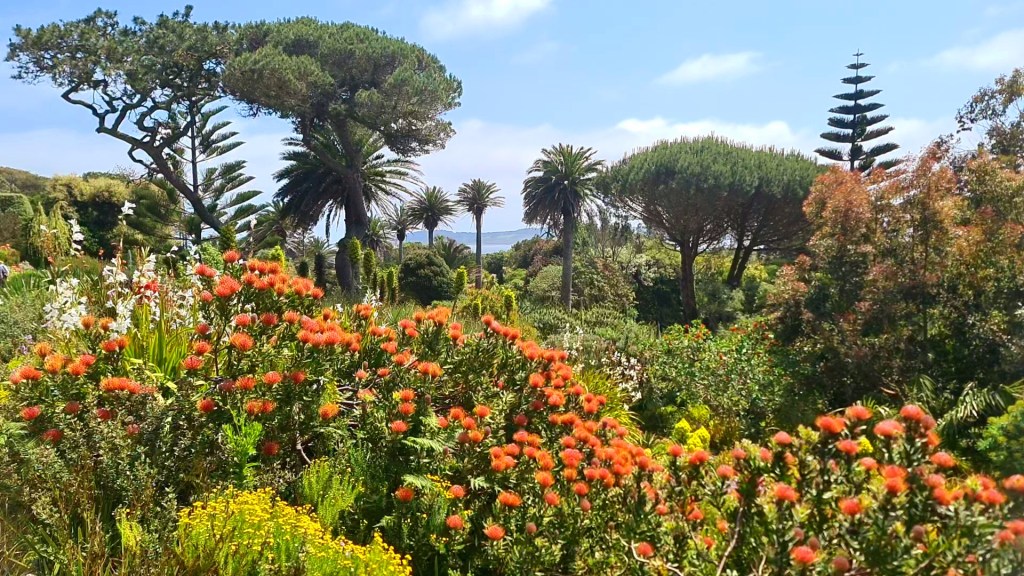
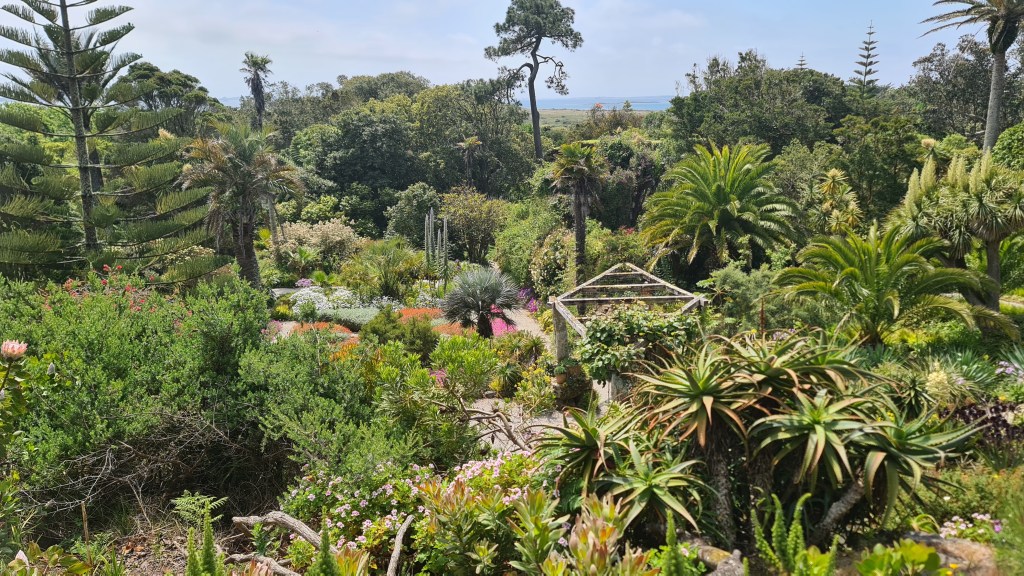
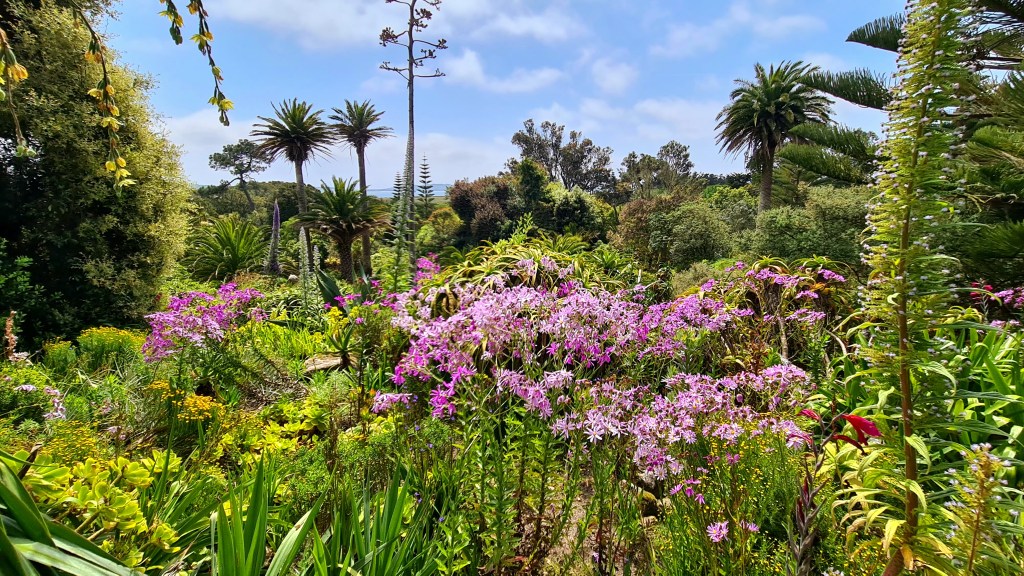
    Tresco Abbey Gardens in May 2023

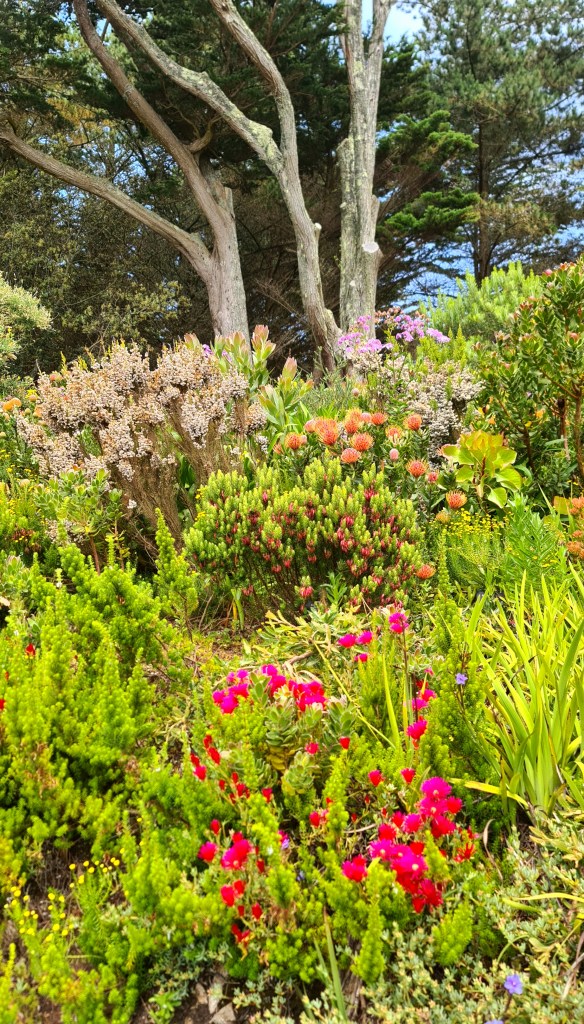
    Plants have been introduced into the gardens from all over the world, albeit obtained in many instances via Kew Gardens, including from South Africa, Australia, New Zealand, Chile, and the the Canary Islands. The mild climate of the Scilly Islands, bathed as they are by the Gulf Stream, provide a wonderful, virtually frost-free habitat for such exotics, sheltered by salt-tolerant Monterey Pine and Cypress trees from California.

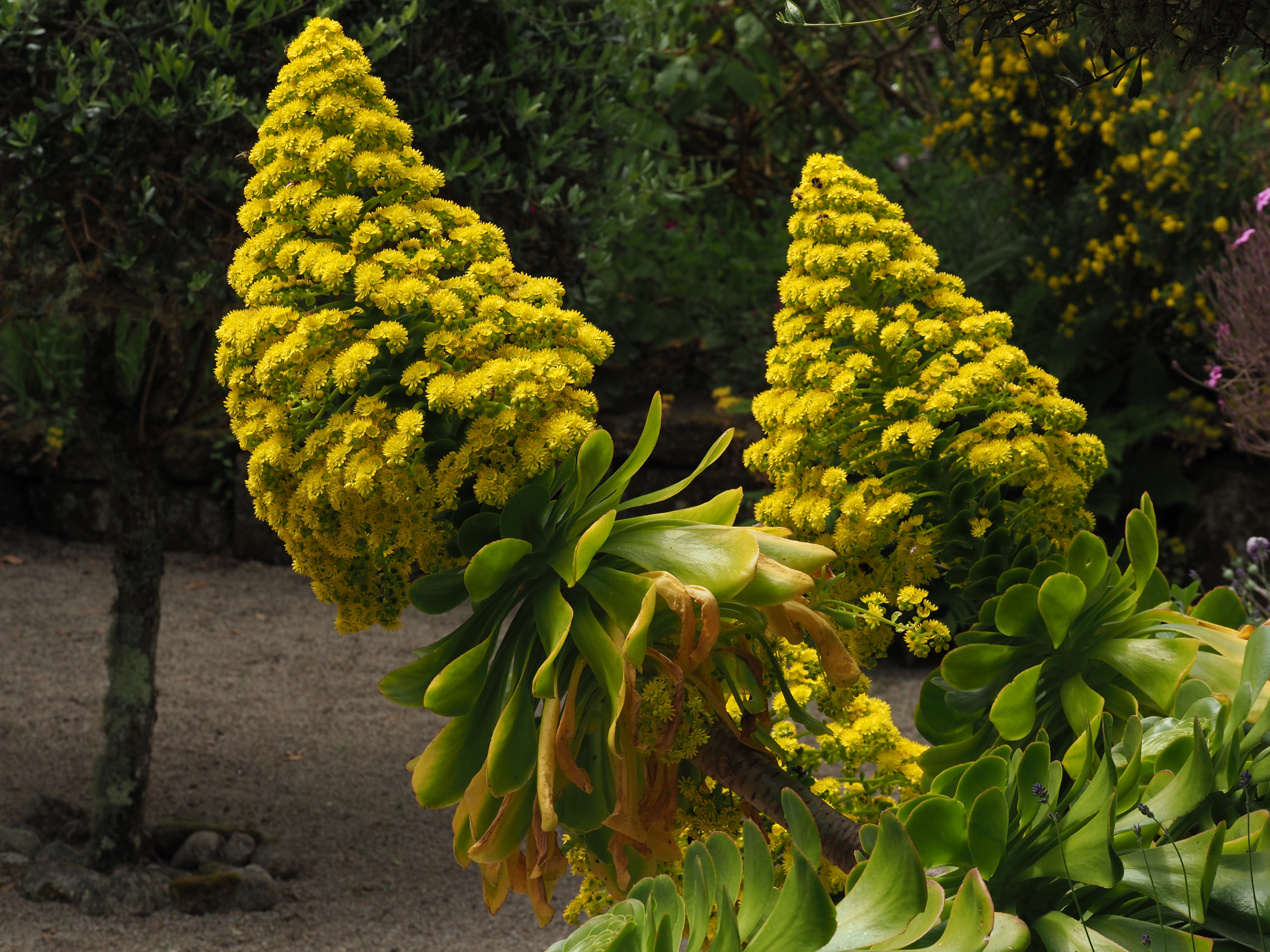
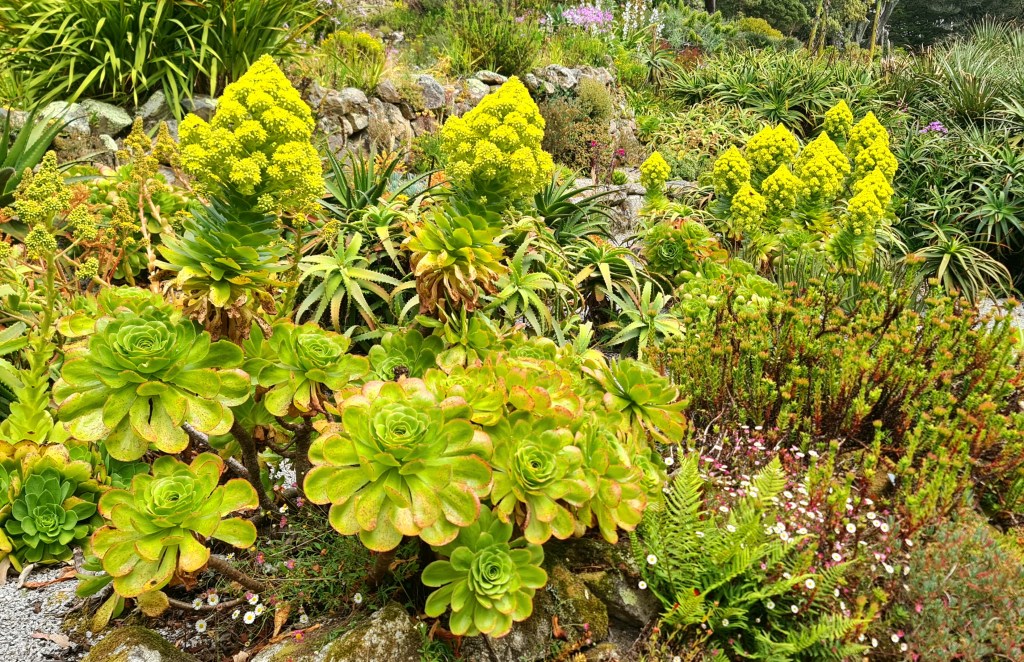
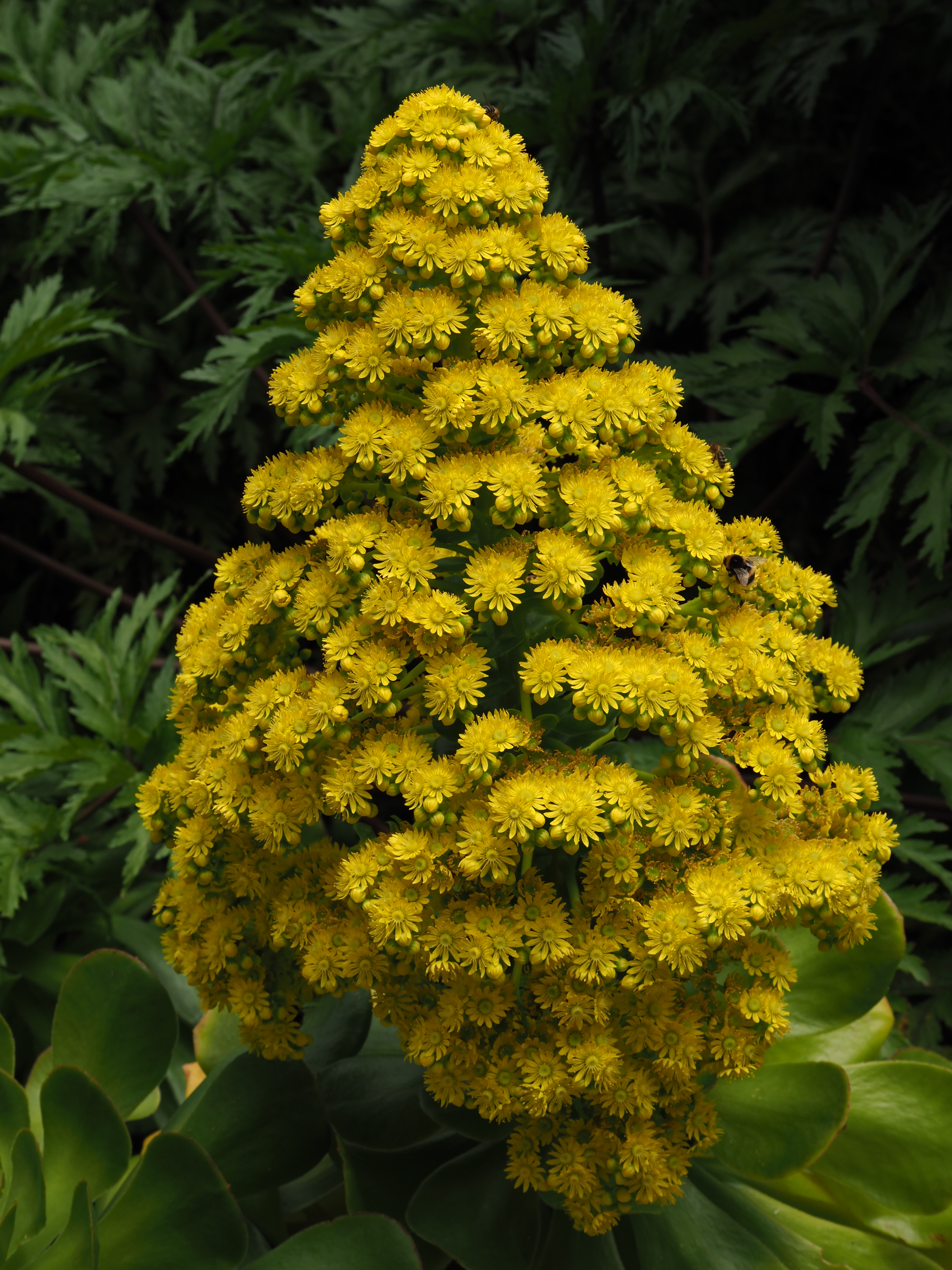
    A yellow flowering succulent

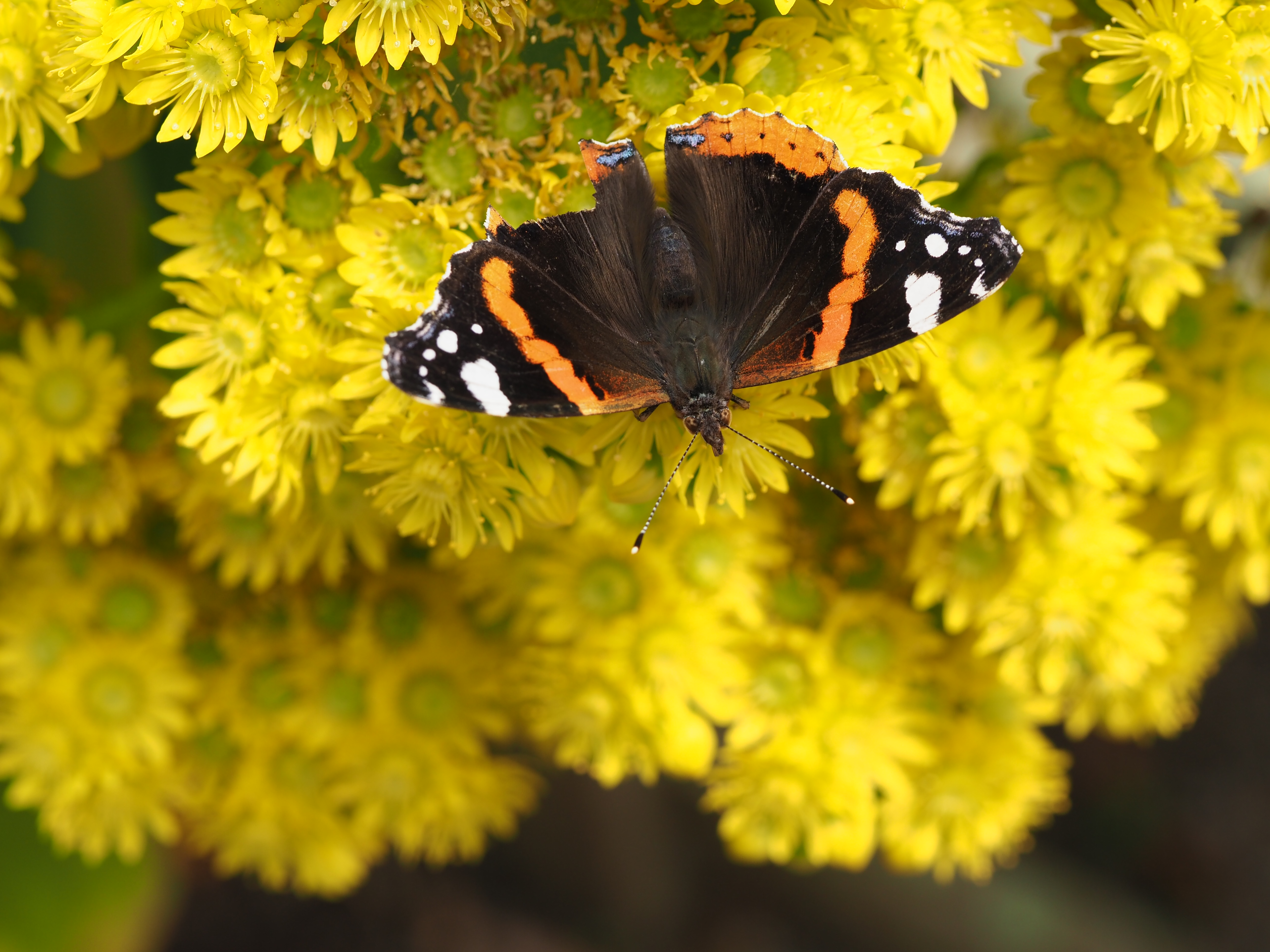
    The magnificent Aeonium arboreum ‘Zwartkop’ (Crassulaceae) – a succulent which is endemic to the western Canary Islands is a magnet for all sorts of insects, including bumblebees and butterflies (below). Although it is beautiful and fascinating in my opinion, this plant is considered to be invasive weed in some places, such as Australia.

    Aeonium arboreum ‘Zwartkop’

    I came across a remarkable flowering agave plant from South America (below). These succulent plants belong to the family Asparagaceae and like many agaves, Furcraea parmentieri is monocarpic, which means that the rosettes die after flowering. At maturity, this plant explodes into flower, producing a tall, spectacular inflorescence (below)

    Furcraea parmentieri (Asparagaceae)

    The gardens we see today, were the creation of a wealthy Victorian landowner called Augustus Smith, who in 1834 acquired the lease on the Isles of Scilly from the Duchy of Cornwall for £20,000; the equivalent of a few million pounds today. Still, quite a bargin I think. His title, Lord Proprietor of the Isles of Scilly, gave him the power to make a number of changes and reforms reforms to the islands. He built his home on Tresco, and started the Tresco Abbey Gardens, introducing many exotic plants and carrying out landscape planting.

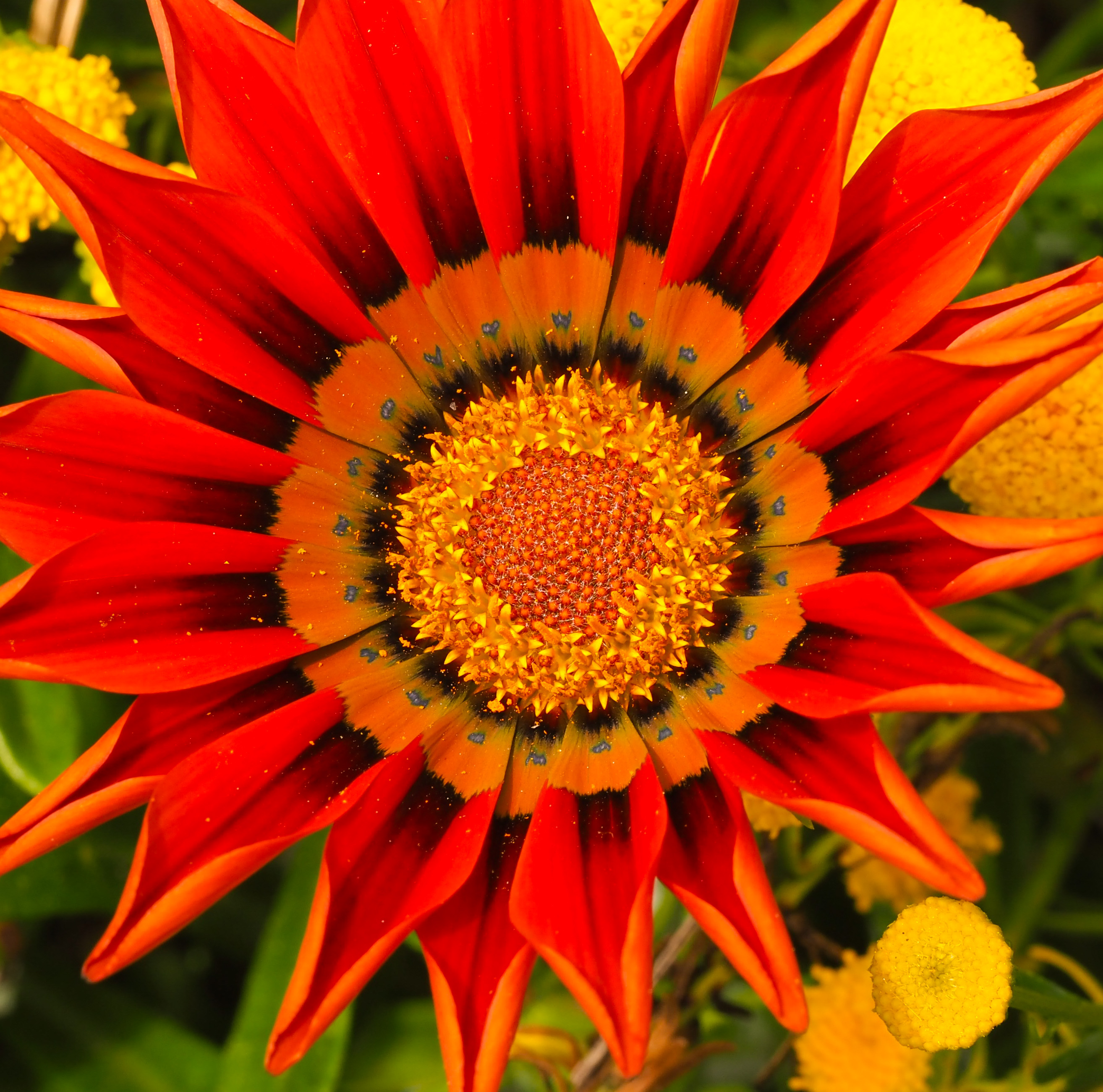
    Gazania is a genus of flowering plants in the family Asteraceae, native to Southern Africa, where they typically appear in the late spring and often in bloom throughout the summer into autumn.

    Gazania flower from South Africa
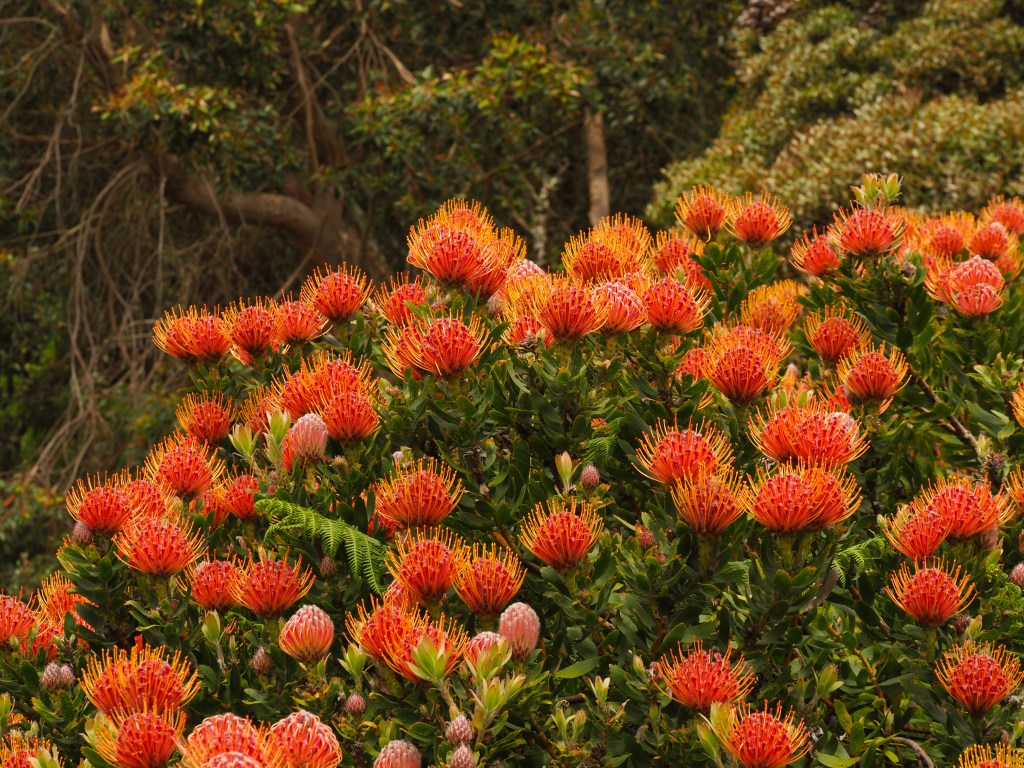
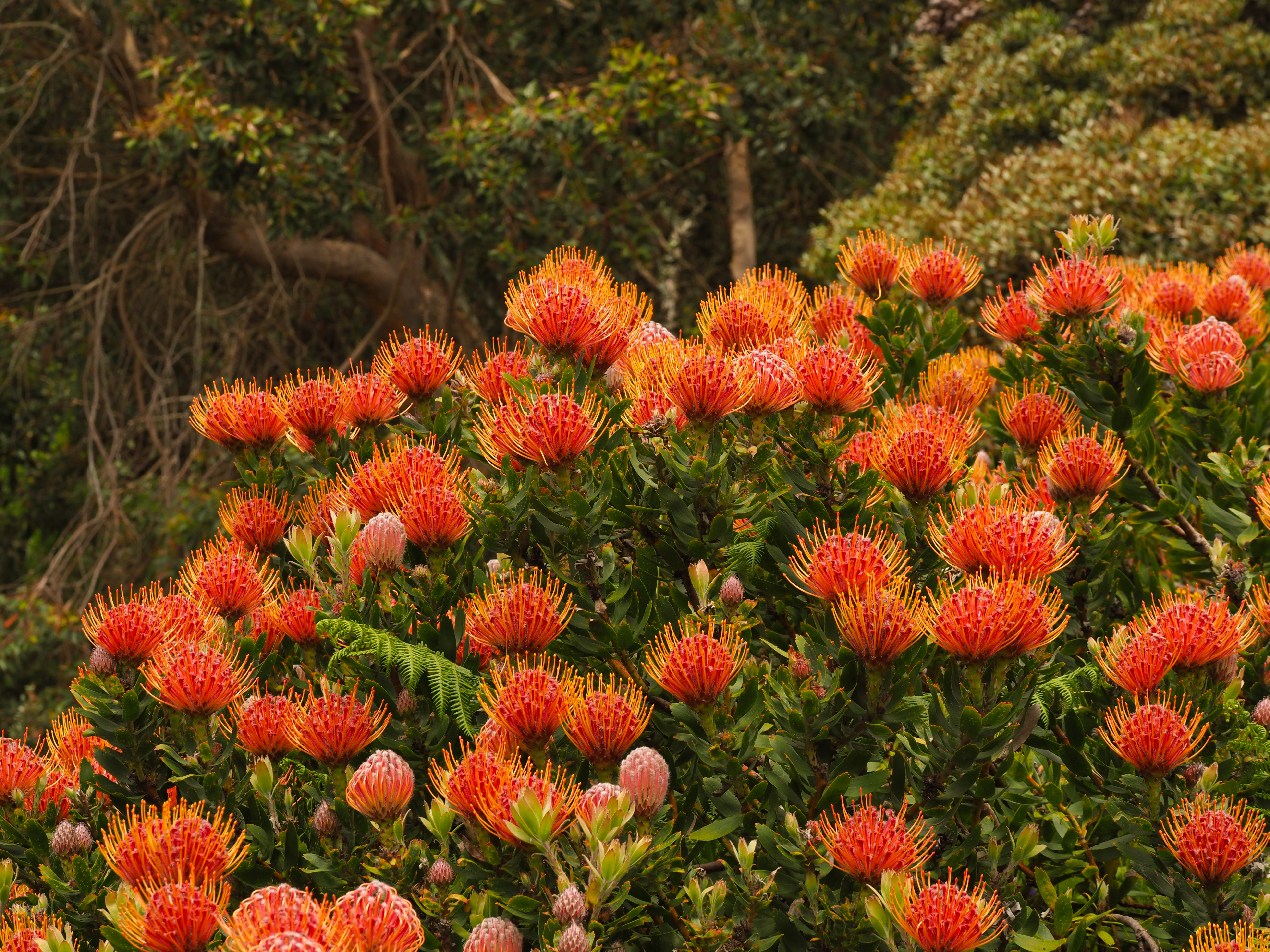
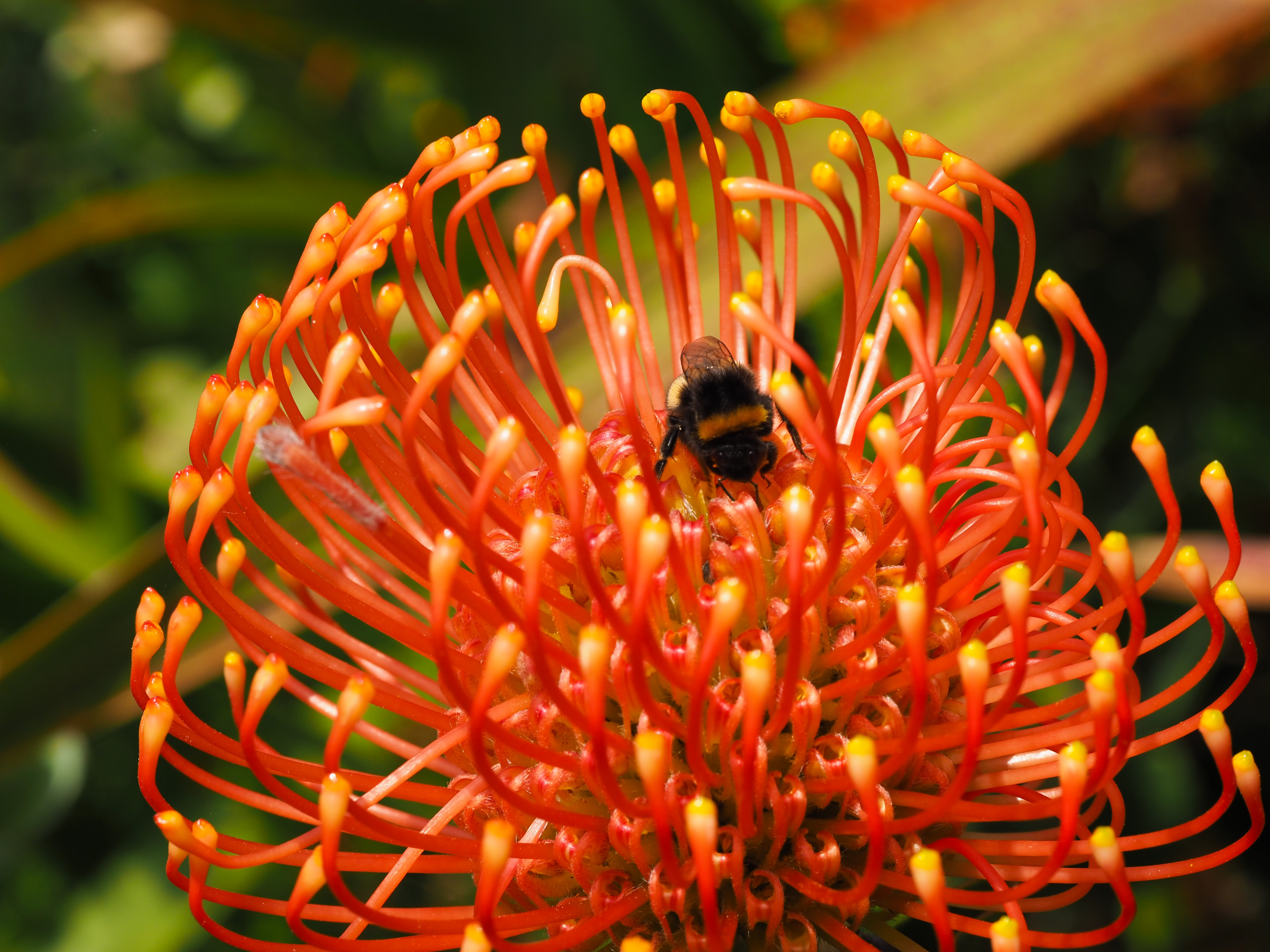
    Pincushion flowers (Leucospermum cordifolium)

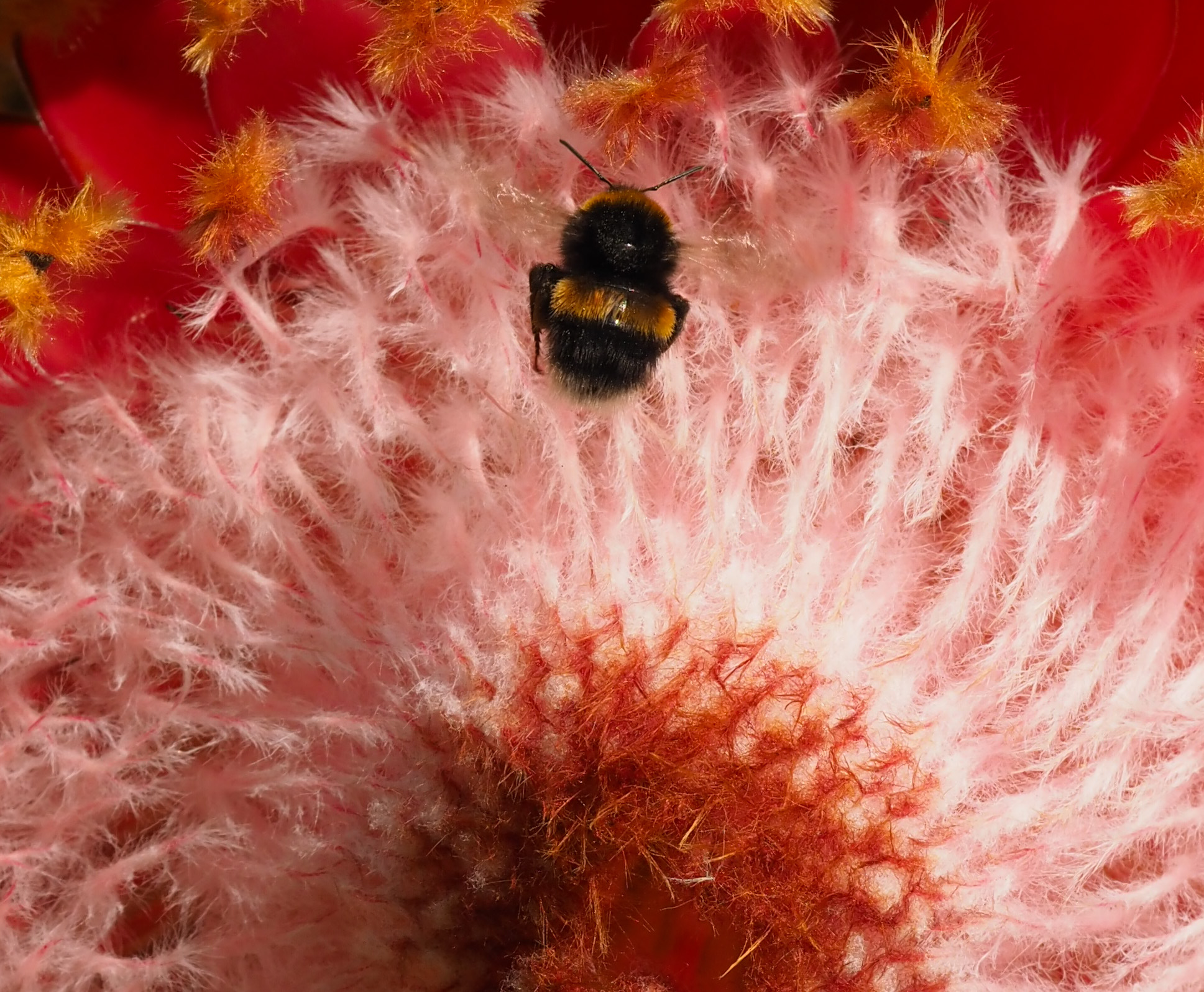
    The bumblebees liked the pincushion flowers (below), despite their being exotics from South Africa – they have pollen and nectar just like native flowers – and almost looked like they were trapped in a ‘bee cage’ made by the individual florets!

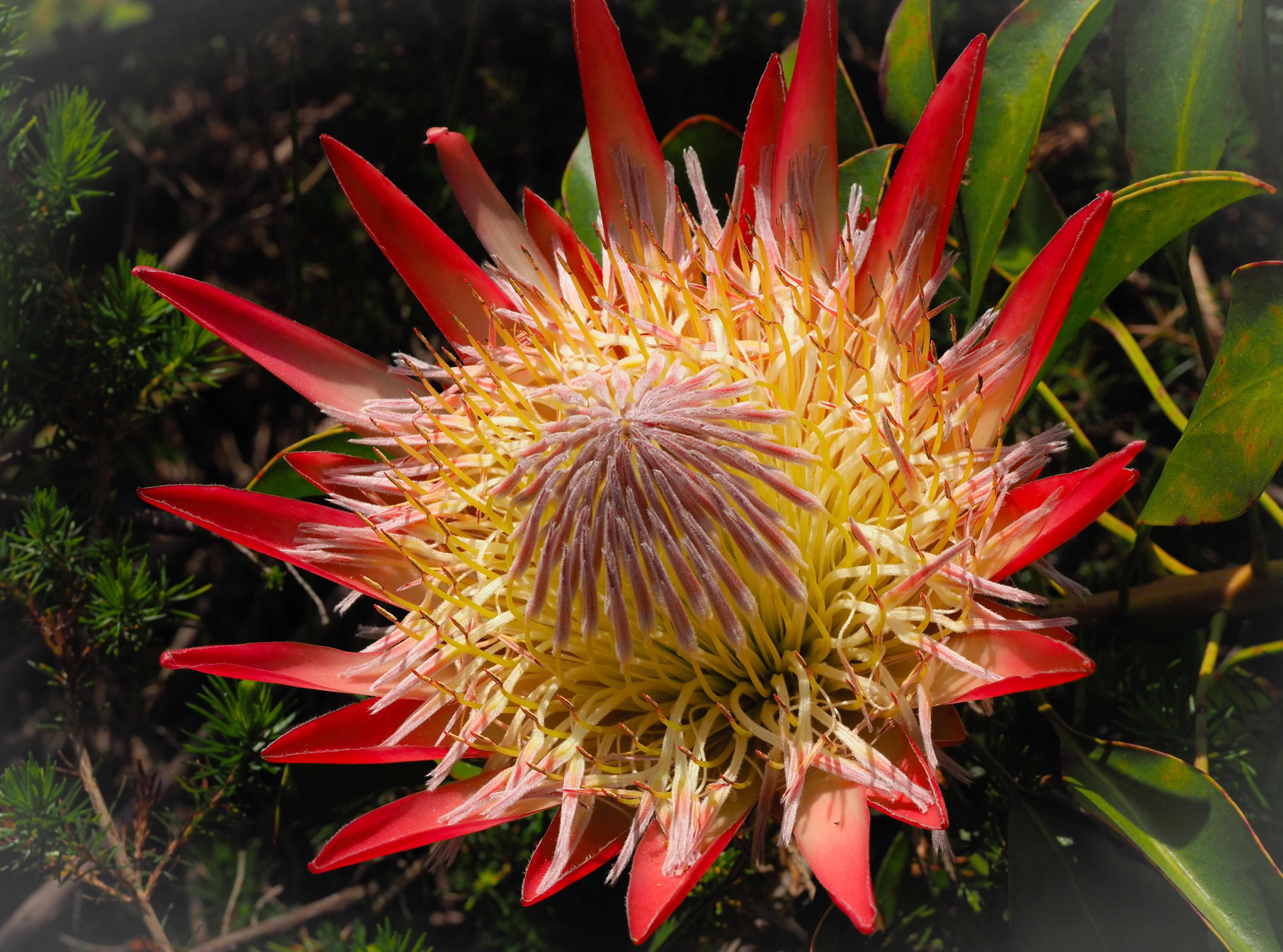
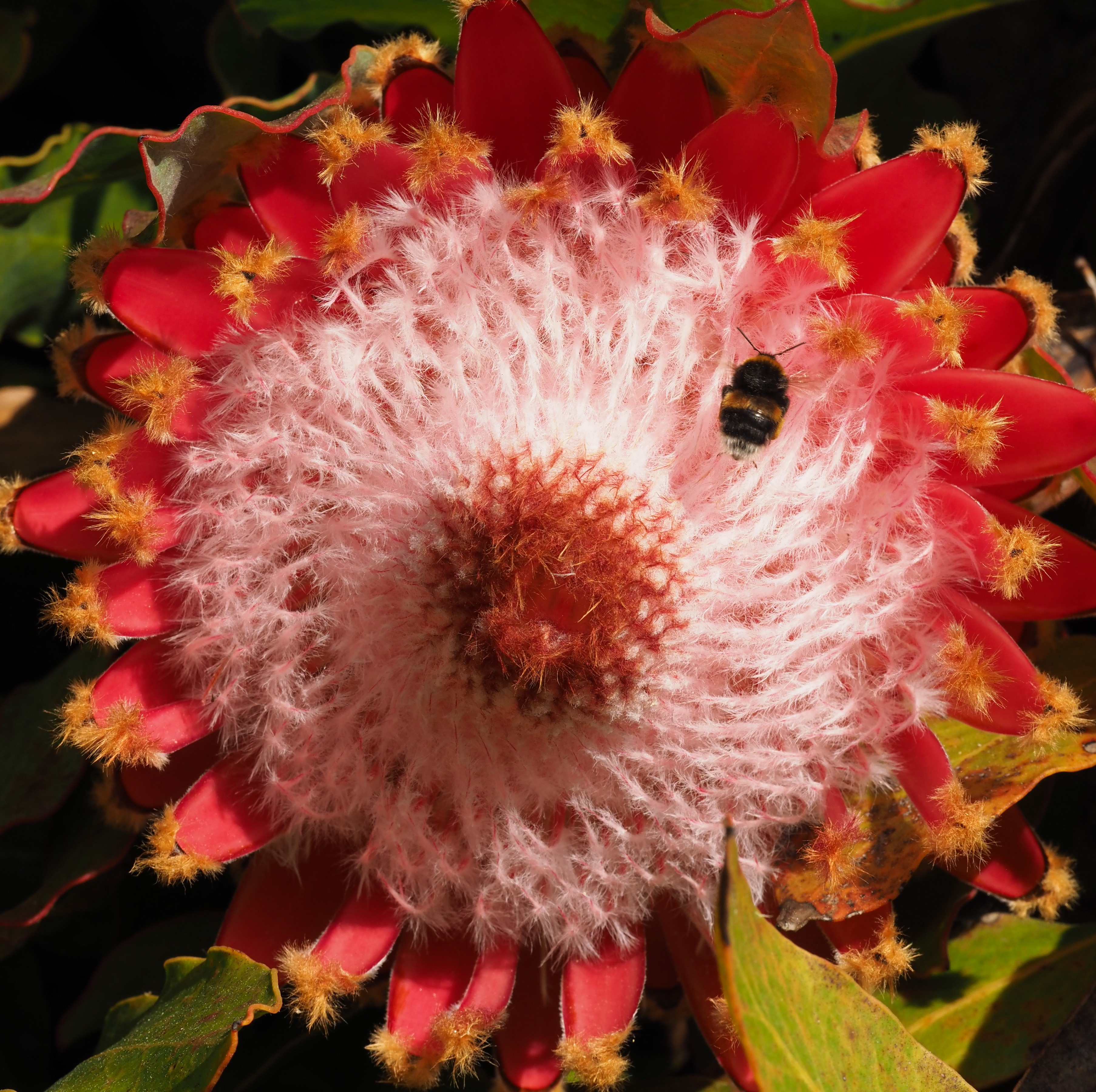
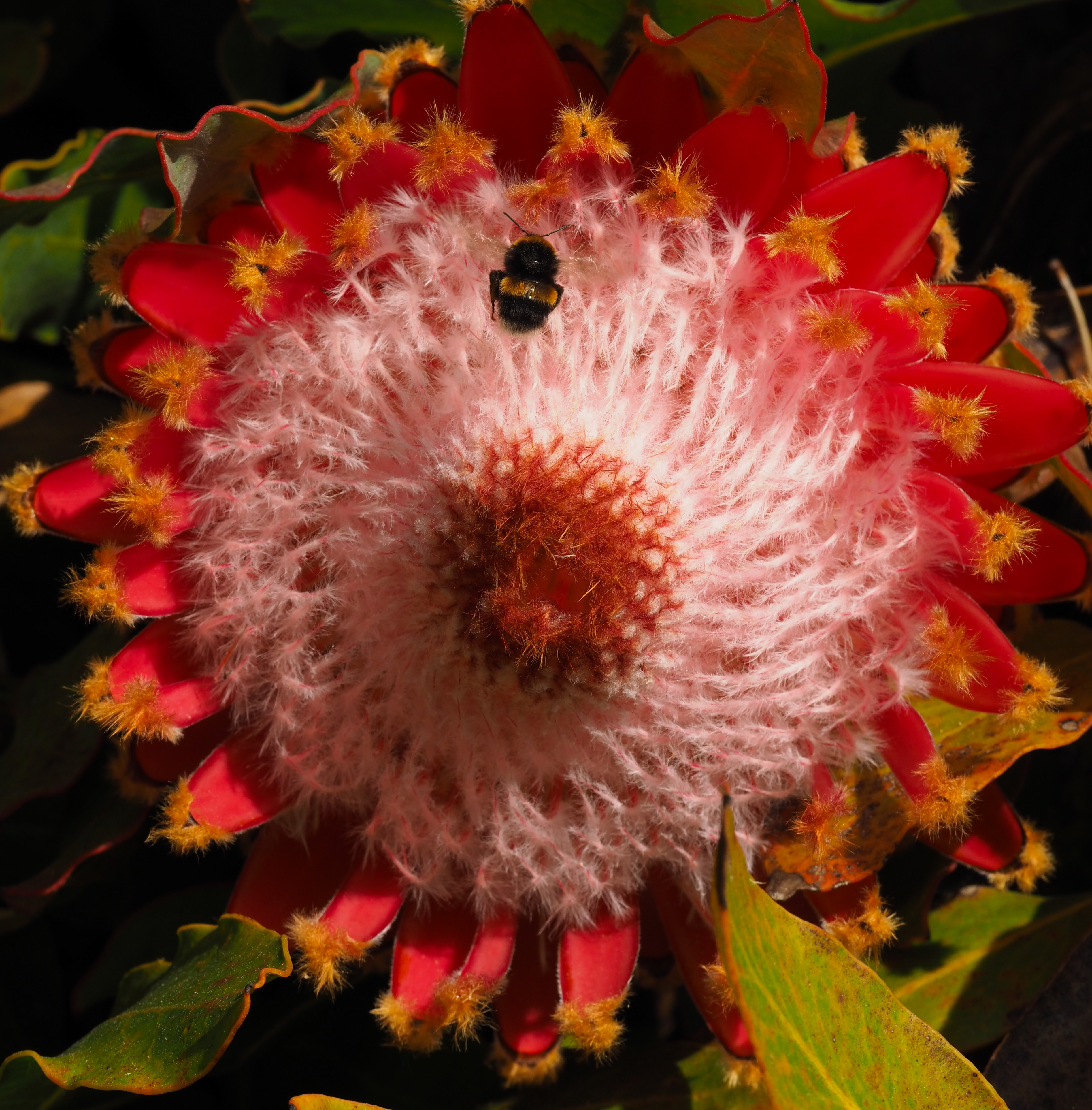
    Proteas are one of my favourite flowers, and it was a treat to come across the magnificent King protea, Protea cynaroides (Proteaceae).

    King protea Protea cynaroides

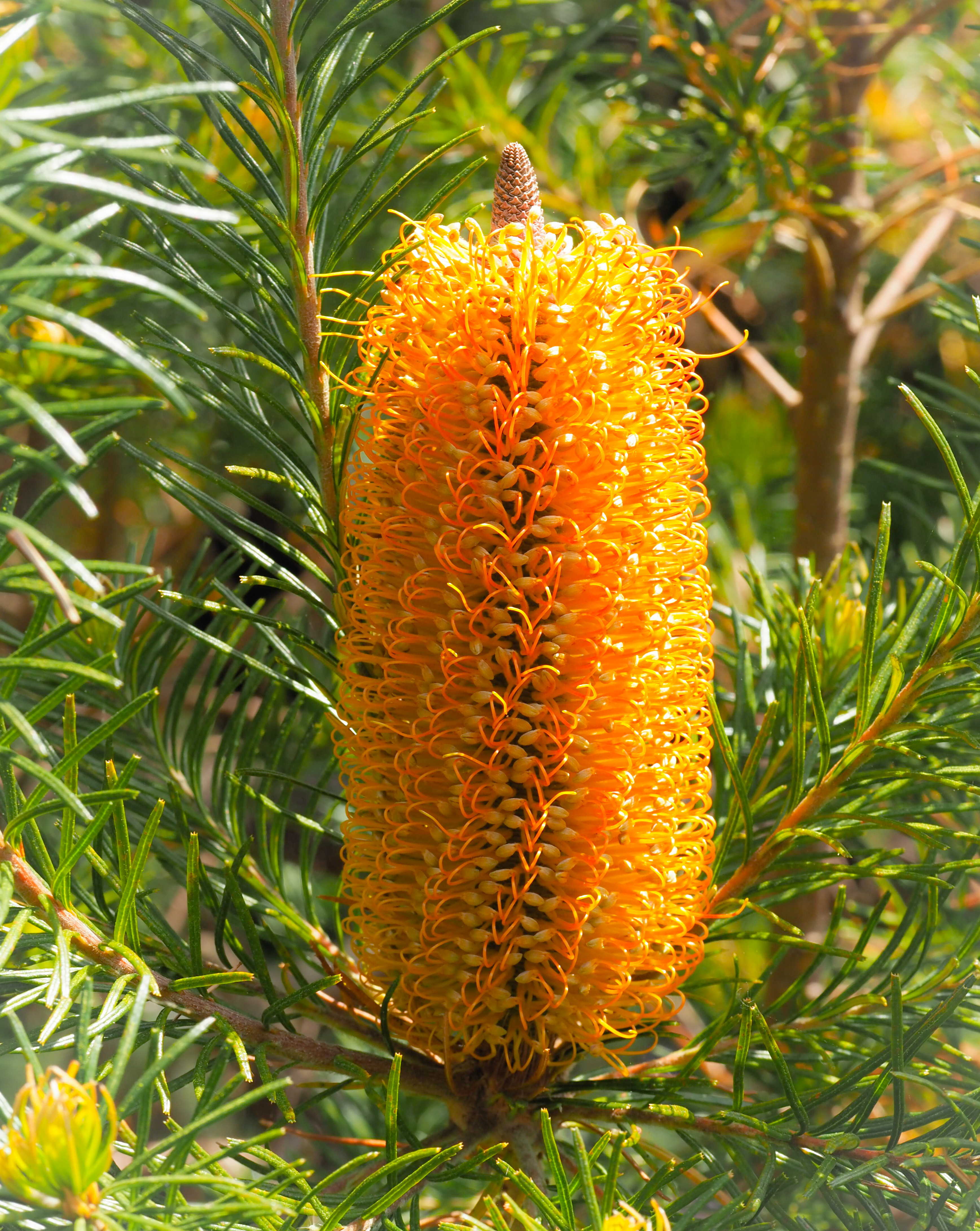
    Banksia plants are also in the family Proteaceae and there are around 170 different species in Australia (below).

    Banksia spinulosa (I think!)

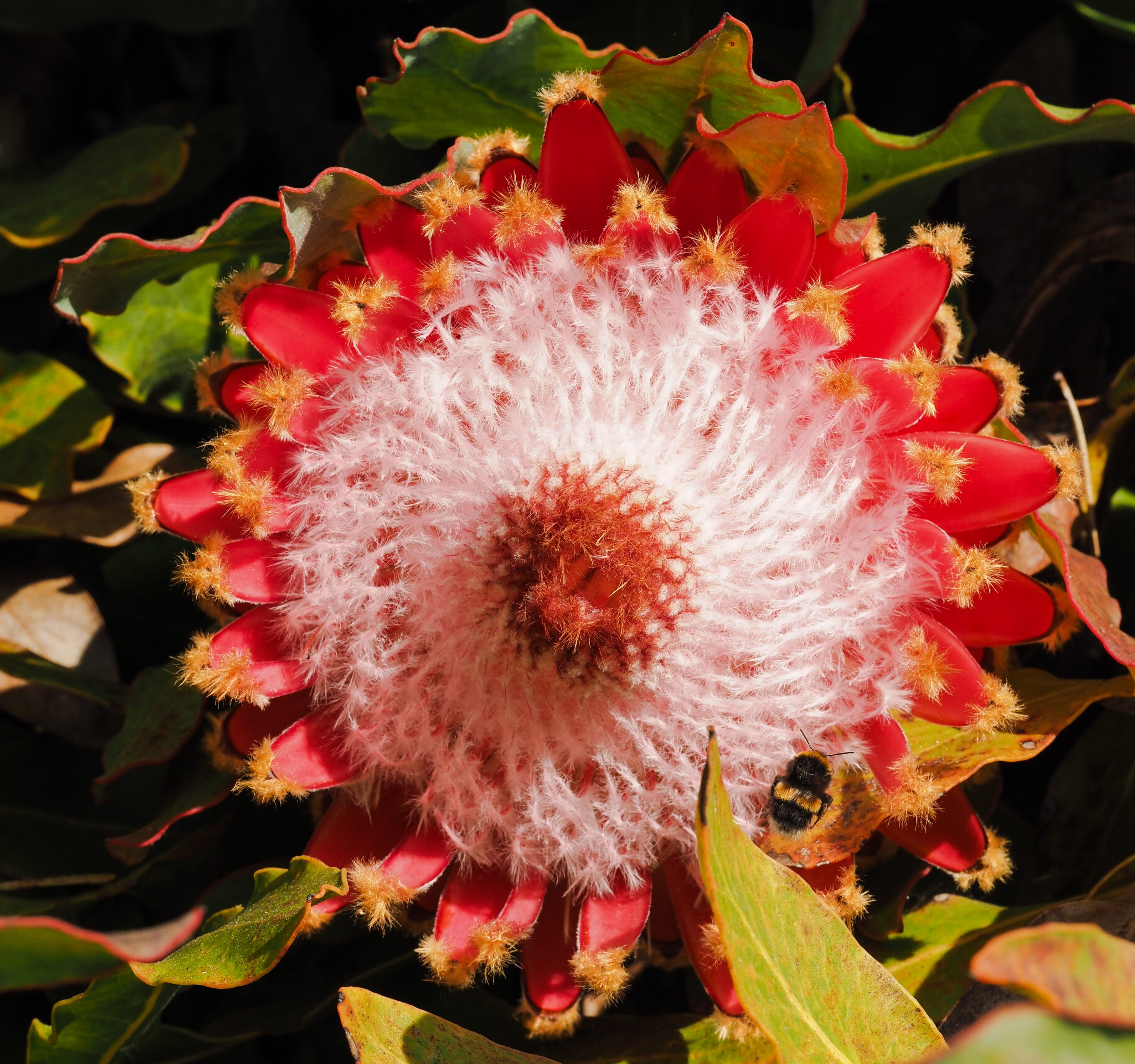
    And another species of South African protea was in flower and being visited by a bumblebee (below), which obligingly moved about as I photographed it! Protea magnifica.

  • Birds at the table

    Birds at the table

    Tresco Abbey Gardens

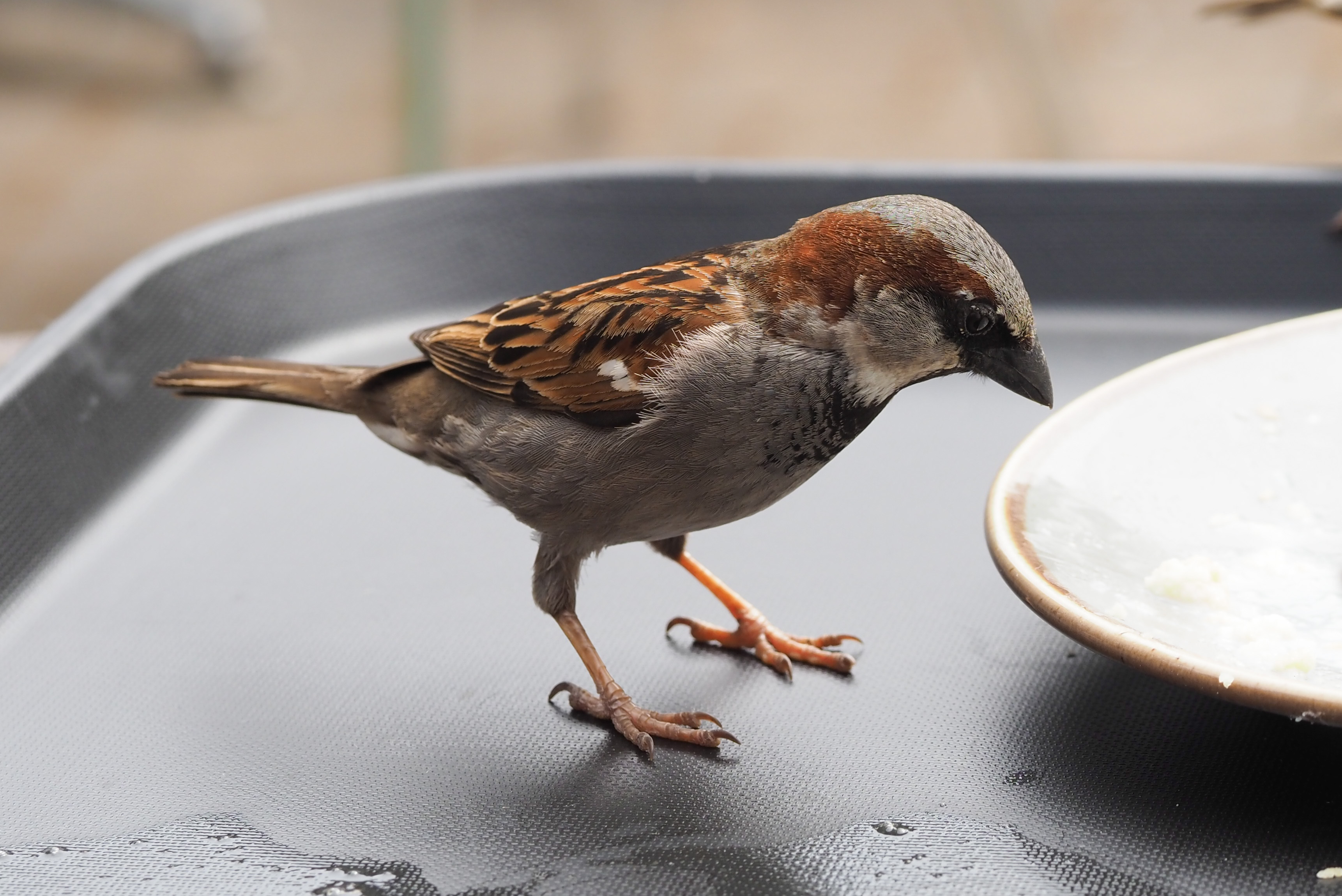
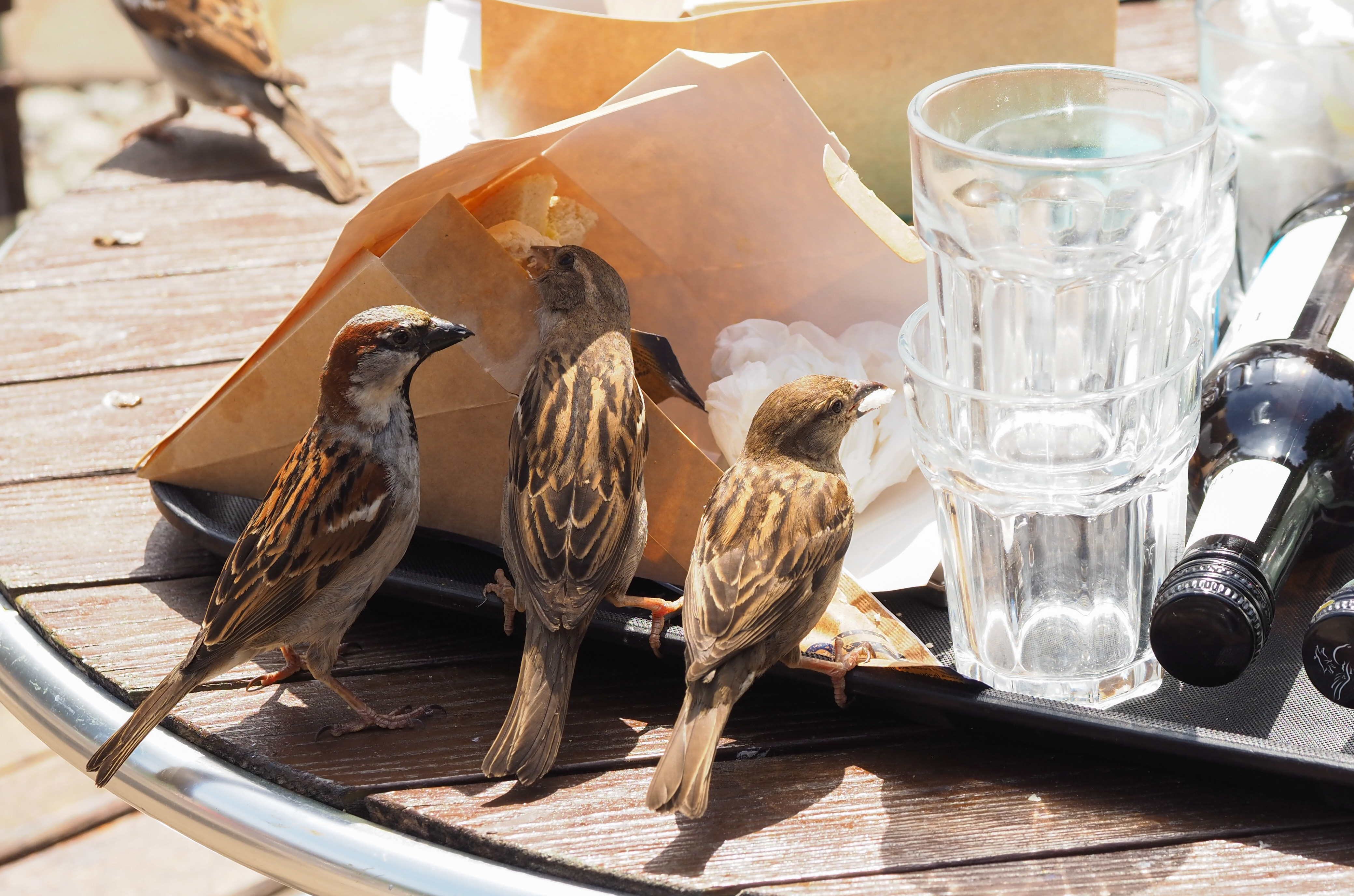
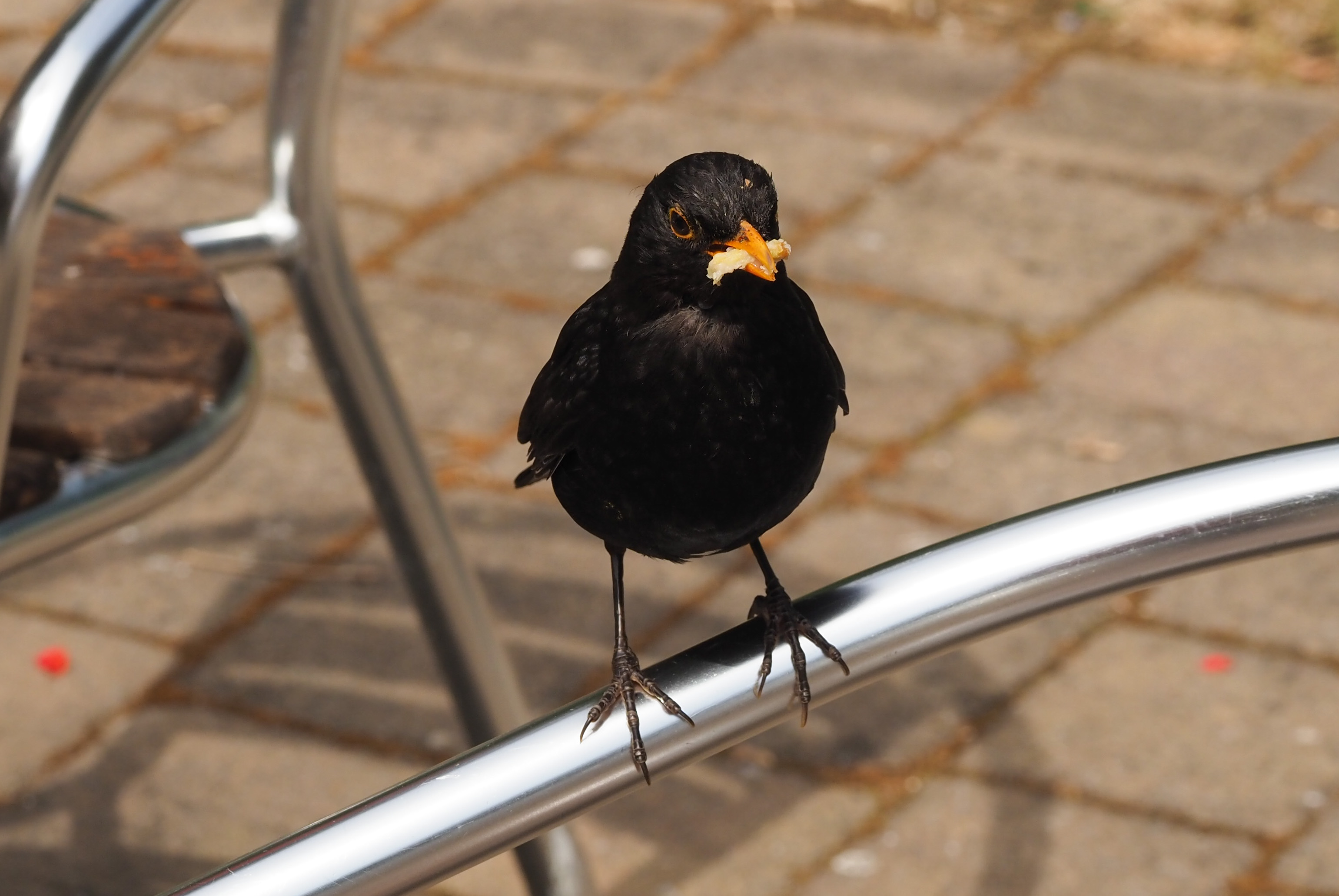
    The birds at Tresco Abbey Gardens in the Scilly Islands were extraordinarily tame and clearly used to helping themselves to whatever was left over on the tables in the cafe! I took a few portraits as I was having my tea. It’s not often that birds will let you get so close to them.

    House sparrows (males)
    House sparrows (male)
    House sparrows (males)
    House sparrows (male and two females)
    House sparrows (Three males)
    Blackbird (male)
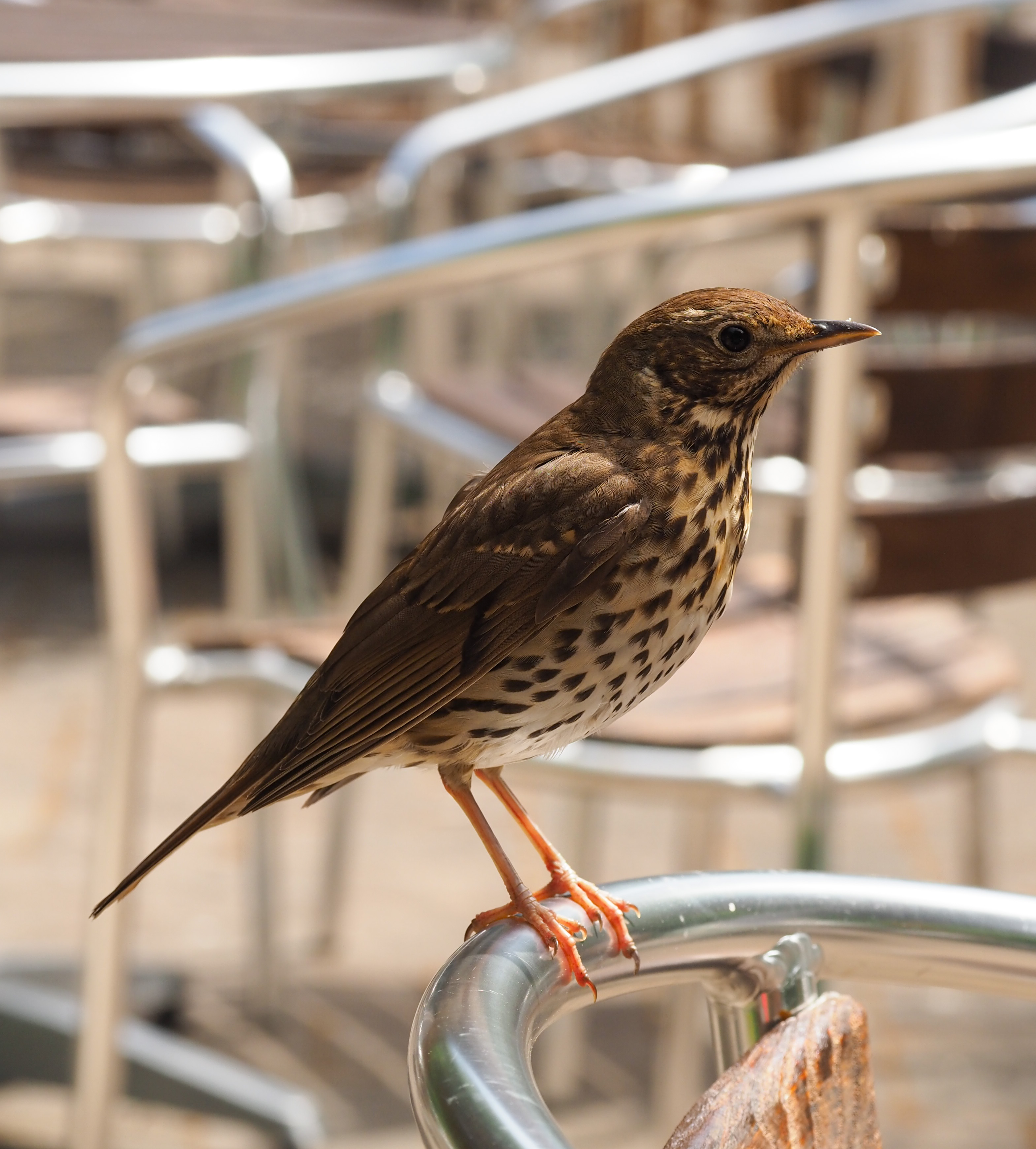
    Thrush

    I will post some more pictures of flowers from the fabulous gardens on Tresco in another blog.

  • Soay sheep on St. Kilda

    Soay lamb in May 2023. Photo by Raymond JC Cannon St Kilda is an isolated archipelago situated about 40 miles west of the Outer Hebrides in Scotland. The three main islands, of which the largest is Hirta, are the remains of an ancient volcano which blew its top about 55 million years ago. The other main islands are Soay […]

    Soay sheep on St. Kilda
  • Painful wildlife encounters (on a scale of 1-10).

    Painful wildlife encounters (on a scale of 1-10).

    Doctors, and other heath professionals, often ask patients: “how bad is the pain, on a scale of one to ten?” I invariably give a rather low number, say two or three, because I know – or at least I can imagine – how bad pain can be. Being a pedantic scientist, I also ask them to define the upper limit!🤣 A cobra bite, a bullet ant or a stonefish? I ask. There are of course some pretty horrendously painful medical conditions, like gall stones, but this being a travel blog, I will stick to bites and stings.😊

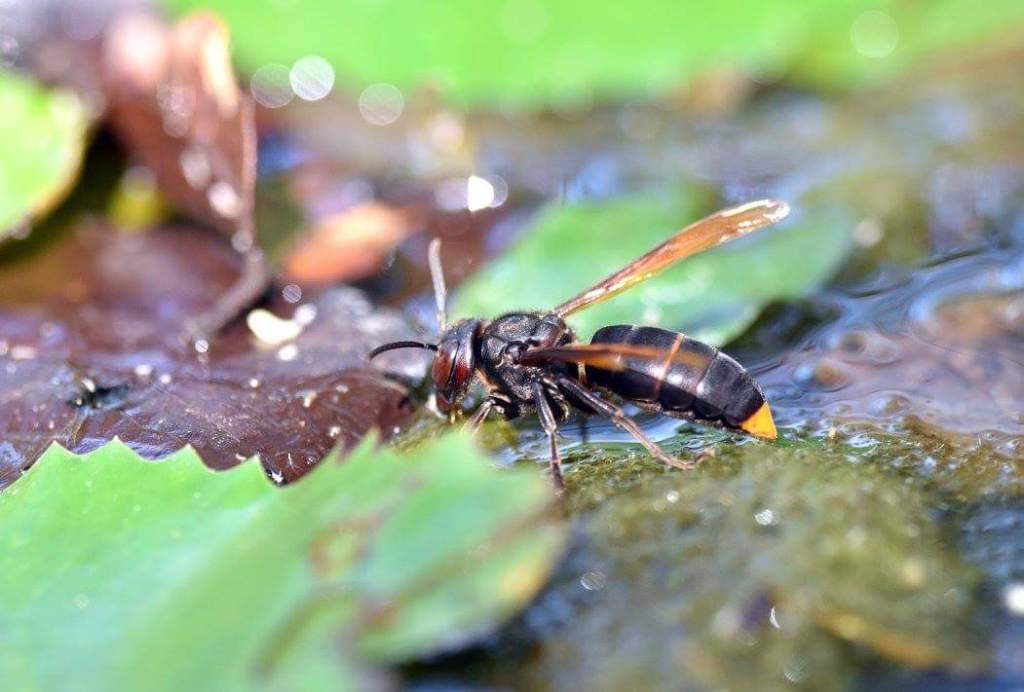
    Hornets, like this unidentified species from Bali, usually rank between 2 or 3 on the Schmidt pain index

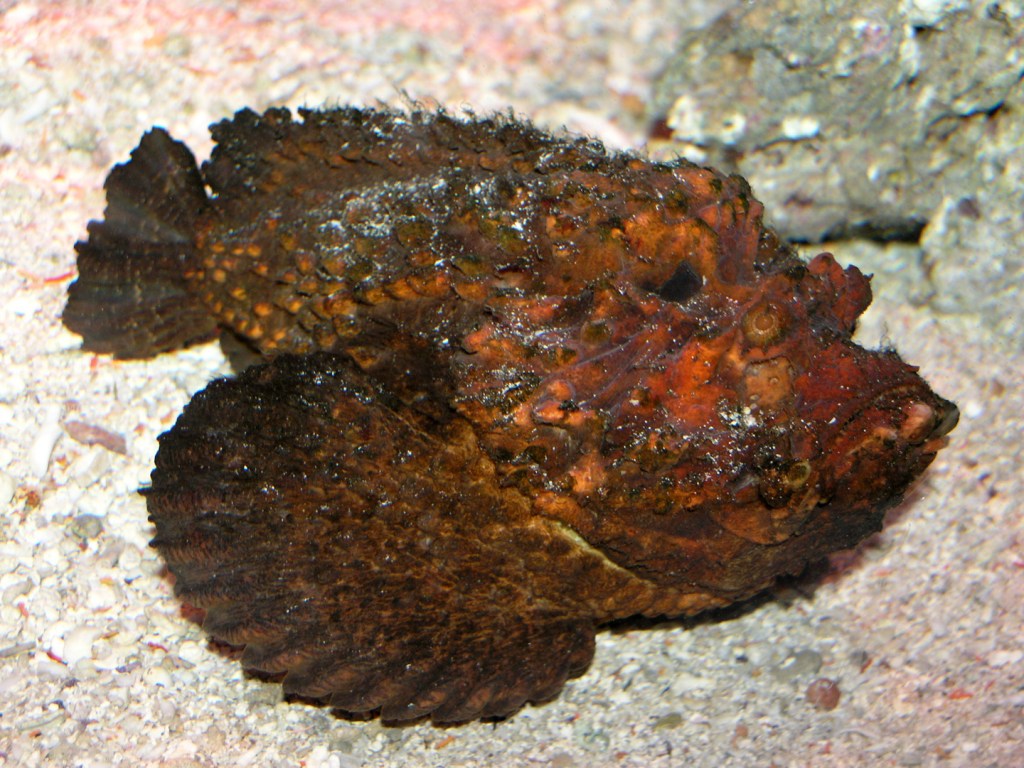
    Stonefish, which includes a number of different species from the Red Sea to the Pacific ocean, are the most venomous known fish in the world. There are hundreds of similar venomous species, if we include lionfish and scorpionfish as well. My own memorable encounter (described below) was with a type of scorpionfish, in the Mediterranean (Greek island). I’d rank it as 7 out of 10. We can put the stonefish itself (below) at 10.

    Stonefish Synanceia verrucosa by SeanMack.
    https://upload.wikimedia.org/wikipedia/commons/5/57/Stone_Fish_at_AQWA_SMC2006.jpg

    A stonefish sting starts with excruciating pain and swelling, which quickly develops into paralysis, tissue necrosis, and even heart failure if left untreated. Link.

    The bullet ant’s sting is ranked the highest, at Pain Level 4, on the Schmidt’s sting pain index, and is said to be like “walking over flaming charcoal with a three inch nail embedded in your heel”. You will however, only come across these little terrors under trees in humid lowland rainforests in Central and South America, or in the initiation ceremonies (count me out!) of certain Brazilian tribes.

    The bullet ant, Paraponera clavata https://commons.wikimedia.org/wiki/File:Paraponera_clavata_MHNT.jpg

    However, the Schmidt sting pain index only applies to hymenopteran stings, e.g. ants, bees and wasps. Treat insects with respect and they will rarely bite you, in my experience. But I did once get a wasp trapped fown the back of my shirt in Thailand, and in its panic, it ended up stinging me. Just one of life’s experiences if you ask me, and something to talk about when you get home!😊

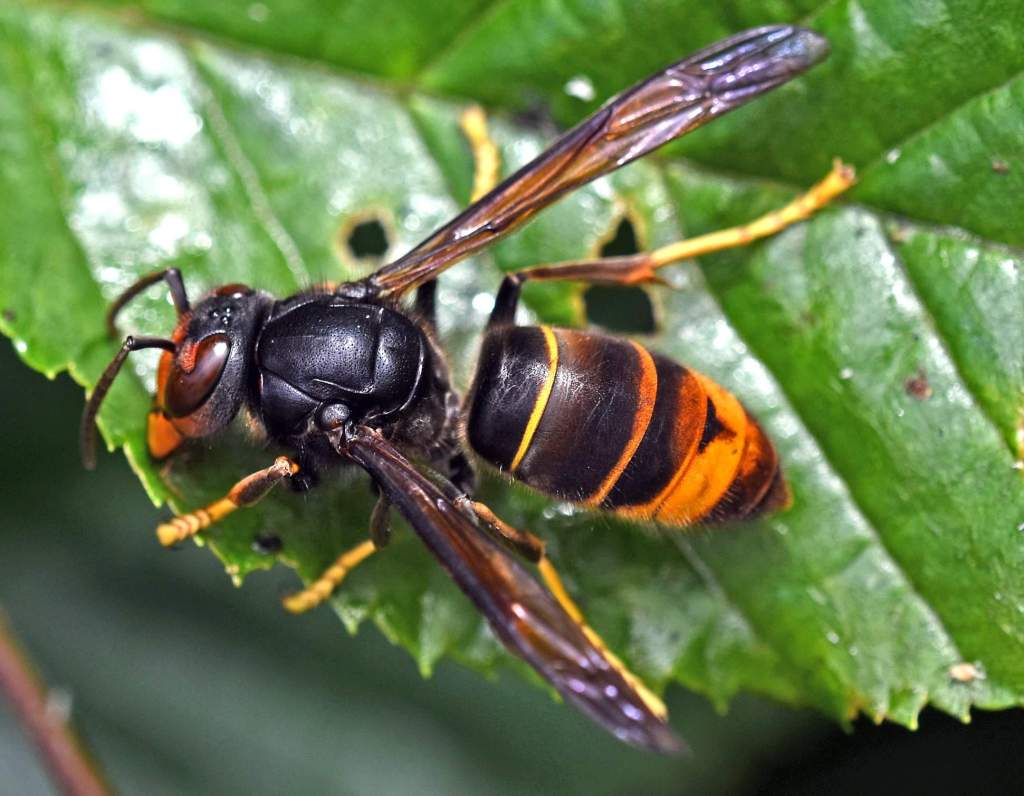
    Wasps like the Asian hornet or yellow-legged hornet (Vespa velutina), an invasive species in Europe, are not very aggressive – unless you poke them or do something silly – and in my experience you can approach them very closely without eliciting any response. This situation is however, very different when you get close to their nests, which should be treated with the utmost respect and left to professional pest controllers to remove. People have died as a result of hornet stings.

    The invasive Asian hornet, Vespa velutina. Stay away from their nests!

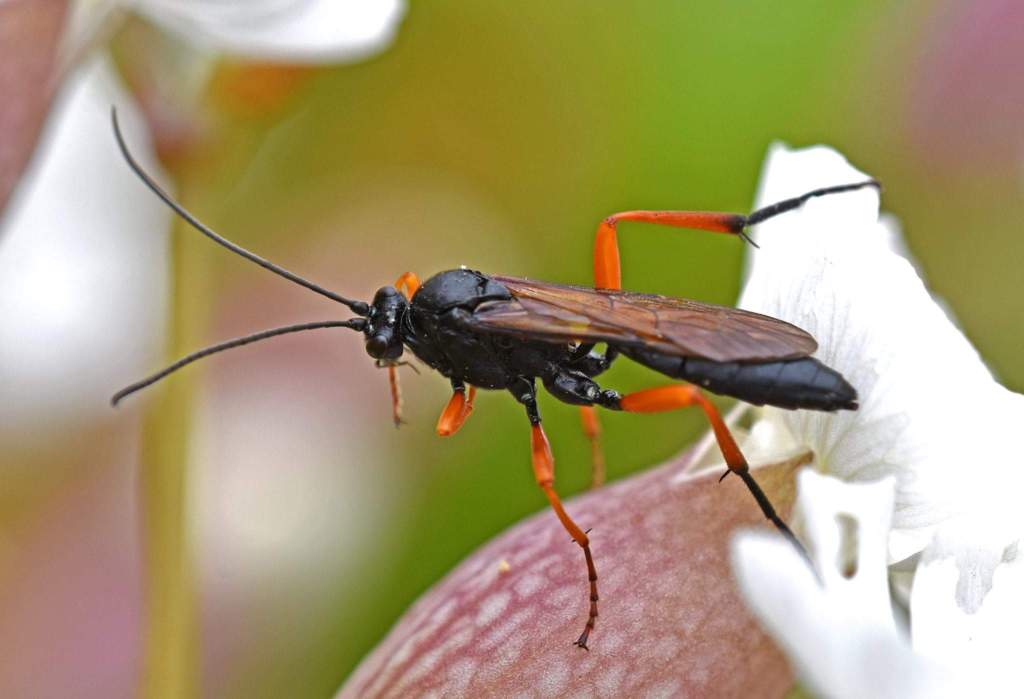
    Fortunately, the tarantula hawk wasp (Pompilidae) that I photographed in northernThailand (see below), a wasp that preys on tarantulas, did not bite me. The wasp’s sting is rated near the top of the Schmidt sting pain index, second only to that of the bullet ant, and described by Schmidt as “blinding, fierce, and shockingly electric”. Not something most people would want to experience!

    Tarantula hawk wasp (Pompilidae) from Thailand

    I don’t know if anyone has attempted to compile a more inclusive pain index than Schmidt, e.g. including spiders, snakes, fish, scorpions, jellyfish, and so on? It would however, be quite challenging to compare and contrast all the different effects, and pain levels, because pain is a somewhat subjective experience. Not totally subjective of course! But, studies have shown that if we think that an impending painful experience will be at a low level – or if we have an expectation of decreasing pain – this produces a reduction in the actual perceived pain, equivalent to the effects of a dose of morphine (Koyama et al., 2005). The brain is a very powerful organ!

    expectations of pain powerfully interact with brain mechanisms processing afferent nociceptive information to dramatically alter the subjective experience of pain” (Koyama et al., 2005).

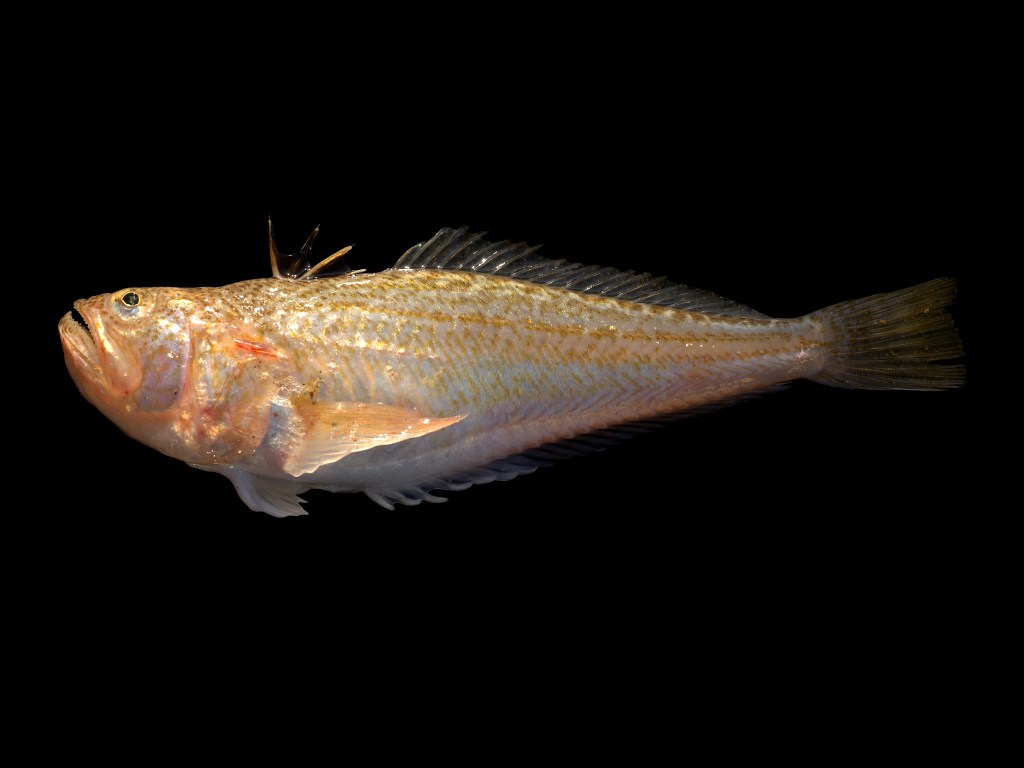
    The lesser weever (Echiichthys vipera) by Hans Hillewaert https://commons.wikimedia.org/wiki/File:Echiichthys_vipera.jpg

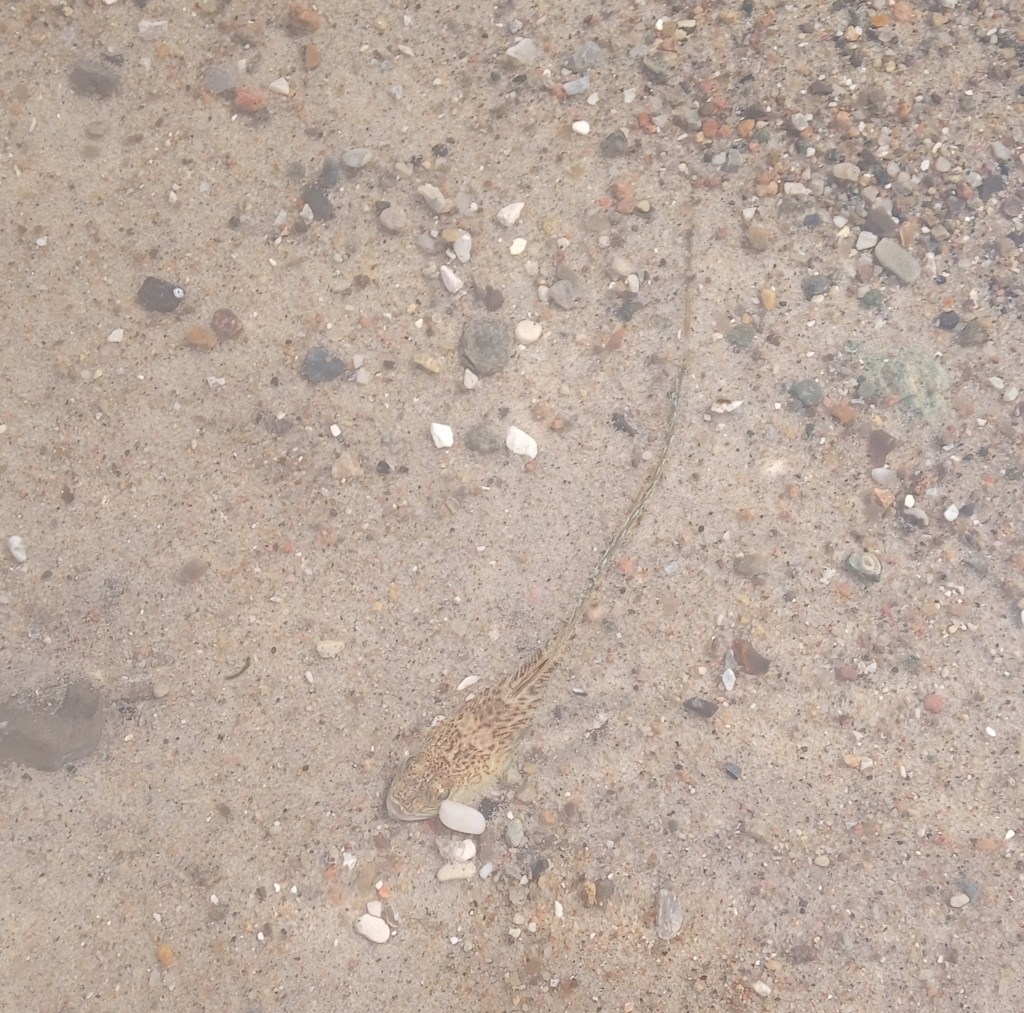
    The fish that stung me in Greece – it was my own fault! – was almost certainly, a member of the weever family Trachinidae, which have venomous spines on their first dorsal fin (see above). I don’t know if it was a greater or lesser weever fish, as they both have very broad distributions. They like to bury themselves in the sand, with only their eyes and anterior back fins protruding above the seabed (see below). Poisonous glands are located at the base and sides of these spines and stings can occur when people tread on them, as they are wading though shallow water.

    Greater weever fish, Trachinus dracohalf buried in the sand, by Hans Hillewaert https://commons.wikimedia.org/wiki/File:Trachinus_draco.jpg

    In my case I was diving down about ten feet to try and touch the bottom. Unfortunately, I touched the spine of a ‘scorpion fish’ instead of the seabed, and the fish was presumably just as surprised by this unexpected encounter as I was! However, millions of years of evolution had given it the advantage. Once touched it was unlikely to be touched again! The reason being, a toxin which induces intense pain which develops rapidly, and in some cases moves up from the extremities to the whole limb.

    I swam back to the beach, where I had left my clothes, and started to show my stung and bleeding finger to anyone and everyone, who was interested. “Scorpiones” shouted a Greek fisherman, who suggested I go to the hospital. The pain was getting worse and worse and I can’t even remember who took me in their car to the clinic.

    “How bad does it get?!” I asked the doctor, panic rising. I somehow felt that I could deal with it better, if I knew what the upper limit of the pain was to be! They reassured me that it was not life-threatening and that I would be just fine. To help me along they gave me some codeine. I recovered soon enough, but I have read that in one case, the pain was so bad that the poor individual tried to amputate their fingers to reduce the pain (Dehaan et al., 1991).

    Weever fish are found throughout the eastern Atlantic region from the North Sea through the Mediterranean and Black Seas and along the western coast of Northern and Central Africa. They are often given the colloquial name “scorpion fish”, although they are not true scorpionfish (Scorpaenidae).

    Foreign climes can bring all sorts of challenges in terms of venomous animals, but they are not out to get you, and usually just want to be left alone. Following a few basic safety rules, and most importantly of all, listening to locals and following their advice, should help avoid any unwanted painful encounters!

    Links

    Weever Fish Stings: How to Avoid Them & How to Treat Them

    References

    Dehaan, A., Ben-Meir, P., & Sagi, A. (1991). A” scorpion fish”(Trachinus vipera) sting: fishermen’s hazard. Occupational and Environmental Medicine48(10), 718-720.

    Koyama, T., McHaffie, J. G., Laurienti, P. J., & Coghill, R. C. (2005). The subjective experience of pain: where expectations become reality. Proceedings of the National Academy of Sciences102(36), 12950-12955.

  • Enough to go round?

    Enough to go round?

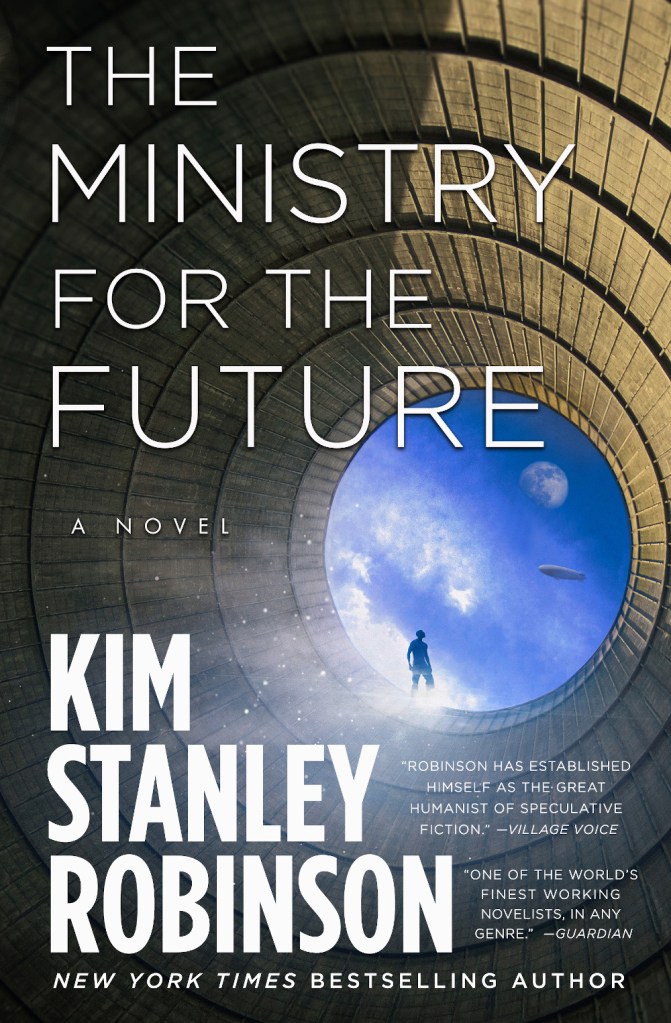
    I’m reading Kim Stanley Robinson’s excellent novel, if you can call the unfolding of the pending climate catastrophe a work of fiction, “The Ministry for the Future.” He interweaves scenes of unfolding climate emergencies – a devastating heat wave in India which kills millions – with short vignettes describing our current circumstances. For example, concerning our current, hugely inequitable wealth situation:

    So, is there energy enough for all? Yes. Is there food enough for all? Yes. Is there housing enough for all? There could be, there is no real problem there. Same for clothing. Is there health care enough for all? Not yet, but there could be; it’s a matter of training people and making small technological objects, there is no planetary constraint on that one. Same with education. So all the necessities for a good life are abundant enough that everyone alive could have them. Food, water, shelter, clothing, health care, education.” (Robinson, K., S, 2020, Chapter 16).

    In other words, there is enough to go round, but probably not enough for everyone to live a high status, high consumption, high-rolling lifestyle. I.e. we can’t all live like rich westerners. There’s the rub. We are already using up the Earth’s resources at a totally unsustainable rate. The rate at which we consume natural resources now far exceeds the planet’s capacity to renew them. We are consuming the future!

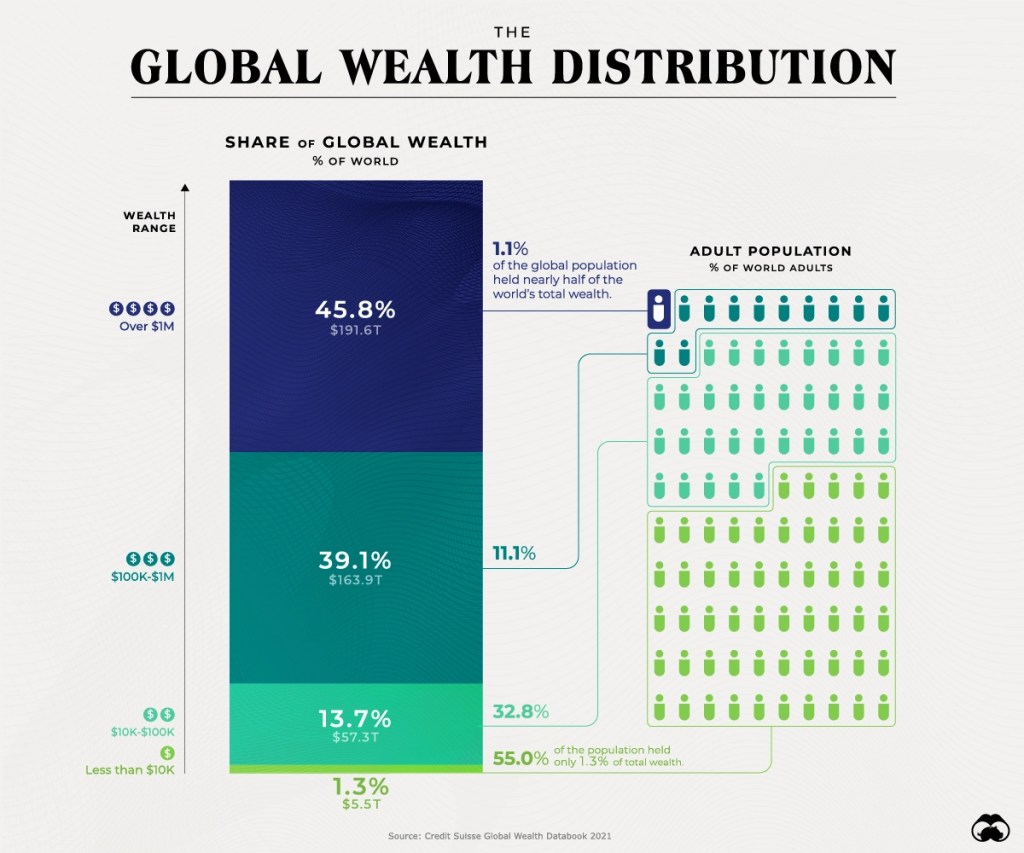
    Its worth reminding ourselves just how unequal things are in terms of global wealth distribution. The current distribution of wealth is roughly as follows:

    • half of the world’s net wealth belongs to the top 1%, and
    • the top 10% of adults hold 85%, while the bottom 90% hold the remaining 15% of the world’s total wealth.

    The following graphic illustrates it very clearly.

    https://www.visualcapitalist.com/distribution-of-global-wealth-chart/

    Another report puts it this way (the inequalities even stagger the bankers!):

    The level of financial inequality around the world is staggering. According to a new Credit Suisse report, 47.8 percent of global household wealth is in the hands of just 1.2 percent of the world’s population. Those 62.5 million individuals control a staggering $221.7 trillion.”

    Global wealth means all the money and other assets that exist in all areas of the world considered together. And it’s growing fast. Net worth has tripled since 2000, and it’s projected to rise by 39% over the next five years, reaching USD 583 trillion by 2025.

    For simplicity, lets call global wealth $500 trillion and the world population 8 billion. That’s USD 62,500 average wealth per adult. That’s a lot less than we have (on average) in the UK, about $214,000 – i.e. a total wealth of about $15 trillion, divided by 70 million people – but a lot more than the average African: about $4,195 according to my calculations (a total wealth of about $6 trillion shared by 1,430 million people).

    World regions by total wealth (in trillions USD), 2018
    Radom1967 • CC BY-SA 4.0 https://en.m.wikipedia.org/wiki/Wealth#/media/File%3ATotal_wealth_per_capita%2C_1%2C_OWID.svg

    So, is the global average wealth, of about $62,000 dollars (some sites put the figure at about $85,000) enough for everyone to have an adequate existence? Kim Stanley Robinson thinks it is. He thinks there is enough for all. Enough for everyone. Here’s how he puts it:

    So there should be no more people living in poverty. And there should be no more billionaires. Enough should be a human right, a floor below which no one can fall; also a ceiling above which no one can rise. Enough is a good as a feast—or better.” (Robinson, K., S, 2020, Chapter 16).

    But how do we get there? Personally, I think we can continue to grow our global wealth by technical innovations; coupled with sustainable lifestyles. But getting people to share their wealth is not going to be easy! Global inequality – ‘the unequal distribution of resources, opportunities, and power that shape well-being among the 8 billion individuals on our planet’ (to quote Oxfam) – is growing. Reducing inequalities, if not down to zero, at least to a just and more equitable level, is going to be a huge challenge; but one we need to address if we are going to avoid the conflict and confrontation that continued gross inequality will undoubtedly bring.
    We still need to reward hard work, risk and investment, but we need to eliminate all the injustices and unfairness of gross disparities in access to income and wealth, and all that goes with that.

    Kim Stanley Robinson puts that challenge like this:

    Arranging this situation [described above] is left as an exercise for the reader” [!]. My exclamation mark.

    Can we do it? We have to. Either that, or move to another planet.

    Links

    https://www.newyorker.com/magazine/2022/01/31/can-science-fiction-wake-us-up-to-our-climate-reality-kim-stanley-robinson

    https://books.google.com/books/about/The_Ministry_for_the_Future.html?id=KnS0DwAAQBAJ#v=onepage&q&f=false

    All of the World’s Wealth in One Visualization

    https://www.theworldcounts.com/challenges/planet-earth/state-of-the-planet/overuse-of-resources-on-earth

  • The pure joy of simple pleasures

    The pure joy of simple pleasures

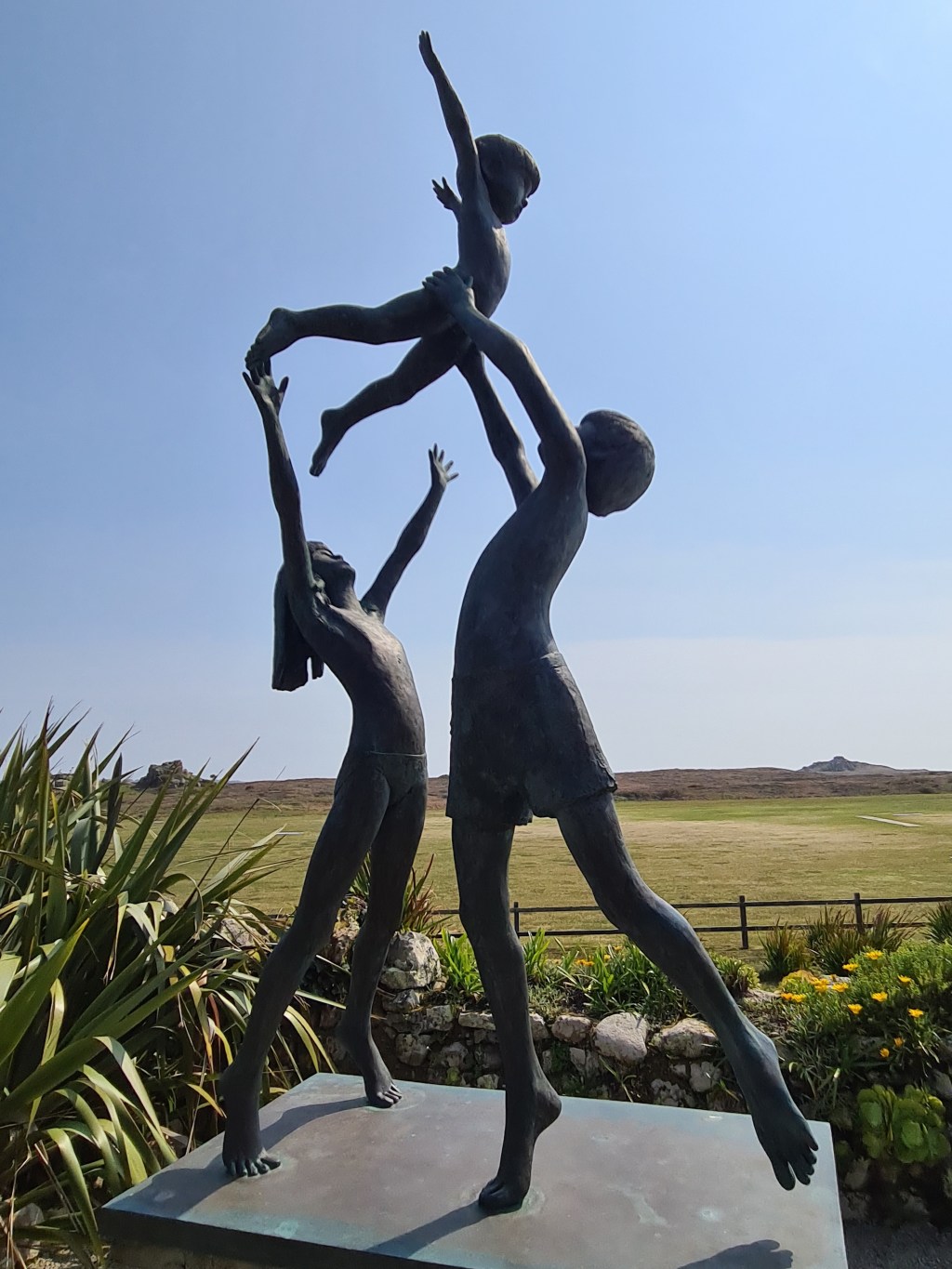
    This blog was inspired by seeing some small children enjoying themselves by sitting on a seat. I had just walked past this comfortable looking bench (outside a pizza shop), thinking it would be nice to sit down, but a sensible adult voice in my head said: “that seat is reserved for customers”. But that didn’t stop two young children taking great delight in jumping up and sitting on the attractive wooden bench. Saying to their parents, “Come and sit here!”

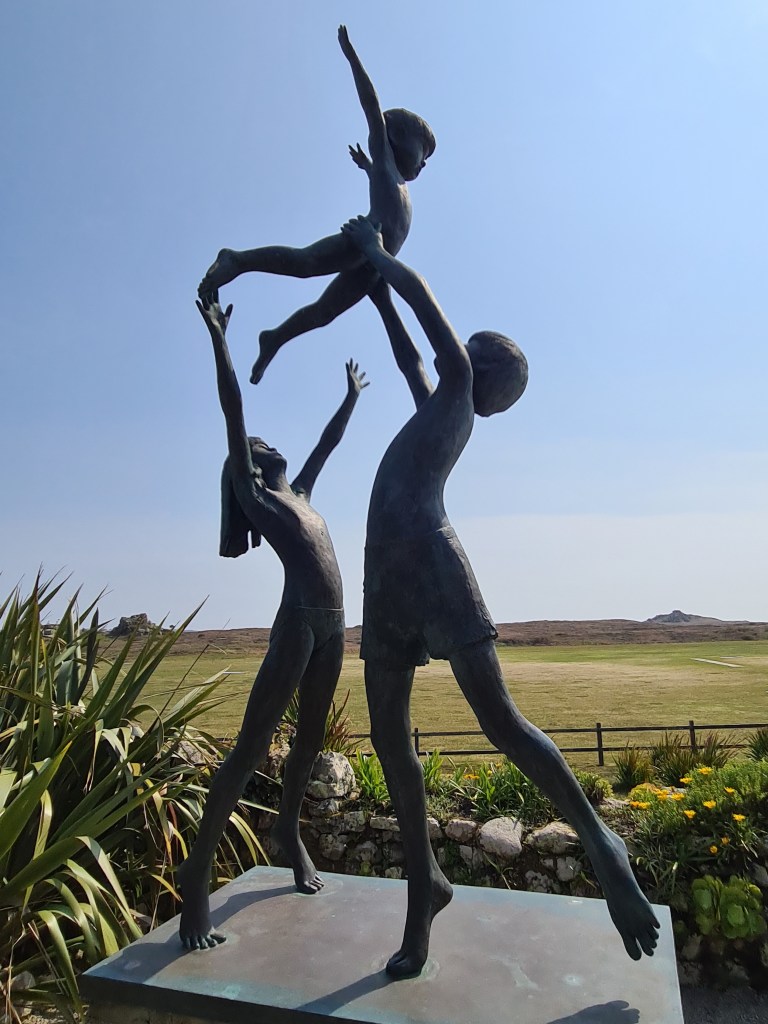
    Bronze carving of children by David Wynne, Tresco Abbey Gardens, Isles of Scilly.

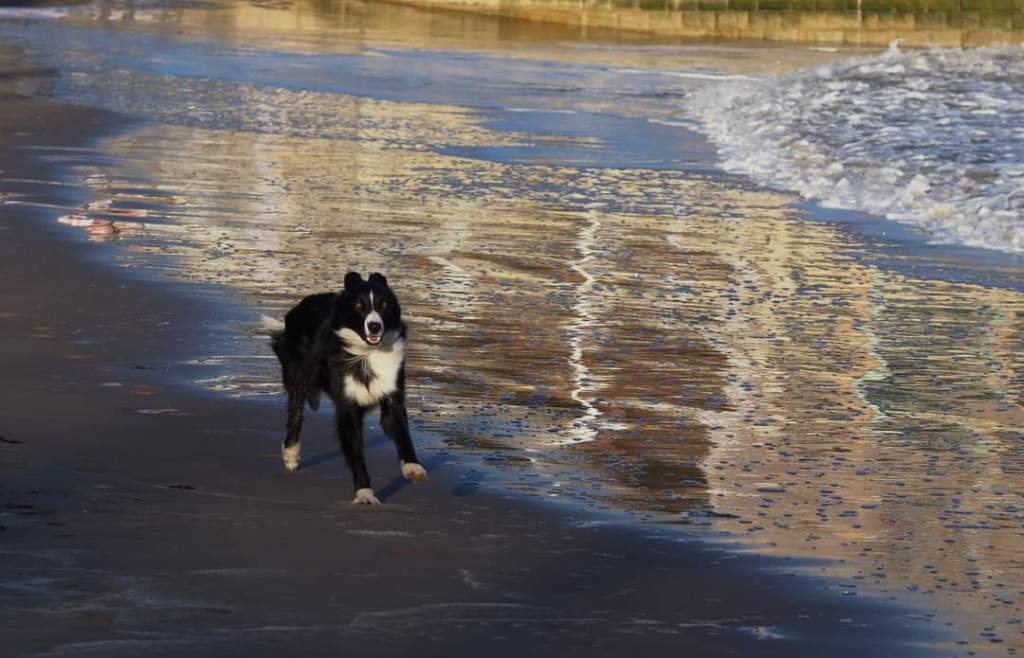
    It reminded me that there are simple pleasures in life that children (and animals) are often more tuned into, i.e. free of reservations and hesitations, than adults. Fresh air, rolling in the grass, and running on a beach are all primal activities where we abandon our cares and concerns for a while. Just being alive and free (to play). Watch a dog or a child if you need to (re)learn these simple pleasures!
    The joy of running on a beach is universal!

    Warm sunshine

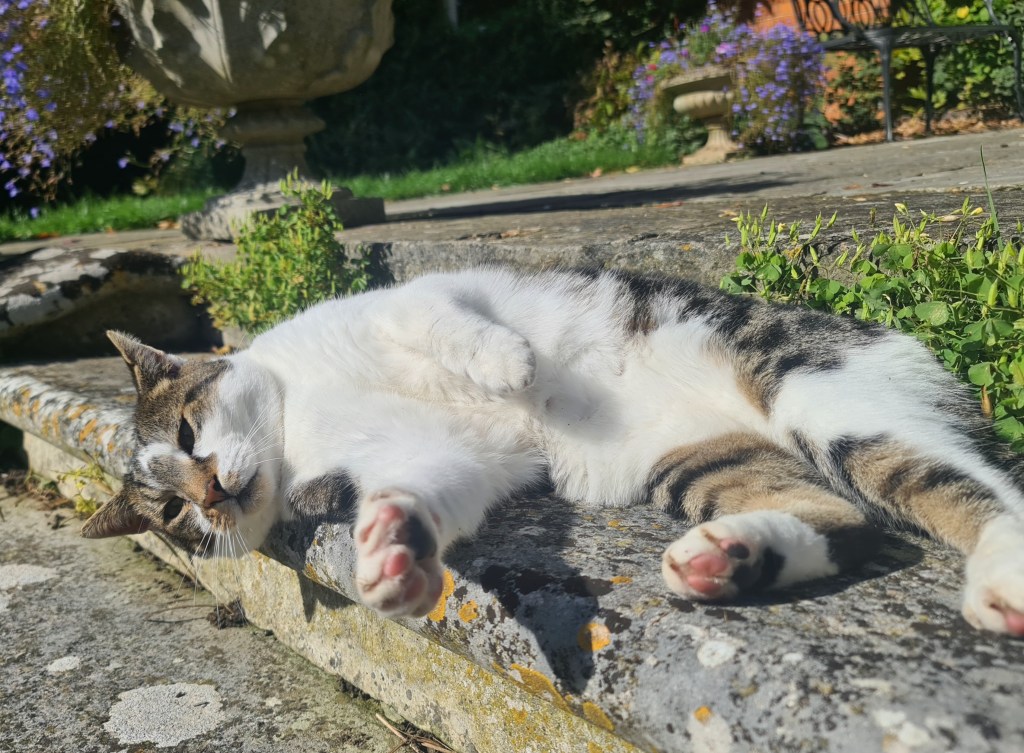
    Who doesn’t like to sit in the sun, especially on a winter or spring day, when the sun’s rays warm up our bodies in the still chilly air. Cats are past masters (i.e. particularly good) at this! They don’t need to be told how to relax and chill out!🤣

    Basking in the winter sunshine!

    Colour

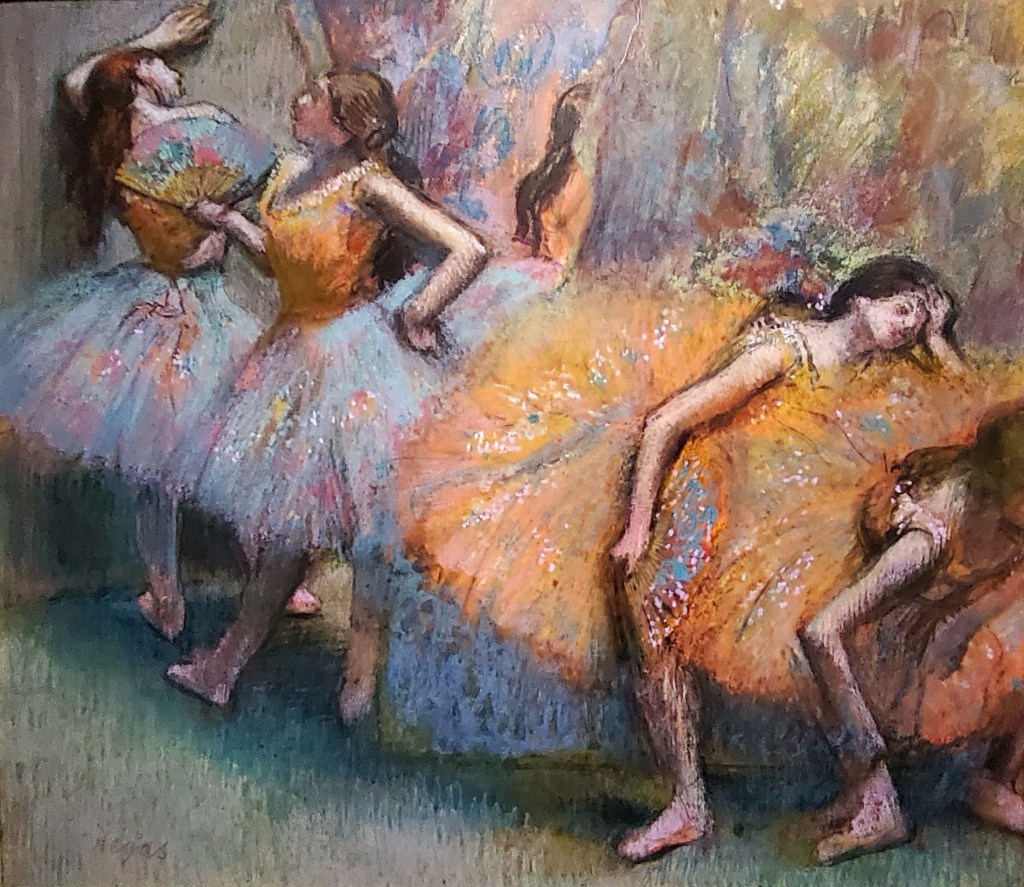
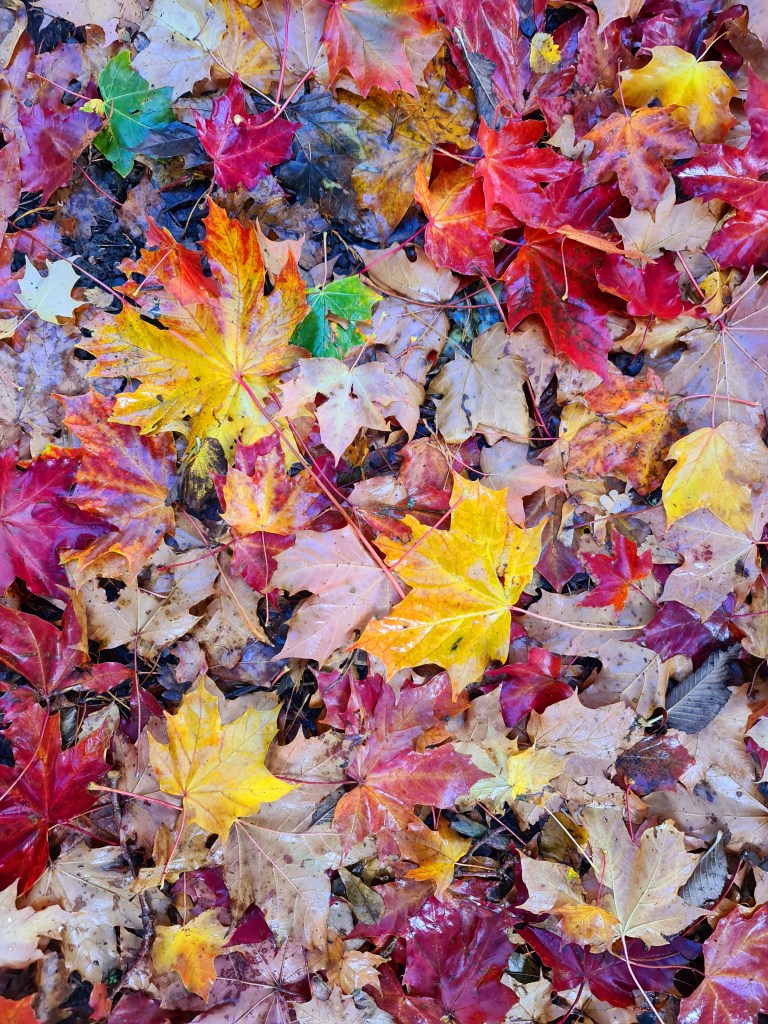
    For those of us lucky enough to see colours, the different wavelengths of the electromagnetic spectrum provide a joyousness bordering on the spiritual. Painters, from Van Gogh to David Hockney, use colours to evoke moods and emotions. Spiritual experiences for the millions of us who visit art galleries.

    The colours of fallen leaves

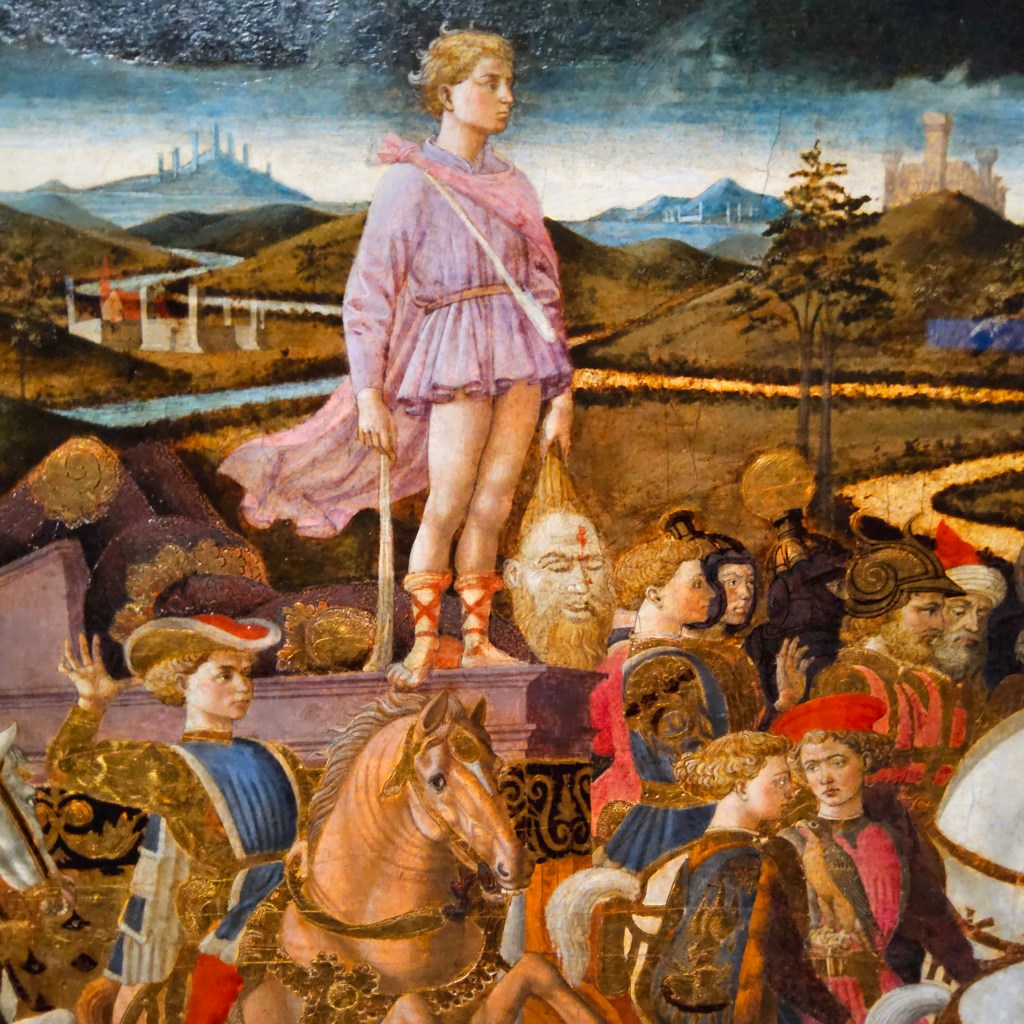
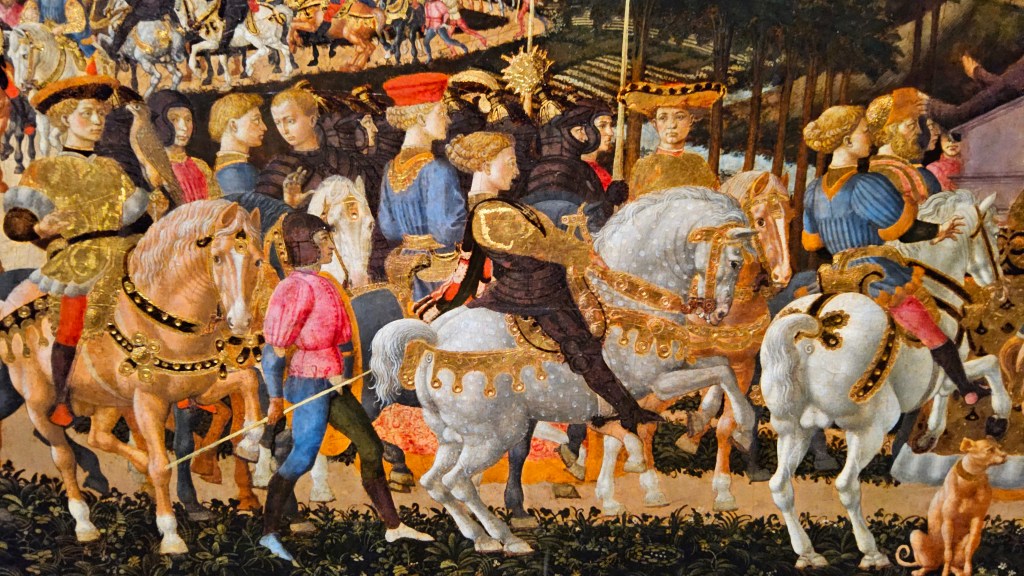
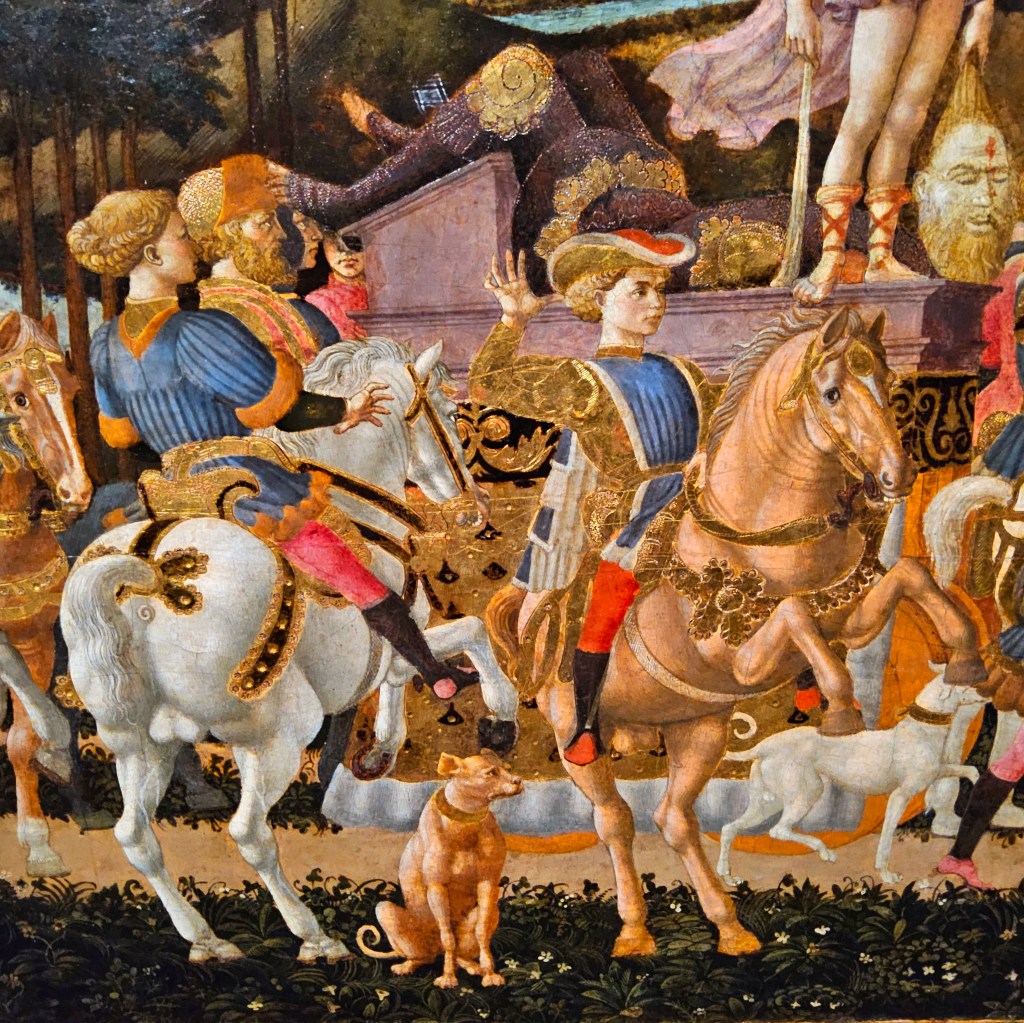
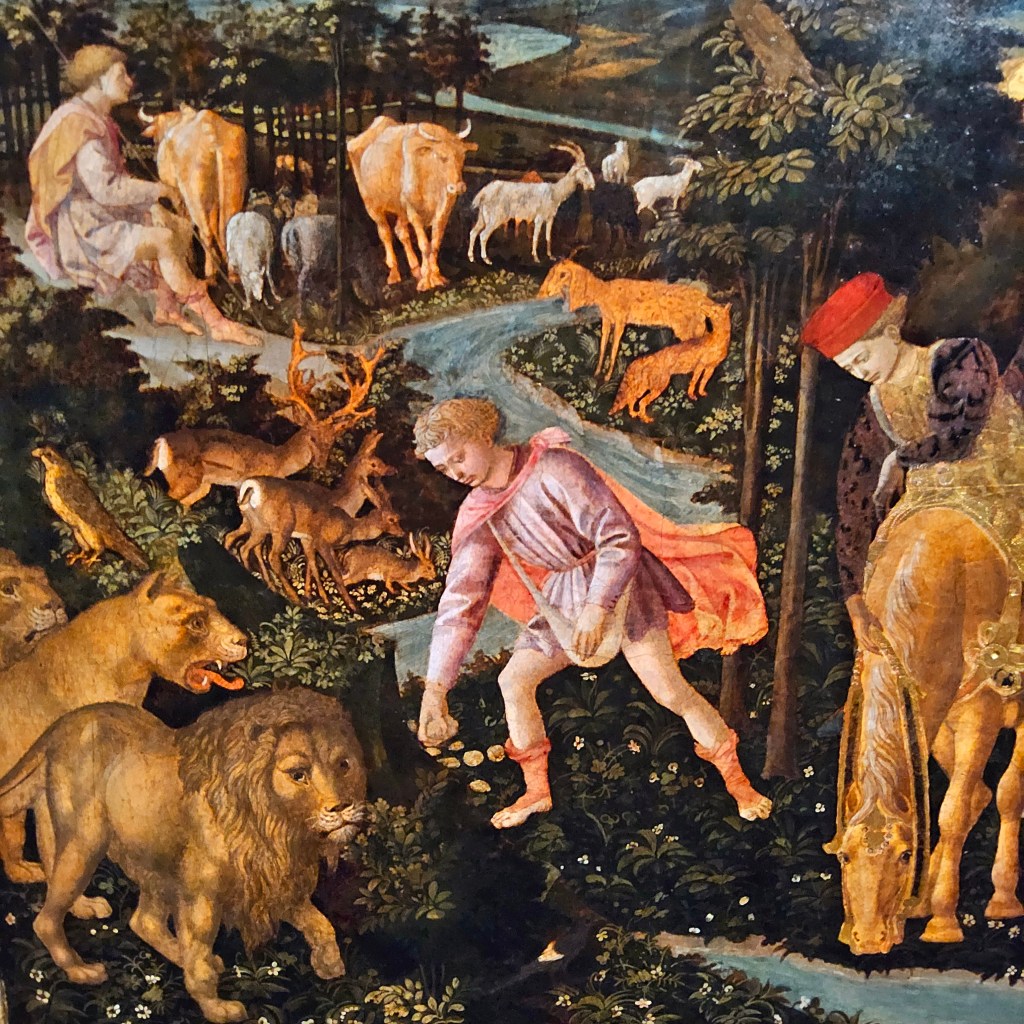
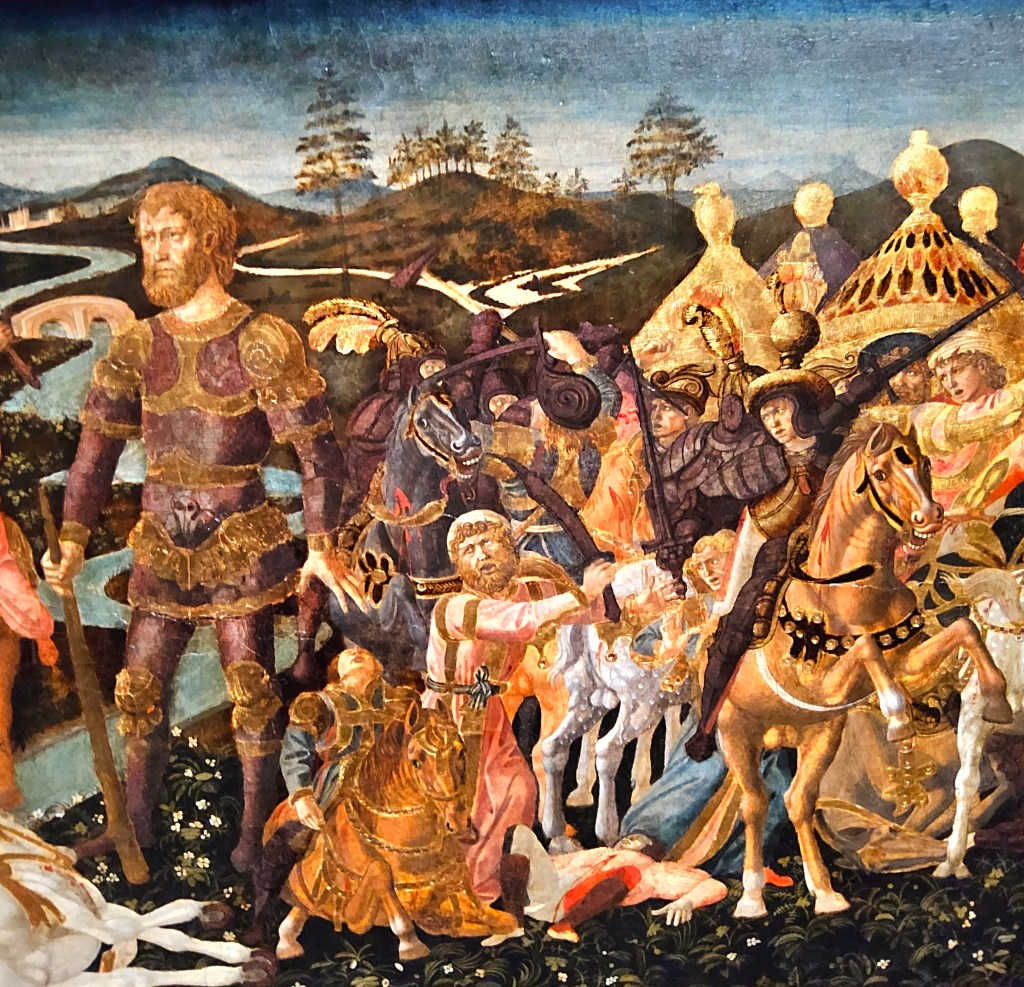
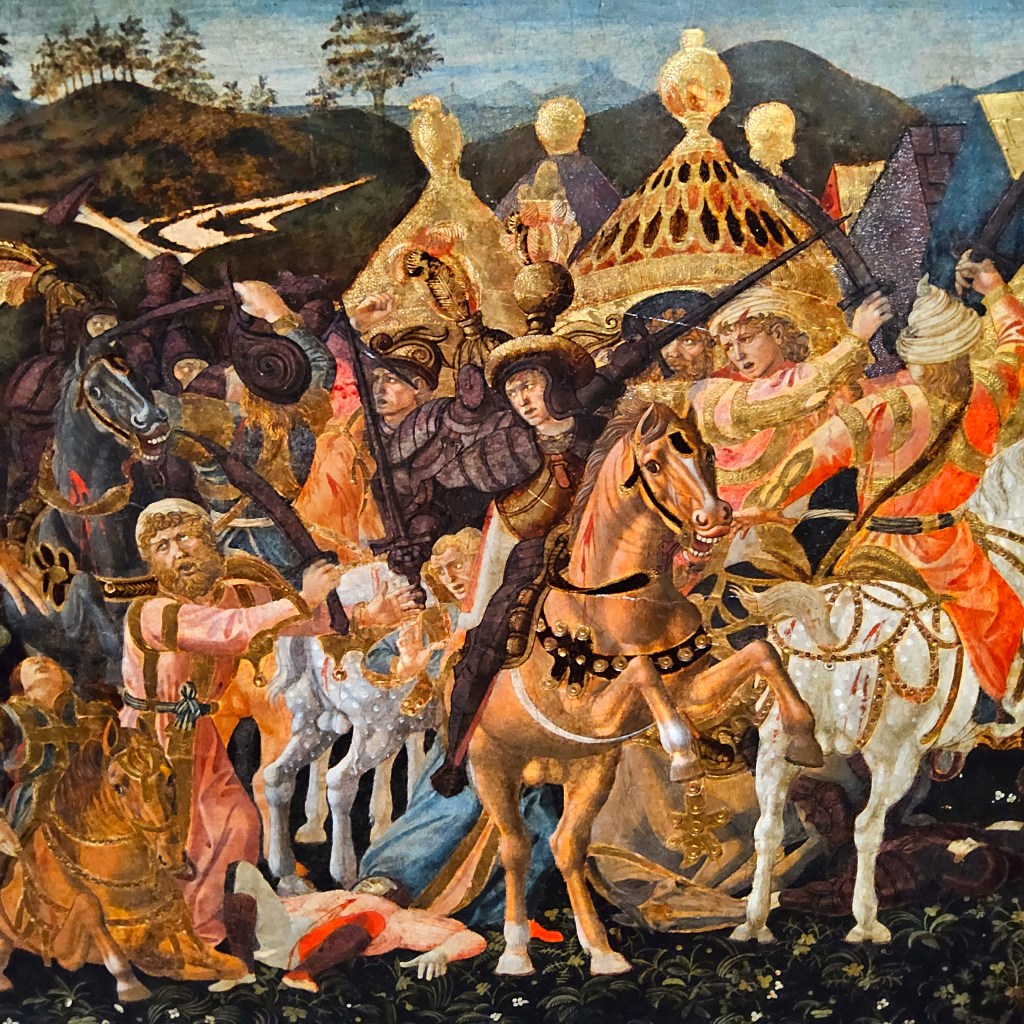
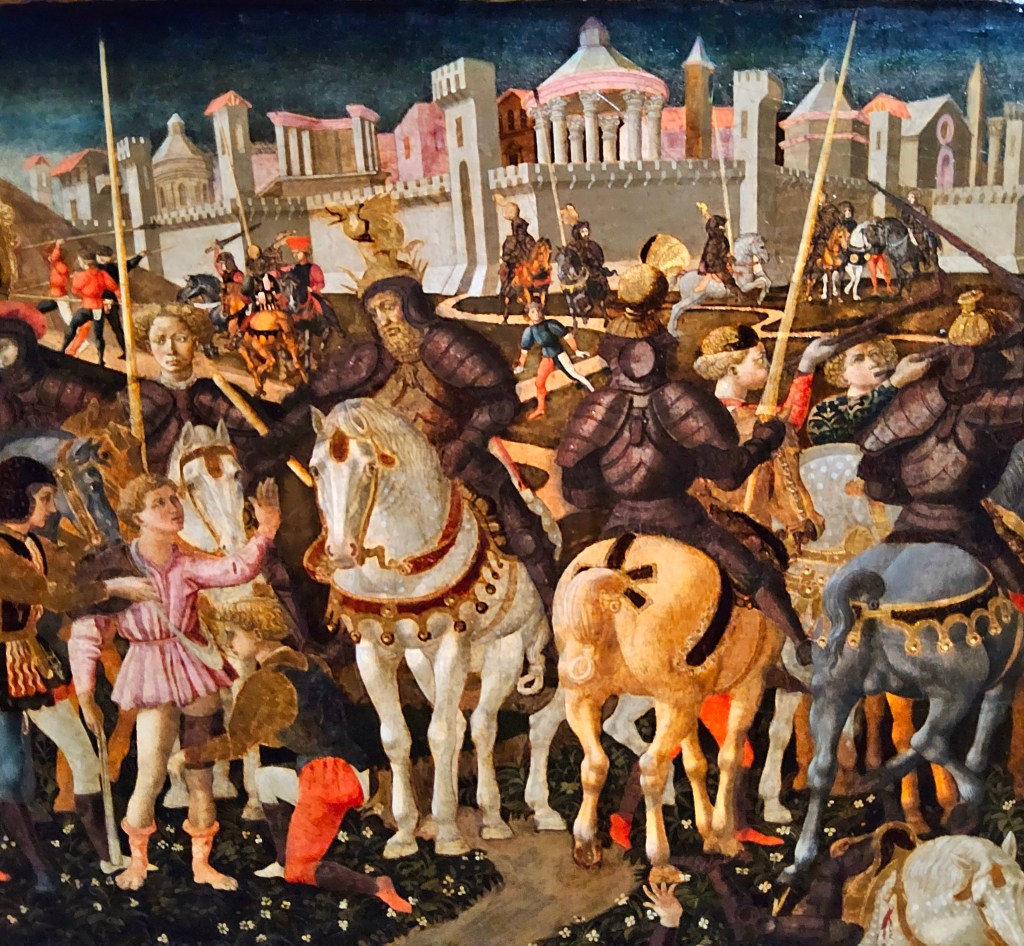
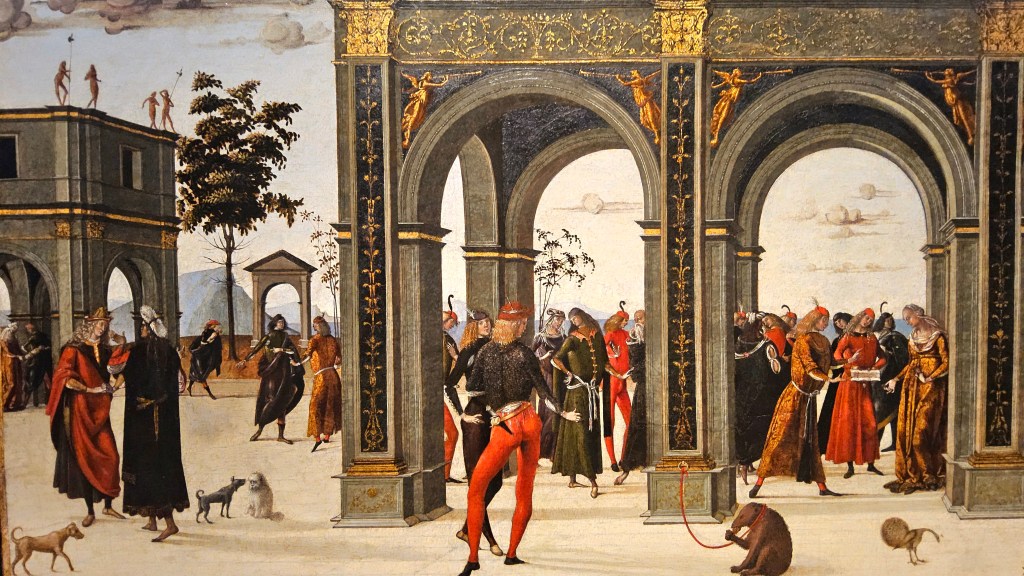
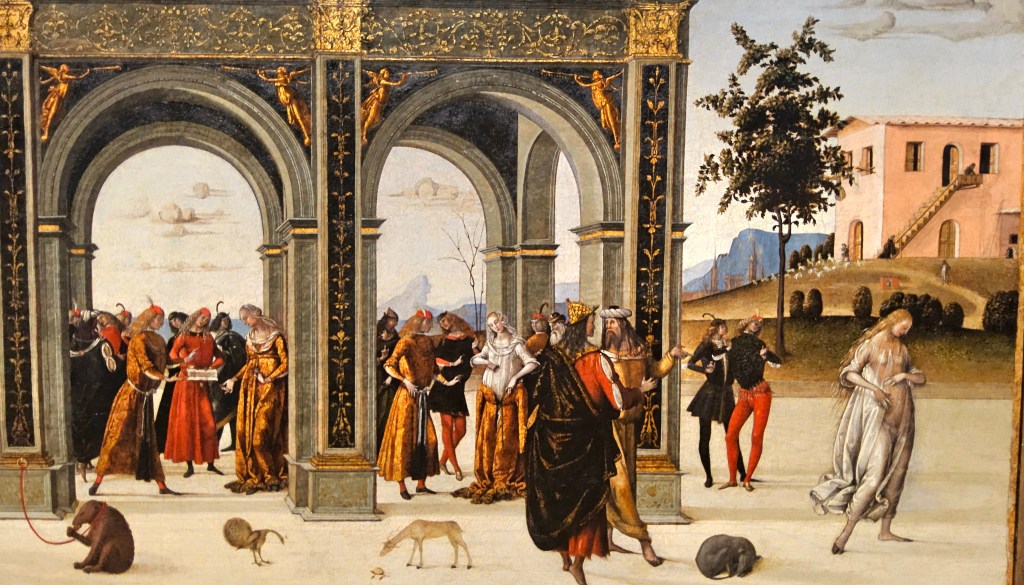
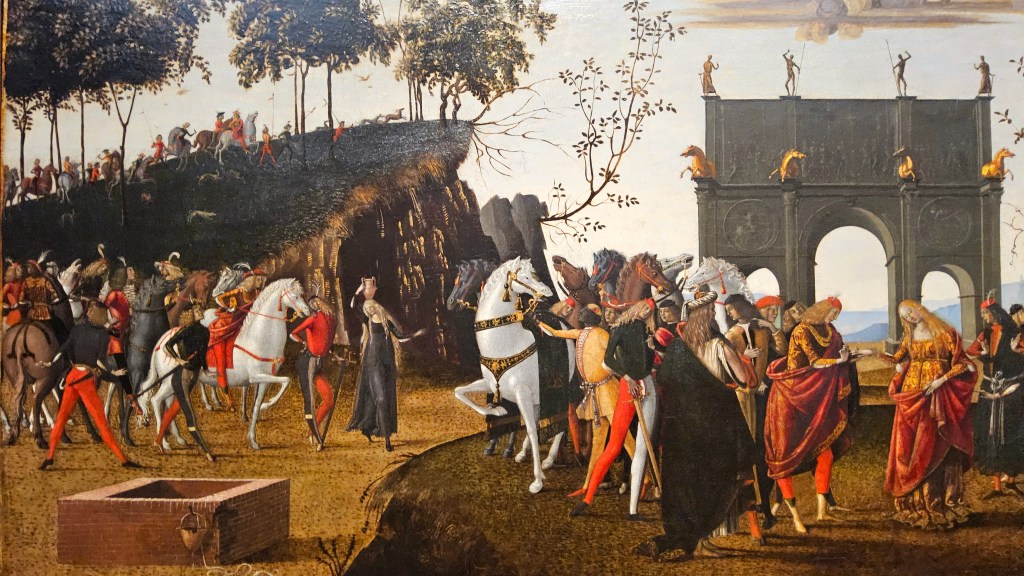
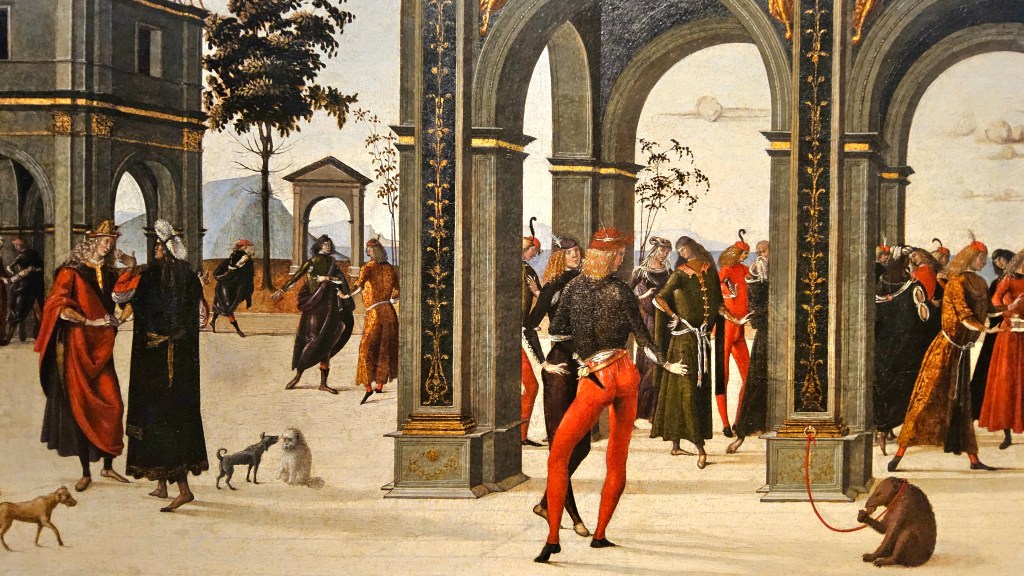
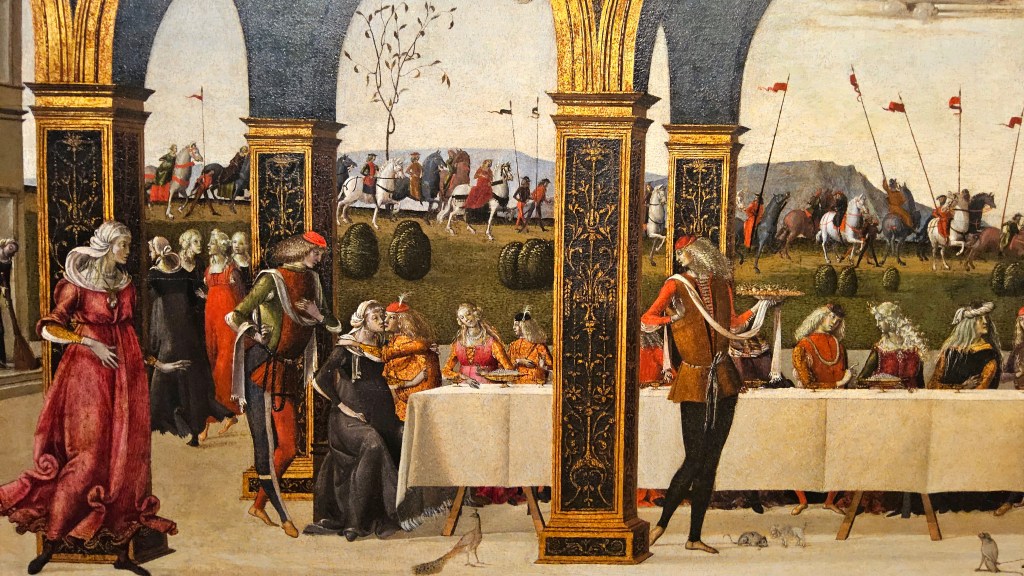
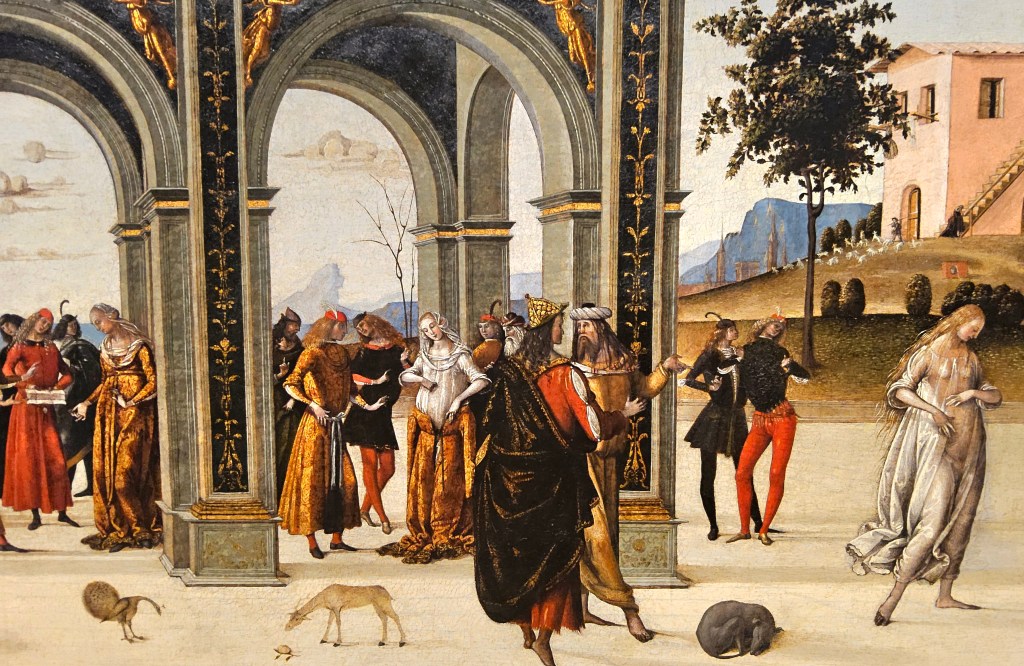
    The Old Masters also knew how to use colour to tell a story.

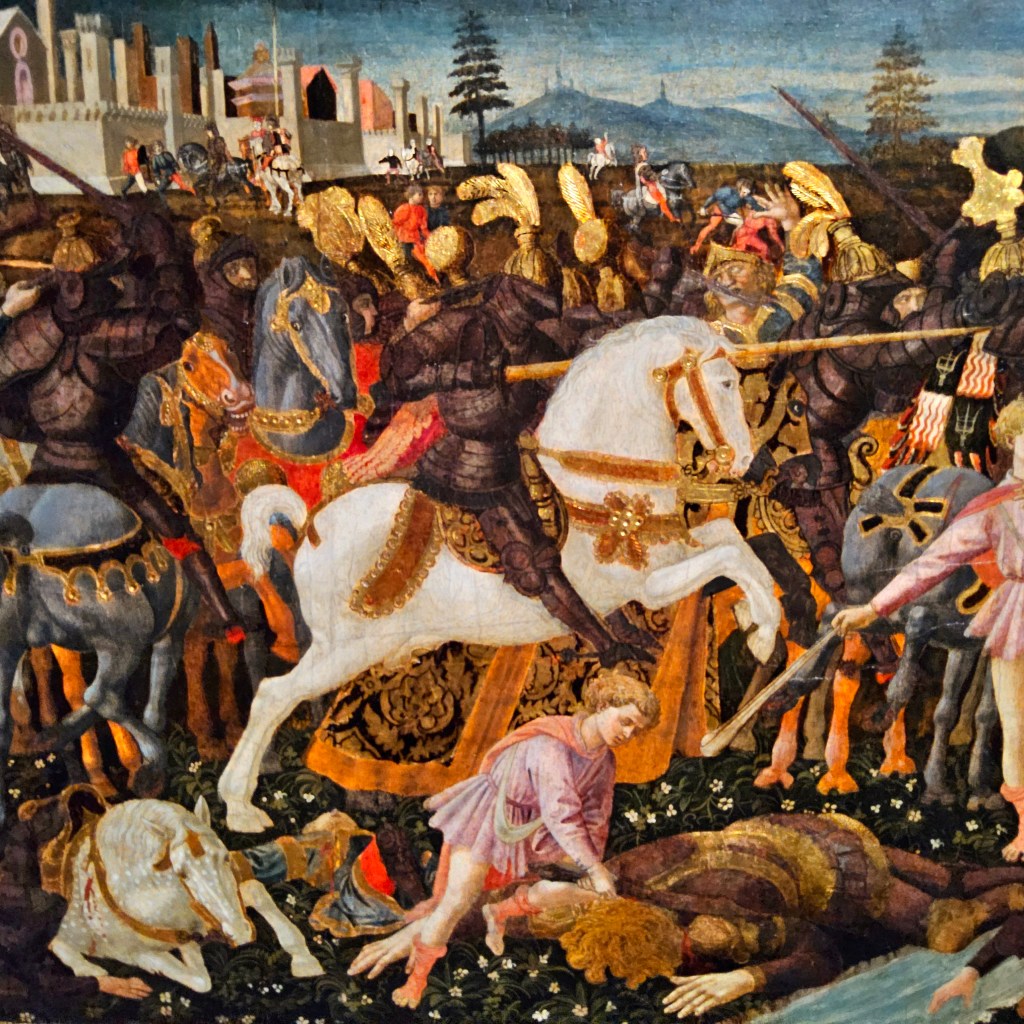
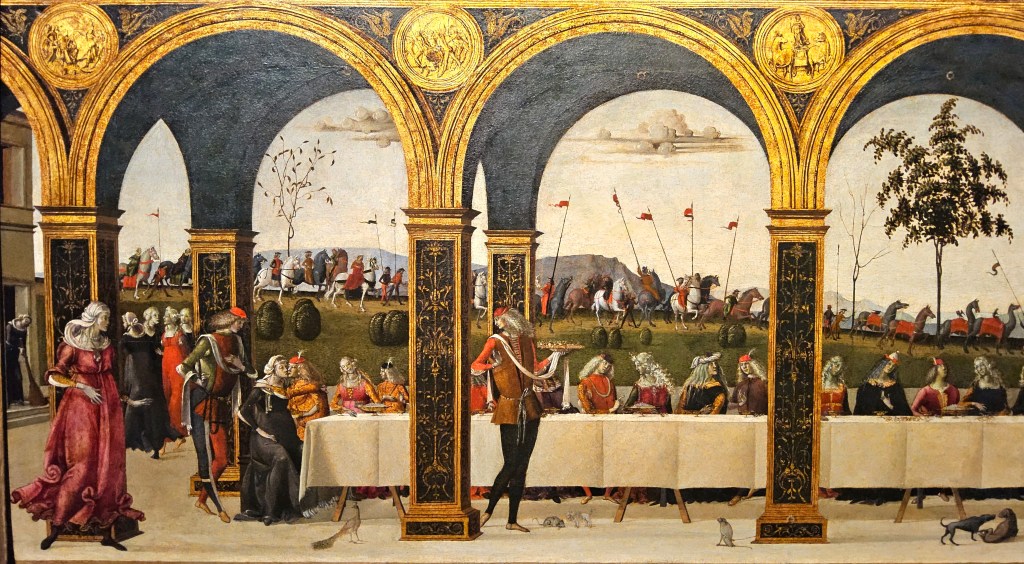
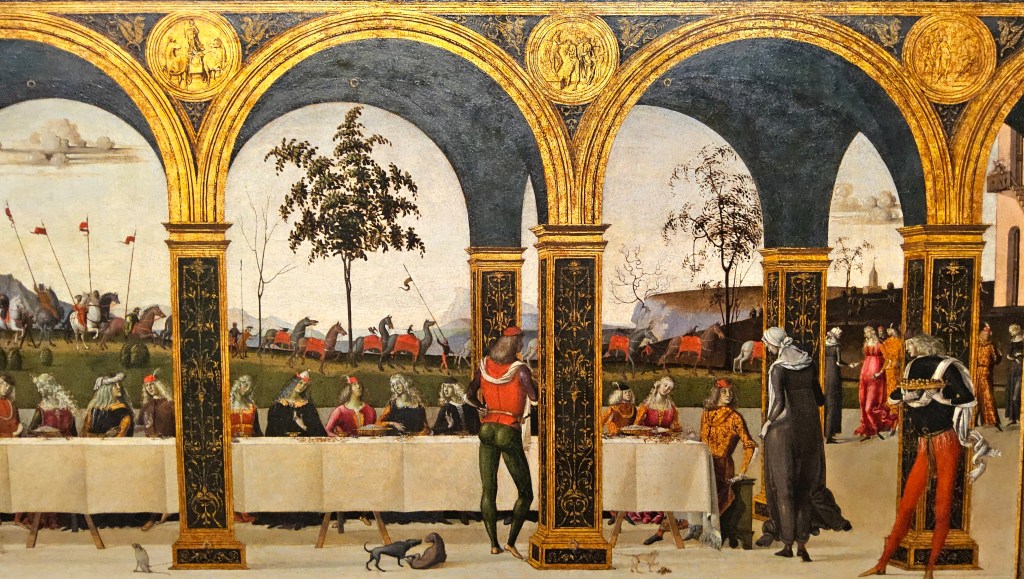
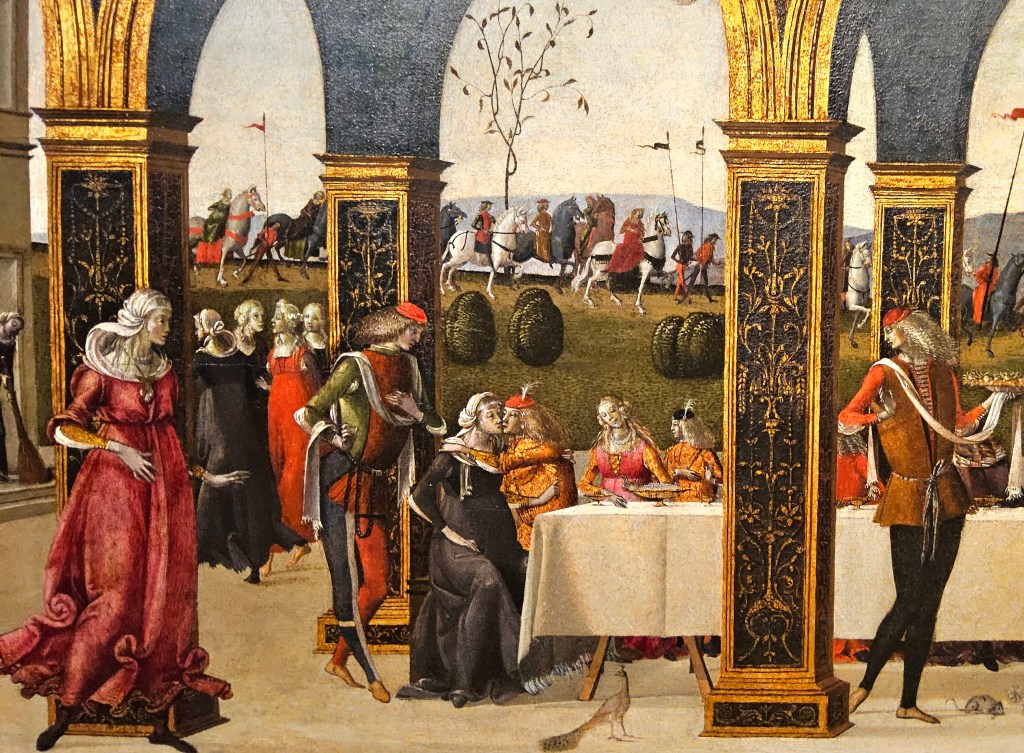
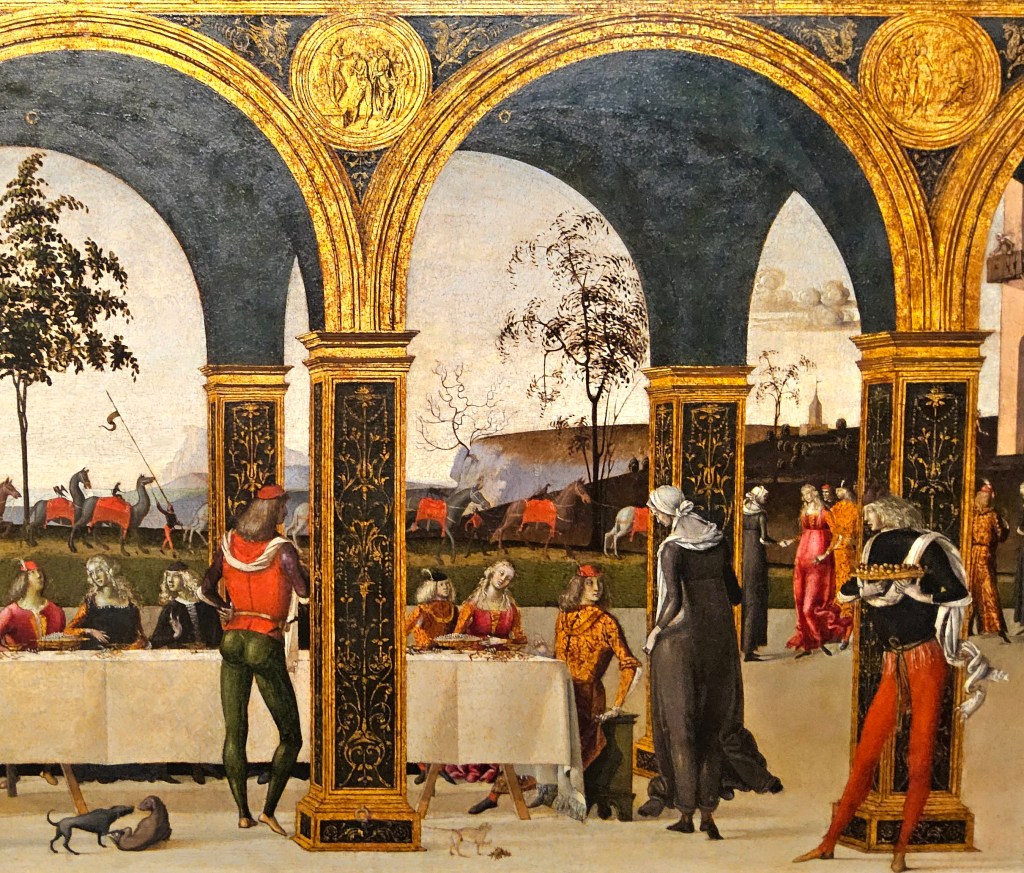
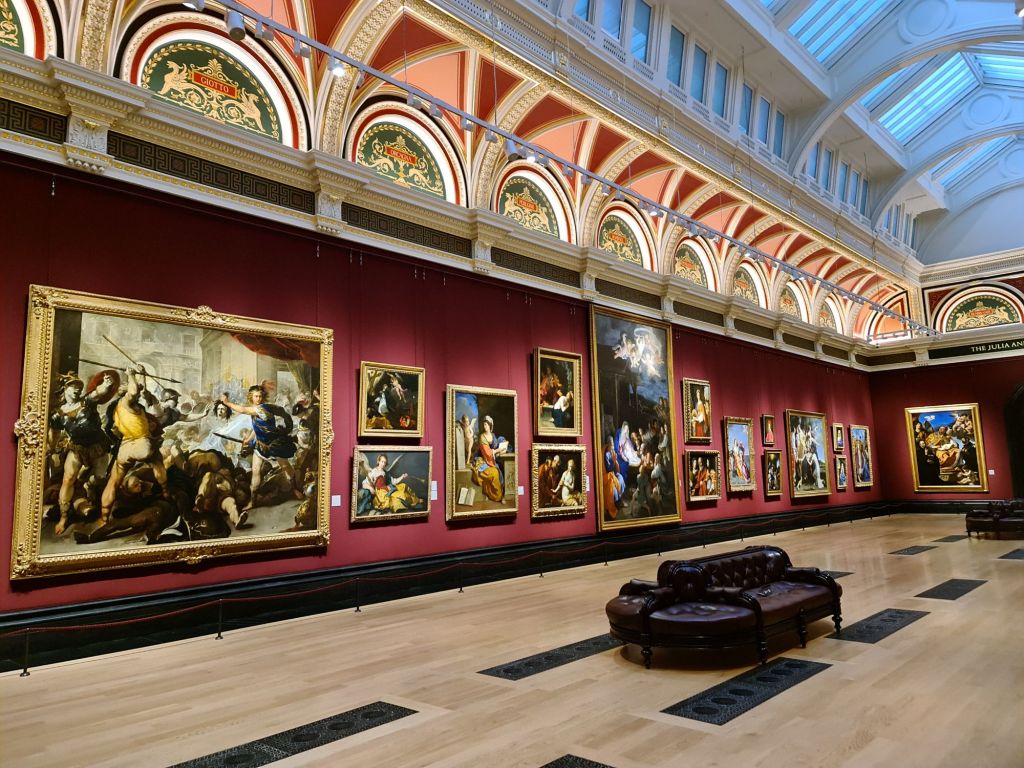
    Detail of painting by Fra Angelico (1423-4) in the National Gallery, London

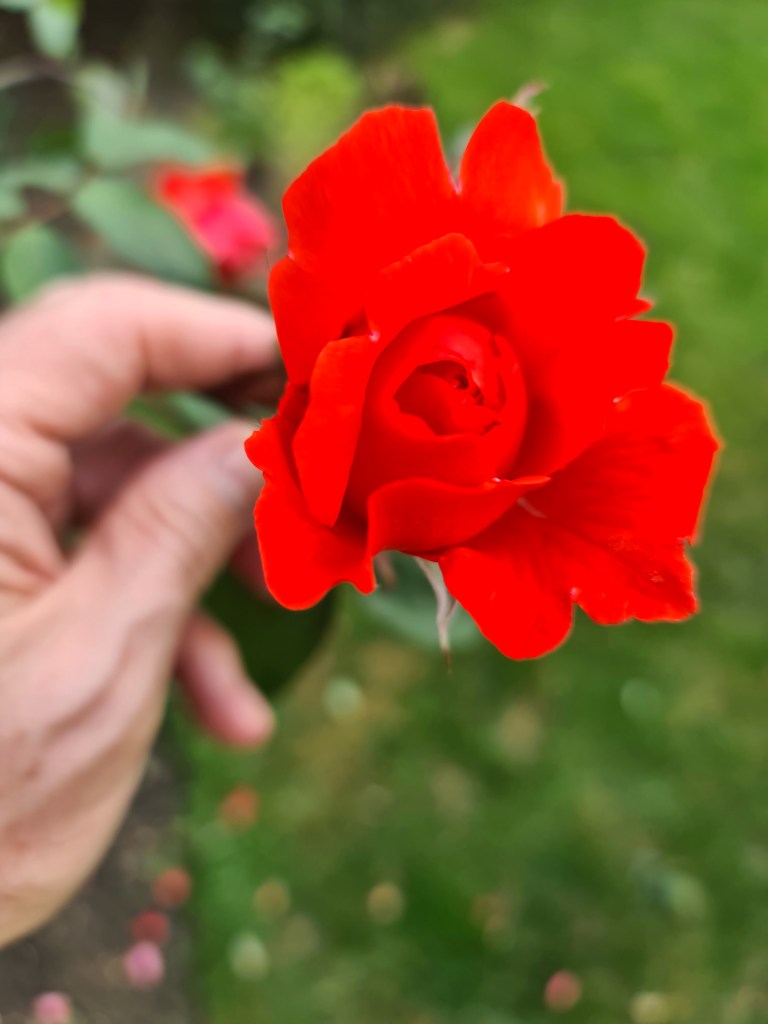
    All of the senses provide us with opportunities to experience joy. The simple pleasure of sniffing a fragrant flower or the happiness-inducing sound of bird song. The laughing Kookaburra may be an exception? But I love hearing them too!

    Smell a rose and feel uplifted!

    Sunsets

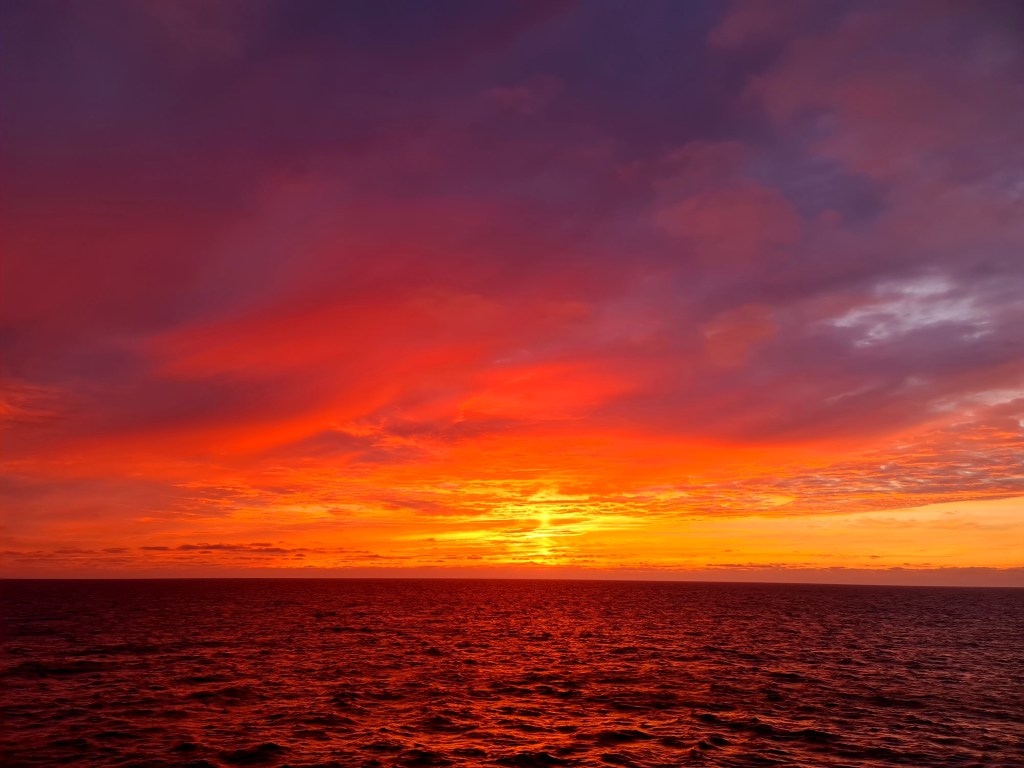
    Blue and violet colours get scattered out by air and dust particles as the sun ‘sets’ and light has farther to travel through our atmosphere. This usually leaves mainly the brighter red and orange colours to fill the sunset skies and uplift our spirits.

    Sunsets are free!

    Dancing and skipping

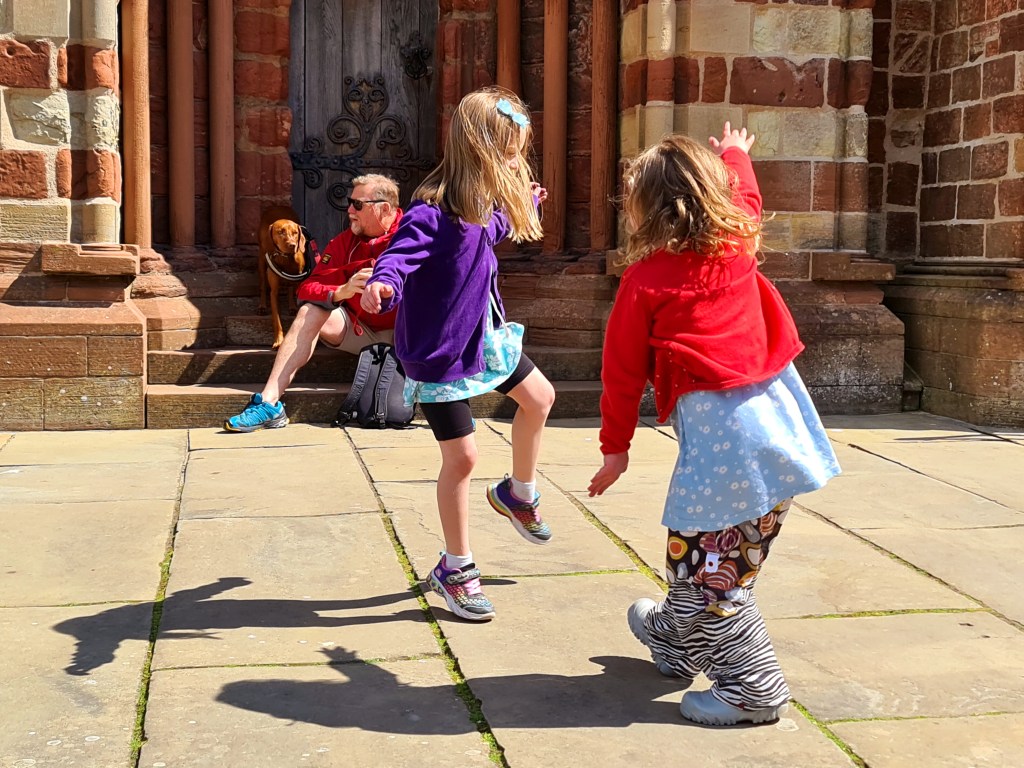
    We all need to move and benefit hugely from simply using our muscles. Walking, running, jumping, hopping, leaping, and skipping emerge naturally as children develop. Whilst we might not be able to continue skipping as we get old, why not (!), movement releases endorphins and helps relieve stress.

    Dancing is a tonic!

    Food for free

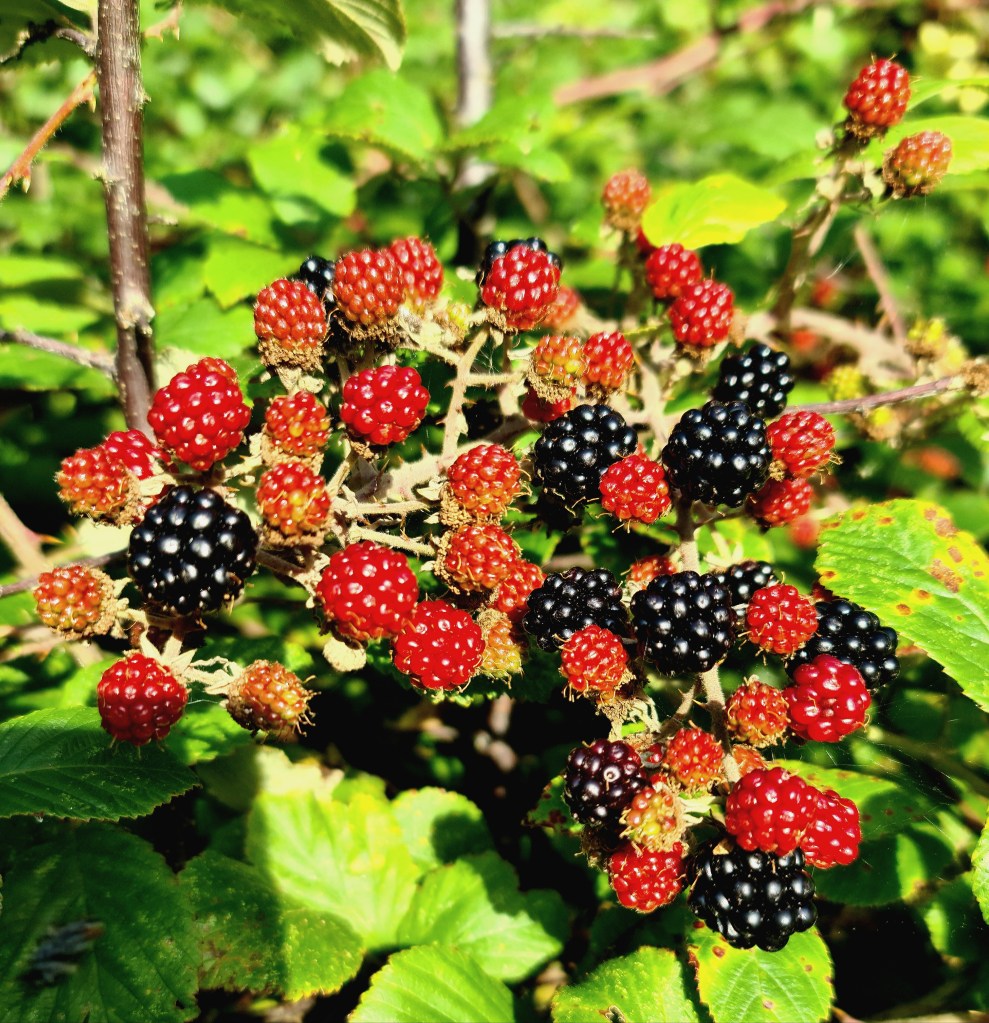
    Richard Mabey’s book Food for free, first published in 1972 (and in print ever since), tapped into the deep foraging instincts of our neolithic and palaeolithic past. Nature provides for us, if we take care of it that is, and don’t over-exploit it.

    Being in nature

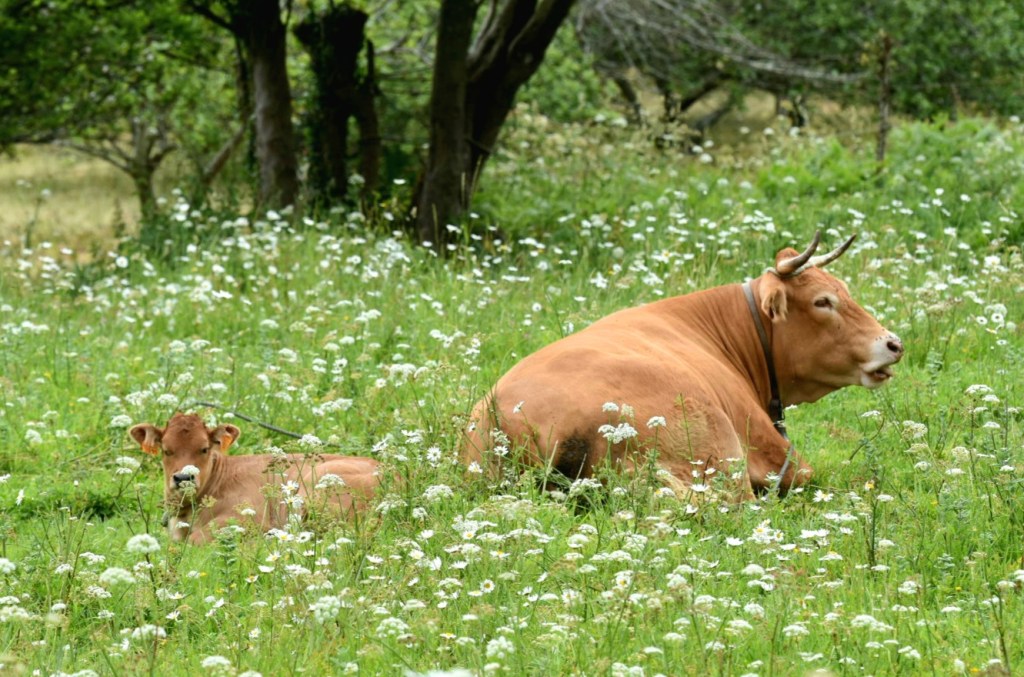
    You don’t need to teach a cow the benefits of spending time in the countryside!

    Relax!

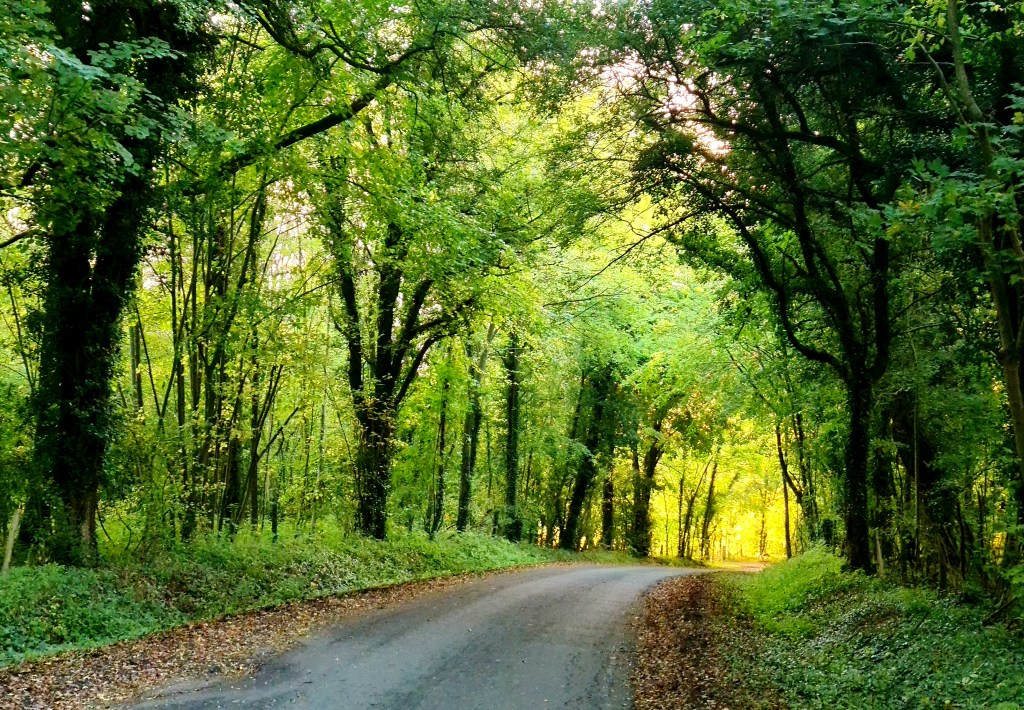
    Walking

    Walking is, for me, one of the best simple pleasures in life.

    Walking frees the mind

    Meditate, day-dream

    Although not everyone can do it, the pleasures and benefits of cat-napping are manifest, especially in cats! Meditation calms the mind and promotes good health, but we often don’t leave space for such down-times in our busy lives.

    Meditate on something nice!

    Sleep and dreaming

    Sleep is a state of reduced mental and physical activity, and altered consciousness, which most animals need to some extent. Whether you are a koala bear (which can sleep for 22 hours a day) or a giraffe (which only need a few hours shut-eye!) we all need to ‘recharge out batteries’ and dreaming is a vital part of this activity.

    Image by Daniela Dimitrova from Pixabay

    Eternal renewal

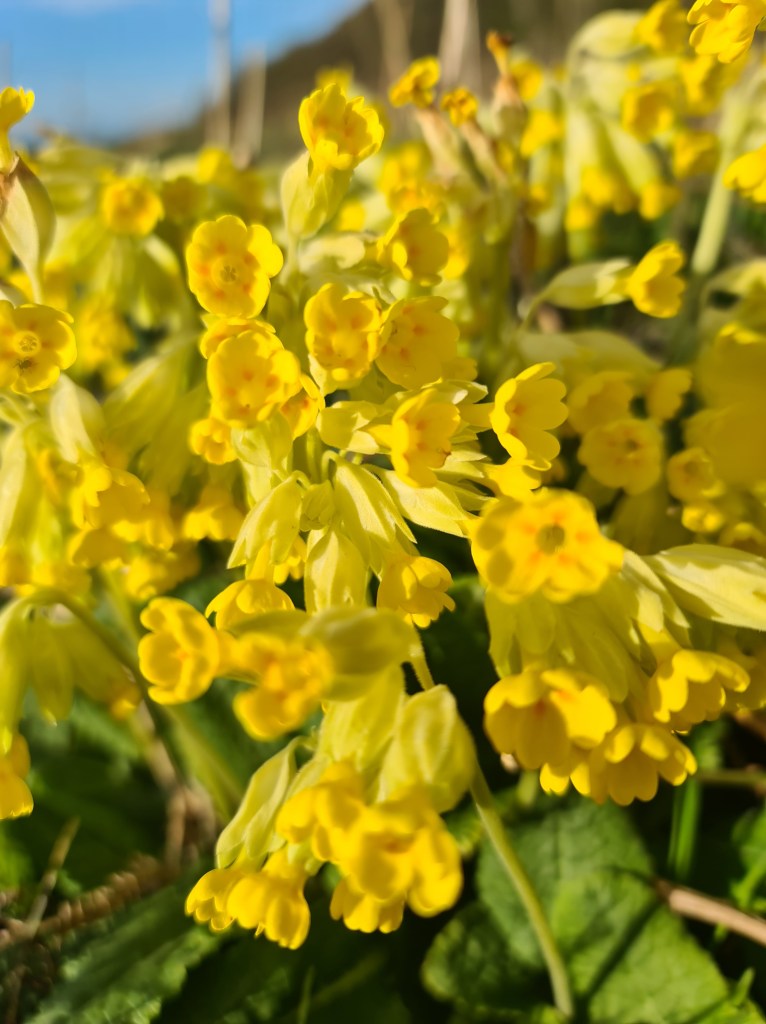
    Hope springs eternal in the human breast (Alexander Pope), and life renews itself every year in the Spring. All organisms can also renew themselves by the process, perhaps we should say the miracle, of reproduction.

    Hope (and the Spring) spring eternal

    Health and well-being

    And finally, for many of us, just being well after a period of illness – Long Covid in my case – is a joy in itself, and one we often take for granted. Whilst remembering all those who are not so well but hopefully still able to access some of the simple joys of life that make it so special.

    All photos by Raymond JC Cannon, except where stated.

  • Armed Forces Day National Event 2022 Scarborough

    Armed Forces Day National Event 2022 Scarborough

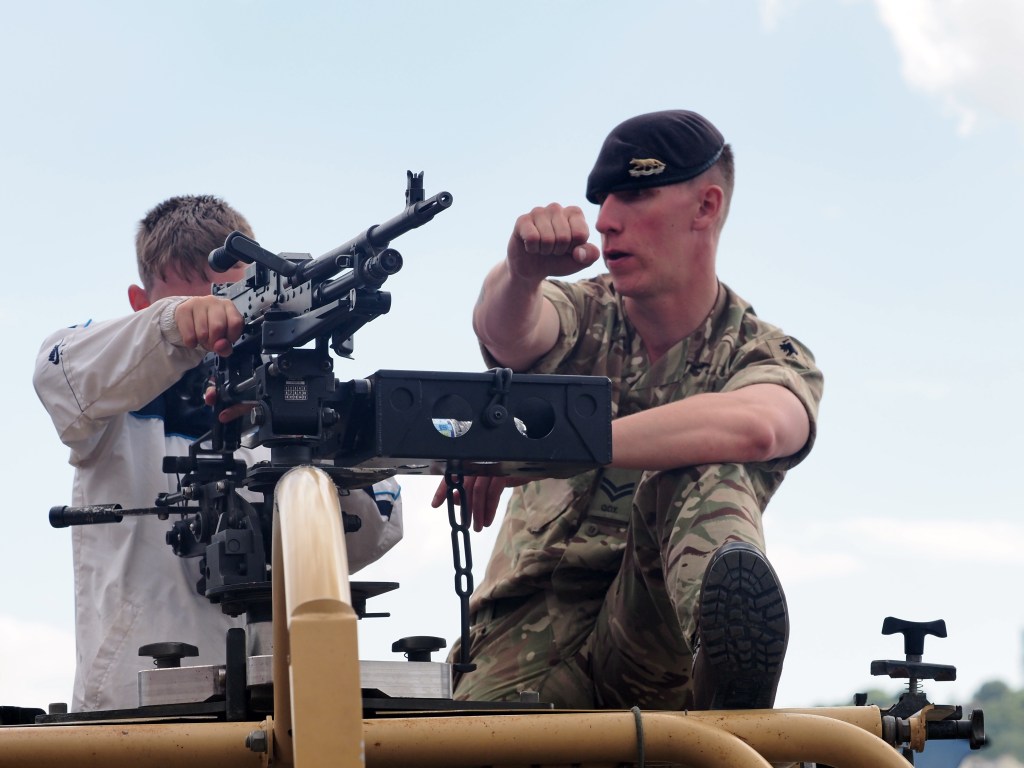
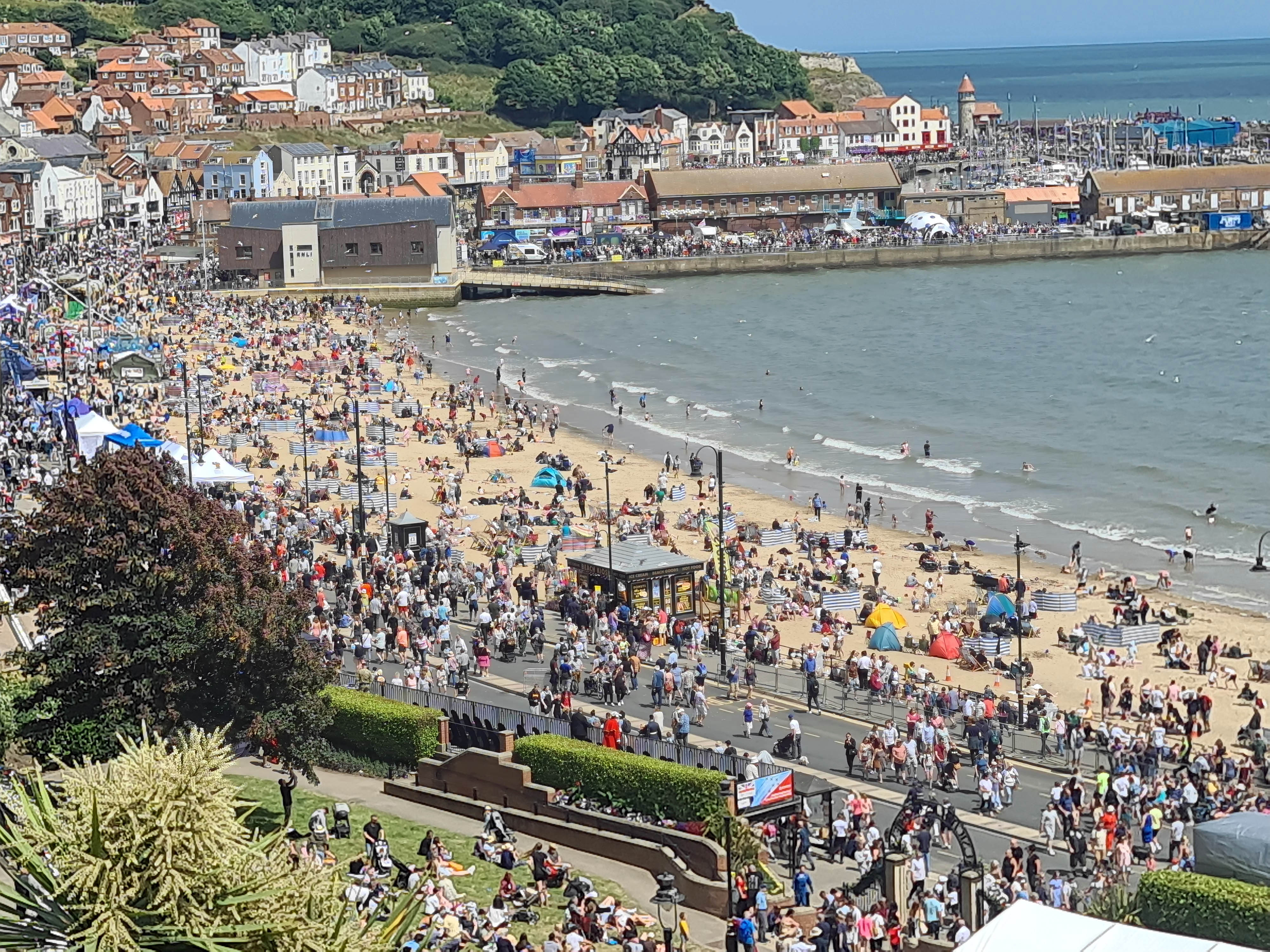
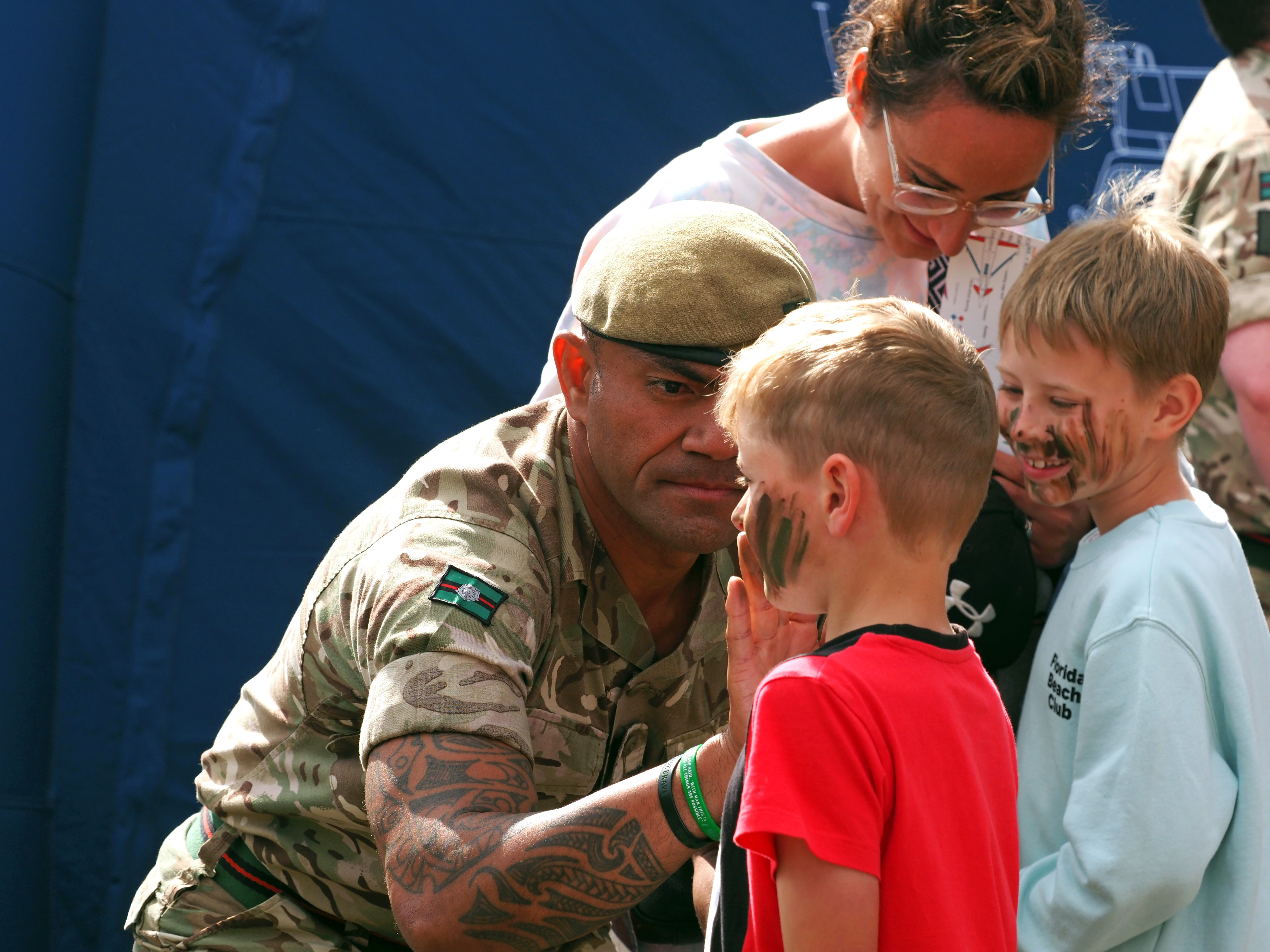
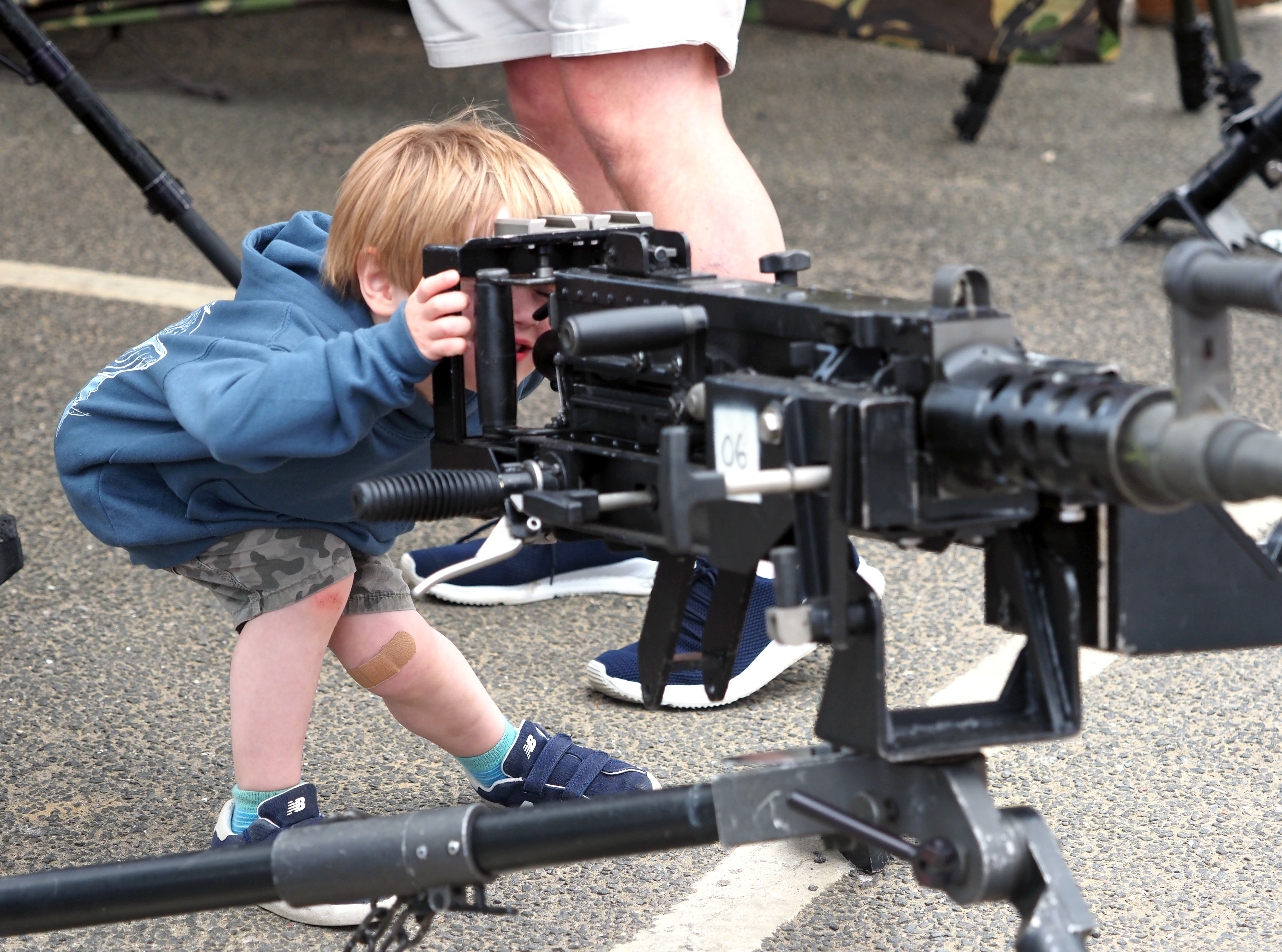
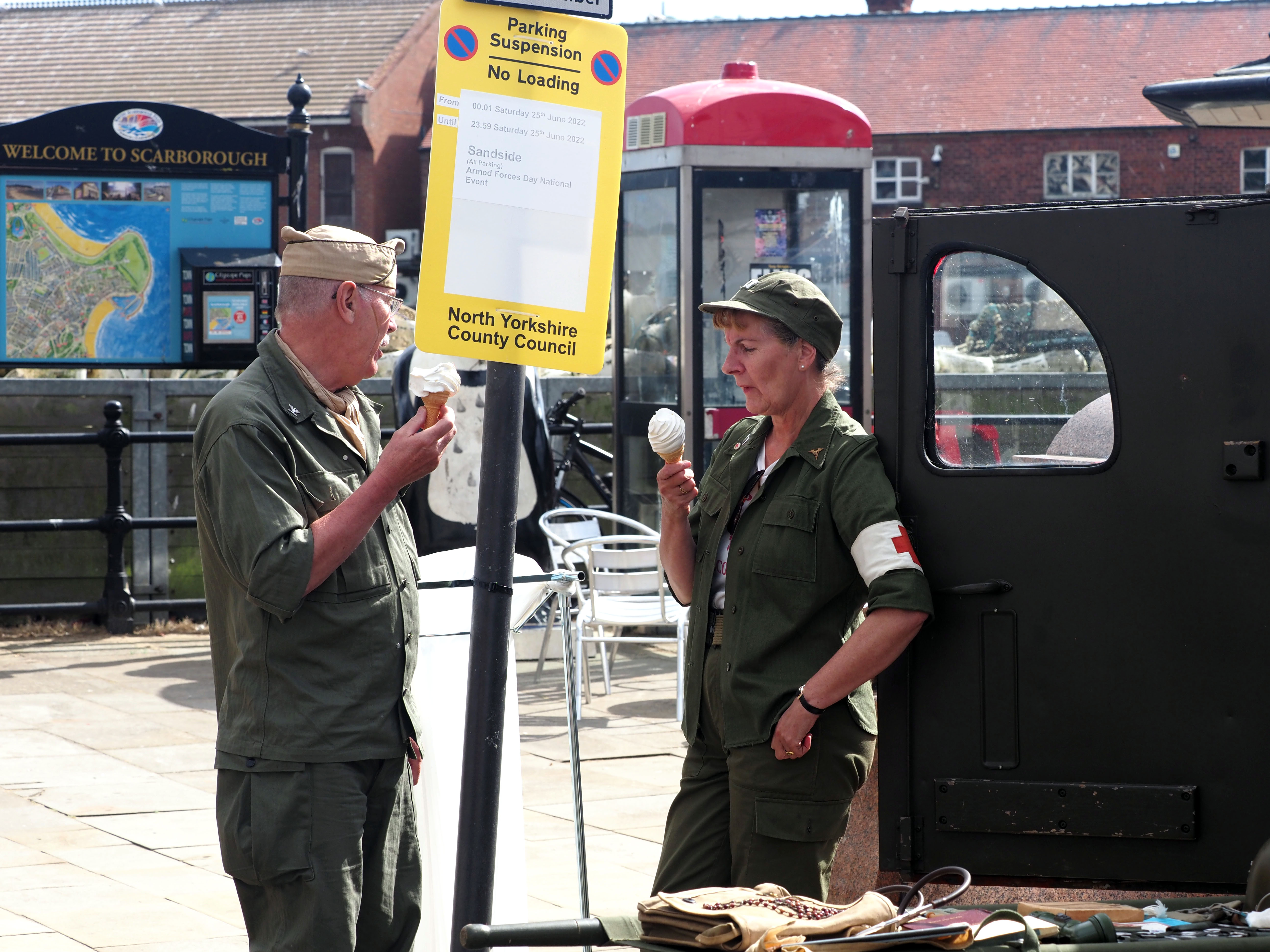
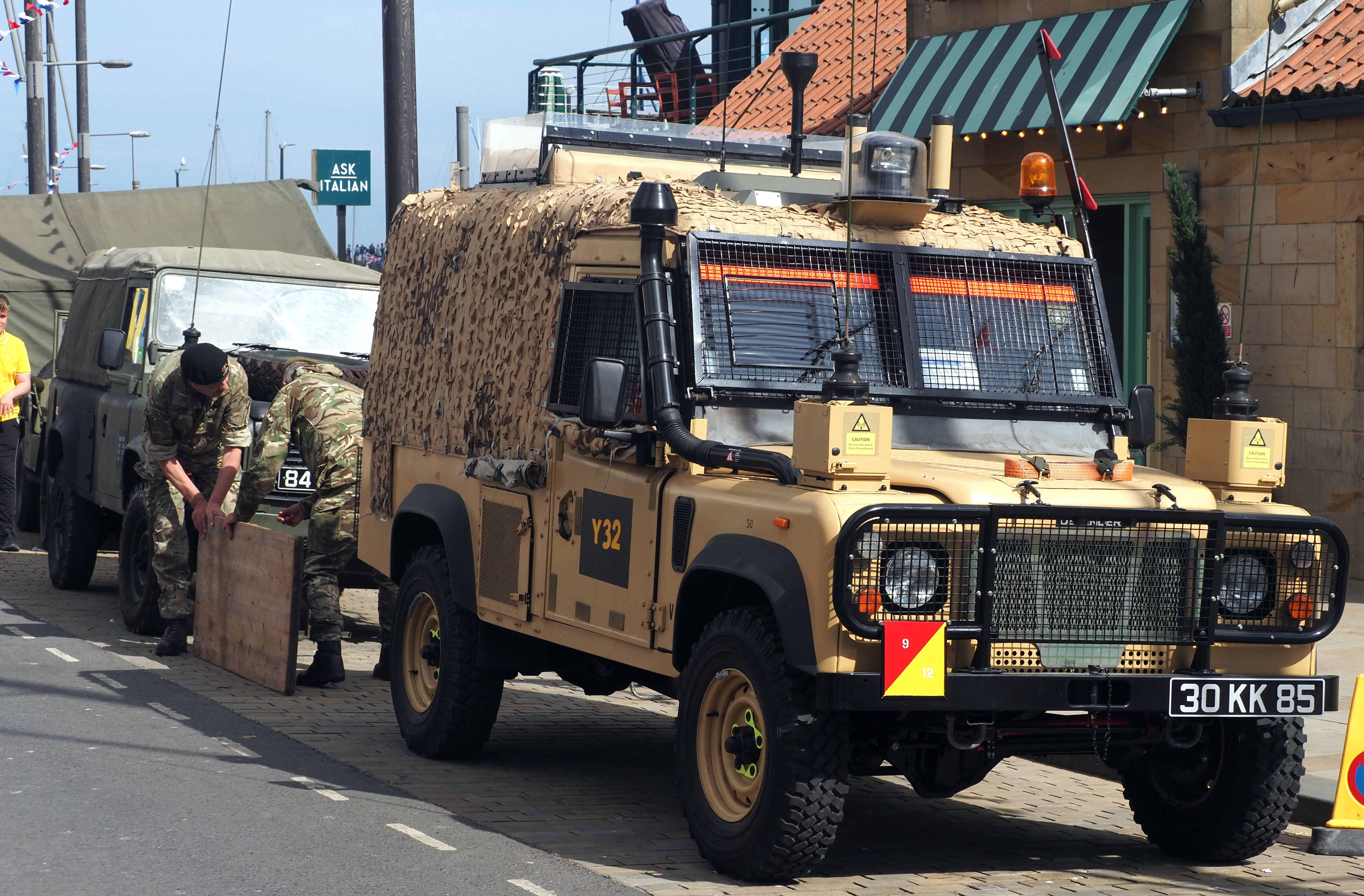
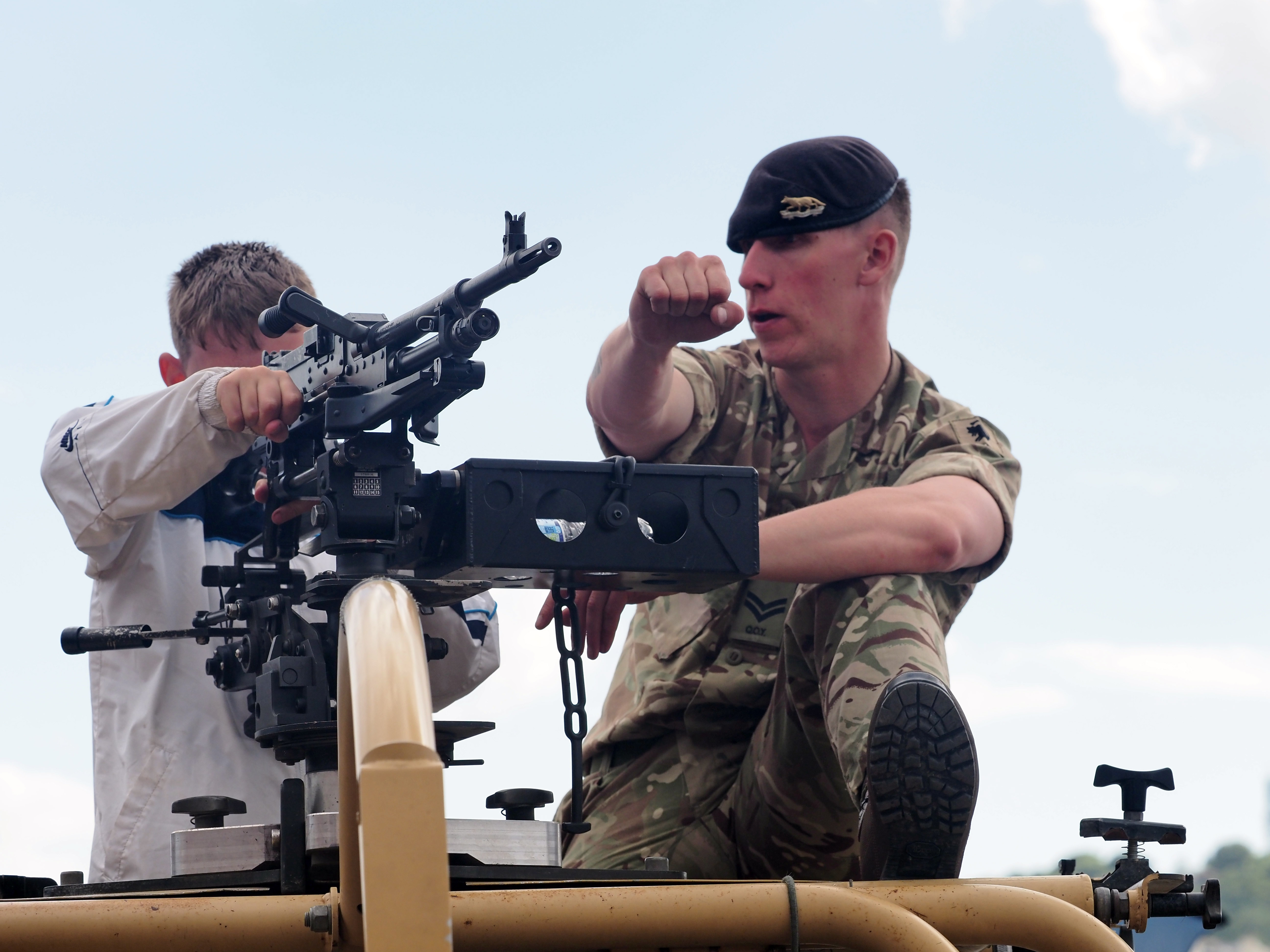
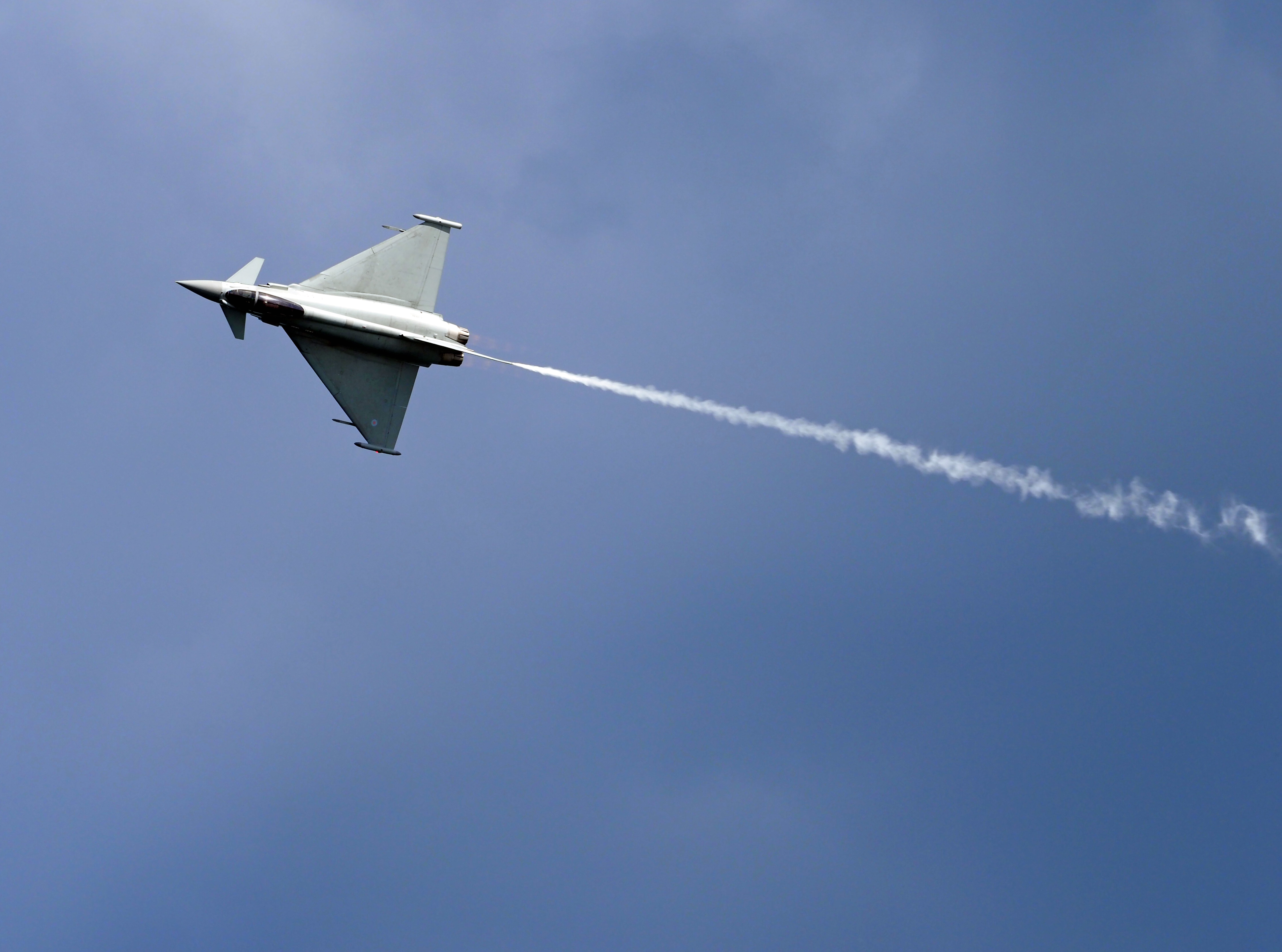
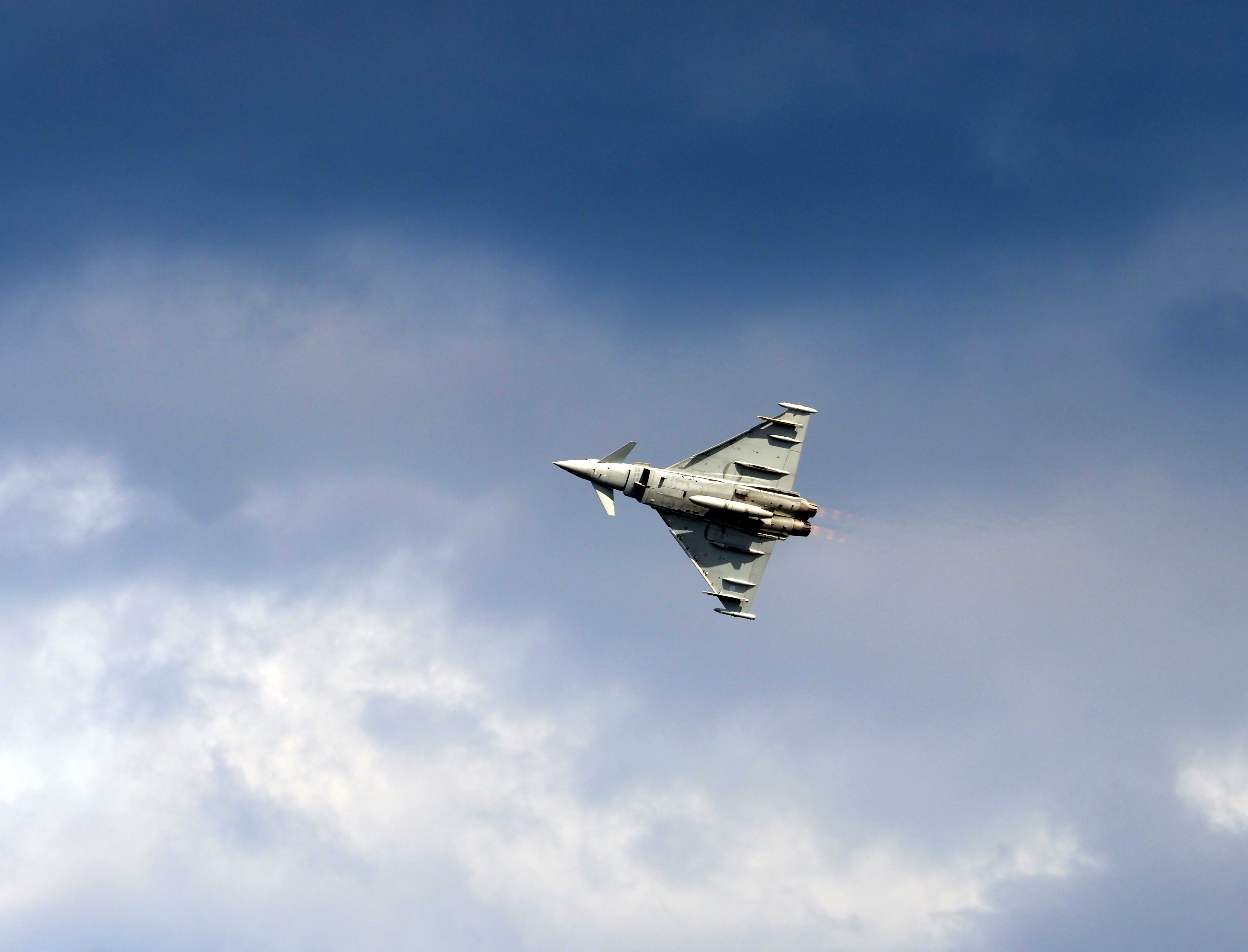
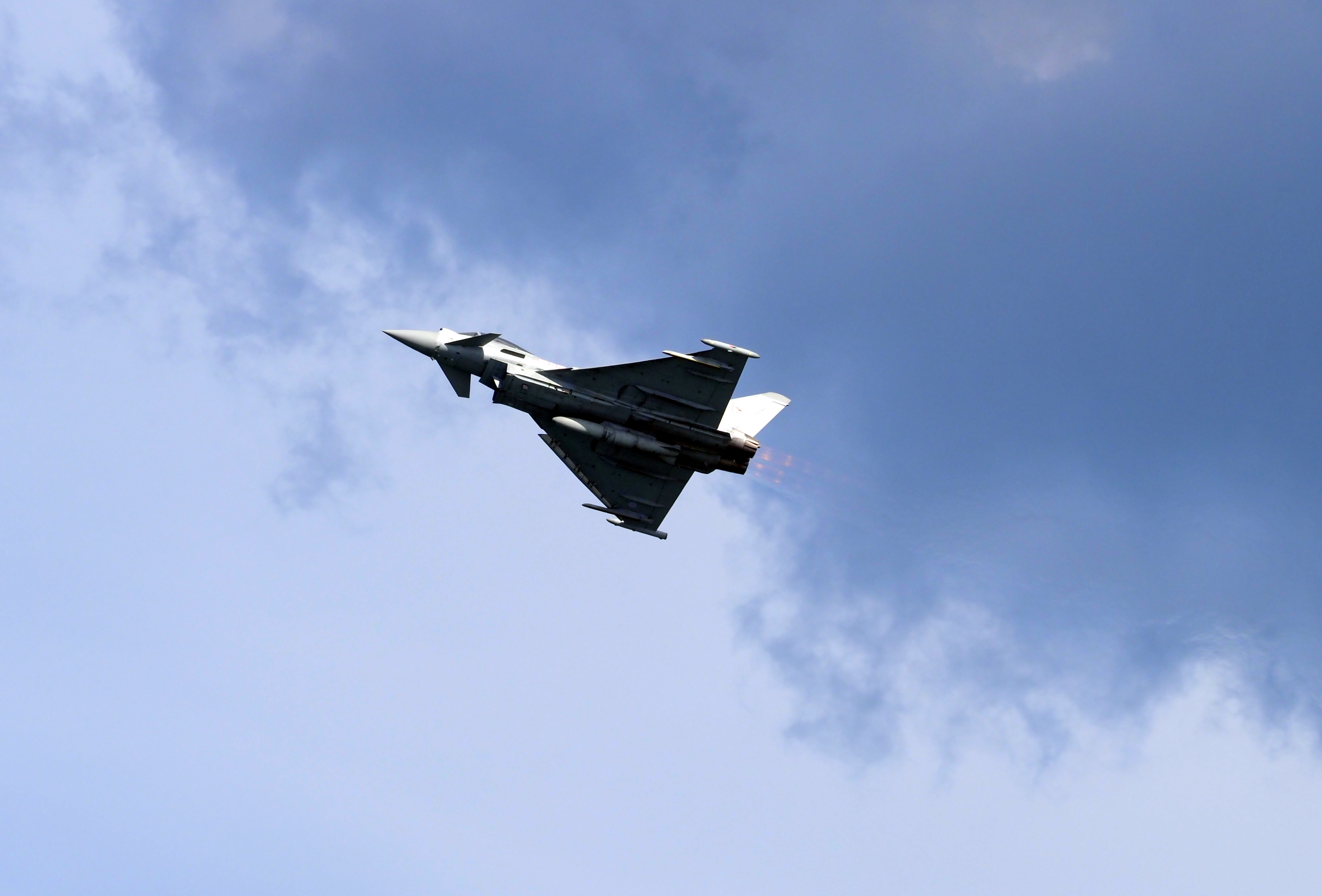
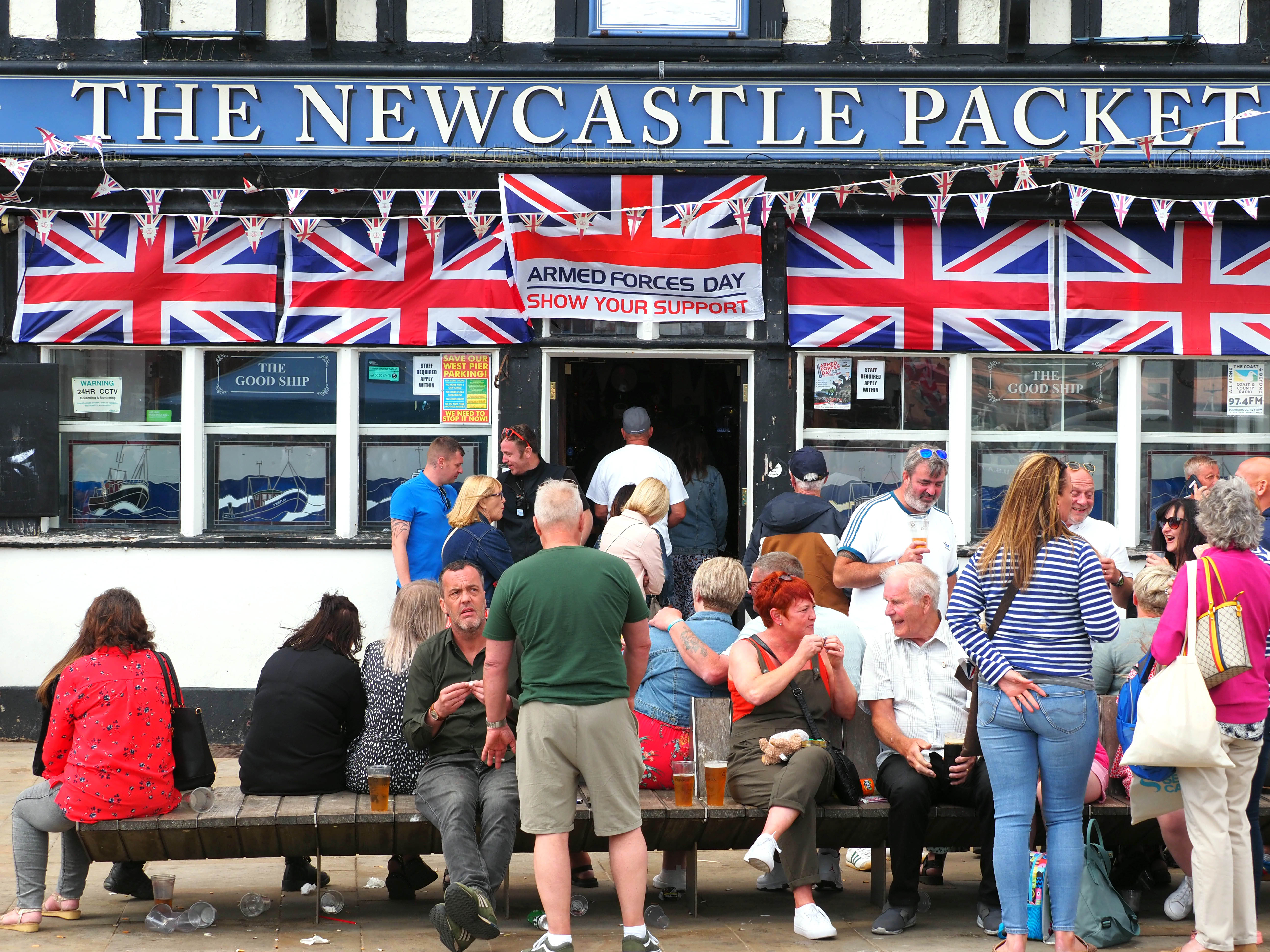
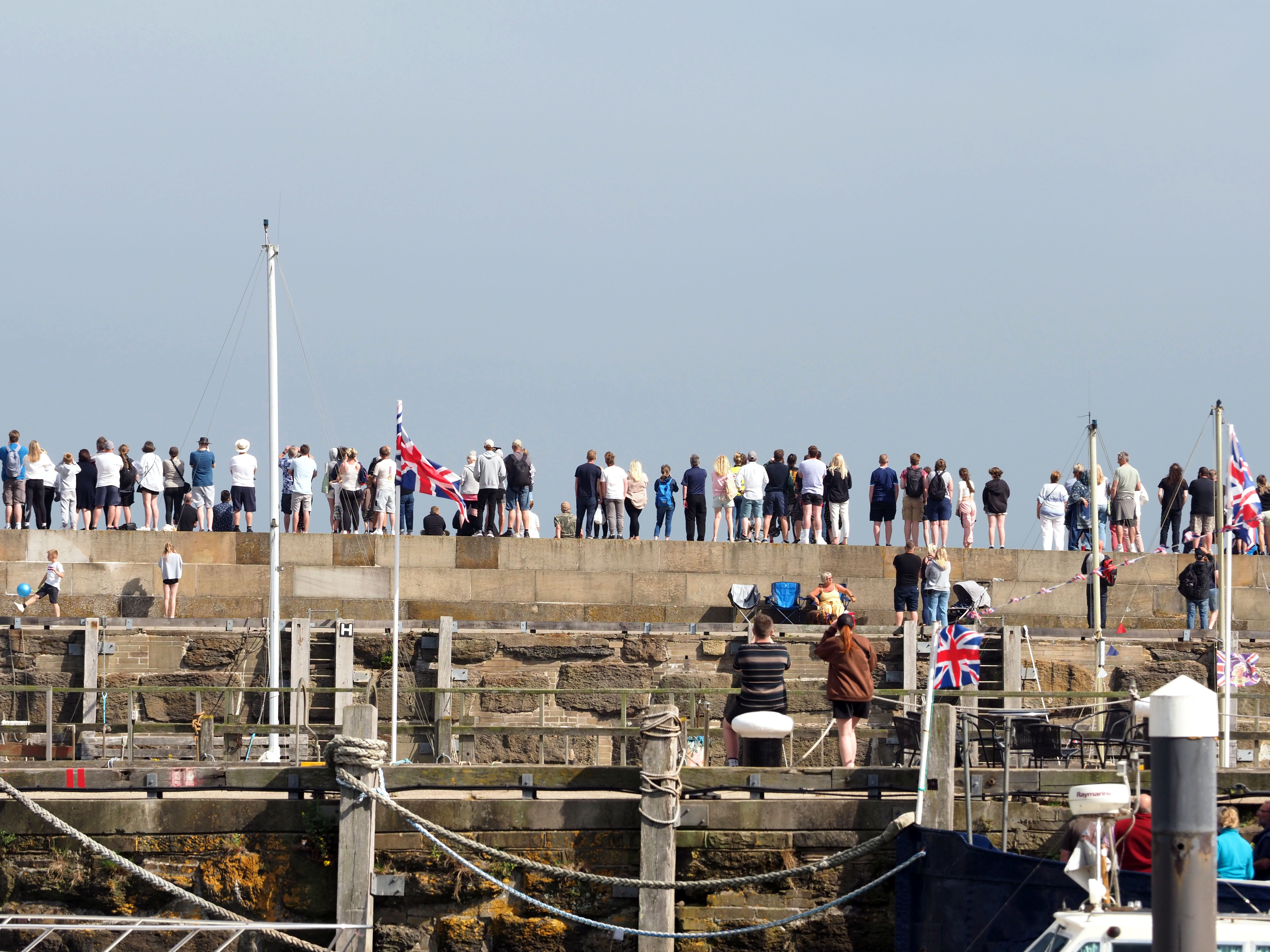
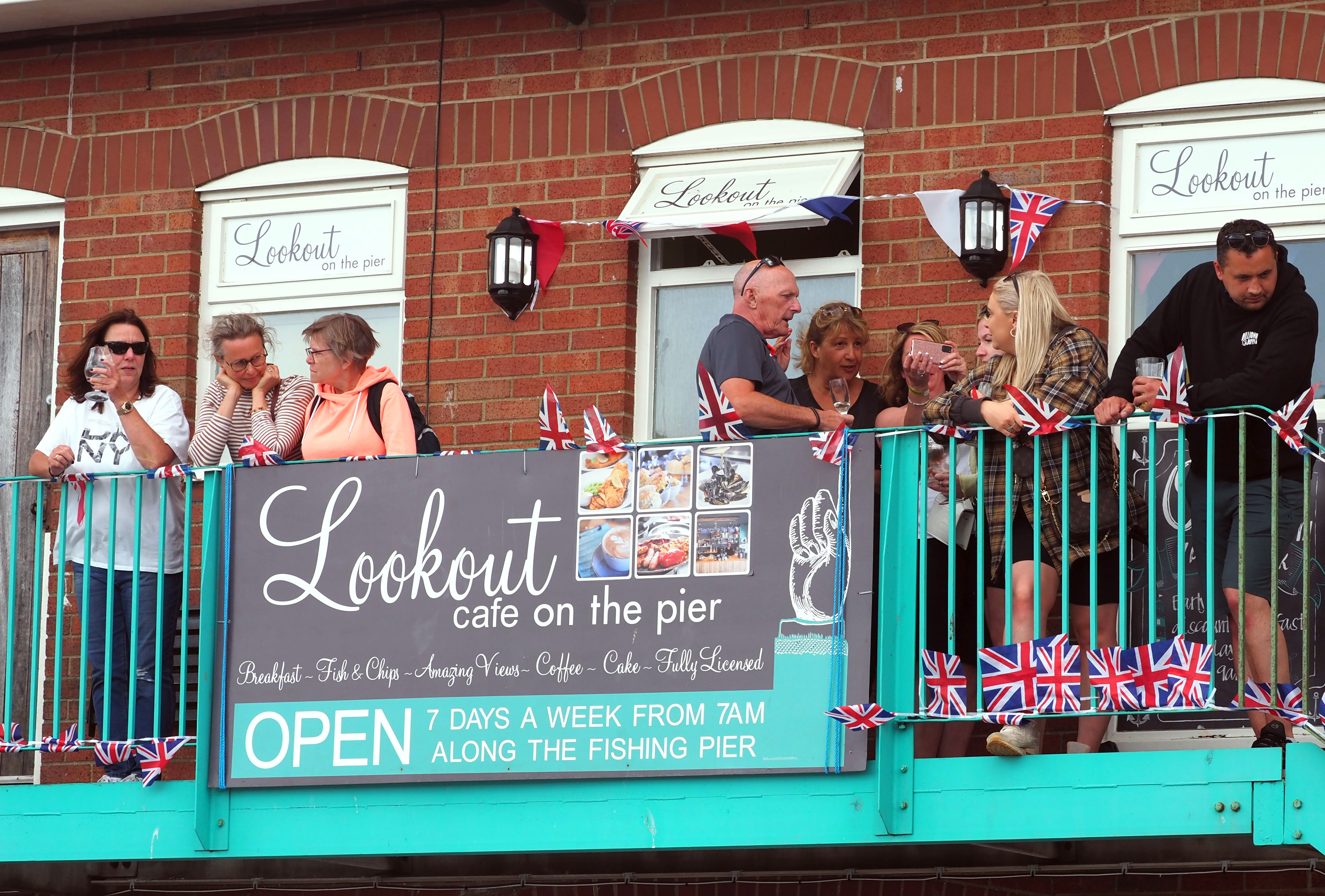
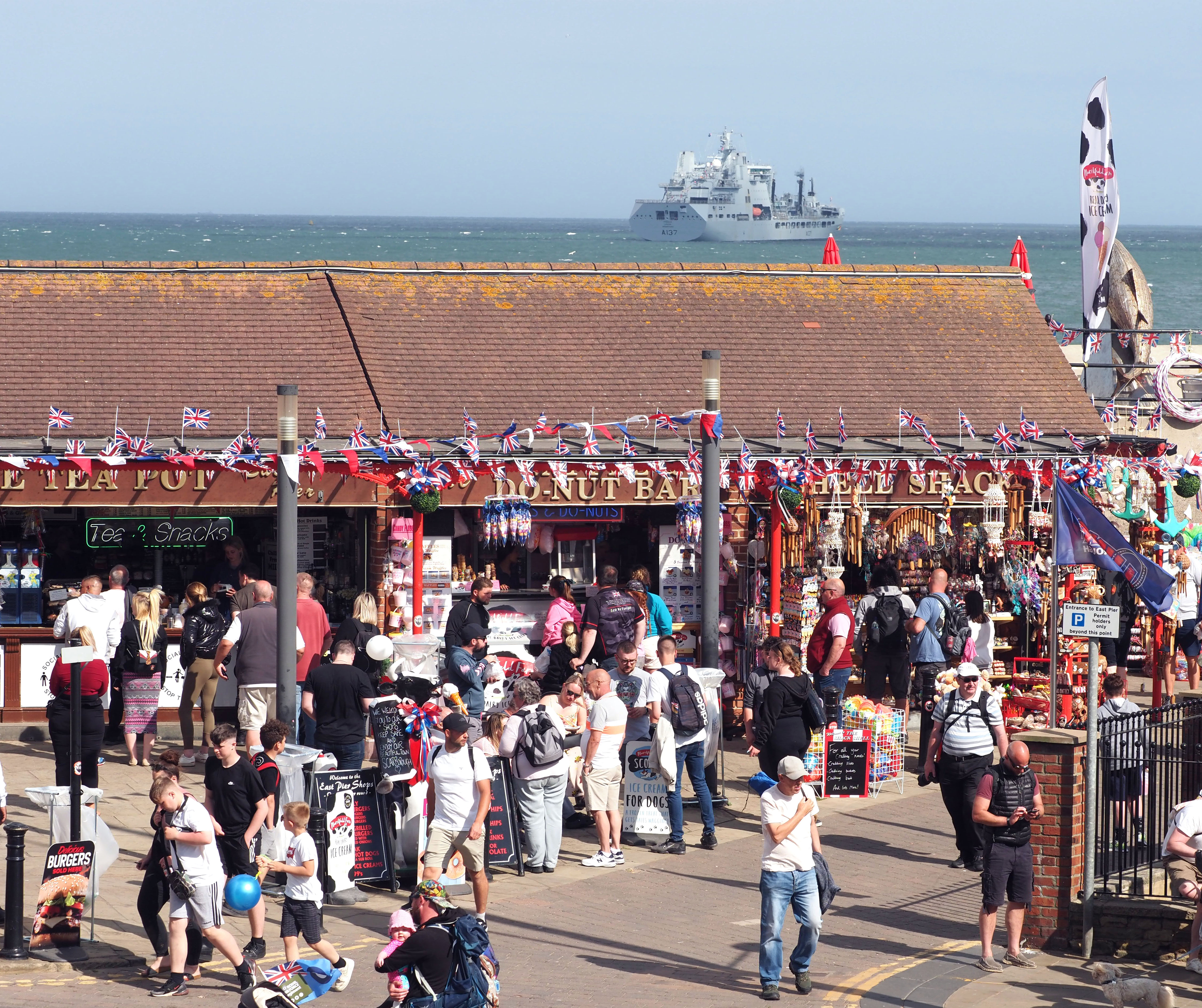
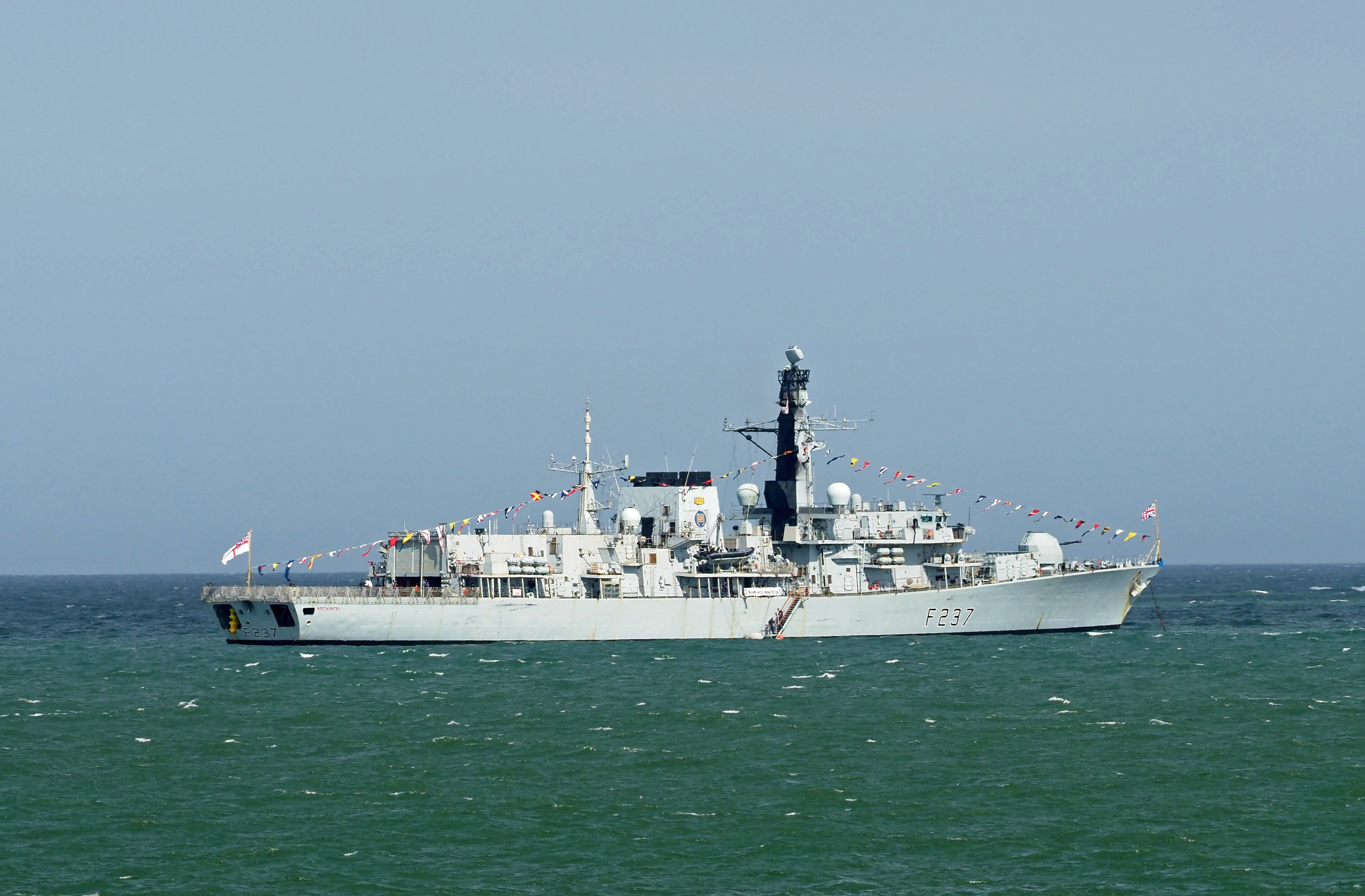
    Some photographs of the Armed Forces Day in Scarborough on 25th July 2022.

    Crowded South Bay Beach Scarborough 25 July 2022
    HMS Westminster anchored offshore
    Marking up
    Talking aim
    Reload
    Upside down
    Flying the flag
    Watching the air display

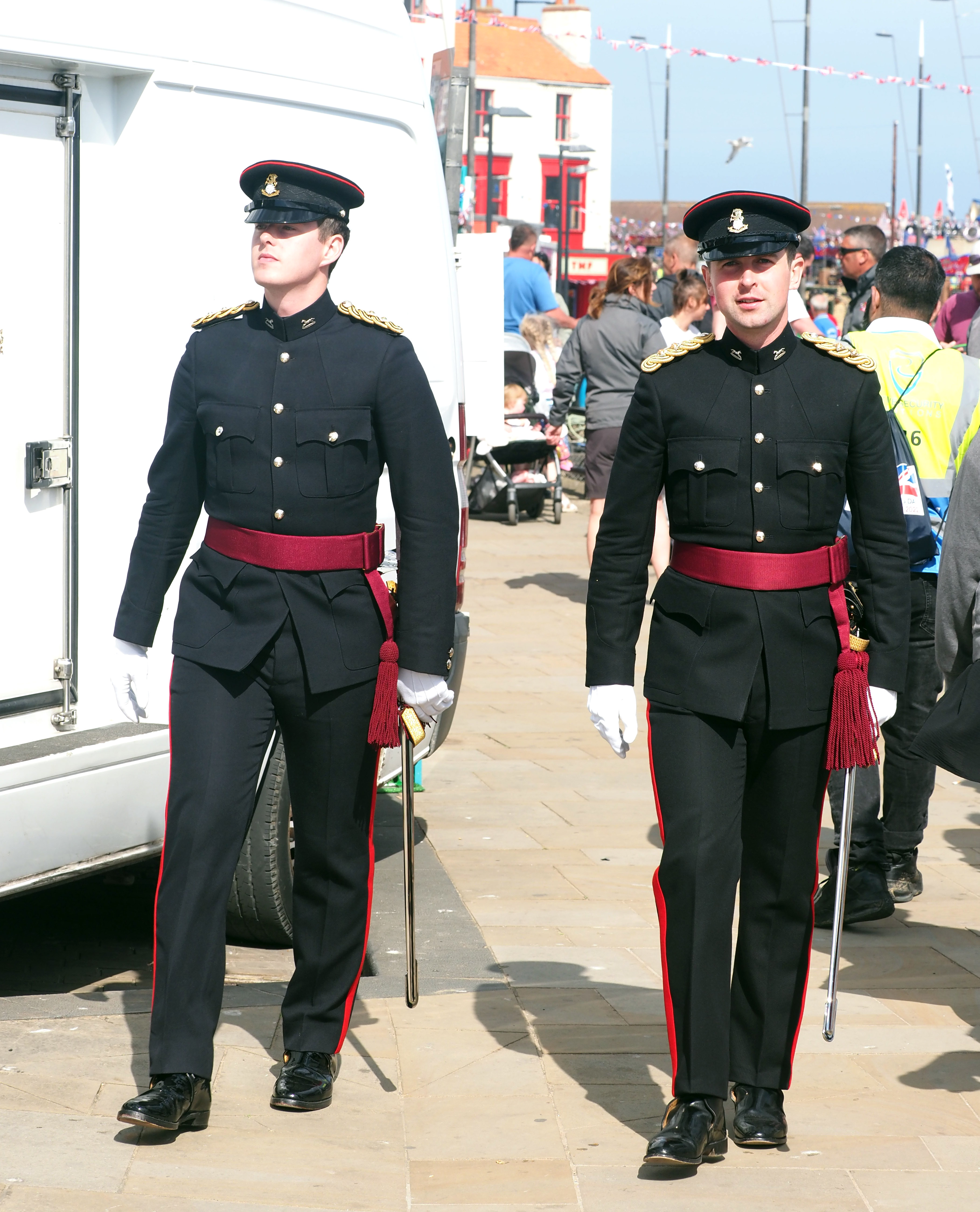
    Army No. 1’s I think
  • Patterns: ancient and modern

    Patterns: ancient and modern

    Yesterday was a beautiful sunny day with a rich evening light. Evening being between 2-3 pm at this time of year in North Yorkshire!

    Fishing boats in the afternoon sun (16 Dec 2021)
    Reflections on the water (no cropping)

    I strolled around the harbour here in Scarborough, a very familiar tramping ground, as there is always something to photograph: fishing boats, birds, people, reflections, the list goes on. The light at this time of year (mid December) is wonderful because the sun is so low in the sky.

    Ruddy turnstones (Arenaria interpres) enjoying the last of the winter sun

    I am always drawn to reflections, be they on glass or water. The play of colours created by ripples on the surface of water creates fascinating effects. Particularly, if you ‘sample’ them with a long(ish) lens. The effects can be quite creative; abstract patterns that can be further sampled (i.e. selecting a portion of the image) on the computer.

    Boat and reflections in the inner harbour, Scarborough

    The light really was lovely. No need to do any processing. Apart from cropping and a slight increase in exposure, these images are straight out of the camera (Nikon D7500).

    More reflections

    By sampling, I mean zooming in, cropping out a smaller portion of the image (see below). It makes the whole thing more abstract. It is easy to get carried away! I think it works best if one does not over-do the cropping?

    Cropped image from above

    It is just a matter of taste really. Some things crop better than others. I like it when there are an eclectic mix of colours and shapes.

    As I continued my walk around the harbour, past the light-house, I noticed a different sort of pattern. There were some sandstone flags (paving stones) that had lovely ripple marks. They were particularly apparent on this afternoon, as the sun was low, high-lighting the protrusions.

    There were (are!) relatively few paving stones that had very good ripple marks! Perhaps the stone masons discarded the more uneven ones?

    Ripple marks on sandstone flags, Scarborough harbour

    There were small, round, stone bosses in the middle of the flags. I had never noticed these before. I suppose they were holding the slabs in place?

    Ripple marks on sandstone slabs, Scarborough

    There is much that these ripple marks can tell us about the environment in which they were laid down. Follow the links! Wave-formed ripples.

    Ripple marks on sandstone slabs, Scarborough

    More science here and here!

    Finally, as I was ending my walk, I noticed some really interesting, almost psychedelic reflections, coming off the corrugated iron wall at the end of the harbour (below).

    When I focussed in on these reflections, I was amazed how interesting they were!

    None of these reflections lasted very long. The sun set and they were gone! But sure to reappear, in a different way, on a different day! Our world is infinitely variable and infinitely fascination!

    A Happy Fractal Christmas to everyone!