Author: rcannon992

  • Katie the kittiwake – a story for children (of all ages!)

    Katie the kittiwake – a story for children (of all ages!)

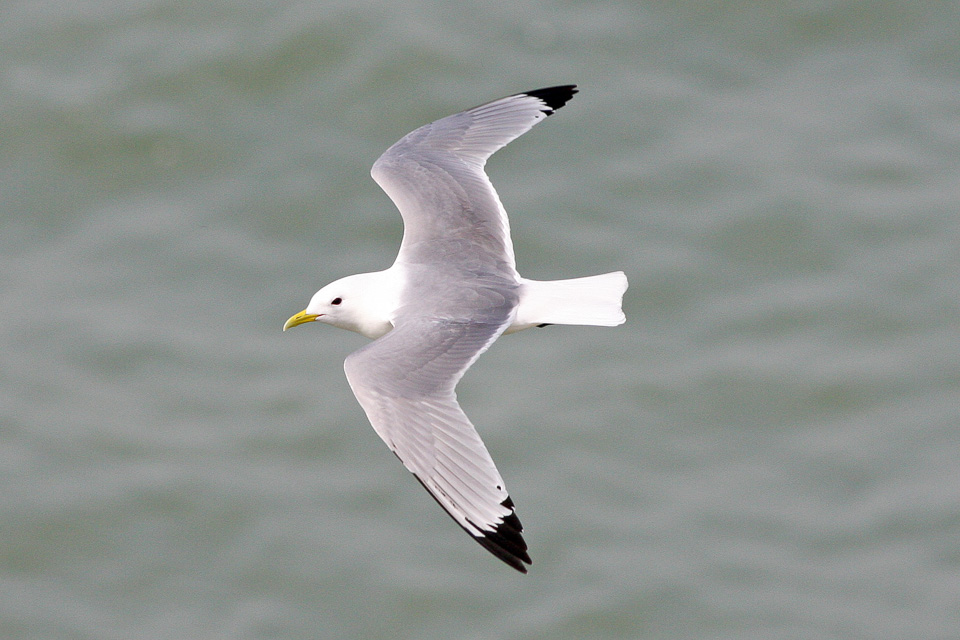
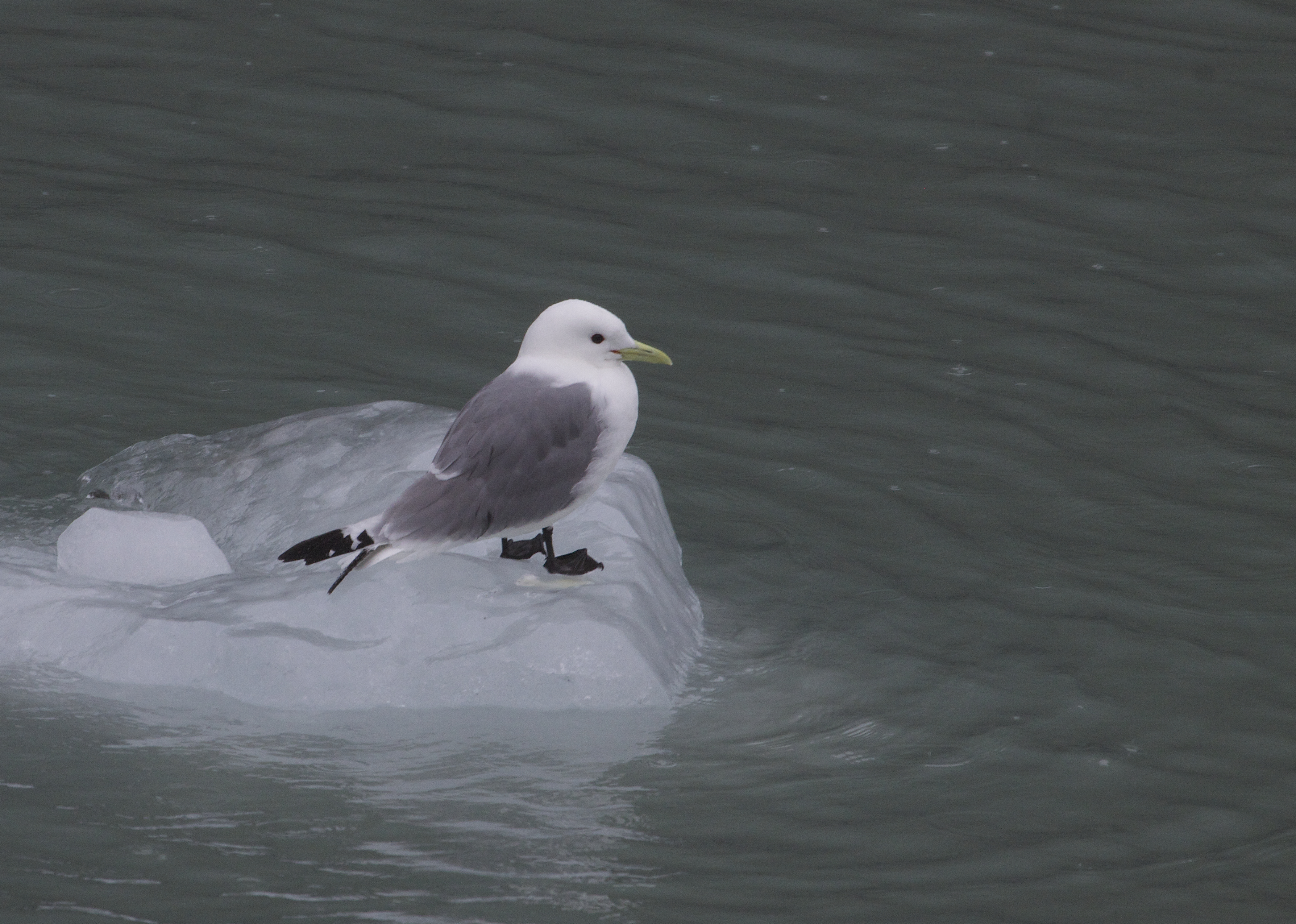
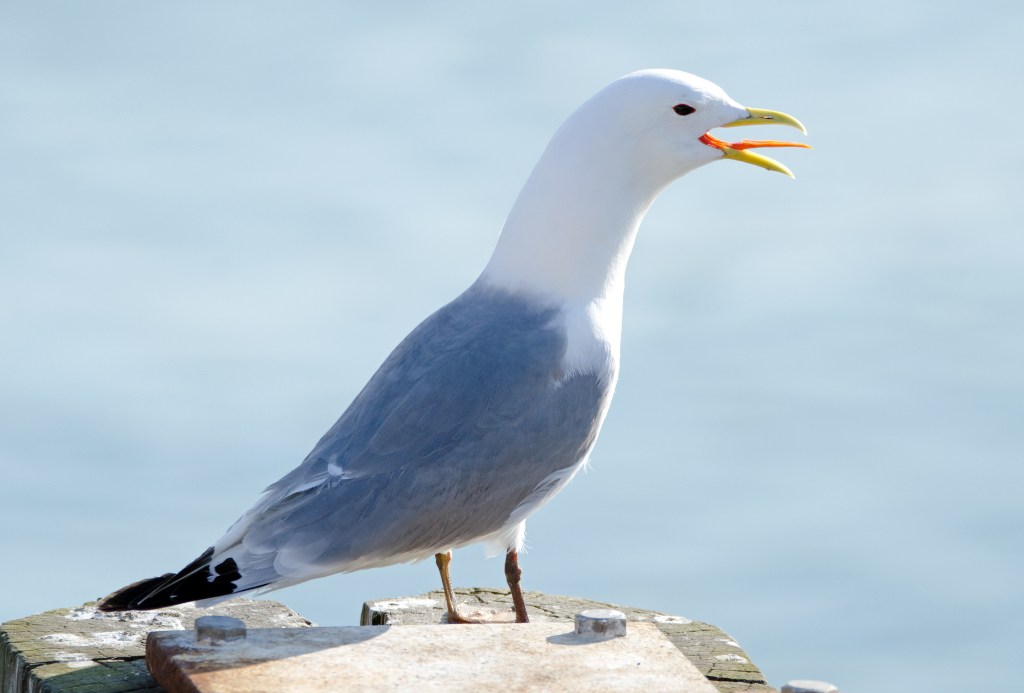
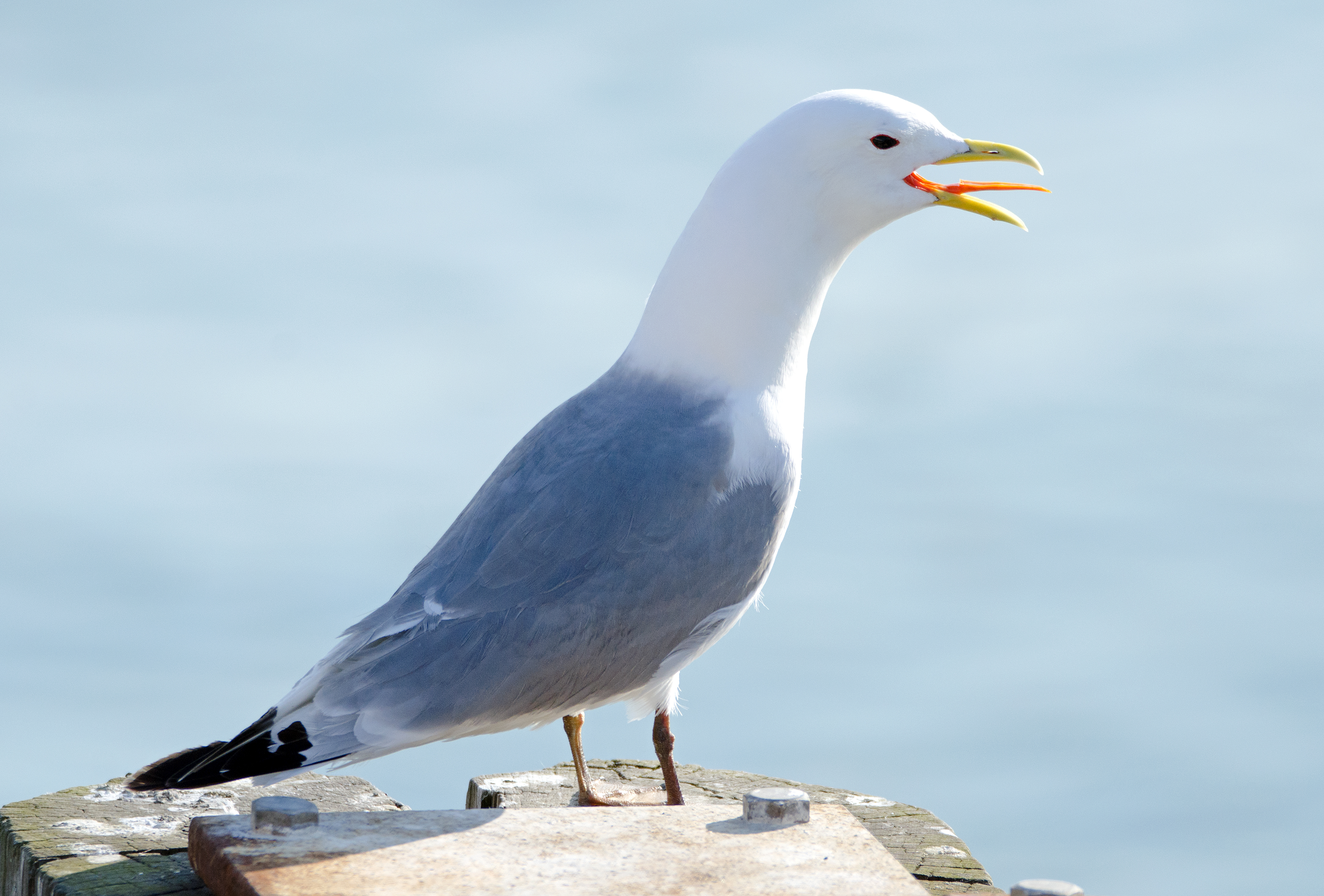
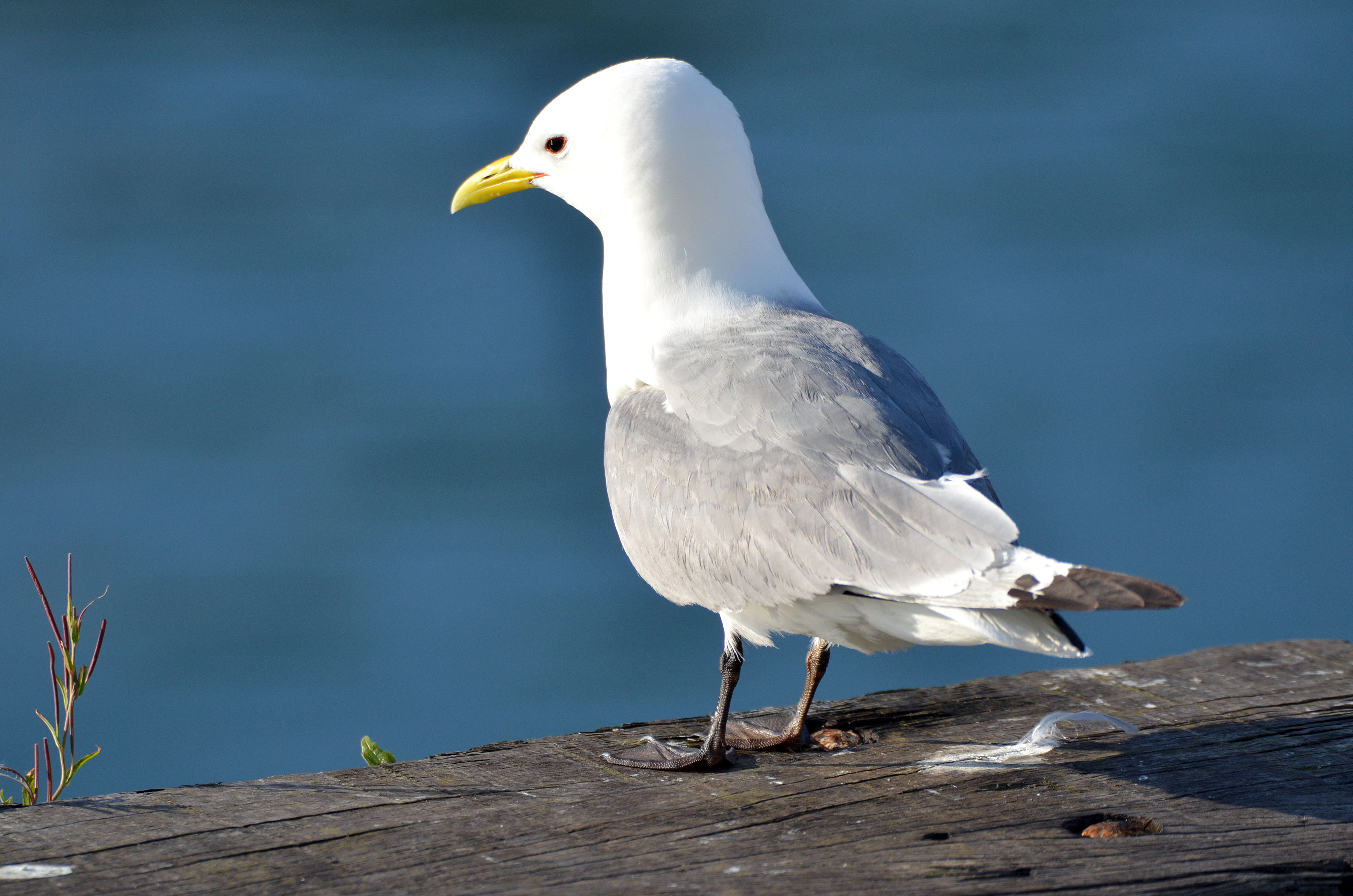
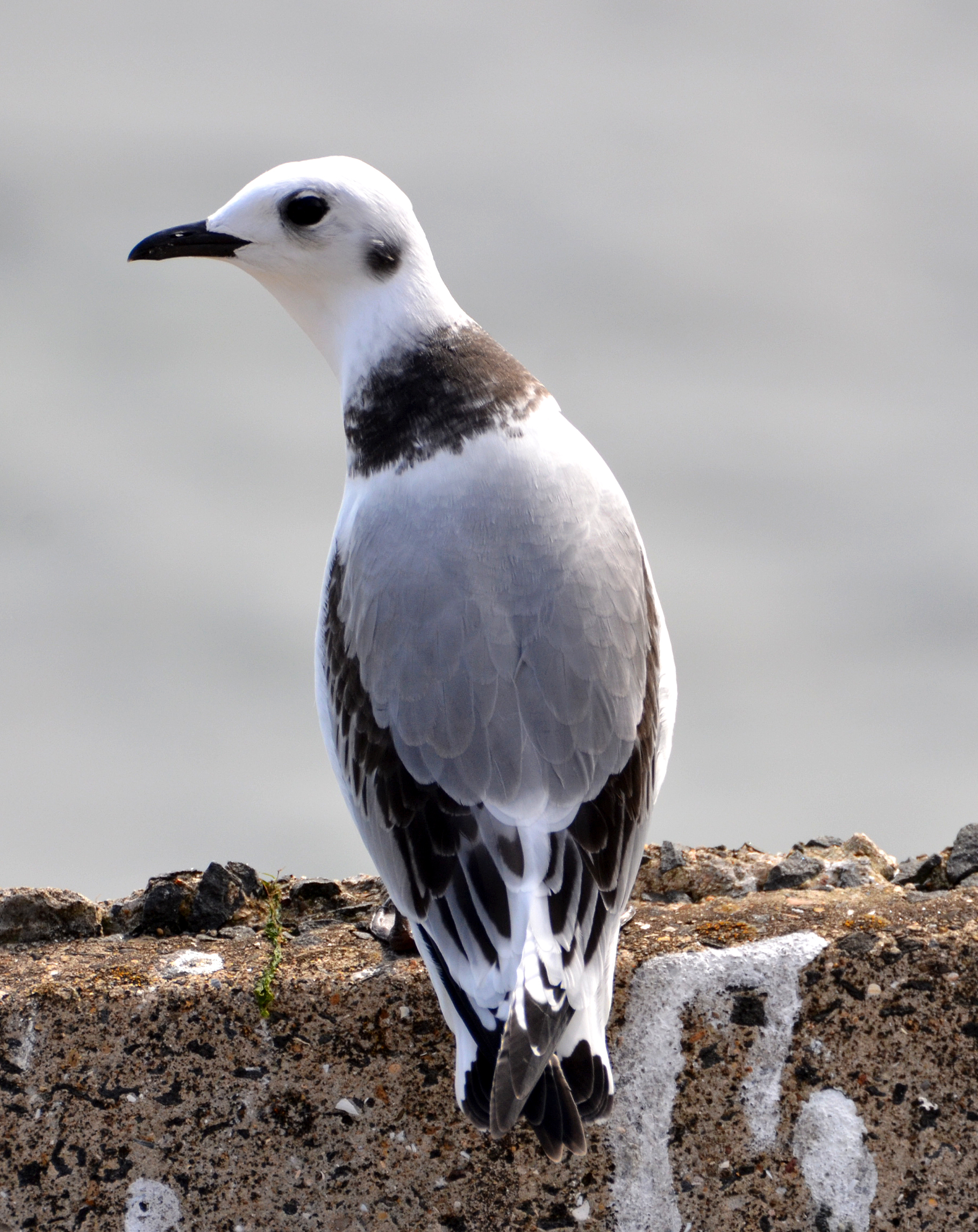
    Black-legged kittiwake (Rissa tridactyla) adult, just like Katie’s parents!

    Katie was born – if born is the right word for a bird which hatches out of an egg – on a ledge, three storeys up, above the back entrance to Mark’s and Sparks.

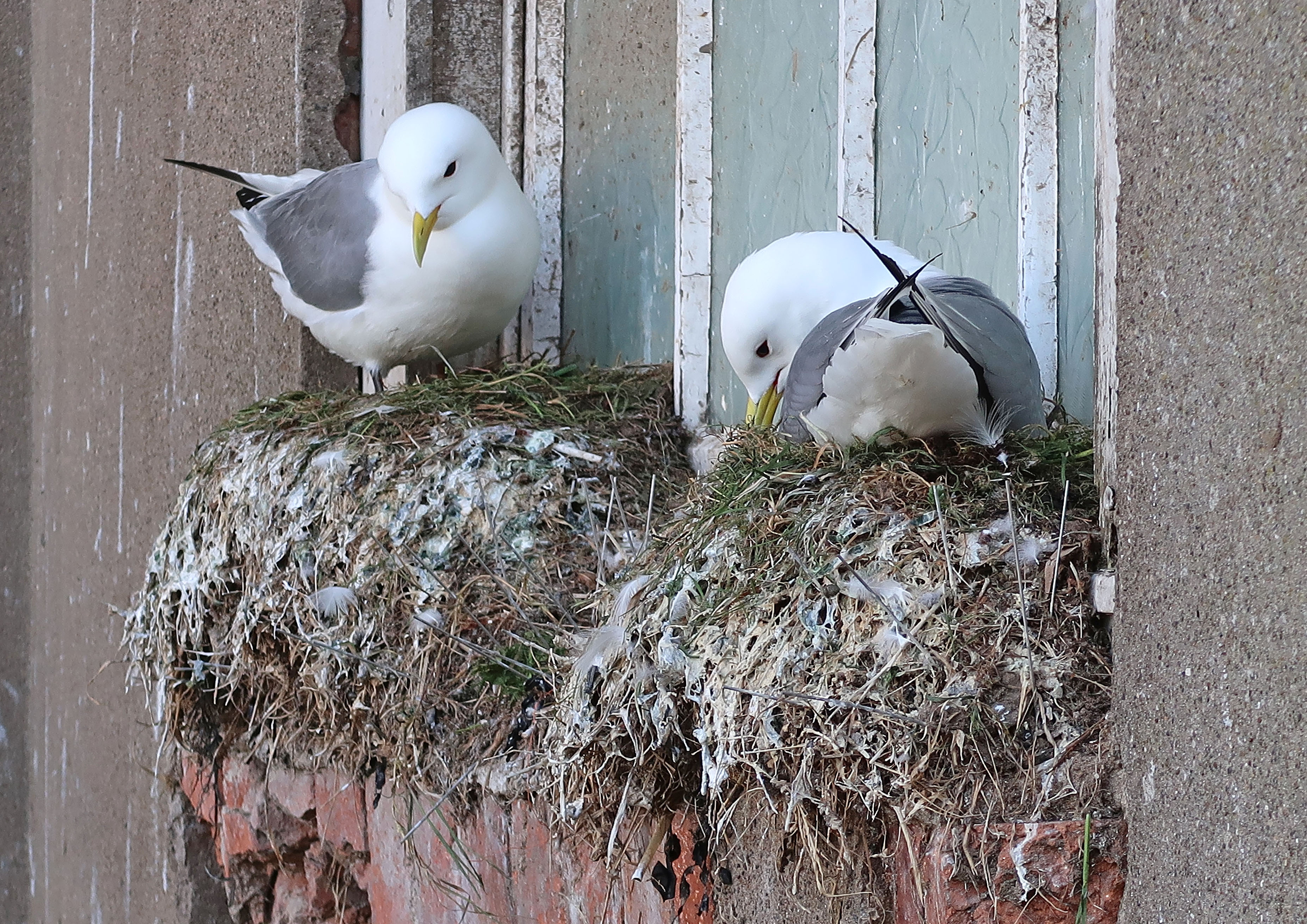
    Kittiwakes nesting on a window ledge, just like Katie’s parents

    Katie’s parents had nested there for many years and brought up all of Katie’s brothers and sisters on this tiny ledge. Katie’s parents had been together for five years. Before that her Mum, Flo, had been married to another bird, Sid, but tragically he had died in a terrible storm in the mid-Atlantic whilst coming back from Newfoundland. Yes he was a Canadian.

    Kittiwakes don’t need aeroplanes to cross oceans, they just fly across, stopping to rest and feed on the surface of the sea, whenever they need a break. But sometimes, even the most experienced birds get caught in a storm and perish.

    Katie’s Mum waited anxiously for weeks for Sid to return, but gradually she came to realise that he was not coming back, and rather than sit and grieve for her lost love for years and years, she decided to get on with her life and make a new start.

    A handsome young kittiwake called Harold had been hanging around and making eyes at Flo for some time. He was a lot younger than her, but she was a good catch, still in her prime and with plenty of valuable experience. Wisdom counts for more than youth in kittiwake lives. Harold was happy to find such a clever and wise partner and soon the pair settled down together.
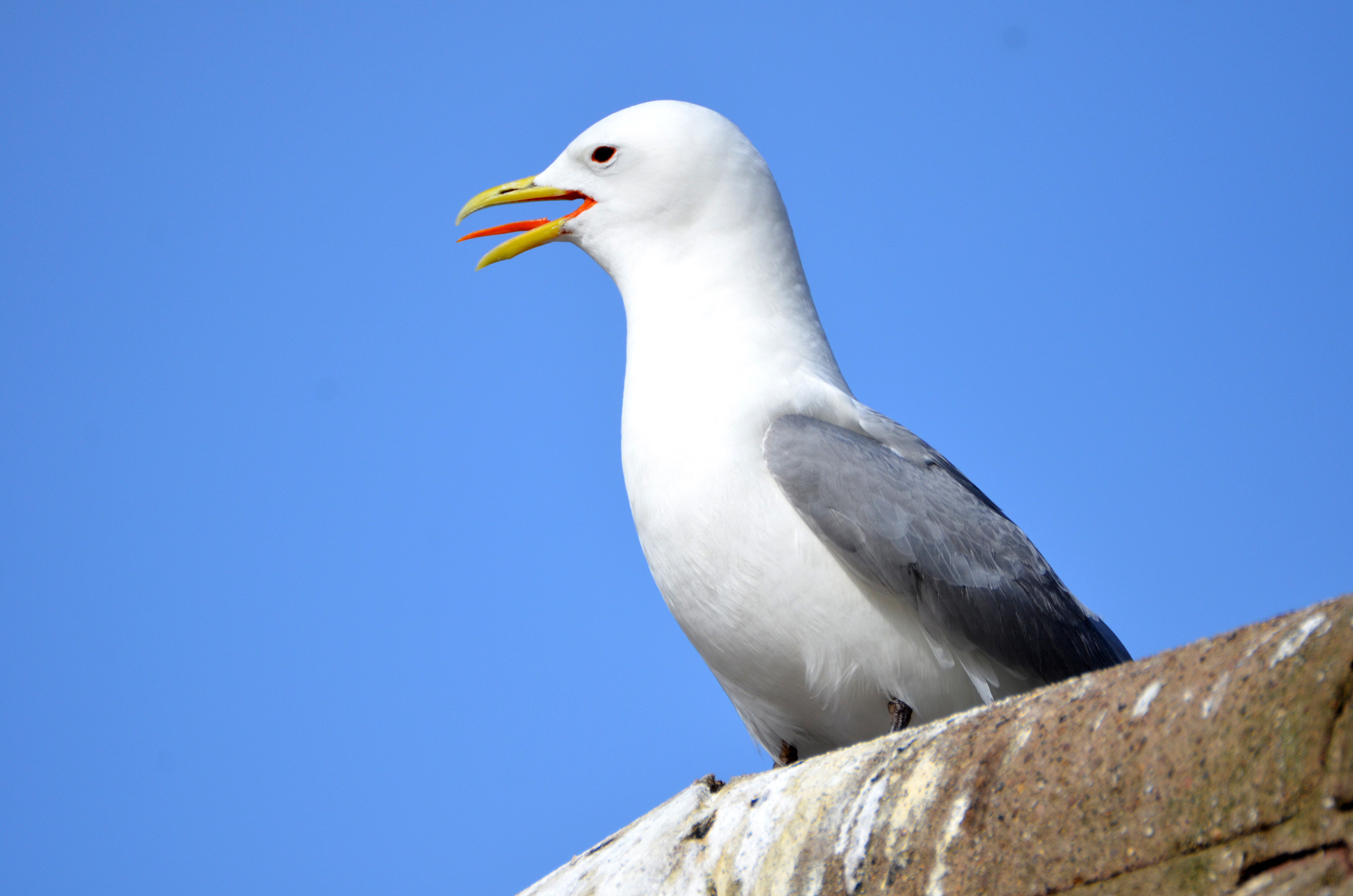
    A handsome adult Black-legged kittiwake (Rissa tridactyla), just like Harold!

    Kittiwakes live for a long time. Flo was already 23 and had successfully raised 29 chicks so far. It was a big family.  Harold was only 15, but together they had already had eight offspring. Katie was their ninth. Sometimes, some of Flo’s other children, all grown up now with their own partners and families, would fly over and scream a greeting. Only Flo knew who they were.
    The oldest known kittiwake lived for more than 28 years in the wild. There are probably even older birds.

    Harold was from Norway, and despite having lived in England for five years, he still had a slight accent. Kettiwoke, kittiwoke, he would cry, and all the other kittiwakes would laugh! Harold doesn’t know how to speak proper, they would say, before screaming “kittiwake, kittiwake” in the local accent.

    Kittiwakes nesting on Castle cliffs, Scarborough. Like Katie’s ancestors did!

    Katie’s ancestors used to live on cliffs overlooking the North sea, but long ago her great, great, great great grandfather – still affectionately known in the family, as Old Bob – decided to start a new life in the town. Other kittiwakes had started to nest on ledges high up on buildings. They looked very much like cliffs to a kittiwake, but had the advantage of being much more protected and secure – and best of all, there were no terrible peregrines there. Peregrines were hawks which made the lives of kittiwakes a constant nightmare: suddenly swooping down out of nowhere and snatching a poor gull out of the air. The victim was then killed and eaten in front of all his friends and family! What a terrible fate. Peregrines lived on the cliffs like the kittiwakes, so to get away from them was a real blessing, and since Old Bob made the move, together with his faithful partner Gladdis, generations of their descendants had grown up in relative safely, high above the same street where Katie now lived.

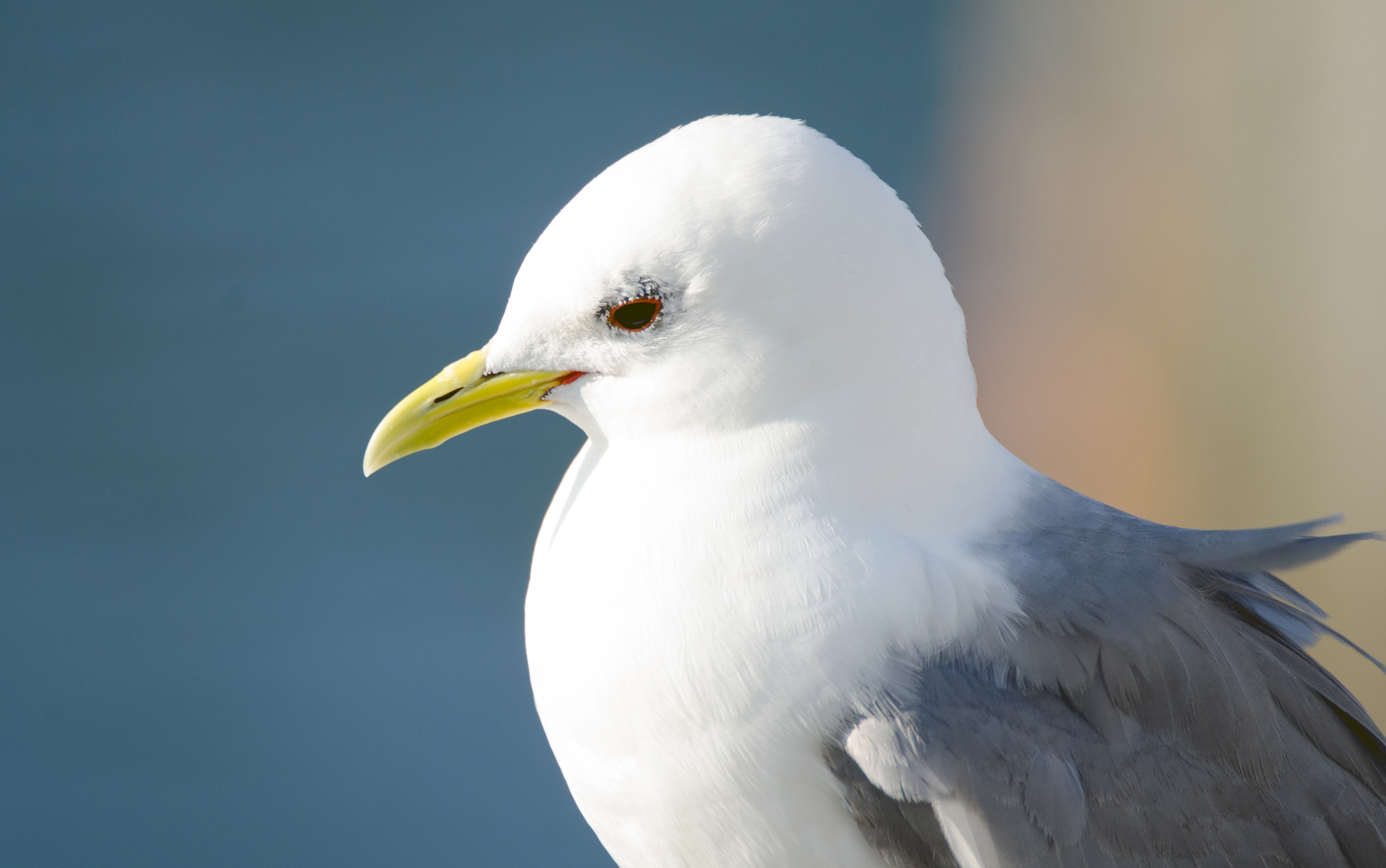
    Close up of adult Black-legged kittiwake (Rissa tridactyla) like Katie’s parents

    This year, when Flo and Harold returned to their ledge at the start of summer, there were some horrible spikes sticking up. Some human had put them there to try and stop the kittiwakes from nesting. Harold and Flo were a bit worried at first, but they knew what to do, they had watched other birds with the same problem. For 10 days they flew back and forth from the seaside, bringing bits of seaweed, mud, discarded fishing nets and anything else they could find; pilling it up over and between the spikes, until their little hill of material rose above the sharp projections, and they had a comfortable platform on which to lay their eggs.

    Katie hatched out on the 5th July. Although she was balanced on a ledge 30 foot up above the pavement, there was no danger of her falling. She knew how to stay safe. Millions, probably billions, of kittiwakes  had balanced on ledges for millions of years. Those that had vertigo,wobbly knees or poor eye sight had all fallen off already! Those that were left were the descendants of expert balancers, surefooted seabirds than never put a webbed foot wrong, or felt a tinge fear, and were happiest high up and safe.

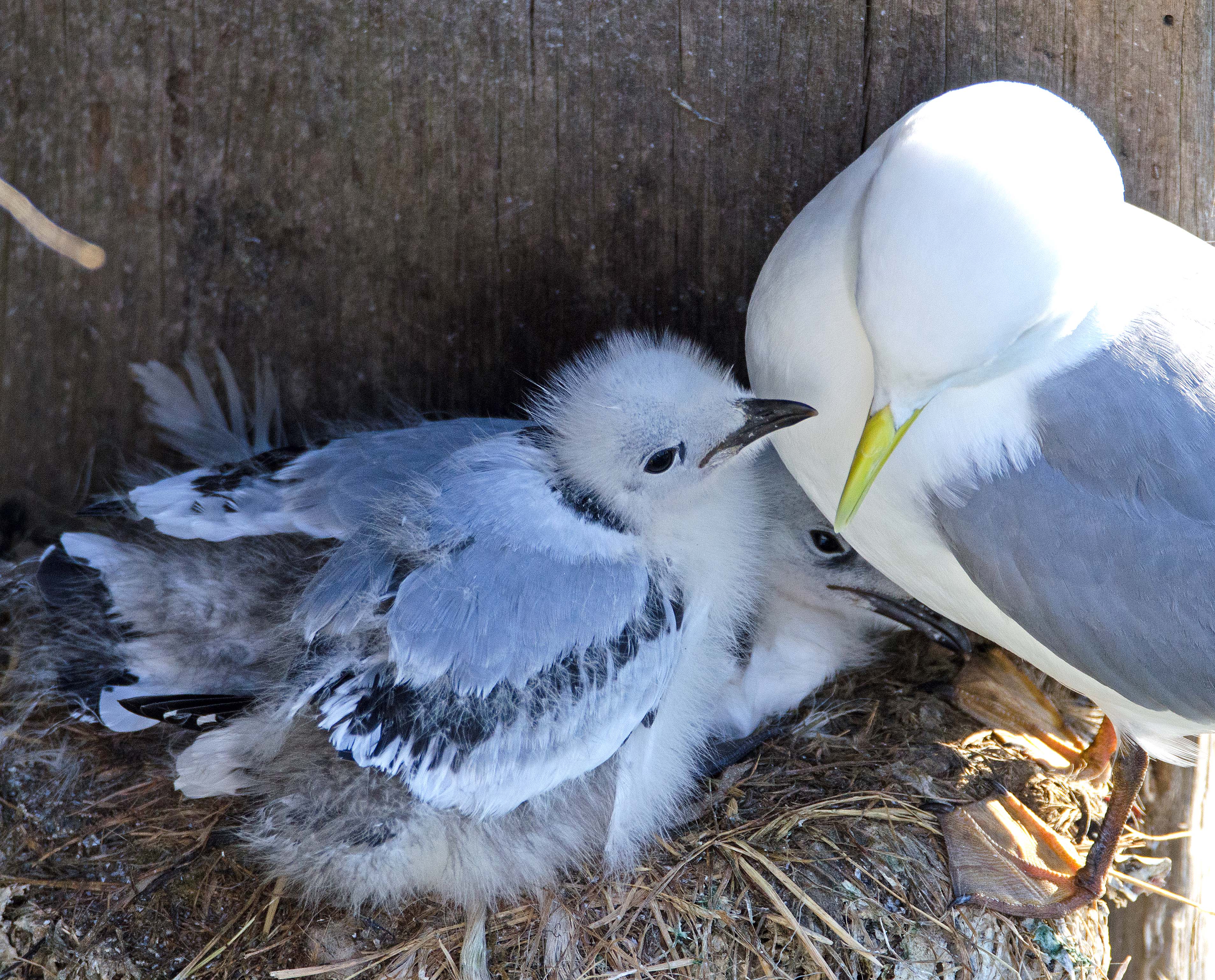
    Black-legged kittiwake chicks, mid July

    Katie loved the smell of food which came up from the supermarket below. Gulls have a very good sense of smell, and she could smell the freshly baked bread, sandwiches, fruit and lots of lovely things. But Katie’s parents only brought her fish. Fish, fish, fish every day.

    “I’m fed up of fish!” Katie told her parents. Why can’t I have something else!? But you’re a kittiwake sweetheart, her mother said; kittiwakes eat fish.

    “But Glenda gets chips!” Said Katie. Glenda, was her friend; a young herring gull who lived on the roof next door. Glenda’s parents brought her all sorts of different food: chips, bits of sandwiches, ice creams, even the odd sausage roll! “Why can’t I have some chips like Glenda”? Katie she said, petulantly.

    Herring Gull (Larus argentatus) chicks on a rook, just like Katie’s friend Glenda

    Well we don’t pick things up off the street like those gulls, said her father. We fly out to sea and bring you back fresh fish every day. Only the best for our little Katie!” She smiled. She knew her parents meant well and cared for her, but she still longed to try all those delicious things she saw people, gulls – and even pigeons! – eating every day. When she grew up, she thought, then she would eat chips and ice creams.

    A young Herring Gull (Larus argentatus), just like Glenda!

    There were lots of other kittiwakes on ledges nearby. They were always screaming and making a fuss, especially when one of the parents came back from a trip to the ocean. Some of the other chicks were getting quite large and starting to flap their wings.

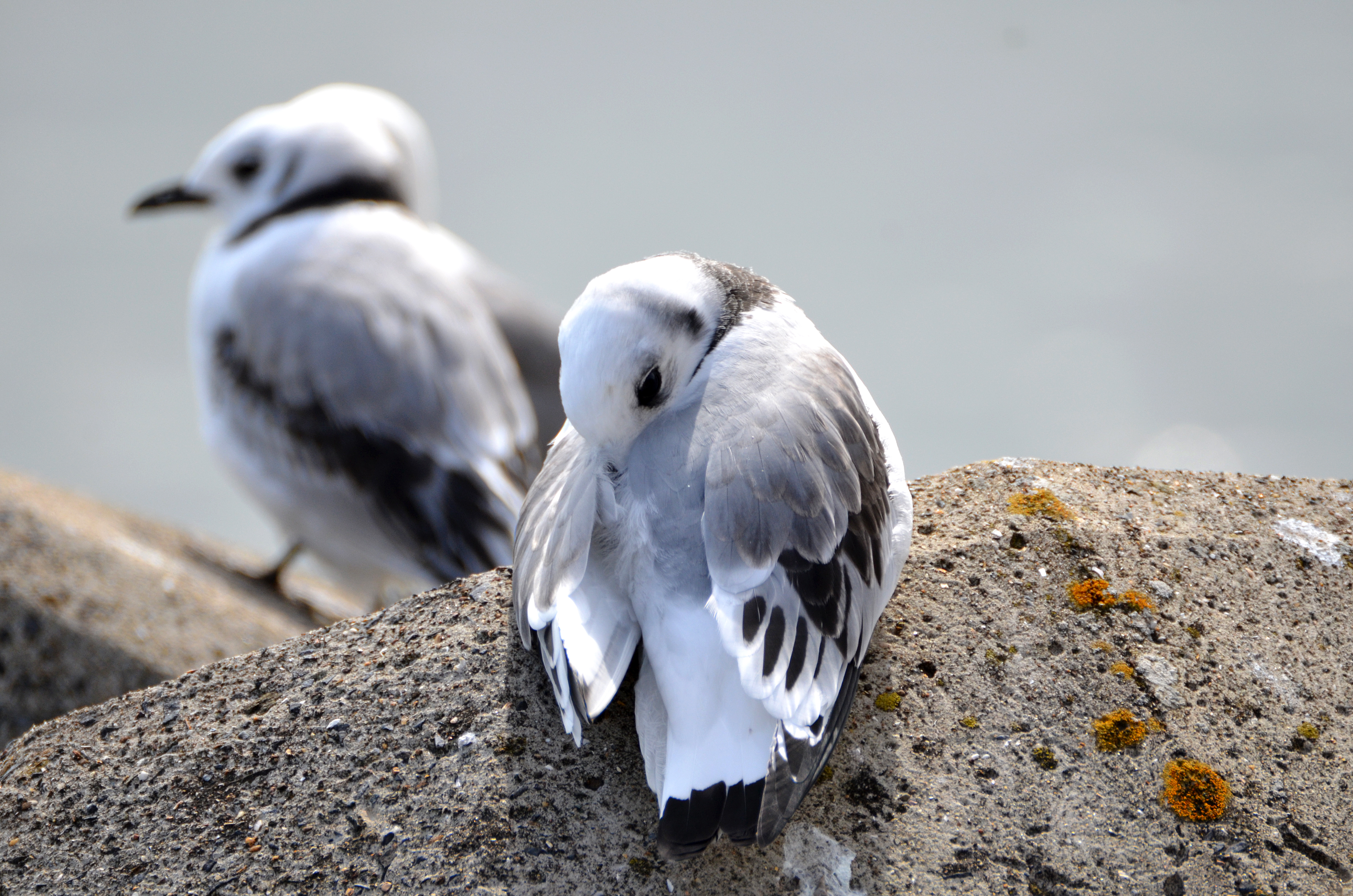
    Kittiwakes nesting on window ledge, like some of Katie’s neighbours

    “You are going to to have to fly soon” said her father. “We will fly down to the sea and try some swimming”.

    “I don’t want to” screamed Katie. “I don’t want to go to the sea. I just want to walk around the streets with Glenda!” Glenda had just left the roof now – well falled off really! – and was walking up and down the street making pathetic begging noises.

    “Squeak, squeak, squeak” she cried, as her herring gull parents looked down anxiously from above.

    “No, I’m not going to sea” said Katie. “I’m going to stay on land and go to school. In fact, I want to be an astronaut; the first kittiwake in space!” She laughed!

    “Don’t be silly said her mother” Kittiwakes don’t go to school and they definitely don’t go into space” she laughed! “We will teach you everything you need to know. We’ll fly off together and spend the winter on the open ocean. You will learn how to fish, how to ride out a storm, and how to take care of yourself”. You’ll meet a nice kittiwake boy and then you’ll settle down together.”

    “Shan’t!” said Katie. “Shan’t, shan’t, shan’t!”

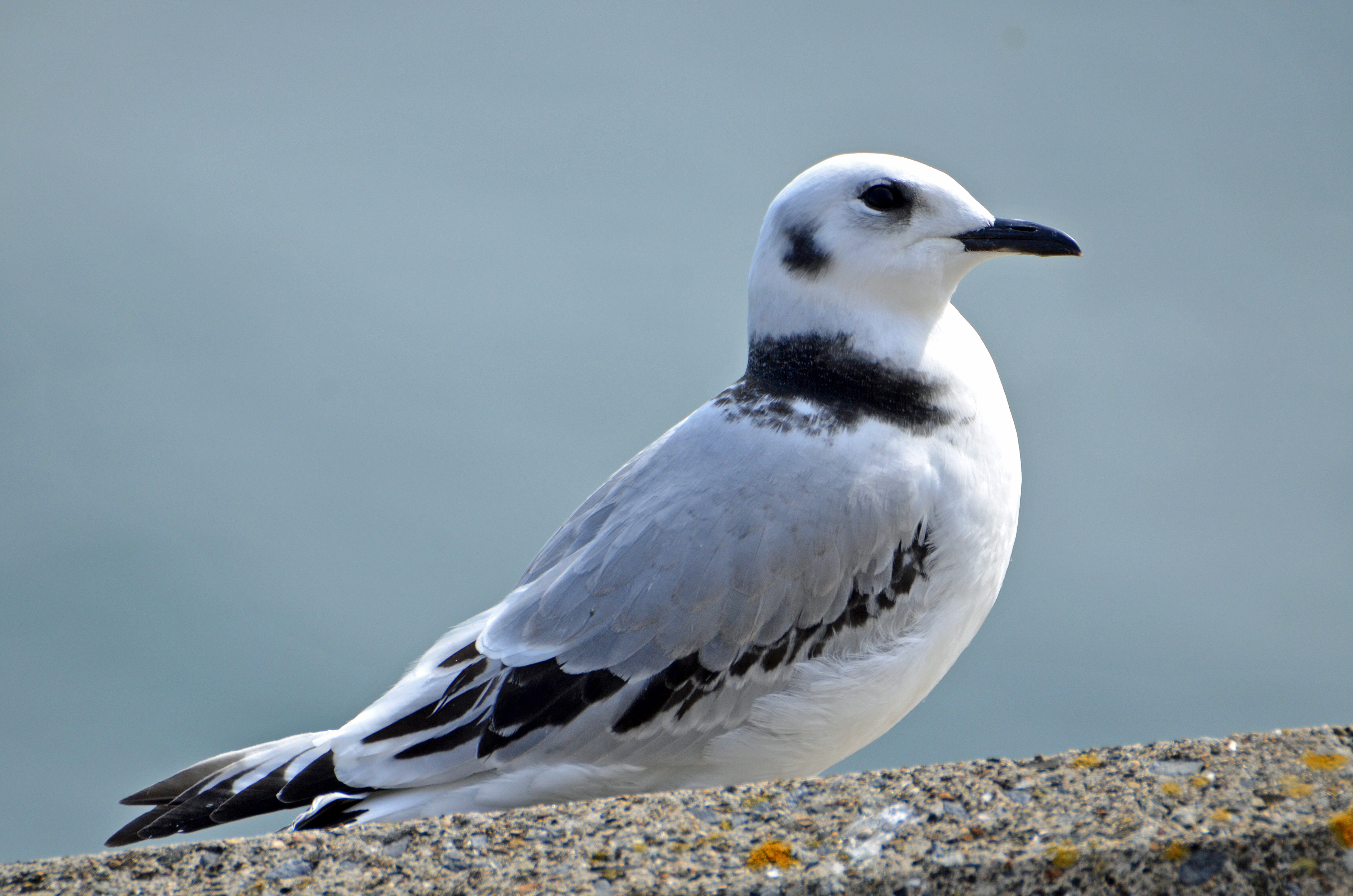
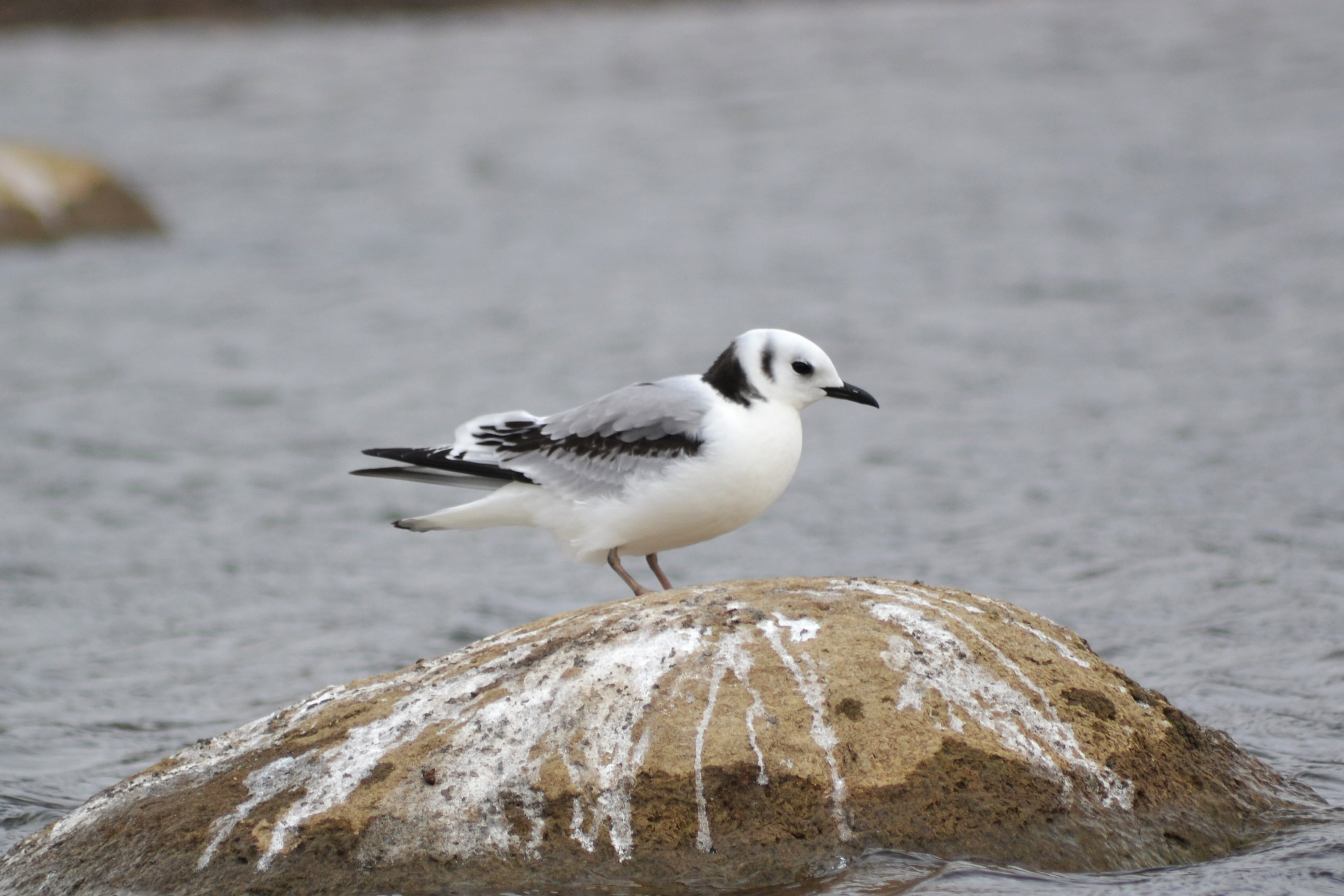
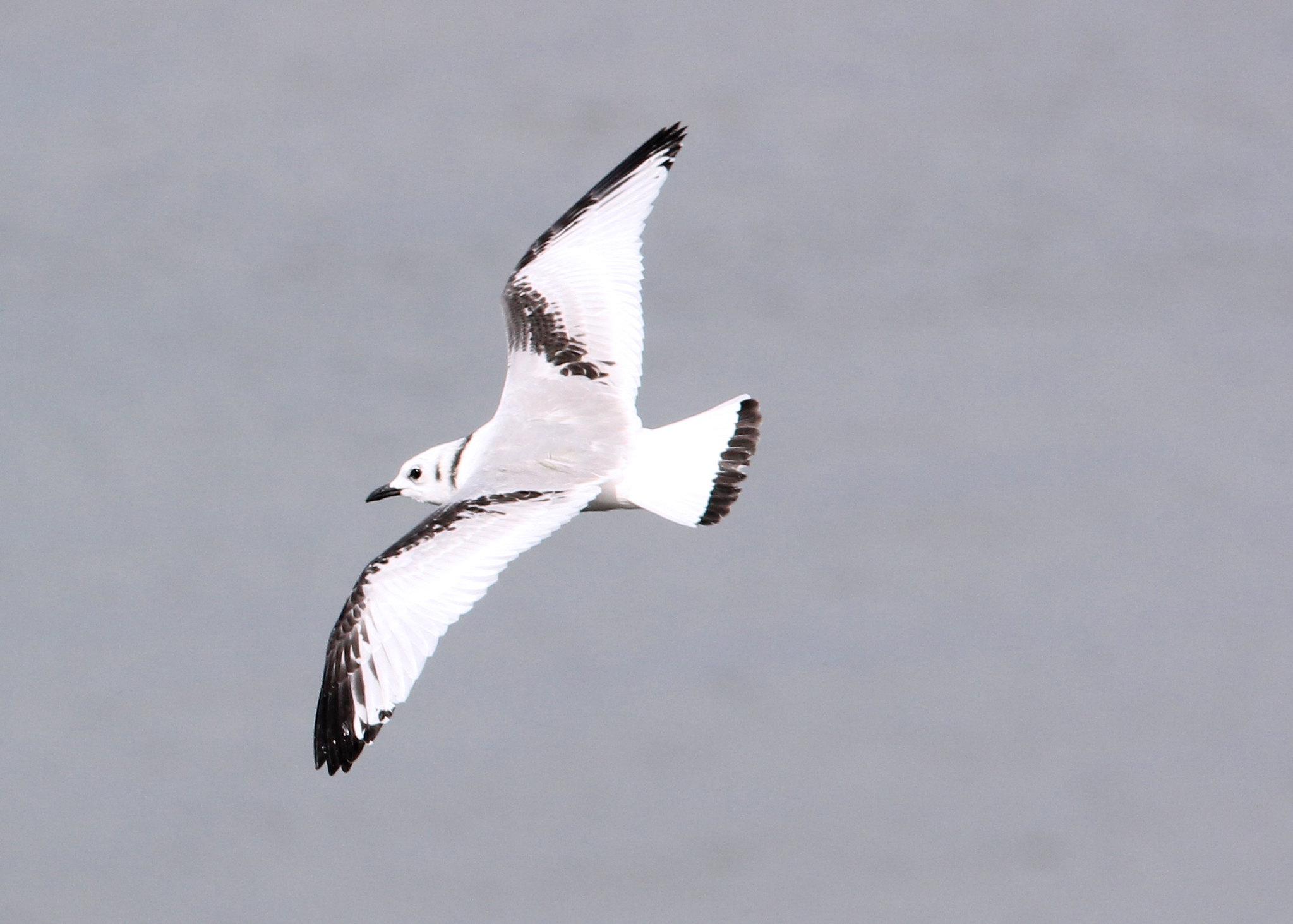
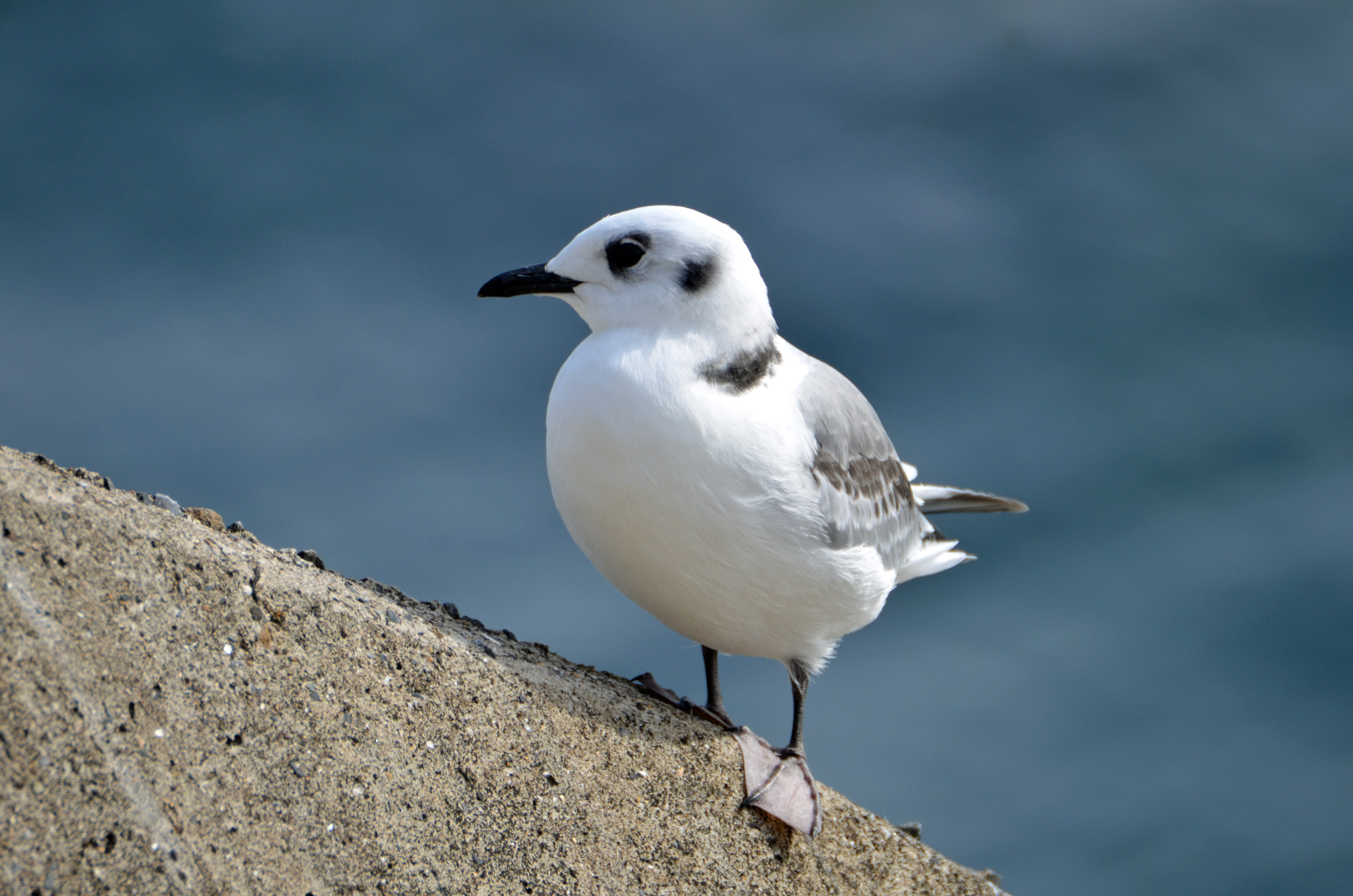
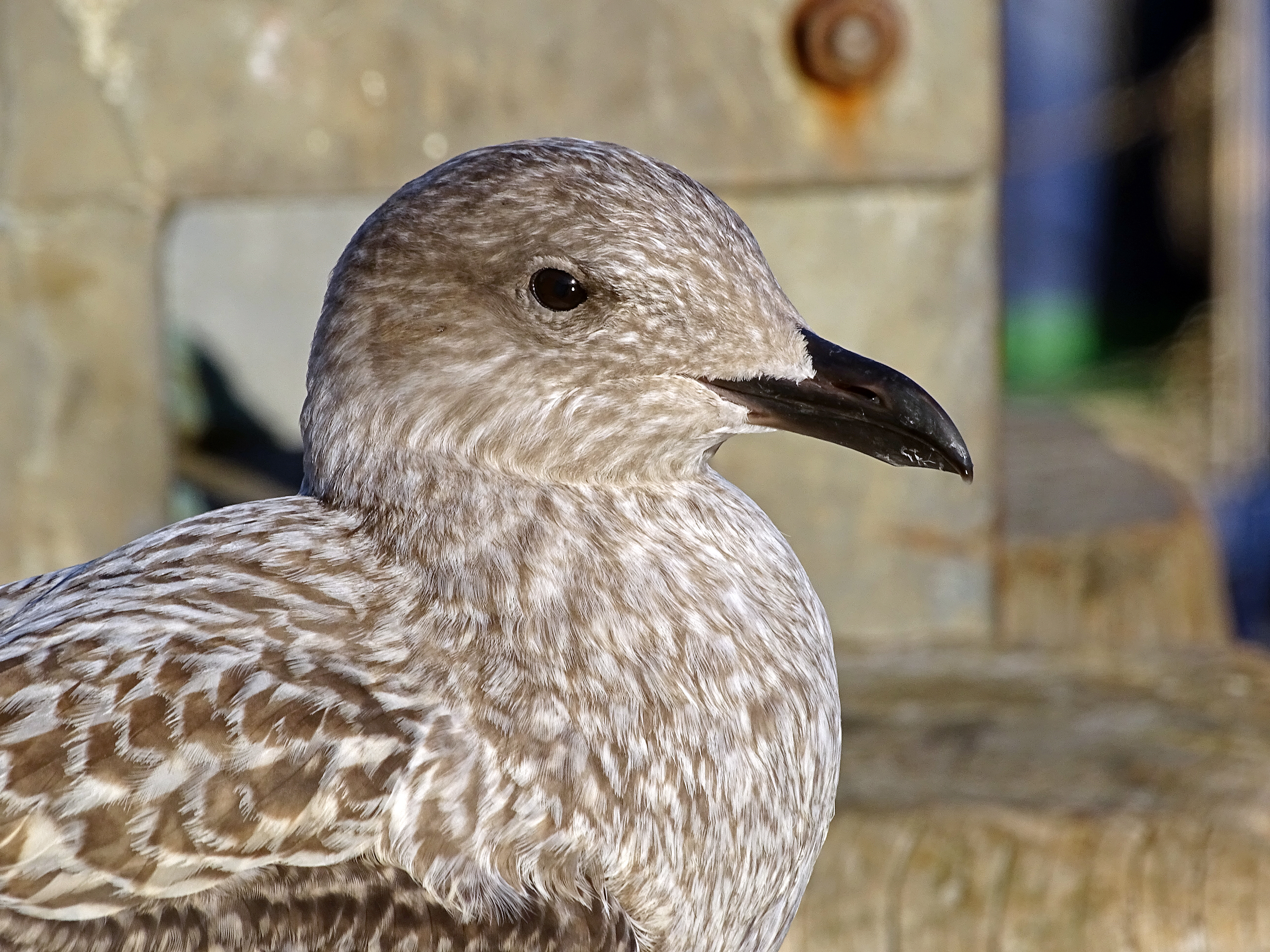
    Newly-fledged kittiwake chick, just like Katie!

    Find put about what happened to Katie in the next installment of Katie the Kittiwake.

    Newly-fledged kittiwake chicks
  • Just a tree, but also a work of art!

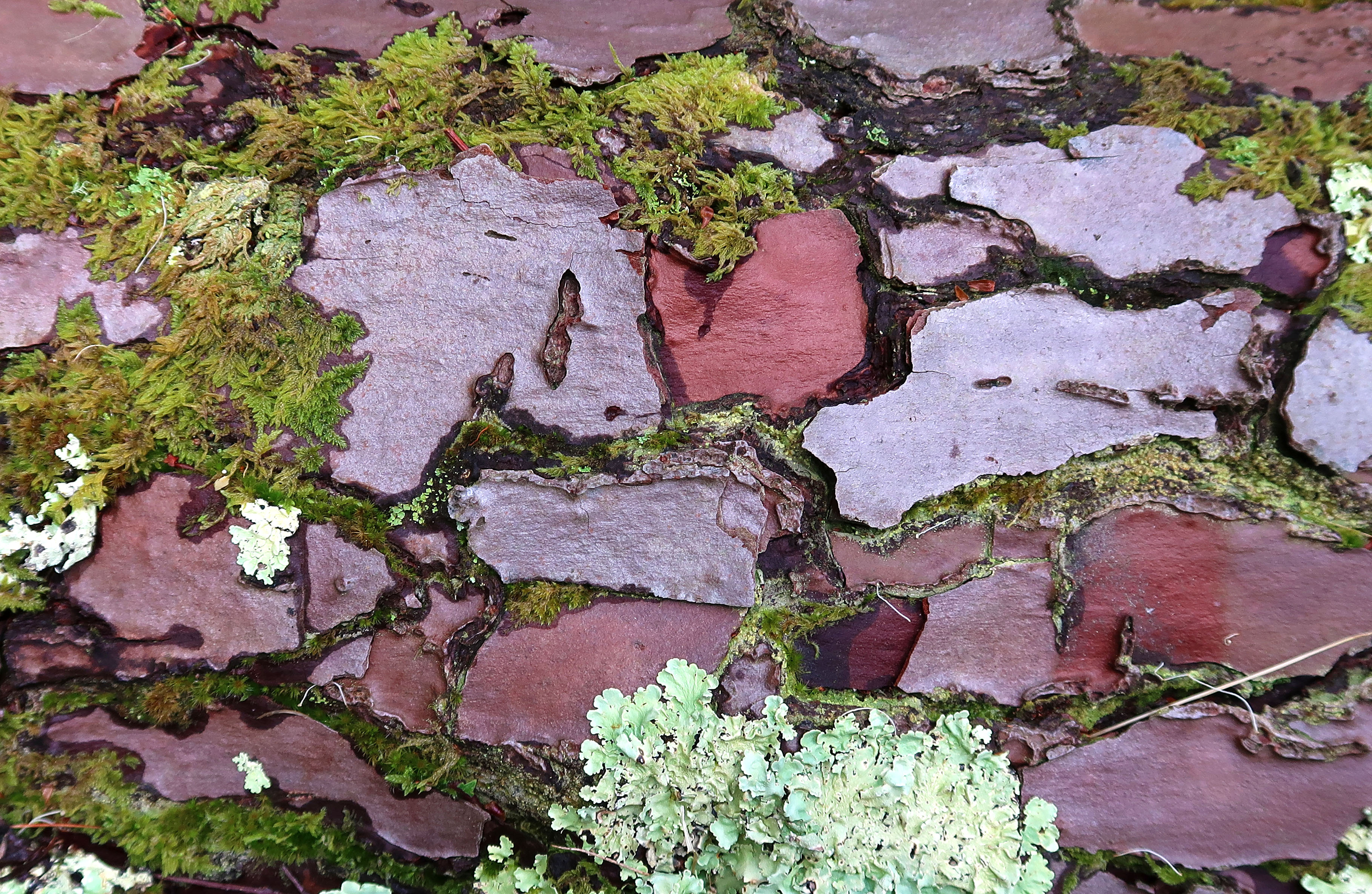
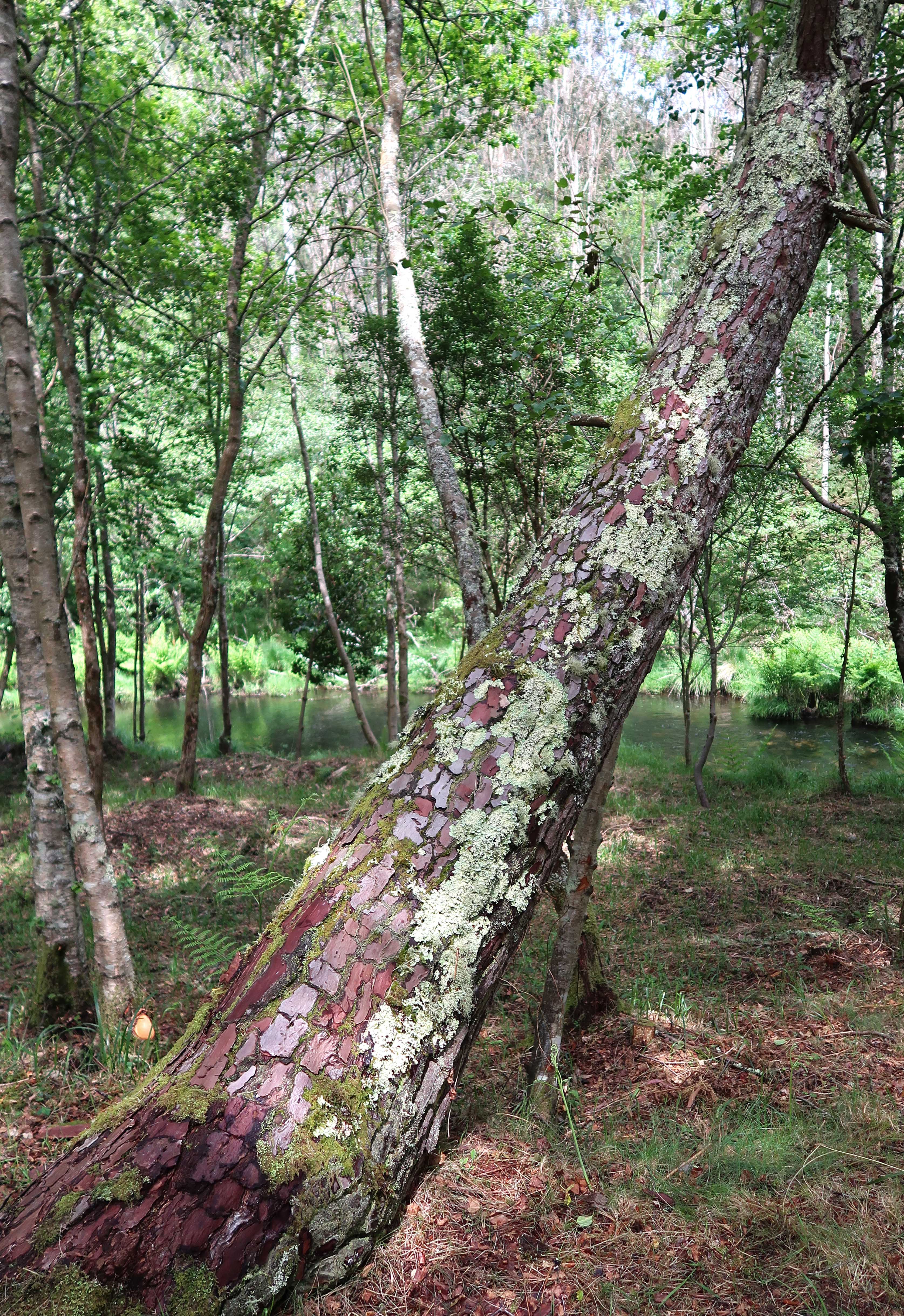
    Stone pine (Pinus pinea) tree bark. Galicia, Spain

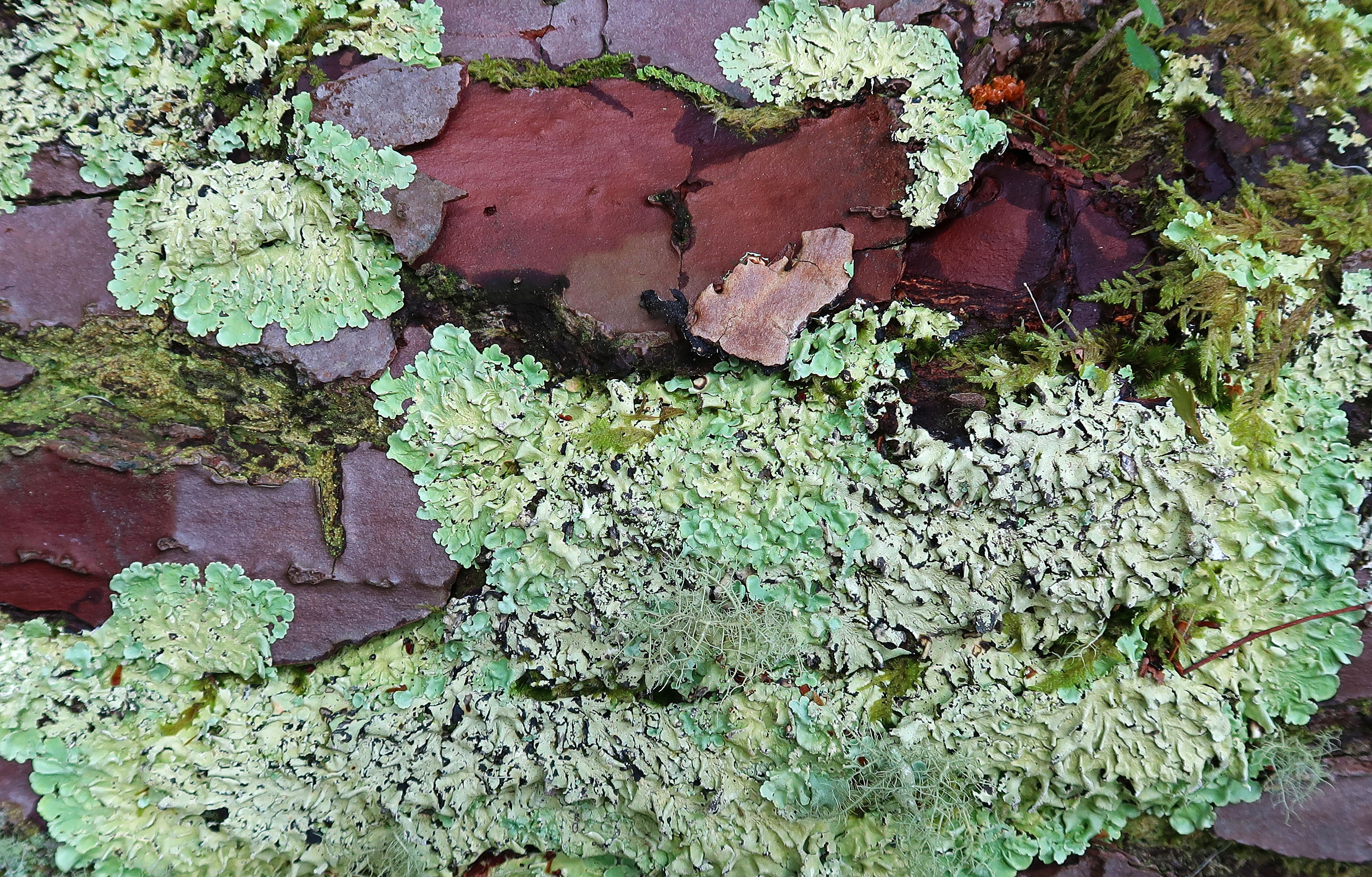
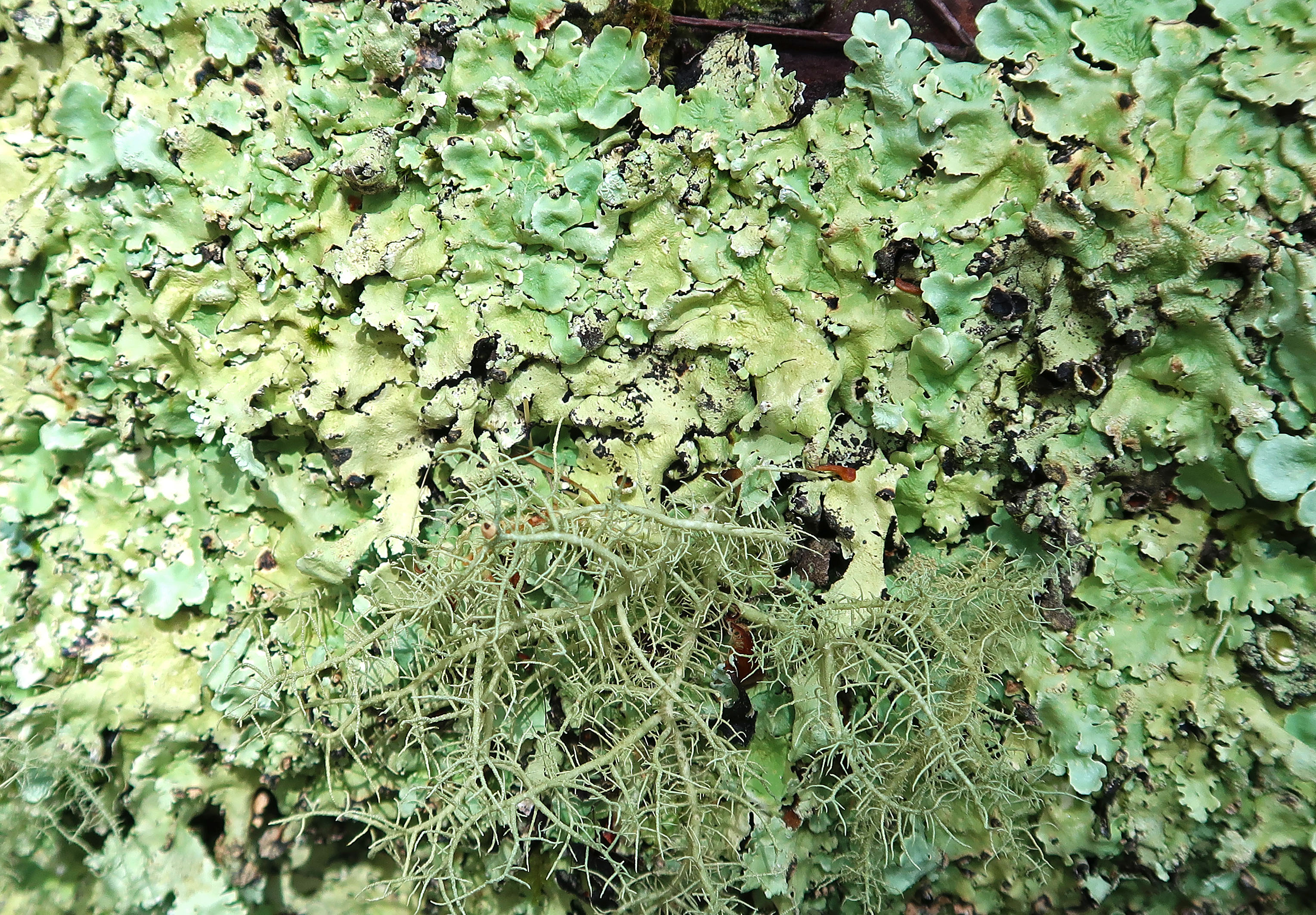
    A came across this amazing tree earlier this year in Galicia, Spain. It was partially prostrate, but still growing. The beautiful, plate-like bark was adorned with mosses and lichens, which gave it a strangely artistic effect, almost like an abstract painting! It is, I think, the stone pine (Pinus pinea L.).

    Stone pine (Pinus pinea) Rio Sor, Galicia, Spain

    What struck me most about this tree however, was the remarkably beautiful composition and texture. The presence of the lichens pointed to clean and pristine environment.

    Stone pine (Pinus pinea) with lichen

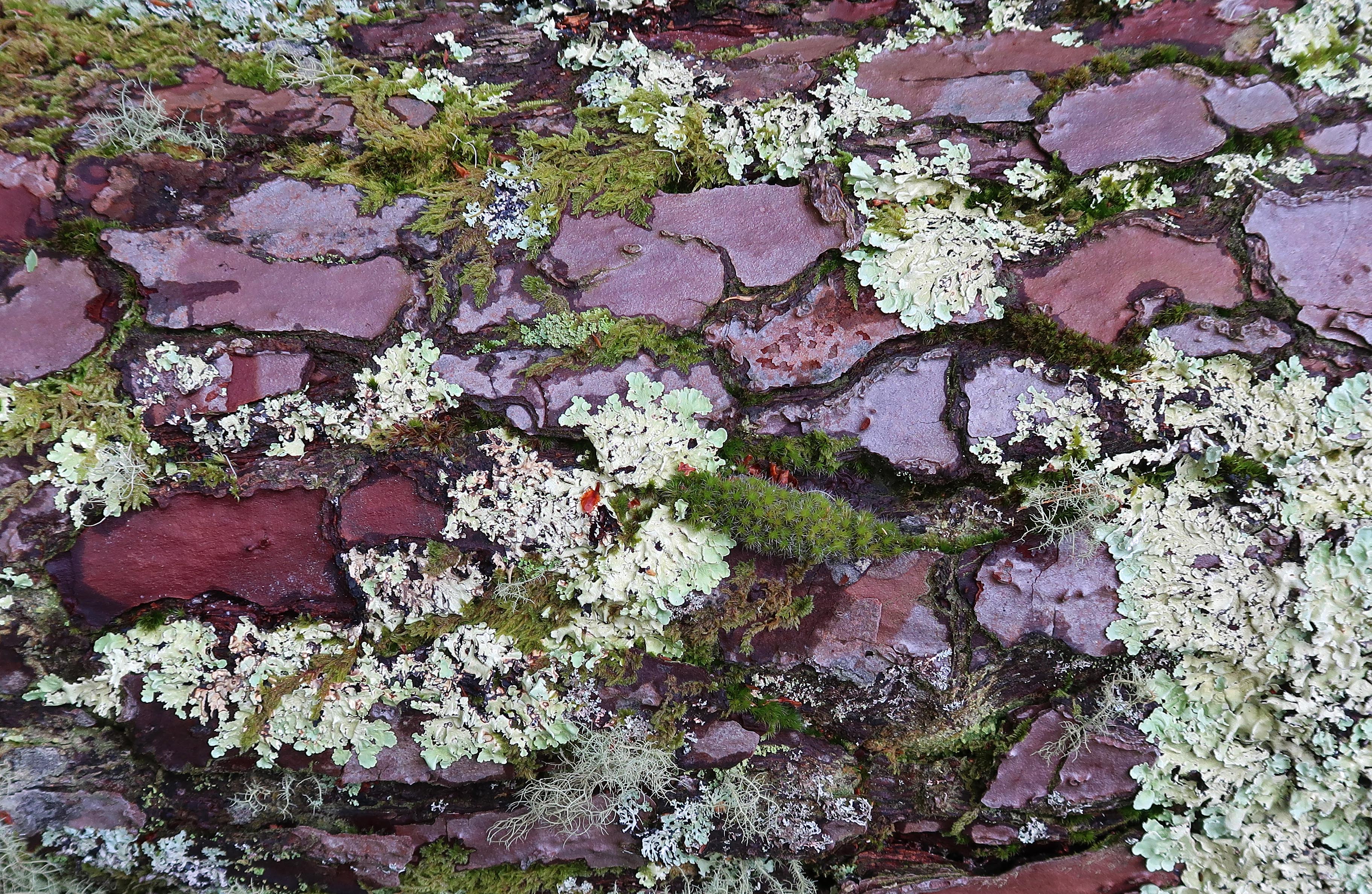
    The bark of this tree is thick and plate-like, an adaptation which protects it against fires.

    Stone pine (Pinus pinea) bark

    Just a natural phenomenon, but a joy to see because somehow it conjures up a deep seated desire to connect with the substance of the world from which we have emerged.

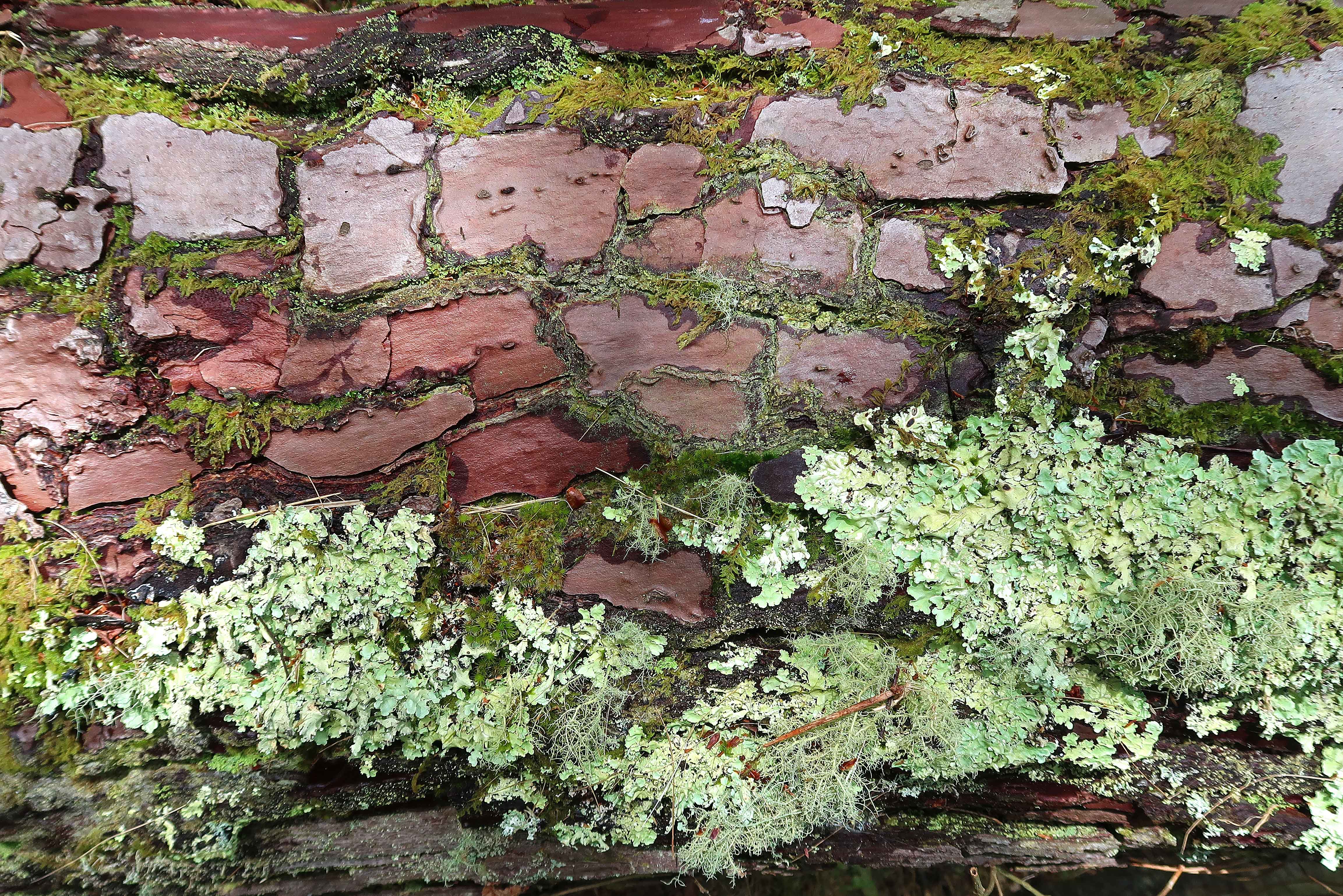
    Stone pine (Pinus pinea) bark. Rio Sor, Galicia, Spain

    And also, I think, a love of patterns and textures, which must somehow be related to our ability to find meaning in the complexity of nature.

    Fructose and foliose lichens Galicia, Spain
  • Bread of heaven

    Bread of heaven

    28 June 2019
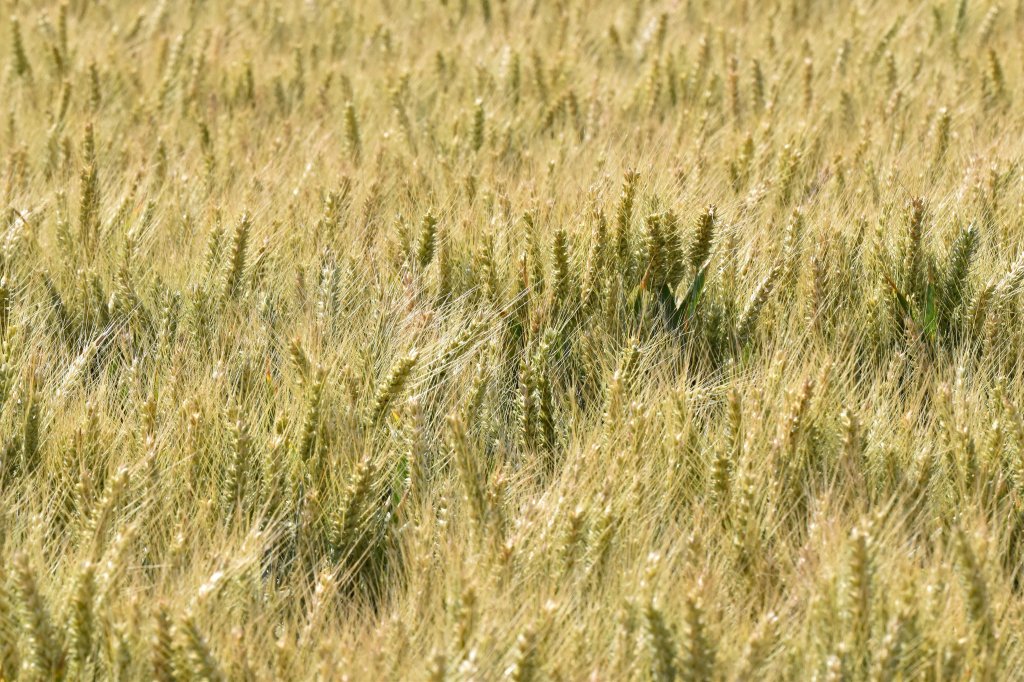
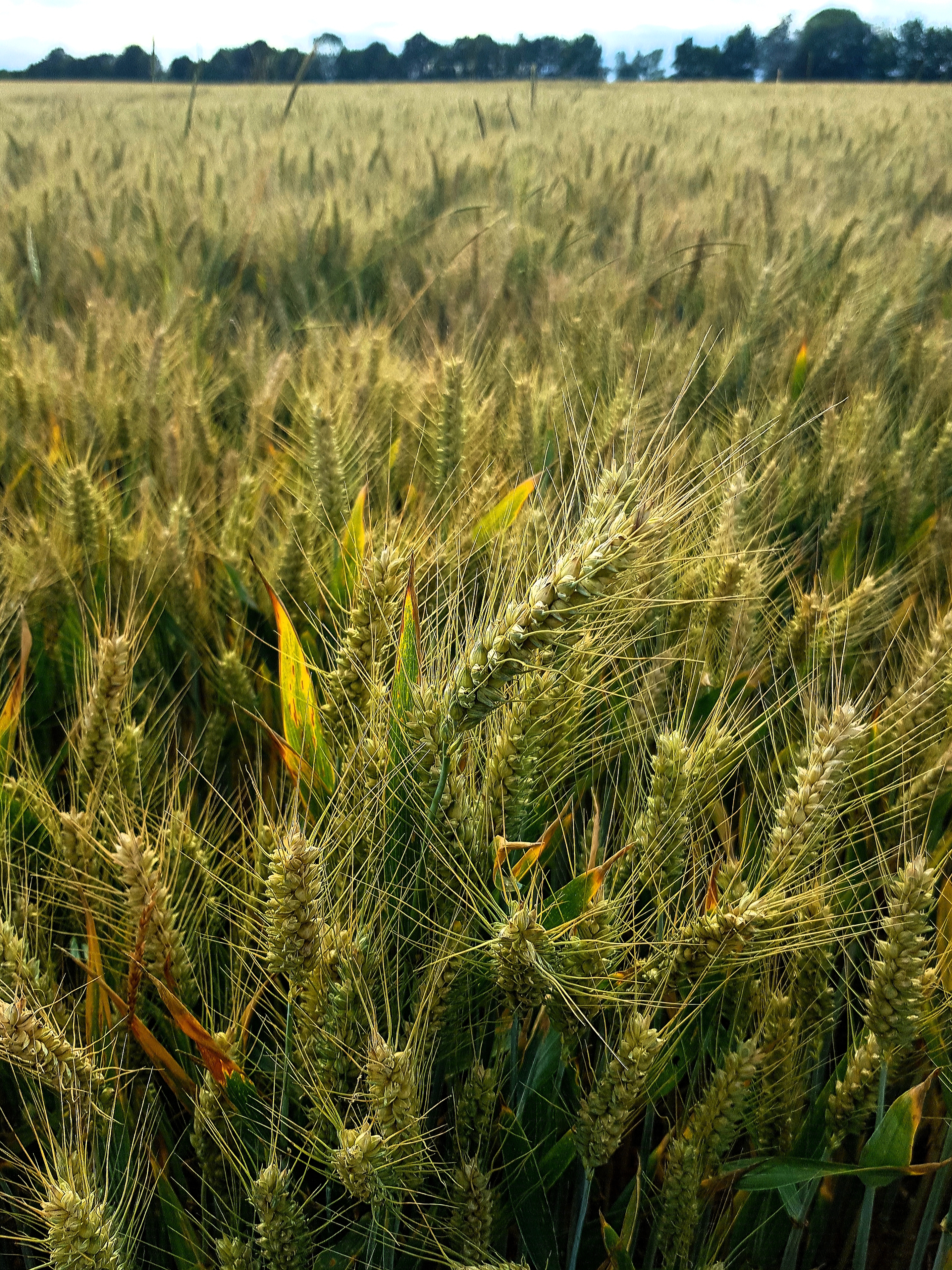
    Wheat growing on 28 June 2019, Beds, UK

    We tend to take bread pretty much for granted these days. There seem to be abundant supplies – indeed much of it goes to waste – in every supermarket I go into (in the UK). But it was not always that way! There have been many times of bread shortages in the past. There was a Bread Crisis in Britain, 1795-96, when the country was fighting wars with France. Poor harvests and extreme cold even led to a bread riot in 1795. There were shortages of bread during the First World War, and bread was also rationed after WWII, for a couple of years.

    28 June 3019
    Wheat growing on 28 June 2019. Bedfordshire

    Could it happen again? I think the answer is probably not, unless we do something very stupid! UK farmers now supply most of the wheat (as well as oats and rye) required by flour millers. I was surprised to learn that flour mills now source more than 80% of their wheat from British farmers, compared to less than half of that in the late 1970s (Grain Chain, 2016).

    11 July 2019
    Wheat growing on 11 July 2019. Bedfordshire

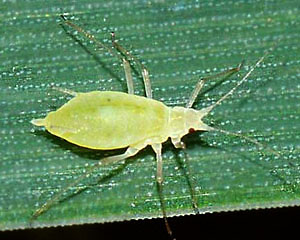
    One reason I have an interest in wheat, is that for one period of my life (studying for a PhD) I spent a lot of time sitting in a wheat field! Studying this lovely creature (below). Very high populations occurred in 1979; there were hundreds of these aphids on each tiller, with billions (maybe trillions) taking to the air at the end of July that year!

    The rose-grain aphid (Metopolophium_dirhodum) Influentialpoints.com [CC BY 3.0 (https://creativecommons.org/licenses/by/3.0)%5D
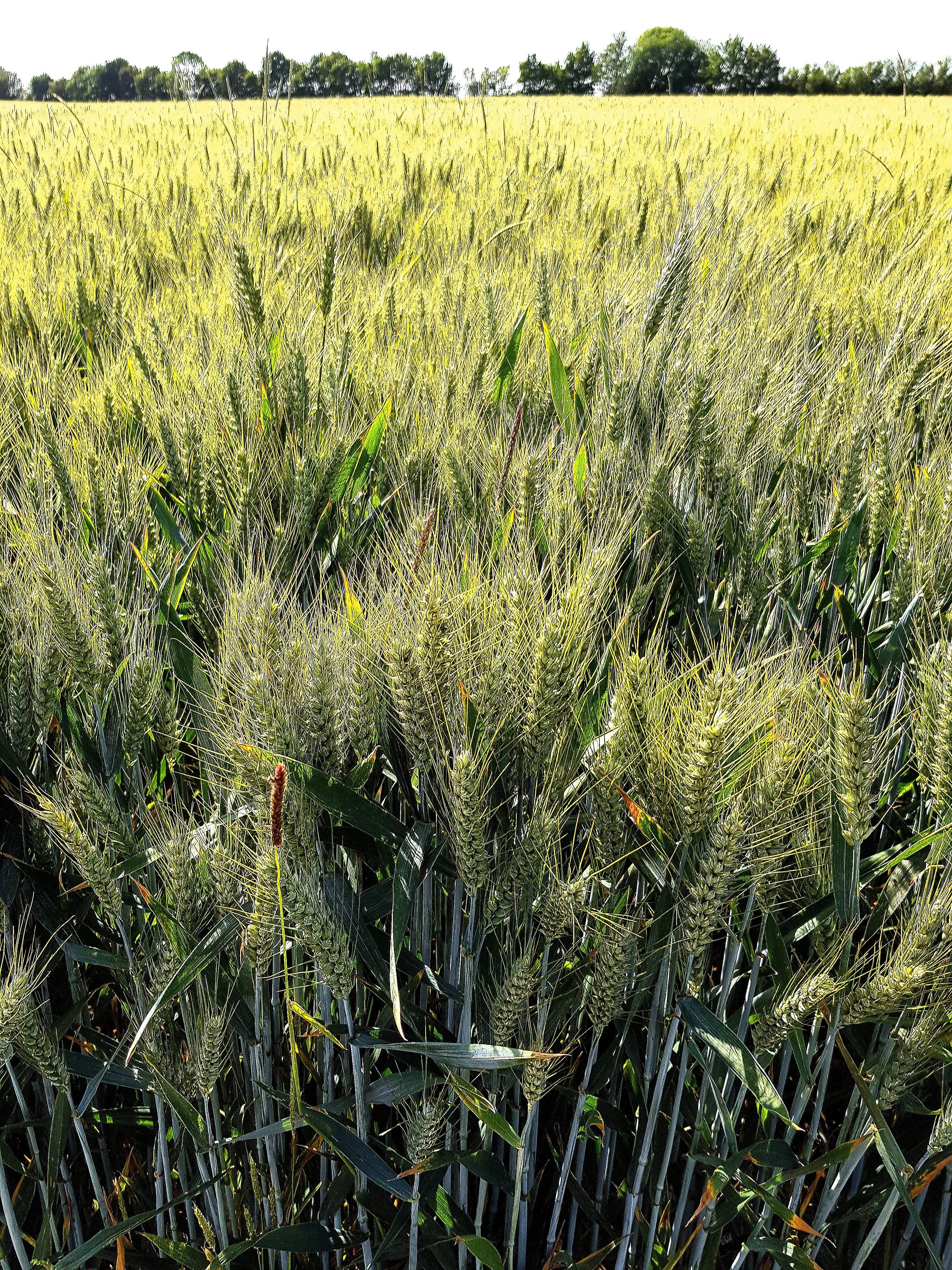
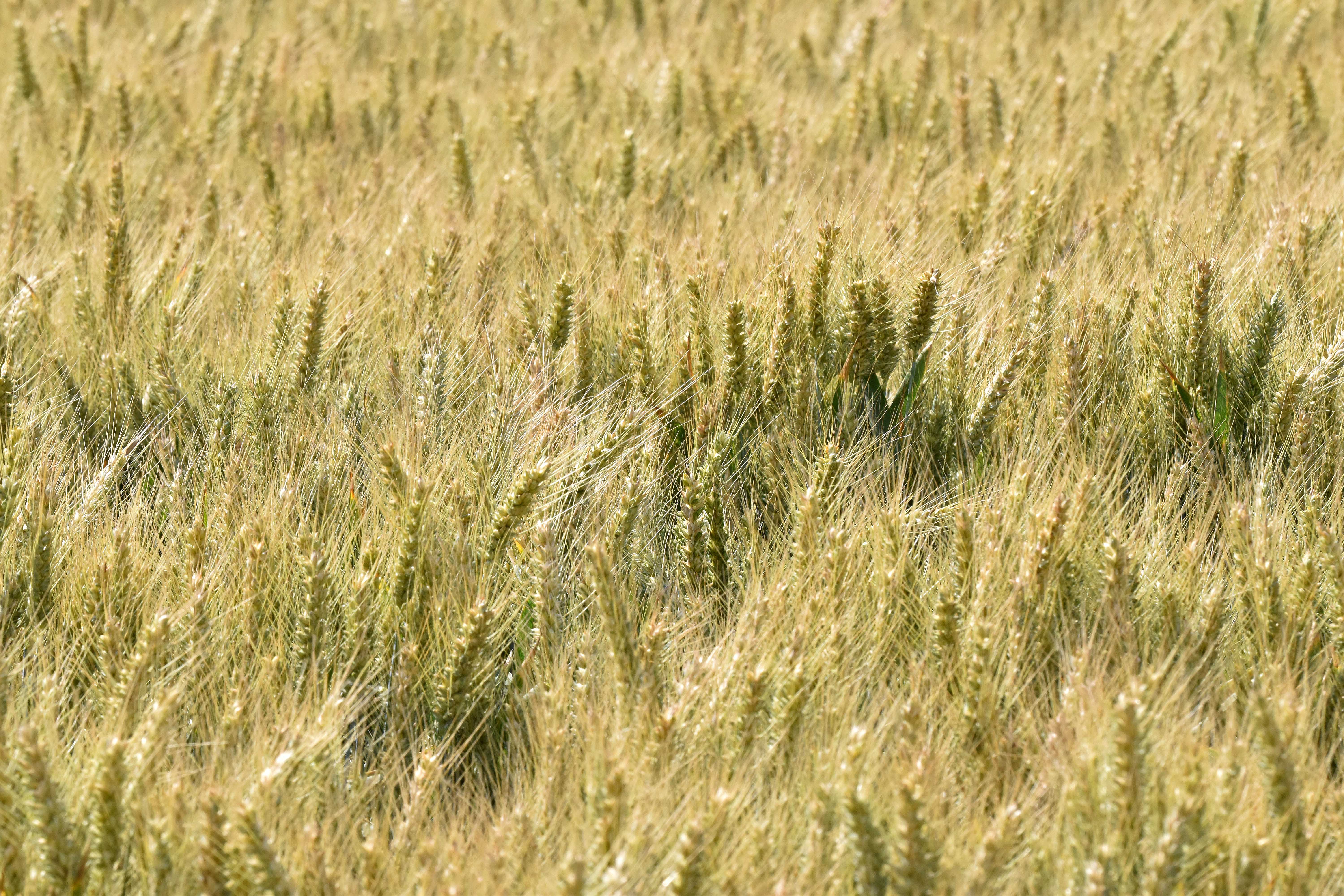
    Wheat (Triticum aestivum) growing on 12 July 2019. Beds, UK

    Wheat – most of which is winter wheat (planted in the autumn) – is a classic monoculture; a single crop stretching out to the horizon (below). Farmers get about 8 tonnes per hectare on average, resulting in a total British harvest of somewhere between 15 to 17 millions tonnes. That sounds good, but we are a fairly small producer on a world scale, although the EU as a whole is the largest producer (just above China).

    29 July 2019
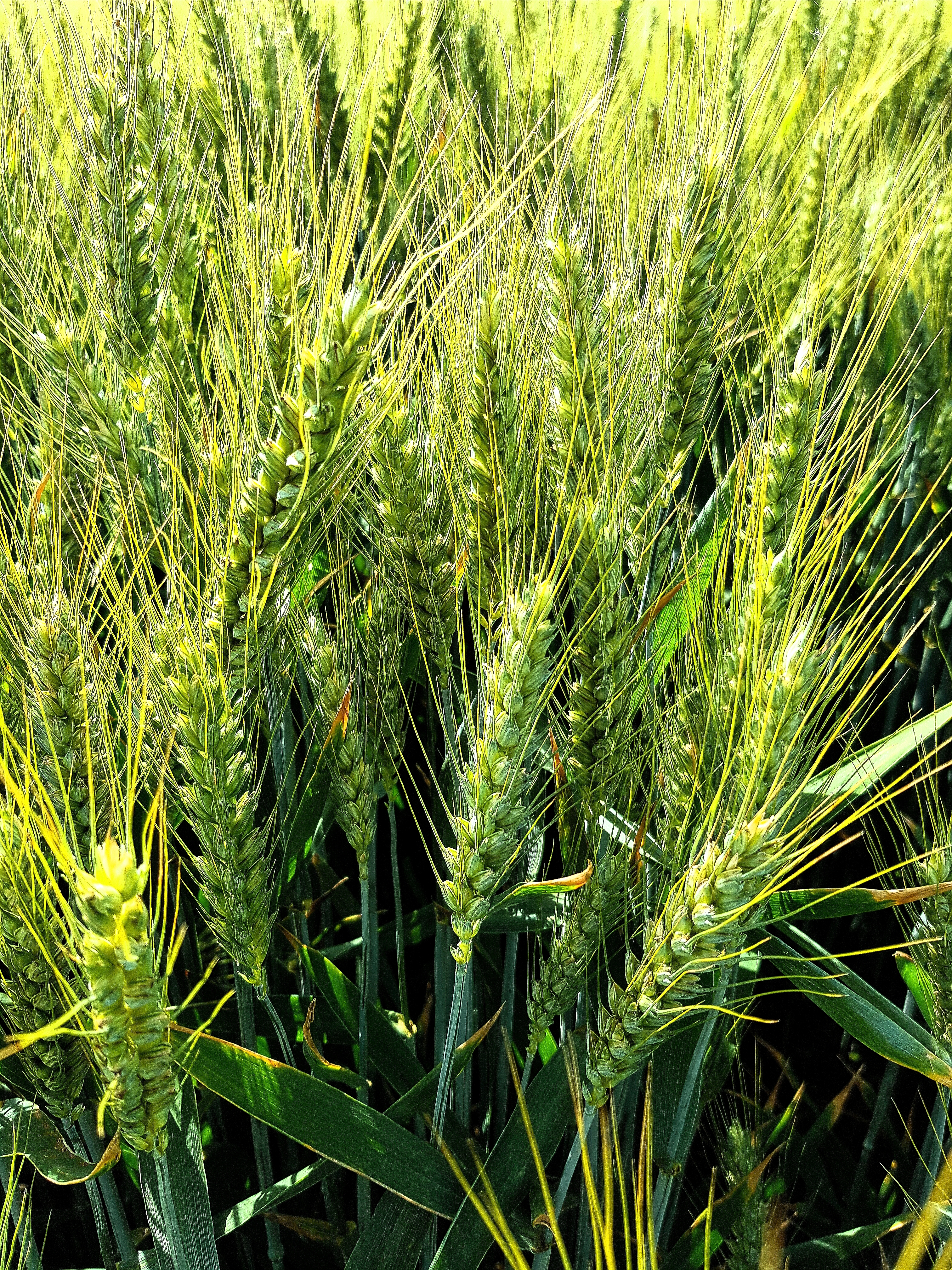
    Wheat (Triticum aestivum) on 26 July 2019, Beds, UK

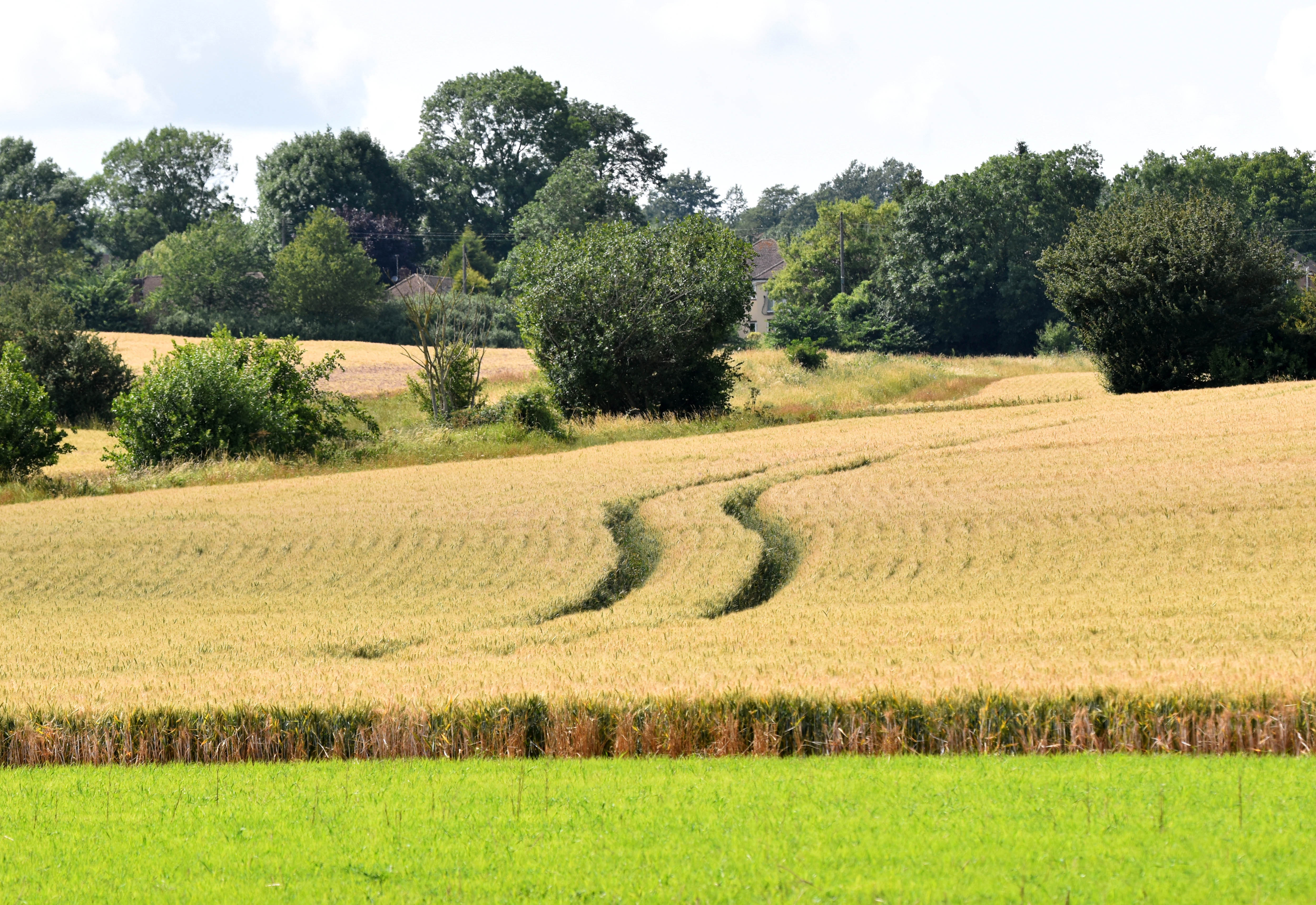
    So, it seems to me that UK farmers are doing a good job on the whole, although how sustainable the whole system is, is another matter. We rely on a few varieties of wheat, grown as monocultures, reliant on inputs of fertilisers and pesticides. Farmers from the past would no doubt be puzzled to see the wheelings (below) left in fields to make these applications!

    Wheelings to allow tractor access in a wheat field, Beds, UK

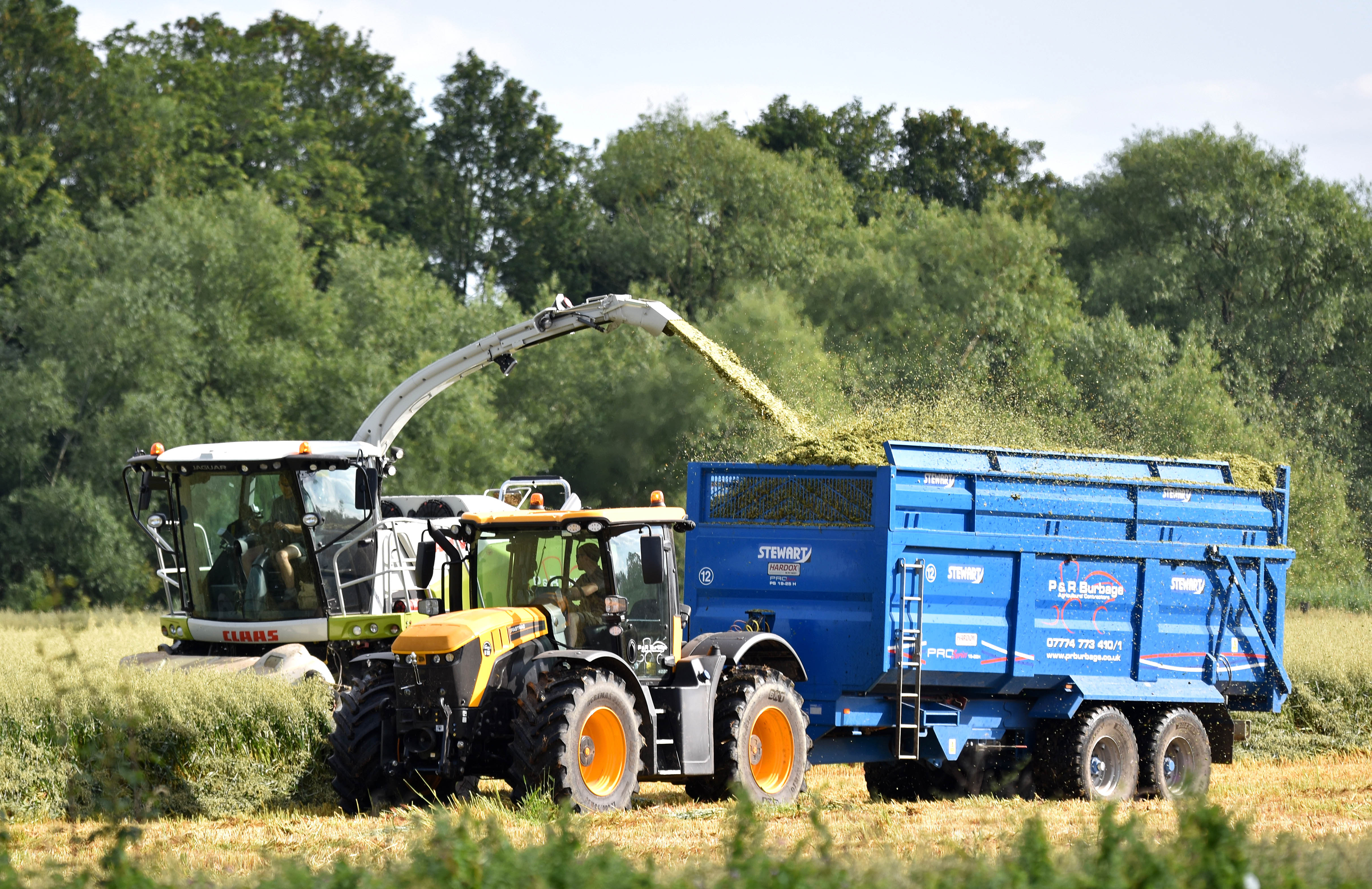
    Similarly, the carbon footprint is not exactly light! We now have huge tractors and harvesters. The tractors race around country roads carrying their massive trailer loads (below); the fields at harvest time are a dangerous place (and not just for field mice!); I don’t think anyone gets out of their vehicles if they can help it. The drivers sit in their comfy cabins listening to their favourite music!

    Harvesting oats on 15 July 2019. Beds, UK

    Some might argue that all this industrialisation is the price we must pay for our current abundance, but vast amounts of bread are wasted, almost 900,000 tonnes of bread every year, reportedly. Nearly,  half the bread produced here in the UK, 44%, is thrown away! So, I think this shows, that a little more care and respect for the sacred loaf, could free up resources to enable a more sustainable production system, with more attention on preserving the health of the soil and the well-being of the wildlife that lives in and around these fields.

    Reference

    Cannon, R. J. C. (1986). Summer populations of the cereal aphid Metopolophium dirhodum (Walker) on winter wheat: three contrasting years. Journal of applied ecology, 101-114.

  • Livestock guardian dogs

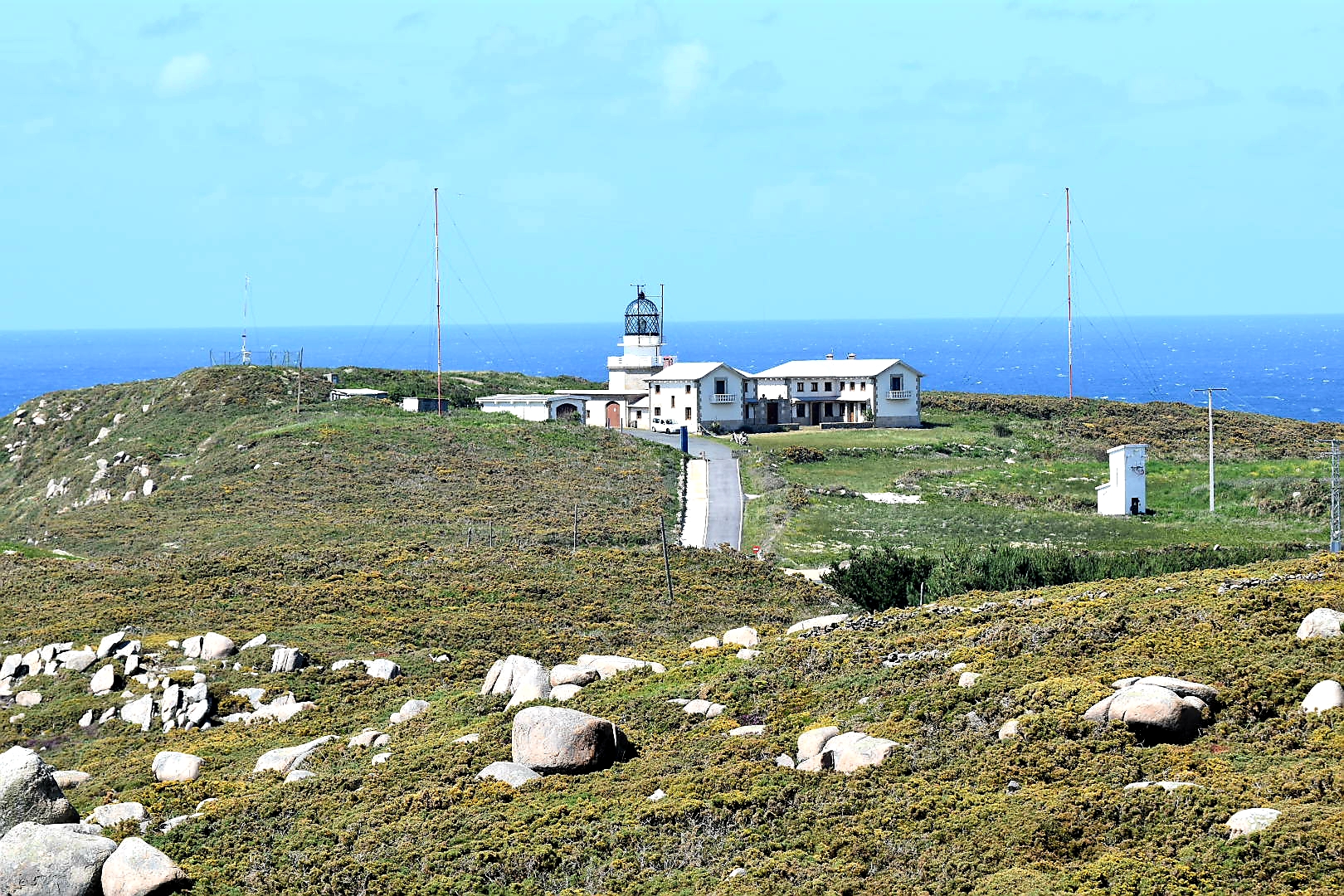
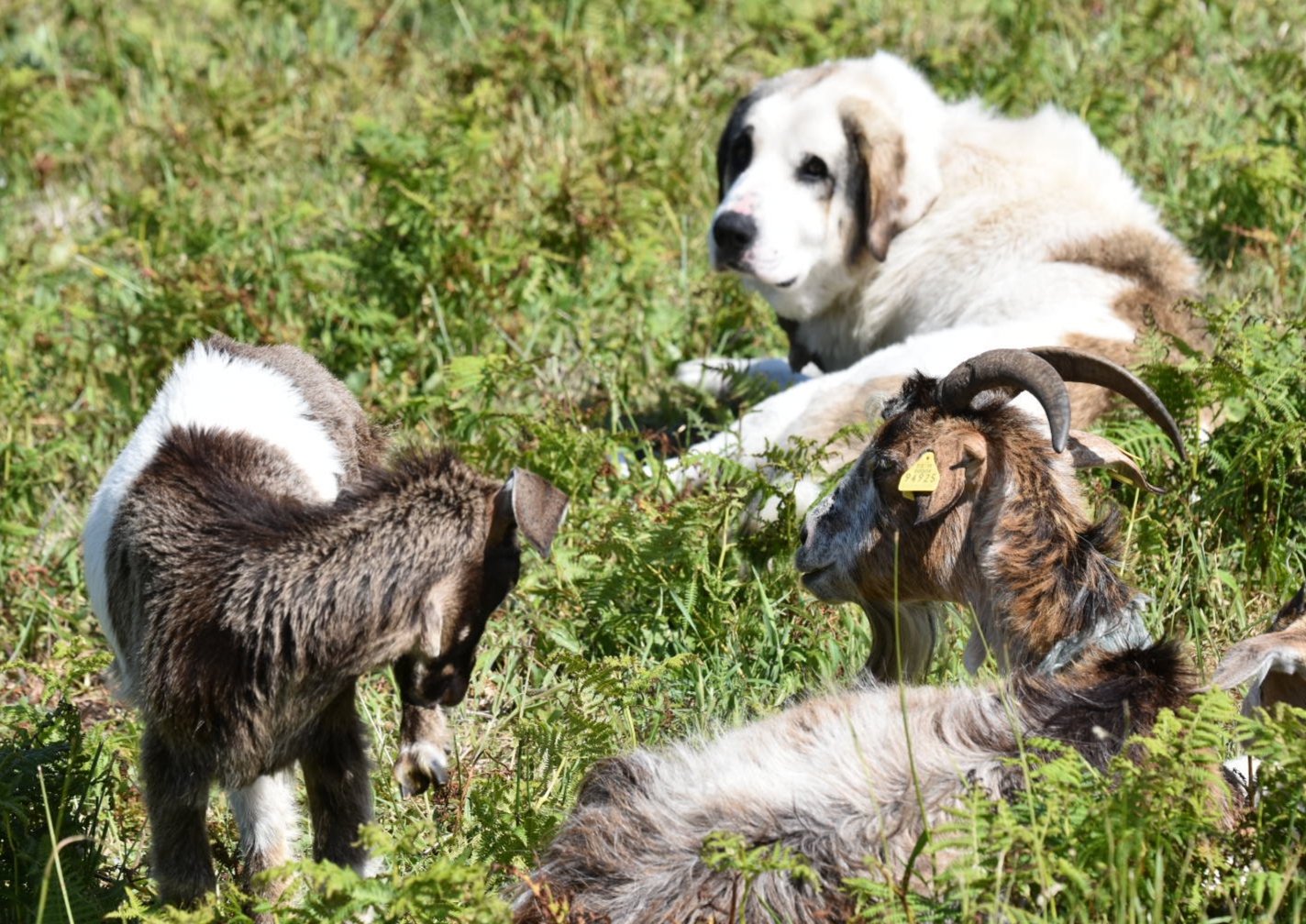
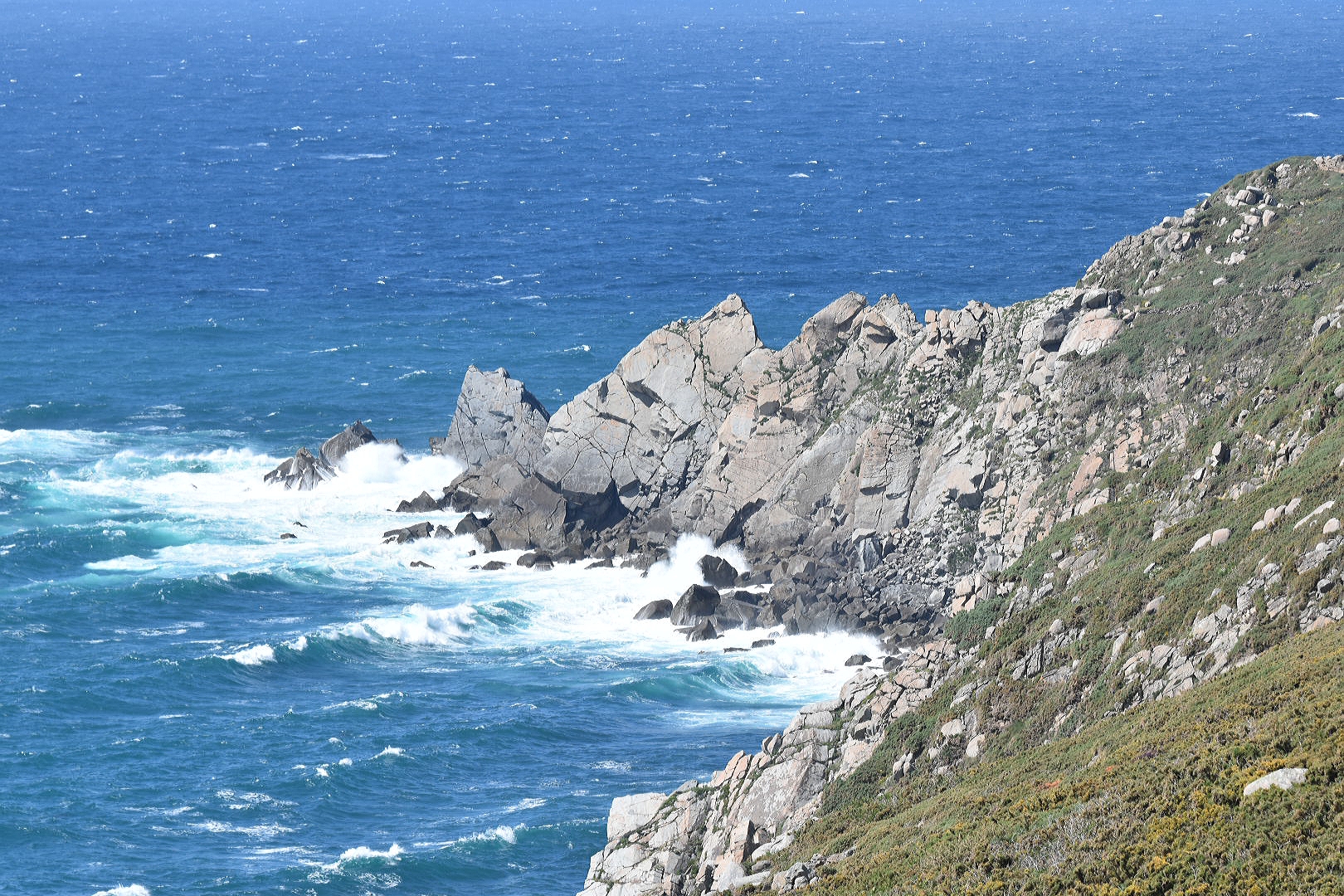
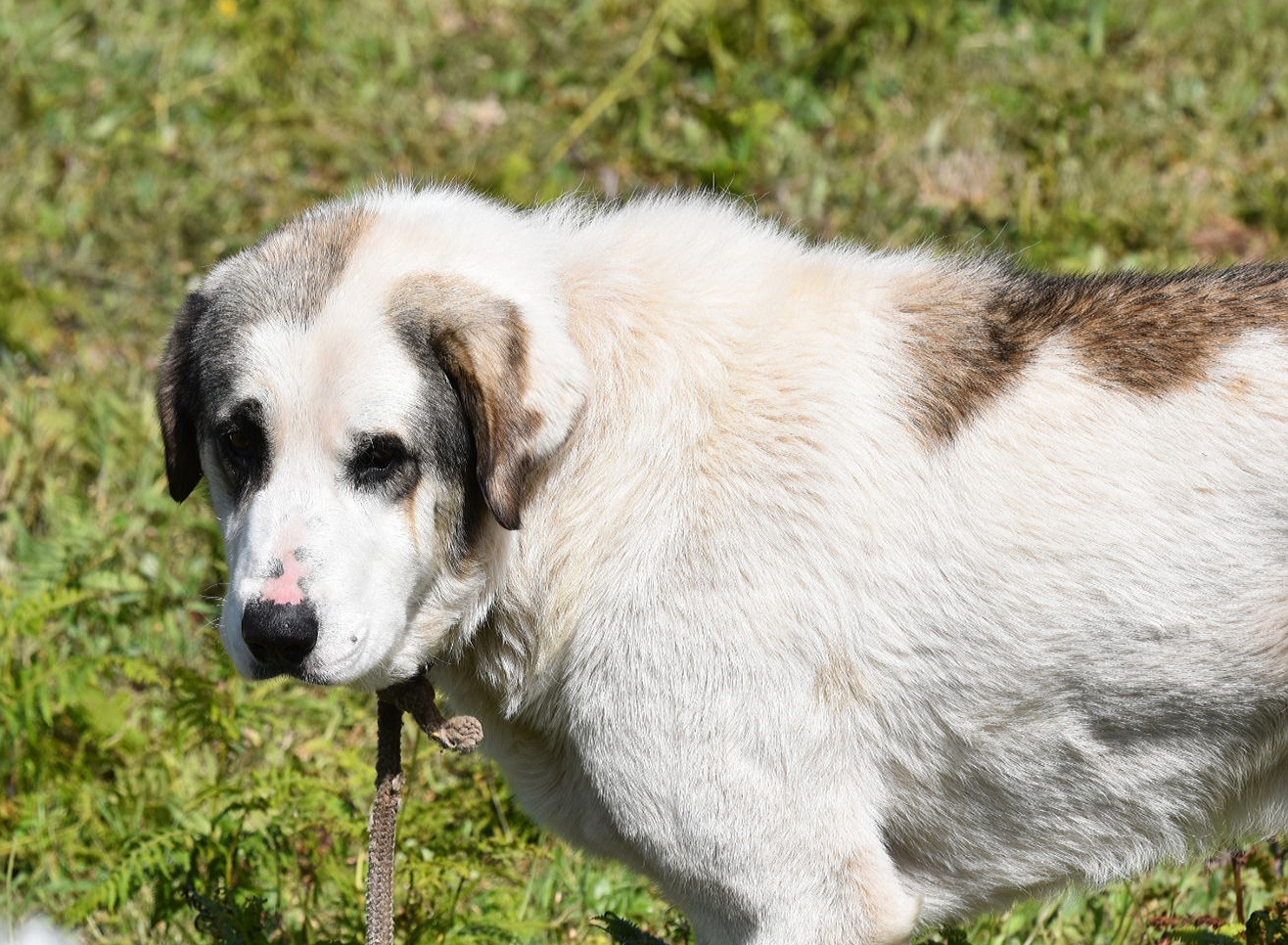
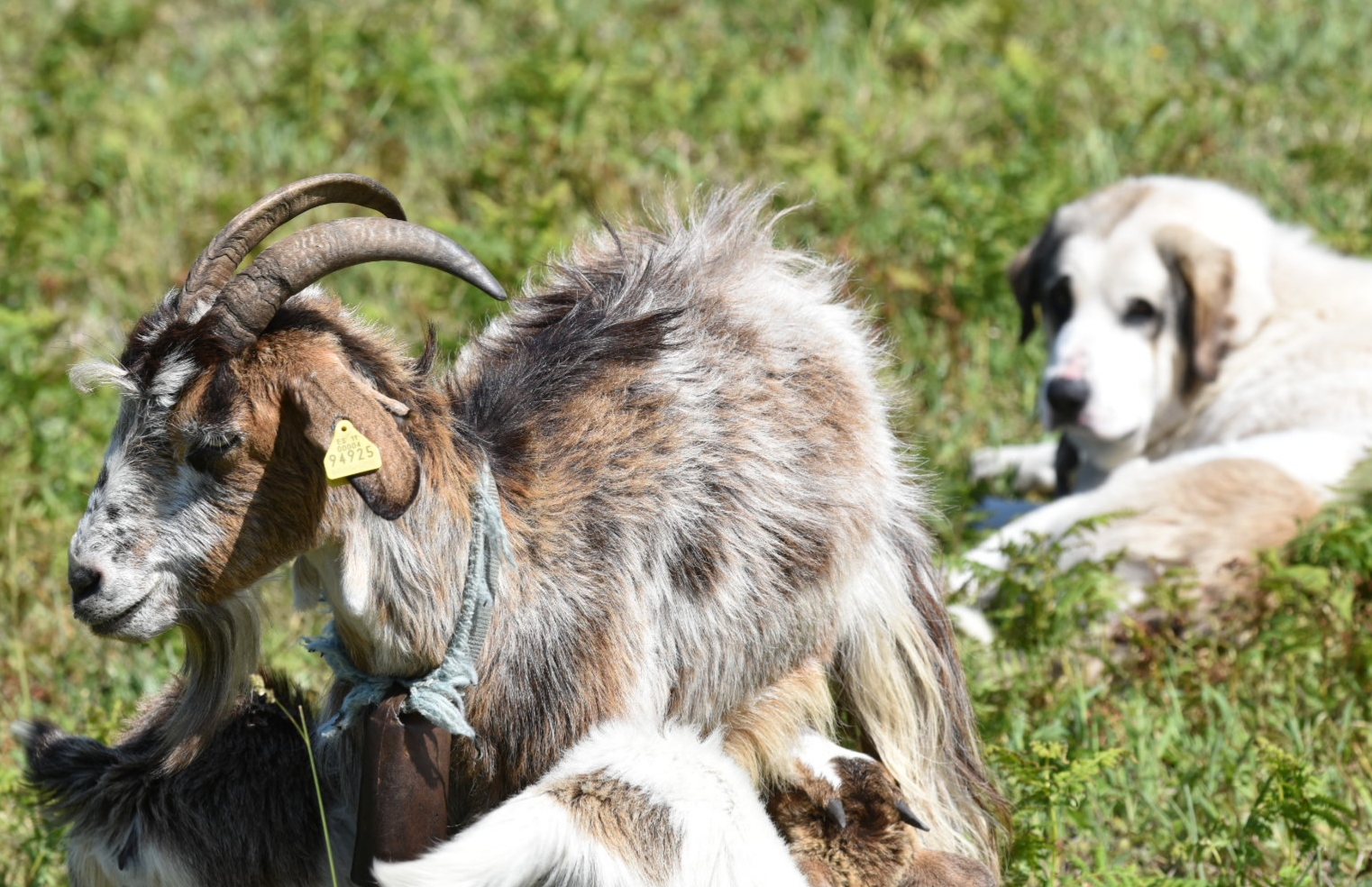
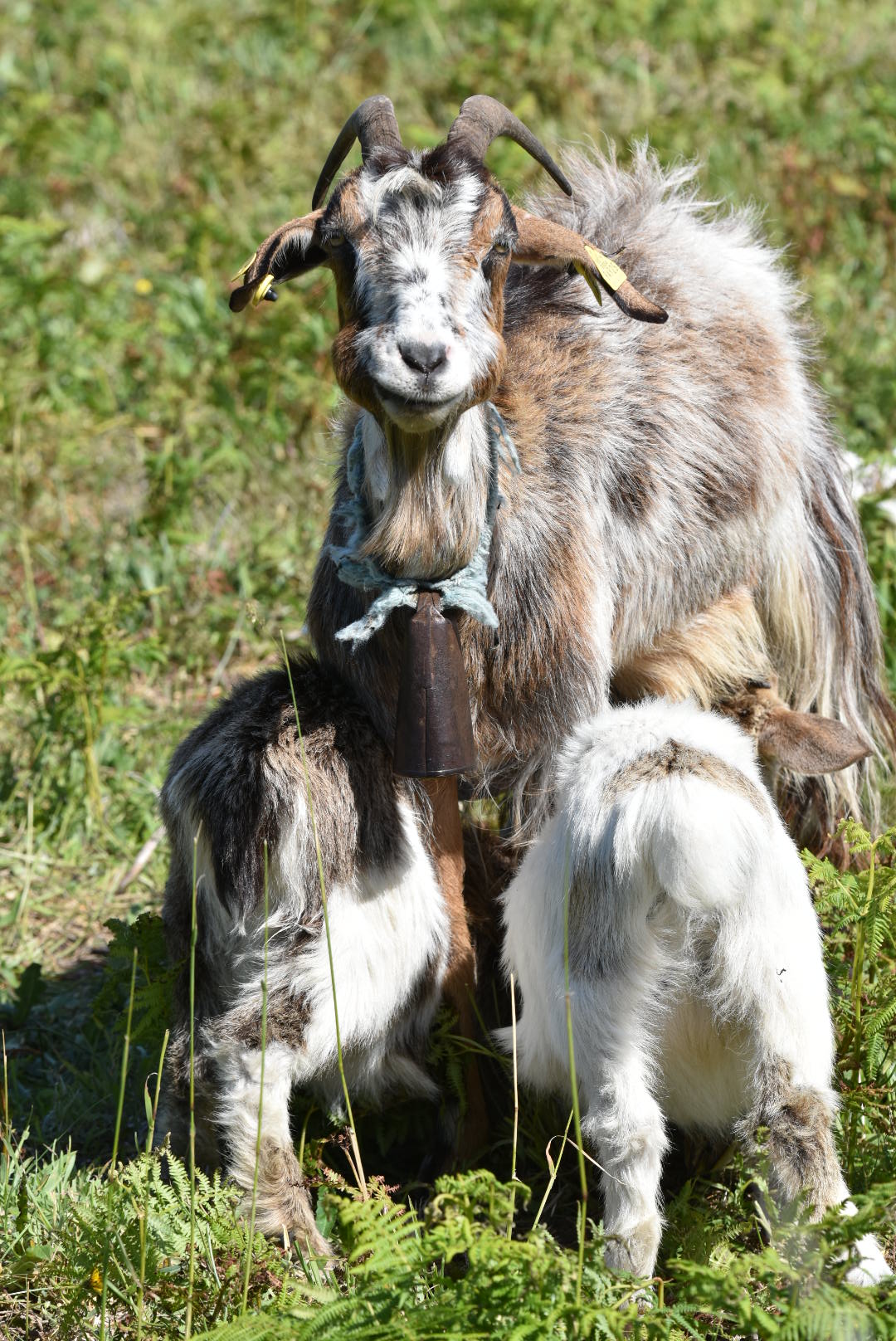
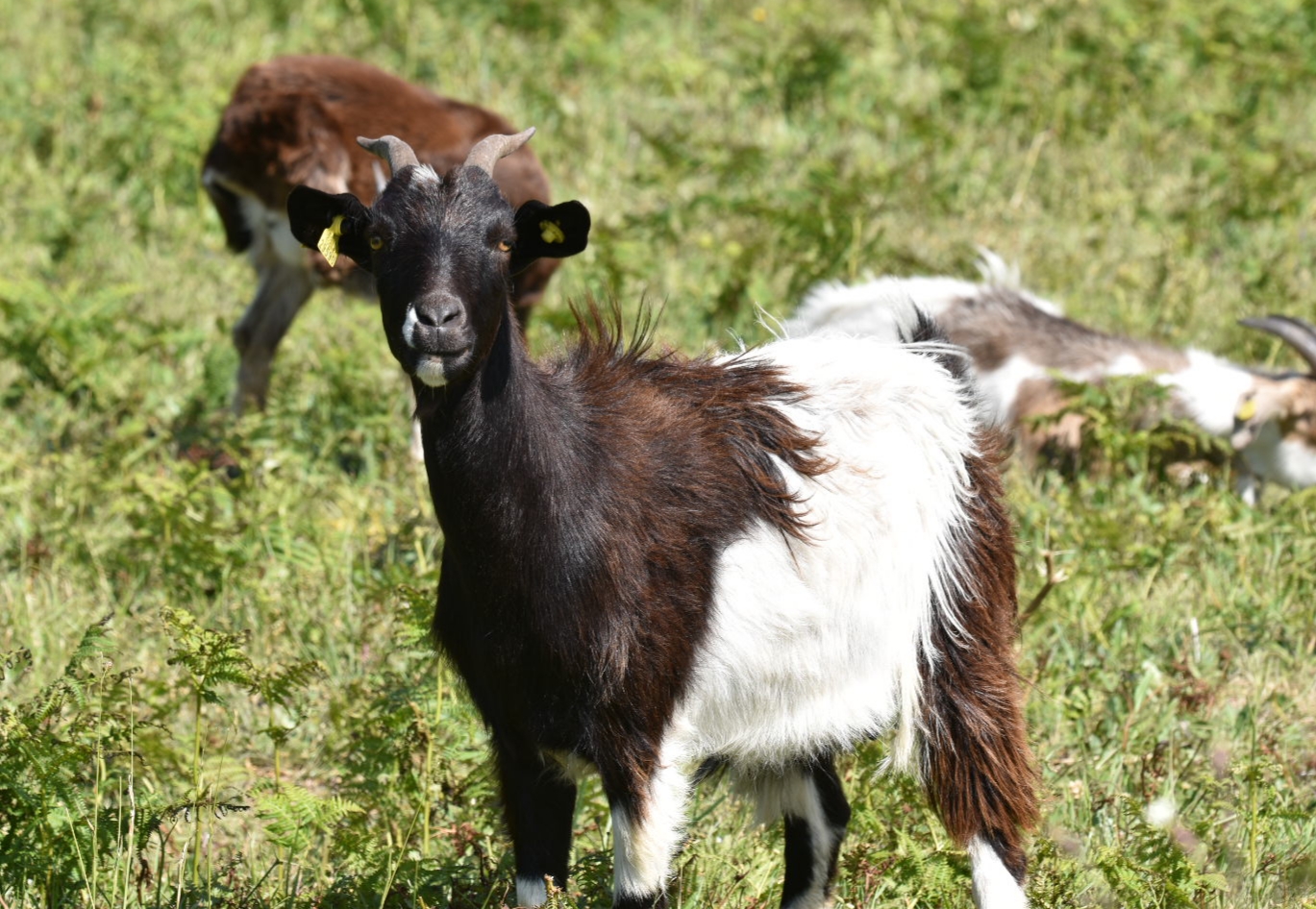
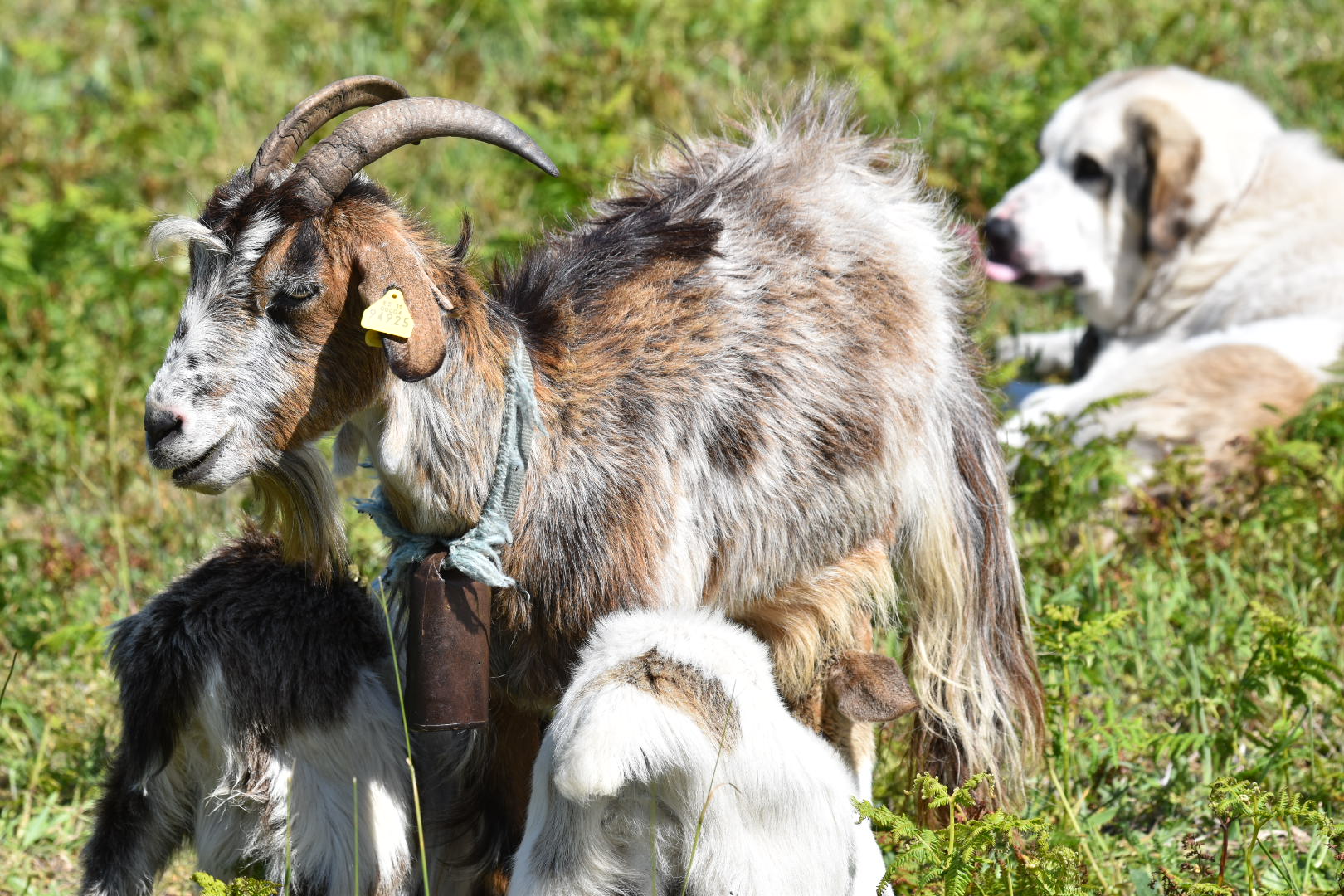
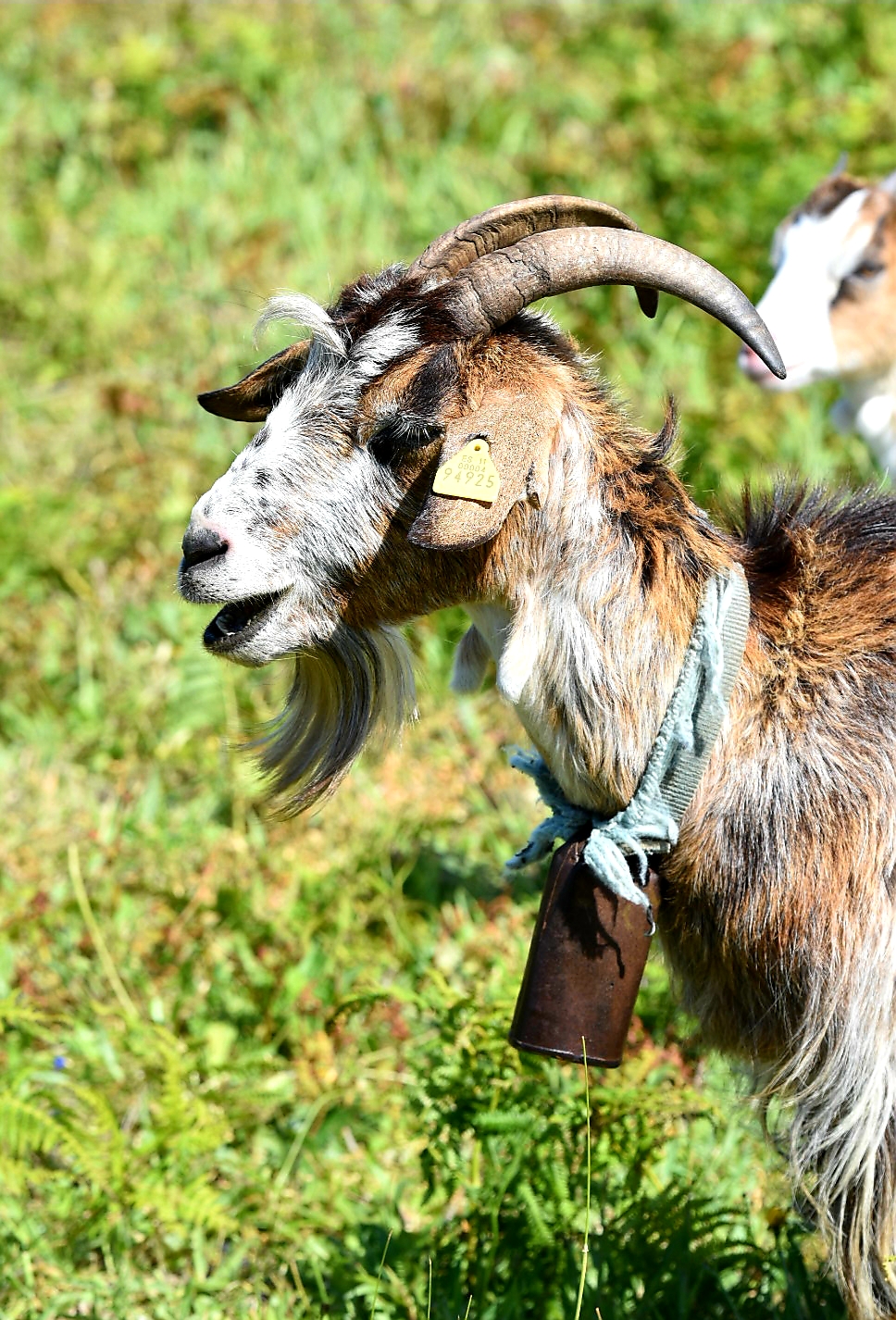
    I came across a flock of goats with a large white dog, near Cabo de Bares in Galicia, Spain. There is a lighthouse nearby.

    The dog was very passive and did not react much when I approached the group and started taking photographs.

    Livestock guardian dogs (LGD) as they are called and apparently being used more frequently these days to guard flocks of goats and sheep (and even chickens) from wolves. I knew that there were wolves in northern Spain, but I was surprised to learn that they are found right up to the coast in Galicia where these photographs were taken.


    https://en.m.wikipedia.org/wiki/Iberian_wolf

    The above map indicates that wolves occur right up to the northernmost Capes, including Cabo Bares where I saw this flock.

    Cabo de Bares, Galicia, Spain

    The dogs are placed at an early age with the flock they come to guard, so that they form a close bond and defend them relentlessly against predators.

    If the wolves attack, these dogs will stand and bark and hopefully that will be enough to deter the wolves. I think that this particular breed is a Pyrenean Mountain Dog, but I am not certain. Anyway, the goats seem happy enough!

    Sadly, some of these working dogs suffer a shorter lifespan than dogs which are kept as pets. Hopefully, they have pleasant and satisfying lives in their beautiful surroundings.

    I will look out for more of these LGDs now that I know they exist. There are an estimated 2,000-2,500 wolves in Spain, the biggest population in western Europe. The hunting of wolves is banned in Portugal but still allowed in some parts of Spain.

    I should finish by saying that I am assuming that this dog is there to guard against wolves. I did not speak to the farmer. The wolves are distributed over a vast area at a maximum density of about 7 wolves per 100 square kilometers according to the Wikipedia article. So quite how big a threat they are, in this particular location, I don’t know.

  • Tour de Yorkshire comes to Scarborough

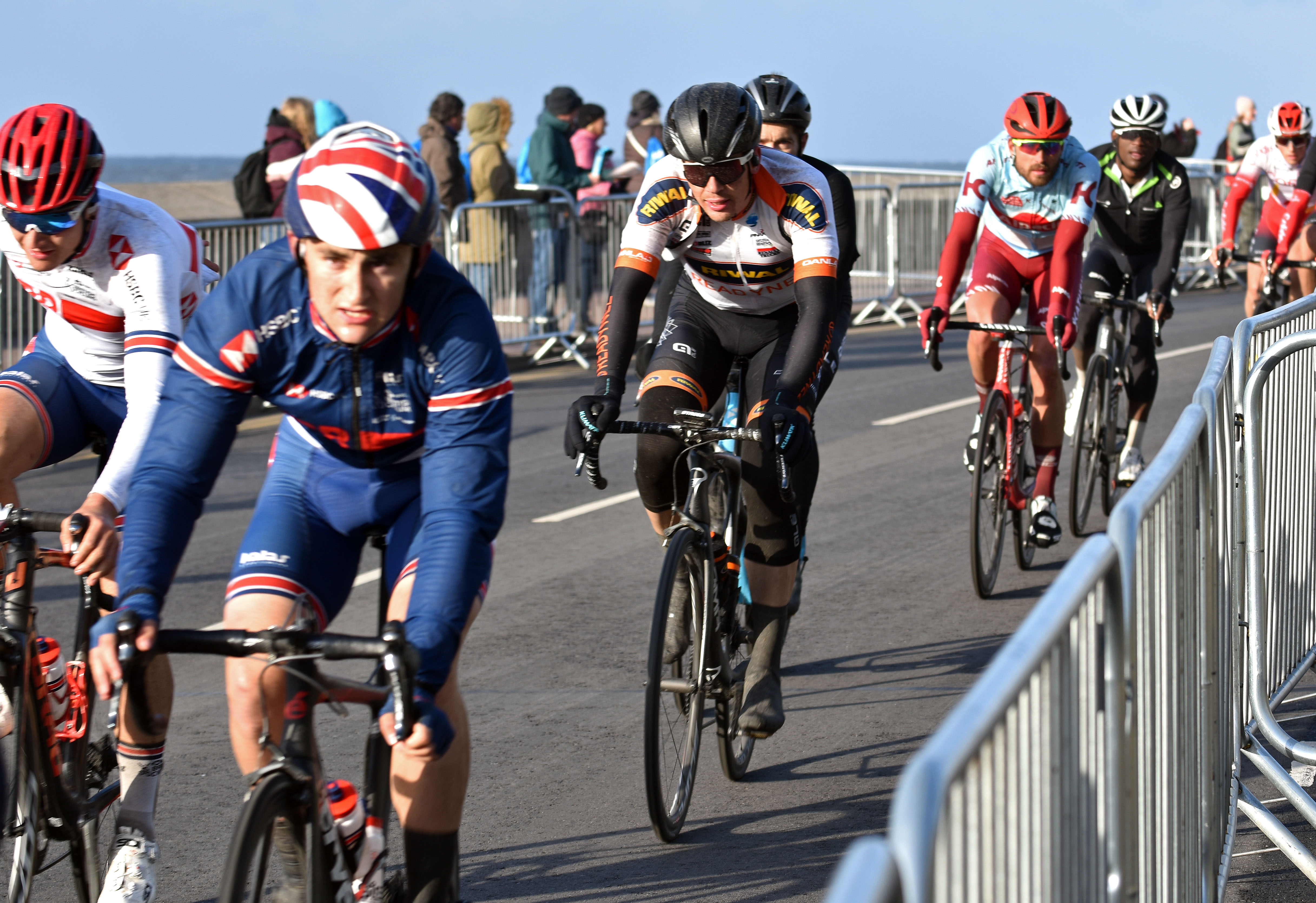
    Tour de Yorkshire finish 4 May 2019

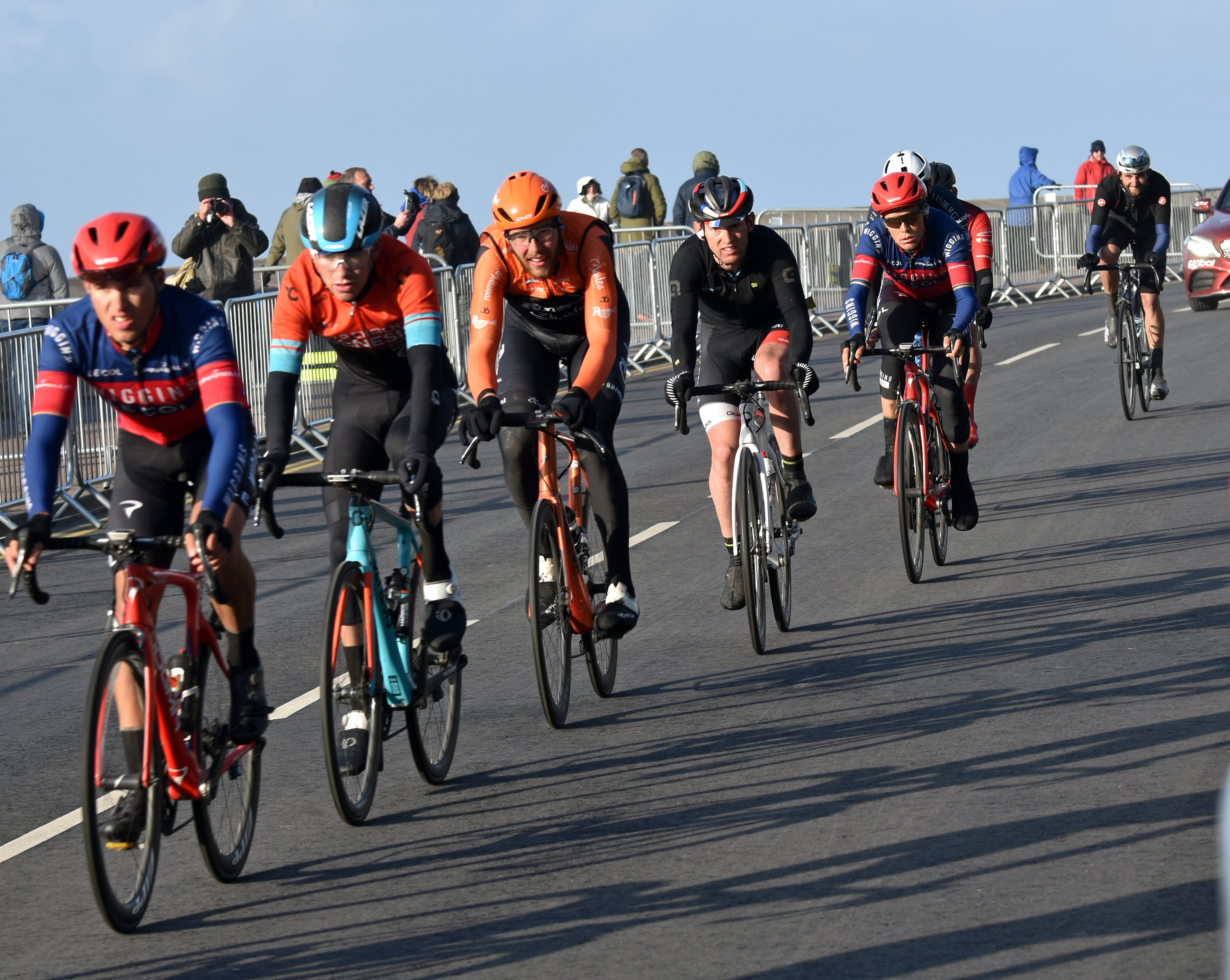
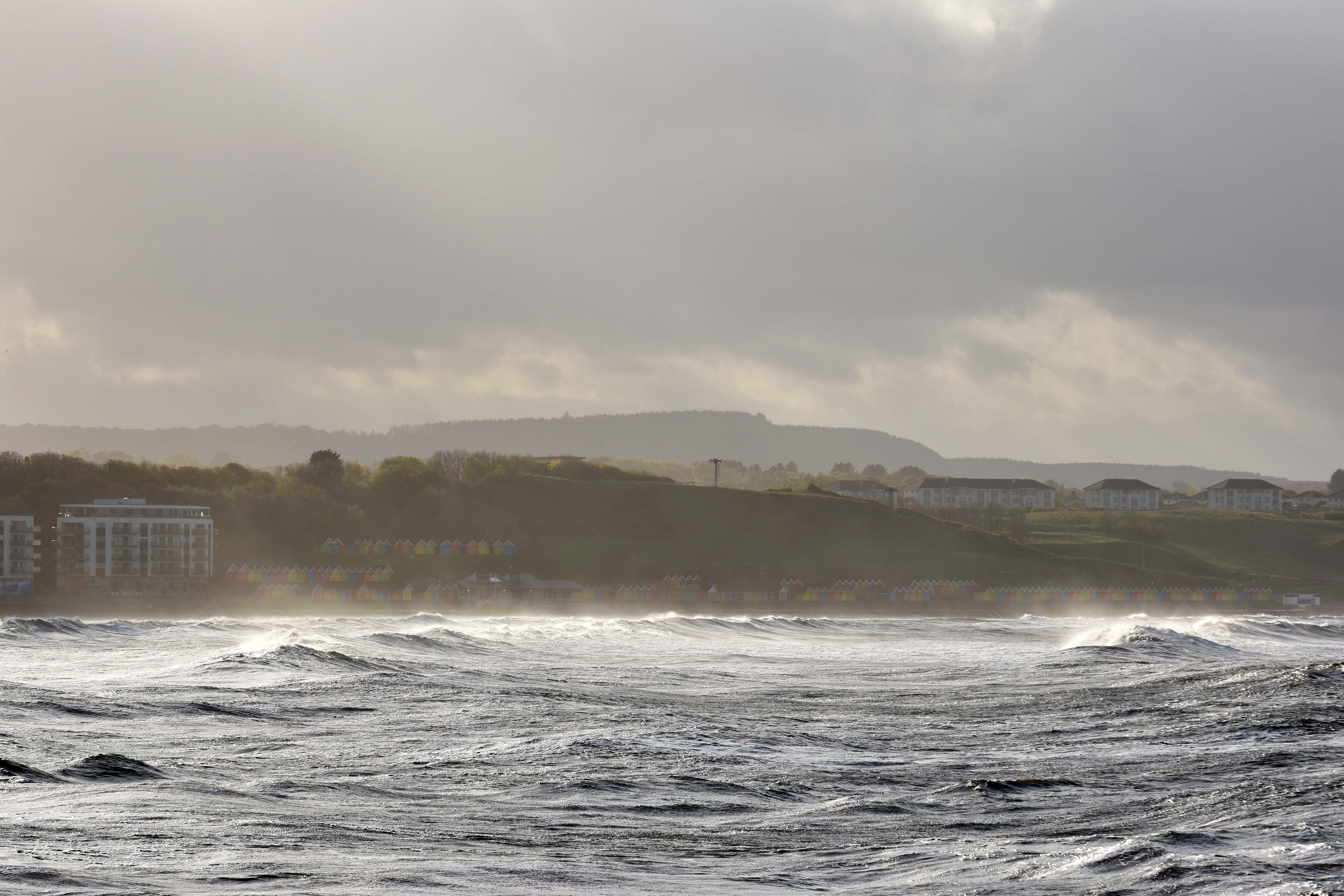
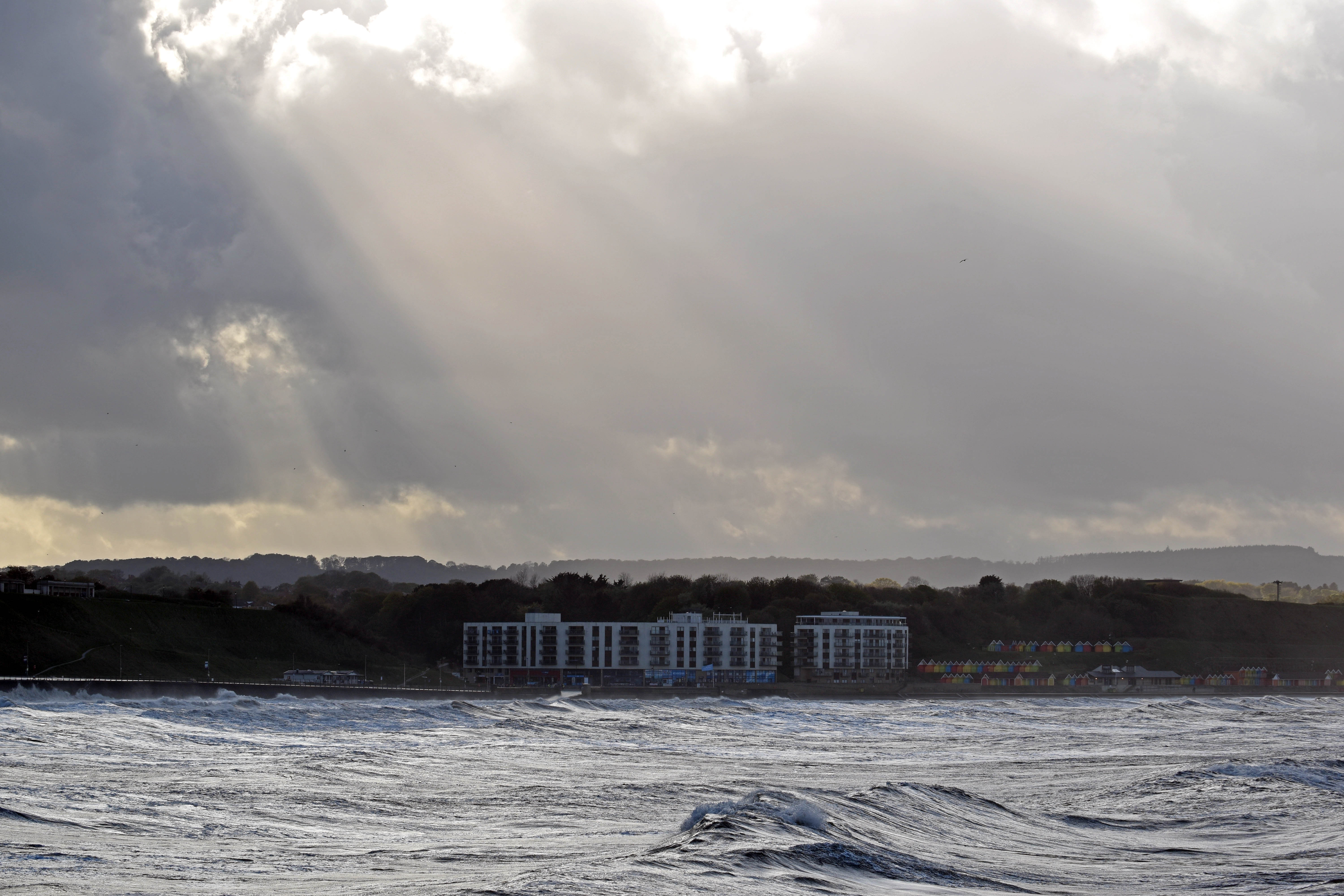
    It was a cold and windy day here in Scarborough today (4th May 19), for the finish for Stage 3 of the Tour de Yorkshire 2019, cycle race. The waves were sweeping into North Bay, driven by a strong wind. It must have been grueling to have cycled 135 km in this weather. The men’s race finished about 18:30. The women’s race had taken place earlier.

    North Bay Scarborough

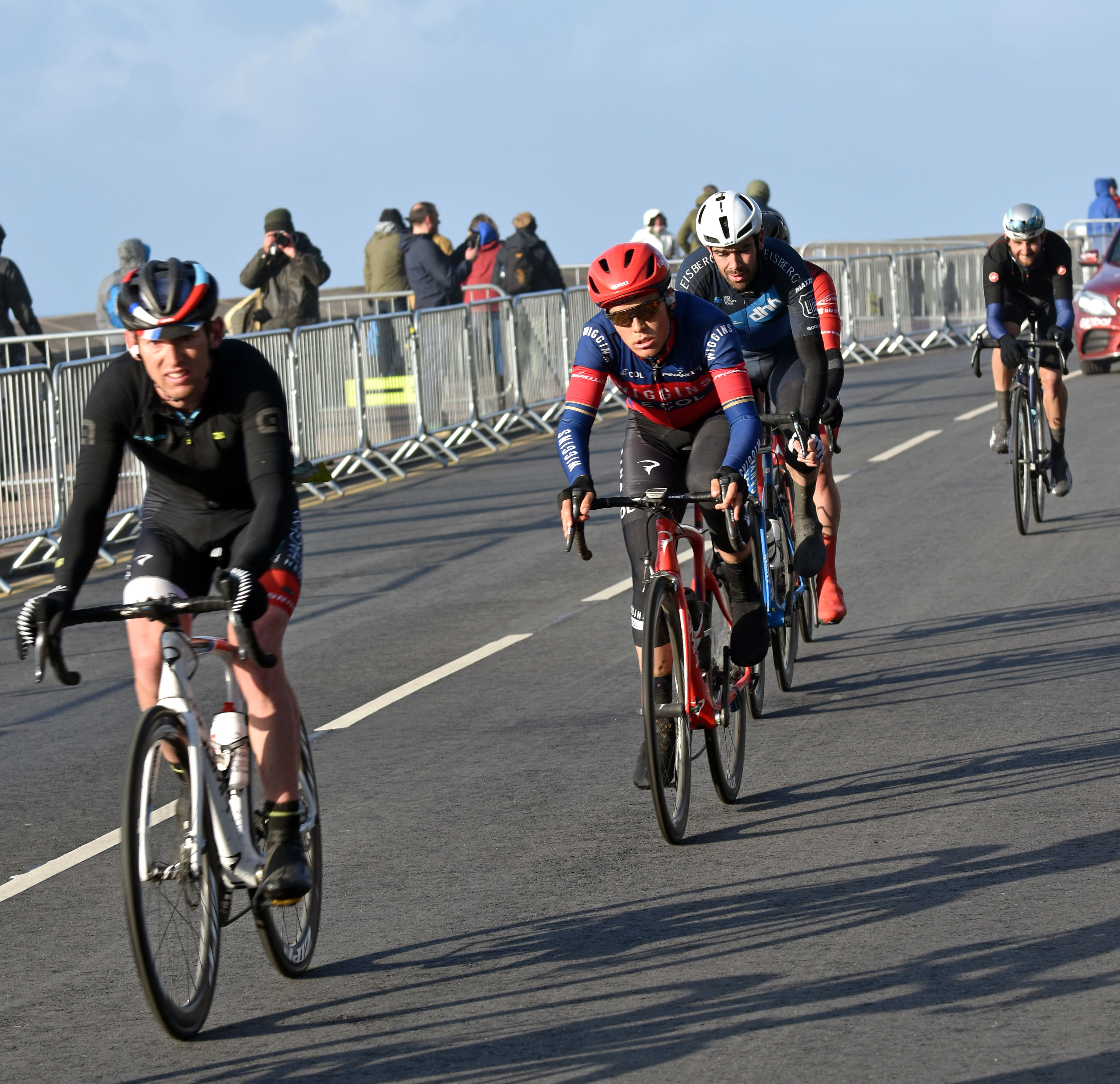
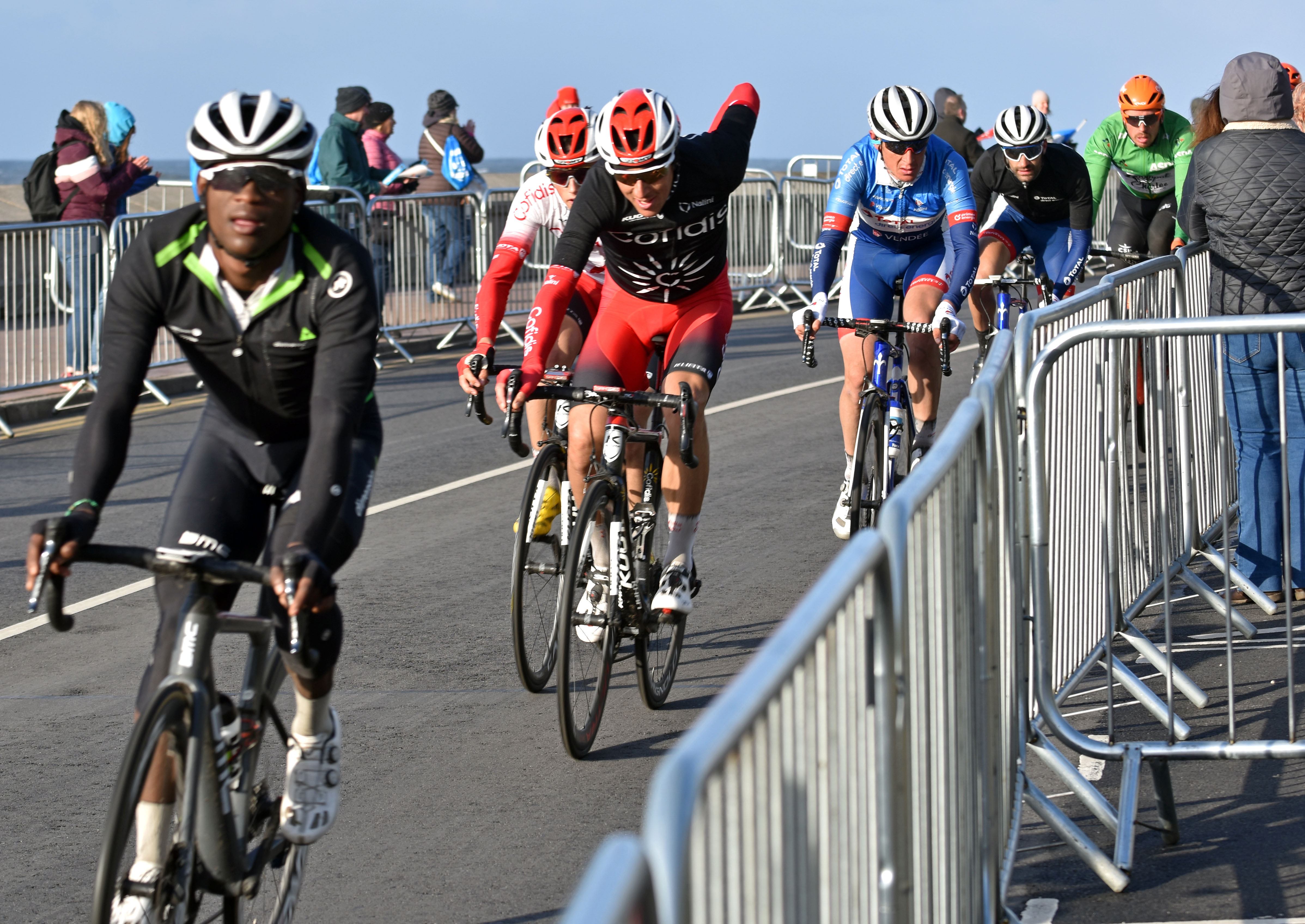
    I have no idea who the individual cyclists are, but some people may recognize them.

    Tour de Yorkshire finish 4 May 2019

    I missed the winners! The light was so bad that it was hard to get any useful shots. But then the sun came out for a few minutes and I managed to get some photos of the later riders.

    Tour de Yorkshire finish 4 May 2019

    The crowd had waited patiently in the cold for the riders to arrive, but those beneath the large screen could follow the progress of the race via the helicopter video. Sadly two riders crashed out.

    Tour de Yorkshire finish 4 May 2019

    For race details of the men’s race, see here.

    It was all over in a flash, but exciting and one cannot help but be impressed (and in awe) of the cyclists who could cycle so far and so fast, in such awful weather!

    North Bay, Scarborough
  • Tournament: Joust and Melee at Scarborough Castle

    Mounted knights were great horsemen

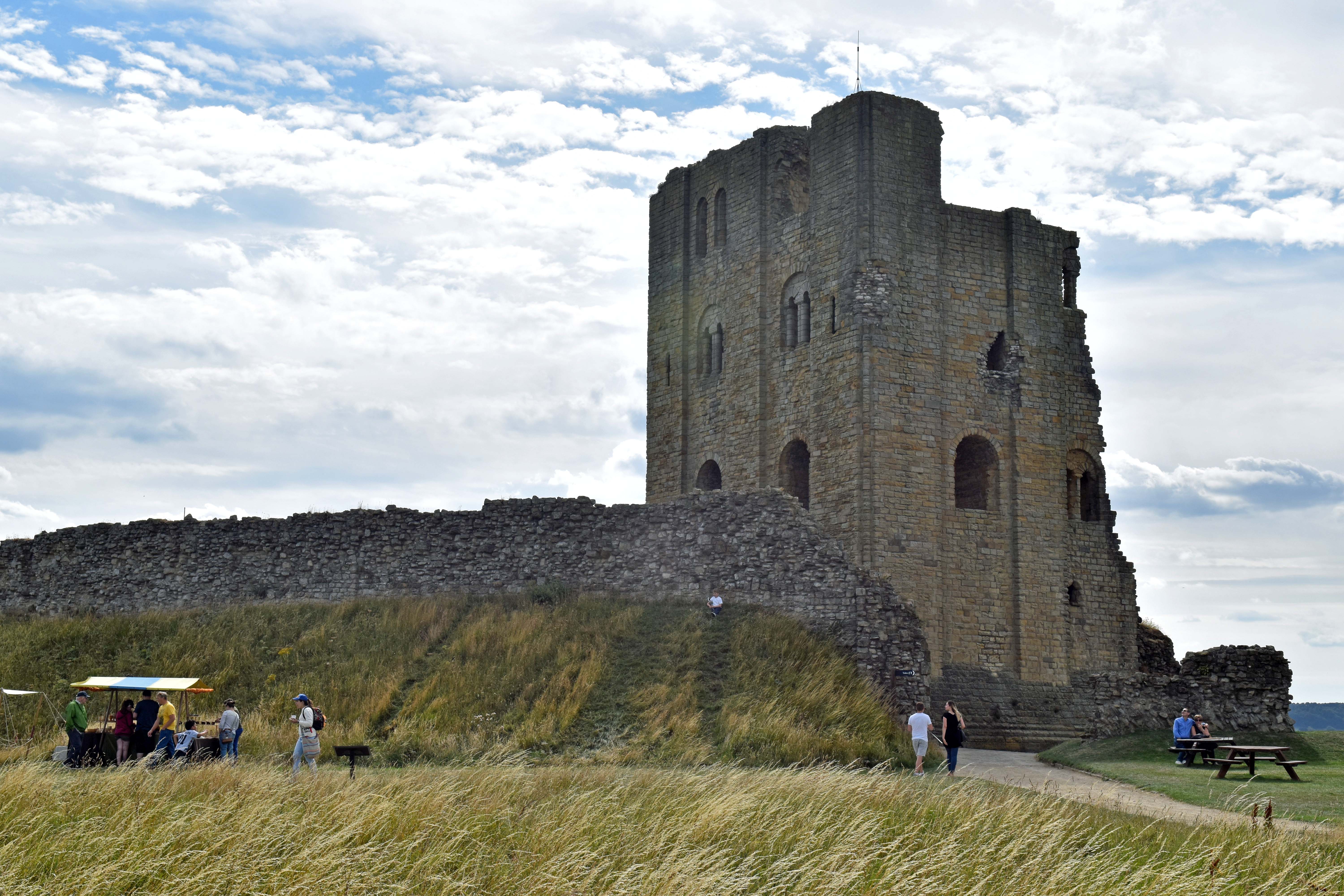
    A Medieval tournament is being held at Scarborough castle this weekend, 11-12th August 2018, the highlight being a display of horsemanship and mock fighting/jousting.

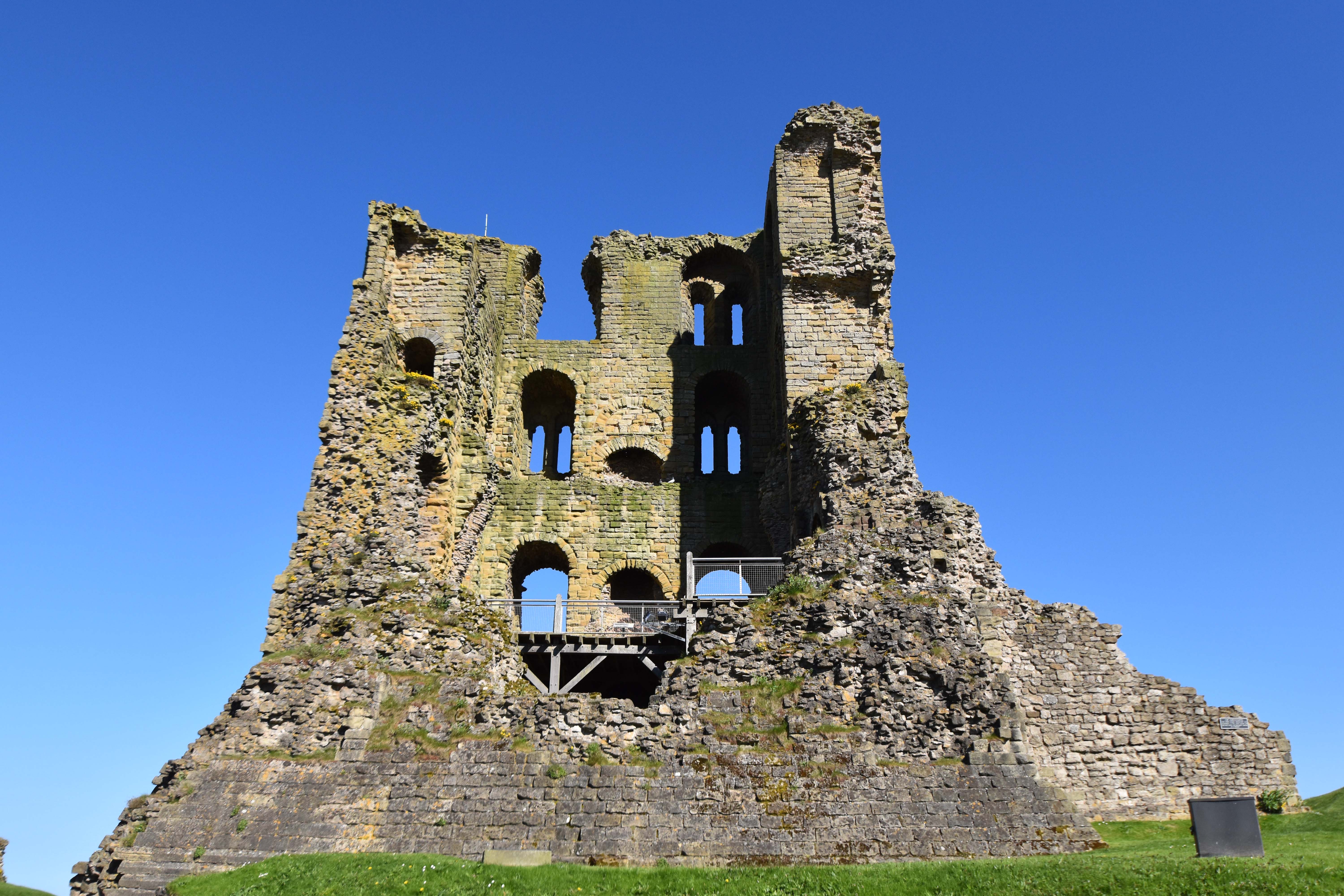
    Norman Keep of Scarborough castle, destroyed in the Civil War

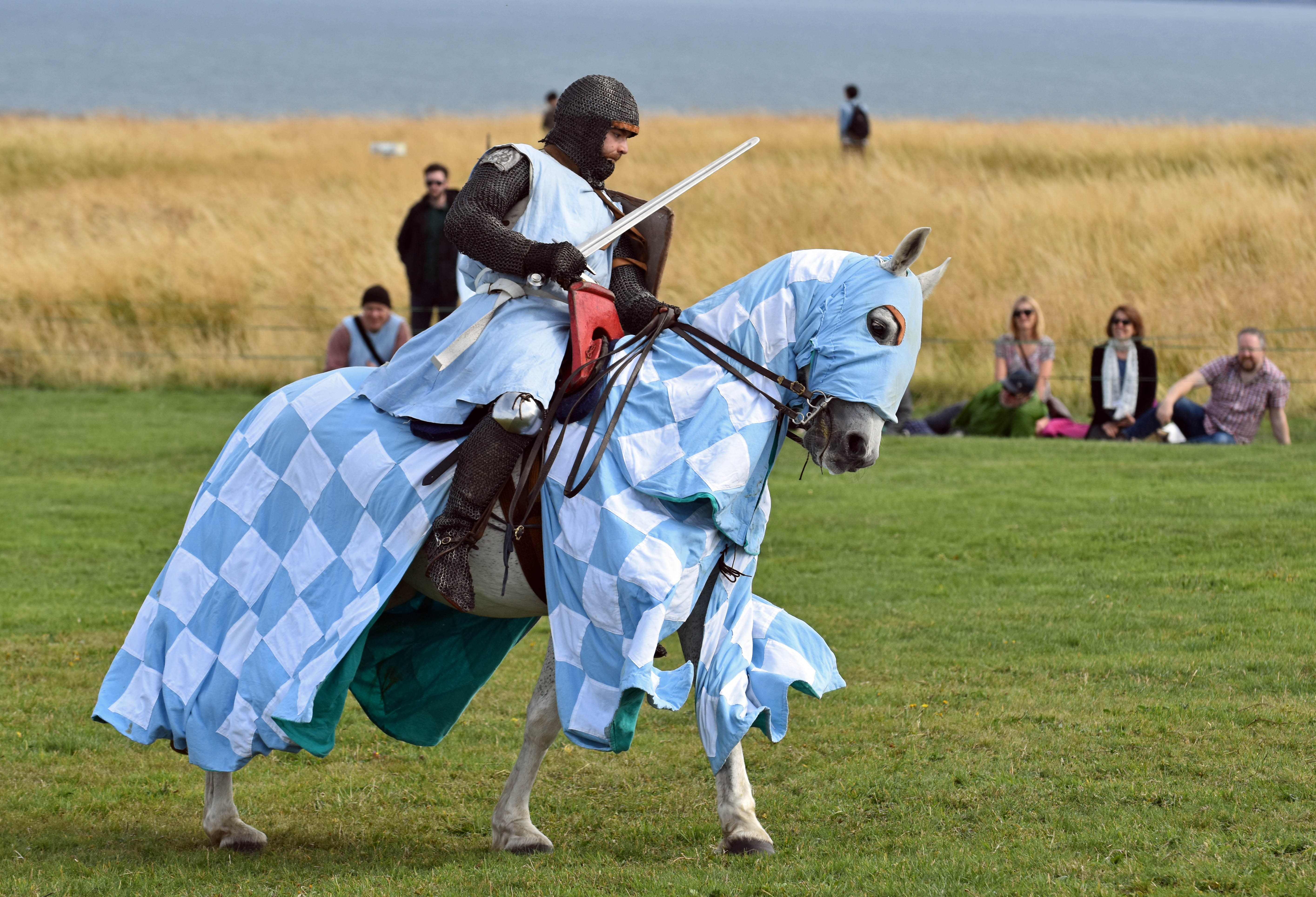
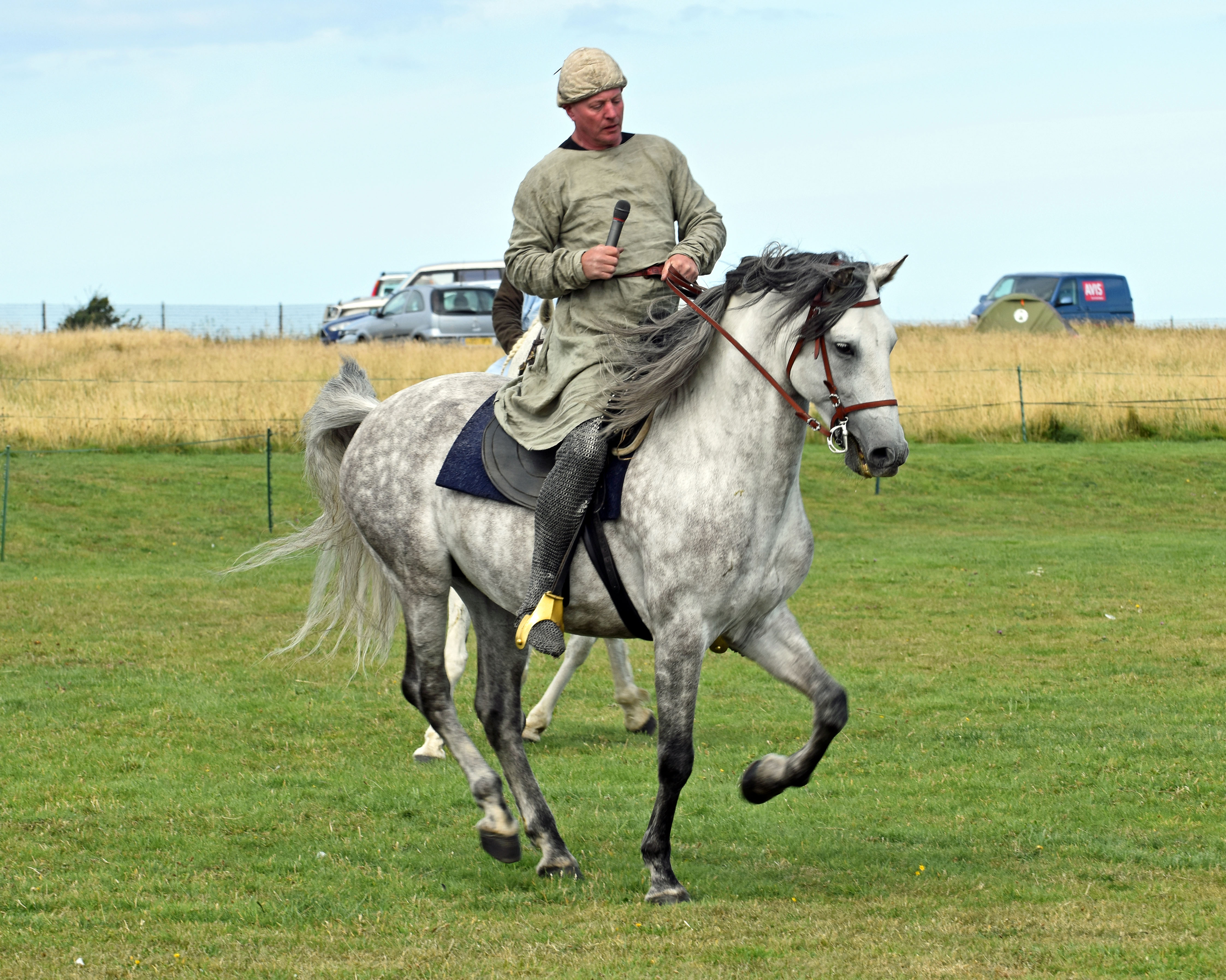
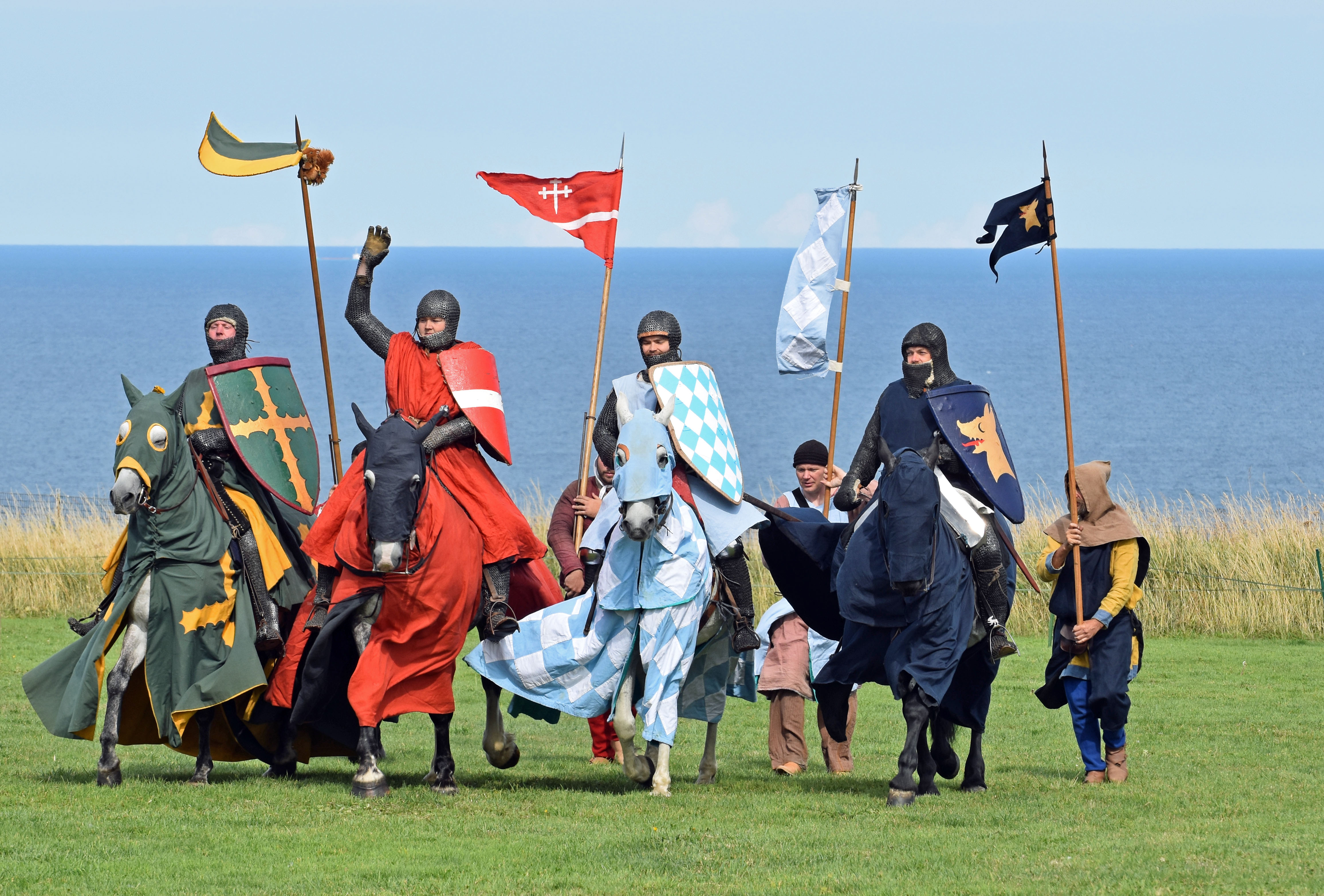
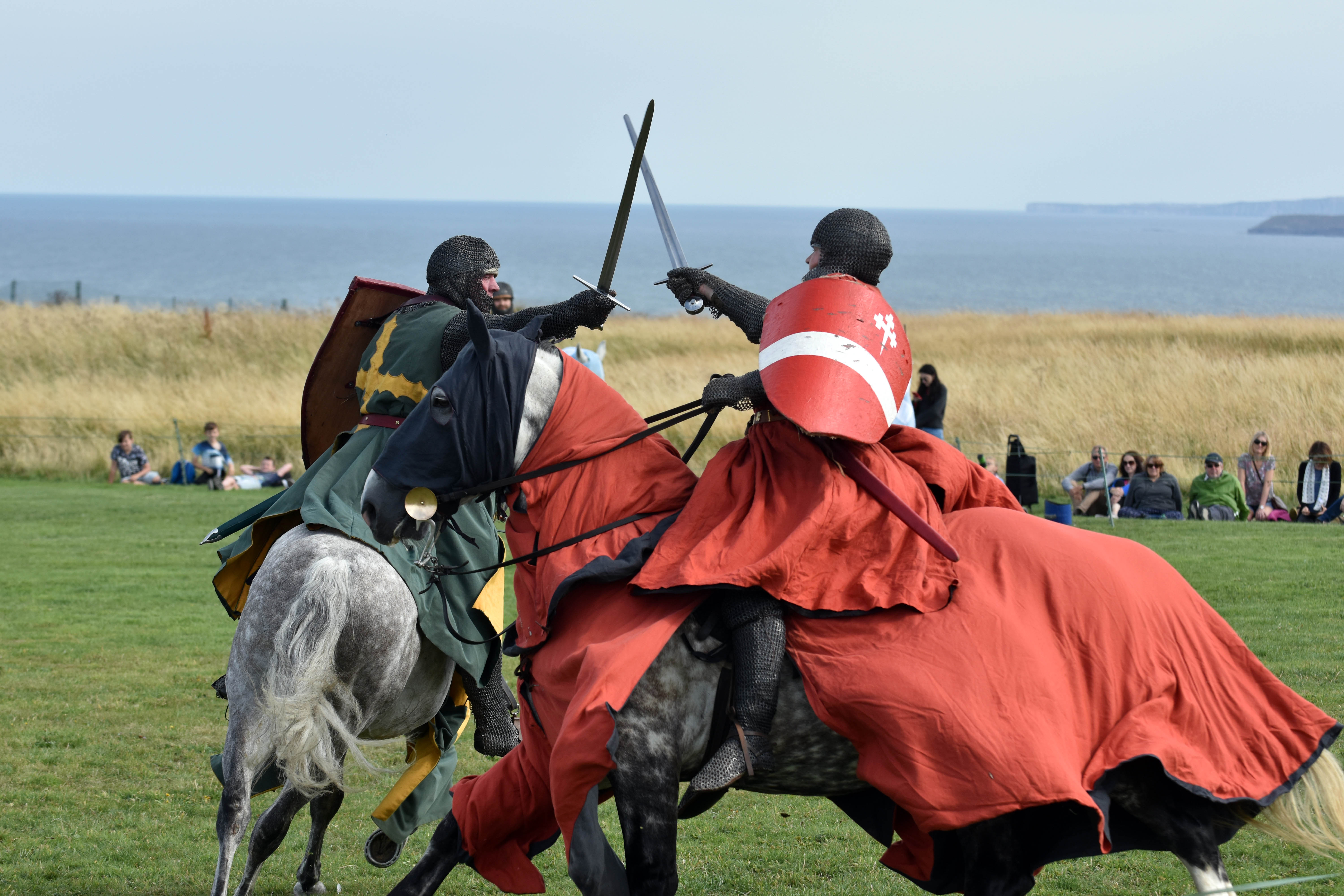
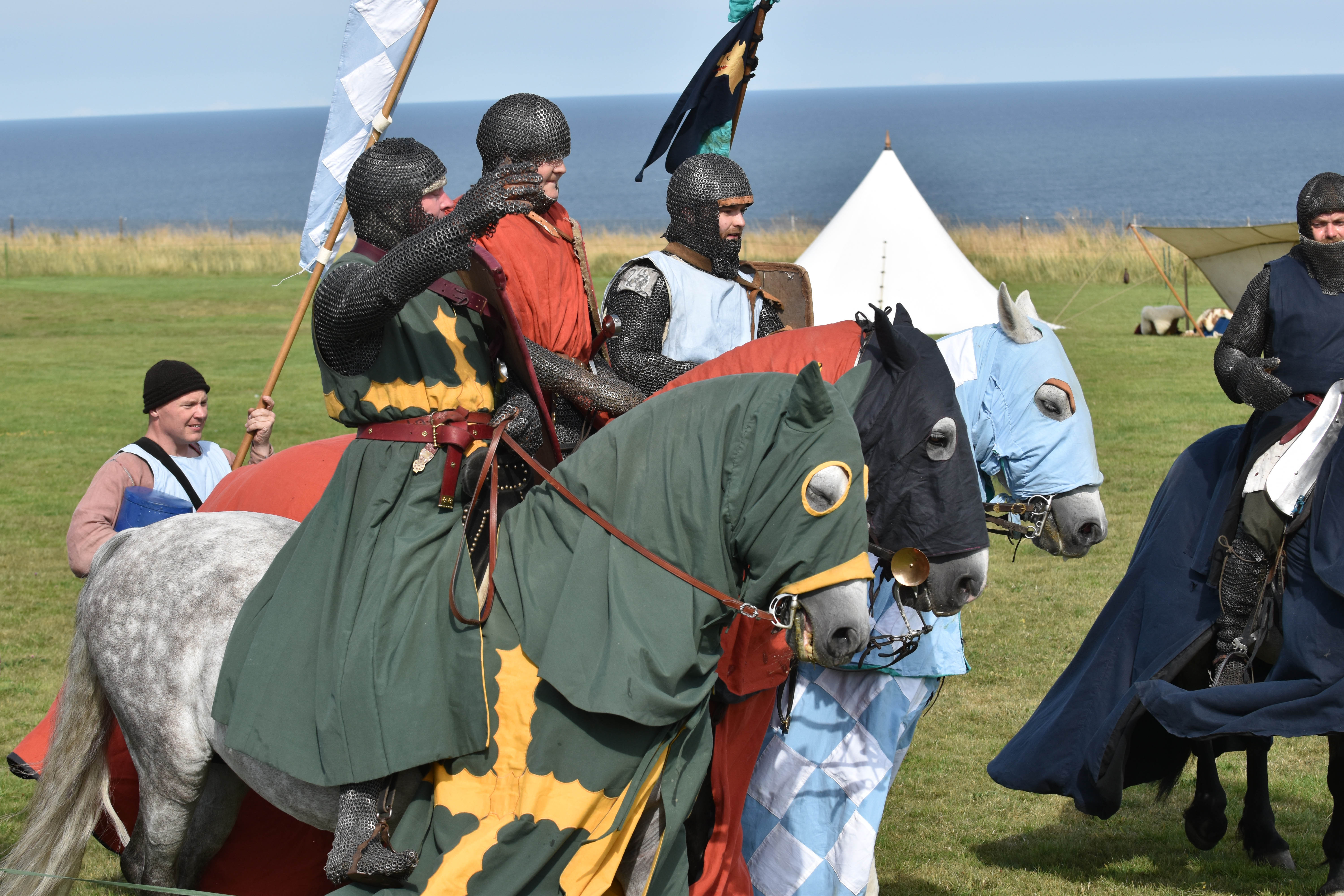
    Jousting was a Medieval contest of strength, skill and horsemanship. This reenactment was staged by a company called Historic Equitation and involved four mounted horses decked out in colours as they might have been back in the 13th century. Fighting on horseback clearly required great deal of horsemanship, and this was beautifully displayed during the reenactment of jousting and fighting with swords.

    Scarborough castle – keep and moat

    There was an initial demonstration of how the horses were trained for warfare in the 13th Century, followed by a mock tournament an hour or so later.

    Rider explains how the horses were trained and used in the 13th Century
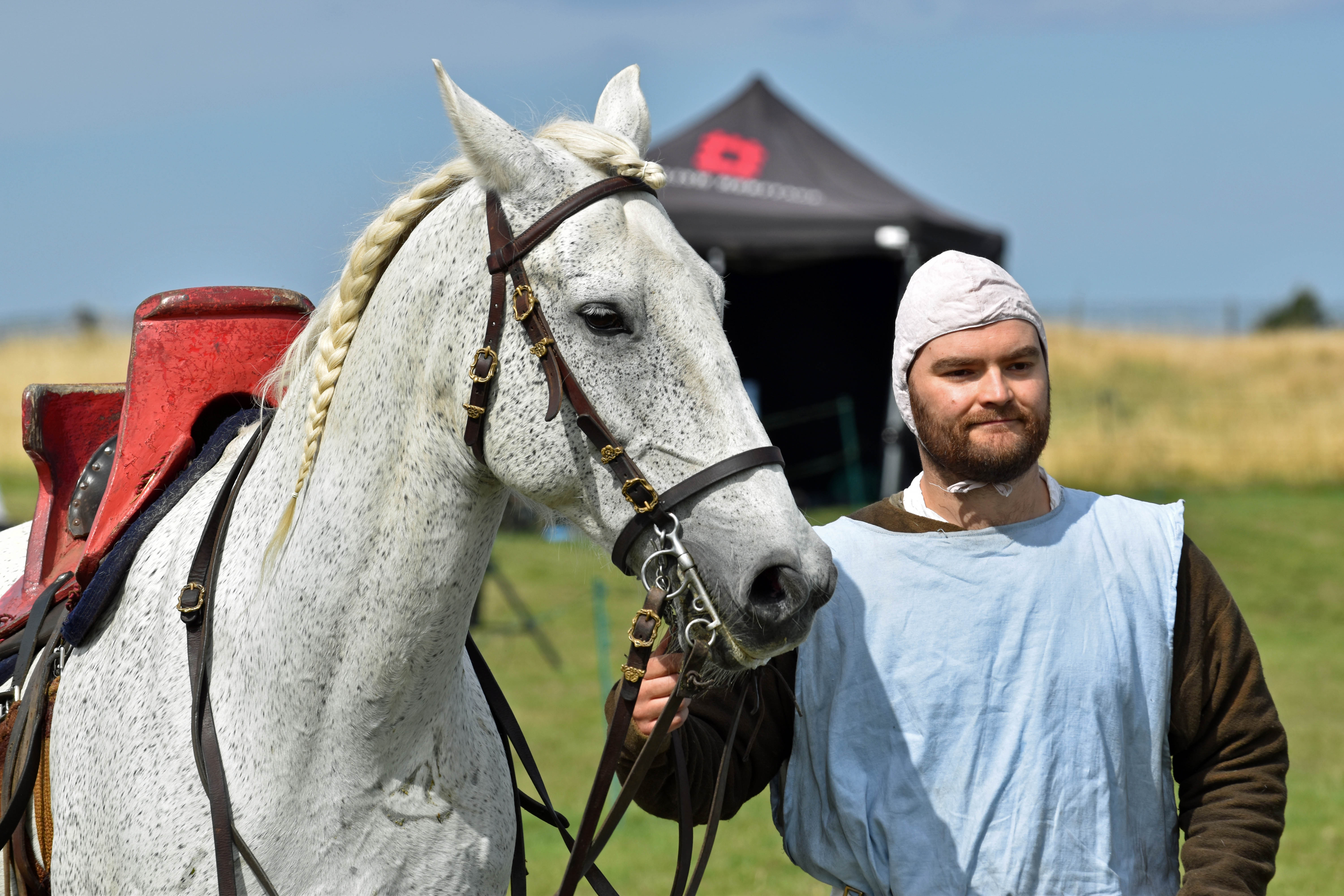
    Bay horse with braided mane

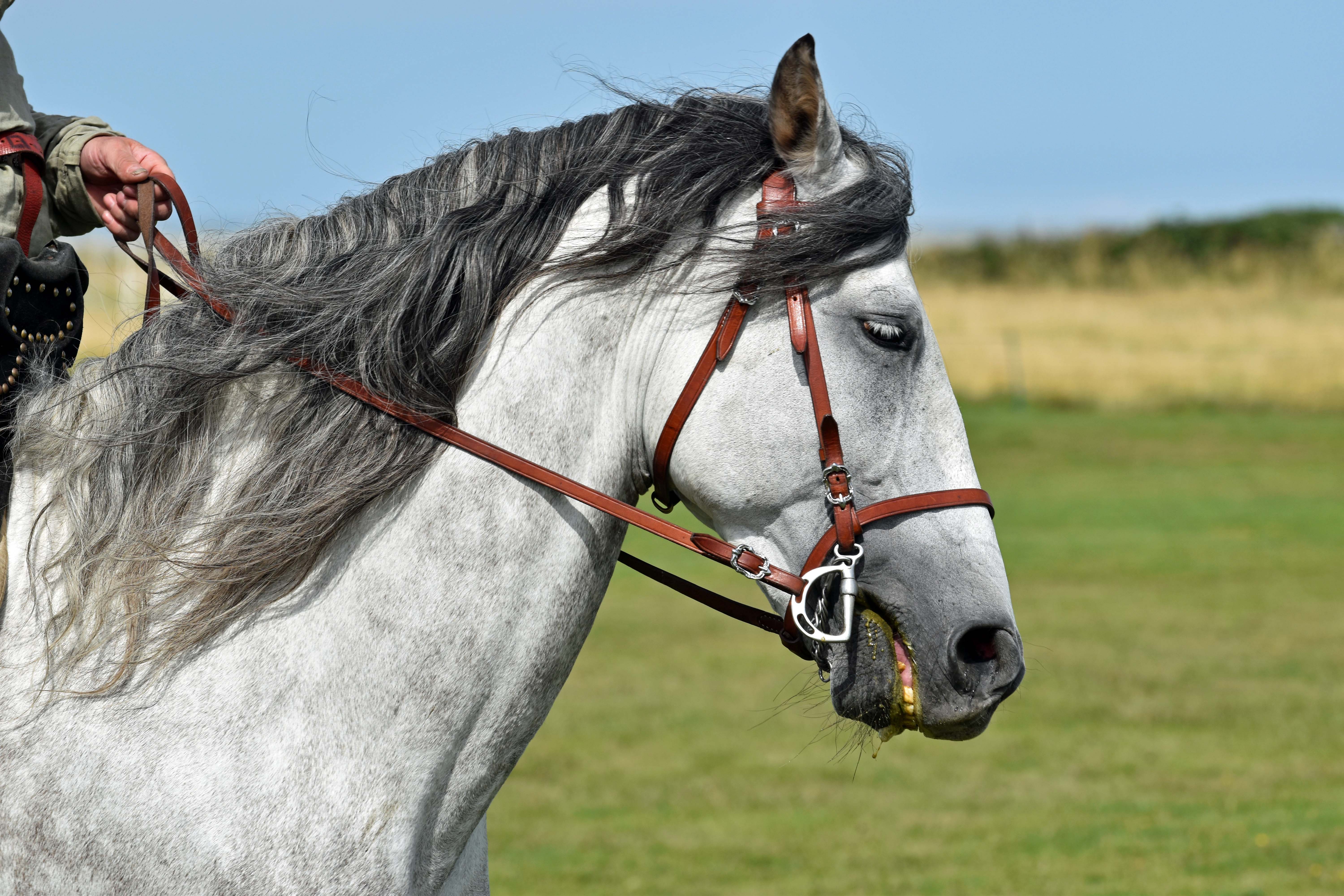
    The horses were the stars of this show!

    Beautiful horse, superbly ridden

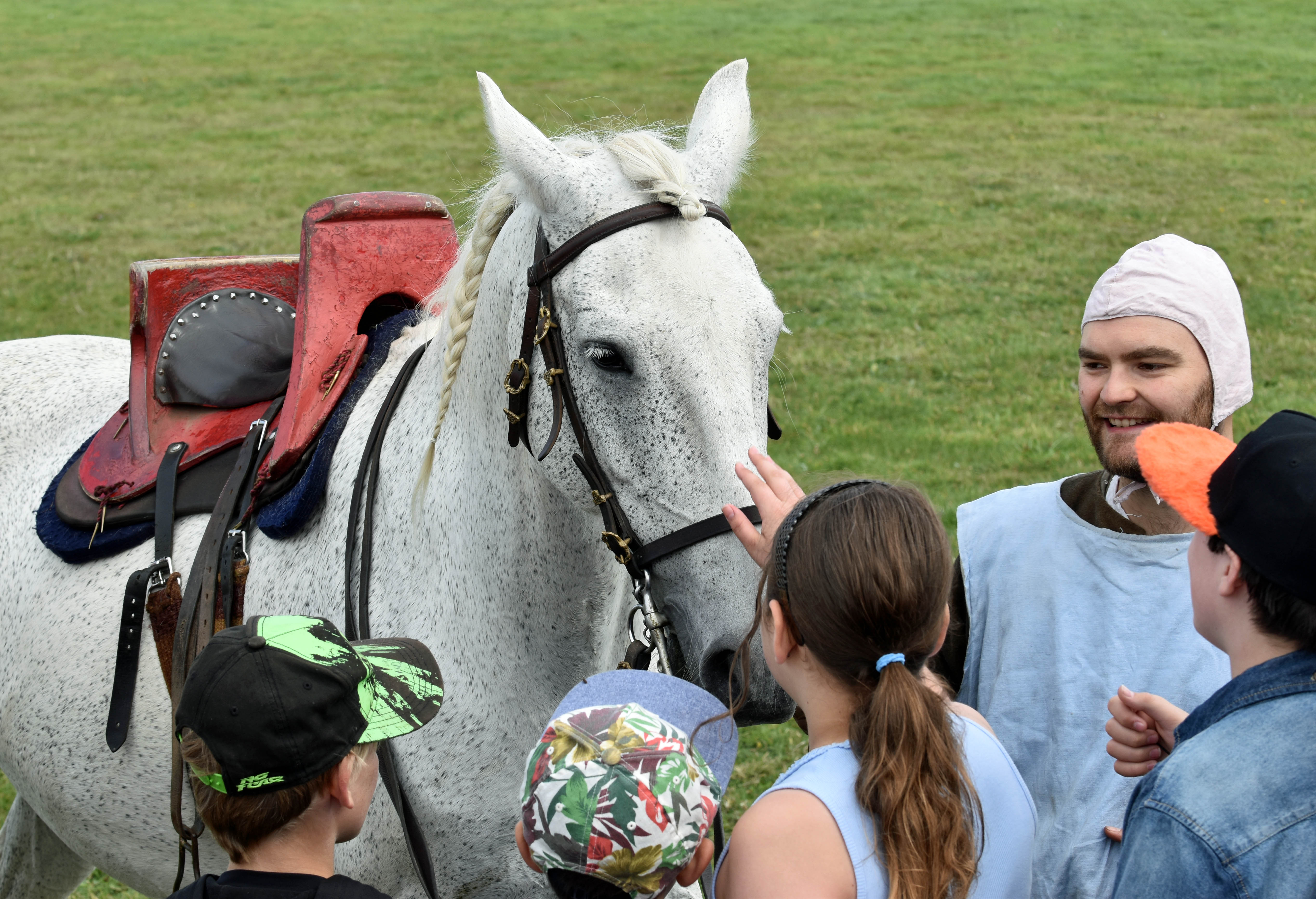
    The horses seemed to enjoy it and were amazingly relaxed and happy to be petted by people in the audience after the first show.

    Horse with traditional jousting saddle, designed to protect the delicate regions of the knight!

    The jousting and fighting was a bit of fun and allowed children to wave flags and root for one of the four mounted knights.

    English Heritage flag seller

    The contest begins!

    The knights enter the arena!
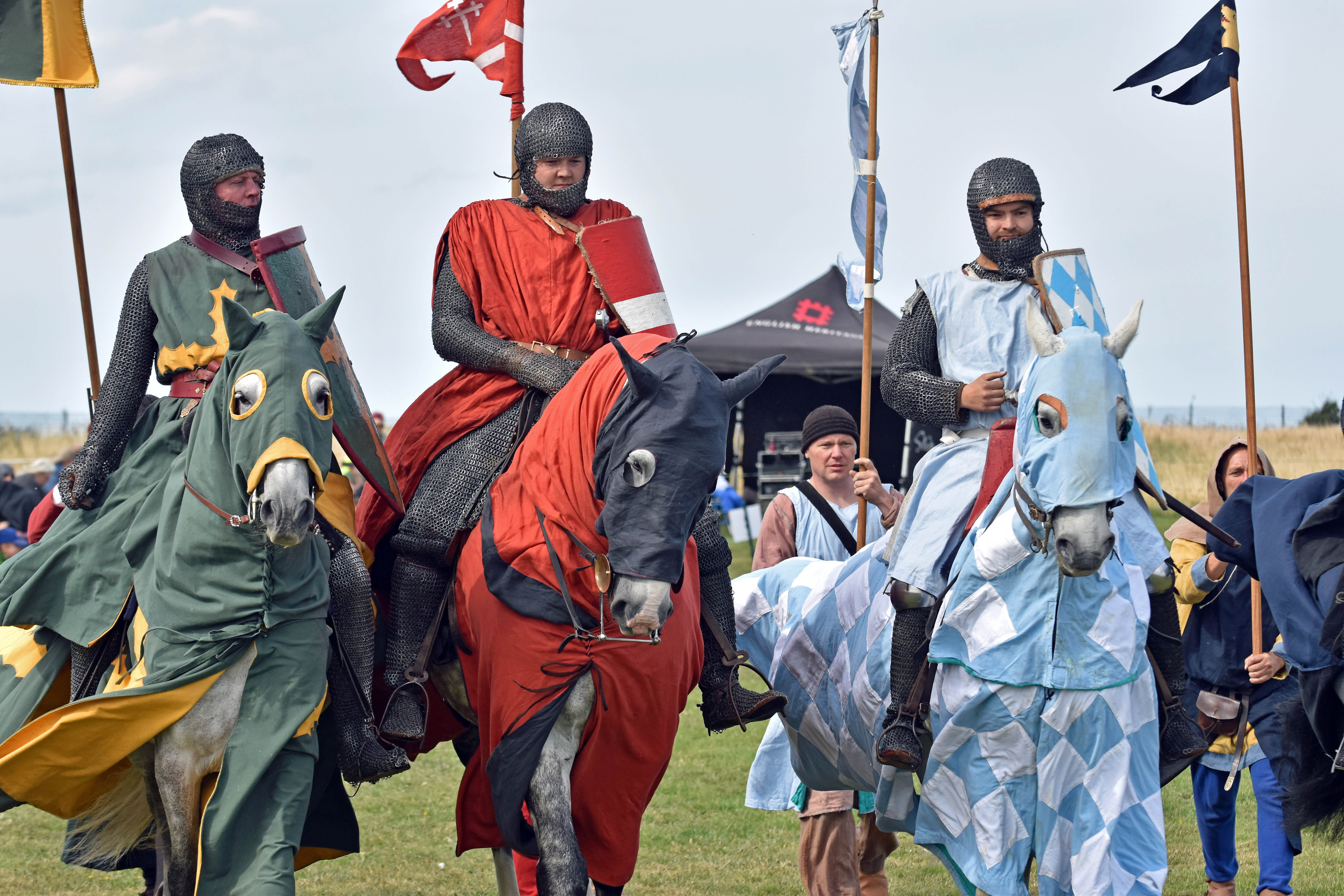
    Three of the knights

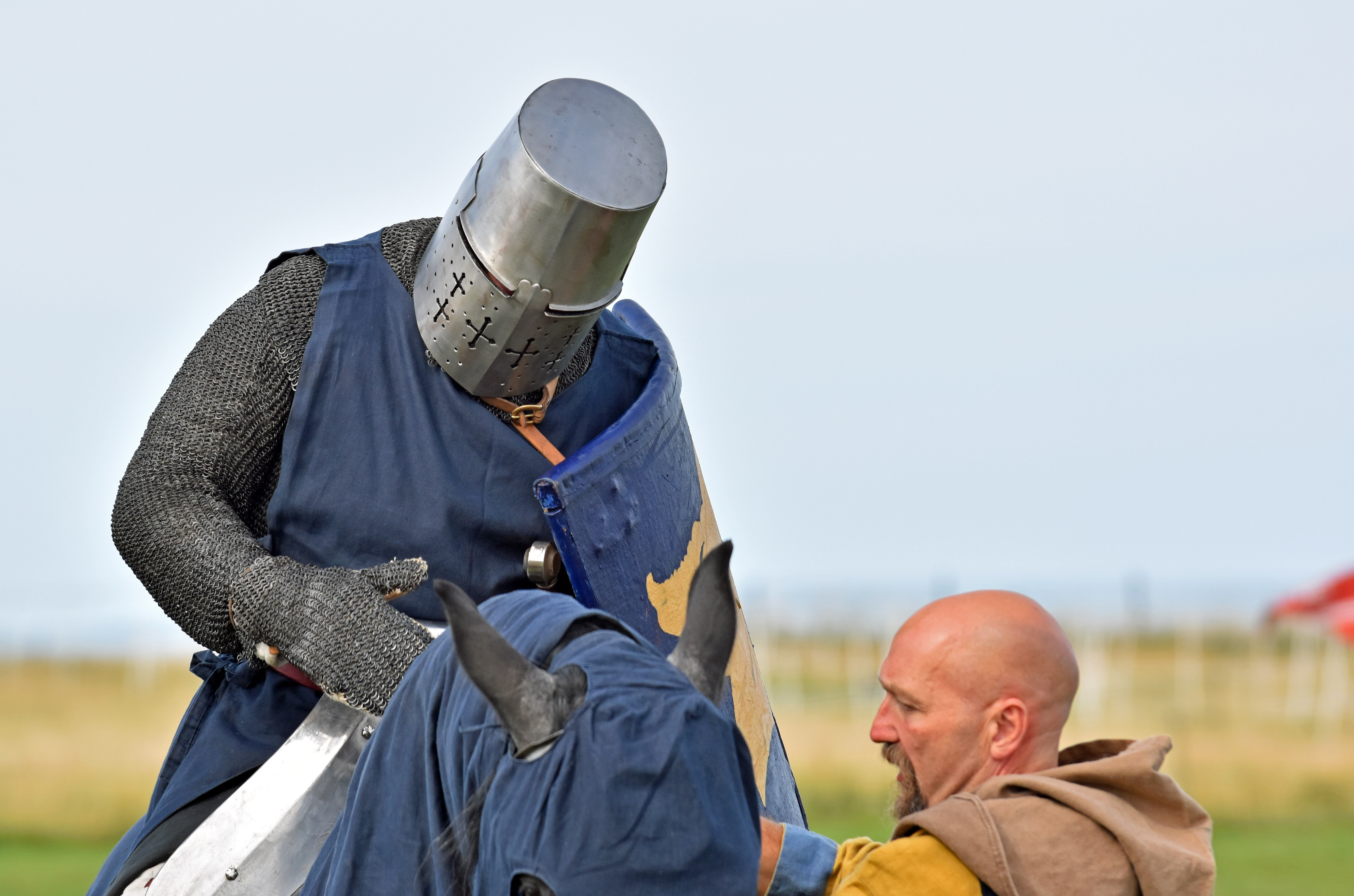
    It must have been very difficult to ride and maneuver the horse wearing a helmet with such a restricted field of view!

    Traditional helmet

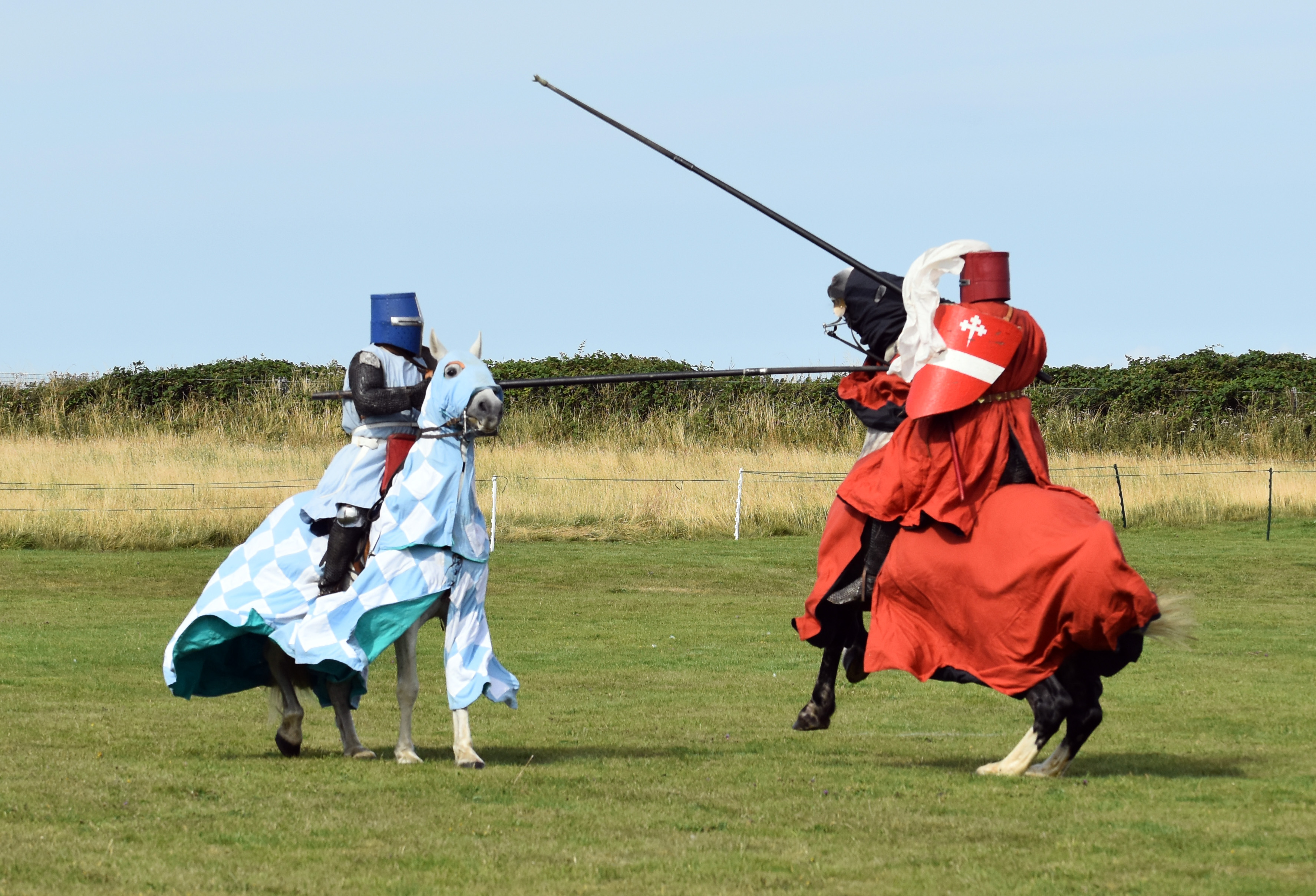
    The jousting was done with wooden lances!

    Jousting is not easy!

    A Medieval knight had to learn to fight, but at the end of the day, he was only as good as his horse and horsemanship.

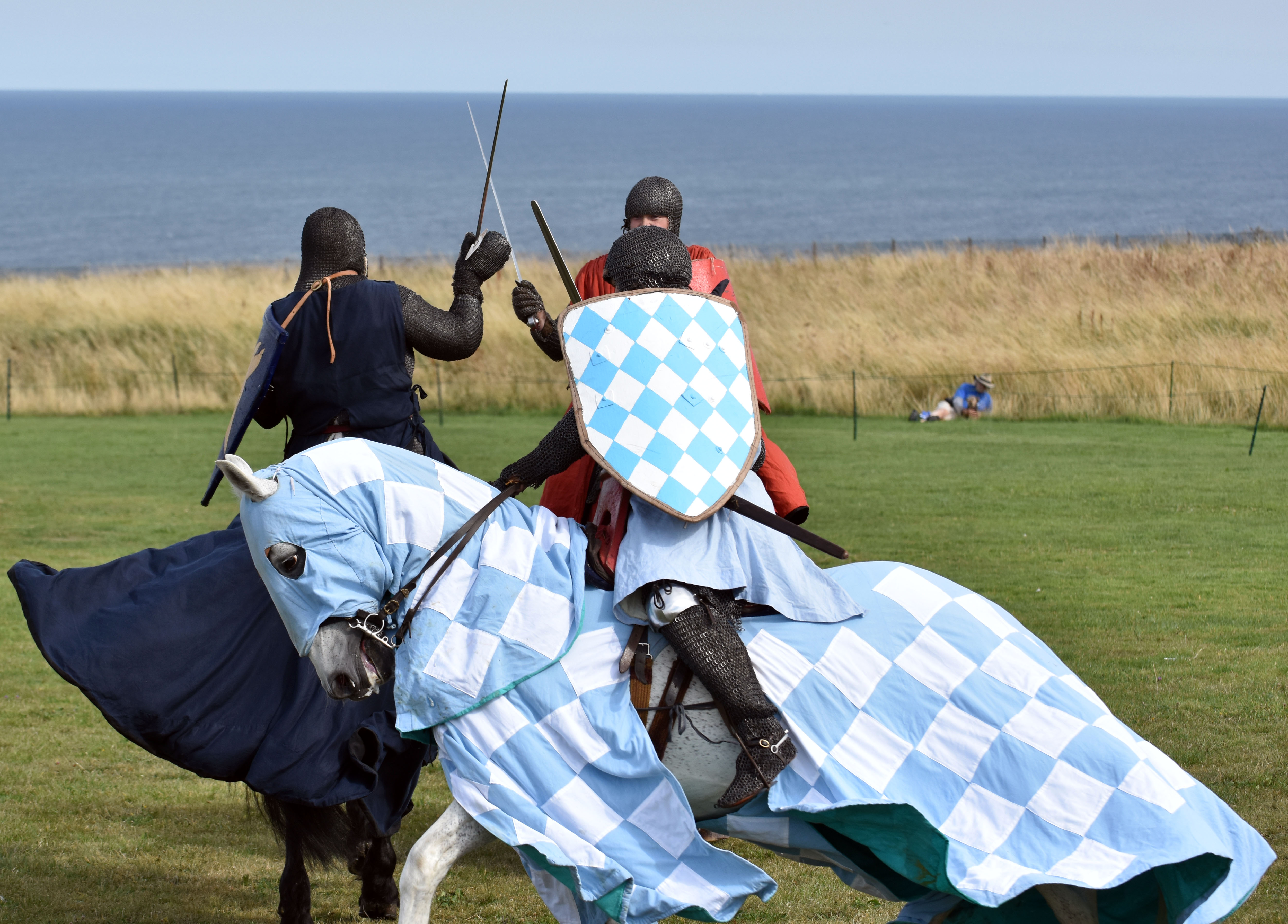
    Fighting with swords

    I took hundreds of photographs, handholding a Nikon F2.8 70-200mm lens; these are just a few of the more dynamic images.

    Horse and jouster
    Horsemanship
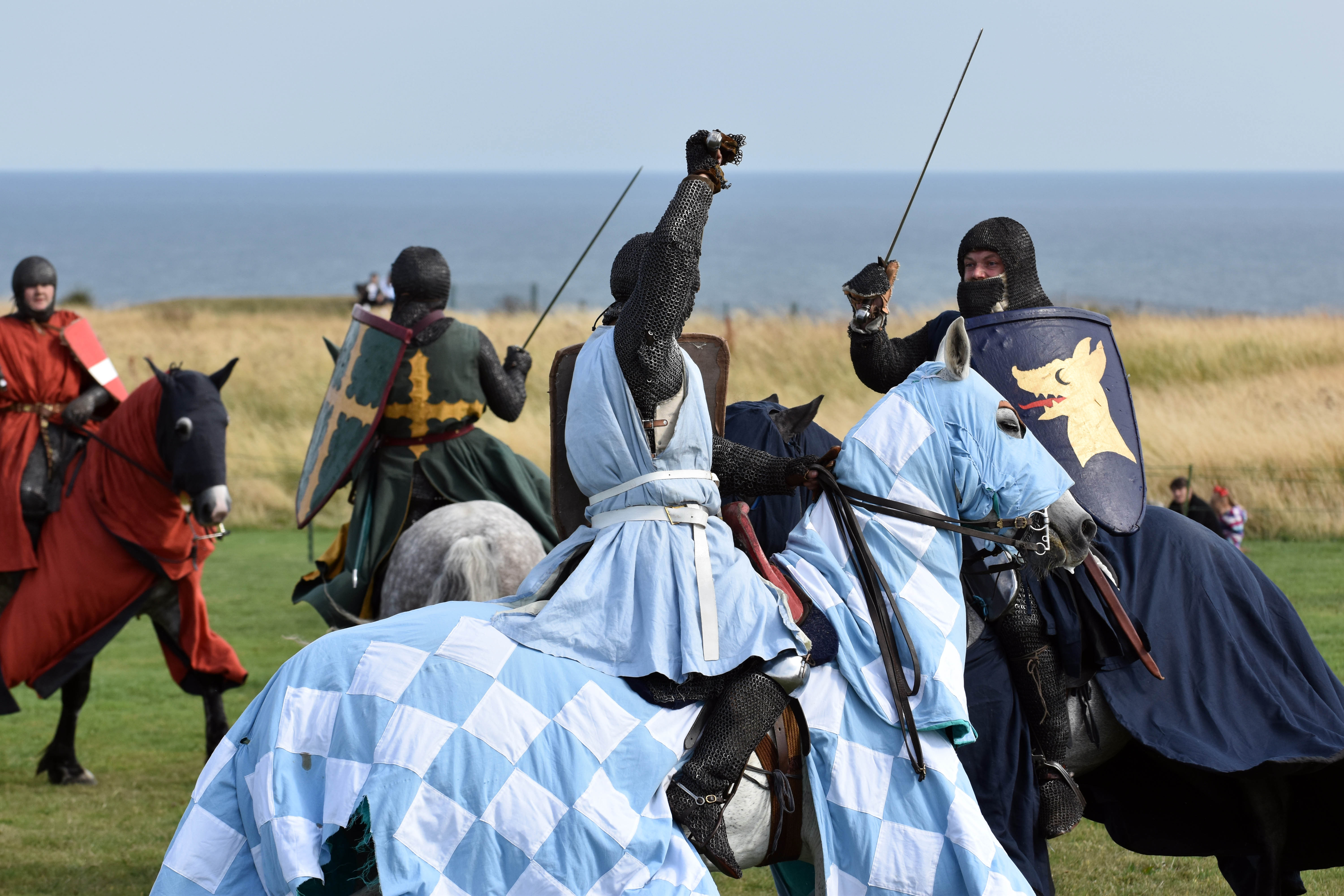
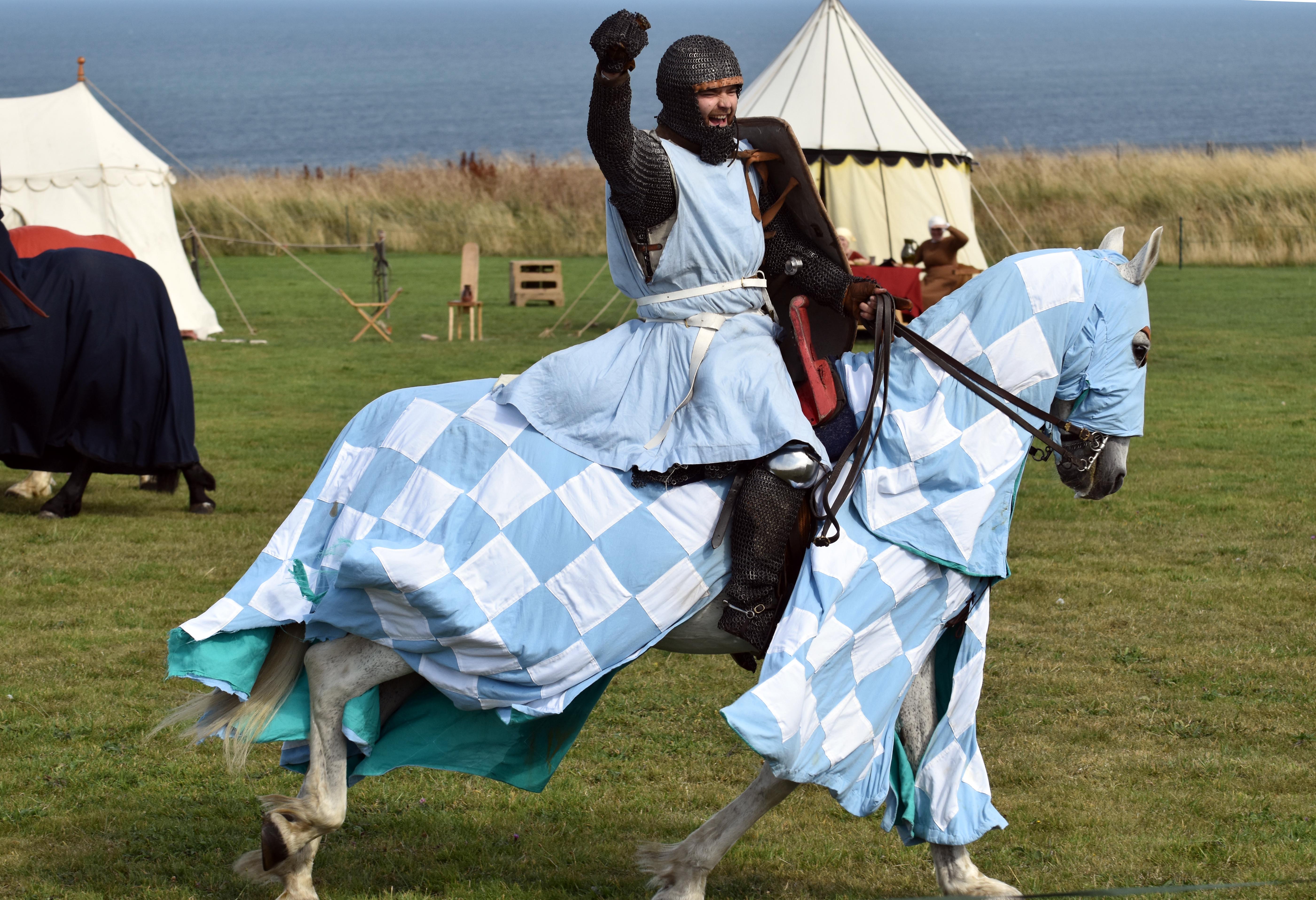
    The blue knights
    The clash of swords
    Turning
    Into battle!
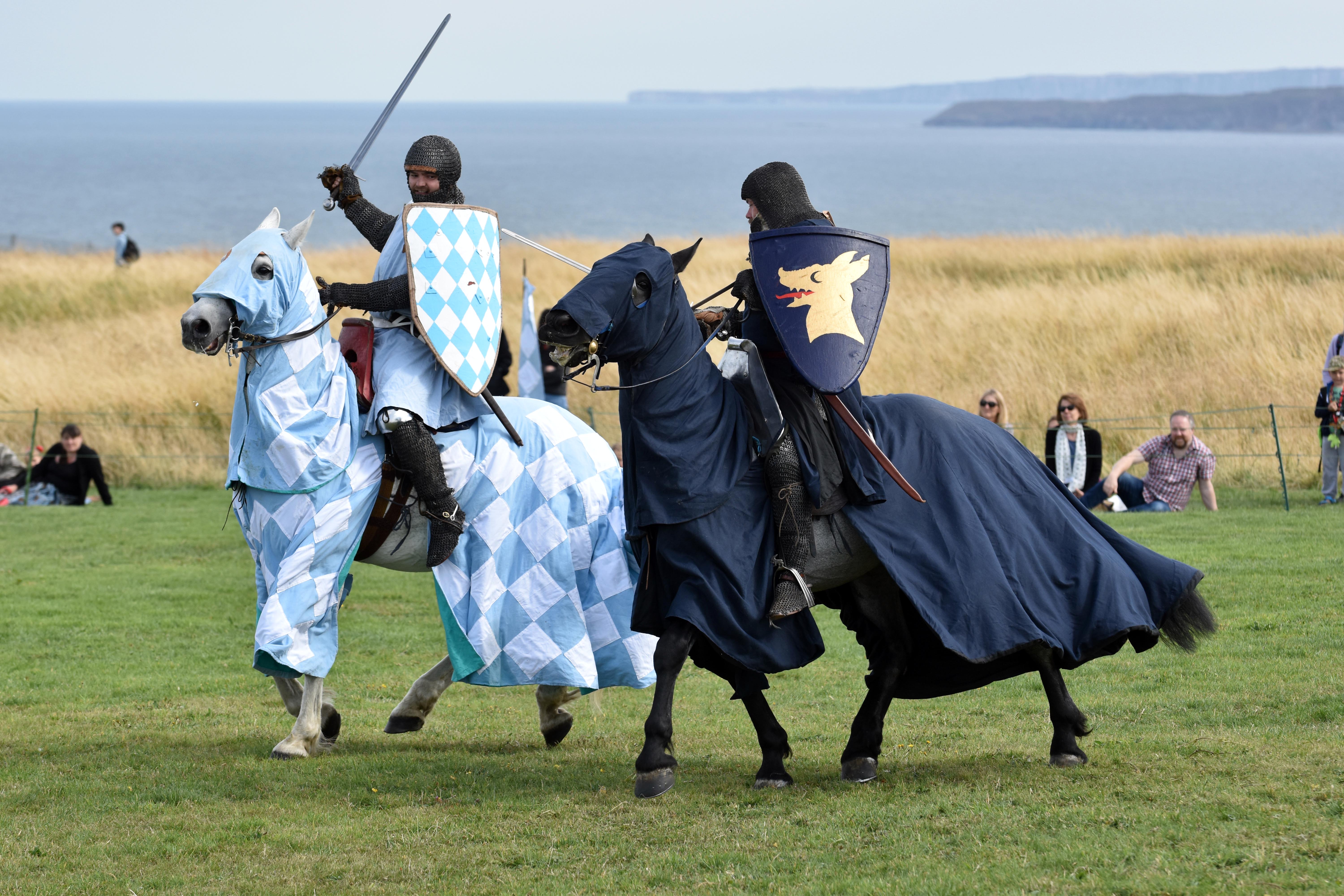
    All four knights in close contest
    The knight who won the biggest cheer
    The end of the tournament
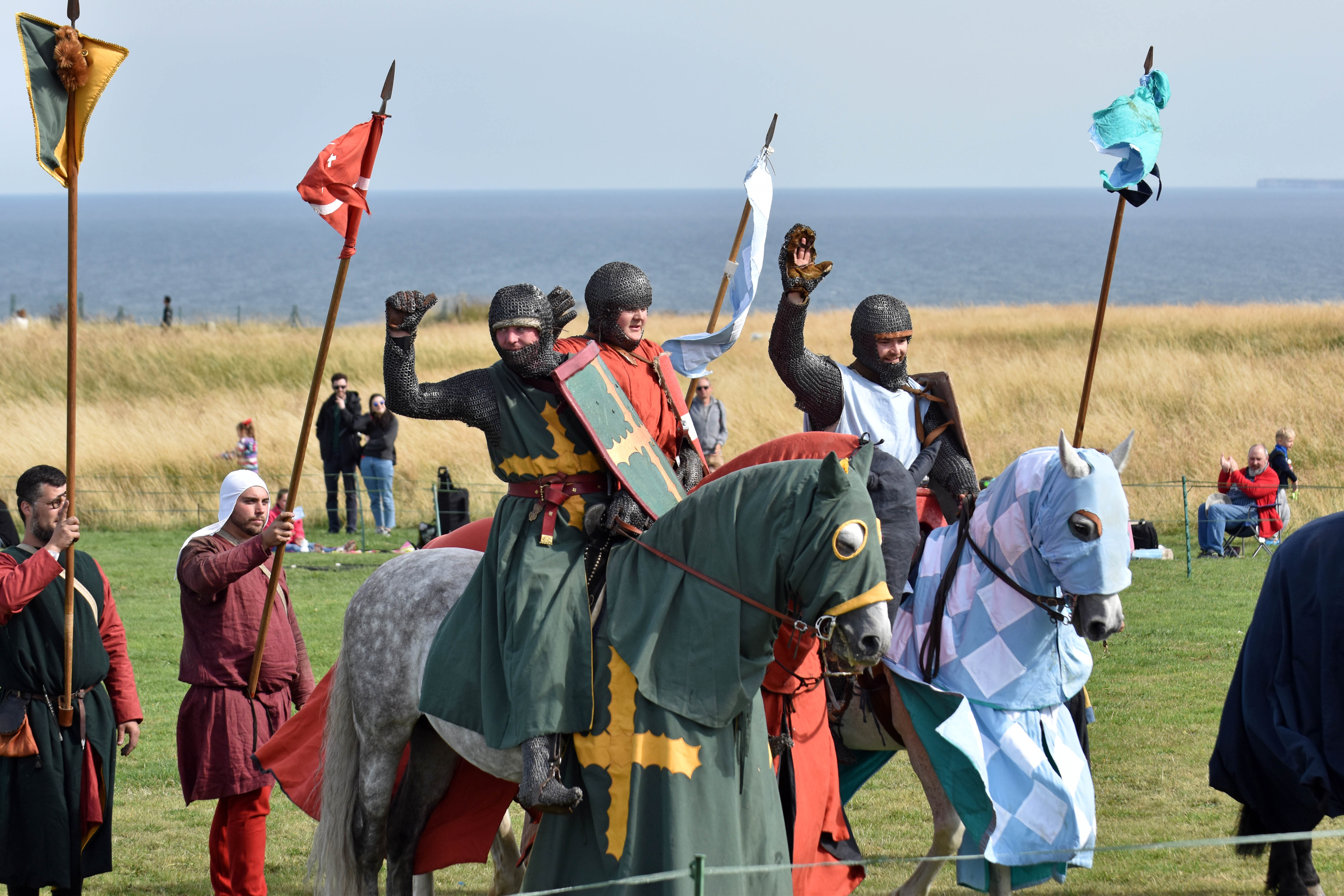
    A colourful lineup
    Leaving the field

    There appeared to be some Medieval stable maids who removed the garments and saddles from the horses!

    Removing the coats and saddles

    There were plenty of other fun things to do, like archery and wine tasting!

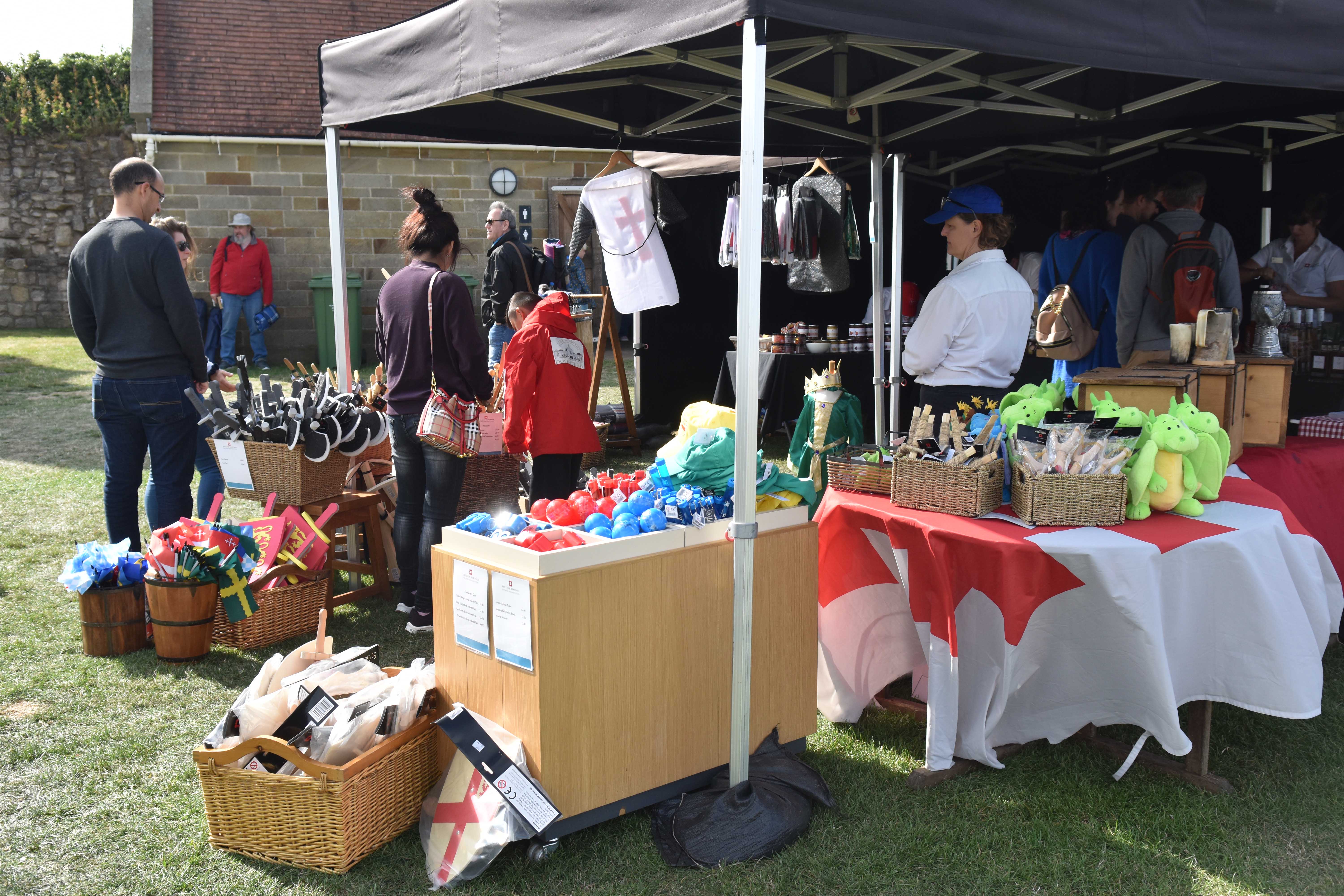
    Medieval merchandise
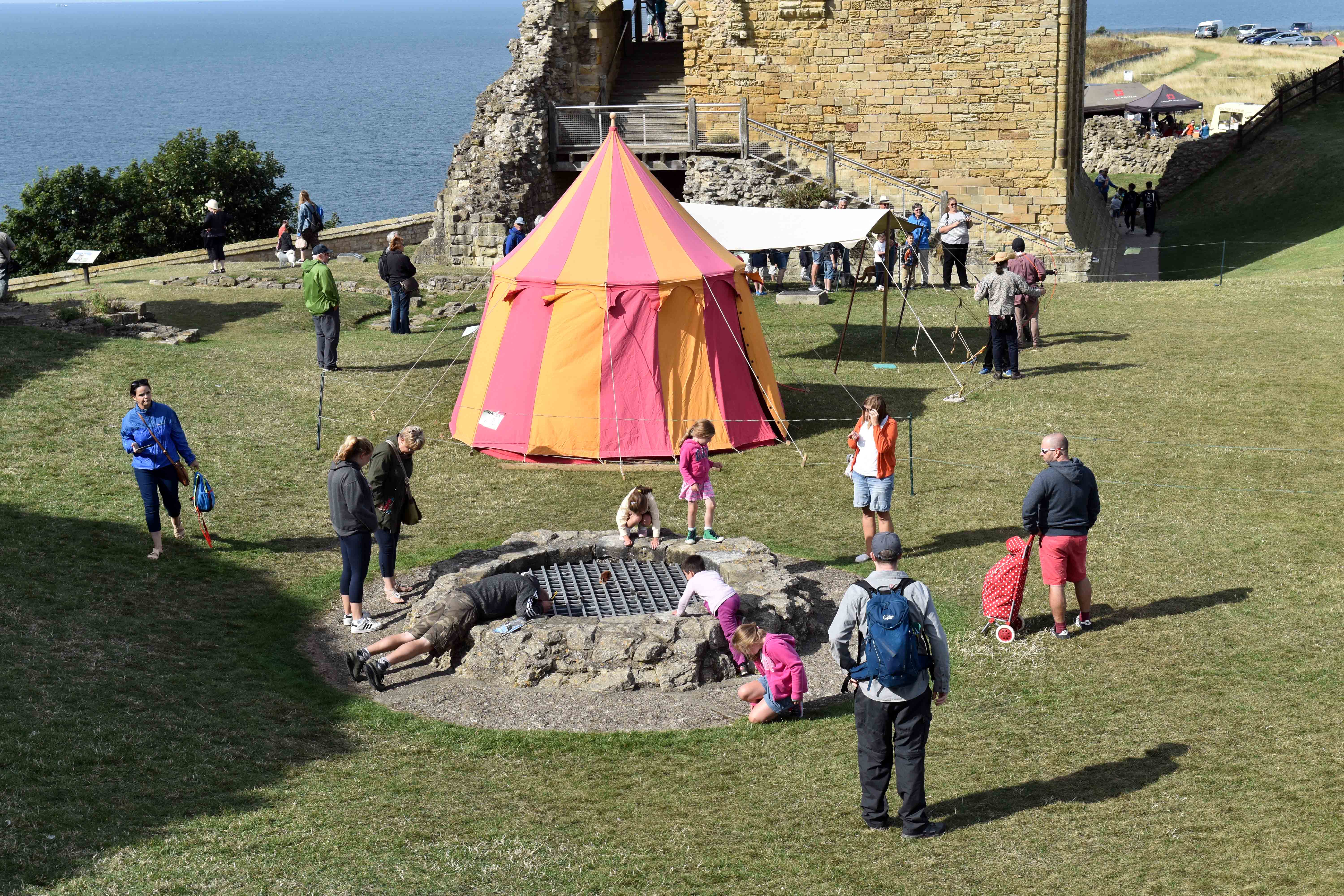
    The old well within the castle – inside the moat. It’s deep!
  • Cruising the fjords

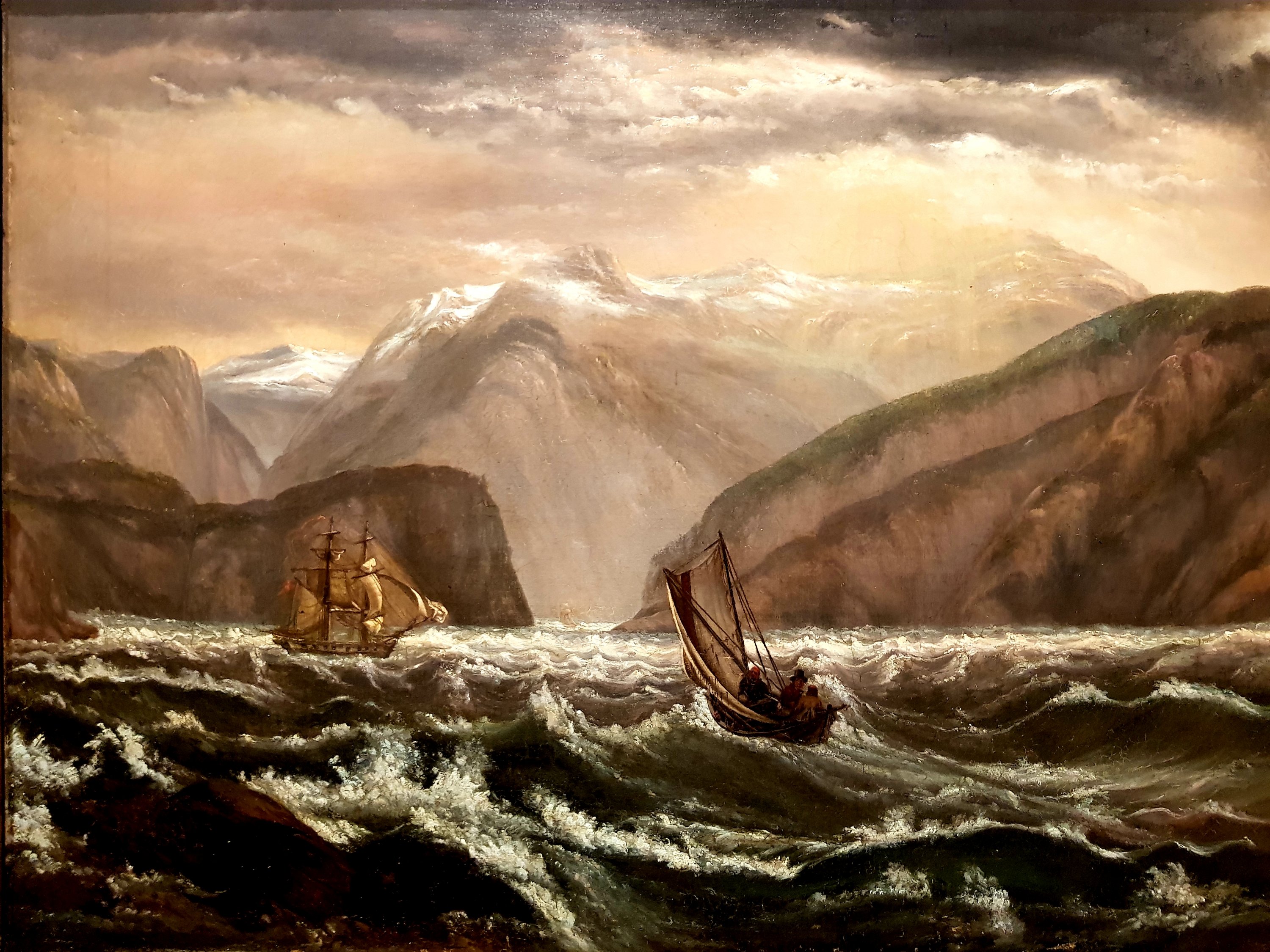
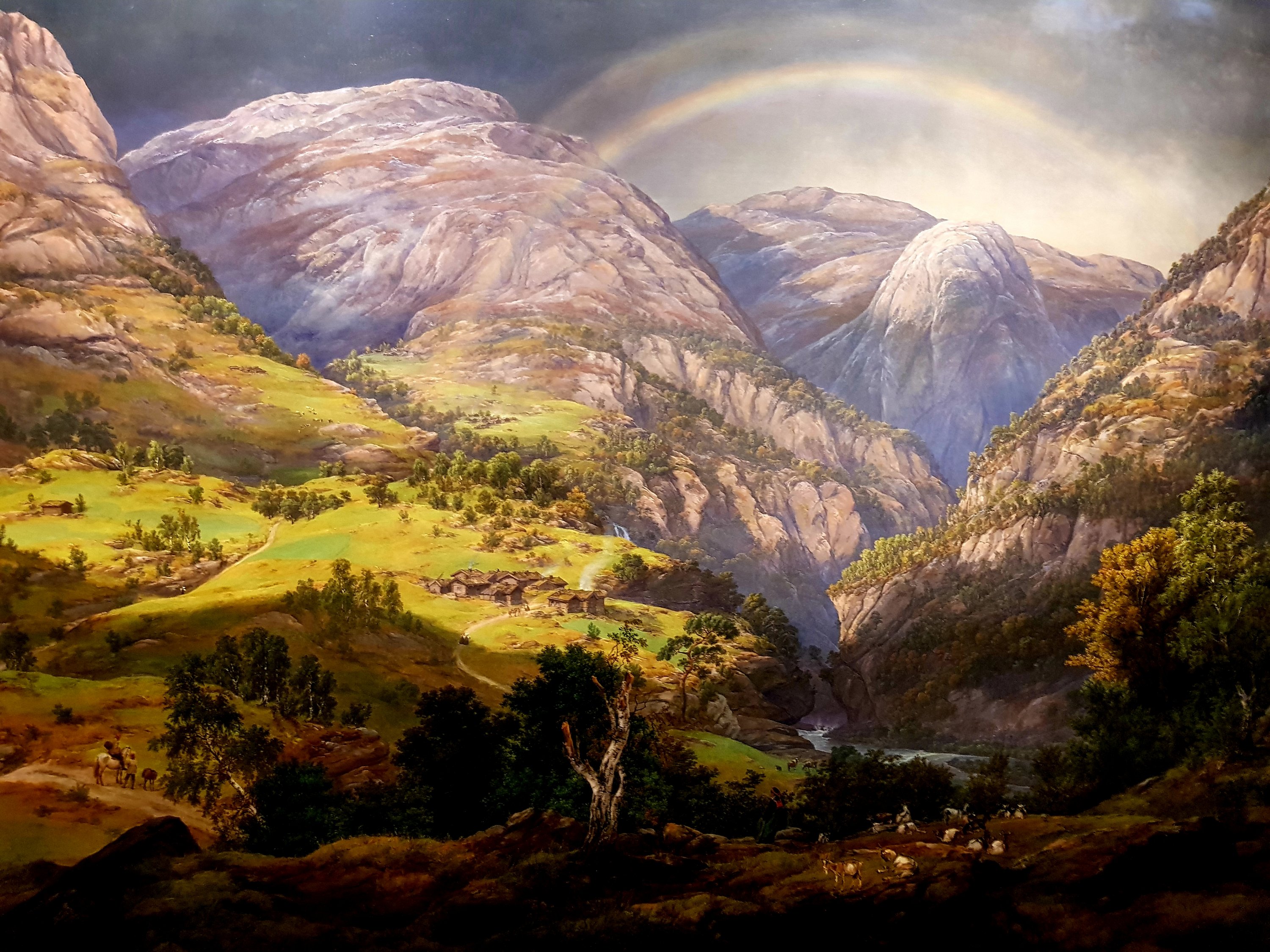
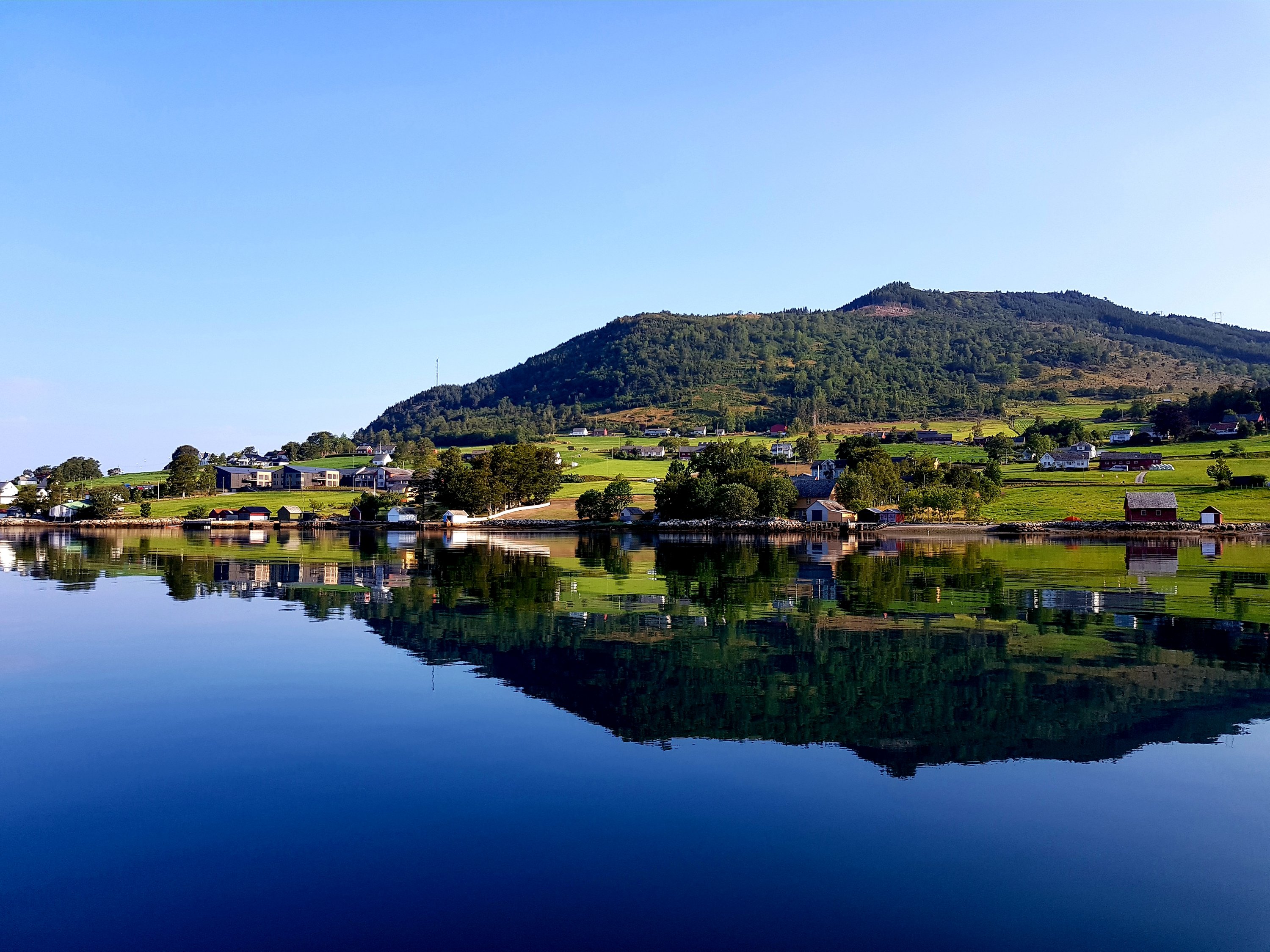
    I recently did a short cruise to Norway on the Boudicca, a nice 28,388 ton cruise ship of the old style, meaning that it looks like a ship and not a block of flats! Unlike the choppy seas shown in the painting (above) from the KODE Art Museum in Bergen, we had excellent weather and the water was like the proverbial mill-pond on most days (below in Flåm).
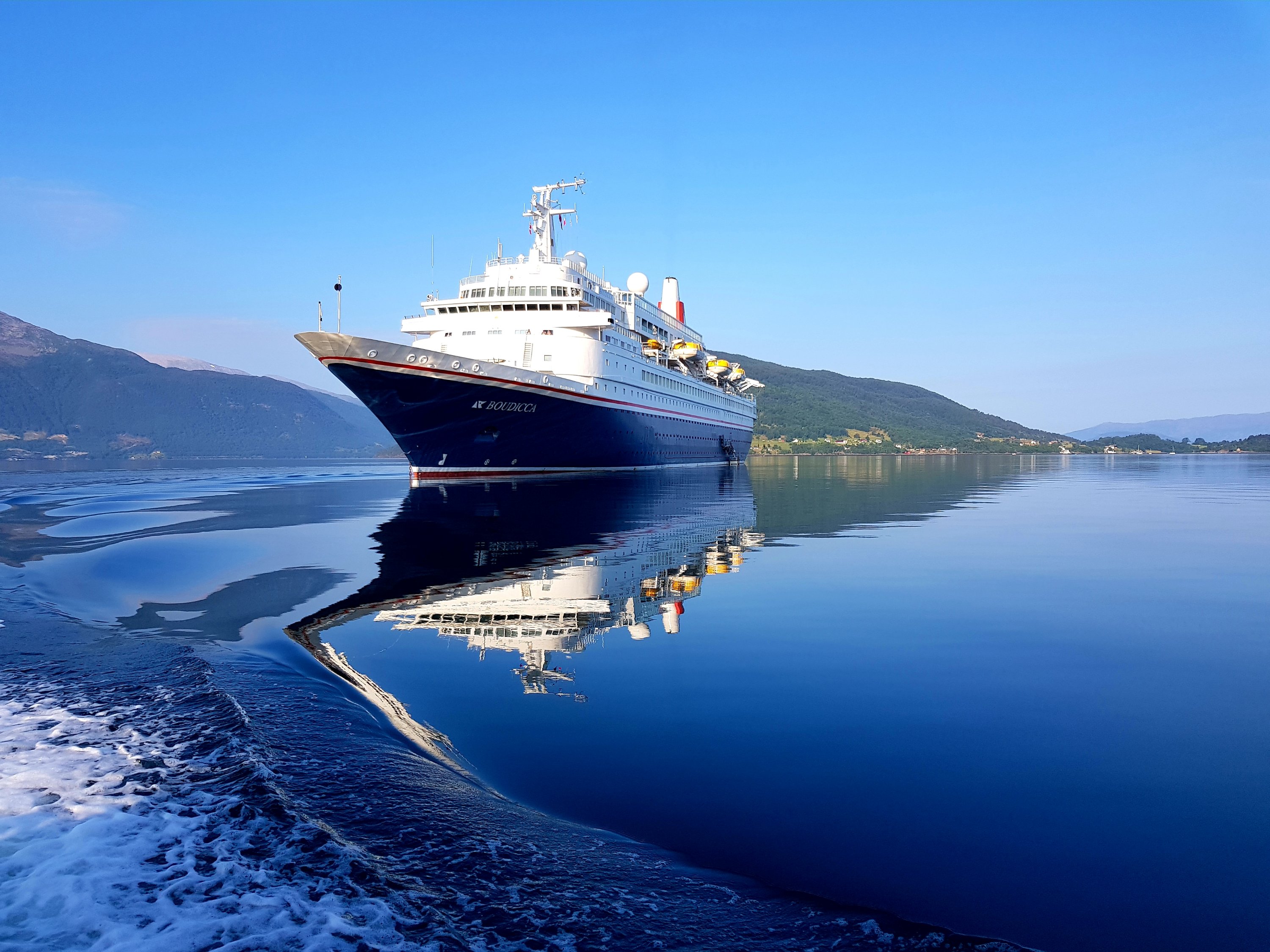
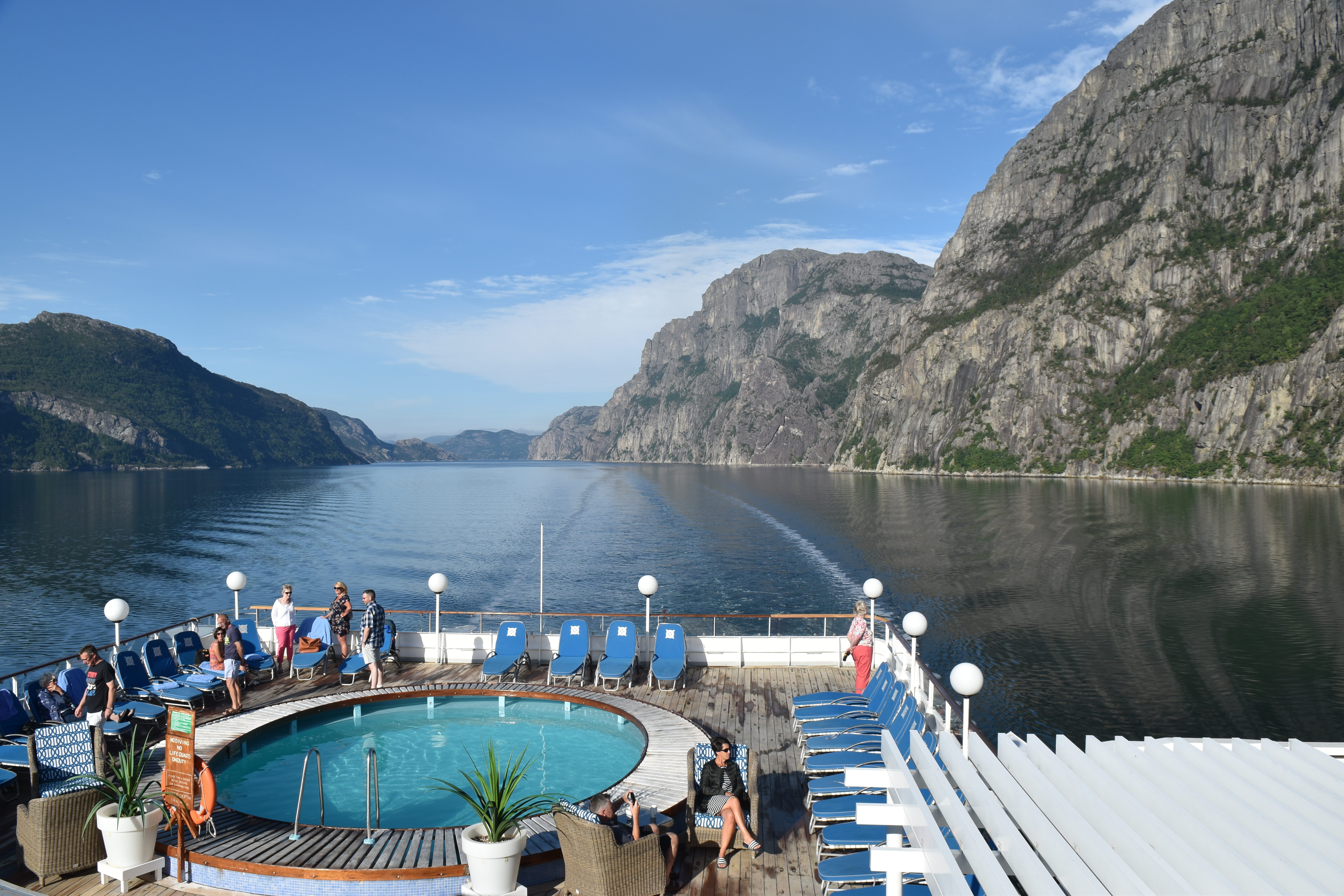
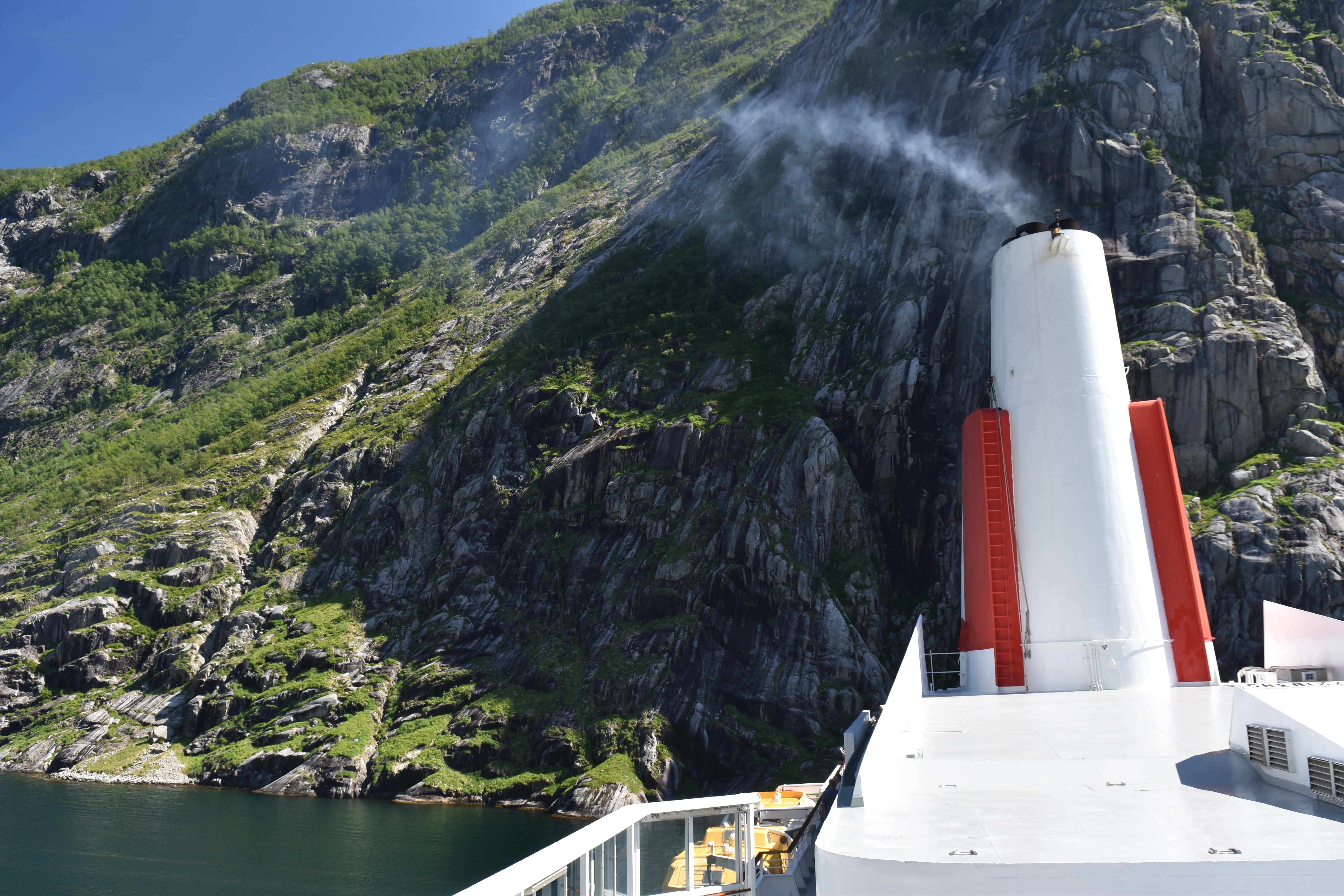
    The Boudicca is smaller than many cruise ships so it is able to enter some of the smaller fjords, such as the 42-km long Lysefjord (Light Fjord) in SW Norway (below).

    The Boudicca in Lysefjord

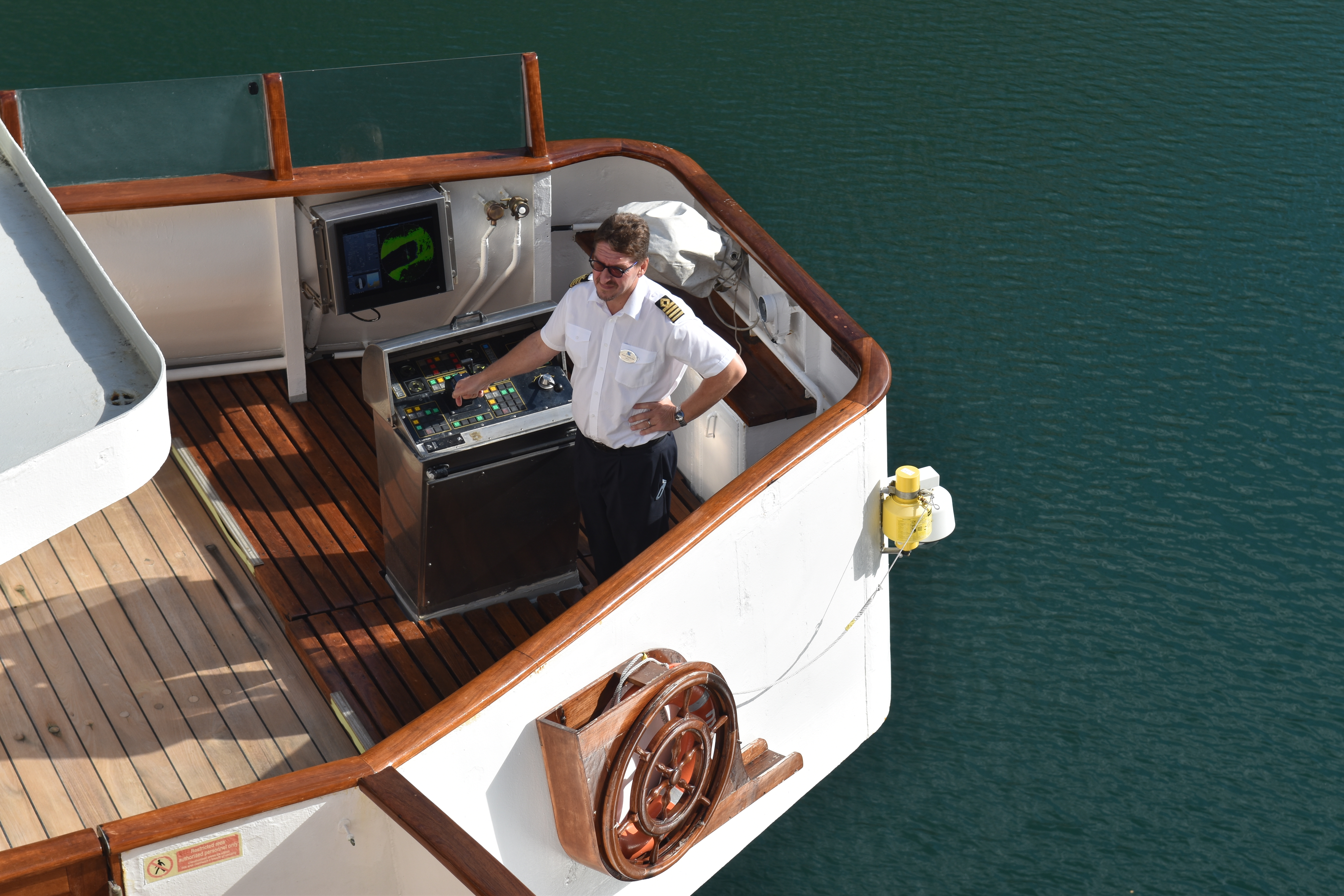
    The captain took a very hands-on approach to maneuvering his ship in this narrow fjord (below).

    Captain Mikael Degerlund on the Boudicca
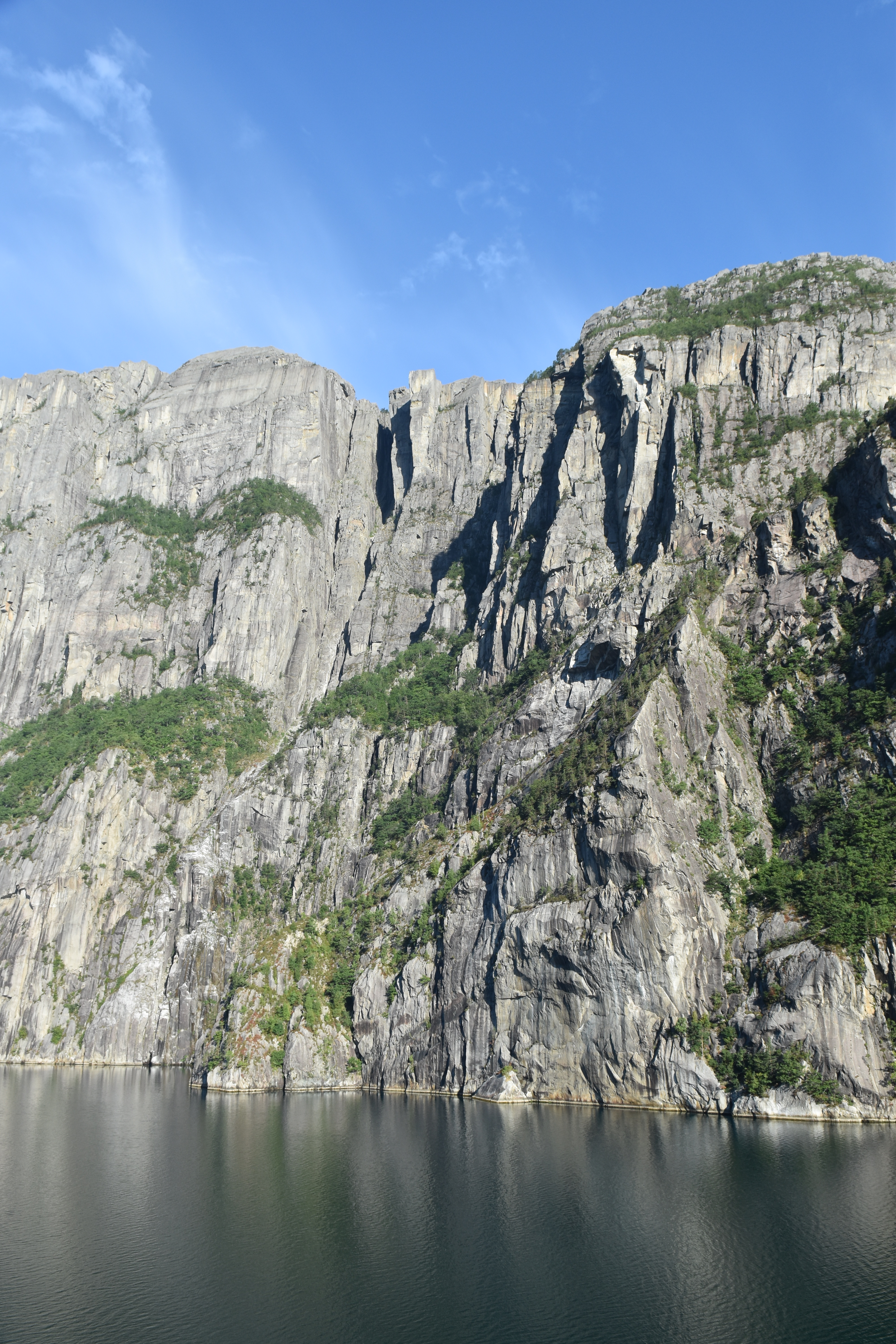
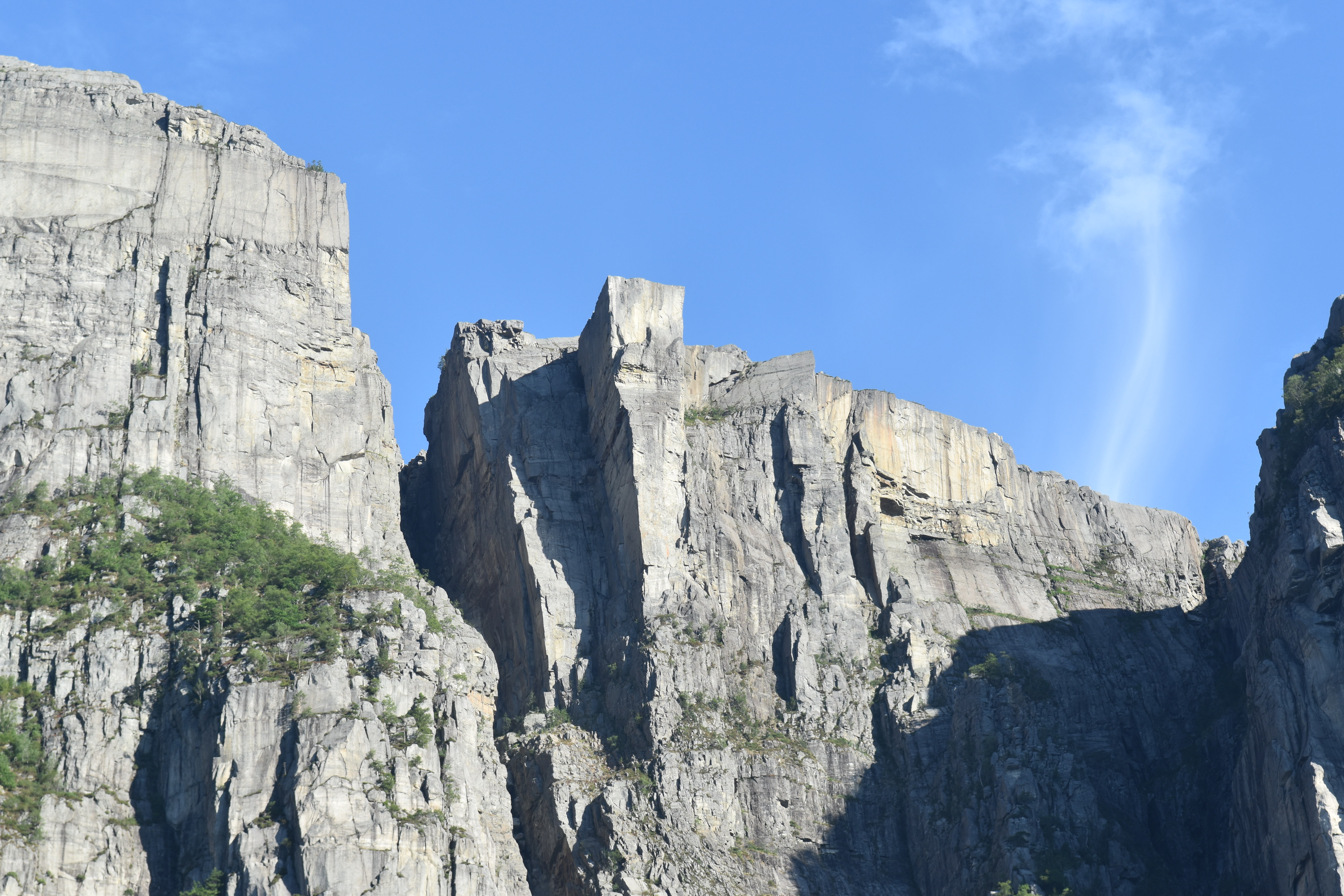
    The spectacular granite walls of Lysefjord have created some remarkable features, like the famous Preikestolen, or Pulpit Rock (below) which is a near-perfect square, flat-topped rock with sheer drops (600m down) on three sides.

    Preikestolen or Prekestolen (Preacher’s Pulpit or Pulpit Rock) in Lysefjord, Norway

    The ‘Pulpit’ is easier to see in this photograph (below). I must say that I was much happier looking up at it than I would have been standing on the edge of the precipice (no fences!).
    Pulpit Rock

    What is so impressive about these landscapes is their scale. The sheer size of the fjord walls is simply breathtaking and has clearly inspired many artists over the centuries, as a visit to the art galleries of Bergen revealed (below).

    Traditional painting from KODE 3 art gallery in Bergen, Norway

    Cruises of this sort are a mix of sightseeing and on-board activities, such as song and dance shows. The standard of the shows put on by the singers, dancers and musicians was impressive; there were two shows a night of the action-packed, in this case, rather British (below) programme numbers!

    Show time on board the Boudicca

    The next fjord we visited was Jøsenfjorden, another small fjord rarely visited by cruise ships. It was necessary to spin the ship round on its axis to turn it around at the end of the fjord.
    Turning the ship around by 180 degrees in the fjord
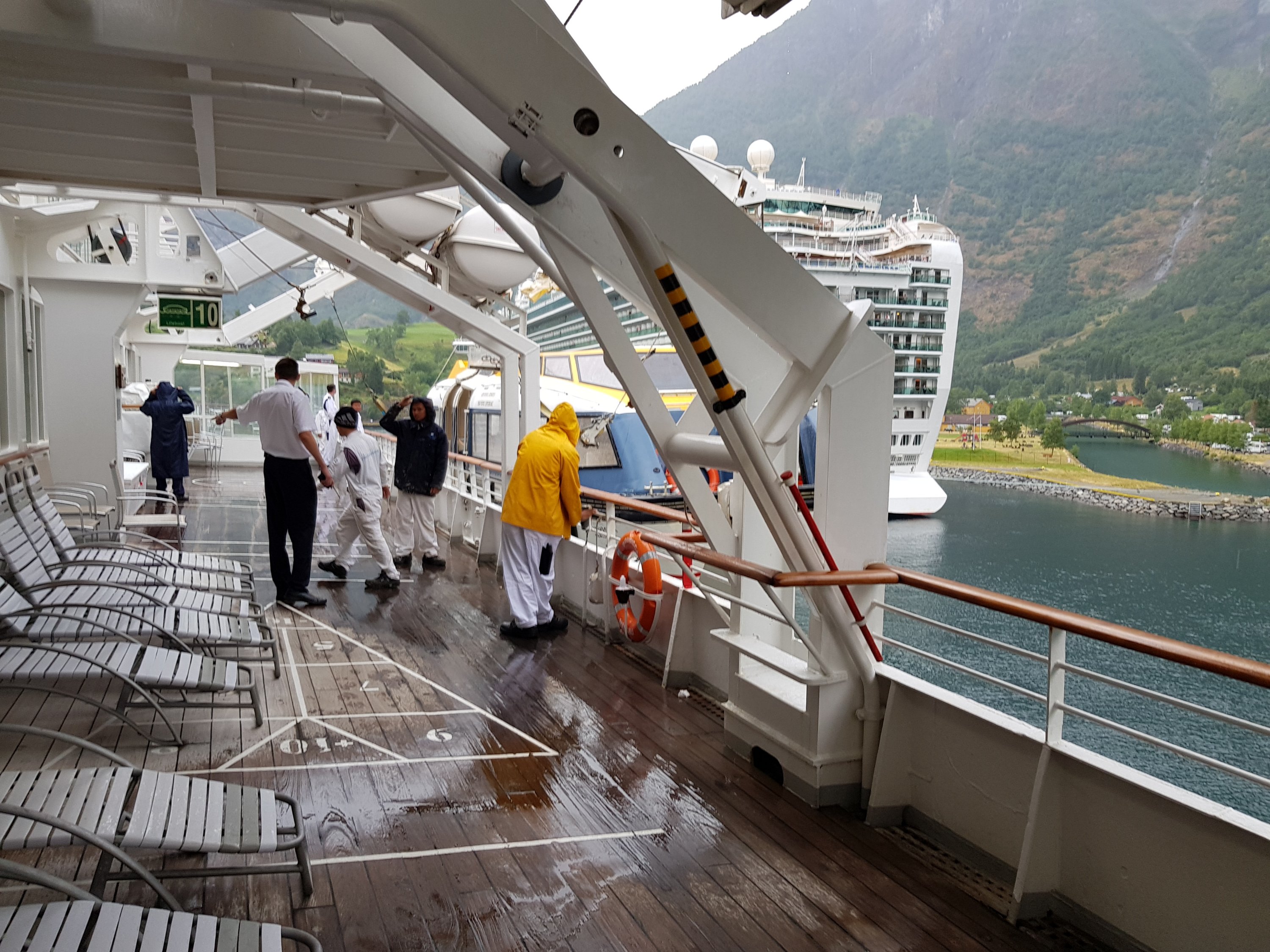
    There’s lots to do on the ship, from deck quoits to sun bathing, although sometimes there’s competition for the best places!

    Aft on deck 7 of the Boudicca

    Our first port of call was the small town of Rosendal. There were lots of tours on offer from this location, but I opted for a hike around the countryside. I was first off the ship in the early morning, on a perfectly still day (below).

    Coming ashore at Rosendal, Norway

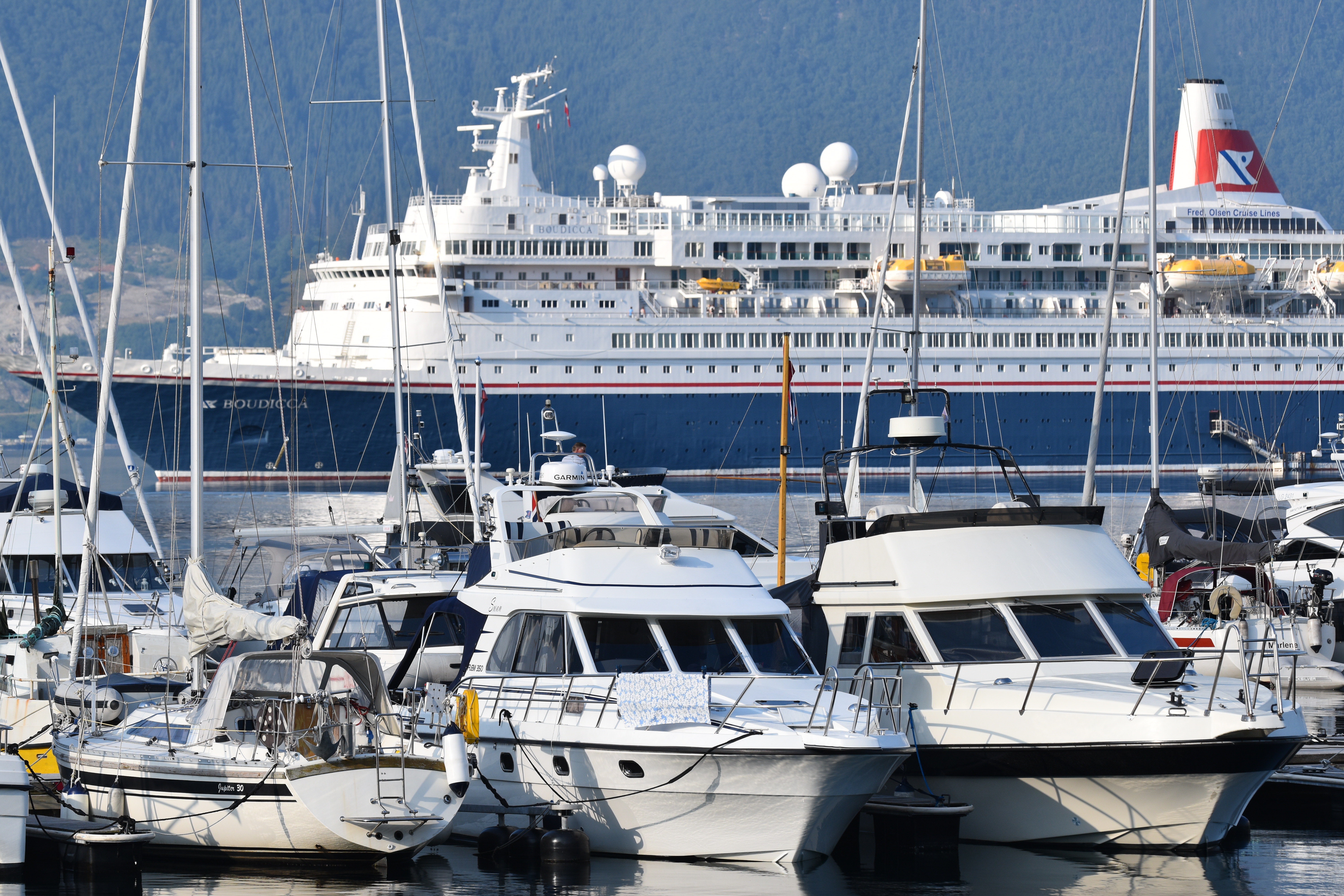
    There were lots of boats and yachts in the harbour; Norway is a rich country with a GDP per capita above US$70,000, thanks to the oil they own and the capital they have wisely invested.

    Yachts in from of the Boudicca at Rosendal, Norway

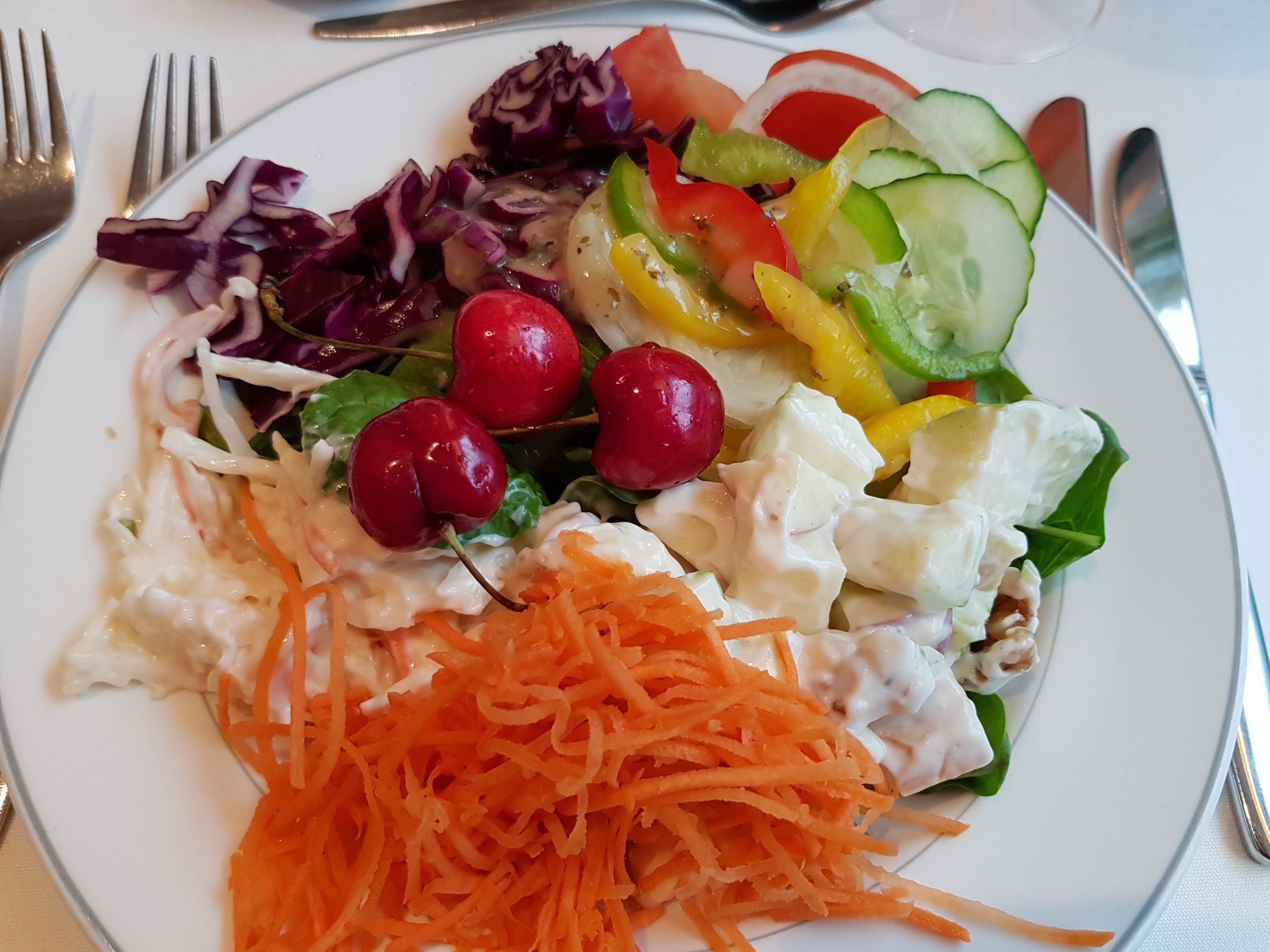
    One of the best things about a cruise on a Fred Olsen ship such as this, is the food! There are lots of healthy (and sugar-free) options, and the vegetarian dishes were also very good. The problem is that it is hard to say no! And you very quickly get used to luxuries like fresh cherries in your salad!

    Salad with cherries for lunch on board the Boudicca

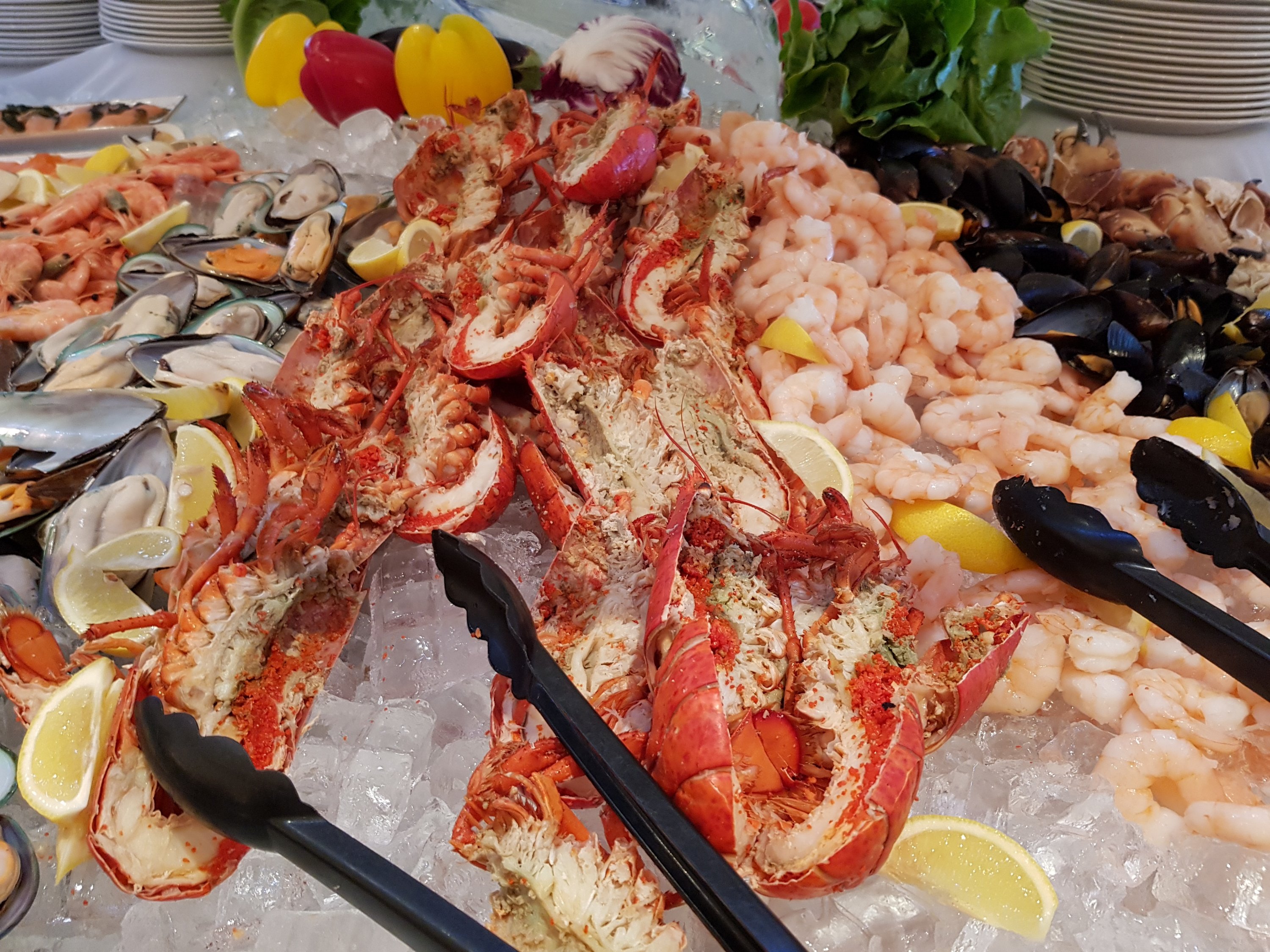
    The sea food was also good (even though I don’t eat it!).

    Sea food spread for lunch on the Boudicca

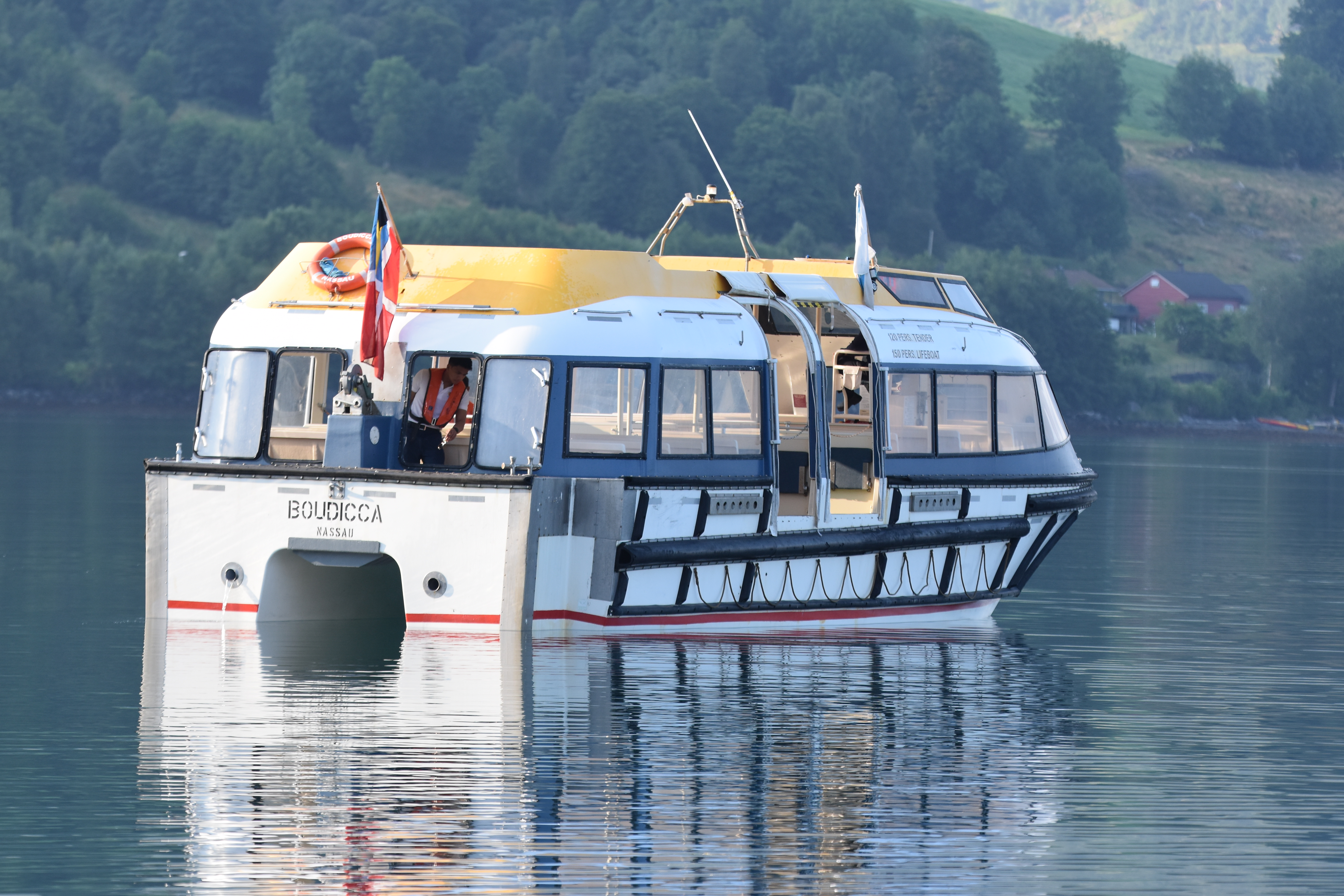
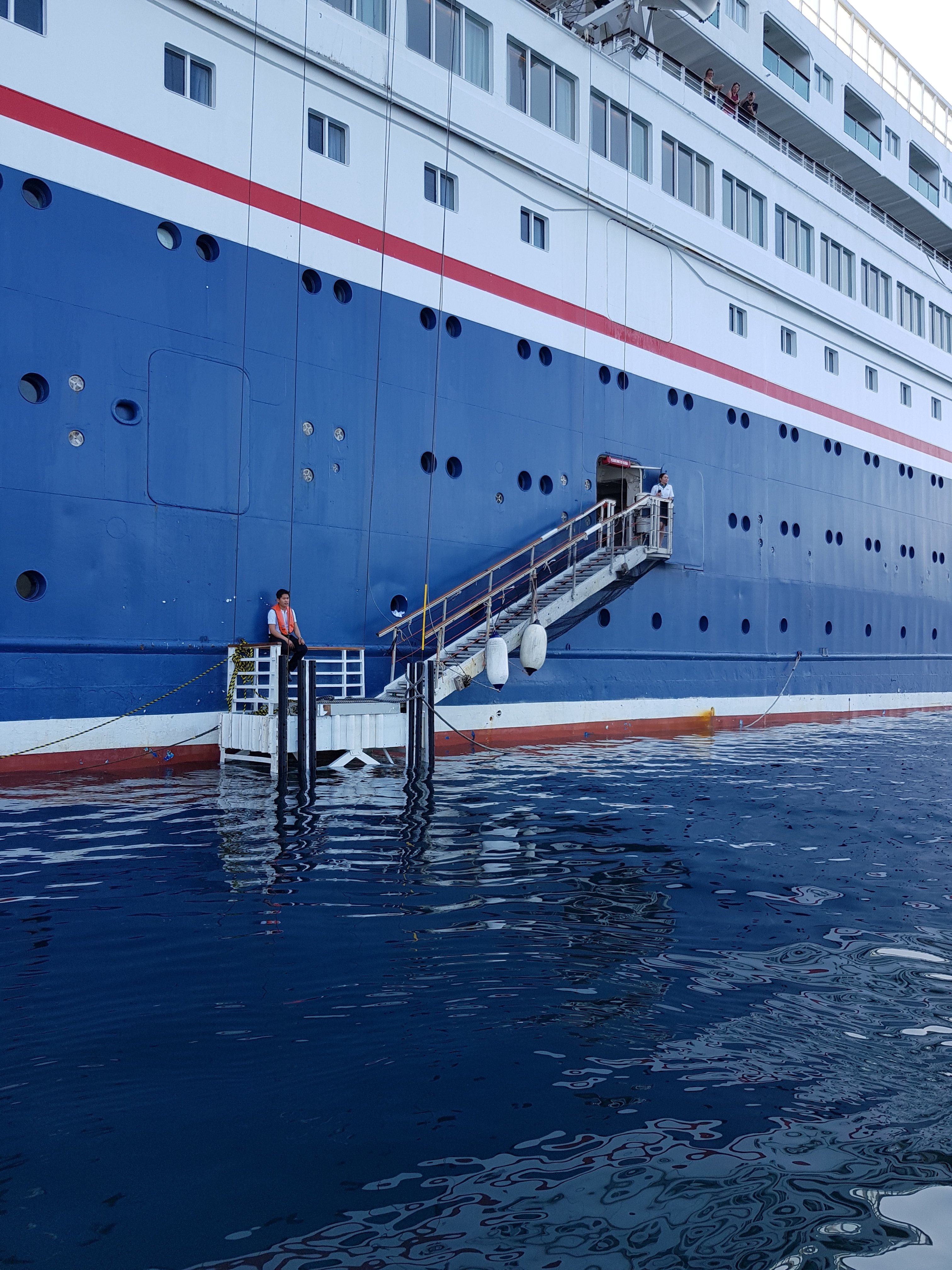
    For the first two ports of call we went ashore on tenders. It’s quite fun going ashore on these spacious crafts, although they are not easy to launch and recover.

    Tender from the Boudicca
    Recovering the tender aboard the Boudicca, at Flam, Norway
    View of the Boudicca from a tender
    Walking the gangplank!
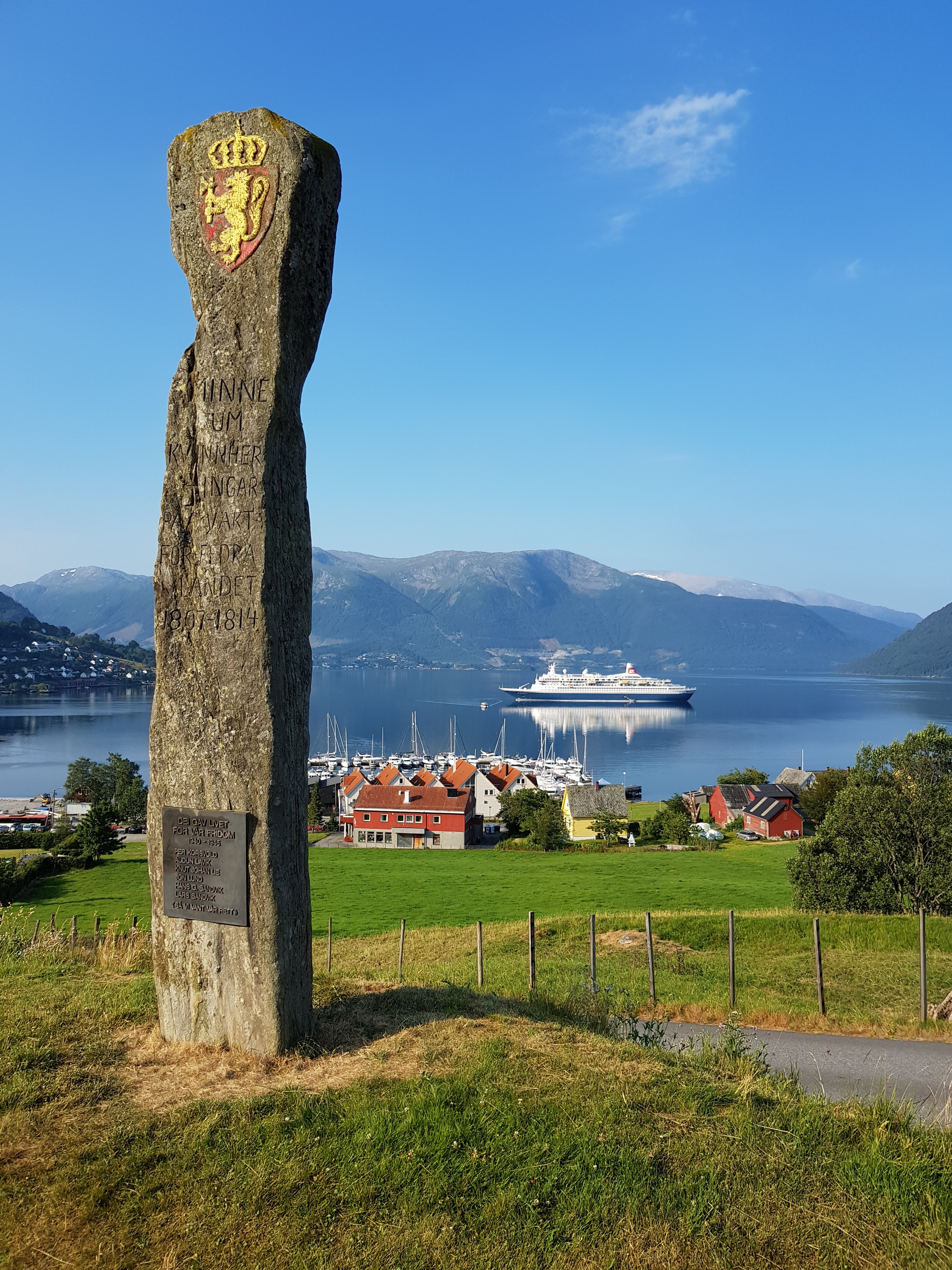
    A War Memorial at Rosendal, Norway, with the Boudicca in the background

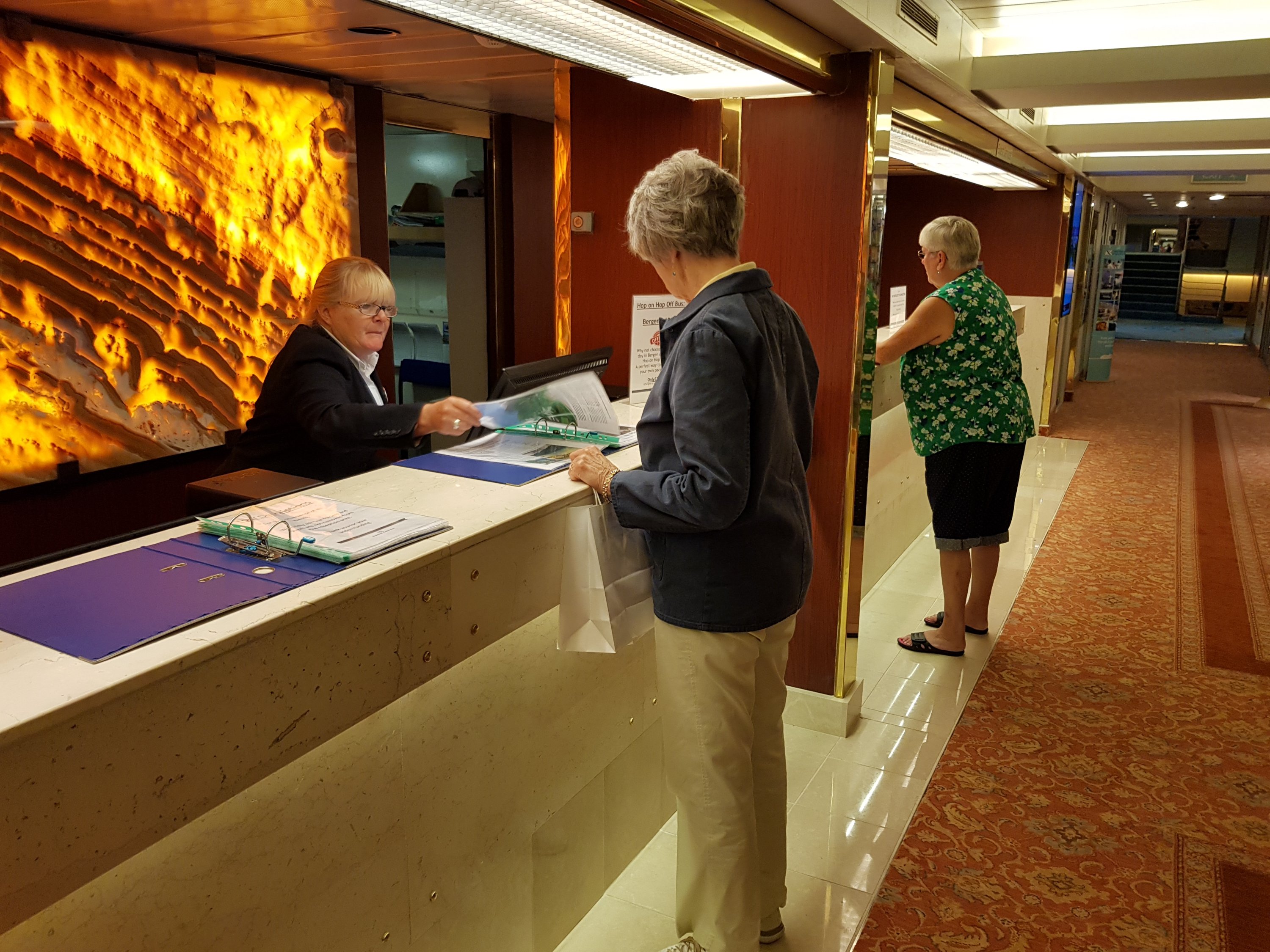
    There were many additional tours which could be booked on board (below), but for those who like walking, just mooching around for a few hours ashore, is a much cheaper option!

    Looking at the tours brochure.

    The geography of the Norwegian fjords is incredibly complex, with a myriad islands, rocks and shoals, so a local pilot is taken on board (below).

    Small boat delivering the local pilot.

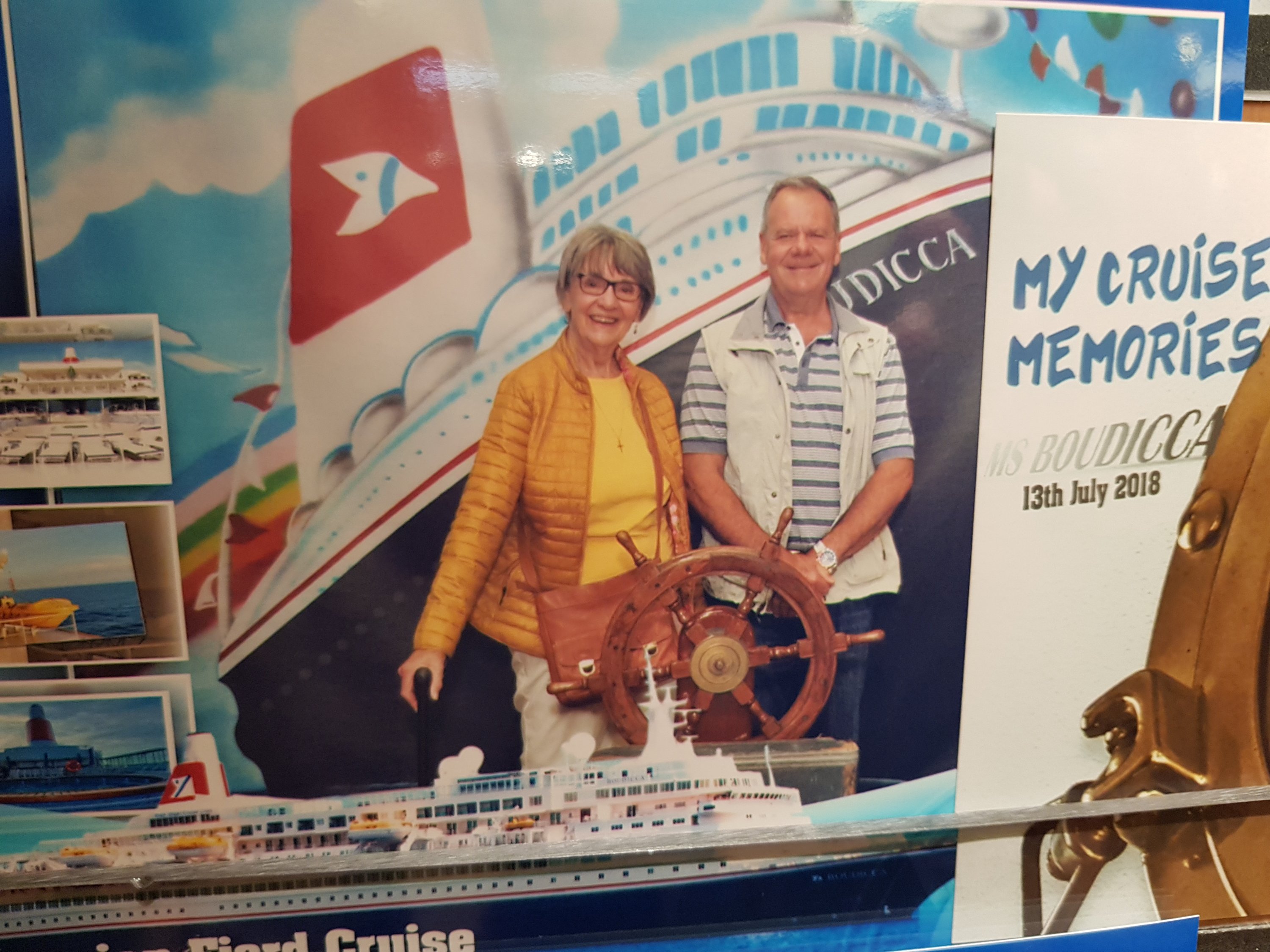
    There were at least two ship’s photographers on board (both from Bali!) and they did a very good job of photographing everybody, such as when we got on (below) and off the ship and at all the special events such the Captain’s cocktail night.

    Boarding the Boudicca at Dover.

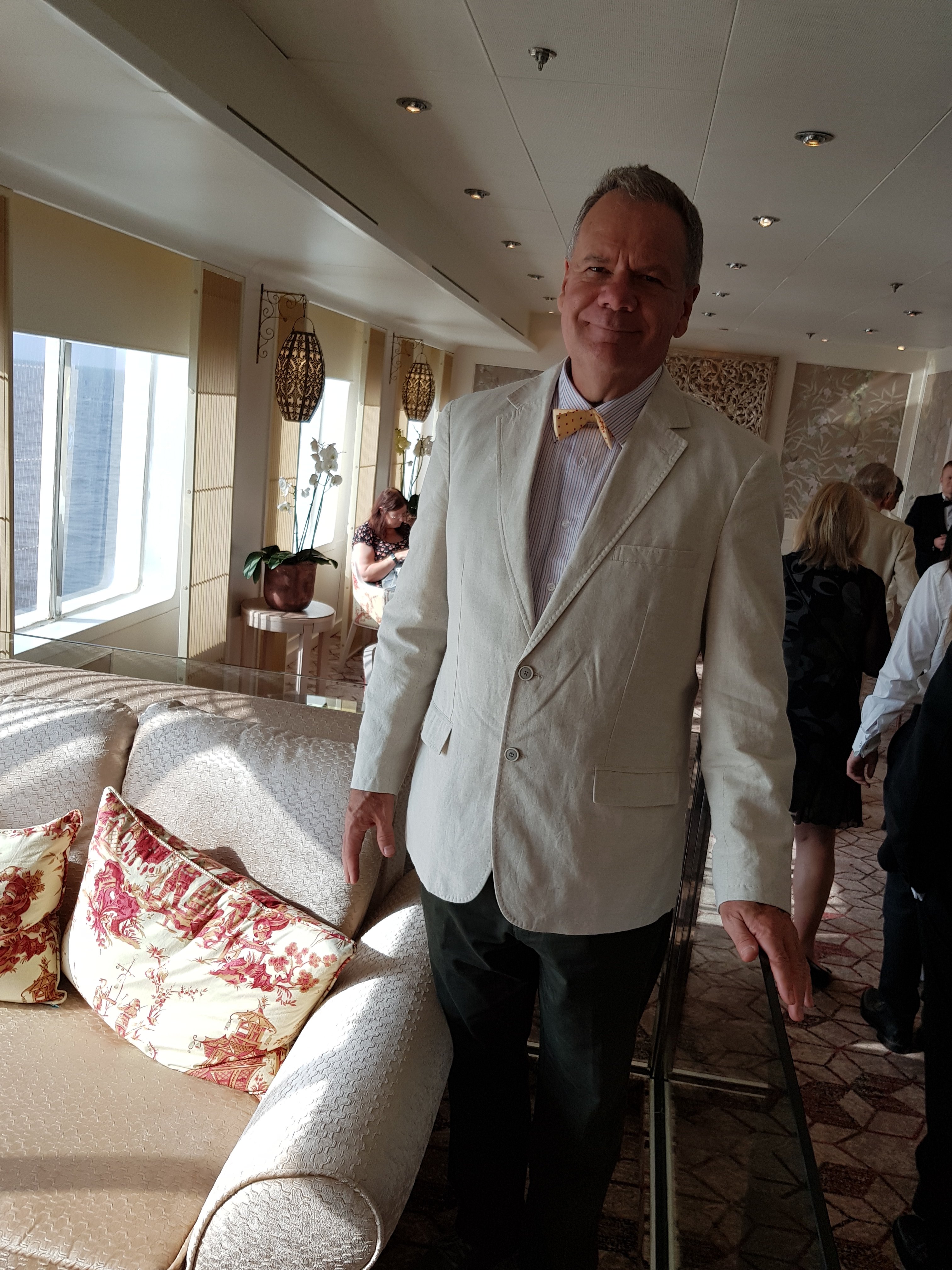
    If you want to go to some events, like the Captain’s cocktail night and formal dinner, it is necessary to dress up a bit (below). This was the first time I had worn a bow-tie for at least 30 years!

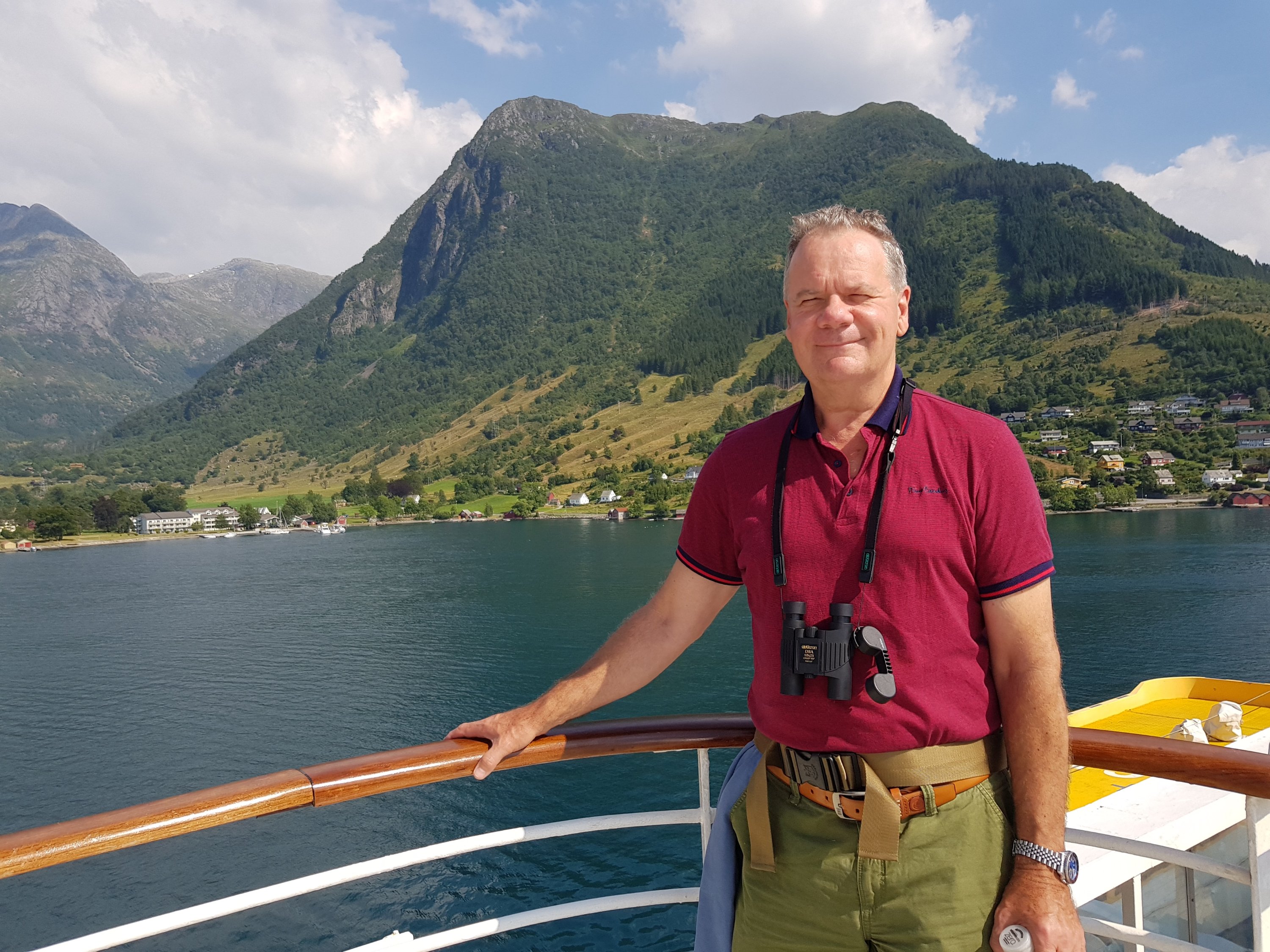
    The author in his crumpled dinner jacket!

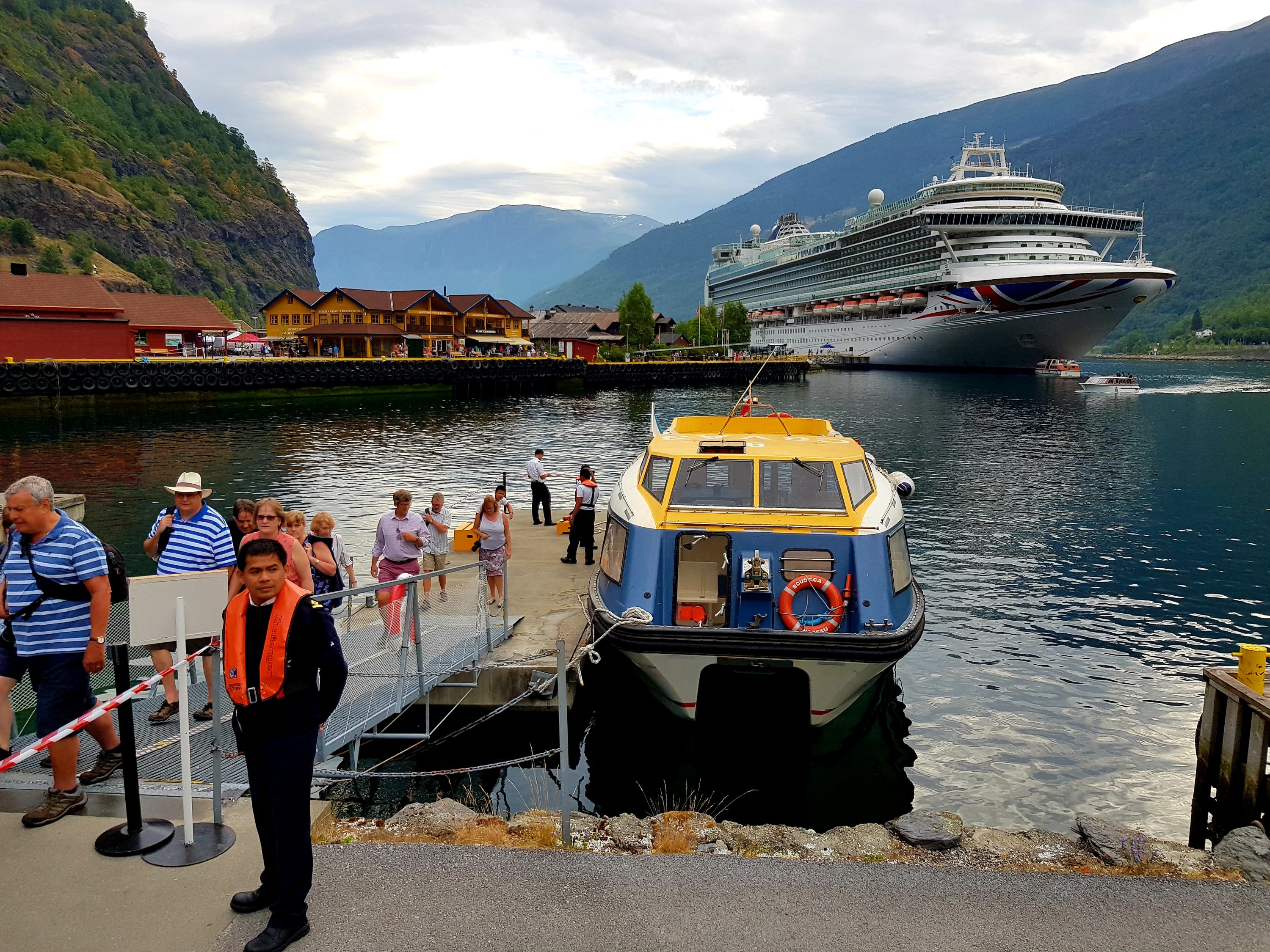
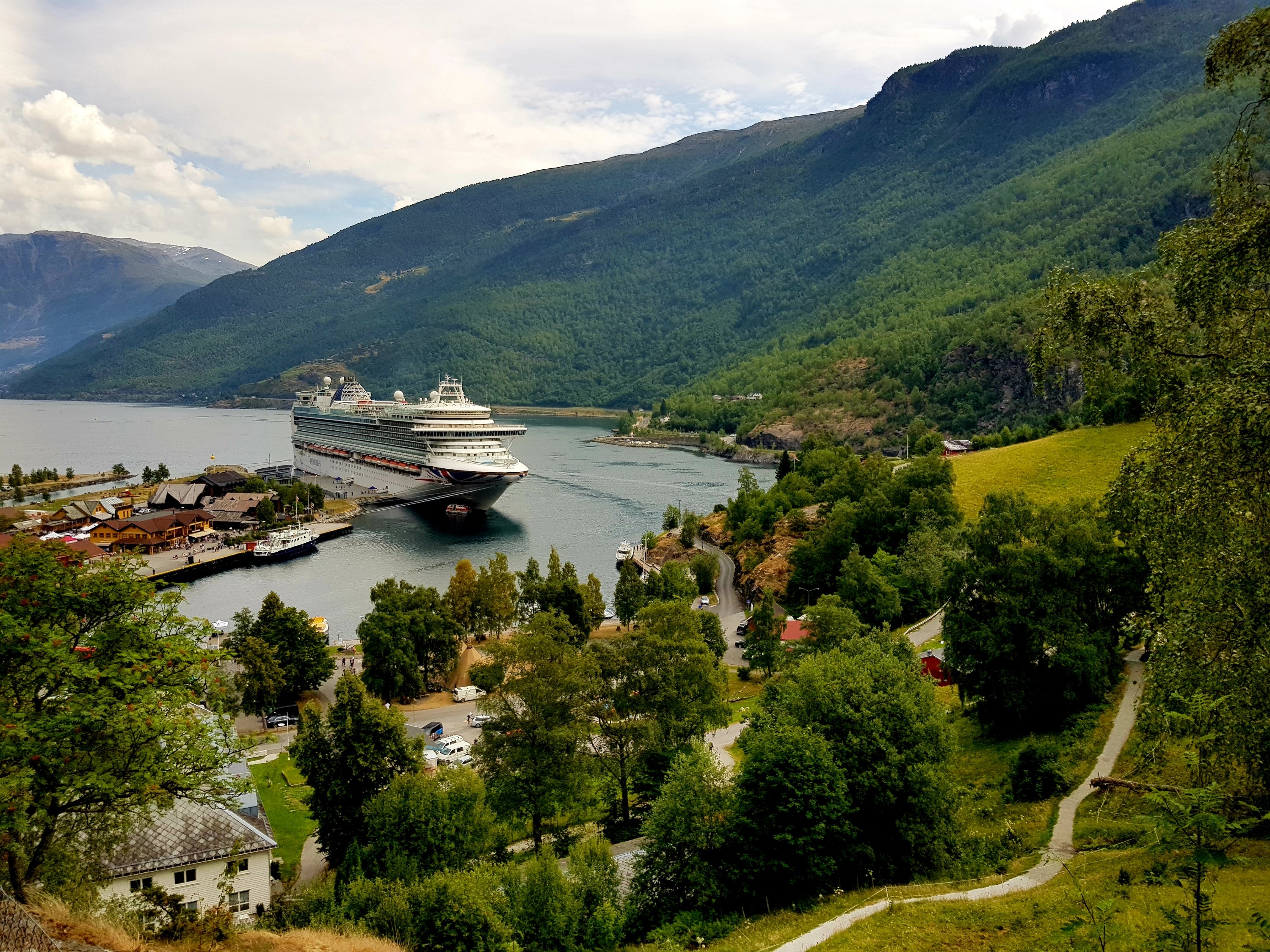
    The second port of call was Flåm, at the head of Aurlandsfjorden (below), with a large cruise ship (the 115,055 ton Azura) berthed at the small dock.

    Ship’s tender at Flåm, Norway

    It is said that nearly 500,000 visitors arrive at this tiny little village of Flåm, which is a gateway to many places and offers a variety of tours, including the famous Flåmsbana railway (£55 return!).

    Flåm, Norway

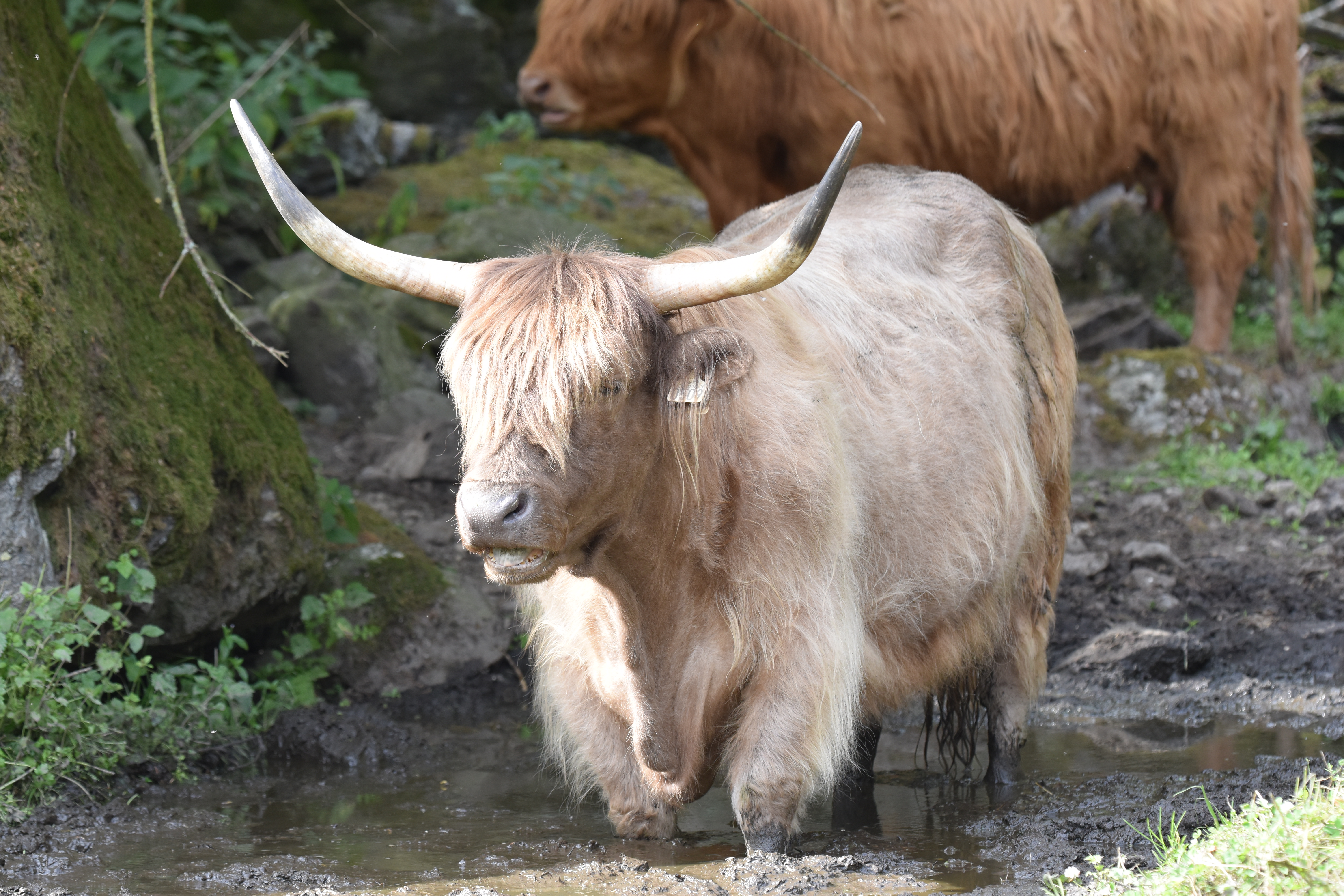
    Once again, I opted for a long walk and enjoyed the local scenery, including these rather handsome Highland cattle!

    Highland cow enjoying a mud bath in Flam, Norway.

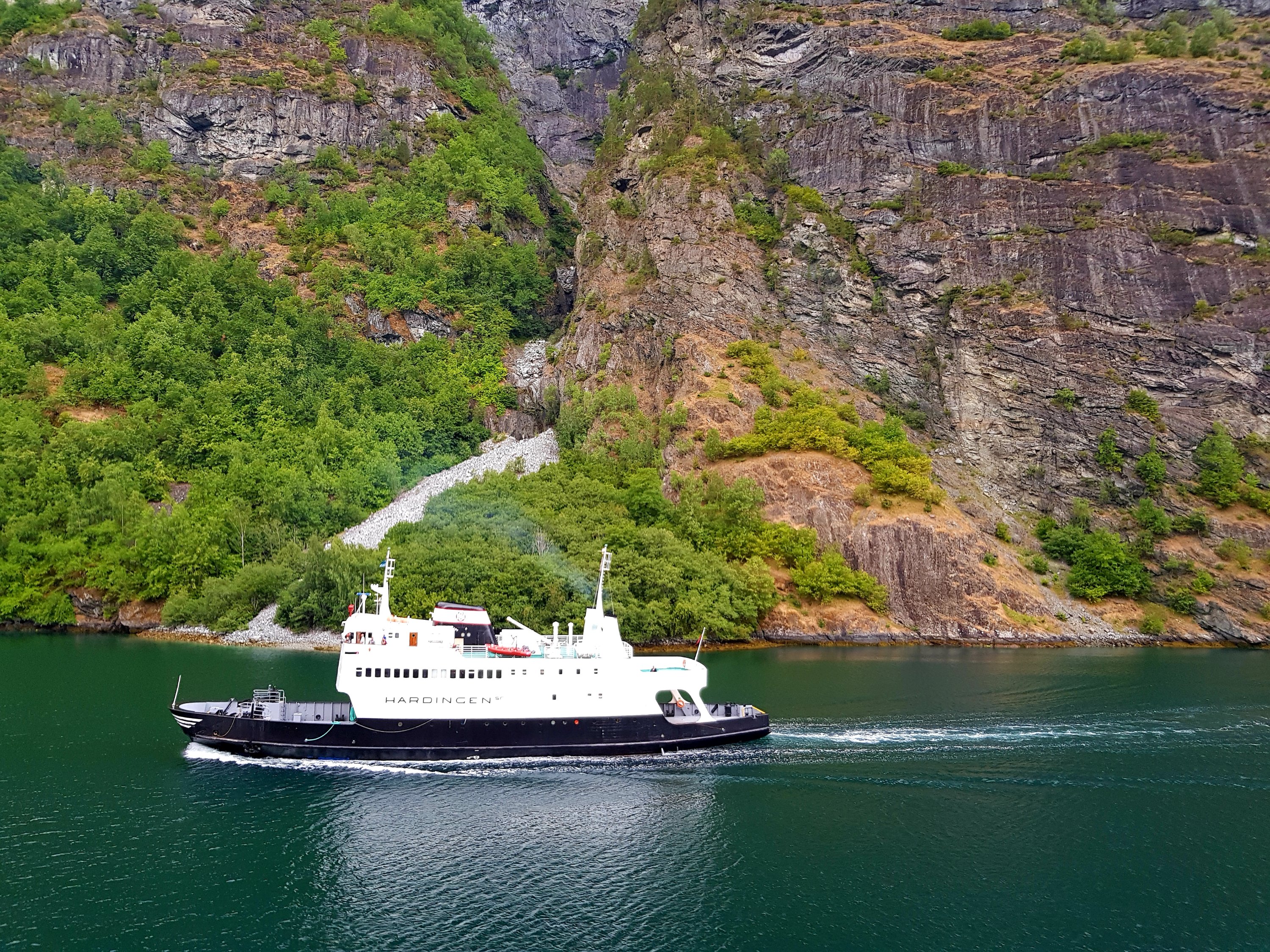
    We saw lots of local ferries moving up and down the fjords (below), and if I went back this would be the way I would try to see more of the country.

    Local ferry, Norway

    One of the last fjords we visited on this cruise was the spectacular Nærøyfjord (below). This 17 km fjord was appropriately narrow (Naeroy!) in some sections, the thinnest being only 250m wide.

    The spectacular Nærøyfjord with highly folded rock strata

    Entrance to Nærøyfjord, if I remember correctly!

    The scenery was very dramatic at dusk as we sailed up the Sognefjord on the way out to sea and on to the final port of call, Bergen.

    Sunset on Sognefjord

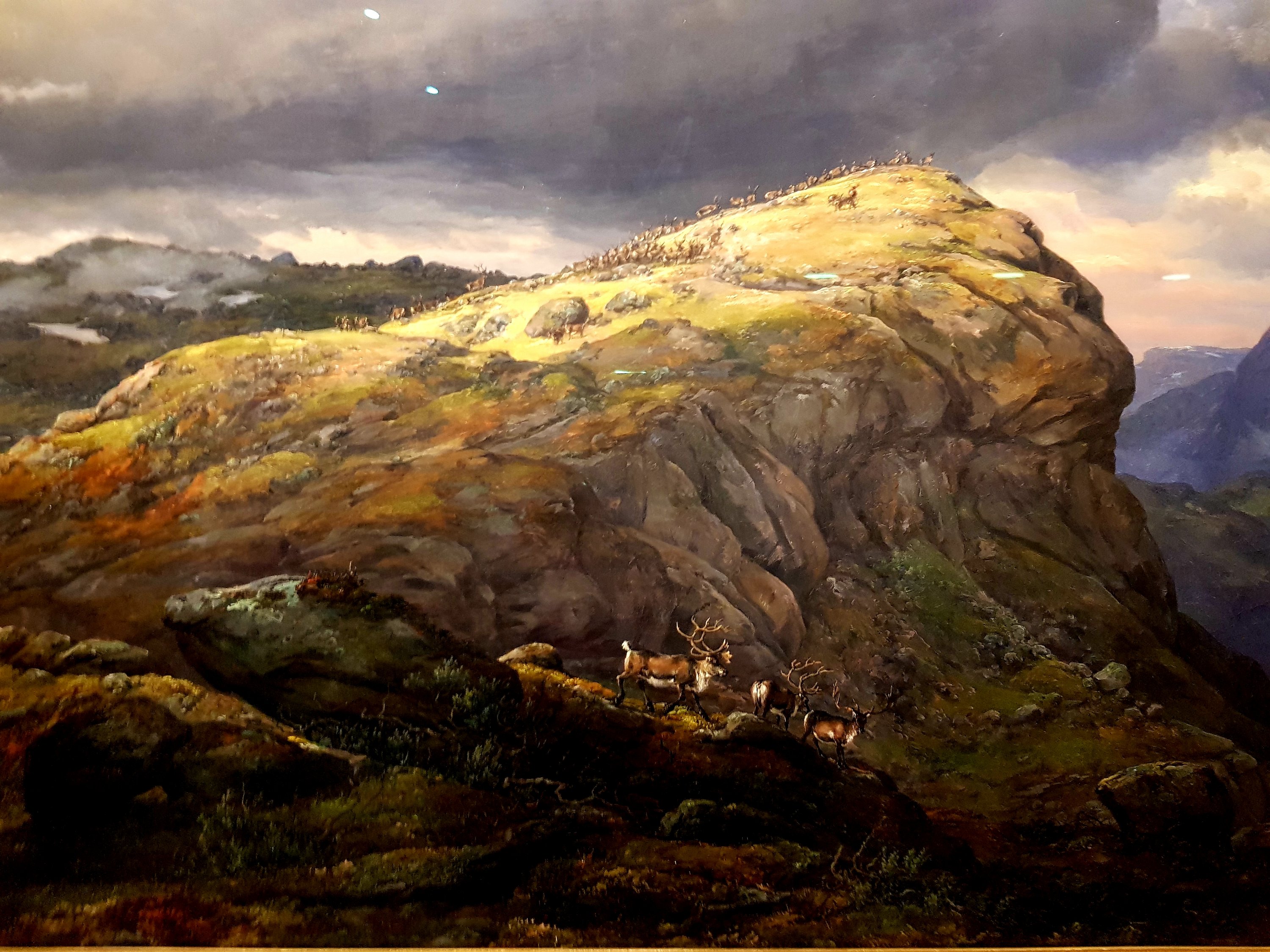
    This brief glimpse of the fjords of Southwest Norway stimulated my imagination and it was easy to see how people imagined the landscape to be full of trolls! It is however, a wild landscape with all sorts of living animals, including reindeer (below), elks, wolves, bears and last but not least lemmings! Lots to explore in the future if I get a chance.

    The spectacular Norwegian landscape caught in paint. KOBE museum, Bergen.

    Finally, a word about the crew, who were fantastic. They were from many nationalities, although predominantly Philippino, Indonesian and Thai and they all did a great job, cheerfully and efficiently.

    The friendly ship’s photographer Sita, at the other end of a lens for a change!


  • Underwater shots from Indonesia

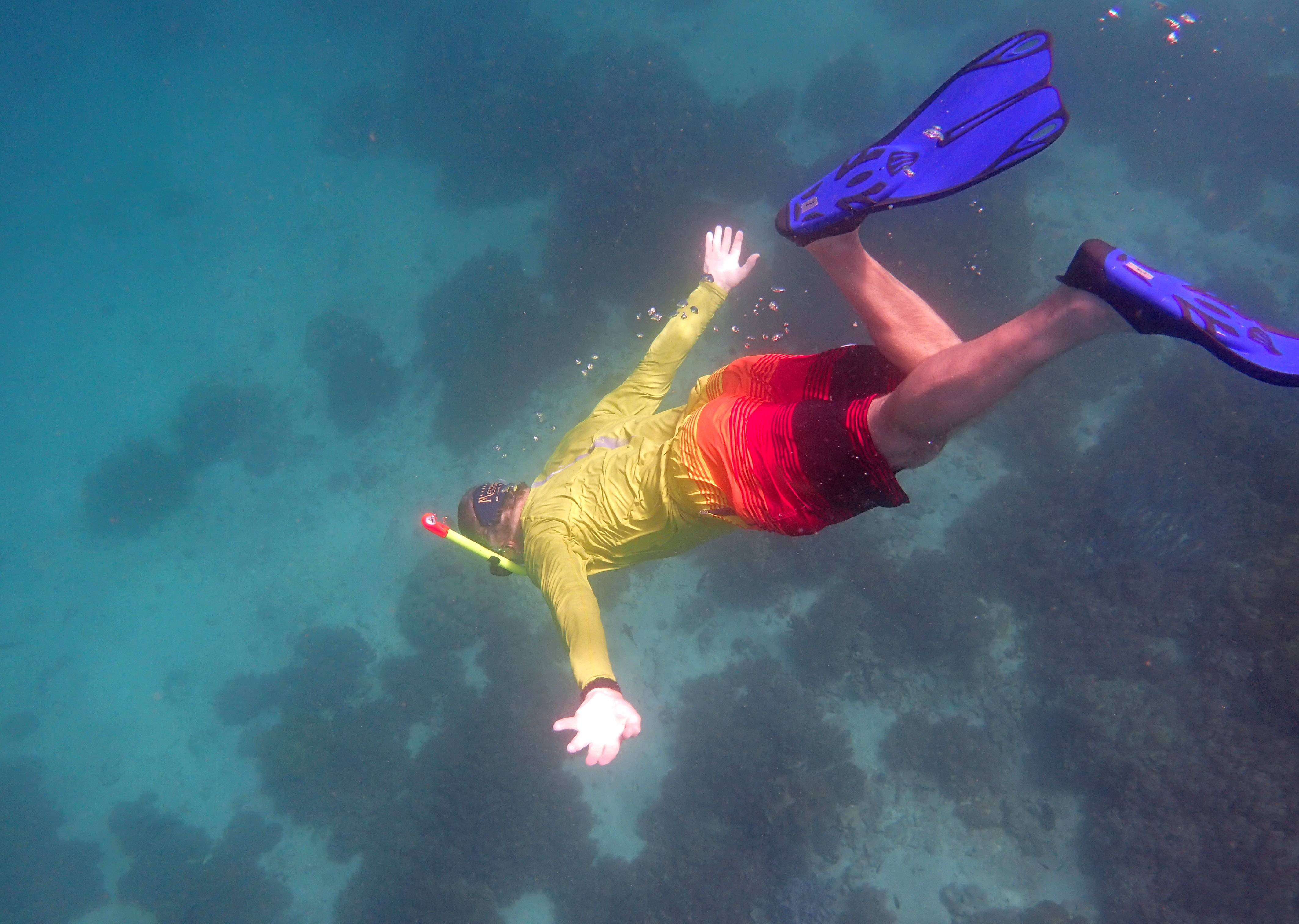
    Into the depths I go!

    Last year (October 2016) I was lucky enough to do a wonderful wildlife cruise in Indonesia, from Bali to Flores, on a small ship called MV Mermaid I (1).  These ships are usually used as dive boats, but this trip was devoted to  looking out for dolphins, whales and birds – which I described in my previous blog (1) – and we also had plenty of opportunities to go snorkeling.

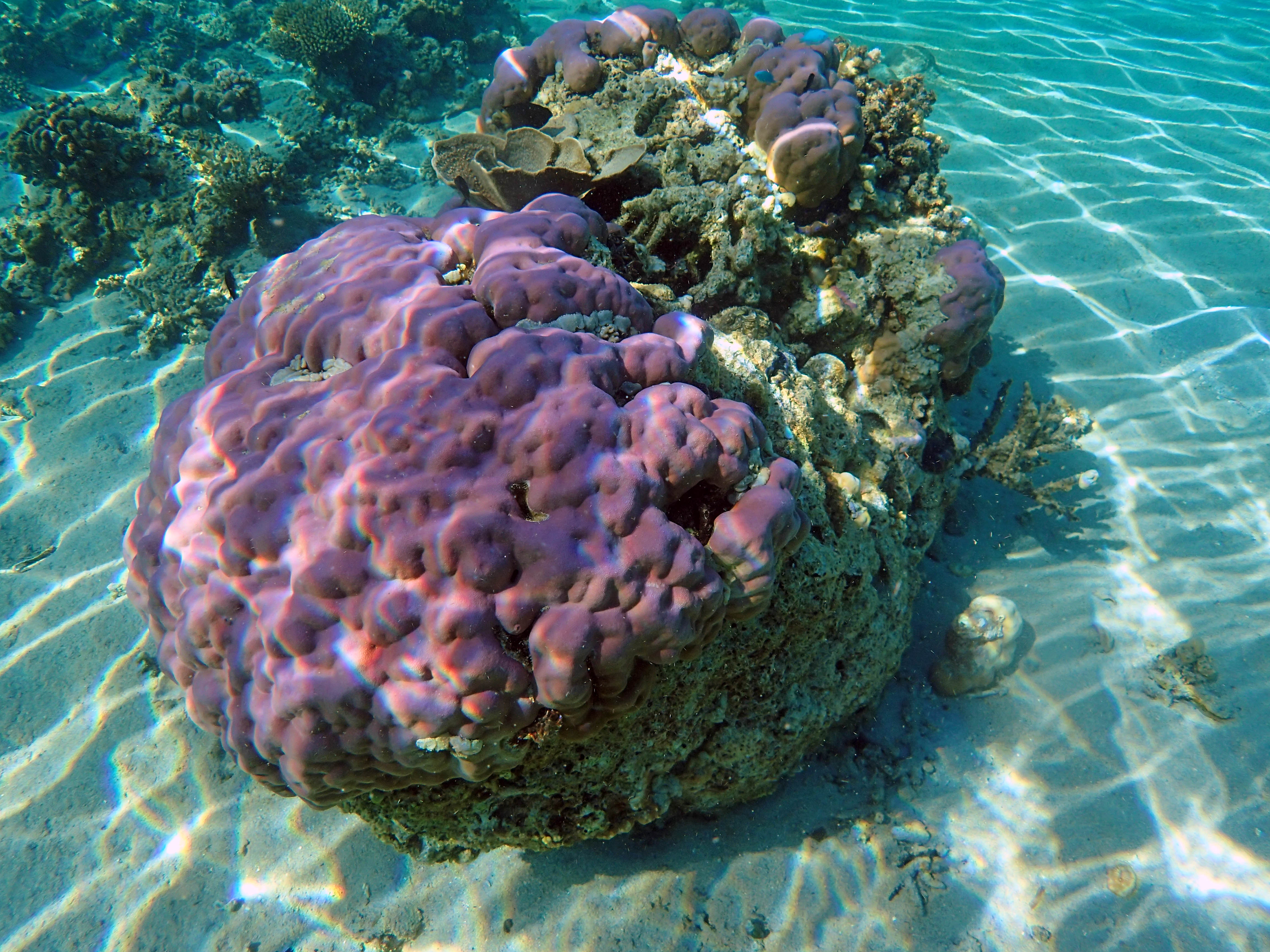
    Coral head with pink encrusting coral

    I took these underwater photographs with a Olympus Tough TG-5 GPS Waterproof camera, mostly with a fish eye converter attached. Unfortunately, I let some seawater in at one stage, and it never recovered from being bathed in seawater. Fortunately, I managed to capture quite a few underwater images before it died!

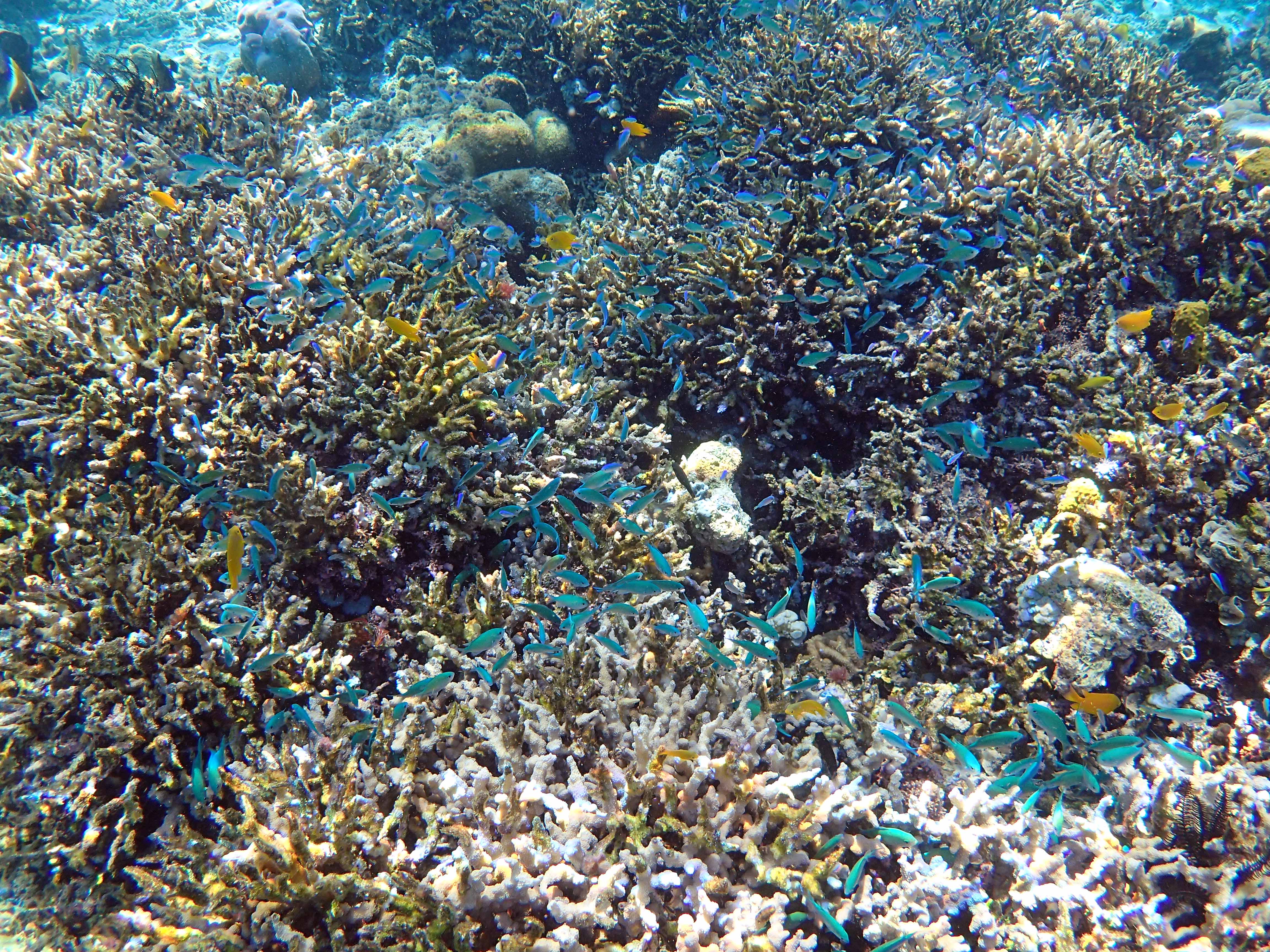
    Coral with shoal of small blue fish

    I wish I had kept a note of where each of the shots were taken (!) but perhaps it does not matter. It was fun to try to capture some of the amazing underwater world, mainly within the Komodo National Park. For those wanting to know exactly where we stopped off to snorkel, the trip report is available online (3).

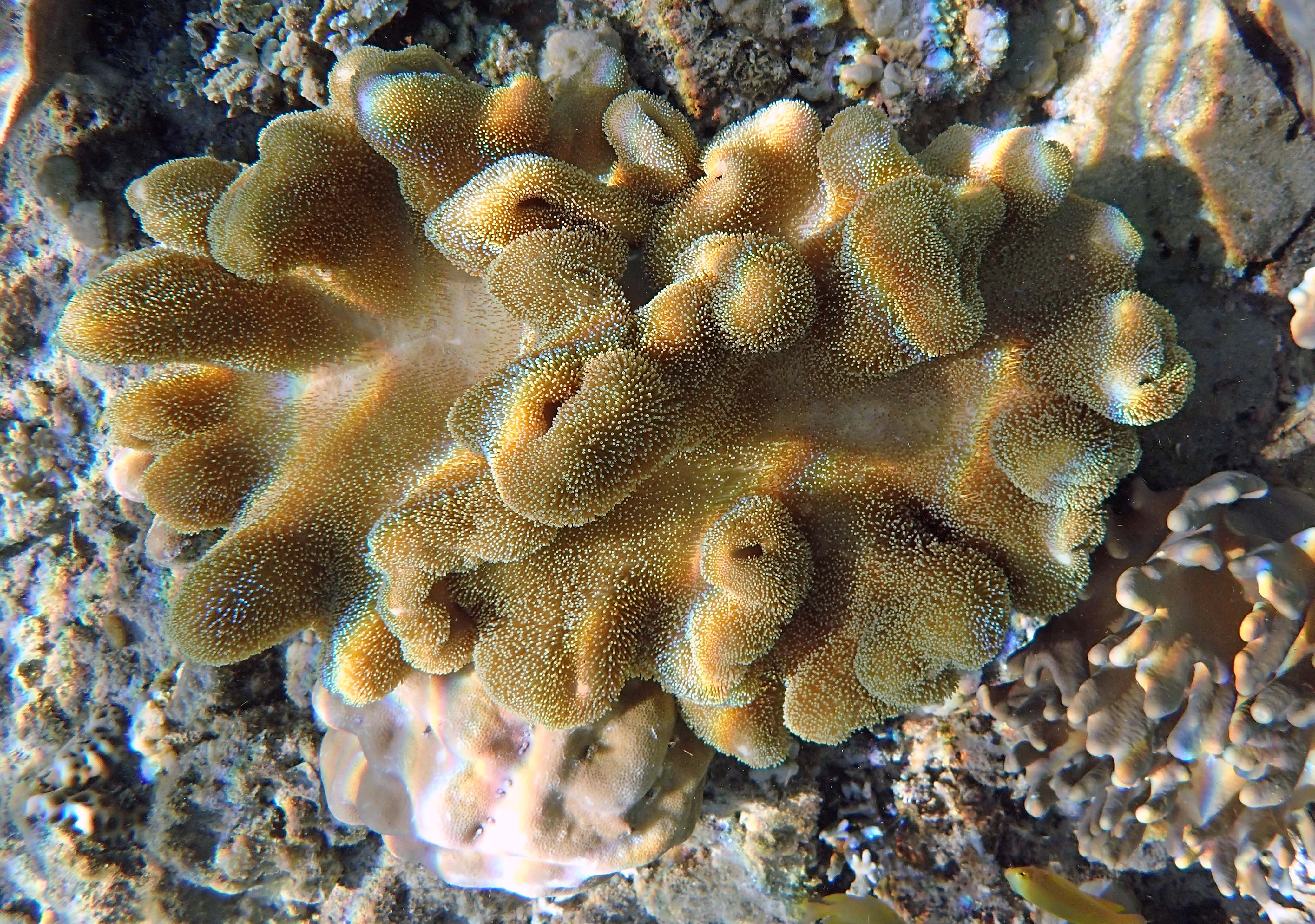
    Soft coral

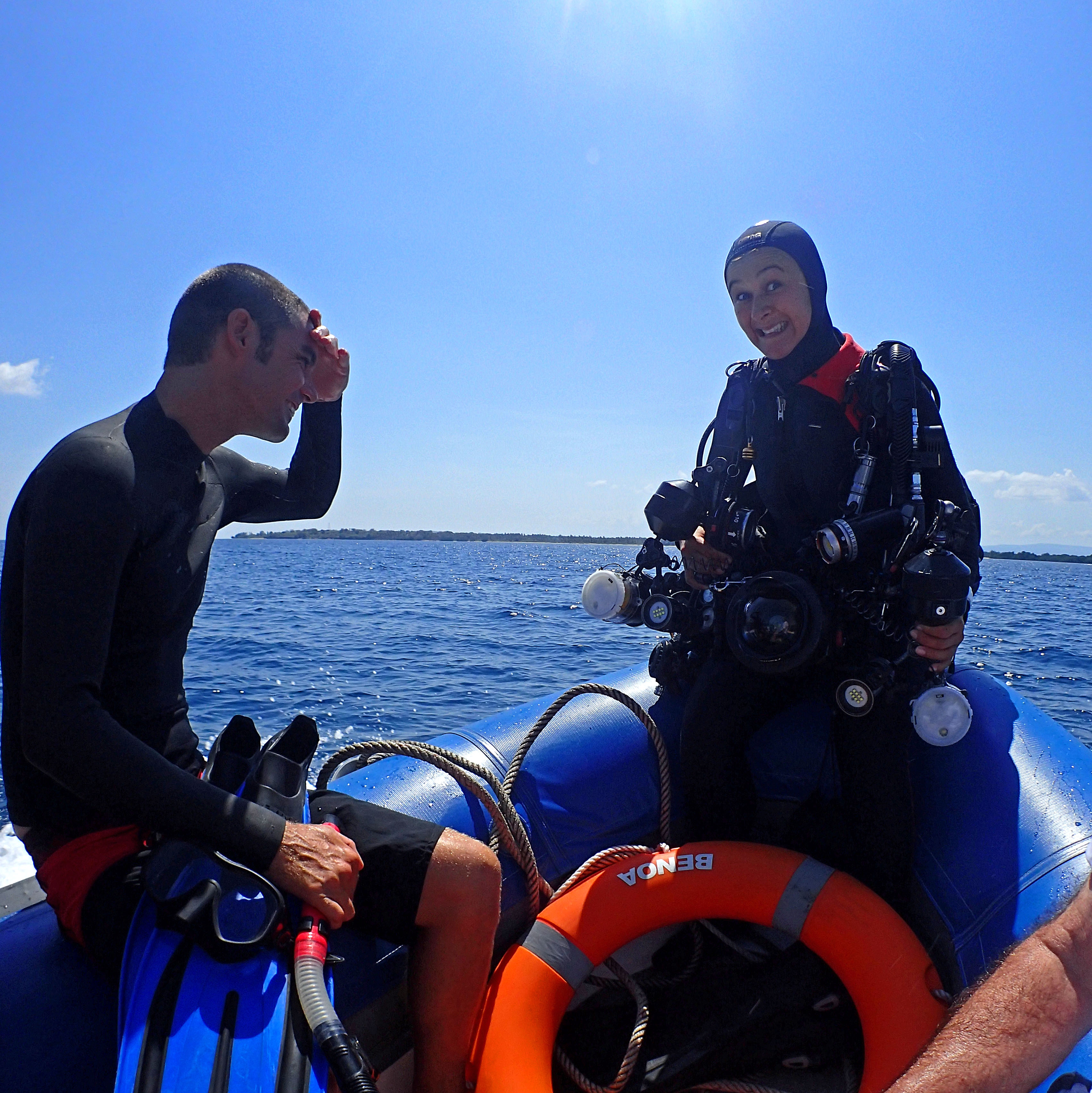
    We were given instructions about the site before each snorkel dive and taken to the coral reef in the small ‘zodiacs’. The Mermaid I dive staff accompanied us and videoed each dive.

    Mermaid I dive staff and photographer

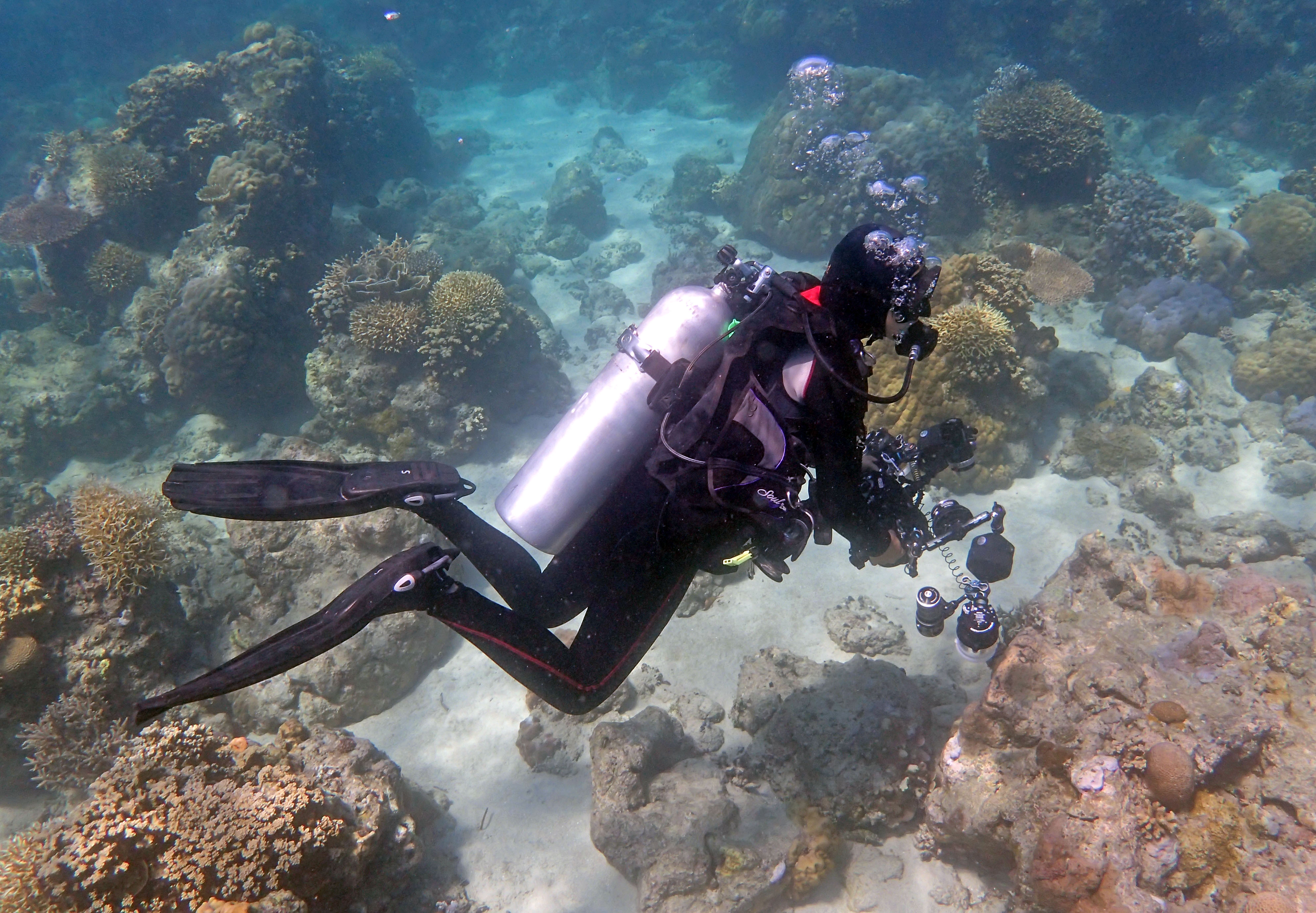
    There is no question you see more whilst diving, but I have never managed to take a course and I am quite happy just snorkeling.

    Scuba diver filming the action

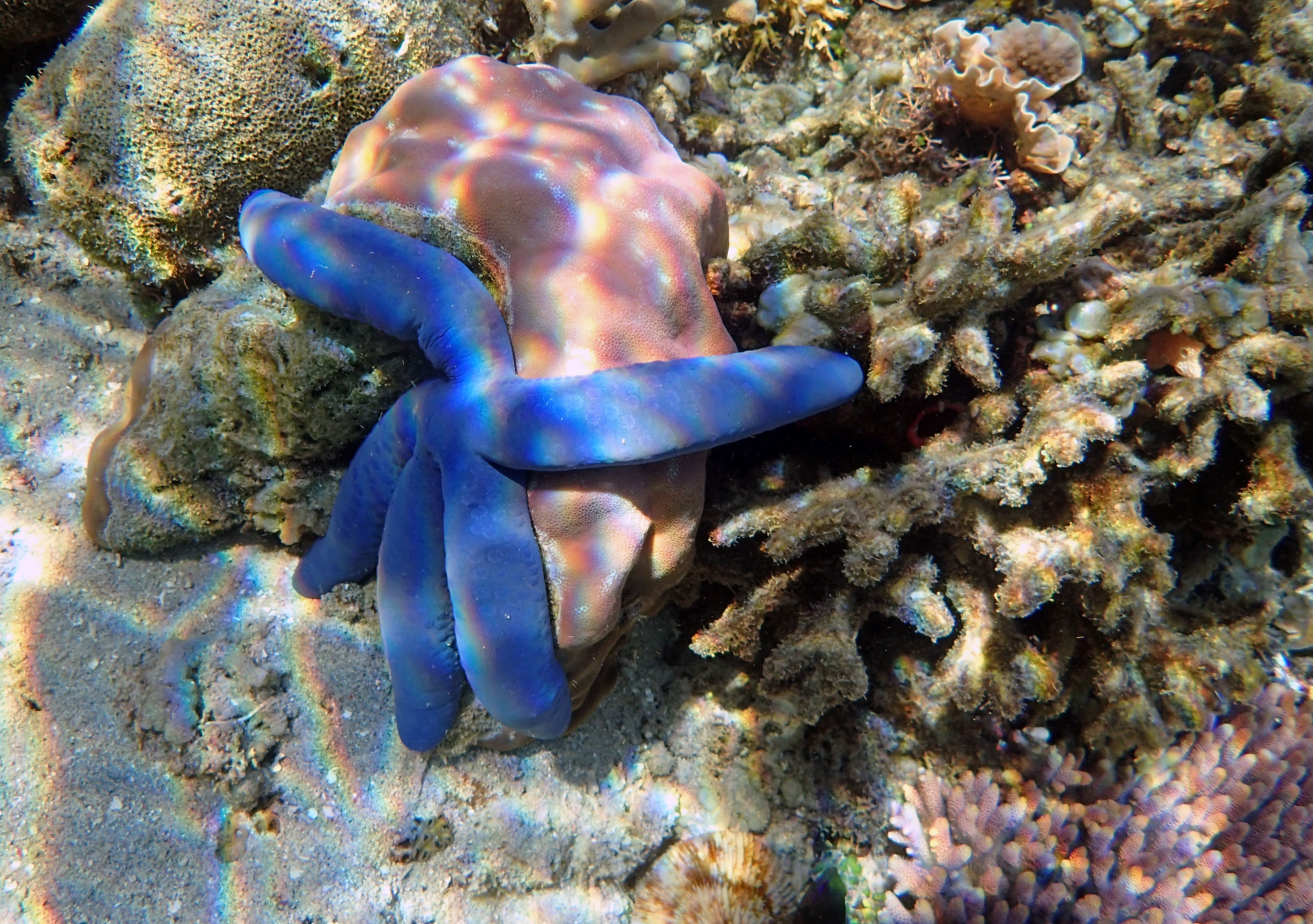
    The water was relatively shallow, so it was quite straightforward to swim down and photograph the more interesting inhabitants of the reef, like this gorgeous blue starfish.

    Blue starfish (Linckia laevigata) and pink coral

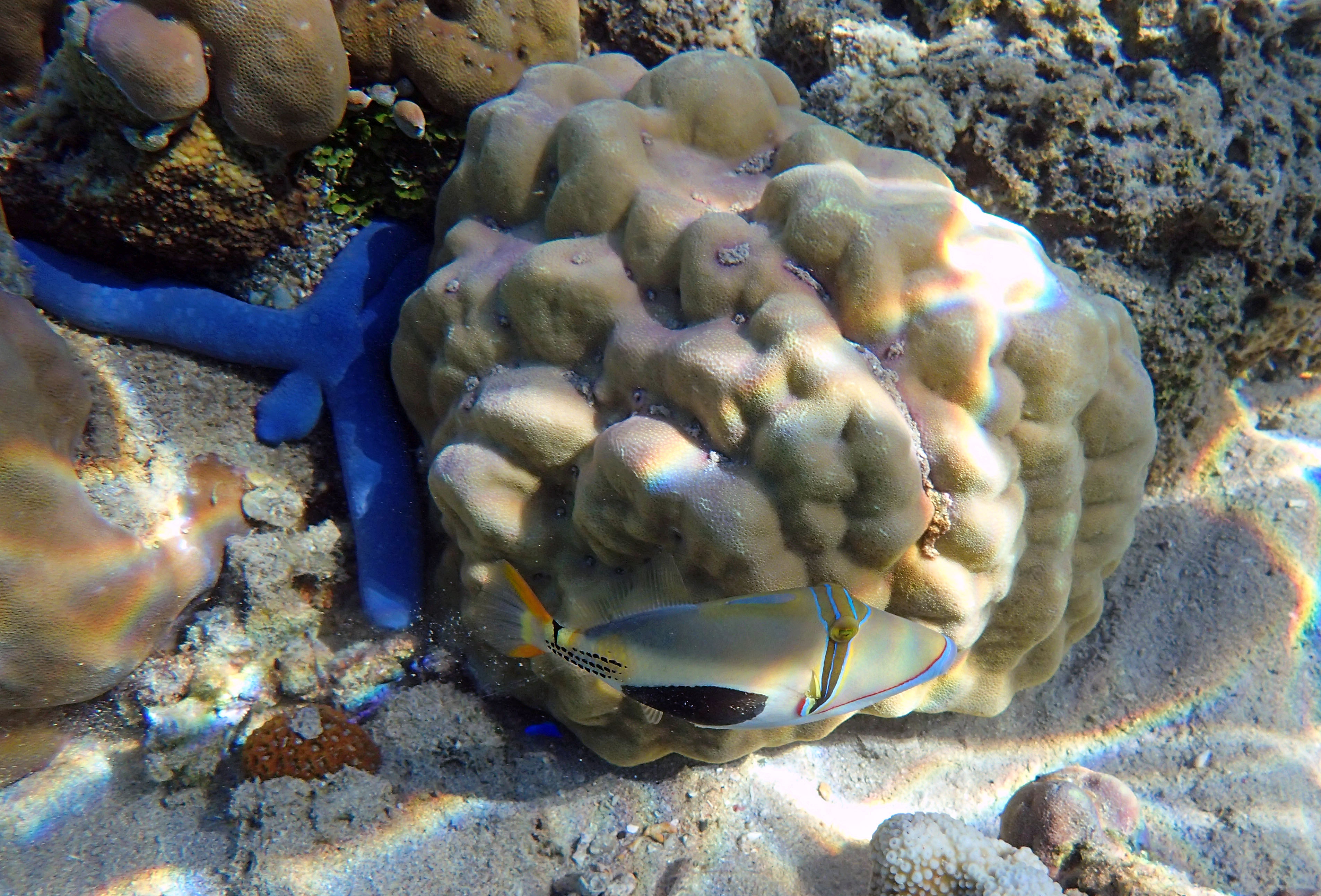
    Fish were a little bit more cautious, but I managed to get fairly close to this trigger-fish (I think it is!). They bite! Feisty characters who think they own the place; well I guess they do!

    Blue starfish (Linckia laevigata) and trigger fish

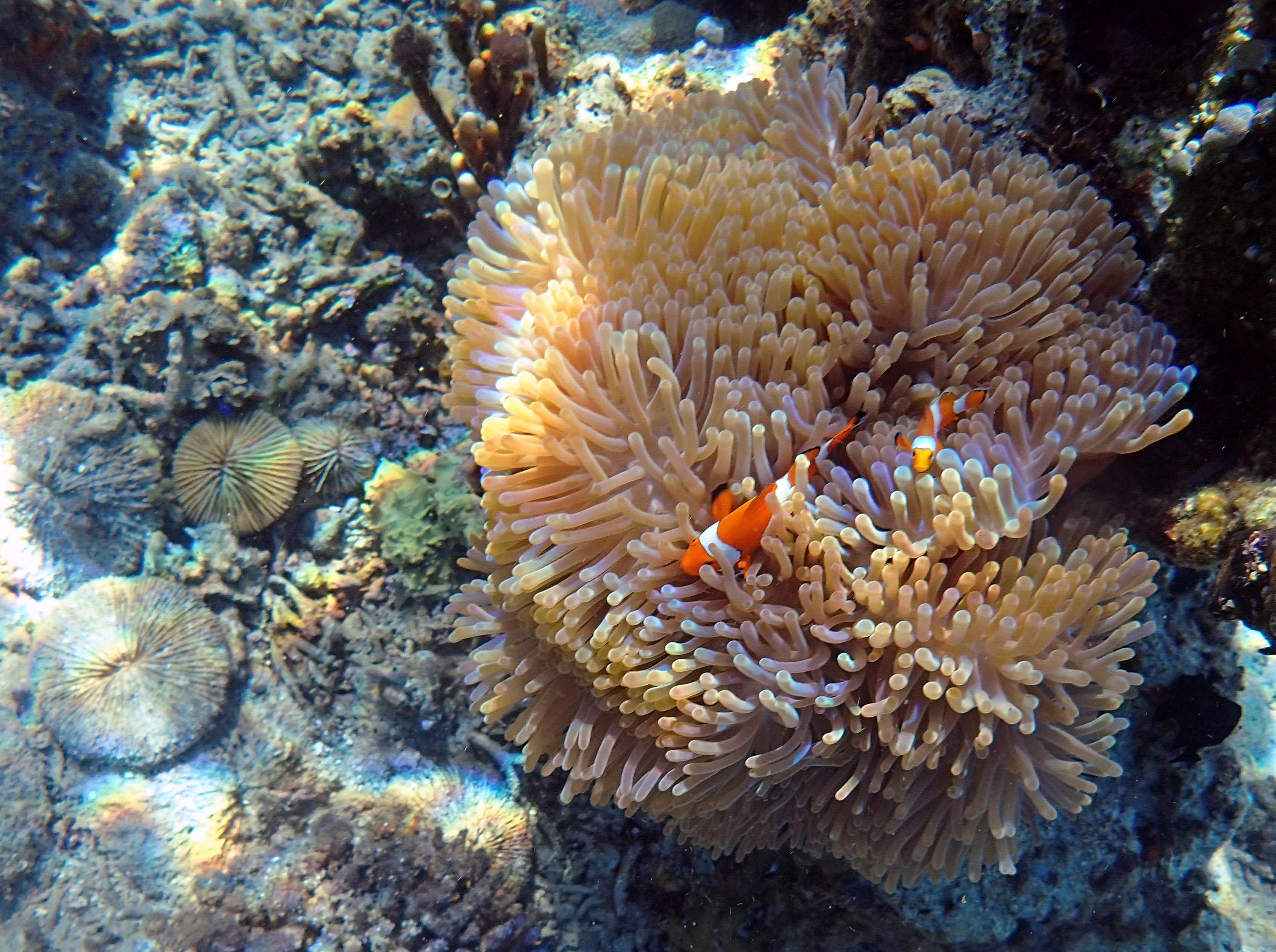
    It was a treat to see the famous Clownfish, which lives within a sea anemone’s poisonous tentacles, and has been immortalized by Disney.

    Clownfish (Amphiprion sp.) and anemone

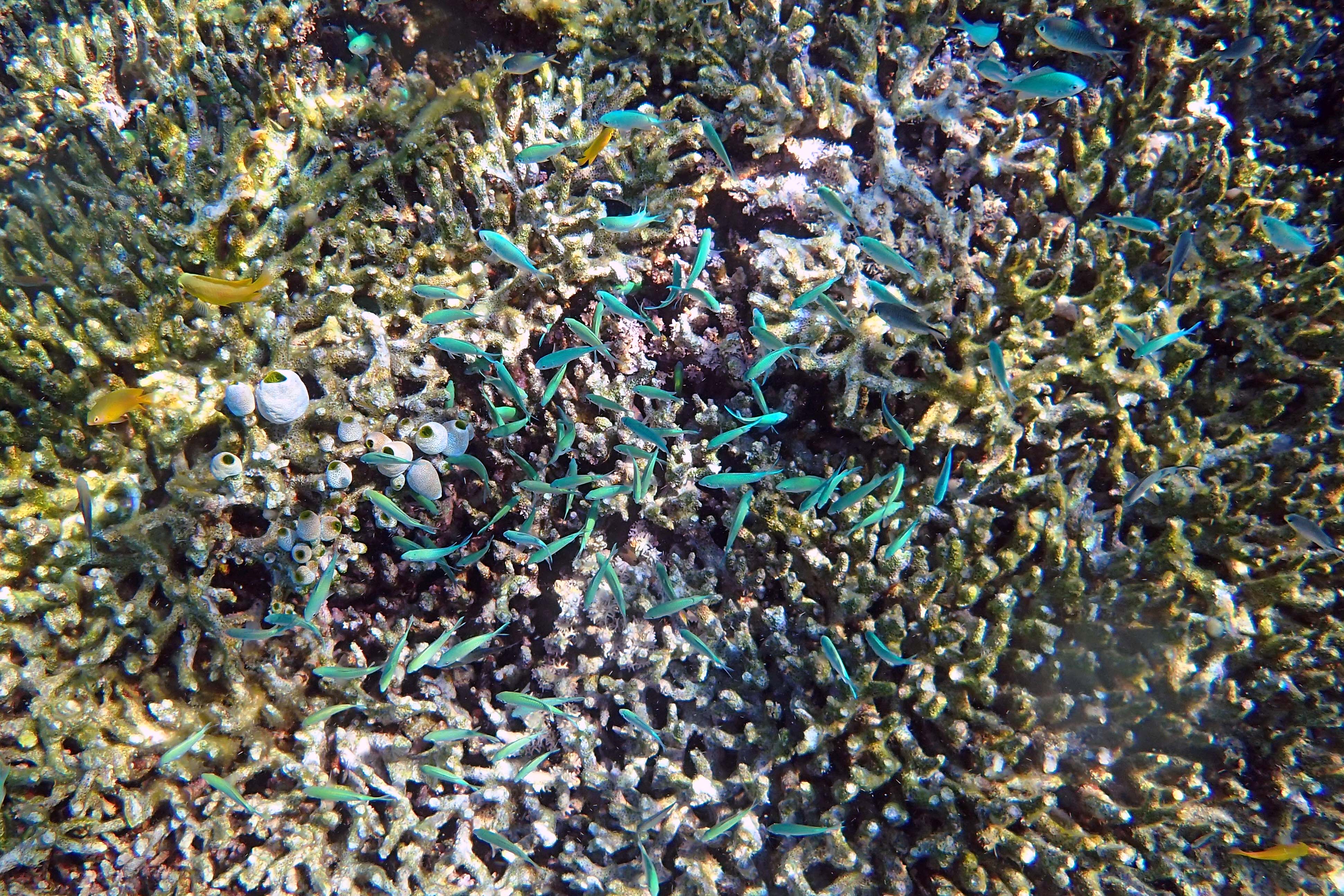
    The shoals of small iridescent fish – which darted into the crevices in the coral at any sign of danger – were mesmerizing.

    Small blue damsel-type fish
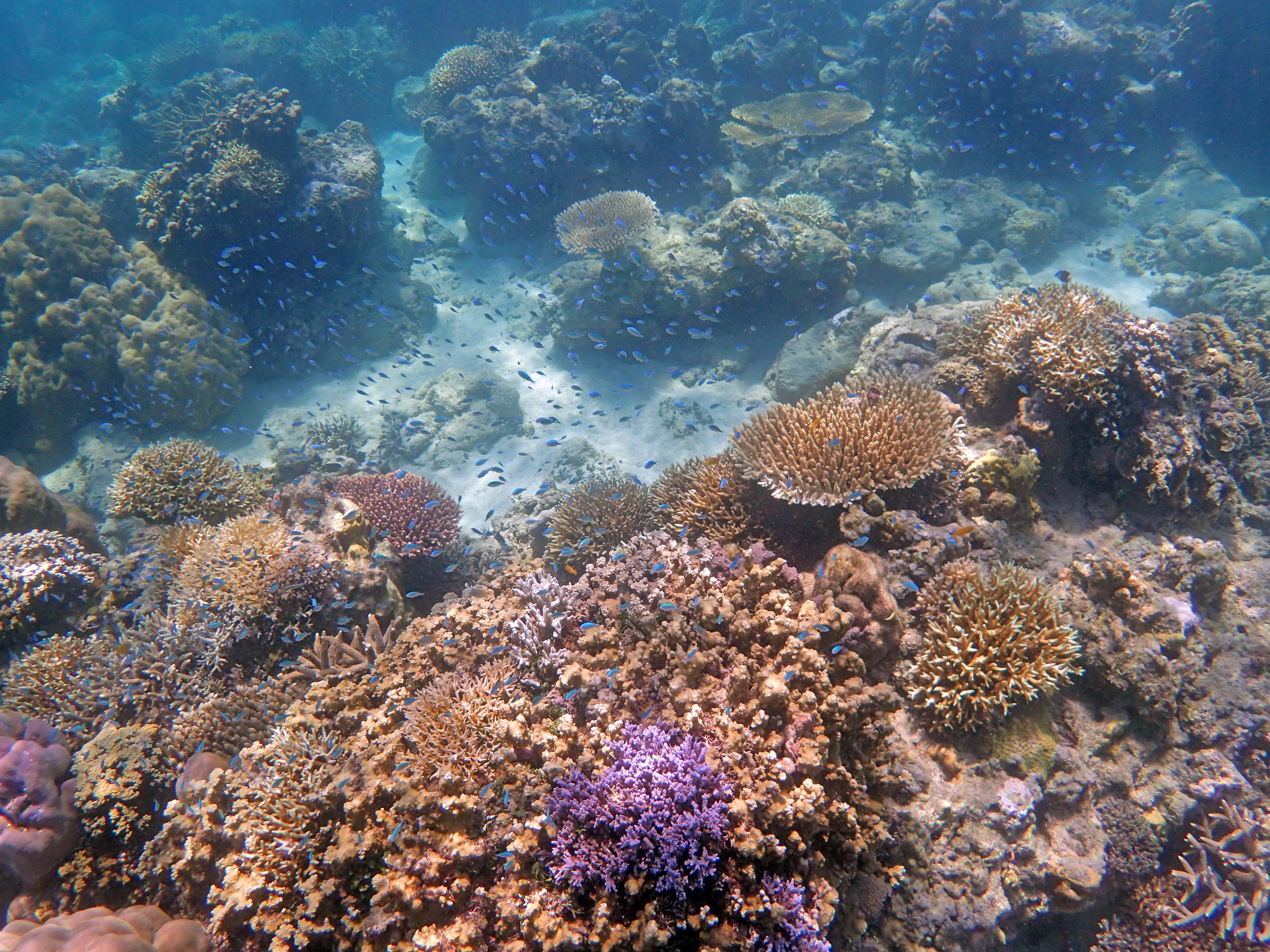
    Coral reef in Komodo NP

    I was very happy to see how beautiful and unspoilt the coral was – at least at the places we visited in Komodo NP – although outside the protected areas may be another story. How people can fish using dynamite is difficult to comprehend; so short-sighted and stupid; but blast fishing, as it is called, does still occur, alas. (4)

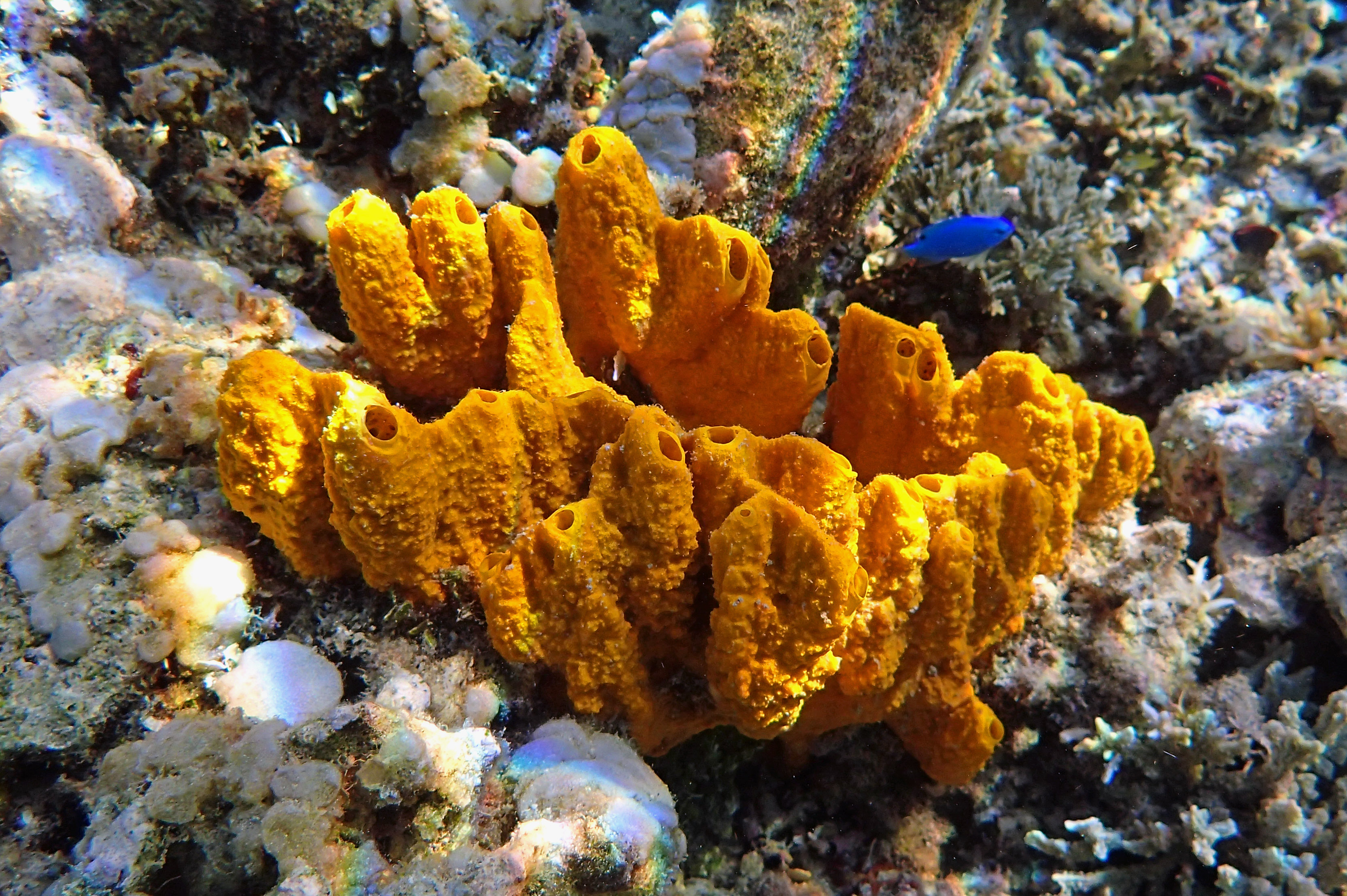
    Yellow sponges

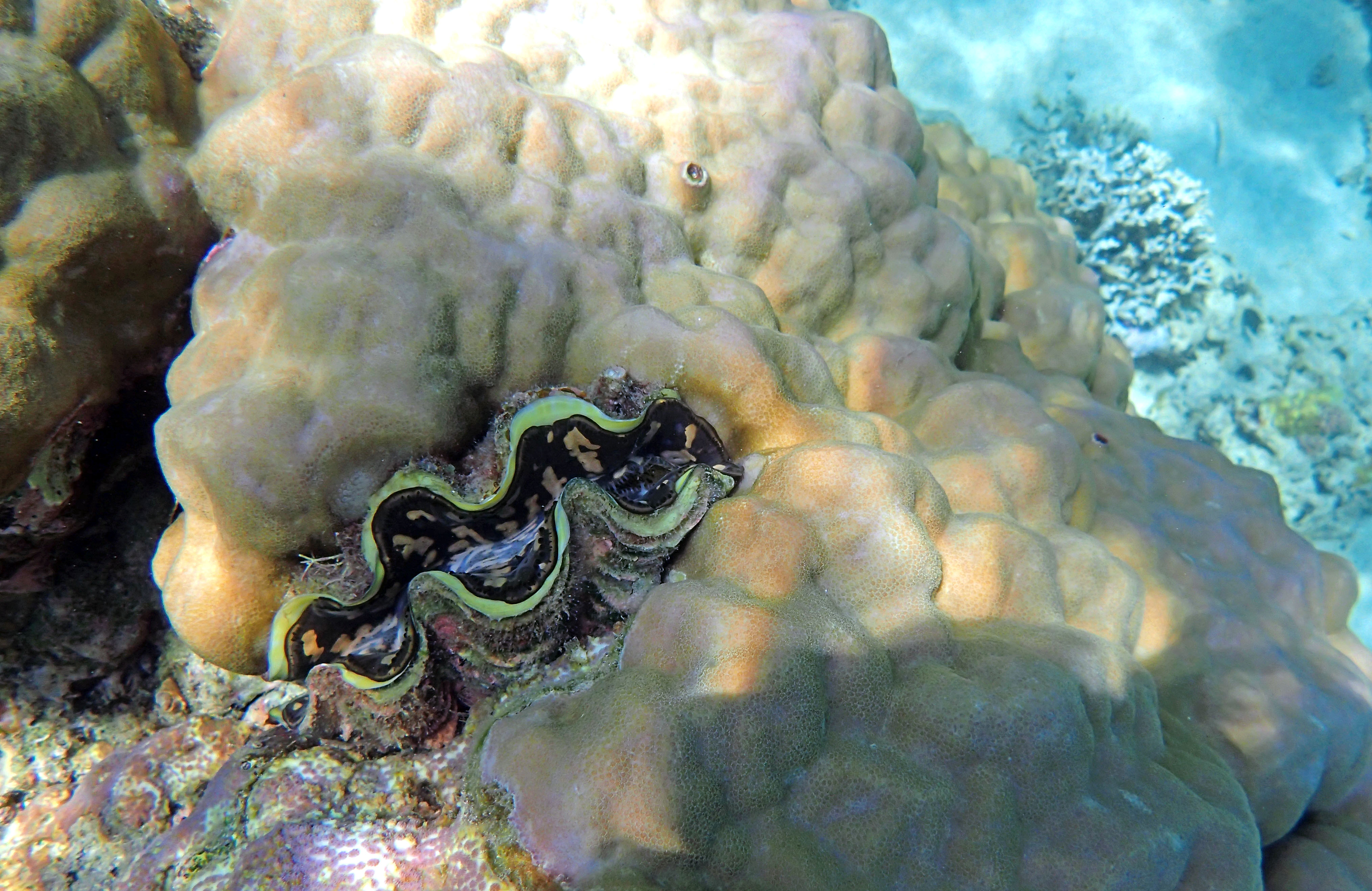
    It was fun to see some giant clams. Some of them are so tightly cemented onto the coral that all you see is the beautiful soft mantle undulating along the rims of the shell.

    Giant clam, Tridacna sp.
    Tridacna squamosa, fluted giant clam

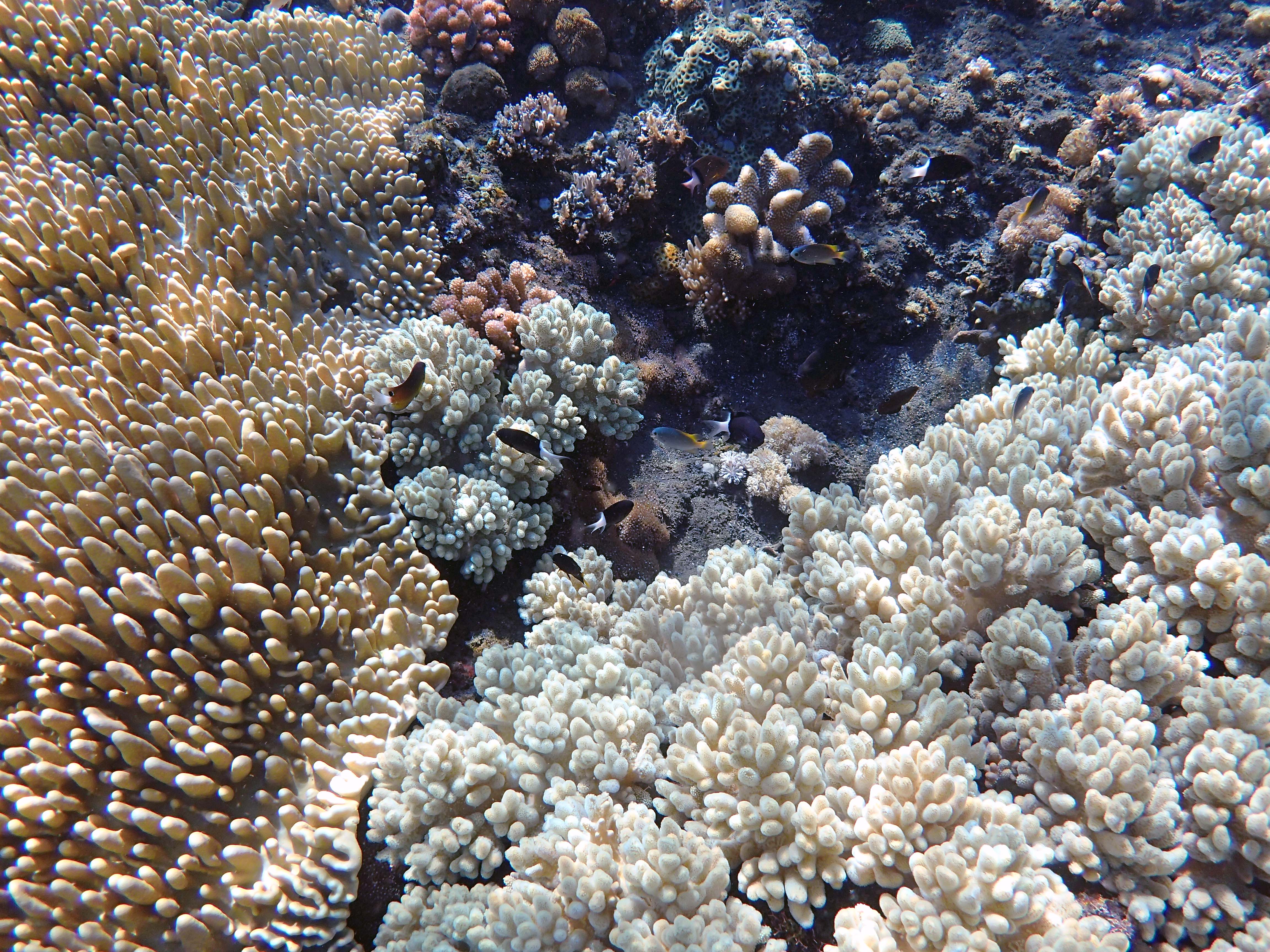
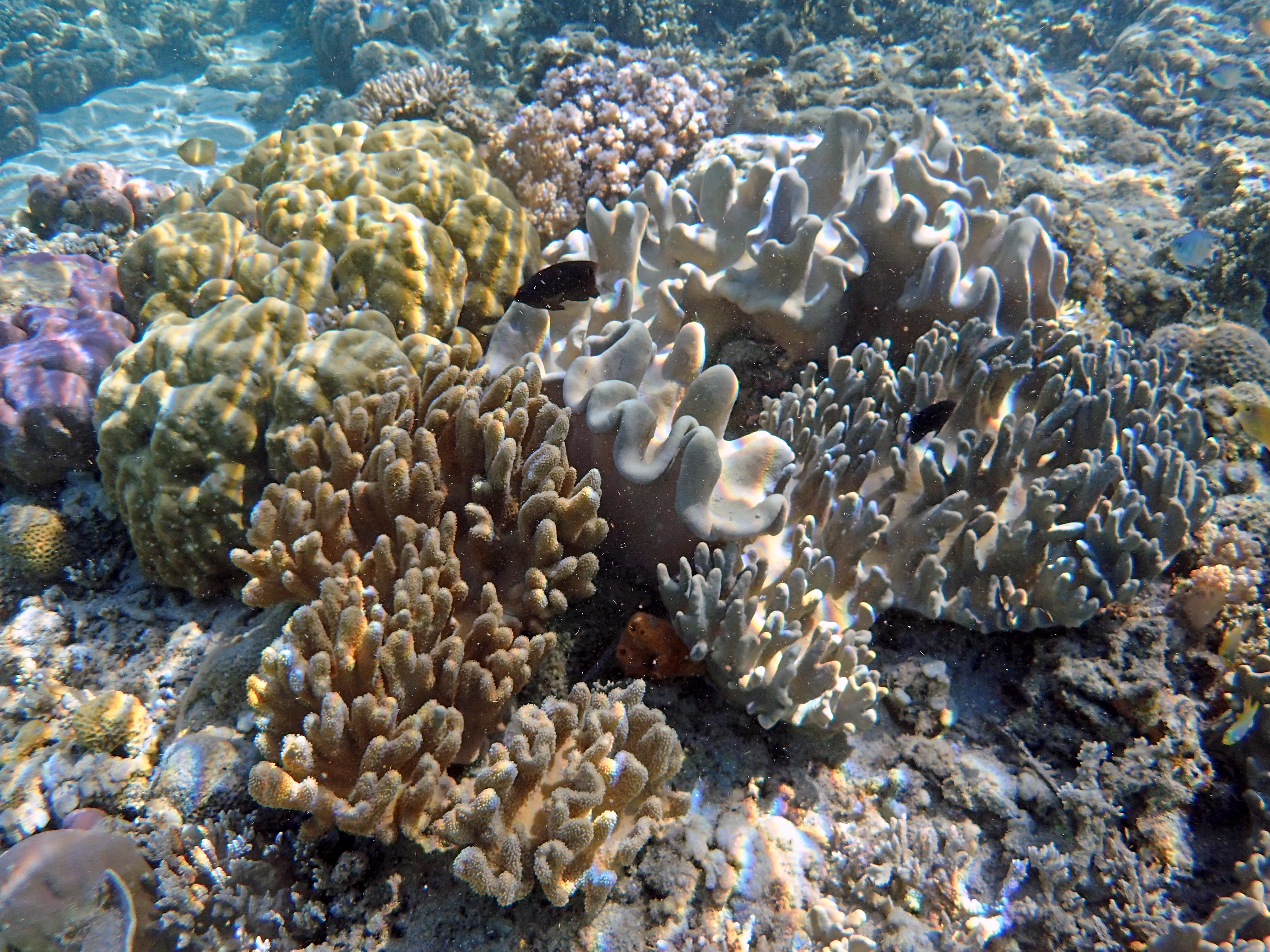
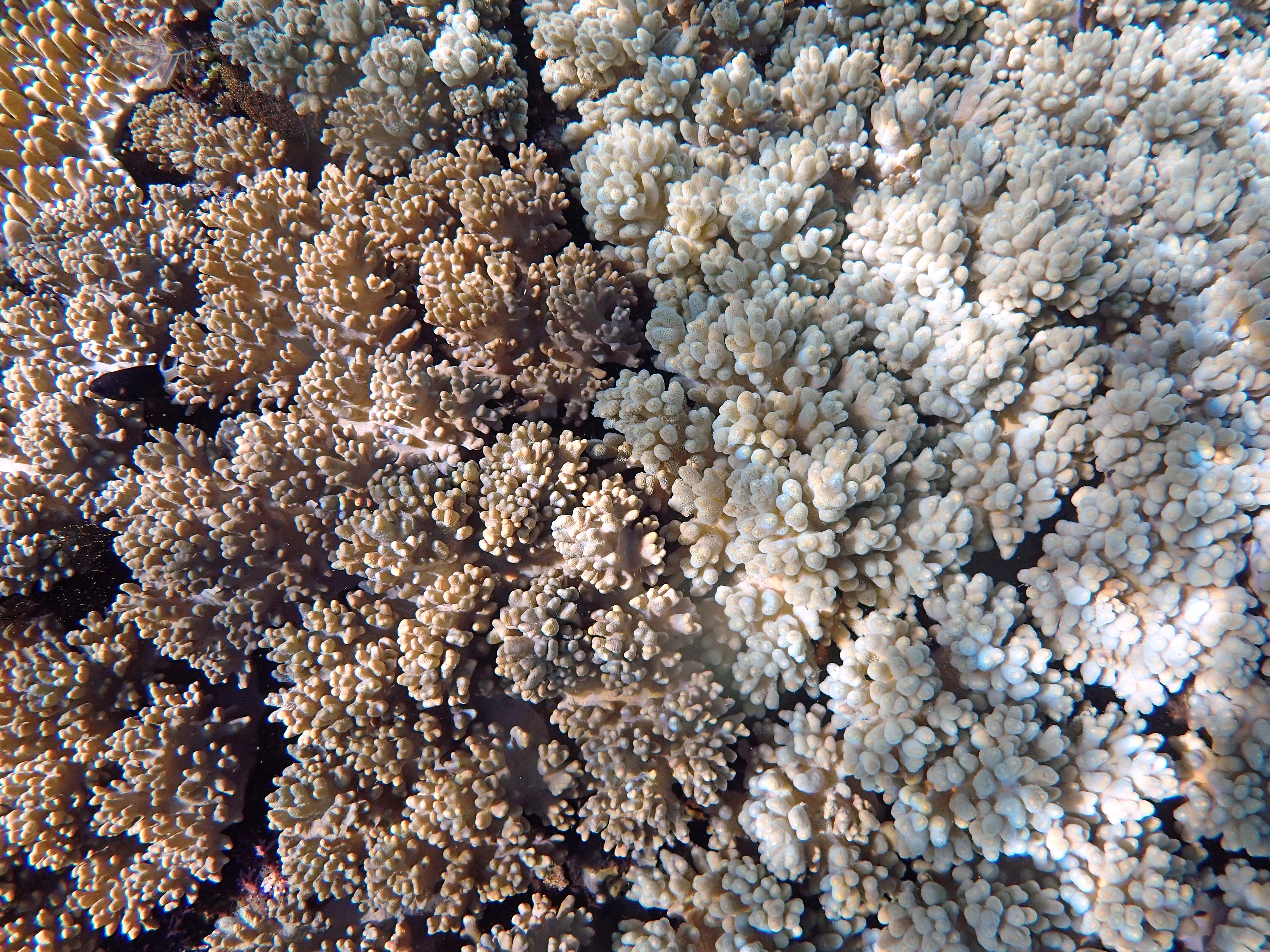
    I think, what I most enjoyed seeing were the corals. They come in all shapes and sizes, soft and hard, with a myriad of different textures.

    Corals with different textures
    A variety of different corals

    The boundaries between different coral types were often sharp and I suppose they were competing with each other for space on the reef.

    Boundary between two types of coral

    I should have made more use of the library of books on board the Mermaid I, and sorted out the names and species of all the different soft and hard corals, but it was more relaxing to just sit back and watch; just enjoying the spectacle without necessarily putting a name to it all. Next time perhaps! I certainly would like to know what this purple creature is (see below).

    Strange purple soft coral?

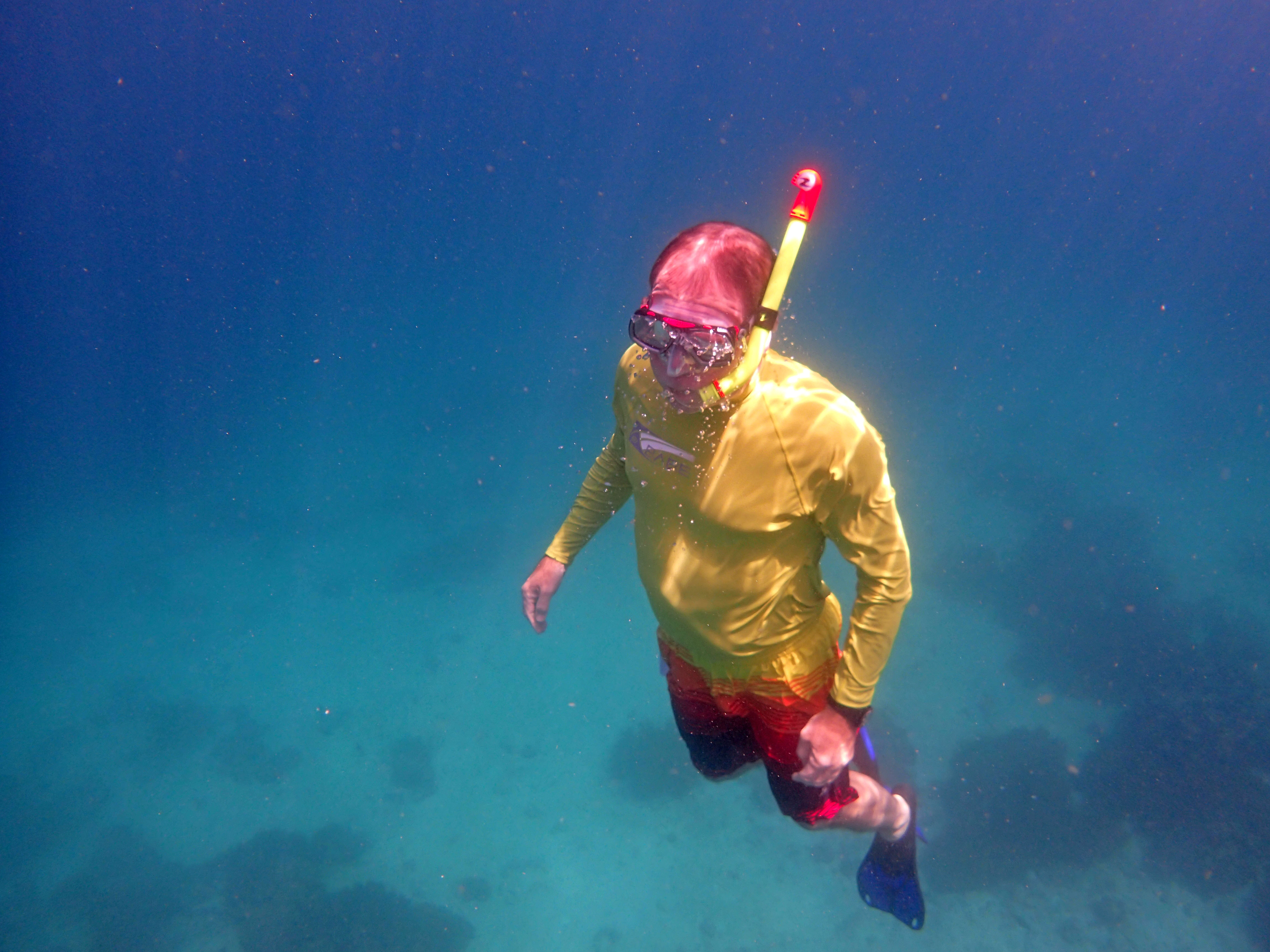
    It was a wonderful experience, a sort of dream, but eventually we had to wake up and leave our underwater somnambulations. Here I am coming up for air!

    Coming up for air.

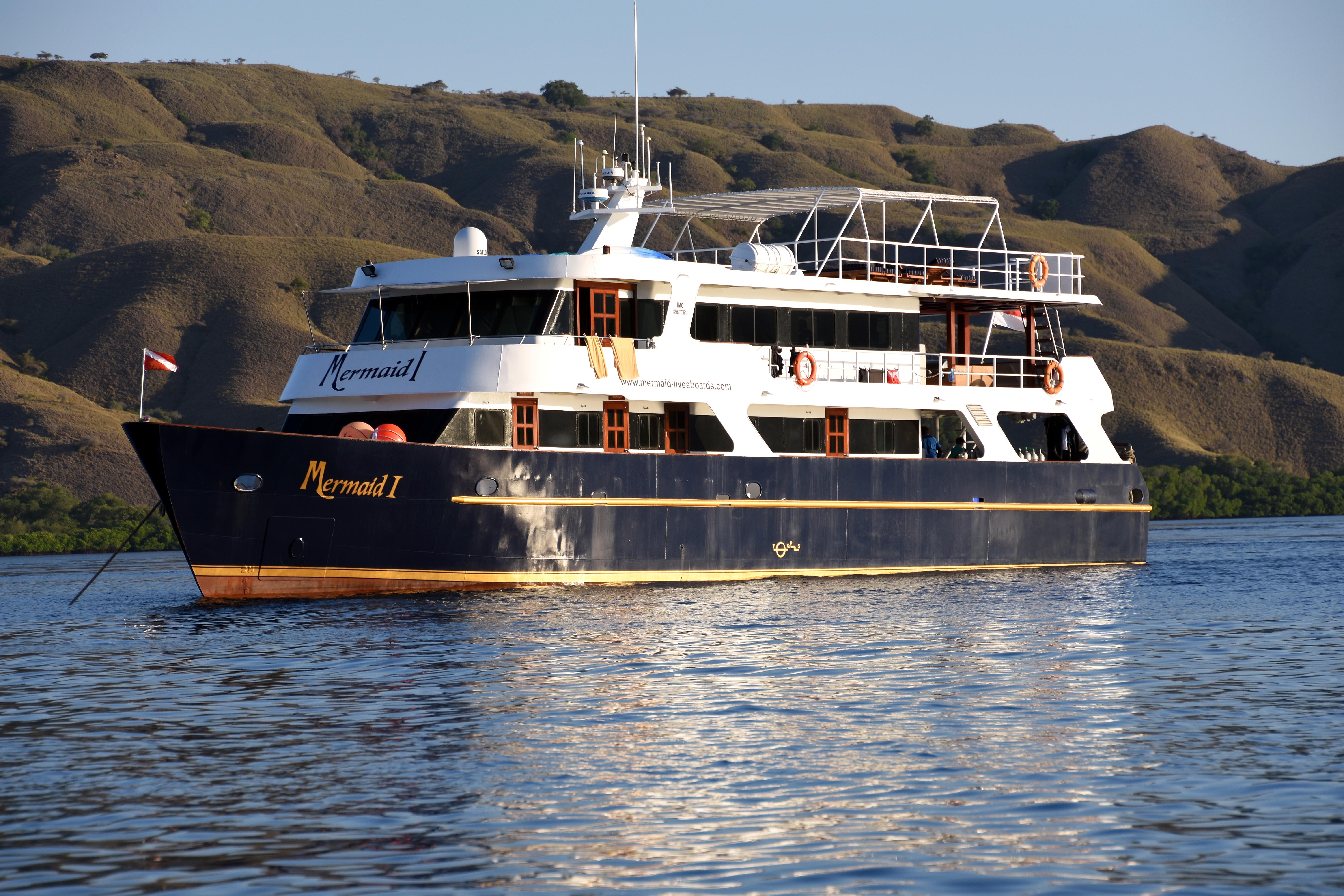
    And I can’t finish without a shot of the boat (sorry, ship!) Mermaid I.

    Mermaid I in Komodo NP
    1. http://www.mermaid-liveaboards.com/
    2. https://rcannon993.wordpress.com/2017/01/17/travelling-with-a-mermaid/
    3. http://www.wildwings.co.uk/trip-reports/BaliWOtripreport2016.pdf
    4. https://en.wikipedia.org/wiki/Blast_fishing
  • ‘Lines, Textures, and Patterns’ Story and Pictures — National Geographic Your Shot

    Some incredible images in this National Geographic piece. There were more than 40,000 submissions from ‘My Shot’ contributors, including me! Only 39 images were chosen. Not one of mine – I’ll keep trying – but I think you will agree, the chosen photographs were all amazing!

    http://yourshot.nationalgeographic.com/profile/237466

    Source: ‘Lines, Textures, and Patterns’ Story and Pictures — National Geographic Your Shot

  • Chasing leopards by the falls!

    Common Leopard Butterfly (Phalanta phalantha) mud-puddling at Mae Klang waterfall, Doi Inthanon, Thailand.

    It was a very hot day when I visited Doi Inthanon, Thailand’s highest mountain (at 2565 metres or 8415 feet), in early May this year. Temperatures in Chiang Mai city had reached 40 deg C the day before, but it was much cooler up the mountain. There are large tracts of different types of forest on this mountain – Doi Inthanon National Park covers an area of about of about 482 square kms – but it is often shrouded in cloud near the top.

    Forest on Doi Inthanon, by the Royal Chedis (or stupas) at about 2140m.

    Unfortunately, the top of the mountain was rather cloudy on 7th May, so we headed further down, stopping off at a number of waterfalls, where I hoped to photograph butterflies.

    Wachirathan Falls, Doi Inthanon, Thailand, May 2017.

    One of the most beautiful falls on the mountain is Wachirathan Falls, just over 20 km into the NP, which is a magnificent spectacle, even in the dry season. Unfortunately, there were not many butterflies about, or the ones that were flying about were rather inaccessible, so I decided to head further down to the ever popular Mae Klang Waterfall. This lies just outside the boundaries of the NP, so is more heavily visited by picnickers and sightseers.

    Mae Klang Falls on 7th May 2017

    There was much less water flowing than in previous visits; compare the photograph above (taken in May, before the rains have arrived) with that taken in November (at the end of the rainy season) in a previous year.

    Mae Klang waterfalls 8 Nov 2013

    Mae Klang waterfall is at an altitude of about 1,200 m or so, so is much hotter than further up the mountain, and there were plenty of butterflies around! The problem was that because of the high temperatures, the butterflies were flying about so fast it was very difficult to photograph them! One of the more obliging species was the Common Leopard Butterfly (Phalanta phalantha), which were present in quite large numbers along the stream beds next to the river.

    Common Leopard Butterfly (Phalanta phalantha) mud-puddling at Mae klang waterfall, Doi Inthanon.

    The butterflies were ‘puddling’ or ‘mud-puddling’ as it is called; they are trying to absorb sodium (in the form of sodium chloride, salt) or nitrogen (in the form of amino acids) from moist substrates such as mud, animal excrement, rotting fruits, carrion, dung, bird droppings, sweat, tears and so on (See 1: See you down the puddle). Curiously, many of these Common Leopard butterflies were sucking up moisture from the rocks themselves (below). There must have been a thin layer of water on the rocks, which may have produced a solution of salts or minerals attractive to these insects.

    Common Leopard Butterfly (Phalanta phalantha) Mae klang, with extended proboscis

    Despite being engaged in mud- or moisture-puddling, the butterflies did not stay put for long, and usually flew off as soon as the lumbering photographer approached them! I did not manage to get as close as I would have liked, but after taking dozens of shots, I managed to get a few usable ones.

    Common Leopard butterfllies (Phalanta phalantha)

    These butterflies take about three weeks to develop from egg to adult (at 28 deg C) and the larvae feed on flowering plants in the Willow family (Salicaceae) including Flacourtia inermis and Salix babylonica (Links 2 and 3).

    Common Leopard butterfllies (Phalanta phalantha) on rocks

    There were also quite large numbers of yellow/green butterflies flying about, at amazing speeds! One often sees pictures of stationary butterflies, which fail to do justice to the extraordinary vitality of these insects. Butterflies can be very fast fliers – especially the nippy little Skippers, which can reach speeds of up to 60 km per hour! Skippers are shaped like little jet fighters! As the following photograph illustrates.

    Spotted Demon (Notocrypta feisthamelii alysos). A Skipper from Chiang Dao, Thailand.

    I did manage to grab a couple of photographs of the lively yellow/green butterflies, which turned out to be Lemon Emigrants, feeding on nectar from Lantana flowers.

    Lemon Emigrant (Catopsilia pomona pomona) Mae Klang
    Lemon Emigrants (Catopsilia pomona pomona) Mae Klang

    I also came across this little skink – a Streamside Skink  (Sphenomorphus maculatus) – on the rocks near the waterfalls (below).

    Streamside Skink (Sphenomorphus maculatus) Mae Klang, Doi Inthanon, Thailand.

    The waterfalls are a good place to cool off on a hot day, and people like to sit and relax on the rocks beside the streams. There are plenty of small restaurants and vendors nearby providing food and snacks for visitors.

    Mae Klang Falls. People sitting and eating by the streams.
    Mae Klang Falls bathers

    So even when temperatures are unbearably hot, there are many places to go to chill out, whether you are a butterfly, skink or primate!

    1. https://rcannon992.com/2016/03/10/see-you-down-the-puddle-puddling-in-butterflies/
    2. Rayalu, M. B., Kumari, V. K., Naidu, M. T., & Atluri, J. B. (2014). Life history and larval performance of the Common Leopard butterfly, Phalanta phalantha Drury (Lepidoptera: Rhopalocera: Nymphalidae). International Journal of Advanced Research in Science and Technology, 3, 191-195.
    3. http://butterflycircle.blogspot.co.uk/2010/09/life-history-of-leopard.html