
I love watching Thai dances, the delicate hand and leg movements and the beautiful music. Not to mention the grace and beauty of the dancers themselves!
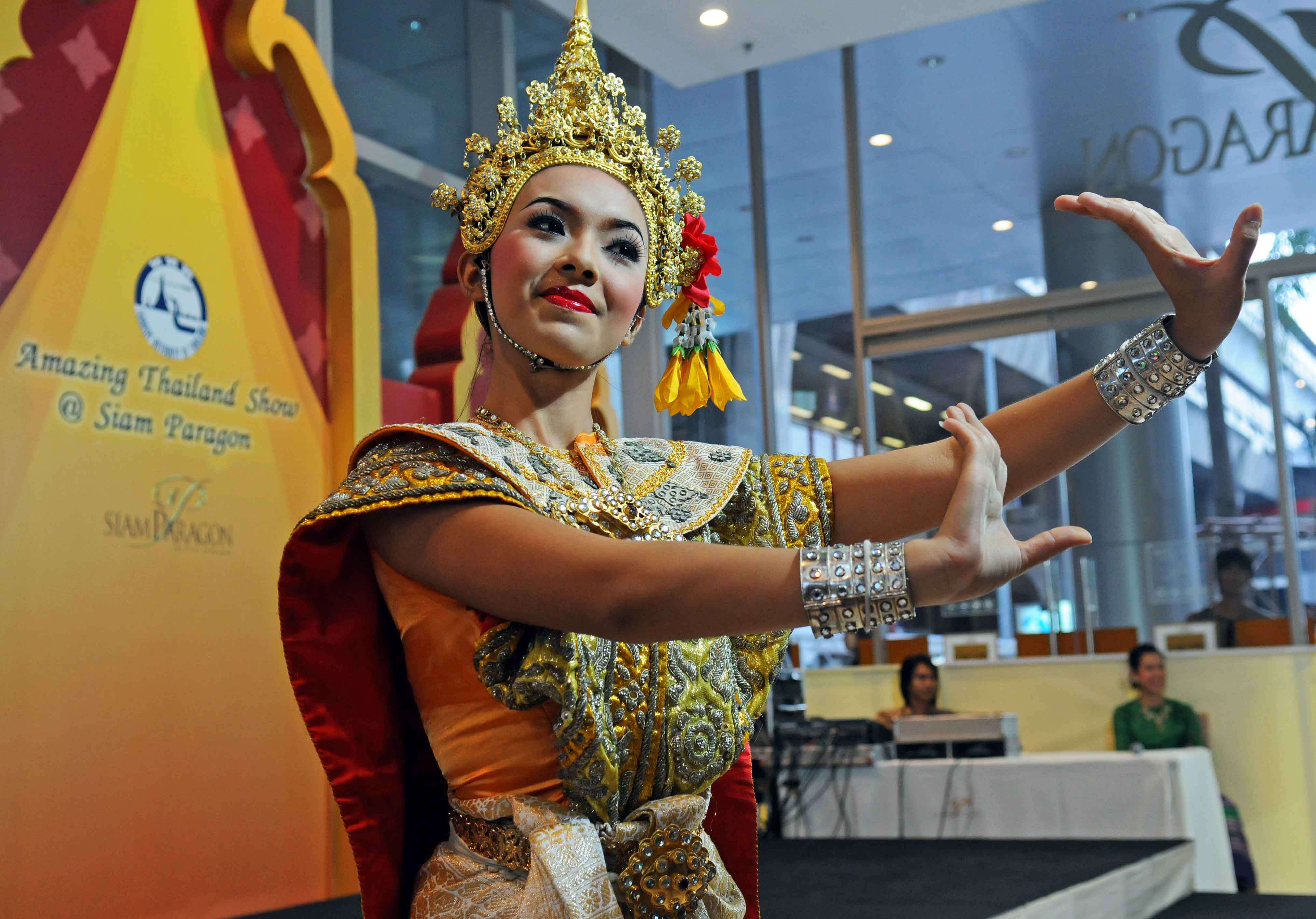
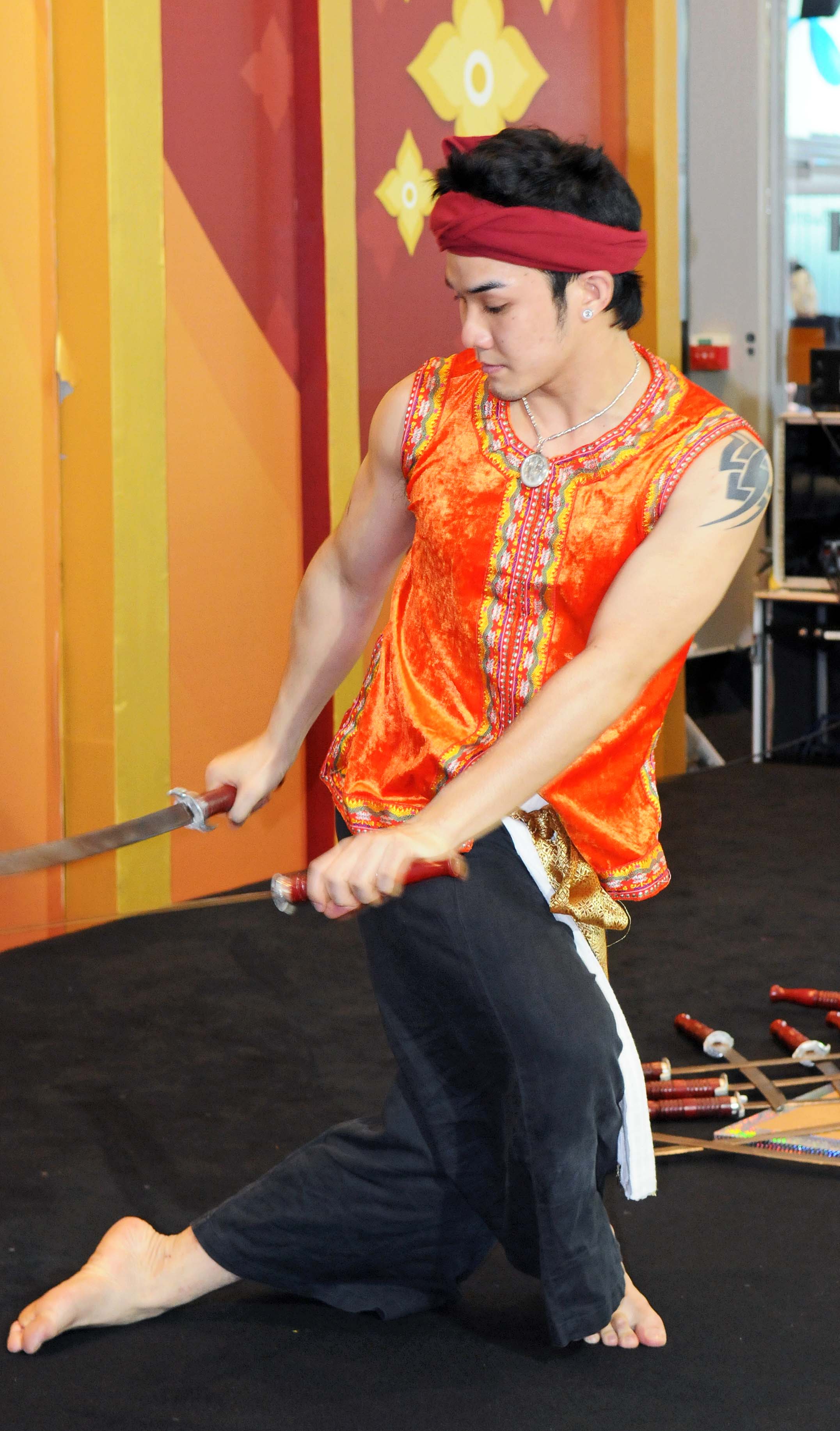
There are many different types of dance in Thailand, all sorts of regional dances with different styles and meanings. For example, sword dances were inspired by types of combat that were typical in ancient times and were no doubt useful in terms of training speed and agility of the dancer/fighter.
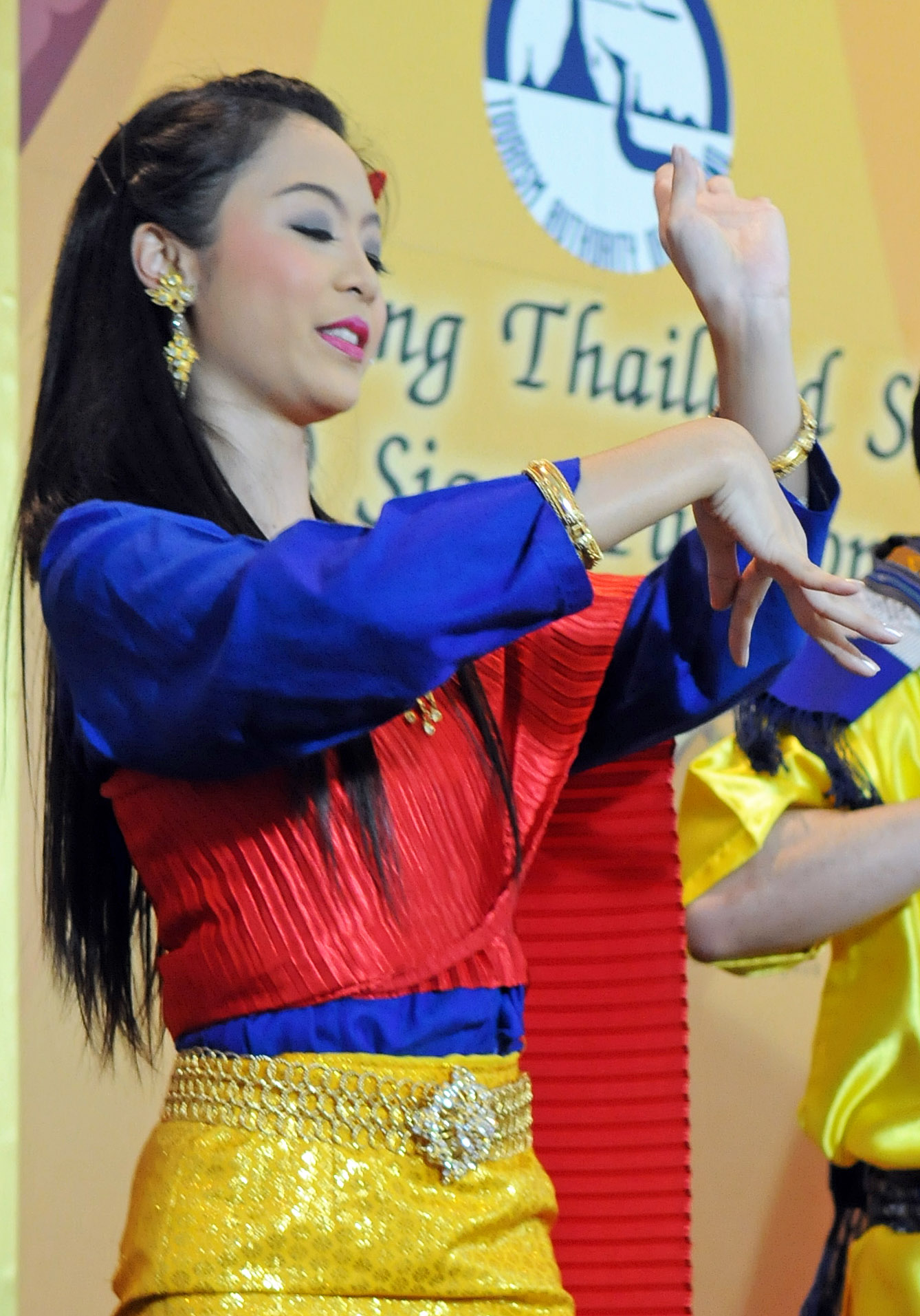
Over the years of travelling in Thailand, I have snapped the occasional dancer, but as anyone who has tried it knows, it is not easy to capture the grace and fluidity of a dancer in a still photograph. Sometimes it works just by chance! This girl (below) was dancing as she moved along the street with the annual Flower Festival parade in Chiang Mai (2014). The festival started late in the afternoon that year, and the sun had set when I took this photograph, so the dancers were at least spared the heat of the midday sun, as in previous years. She is wearing the traditional brass finger nails which amplify the movements of the fingers.

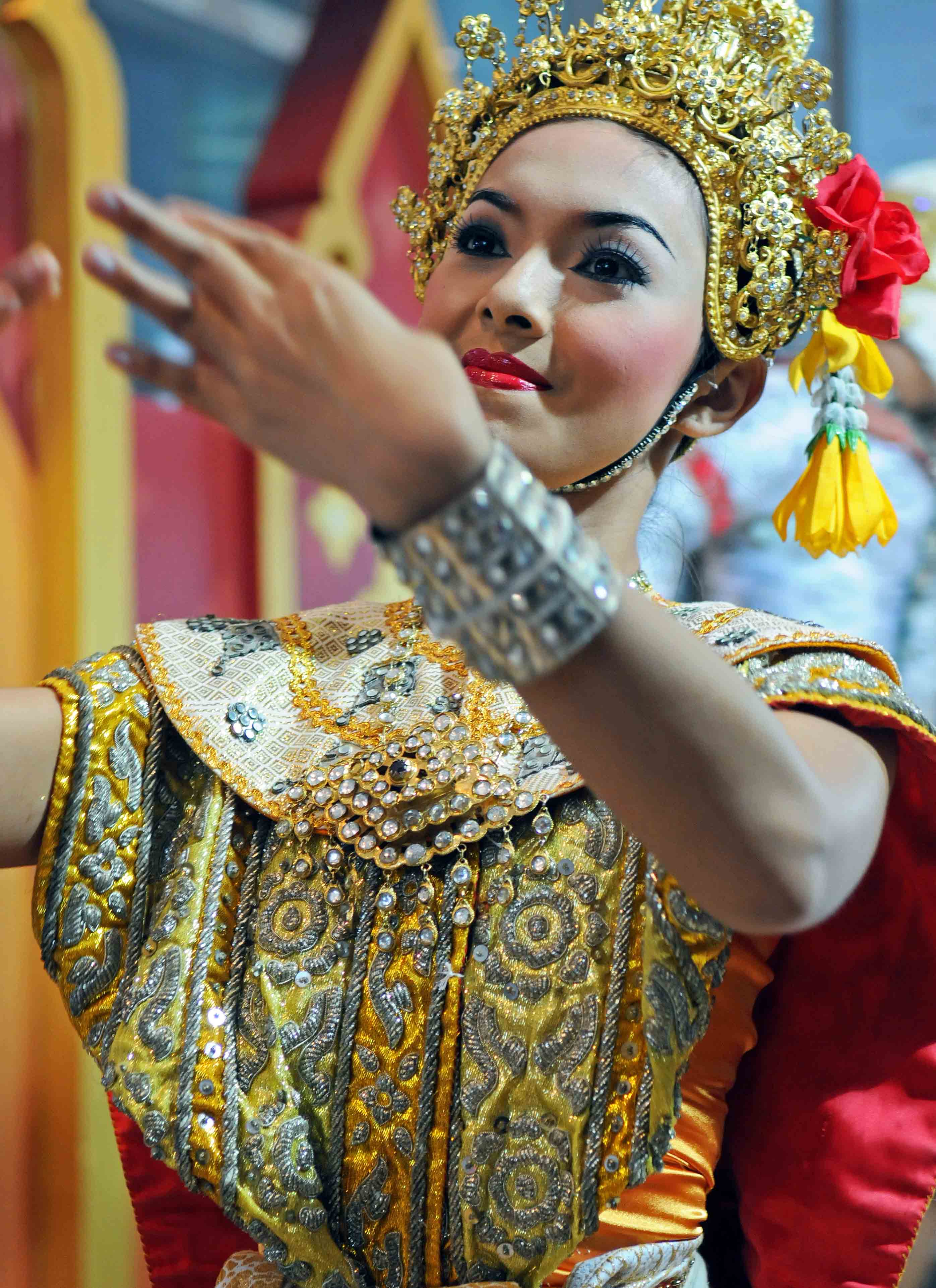
These traditional Thai dancers (below) were performing at the Erewan shrine in central Bangkok, where worshipers donate money for them to dance. They perform these elaborate dances all through the day in temperatures in the mid 30 degrees C or above. It is incredible that the look as cool and unflustered as they do.
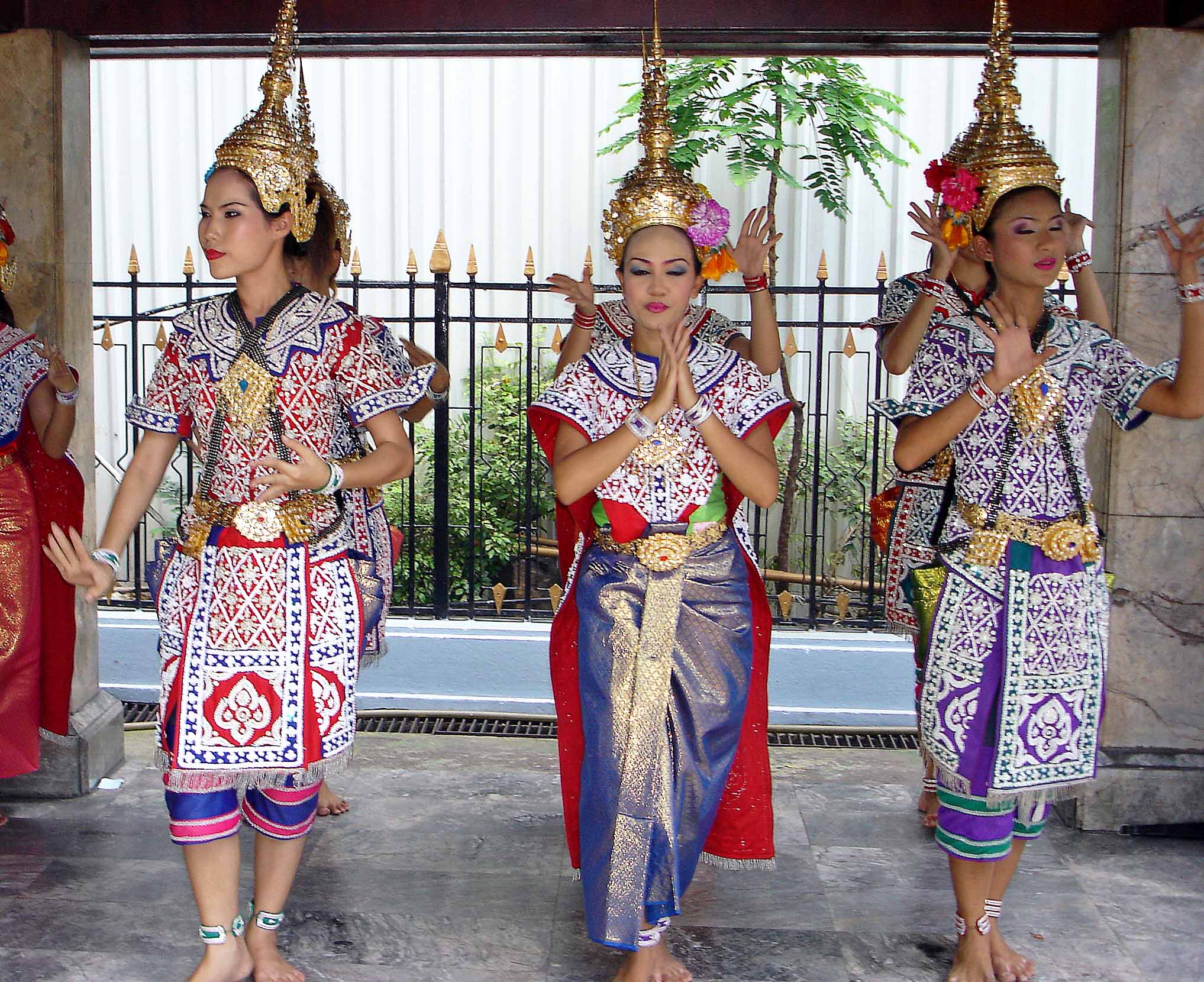
These Thai dances and hand movements have meanings, which unfortunately I do not understand, although I would like to learn. The extremely elastic finger movements in which the fingers are stretched backwards are an aesthetic of the dances familiar to all Thais, but special training is needed to do it properly (without breaking ones fingers that it!). It is a symbol of grace and elegance.
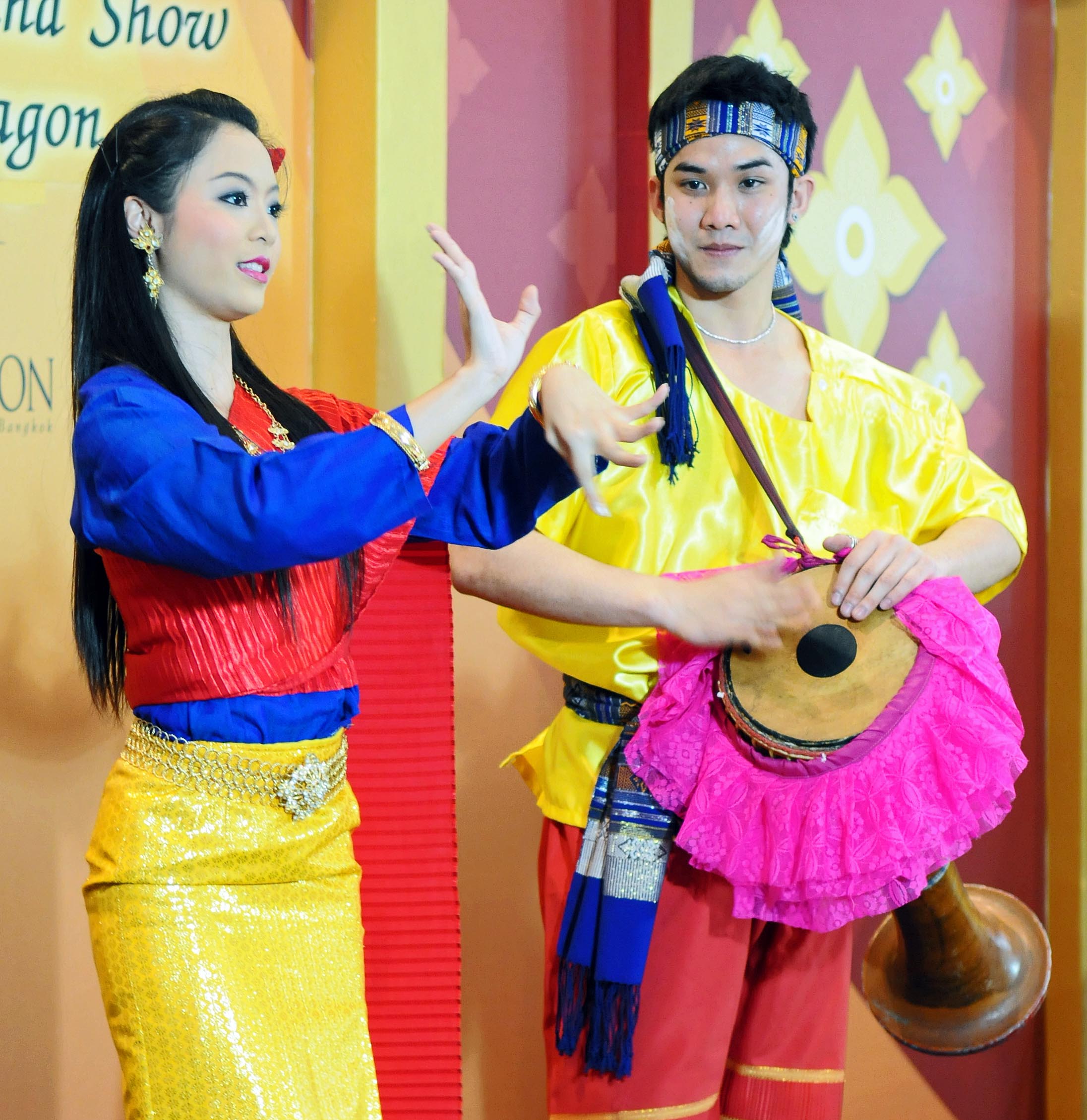
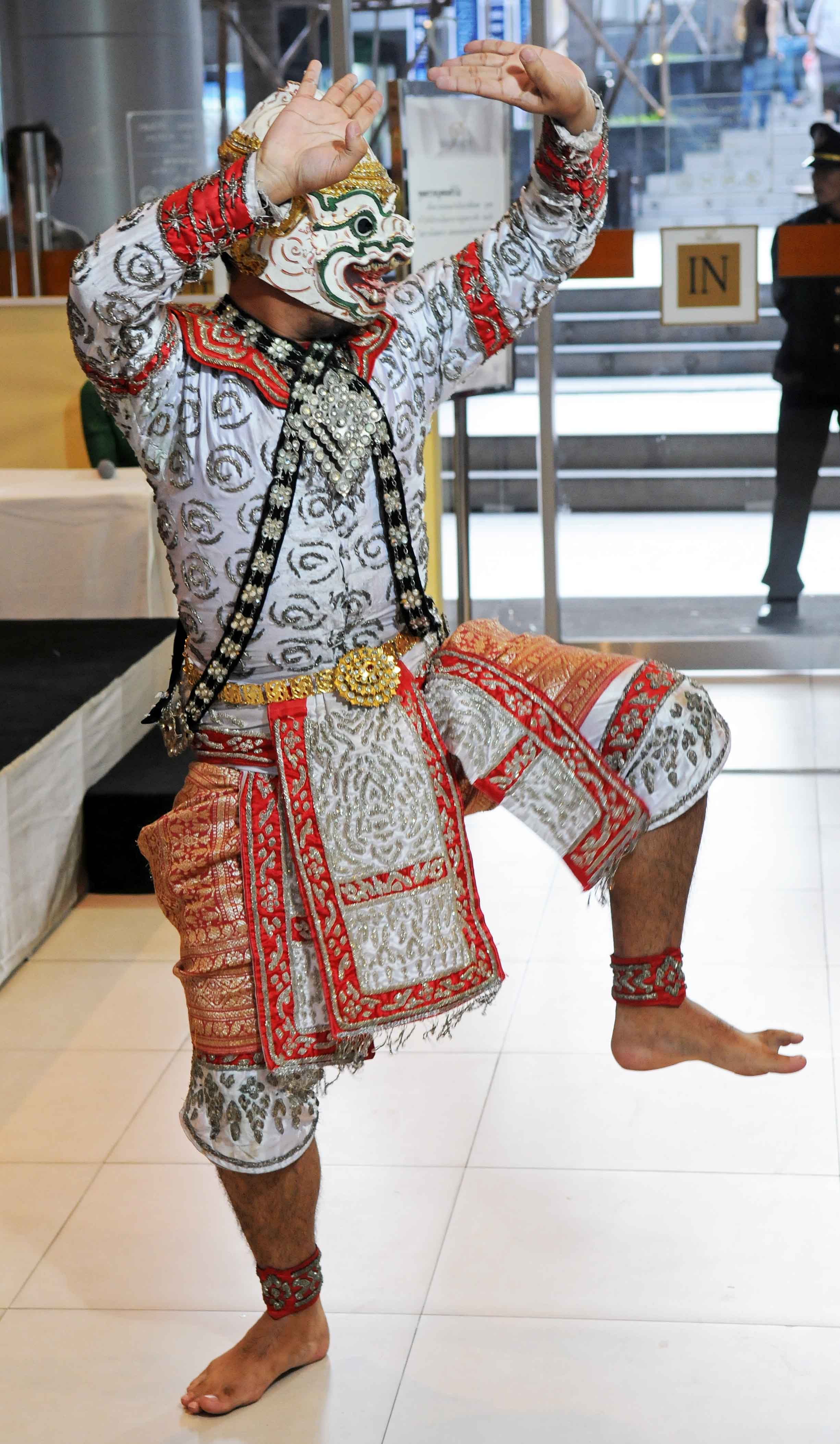
The khon (classical masked dance) was originally performed as entertainment in the royal court and features episodes from the Ramakien (the Thai version of the Ramayana) with masked characters which will be familiar to most Thai school children, like Hanuman the monkey mask (shown below).
The grace and beauty of these dancers has a universal appeal, even if we farangs (foreigners) don’t really understand the symbolism of the dances, as the Thais themselves do.
 Ray Cannon's travel and photography blog
Leave a comment