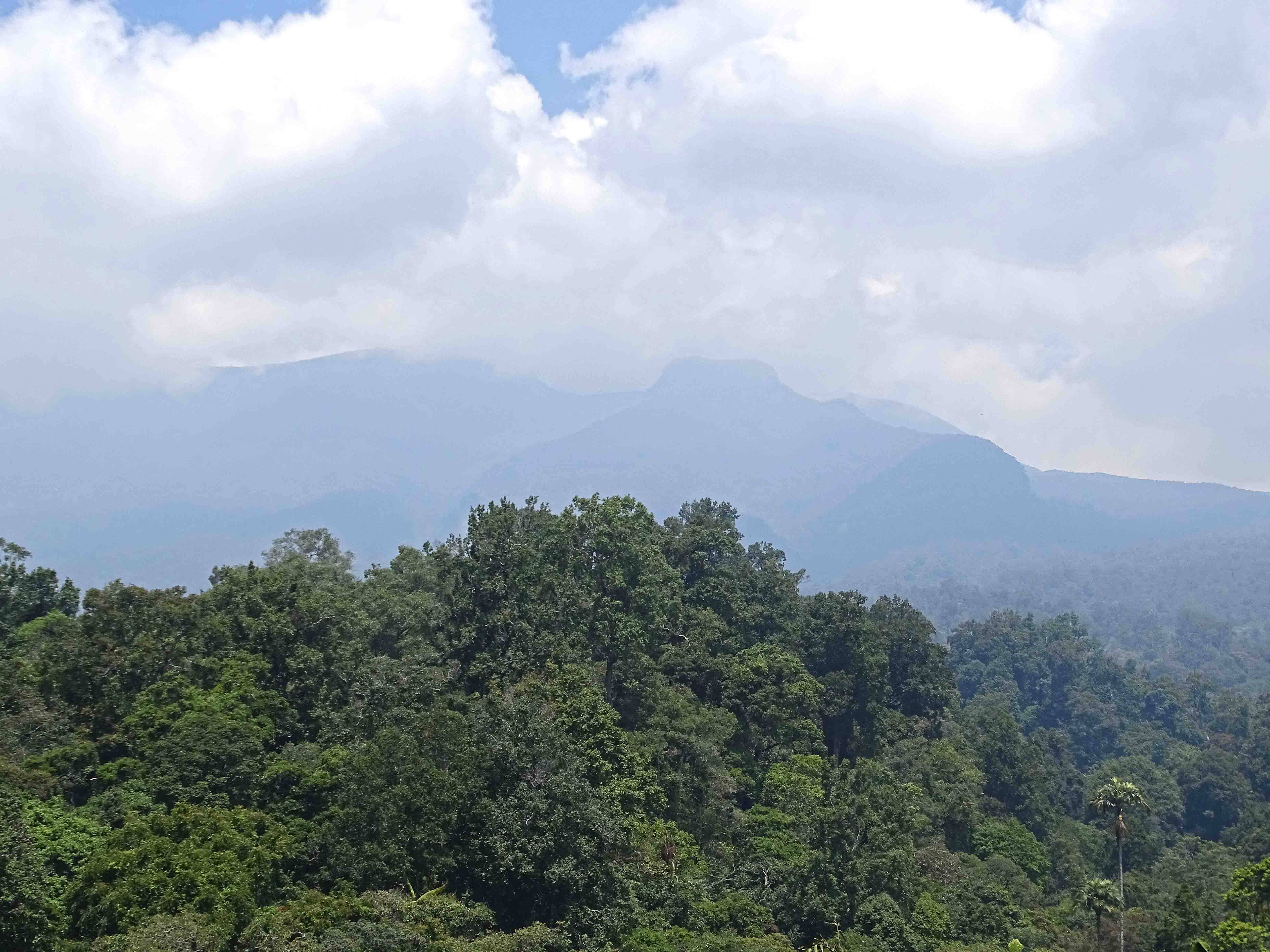
Alfred Russel Wallace – the great Victorian naturalist and co-discoverer of evolution by natural selection – described his journeys in West Java in 1861 in his book The Malay Archipelago (1). He travelled from the capital Jakarta, down to the town of Bogor, where he stopped off to look at the Botanical Gardens planted by the Dutch (2). Travelling south from Bogor, by horse and on foot, he headed towards the area around the volcano Mount Gede Pangrango, which is now a National Park. He described capturing a number of birds (which ‘hunters obtained for me’) on the way – a total of 40 species ‘peculiar to the Javanese fauna’.

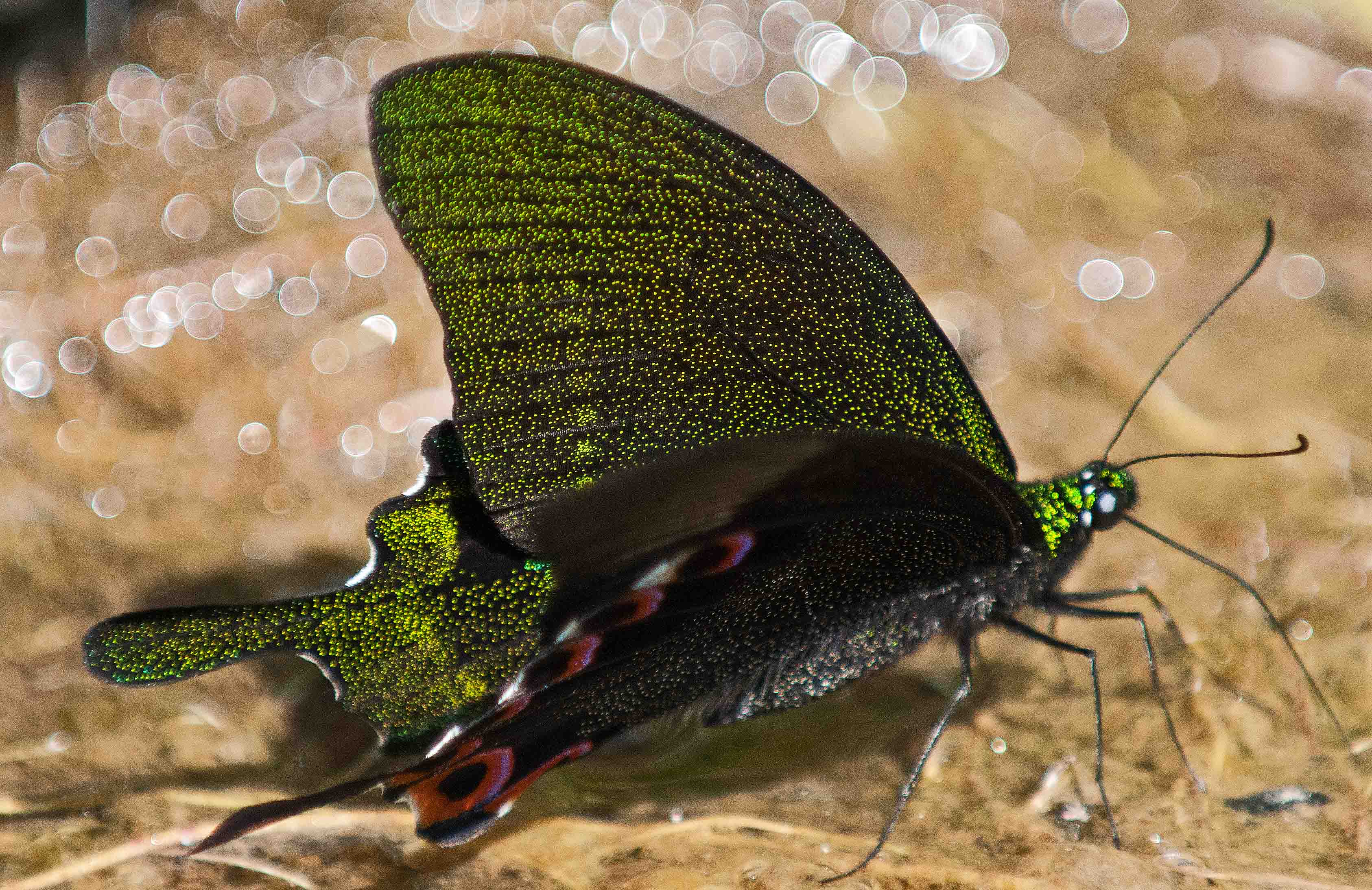
He also collected a number of ‘large and handsome butterflies’, including the ‘superb Papilio arjuna’ now known as the Paris Peacock (Papilio paris). Wallace vividly described the wings of this species as seemingly ‘powdered with grains of golden green, condensed into bands and moon-shaped spots’.
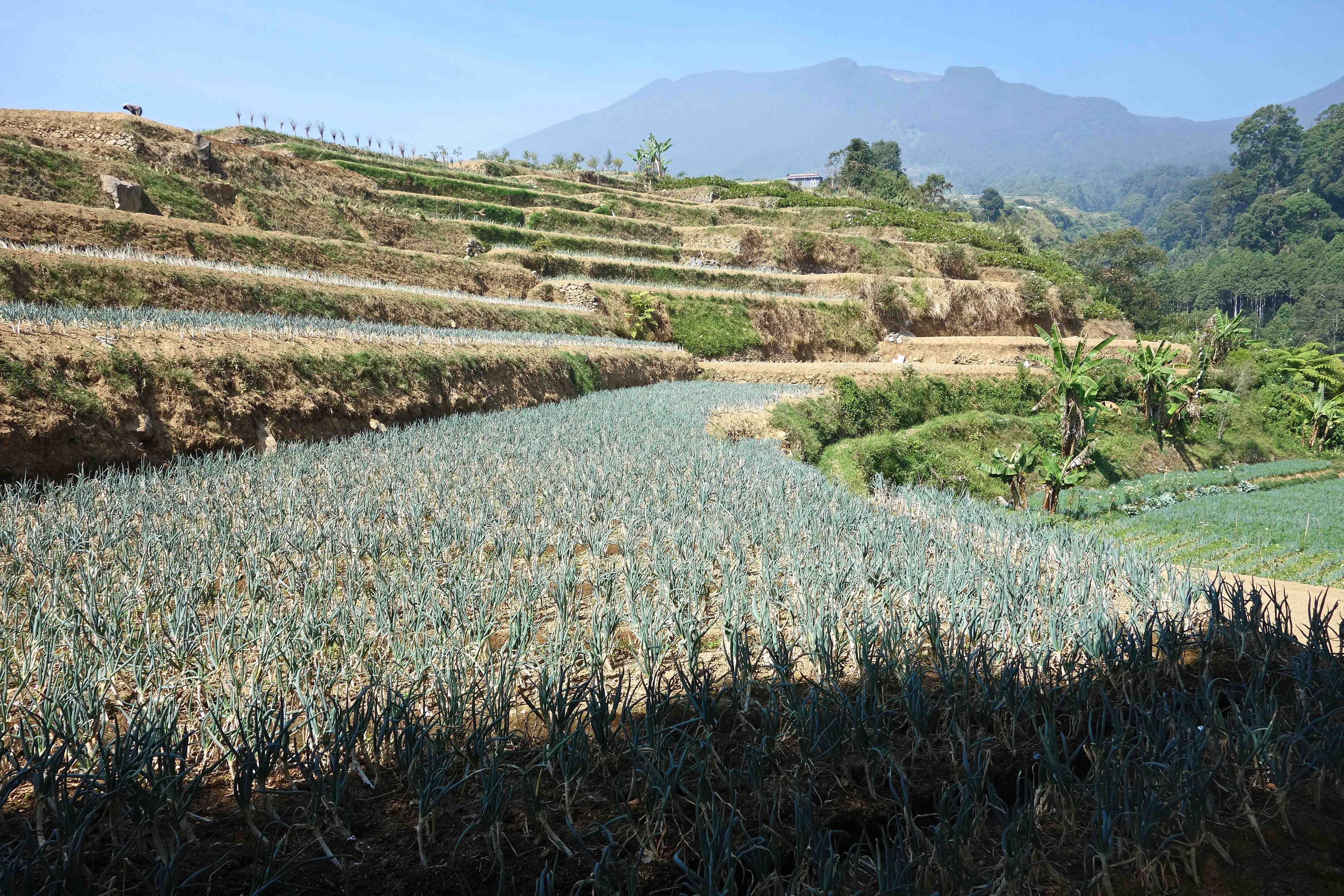
On his journey, Wallace remarked on the ‘system of terrace cultivation’, which is still very much in evidence in this part of Java, Indonesia. I was also struck by how well-tended these terraces were (below).
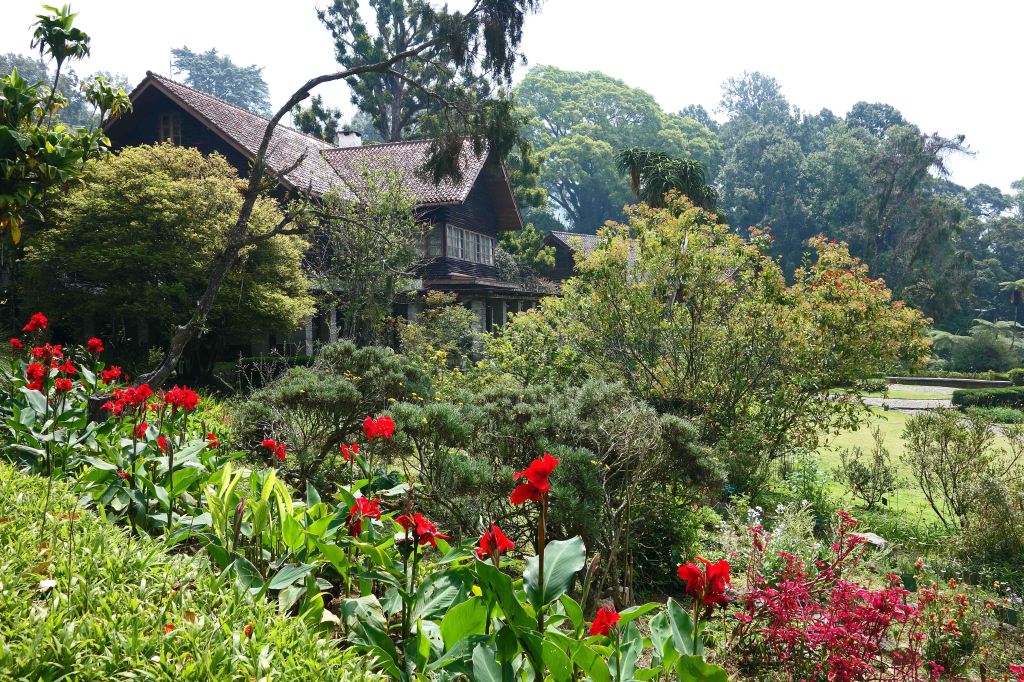
Before embarking on his climb to the summit of Pangarango and Gede mountains, Wallace stopped off at the village of Tchipanas (now Cipanas) near the ‘foot of the mountain’ as he described it. Nearby, are the Cibodas Botanical Gardens, where Wallace stayed a night with the keeper. These large (85 hectares or 210 acres) gardens were founded by the Dutch botanist Johannes Teijsmannas in 1852, as an extension of the Bogor Botanical Gardens (2). They are a magnificent collection of trees and shrubs on the lower slopes (1300-1425 m) of Gunung Gede.

The Cibodas Botanical Gardens (called Kebun Raya Cibodas or KRC in Indonesian) were therefore, only about a decade old when Wallace visited in 1861. He descibed there being ‘many beautiful trees and shrubs’ as well as an abundance of European vegetables ‘grown for the Governor-General’s table’!

The gardens were reportedly the first place in Indonesia where cinchona trees were grown, as a source of quinine. The climate is mild, typical of tropical lower mountain ecosystems with an annual rainfall between 3,000-4,200 mm, and average temperatures of 10-18 °C. It was however, warmer than this when I was there in August 2015. The gardens are popular with both people escaping Jakarta for the weekend, as well as tourists from further afield, such as visitors from Saudi Arabia, who come to admire the waterfalls and picnic in the gardens, at a time of year when temperatures are very high in the Arabian peninsula.
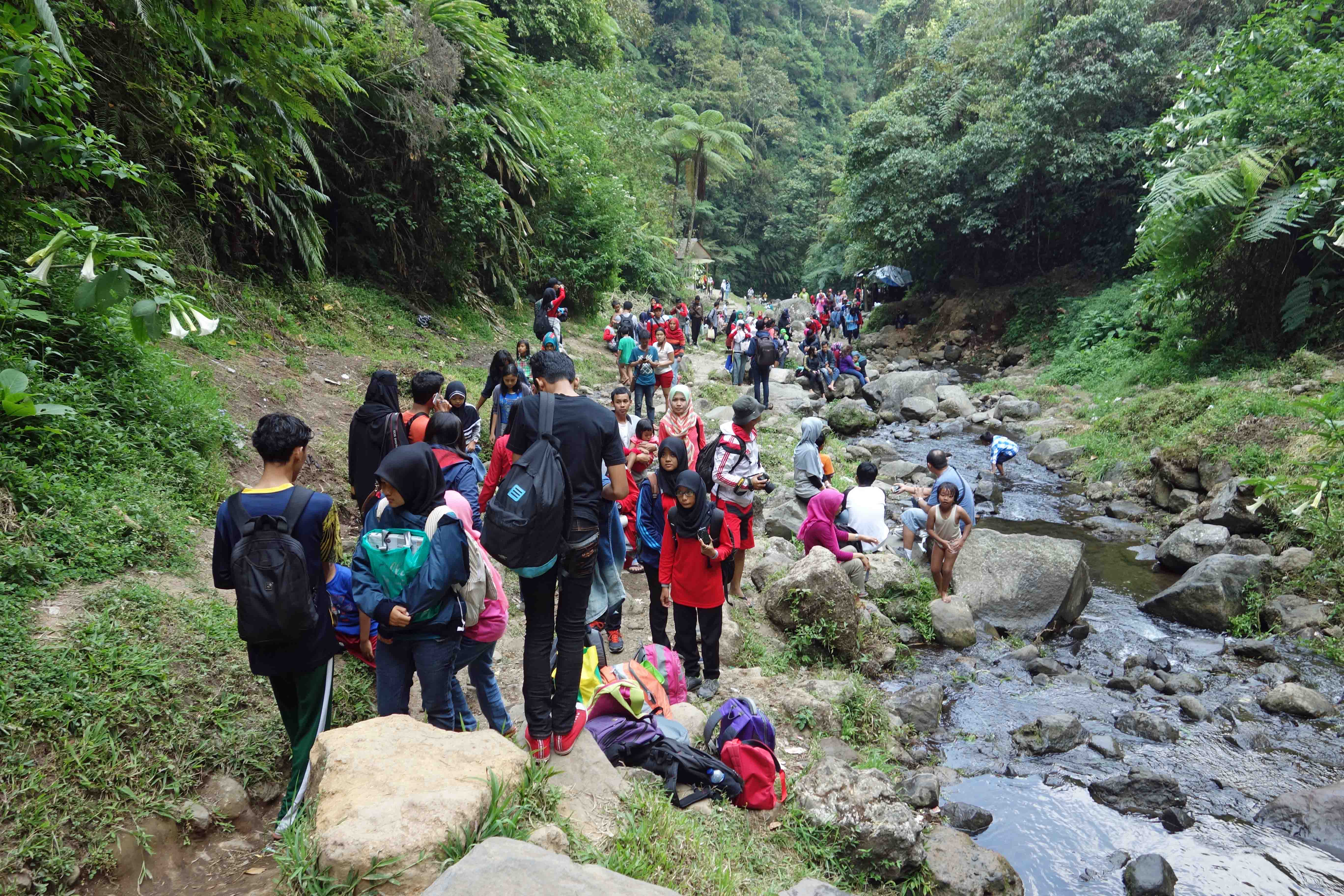
It would be interesting to know what Wallace would have thought of the gardens today. He would probably have been impressed by the size of many of the trees now, some 154 years later (in 2015). For example, he might have marvelled at the Bornean kauri trees (Agathis borneensis), which are very large, evergreen trees that can grow to 60 metres (nearly 200 feet) tall. They have a straight trunk, which goes up very high without branching. Not surprisingly, A. borneensis is valued and sought after for its timber – as well as for its resin (3). I don’t know how old these trees are, but since they are slow-growing, I expect they were here when Wallace visited in 1861.
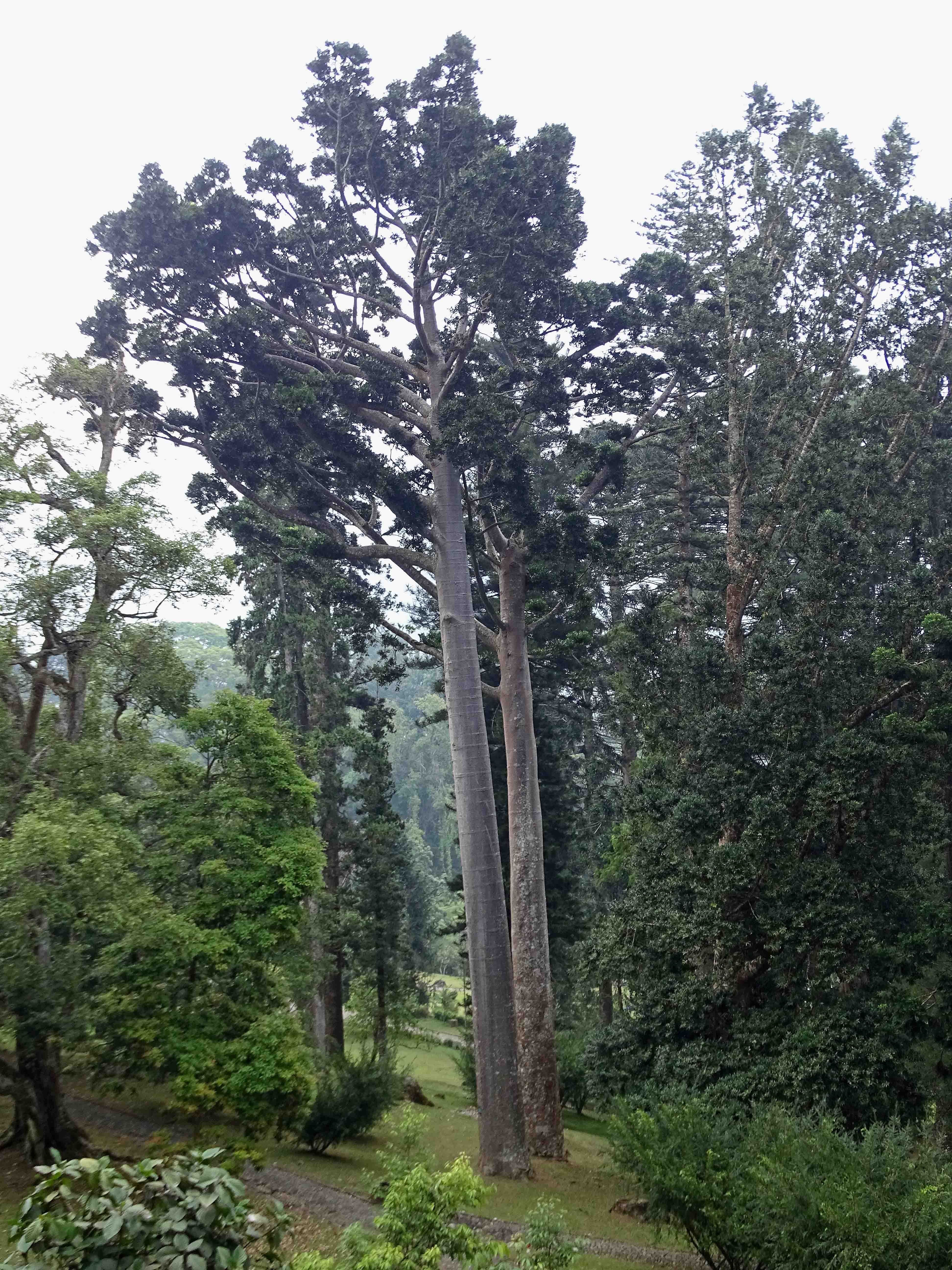
Another similar tree, is the Kauri tree (Agathis australis) from New Zealand, which can live for at least 600 years, probably longer. So the one shown gere (below), which might have been a relatively young sapling when Wallace visited in 1861, will – it is hoped – continue to grown for another 500 years or so, by which time it might equal some of its venerable ancestors in New Zealand.
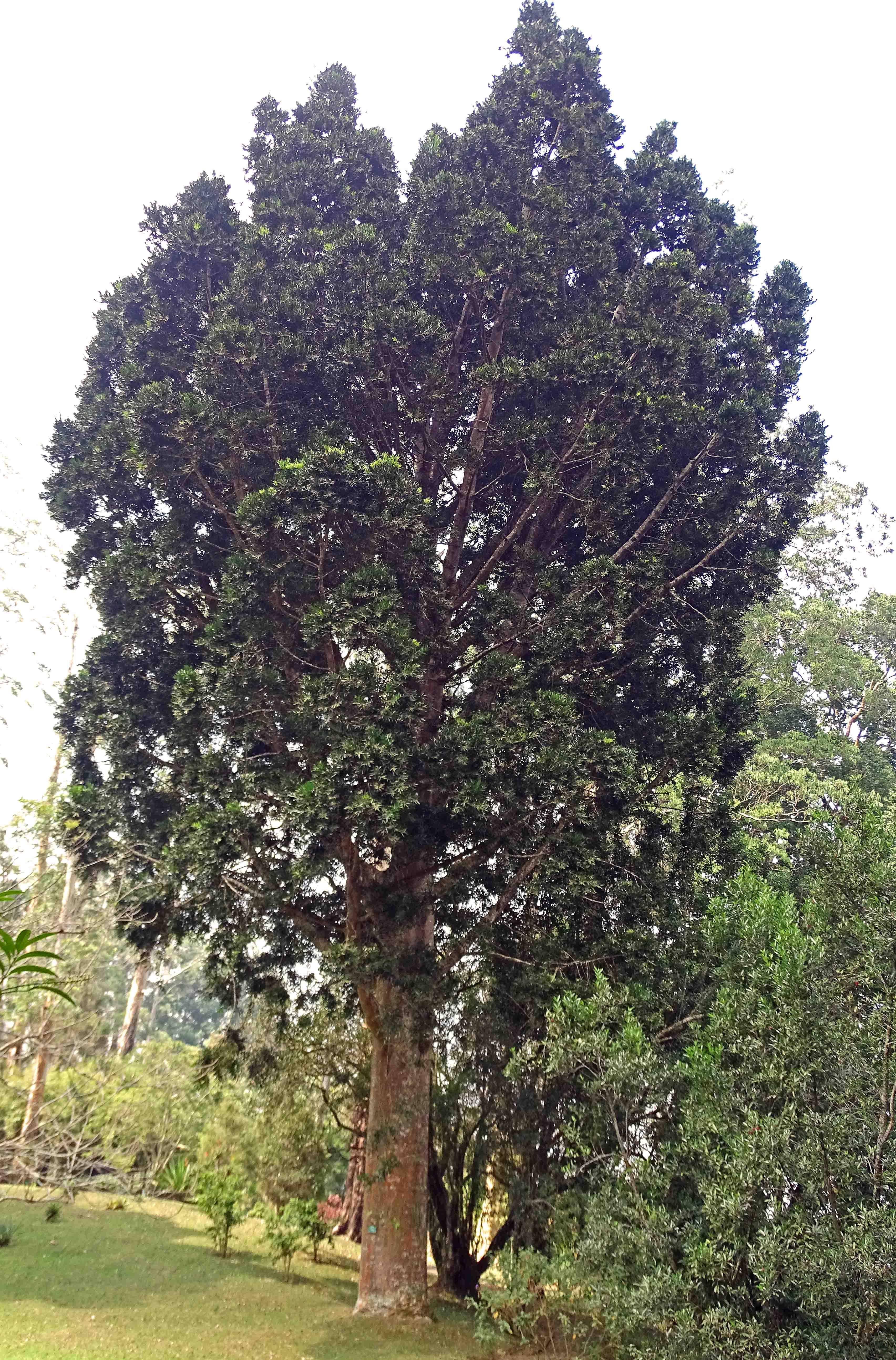
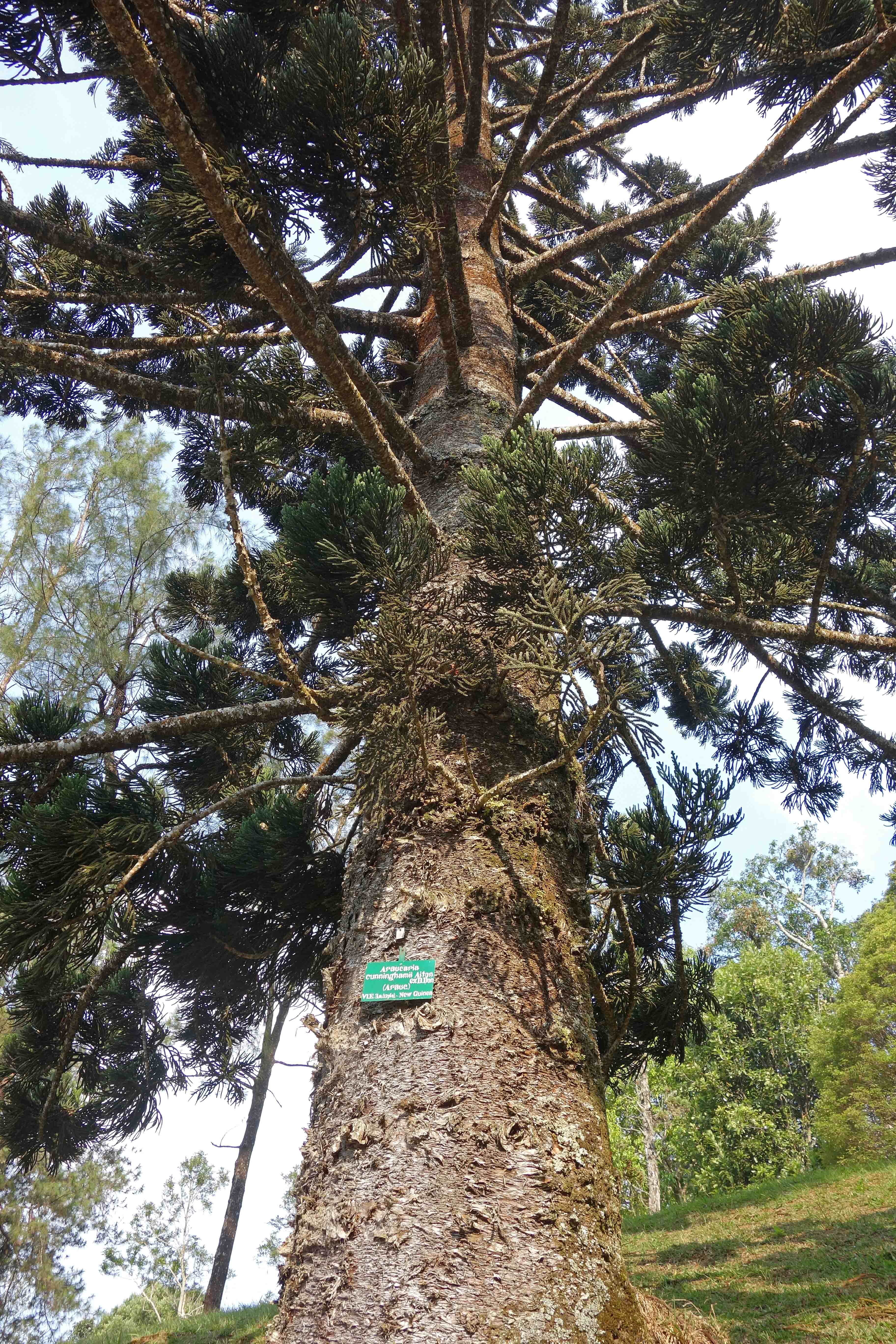
There is a splendid row of large Arucaria trees. Some of these are not native, but originate from New Guinea, e.g. Araucaria cunninghamii var. papuana. The densely branching Arucaria trees are used as roosting sites by endemic Javan hawk-eagles (Nisaetus bartelsi). One morning in the gardens I heard a strange, high-pitched, cat-like calls (4) coming from high up in the Arucaria tree above me. It took me a while to realise what this was, and before I could locate it directly above me, the bird suddenly fly off to another tree further away (below) and proceeded to look out over the forest for a while.
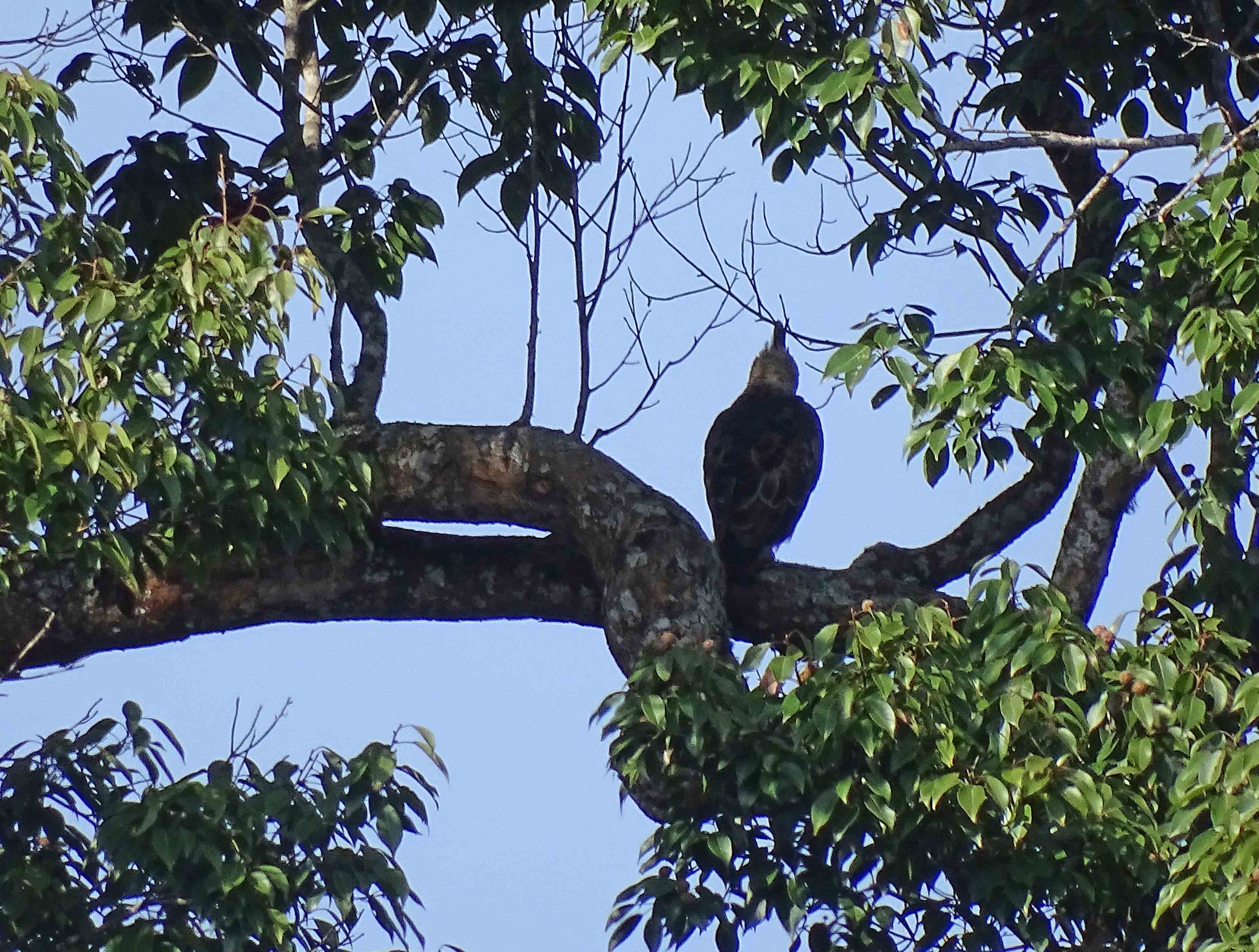
The densely packed branches of the Arucaria trees presumably provide protection as well as perches for roosting hawk-eagles.
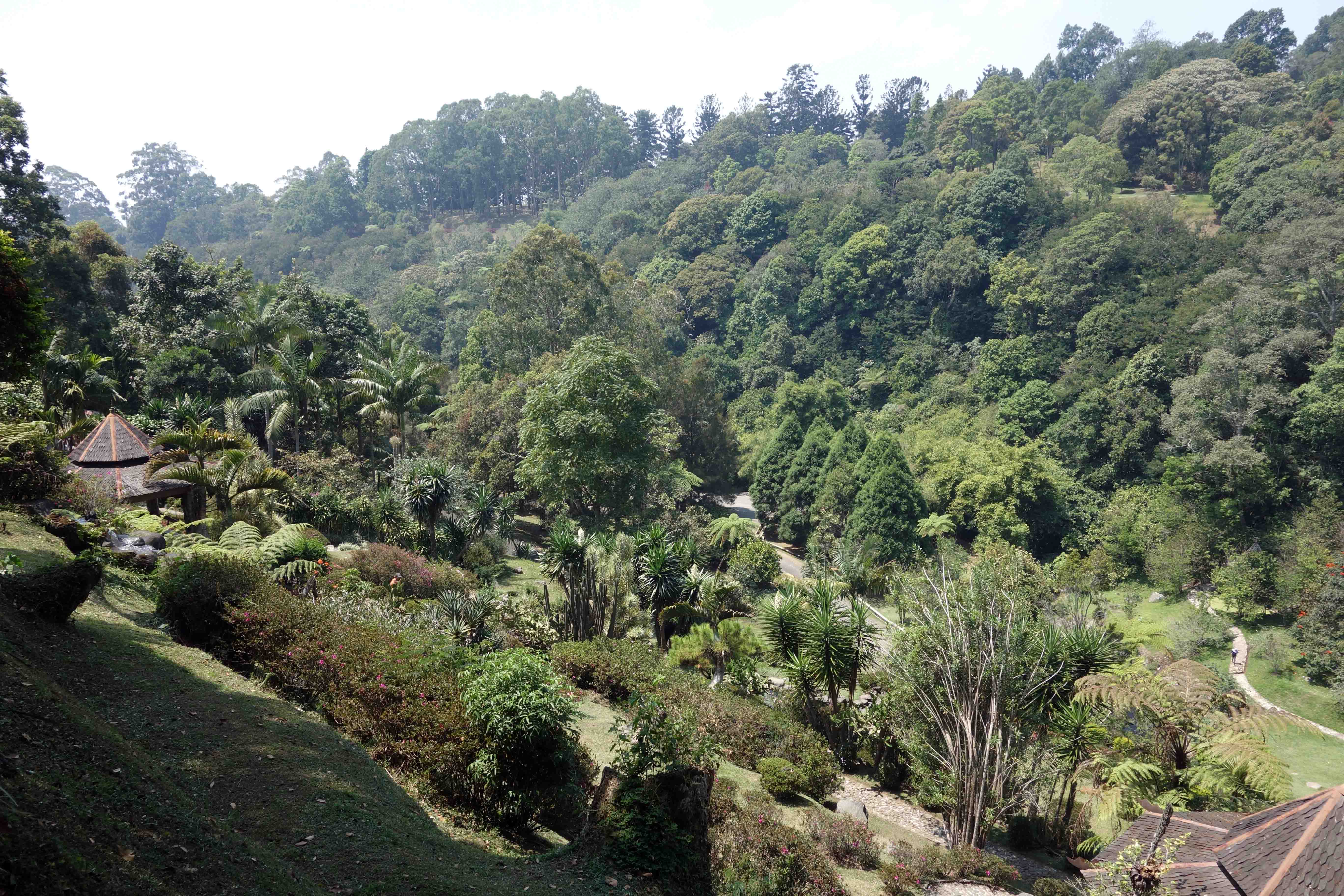
There are said to be more that 1,200 species of plants and trees in the park and many of these are exotic to Java. For example, there is an extensive collection of Eucalyptus trees (63 species) from Australia (4). The Gardens are also a popular location for birders, who come to look for species such as Java munia, Yellow-throated hanging parrot, Java fulvetta and the iconic pygmy tit, which only occurs on Java.
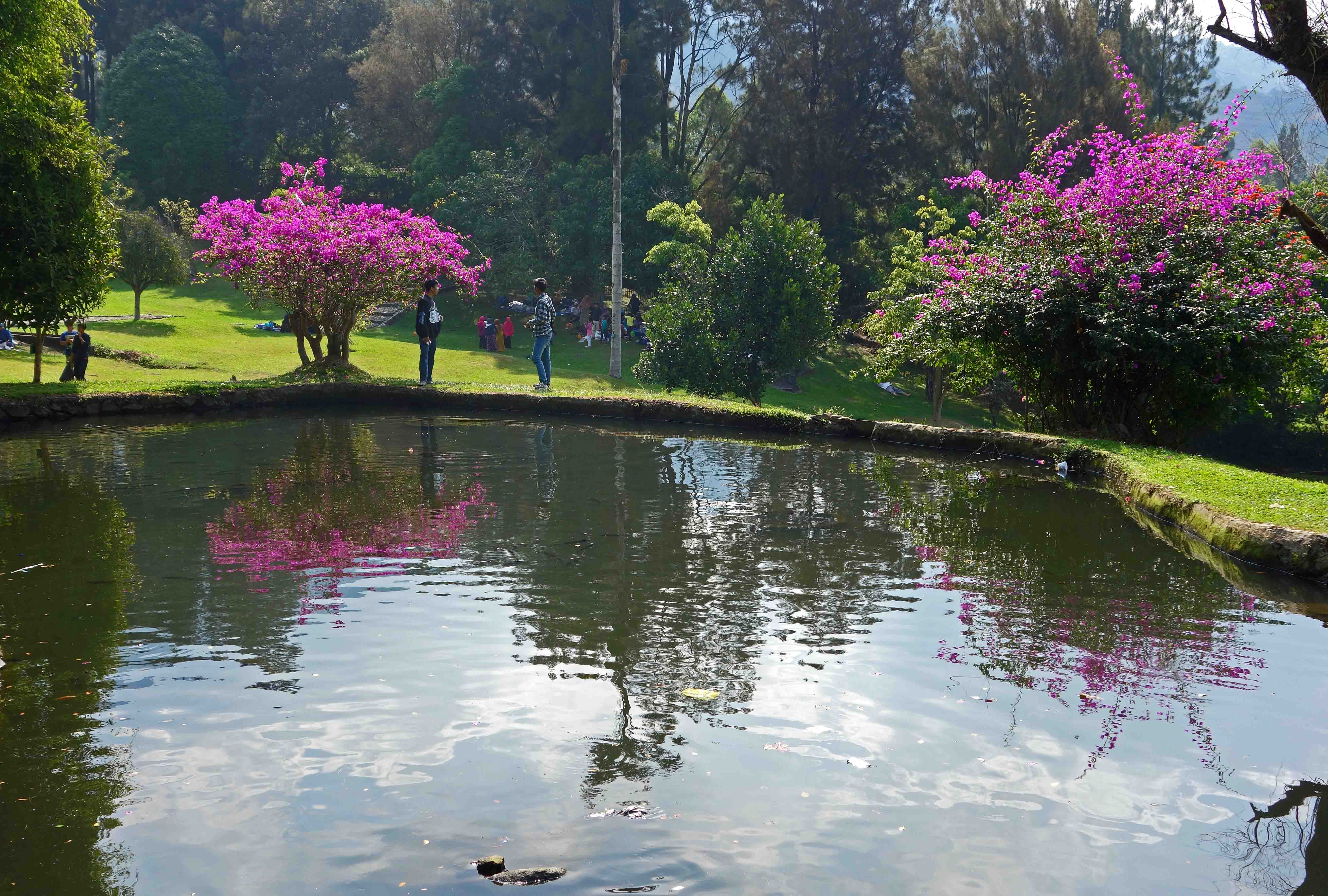
The gardens are a nice place to wander amongst the trees, looking for birds, or admiring the flora. Wallace did not however, linger long at the gardens, after one night he headed off up the mountain (Pangrango and Gede). So it seems that Wallace did not do much collecting here, although I expect that he would have seen insects and butterflies, such as the attractive red dragonfly (Orthetrum chrysis) and the striking Himalayan jester (Symbrenthia hypselis).


Himalayan jester (Symbrenthia hypselis)
Cibodas Botanical gardens are popular at the weekend, but the large area soaks up the crowds and they are very pleasant to walk around, with plenty of kiosks and restaurants offering refreshment. There are also number of pleasant places to stay – at very reasonable costs – both inside and outside the gardens. I walked everywhere, but there were occasions when I wished I had a car. Or like Wallace, a horse!
- Wallace, Alfred Russel. The Malay Archipelago: the land of the orang-utan and the bird of paradise; a narrative of travel, with studies of man and nature. Courier Corporation, 1869.
- https://rcannon993.wordpress.com/2015/10/16/wandering-after-wallace-bogor-botanical-gardens/
- http://www.borneorhinoalliance.org/wp-content/uploads/2014/02/BORA-in-2012-Forestry-Annual-Report-Chap29.pdf
- http://www.xeno-canto.org/species/Nisaetus-bartelsi
- http://www.goodnewsfromindonesia.org/2011/01/11/see-the-world-in-cibodas-botanic-garden/


 Ray Cannon's travel and photography blog
Leave a comment