Like many people, I love going to the zoo, but I am also acutely aware that for many animals confinement must be a torture. The only justification then, for creatures which suffer from being locked up, must be that there is no habitat left for them, or they are threatened with severe poaching or extinction, so that they are being bred for eventual reintroduction.

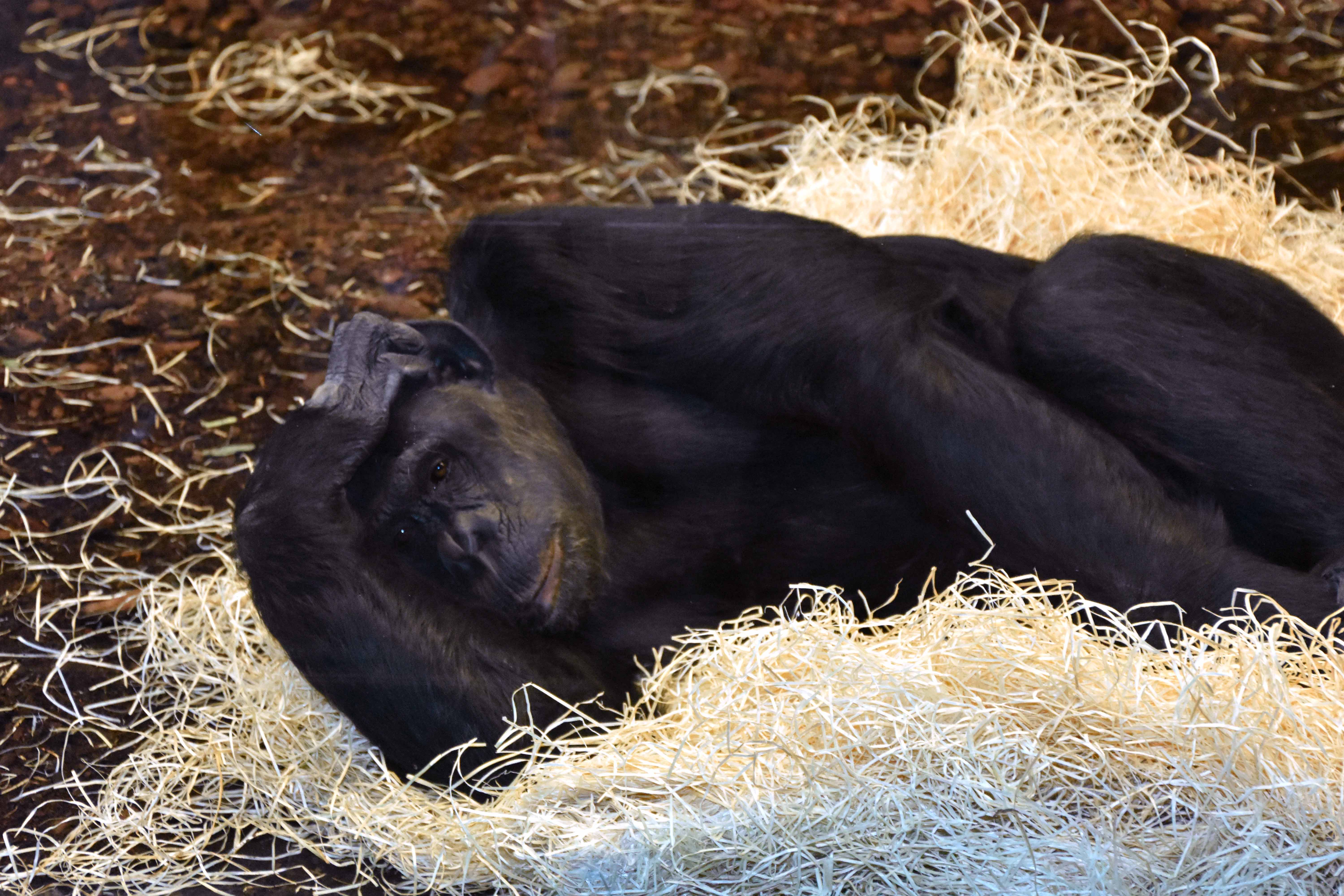
In the best zoos, animals are kept for our education and amusement. Hopefully, through awareness and a little education people become will become more concerned about the species they see and therefore more likely to help with their conservation. We are animals and we have a certain ability to empathize with other animals if we care to. There is also a lot of anthropomorphizing that goes on in zoos, but that is half the fun. It’s hard not to identify with the feelings of an animal like this chimpanzee, seemingly lost in its own thoughts, lying on a nice bed of straw.
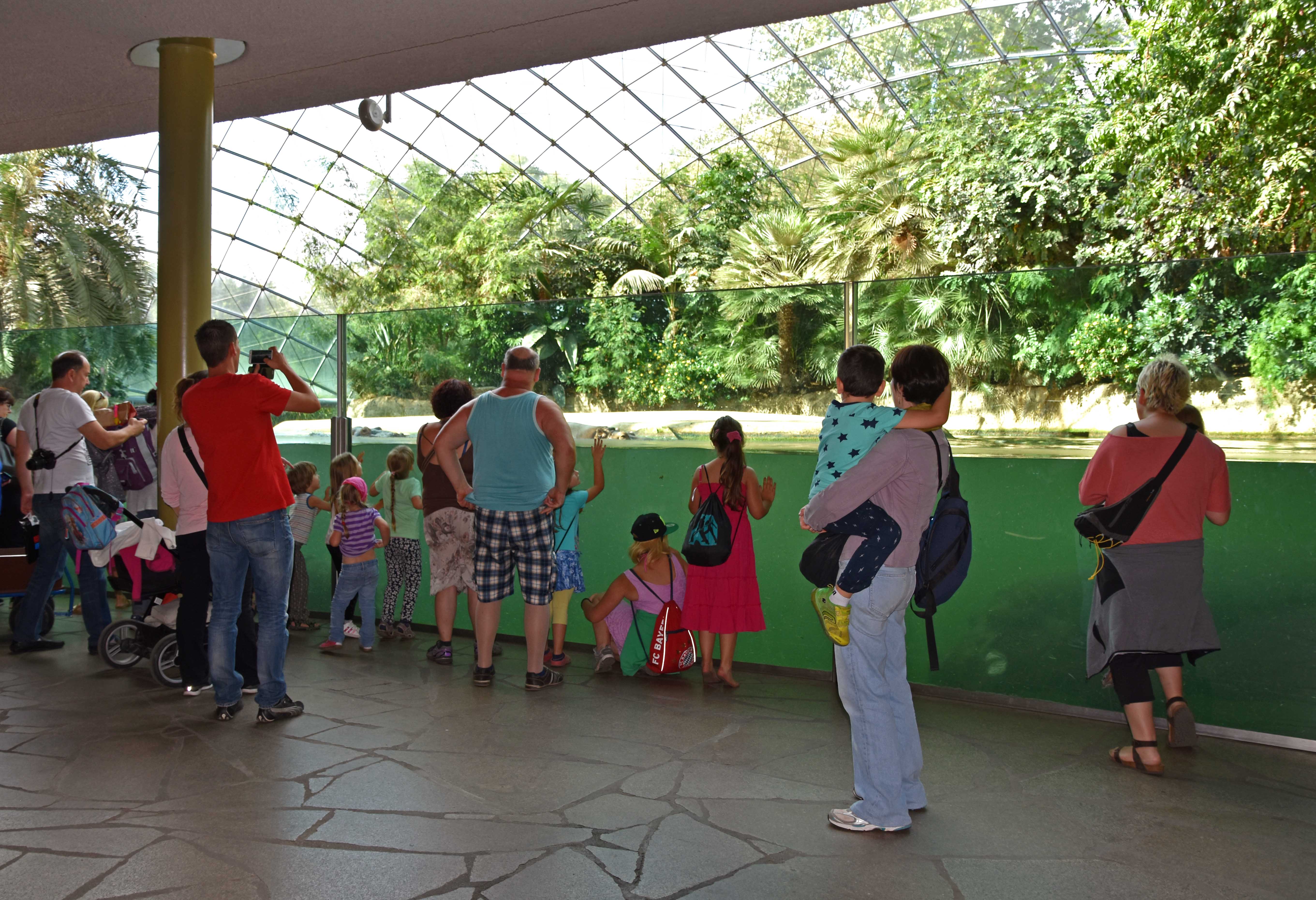
Any way, zoos are here to stay, and the good ones use their ticket money to do conservation work. Berlin Zoo is undoubtedly a fine zoo and one of the most visited in Europe with over 3 million entries per year (1). Their 18,600 animals look well looked after and they are quite innovative in how some of the animals are displayed. Like the hippos, which can be seen strolling along under water, through a glass-fronted panel on their pool (below). (2)
Berlin Zoo was first opened in 1844, being the first zoo in Germany. The animals were donated by Frederick William IV, King of Prussia. The zoo was virtually destroyed during World War II, and reportedly only 91 of 3,715 animals survived (1). Fortunately, things have improved since those days and I would recommend it to anyone with an interest in animals.
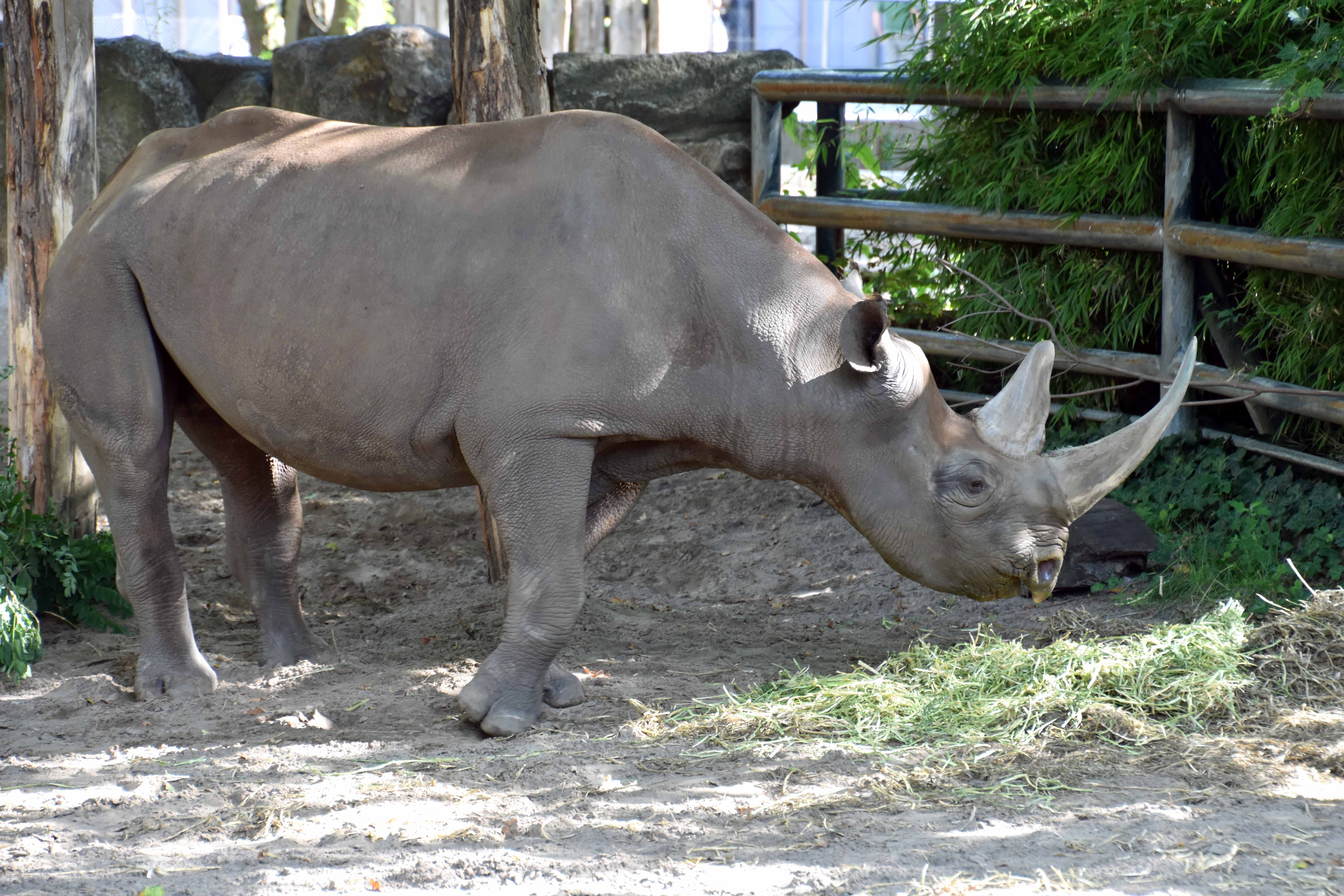
Black rhinos (Diceros bicornis) are critically endangered as a result of poaching for their horns. Despite the fact that the horn is just composed of keratin – the same as our hair and fingernails – there are enough stupid, superstitious and downright evil people around who will pay huge sums of money to get hold of it.

Much of the demand for rhino horn is said to emanate from Vietnam (3), where depressingly, it is seen as a status symbol. The ignorance and stupidity of people – human beings – never ceases to amaze me. Anyway, at least this individual with his (or her?) beautiful horn is safe from the poachers.
The Dromedaries or Arabian camels (Camelus dromedarius) looked happy enough.
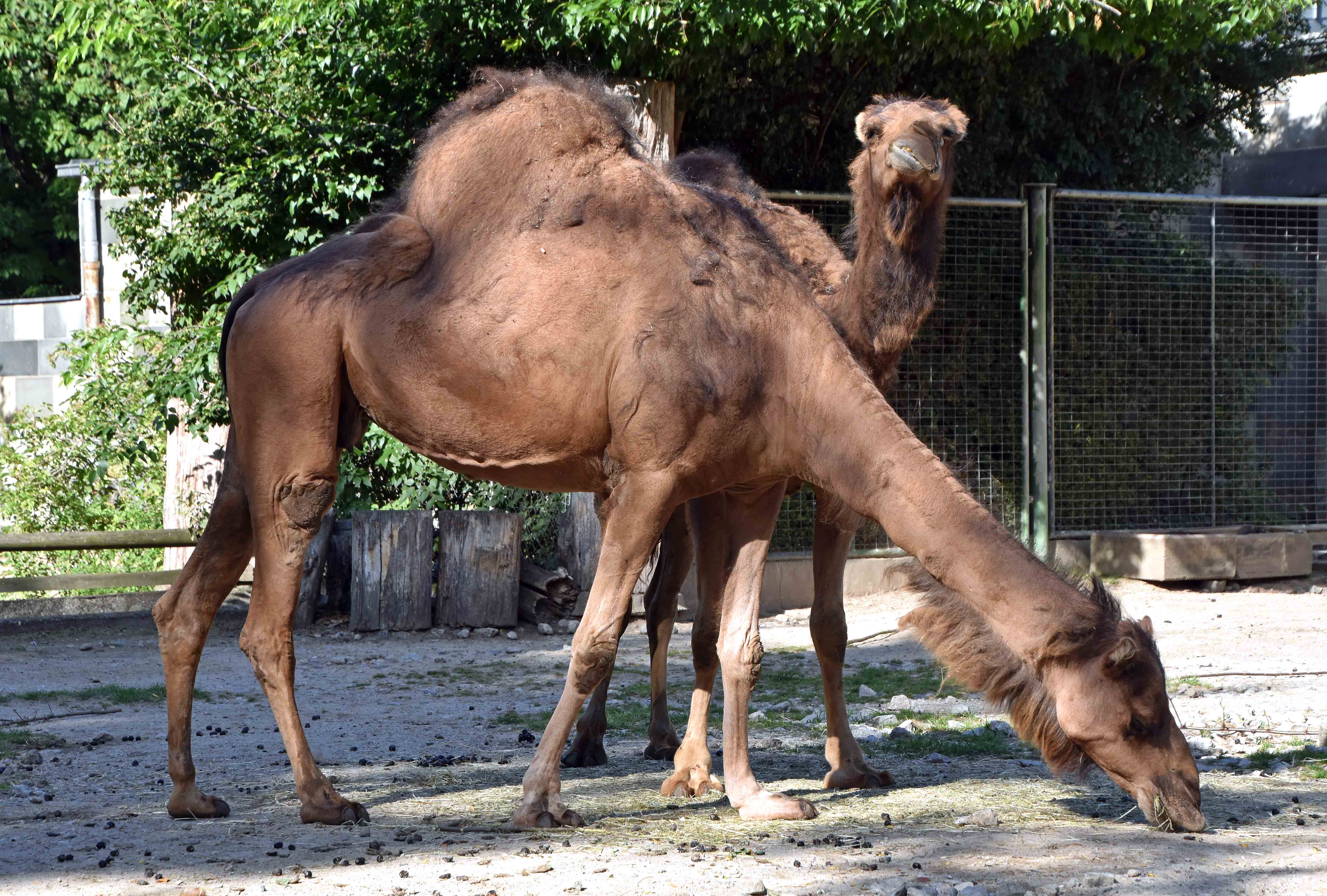
When I passed by later I noticed the camels were having a bit of a lie down!

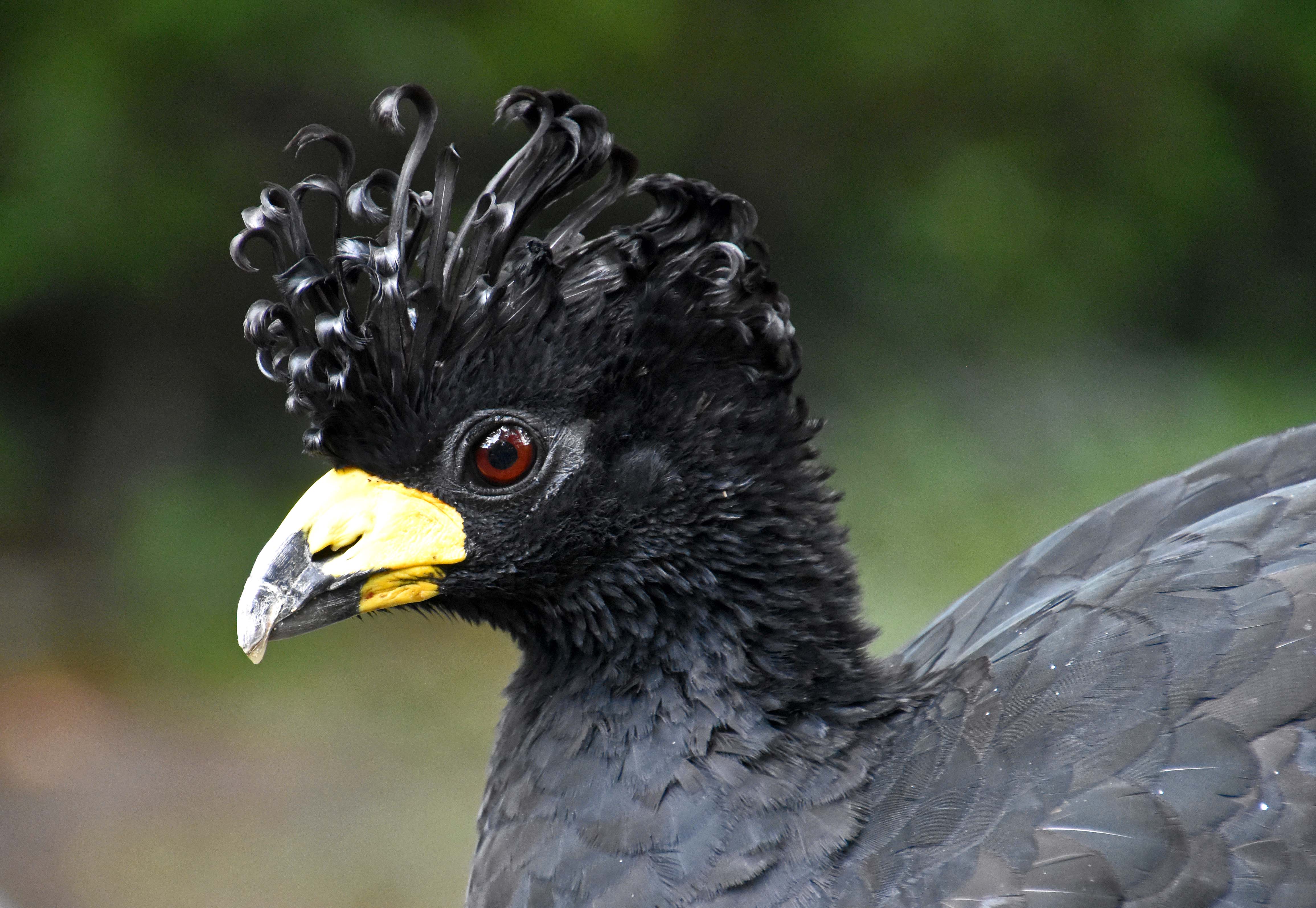
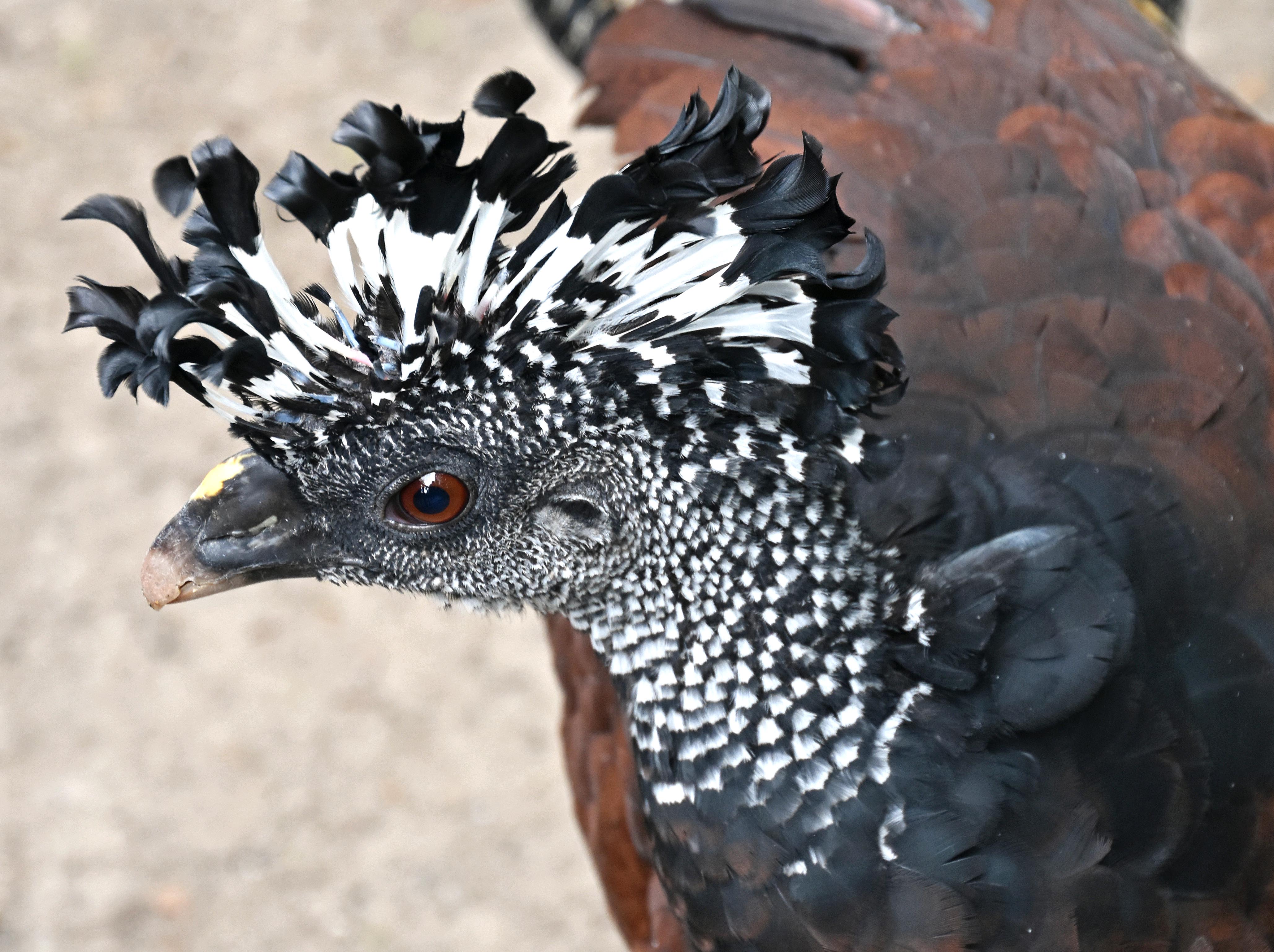
There are a number of bird houses in Berlin Zoo where it is possible to walk through the enclosures and experience being inside with the birds. In one house, there were a pair of curassows waiting to greet ever visitor, no doubt looking for something to eat between meals.
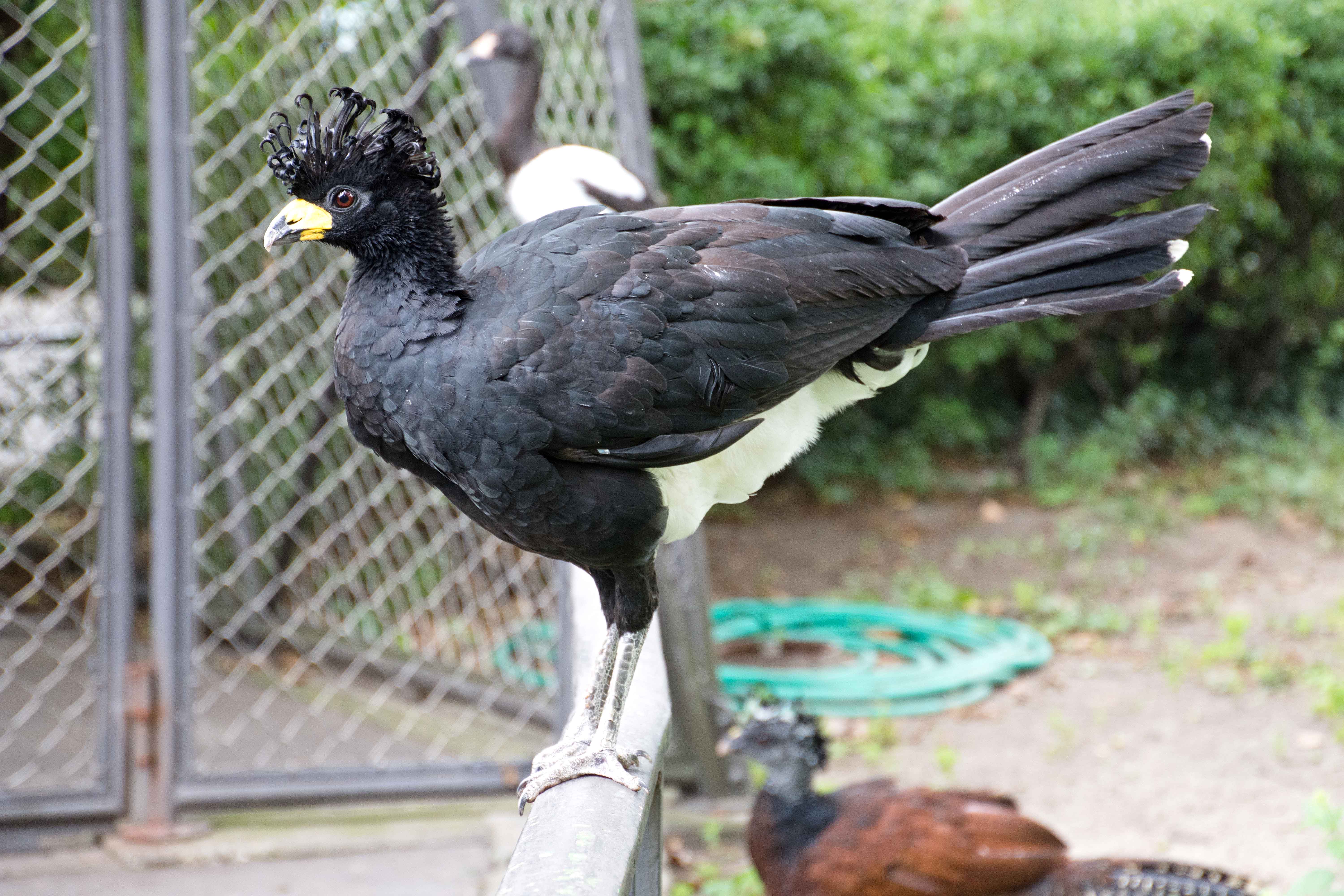
They were remarkably tame and had clearly adjusted well to captivity; perhaps they were bred in captivity. Both male and female had beautiful head feathers.
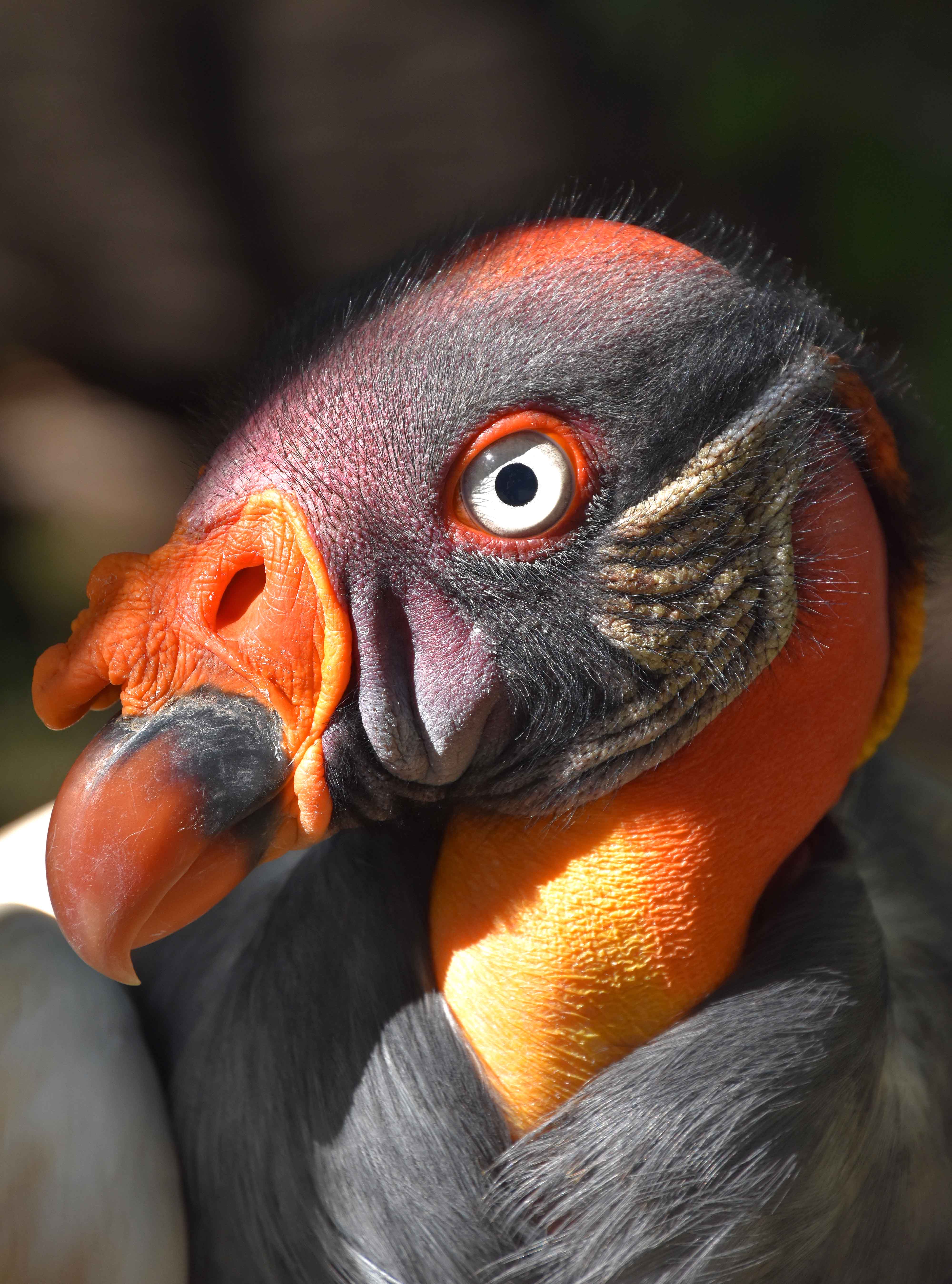
Another bird which seemed very relaxed and at ease with the stares of visitors was the King vulture (Sarcoramphus papa).
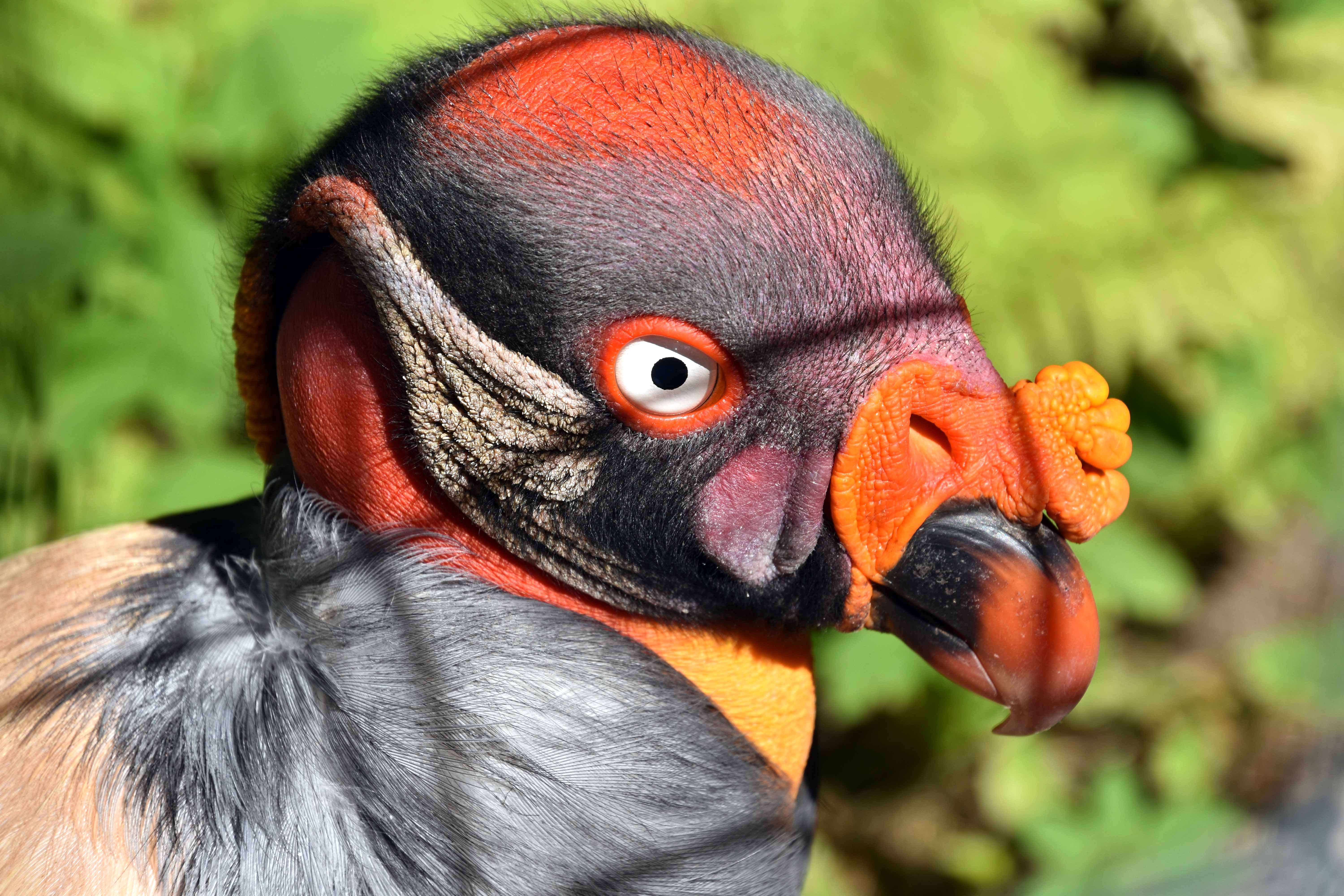
The bird did not seem to mind the fact that I had my camera right up against the cage trying to capture an image of it without the shadows from the fencing!
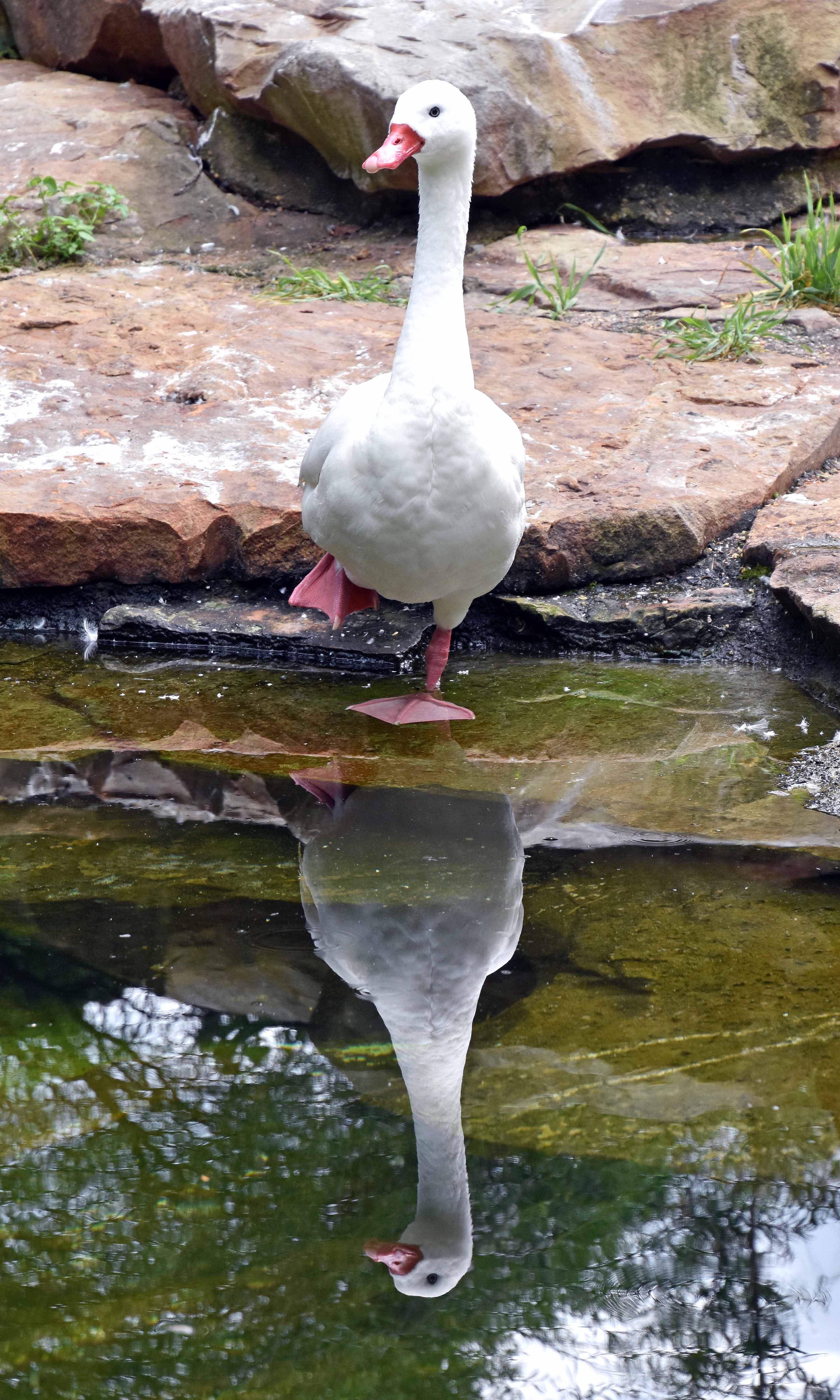
A Coscoroba swan (Coscoroba coscoroba) was resting one leg, but I couldn’t help noticing that its wings had been clipped, presumably to prevent it trying to fly back to South America, where it originated from.
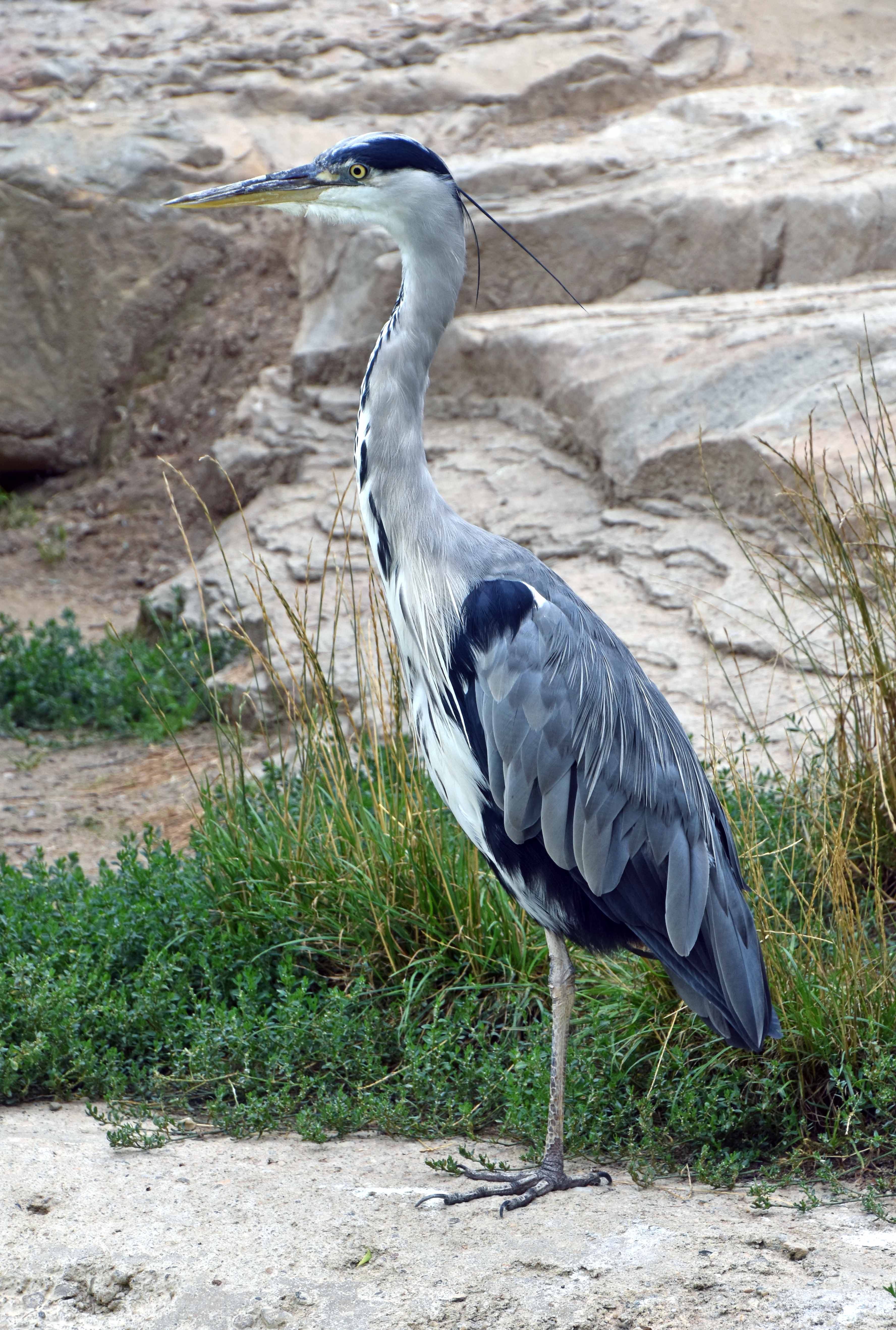
Some birds are free to come and go, like this elegant Grey heron (Ardea cinerea), waiting to see if there are any spare fish in the seal enclosure. Doubt it!
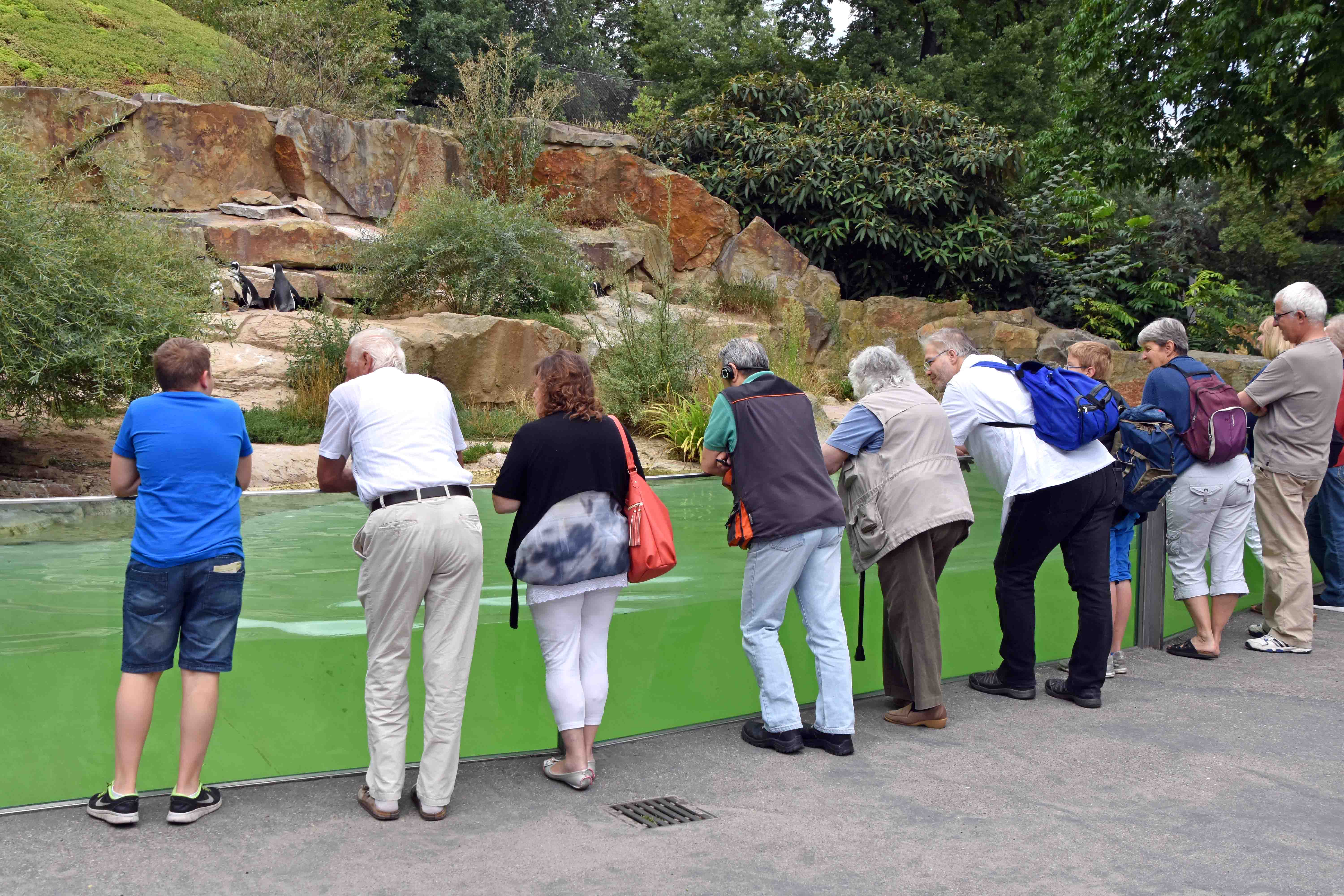
The nice thing about Berlin zoo is that, for the most part, it is possible to get quite close to the animals – like these people (below) watching penguins – and there are some great glass fronted tanks.
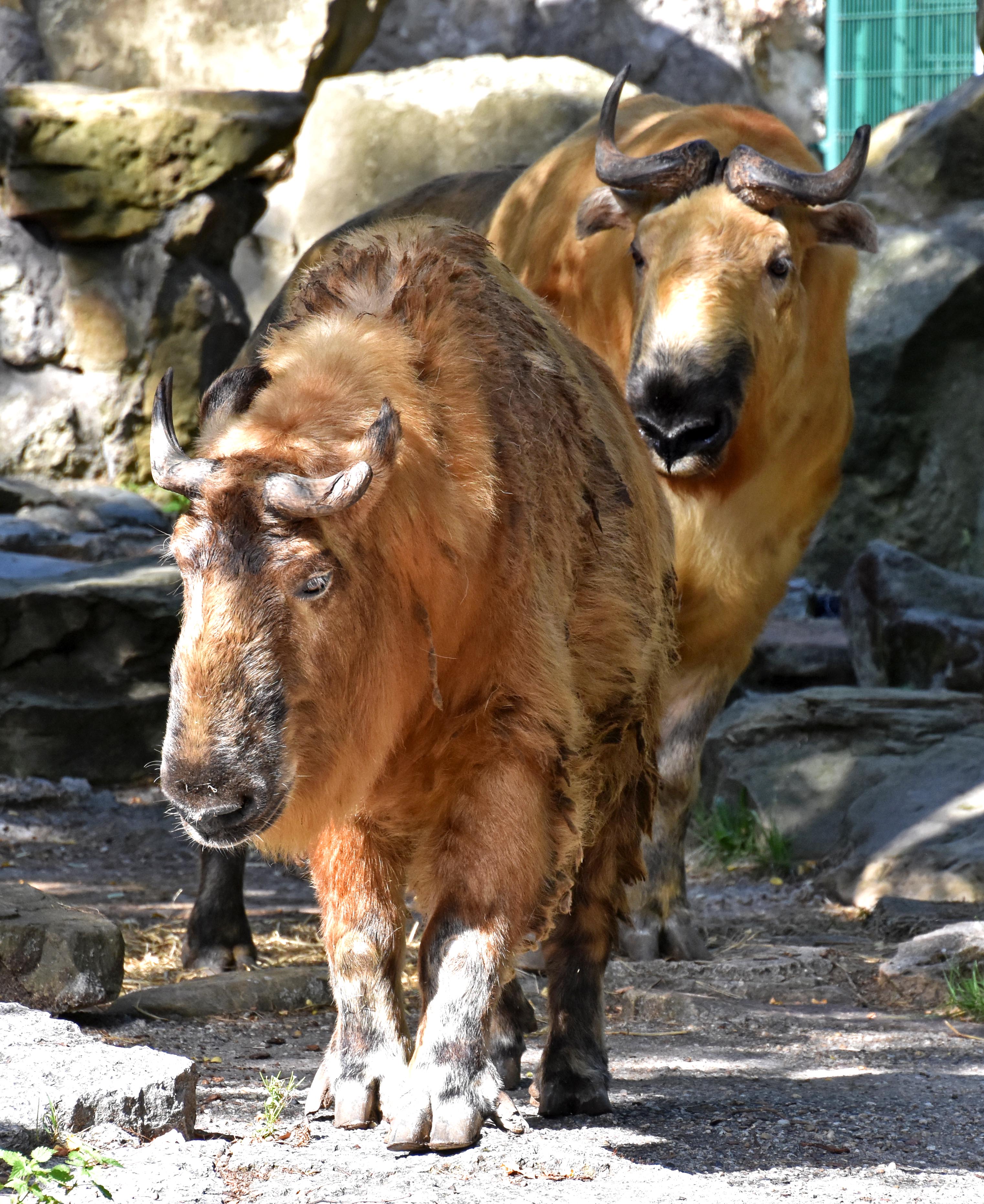
It’s always interesting to come across animals that you have never heard of. I had never come across this magnificent animal called a Tibetan or Sichuan takin (Budorcas taxicolor tibetana) – pronounced tah-kin – before. It is called a goat antelope and there are four subspecies; this one is found along the eastern margin of the Tibetan plateau and is well adapted to live in the cold Himalayan mountains with its thick fur and broad nose used to warm up the cold air it breathes in.
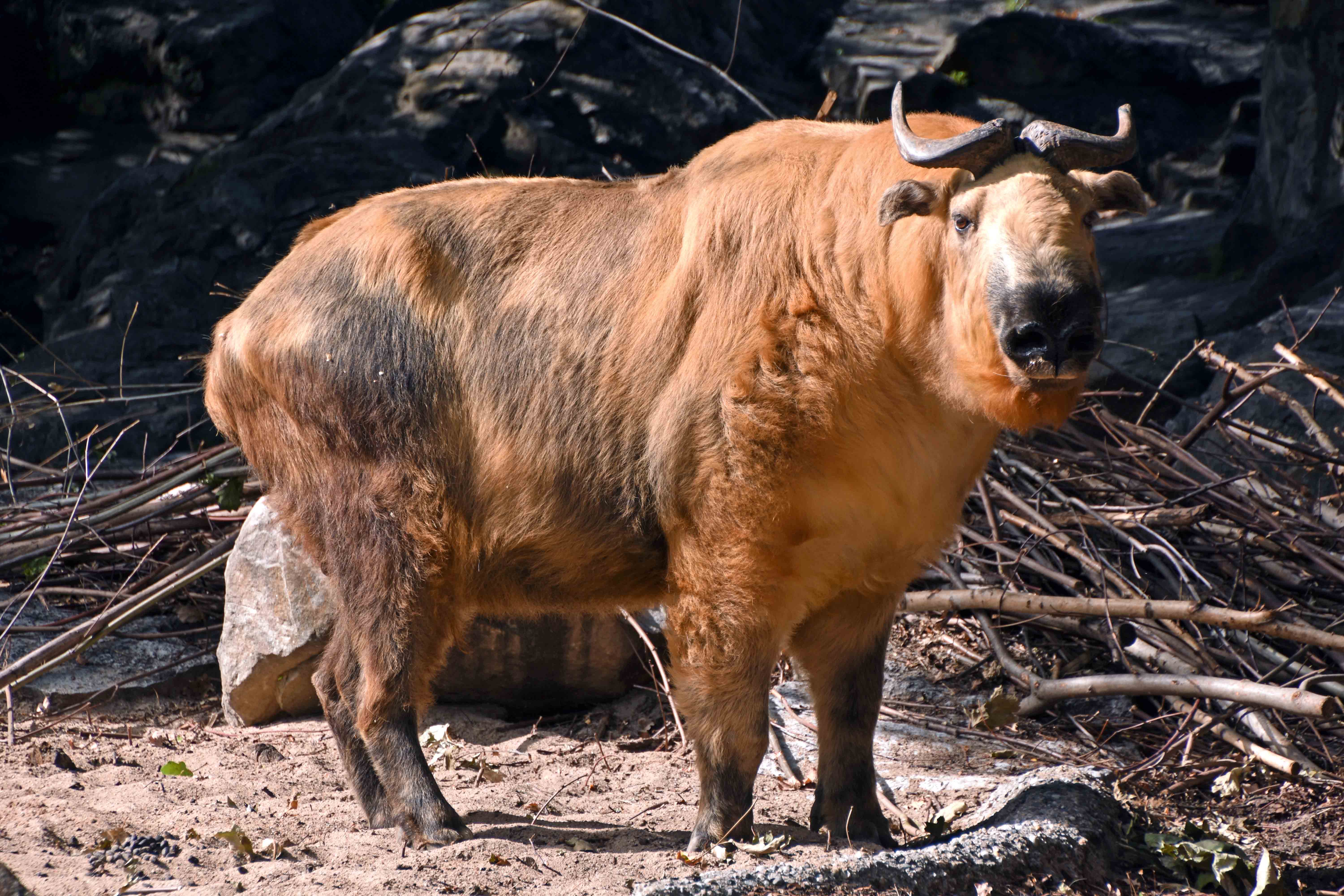
Although protected, the Sichuan takin is still threatened by poaching for it valuable fur alas. A magnificent animal.
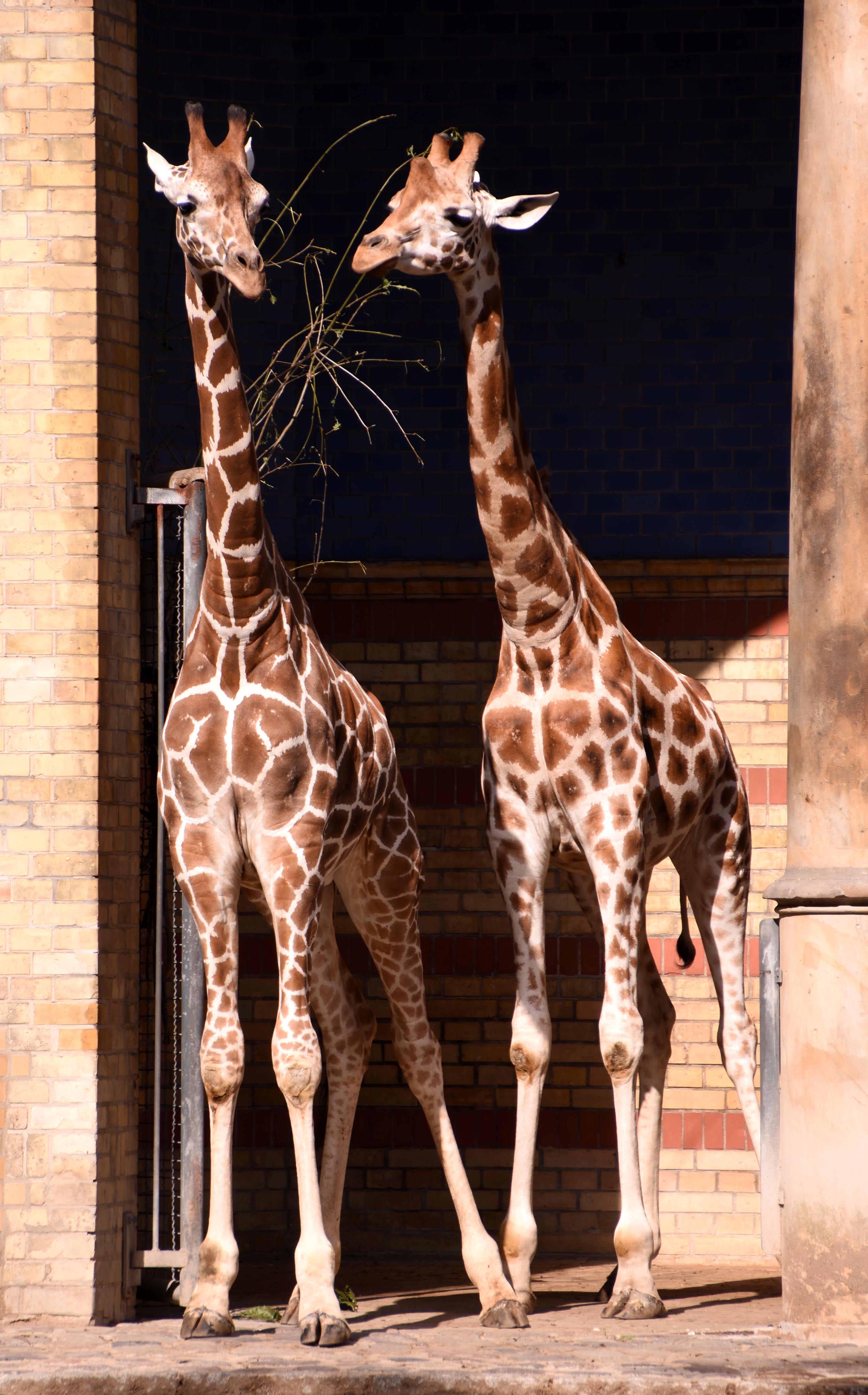
I particularly enjoyed watching these two giraffes cavorting about in the sunshine. Although they were different subspecies – one was a Rothschild and the other a Reticulated giraffe – they were clearly pals and enjoyed each others company.

The Reticulated giraffe was much more skittish and went racing around the paddock. When they came back together the other one gave it a playful butt with its head, as if to say, you silly thing!
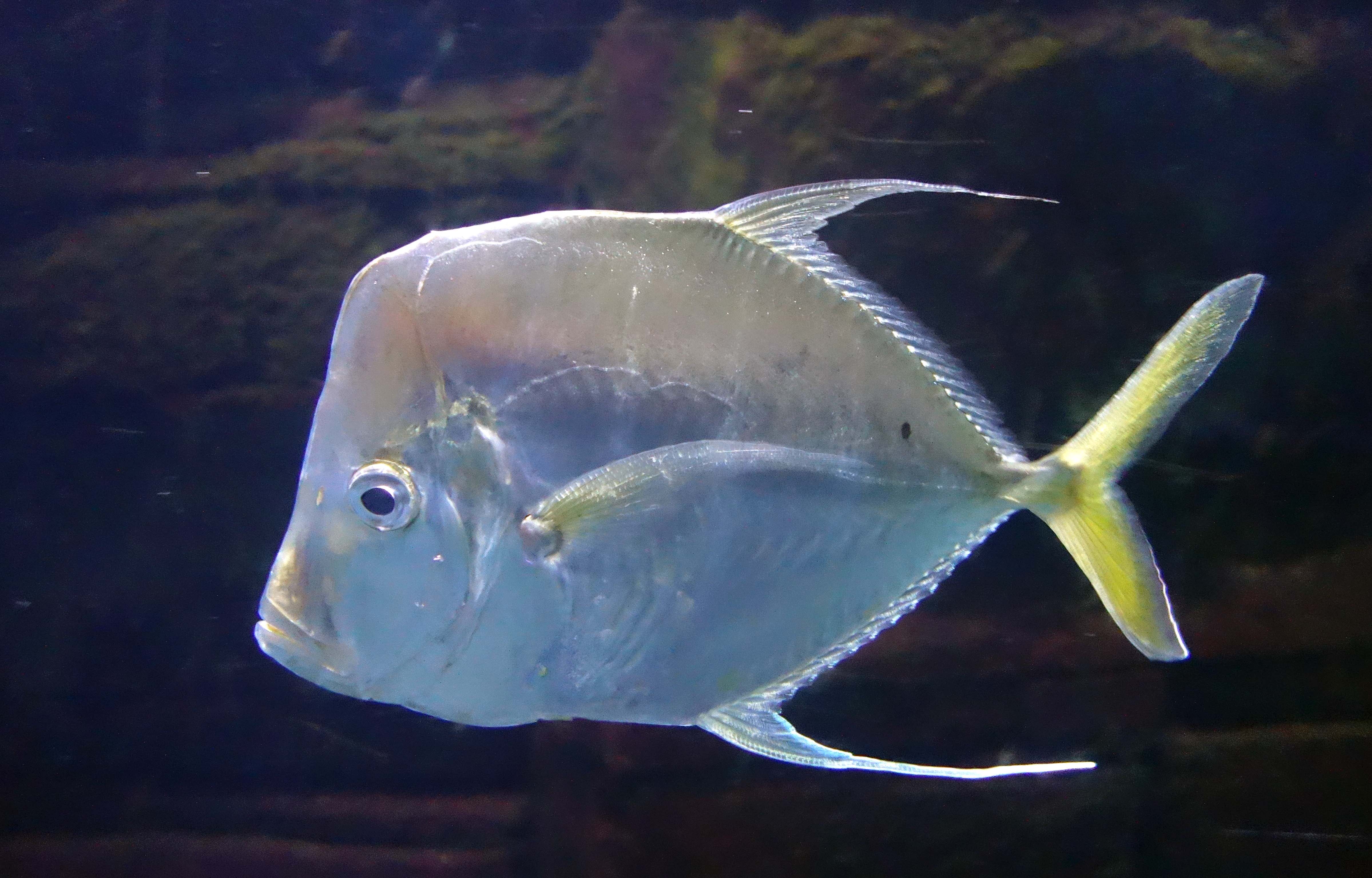
There is an excellent aquarium attached to the zoo with three floors of fish, reptiles, amphibians, invertebrates and so on. I particularly enjoyed the large tanks, like this one full of Indian threadfish (Alectis indica) which raced round and round and round!
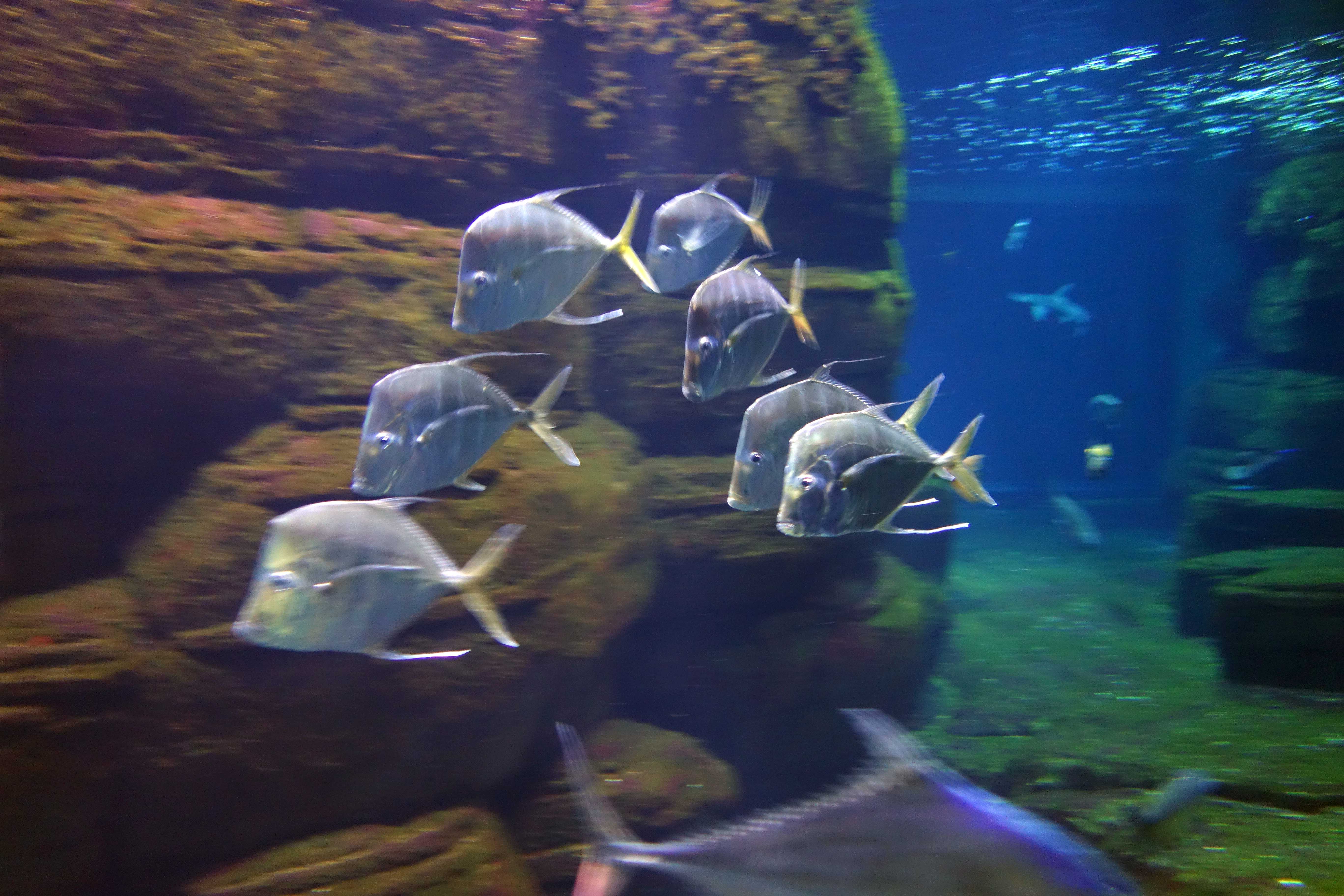
These fish, also called diamond trevally, are a member of the jack family, which unfortunately for them are important commercial and game fish.
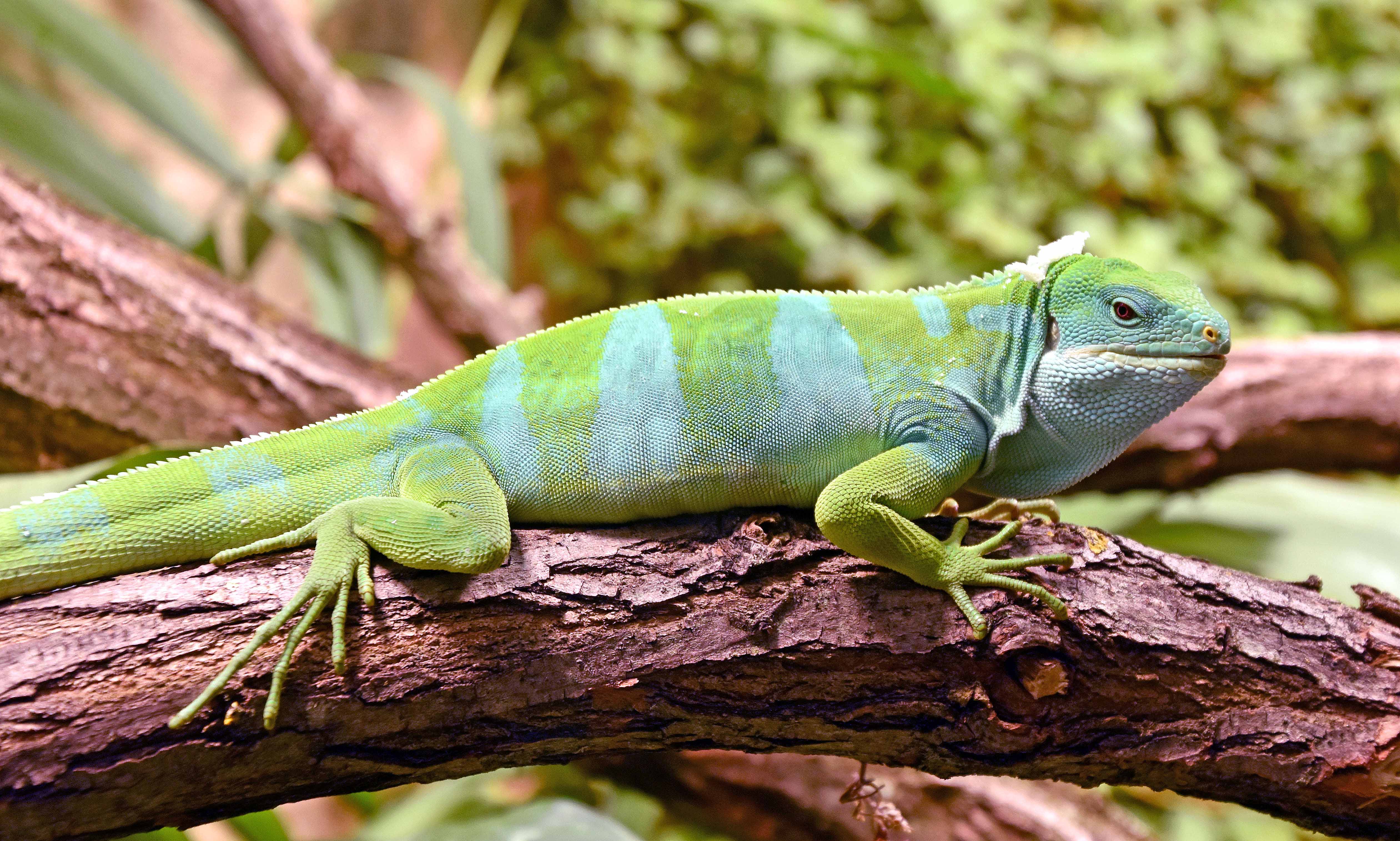
Not all of the reptiles were easy to see, but this beautiful Fiji banded iguana (Brachylophus fasciatus) – shown below- was showing right in front of the glass. It is endemic to some of the south-eastern Fijian islands, where it is reportedly declining due to depredations by introduced species, including cats, rats and the mongoose. As a consequence it is classified as Endangered by the IUCN (Red List of Threatened Species)(4). According to Wikipedia, the Fijian government maintains that the entire zoo population of Fiji banded iguanas was obtained illegally or descended from smuggled animals. I’m not sure what this means; do they want them back? If the population has declined by 50% and remains endangered, it might be a good idea to keep some in zoos, as long as they are well looked after.
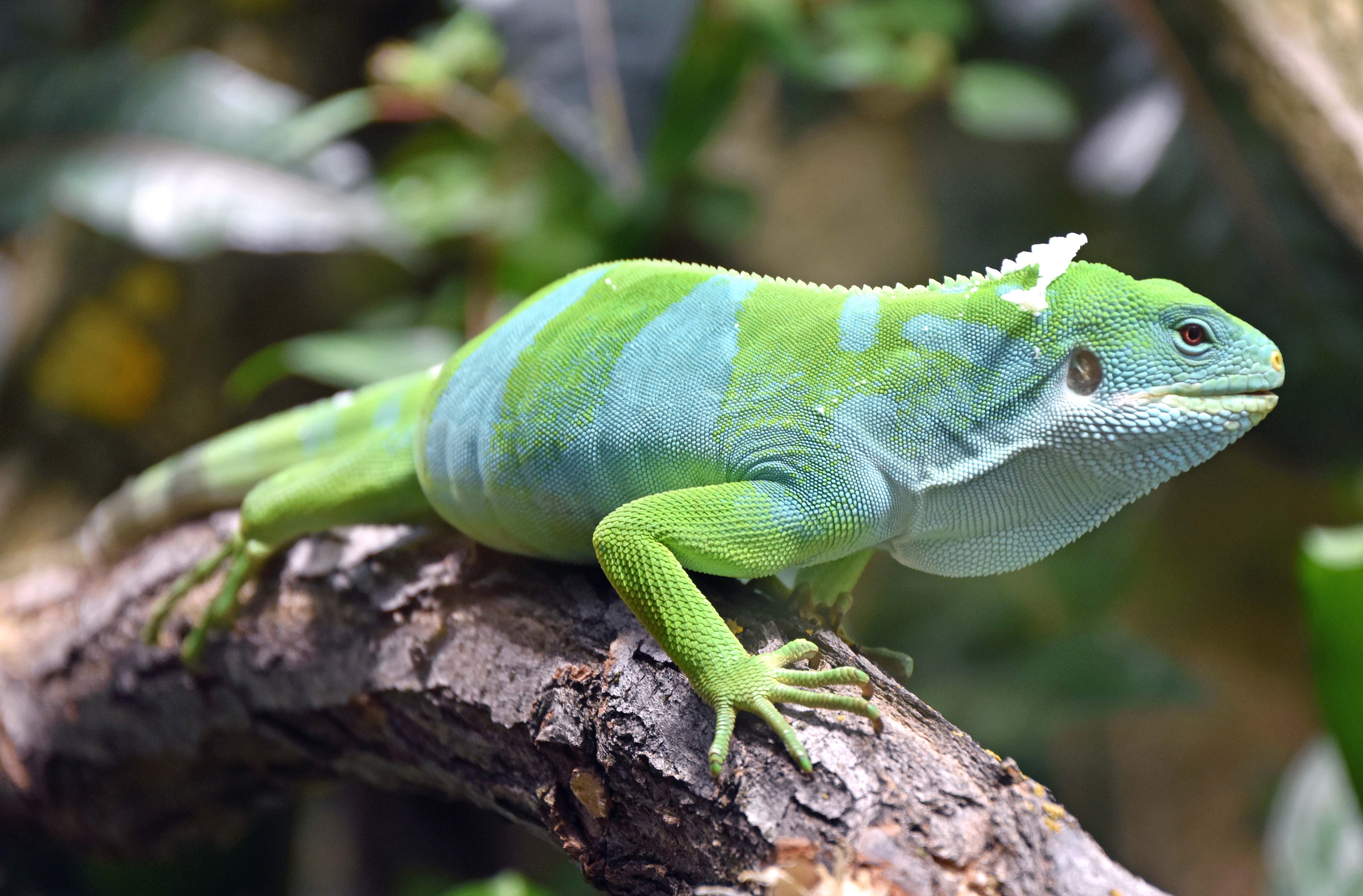
This individual Fiji banded iguana was newly moulted so the colours were very fresh and vibrant. The male has the pale-blue bands and emerald-green colouration shown in these photos.
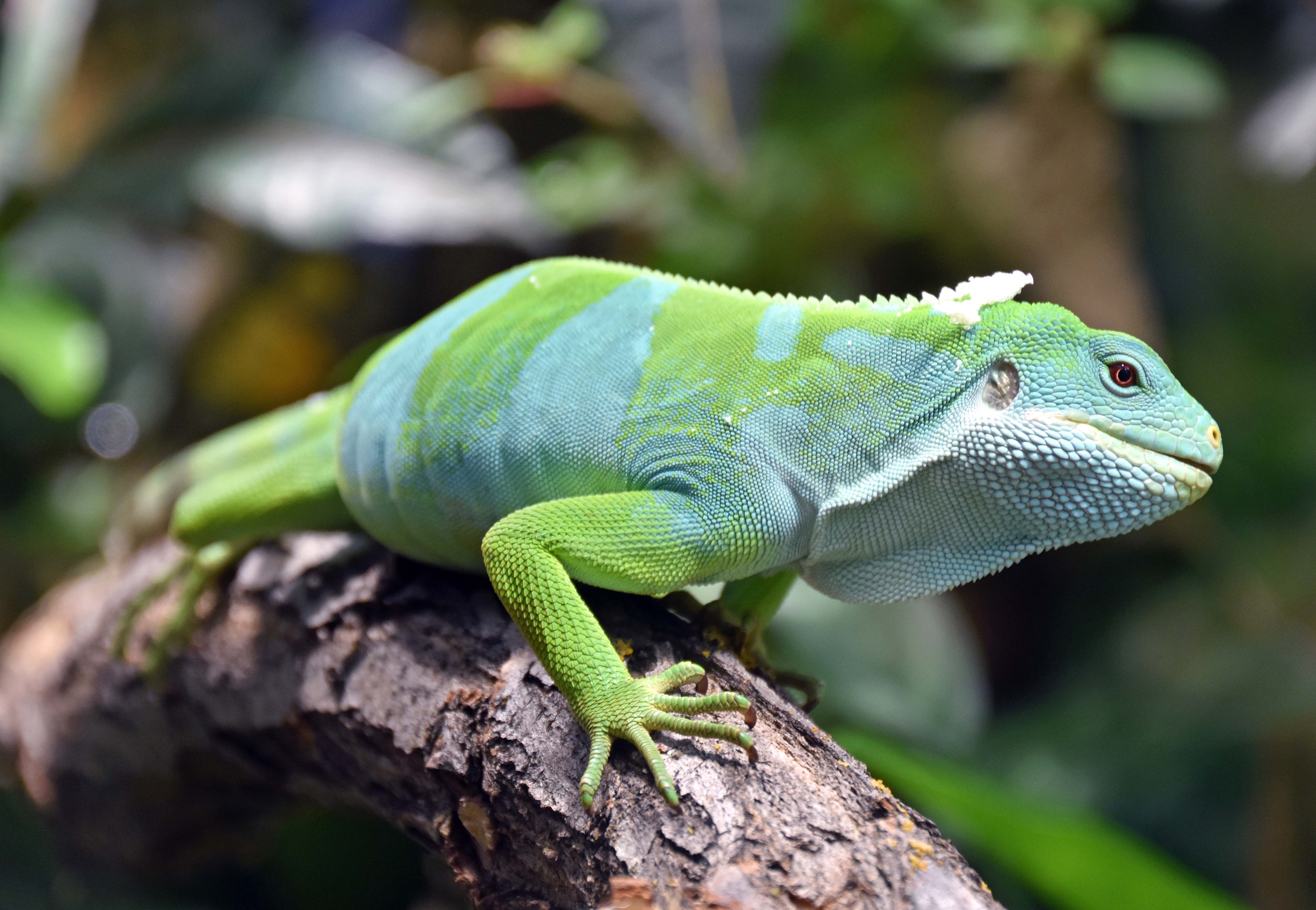
These iguanas can live for up to 25 years in captivity apparently. Perhaps their long lifespan is down to the fact that they don’t do much! The tympanic membrane is very clear in these photos.
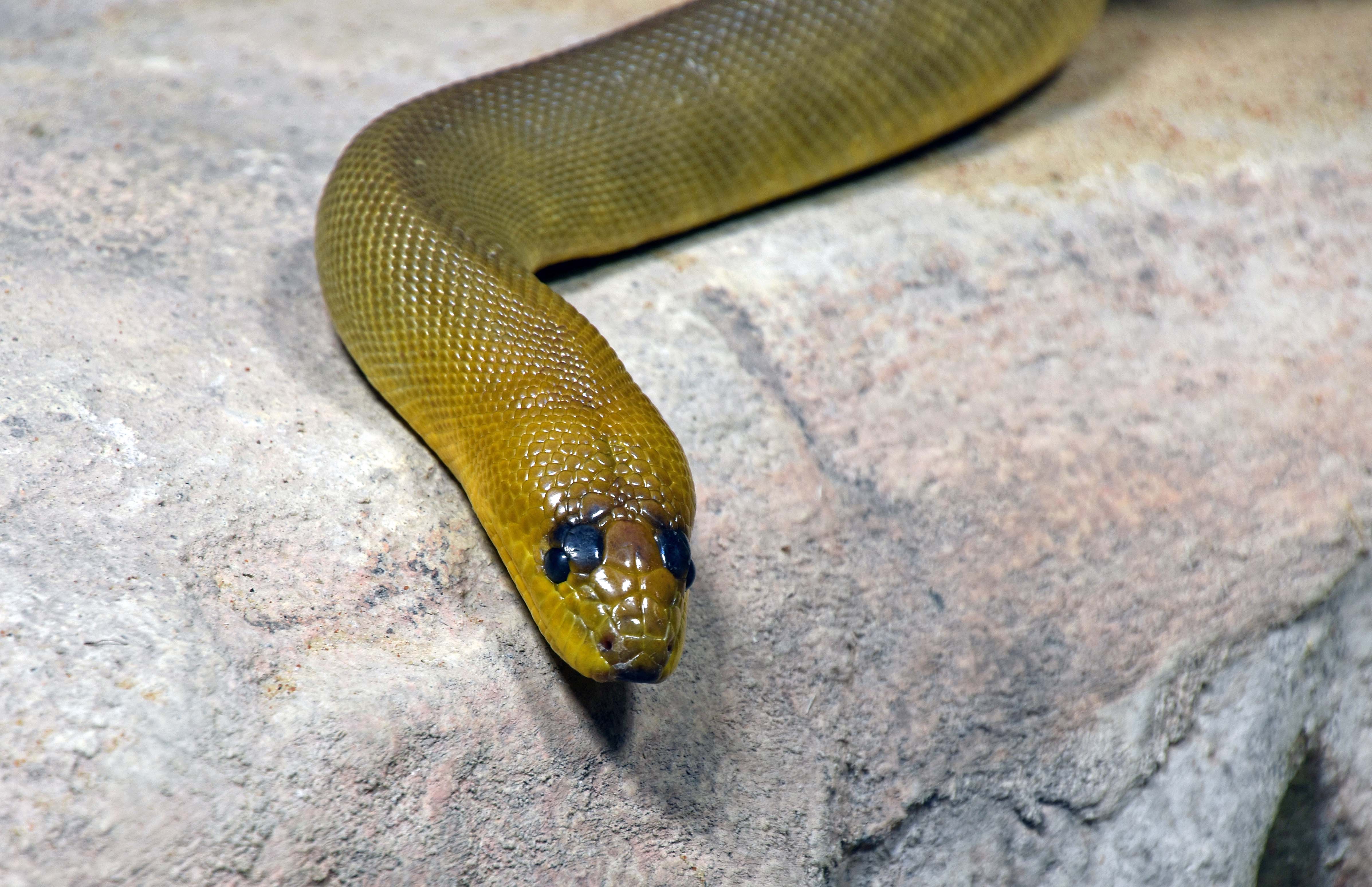
The Woma python also known as Ramsay’s python (Aspidites ramsayi) is a rather strange but elegant looking snake from Australia.
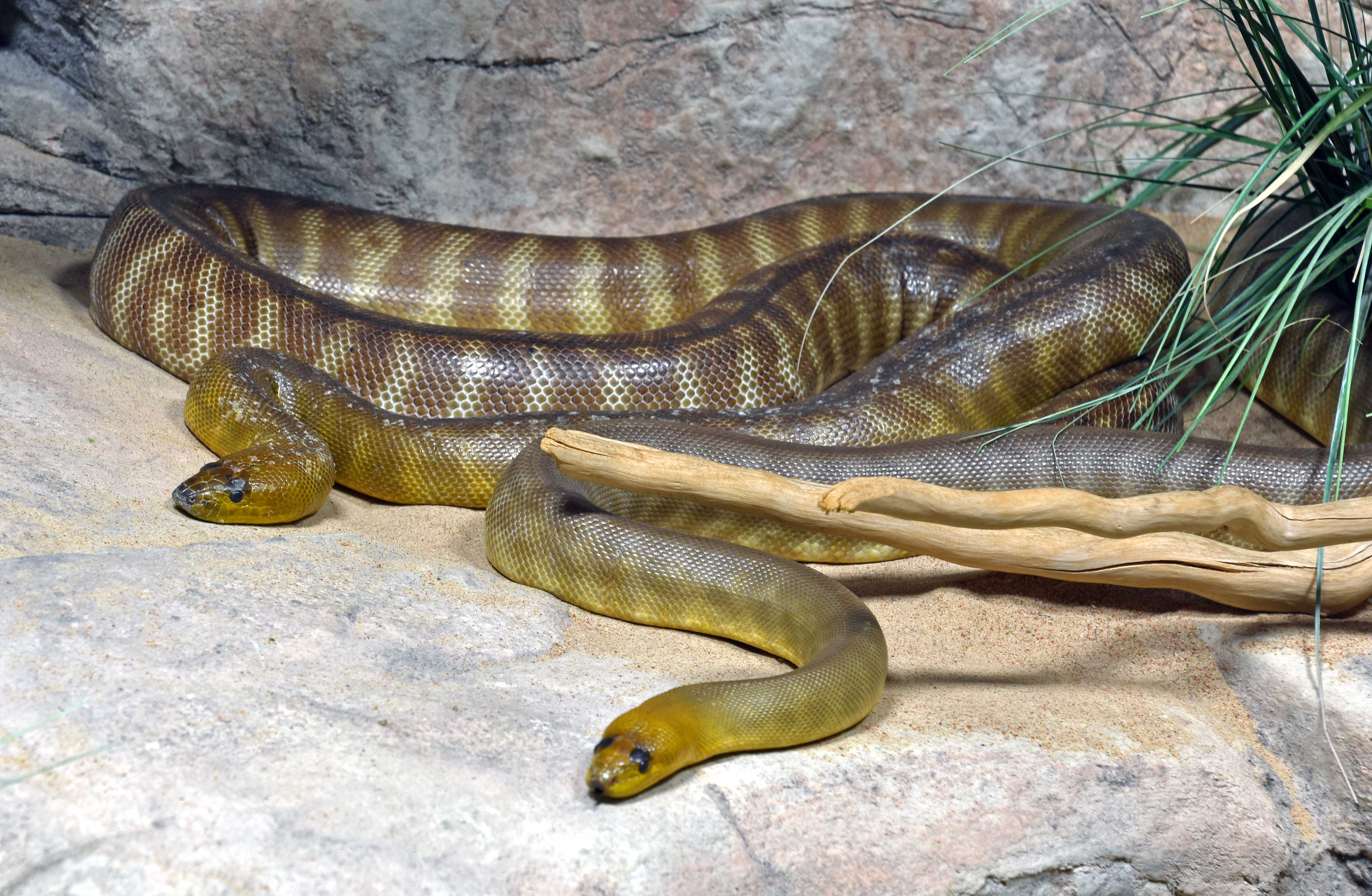
They are said to be rather docile and ‘easy to handle’ in captivity. They have nice black eyes and markings above the eyes.
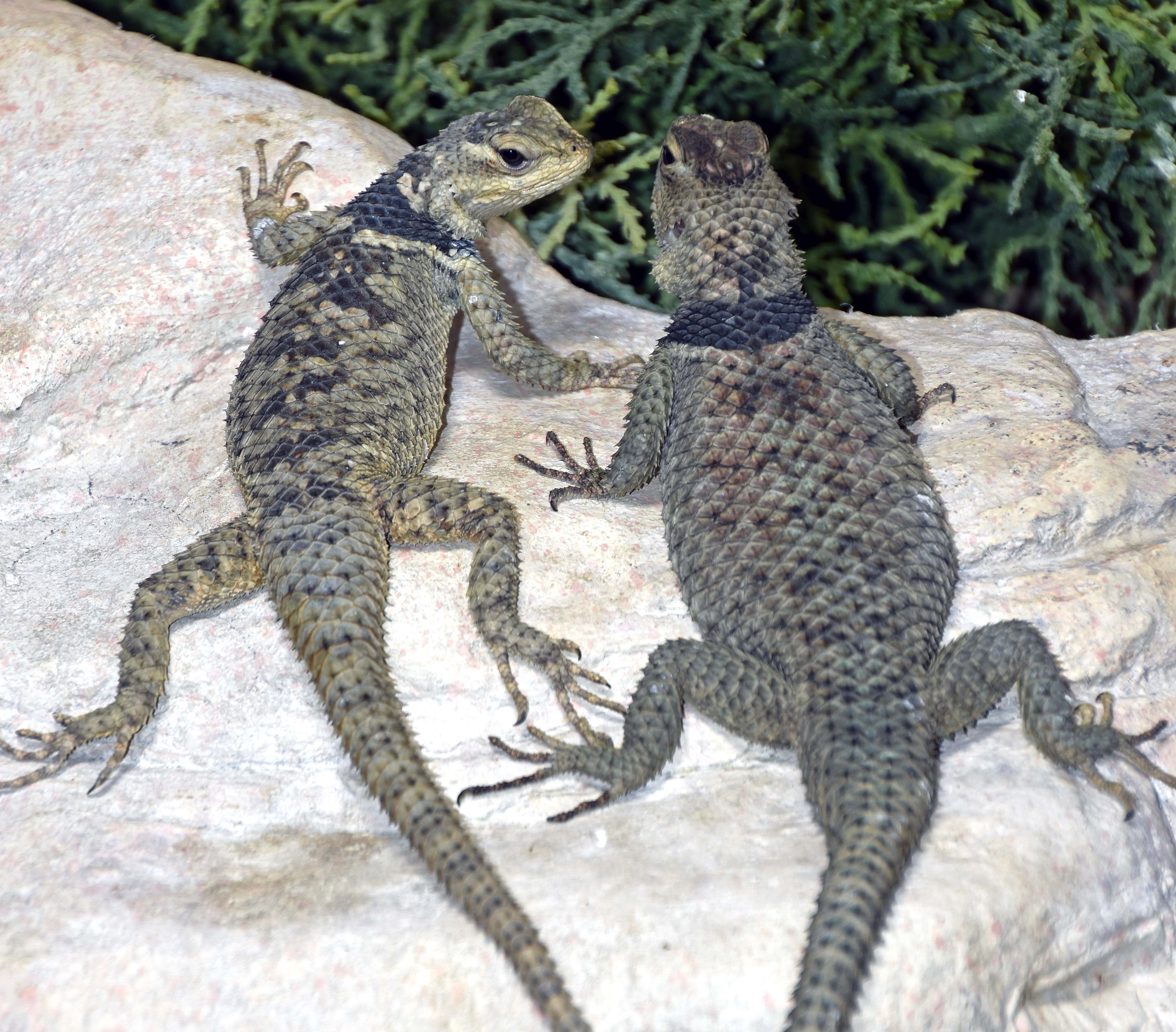
These blue spiny lizards (Sceloporus serrifer) are native to southern Texas and Mexico; they are often kept in zoos. They have a nice blue collar around their neck and shoulders (below).
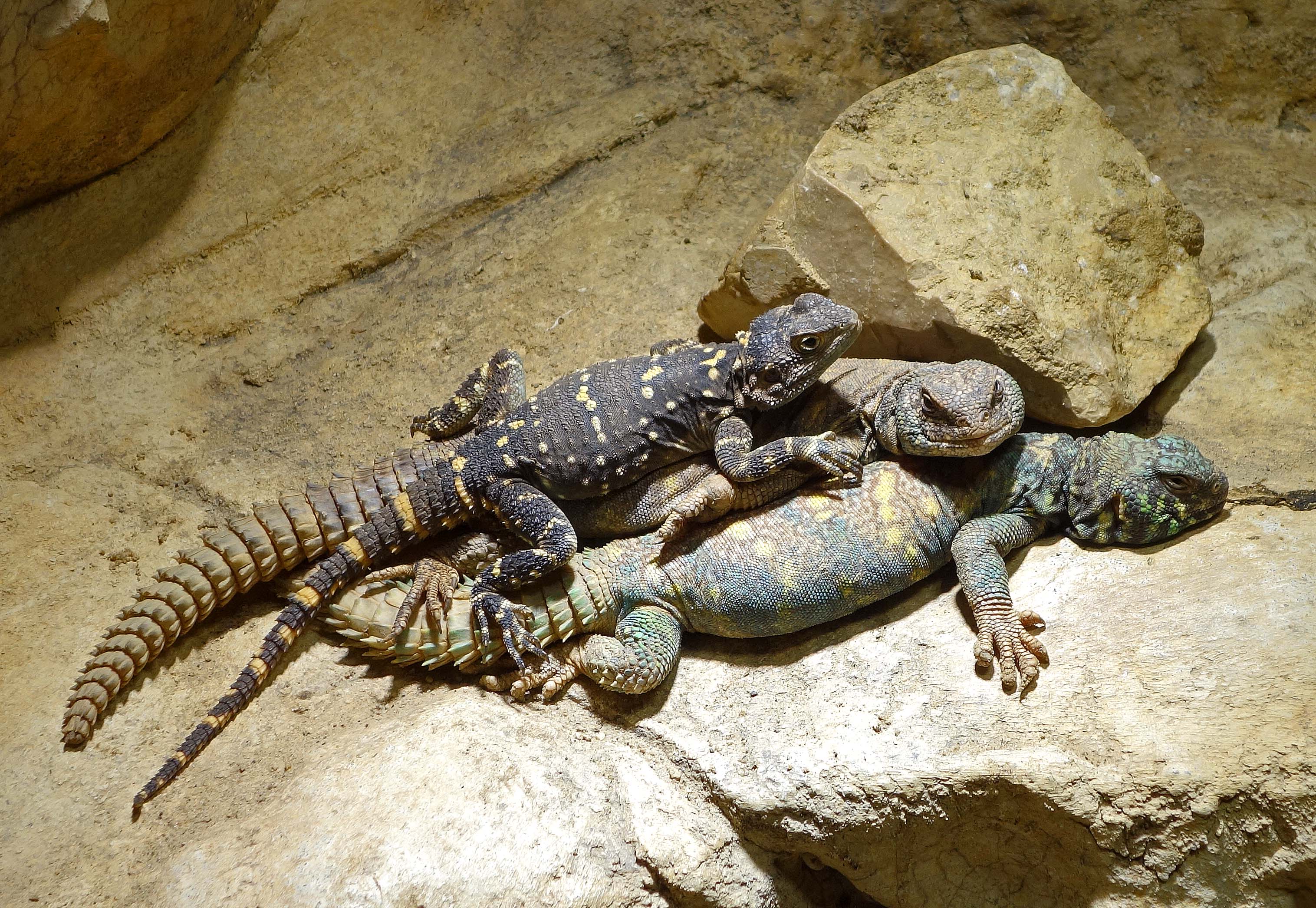
There was a nice pile of reptiles – a Black Agama on top of two Ornate spiny-tailed lizards – keeping each other warm, or company.
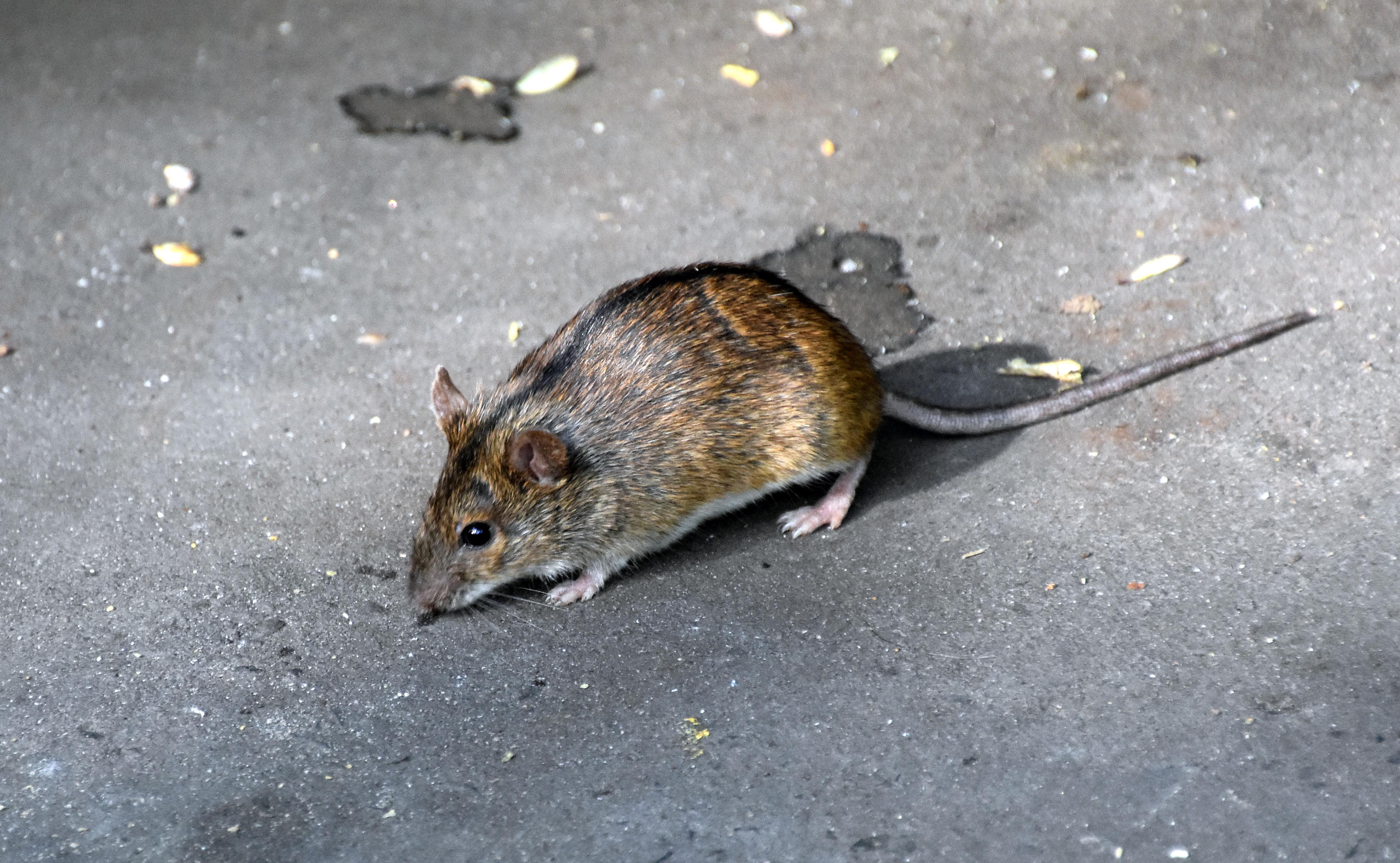
As I was on my way out, a Striped field mouse (Apodemus agrarius) popped out from under a hedge looking for scraps. This mouse has a dark stripe running along the length of its back; it occurs in eastern Europe, with western populations extending into Germany in the north and N Italy in the south. He was here of his own volition; feeding on the waste left by us greedy humans! Nice to see him/her though.
Links and references
- https://en.wikipedia.org/wiki/Berlin_Zoological_Garden
- http://www.zoo-berlin.de/en/zoo-animals/details/hippo
- http://www.theatlantic.com/business/archive/2013/05/why-does-a-rhino-horn-cost-300-000-because-vietnam-thinks-it-cures-cancer-and-hangovers/275881/
- http://www.iucnredlist.org/details/19243030/0
 Ray Cannon's travel and photography blog
Leave a comment