Category: Photography

  • Airport frogs

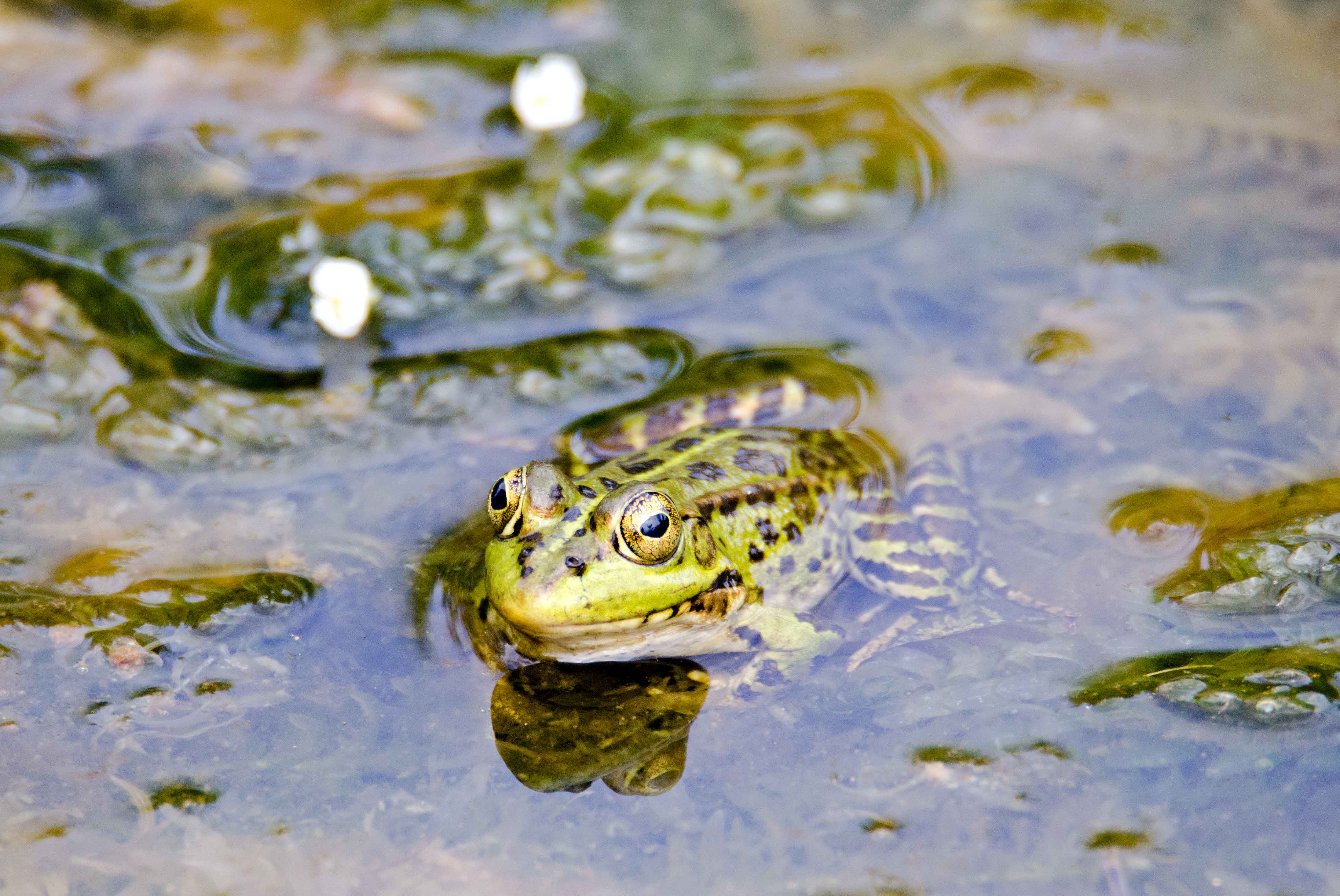
    Perez's frog (Pelophylax perezi)
    Perez’s frog (Pelophylax perezi)

    If you find yourself passing through La Coruña airport in northern Spain any-time, make sure you have a look at the frogs. This small airport is located in the suburbs of La Coruña – also called A Coruña in Spaanish – and is one of a number of gateways into the province of Galicia. A far cry from the hustle and bustle of Heathrow airport – where flights on the airline Vueling depart from – it is relaxed and uncrowded, with a great restaurant. They even serve you a delicious soup from a steaming hot cauldron at your table. Imagine that at Heathrow!
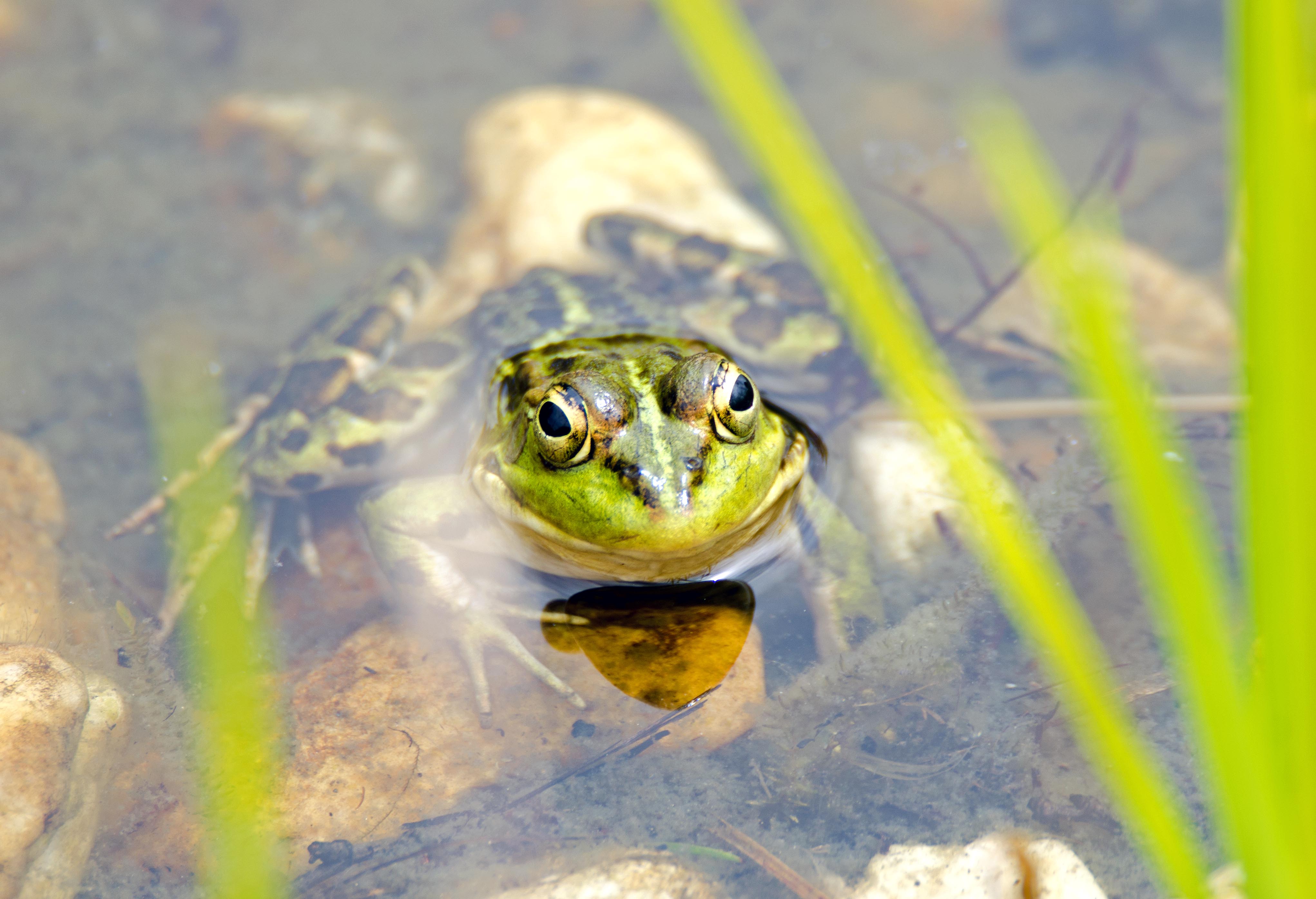
    Perez's frog (Pelophylax perezi)
    Perez’s frog (Pelophylax perezi)

    It’s always fun landing at this airport, which is located on a hill about 7 km from the city centre. But what I have come to appreciate as I have passed through this little airport over the years, is that it is a really good place to see Perez’s frog (Pelophylax perezi), also known as Iberian water frog, Iberian green frog, or Coruna frog. I’m not joking! There is a series of ponds at the at the northern end of the airport, just by the road leading out of the airport, and close to the car park. It is easy to find it as there is an example of the traditional Galician stone gain store (or horreo) besides the ponds.
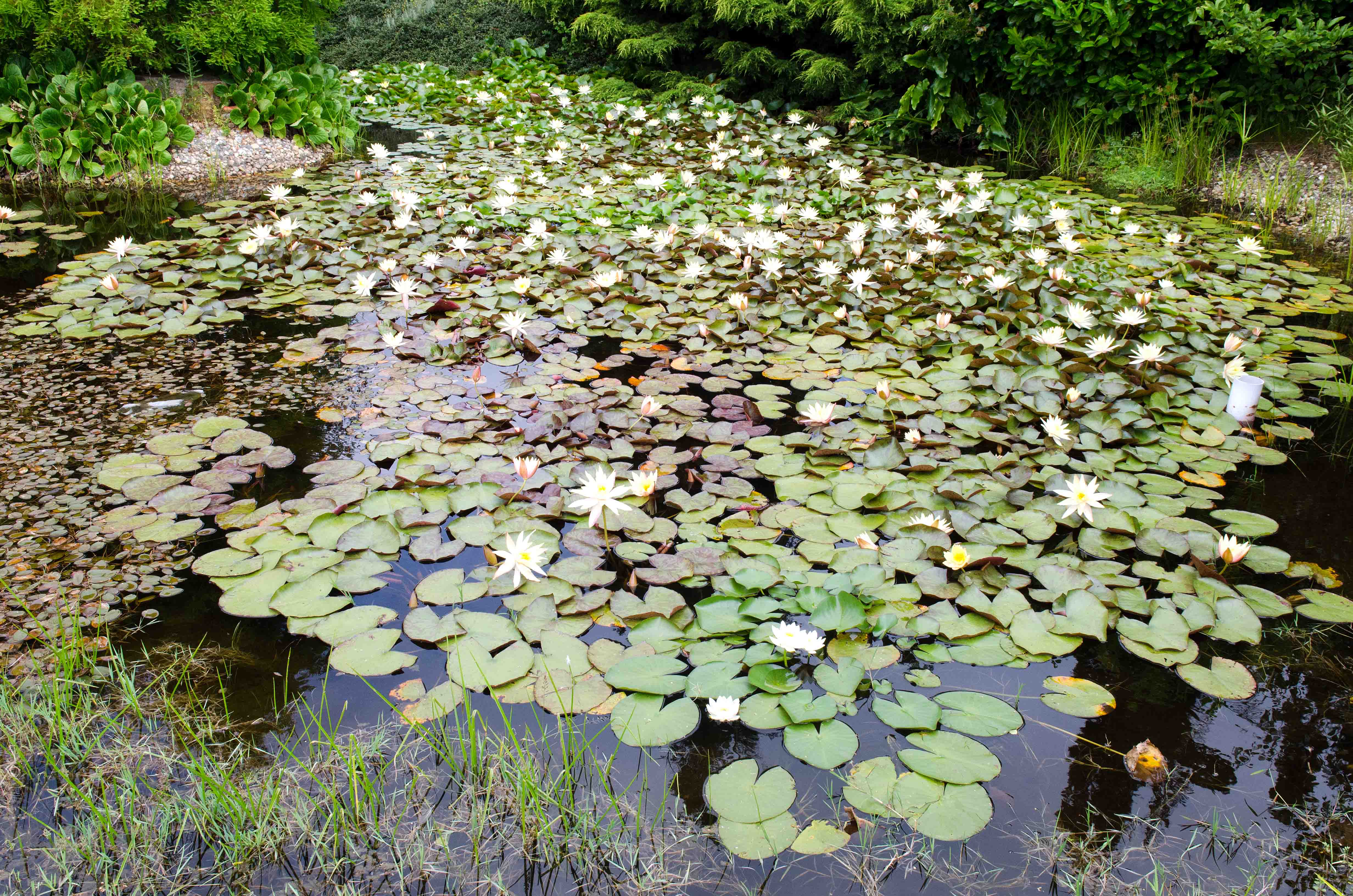
    Frog pool
    Frog pool or lily pond at La Coruna airport

    The ponds themselves are covered in water lilies on which the frogs can be seen resting, if you approach carefully. More likely you will hear plop, plop, plop as all the frogs hear your footsteps and jump into the safety of the water!
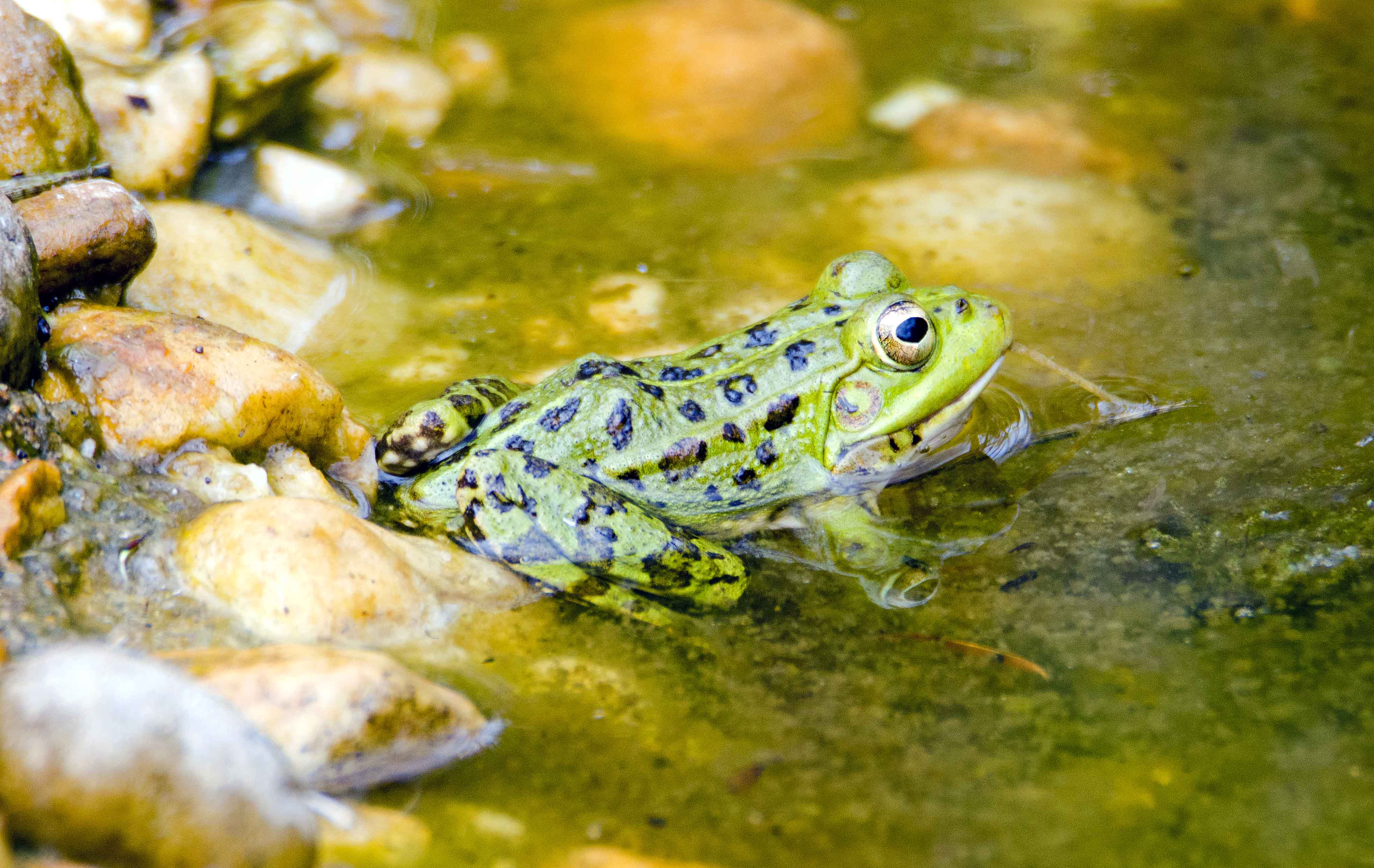
    Perez's frog (Pelophylax perezi) La Coruna airport
    Perez’s frog (Pelophylax perezi) La Coruna airport

    This frog species is not endangered (although amphibians are vulnerable everywhere), as is widely distributed and common across the whole of the Iberian Peninsula and is found in southern France, and elsewhere where it has been introduced, like Madeira, the Balearic and Canary Islands.
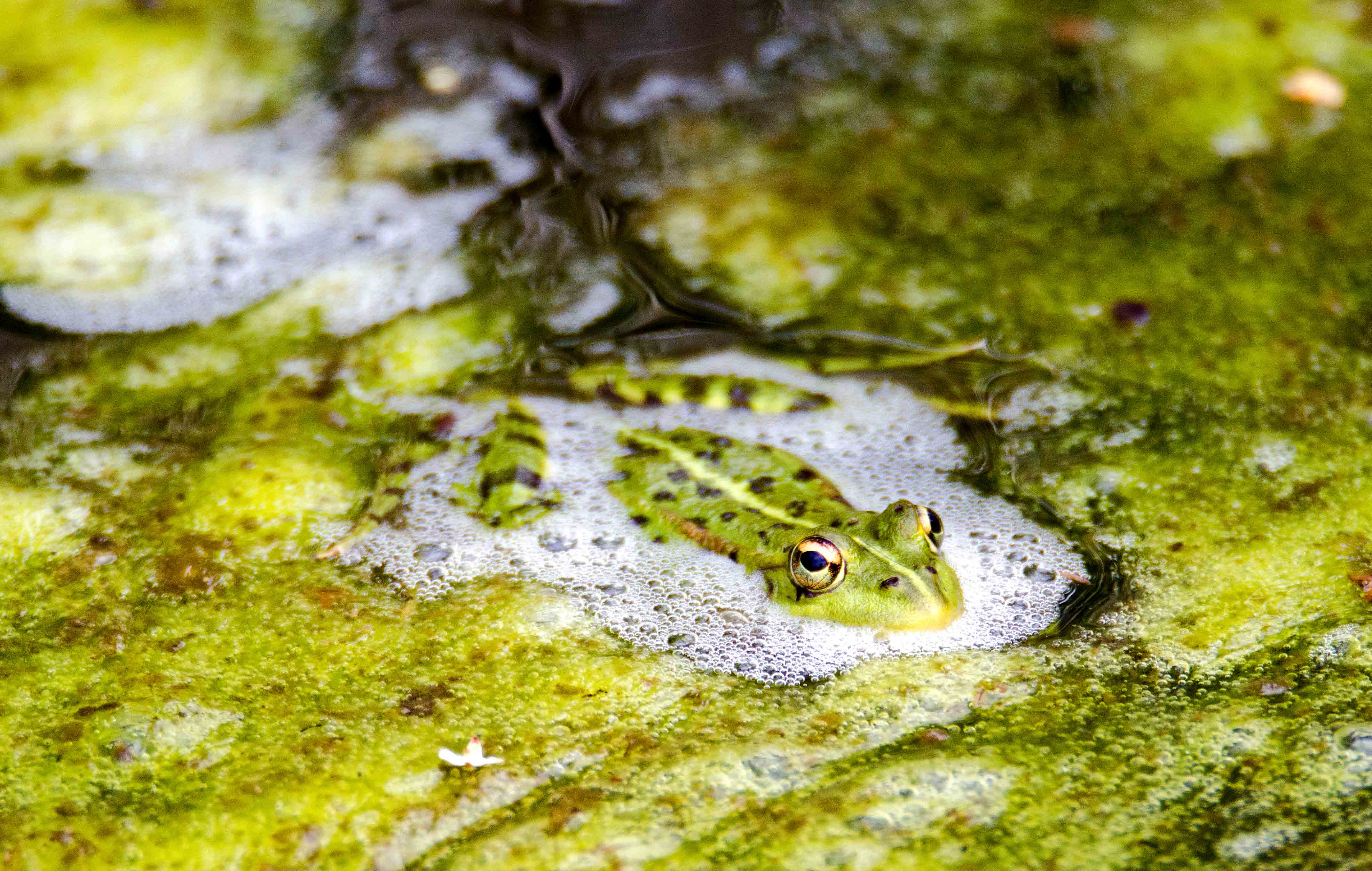
    Perez's frog (Pelophylax perezi) with bubbles
    Perez’s frog (Pelophylax perezi) with bubbles

    They are highly variable in colour and patterning, and look a lot like the Marsh frog (Pelophylax ridibunda) which is what I thought they were when I first came across them (1). Confusingly, they also hybridise with each other to form a type of hybrid frog!
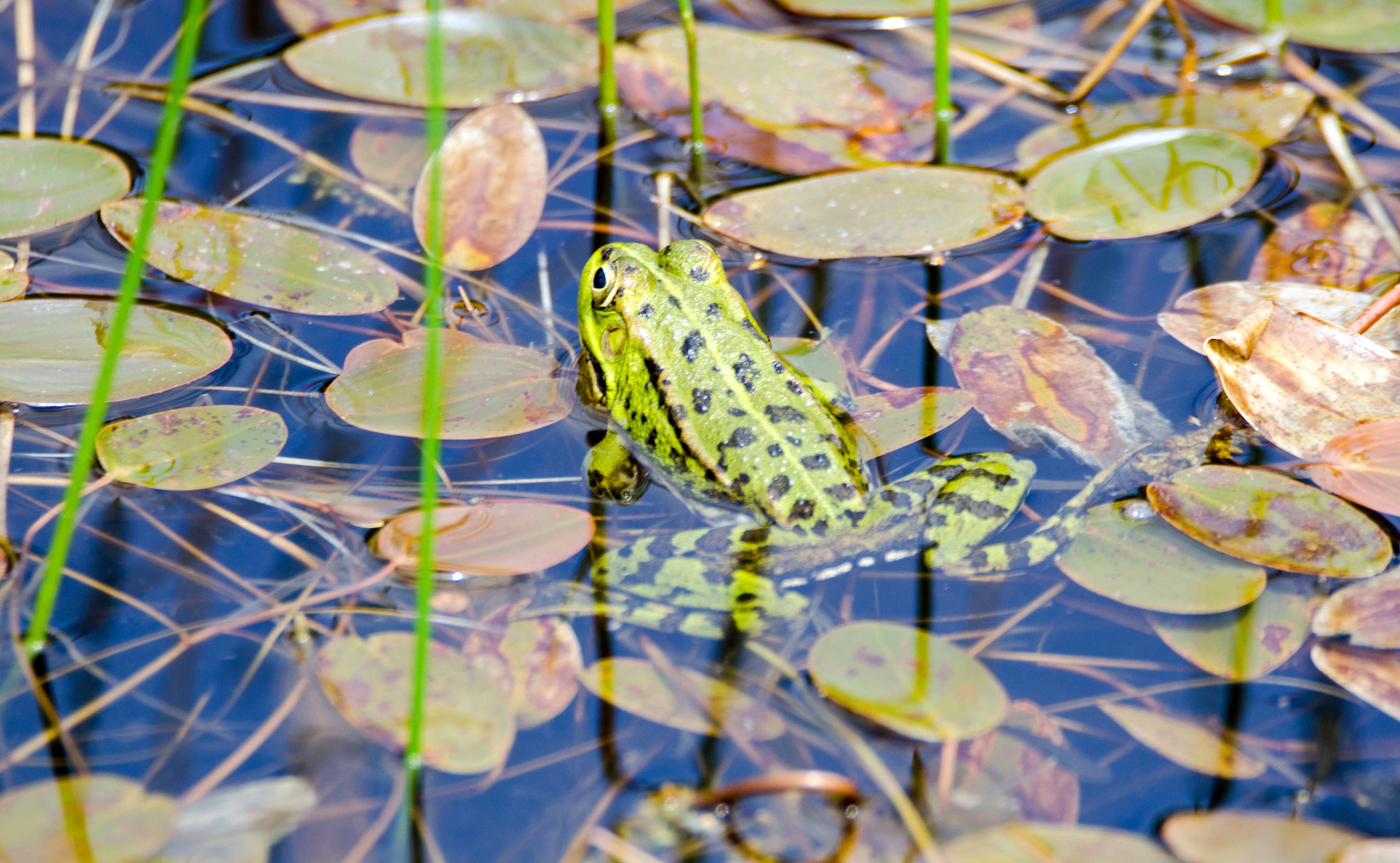
    Perez's frog (Pelophylax perezi)
    Perez’s frog (Pelophylax perezi)

    So whilst not being unusual, you might not come across a better place to see them whist visiting Spain or Portugal, and it is a good way of whiling away some time waiting for a flight. They are particularly vocal and lively, jumping around and inflating their vocal sacs, during the breeding season (Spring) (1).
    1. http://rcannon992.com/2014/04/12/a-malee-of-mating-marsh-frogs/
  • Scarborough harbour reflections

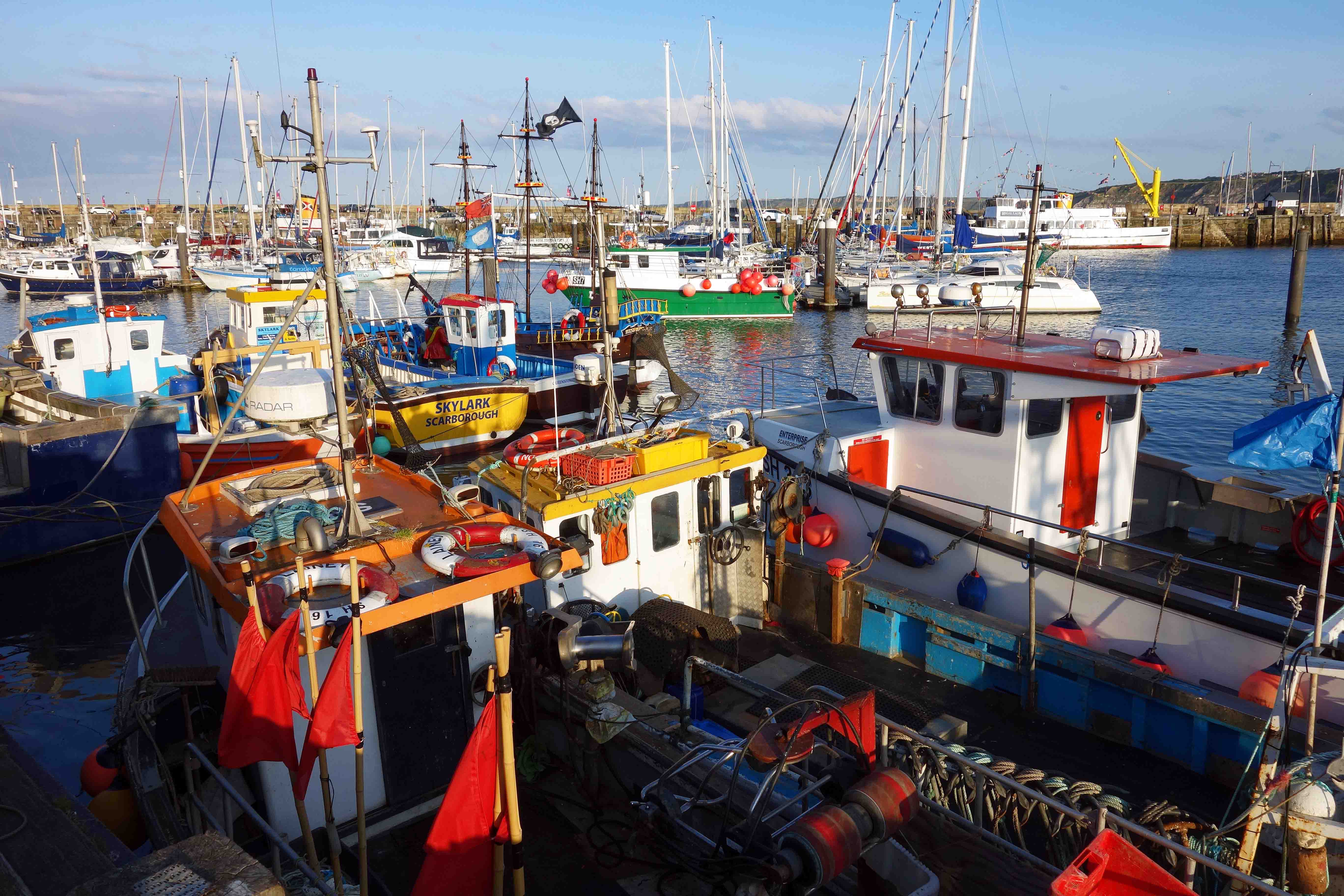
    Fishing boats in Scarborough
    Fishing boats in Scarborough

    The small harbour in Scarborough, North Yorkshire, is a photographer’s delight, with a diverse collection of colourful fishing boats and pleasure craft. There are also lots of colourful shops and amusement arcades along the sea front.

    Colourful tea shop called the Tea Pot
    Colourful tea shop called the Tea Pot

    During the summer, the sun sets late in the evening and the so-called ‘magic hour’ – when colours are at their richest and most saturated – occurs between 8 and 9 pm or even later. One thing that really attracts me are reflections.

    Colourful fishing boats produce attractive reflections
    Colourful fishing boats produce attractive reflections

    Brightly coloured reflections offer the possibility of sampling them to obtain abstract images. The reflections need to be bright – so sunshine is a must – and the images must offer the possibility of selecting an area which might be aesthetically interesting to focus on.

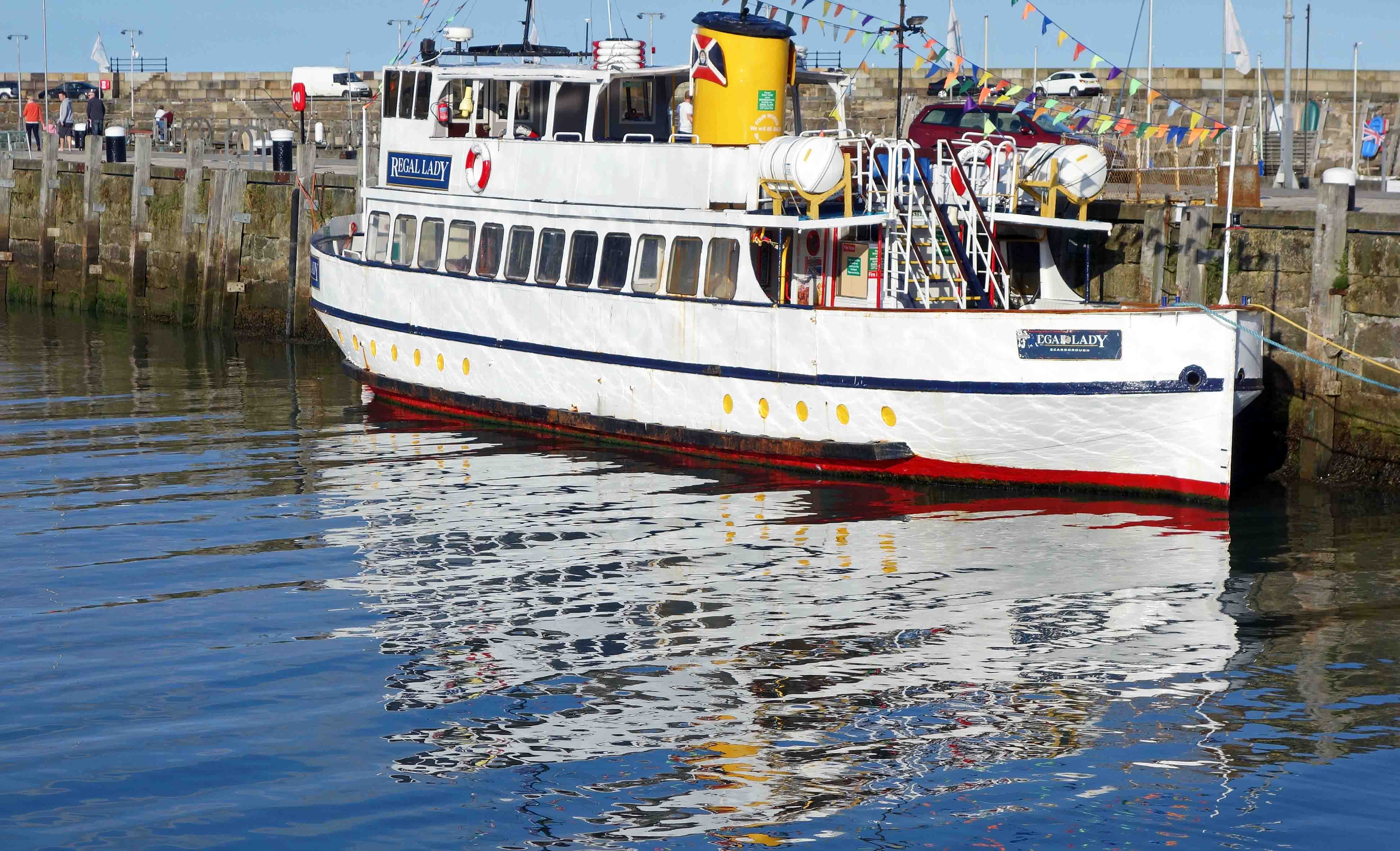
    Regal Lady - ship with a nicely broken up reflection
    Regal Lady – ship with a nicely broken up reflection

    If there is an art to this process, it is choosing the right sort of reflection – which is fairly easy! – and then selecting an area which seems to offer something pleasing to the eye. This is highly subjective of course, and to some extent, a matter of personal preference. Some people like abstract images more than others.

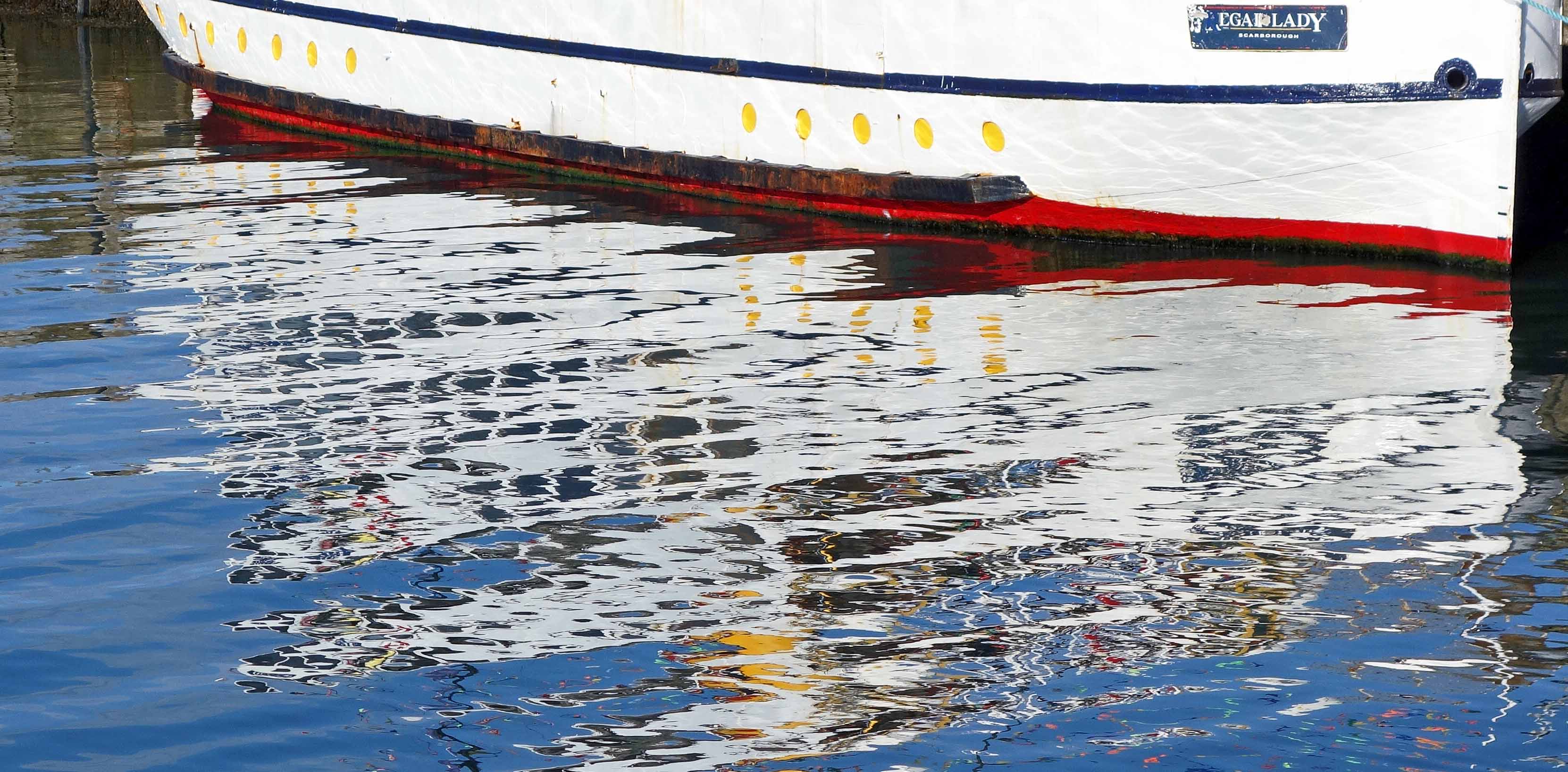
    Regal Lady reflection in more detail, i.e. cropped
    Regal Lady reflection in more detail, i.e. cropped

    Sometimes, I think it is preferable not to crop too much. To leave quite a lot of the object which is being reflected, i.e. the boat, in the picture. To some extent it depends on how attractive they are in their own right.

    Boats reflected in the harbour
    Boats reflected in the harbour

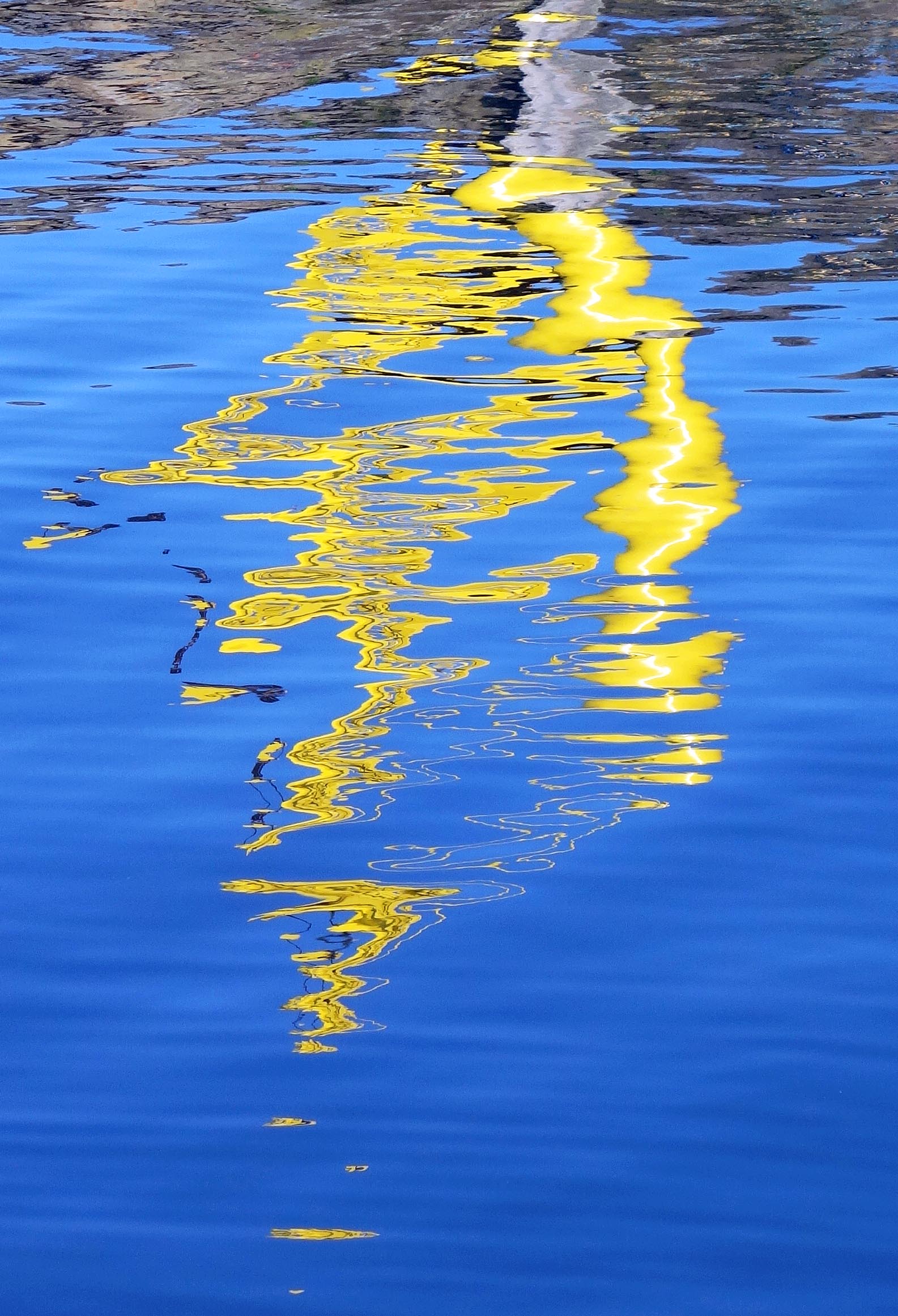
    Some objects are not particularly interesting or attractive in their own right, but are very interesting when broken up in the reflection. I think this applies to the yellow davit in the following picture. I focussed only on the reflection, which because of the interesting shape and bright colour, is interesting by itself. Well at least to me!

    Reflection of a bright yellow davit in the harbour
    Reflection of a bright yellow davit in the harbour

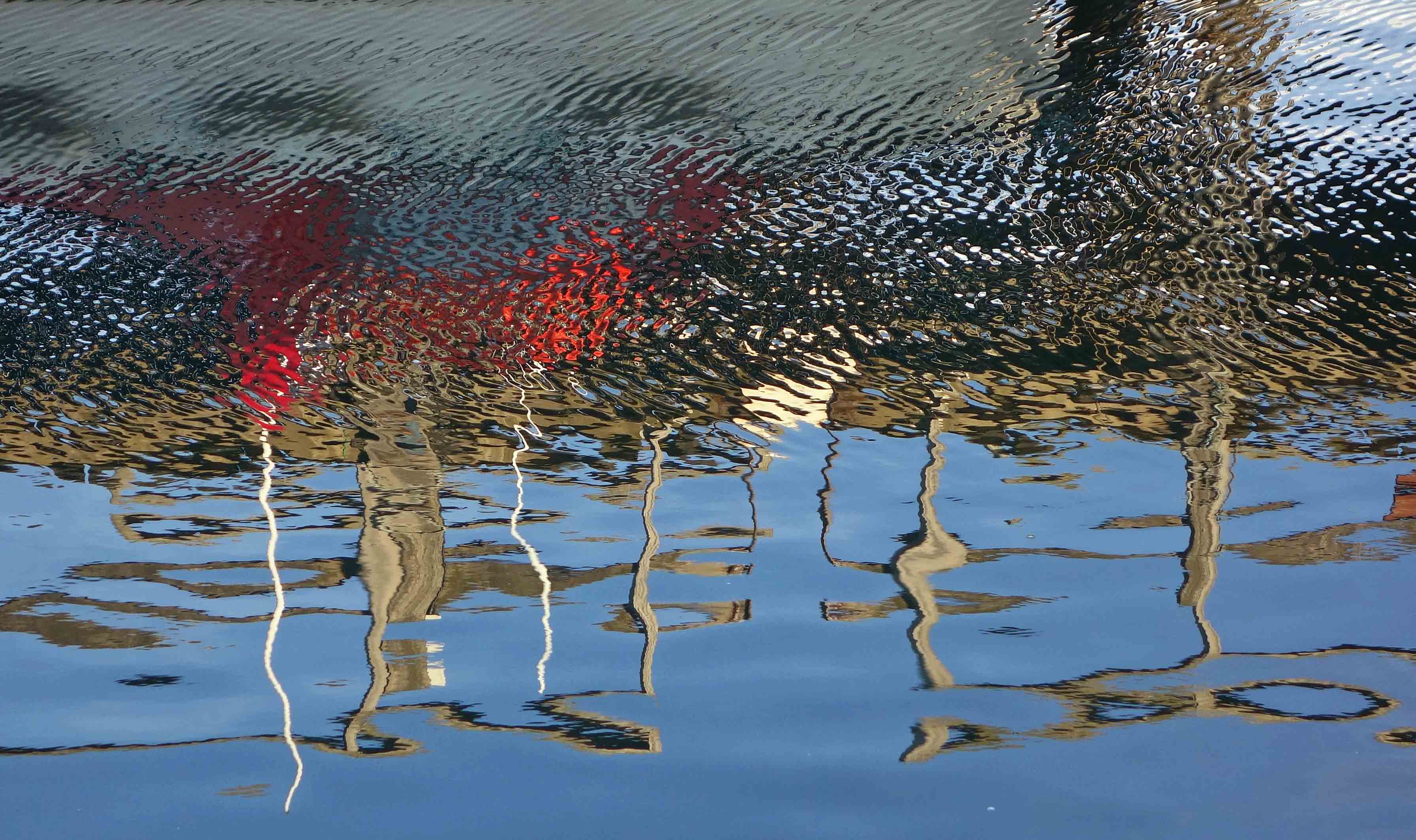
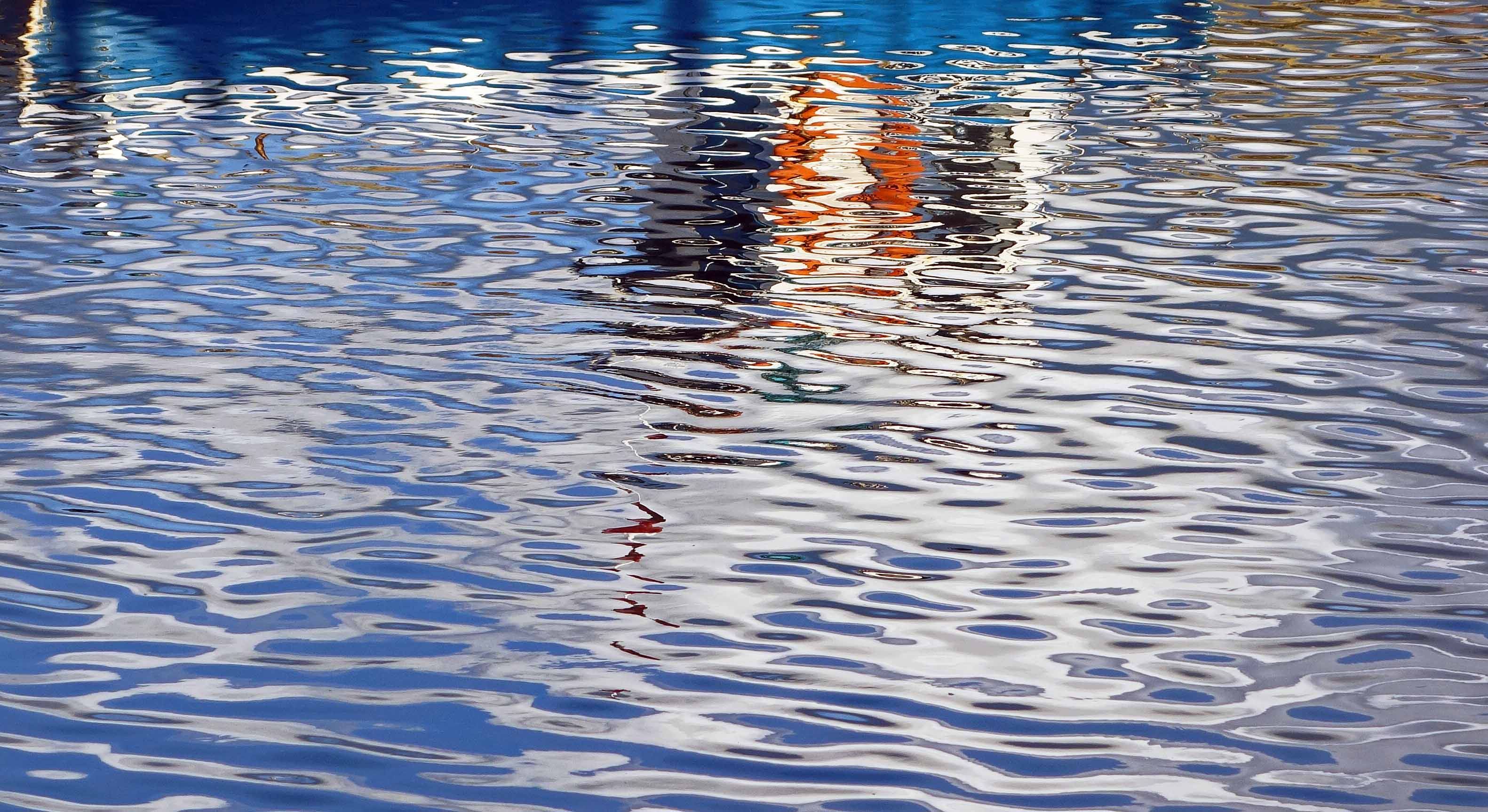
    Reflections are best when the water is calm and smooth, but moving just enough to break up the outlines. They are of course, ever changing, and it can be interesting to take repeated images of the same spot and record the changing reflection. Ripples can however, offer a different perspective, breaking up the colours and shapes into much smaller, rounded shapes, as below.

    Ripples on a reflection
    Ripples on a reflection

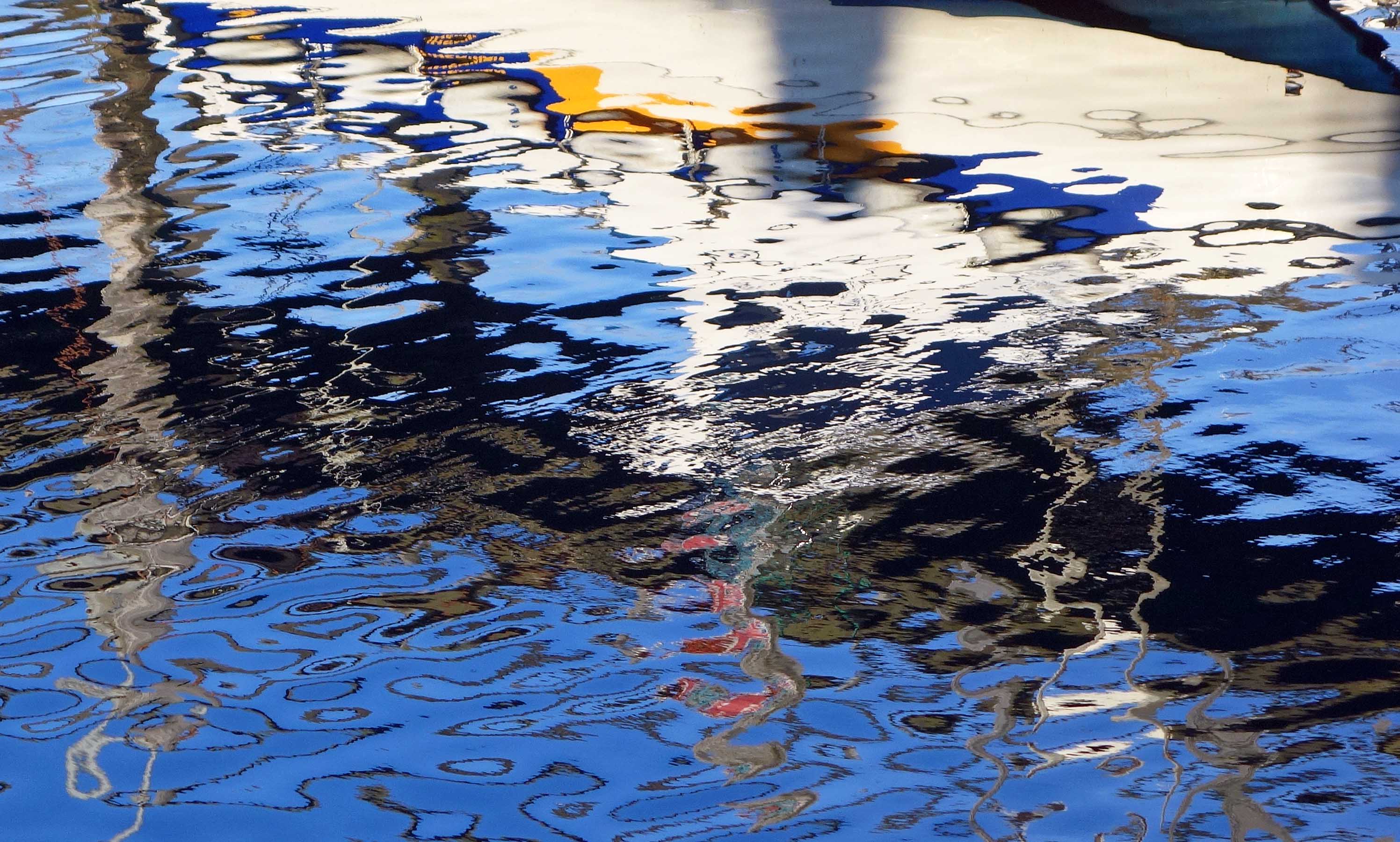
    My own preference is for highly abstract, severely cropped images of reflections; there are endless possibilities. But these are not to everyone’s taste, and it needs a certain quality of original image to produce good outlines when cropped. There is scope for cropping even further in the following two photographs.

    Boat reflection, cropped
    Boat reflection, cropped
    Another boat reflection, cropped
    Another boat reflection, cropped

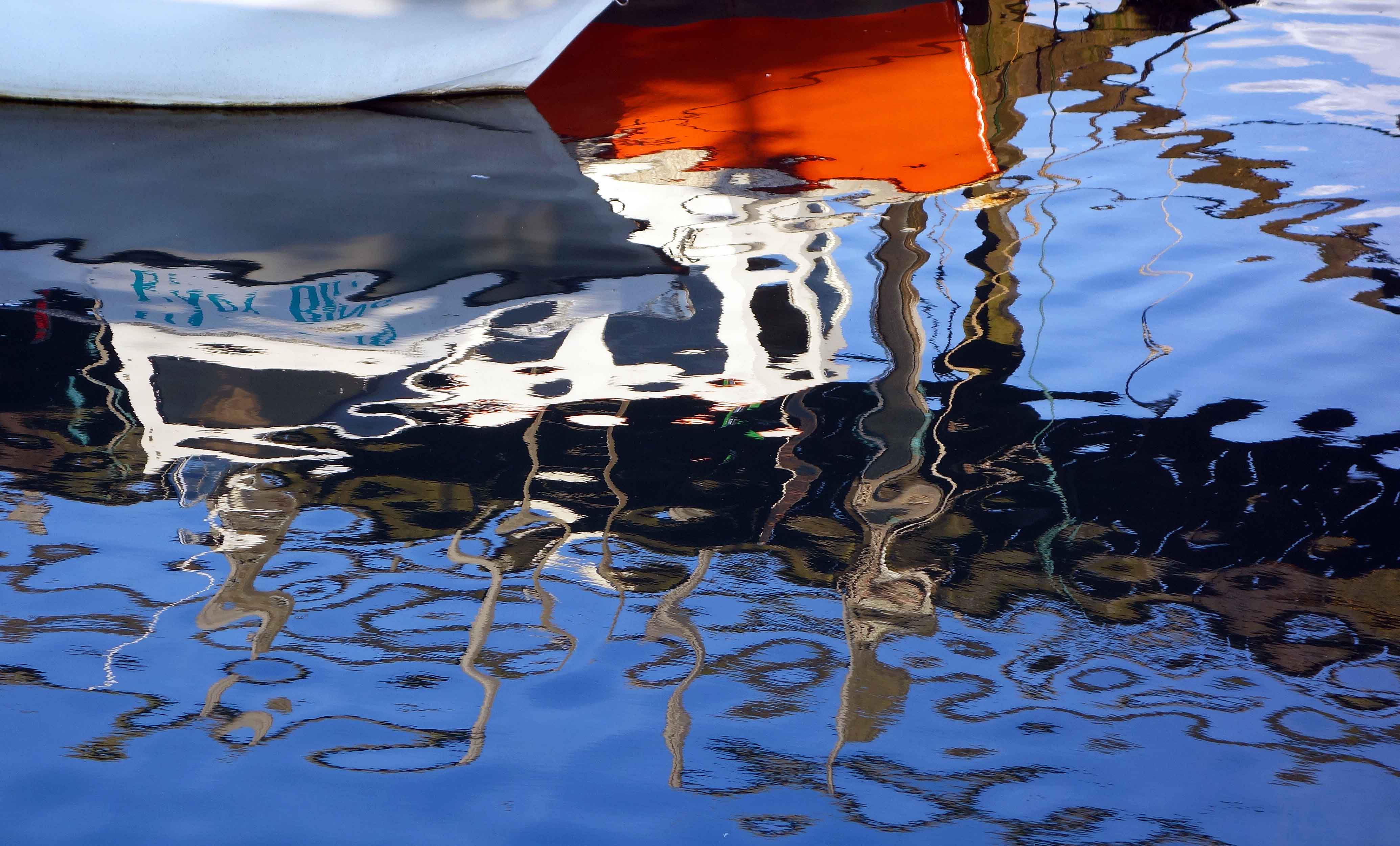
    When I first started taking photographs of reflections and sampling from them, I was blown away at the possibilities for producing abstract images and cropped them severely. I now think that such reflections work best at an intermediate scale, cropped and selected, but not too much, so that the original photograph is still not too altered. It puts more emphasis on trying to get the image right ‘in camera’ as it were, and not over-processing them afterwards, great fun though it is! The image shown below is an example of a photograph that was cropped, but not too heavily, and I think it works well  because the original choice of what to photograph worked out well. It also depends on what sort of lens you have. There is always an element of luck in getting a good image, but perseverance and practice pay off! Personally, I think there is an awful lot of luck in photography, but if you do it often enough, you get lucky!

    Reflection of boat in harbour
    Reflection of boat in harbour

    The approach, of getting it right ‘in camera’ applies to all sorts of photography; I know it is Steve McCurry’s dictum, when taking portraits, and he is about as good as it gets (1). But sampling from images is another sort of art, of sorts, and there is scope for a lot of post-processing if that is what you enjoy. It is always good to get some feedback on such images, and putting them on National Geographic My Photos, for example, is a good way of discovering if other people like your choices (2).

    A yacht name reflected in the water
    A yacht name reflected in the water

    All of these images were taken with a small compact camera (Sony RX).

    1. http://stevemccurry.com/blog/reflections-portraiture

    2. http://yourshot.nationalgeographic.com/profile/237466/


  • Selecting from Nature’s patterns

    Tide line
    Tide line

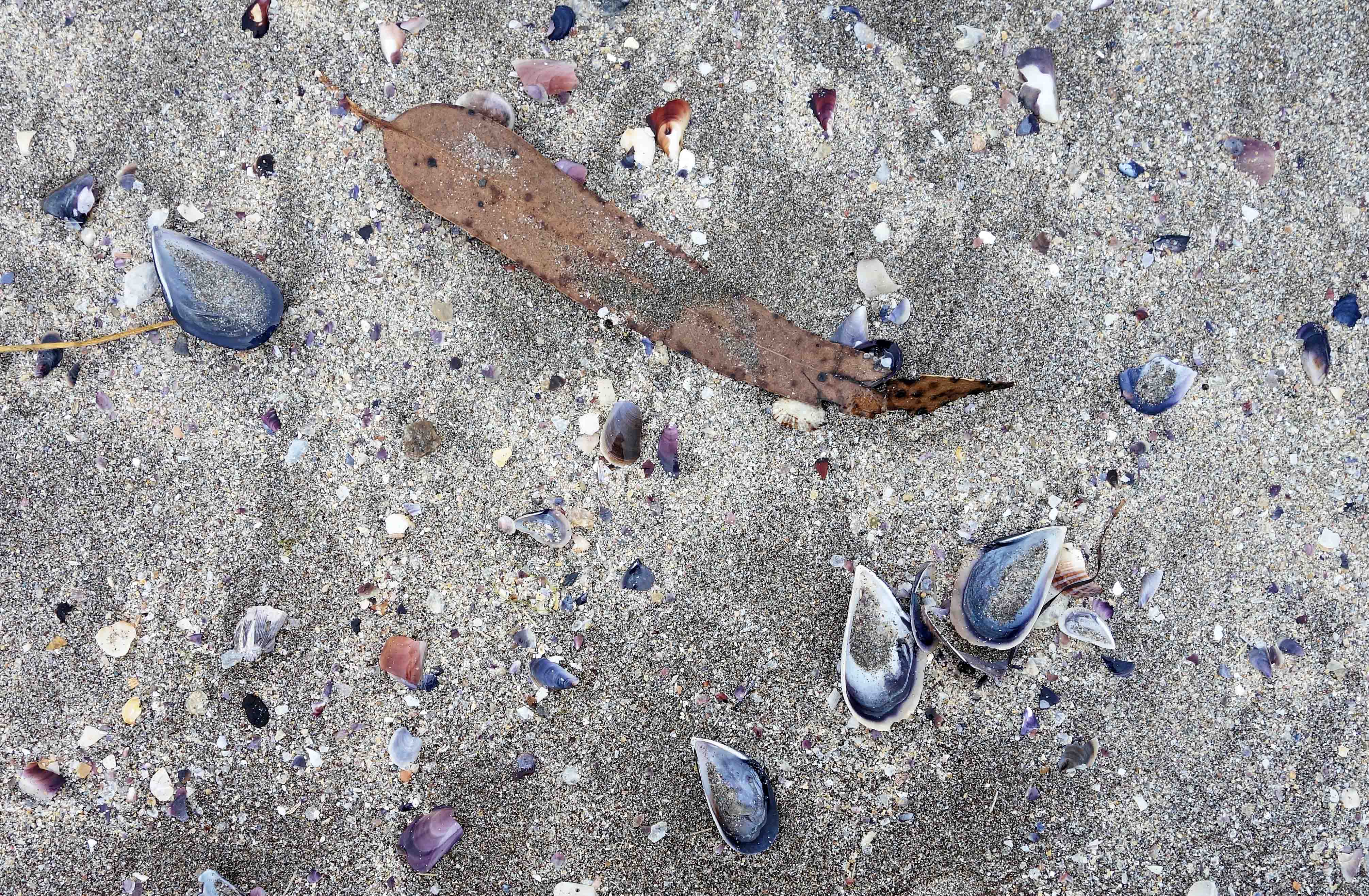
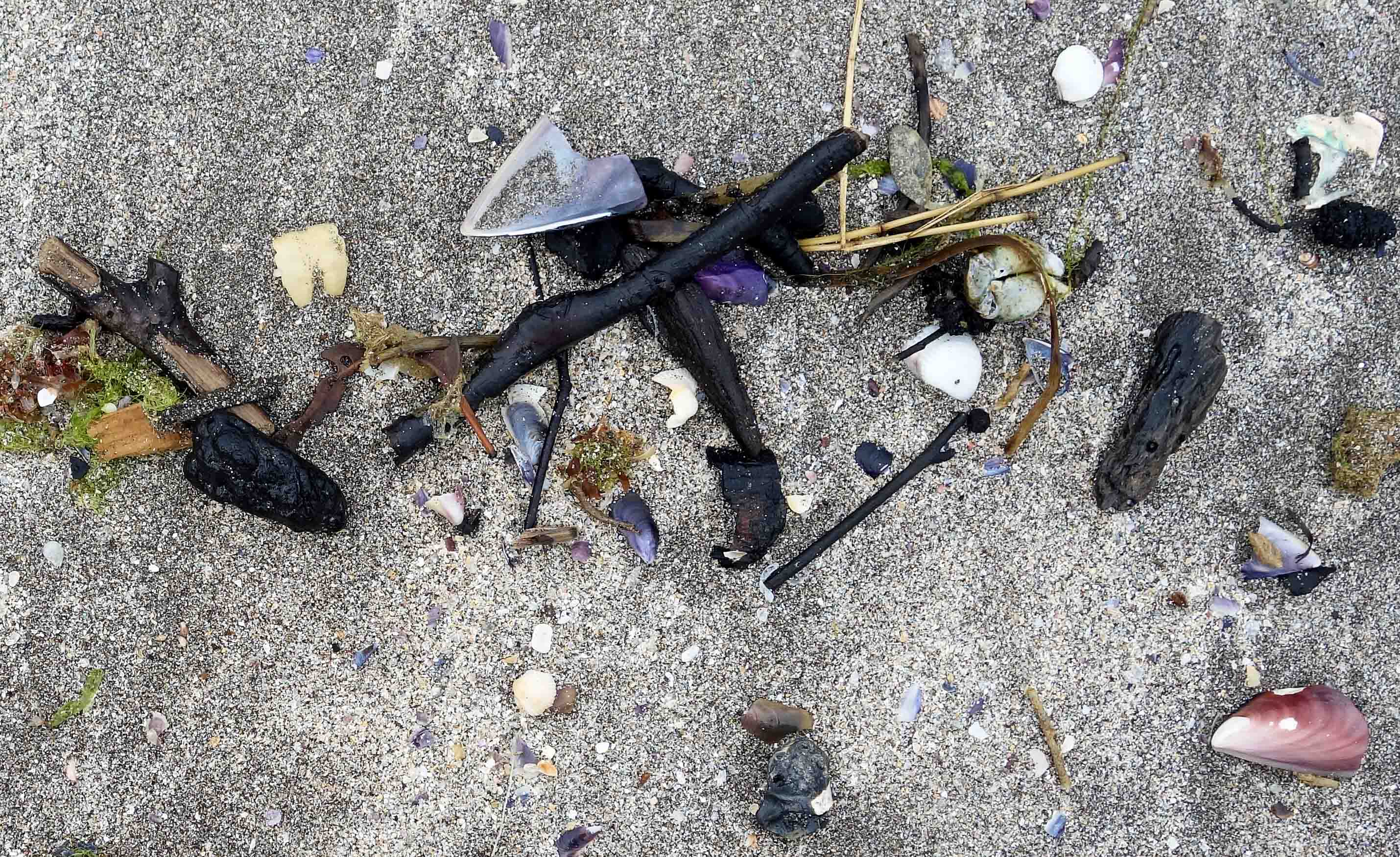
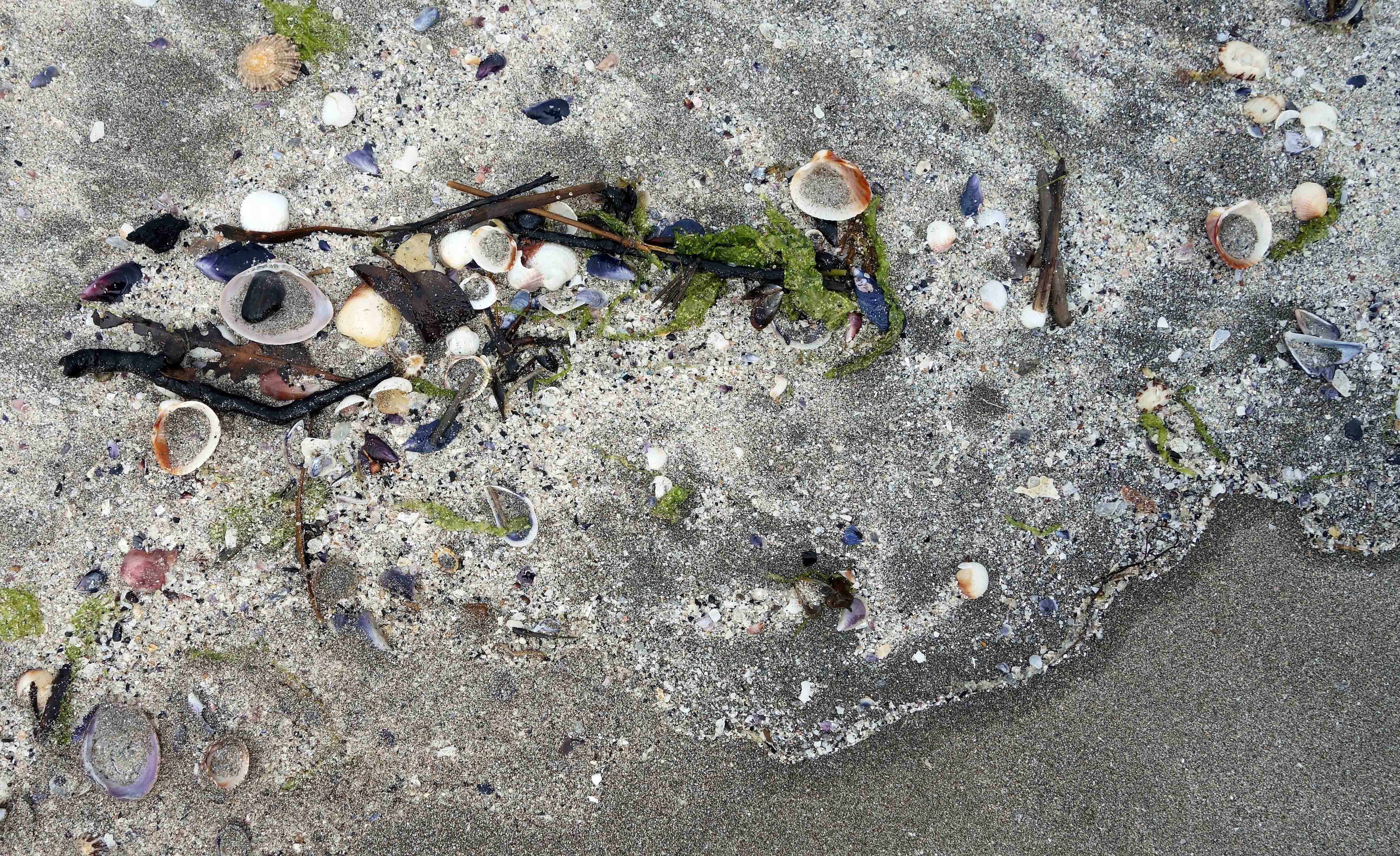
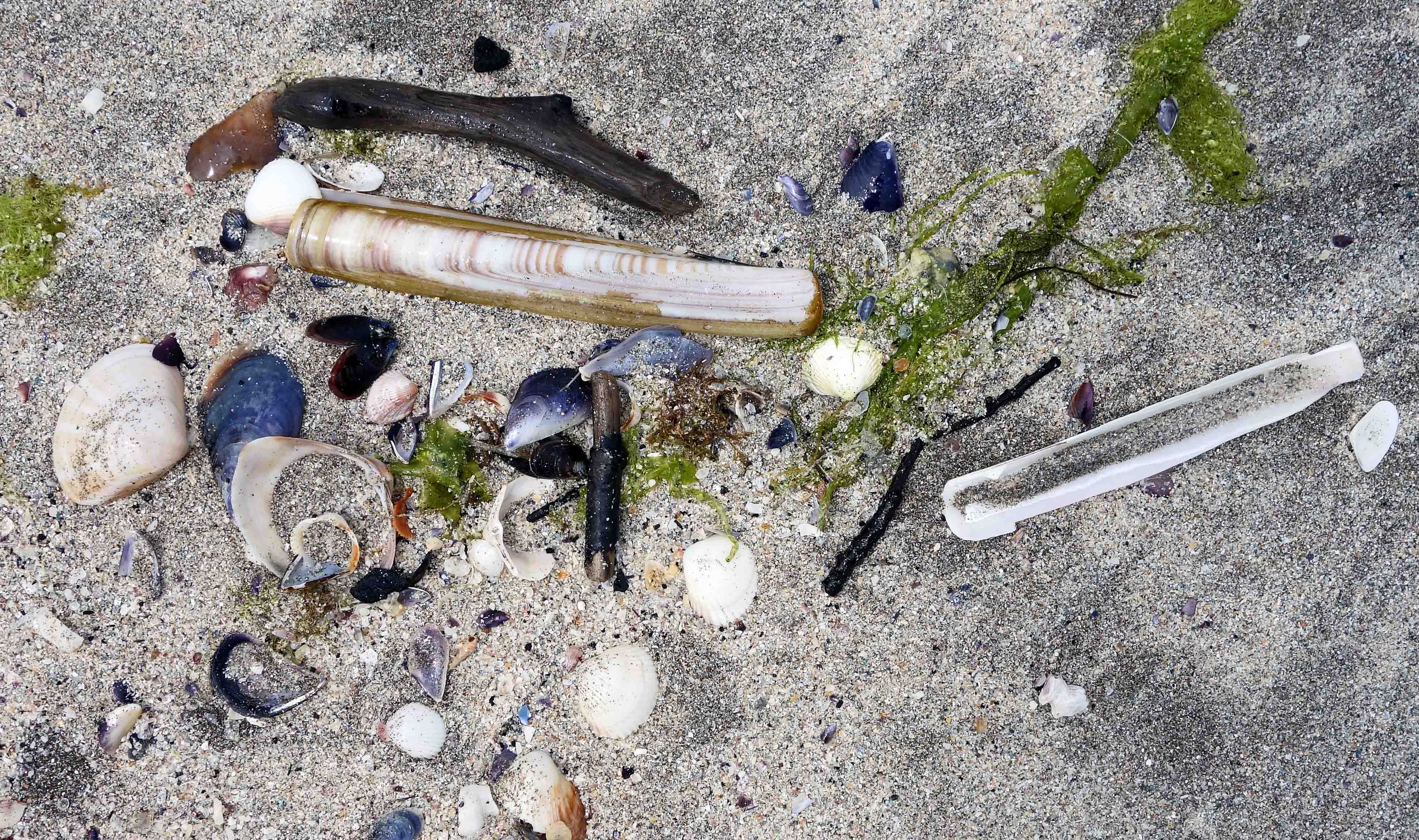
    We humans can create ‘works of art’ in many ways. We might collect shells and drift wood and use them to make representational works like Picasso did so skilfully. Or we could grind up natural elements like soil or minerals and apply them to a canvas. Or we could rely on Nature to produce a pattern, as here by waves washing up and down a beach, moving the shells, leaves and pieces of wood in ‘random’ pattens. But these arrangements follow a natural order; shells lie flat (rarely on their sides); smaller grains move father and faster than larger stones; wood floats and settles; and all the pieces get pushed into a narrow zone produced by the waves – advancing and retreating – a tide line.

    Tide line

    Tide line

    Walking along a tide line, we might select in our camera lens certain features, patterns or accumulations as our fancy dictates. What drives this selection is a certain aesthetic, but what determines a given selection – a quick glance and then a largely unconscious choice looking through a viewfinder – is a matter of taste, and is probably not worth thinking about too deeply.

    Tide line
    Tide line

    Rather, walk and get into a rhythm where the choice is spontaneous and natural. Not all compositions will work, but occasionally – with a little skill (we can all do it) – something of beauty emerges. Back home on the computer – the modern atelier – the photographer/artist can fine tune his selections, crop and polish, until something pleasing, but still rather intangible emerges.

    Tide line
    Tide line

    All of these images were taken with a compact camera (Sony RX I) whilst walking along Morouzos beach (1), Ria Ortigueira, on an overcast day (31st May 2015).

    Tide line
    Tide line

    1. http://rcannon992.com/2014/05/12/ria-de-ortigueira-a-special-place/

  • Pick up a polariser!

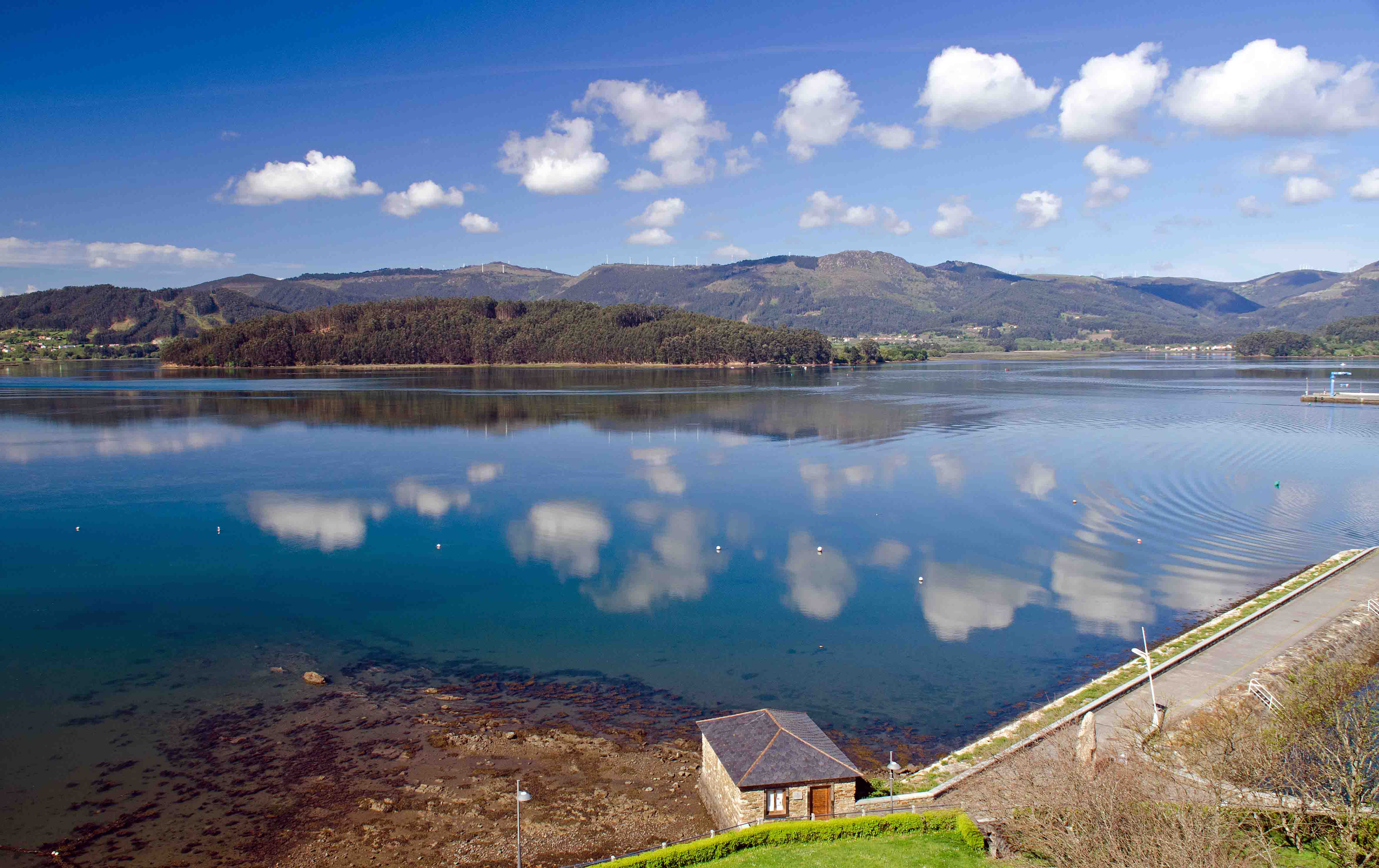
    Ria Ortigueira with polarising filter
    Ria Ortigueira with polarising filter

    Polarising filters are easy to screw onto a lens, and if used with care, add a whole new dimension to your photography. In particular they darken blue skies and alter the tone and translucency of water as well. I fitted a 77mm polarising filter onto the front of my two favourite Nikon lenses (17-55mm f2.8 and 70-200 f2.8) and had some fun taking images during a visit to Galicia, Spain. On the wide-angle lens, the polariser really enhanced the colour of both the sky and the water in the above photograph. It really emphasised the reflections of the little white clouds. You can of course vary the extent of the polarising effect, by rotating the lens, and the choice of how much polarisation to create is really a matter of choice.

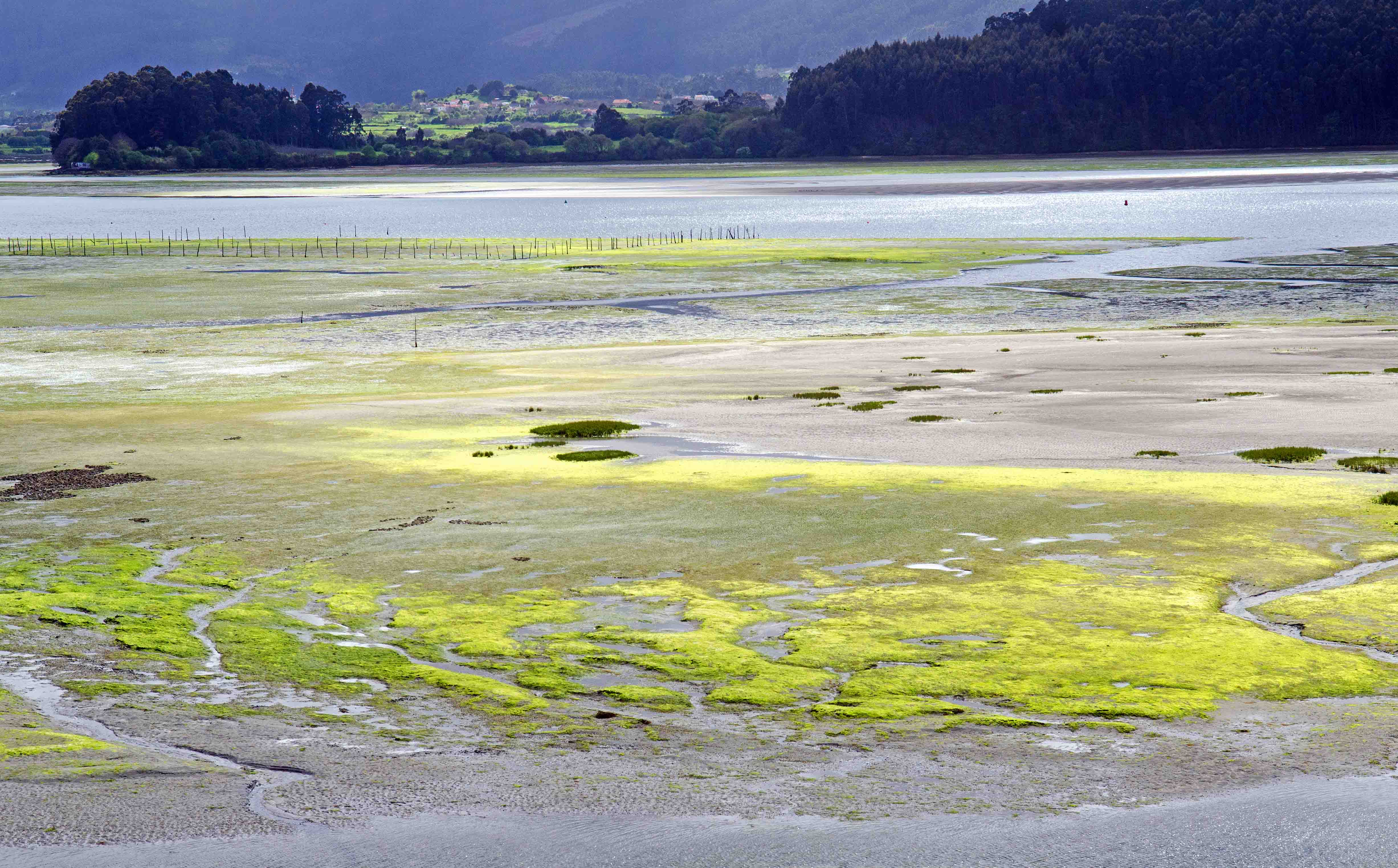
    Mud banks Ortigueira with polariser
    Mud banks Ortigueira with polariser

    Another effect of a polariser is to increase the colour saturation and enhance the green colours in a photograph. I think I managed to this in the above photograph, – using the 70-200mm lens – where the green vegetation on the mud banks at low tide, is nicely saturated. A polarising filter will decreasing the amount of light passing through the lens – by up to two f-stops I understand – but the light meter of a modern camera will evaluate the light passing through the lens and adjust the exposure accordingly. Nevertheless, a polarising filter works best I think in bright light.

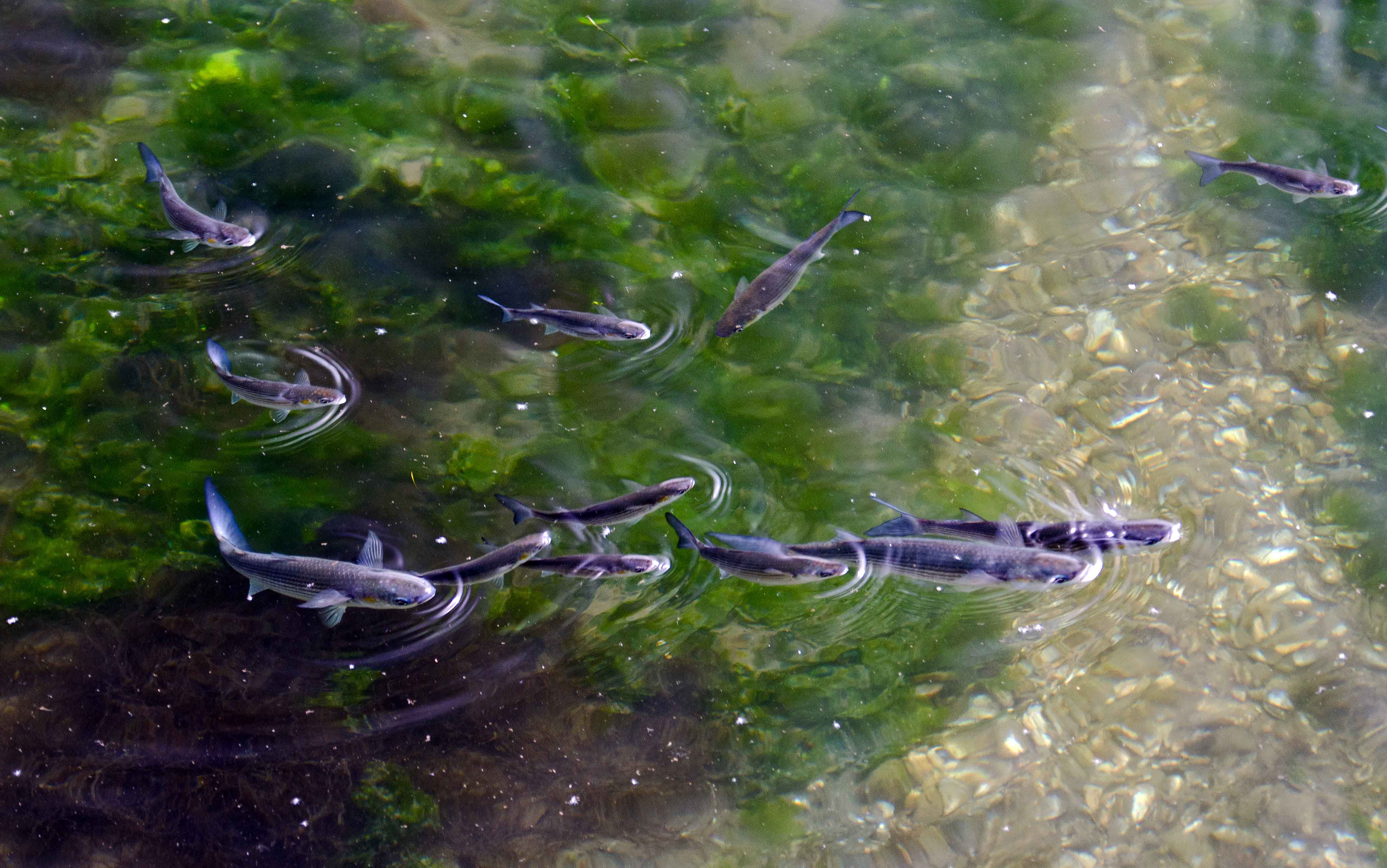
    Fish swimming in the Ria Ortigueira; taken with polarising filter
    Fish swimming in the Ria Ortigueira; taken with polarising filter

    One area where a polarising filter really comes into its own, is when looking down through water. The filter really worked well in cutting down on reflections producing more transparency into the water, when used on the 70-200mm to capture these fish swimming in the Ria. All of these images were taken around the town of Santa Marta de Ortigueira, which is located at the head of the Ria Ortigueira, Galicia, Spain. A Ria is a coastal inlet, or drowned river valley that leads into the sea, and there are many beautiful Rias in NW Spain.