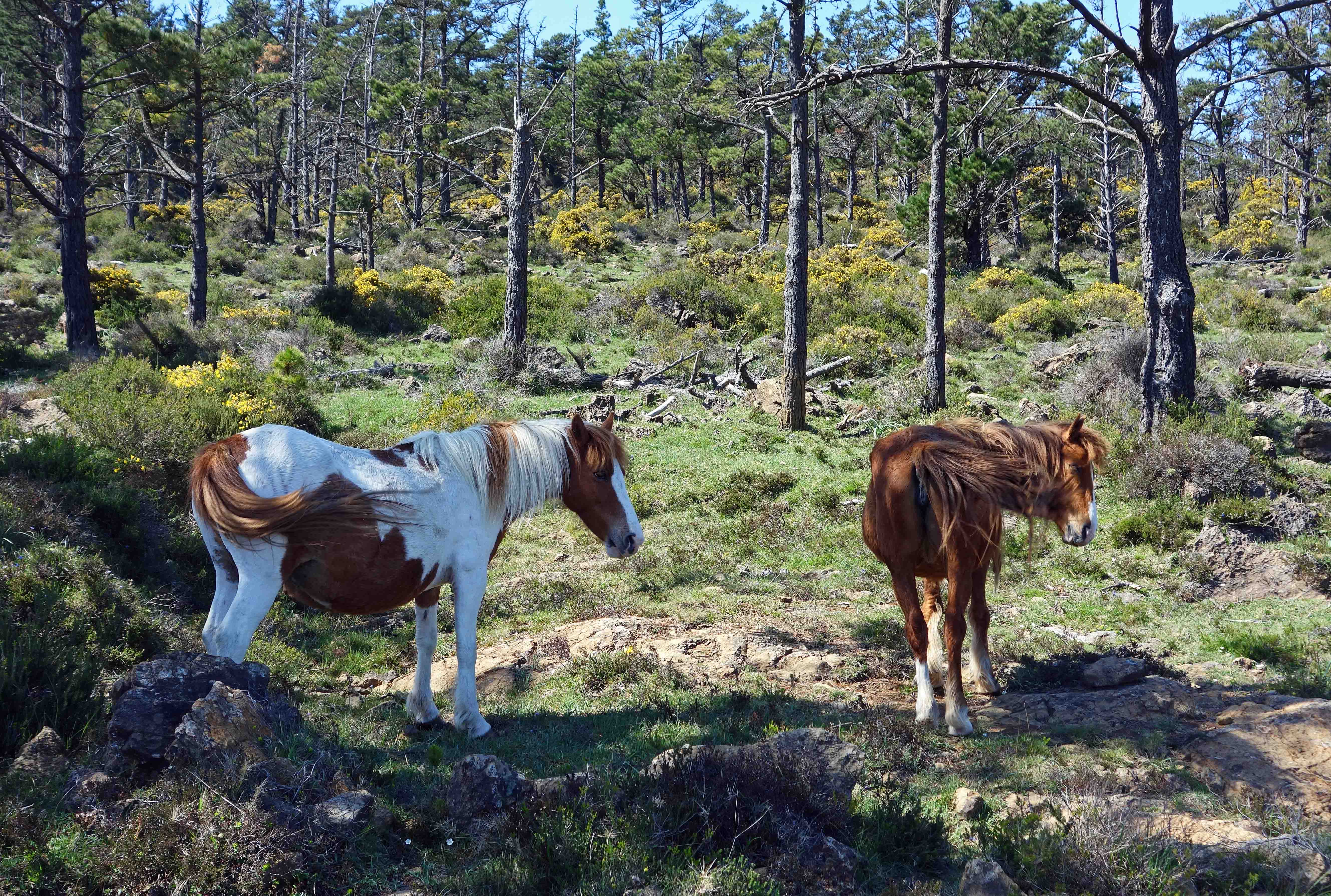
Galician ponies are a hardy breed of short-bodied, semi-feral horses which live on the mountains of Galicia, in NW Spain. They are said to be derived from a mixture of Celtic horses, Roman horses and horses brought to Spain by ancient Germanic tribes (the Swabians), and subsequently cross-bred with other breeds. They are however, superbly adapted to the rugged conditions found on the hills of Galicia, often clad in shaggy coats, highly resistant to the rain and mists of this Atlantic climate.
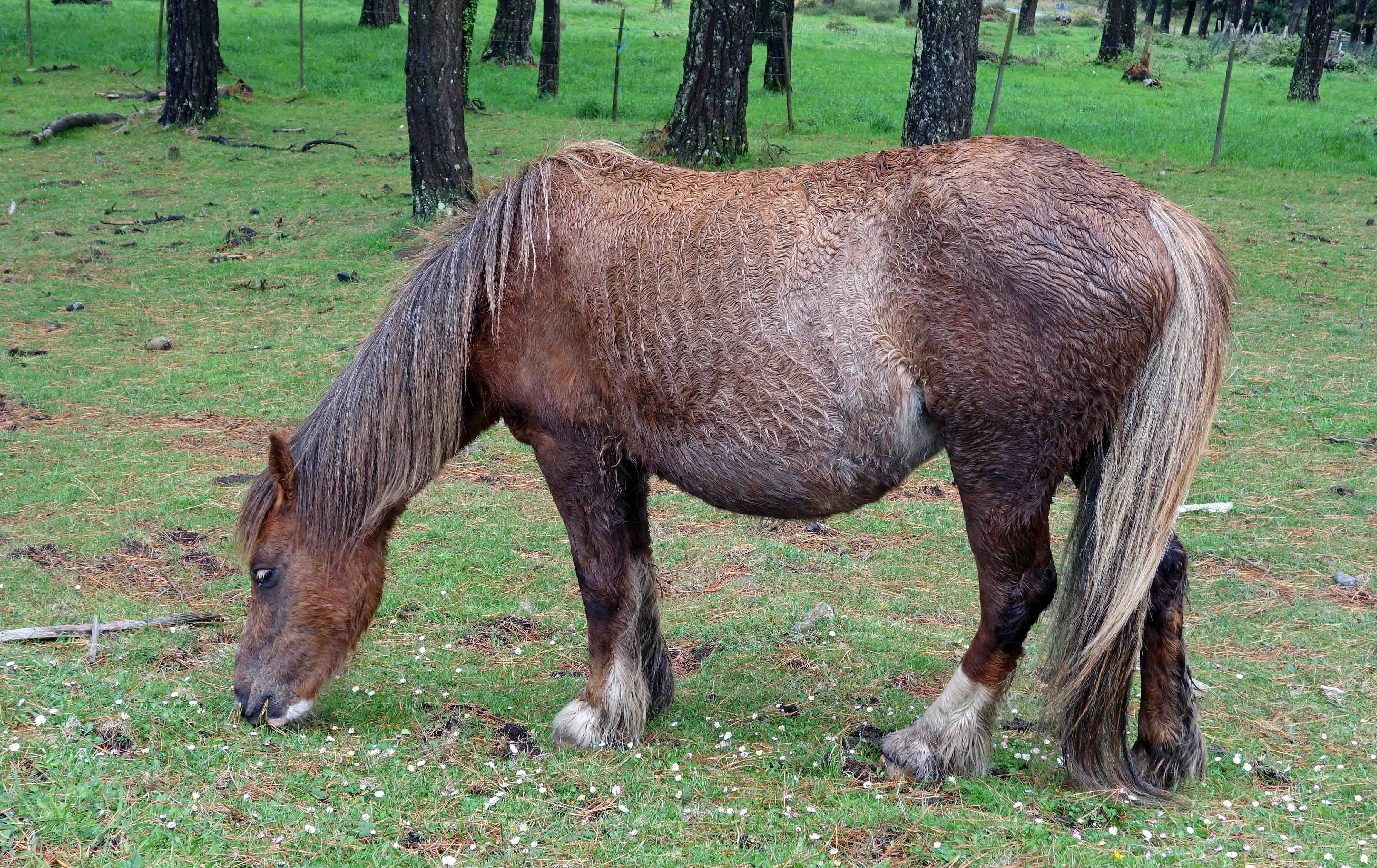
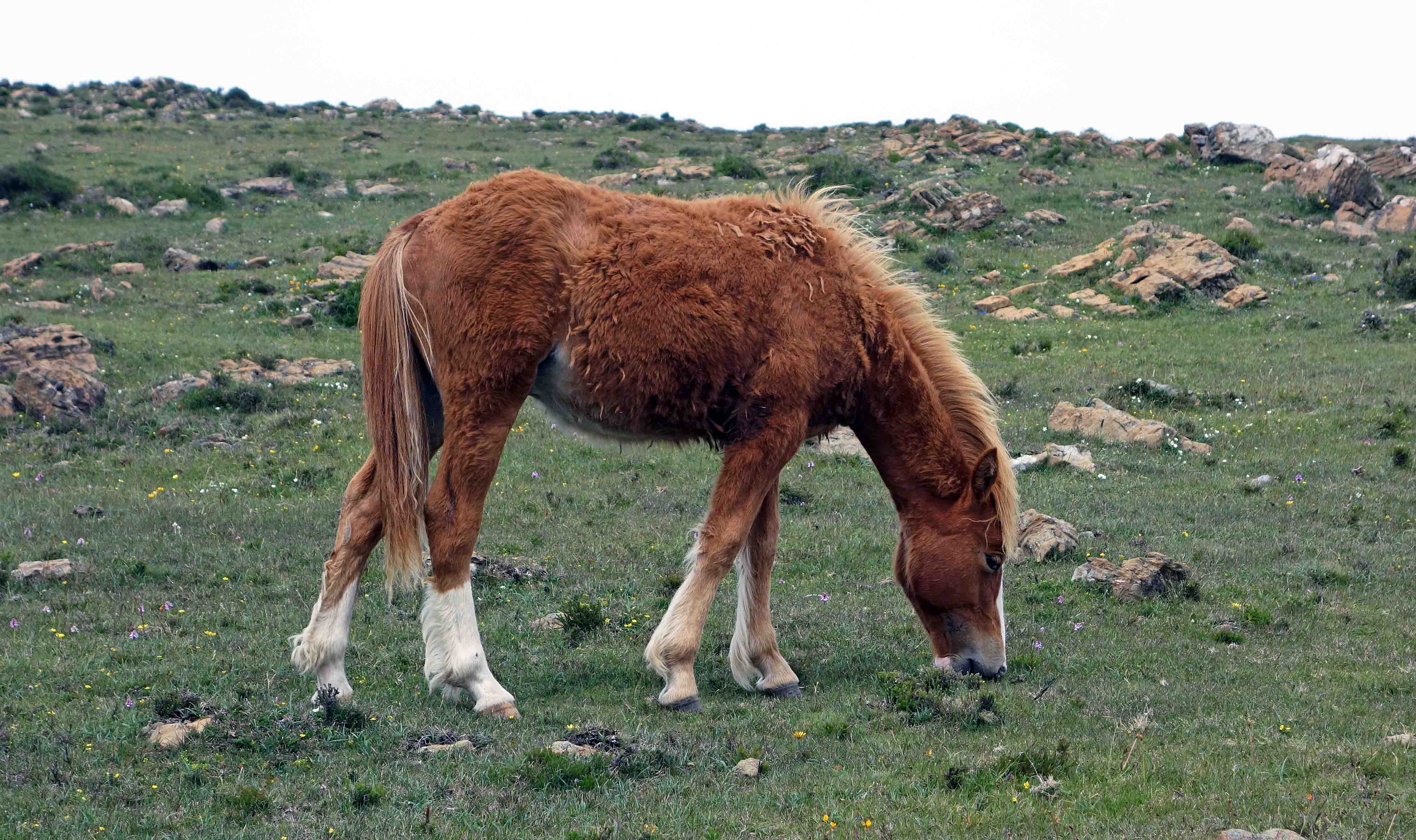
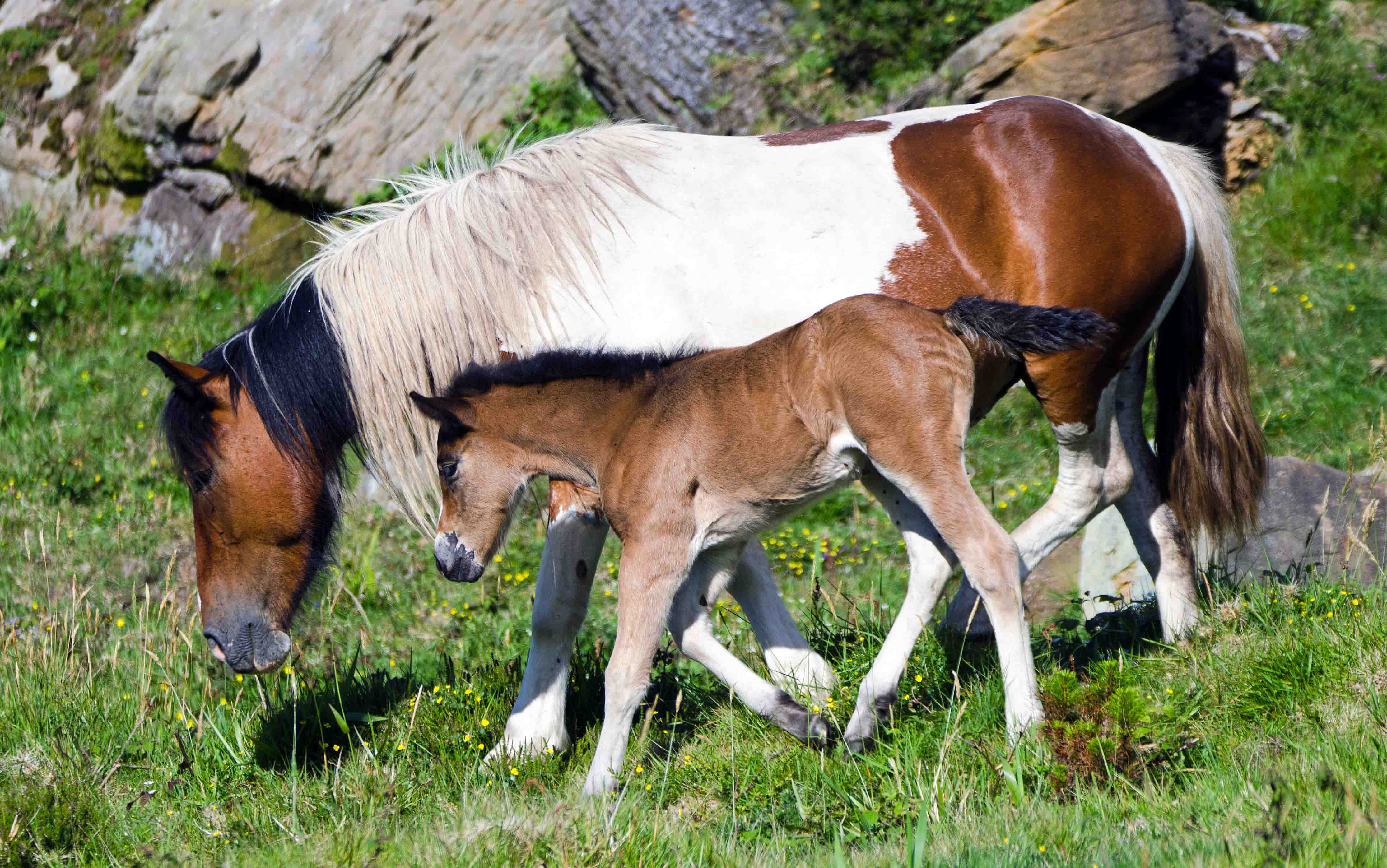
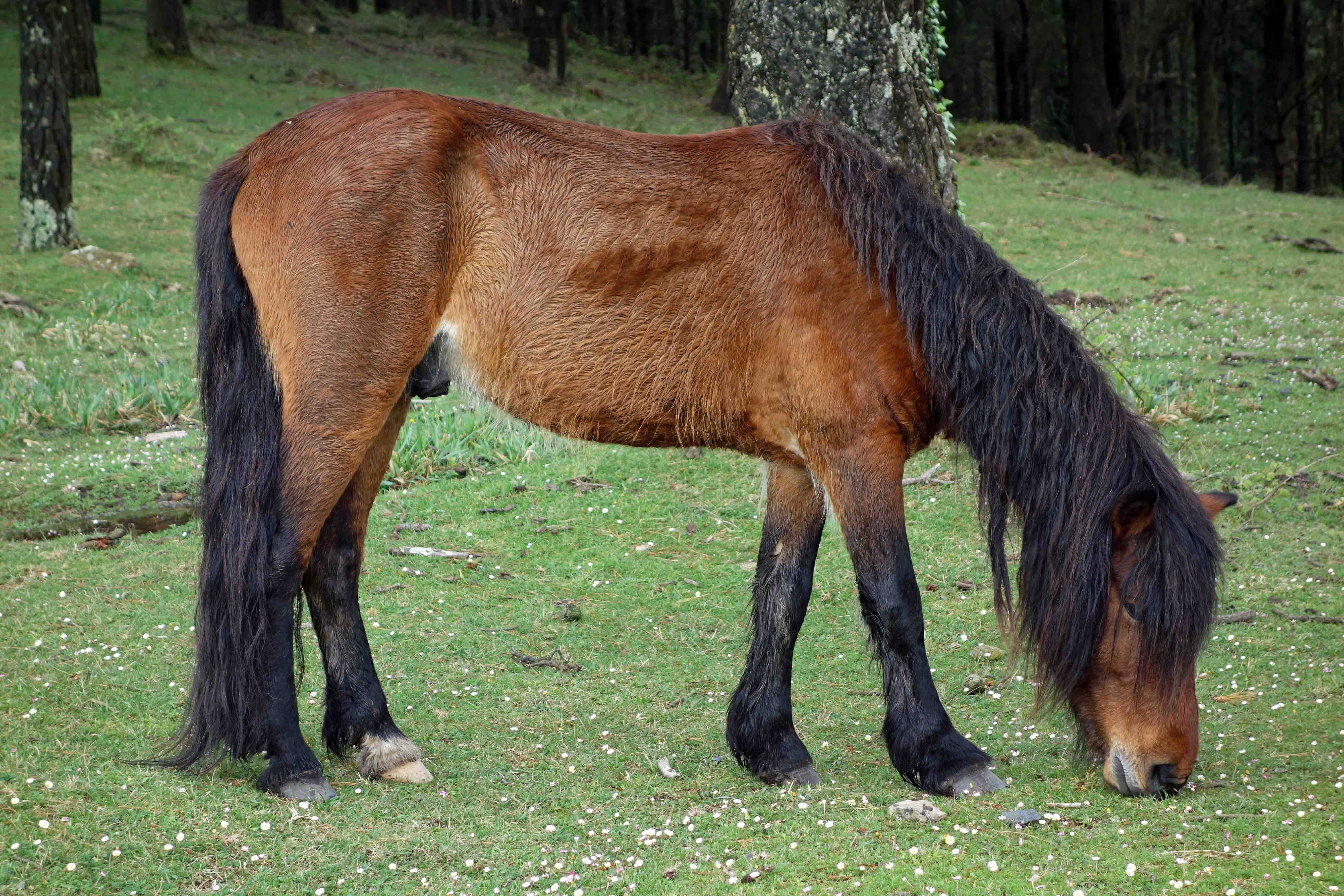
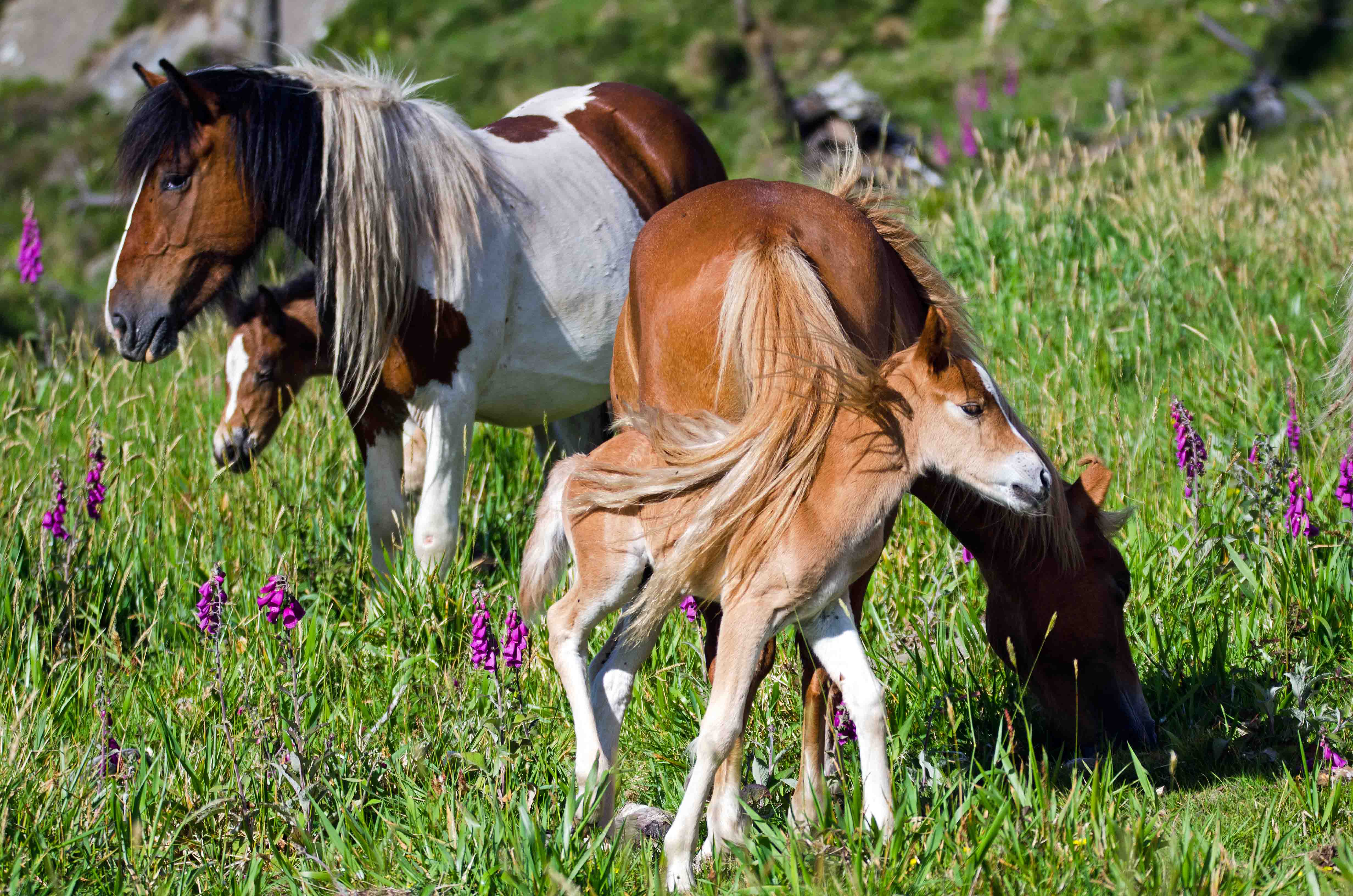
Galician ponies are mainly chestnut, or bay coloured (i.e. light reddish-brown to very dark brown), but there are plenty of white ones, and piebald (brown and white) ones.
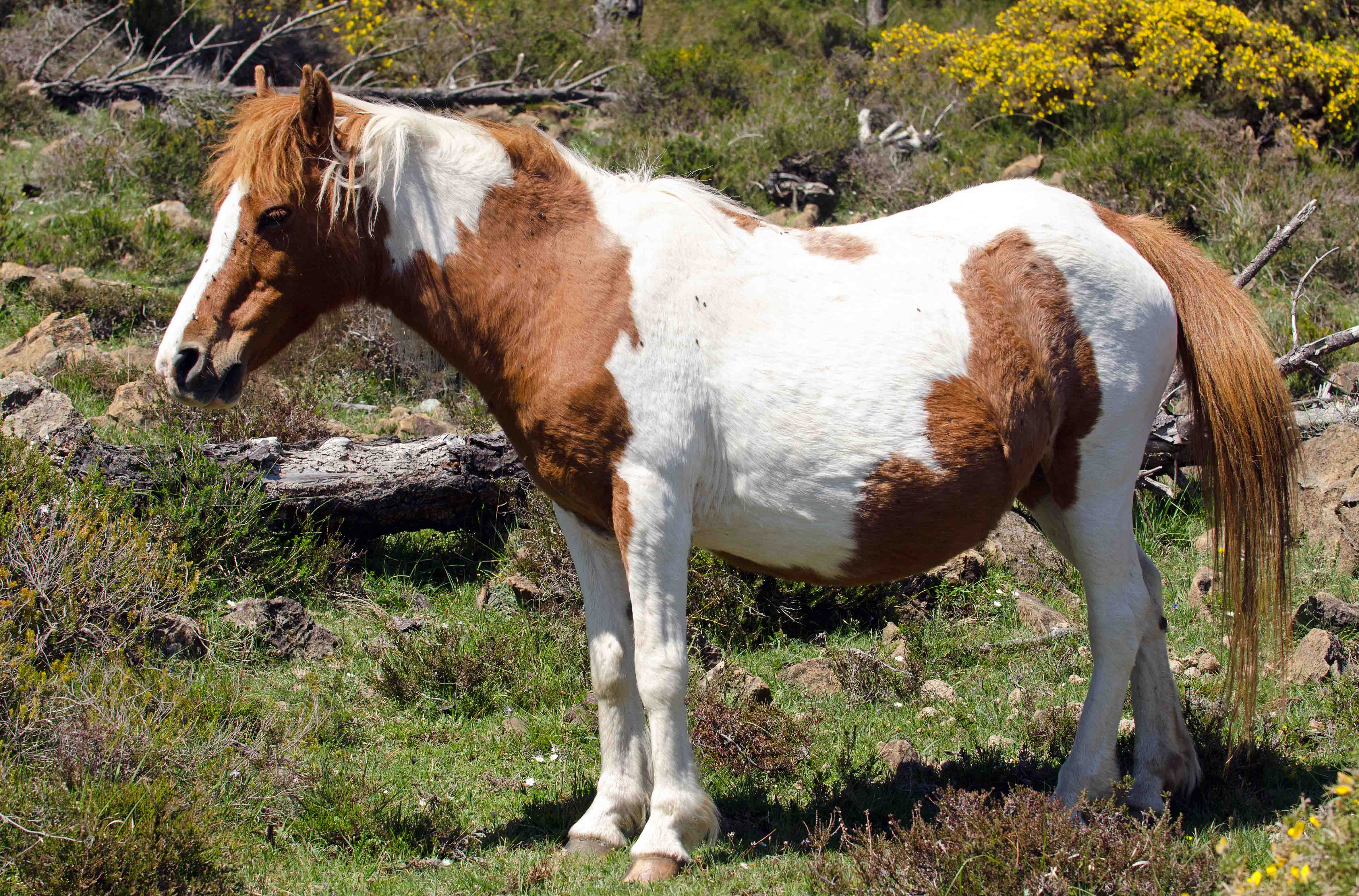
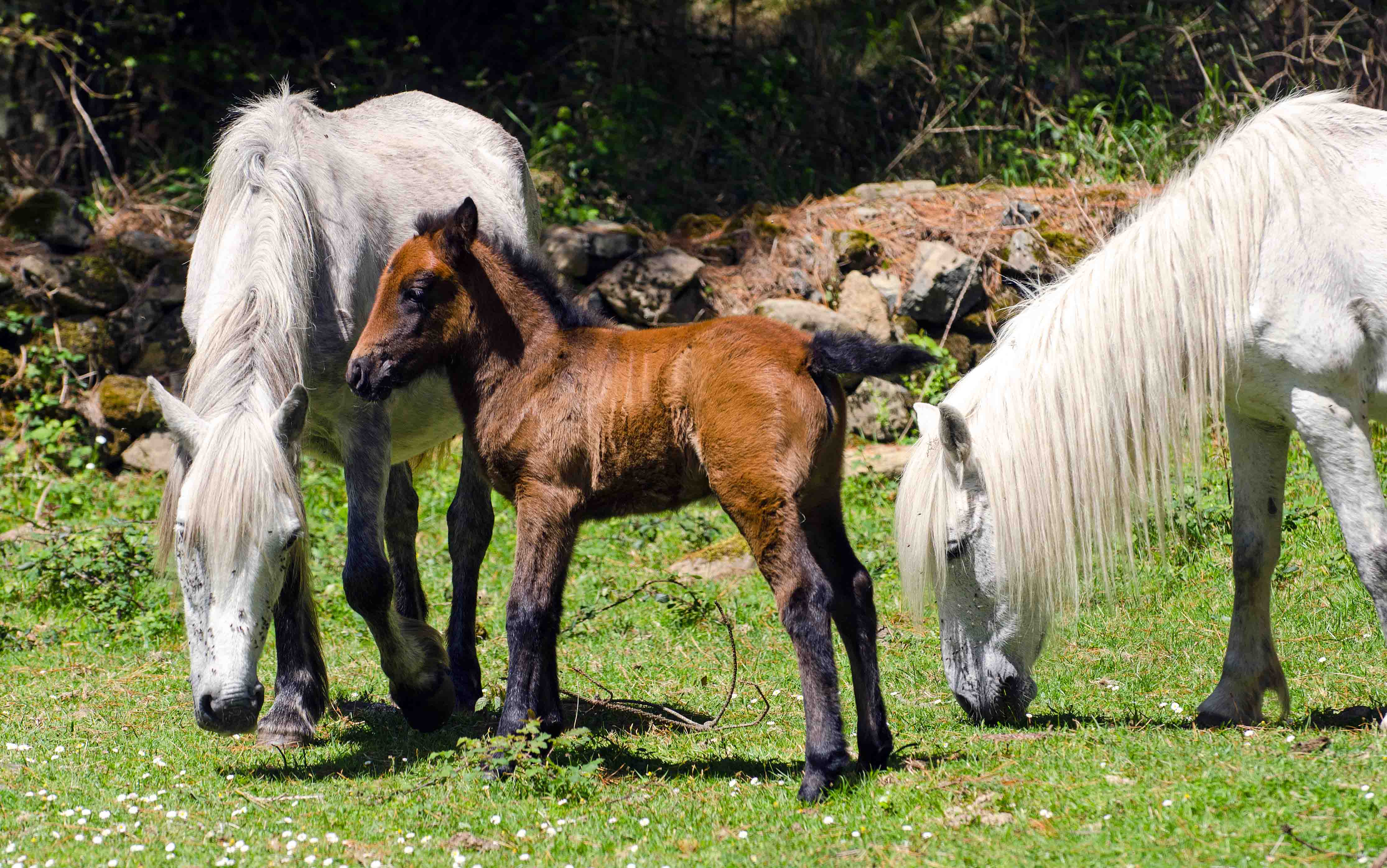
There are said to be different types of Galician ponies in different parts of Galicia, but they all have a straight profile, strong legs, and are between 1.20 and 1.30 meters in height (12.2 – 13.2 hands on average) (References 1, 2).
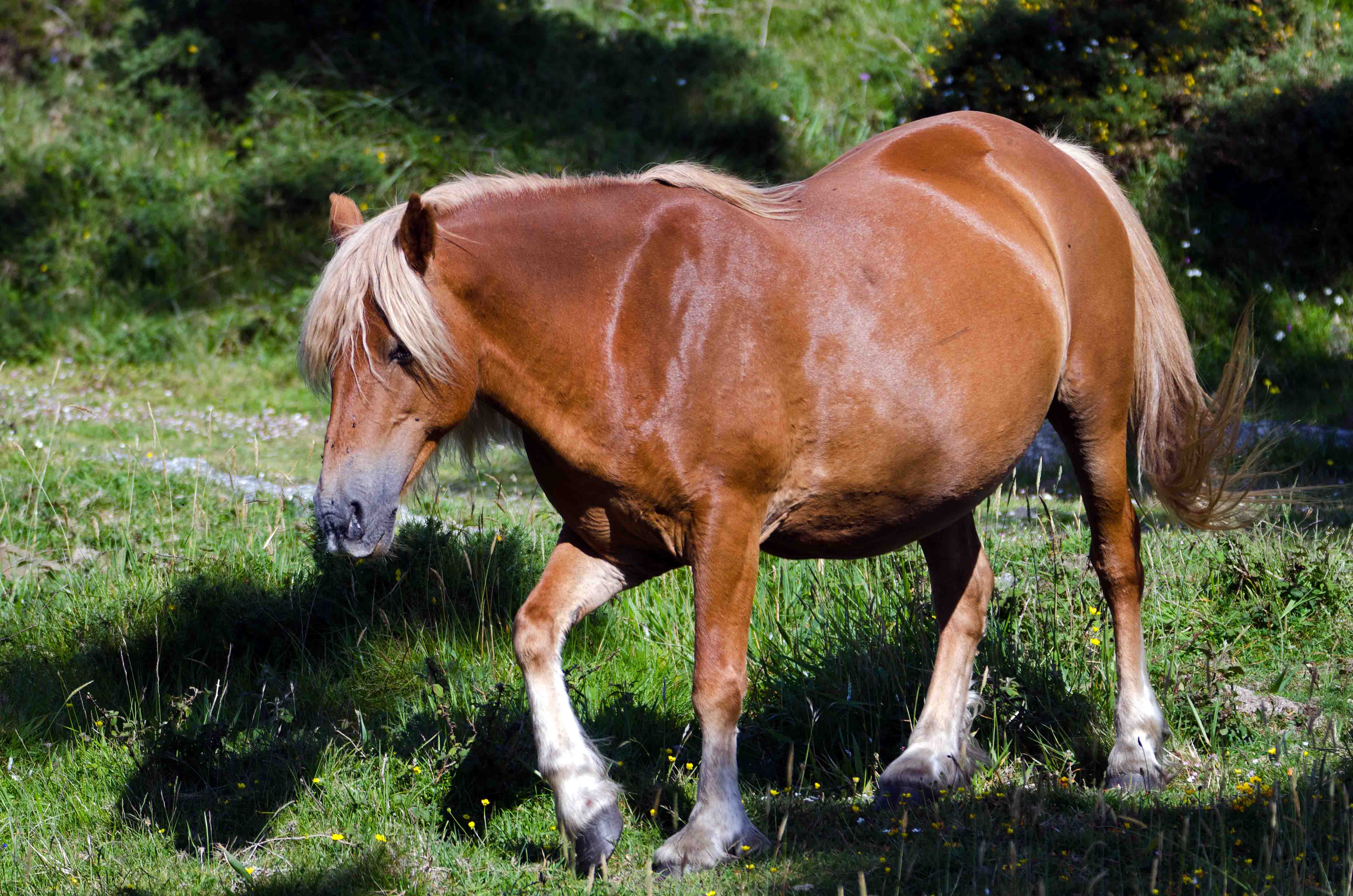
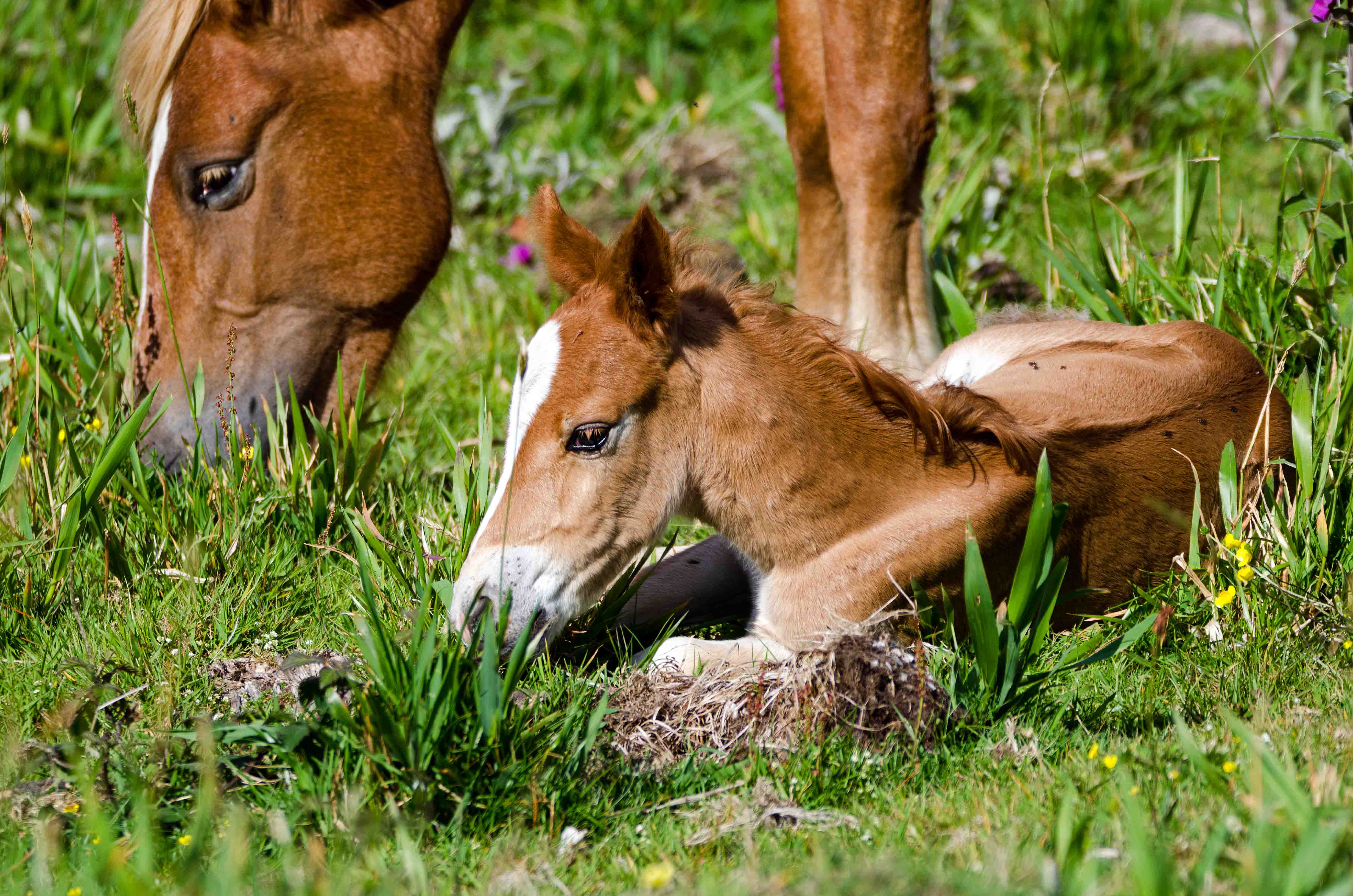
They were traditionally bred for meat and horse hair (which was used for brushes), but they are now mostly used for riding or simply as a tourist attraction decorating the hill sides. Many are however, not tame. Although quite tolerant of people, in my experience of trying to take photographs of them, they can be shy, but very protective of their foals.

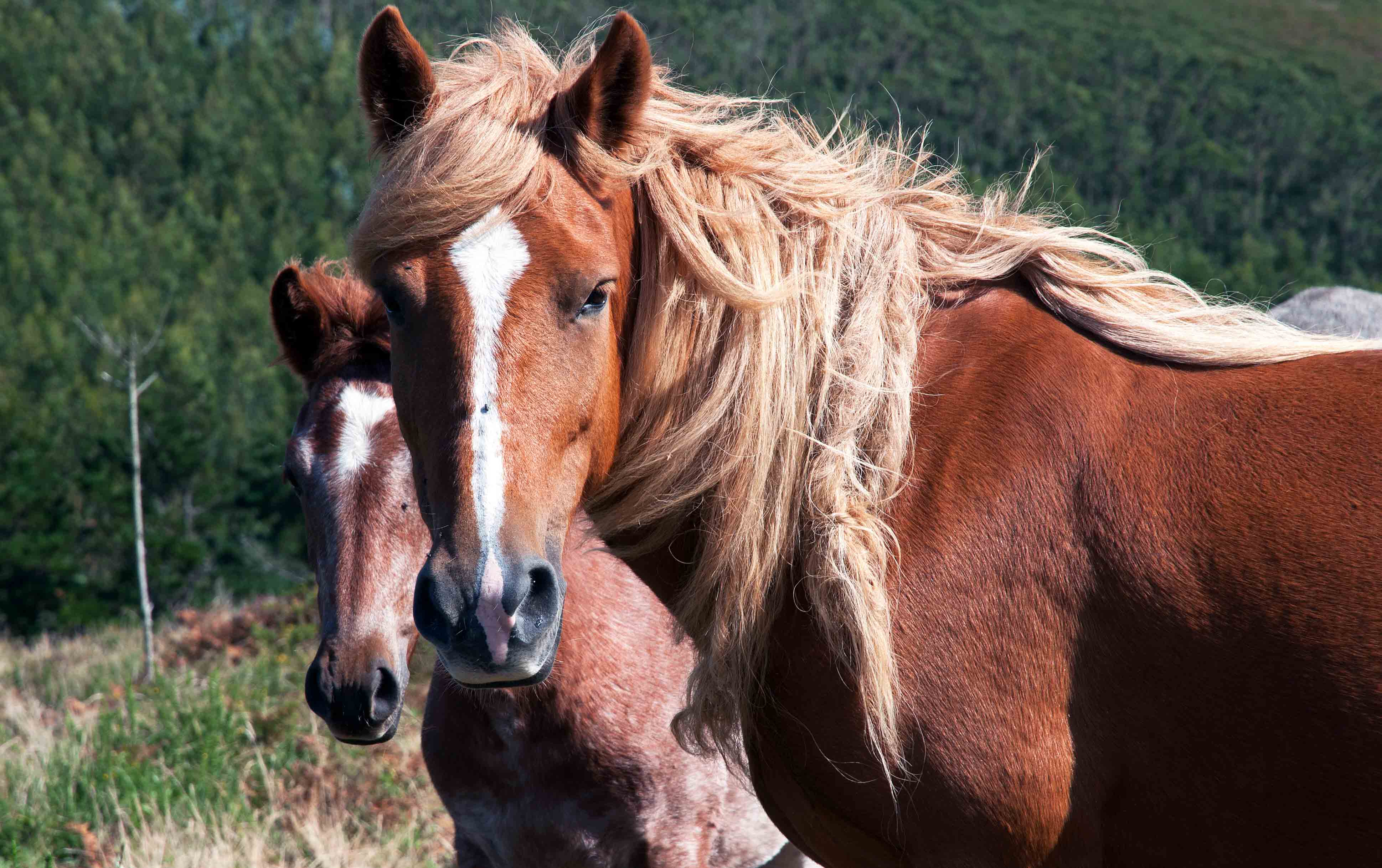
They said to be rounded up just once a year, in a ceremony called rapa das bestas, where the foals are separated from their mothers, marked and deloused. I am not sure if this practice – which is a rather dramatic affair as the horses are wrestled to the ground by men – occurs everywhere though. In the past the manes and tails were cut for the hair, and wonderful hair it is! The manes are often long blonde locks as shown below.
The stallions are not so common as the mares, presumably they would fight with each other if kept at too high a density.
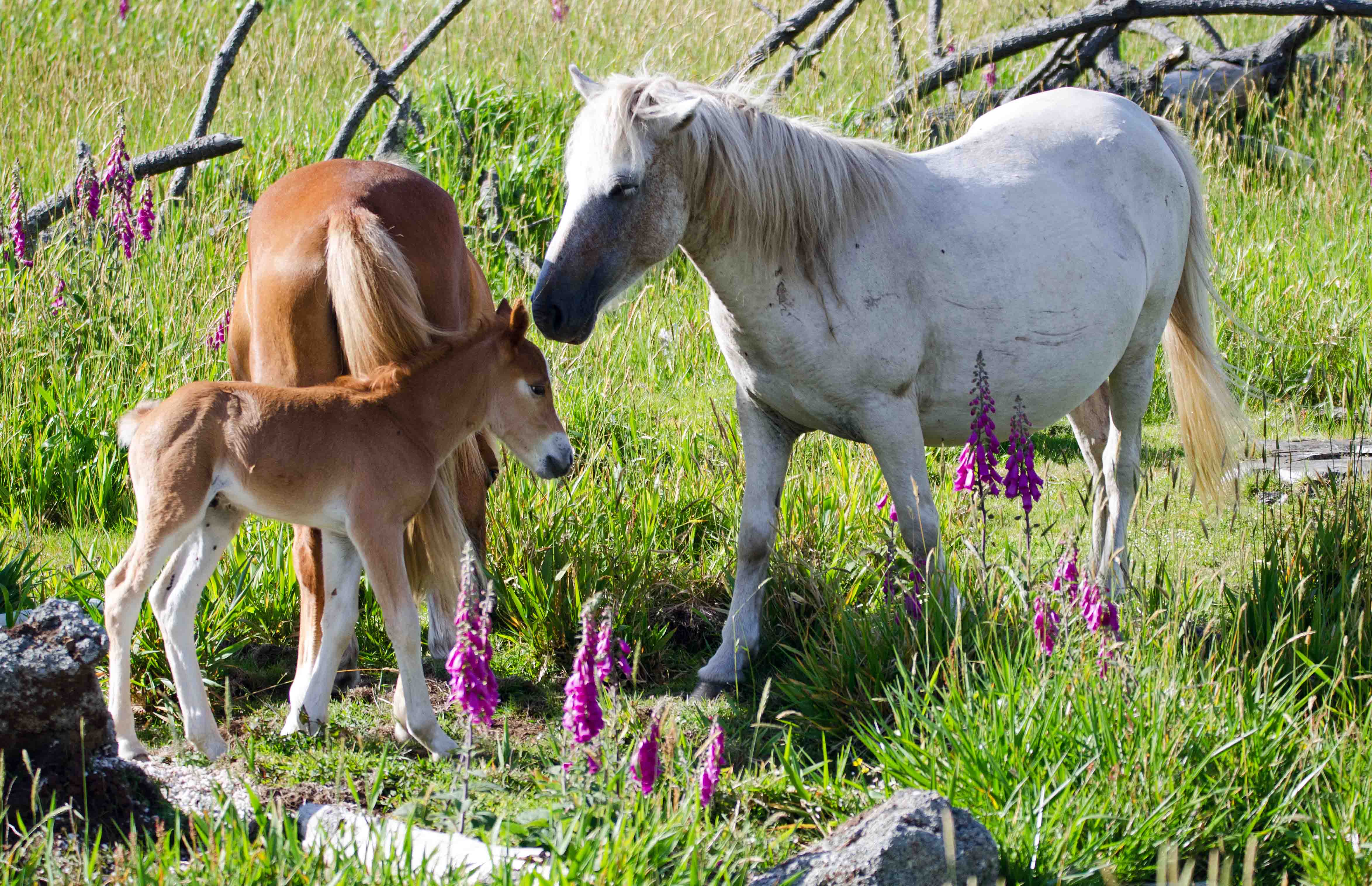
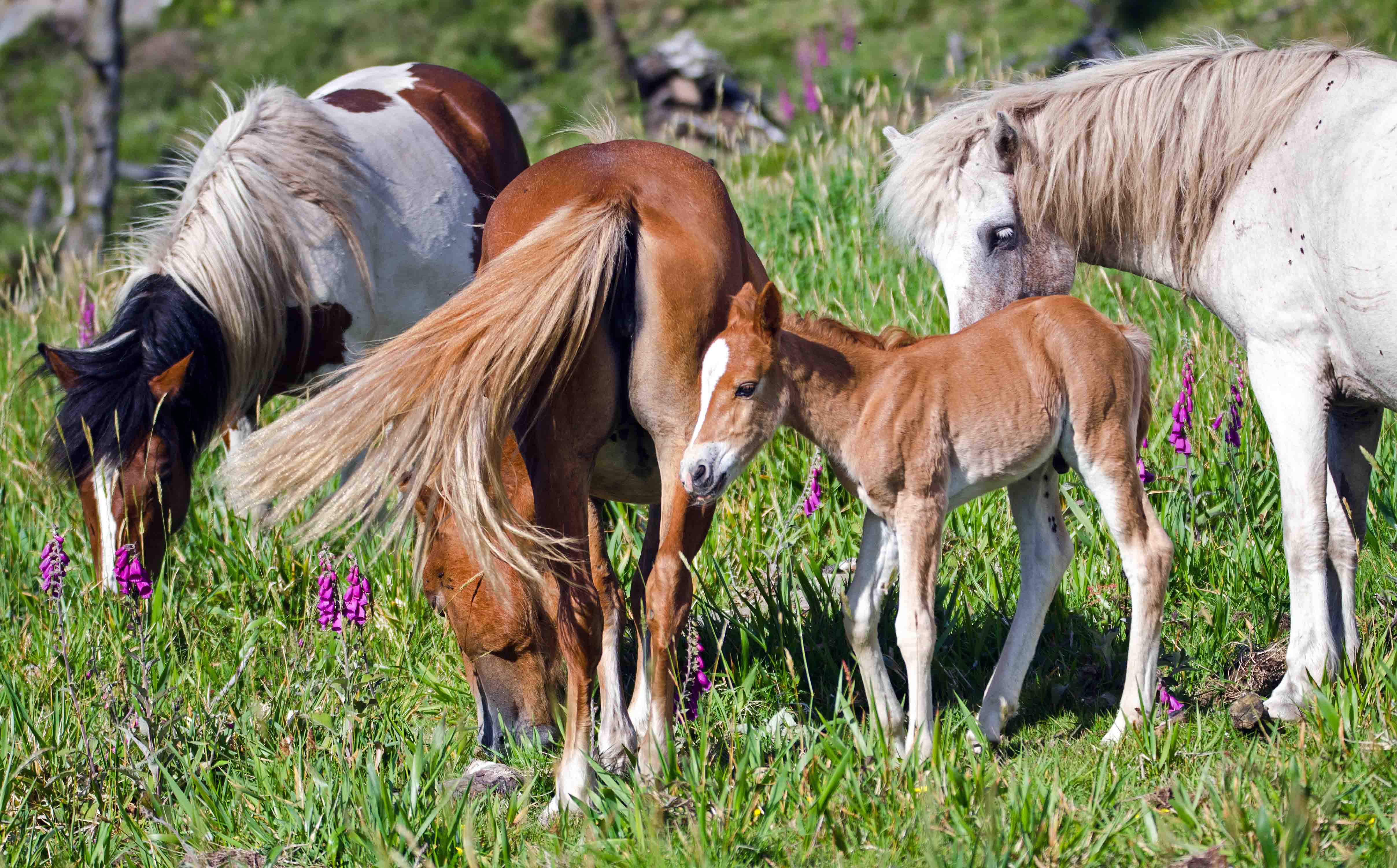
It’s hard not to be impressed by the natural, semi-wild lives these animals live in a beautiful countryside. Idyllic when the sun is shining in early June – as in the following sequence – but no doubt a different matter during the cold, wet winters. Nevertheless, they are perfectly suited to this climate, having lived here for thousands of years. They are a living legacy.
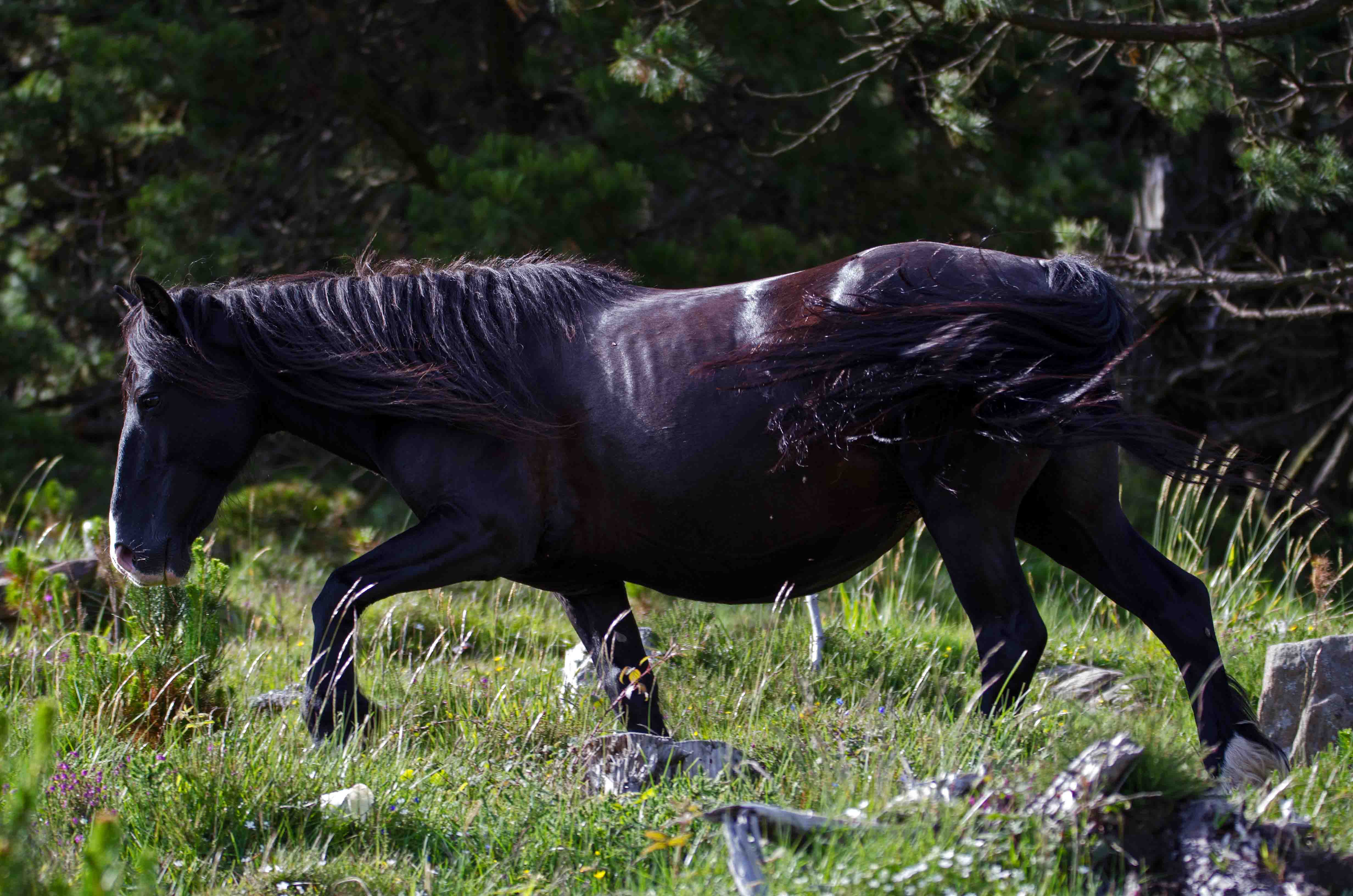
This magnificent dark, reddish-brown horse – below – was very flighty, and took off as soon as I arrived where the horses gathered, in my car. I am not sure if all the horses on the hillsides in Galicia are traditional Galician ponies, but they are magnificent animals.

1. http://www.theequinest.com/breeds/galician-pony/
 Ray Cannon's travel and photography blog
Leave a comment