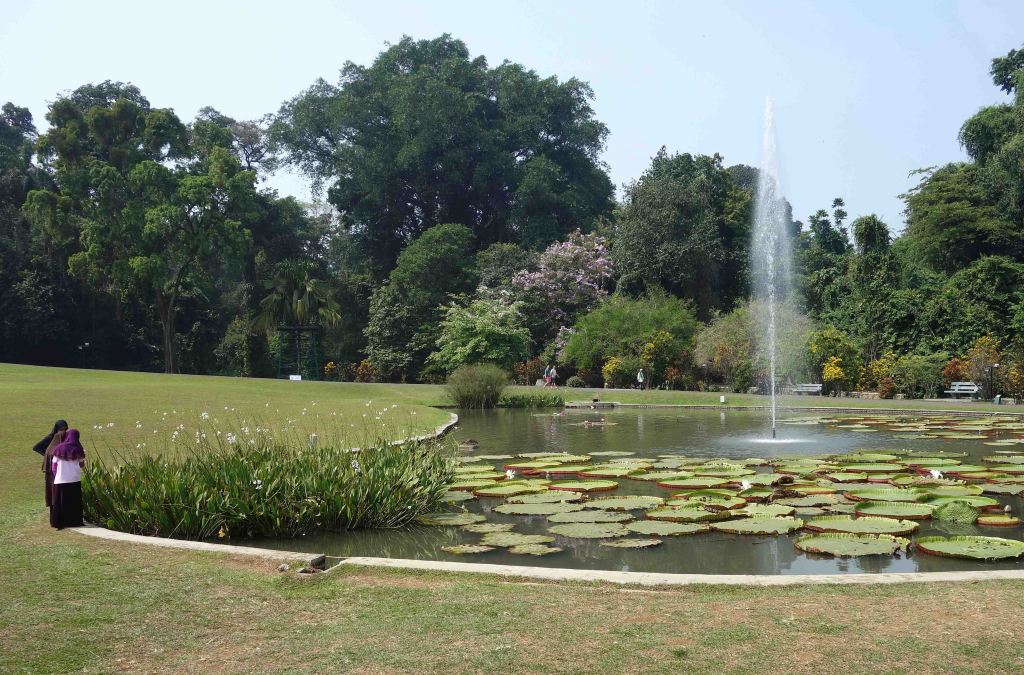
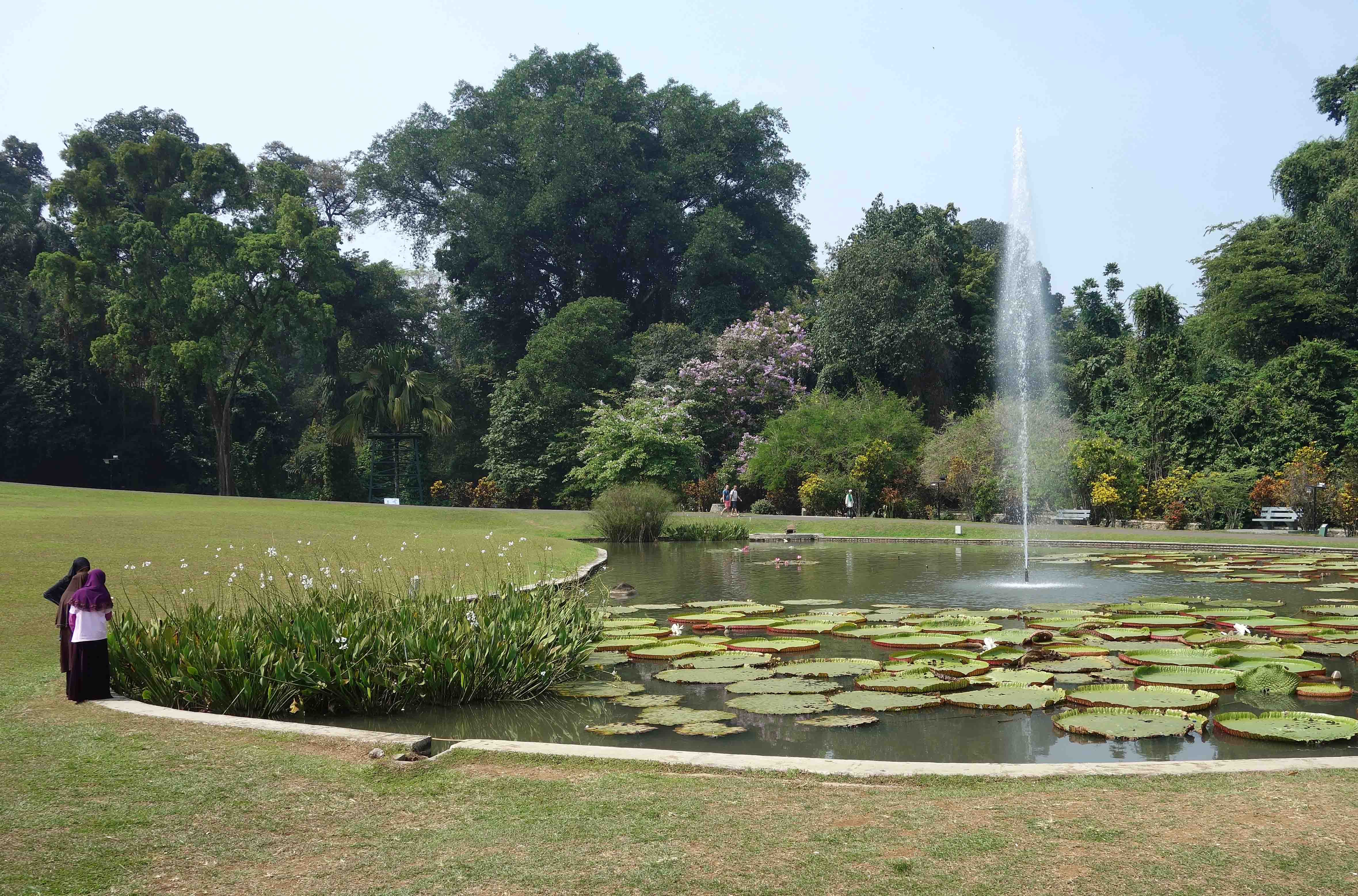
Alfred Russel Wallace – co-discoverer of evolution by natural selection – spent three and a half months in Java, from 18th July to 31st Oct 1861 (1). After collecting birds and insects in East Java, he took a steamer from Surabaya to Jakarta, where he stayed about a week. Jakarta did not seem to make a very good impression on Wallace. He complained that the canals ‘were all muddy’, the pebbly dives up to houses were ‘very painful to walk upon’ and he also grumbled that ‘in Jakarta everybody drives’. He probably meant, drives by horse and carriage, but it is an apt quotation; not much has changed, there are still pony and traps in some places, but it’s mainly cars, vans and buses, which are the main way of getting around for the 10 million or more of the population in Jakarta.
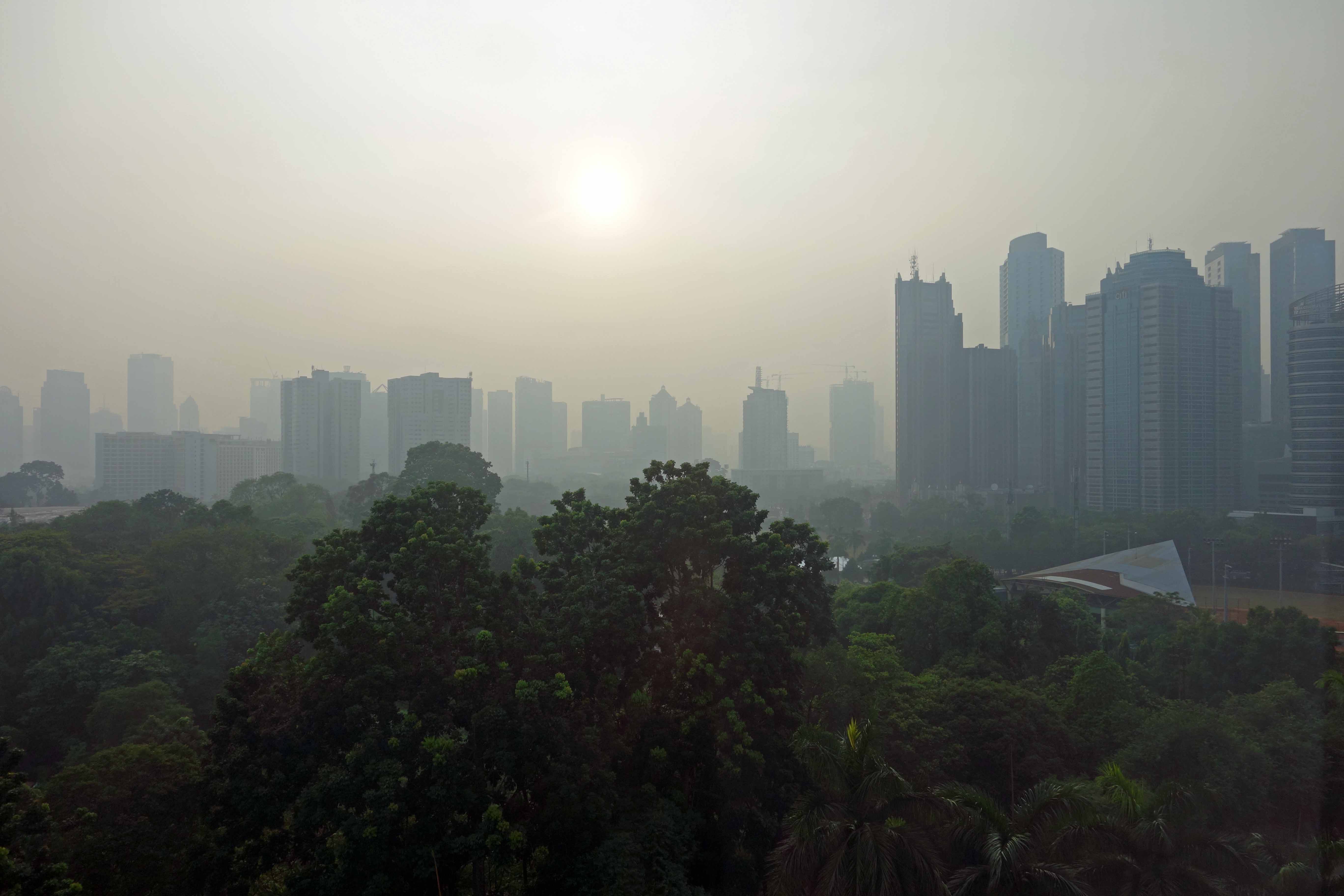
I wonder what Wallace would have made of it now? Perhaps he would have noted that some birds still manage to exist in this vast city, living alongside man, colonising the patches of vegetation which exist here and there in parks and gardens. My own sojourn in the capital city of Indonesia was short; I found it too huge and too traffic clogged to grapple with it. I am sure there is much of interest, but I soon moved on. I hired a taxi to drive to Bogor, a city some 60 km (37 miles) south of the Indonesian capital. Wallace went by coach to Bogor (or Buitenzorg as the Dutch called it). He visited the Botanical Gardens, but was ‘somewhat disappointed’ by them (1). His main criticism was that ‘there is a great absence of skilful laying-out’ (you certainly could not say that today as they are very well laid out) and perhaps more significantly, he considered that the plants could not compare to the ‘luxuriance and beauty’ of the ‘same species grown in our hothouses’. Be that as it may, he did concede that ‘there is much to admire here’, and mentioned ‘avenues of stately palms’ and ‘an endless variety of tropical shrubs and trees with strange and beautiful foliage’. The same can be said today of the Kebun Raya Bogor as the Botanical Gardens are called in Indonesia; there are many strange and beautiful plants to admire.
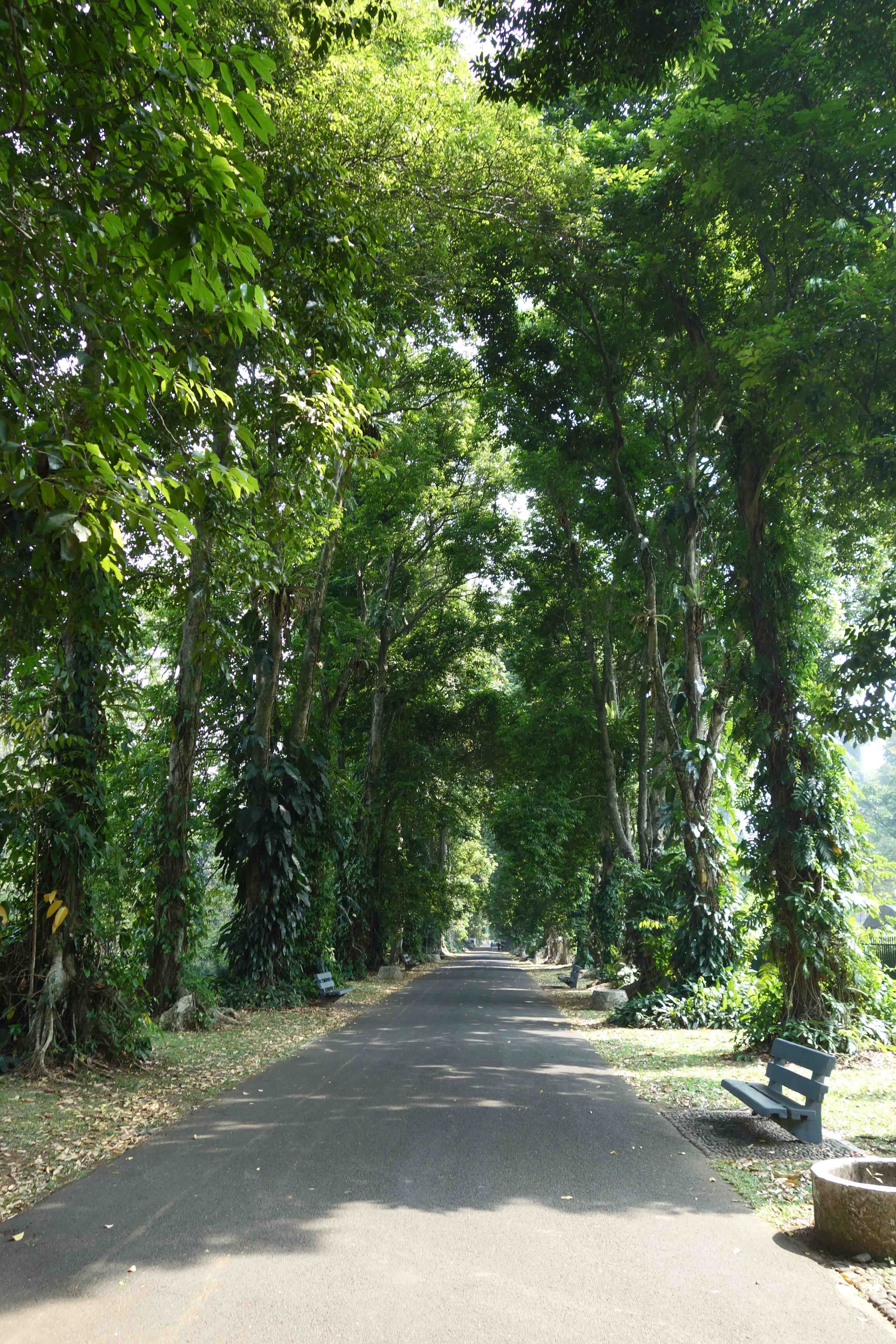
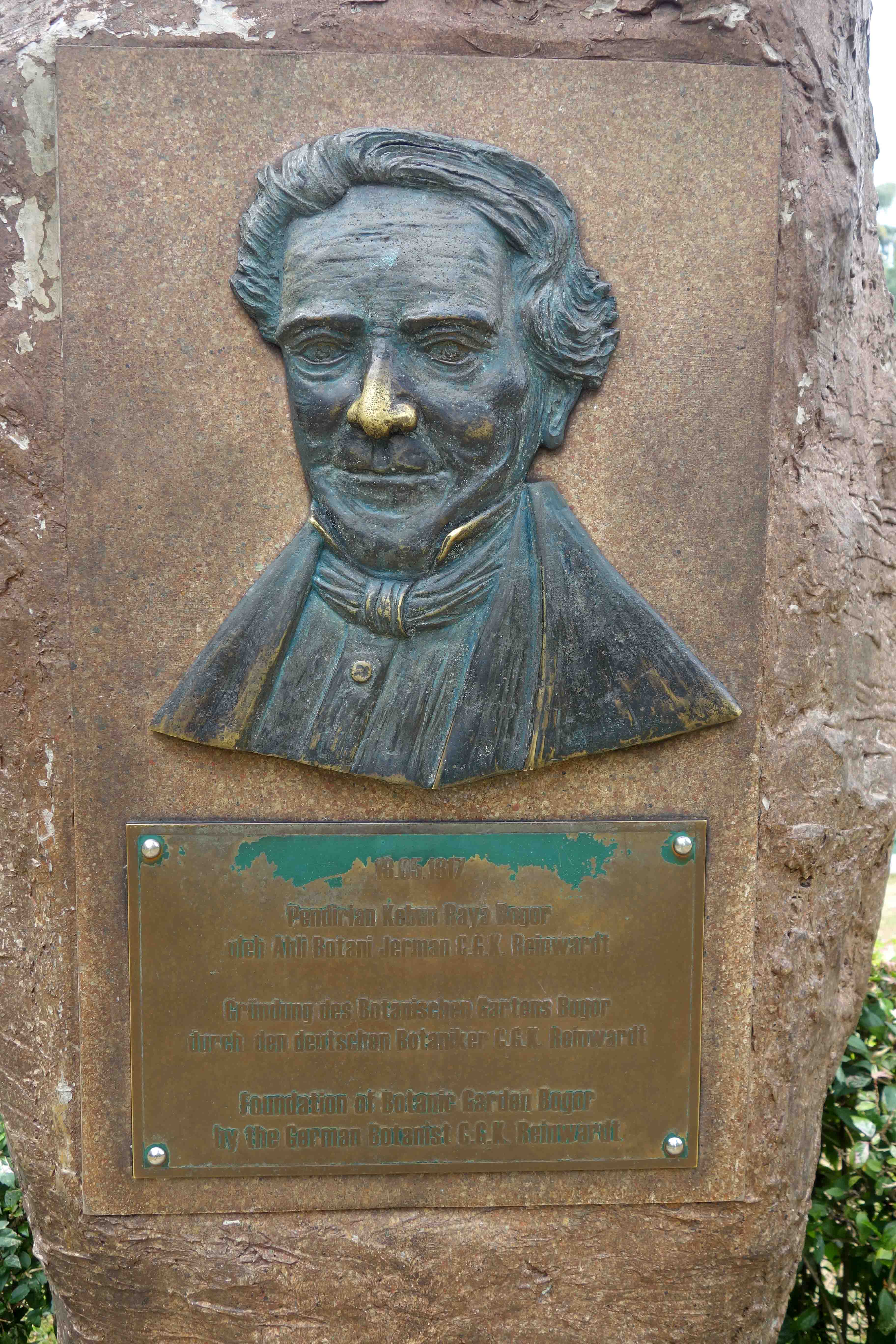
The gardens were first set up in 1817, by a Dutch botanist called Caspar Georg Carl Reinwardt (1773-1854), so they must have been quite well-developed when Wallace visited them in 1861.
The gardens were later to become the life work of another Dutch botanist called Johannes Elias Teijsmann (1808-1882), who – I think – must have been there when Wallace visited in 1861, since he only relinquished the directorship of the gardens in 1869 (2). A lithograph of from the 1880’s illustrates a lily pond and fountain very similar to that which exists today (3).
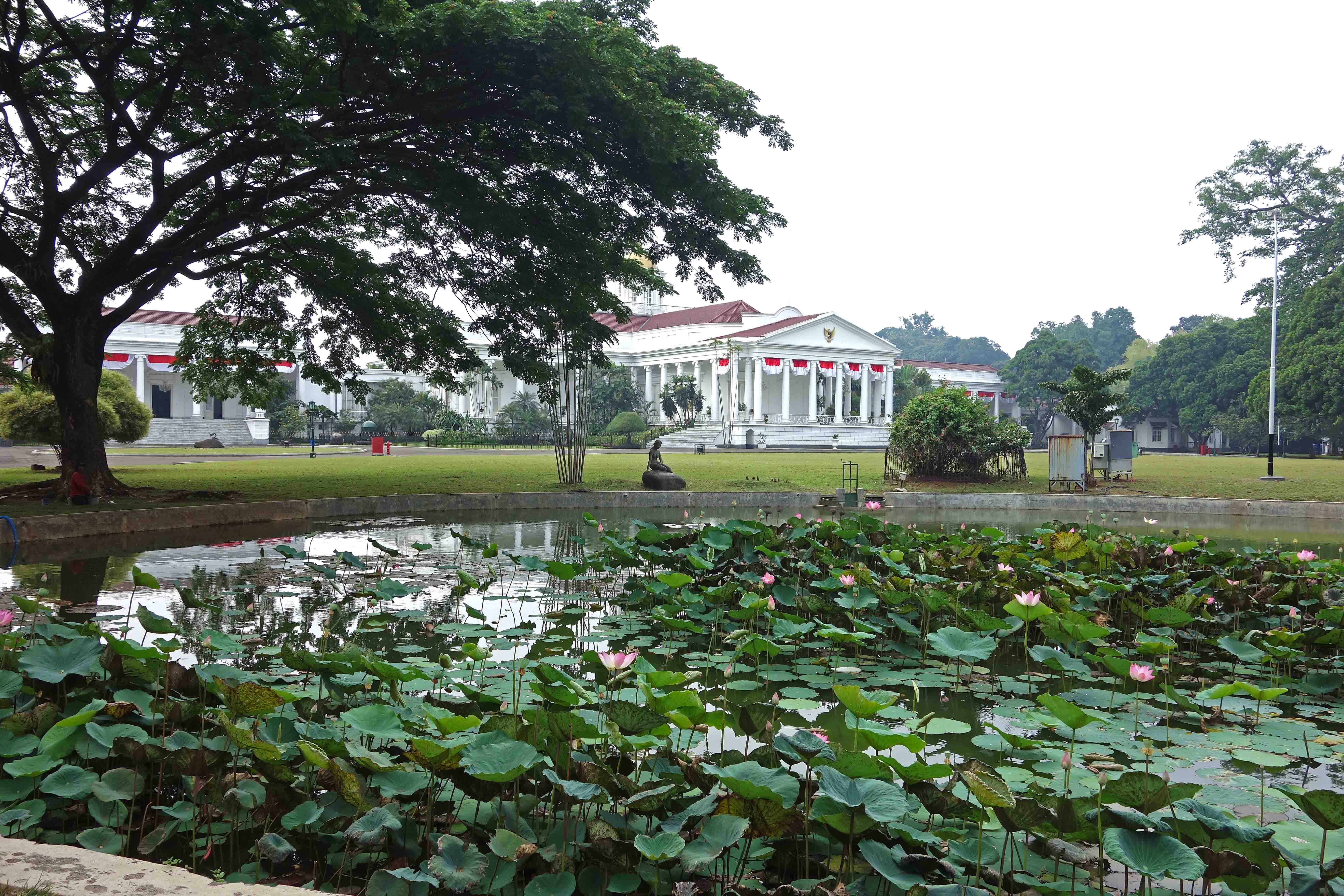
I enjoyed visiting these gardens on two successive days in August 2015. They are a good place to do birdwatching, and I was fortunate to see some Javan species, such as the Bar-winged Prinia, which is very common on the lawns; the Javan variety of the Coppersmith Barbet; and the beautiful Scarlet-headed flowerpecker.
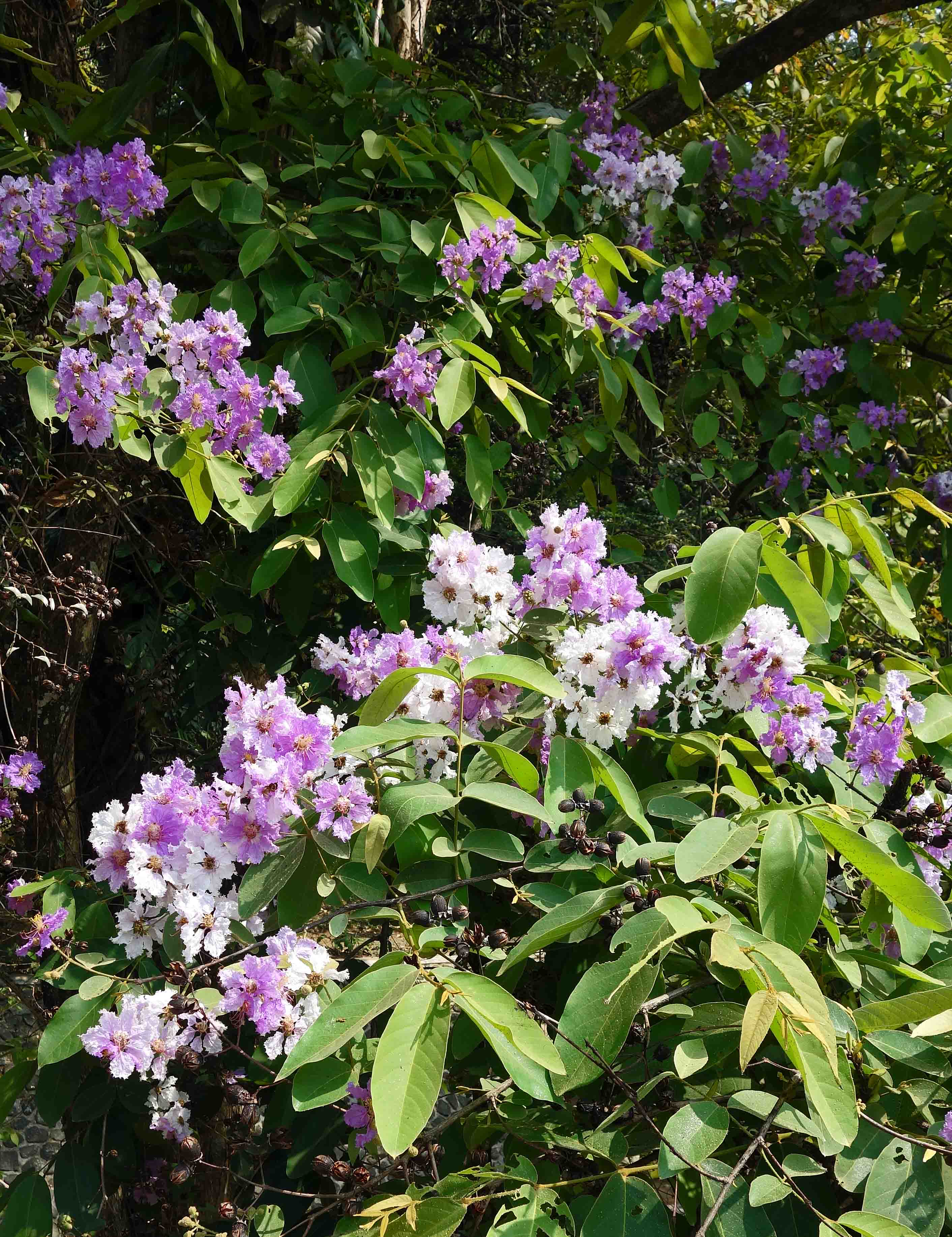
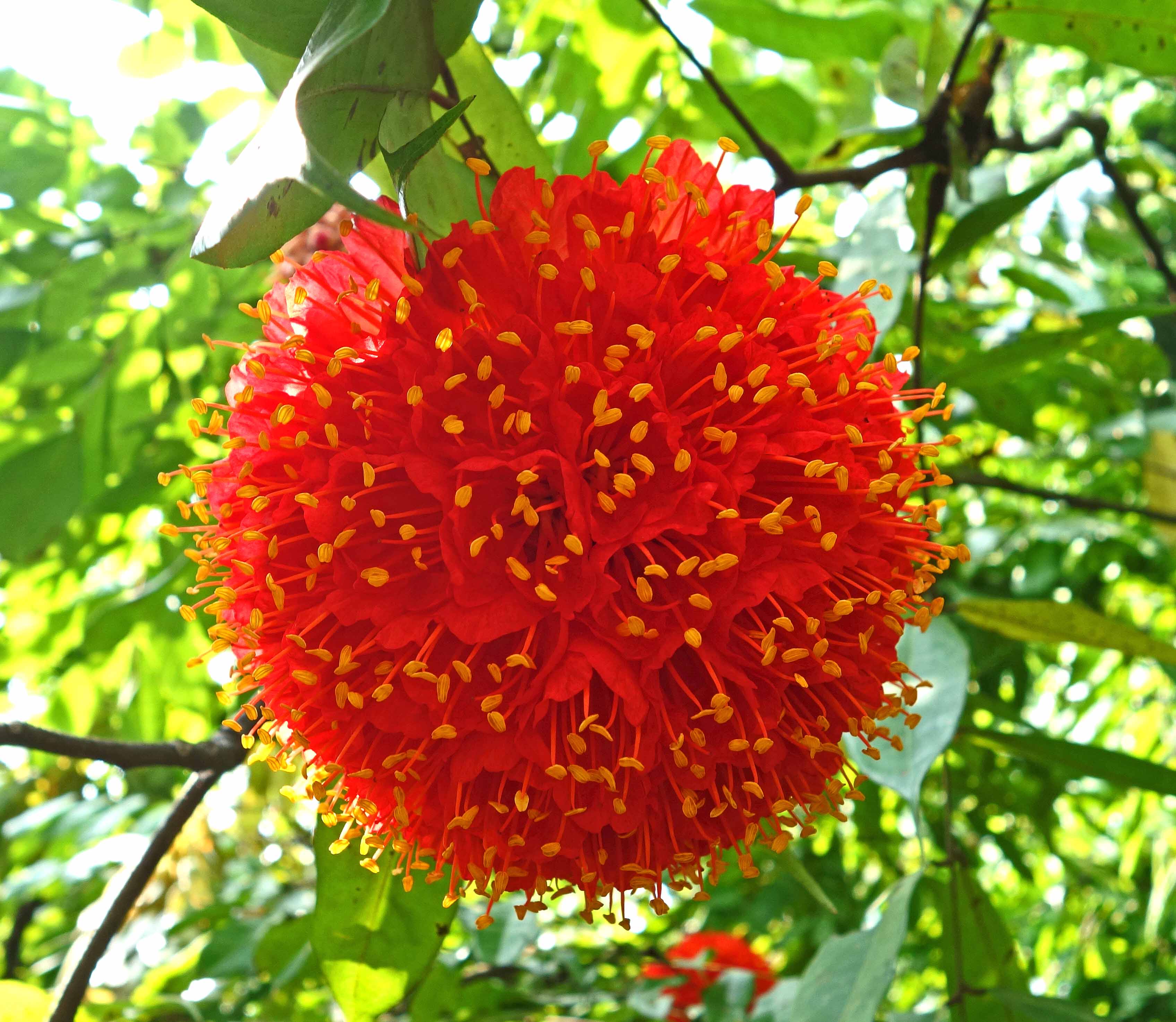
But it is the plants which are so interesting in this 87 hectare (210 acres) garden, since there are over 3,373 different species. Many of the plants are exotic species (to Java) collected or brought here by the founding Dutch fathers of the gardens (2, 3), like this Rose of Venezuela (Brownea grandiceps) flower, which I blogged about before (4).
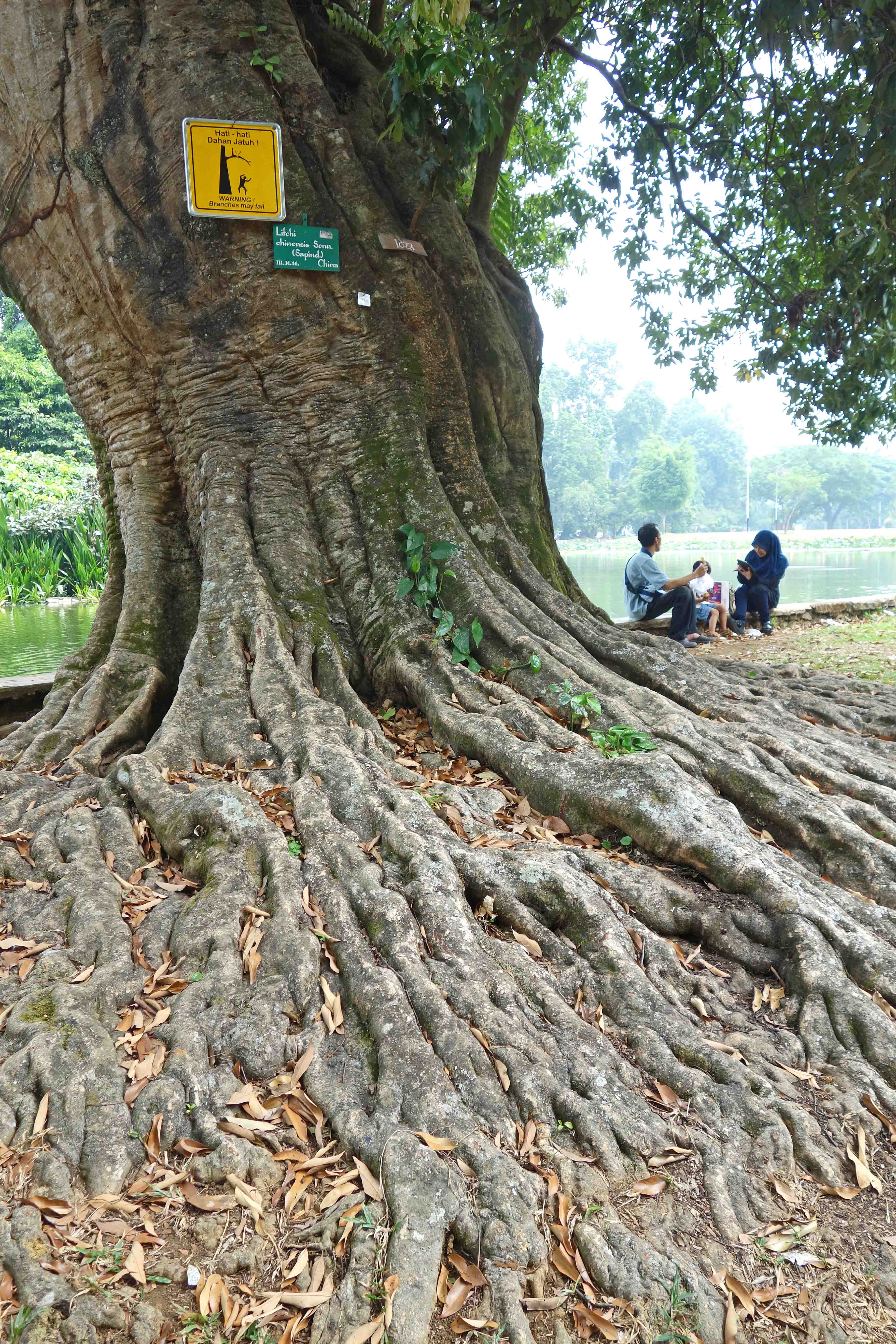
As well as the cacti, bamboos, orchids, roses and so on, there are also some remarkable trees. The oldest tree in the Botanical Gardens is said to be this lychee tree (below) which originated from southern China, and was planted in 1823. So it would have been a fair-sized, 38-year-old tree when Wallace visited; I wonder if he noticed it?
One thing that Wallace did remark on (again!), was the fact that the ‘walks were all of loose pebbles, making any lengthened wanderings about them very tiring and painful under a tropical sun’. Perhaps he had bad feet, or perhaps he was already was suffering from some tropical ulcers which plagued him in later years. Nevertheless, the pebbly walkways are still there in Bogor, but appear to be more consolidated than in Wallace’s day, and they did not impede me from walking extensively around the garden.

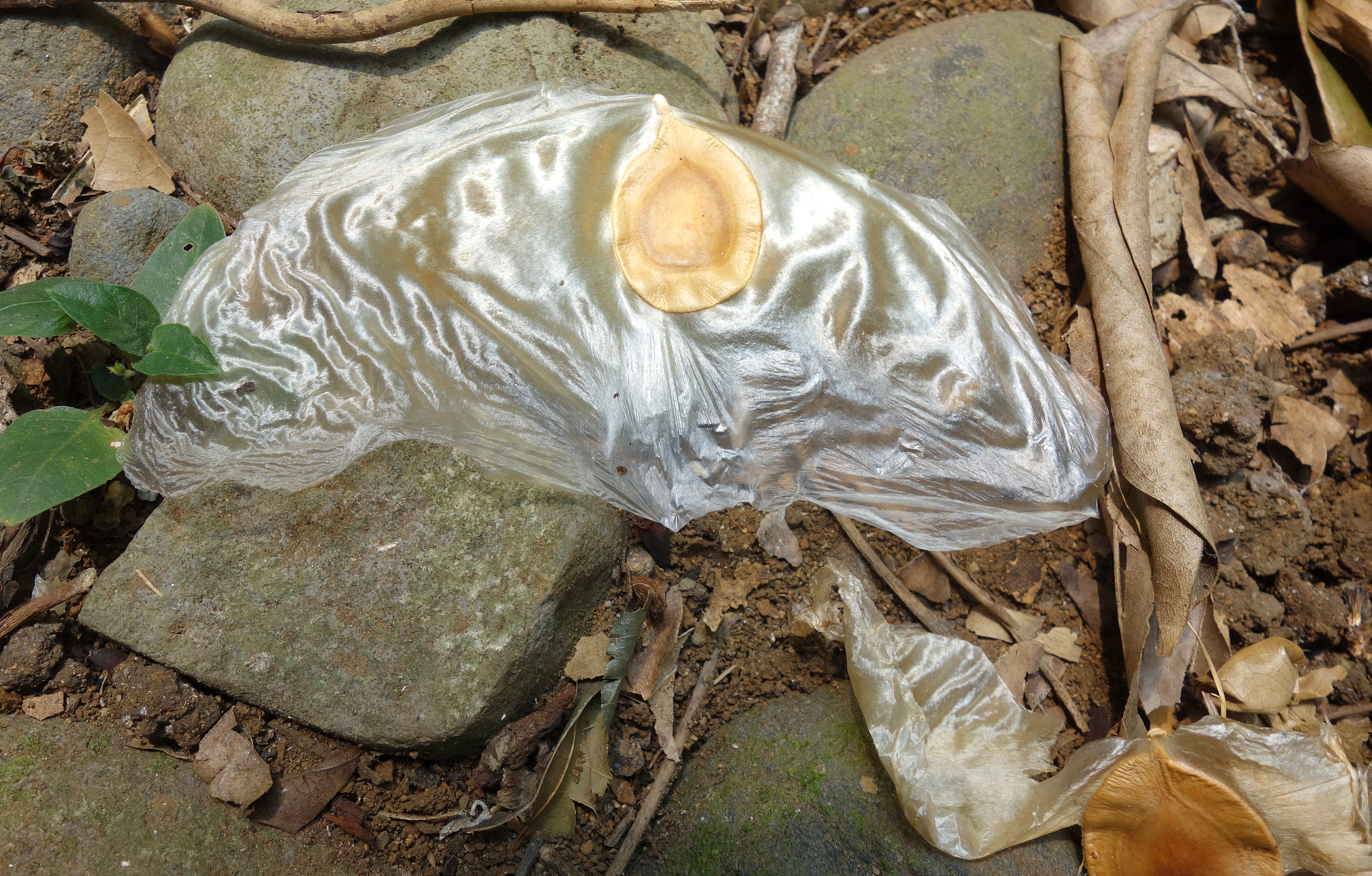
One very interesting plant I came across, which I am sure would have fascinated the ever-curious Wallace, was the seed of the Javan cucumber plant (Alsomitra macrocarpa) which were lying everywhere on the ground when I visited. These amazing, winged seeds, are packed into football-sized fruits, which hang down from the vines which are festooned high in the canopy. They are surely, Nature’s own hang-glider, since they are able to glide for very long distances. David Attenborough got there first! See BBC TV footage of these wonderful seeds (5).
One thing that Wallace may have noticed on his visit, was the Dutch cemetery, which contains some gravestones which date back as far as 1784. One which I noticed was to the memory of a Captain J. Drury R.N.. who died on the 1st March 1835, aged 51. Who was he and what was he doing here?

Perhaps the most famous British person buried (elsewhere) in these gardens is Olivia Mariamne Raffles – the first wife of the British governor-general Thomas Stamford Raffles. The British invaded Java in 1811, but subsequently restored the island to the Dutch rule.
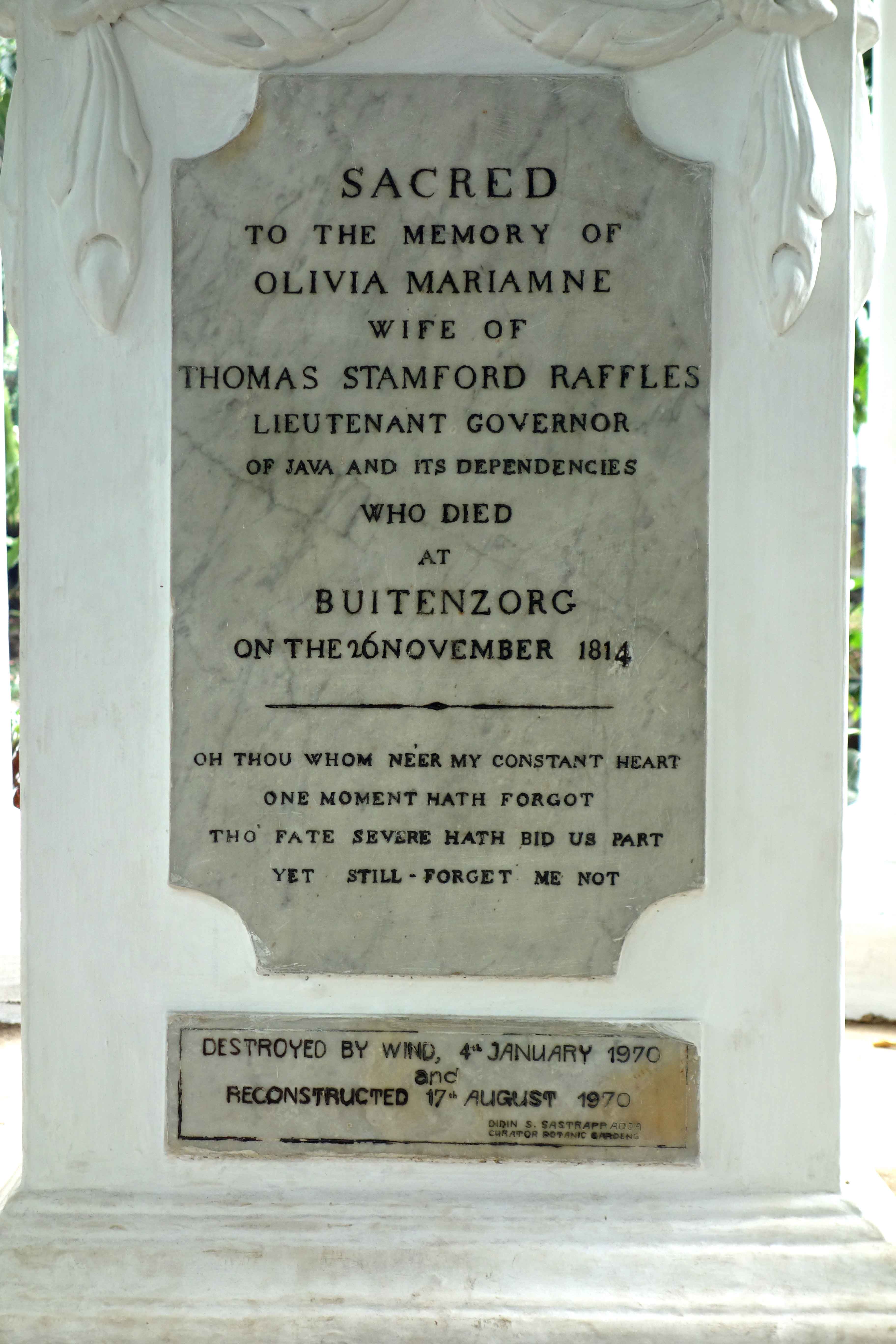
Olivia Raffles (Née Olivia Mariamne Devenish) died of malaria in Bogor, on 26 November 1814. A rather tragic irony, given that the Botanical Gardens subsequently played major role in the introduction of Cinchona trees (in 1854), which went on to make Java the largest producer of quinine bark for the treatment of malaria.
- Wallace, Alfred Russel. The Malay Archipelago: the land of the orang-utan and the bird of paradise; a narrative of travel, with studies of man and nature. Courier Corporation, 1869.
- https://en.wikipedia.org/wiki/Johannes_Elias_Teijsmann
- https://en.wikipedia.org/wiki/Caspar_Georg_Carl_Reinwardt
- http://rcannon992.com/2015/10/11/rose-of-the-jungle/
- http://news.bbc.co.uk/earth/hi/earth_news/newsid_8391000/8391345.stm

 Ray Cannon's travel and photography blog
Leave a comment