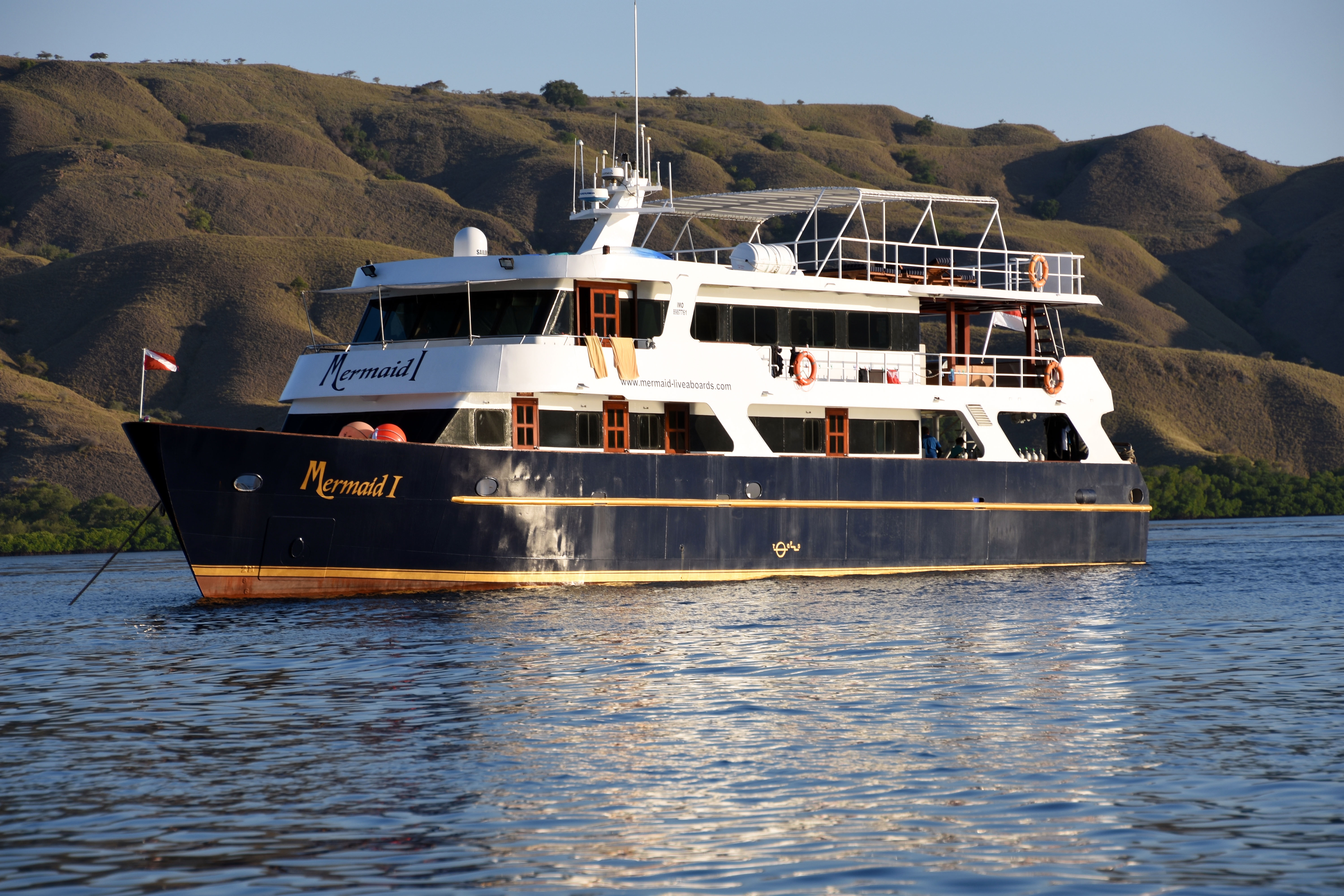
I recently had the pleasure of cruising from Bali to Flores – via the Komodo National Park – aboard the very well-appointed little ship, Mermaid I (1). This liveaboard dive vessel is usually chartered by divers to explore the water of Komodo and Raja Ampat in Indonesia, but our trip had a different mission: we were on the look out for cetaceans, led by the very knowledgeable marine biologist Chas Anderson (2). I booked the holiday through Wildwings and thoroughly enjoyed the 10 days we spent – snorkelling, bird-watching and cetacean sighting – in Indonesian waters (3).
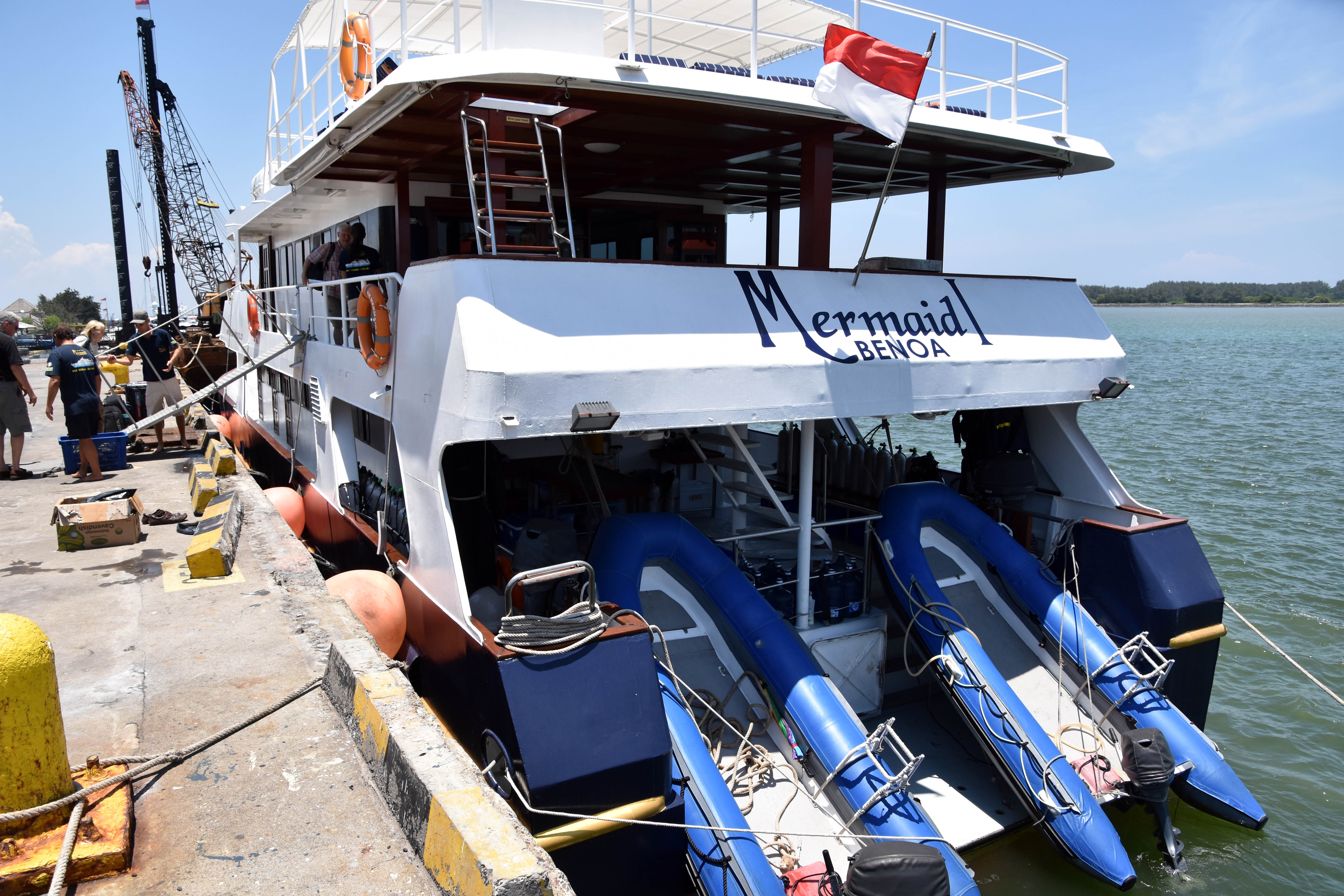
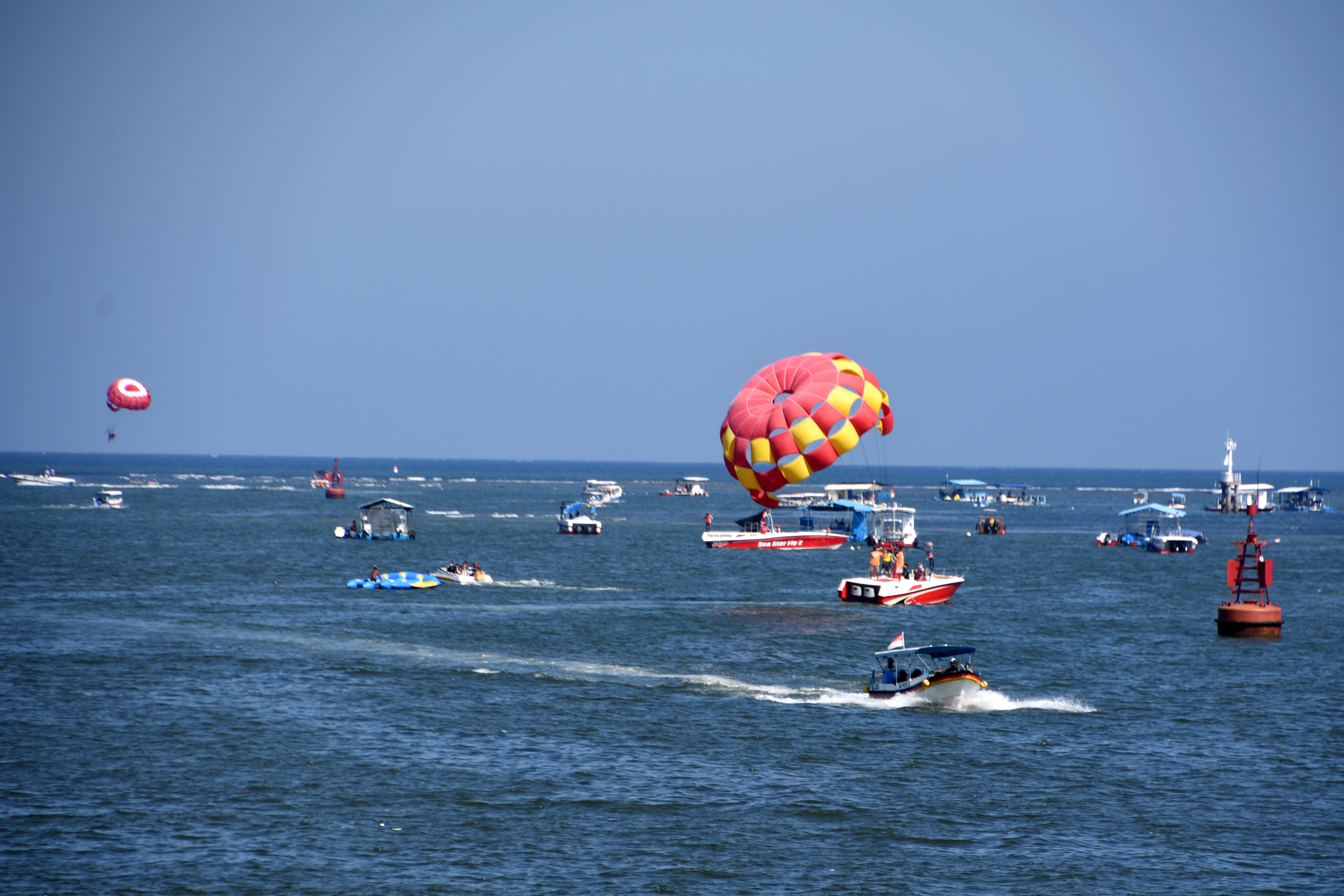
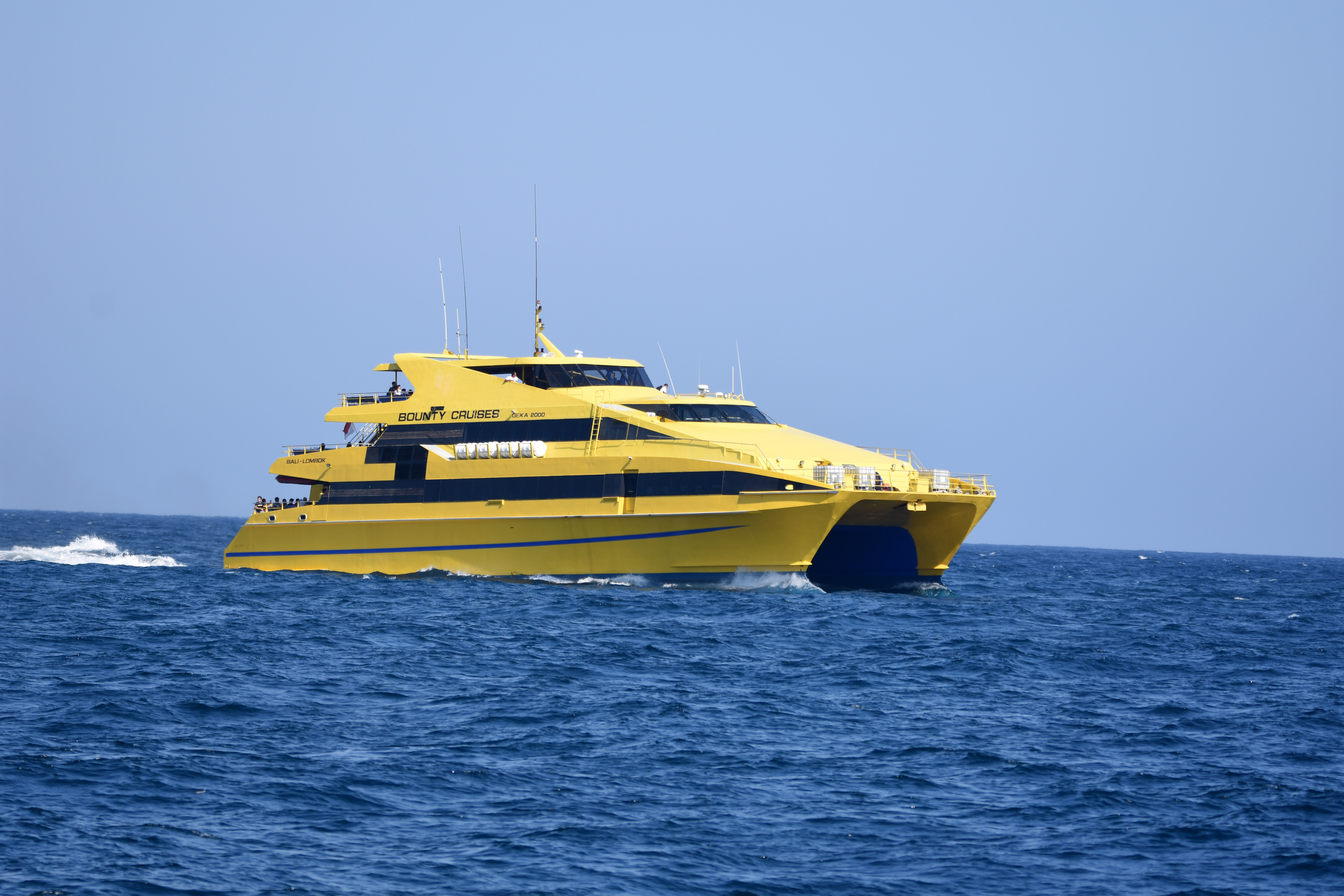
We boarded Mermaid I at Benoa Port, Bali, and set sail out into the waters of the Badung Strait – between Bali and the small island of Nusa Penida – and then further on into the Lombok Strait. There was a buzz of boating activity going on as we left the harbour.
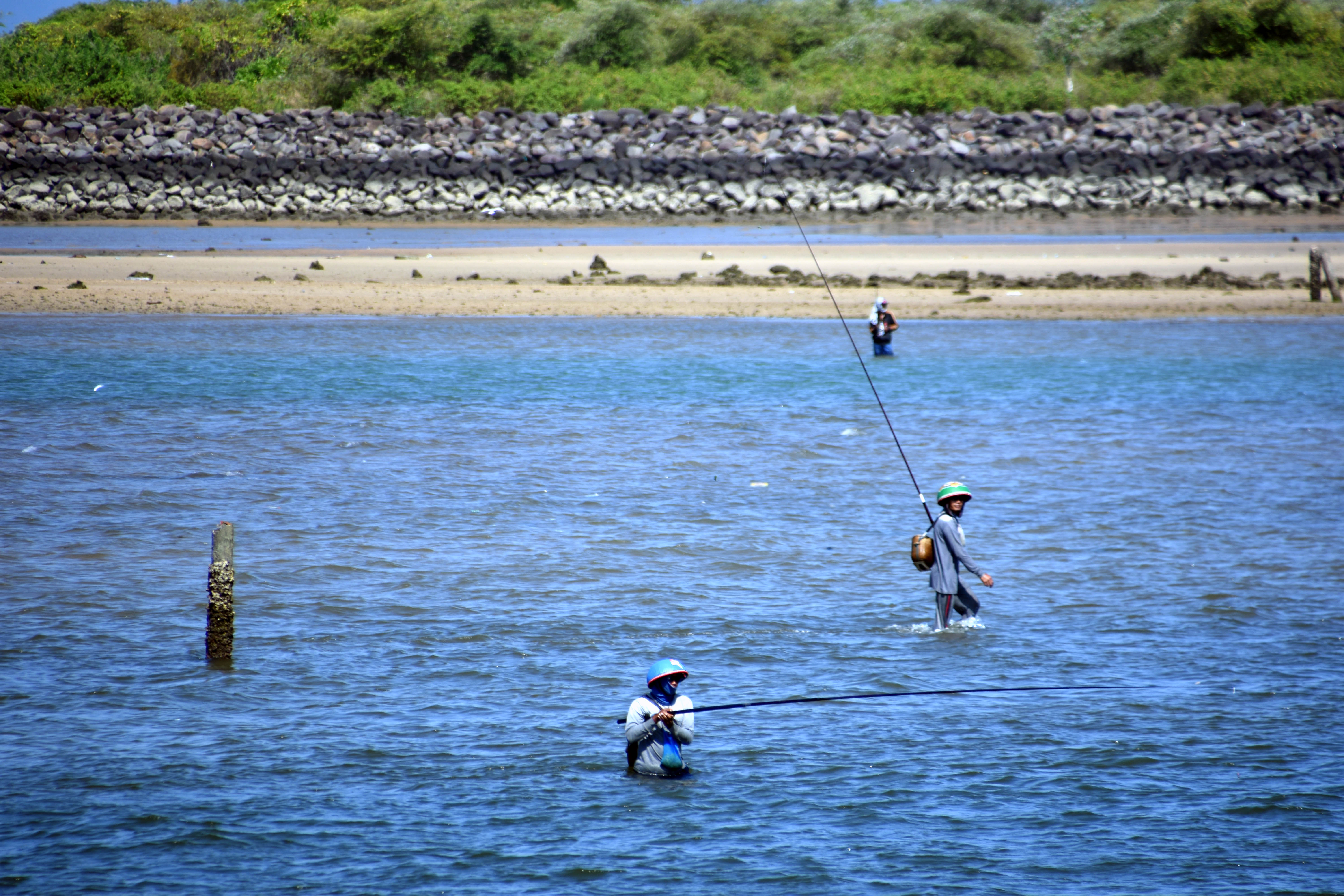
But what was more interesting, were the local fisherman standing waist-deep in the water with their long fishing rods and wicker baskets to keep the fish.
The famous faunal boundary – called Wallace’s Line – runs down the Lombok Strait, between Bali and Lombok, and is a line separating birds and animals of two separate ecozones: Asian (or Indomalayan) and Australasian. Today there are plenty of modern boats whisking tourists across this narrow, but deep strait, that still remains a barrier for many species.
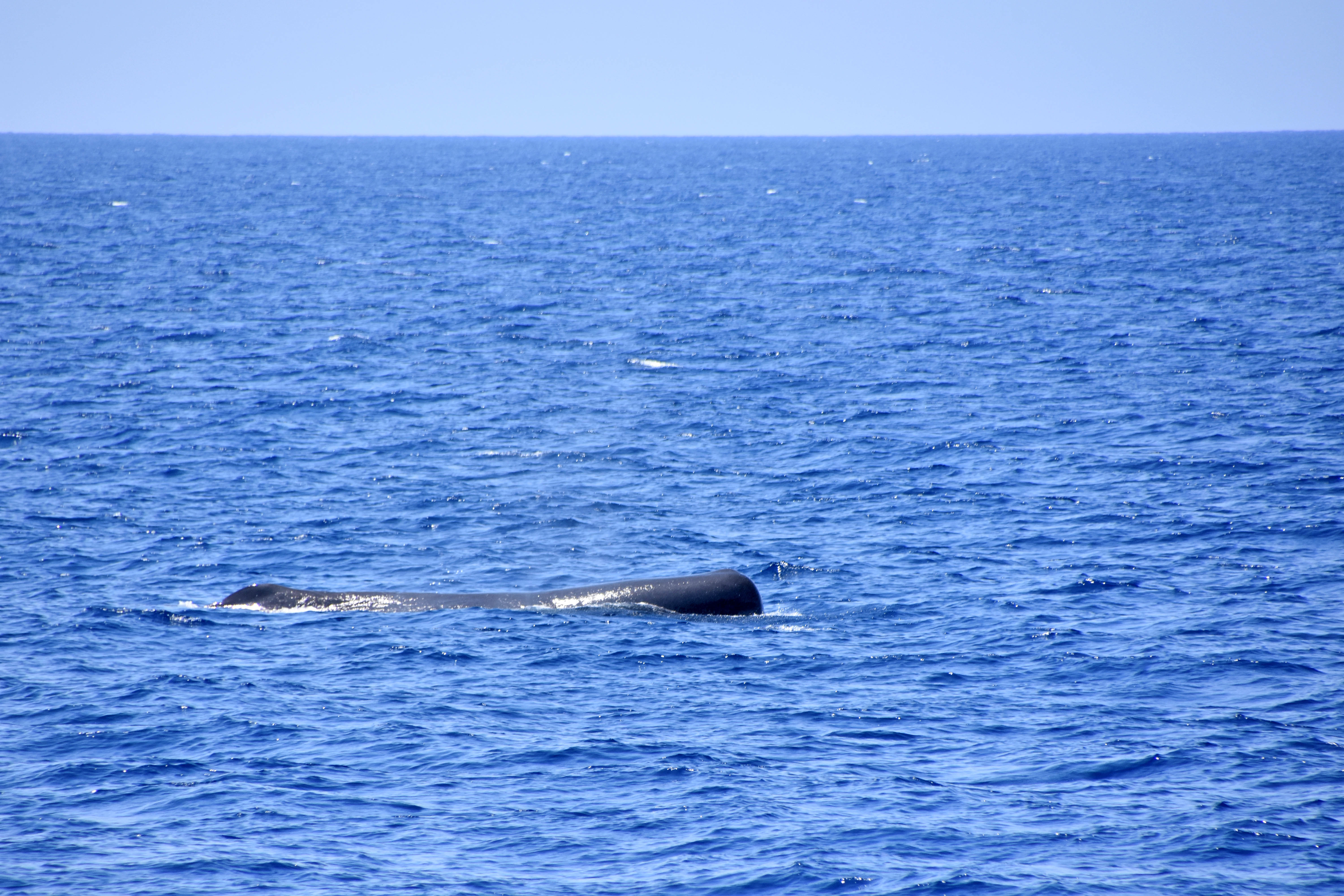
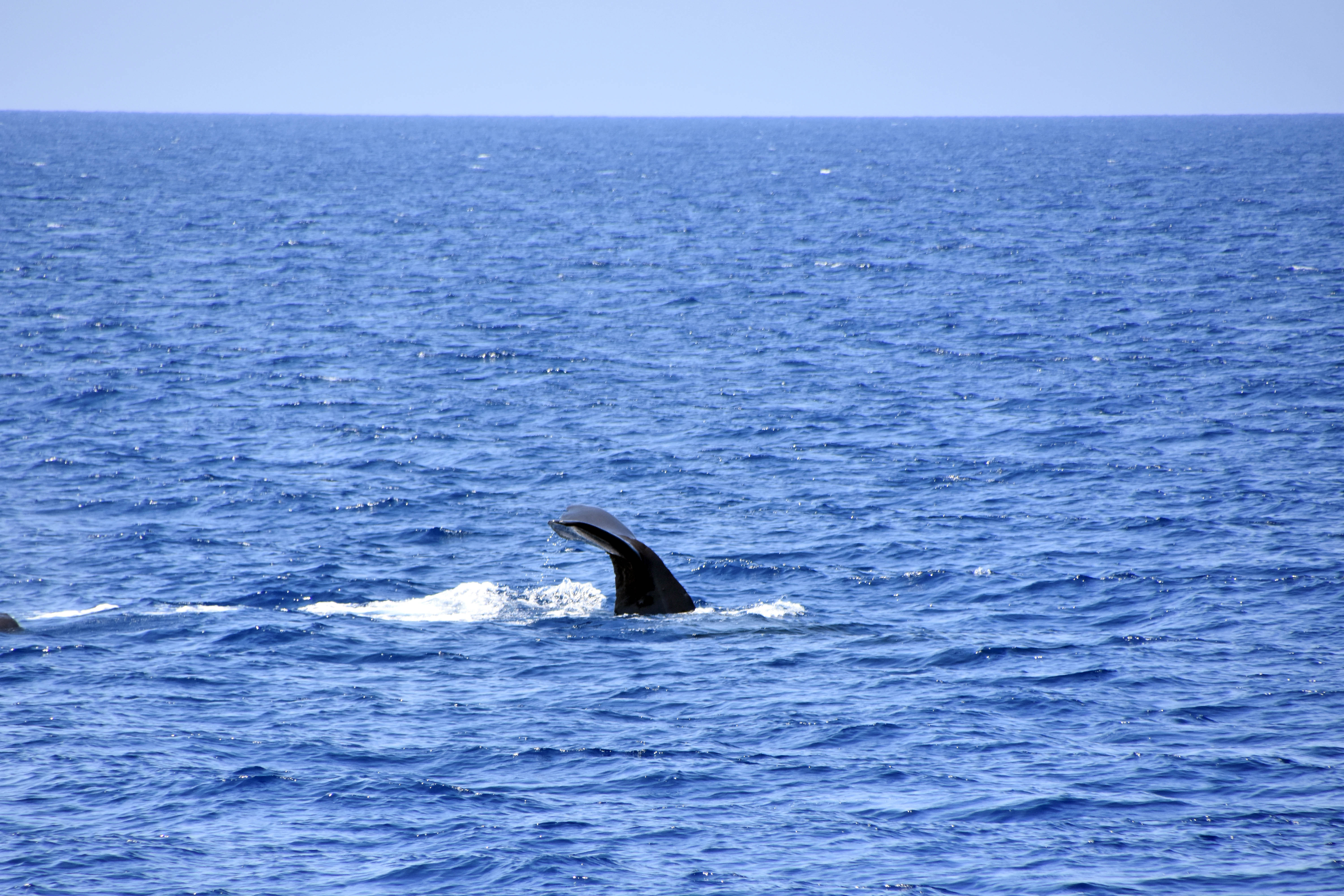
We sailed east, passing to north of the large island of Sumbawa, heading towards our first landfall: the small island of Satonda. On the way, we were fortunate enough to come across a large sperm whale; these cetaceans make deep dives – as far as 3,000m – in pursuit of large squid and fish. This individual flashed its flukes and dived down as we approached slowly towards it.
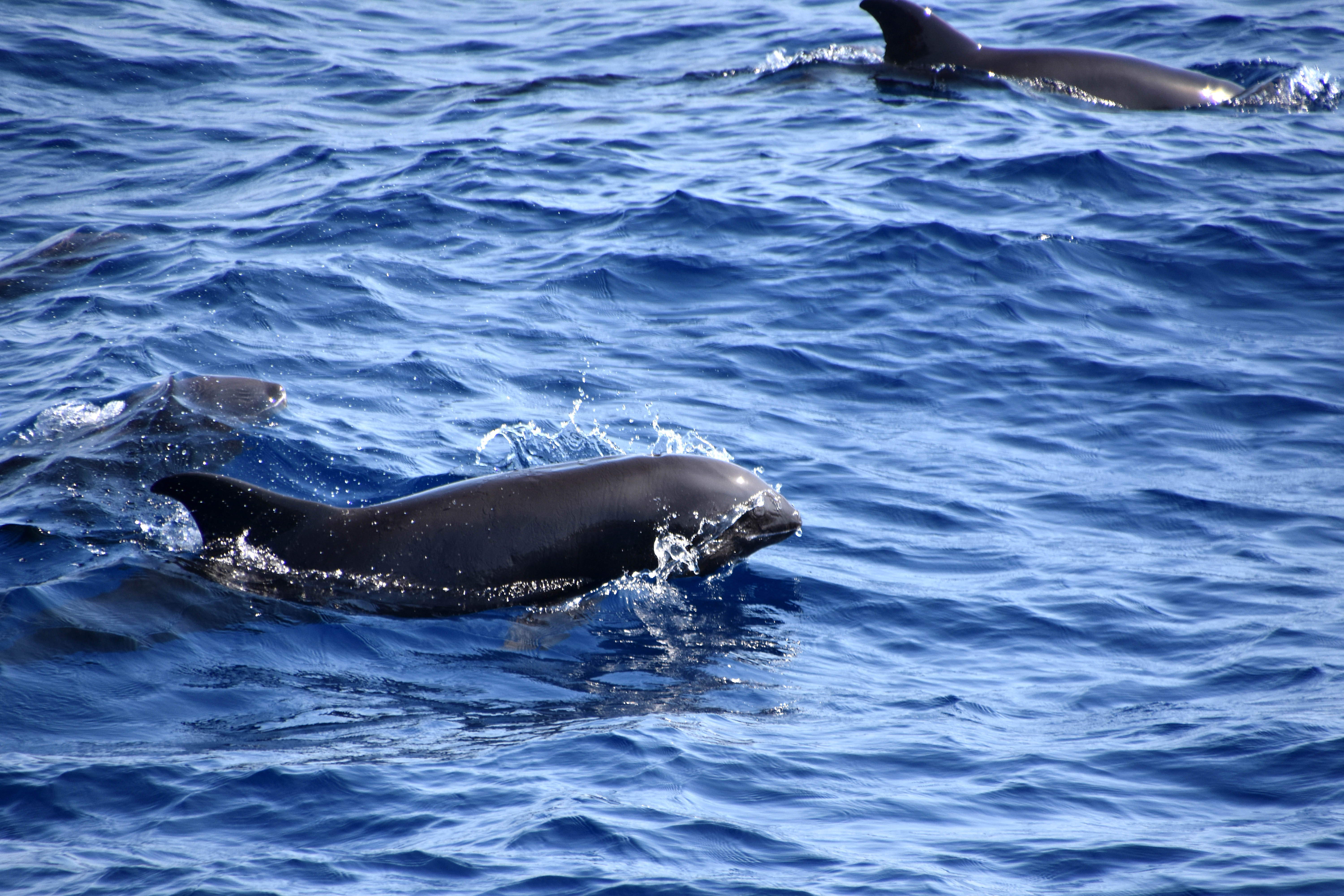
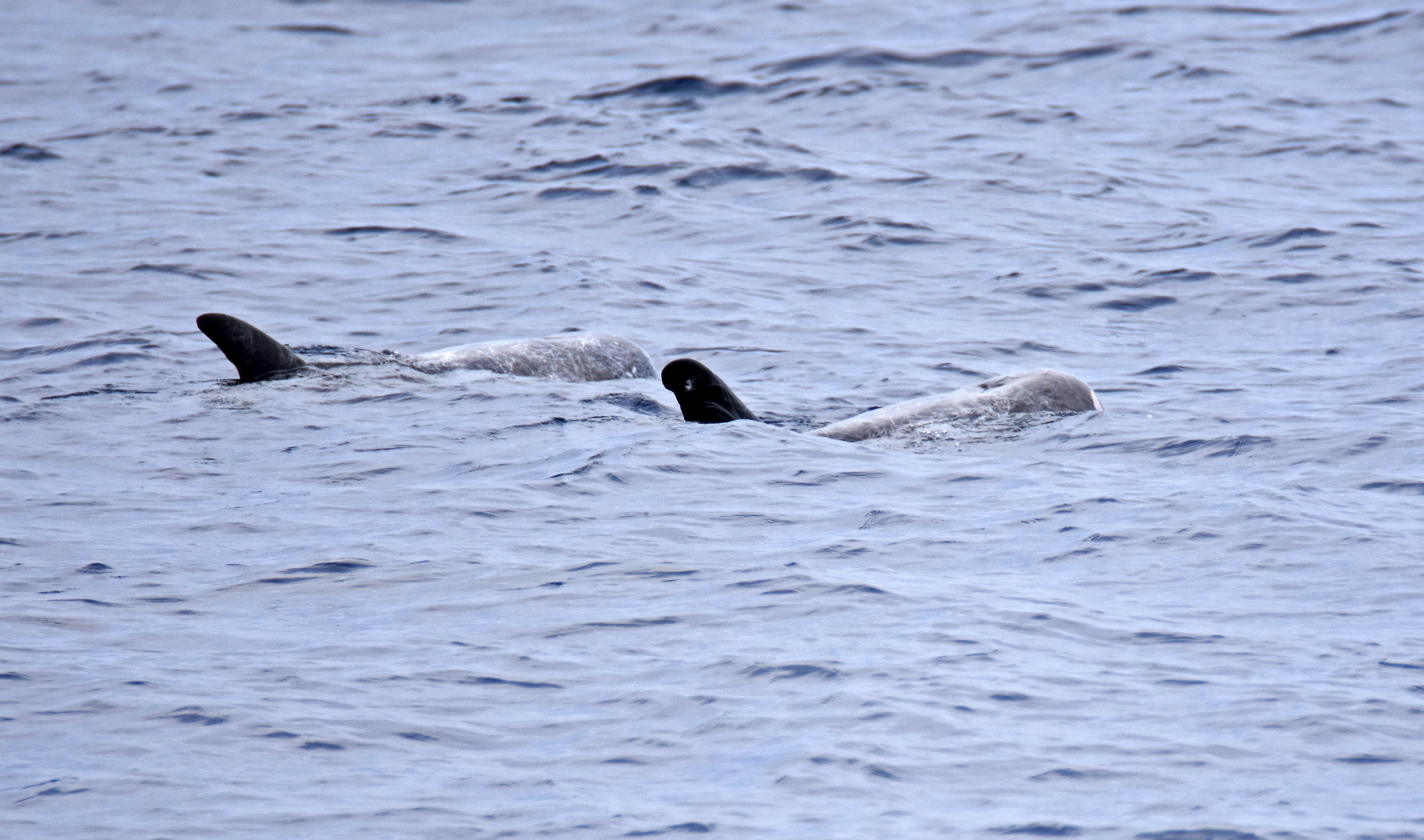
On the way to Satonda Island, we saw many different types of dolphins, including Melon-headed whales (Peponocephala electra) with their rounded heads (below).
Satonda Island is the top of an extinct volcano with a lake where the crater used to be. I took this screen shot (below) off the introductory talk on Mermaid I.
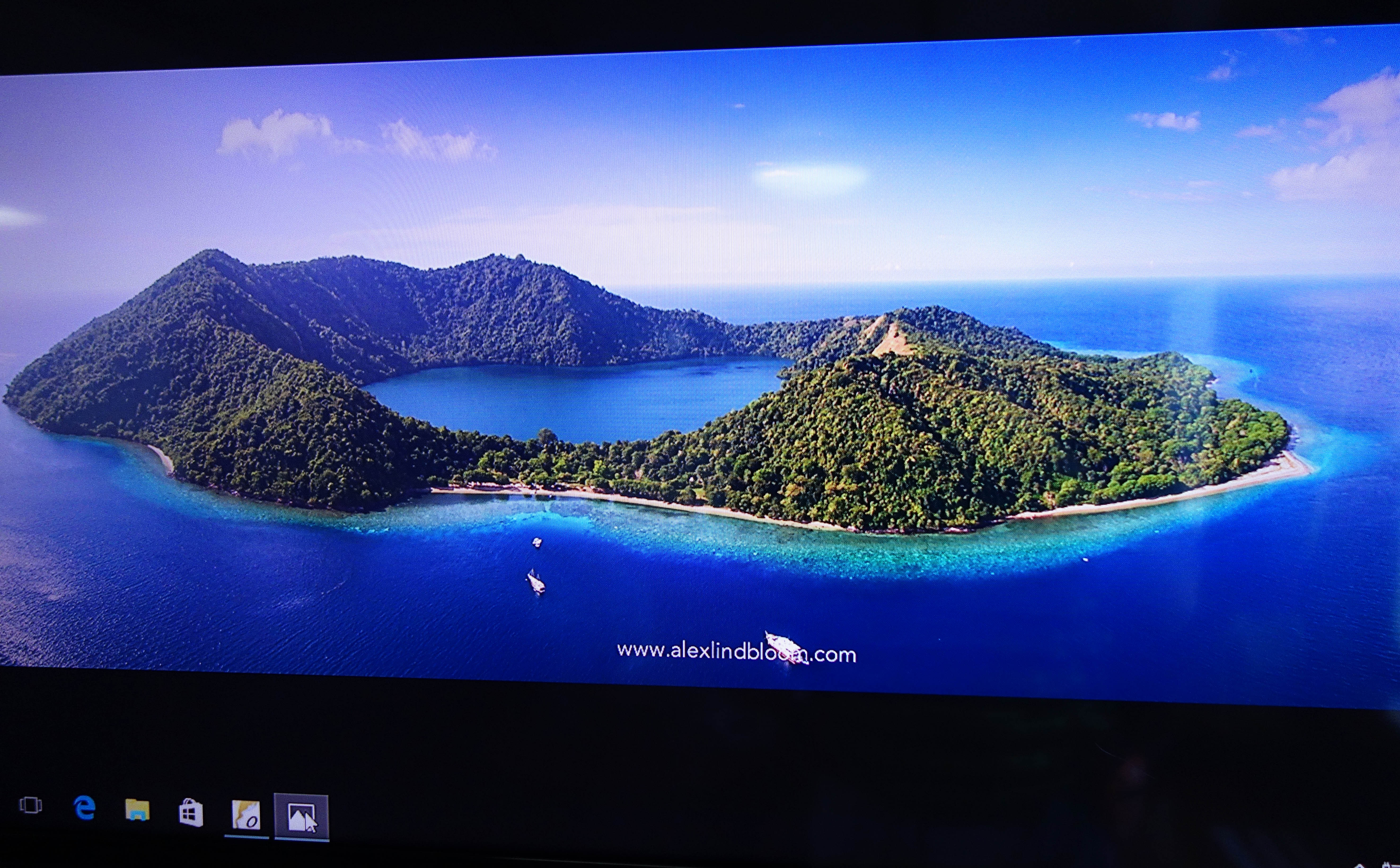
http://www.alexlindbloom.com/photography/aerial-photography
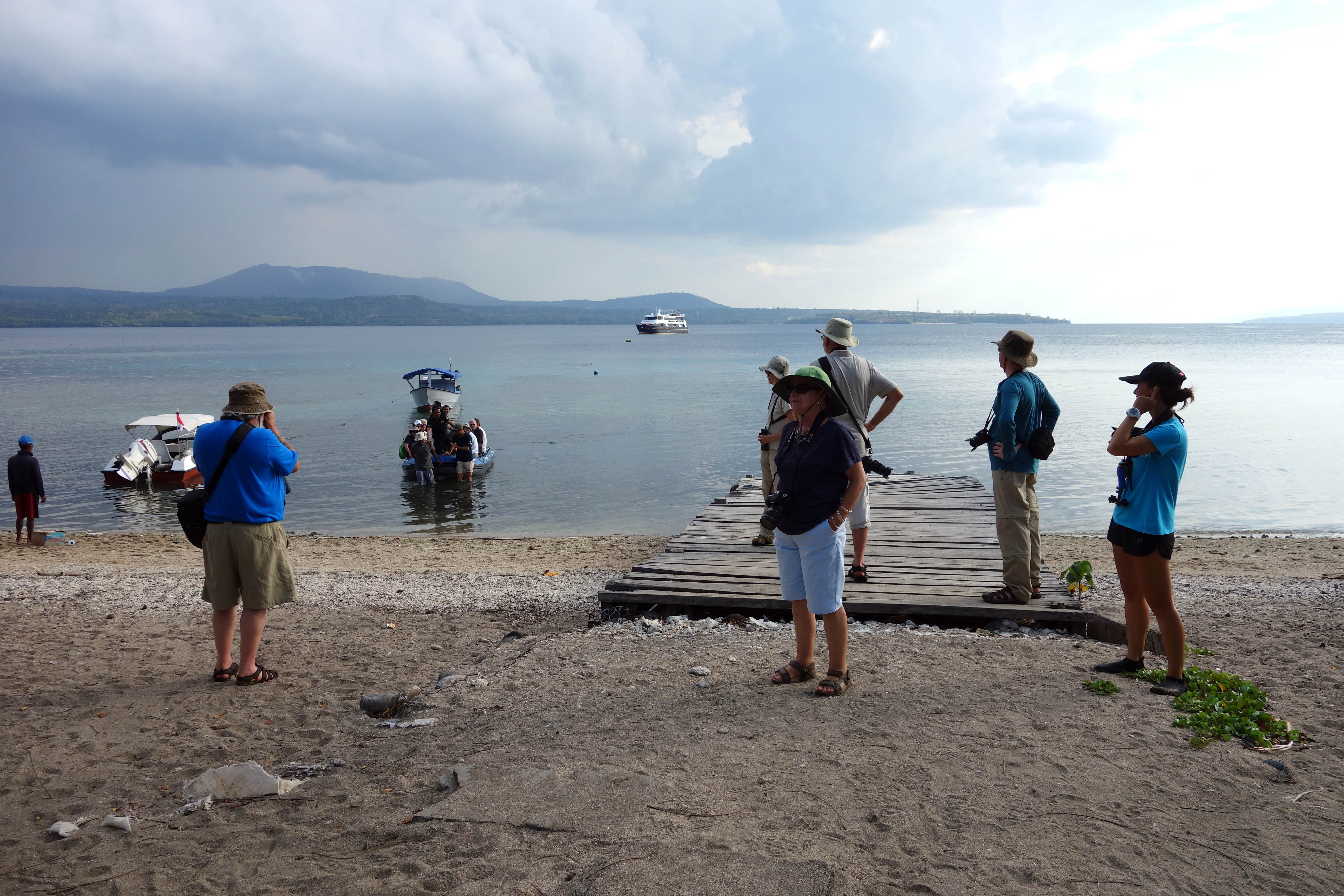
We decamped and spent an enjoyable couple of hours walking on this island, looking out for birds and butterflies.
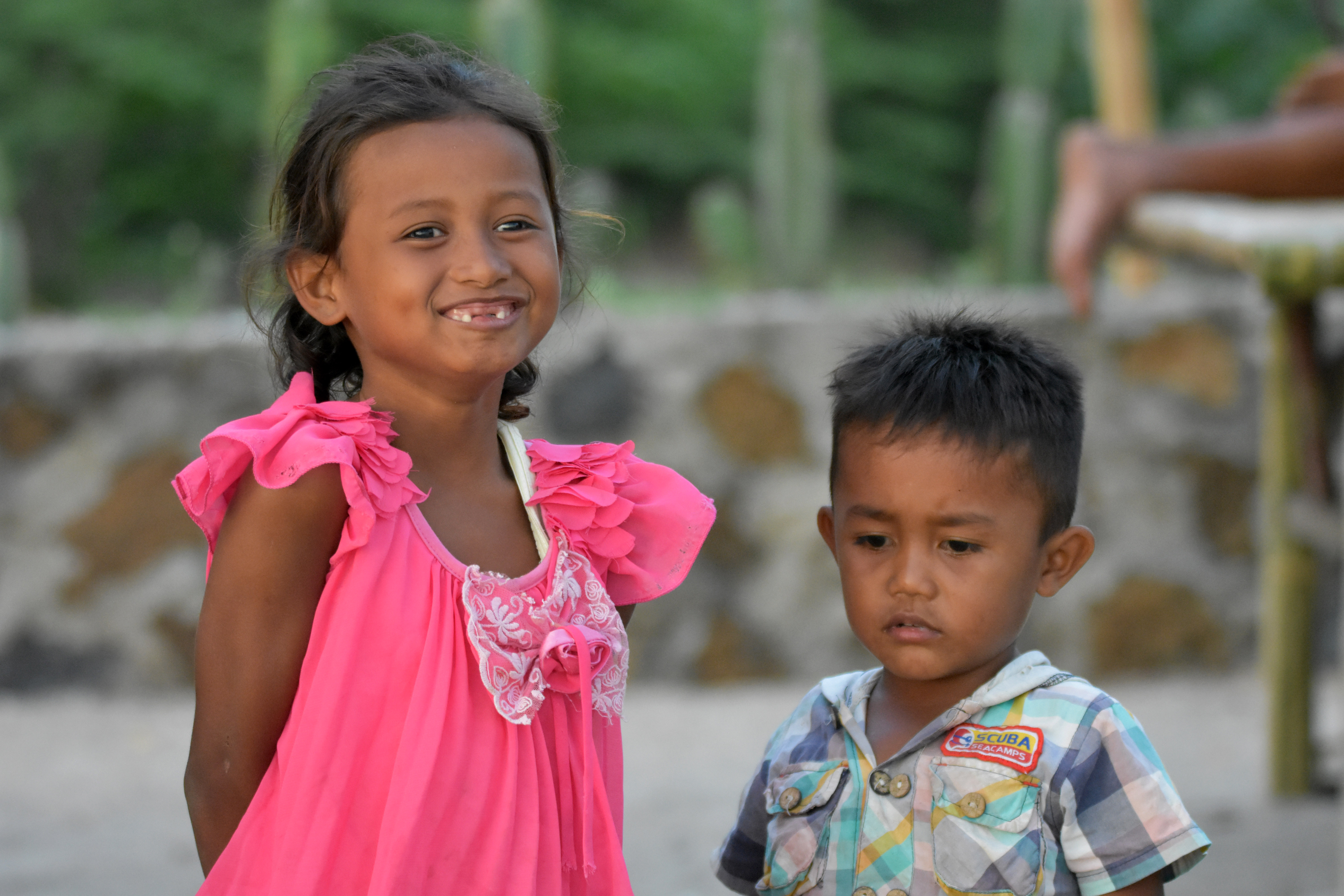
There are no villages on this island, which is a protected area, but there are a few families (of park guards) living there, including these delightful children.
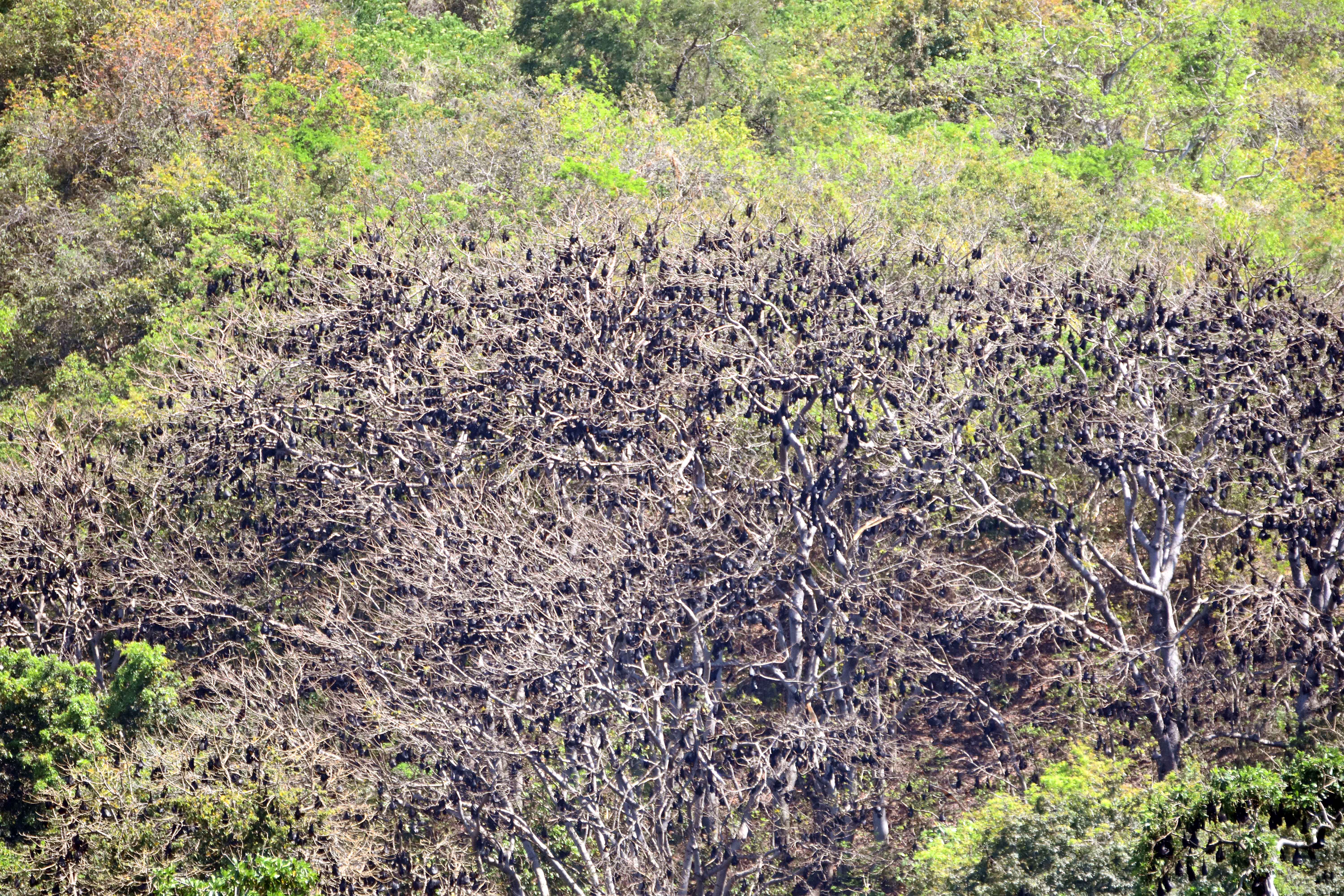
The main residents on Satonda are fruit bats, of which there must be tens, if not hundreds of thousands. Alas, we did not get to see them close up, but we did see their roosting colonies, which covered the trees on one part of the island (below). They fly off each night across the waters to the much larger islands of Moyo and Sumbawa. Unlike their smaller, insect-feeding relatives, these bats feed on fruits, so are seen as pests by some farmers. Happily they can return to their safe island home and escape retribution for their light-fingered ways. After all they were there first, long before humans arrived and started planting fruit trees!
After leaving the island behind us, we returned to our lookout posts, searching the seas ahead for dolphins (and birds for some).

We did not have to wait long and were rewarded with sighting of a number of dolphins species, including: Frazer’s, Pantropical spotted and Spinner dolphins.
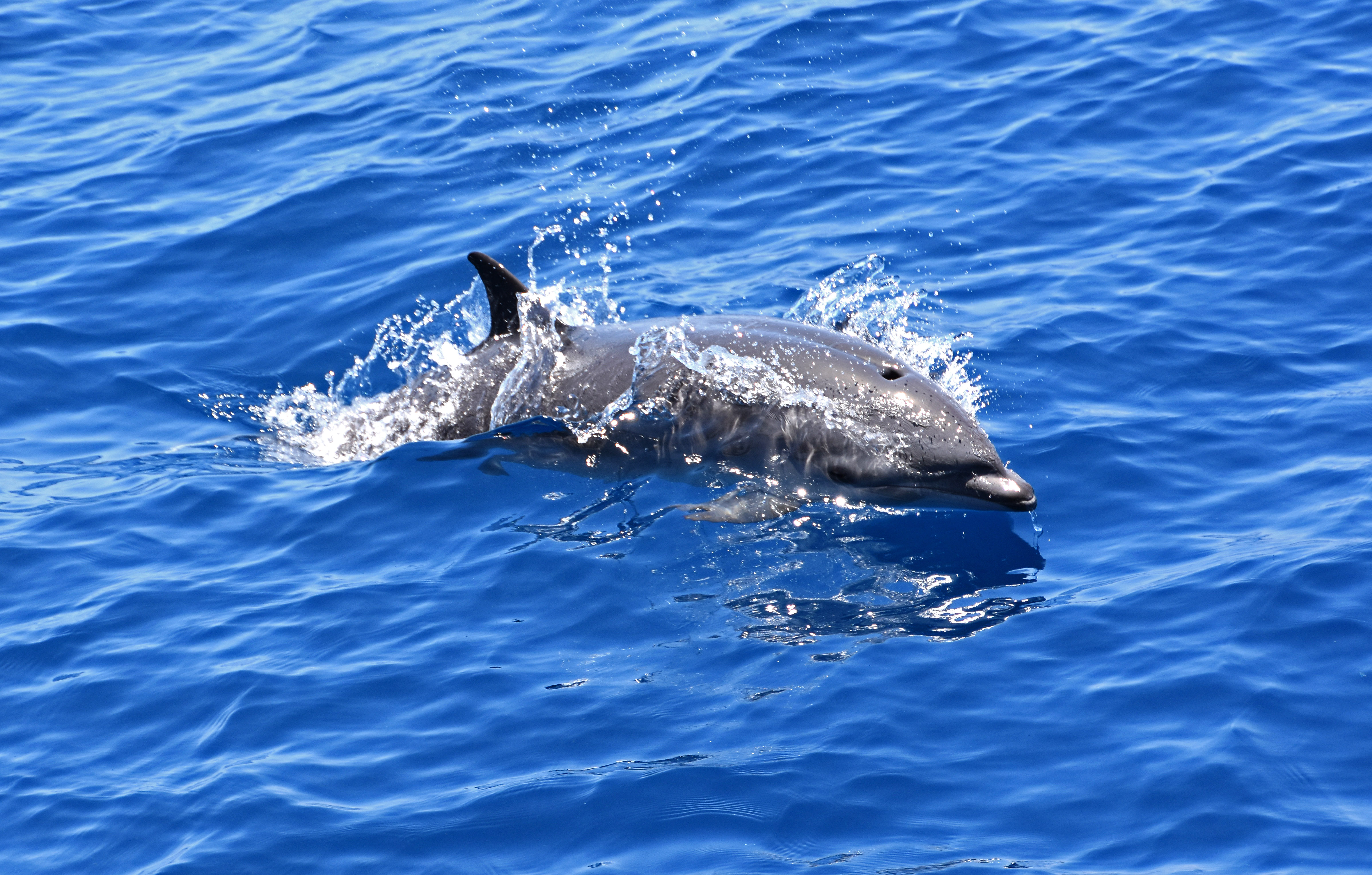
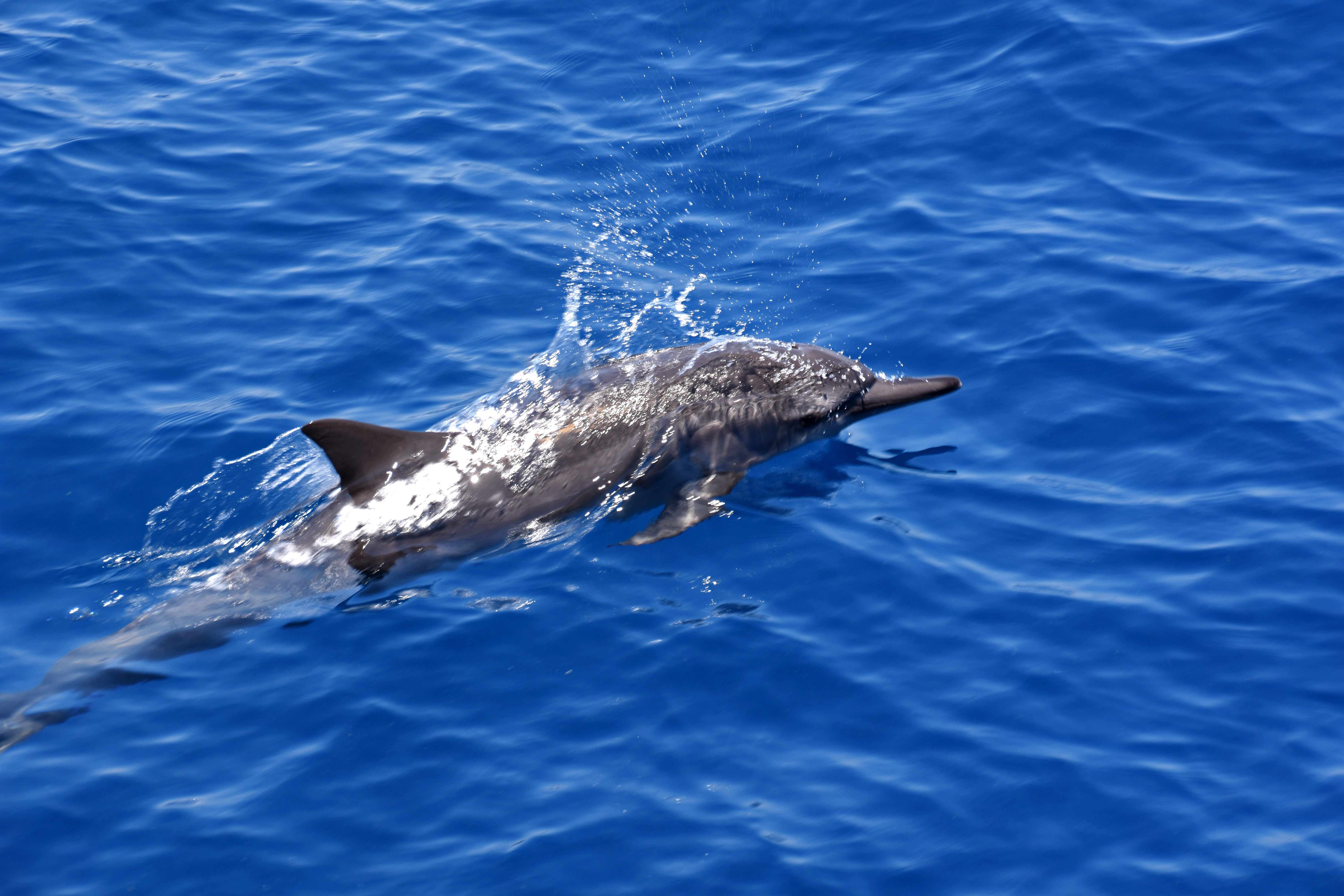
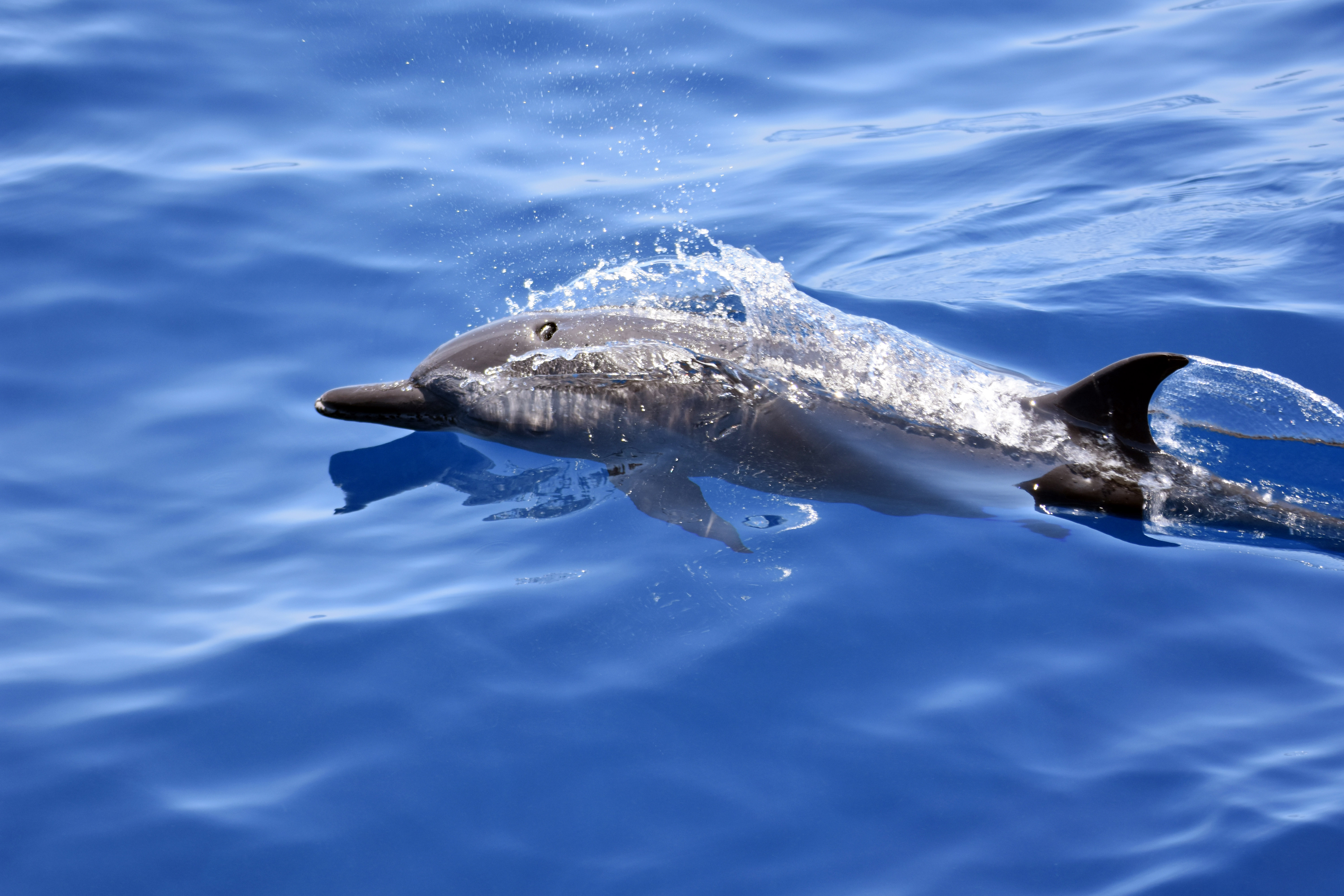
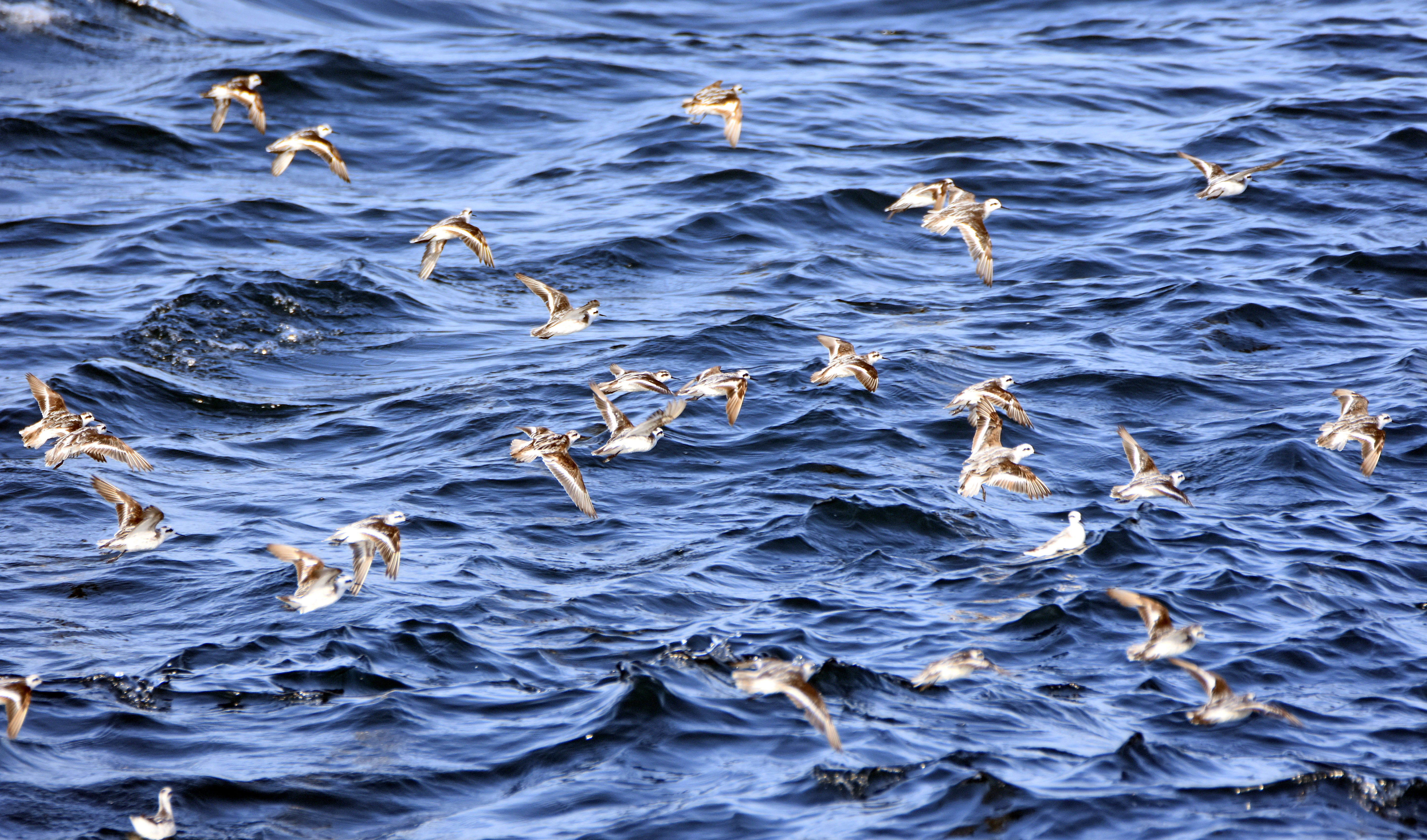
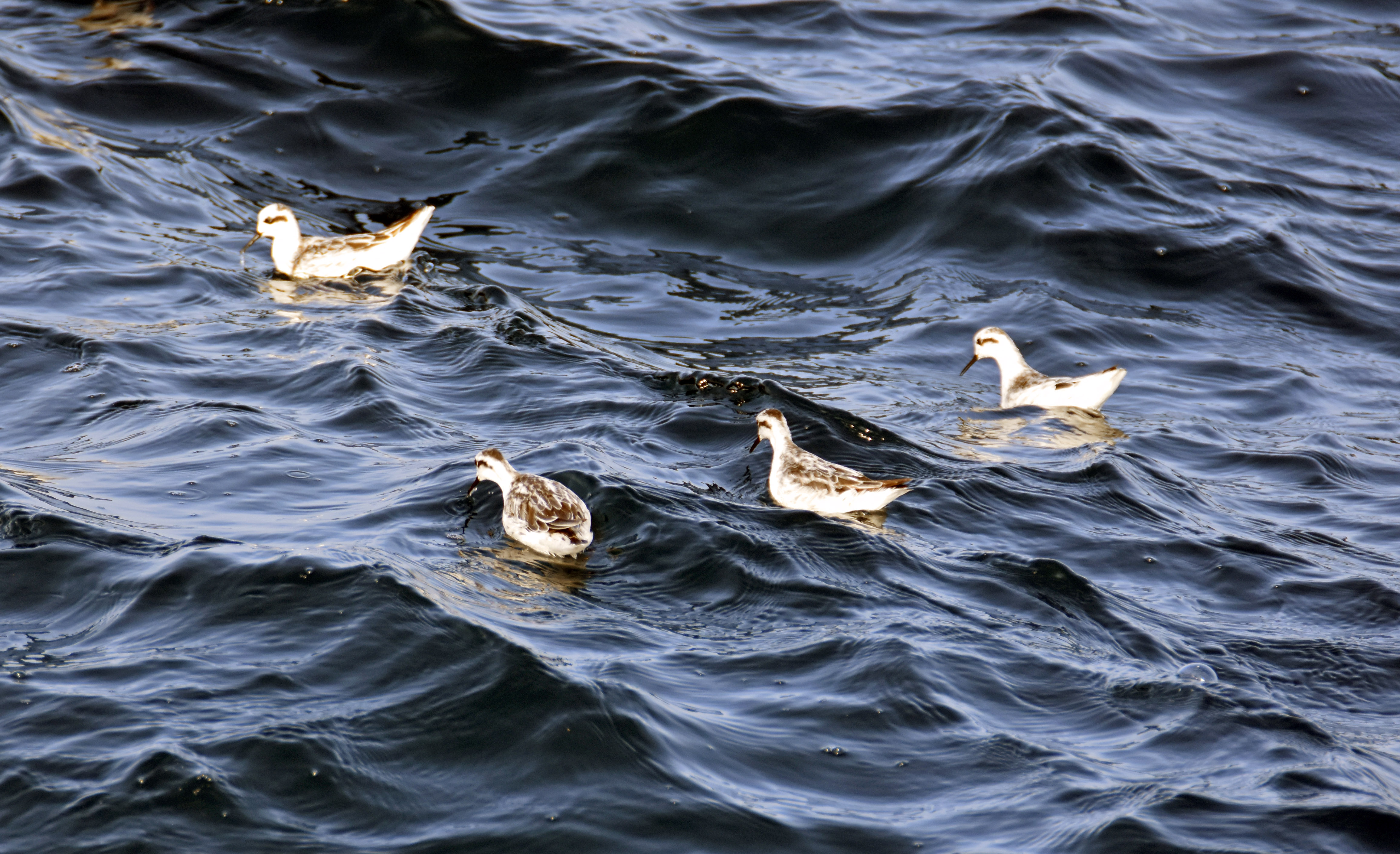
There were also lots of sea birds, especially Red-footed and Brown boobies, which I will save for a separate blog! One species which was very abundant, was the red-necked phalarope (Phalaropus lobatus). This little wader spends the northern winter in these tropical waters and we came across flock after flock of these birds (below). They seemed to me to be wonderfully adapted to oceanic life, bobbing away on the surface, pecking at tiny marine invertebrates.
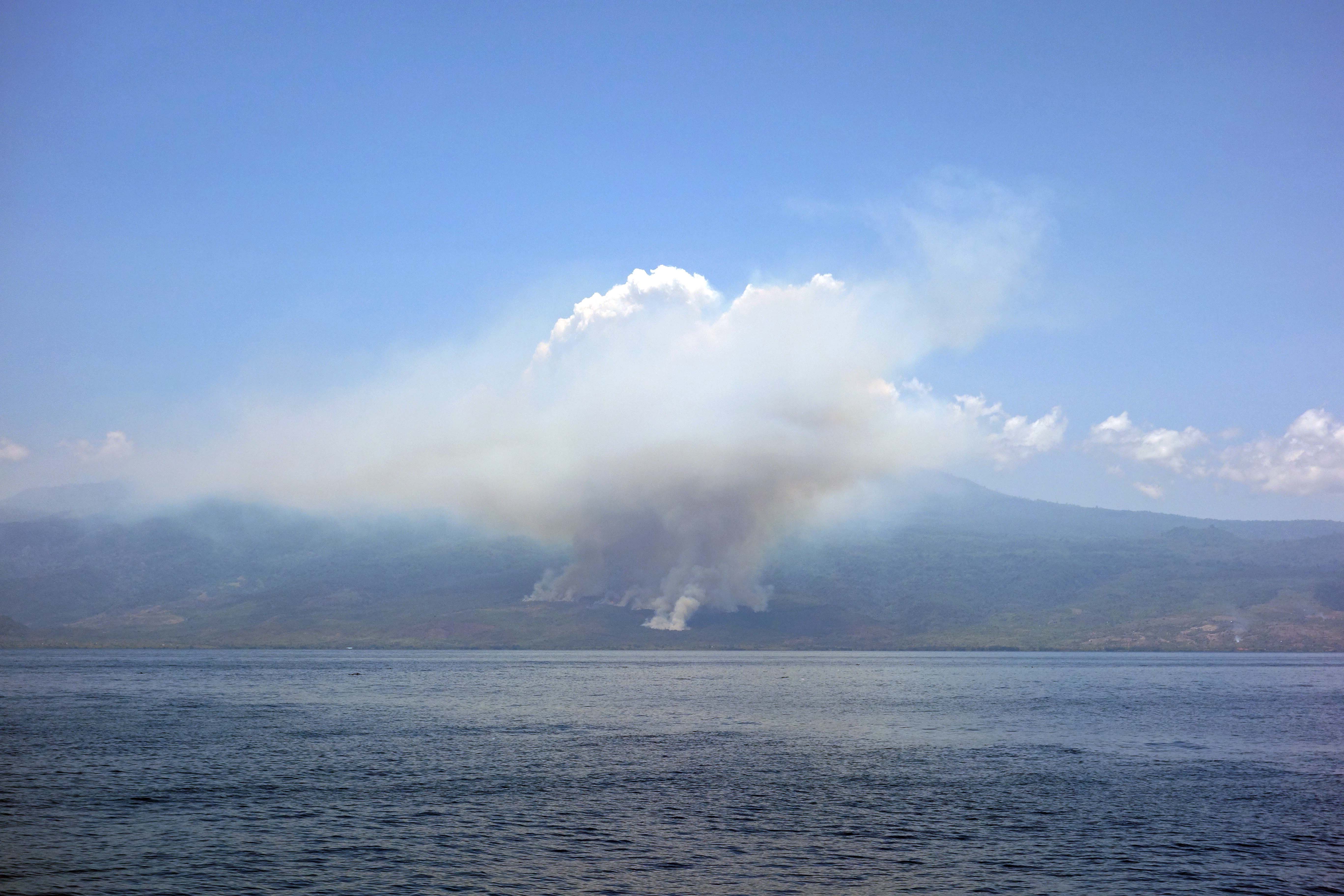
It was very interesting to sail along the northern coast of Sumbawa, which seemed to be largely uninhabited, past the huge volcano of Tambora (2,851m). It exploded in 1815 in what was the largest volcanic explosion in recorded history!

Although this part of Sumbawa looked very unpopulated, there was alas, evidence of burning, which was disappointing to see.
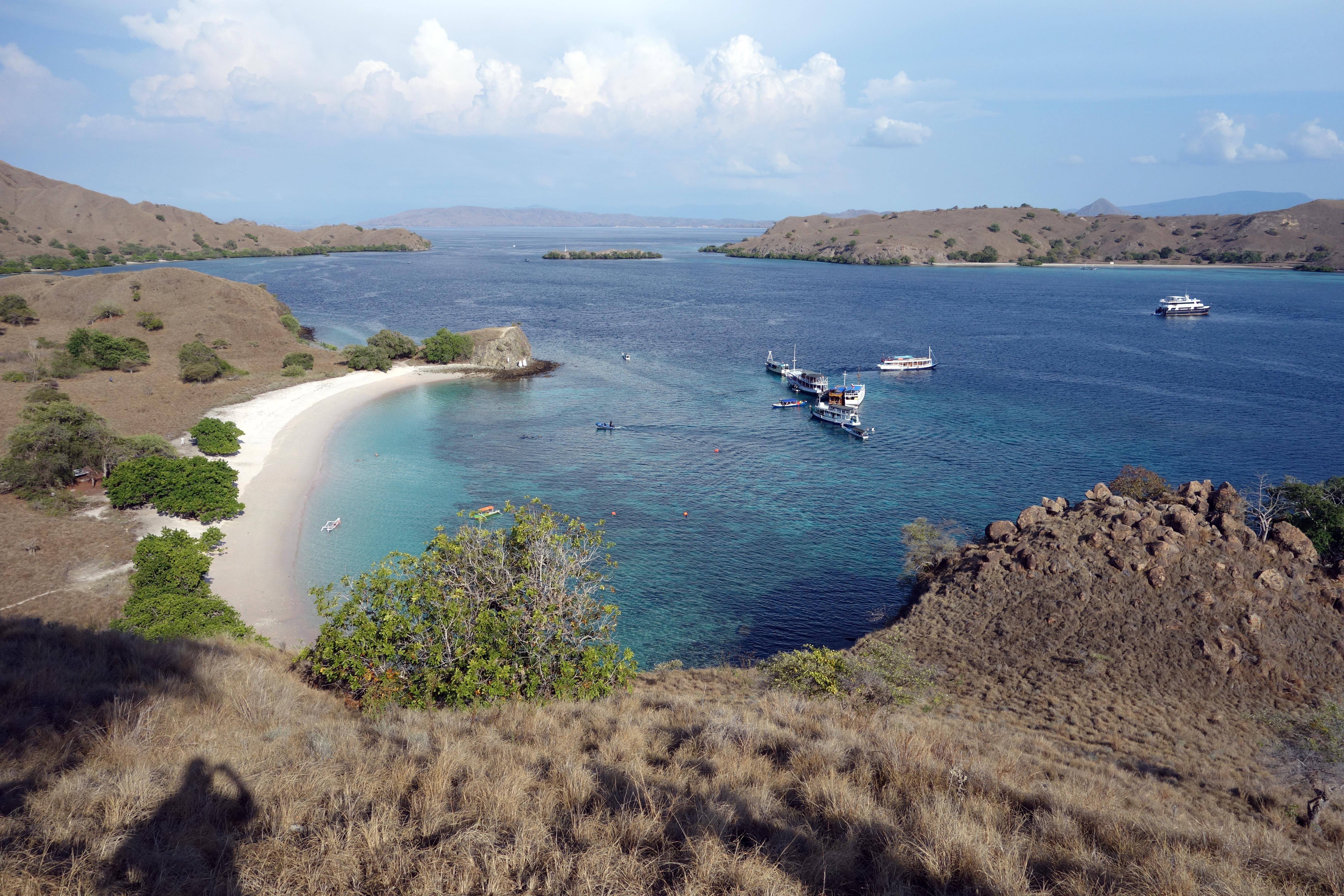
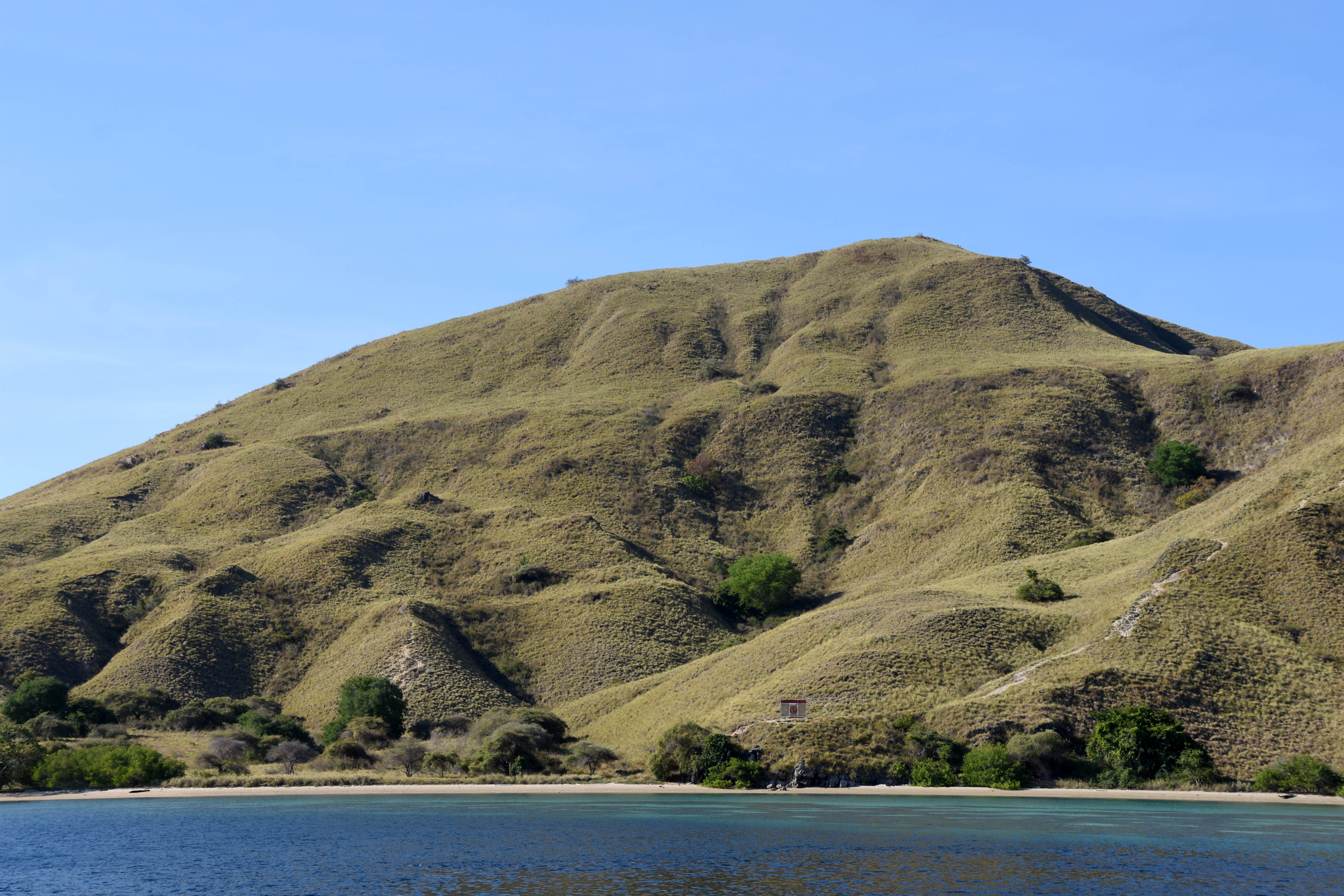
The highlight of the trip was of course the Komodo National Park, which fully lived up to expectations. There were lots of opportunities for snorkelling, usually once or twice a day, as well as excursions on islands in the archipelago that lies between Sumbawa and Flores. The largest of these islands are Komodo and Rinca, and we were able to visit both of them. Although it was quite hot, it was nice to get off the ship and go bird watching on dry land for a change.
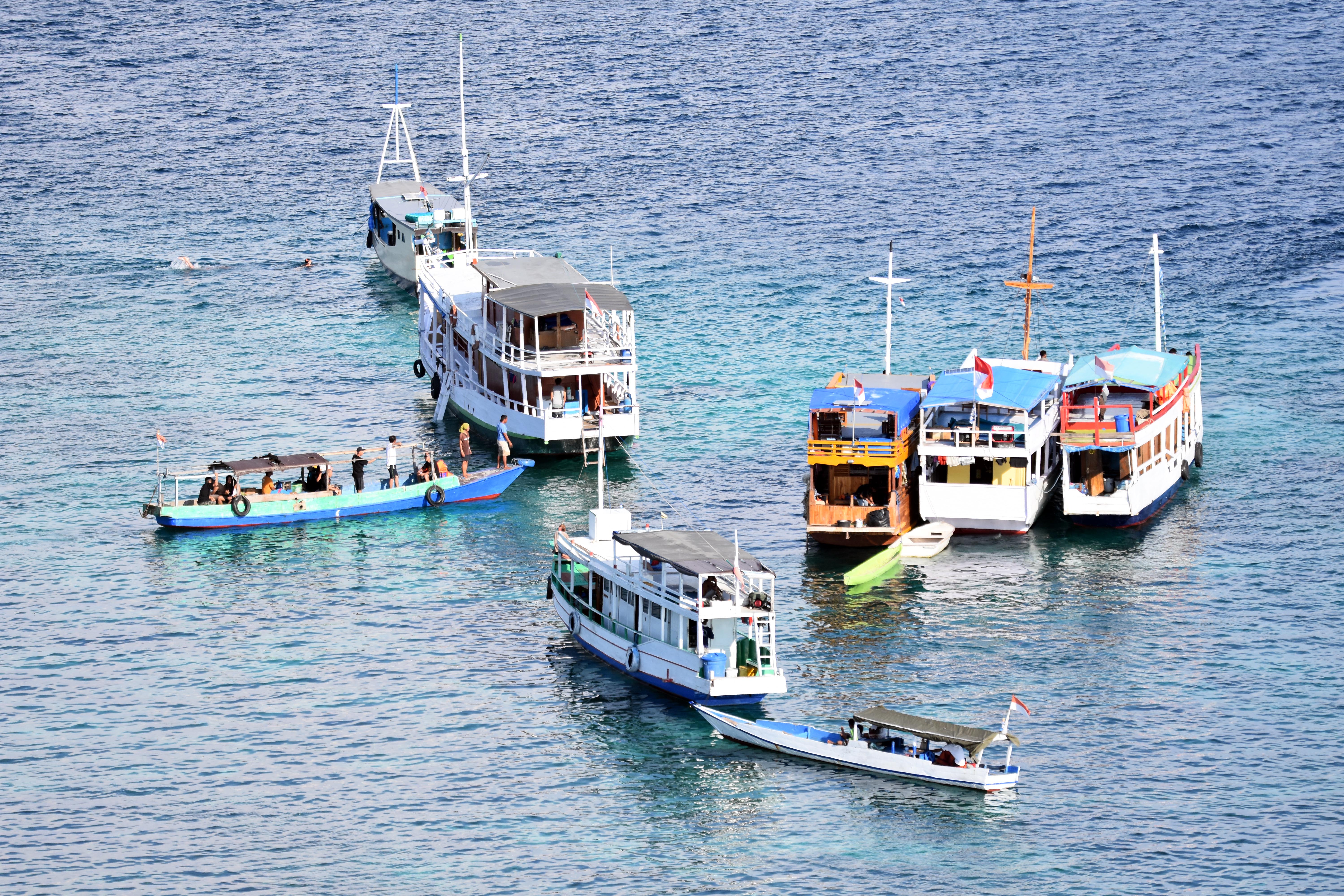
Most of the boats which visit these islands come from the nearby island of Flores, especially from Labuanbajo. I felt rather privileged to be on our smart little ship, although I guess we were paying for it!
I particularly enjoyed walking about on the tiny island of Gili Lawa, just north of the main Komodo island.
Here we saw a number of birds, including Collared kingfisher, Zitting Cisticola, Pied Bushchat and the rather beautiful, White-breasted Woodswallow (below).

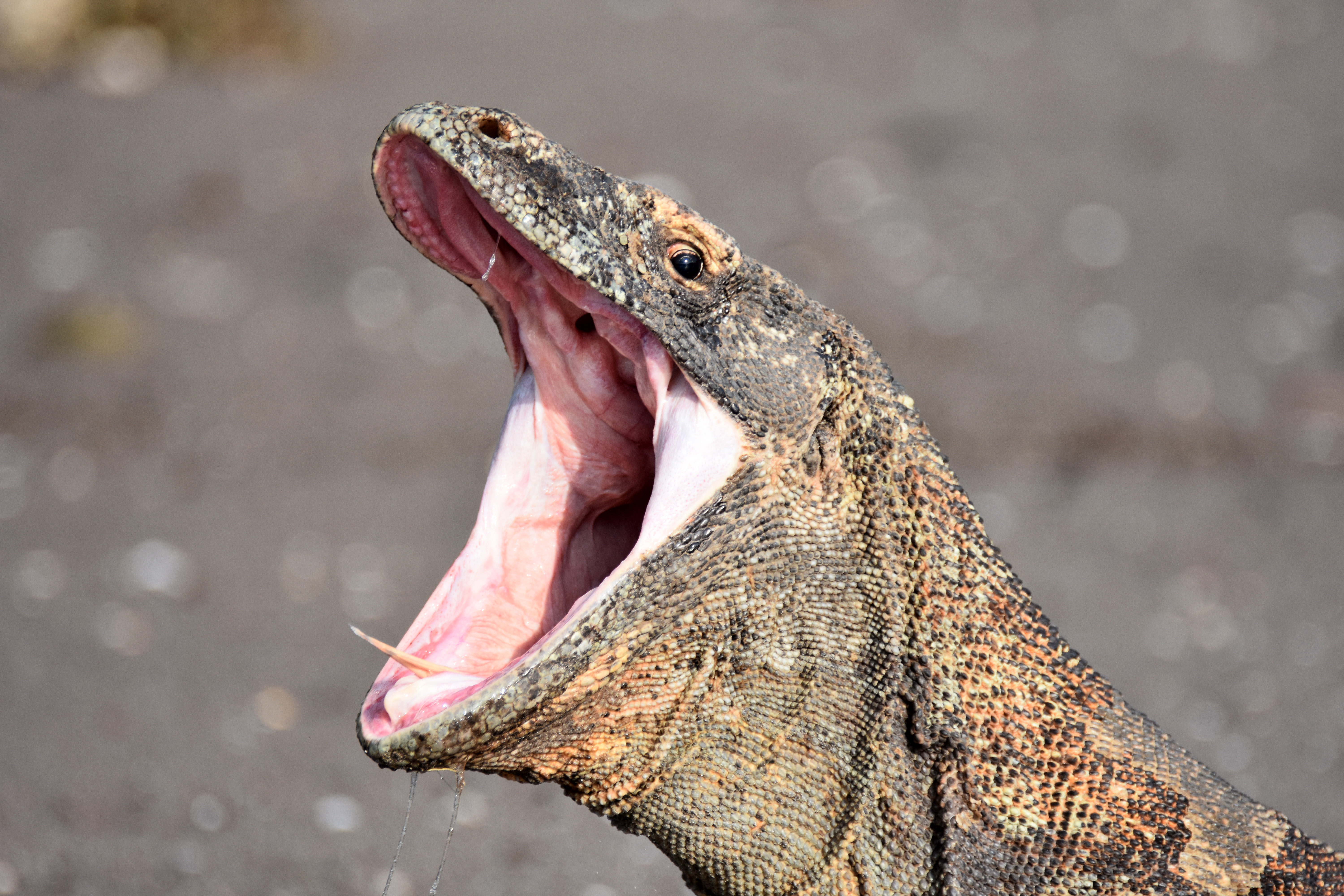
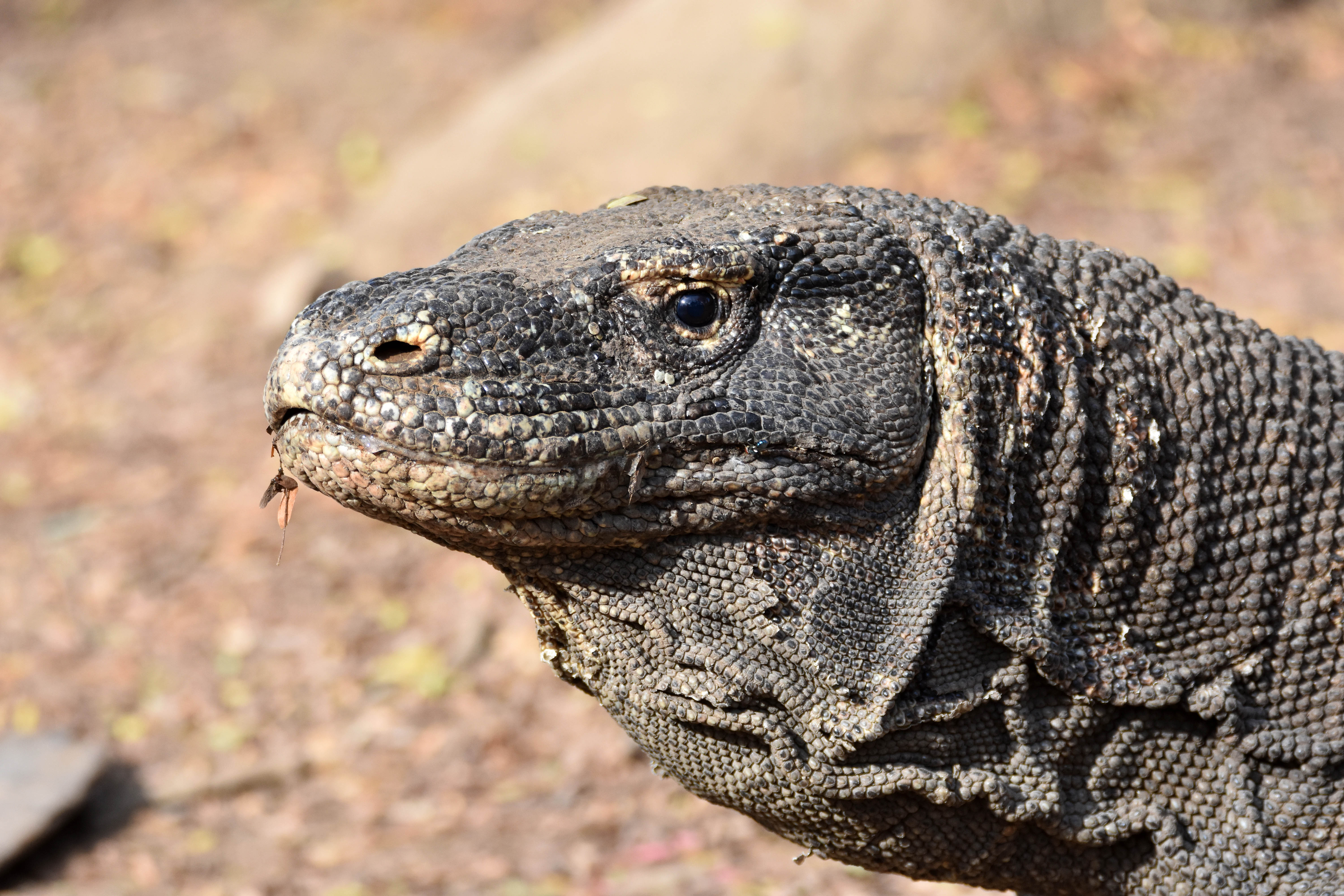
These were of course, sites were there were no Komodo dragons, otherwise it would not have been possible to wander about by ourselves (accompanied by a member of the crew). The first dragons we saw were on Rinca island. I have written about these reptiles in a separate blog on my Nature Notes site (4). They are impressive beasts, but not my favourite animal, although they cannot help the fact that they have poisonous saliva and carnivorous habits!
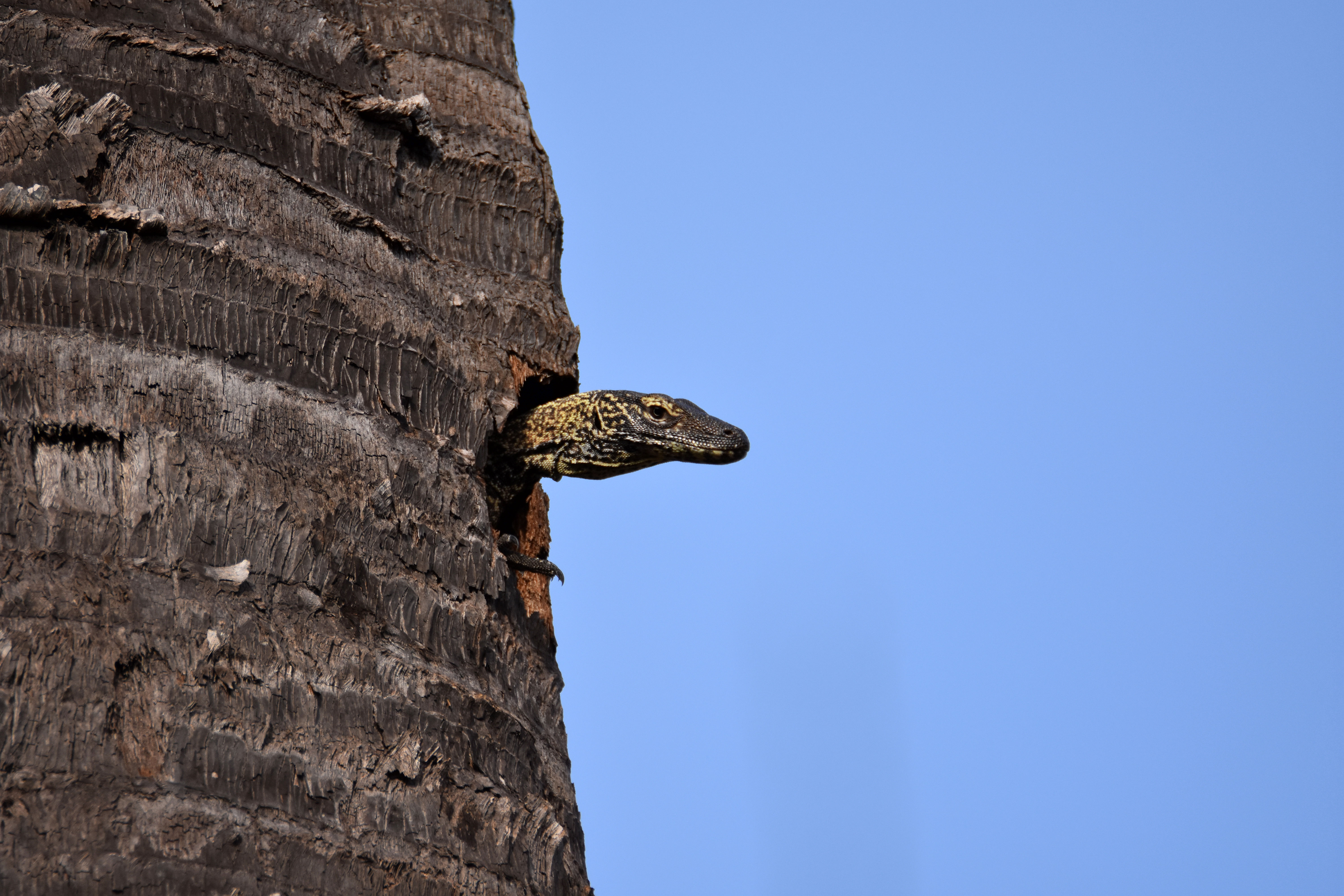
The young dragons were somewhat more appealing, until we saw one kill a rat and swallow it whole! They themselves live in trees to avoid being swallowed whole by the large dragons. You see what I mean about them not being very cuddly!
You are well looked after by guides and guards when you go ashore on Rinca and Komodo Islands. They walk in front and behind you carrying sticks to ward off any overly curious dragons. But for the most part, the dragons seemed to recognise that tourists were not their usual prey item, or perhaps they just weren’t hungry! People do live in villages on these islands, alongside the dragons. Not something I would like to do, I must confess.

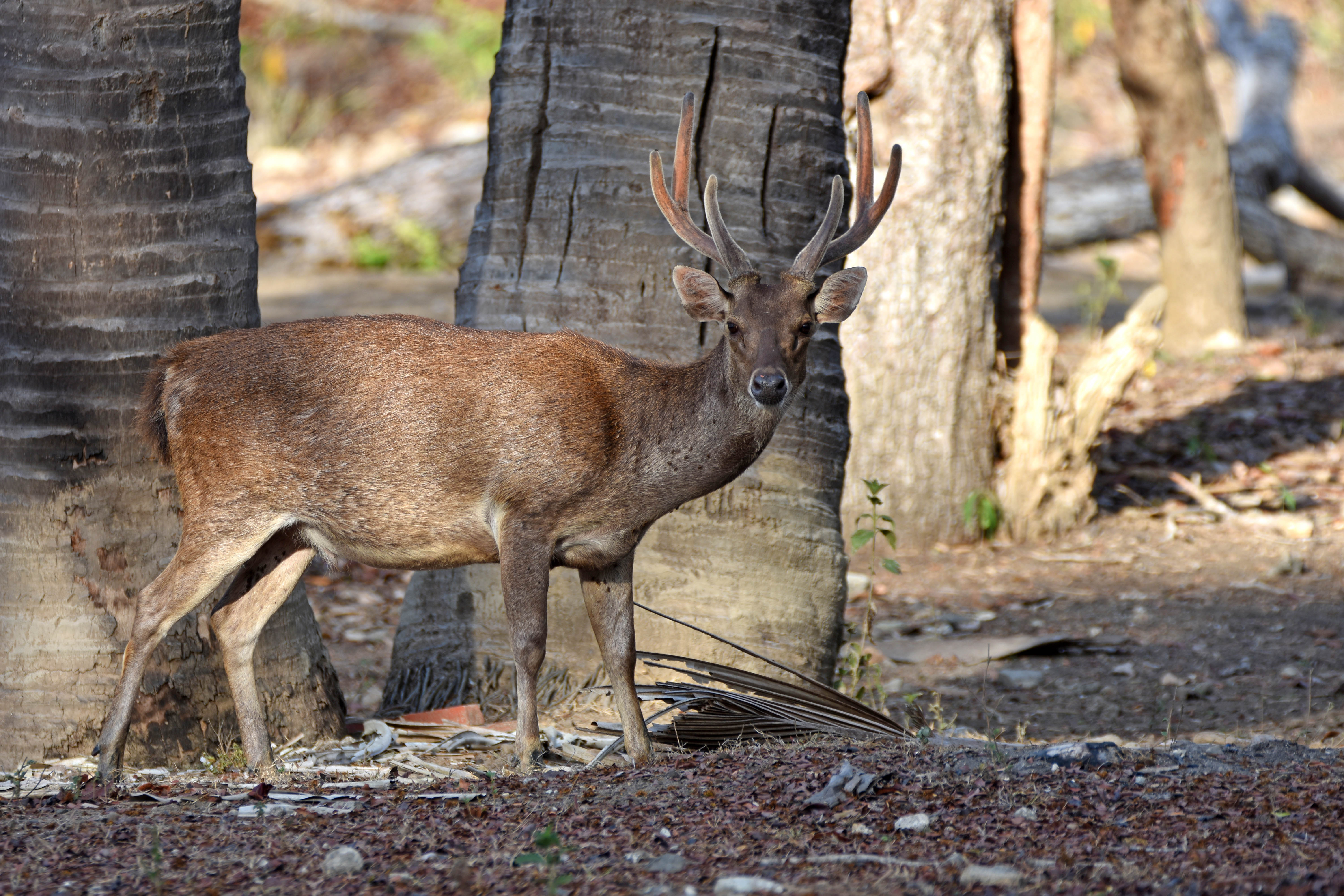
What the Komodo dragons do like to eat, together with water buffalos, are the endemic Timor Deer. I felt rather sorry for these beautiful creatures, but perhaps it is just the old and sick ones which get taken. They did not seem at all concerned about the presence of the dragons.
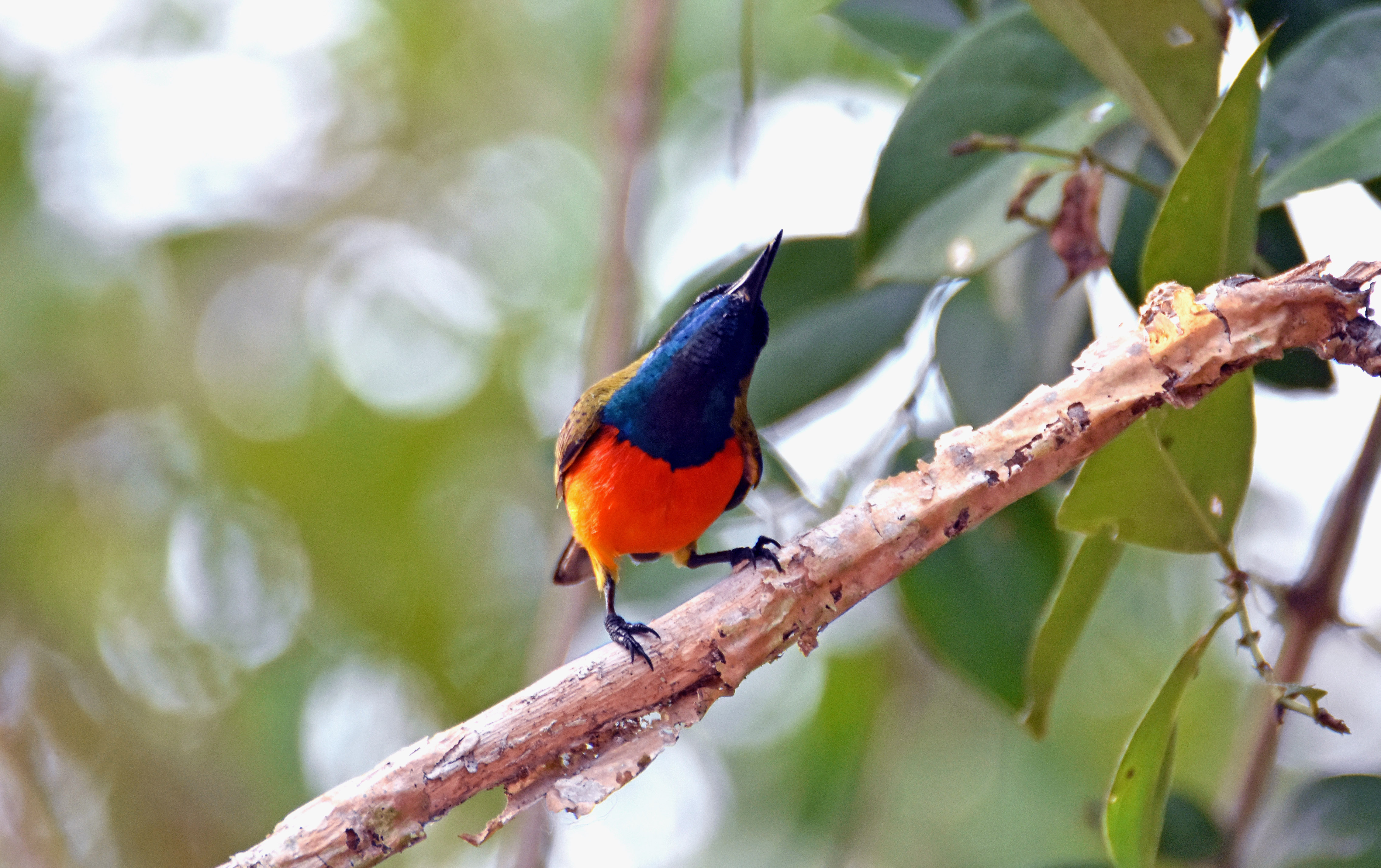
These islands are quite dry but nevertheless support a good many bird species. One of the highlights for me was the Flame-breasted sunbird. This one did not stay around for very long, just long enough for me to grab a quick shot of it before it flew off.
One very noisy and garrulous inhabitant of these islands, are the Jungle or Large-billed crows. These large members of the crow family really have attitude! They strut around like they owned the place; perhaps they do!
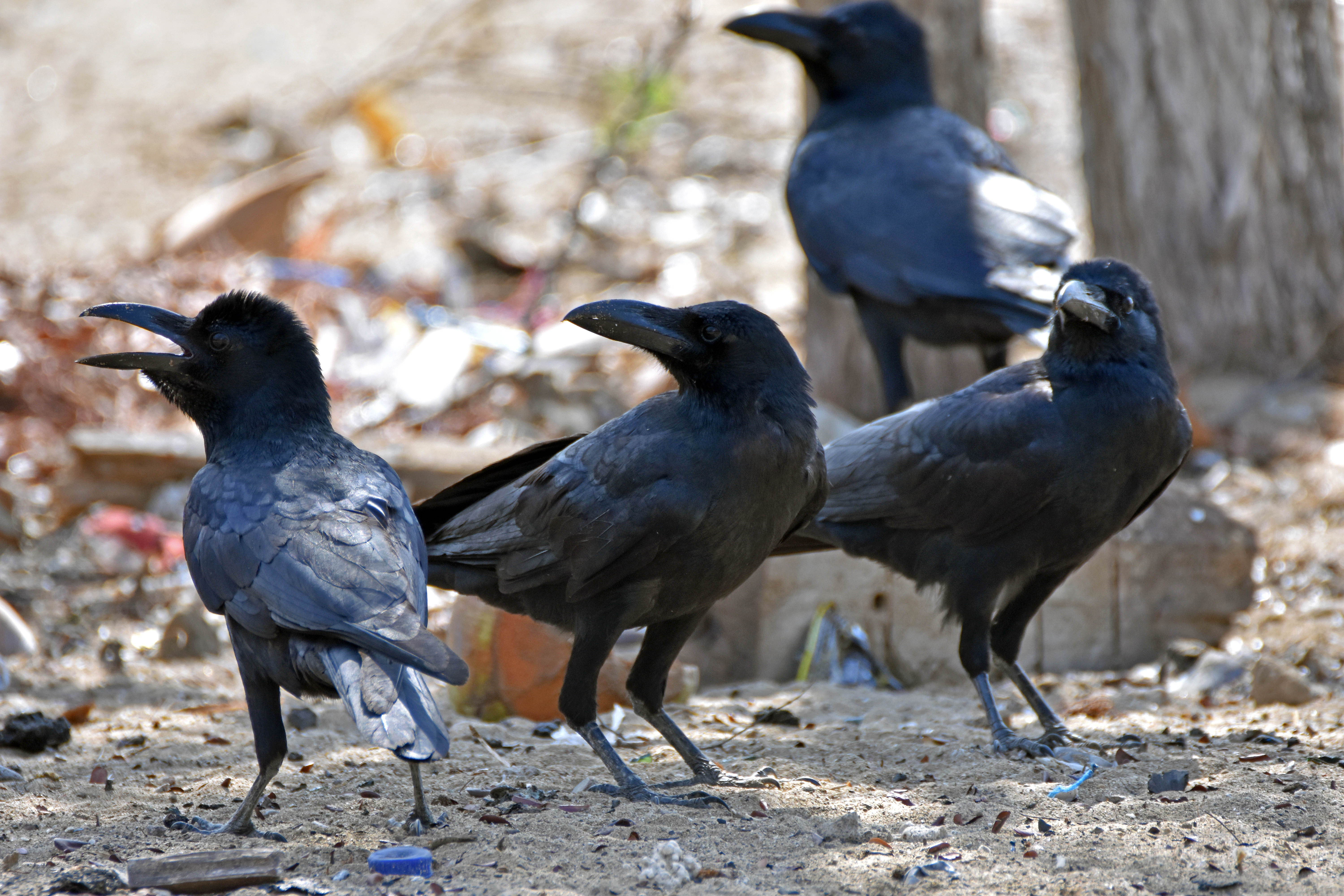
They did not look as though they were at all concerned to be living on an island with dragons. They are obviously too fast and able to fly off before any dragon could catch them.
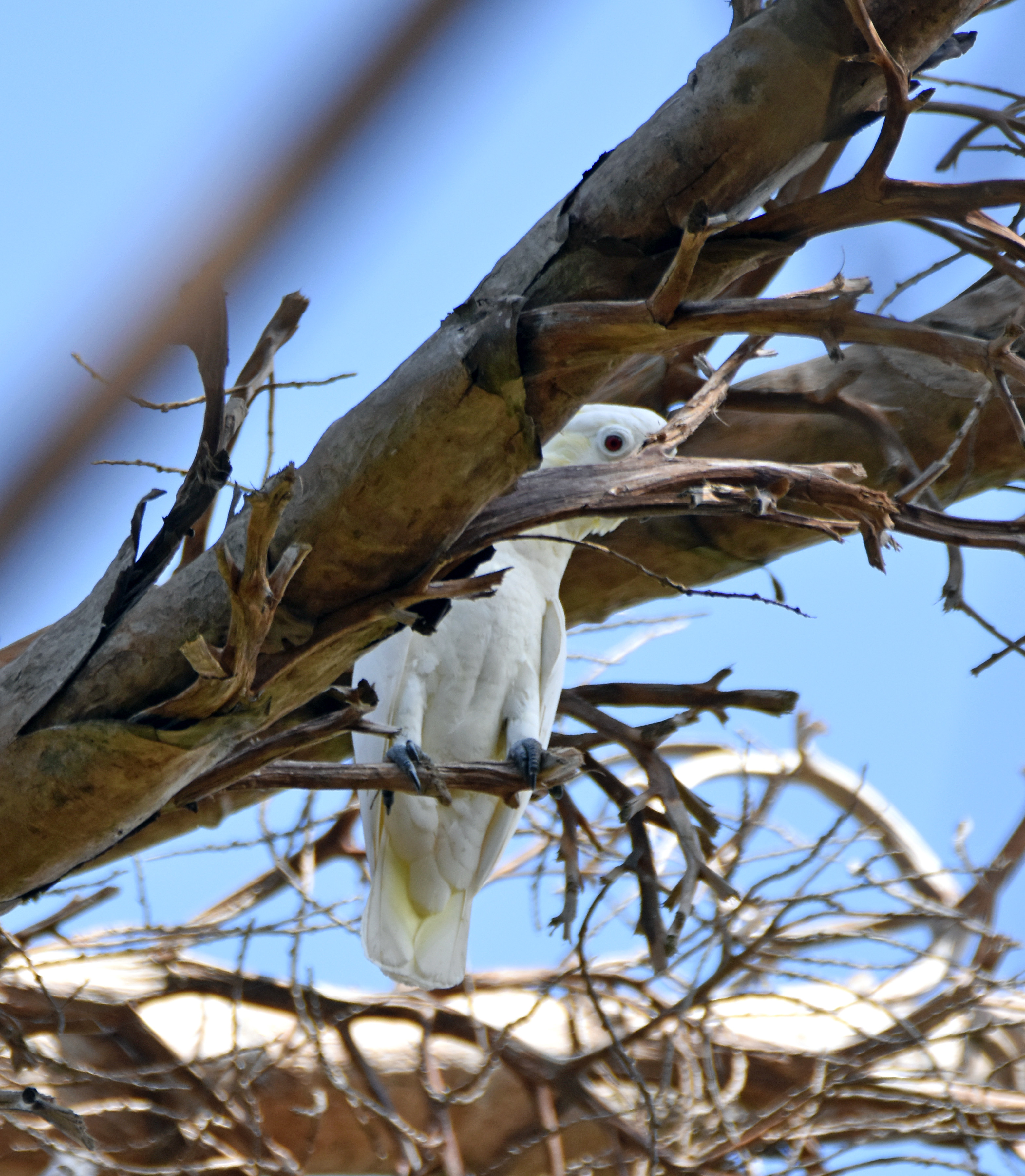
It was also nice to see plenty of Yellow-crested cockatoos on Komodo Is, although they were a little shy. Here’s one peeping through the trees (below)! These birds have been driven to local extinction in many parts of S E Asia by trapping for the pet trade. Here at least, they seem to well-protected and relatively abundant.
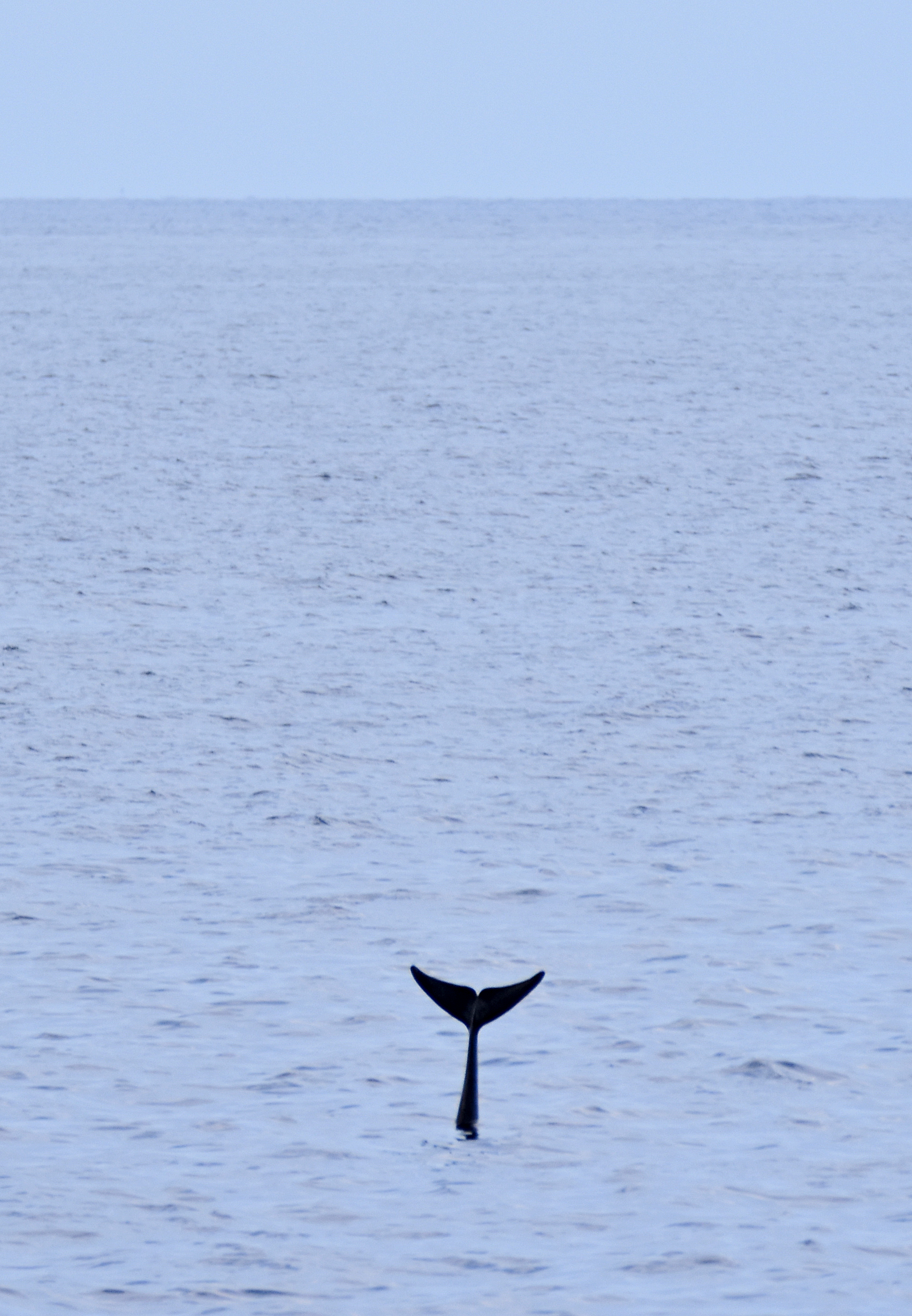
Finally, it was time to leave the Komodo national park and sail further east to our point of departure, at Maumere, on Flores. Not before we ventured south out into the open ocean, where we came across another sperm whale. We also came across the rather strange, highly scarred, Risso’s dolphin, which have a habit of waving their tails in the air. No doubt communication to each other, but what were they saying?
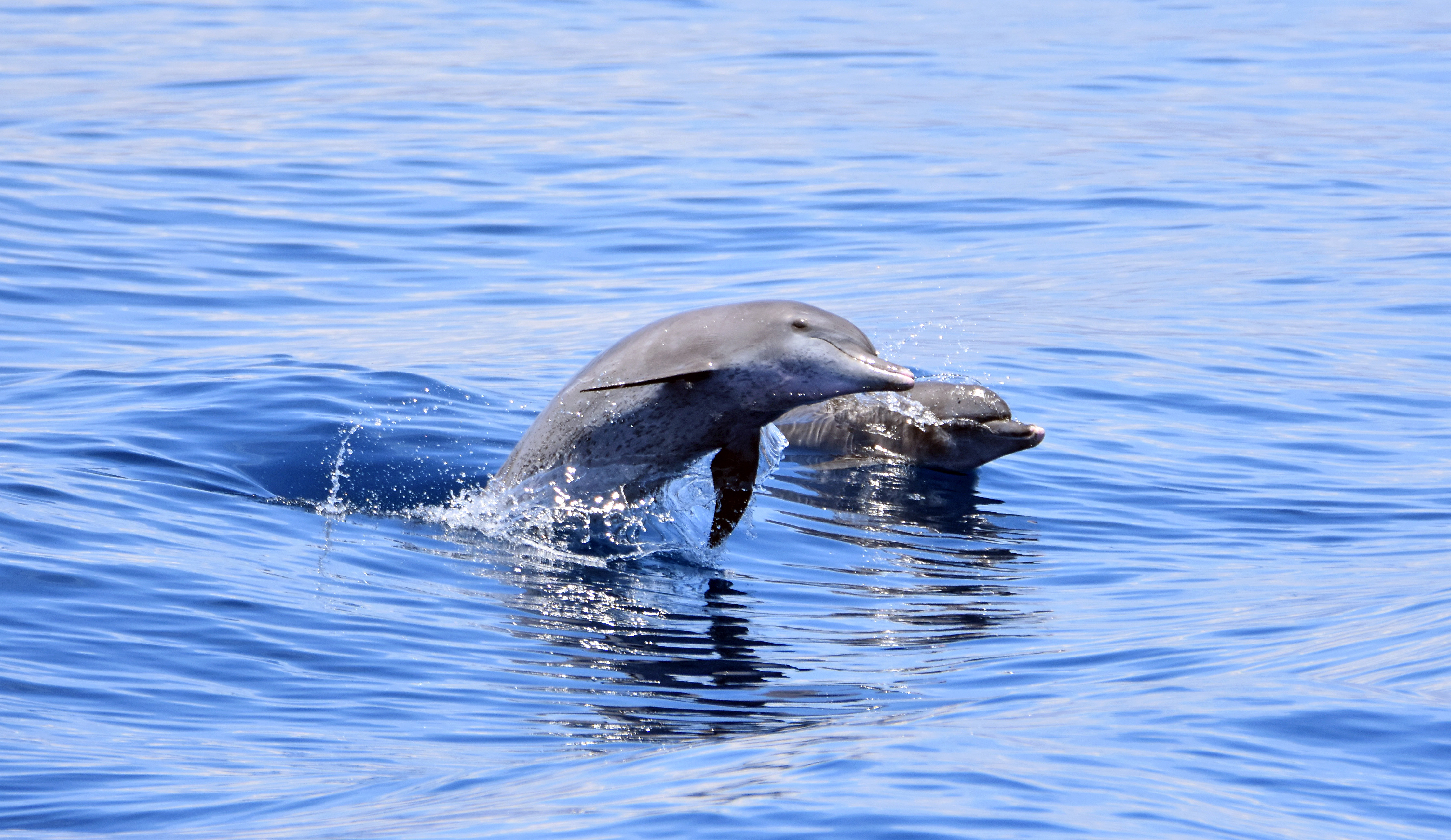
On they way back, cruising along the north coast of Flores we came across some Bottle-nosed dolphins. Sitting at the back of the ship I managed to get this lucky shot (below). Photographing dolphins is not easy! They are very fast-moving and I managed to miss them leaping out of the water on most occasions; but this time I got lucky.
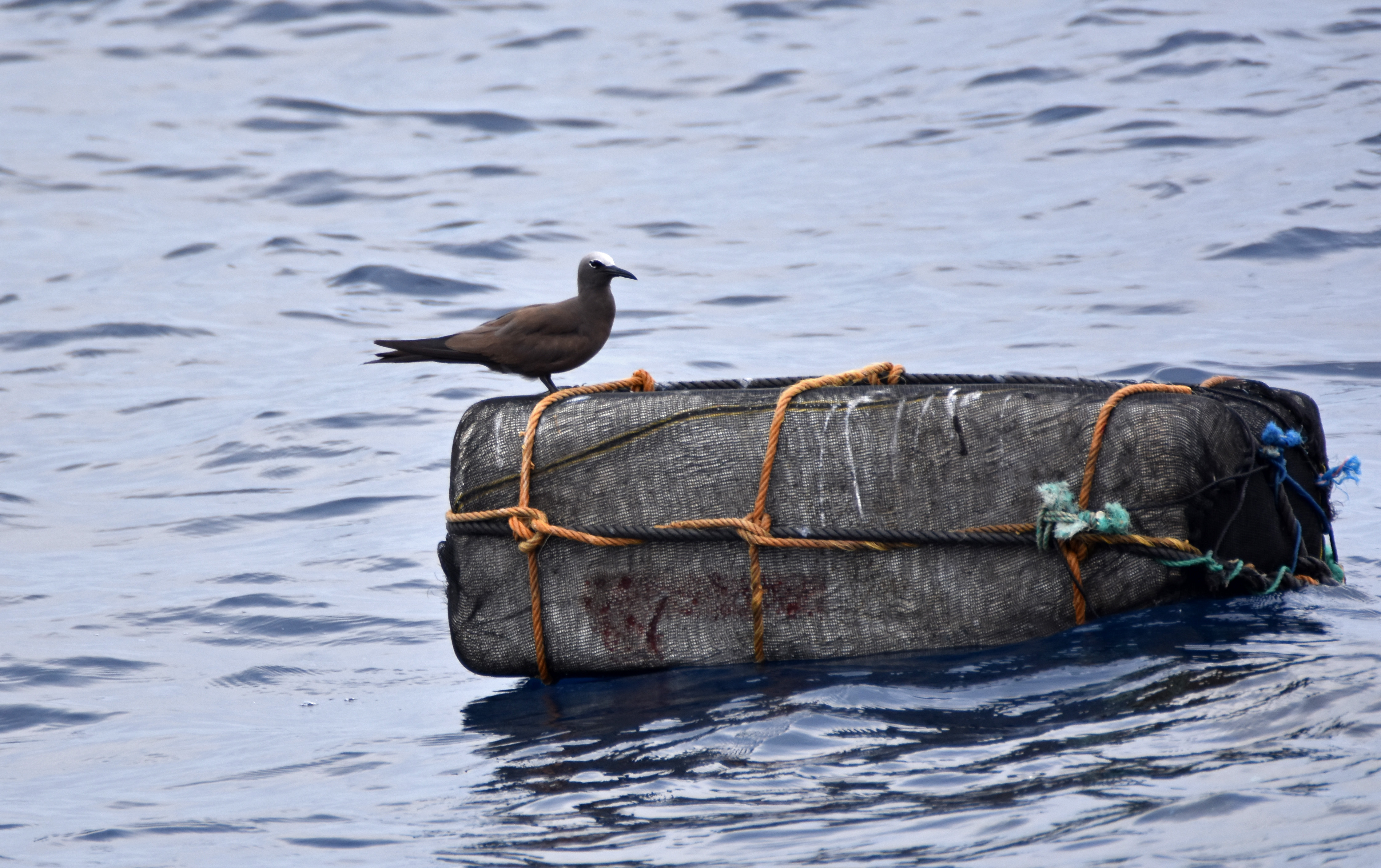
There were also some very nice Brown noodies sitting on fishing floats as we came into the port of Maumere.
Dear reader, I hope you enjoyed this snap shot of my travels in this region, but I don’t want you to think it was a complete idyll. One of the persistent negatives was the ubiquitous presence of plastic pollution. We are filling up the seas with plastic and it is not a pretty sight. Even in the national park waters one came across plastic pollution and it is only going to get worse unless we take some drastic measures to stop producing plastic and discarding it carelessly. I’ll say no more. There are plenty of good websites devoted to highlighting this problem.

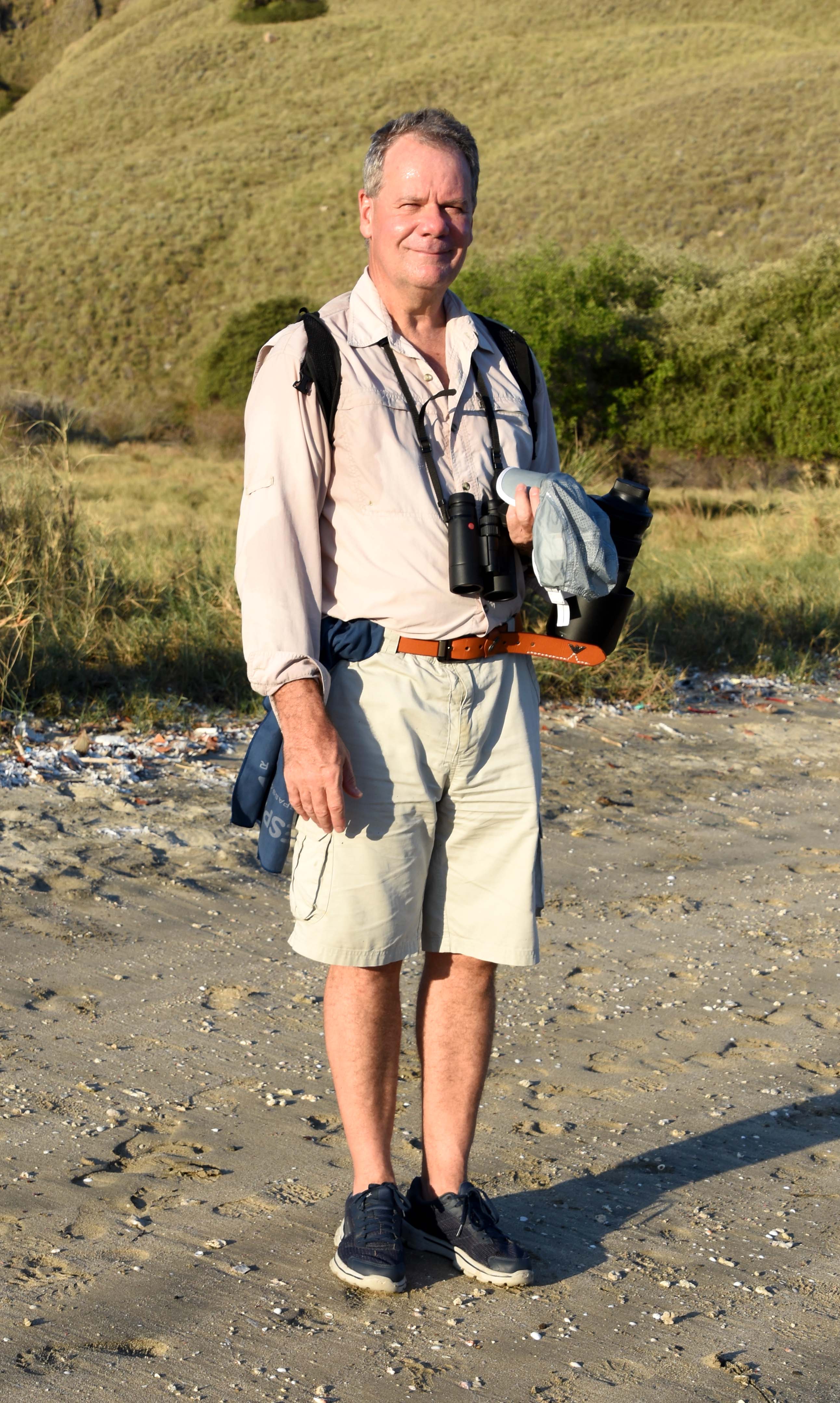
I would recommend a visit to Komodo NP. It is a world-famous location but was not over-run by tourists and from what I could see, the Indonesians seemed to be doing a good job of protecting and managing it. I’ll finish with a photograph of myself, looking hot but contented after a spell of bird-watching.
Websites
- http://www.mermaid-liveaboards.com/about-us/mv-mermaid-i/
- http://whale-and-dolphin.com/
- http://www.wildwings.co.uk/app-holidays/new-bali-to-komodo-wildlife-cruises-indonesia
- https://rcannon992.com/2016/11/13/dragons-on-the-beach/


 Ray Cannon's travel and photography blog
Leave a comment